Why teeth sometimes turn black
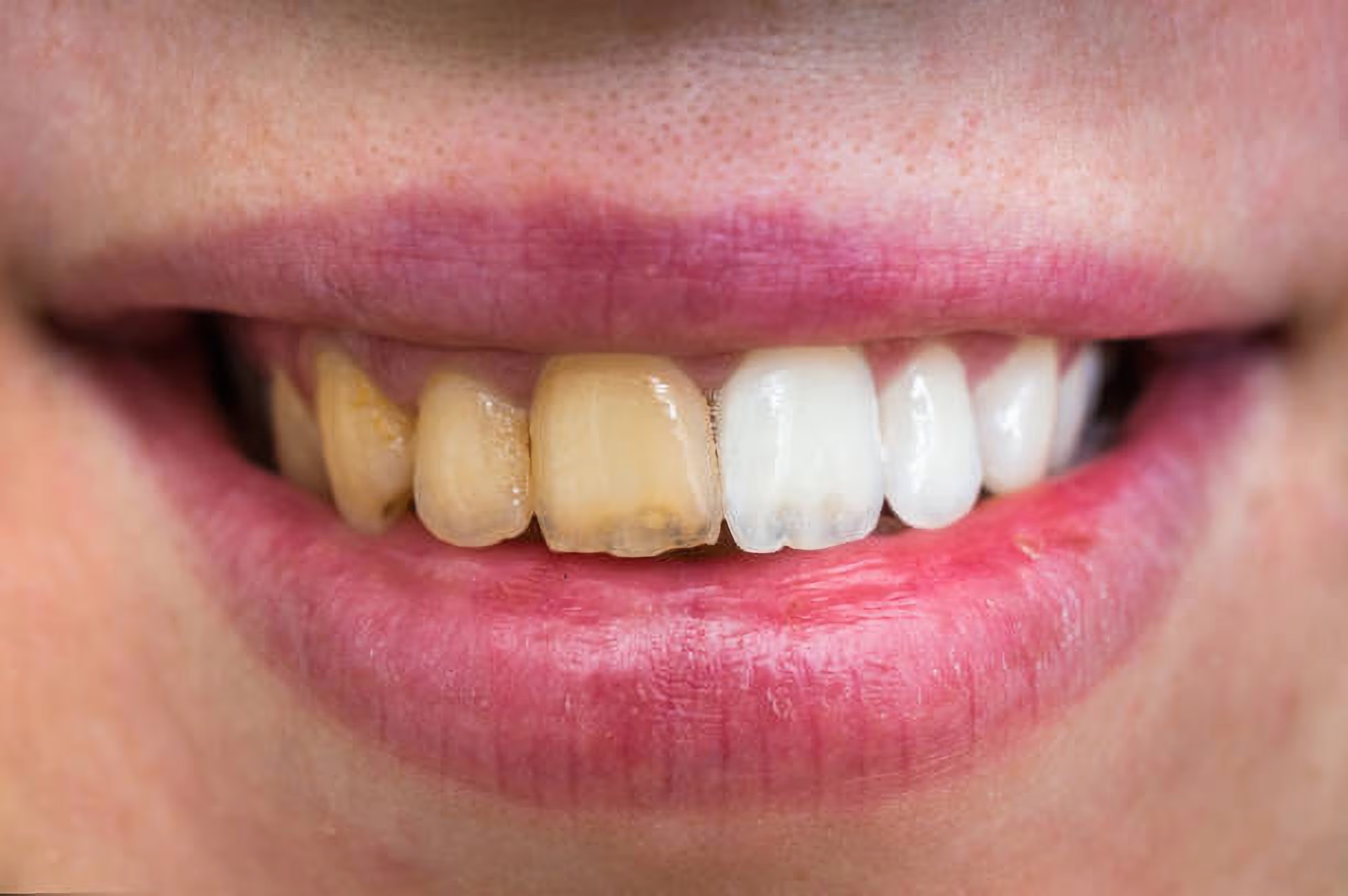
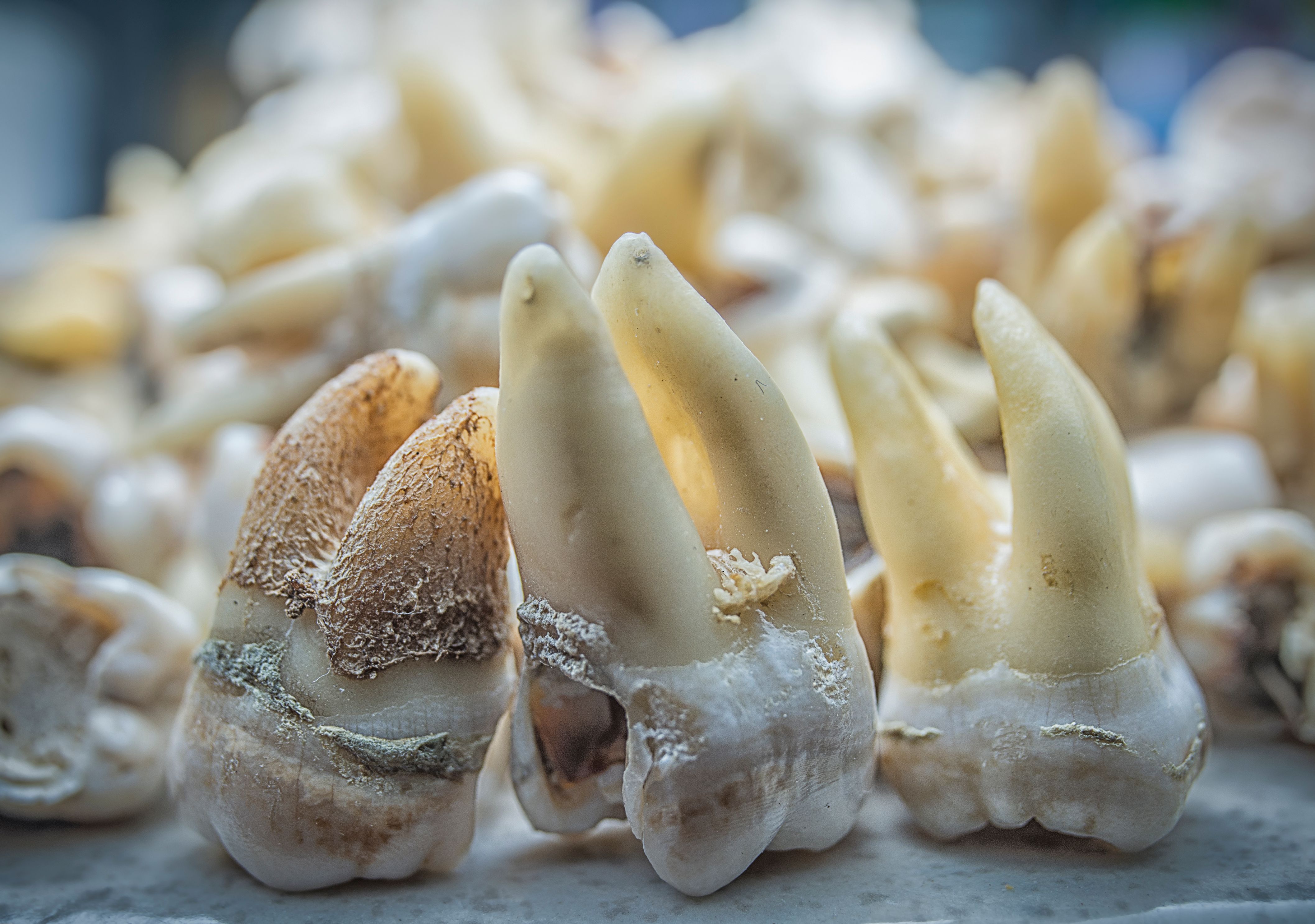
Black discolouration usually means something deeper is happening inside the tooth or on its surface. It can be caused by staining, decay, tartar buildup or changes to the tooth’s internal structure. Some causes are harmless, while others need quick attention.
Common reasons teeth turn black
1. Deep staining from food, drink or smoking
Dark pigments from coffee, tea, red wine, tobacco and certain foods can build up over time and create black patches.
2. Tartar buildup
When plaque hardens into tartar, it can appear dark brown or black — especially around the gumline.
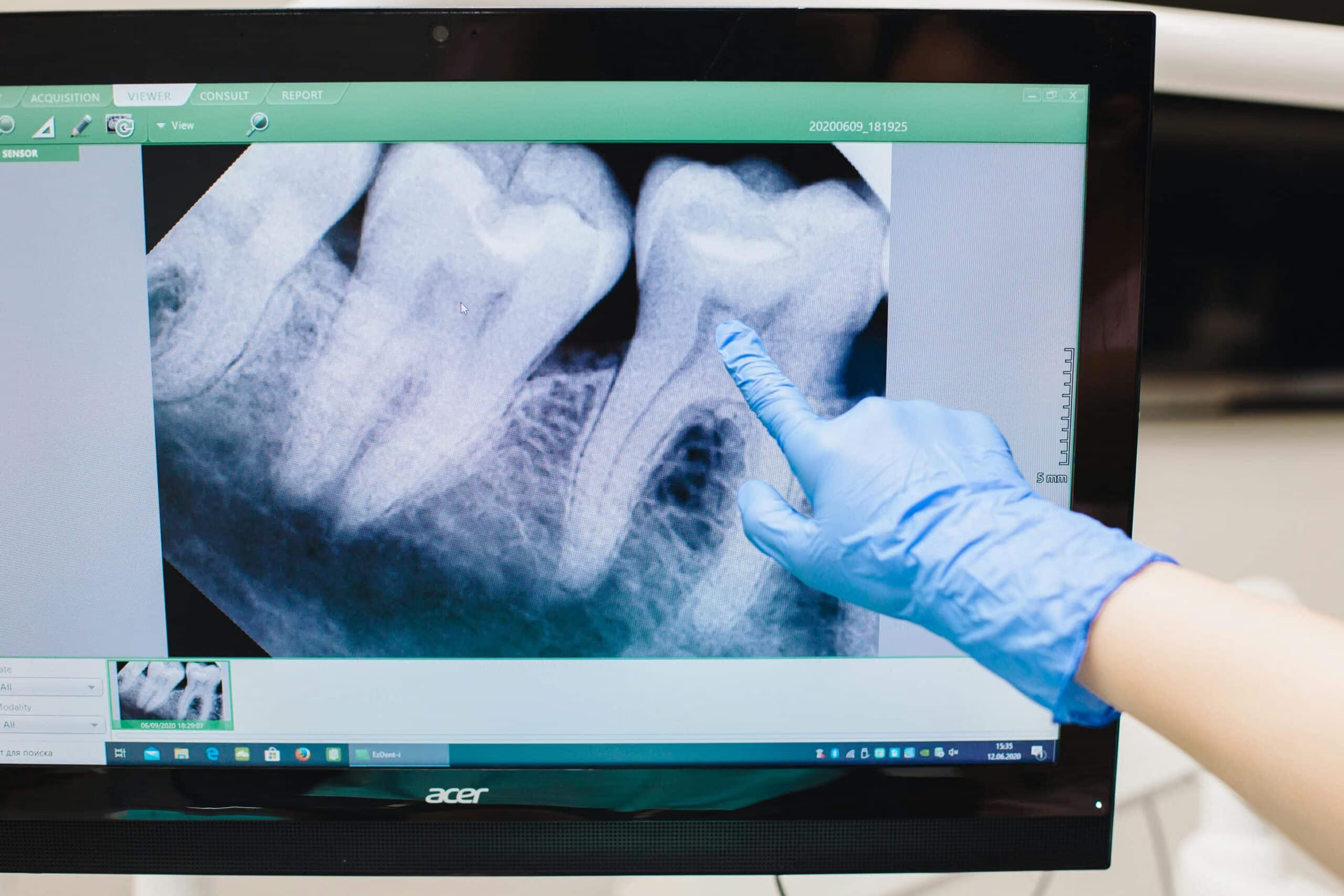
3. Tooth decay
As decay progresses, the tooth structure breaks down and can turn dark or black.
4. Old fillings or dental work
Metal fillings or crowns can leak or oxidise, causing the surrounding tooth to darken.
5. Trauma to the tooth
A tooth that’s been injured may lose blood supply, causing the inside to darken over time.
6. Medication or mouthwash staining
Certain mouthwashes containing chlorhexidine can cause dark surface staining.
Types of black discolouration
How to treat black teeth
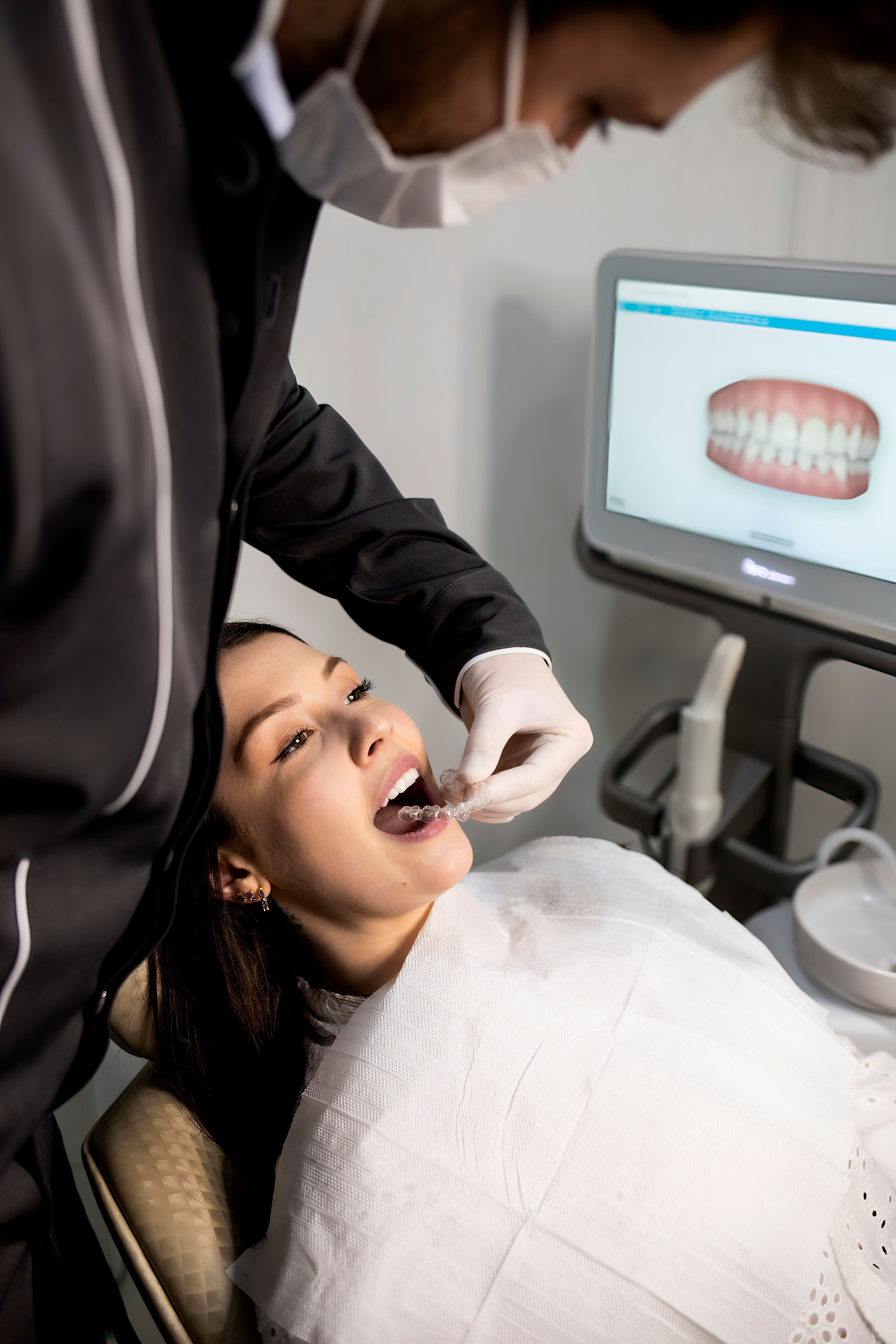
Professional cleaning
Removes tartar and deep surface staining.
Whitening treatments
Brighten teeth affected by external staining.
Fillings or crowns
Used when decay has damaged the tooth structure.
Root canal treatment
Needed if the tooth has died due to trauma or infection.
Replacing old fillings
Modern materials blend naturally with your tooth colour.
When black teeth need urgent attention
Pain or sensitivity
Could indicate decay or infection.
Black spots that grow
Often a sign of active decay.
Bad breath that doesn’t improve
May be linked to tartar or deep decay.
A tooth turning black after injury
Could mean the nerve has died.
If you notice any of these, a dentist should review the tooth quickly.
How Toothfairy helps with black teeth
Photo‑based assessments
Upload images to find out whether the discolouration is staining, tartar or decay.
Dentist‑led advice
Clear guidance on whether whitening, cleaning or treatment is needed.
Support for urgent concerns
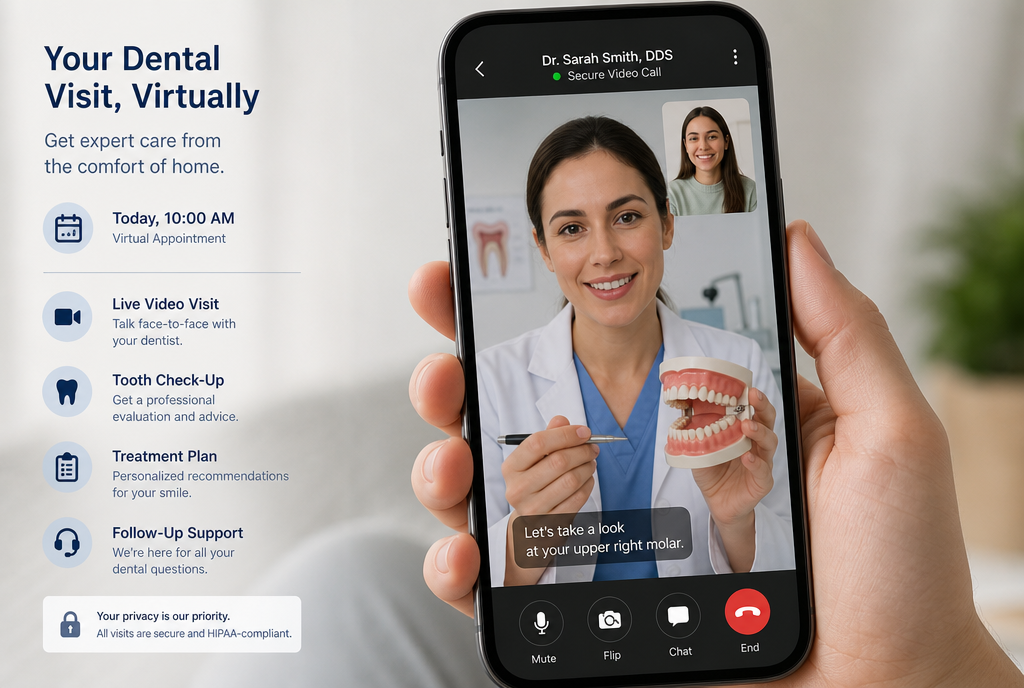
If the tooth looks infected or damaged, you’ll get fast next‑step advice.
Clear next steps
Know whether you can manage the issue at home or need an in‑person visit.







.jpg)











.jpg)