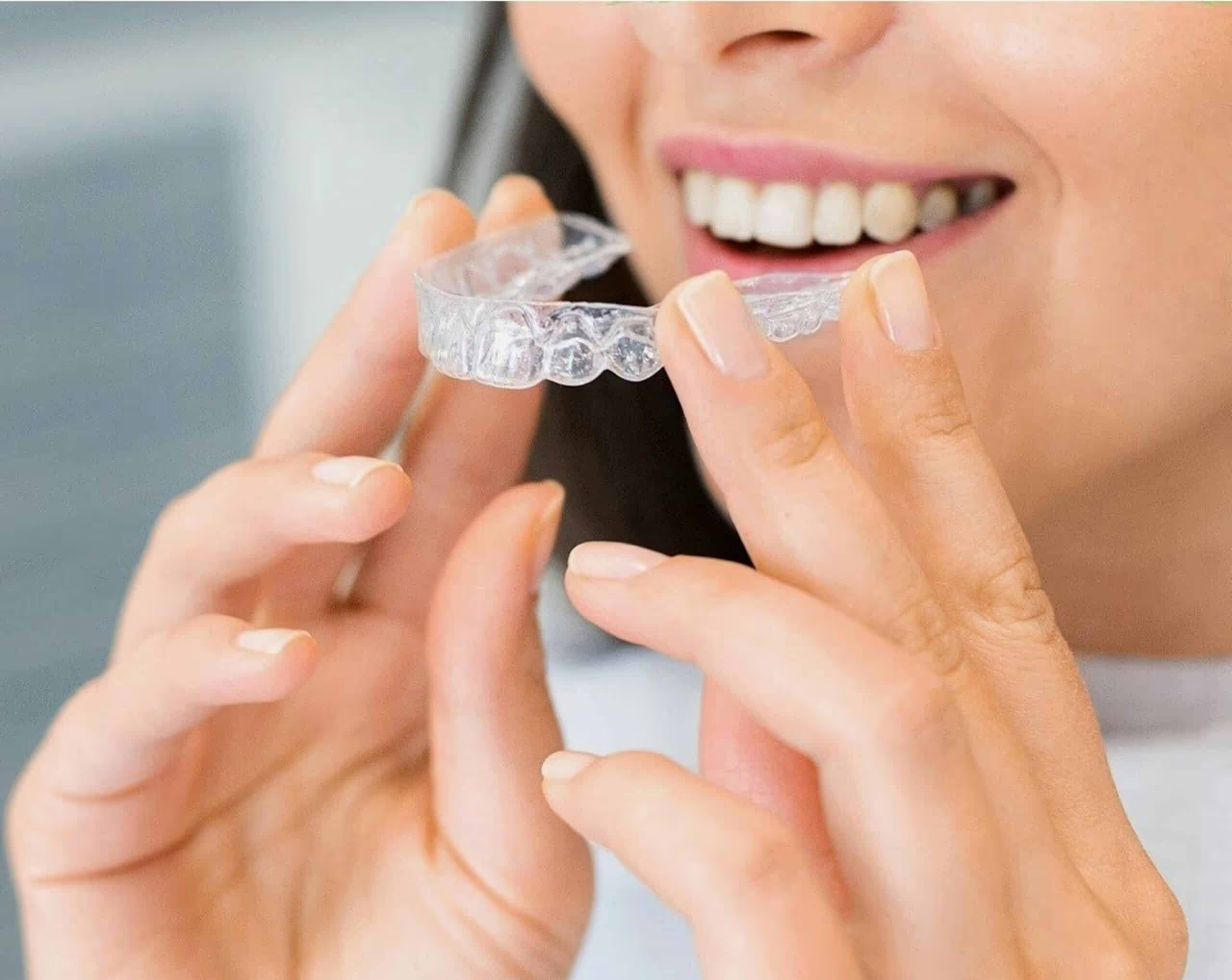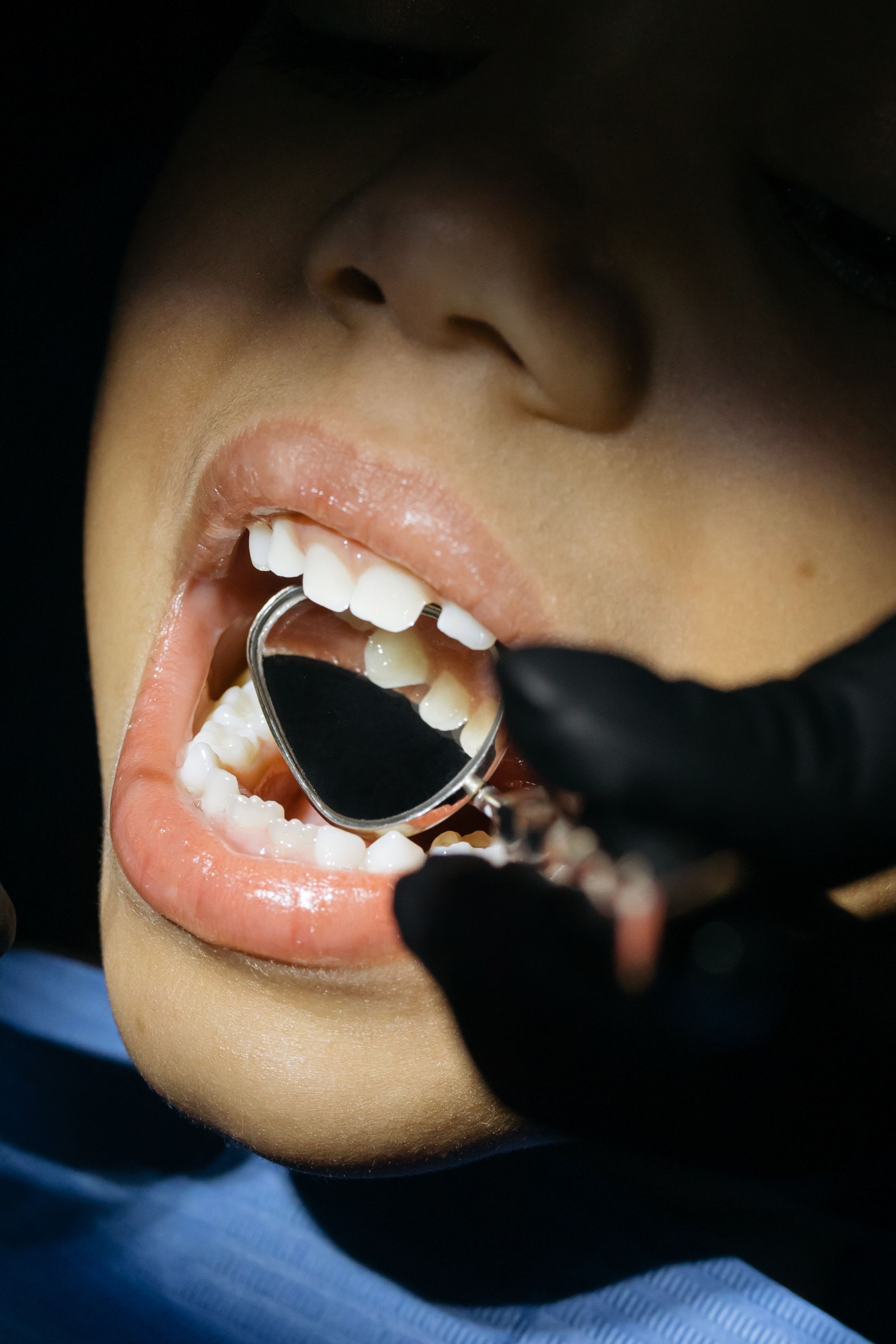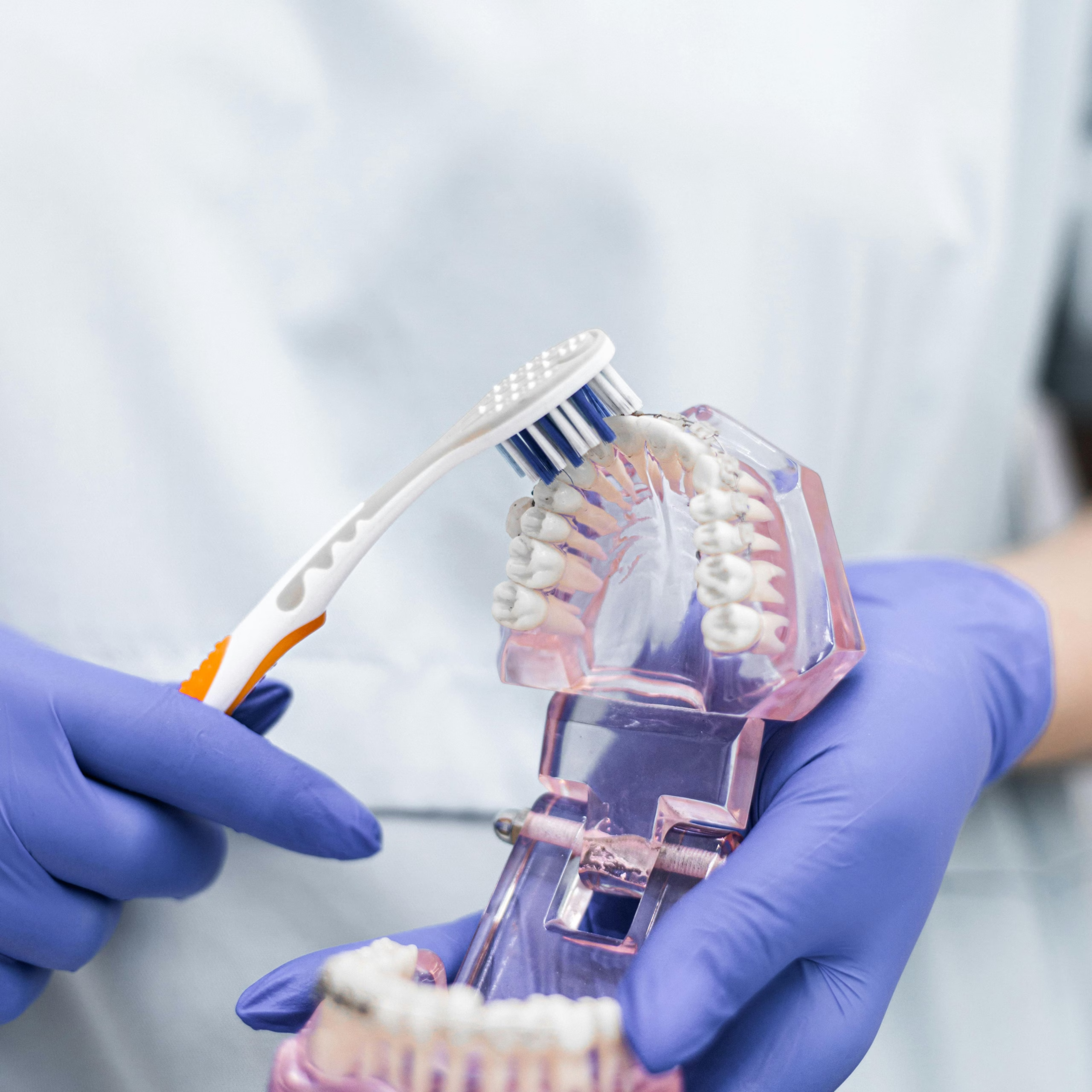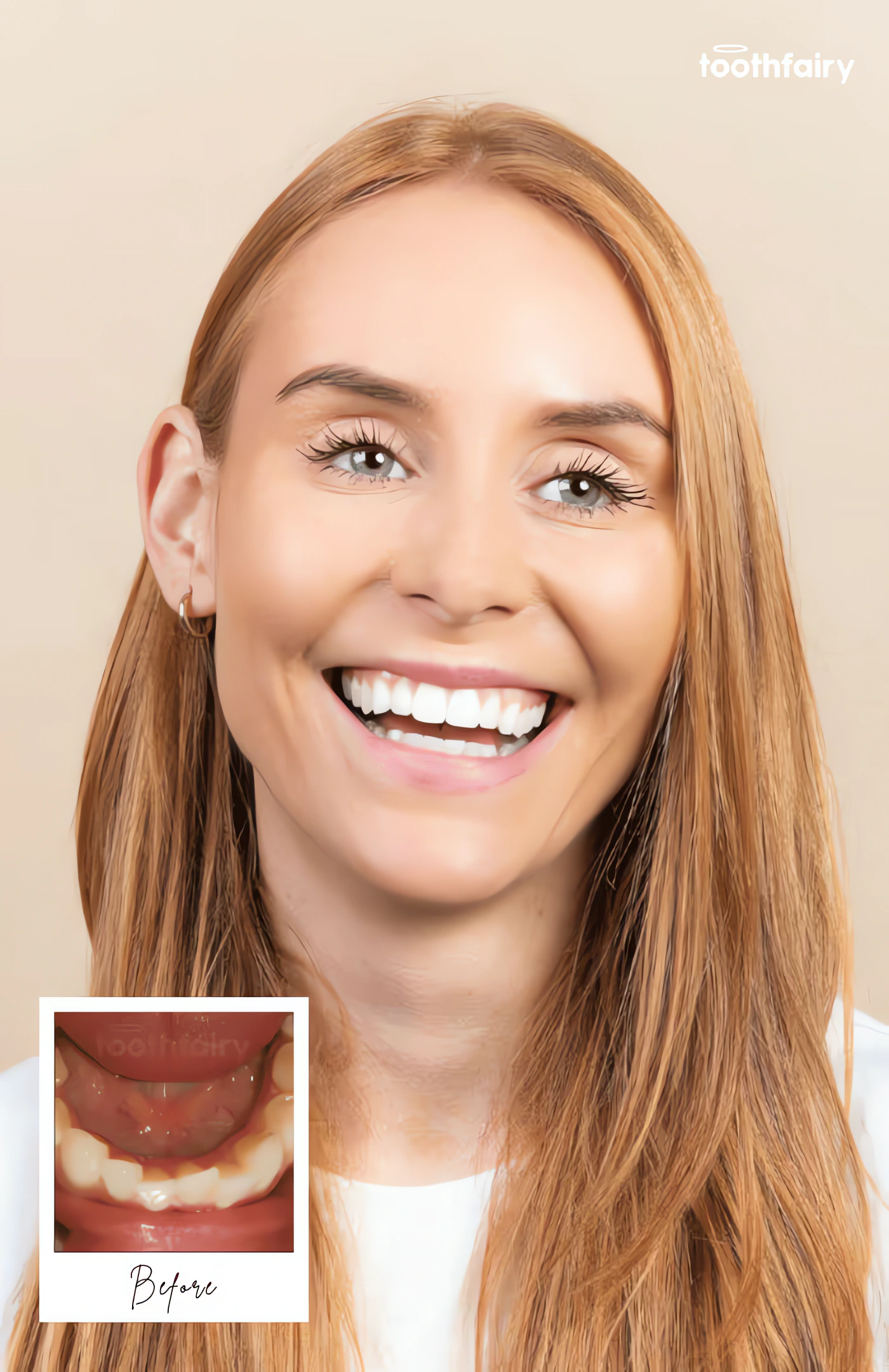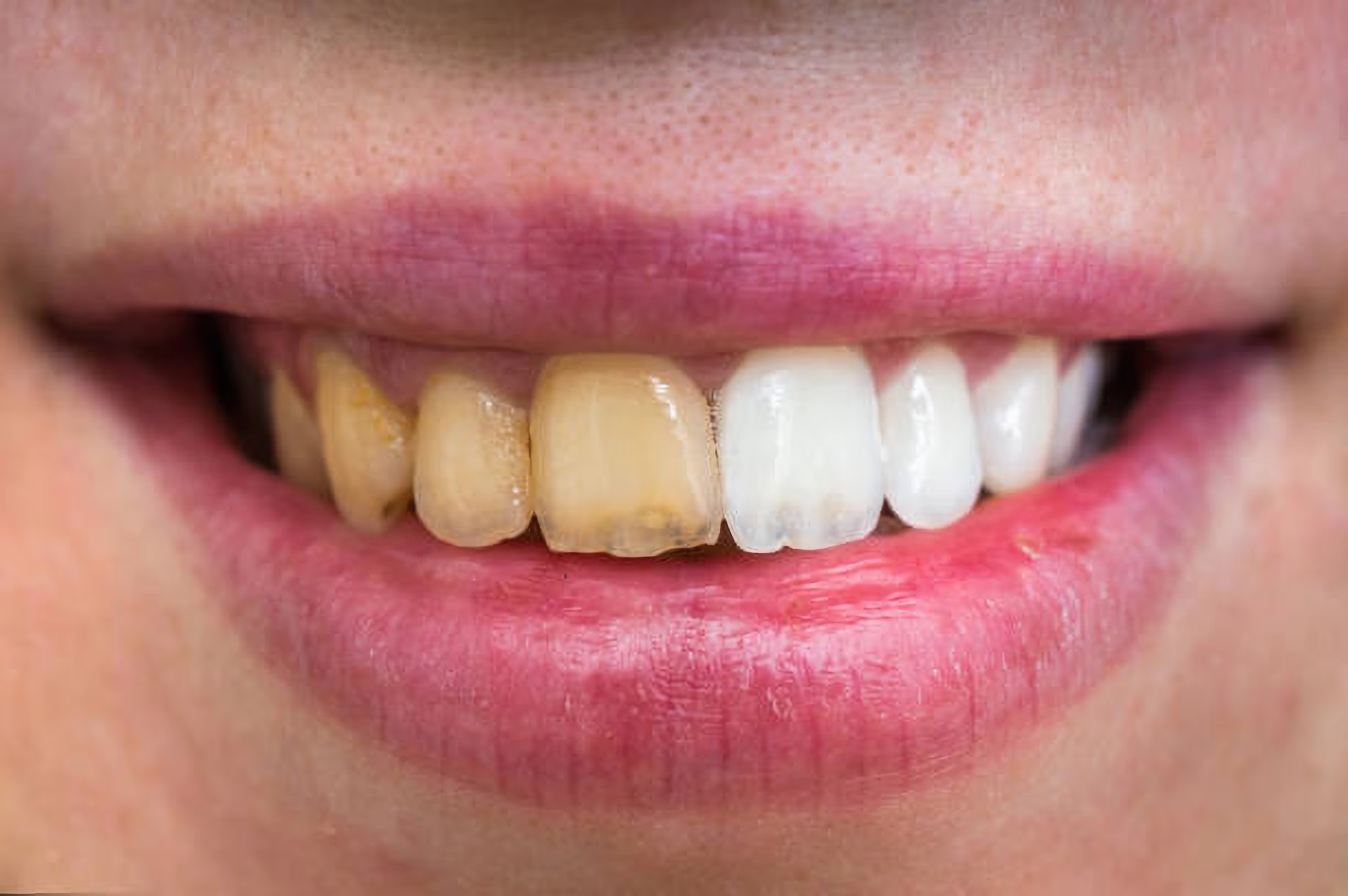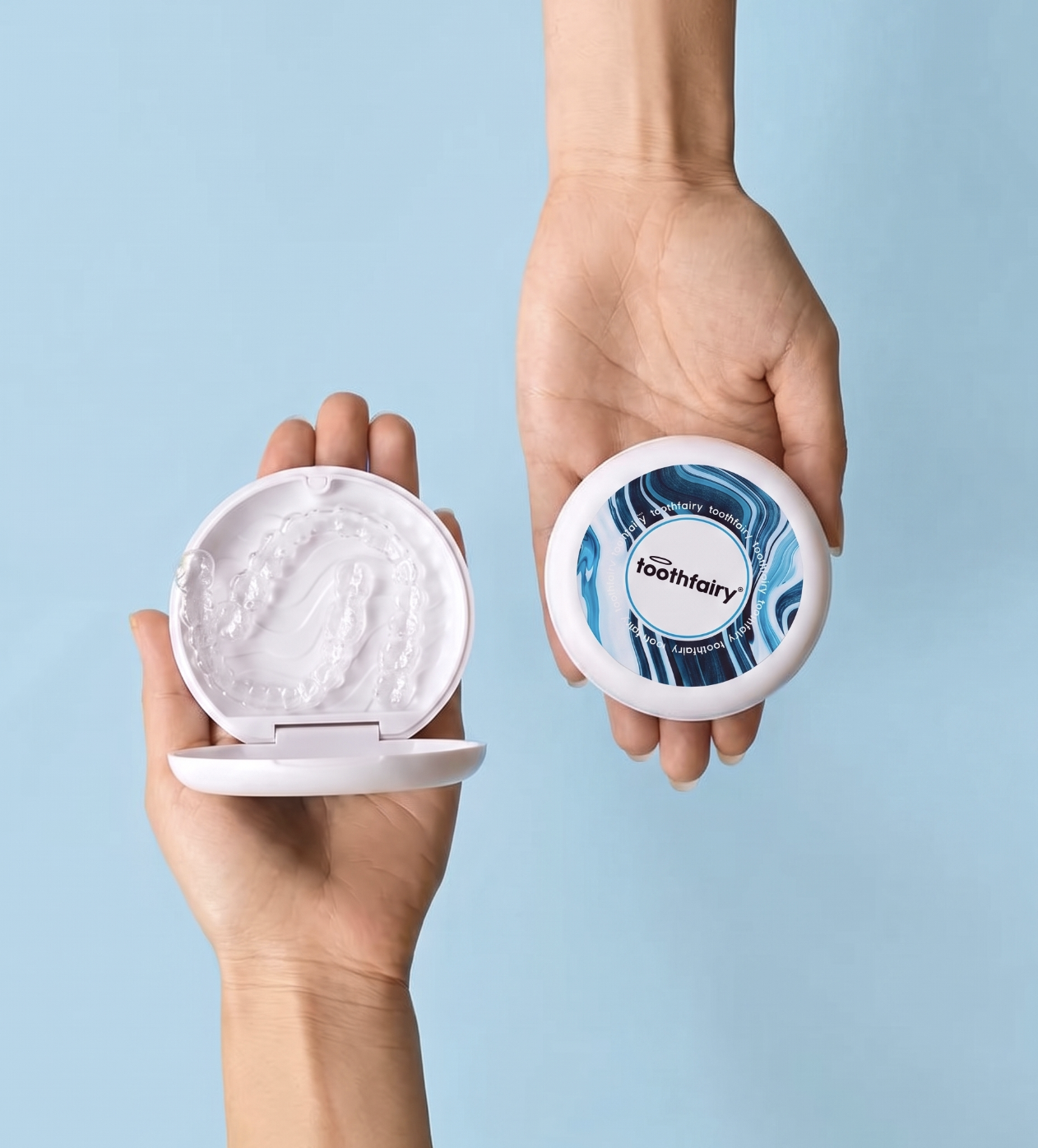

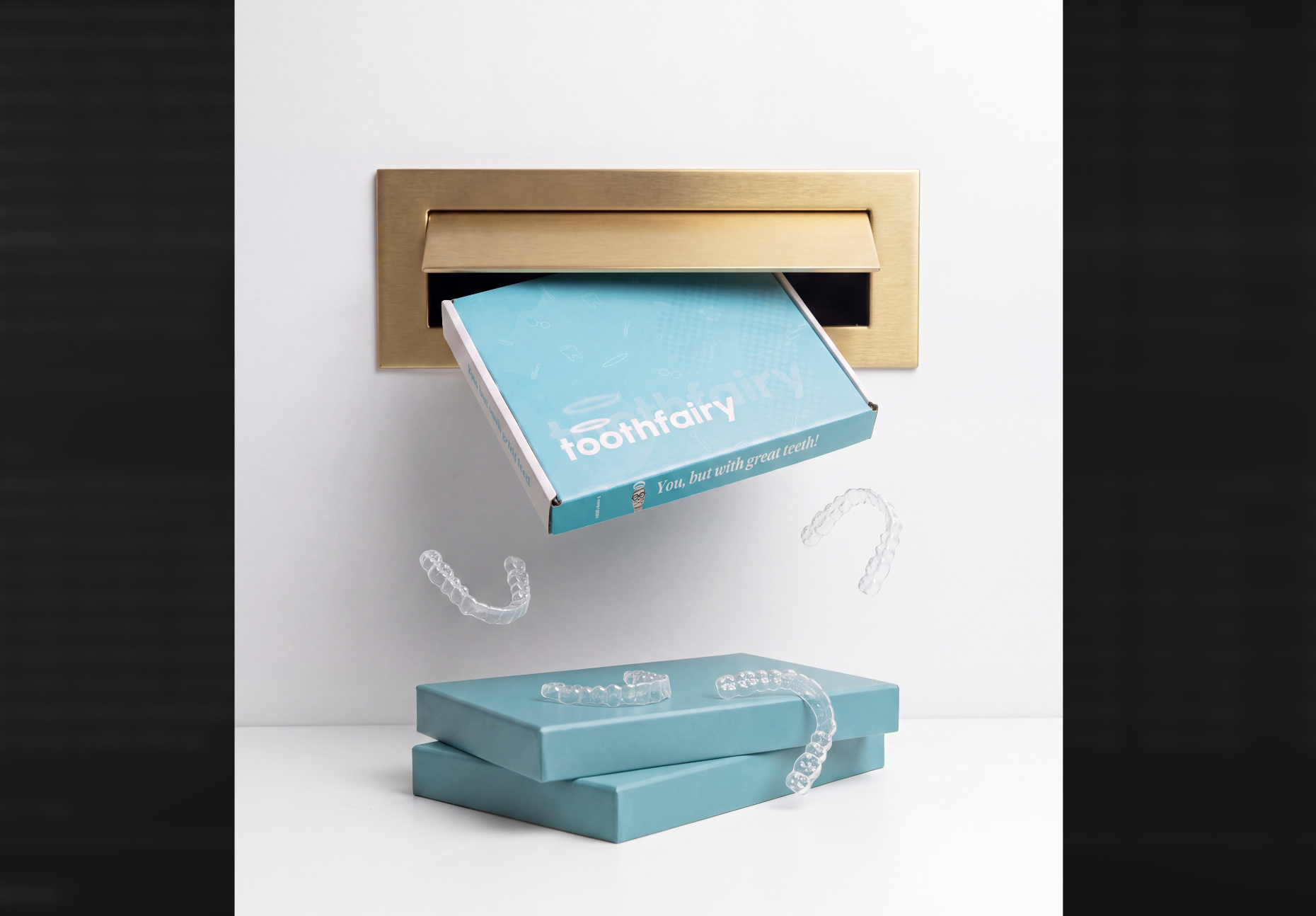
At‑home teeth aligners have become one of the most popular ways for adults in the UK to straighten their teeth. They offer discreet treatment, lower costs and the convenience of remote monitoring, but not all systems are equal. In 2026, the best aligner providers combine at‑home flexibility with proper dentist‑led care, ensuring safe, predictable results.
Below, we break down the key benefits, what to look for and how the main treatment models compare.
Why at‑home aligners are so popular in 2026
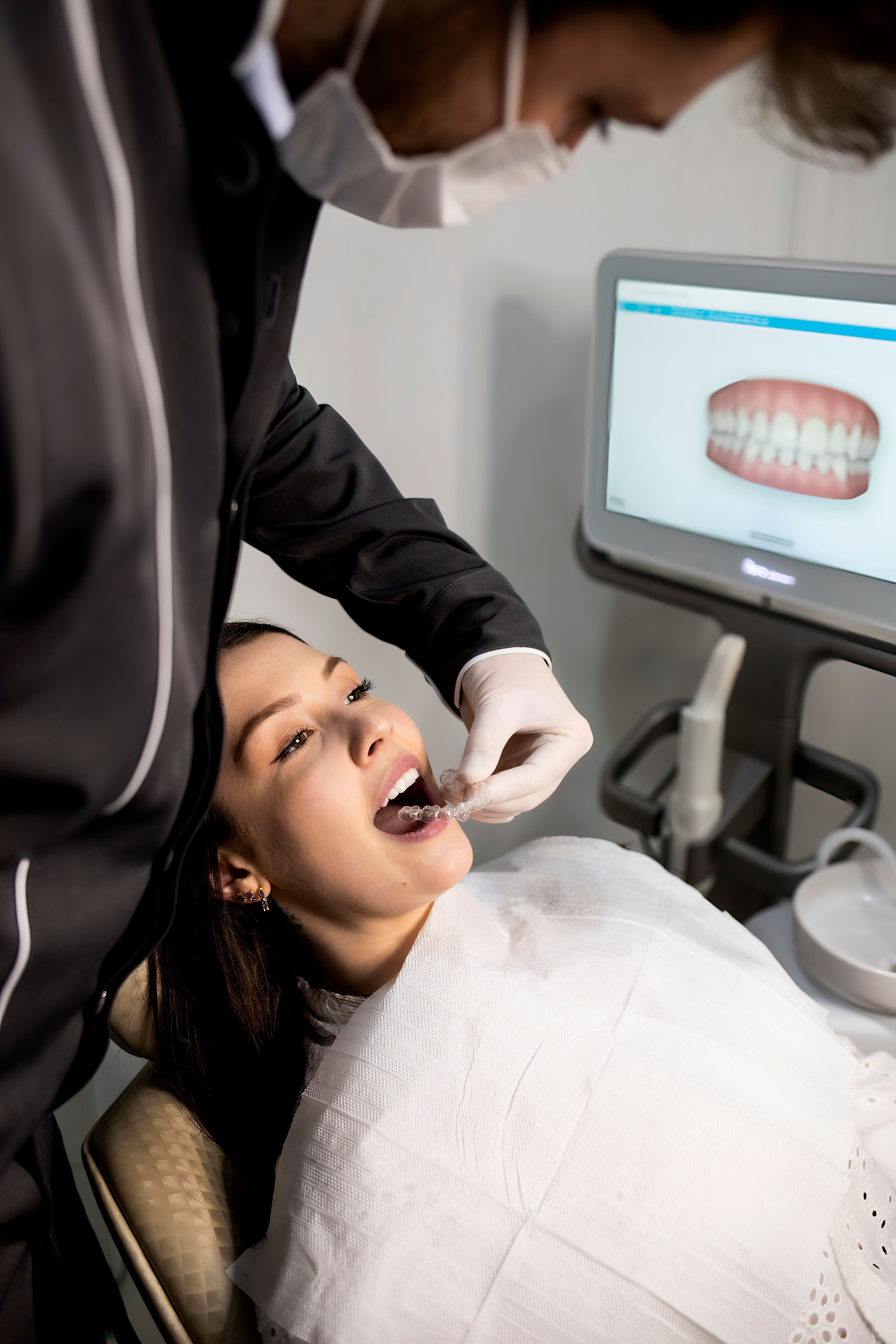
At‑home aligners appeal to adults who want straighter teeth without the hassle of frequent clinic visits. Treatment fits around work, travel and family life, and most progress checks can be done digitally. For many people, this makes aligners far more realistic than traditional orthodontic appointments every few weeks.
But the most important factor is clinical safety. The best at‑home aligner systems are always dentist‑planned, dentist‑approved and dentist‑monitored.
Value: lower costs without cutting corners
At‑home aligners typically cost less than in‑clinic braces because they reduce chair time and streamline the workflow. You still get a full clinical assessment, but most monitoring happens remotely. This means you’re not paying for unnecessary appointments, only the care you actually need.
Speed: faster planning and quicker adjustments
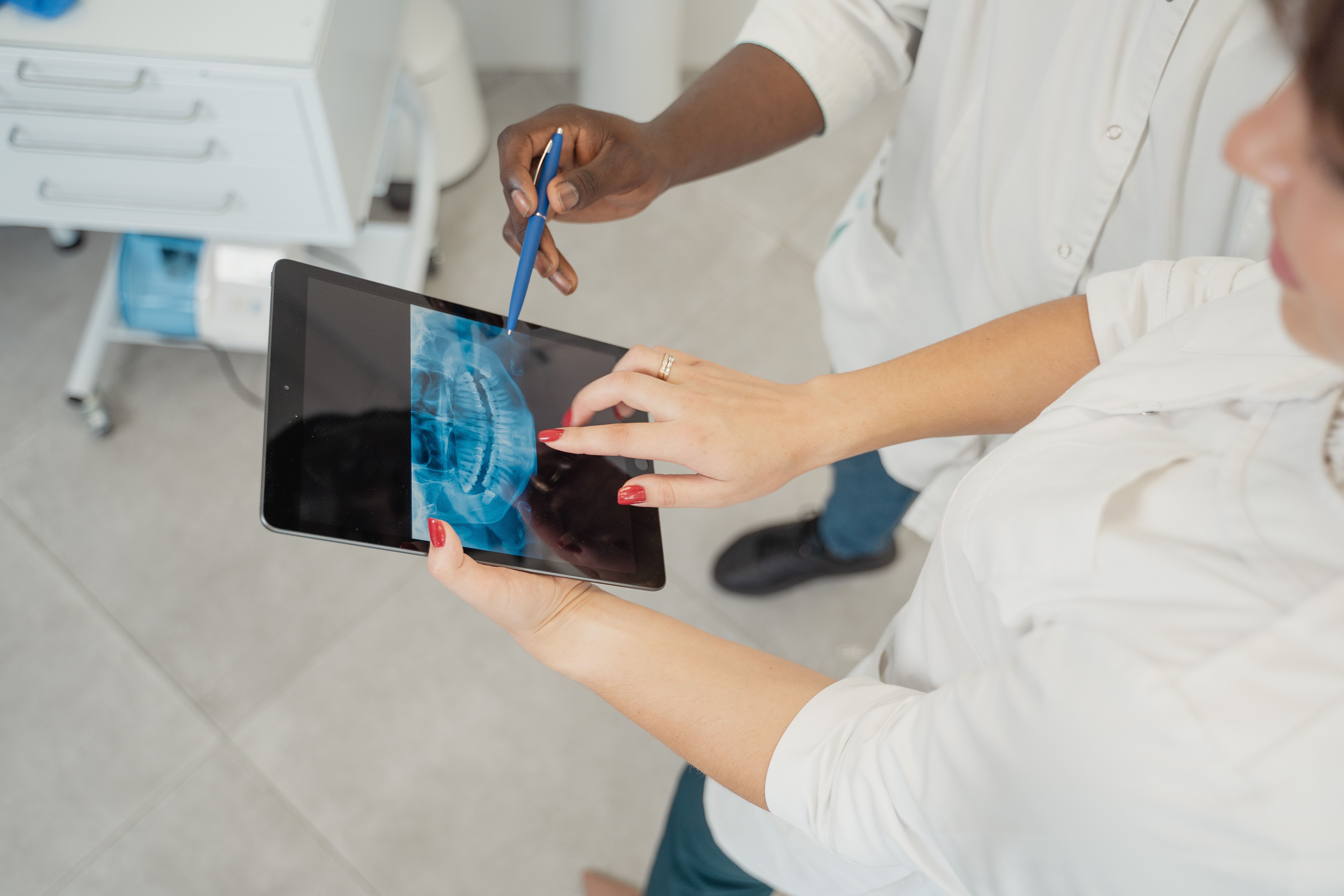
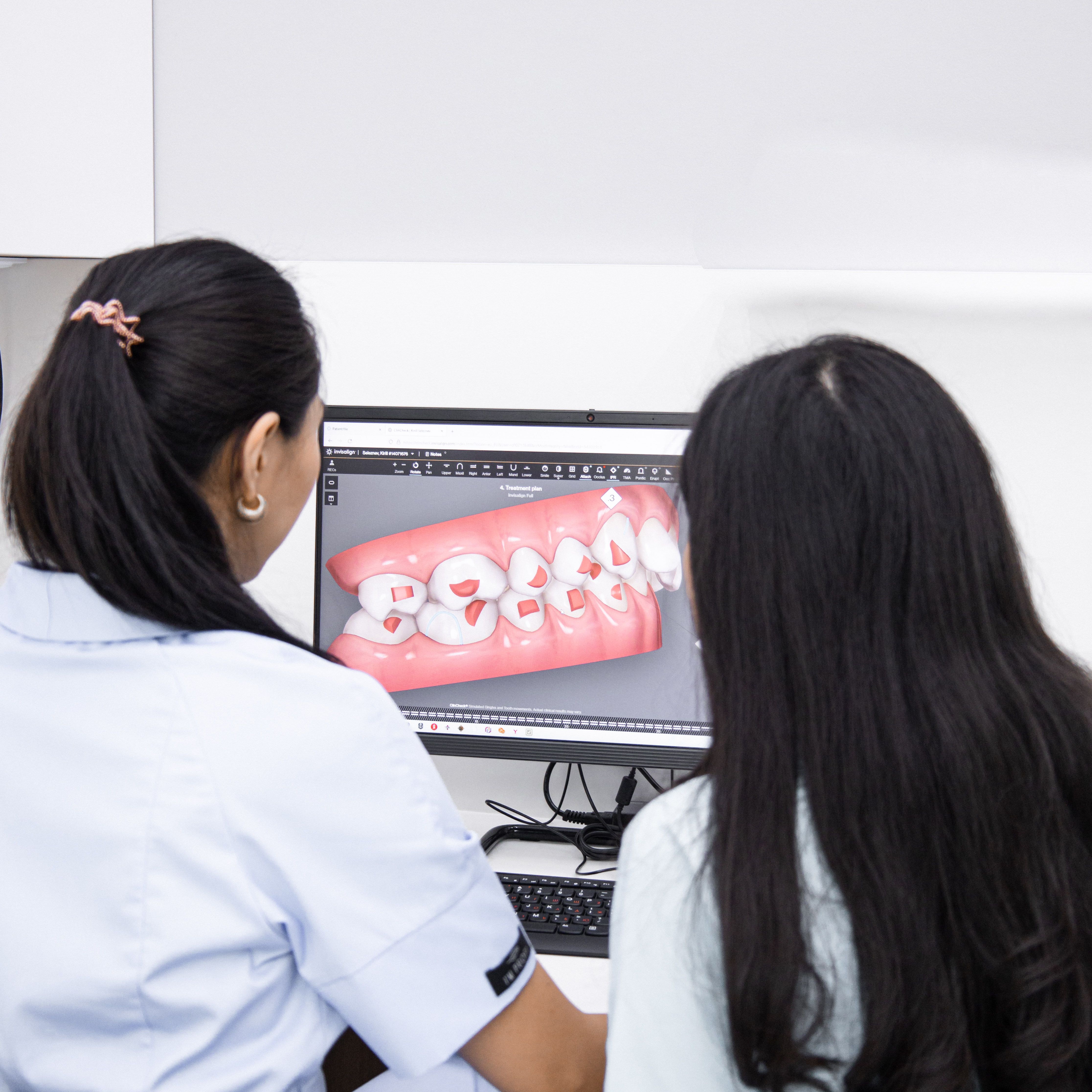
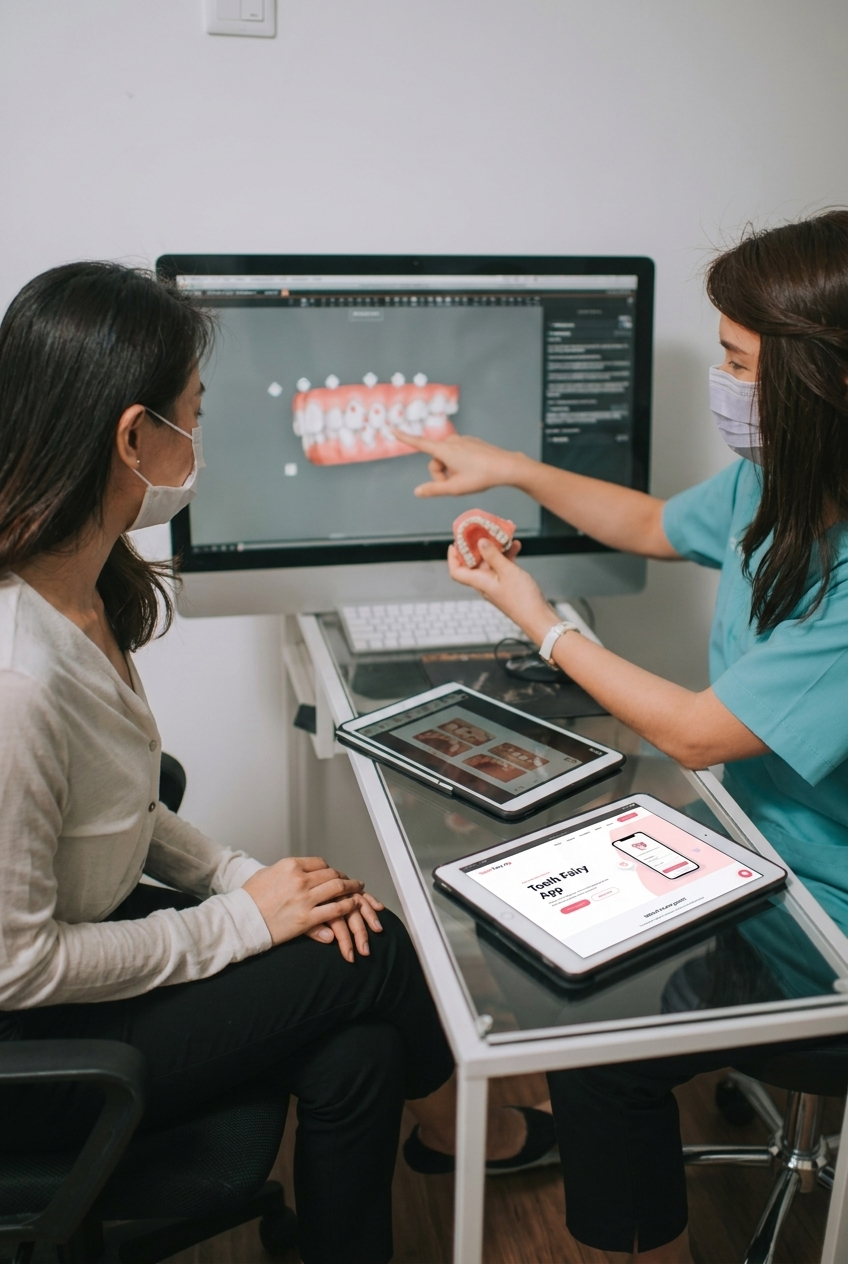
Digital scans and AI‑supported planning allow dentists to map tooth movement with precision. This often means faster treatment times compared to traditional braces, especially for mild to moderate cases. Remote check‑ins also mean issues can be spotted and corrected quickly without waiting weeks for an appointment.
24/7 dental support: the biggest upgrade in 2026
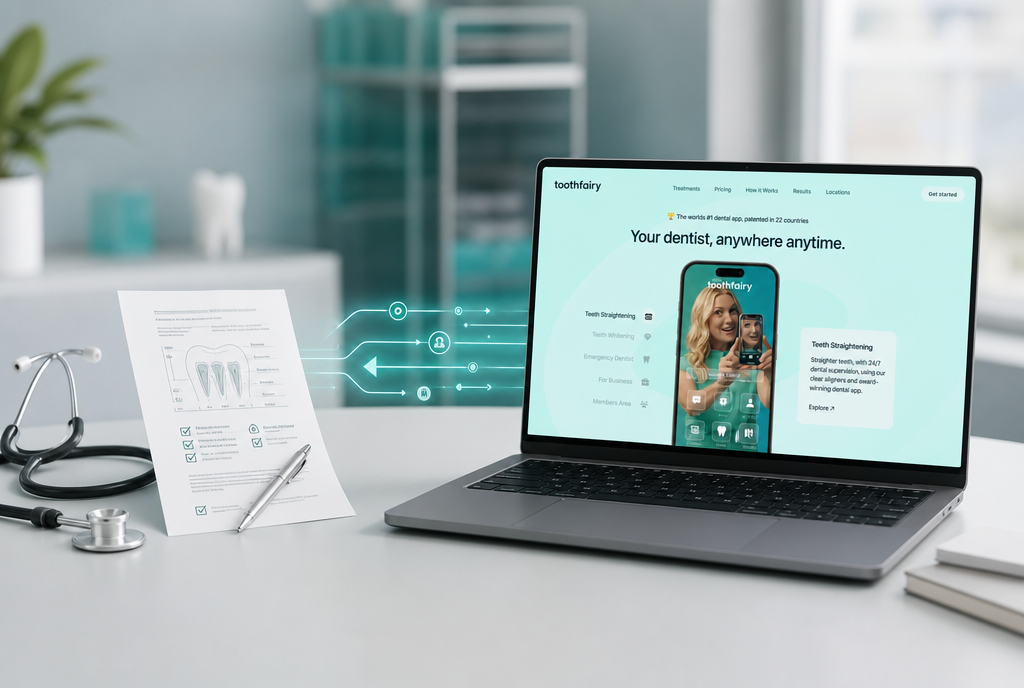
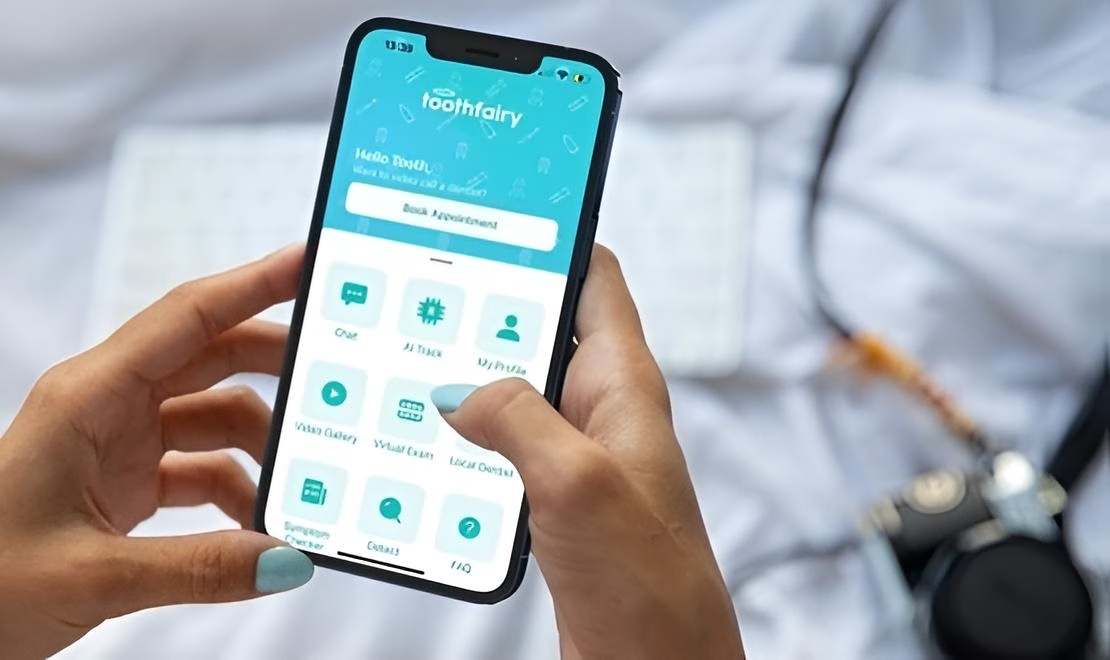
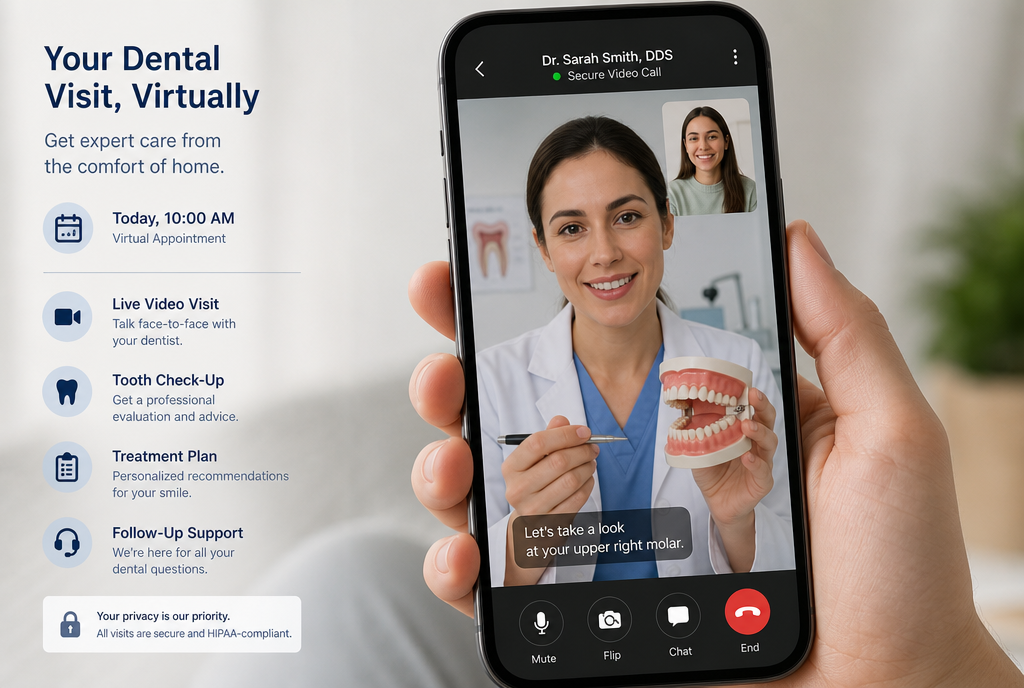
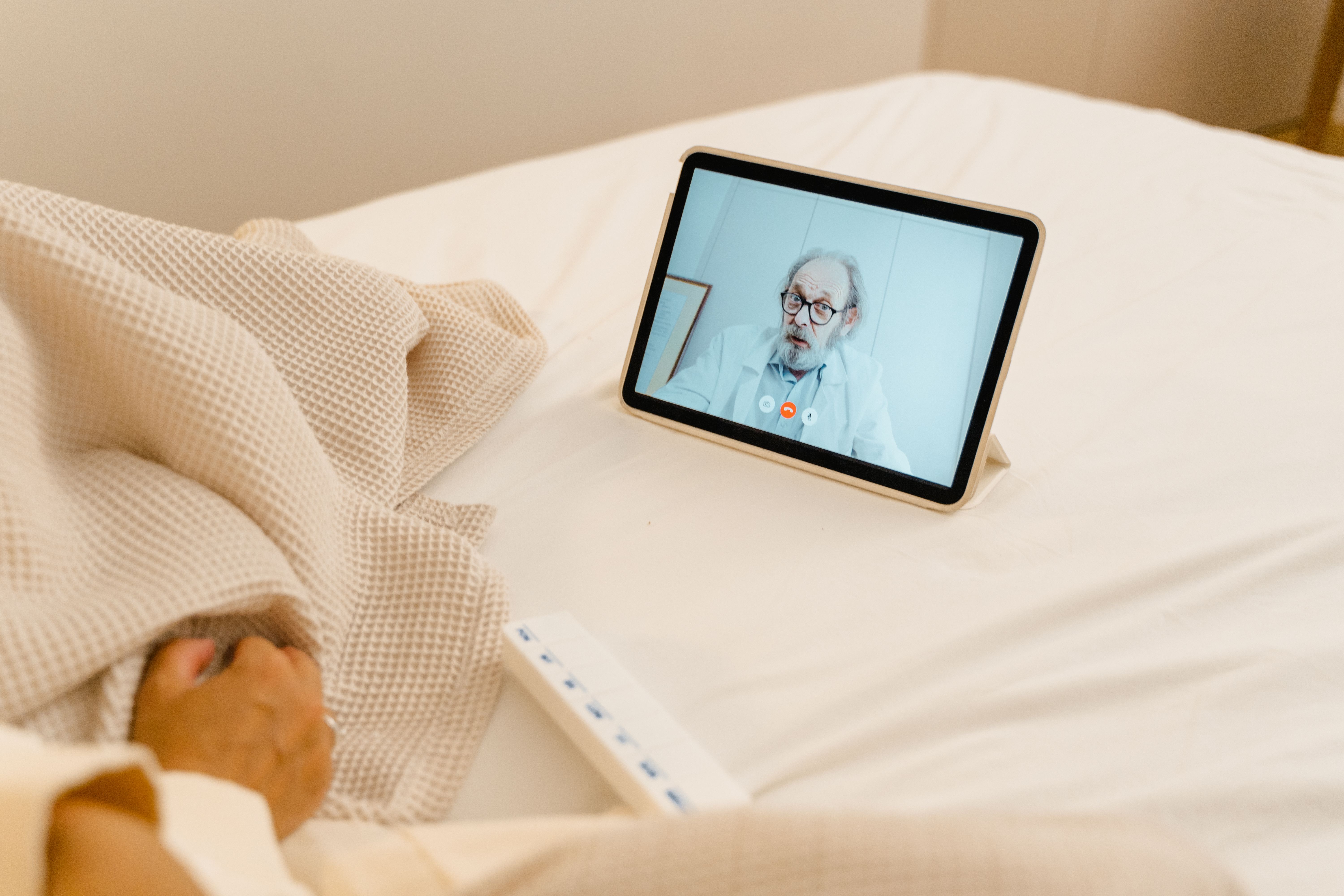
One of the strongest advantages of modern at‑home aligners is round‑the‑clock access to dental support. Instead of waiting for clinic hours, you can message a dentist directly through an app, send photos and get reassurance or advice whenever something feels off.
This level of access simply isn’t possible with traditional orthodontics.
Different types of at‑home aligner models
Not all systems work the same way. Some are fully remote, some are clinic‑integrated and others blend both. Here’s how the main models compare:
What makes a good at‑home aligner provider in 2026
The best systems share the same core features:
- A dentist reviews your case before you start
- Your treatment plan is created by a qualified clinician
- You get regular remote check‑ins
- You can message a dentist any time
- Pricing is transparent and includes aftercare
- You receive clear instructions on wear time and hygiene
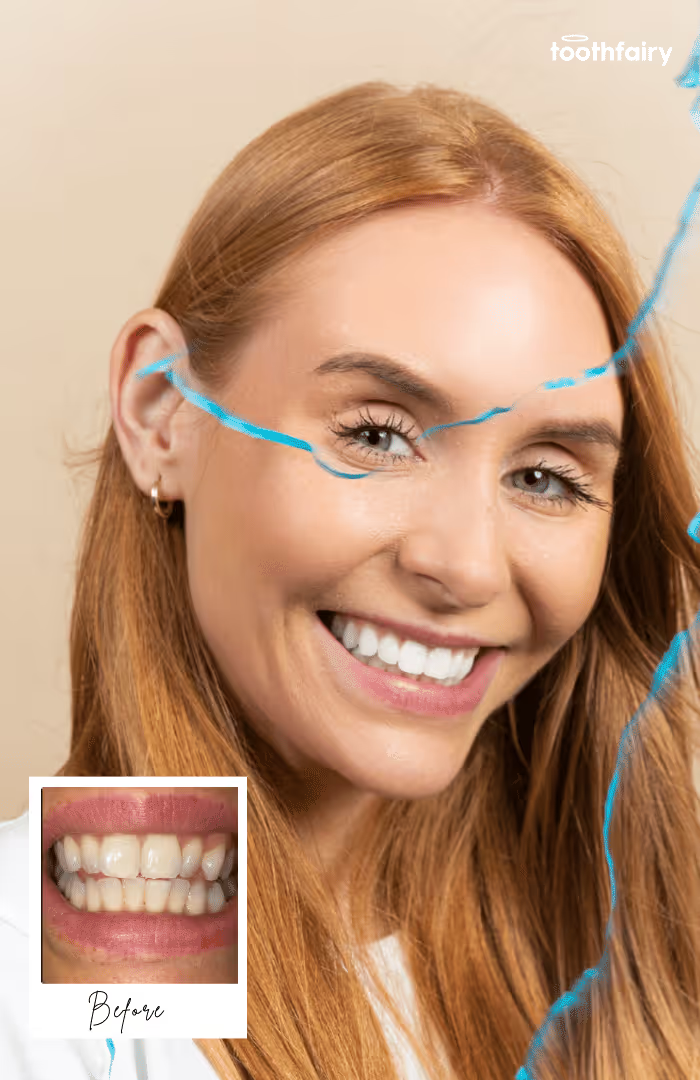
- You get a realistic preview of your expected results
If a provider skips any of these steps, it’s a red flag.
Who at‑home aligners are best for
At‑home aligners are ideal for adults with mild to moderate crowding or spacing who want a discreet, flexible treatment option. They’re especially suited to people who prefer remote care, have busy schedules or want a more affordable alternative to traditional orthodontics.
Who they’re not suitable for
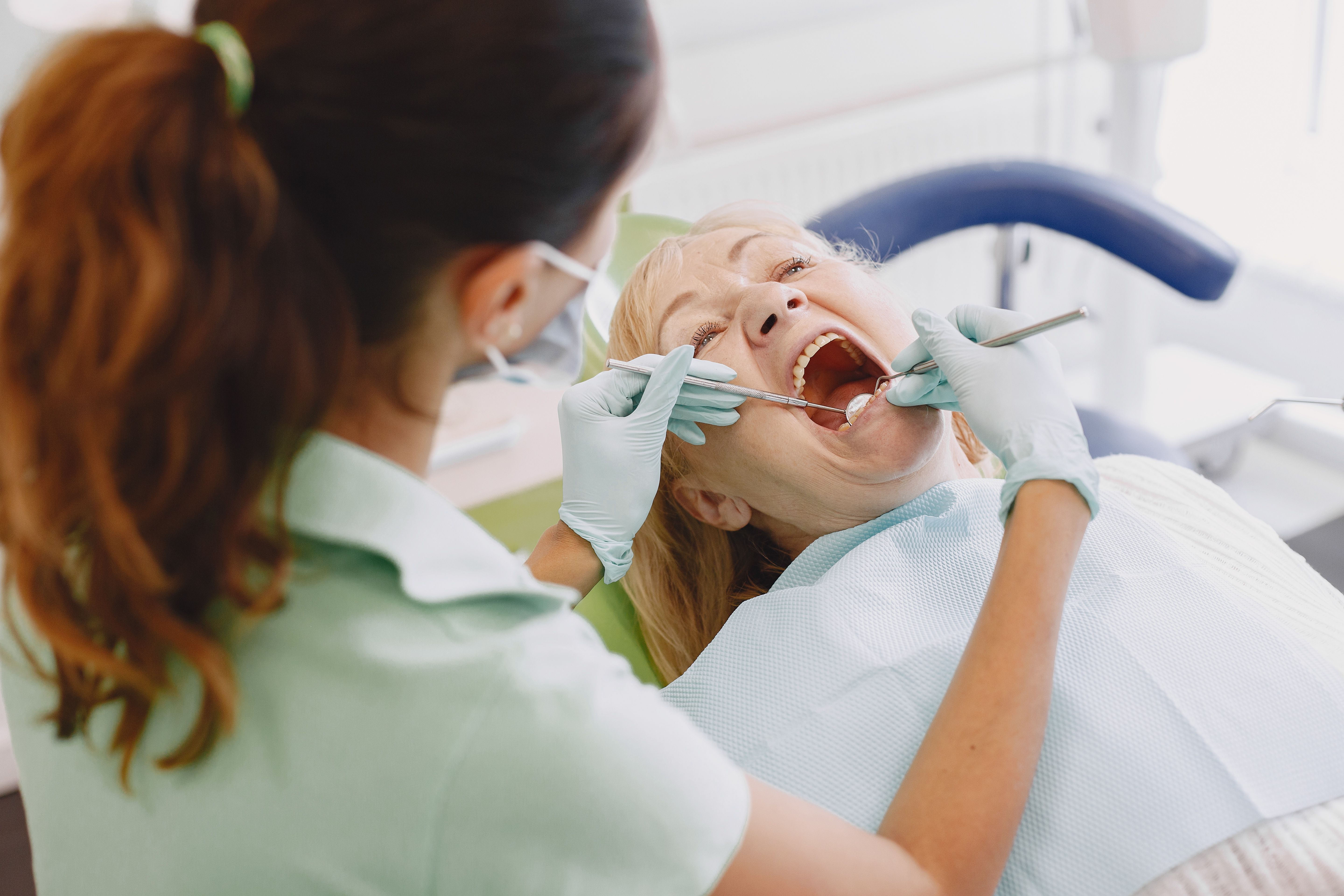
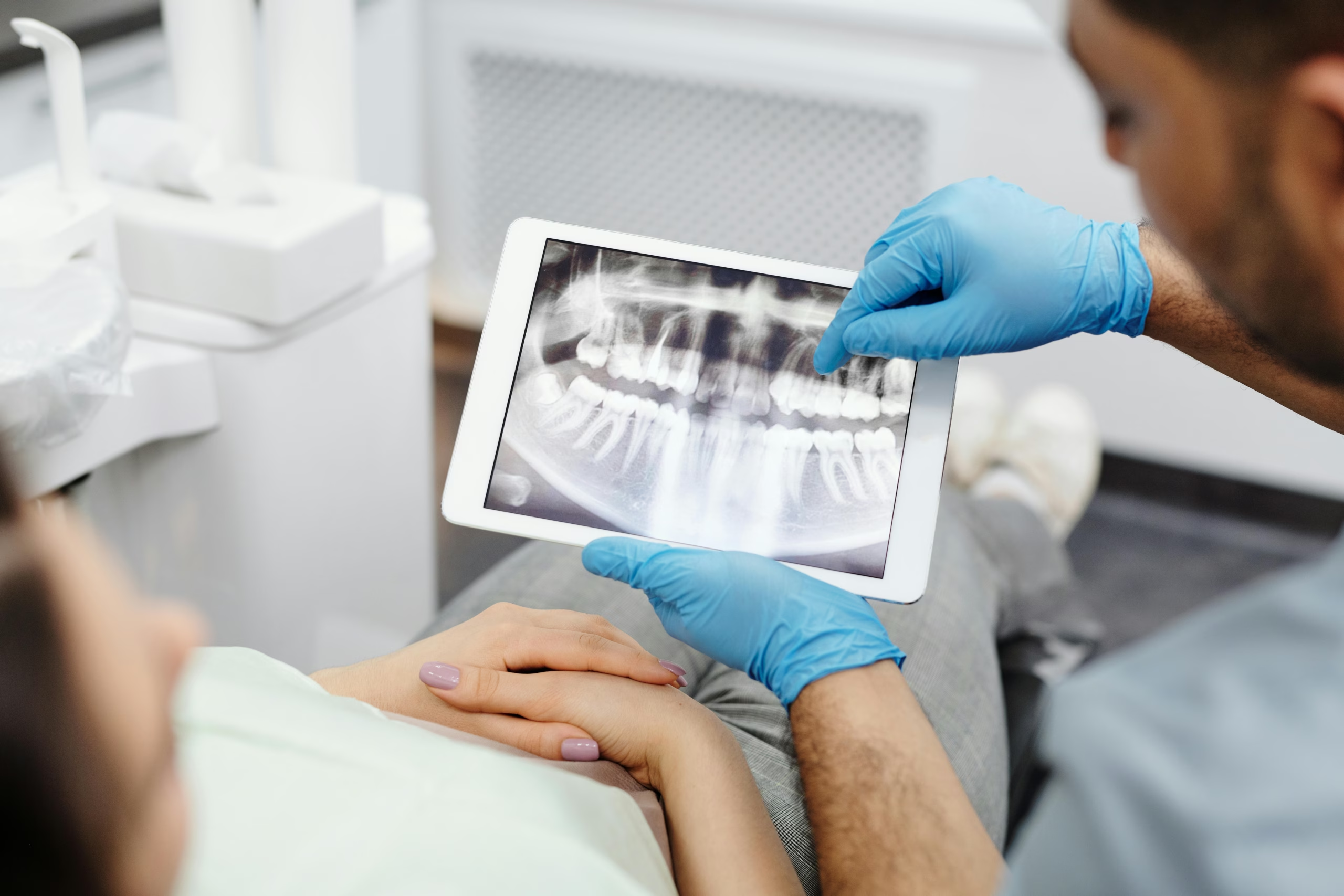
More complex bite issues, severe rotations or cases requiring attachments may still need in‑clinic orthodontic treatment. A proper dental assessment is essential before starting any aligner system.
So,
The best at‑home teeth aligners in 2026 offer a powerful combination of value, speed and 24/7 dentist support. When planned and monitored by qualified clinicians, they provide a safe, convenient and effective way to straighten your teeth without disrupting your lifestyle.
If you’re considering treatment, the safest first step is a professional assessment. From there, you’ll know whether at‑home aligners, a hybrid model or a clinic‑based system is the right fit for your smile.









.jpg)




.jpg)













.jpg)