
If you’ve ever asked yourself, “How do I know if I need braces?”, the answer usually starts with two things:
- What you see in the mirror
- How your teeth and jaw feel day‑to‑day
Crooked, crowded, or gapped teeth are obvious clues, but many signs are more subtle, like jaw tension, headaches, or struggling to clean between certain teeth. These issues often point to underlying alignment problems that orthodontic treatment can fix.
This guide breaks down the visual signs, functional symptoms, health risks, and modern treatment options, including clear aligners from Toothfairy.
The Key Signs Your Smile May Need Orthodontic Help
Braces and aligners aren’t just about appearance. Many people need treatment because their bite isn’t functioning properly, which can affect chewing, speech, oral hygiene, and long‑term dental health.
In the UK, around one‑third of children could benefit from orthodontic treatment. Adults are increasingly seeking treatment too often for functional reasons, not just cosmetic ones.
For more UK dental health data,
see:https://www.bsdht.org.uk/news/ https://www.bos.org.uk/
Visual Clues You Can Spot in the Mirror
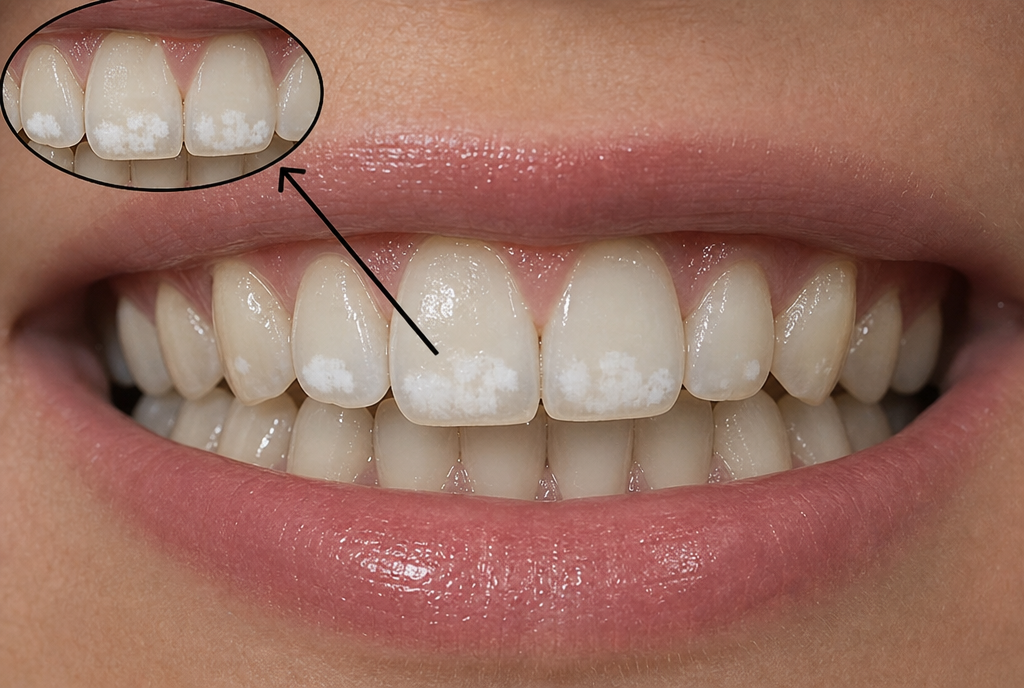
You don’t need a dentist to identify the most common orthodontic red flags. Stand in front of a mirror and look for:
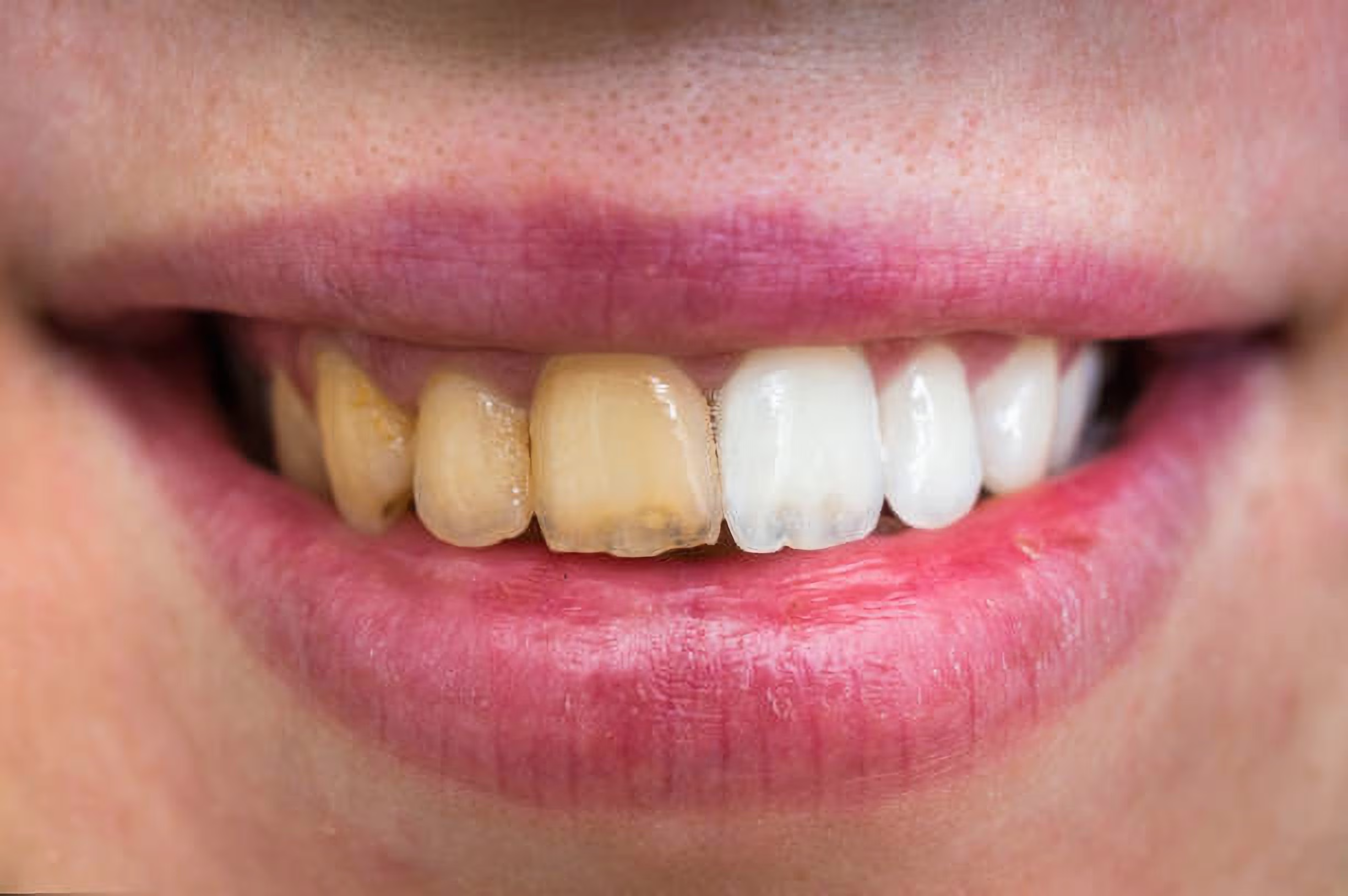
Crowded or Overlapping Teeth
A classic sign. When the jaw doesn’t have enough space, teeth twist, overlap, or push out of line.
Gaps Between Teeth
Spacing issues can trap food, affect speech, and make cleaning harder.
Protruding Front Teeth (Overjet)
Upper teeth that stick out significantly increase the risk of chips and trauma.
Misaligned Bite
Check how your teeth meet when you bite down:
- Underbite — lower jaw sits ahead of upper
- Overbite — upper teeth cover too much of lower teeth
- Crossbite — upper teeth bite inside the lower teeth
- Open bite — front teeth don’t touch when biting down
Table: Quick Self‑Check for Braces
Physical Symptoms You Shouldn’t Ignore
Some signs aren’t visible, but they’re just as important.
Difficulty Chewing or Biting
If chewing feels awkward or you frequently bite your cheeks or tongue, your bite may be misaligned.
Jaw Pain or Clicking
Misalignment forces jaw muscles to overwork, leading to tension, clicking, or limited movement.
Frequent Headaches
Often linked to bite‑related jaw strain.
Struggling to Clean Between Teeth
Crowding creates plaque traps that increase the risk of decay and gum disease.
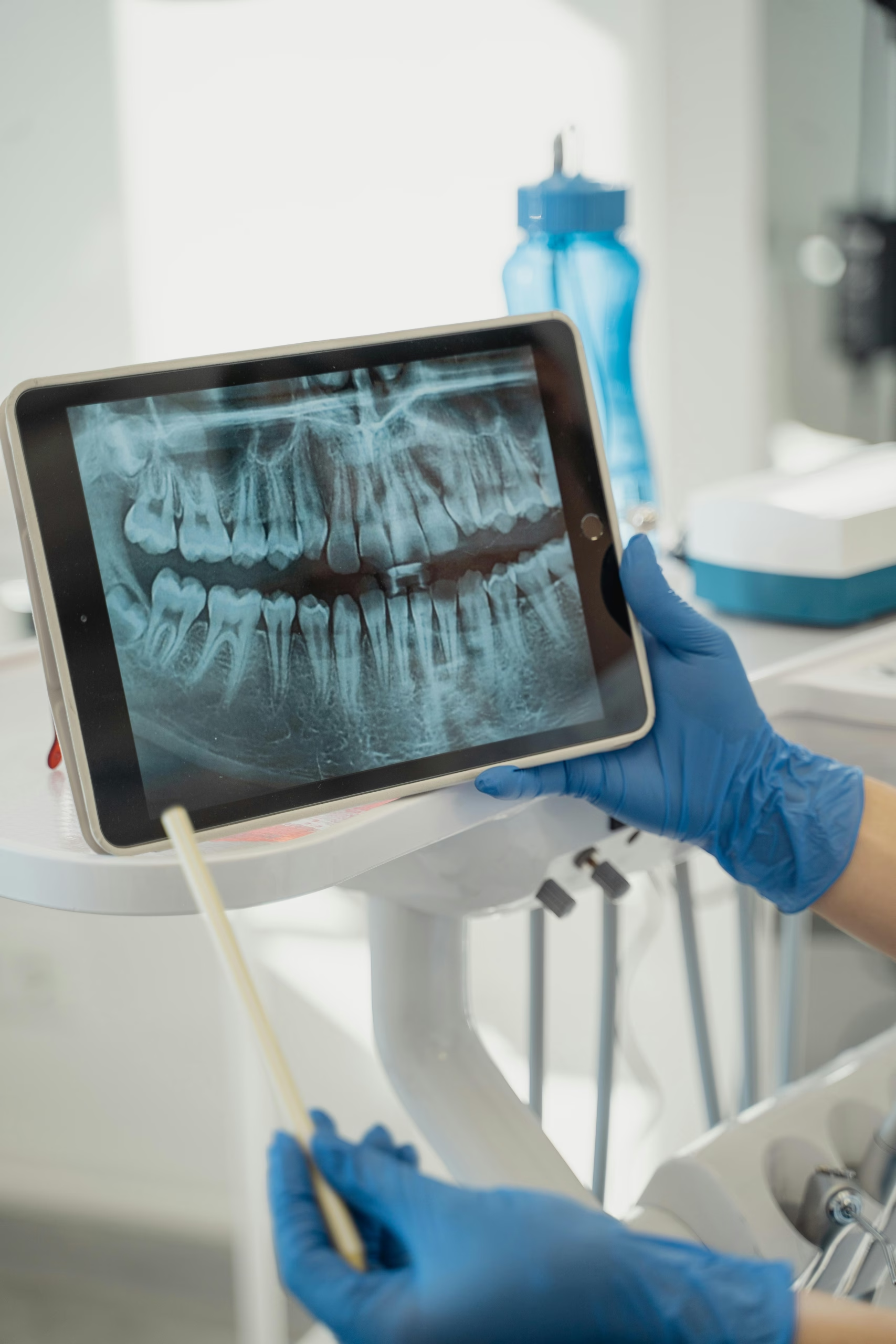
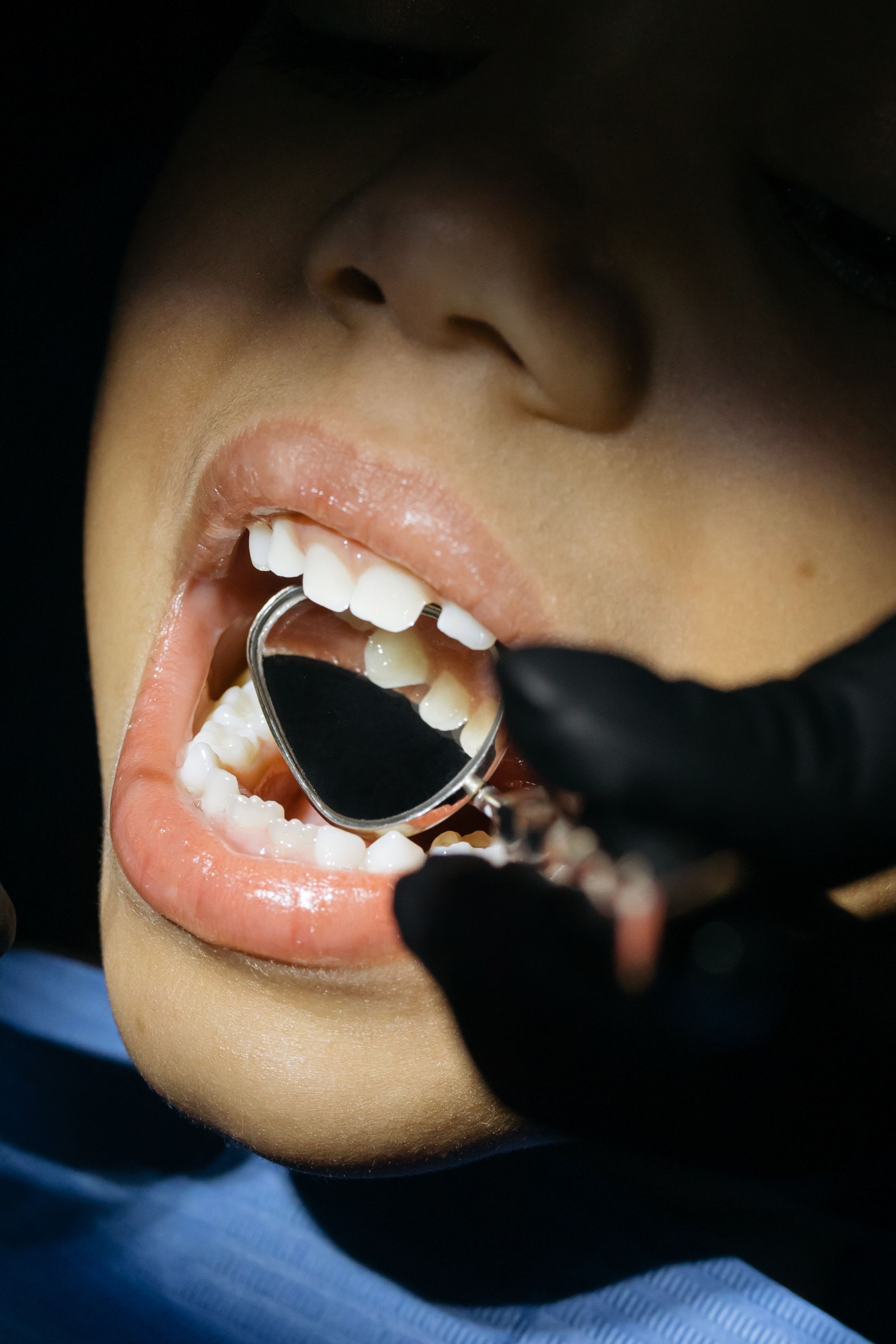
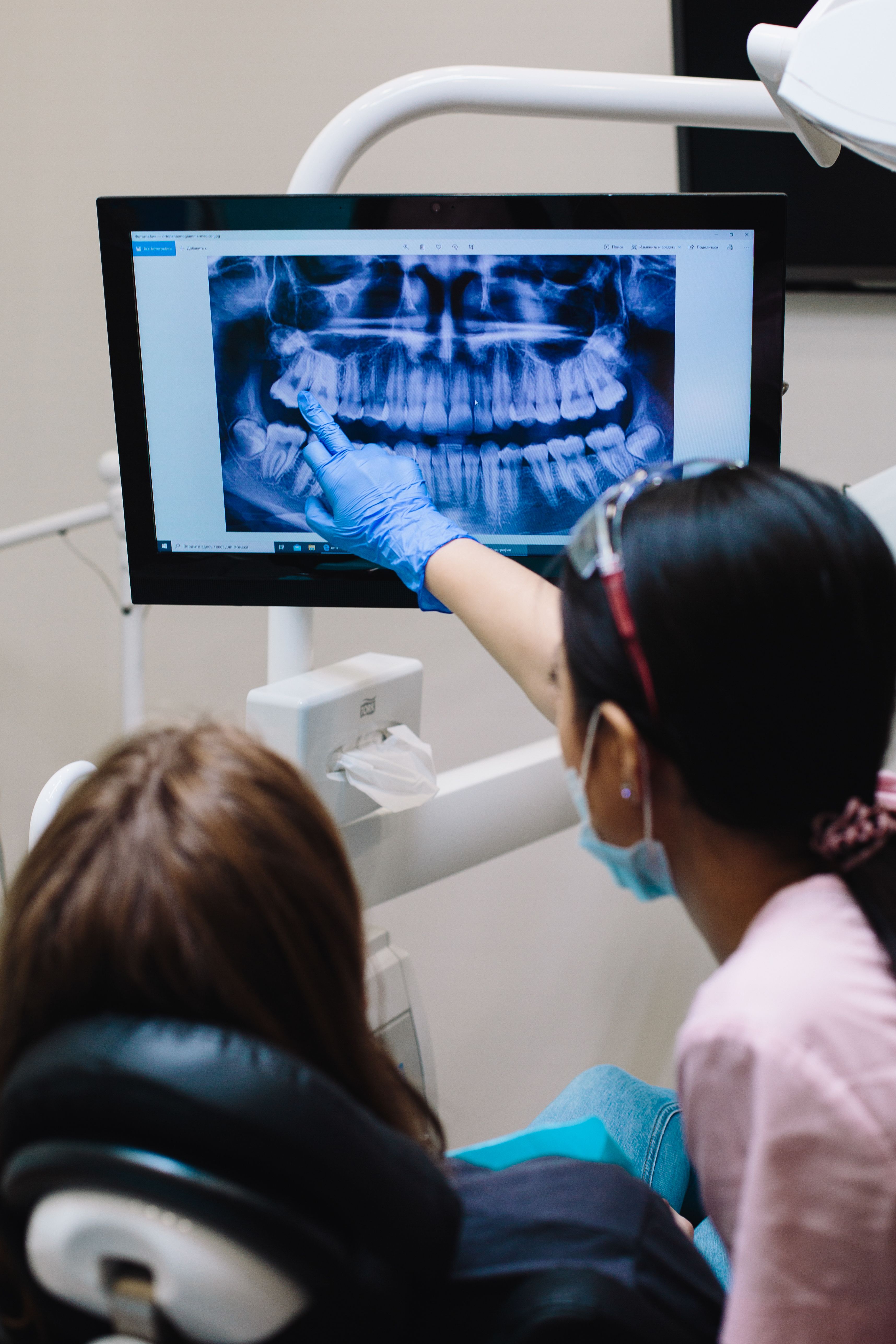
If these symptoms sound familiar, a professional assessment is recommended.You can get one quickly via Toothfairy:https://www.toothfairyapp.co.uk/
Why Straight Teeth Are About More Than Appearance
Straightening your teeth isn’t just cosmetic — it’s preventative healthcare.
Higher Risk of Cavities and Gum Disease
Crowded teeth create tight spaces where plaque thrives.
Uneven Tooth Wear
A misaligned bite causes certain teeth to take excessive pressure.
Jaw Strain and TMD
Chronic misalignment can lead to long‑term jaw dysfunction.
For more dental statistics:https://www.dentalhealth.org/ , (nature.com)
Modern Teeth Straightening Options
Today, orthodontic treatment is more flexible, discreet, and accessible than ever.
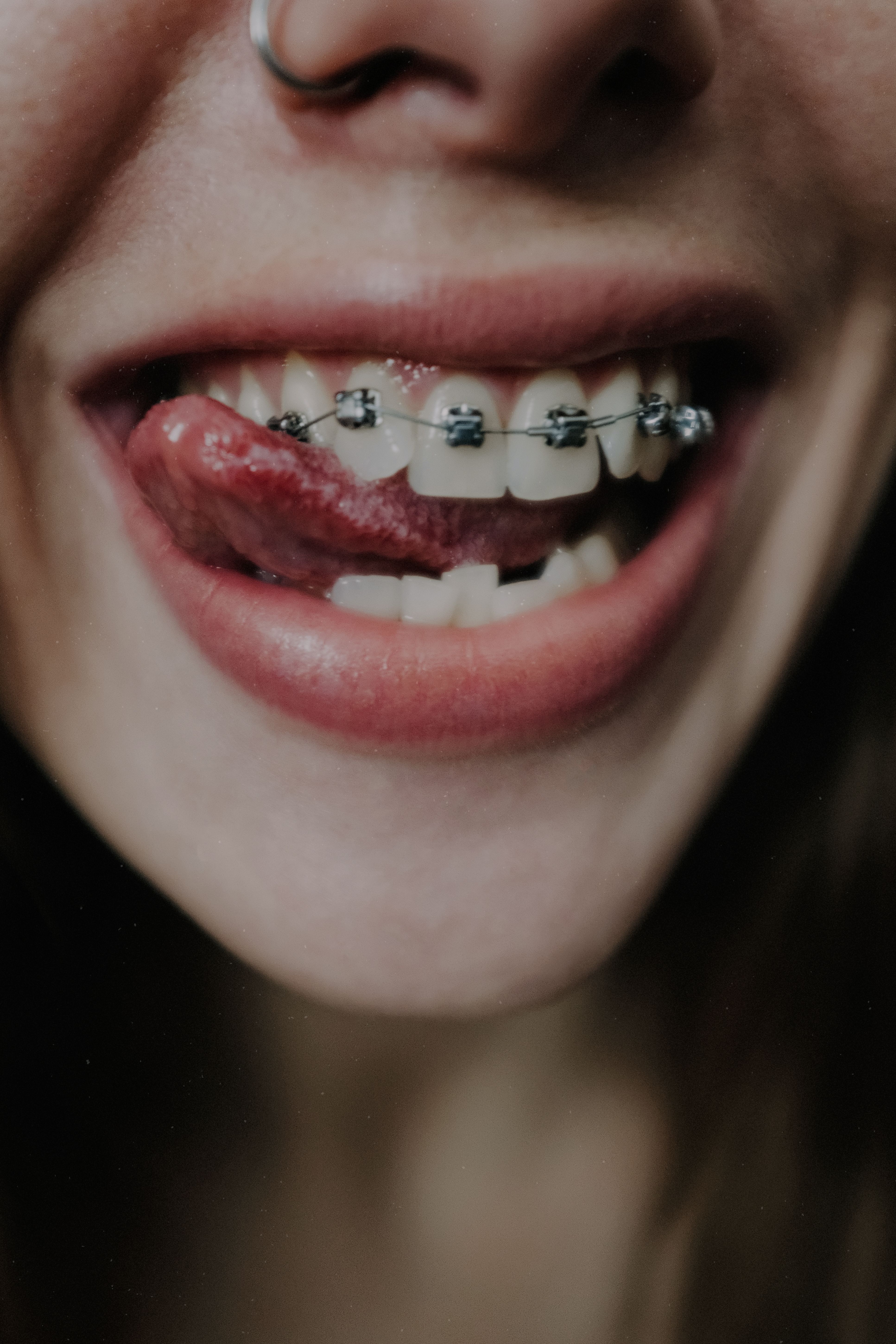
Traditional Metal Braces
Highly effective for complex cases.
Ceramic Braces
More discreet but still fixed.
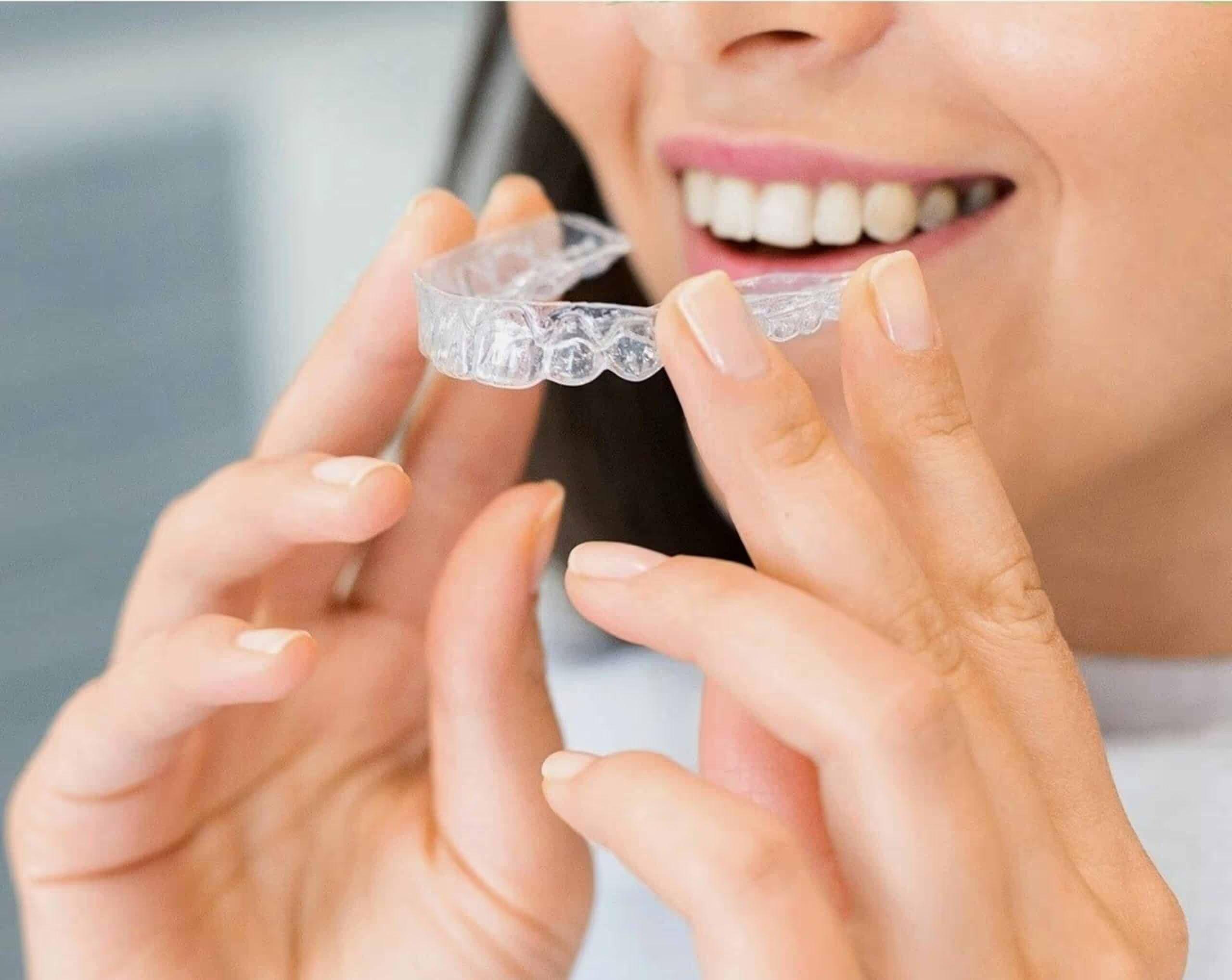
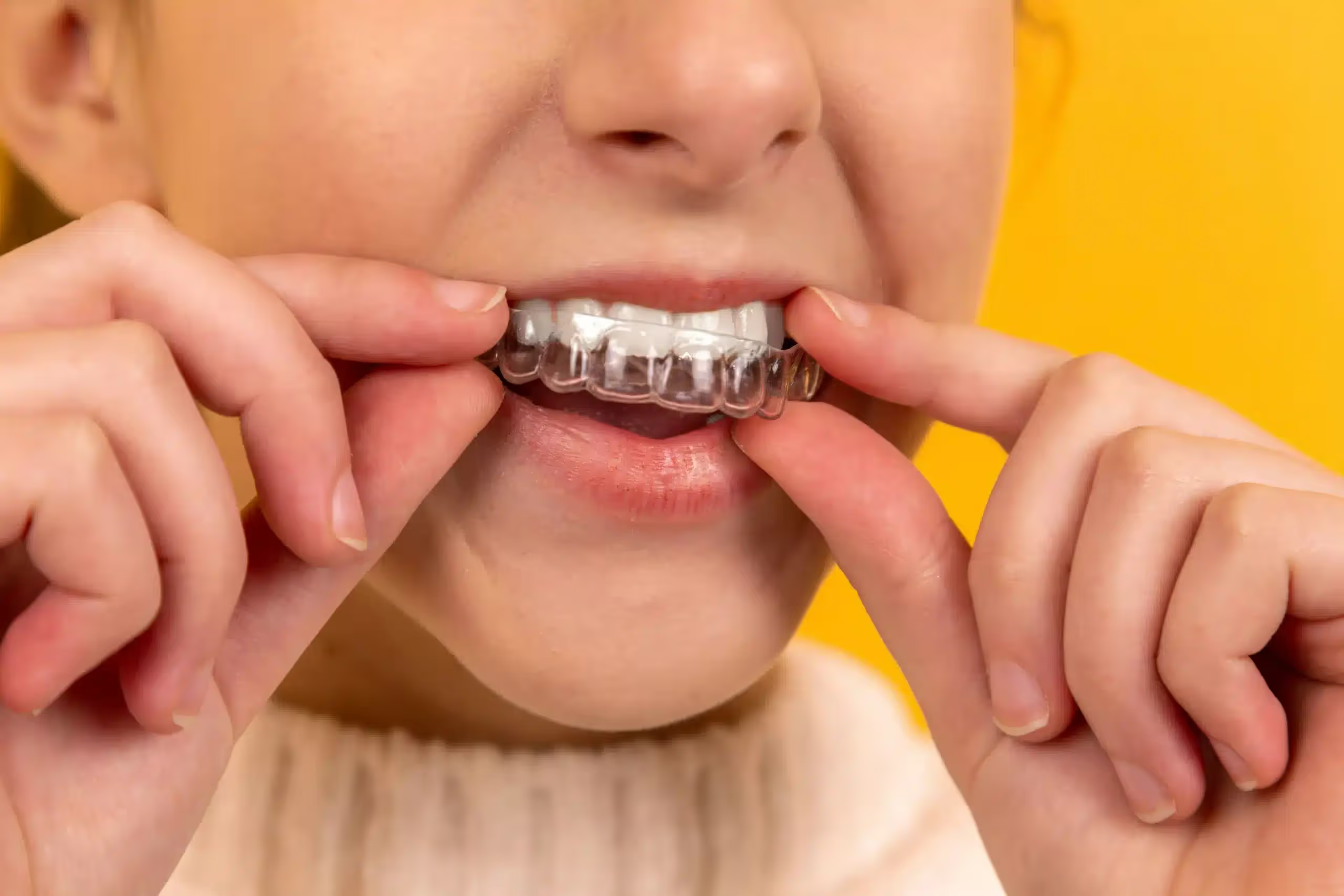
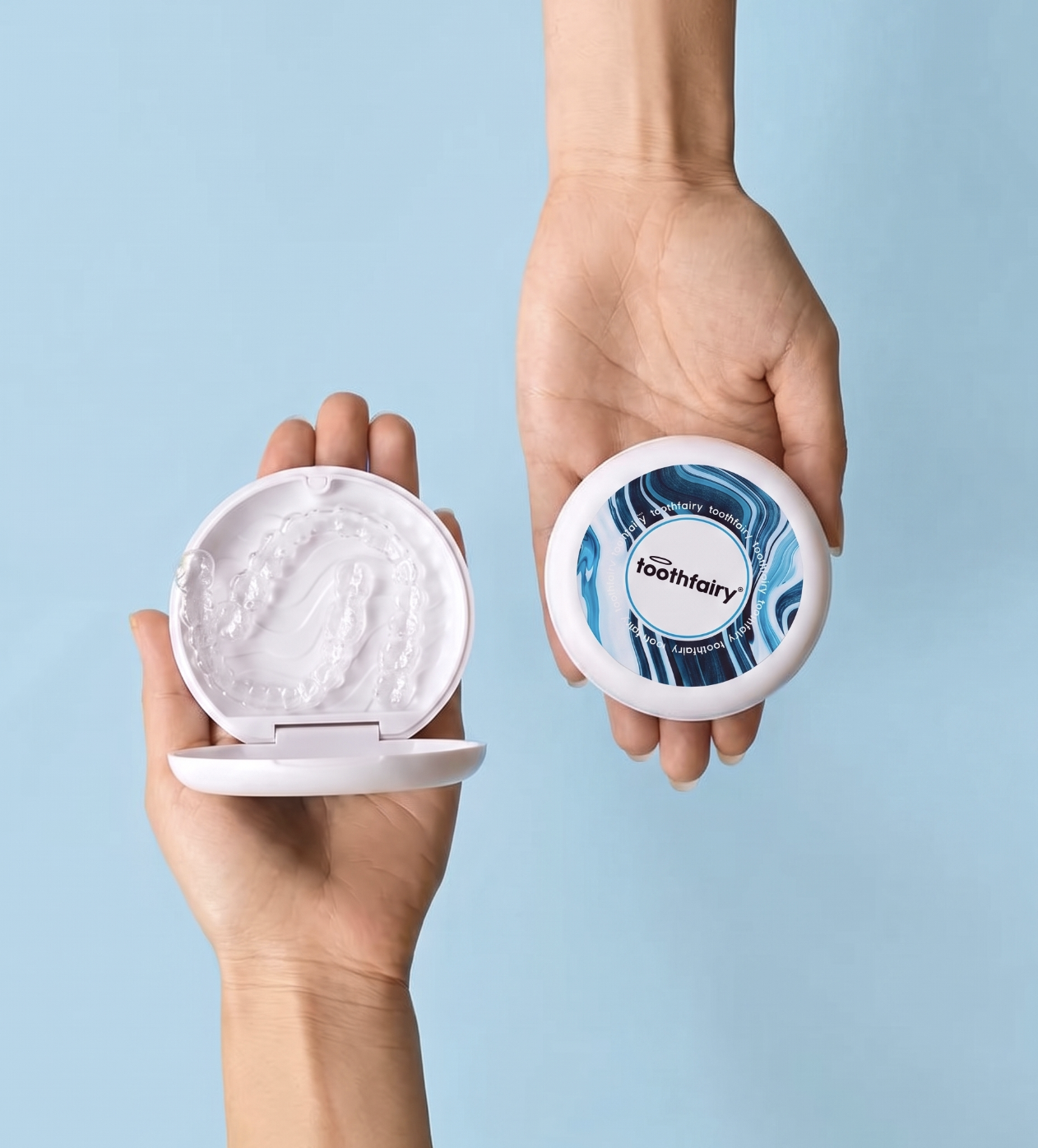
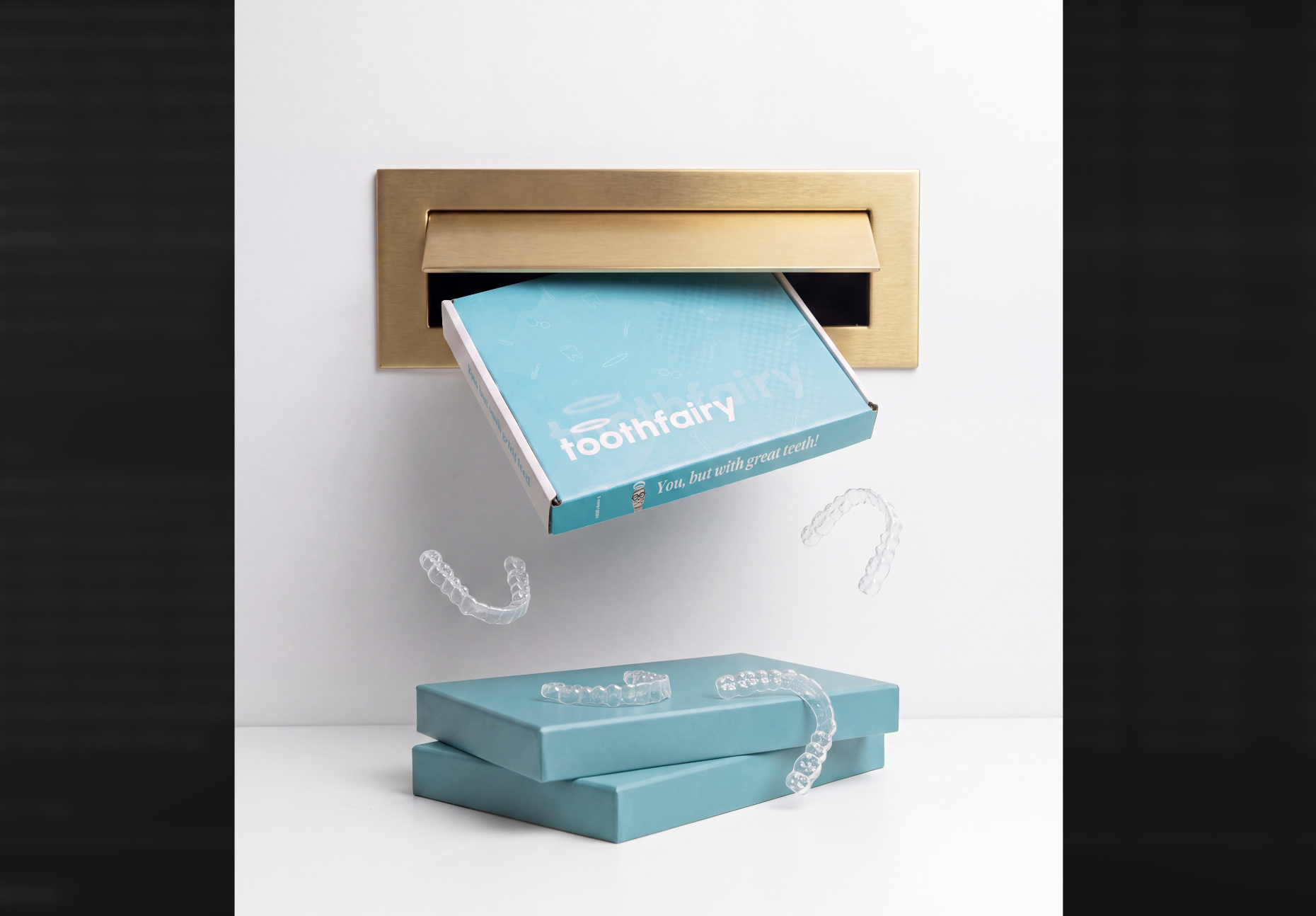
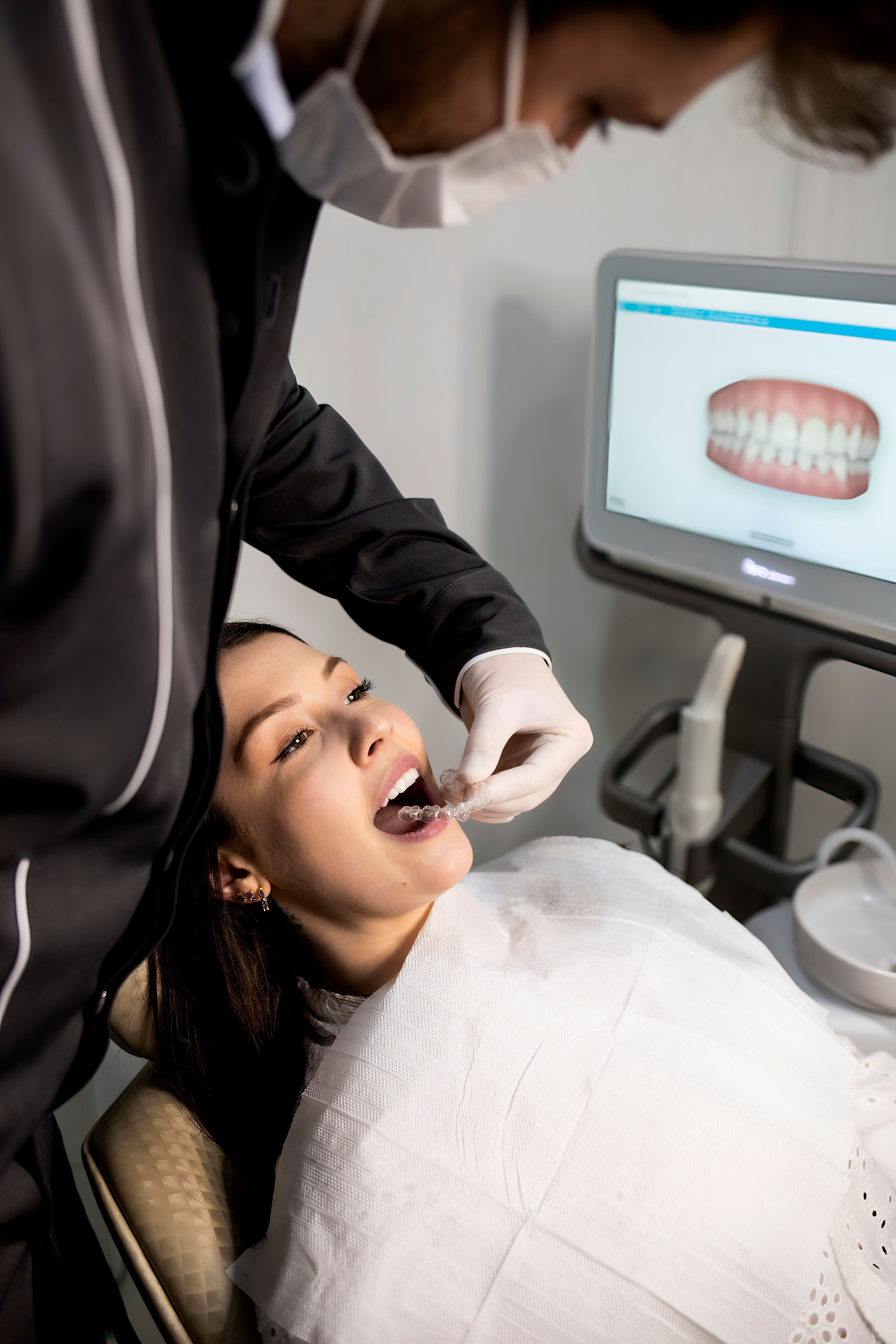
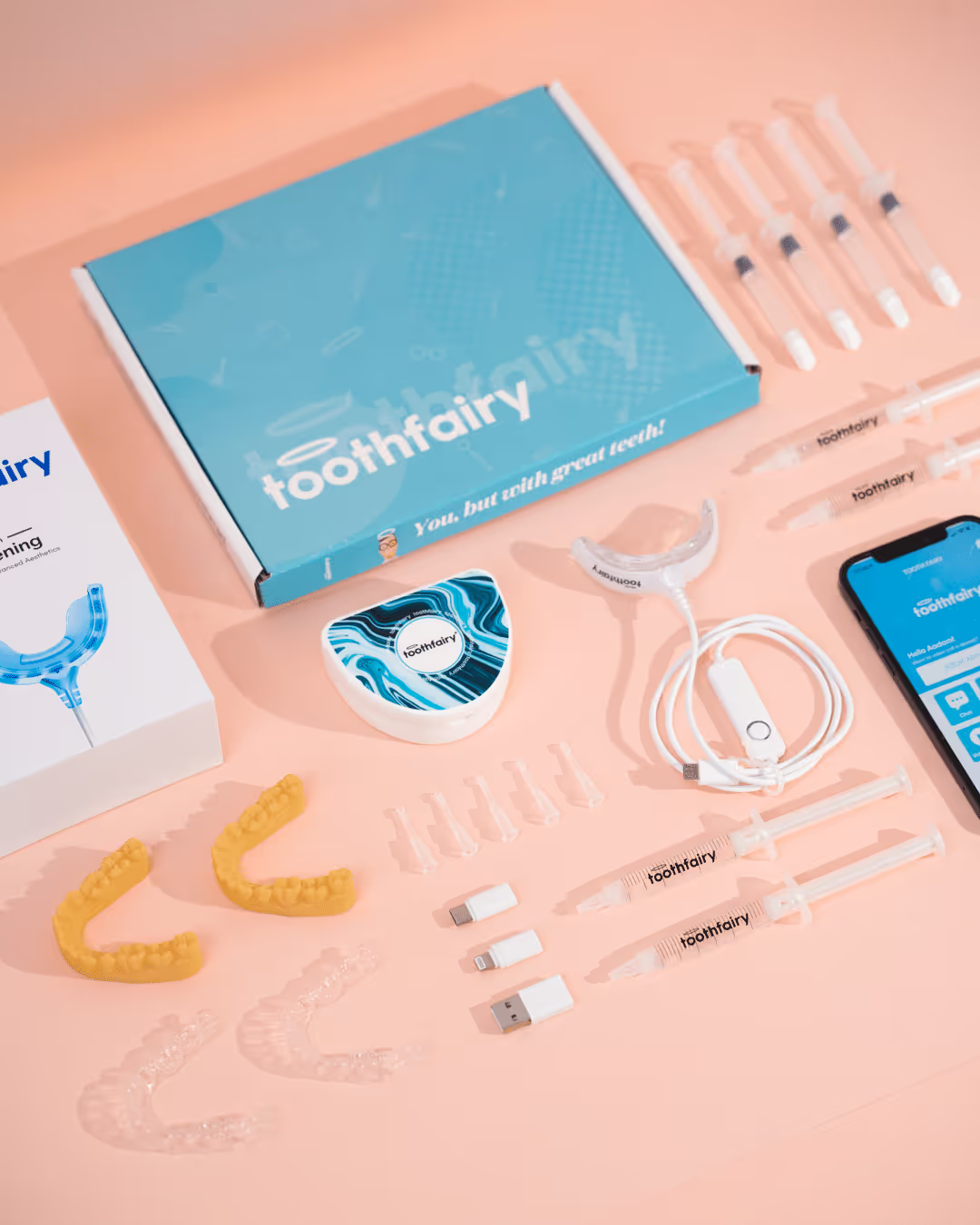
Clear Aligners (e.g. Toothfairy)
A modern, removable, nearly invisible option for mild to moderate cases.
Table: Braces vs Clear Aligners
Who Is a Good Candidate for Braces or Aligners?
There is no upper age limit for orthodontic treatment.Recent data shows 76% of orthodontists report a rise in adult patients.
For adult orthodontic trends: (bos.org.uk)
Clear aligners are ideal for:
- Mild to moderate crowding
- Gaps
- Overbite / overjet
- Minor crossbite
Traditional braces may be better for:
- Severe bite issues
- Major rotations
- Large gaps
- Cases requiring extractions
Start Your Journey the Modern Way
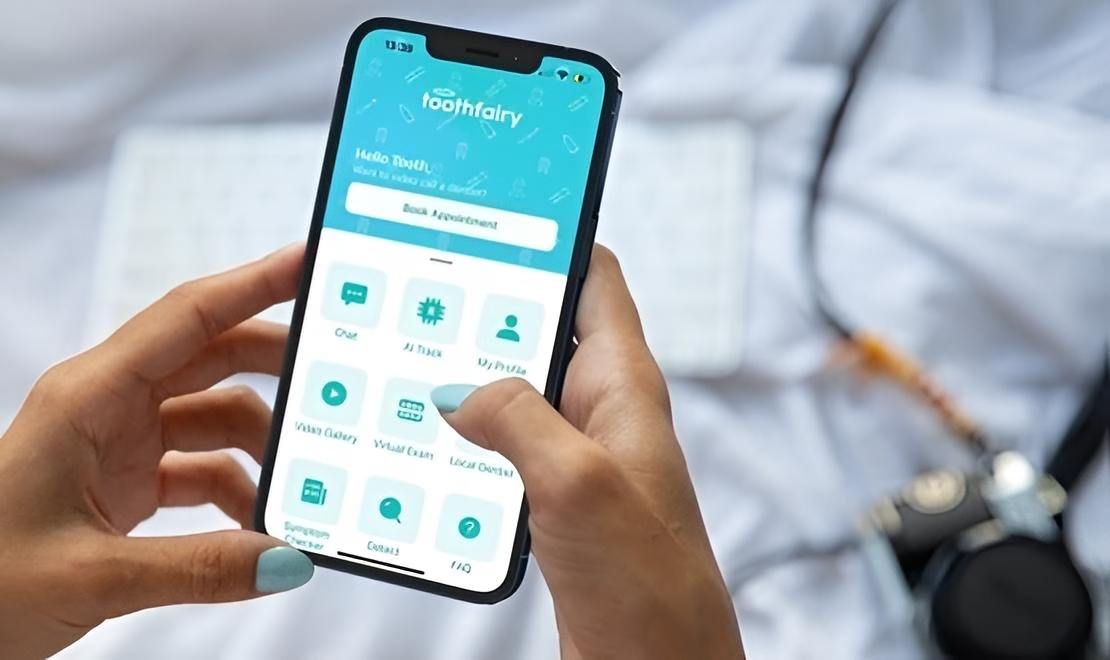
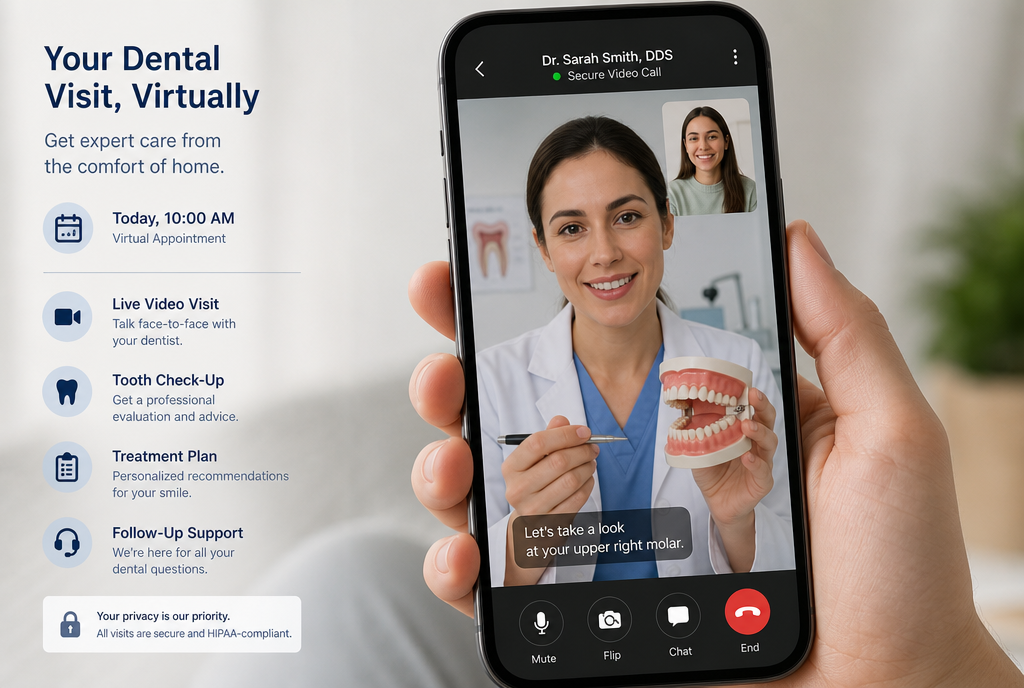
With Toothfairy, you can get a professional opinion without waiting weeks.
How the Virtual Assessment Works
1. Upload Photos
The app guides you through the angles needed.
2. Dentist Review
A UK‑registered dentist assesses your alignment.
3. Personalised Treatment Plan
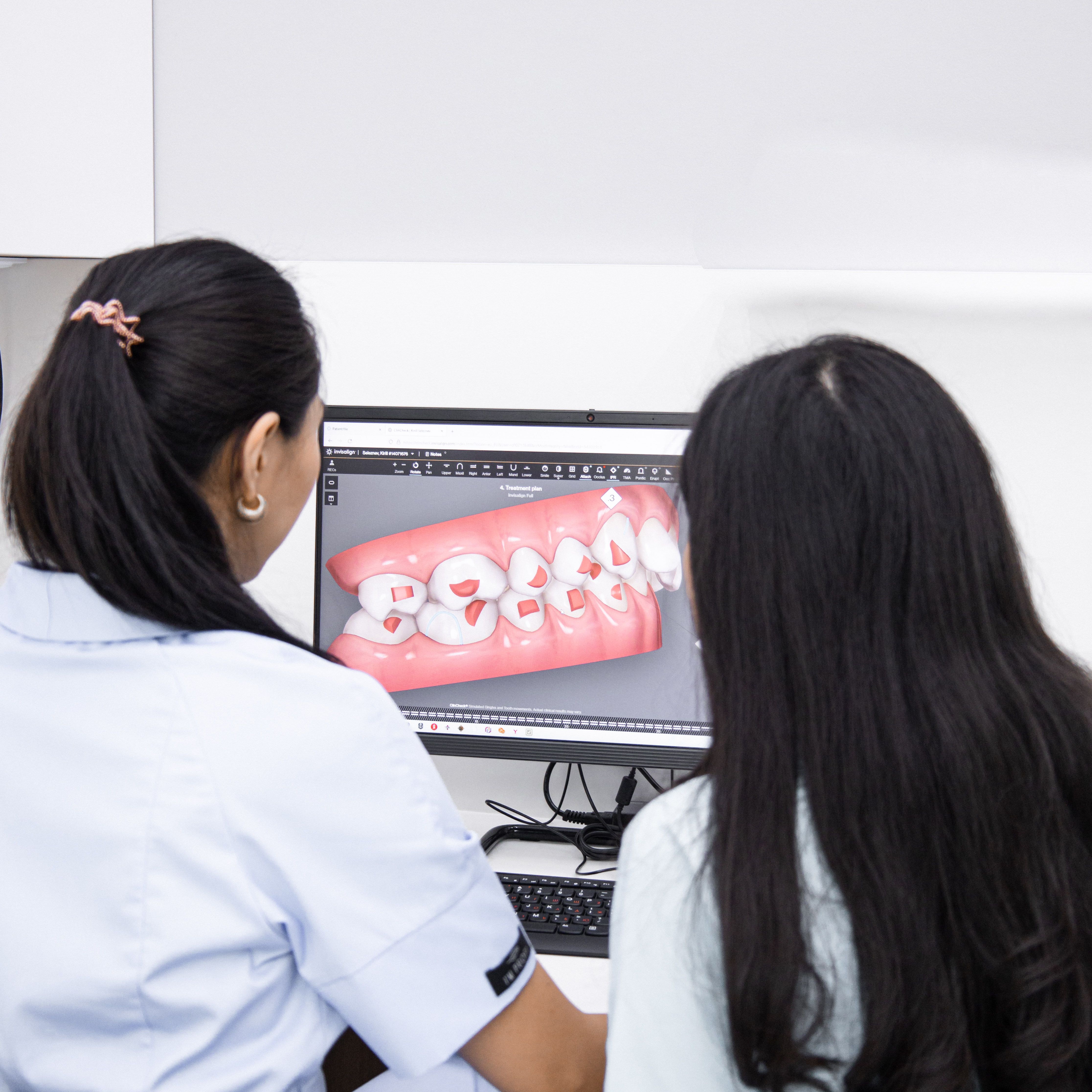
Includes a 3D preview of your future smile.
Start your assessment:https://www.toothfairyapp.co.uk/
What to Expect During Treatment
Timeline
- Clear aligners: 4–8 months for mild/moderate cases
- Braces: 18–24 months for complex cases
Daily Routine with Aligners
- Wear 22 hours/day
- Remove to eat
- Brush after meals
- Switch trays every 1–2 weeks
Your Questions Answered
Is it too late to get braces as an adult?
No, adults of any age can benefit.
Does treatment hurt?
Mild pressure is normal when switching trays.
How do I get a fast professional opinion?
Use the Toothfairy app for a dentist‑led virtual consultation.
Ready to Find Out If You Need Braces?
You can get a clear, expert answer in minutes, without waiting for an NHS appointment.
Start your free consultation:https://www.toothfairyapp.co.uk/










.jpg)





.jpg)













.jpg)