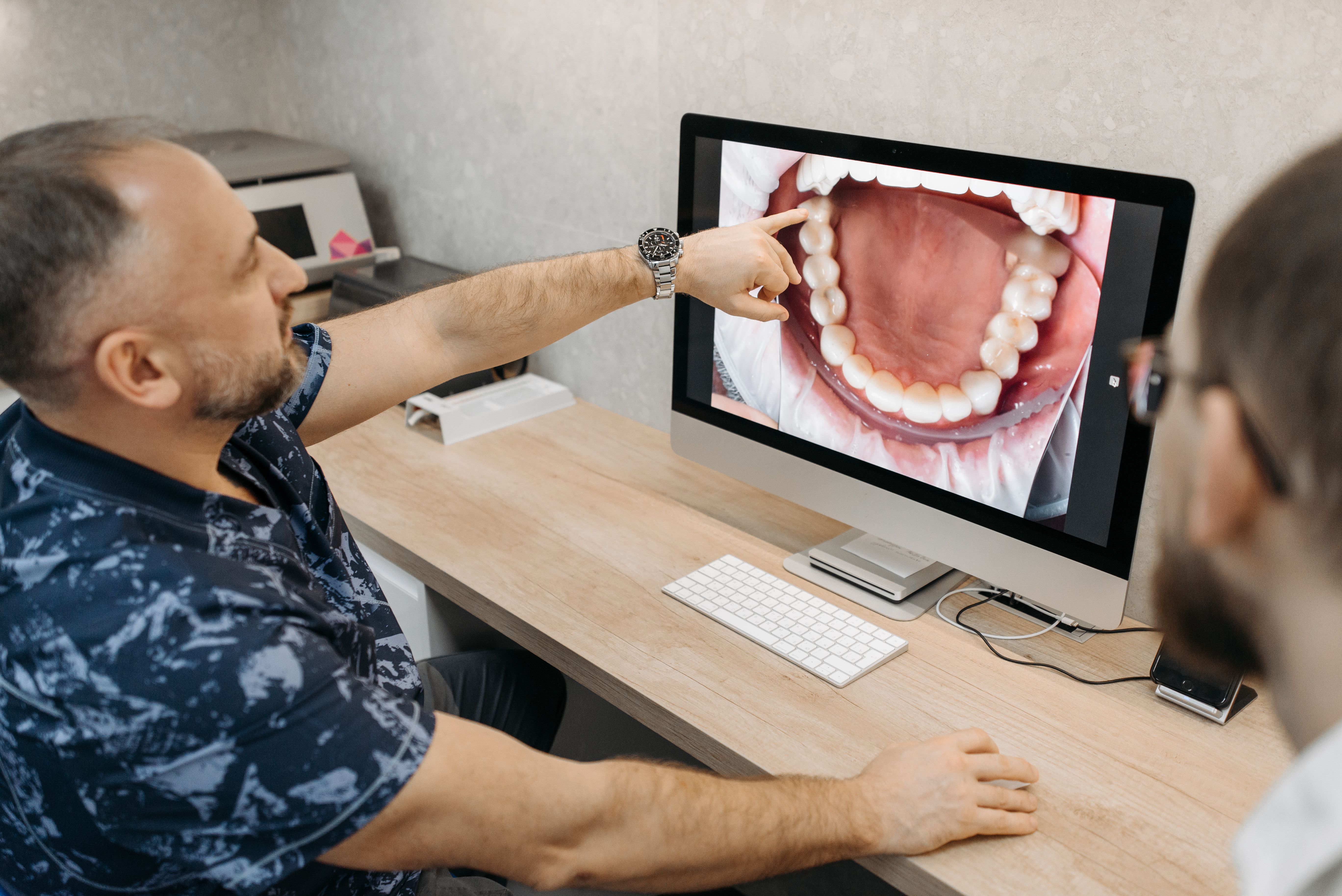
Why photo‑based assessments are becoming so popular
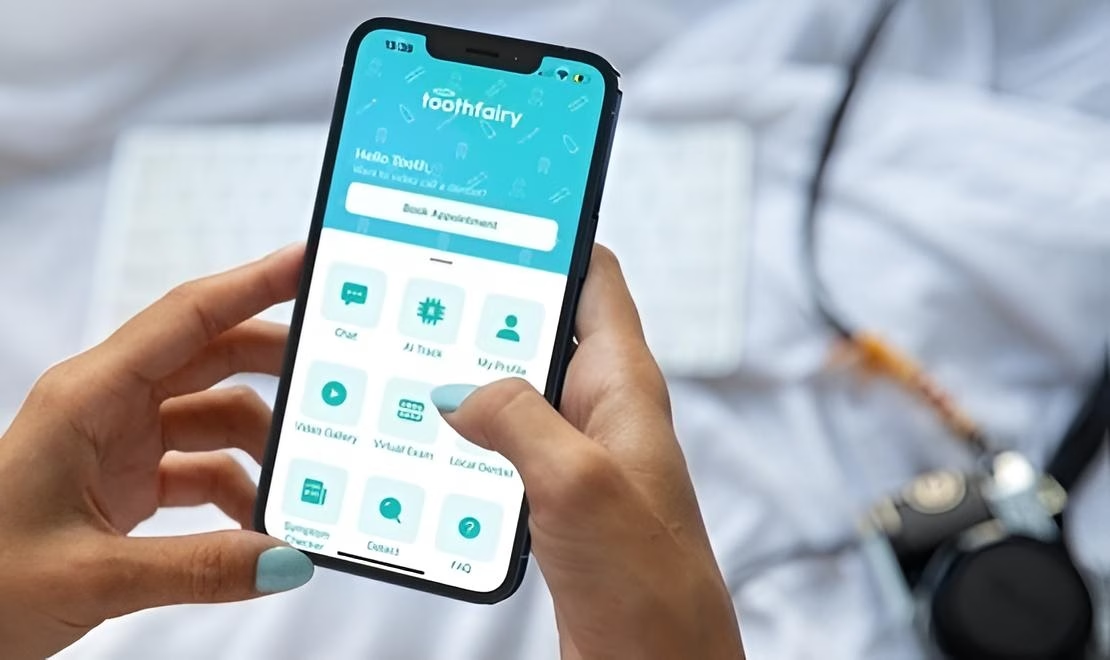
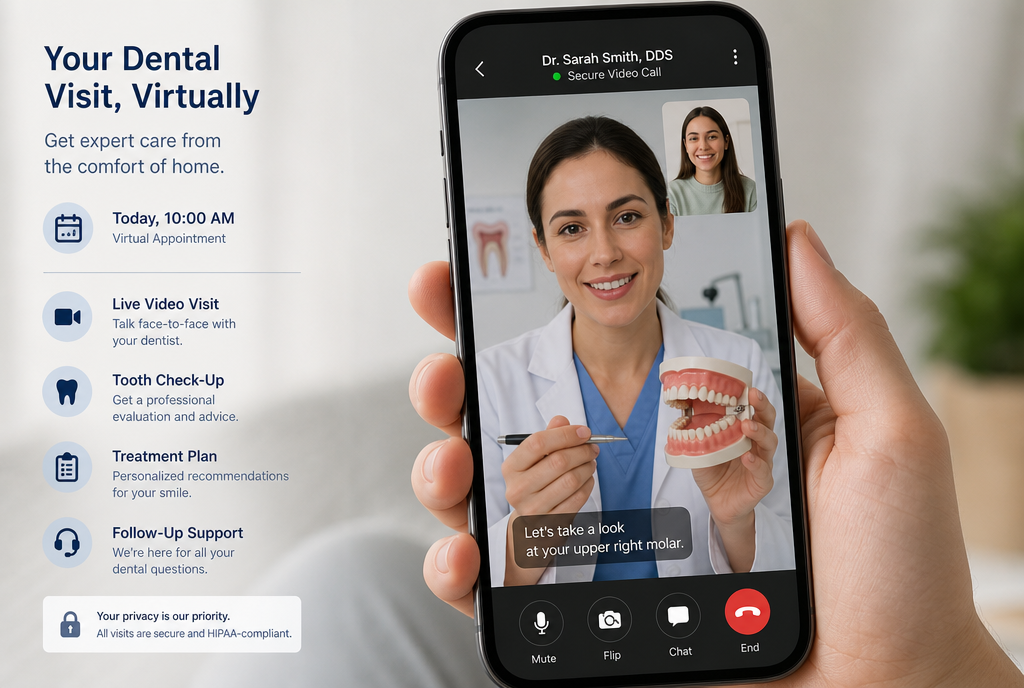
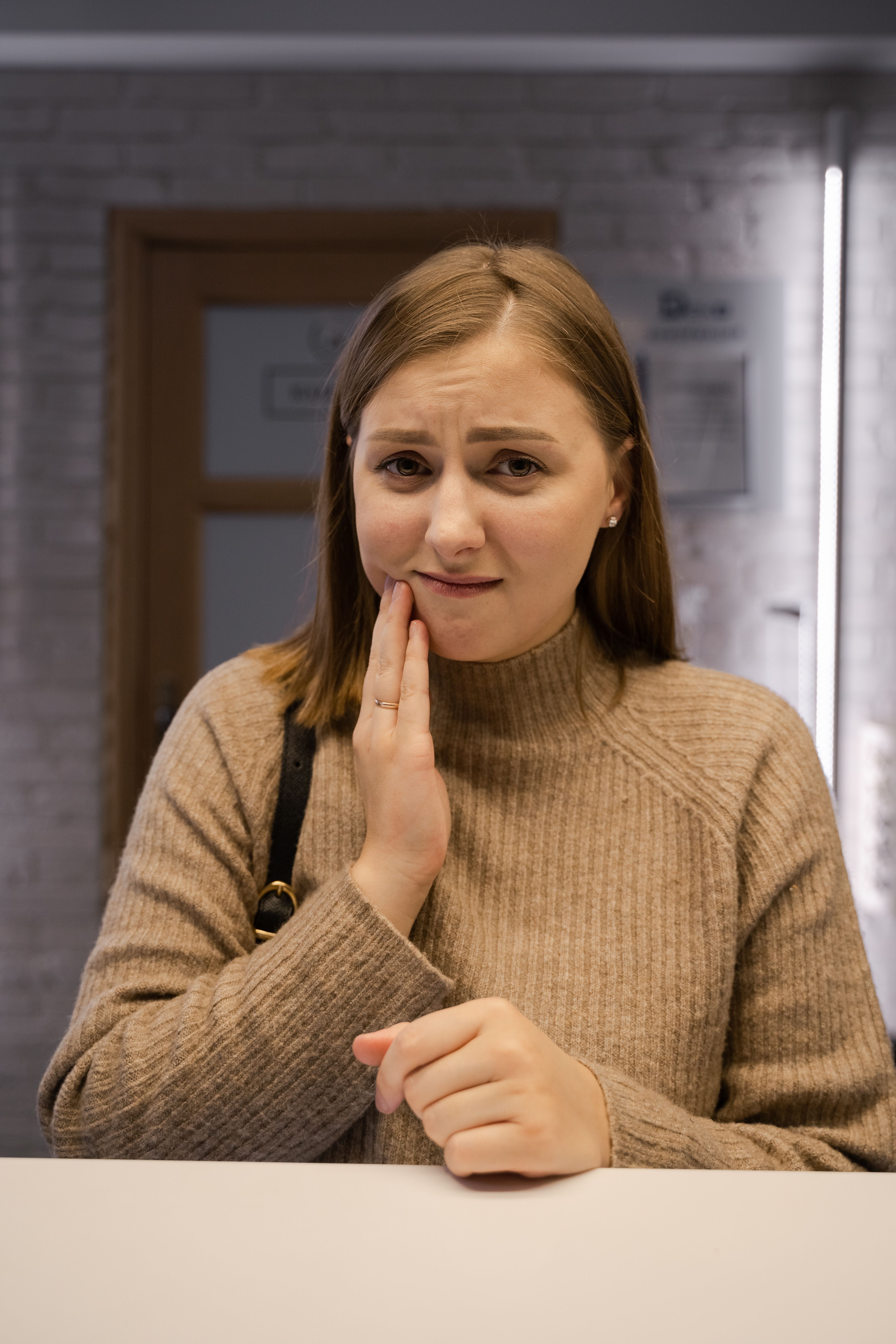
Most people don’t want to book a full appointment for something small: a bit of sensitivity, a chipped edge, gum irritation or a whitening question. Photo‑based assessments give you fast clarity without rearranging your day or waiting for a clinic slot.
They’re simple, quick and surprisingly accurate when reviewed by a dentist.
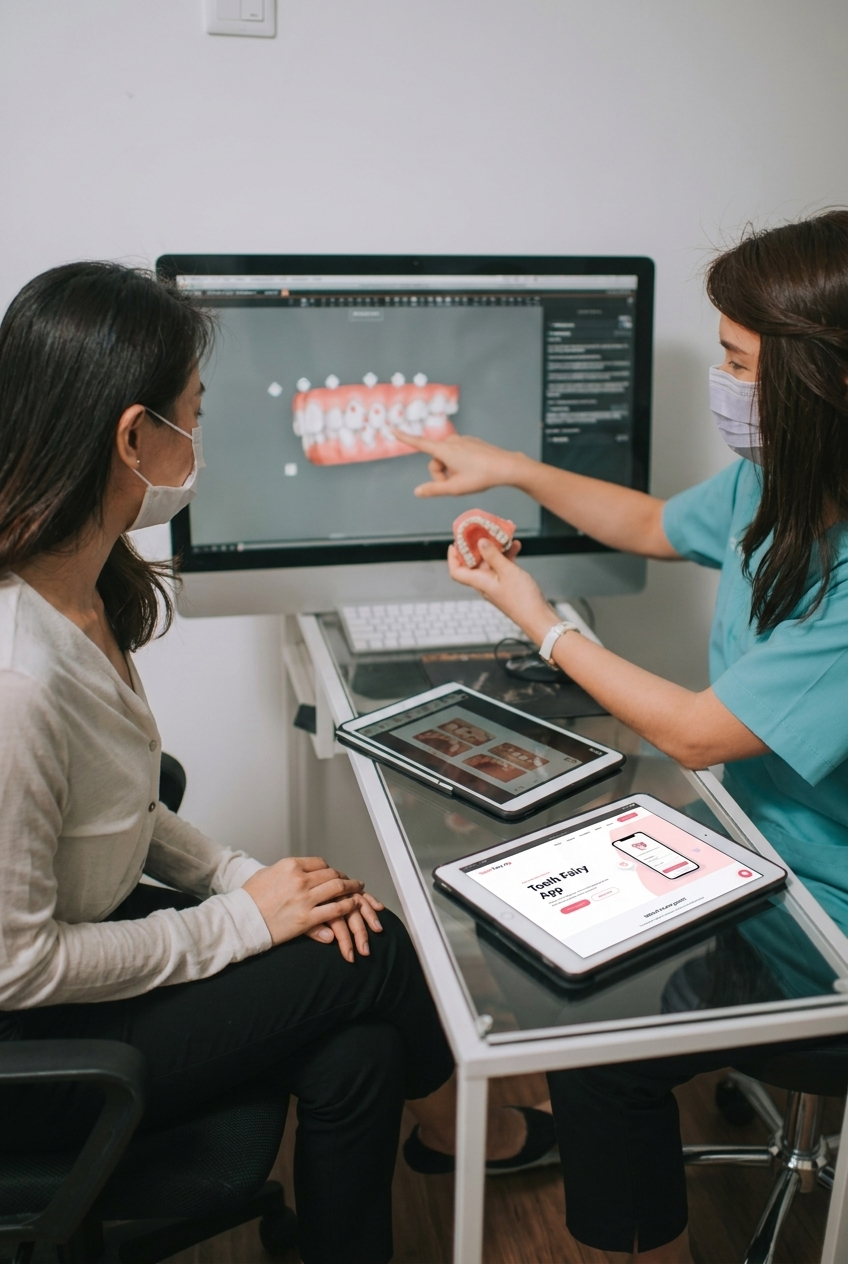
How photo‑based dental assessments work
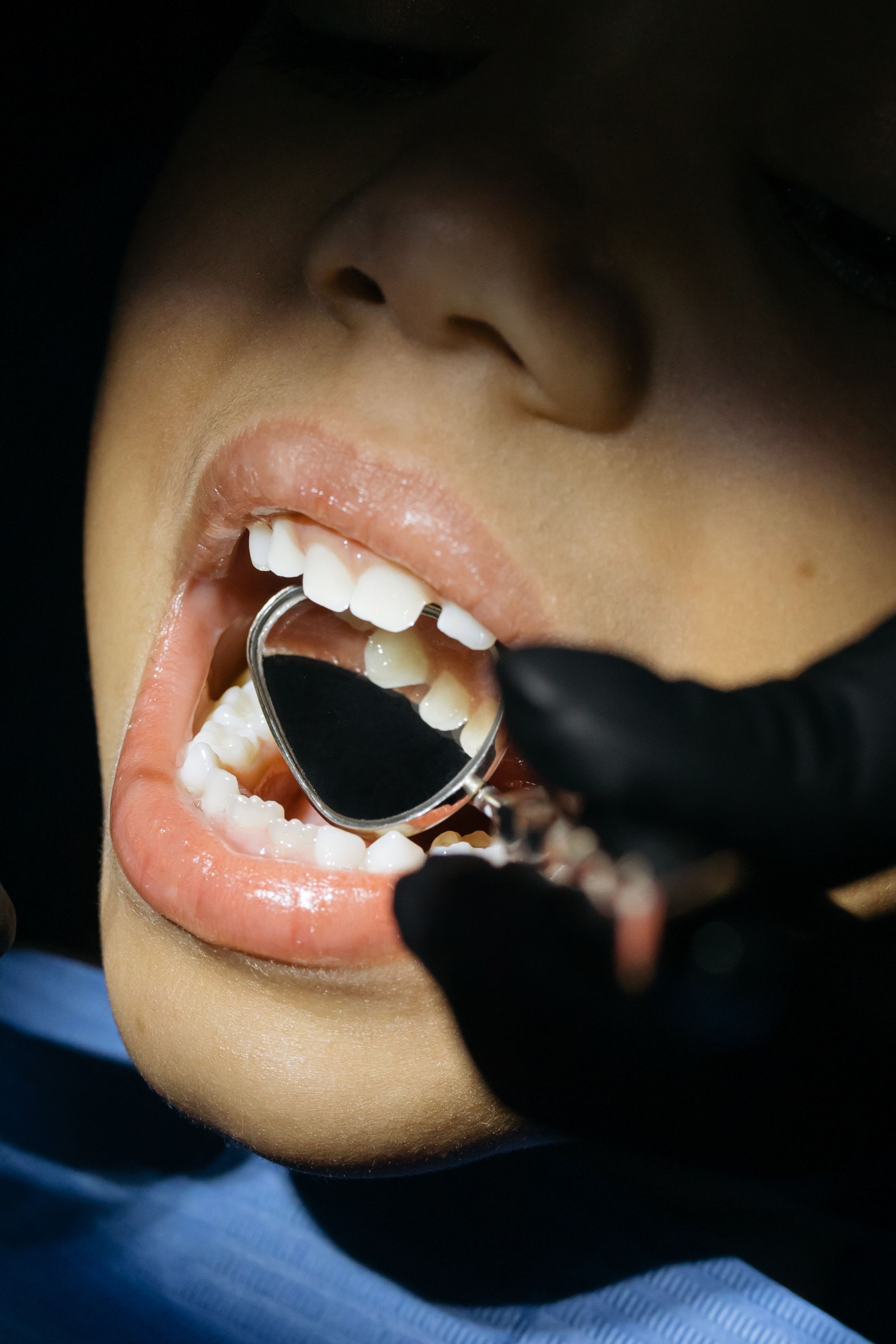
1. You upload a clear photo of the issue
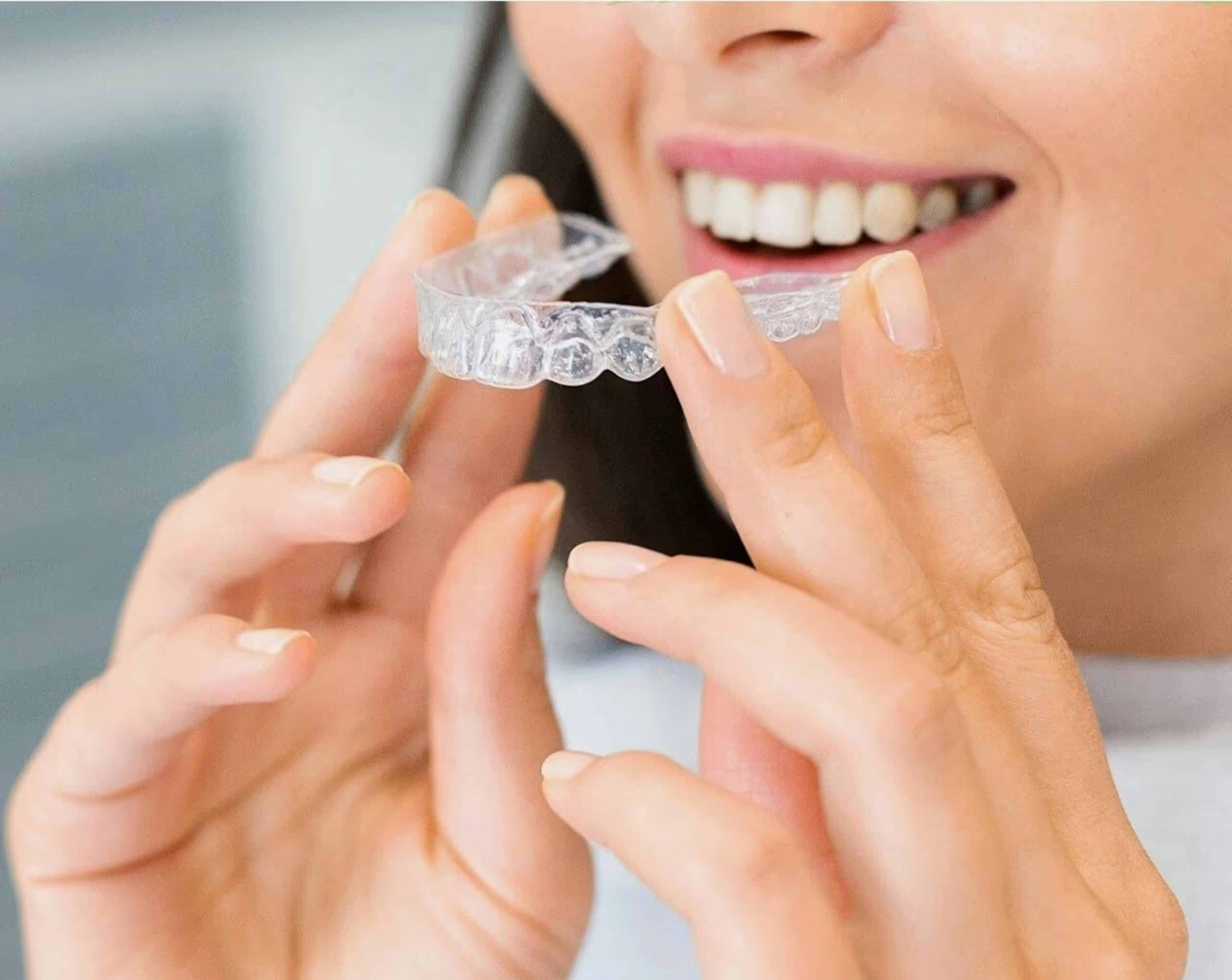
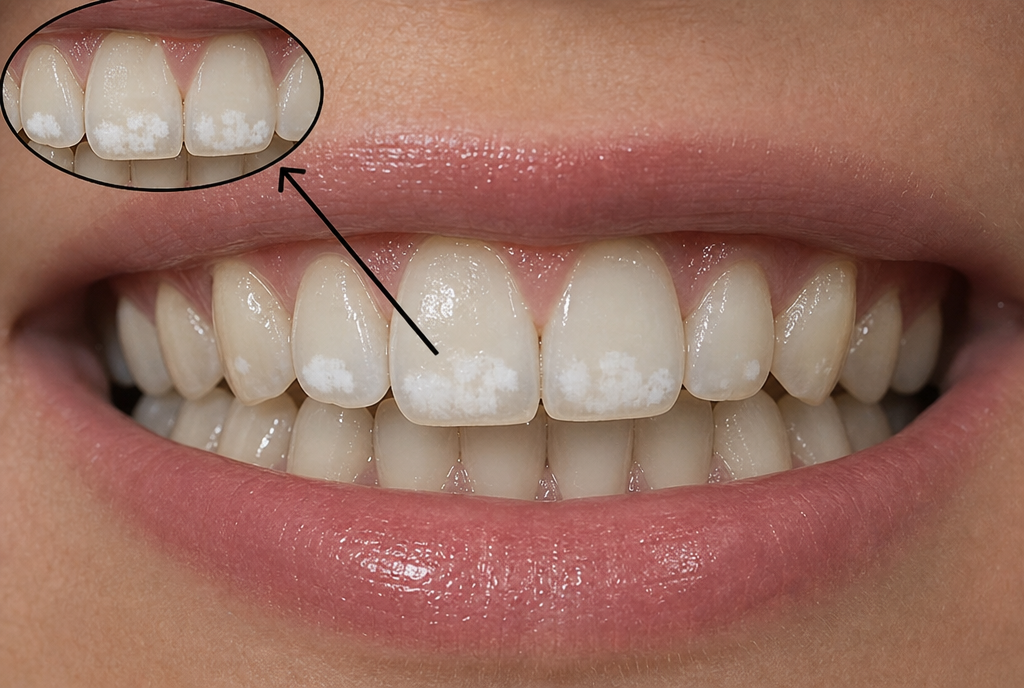
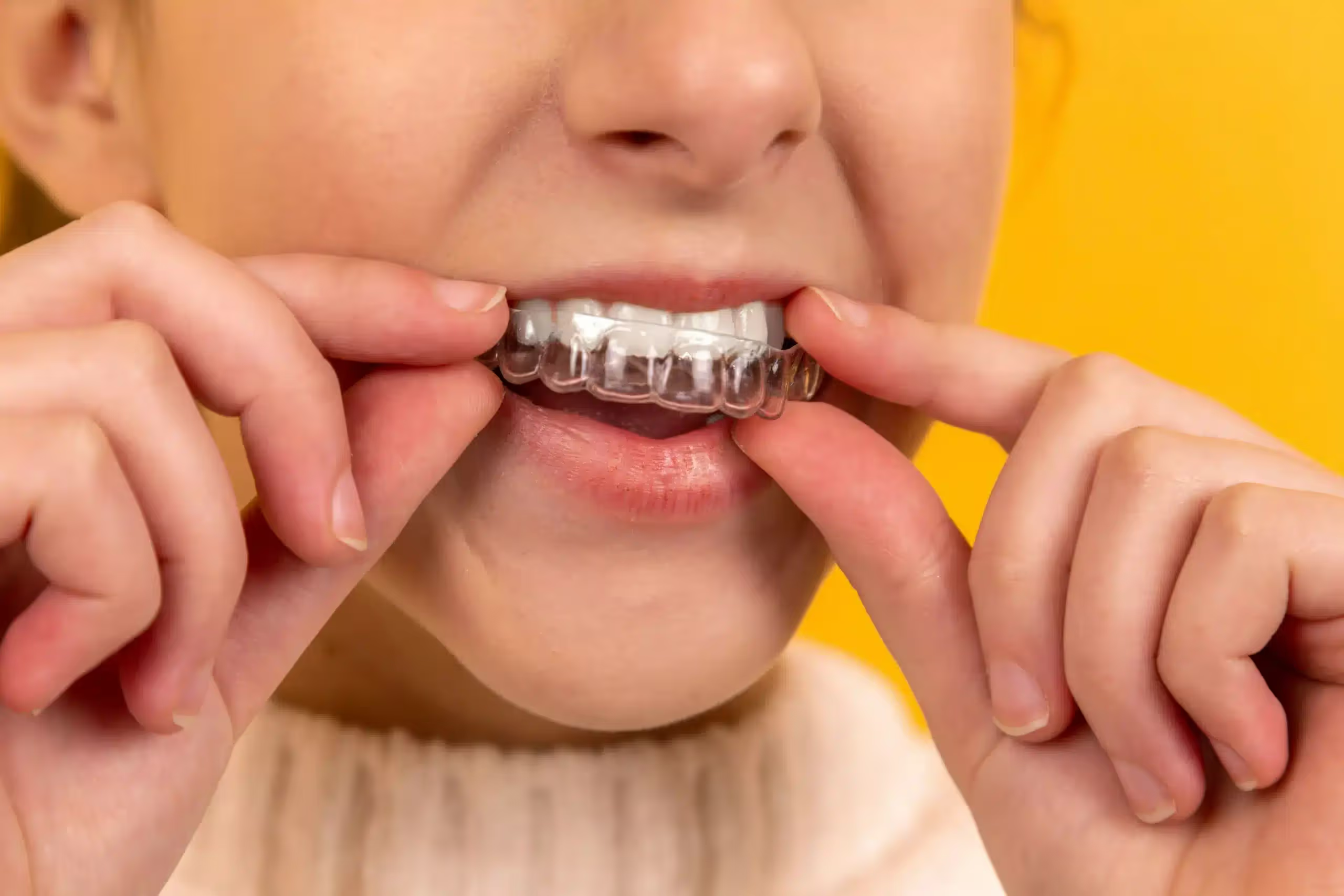
This could be a tooth, gum area, aligner fit or whitening concern.
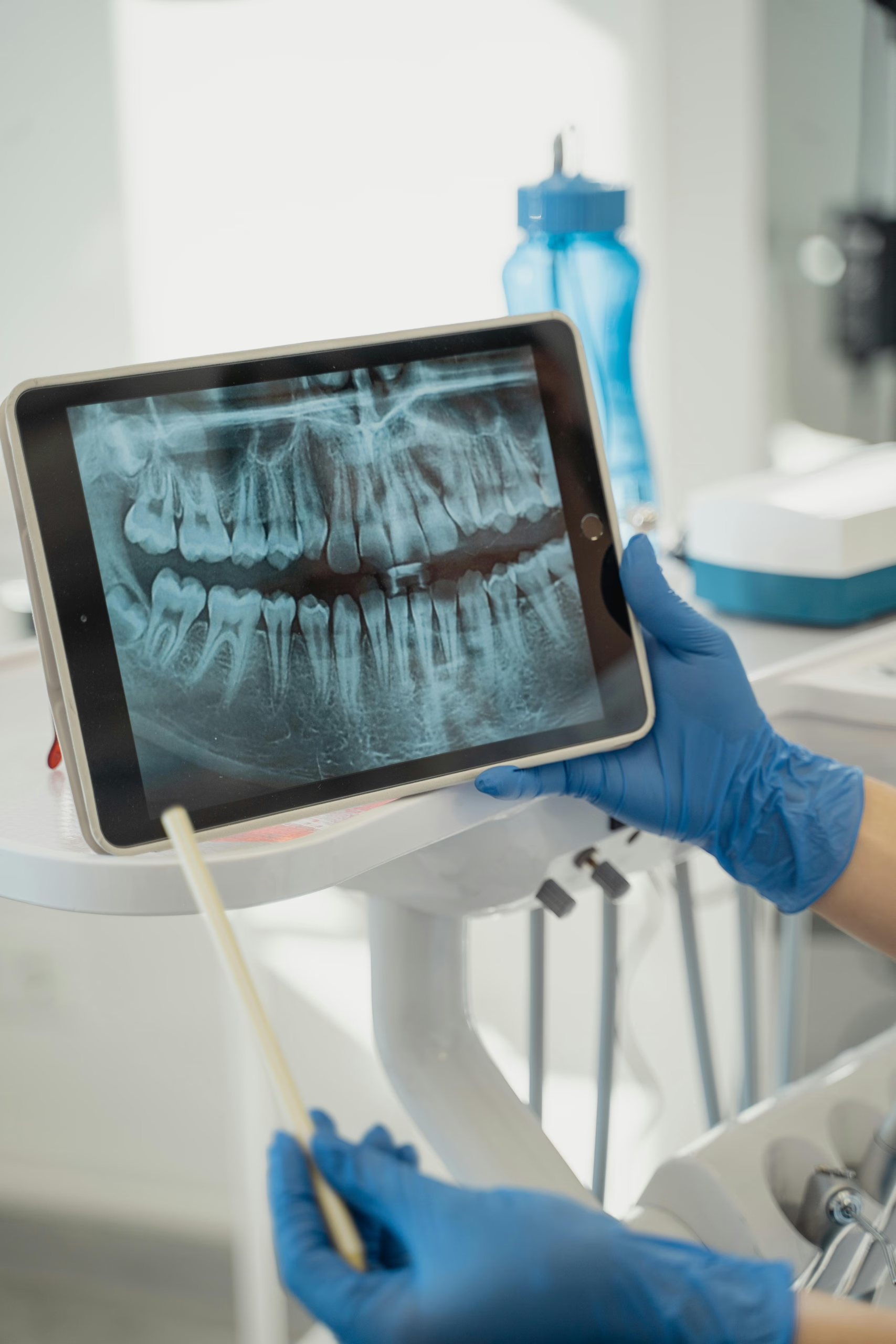
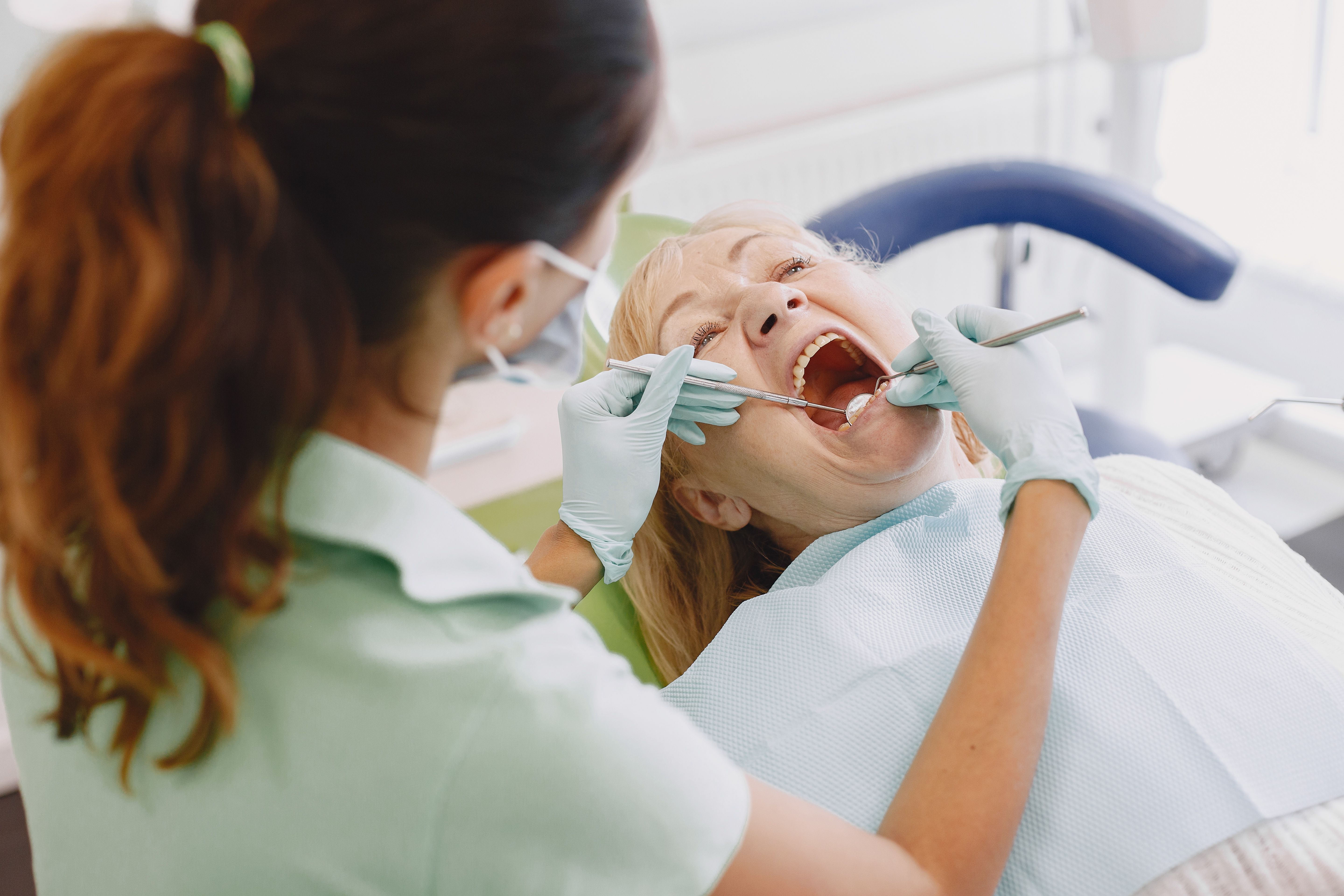
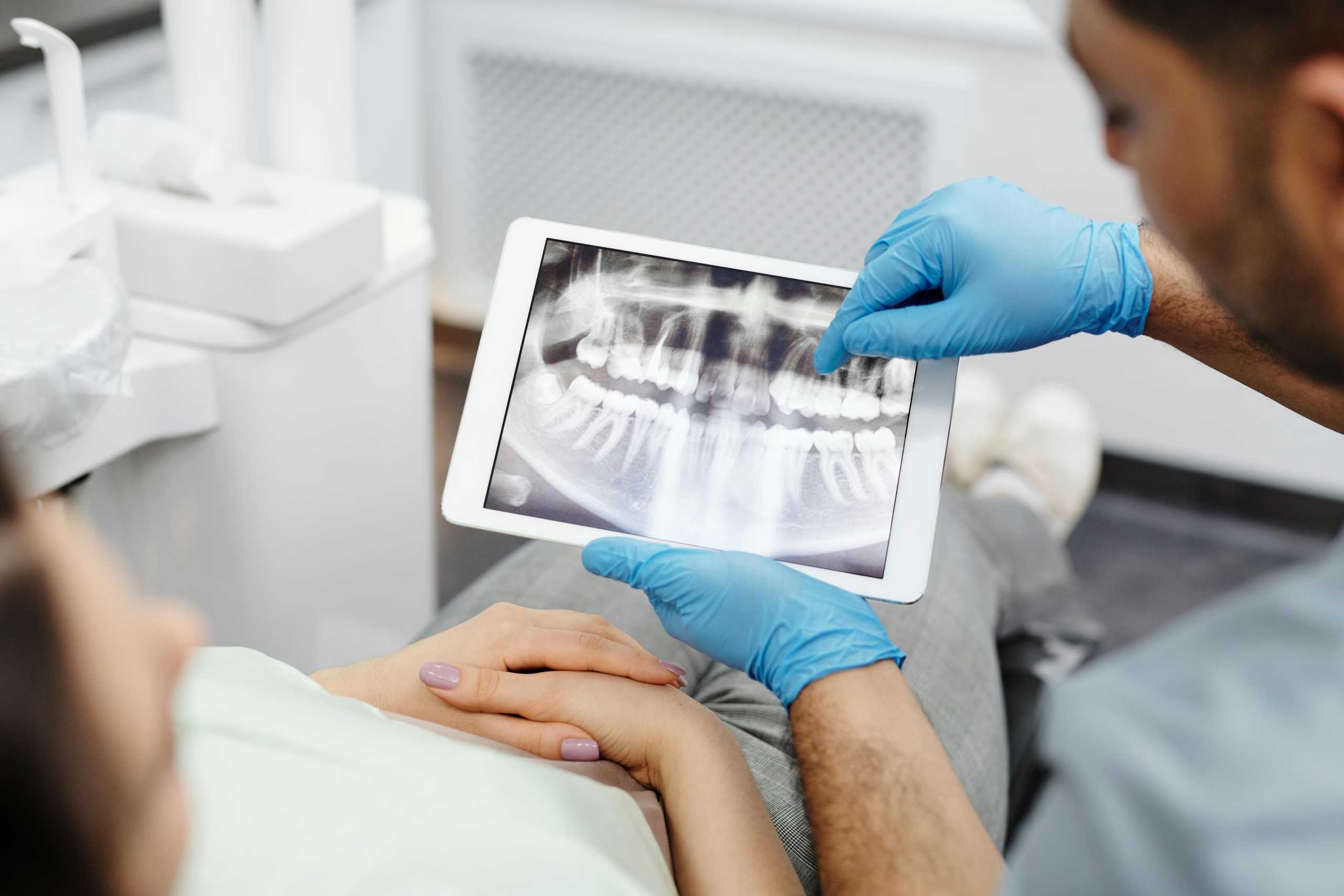
2. A dentist reviews the image
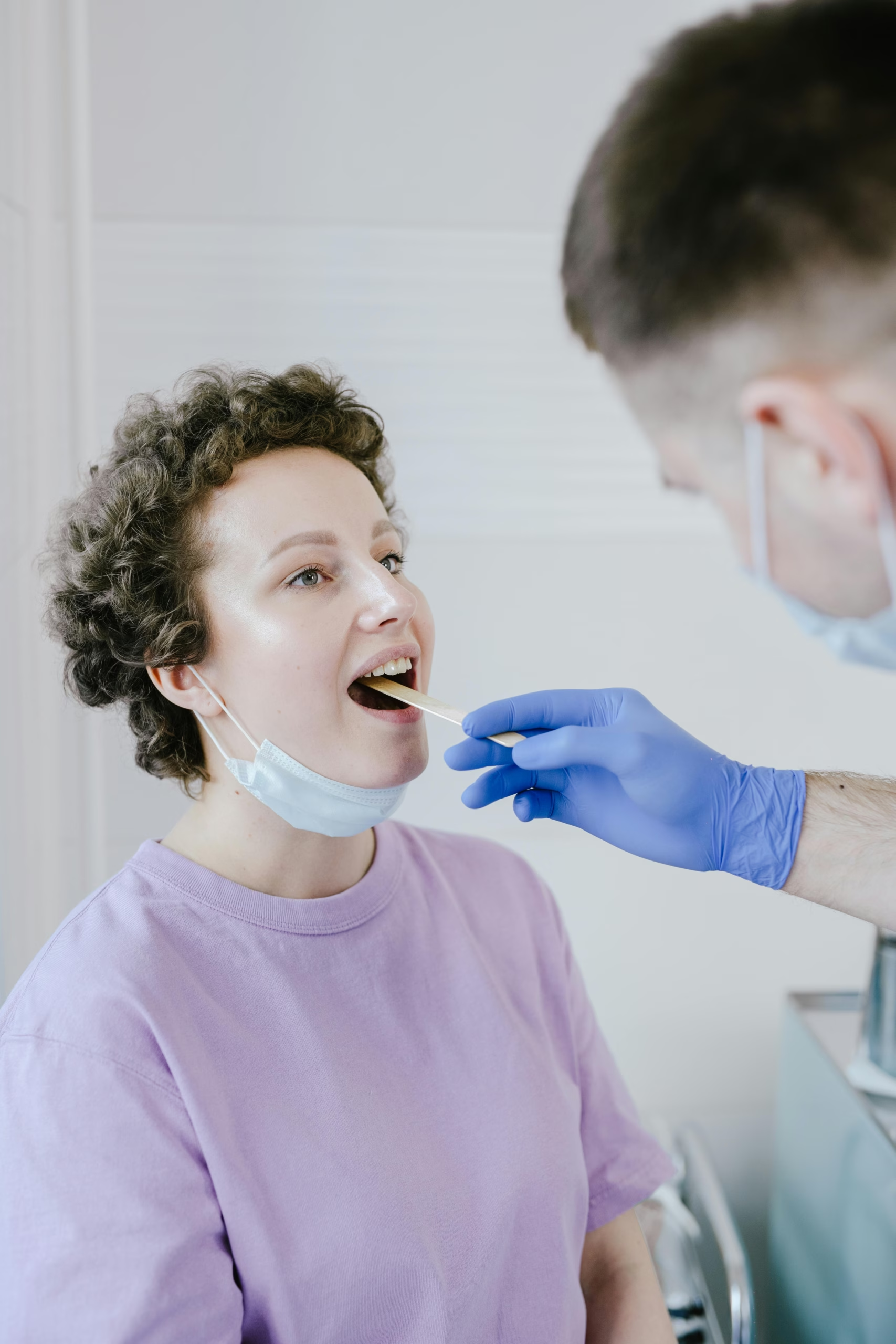
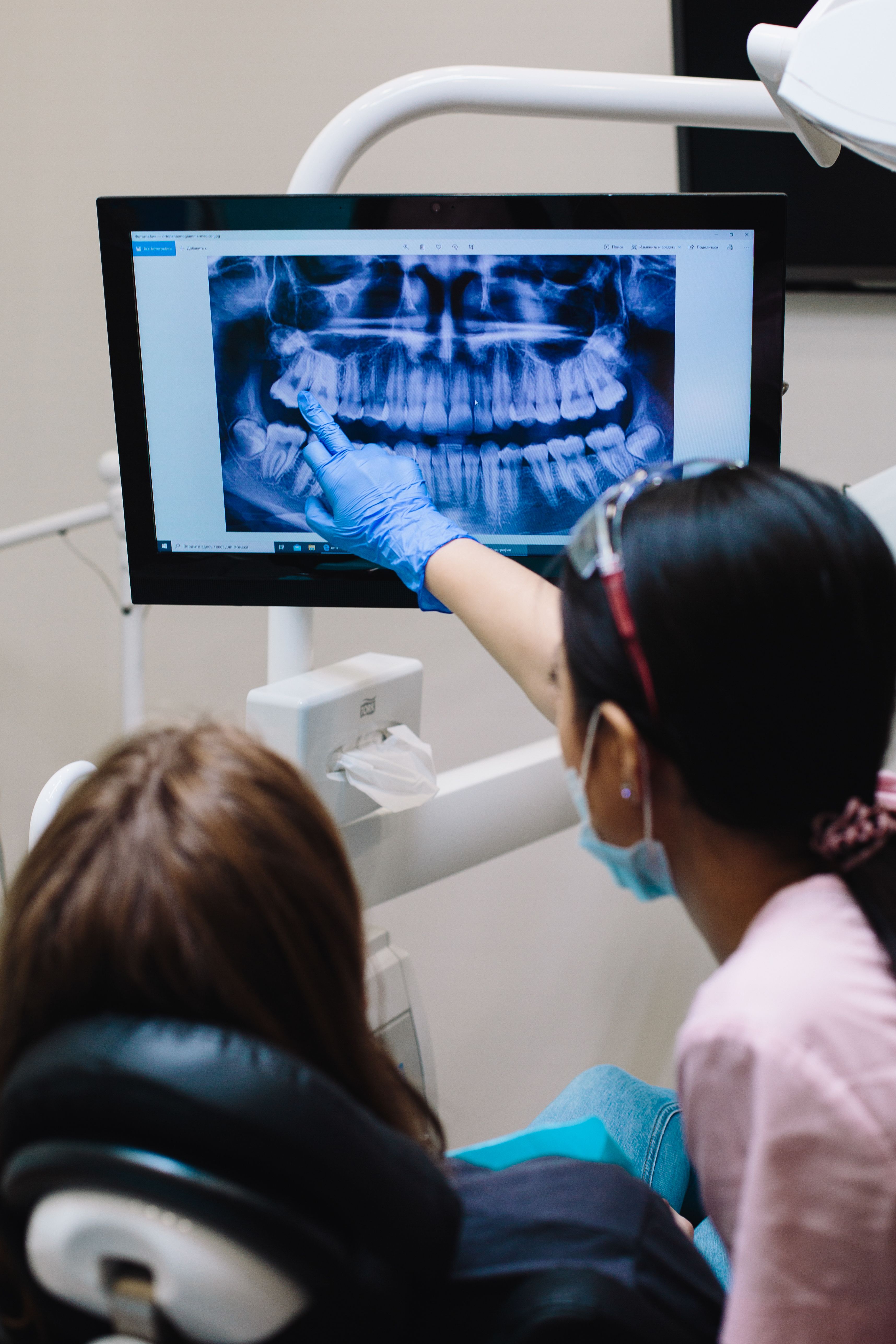
They look for signs of decay, inflammation, cracks, gum changes or aligner tracking issues.
3. You receive personalised advice
You’ll know whether the issue is minor, needs monitoring or requires an in‑person visit.
4. Follow‑up photos track progress
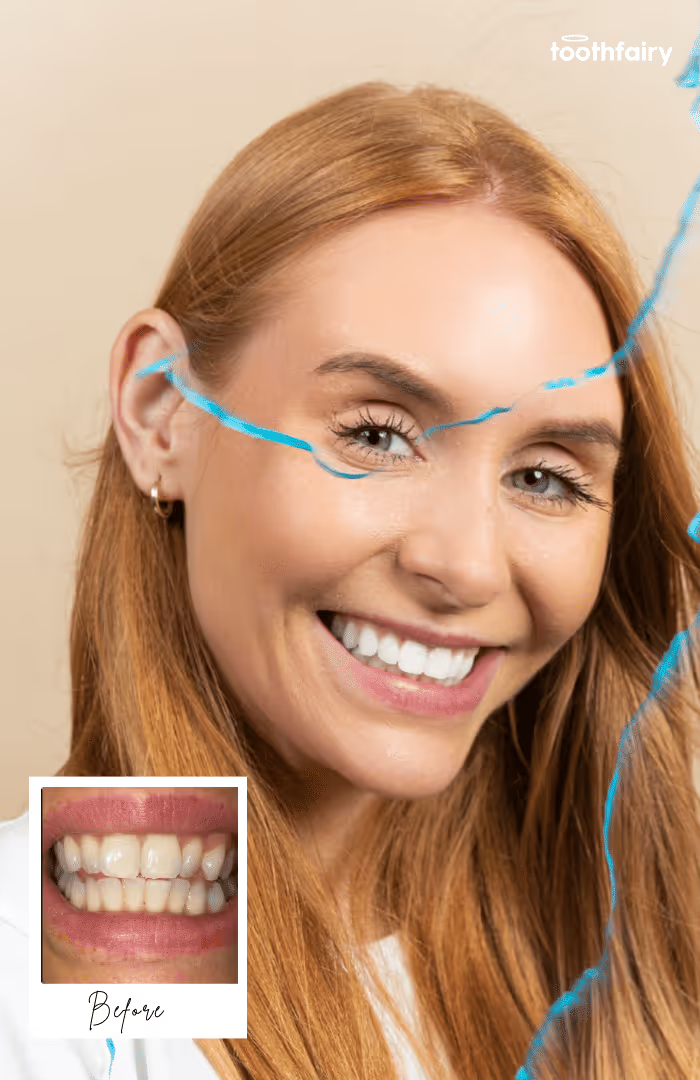
If needed, you can send updated images to check healing or treatment response.
Everyday issues that can be safely assessed by photo
Why photo‑based assessments help you avoid unnecessary appointments
You get clarity quickly
No waiting days to find out whether something is serious.
You avoid booking “just in case” visits
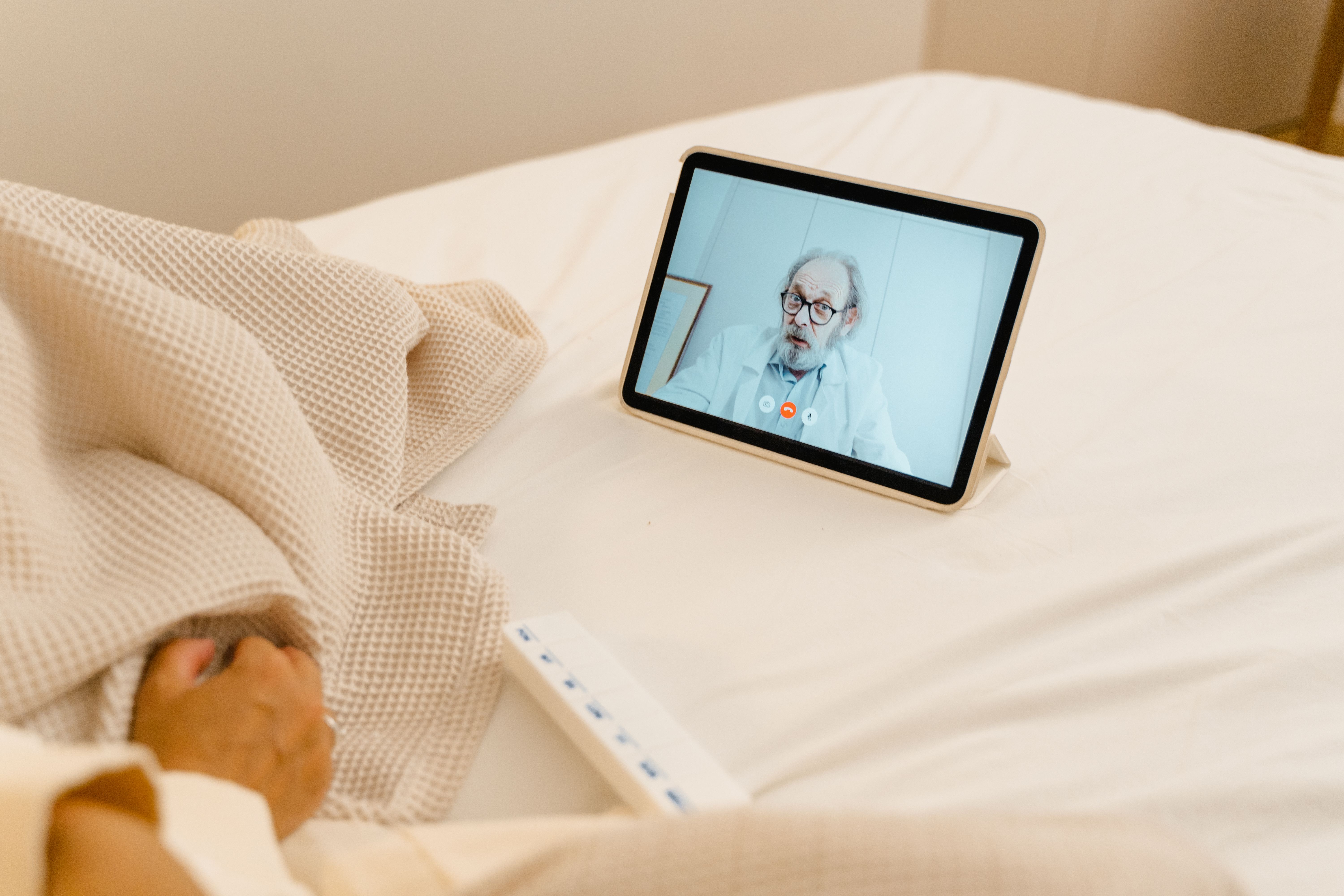
Many issues can be managed safely with remote guidance.
You save time
No travel, no waiting rooms, no schedule disruption.
You get professional reassurance
A dentist can confirm whether you need treatment or can monitor the issue at home.
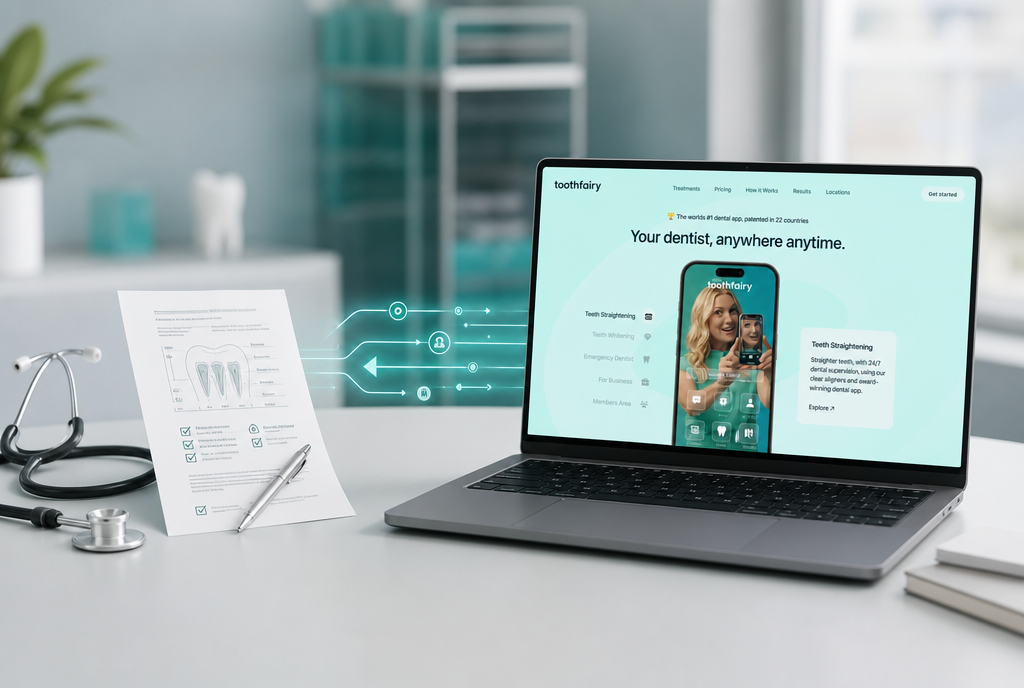
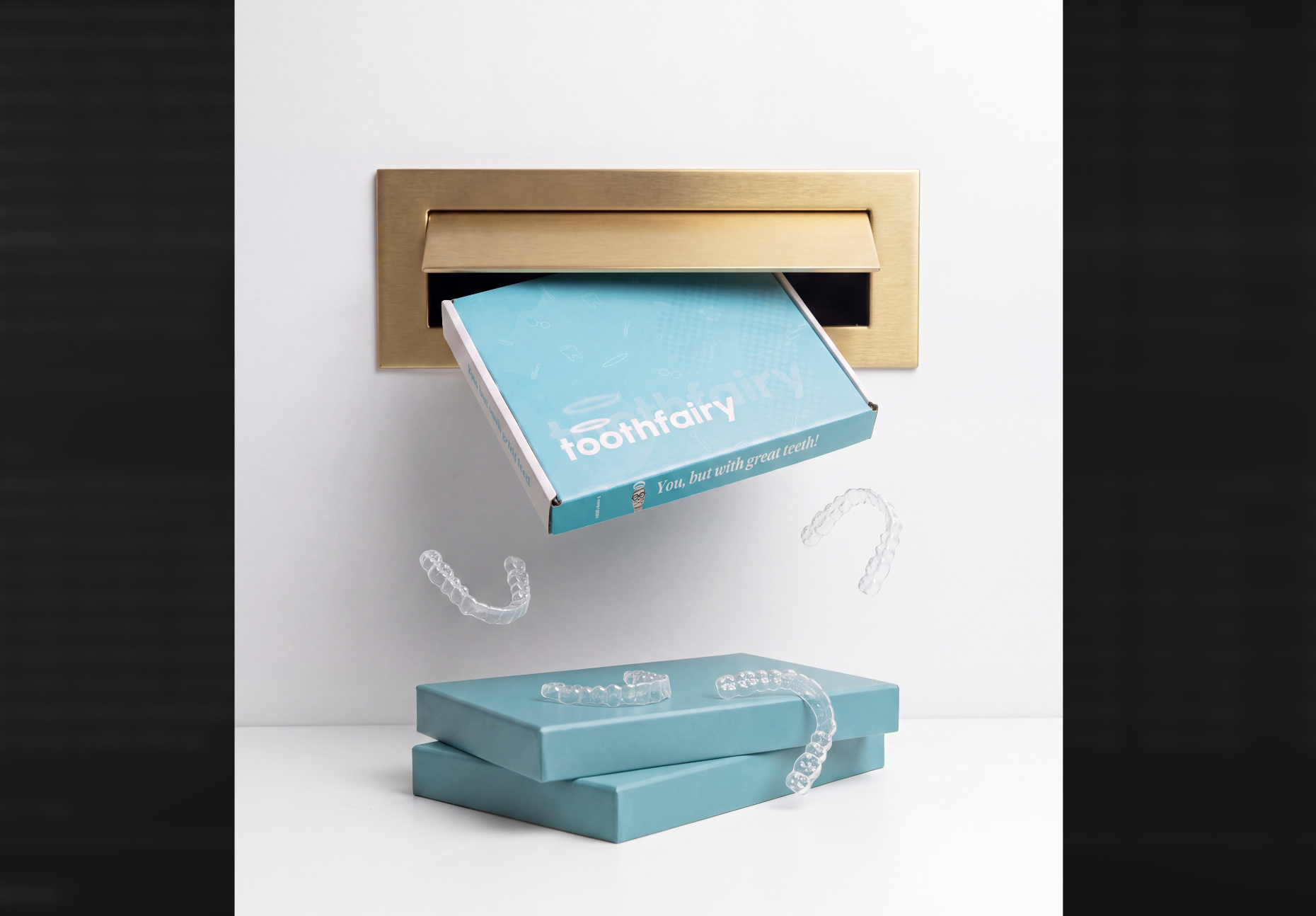
How Toothfairy uses photo‑based assessments
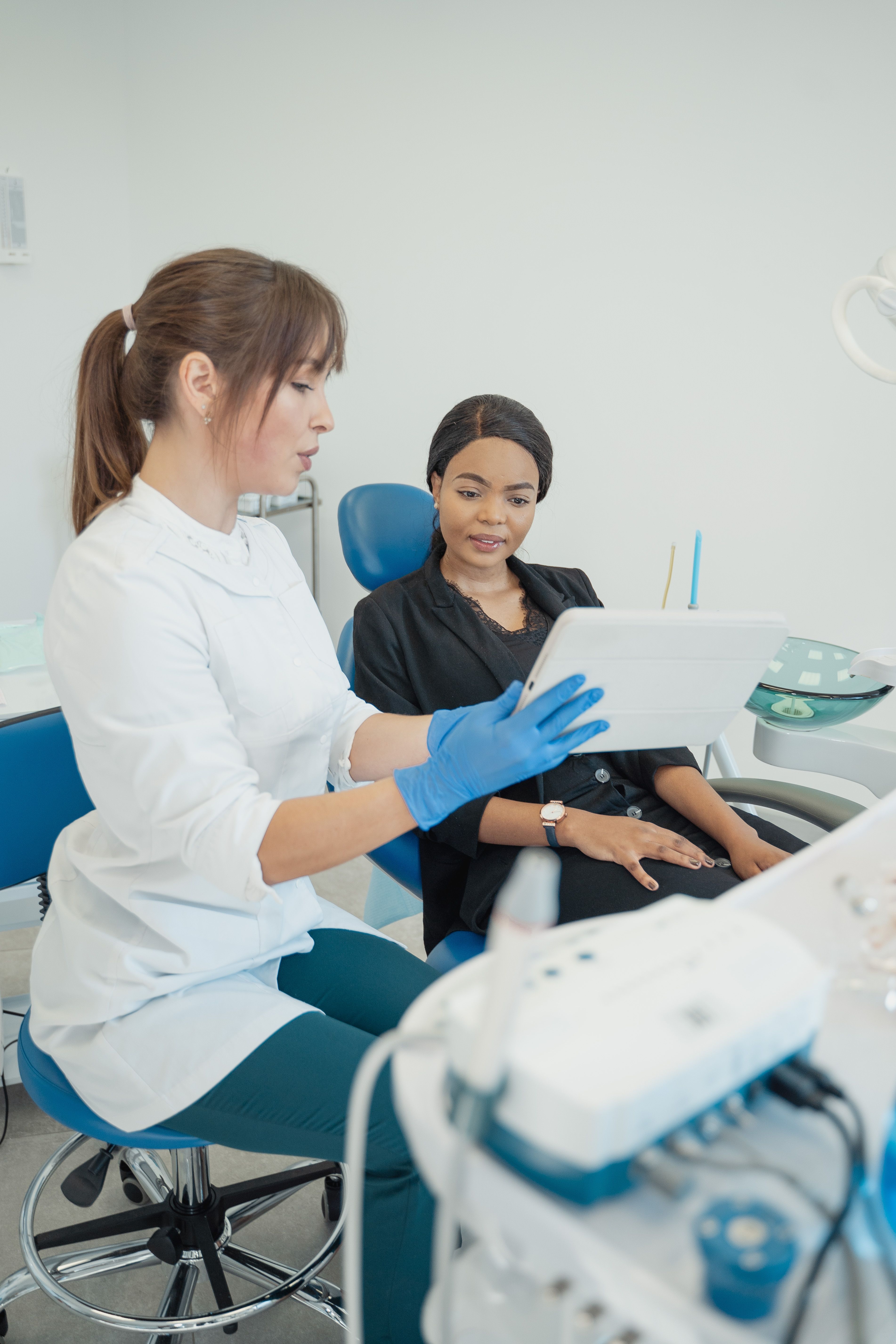
Dentist‑led reviews
Every photo is assessed by a UK‑licensed dentist.
Smart monitoring
You can send follow‑up images to track healing or treatment progress.
Support for cosmetic and routine concerns
Whitening, aligners, sensitivity and general dental questions.
Clear next steps
You’ll know whether you need a clinic visit or can continue remotely.
Your photo‑assessment questions answered
Are photo assessments accurate?
Yes — dentists can identify many issues from clear images.
Can I get prescriptions remotely?
Yes, when clinically appropriate after a dentist reviews your case.
Does this replace in‑person visits?
Not always — but it reduces unnecessary appointments and speeds up decision‑making.
Is this safe?
Yes — as long as the advice comes from a licensed dentist.







.jpg)



.jpg)











.jpg)