
Tooth enamel is your smile’s first line of defence. It is the hard outer layer that protects your teeth from acids, sugars and daily wear. Although enamel is the strongest substance in the human body, it is not indestructible. Acidic foods, poor brushing habits and low fluoride exposure can gradually weaken it.
The good news is that enamel can be strengthened through remineralisation. With the right daily routine, smart diet choices and consistent fluoride use, you can rebuild weakened enamel and protect your teeth for years to come.
Understanding Your Enamel
Enamel protects the sensitive inner layers of your teeth. Every day, it faces a constant battle between demineralisation and remineralisation.
Demineralisation happens when acids from food, drink or bacteria dissolve minerals from the enamel surface.
Remineralisation is your body’s natural repair process, where minerals like calcium and fluoride rebuild and reinforce enamel.
Your daily habits determine which side of this cycle wins.
Why Enamel Health Matters in the UK
Tooth decay remains a major issue across the UK. A 2023 survey found that decay in Year 6 children ranged from 12.1 percent in the South West to 23.3 percent in Yorkshire and The Humber. These figures highlight regional inequalities and the importance of strong enamel protection.
With NHS access challenges and long waiting times, your at‑home routine plays an even bigger role in protecting your enamel.
Your Daily Enamel Defence Routine
Strengthening enamel is all about small, consistent habits.
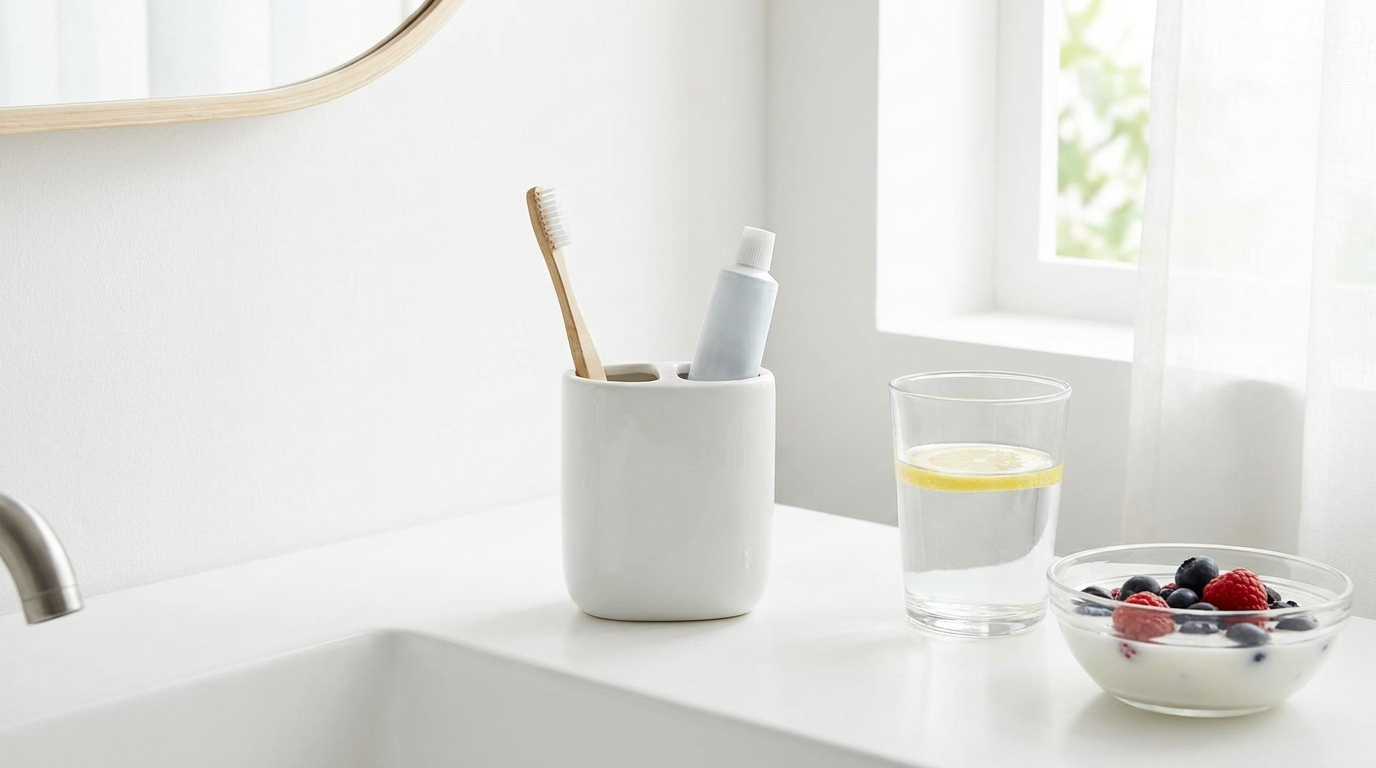
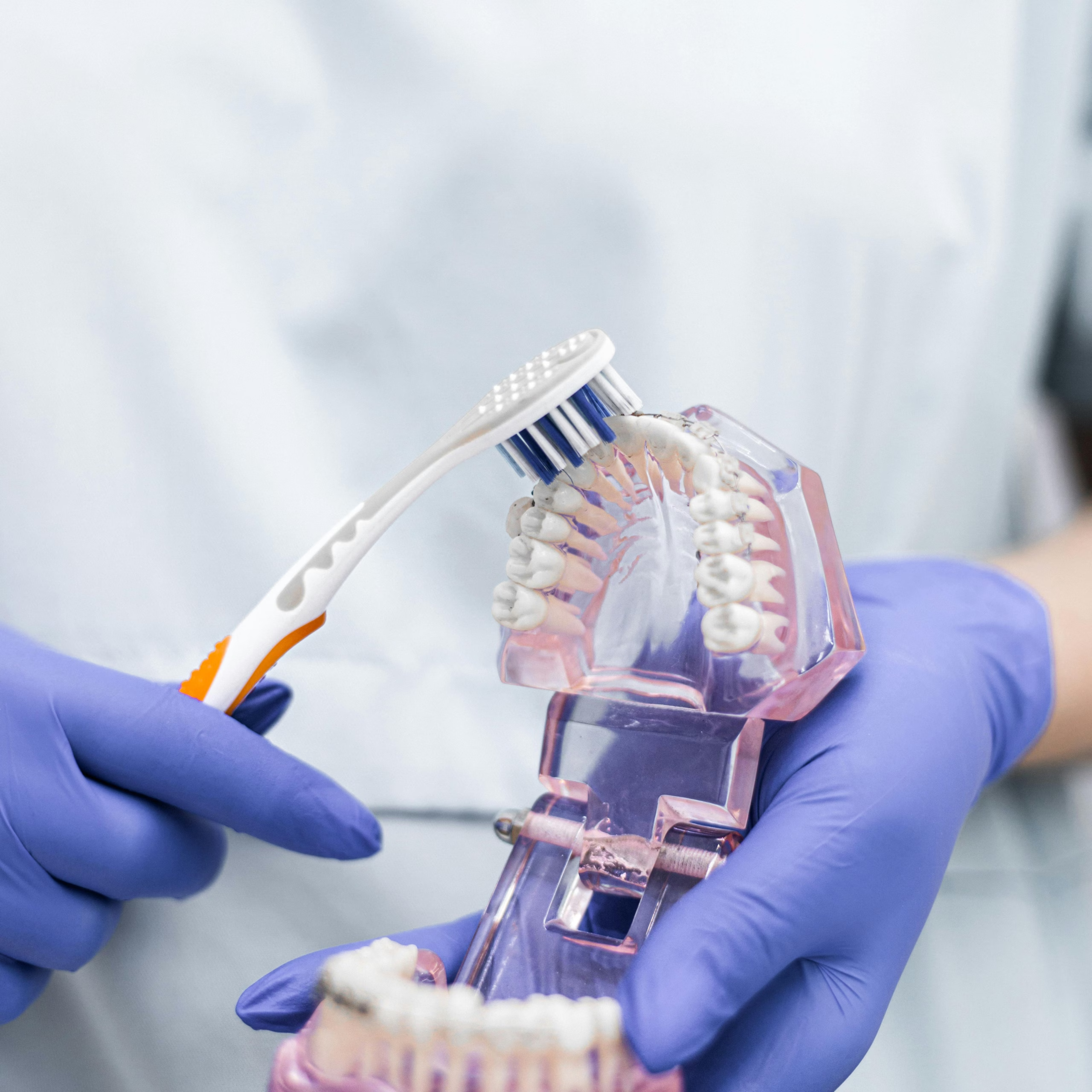
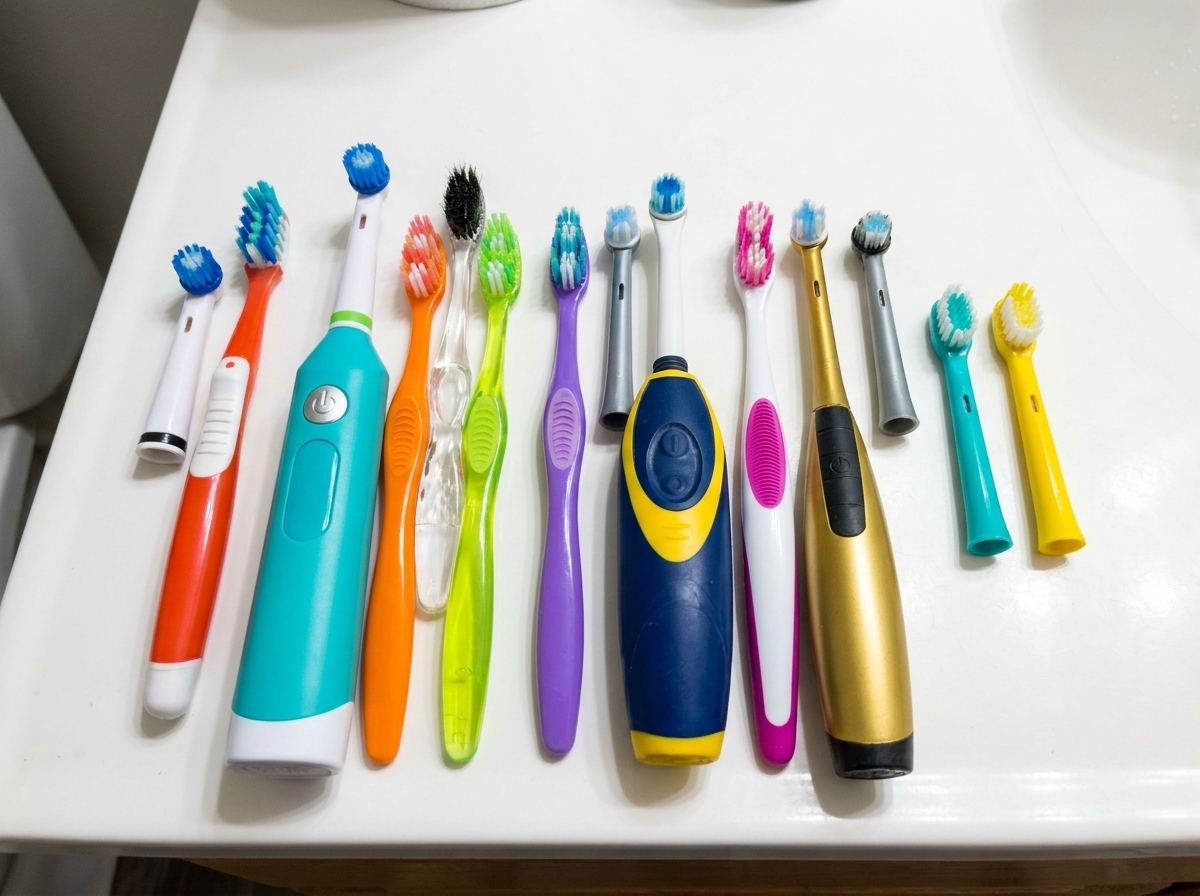
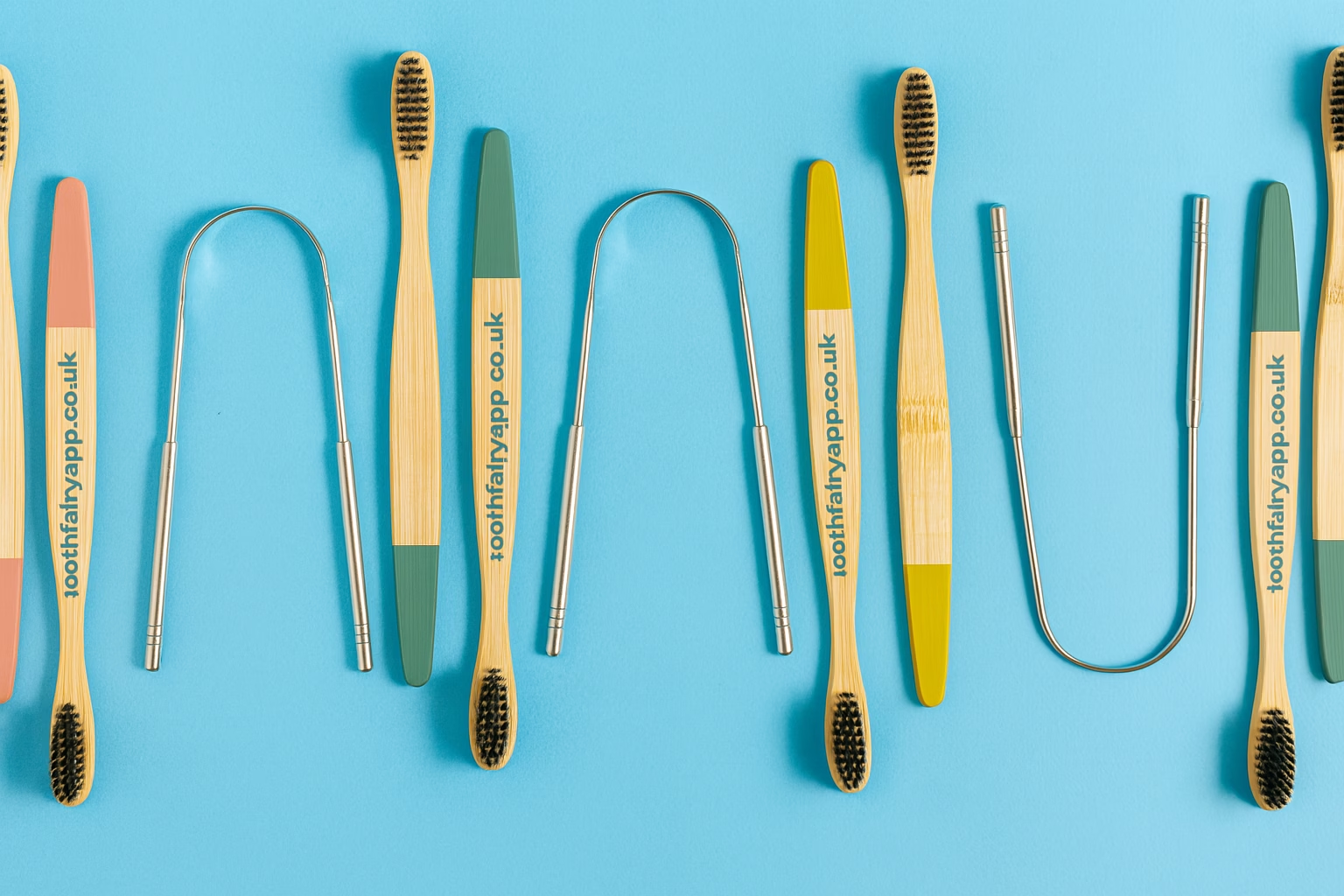
Use a soft‑bristled toothbrush
Hard brushing can wear enamel away. Use gentle, circular motions to remove plaque without damaging the surface.
Brush at the right time
Avoid brushing immediately after acidic foods or drinks. Acid temporarily softens enamel, and brushing too soon can cause mechanical wear. Wait thirty to sixty minutes and rinse with water in the meantime.
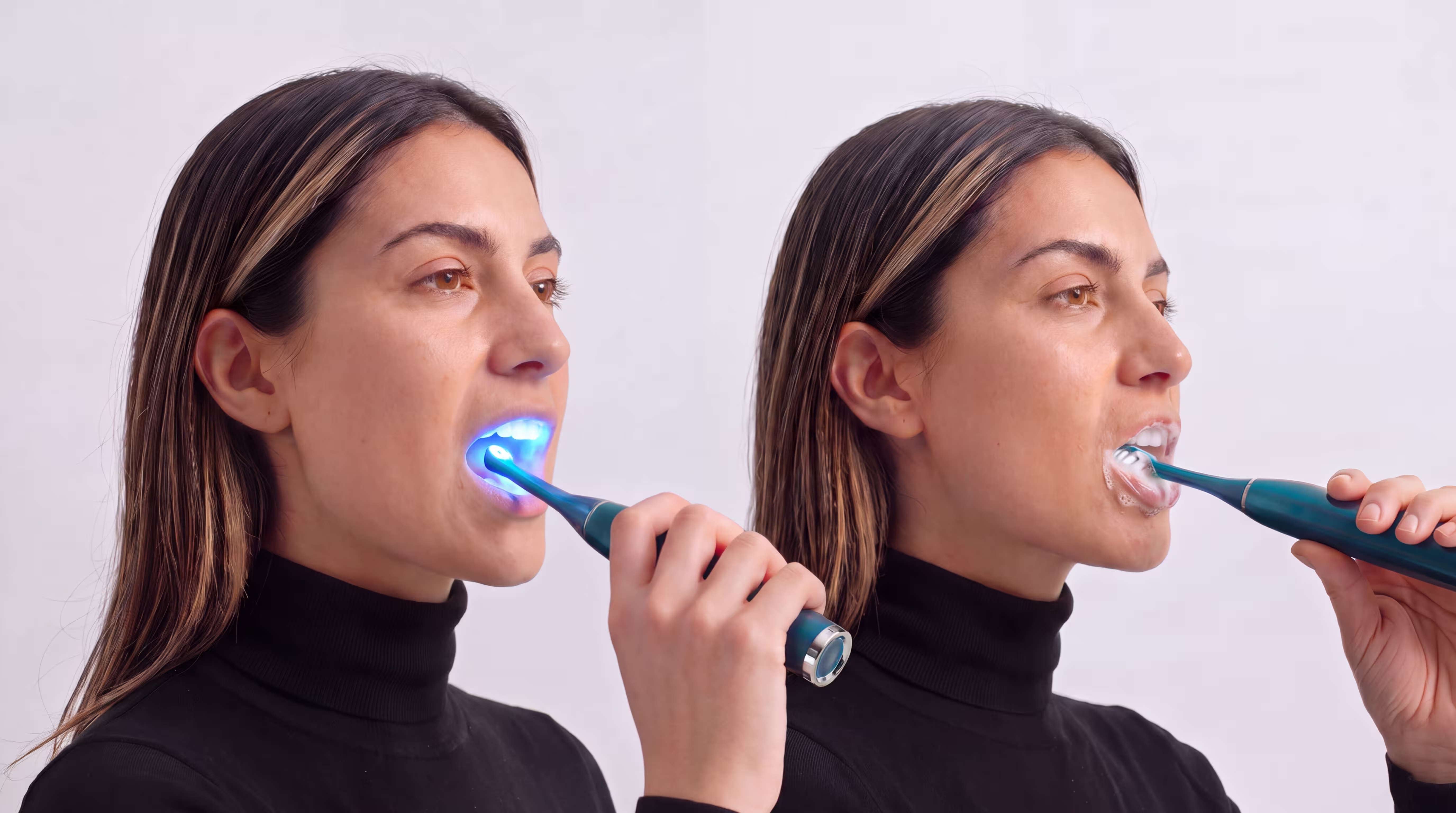
Fluoride toothpaste twice a day
Fluoride integrates into your enamel, forming a stronger, more acid‑resistant surface called fluorapatite. Choose toothpaste with at least 1350 to 1500 ppm fluoride.
Floss daily
Plaque between teeth produces acids that attack enamel. Flossing removes these hidden sources of erosion.
Simple Daily Swaps for Stronger Enamel
These small changes create a powerful daily shield for your enamel.
Your Enamel Strengthening Diet
Your diet can either rebuild enamel or break it down.
Foods that strengthen enamel
• Dairy products such as cheese, milk and yoghurt
• Leafy greens such as spinach and kale
• Lean proteins such as chicken, fish and eggs
• Nuts and seeds, especially almonds
These foods supply calcium, phosphorus and vitamin D, the minerals your enamel needs for remineralisation.
Chewing sugar‑free gum after meals also boosts saliva, your mouth’s natural defence system.
Foods that weaken enamel
Citrus fruits and juicesSports and energy drinksFizzy drinksSticky or starchy snacks such as crisps and crackers
Use a straw for acidic drinks and rinse with water afterwards to reduce contact time.
For more guidance on reducing sugar
Fluoride: Your Enamel’s Best Protection
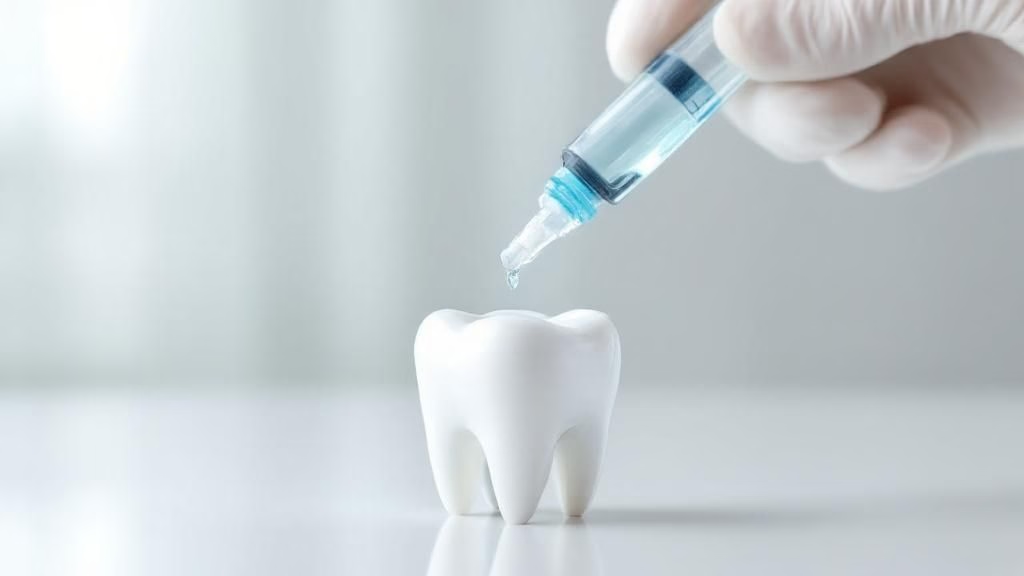
Fluoride is the most effective ingredient for strengthening enamel. It upgrades weakened enamel into a tougher, more acid‑resistant surface.
Best fluoride sources
Fluoride toothpasteFluoride mouthwashProfessional fluoride varnish
Use mouthwash at a different time of day to brushing. After brushing, spit but do not rinse, so fluoride stays on your teeth.
The UK water fluoridation gap
Only around one in ten people in England have access to fluoridated water.
Government datahttps://www.gov.uk/government/collections/water-fluoridation-health-monitoring-reports
This means you cannot rely on tap water for fluoride. Your toothpaste and mouthwash do the heavy lifting.
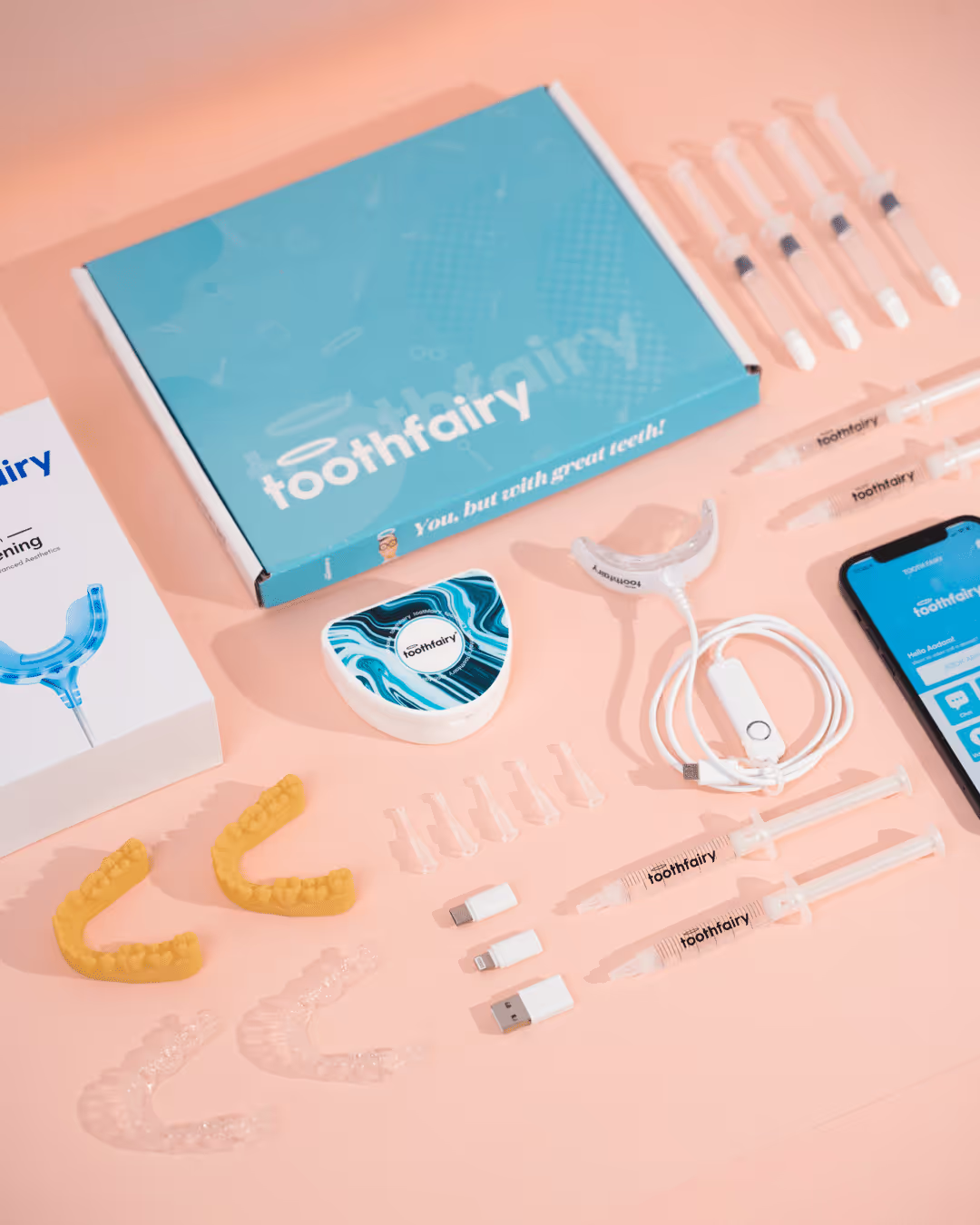
Toothfairy can help you build a personalised fluoride routinehttps://www.toothfairyapp.co.uk
When to See a Dentist
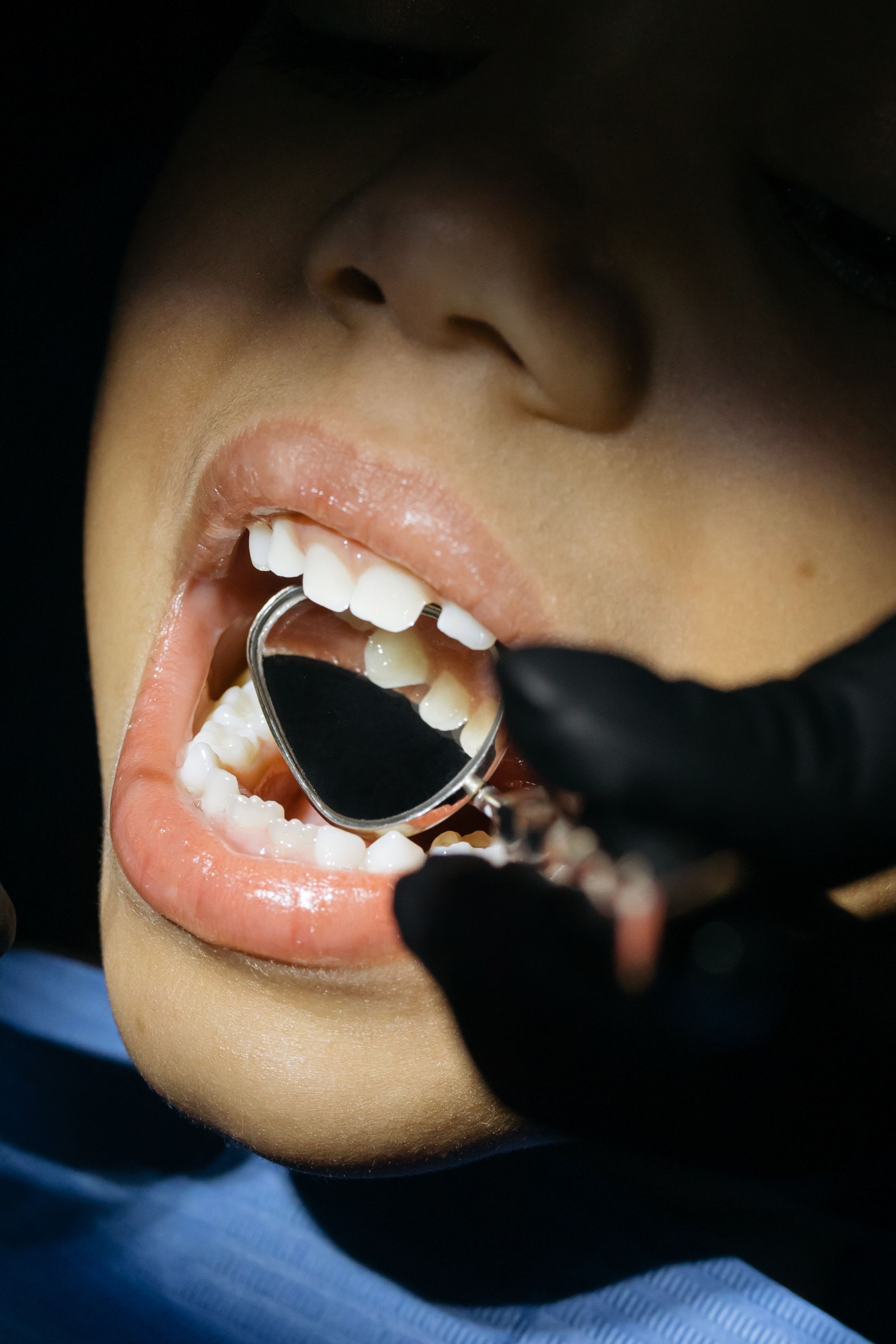
Home care is powerful, but some signs mean you need professional help.
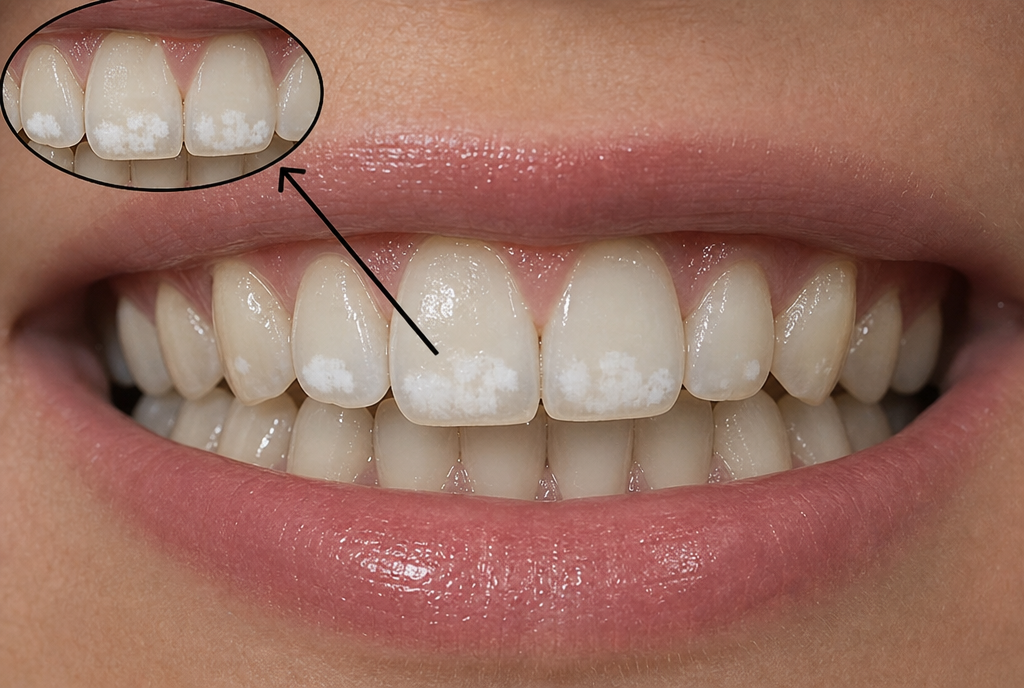
Symptoms of enamel erosion
• Persistent sensitivity
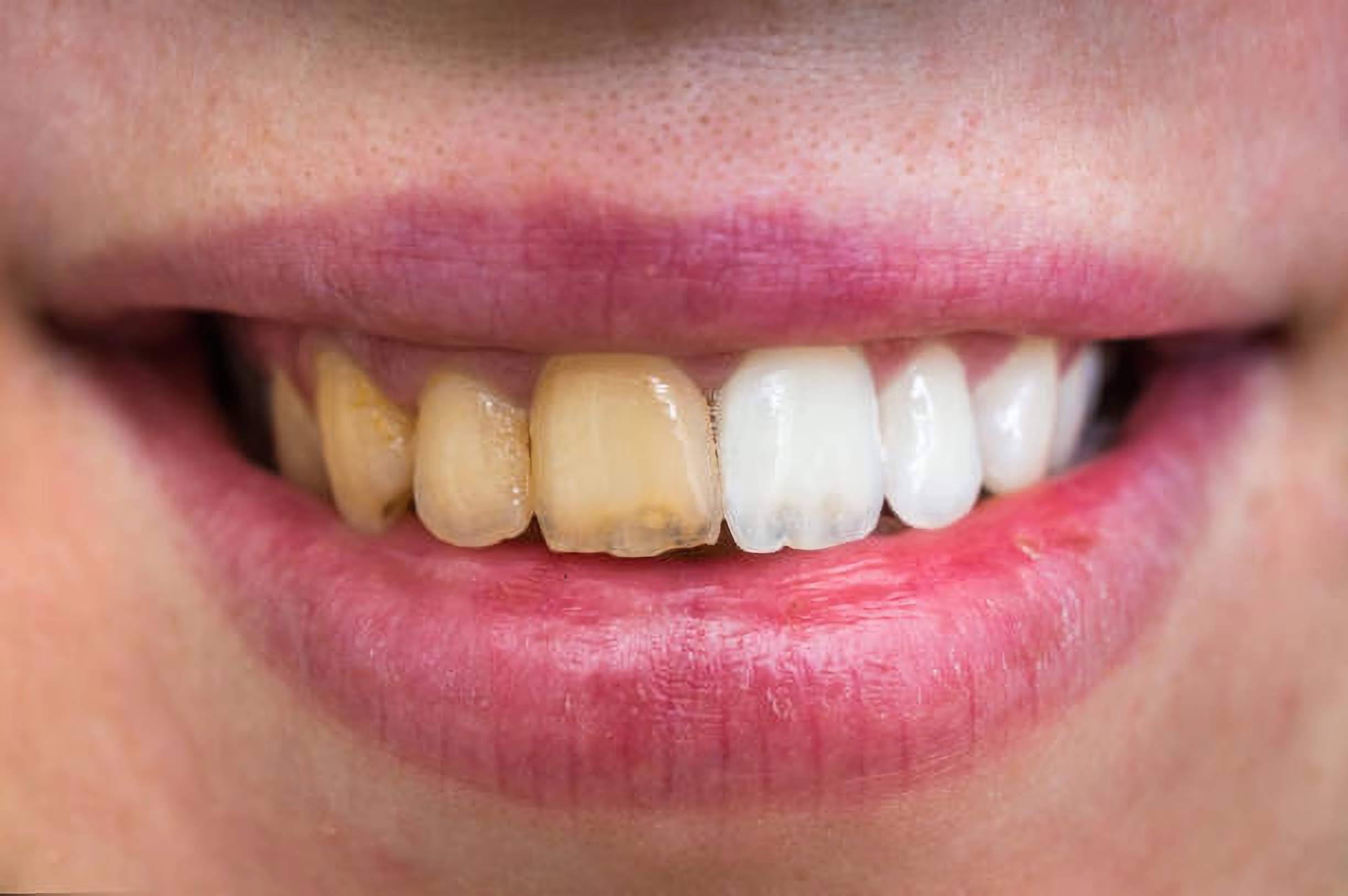
• Yellowing
• Small chips or cracks
• Indentations on chewing surfaces
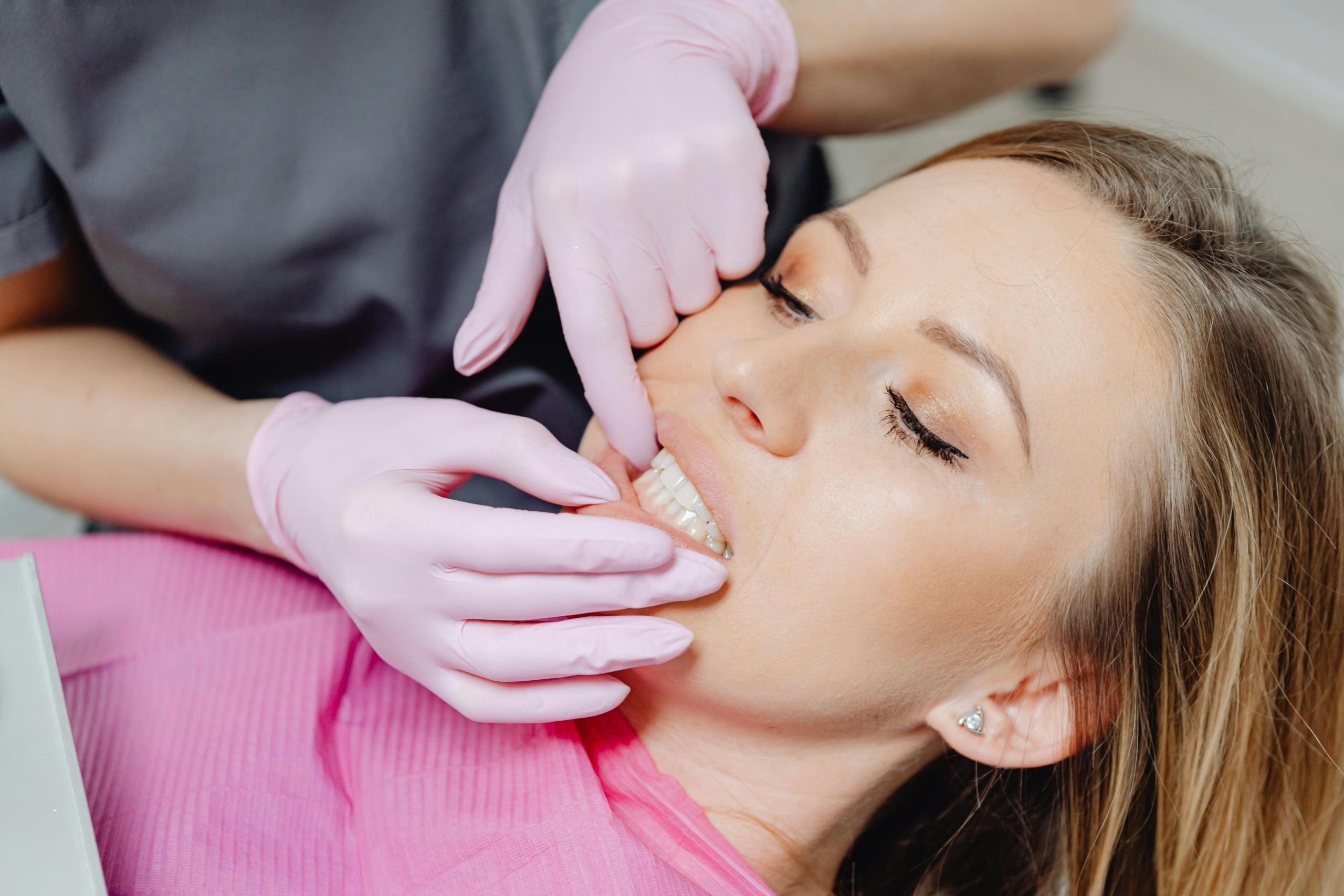
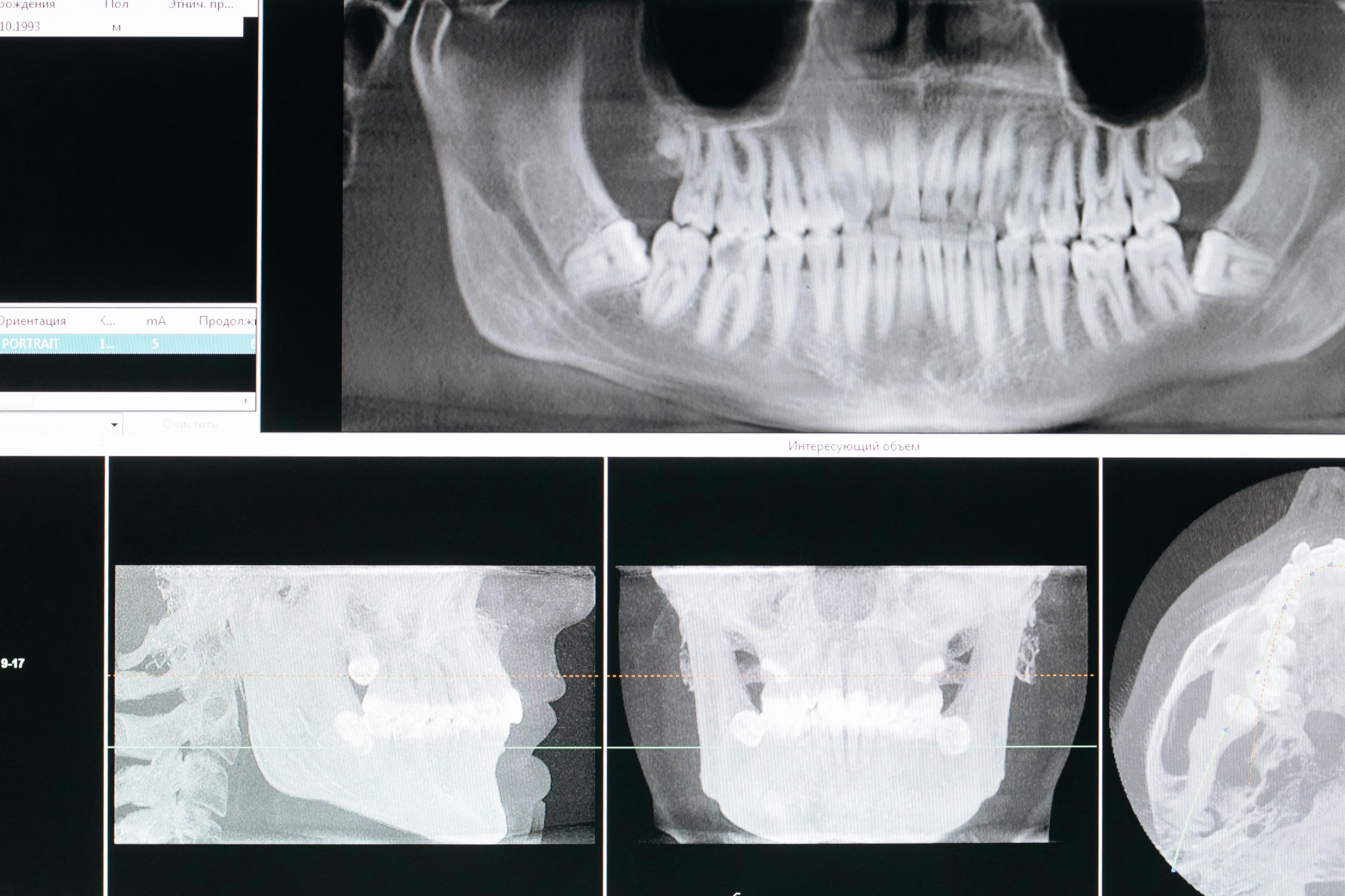
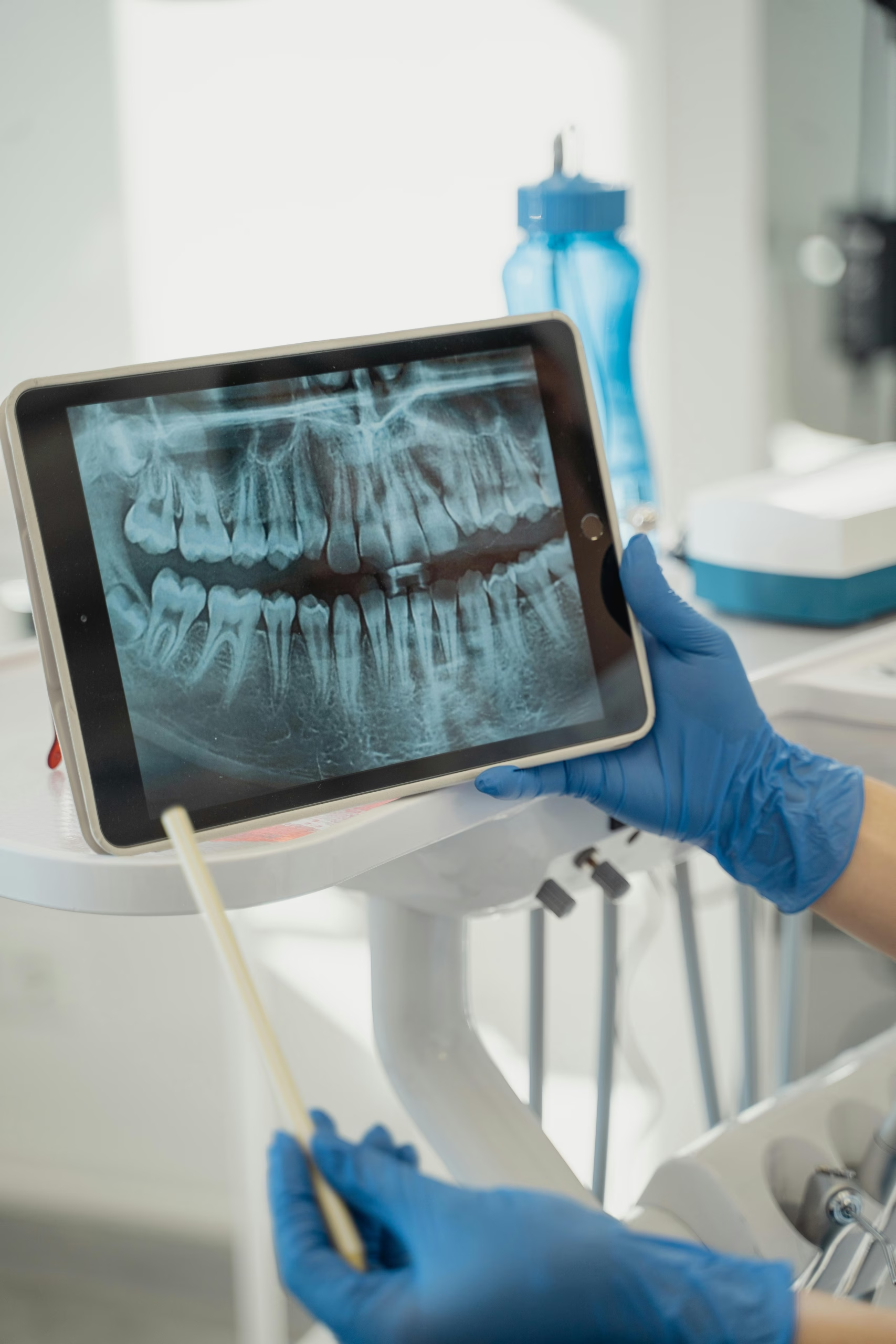
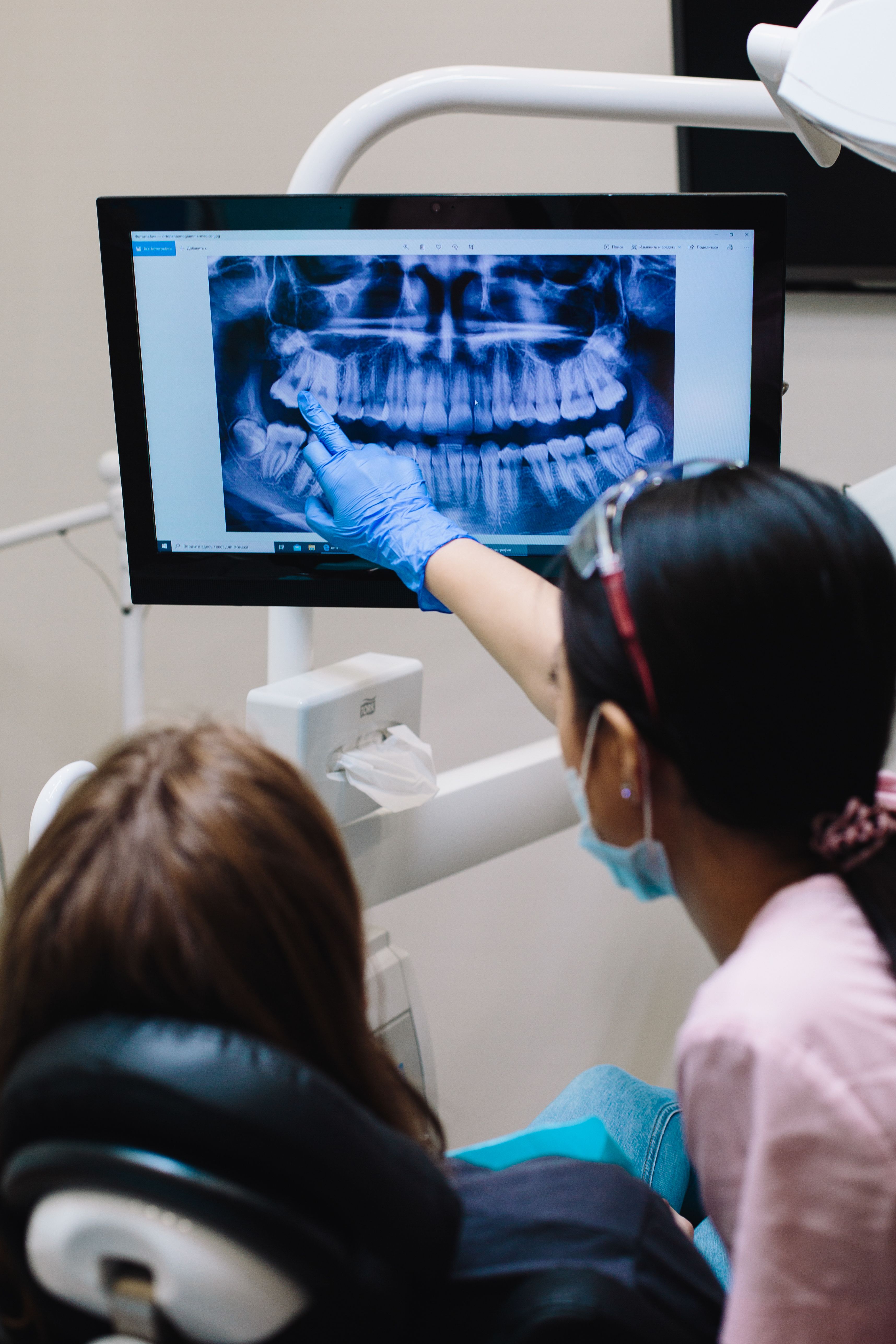
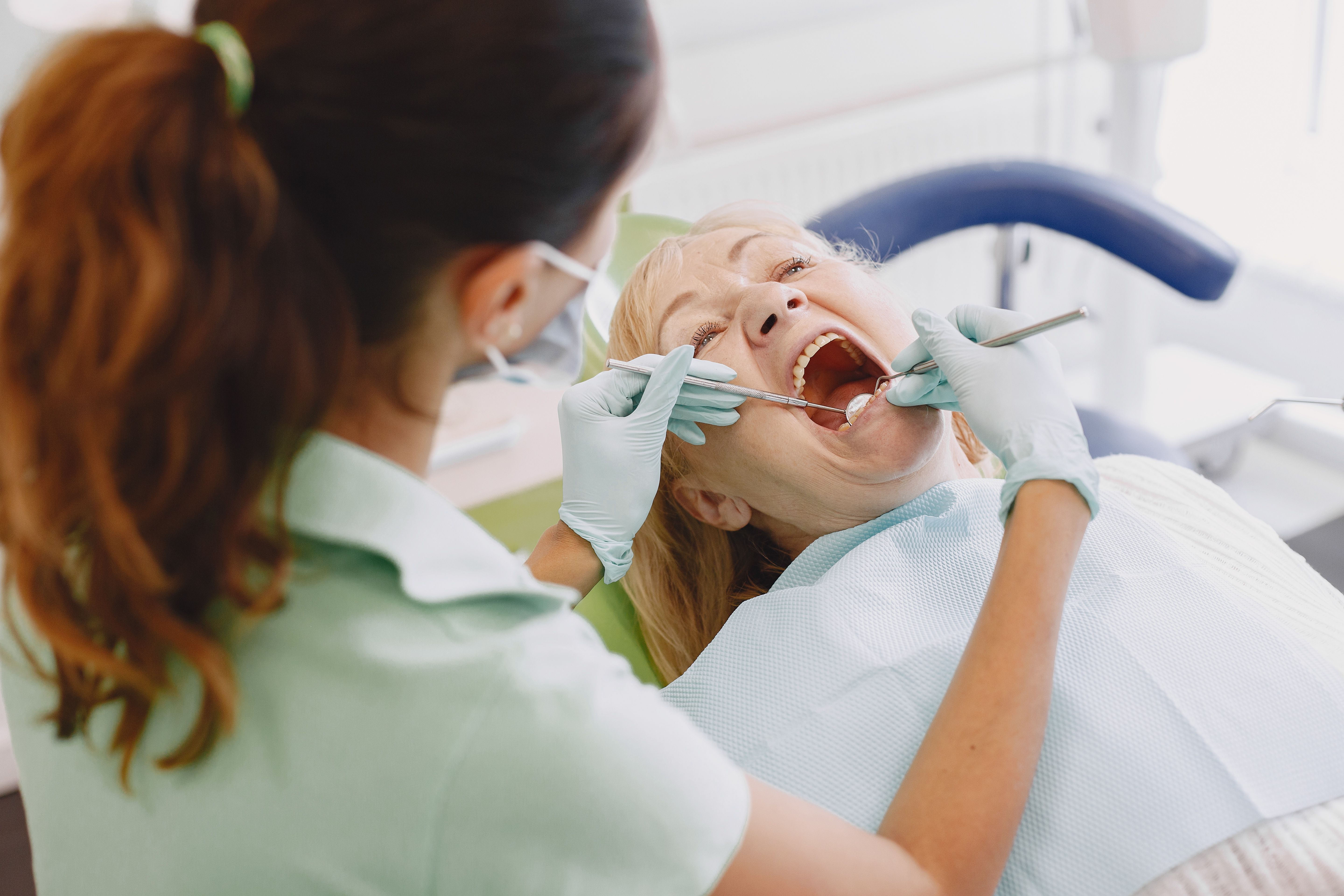
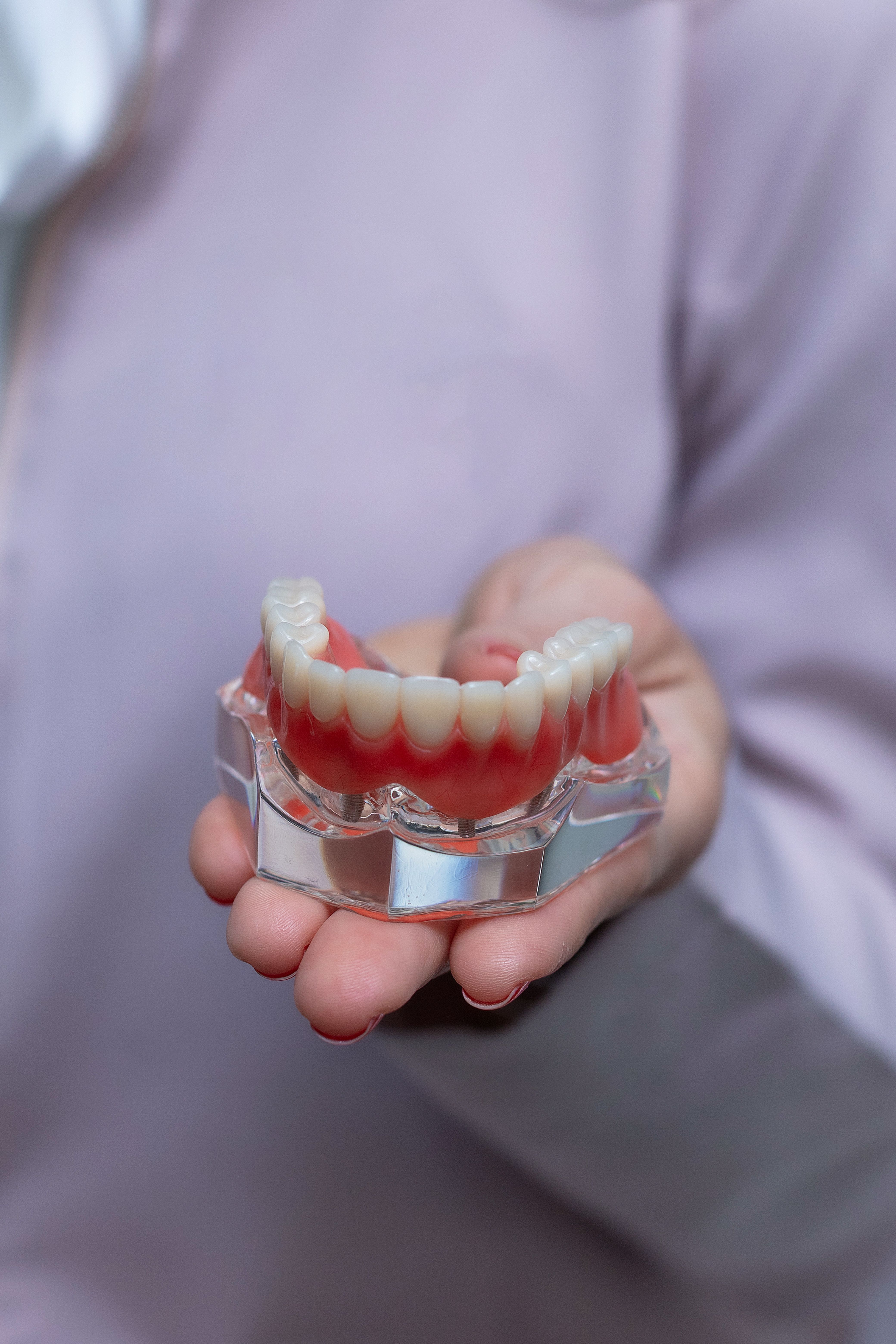
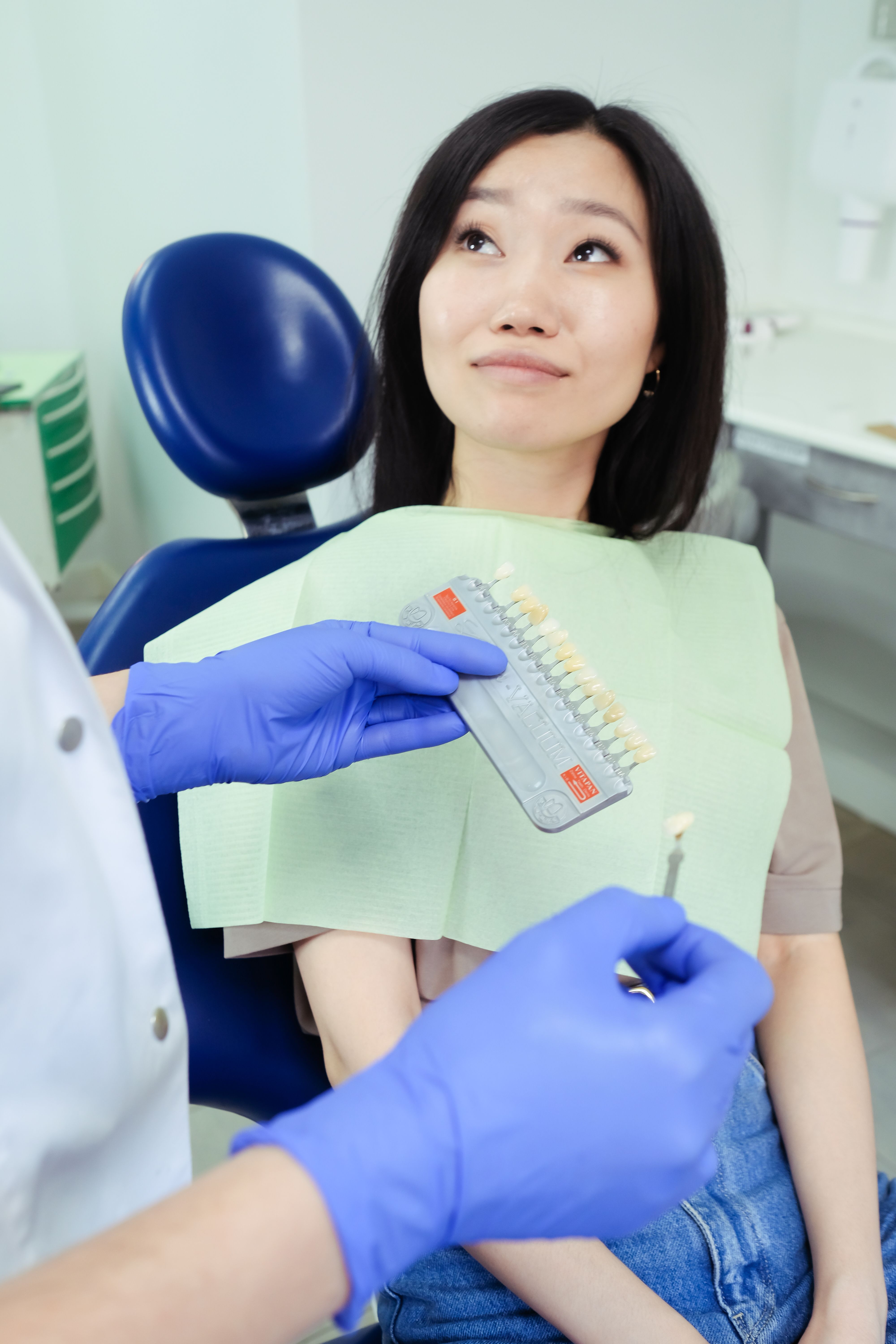
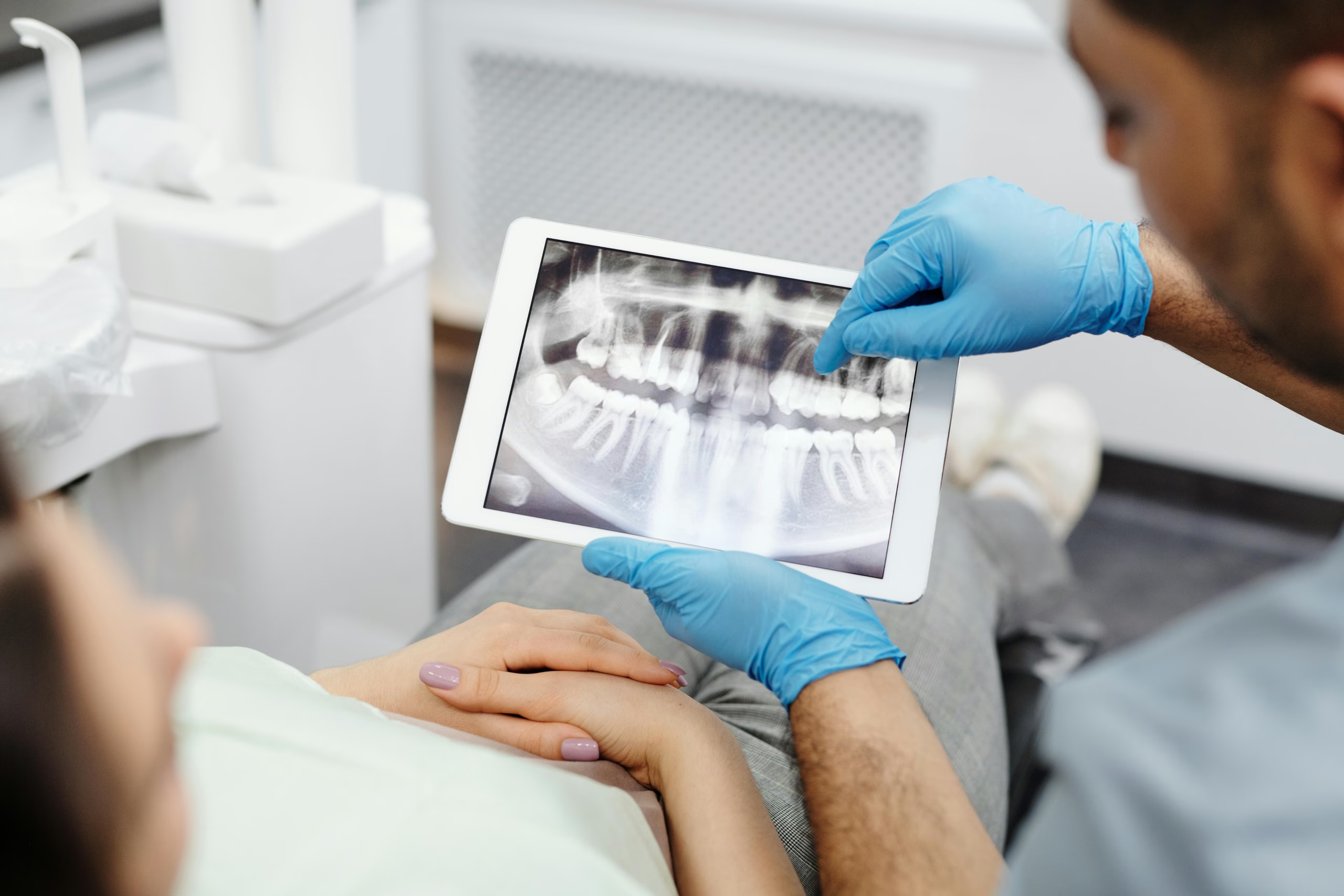
A dentist can assess the damage and recommend treatments such as bonding or veneers.
• Bonding is ideal for small chips or early erosion.
• Veneers are suitable for more extensive wear.
• Toothfairy offers fast access to UK dentists for advice.
Why Straightening Your Teeth Helps Enamel
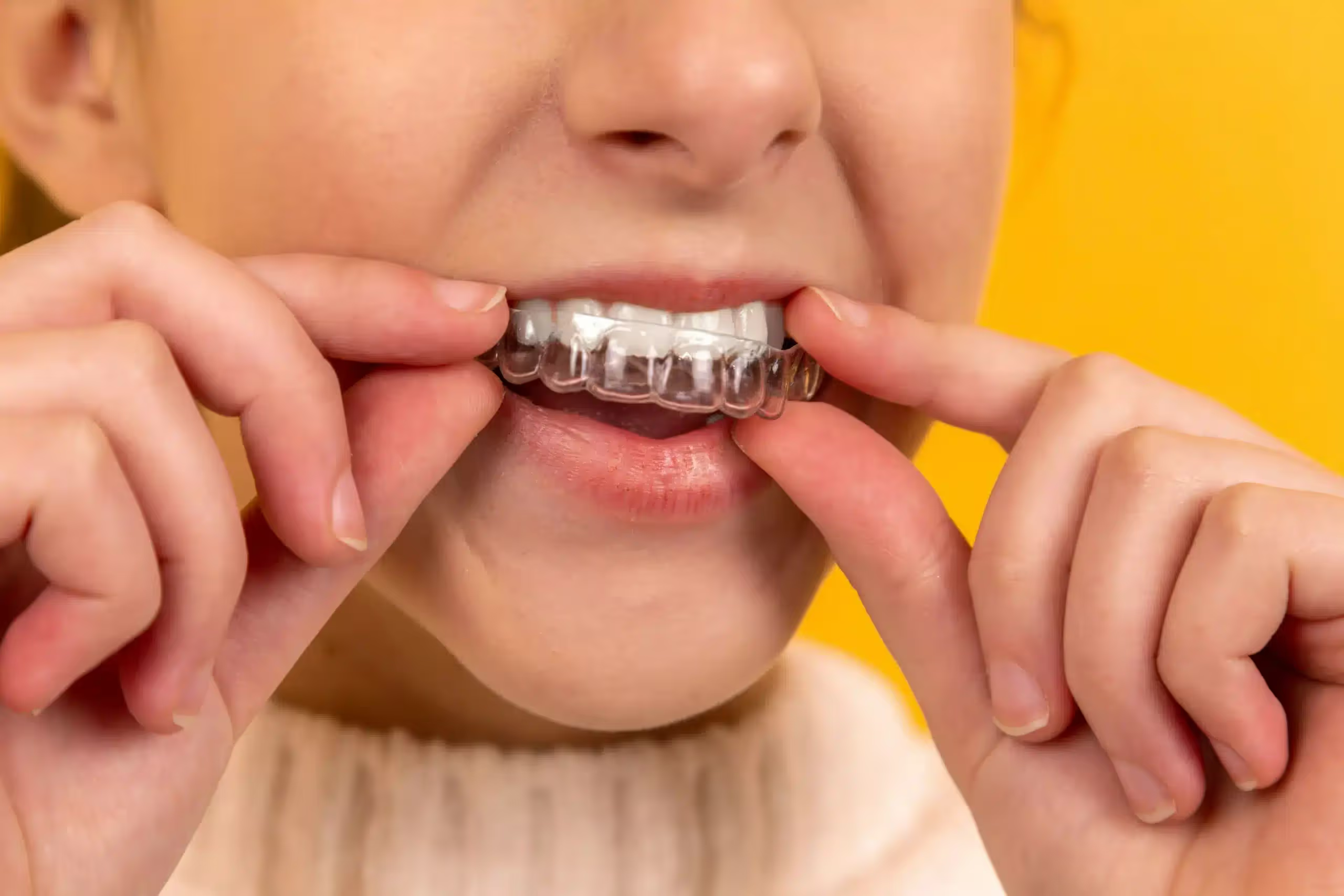
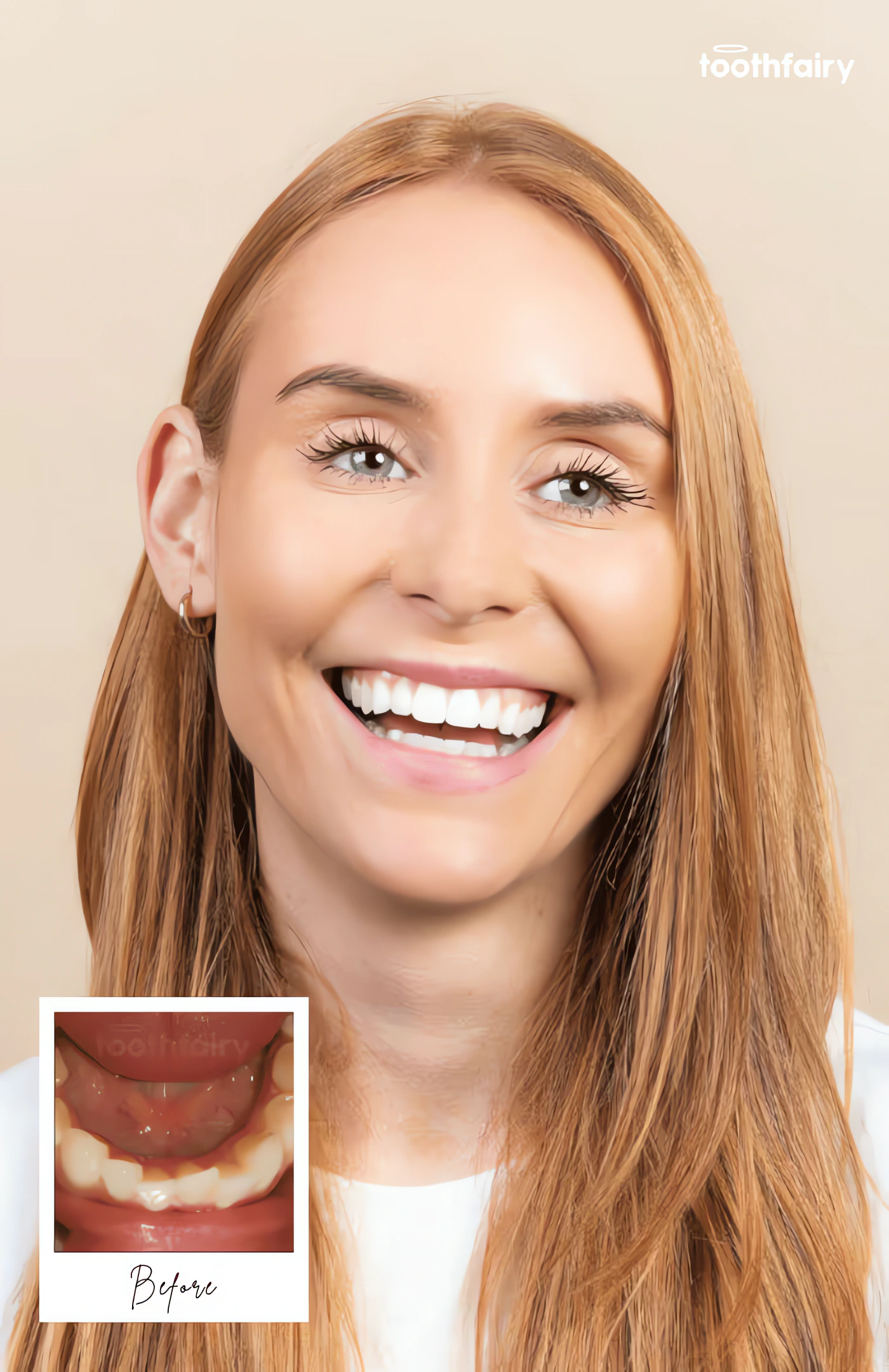
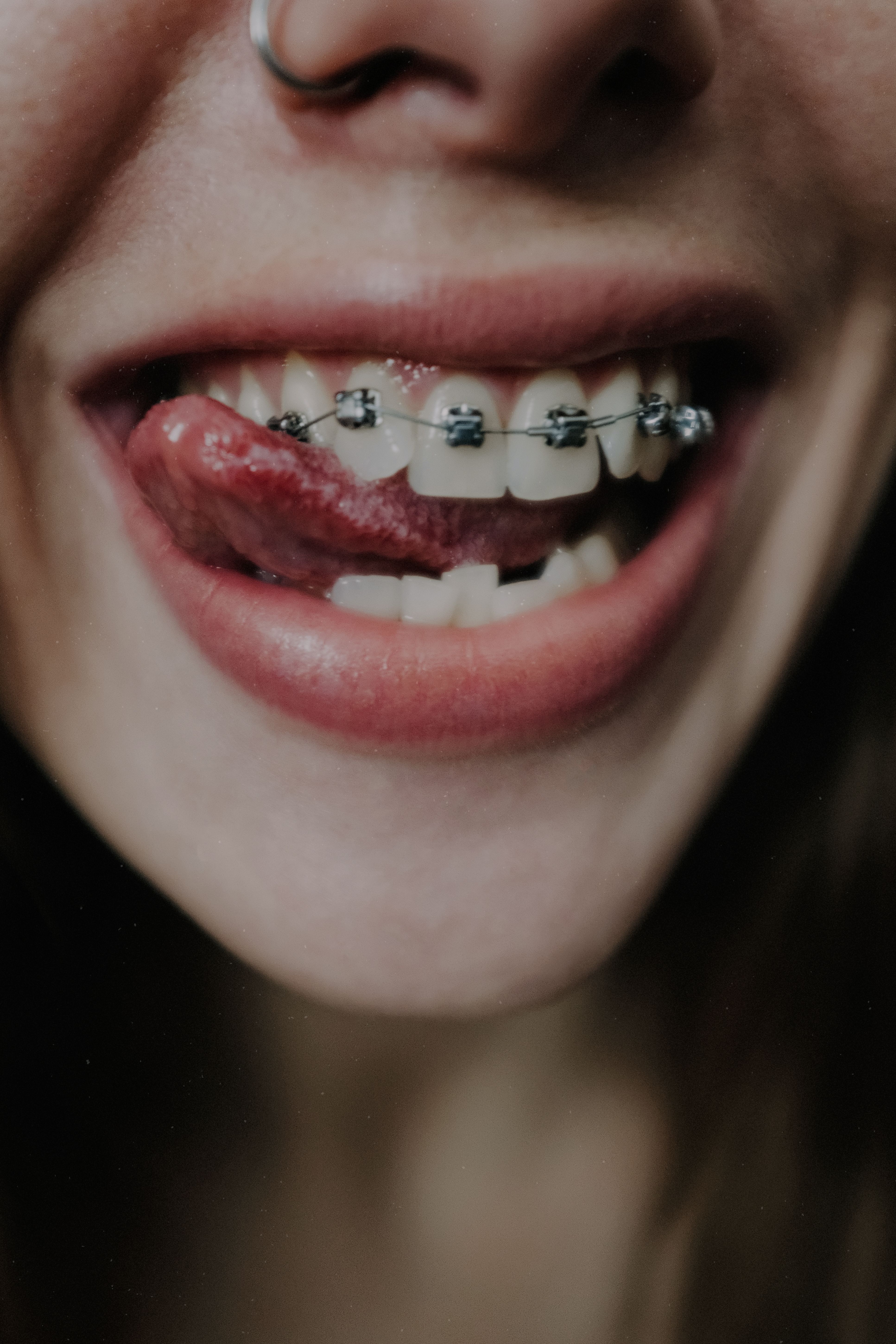
Crowded or crooked teeth create hidden areas where plaque collects. This increases acid attacks and weakens enamel. Straightening your teeth makes them easier to clean and reduces enamel erosion.
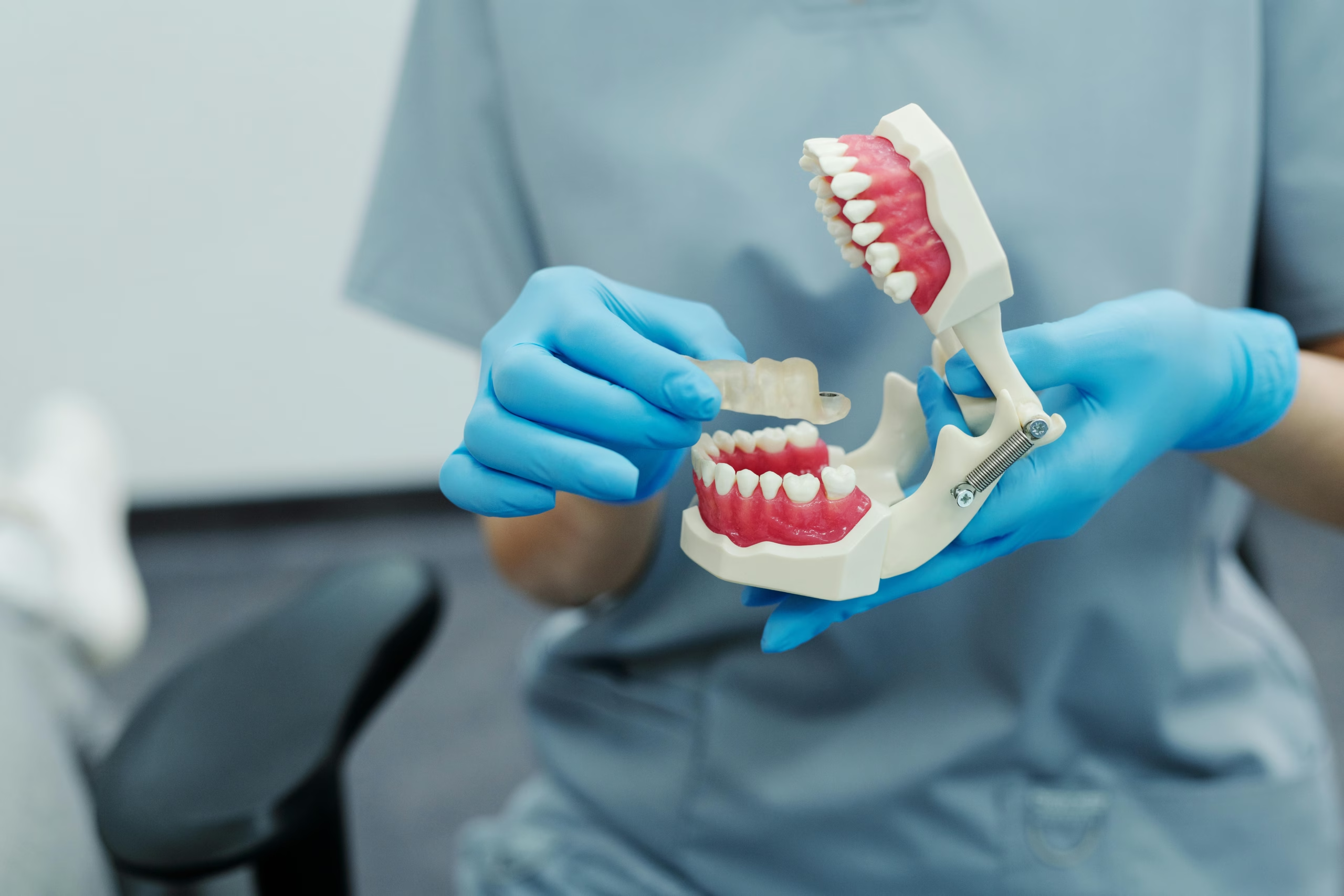
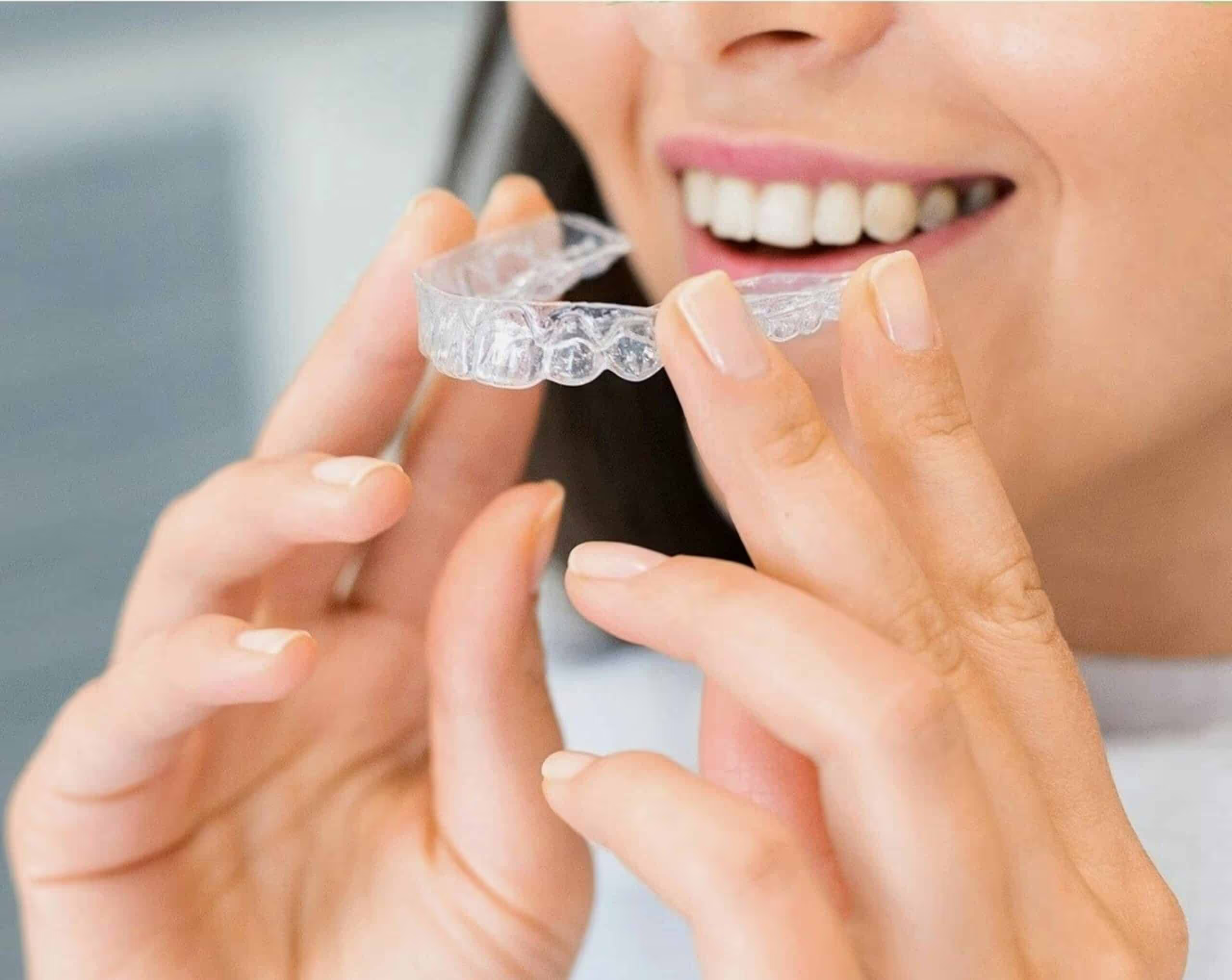
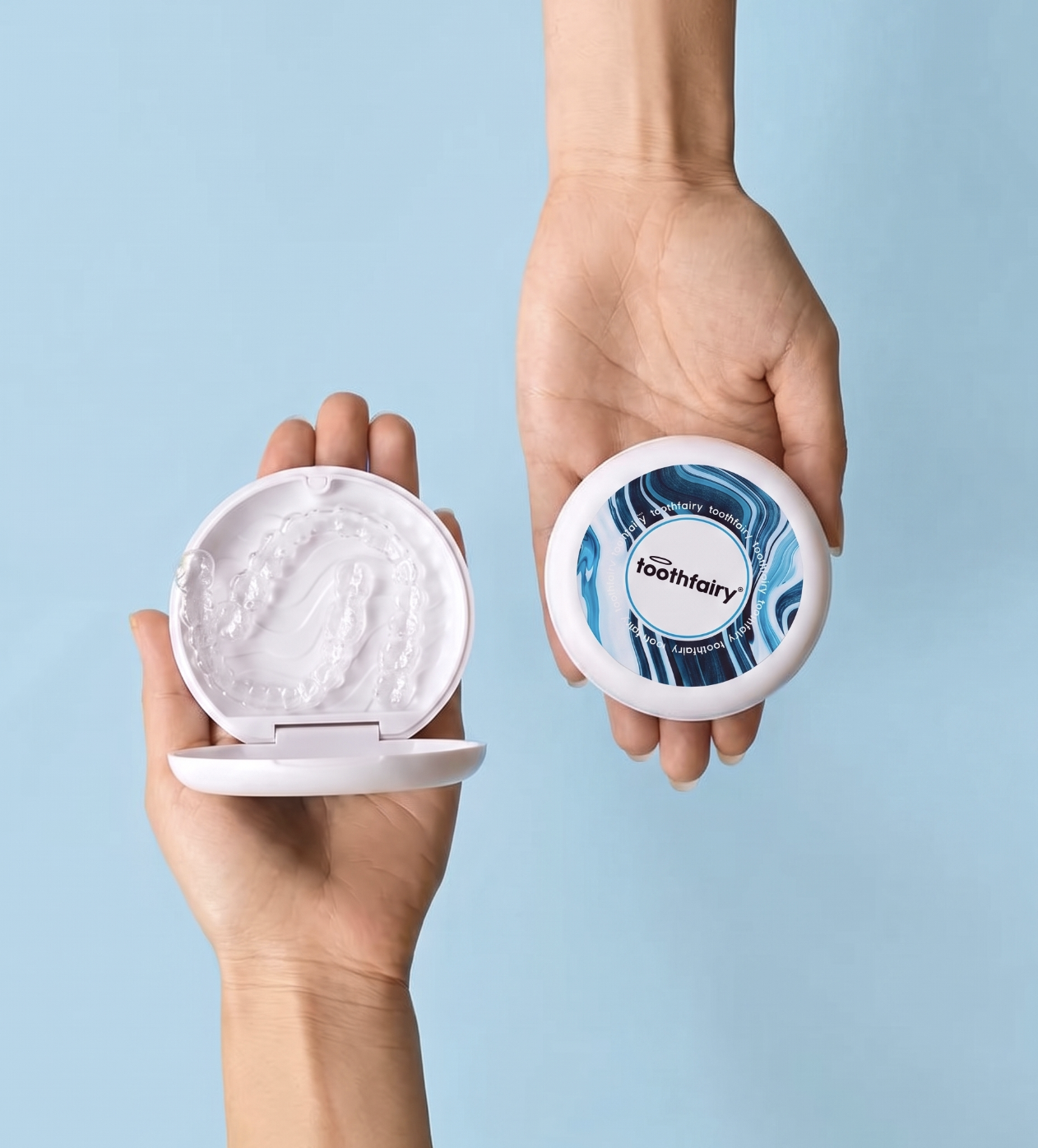
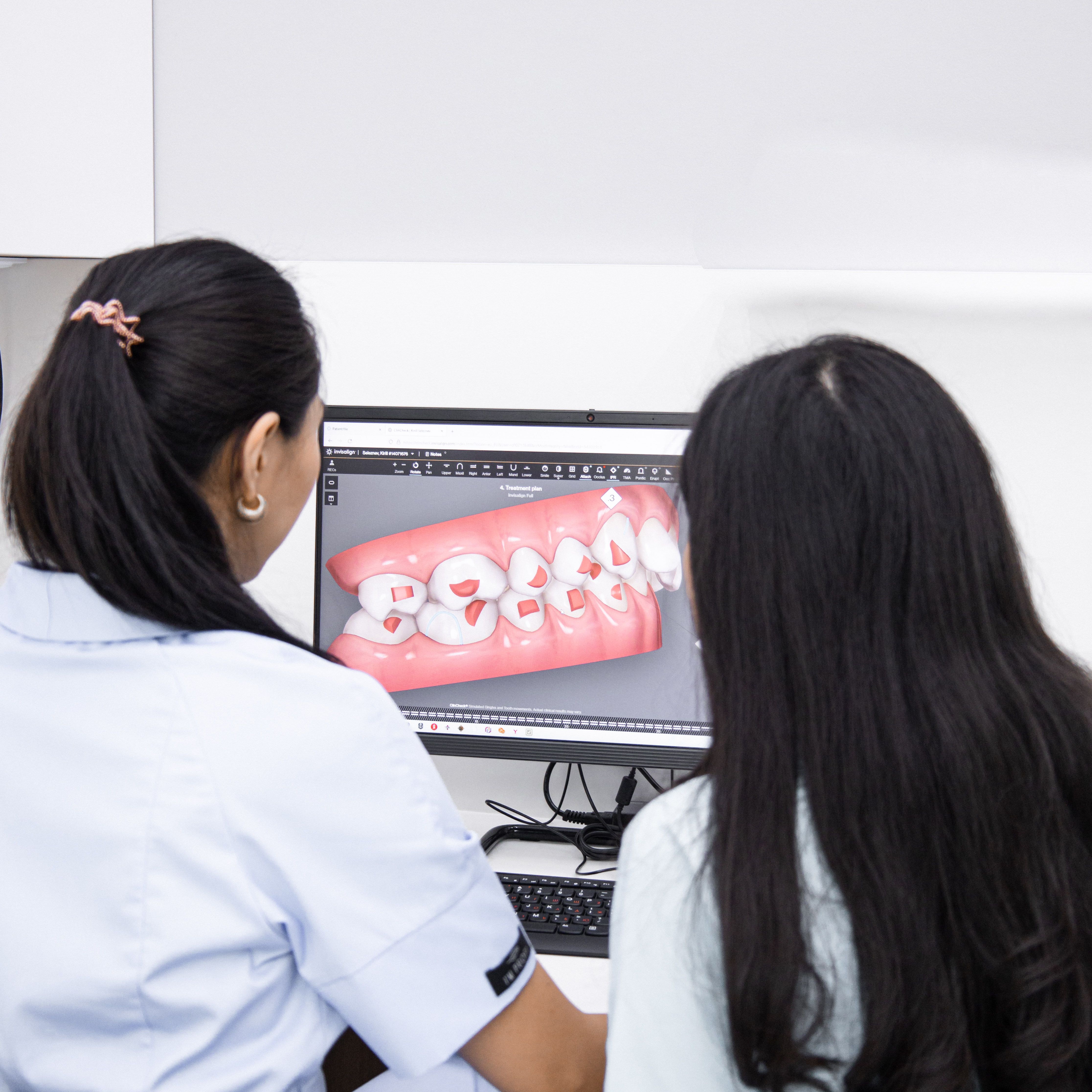
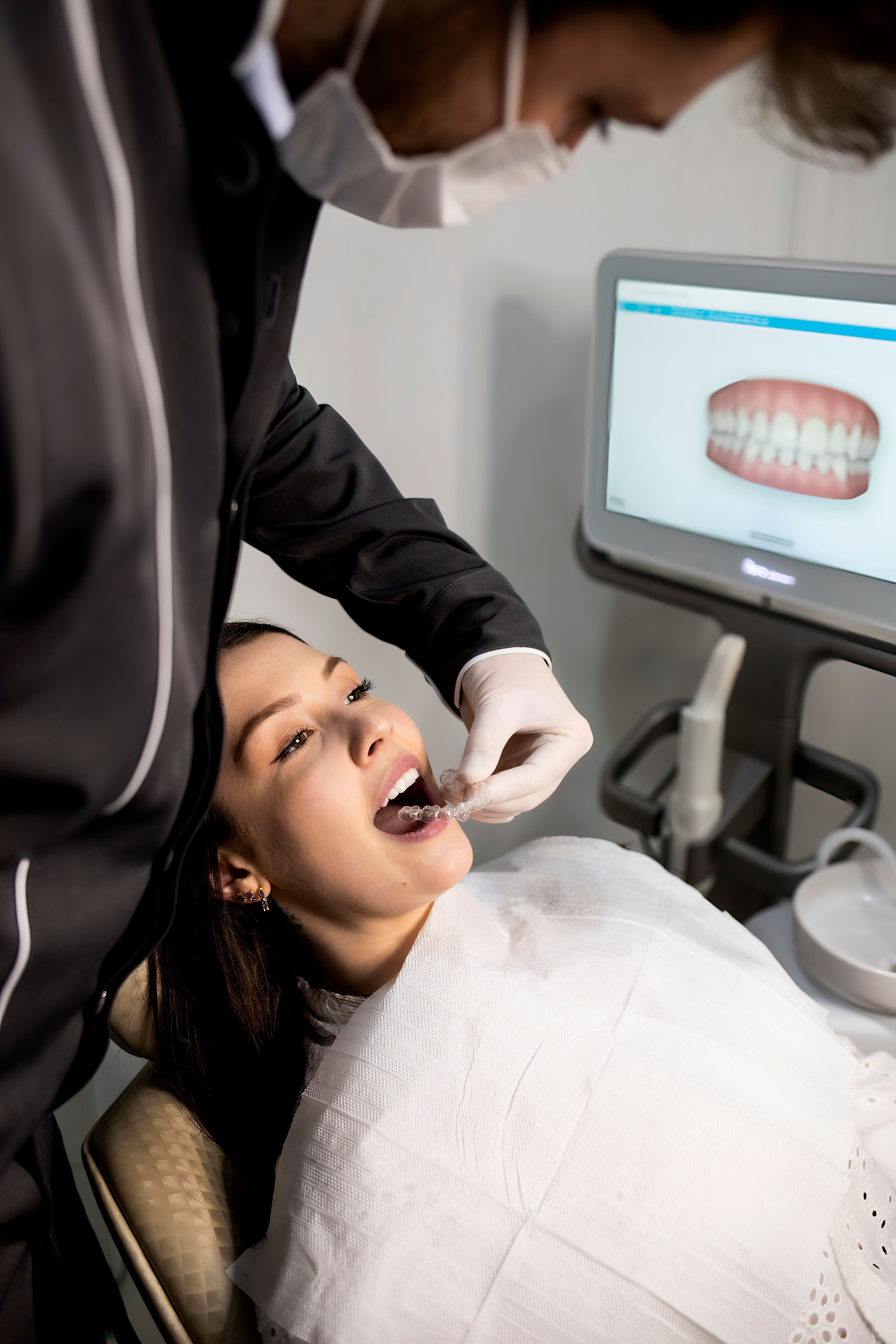
Dentist‑supervised aligner treatment ensures your enamel is healthy before you begin.
Frequently Asked Questions
Can enamel grow back
Enamel cannot regenerate once it is physically lost, but weakened enamel can be strengthened through remineralisation.
Is sensitivity the same as a cavity
Sensitivity is usually caused by thin enamel. A cavity is structural decay. Both require a dentist’s assessment.
How long until I see improvements
With consistent habits, sensitivity often improves within a few weeks to a couple of months.
Is whitening safe if my enamel is weak
Professional whitening can cause temporary sensitivity. Your dentist may recommend strengthening enamel first.
Take Control of Your Enamel Health Today
Strong enamel is the foundation of a healthy smile. With the right daily routine, smart diet choices and consistent fluoride use, you can protect your teeth for life.
For professional guidance, emergency advice or cosmetic treatment, Toothfairy connects you with qualified UK dentists directly through your phone.
Start your enamel strengthening journey











.jpg)





.jpg)















.jpg)