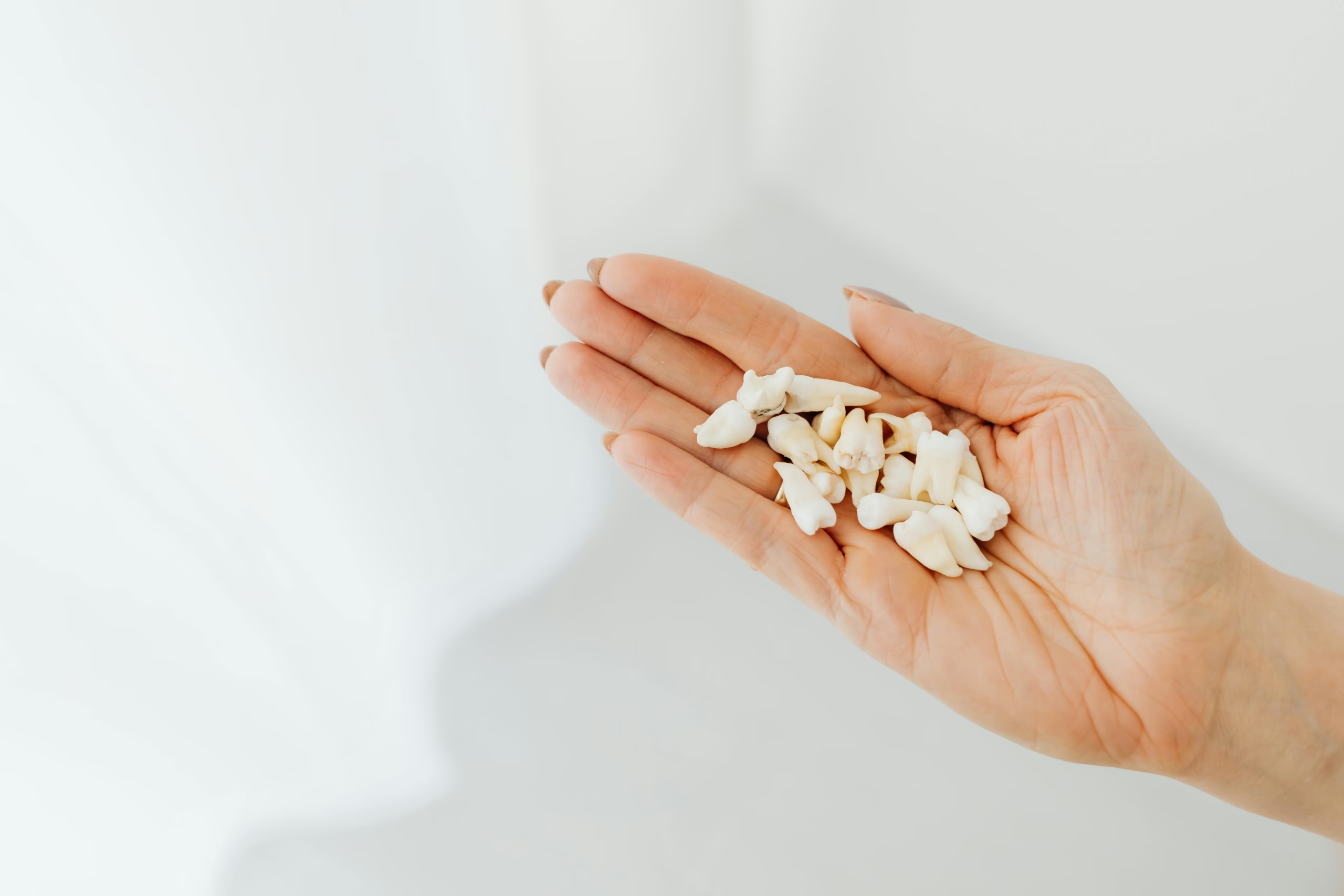

Your Wisdom Teeth Recovery Starts Here
Wisdom teeth removal can feel daunting, but a smooth recovery is absolutely achievable with the right guidance. The first week after surgery is crucial. Your body is healing, blood clots are forming and your mouth is adjusting. With the correct care, you can minimise discomfort, avoid complications and speed up your recovery.
This guide breaks down seven essential recovery tips, from managing swelling to choosing the right foods. Each step is practical, safe and dentist-approved.
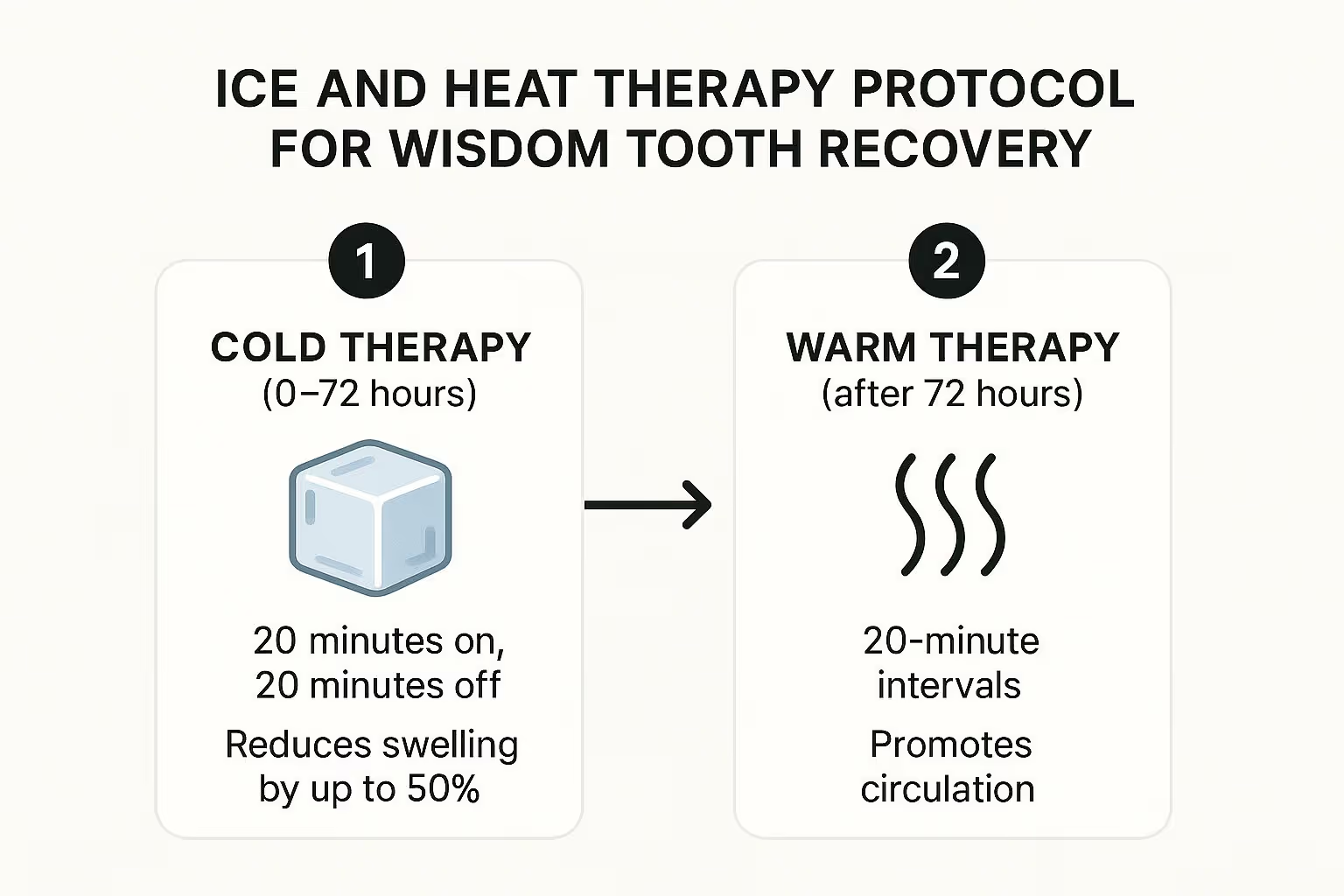
1. Follow Ice and Heat Therapy Protocol
Swelling is normal after wisdom teeth removal, but you can control it with a strategic temperature routine.
Cold phase: First 48–72 hours
Cold therapy reduces inflammation and numbs the area.
- Apply an ice pack wrapped in a thin towel
- Use 20 minutes on, 20 minutes off
- Never place ice directly on the skin
Cold constricts blood vessels, reducing fluid build-up around the surgical sites.
Warm phase: After 72 hours
Heat increases circulation and promotes healing.
- Use a warm, damp cloth or low‑setting heating pad
- Apply for 20 minutes at a time
- Helps relax jaw muscles and reduce stiffness
This two-step protocol significantly reduces swelling and discomfort.
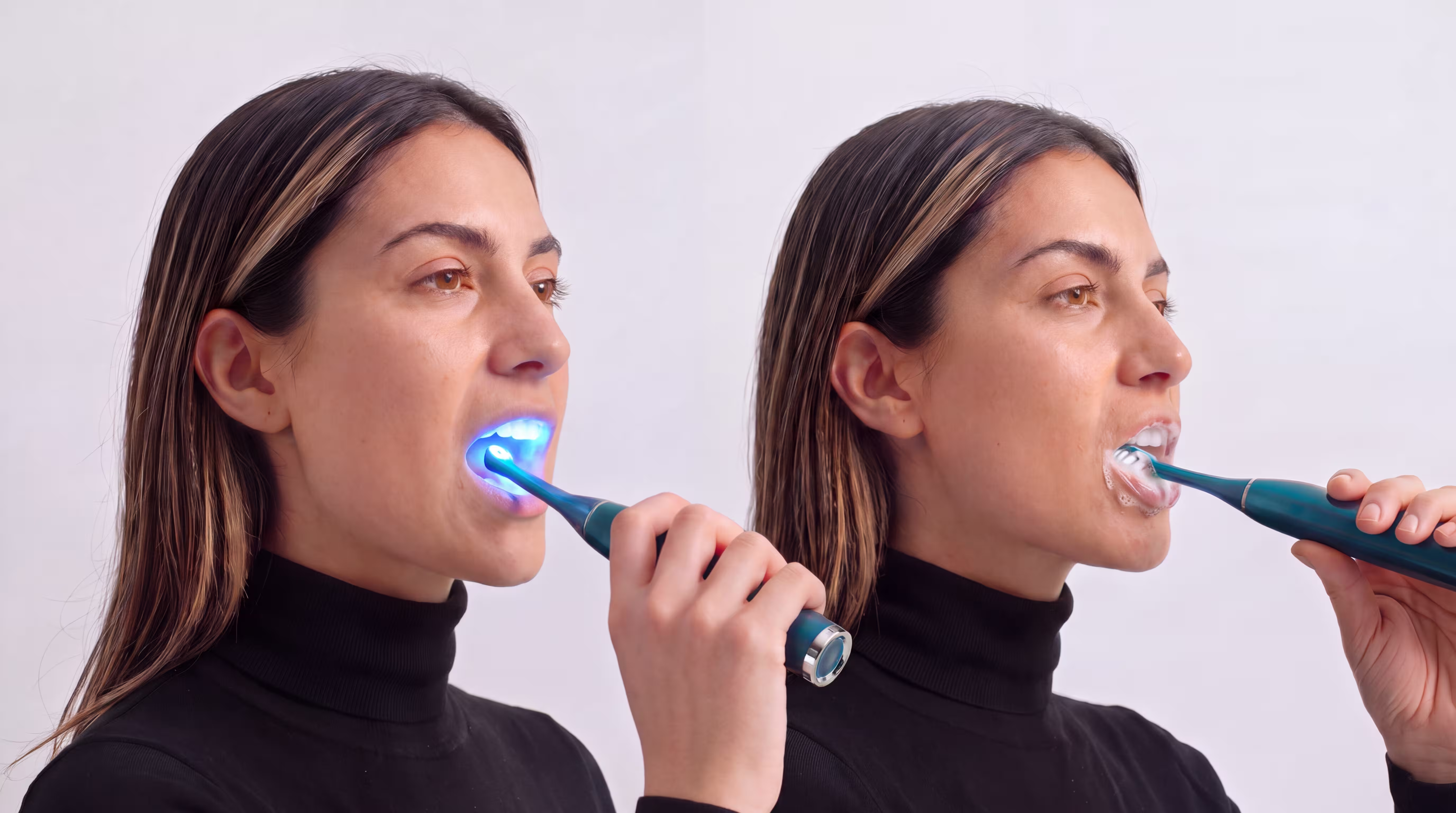
2. Maintain Proper Oral Hygiene Without Disturbing Clots
Blood clots are essential for healing. If they dislodge, you risk dry socket, which is extremely painful.
First 24 hours
- Do not brush near the extraction sites
- Avoid rinsing, spitting or mouthwash
- You may gently brush your front teeth
After 24 hours
- Begin gentle saltwater rinses
- Mix half a teaspoon of salt in warm water
- Tilt your head and let water fall out naturally
- Avoid forceful spitting
Brushing technique
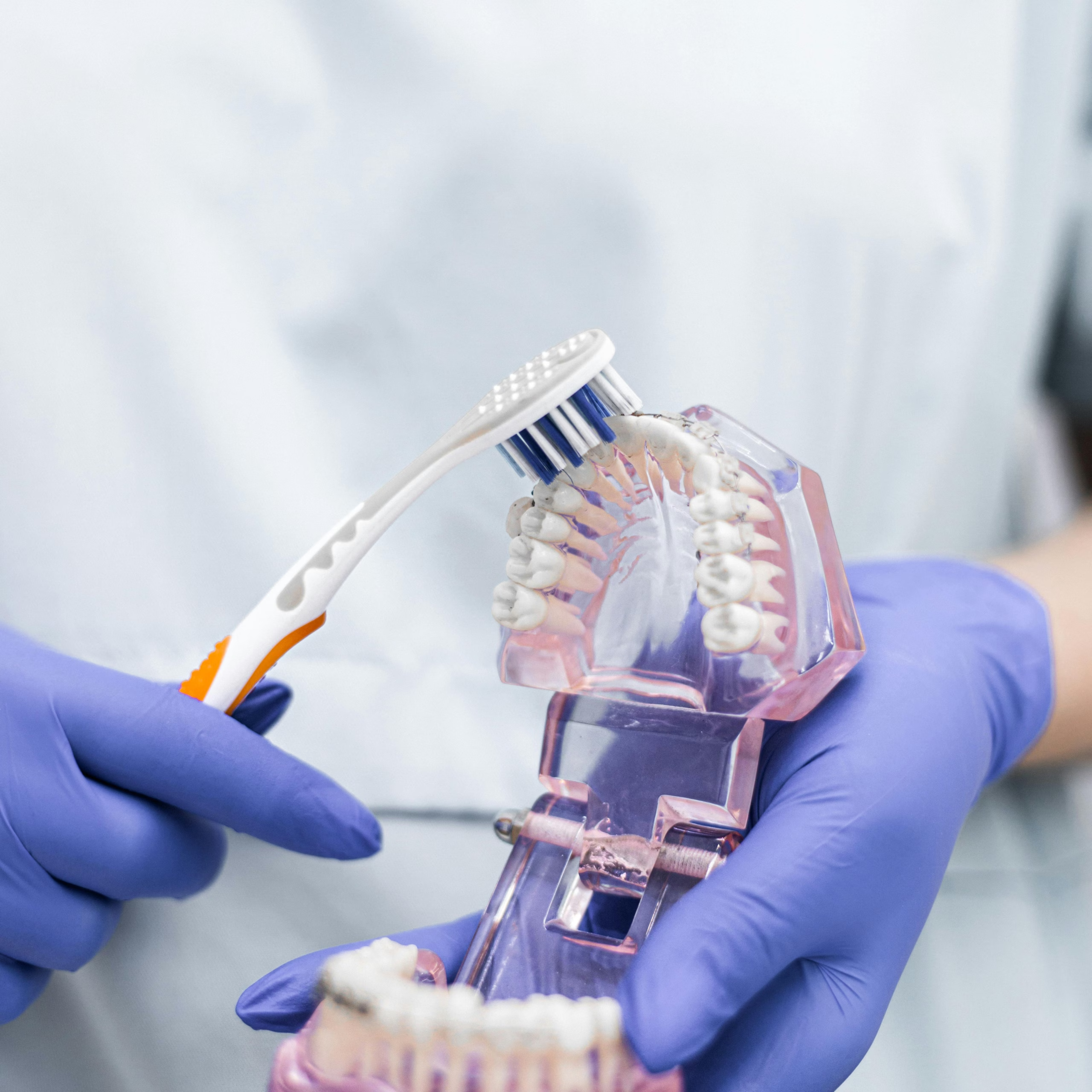
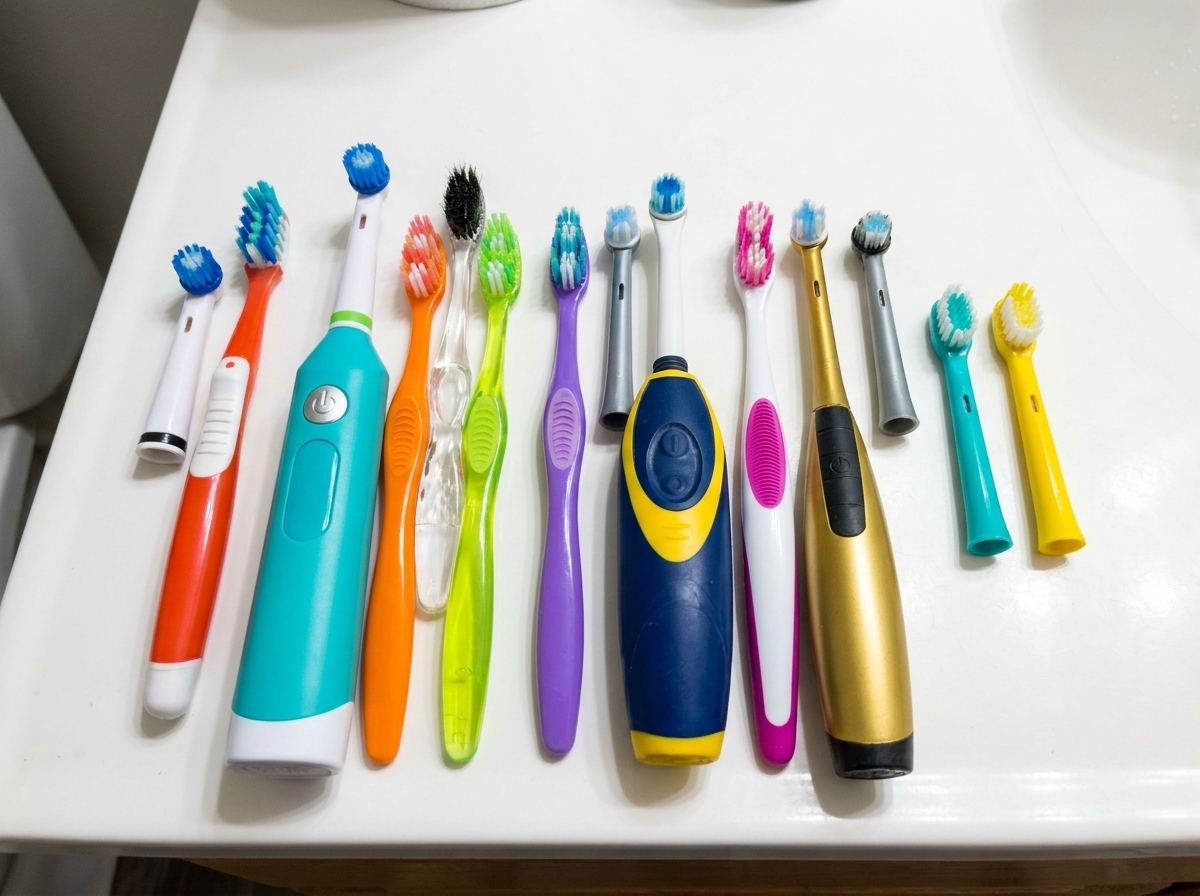
- Use an extra-soft toothbrush
- Clean other teeth carefully
- Avoid alcohol-based mouthwash for at least one week
Gentle hygiene prevents infection while protecting healing sites.
3. Stick to Soft Foods and Proper Nutrition
Your diet plays a major role in recovery. Soft foods protect the surgical sites and support healing.
Days 1–2: Liquids and puréed foods
- Smoothies
- Protein shakes
- Lukewarm broths
- Yoghurt
- Pudding
Days 3–5: Soft solids
- Mashed potatoes
- Scrambled eggs
- Oatmeal
- Soft pasta
Days 6–7: Tender foods
- Soft-cooked fish
- Ground meat
- Cooked vegetables
- Bananas
Important reminders
- Let hot foods cool to lukewarm
- Avoid straws for at least one week
- Stay hydrated
Straws create suction that can dislodge blood clots.
4. Avoid Straws, Smoking and Suction Activities
Suction is the enemy of healing. It can pull the blood clot out of the socket and cause dry socket.
Avoid for at least one week
- Straws
- Smoking
- Vaping
- Forceful spitting
- Aggressive rinsing
Safer alternatives
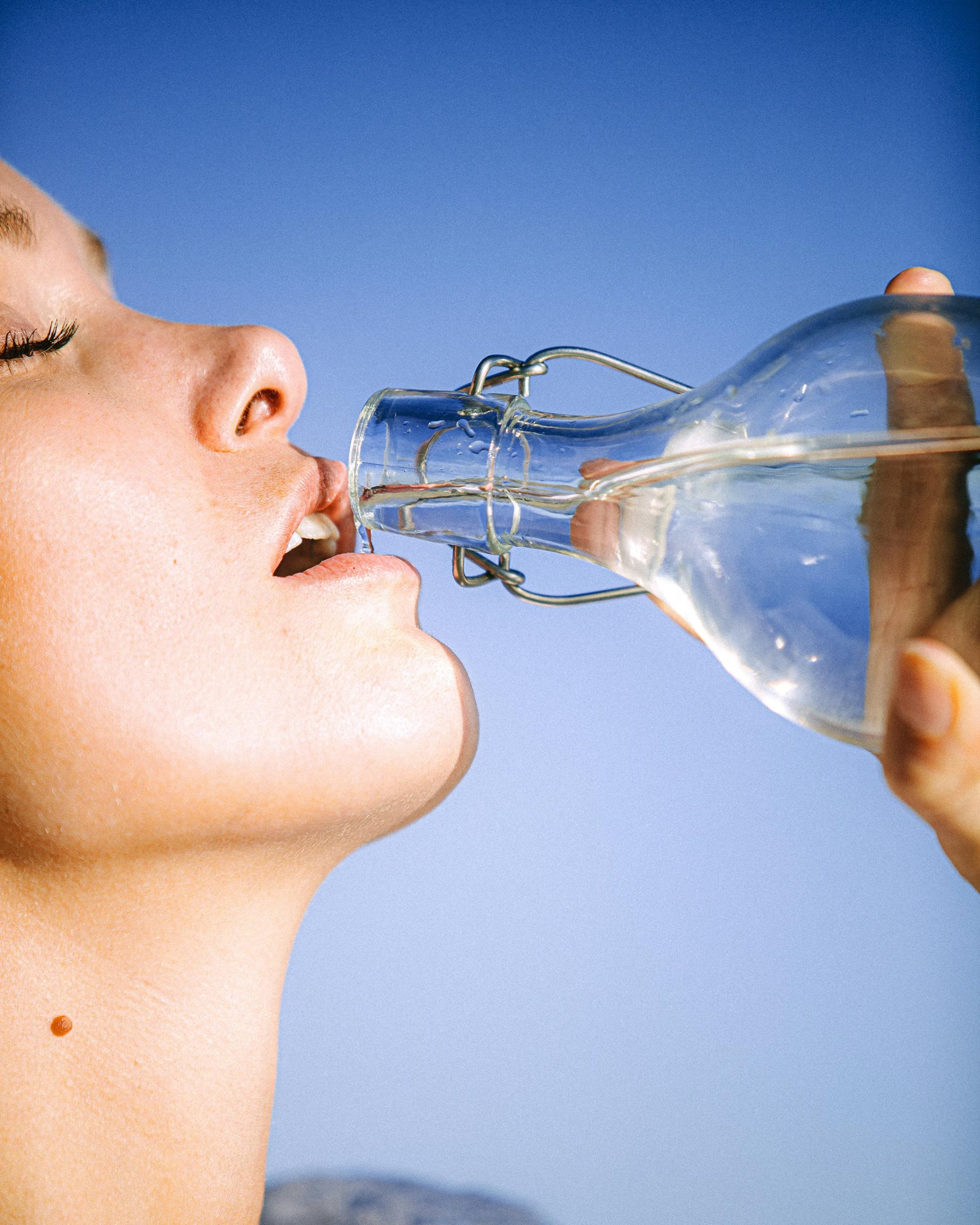
- Drink directly from a glass
- Let liquids fall out naturally
- Use nicotine patches if needed
Protecting the clot is essential for pain-free healing.
5. Manage Pain With Medication and Natural Alternatives
Pain management is most effective when proactive.
Medication strategy
- Take your first dose before the anaesthetic wears off
- Use ibuprofen as your primary anti-inflammatory
- Alternate ibuprofen and paracetamol if advised
- Use prescription painkillers only for breakthrough pain
Natural aids
- Cool chamomile tea
- Oral analgesic gel (away from extraction sites)
- Gentle jaw relaxation techniques
Staying ahead of pain prevents discomfort from escalating.
6. Get Adequate Rest With Proper Head Elevation
Rest is essential for healing. Elevation reduces swelling and throbbing.
How to elevate properly
- Use 2–3 pillows or a wedge pillow
- Create a gentle incline for your upper body
- Sleep on your back for the first few nights
- Avoid sleeping on your side
Bedtime preparation
- Take pain medication 30 minutes before sleep
- Plan 2–3 days of reduced activity
- Nap in a reclining chair if needed
Elevation uses gravity to reduce swelling and improve comfort.
7. Monitor for Warning Signs and Follow Up
Knowing what’s normal and what’s not helps you avoid complications.
Normal symptoms
- Mild to moderate pain for 3–5 days
- Initial swelling
- Minor bleeding
Warning signs
- Severe throbbing pain after day three
- Foul taste or smell
- Pus discharge
- Visible white bone
- Increasing swelling
How to monitor
- Take daily photos of the extraction sites
- Keep a simple diary of symptoms and medication
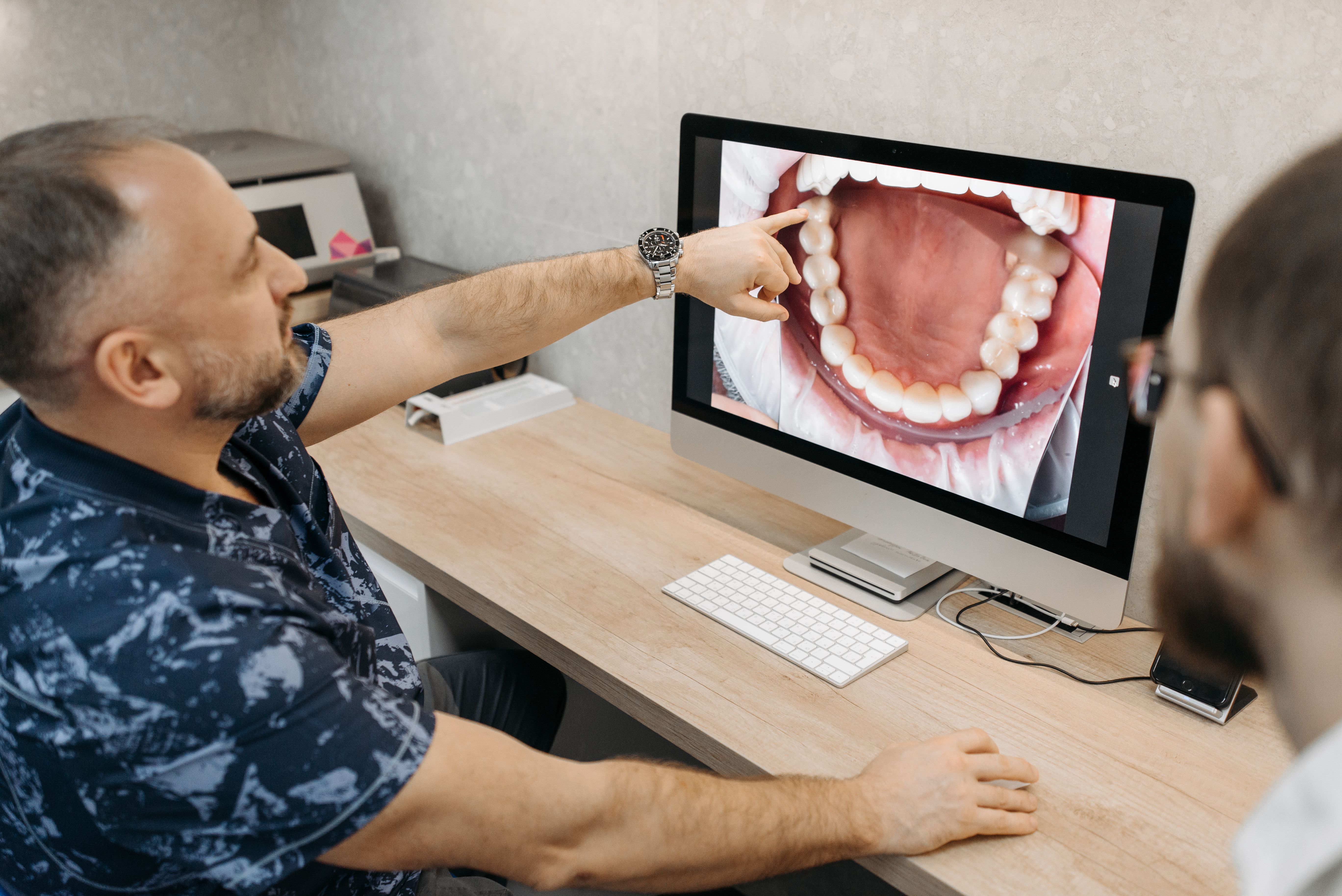
- Contact your dentist if anything feels unusual
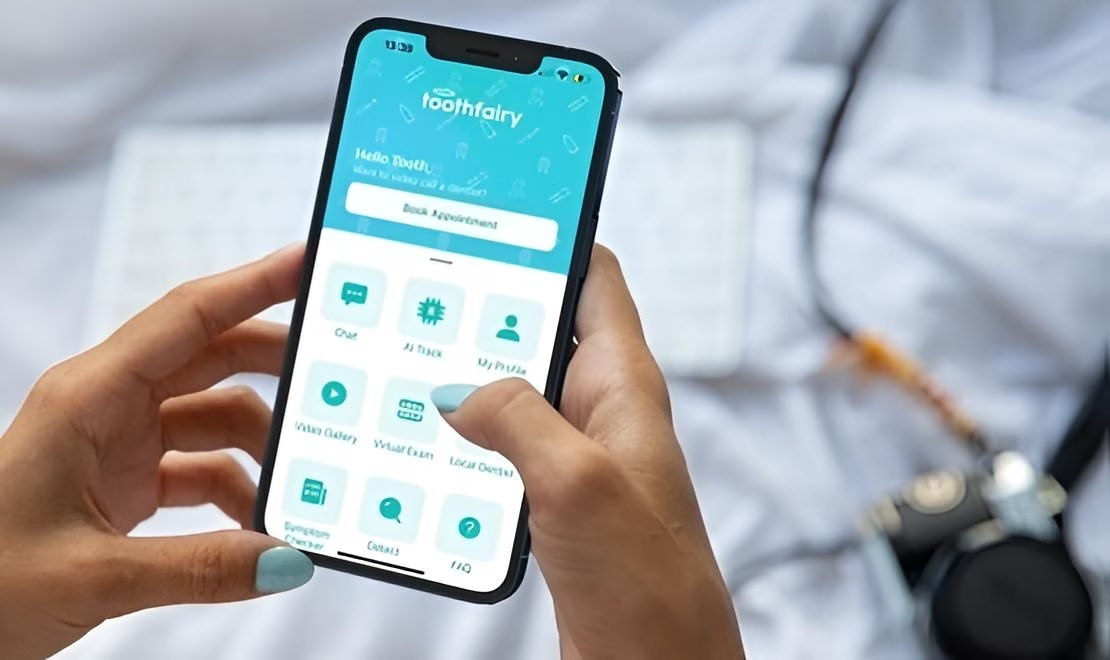
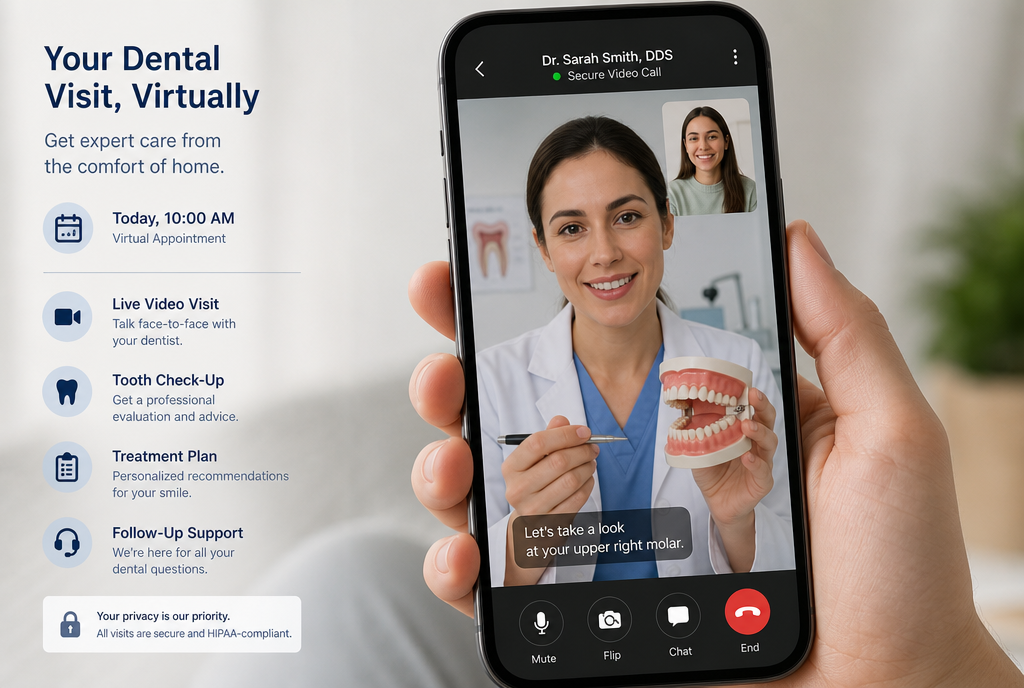
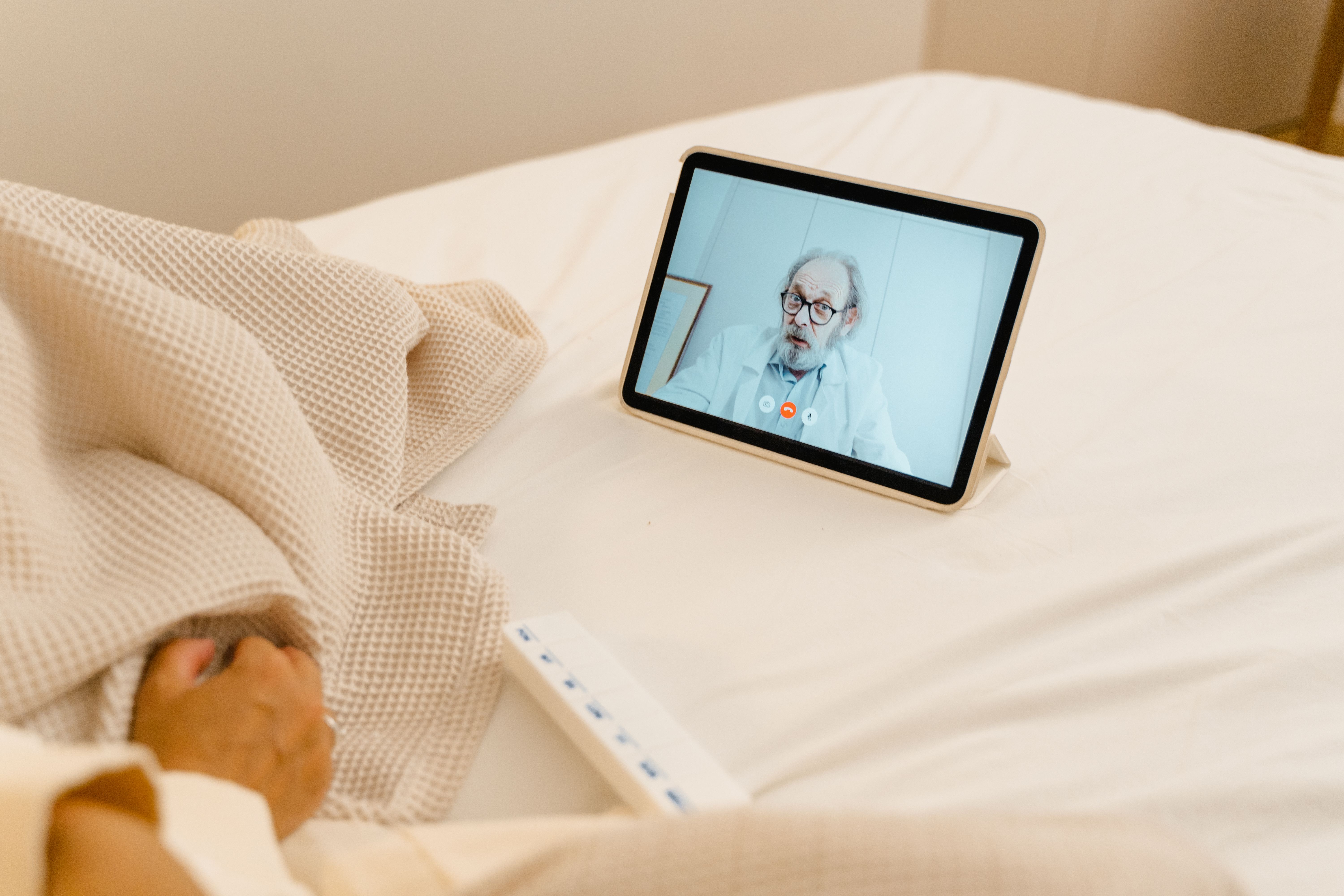
If you need urgent advice, the Toothfairy app provides fast access to UK-registered dentists.
Wisdom Teeth Recovery Tips Comparison
Beyond Recovery: Your Next Step Toward a Healthier Smile
Recovering from wisdom teeth removal is a major milestone. By following these seven tips, you’re protecting your healing sites, reducing discomfort and setting yourself up for long-term oral health.
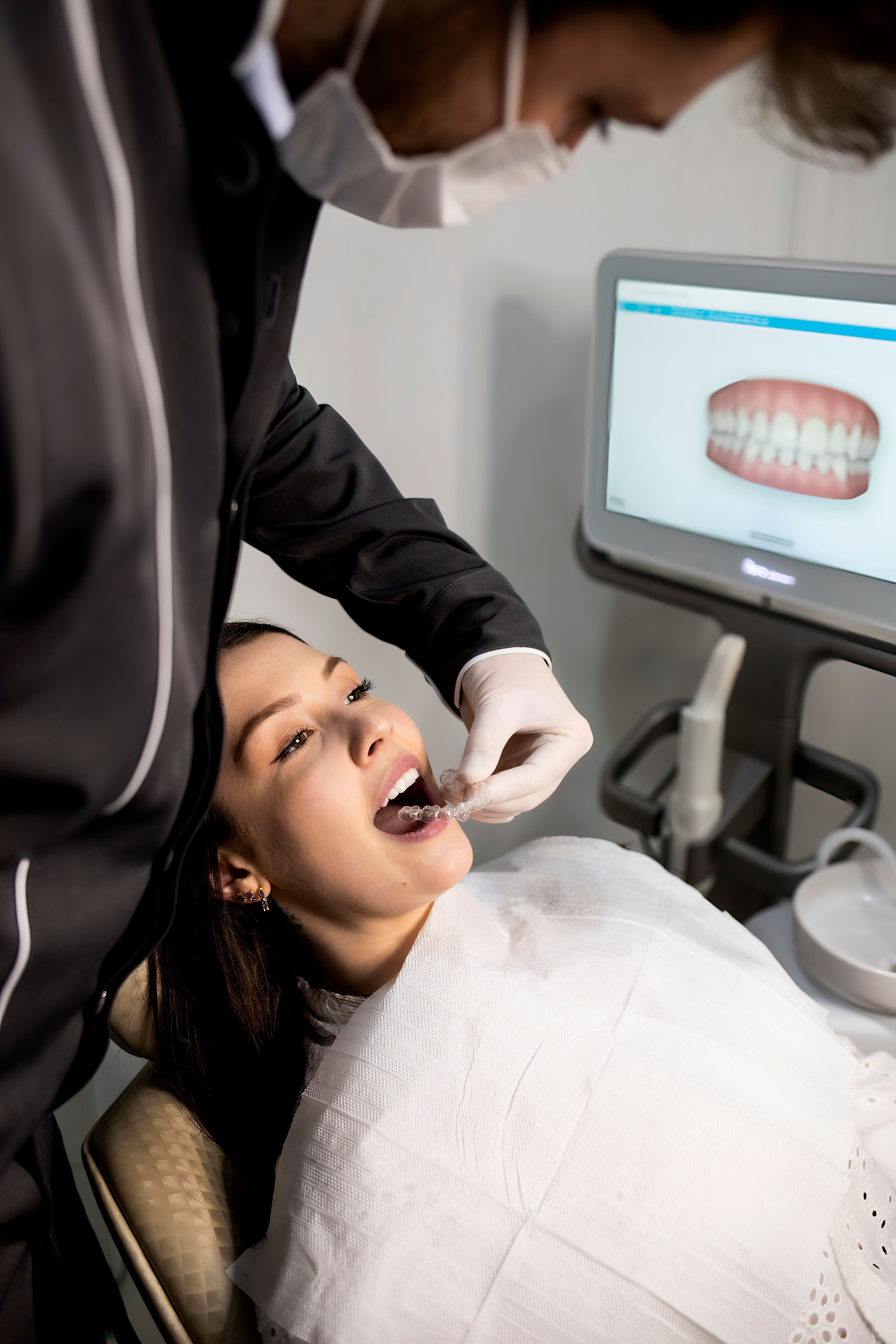
Once you’re fully healed, you may start thinking about your next dental goals. Whether that’s straightening your teeth, whitening your smile or getting expert advice from home, Toothfairy offers dentist-led care that fits your lifestyle.
Teeth straightening https://toothfairyapp.co.uk/teeth-straightening/
Teeth whitening https://toothfairyapp.co.uk/teeth-whitening/
Emergency dentist support https://toothfairyapp.co.uk/emergency-dentist/
The Toothfairy app https://toothfairyapp.co.uk/our-app/
Related Knowledge Hub article 👉 How to Reduce Swelling After Dental Treatment https://toothfairyapp.co.uk/knowledge/how-to-reduce-swelling-after-dental-treatment/ (toothfairyapp.co.uk)










.jpg)




.jpg)















.jpg)