Why your mouth feels dry
A persistent dry mouth, known clinically as xerostomia, is a sign that your saliva production has dropped. Saliva protects your teeth, keeps your mouth comfortable and helps you digest food. When it is reduced, your mouth becomes vulnerable to decay, gum disease and discomfort.
Dry mouth is often caused by dehydration, but many cases are linked to medications, lifestyle habits or underlying health conditions.
Common causes of dry mouth
Understanding the cause is the first step toward finding relief. Dry mouth can be triggered by medications, habits, breathing patterns or medical conditions.
Dry mouth is also influenced by your environment. Dry indoor air, especially during winter, can worsen symptoms. According to the Adult Oral Health Survey 2021, 15 percent of adults in the most deprived UK areas reported frequent dry mouth, compared with 8 percent in the least deprived areas.

Dry mouth is also influenced by your environment. Dry indoor air, especially during winter, can worsen symptoms. According to the Adult Oral Health Survey 2021, 15 percent of adults in the most deprived UK areas reported frequent dry mouth, compared with 8 percent in the least deprived areas.
Eight simple remedies for immediate relief
These quick, practical steps help stimulate saliva and ease discomfort.
Chew sugar‑free gum
Chewing activates your salivary glands. Gum containing xylitol also helps protect against decay.
Use sugar‑free sweets
Sharp flavours such as citrus or mint encourage saliva flow. Always choose sugar‑free options.
Try something tart
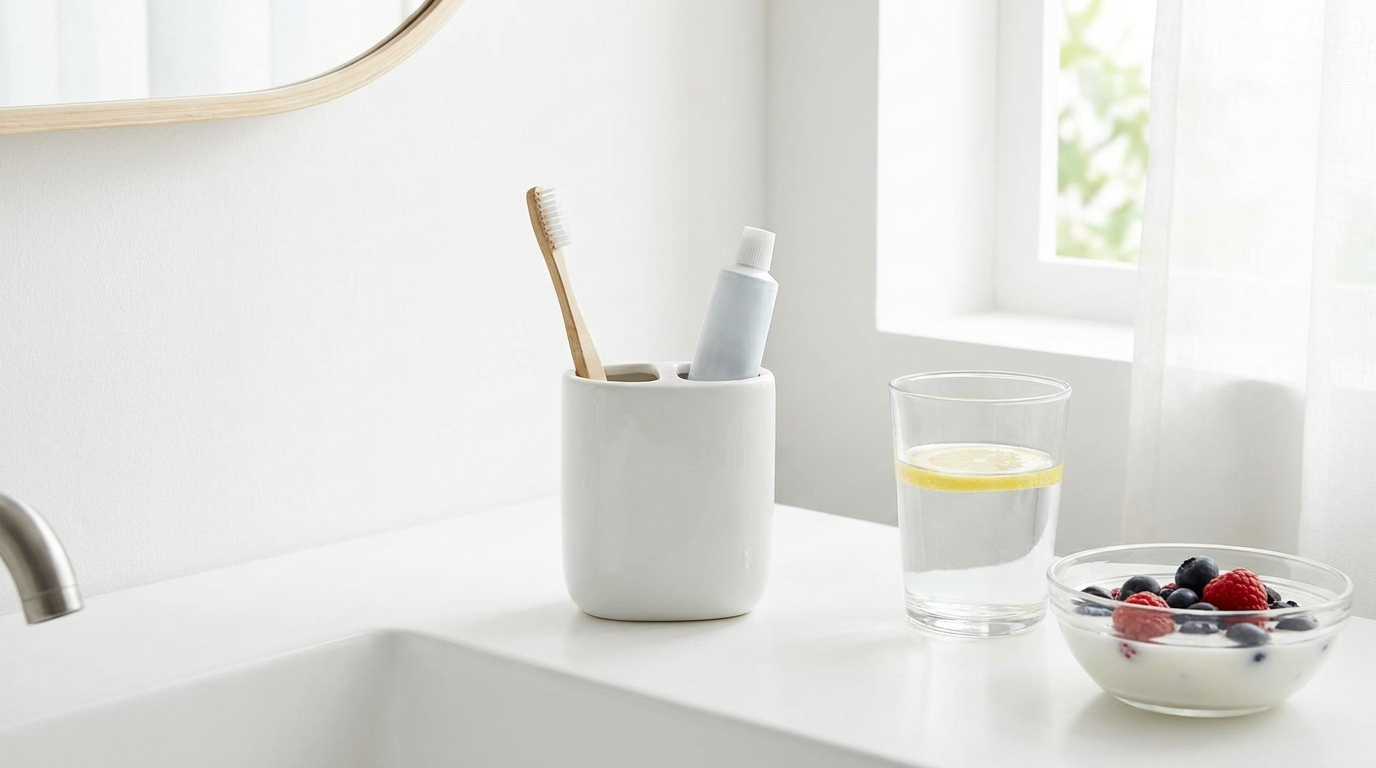
A slice of lemon or lime in water can give an instant boost to saliva production.
Sip water frequently
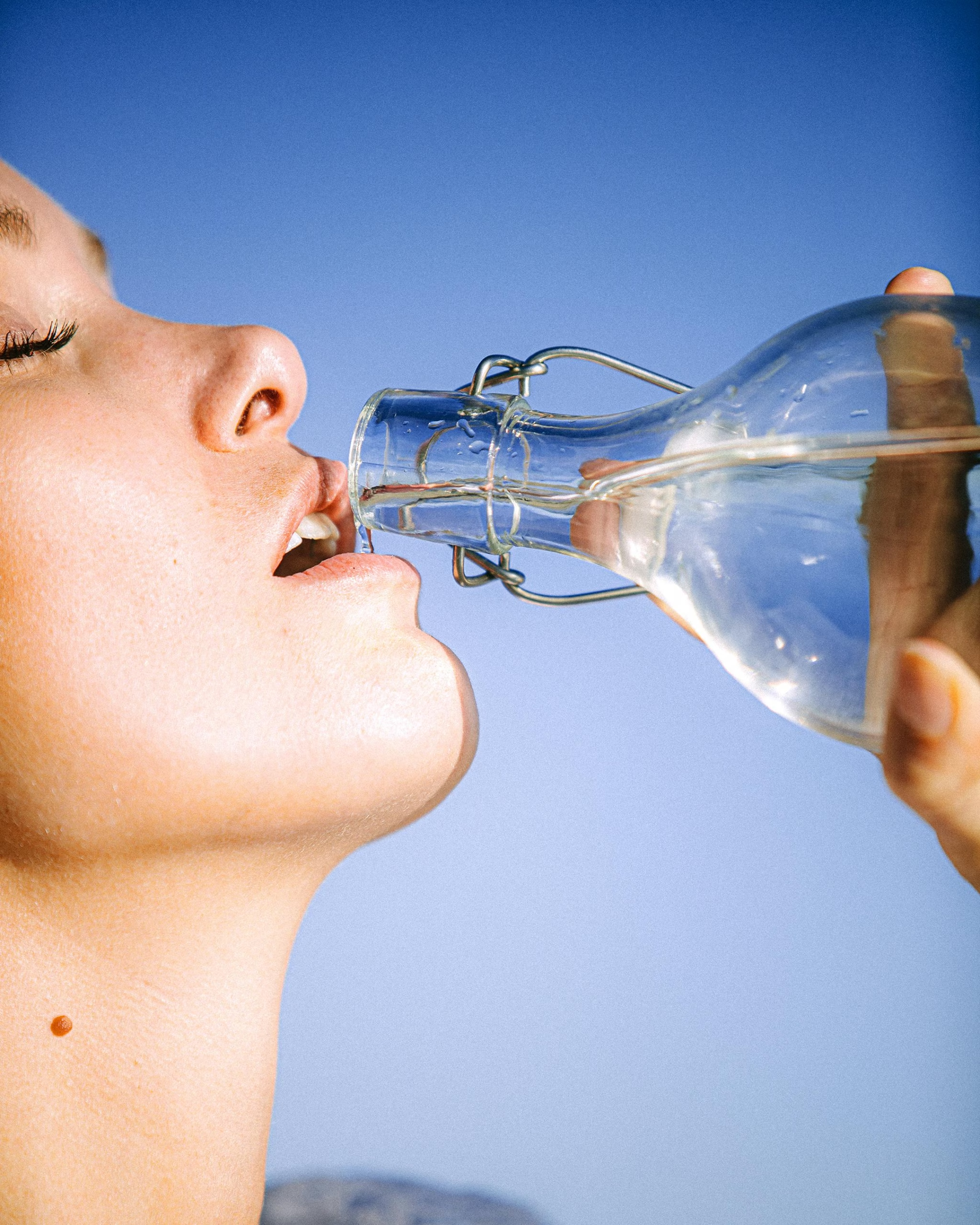
Small, regular sips keep your mouth moist more effectively than drinking large amounts at once.
Use moisturising gels or sprays
Pharmacy products coat the mouth and provide longer‑lasting relief, especially at night.
Choose alcohol‑free mouthwash
Alcohol dries the mouth. Look for formulas containing xylitol or moisturising agents.
Use specialised lozenges
Dry mouth lozenges stimulate saliva and provide a protective coating.
Try herbal teas
Caffeine‑free teas can soothe dryness without dehydrating your mouth.
Lifestyle changes that help long term
Small adjustments can make a big difference.
Rethink your diet
Alcohol, caffeine and salty foods reduce saliva flow. Choose hydrating foods such as cucumber, melon, berries and soups.
Improve your environment
Dry indoor air worsens symptoms. A humidifier in your bedroom adds moisture overnight.
Address mouth breathing
Breathing through your nose helps retain moisture. Saline nasal sprays can help clear congestion.
Avoid chewing non‑food items
Pens, nails and hard objects can irritate your mouth and worsen dryness.
Protecting your teeth when you have dry mouth
Saliva normally protects your teeth. When it is reduced, you need to adjust your oral hygiene routine.
Choose the right products
- Use fluoride toothpaste
- Avoid sodium lauryl sulphate (SLS)
- Choose alcohol‑free mouthwash
Brush gently
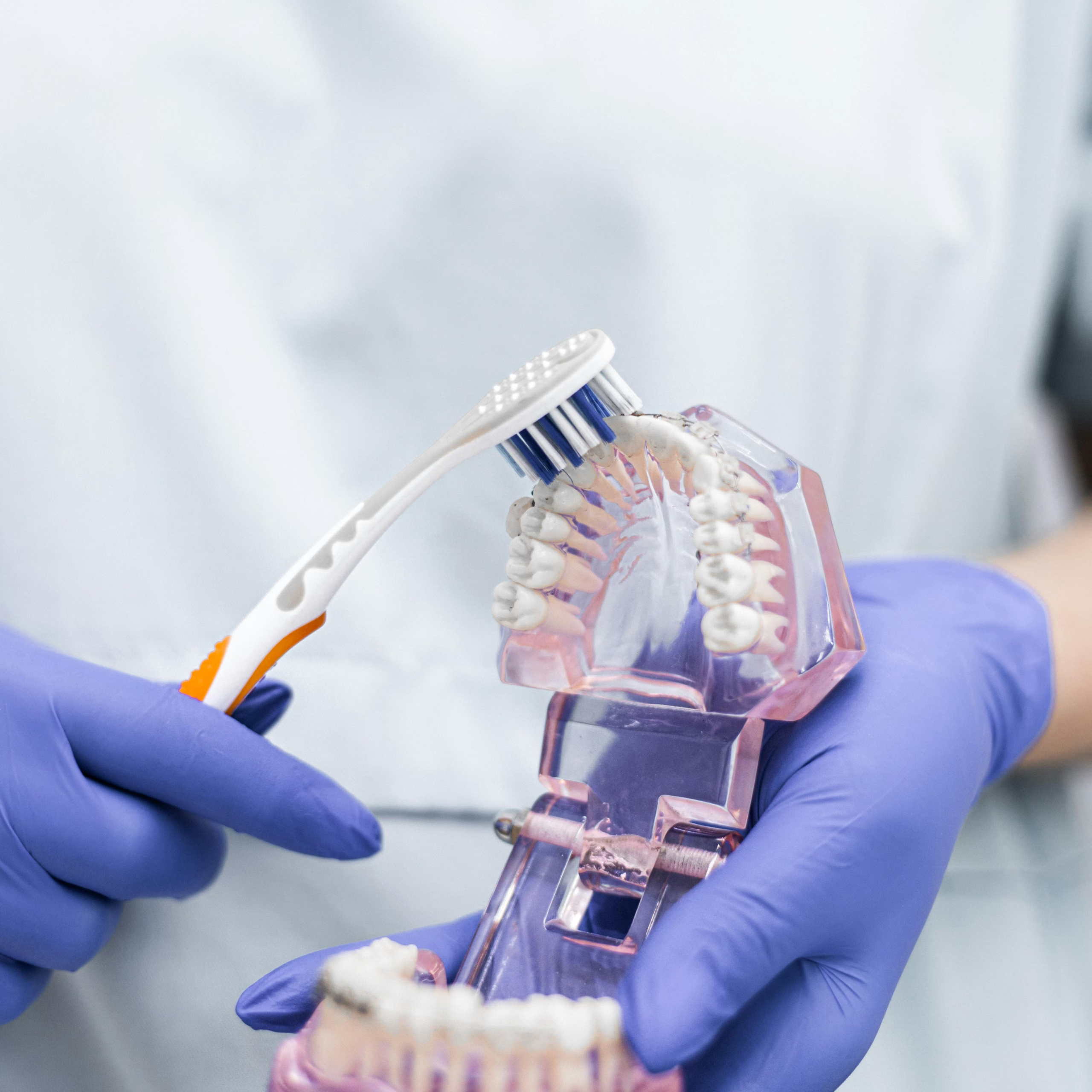
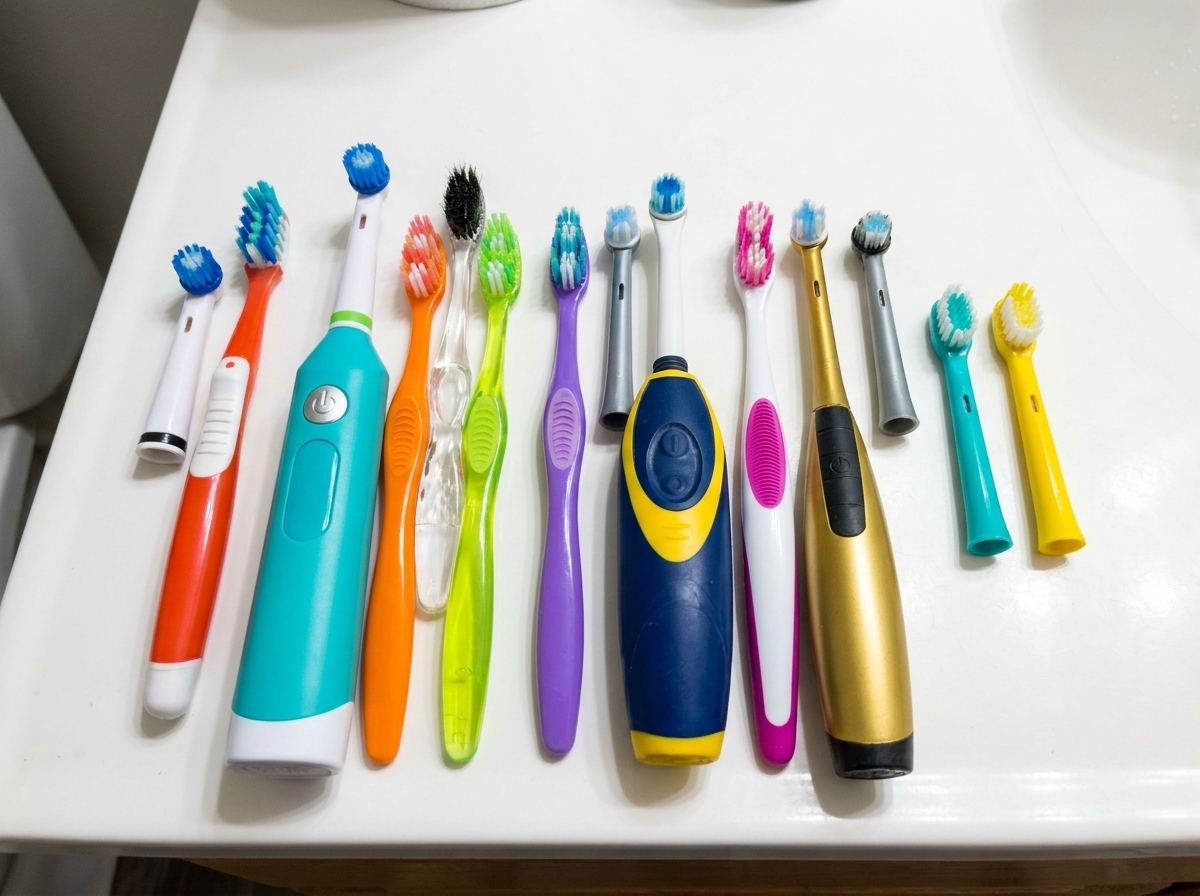
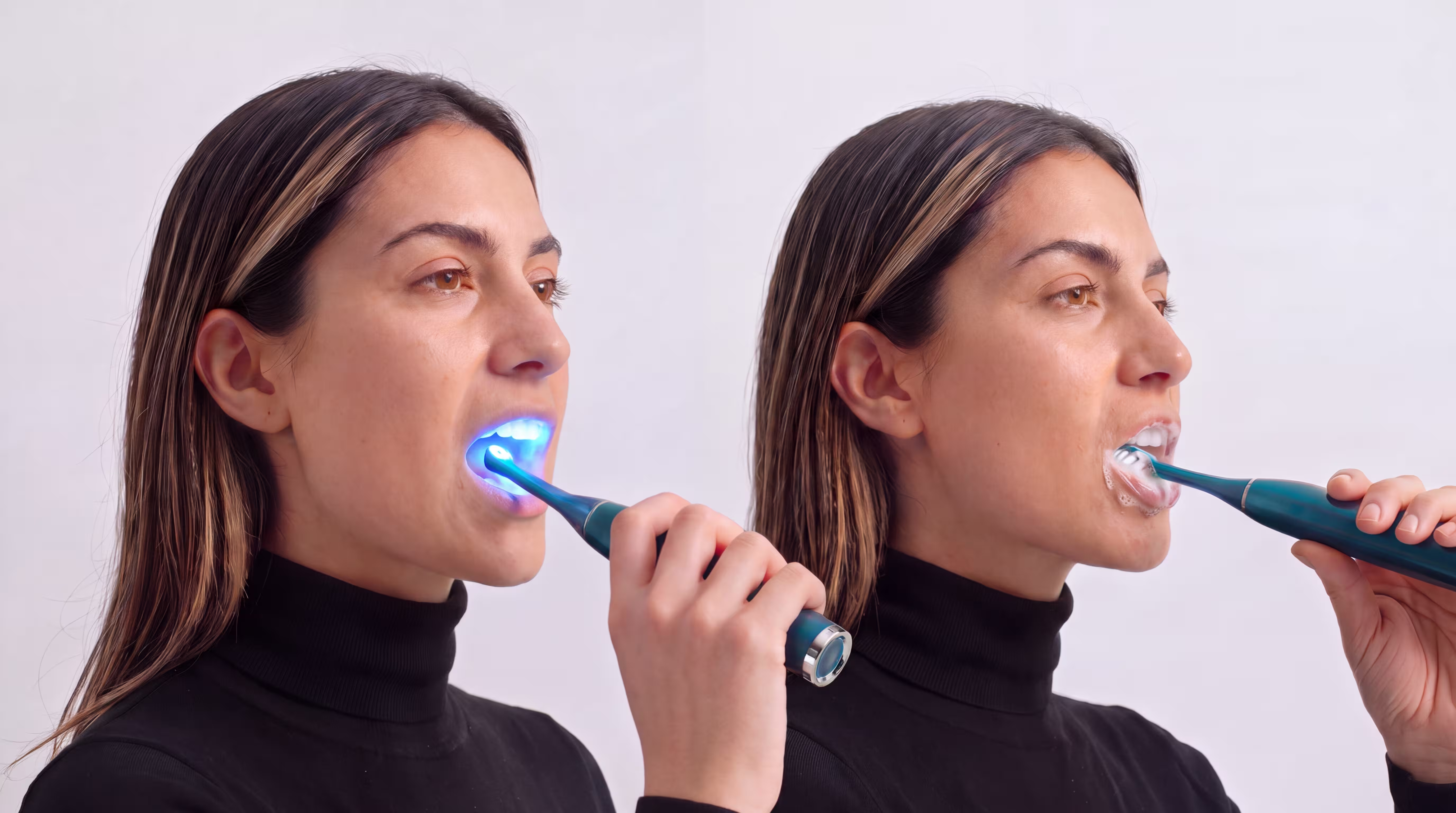
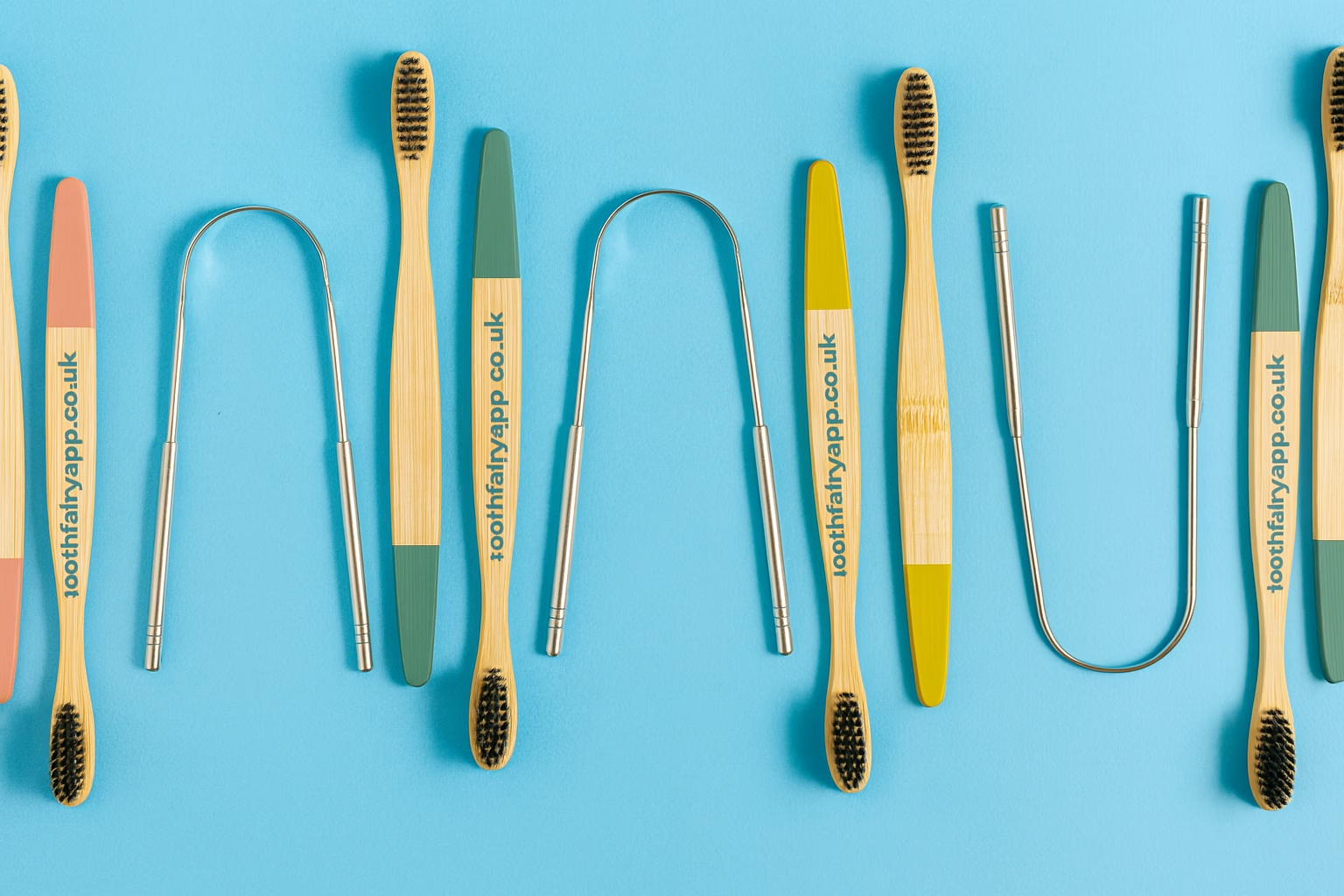
Use a soft‑bristled toothbrush and light pressure. Dry mouth can make tissues more sensitive.
Floss daily
Food sticks more easily when saliva is low. Gentle flossing helps prevent decay.
Research from the National Center for Biotechnology Information highlights that many patients with dry mouth do not receive targeted treatments, despite the significant impact on comfort and oral health.
When to speak to a professional
Dry mouth can sometimes indicate an underlying health issue. You should seek advice if you experience:
- Difficulty chewing or swallowing
- Sudden worsening of symptoms
- Persistent sores or patches in your mouth
- Ongoing bad breath
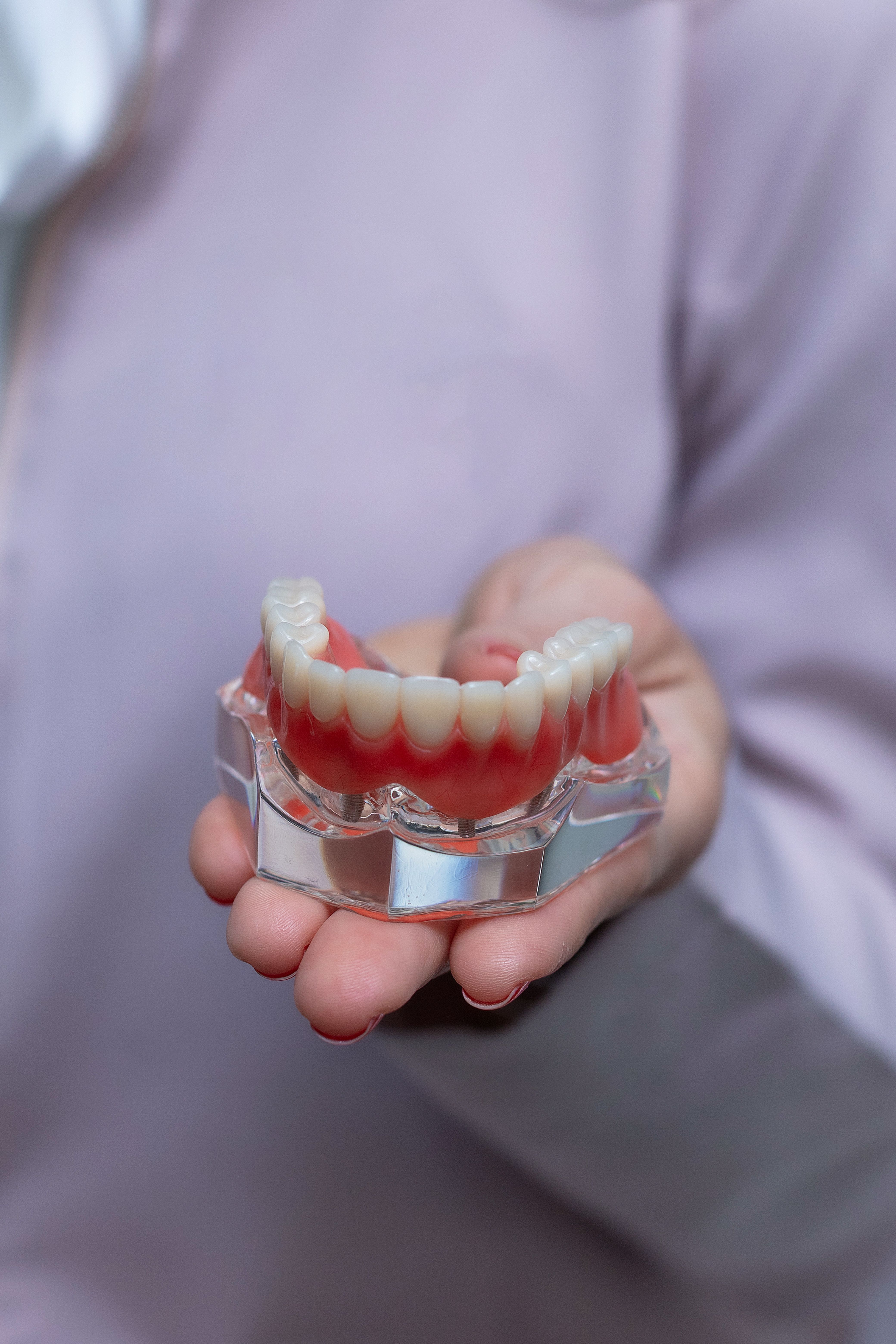
- Problems keeping dentures in place
Dry mouth can also occur after radiotherapy for head and neck cancers. Research from University College London Hospitals (UCLH) shows that up to 90 percent of patients experience permanent salivary gland damage.
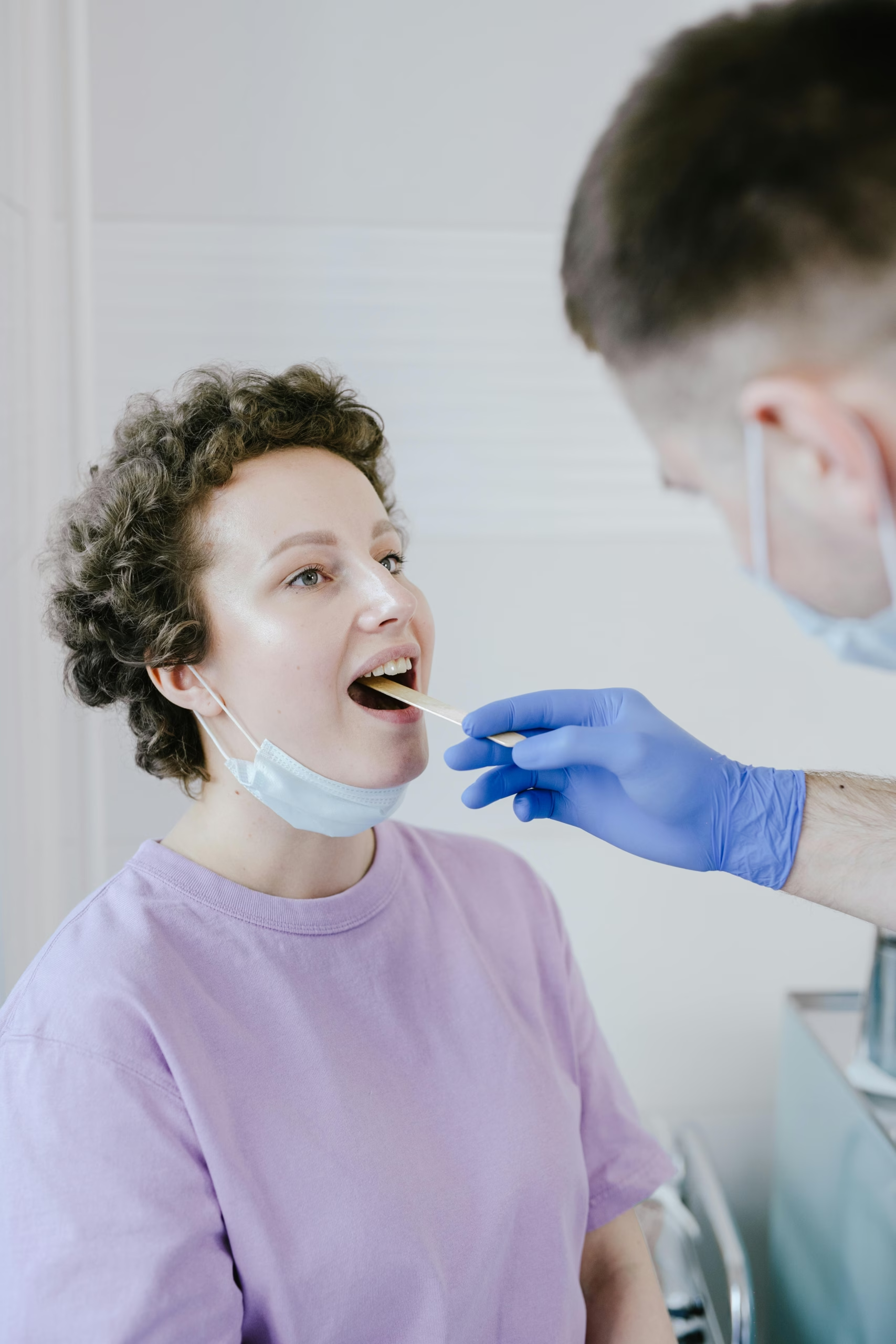
If your symptoms persist, speaking to a qualified professional is important.
A smarter way to get help
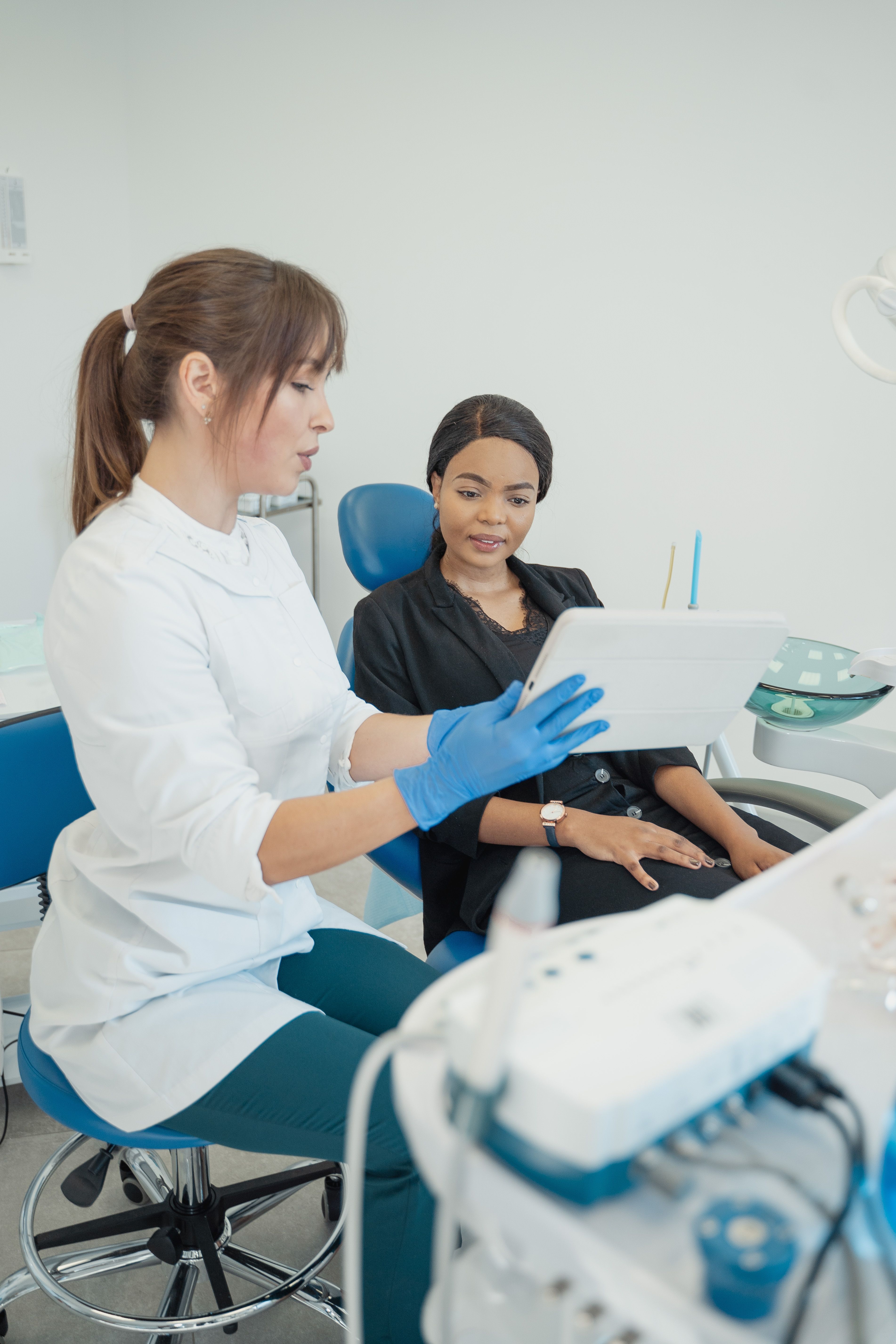
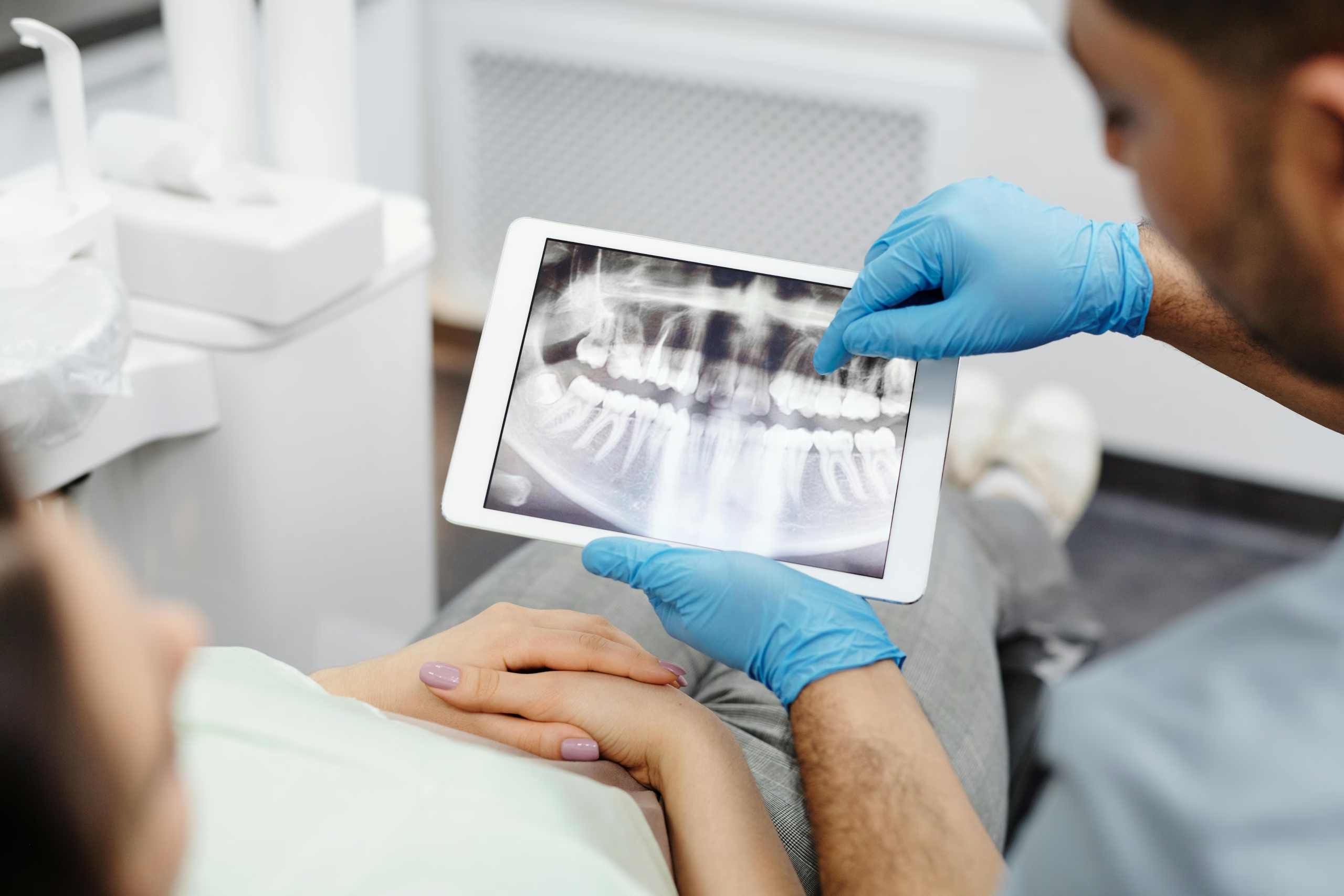
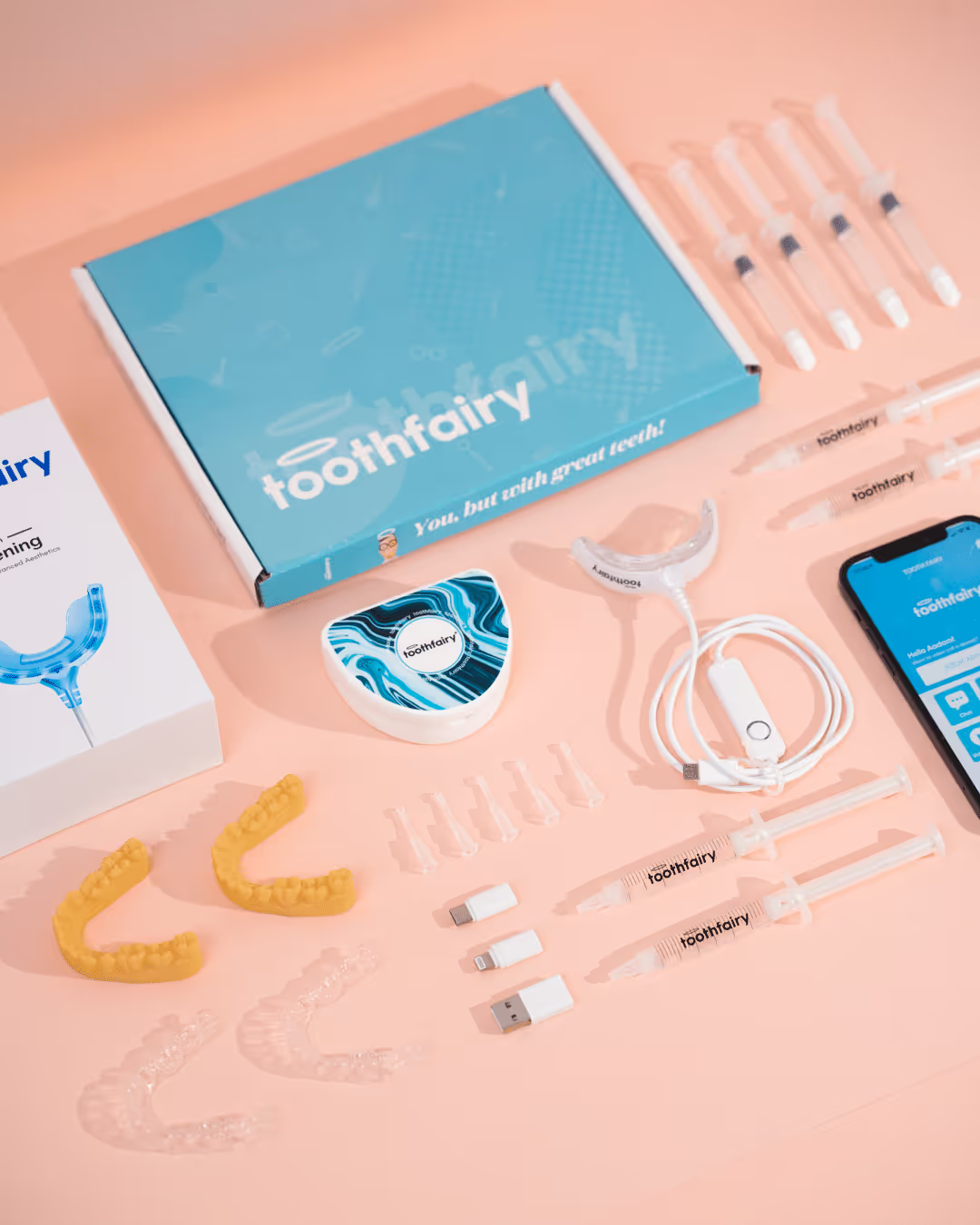
The Toothfairy app connects you with a UK‑registered dentist for same‑day advice. You can discuss your symptoms, explore possible causes and receive guidance on the best next steps.
https://www.toothfairyapp.co.uk/technology
Your dry mouth questions answered
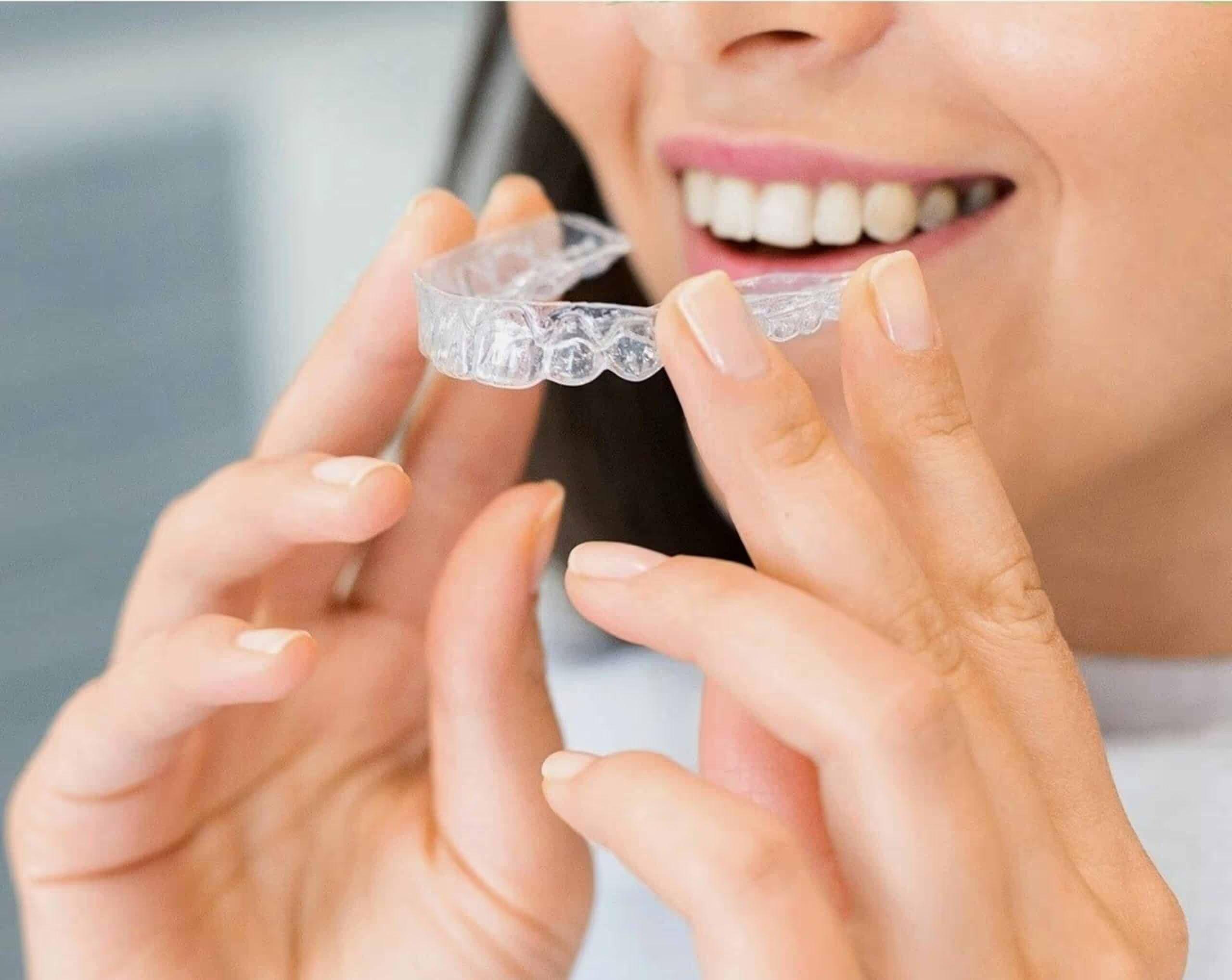
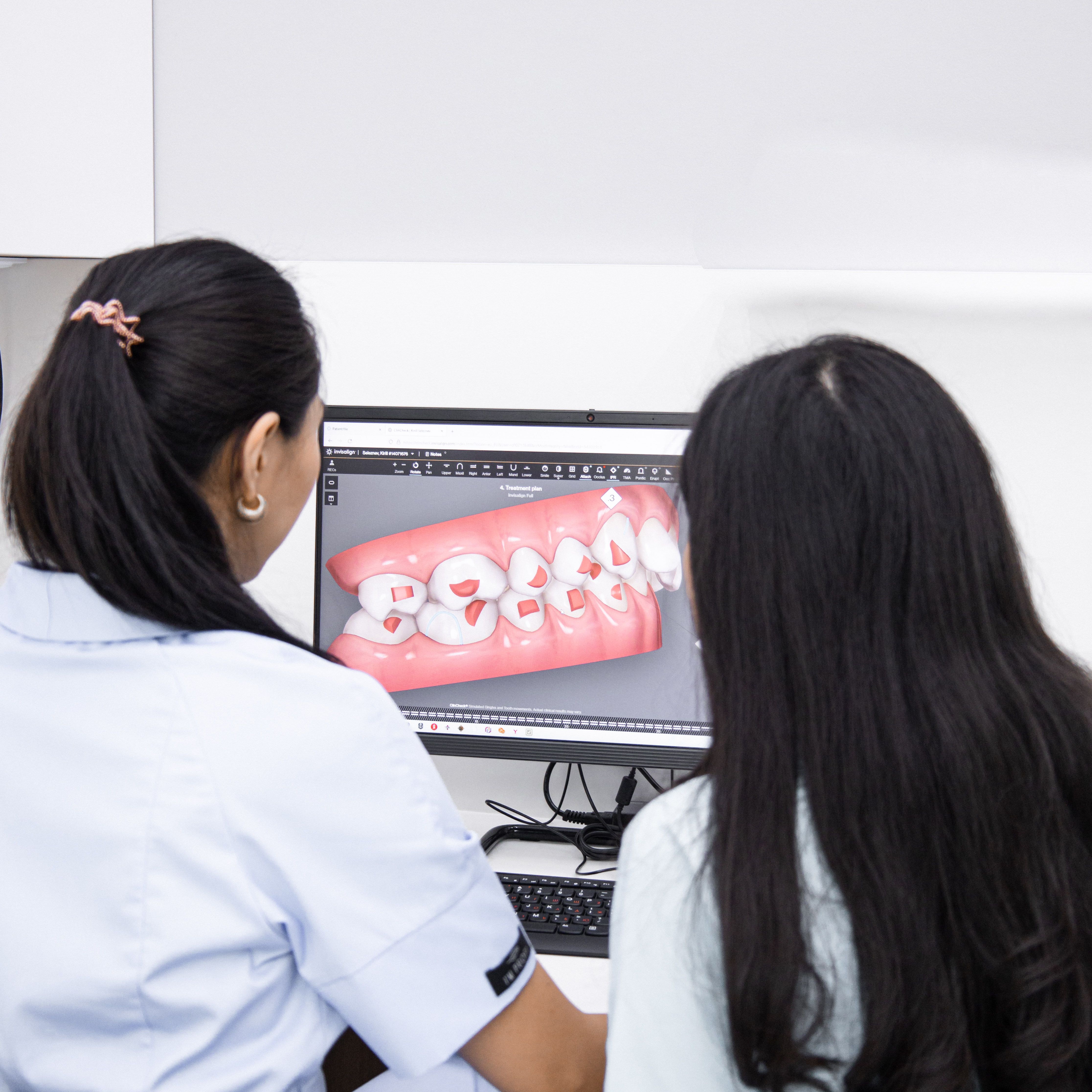
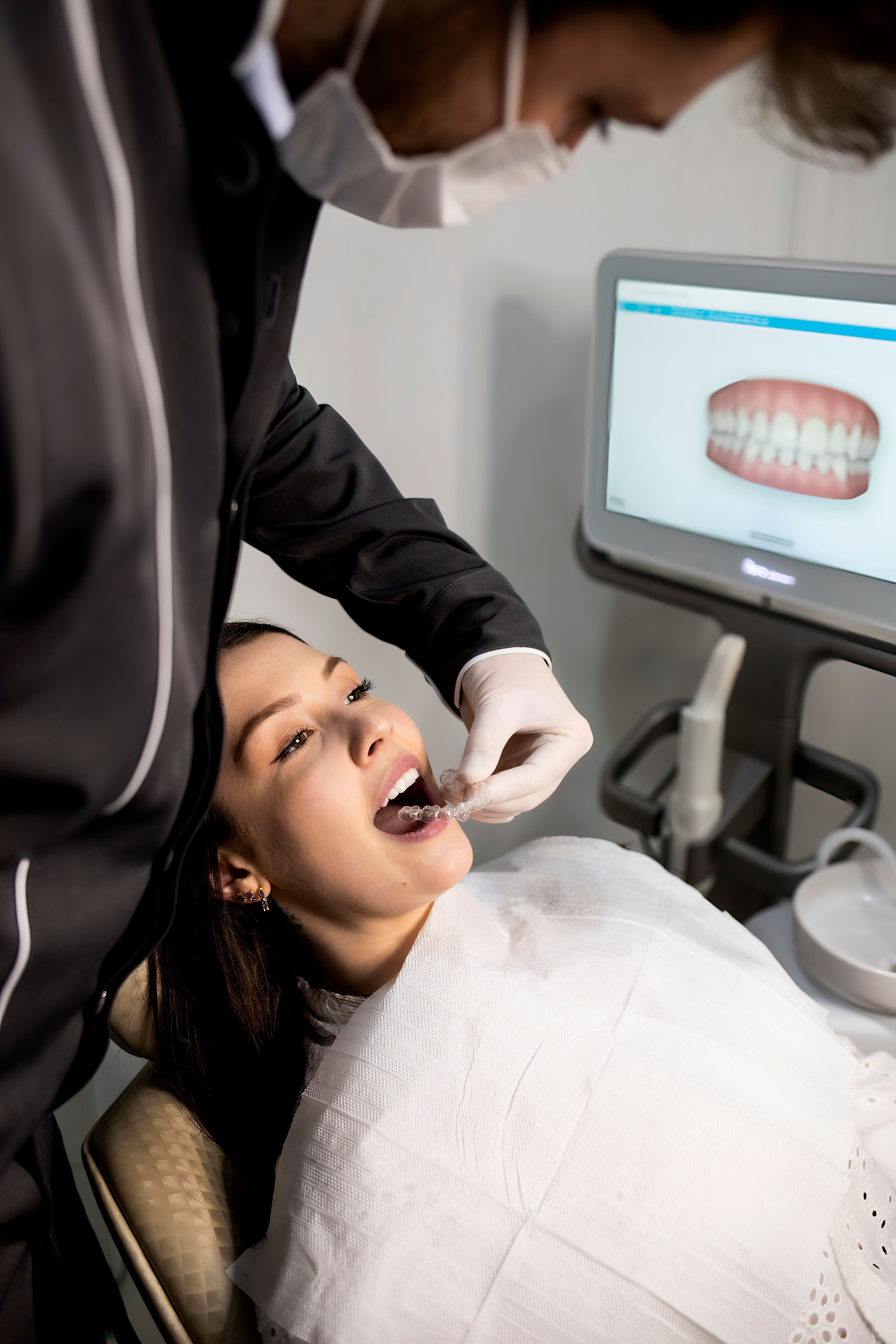
Can clear aligners cause dry mouth?
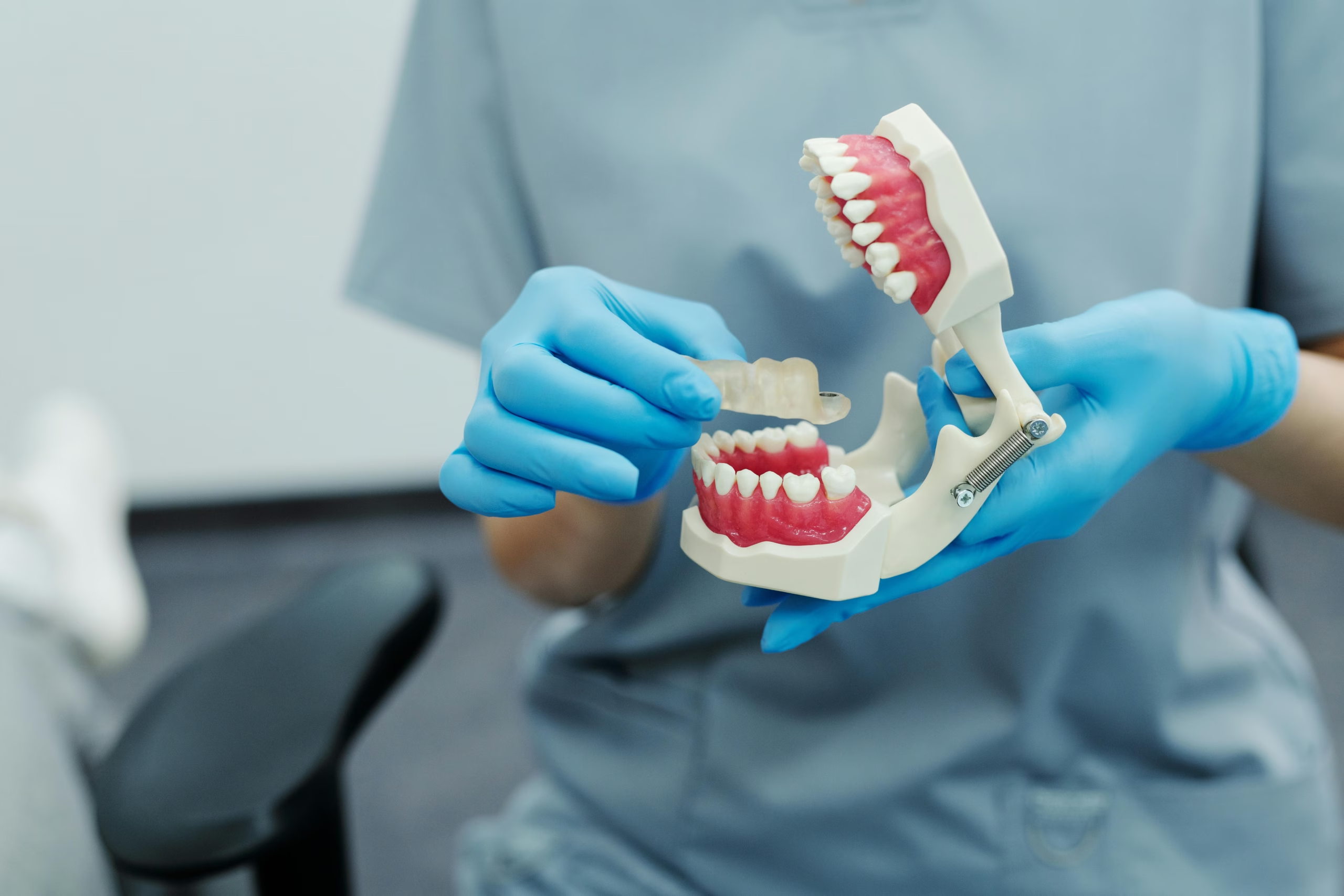
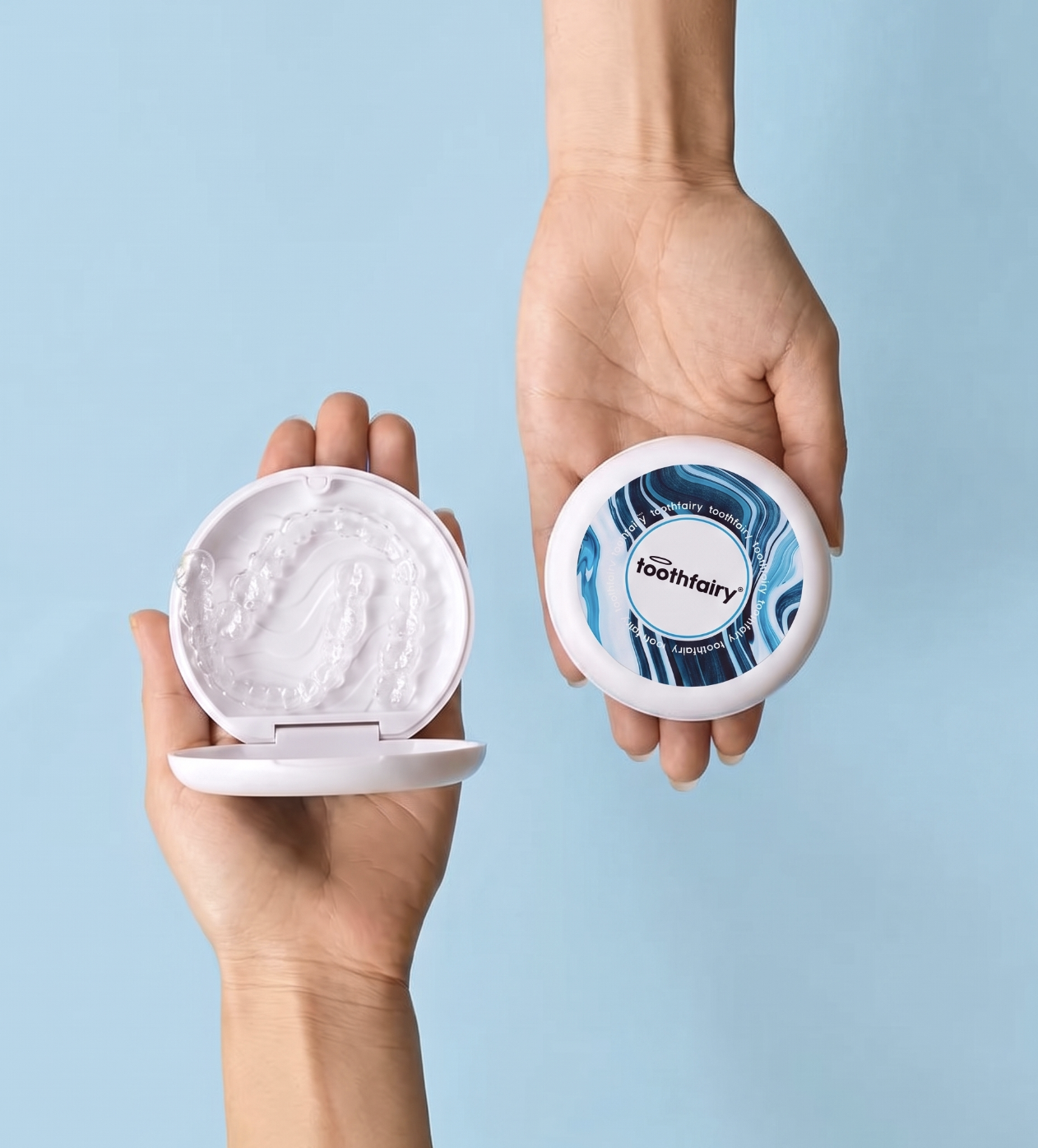
Yes. When you first start wearing aligners, your mouth may produce less saliva temporarily. This usually settles within days or weeks. Staying hydrated helps.
Are prescription treatments available?
Yes. In severe cases, UK clinicians may prescribe Sialogogues such as pilocarpine to stimulate saliva production. These are used only when medically appropriate.
Is dry mouth ever a sign of a serious condition?
It can be. Dry mouth combined with dry eyes, joint pain, sores or difficulty swallowing may indicate an underlying health issue. A professional assessment is recommended.












.jpg)





.jpg)















.jpg)