
What Is Oral Surgery: A Practical UK Guide
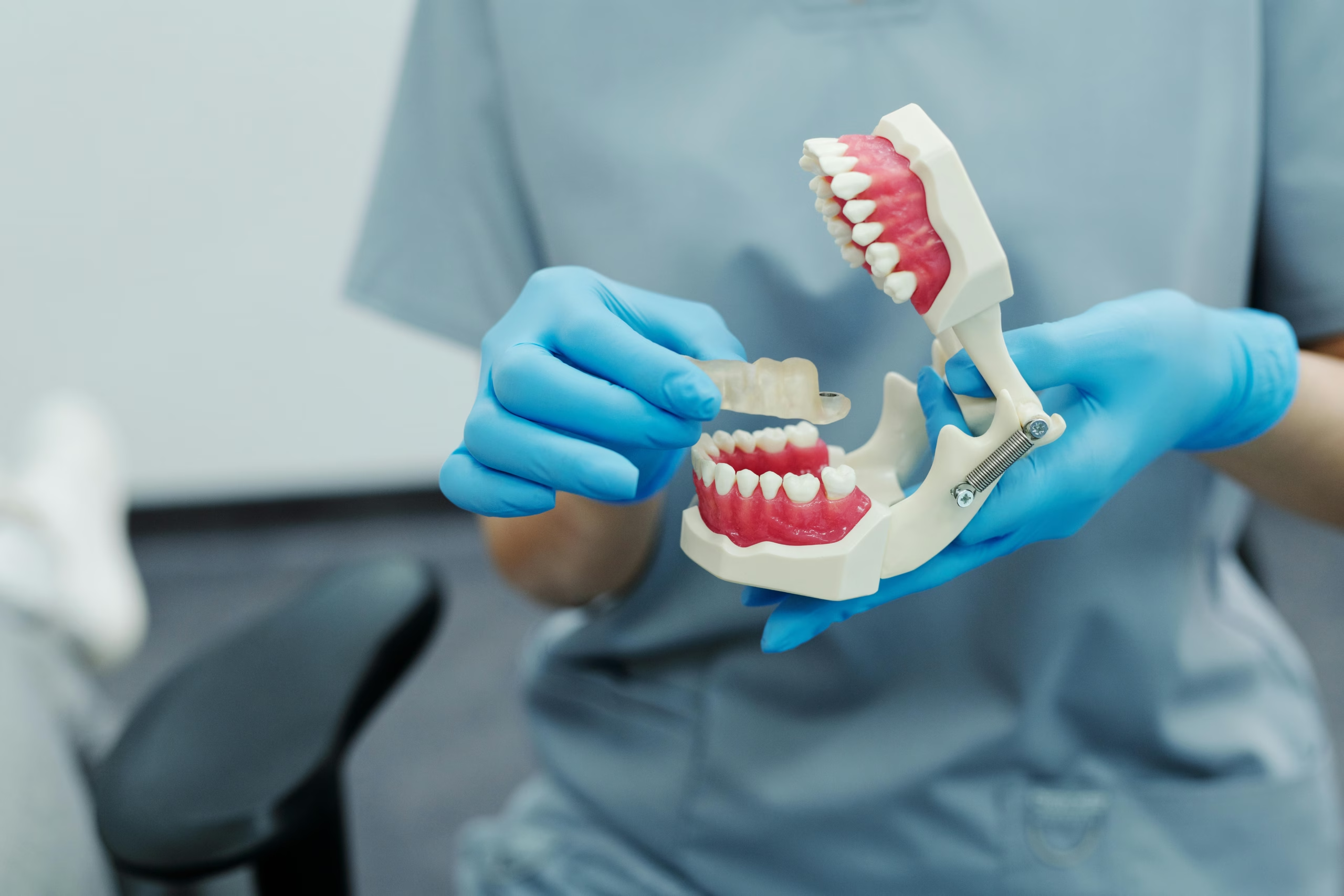
Oral surgery is a specialist branch of dentistry focused on diagnosing and treating conditions affecting the teeth, gums, jaw, face and neck. While your general dentist handles everyday care, an oral surgeon steps in when a problem becomes too complex or requires surgical expertise.
Think of your dentist as your GP for dental health. When an issue needs advanced training, hospital‑based experience or surgical precision, you are referred to an oral surgeon.
What an Oral Surgeon Does
Oral surgeons undergo years of additional training in surgical procedures, anaesthesia and complex facial anatomy. Their expertise covers a wide range of issues, including:
• Impacted wisdom teethComplex extractionsFacial traumaJaw misalignmentBone reconstructionDental implant placement
• Their role is not just removing teeth. It is restoring function, improving health and rebuilding confidence after injury or structural problems.
When You Need an Oral Surgeon
Some dental problems require specialist intervention. These are the most common reasons for referral.
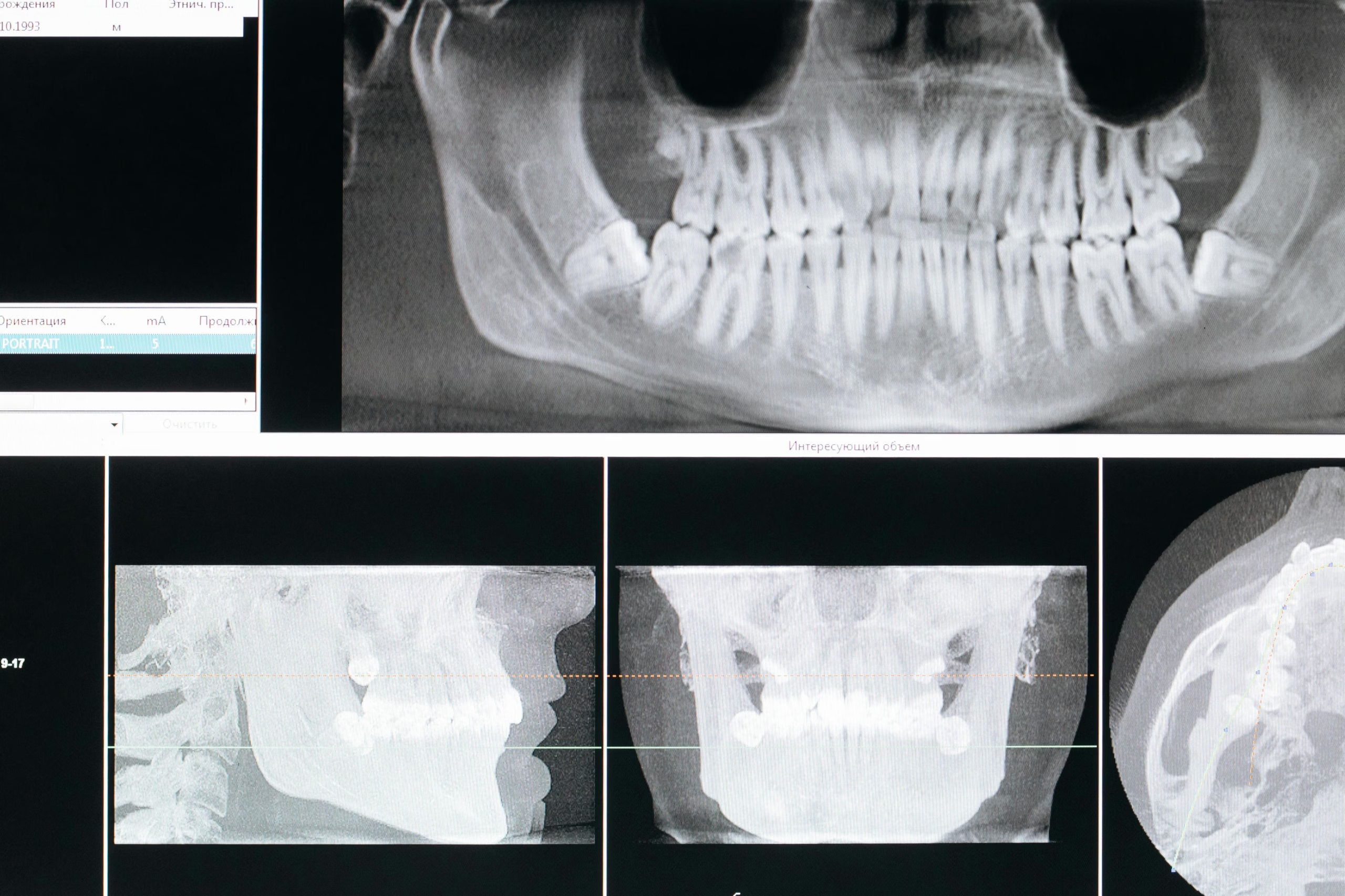
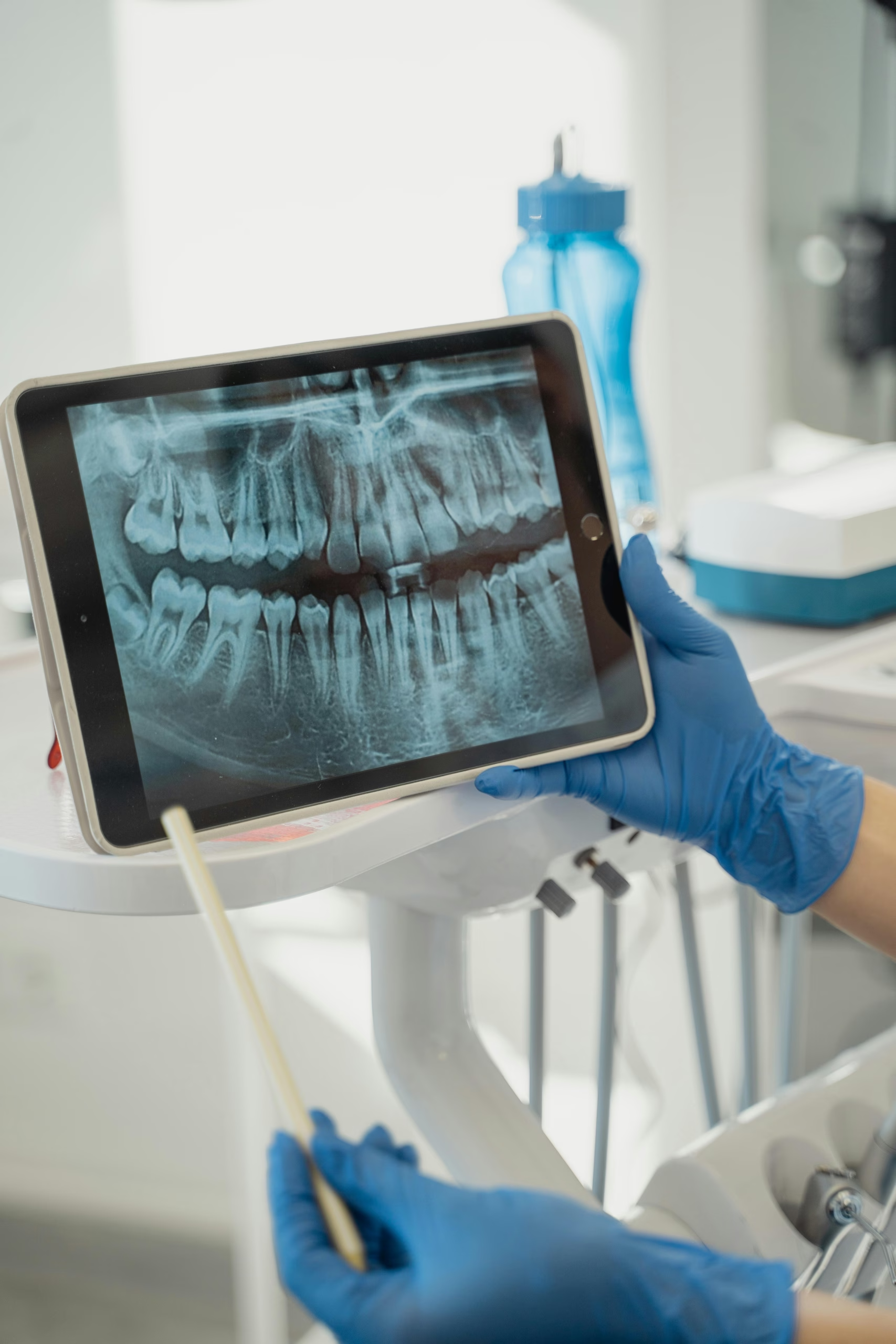
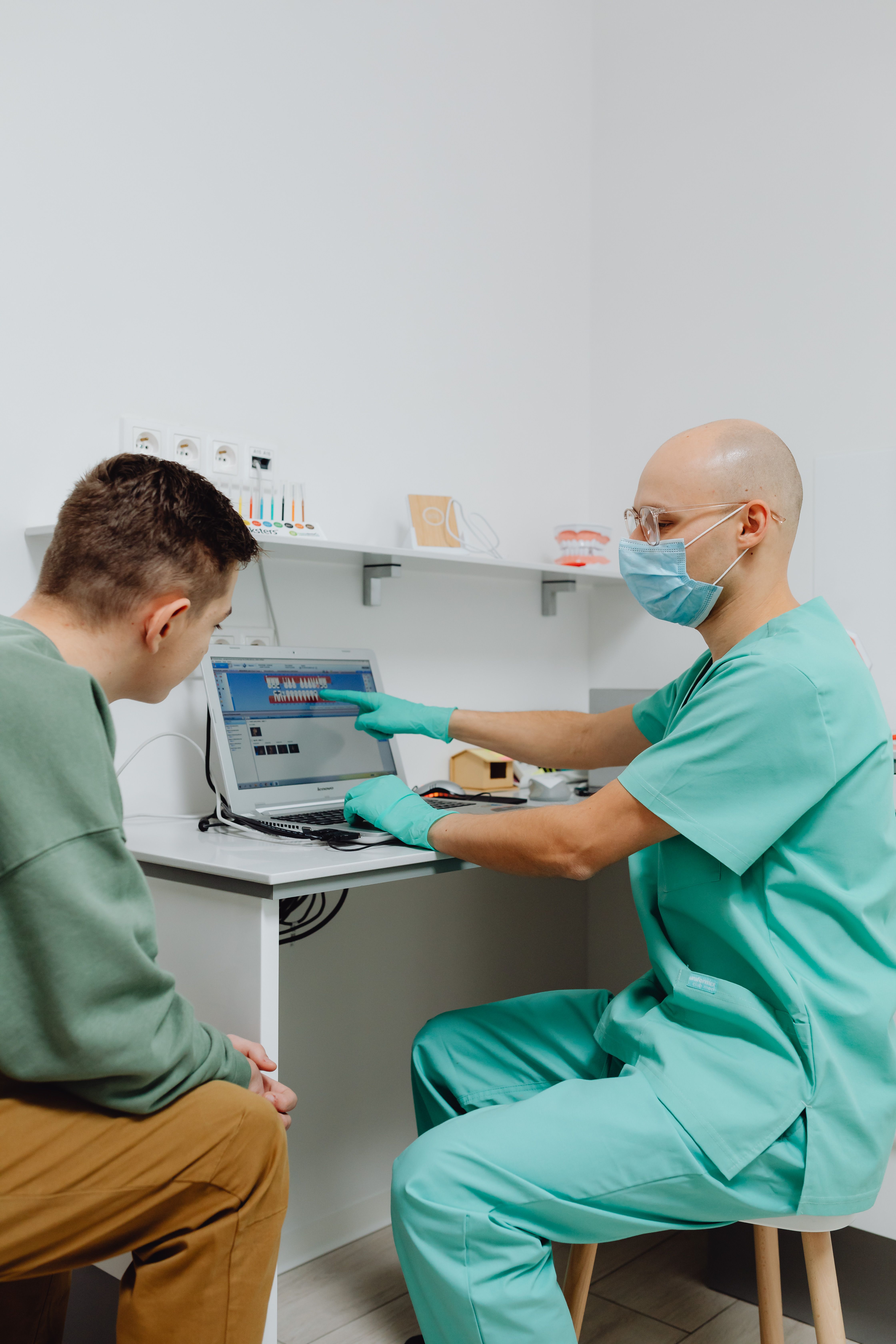
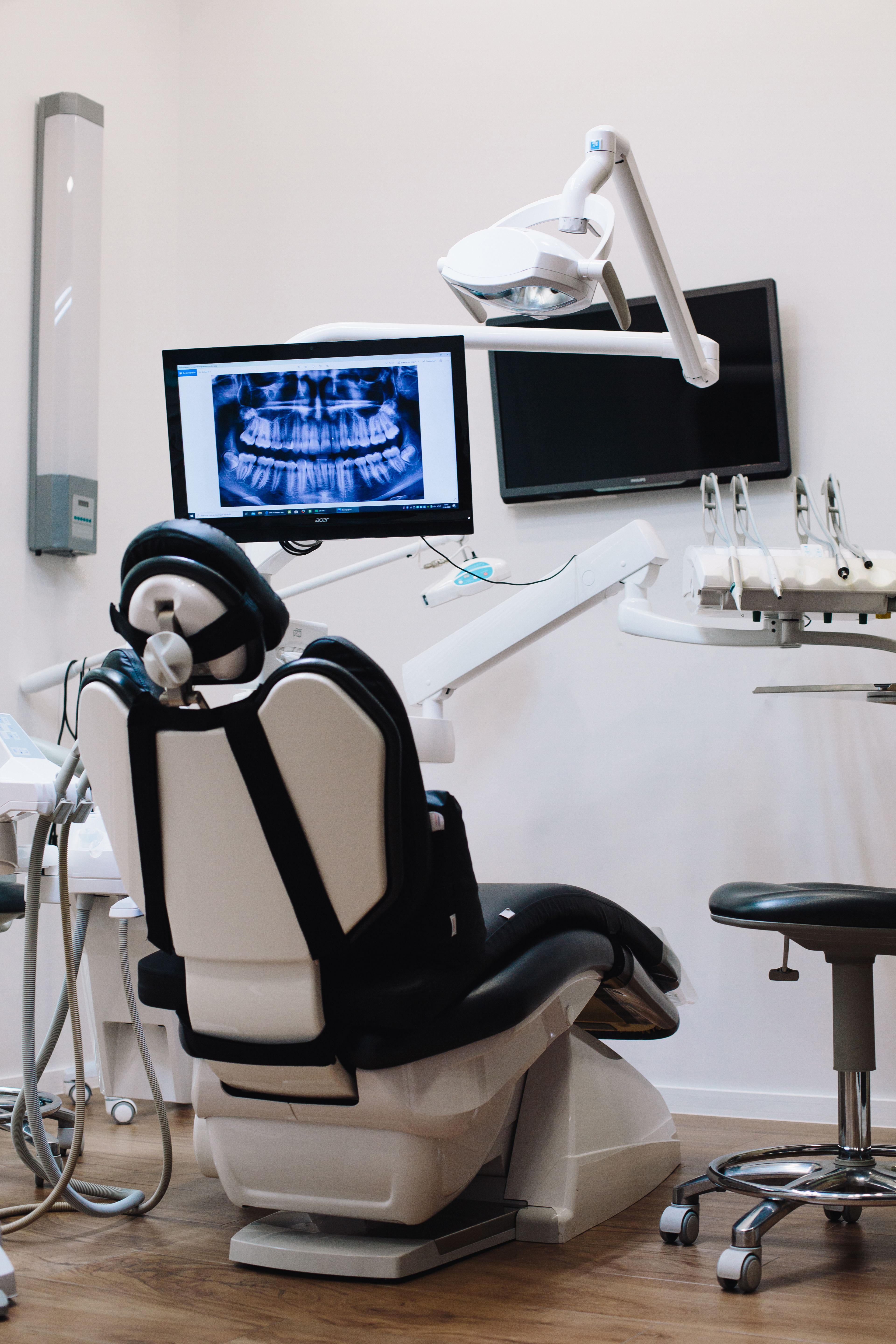
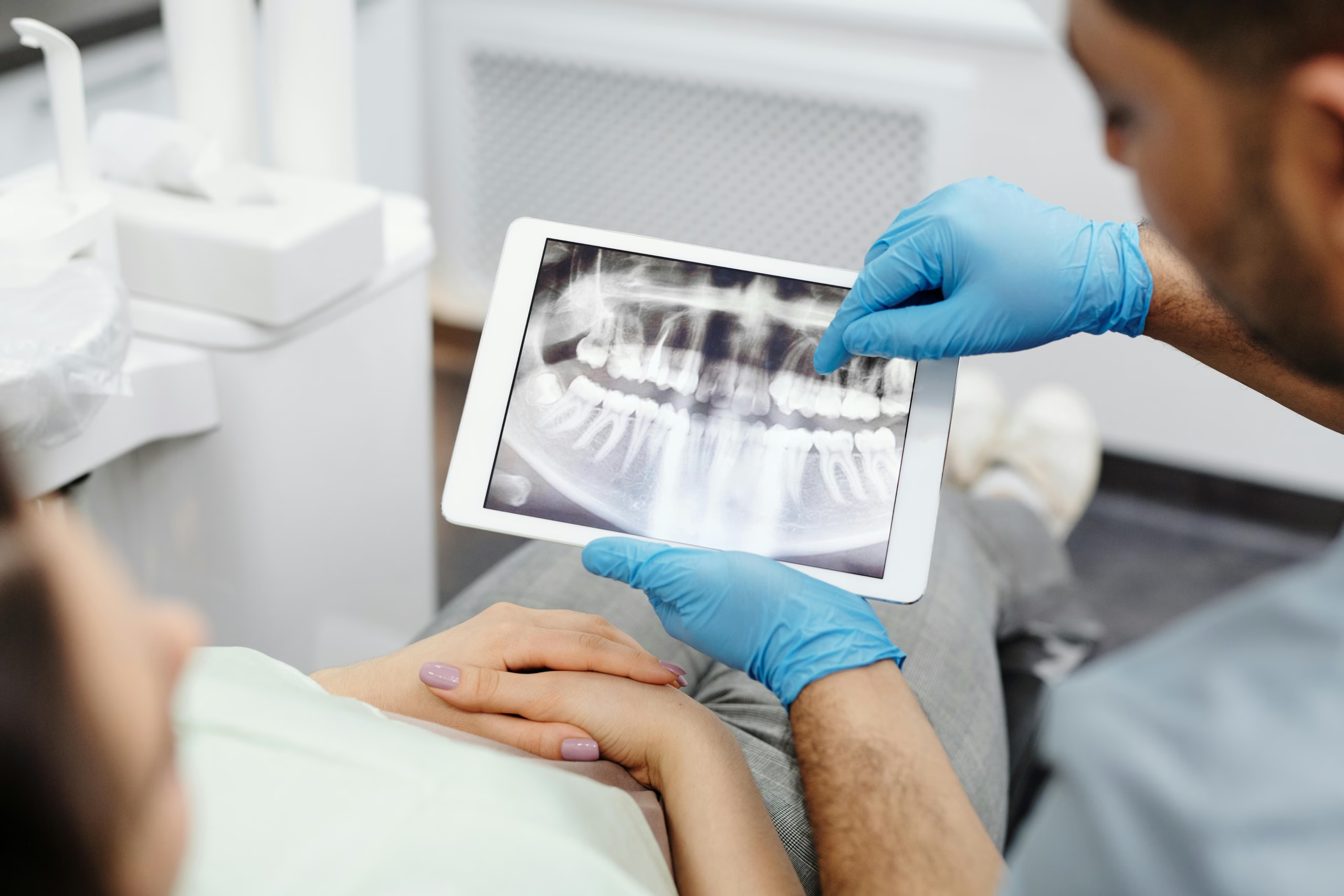
Modern oral surgery relies heavily on advanced imaging such as Cone Beam CT (CBCT), which provides detailed 3D views of teeth, bone and soft tissue. This precision is essential for accurate diagnosis and planning.
Common Oral Surgery Procedures
Understanding what oral surgery involves helps remove the fear and mystery. These are the procedures most people encounter.
Wisdom tooth removal
Wisdom teeth often become impacted due to lack of space. Impacted teeth can cause pain, infection and damage to neighbouring teeth. Oral surgeons remove them safely and prevent future complications.
Dental implant placement
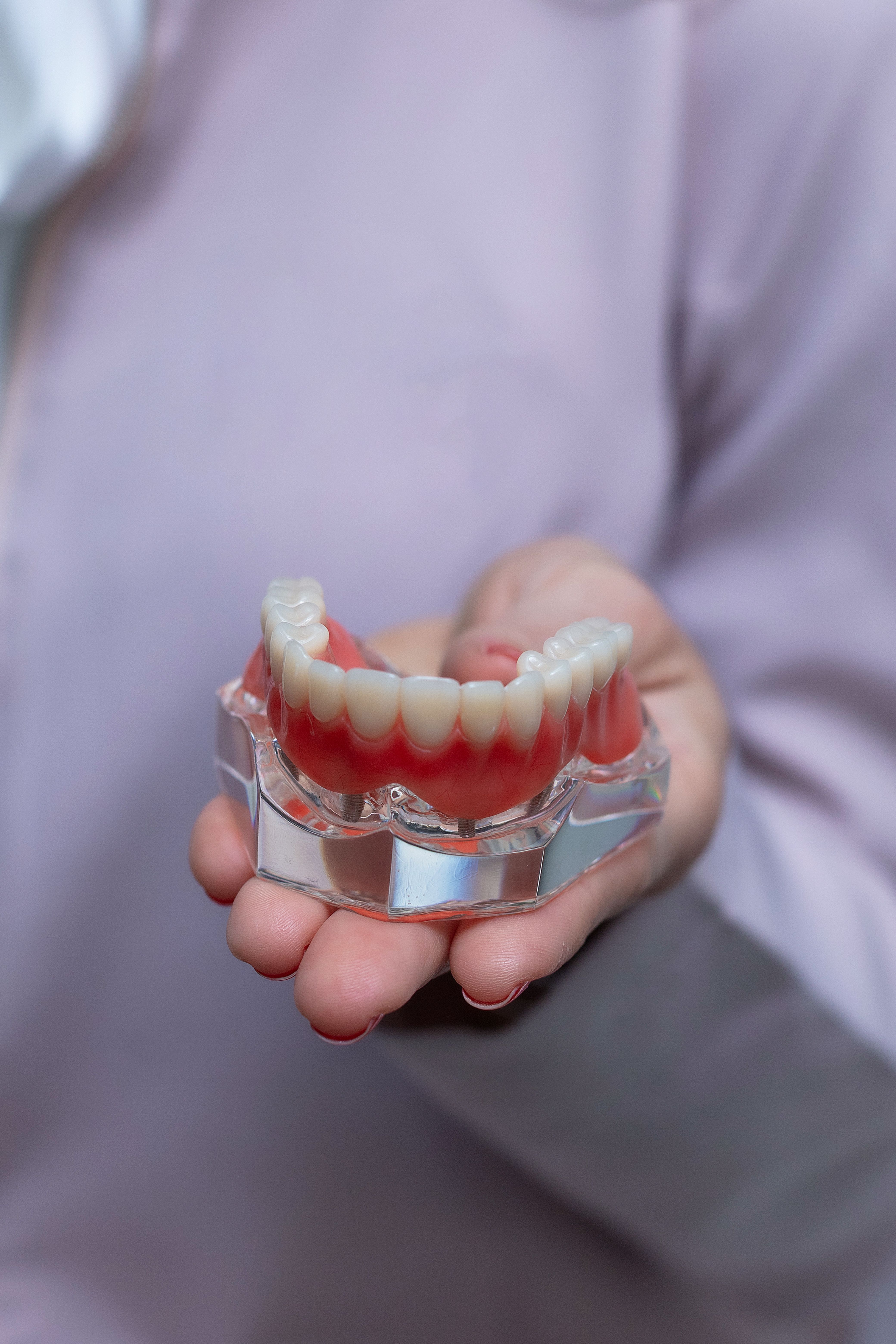
Implants replace missing teeth with a titanium post placed into the jawbone. This requires surgical precision and detailed planning. Toothfairy offers an accessible, dentist‑led pathway for implant treatment, from consultation to final crown.
Corrective jaw surgery
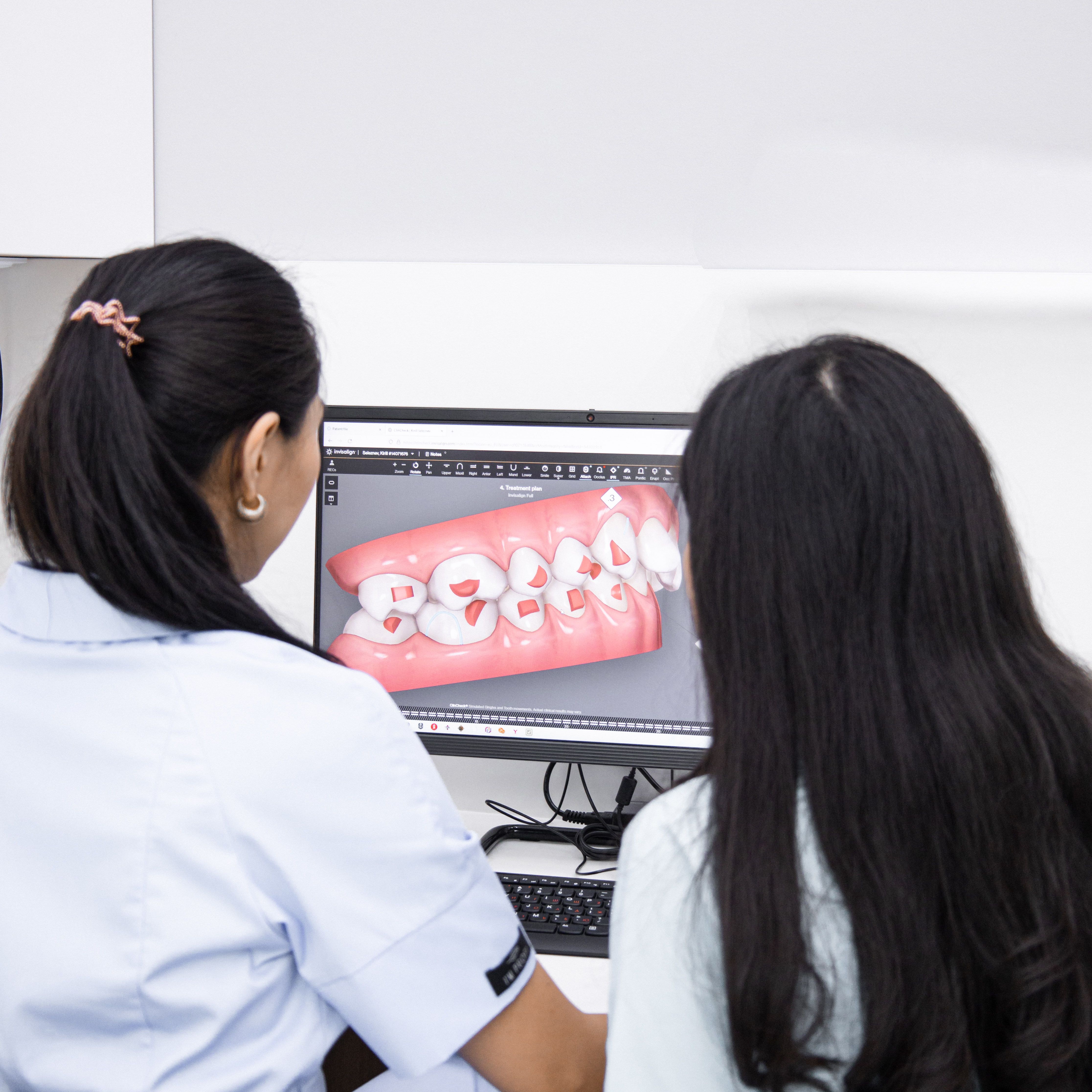
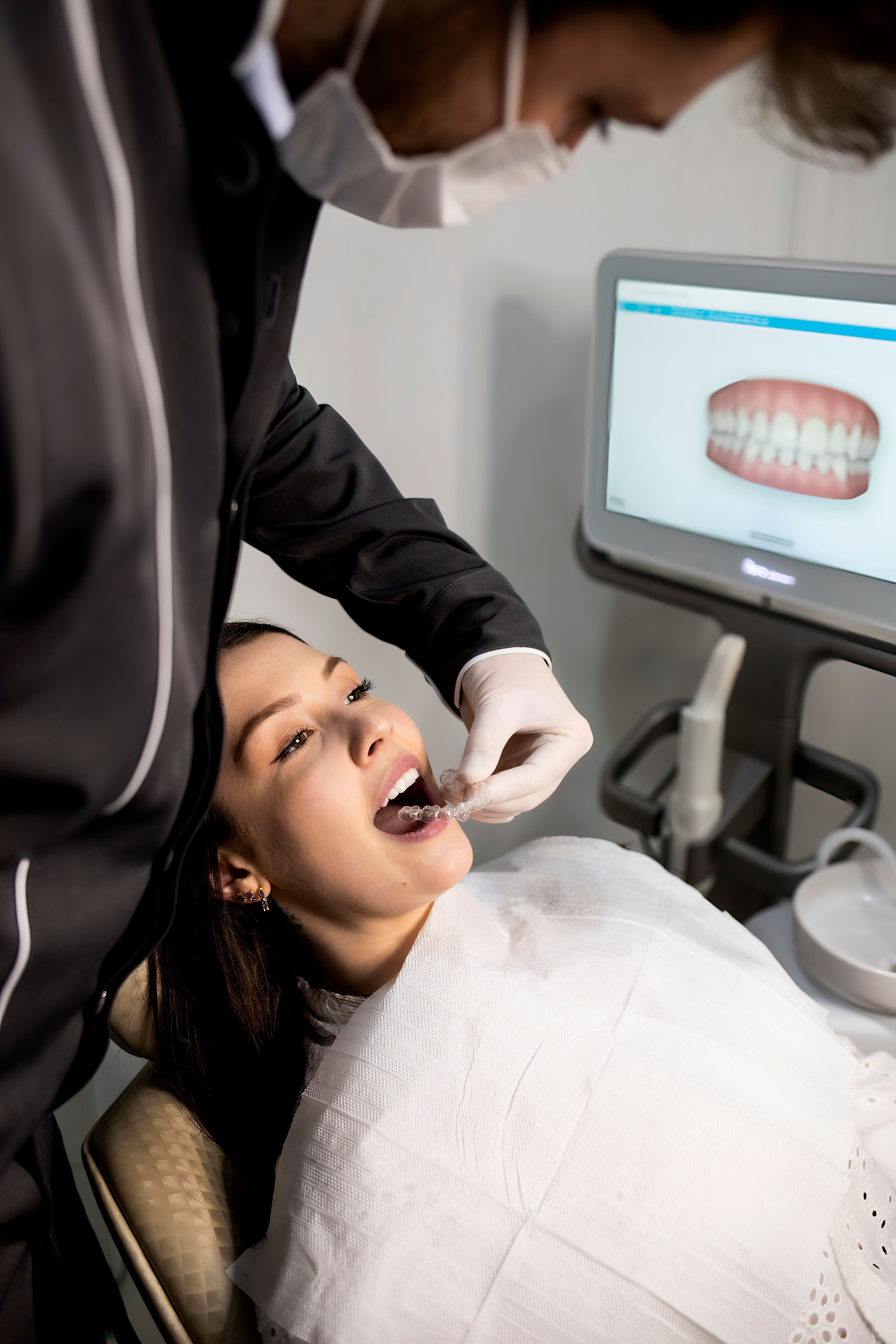
Orthognathic surgery realigns the jaw to correct severe bite problems. It improves chewing, speaking and breathing. After surgery, orthodontic treatment is usually needed to perfect tooth alignment. Modern aligners offer a discreet, convenient option.
The UK Dental Access Crisis
Knowing what oral surgery is only half the story. Accessing care in the UK can be challenging.
Many regions now face “dental deserts” where NHS practices are not accepting new patients. In some areas, over 97 percent of NHS practices are closed to new adult registrations. Projections suggest that more than 40 percent of Britons could face critical dental access issues by 2025.
Long waits can turn manageable problems into emergencies.
A Modern Solution to Delays
Toothfairy was created to tackle this access crisis. Instead of waiting weeks for an appointment, you can speak to a qualified UK dentist through a same‑day virtual consultation.
This allows you to:
• Discuss symptomsReceive guidanceGet referralsAccess emergency adviceAvoid unnecessary delays
• It is a smarter, more affordable way to reach specialist care quickly.
Managing Dental Anxiety Before Surgery
Dental anxiety is common. More than one in four Britons avoid appointments due to fear. Understanding your procedure and speaking openly with your surgeon can reduce anxiety significantly.
Practical strategies
Deep breathingMindfulnessClear explanations from your surgeonVirtual consultations to build confidence before attending in person
Toothfairy helps reduce anxiety by allowing you to meet a dentist virtually first, from the comfort of your home.
Recovery After Oral Surgery
Your surgeon’s instructions are essential, but these general guidelines apply to most procedures.
Rest
Take it easy for twenty‑four to forty‑eight hours. Avoid strenuous activity.
Eating
Choose soft foods such as yoghurt, mashed potatoes and lukewarm soups. Avoid straws to prevent dry socket.
Cleaning
Day one: do not rinse
Day two onwards: gentle saltwater rinses
Brush other teeth normally but avoid the surgical site
Pain and swelling
Swelling peaks around day three. Pain relief may be recommended. Seek help if pain worsens, bleeding continues or you develop a fever.
Toothfairy offers immediate post‑op support through virtual consultations.
Frequently Asked Questions
Will oral surgery be painful
You will be fully anaesthetised during the procedure. Some discomfort afterwards is normal but manageable.
How much does oral surgery cost
Costs vary depending on complexity and whether treatment is NHS or private. Toothfairy provides clear cost guidance and affordable options.
Do wisdom teeth always need removal
No. They are removed only if they cause pain, infection or structural problems.
Can I get a second opinion
Yes. A virtual consultation is a fast way to get expert advice before committing to treatment.
Take Control of Your Oral Health Today
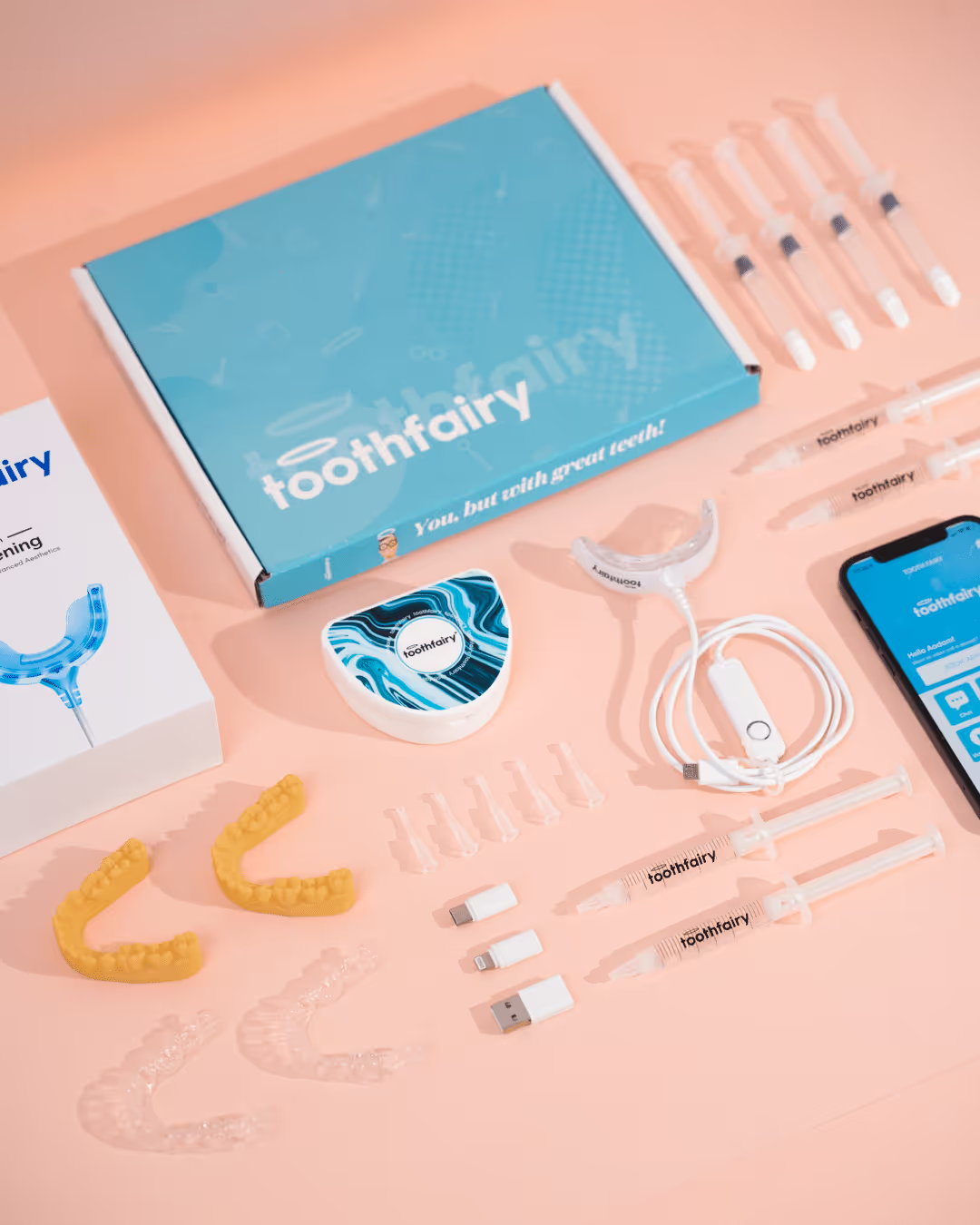
Whether you need an emergency consultation, a second opinion or a smarter, more affordable route to cosmetic or surgical care, Toothfairy connects you with qualified UK dentists directly through your phone.
Start your oral surgery journey


















.jpg)





.jpg)

















.jpg)