
Healthy gums are the foundation of a healthy smile. When gum disease develops, it often begins quietly, but it can quickly progress if left untreated. Gum disease treatment focuses on removing harmful bacteria, reducing inflammation and protecting the bone that supports your teeth. With the right care, you can stop the disease in its tracks and prevent long‑term damage.
Understanding Gum Disease
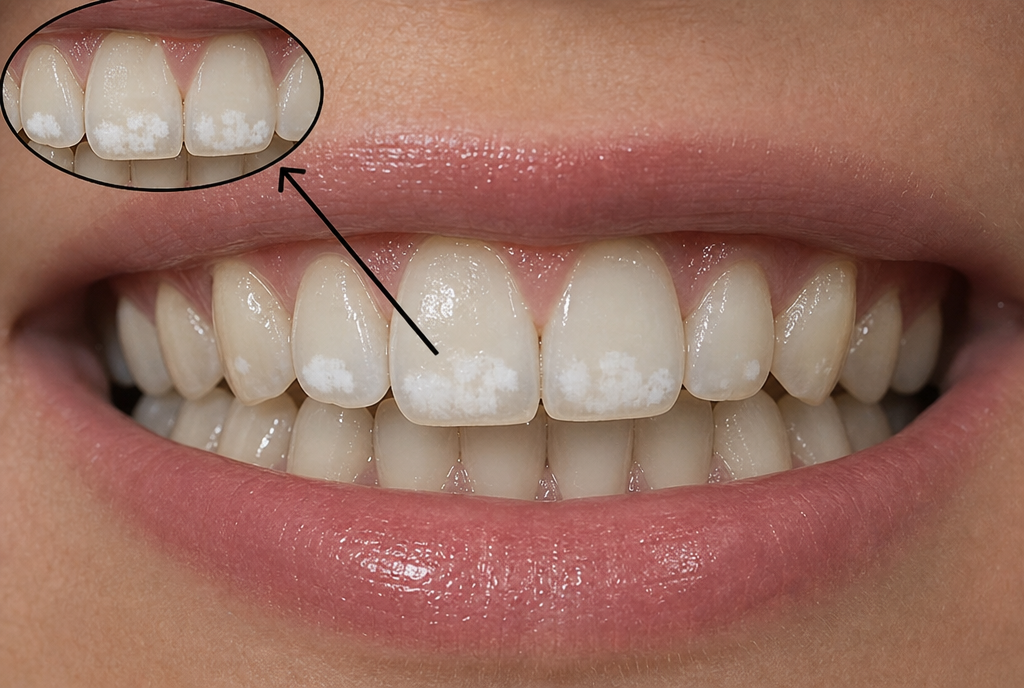
Gum disease has two main stages. Each stage requires a different treatment approach.
Gingivitis is reversible. Periodontitis is not, but it can be controlled with the right treatment.
UK data shows gum disease increases with age. According to the Adult Oral Health Survey 2021, self‑reported gum disease rises from 4 percent in people aged 16 to 24 to 28 percent in those aged 55 and over.
Non‑Surgical Gum Disease Treatments
Most gum disease treatment begins with non‑surgical care. These treatments remove plaque and tartar, reduce inflammation and help gums reattach to teeth.
Professional scaling and polishing
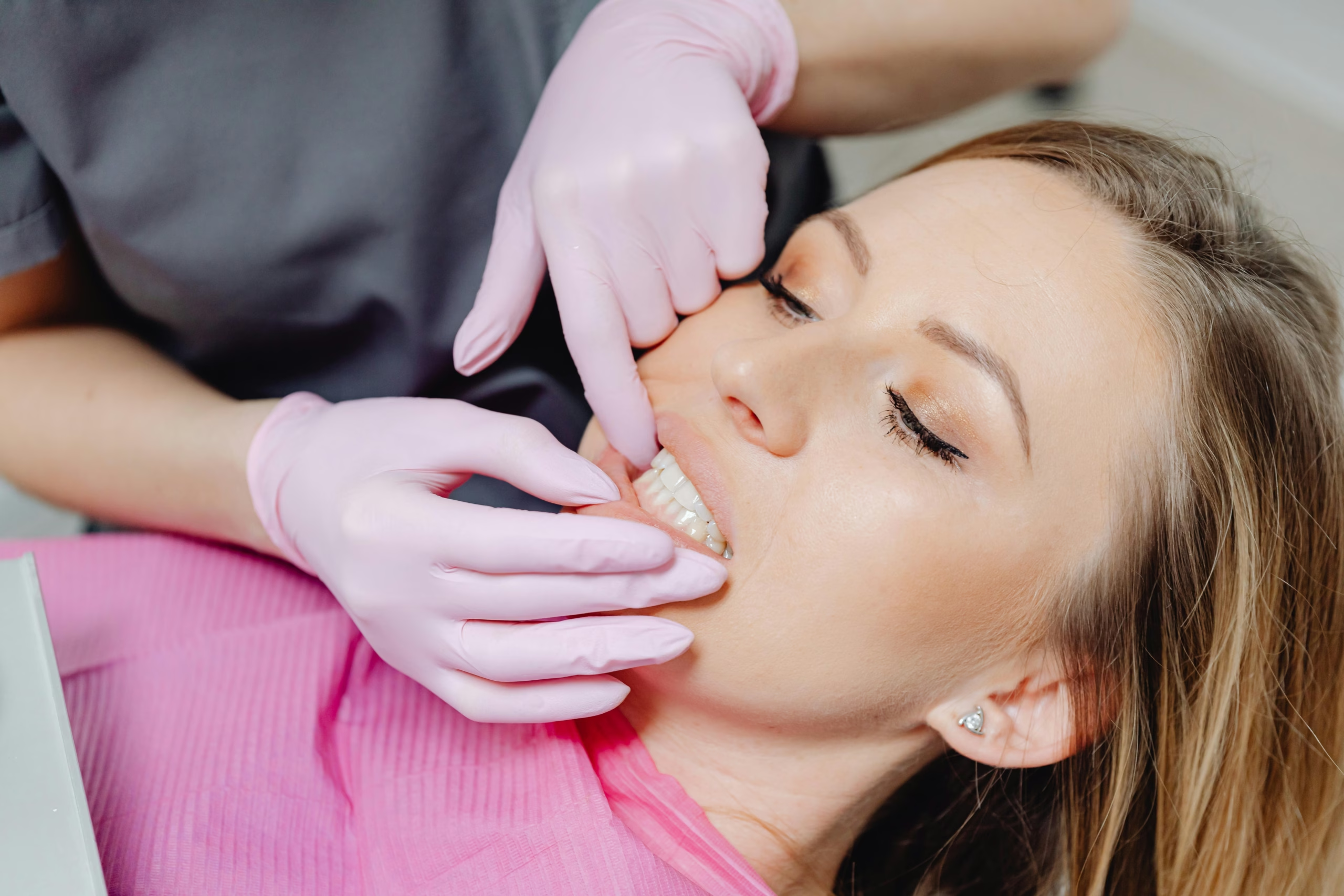
A scale and polish removes hardened tartar from above and below the gumline. Polishing smooths the tooth surface, making it harder for plaque to stick.
This is one of the most common NHS treatments. In England during 2023 to 2024, 31 percent of adult NHS dental treatments included a scale and polish.
Root planing
If pockets have formed between your teeth and gums, root planing cleans deeper areas. The roots are smoothed to remove bacterial toxins and encourage gums to reattach.
Root planing is usually done with local anaesthetic to keep you comfortable.
Aftercare
Mild tenderness is normal after treatment. Your dentist may recommend softer foods for a day or two and gentle brushing around treated areas.
When Surgical Treatment Is Needed
If gum disease has caused significant bone or tissue loss, surgical treatment may be required.
Flap surgery
A periodontist gently lifts the gum tissue to access deep pockets. The roots and bone are cleaned thoroughly, and the gums are repositioned to reduce pocket depth.
Bone grafts
Bone grafts help rebuild areas where periodontitis has caused bone loss. Your dentist may use synthetic material, donated bone or your own bone to support regeneration.
Soft tissue grafts
If gum recession has exposed tooth roots, a soft tissue graft can restore coverage and protect the root surface.
These treatments help stabilise advanced gum disease and prevent tooth loss.
Your At‑Home Gum Care Routine
Professional treatment resets your gum health. Your daily routine keeps it stable.
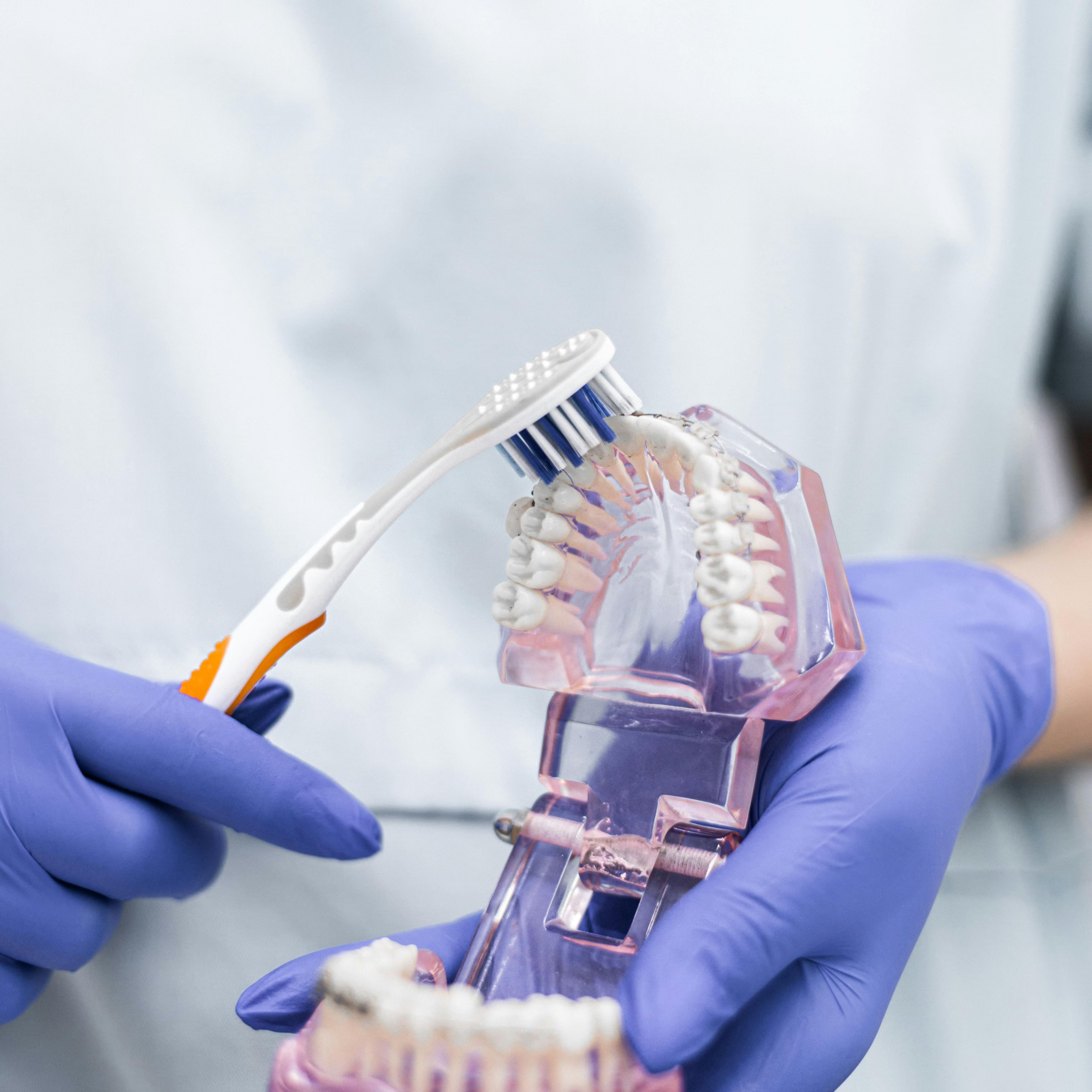
Brush correctly
Use a soft‑bristled brush angled at forty‑five degrees towards the gumline. Use gentle circular motions.
Clean between teeth
Floss or use interdental brushes every day. Gum disease often begins in areas your toothbrush cannot reach.
Use fluoride toothpaste
Fluoride strengthens enamel and supports overall oral health.
Consider antimicrobial mouthwash
This can help reduce bacteria, but it should not replace brushing or flossing.
For more guidance on improving dental health
Lifestyle Choices That Support Gum Health
Your daily habits play a major role in gum disease prevention.
Quit smoking
Smoking weakens your immune system and slows healing. It is one of the biggest risk factors for gum disease.
Eat a balanced diet
Vitamin C supports gum tissue repair. Reduce sugary foods and drinks to limit plaque build‑up.
Manage stress
Stress can weaken your immune response and increase inflammation.
Why Gum Health Matters Before Cosmetic Treatment
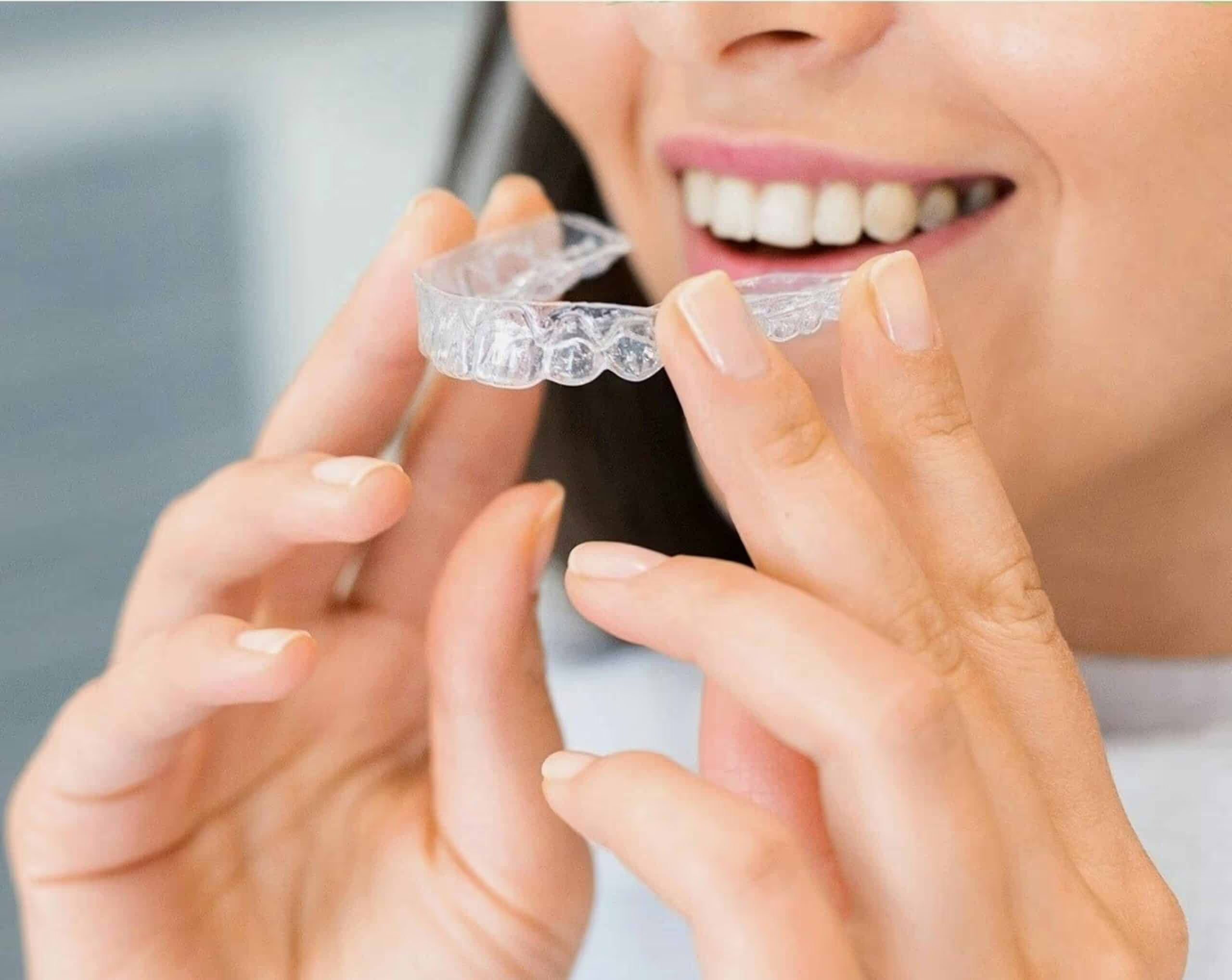
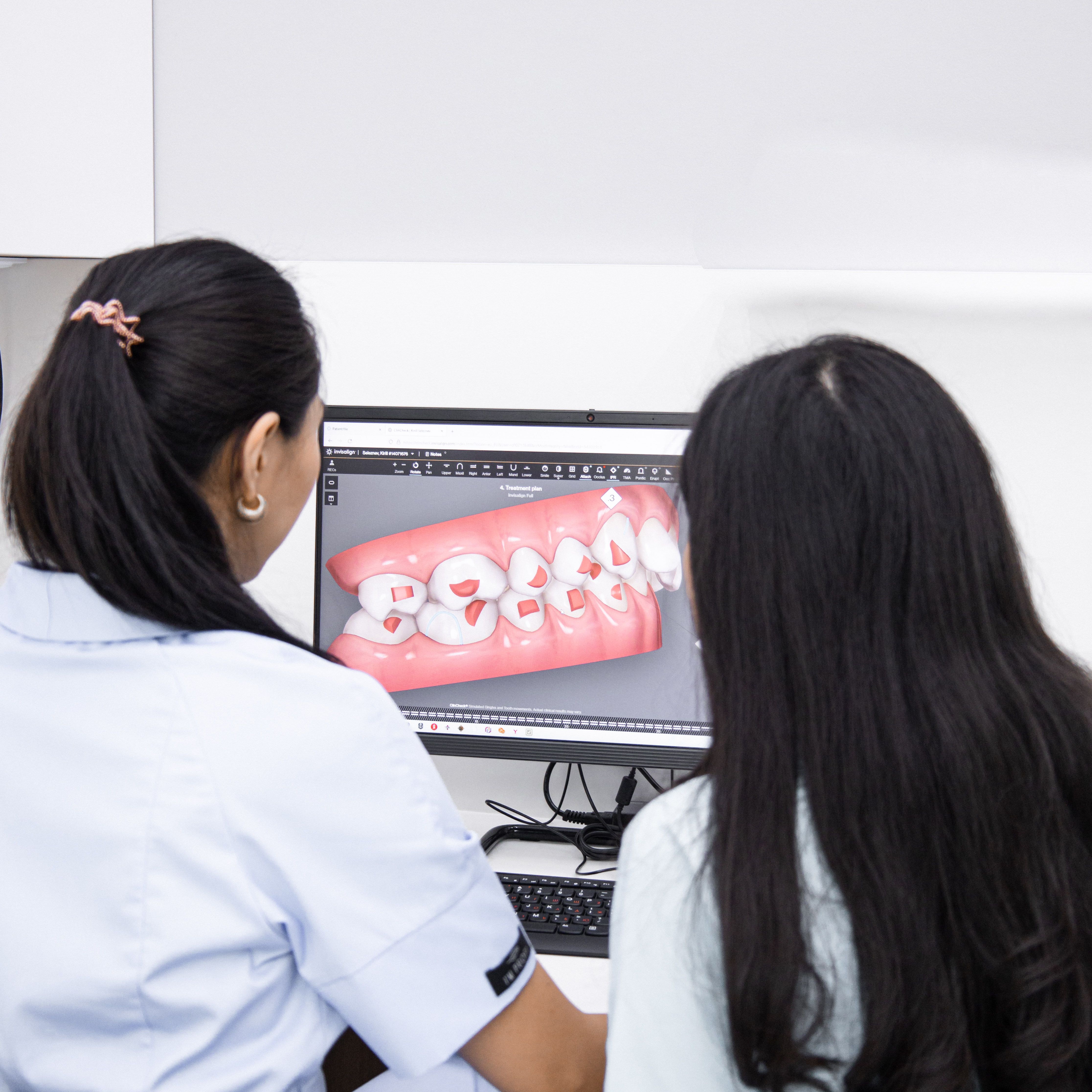
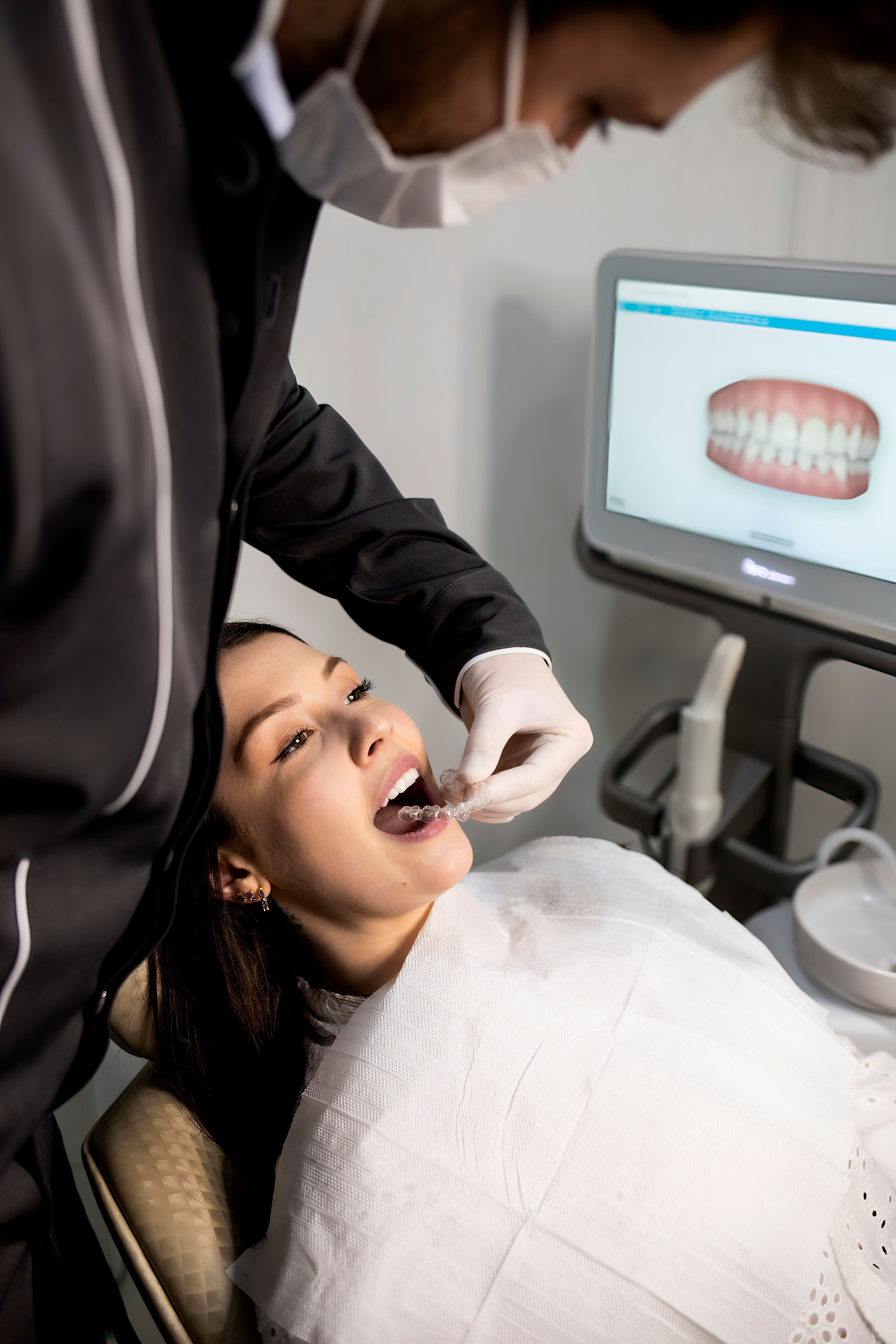
Healthy gums are essential before starting cosmetic treatments such as teeth straightening. Aligners apply pressure to teeth, and if gum disease is active, this pressure can worsen bone loss and increase the risk of tooth mobility.
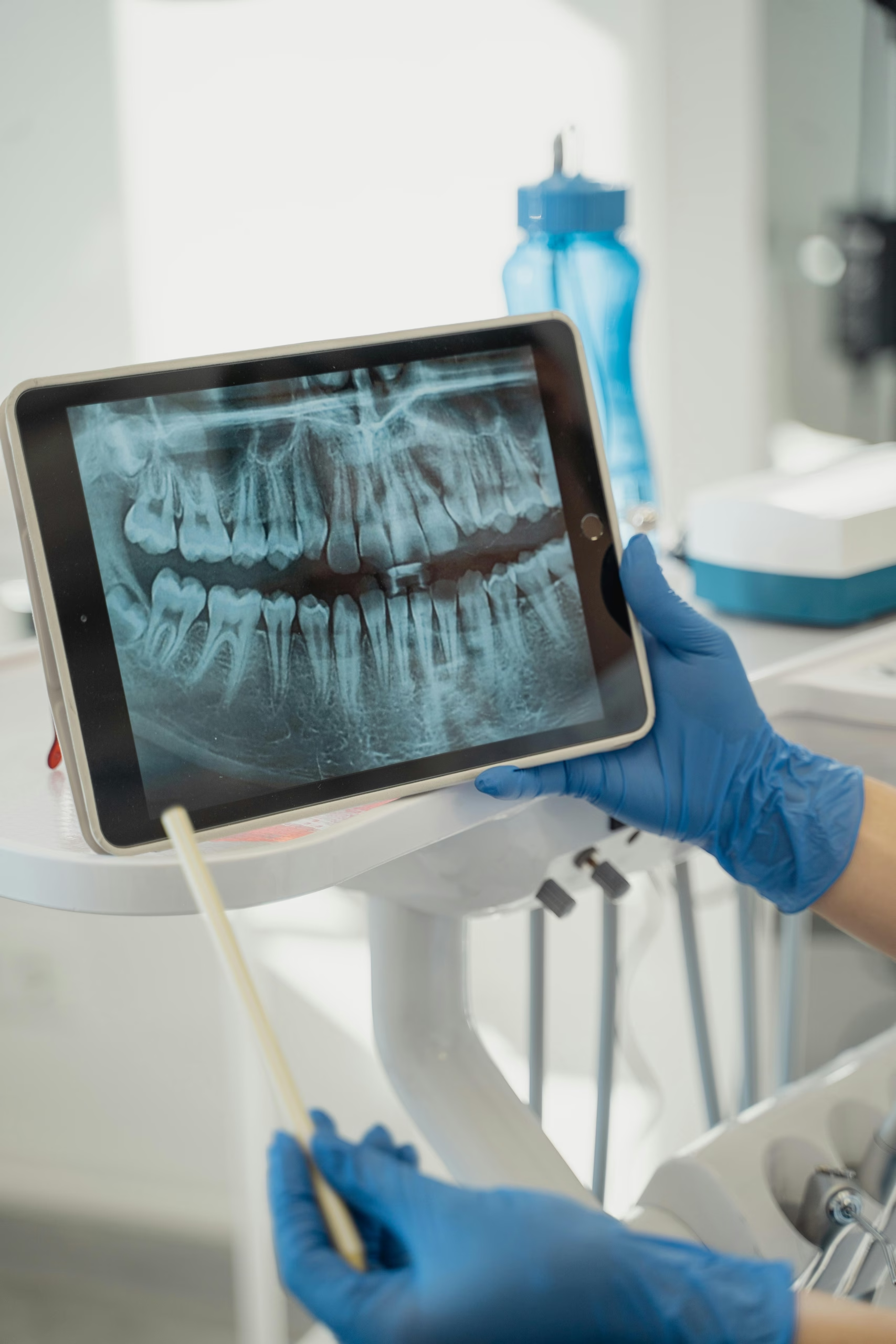
A dentist must confirm your gums are healthy before beginning any cosmetic plan.
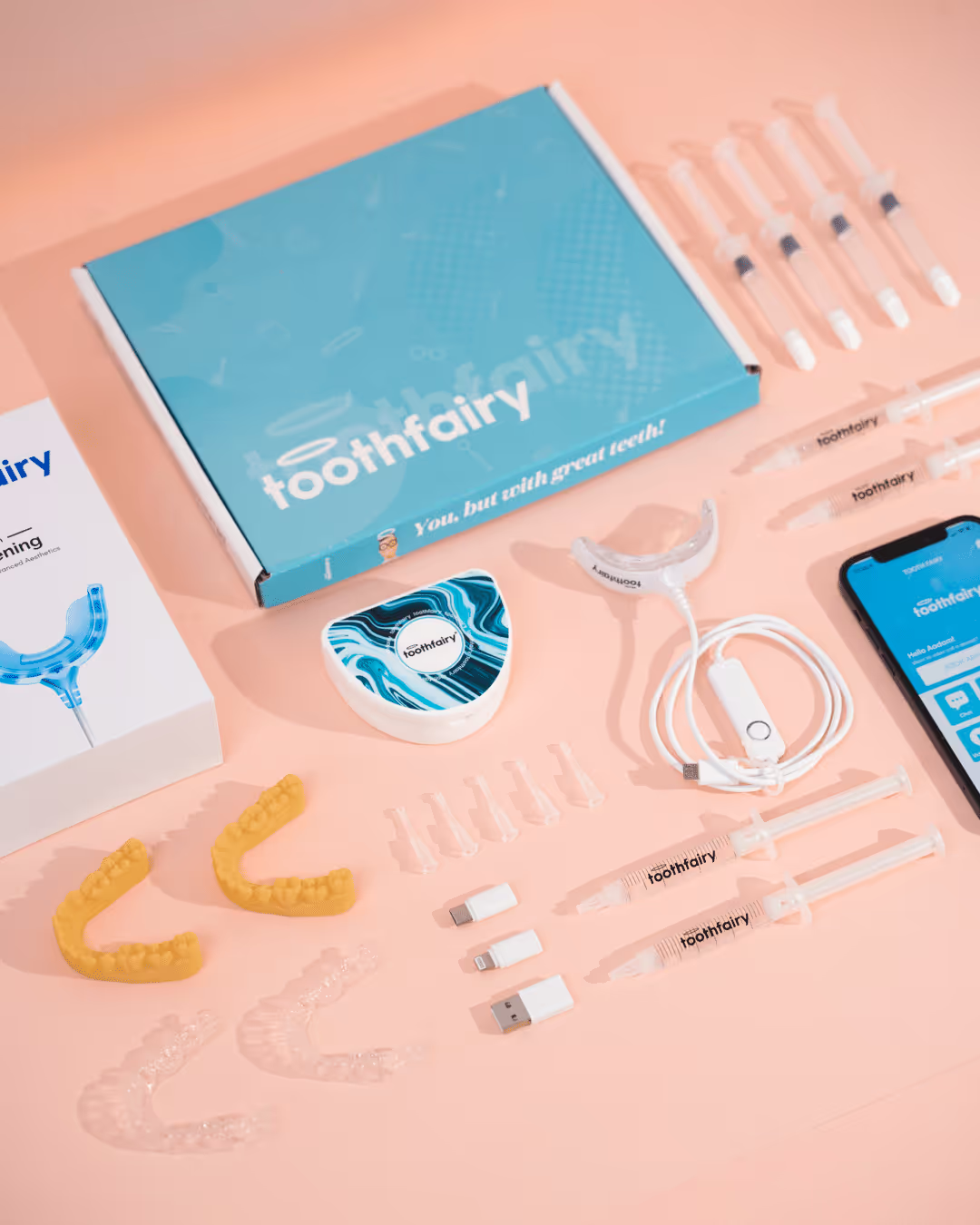
Toothfairy offers dentist‑supervised aligner treatment
Your Practical Gum Health Checklist
• Brush twice daily for two minutes
• Angle your toothbrush towards the gumline
• Clean between teeth every day
• Watch for bleeding, swelling or persistent bad breath
• Book regular dental check‑ups
• Seek treatment early if symptoms appear
Frequently Asked Questions
Is gum disease treatment painful
Non‑surgical treatments are usually comfortable with local anaesthetic. Mild tenderness afterwards is normal.
Can gum disease be cured
Gingivitis can be fully reversed. Periodontitis cannot be cured, but it can be stabilised with ongoing care.
How much does gum disease treatment cost
NHS costs vary by treatment band. Private prices differ between clinics. Ask for a full treatment plan with a cost breakdown.
Can I straighten my teeth if I have gum disease
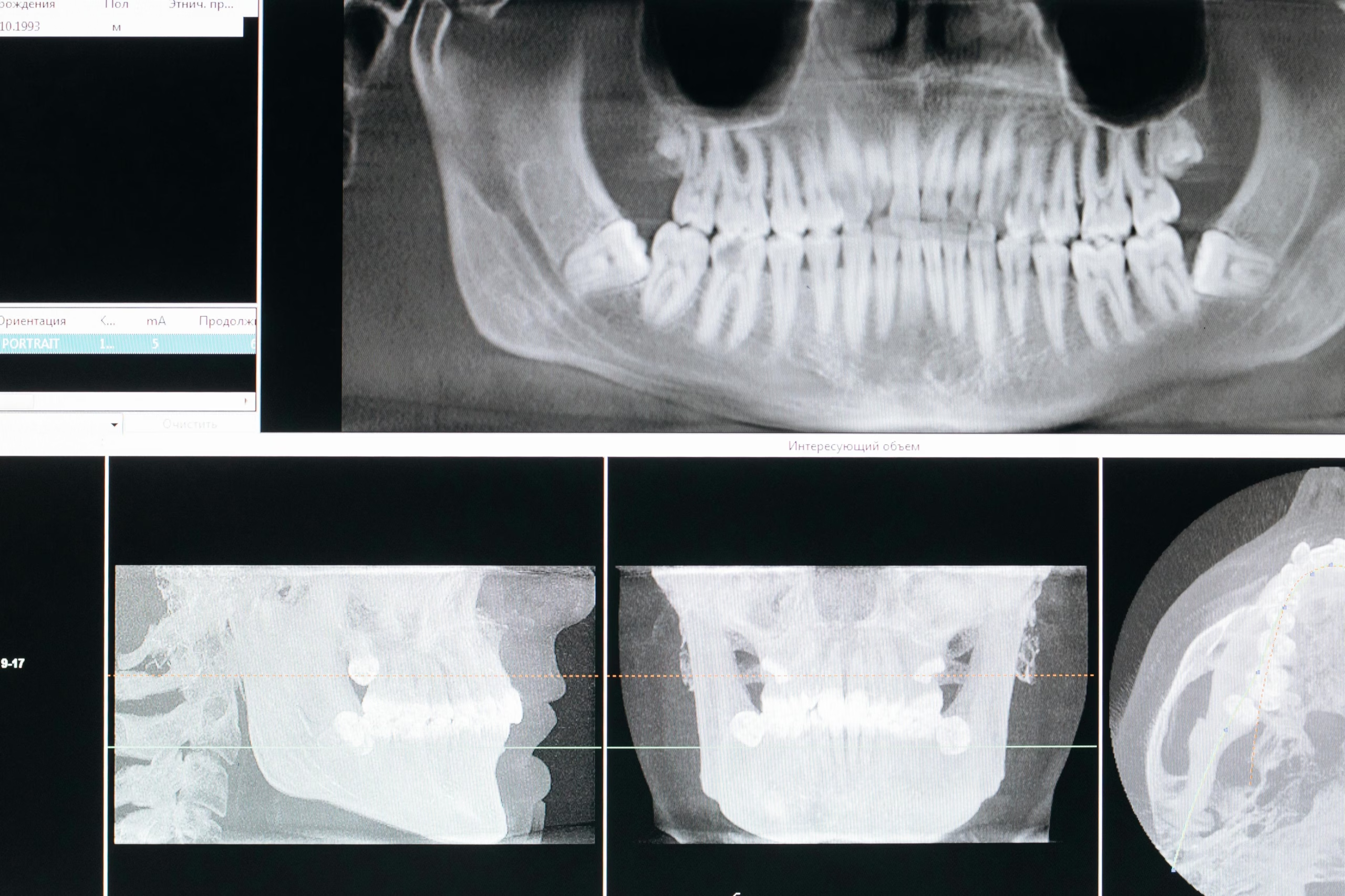
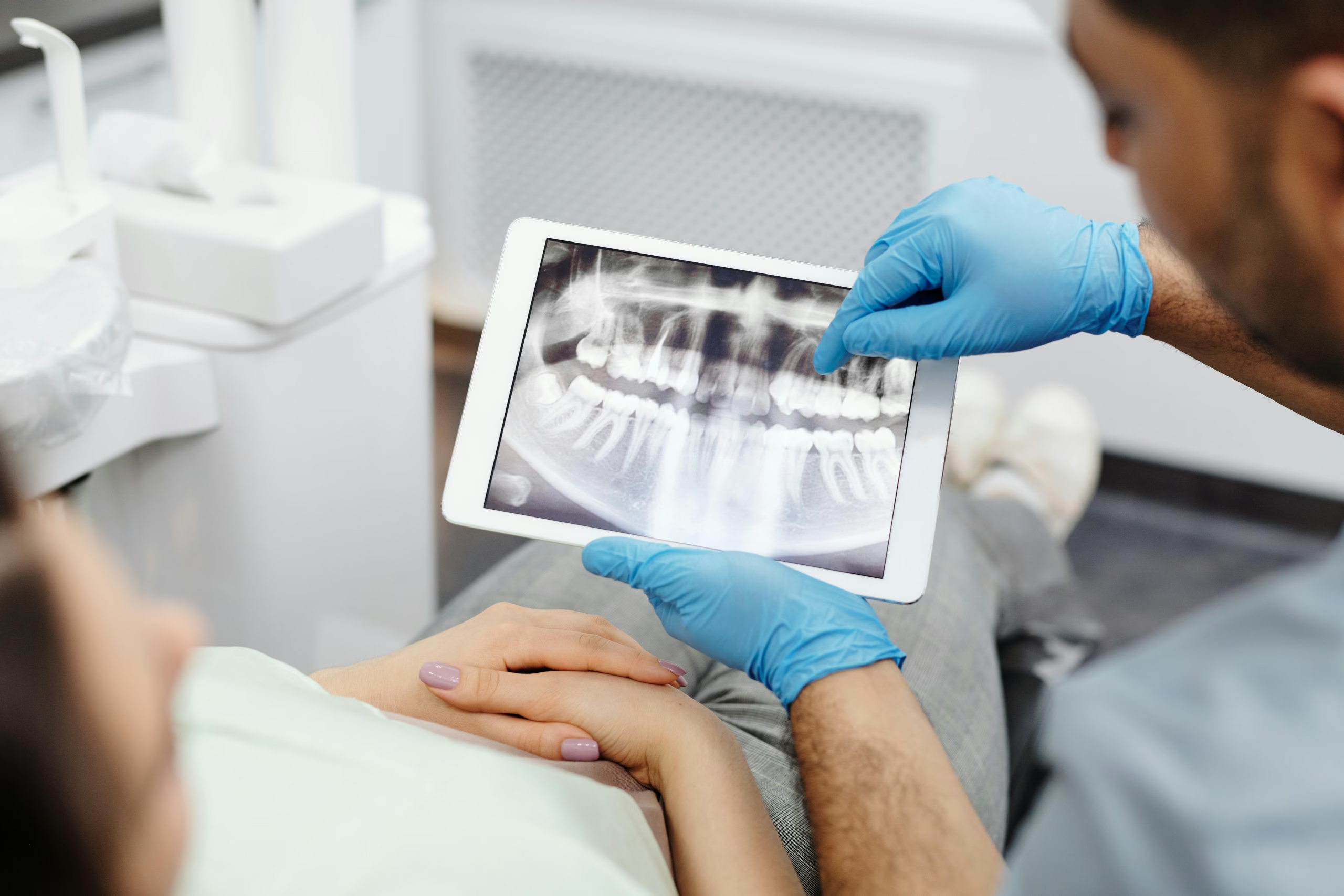
Not until your gums are healthy. A dentist must assess your gum and bone health before aligner treatment.
Take Control of Your Gum Health Today
Gum disease is treatable, and early action makes all the difference. Whether you need professional advice, cosmetic treatment or emergency support, Toothfairy connects you with qualified UK dentists directly through your phone.
Start your gum health journey














.jpg)





.jpg)
















.jpg)