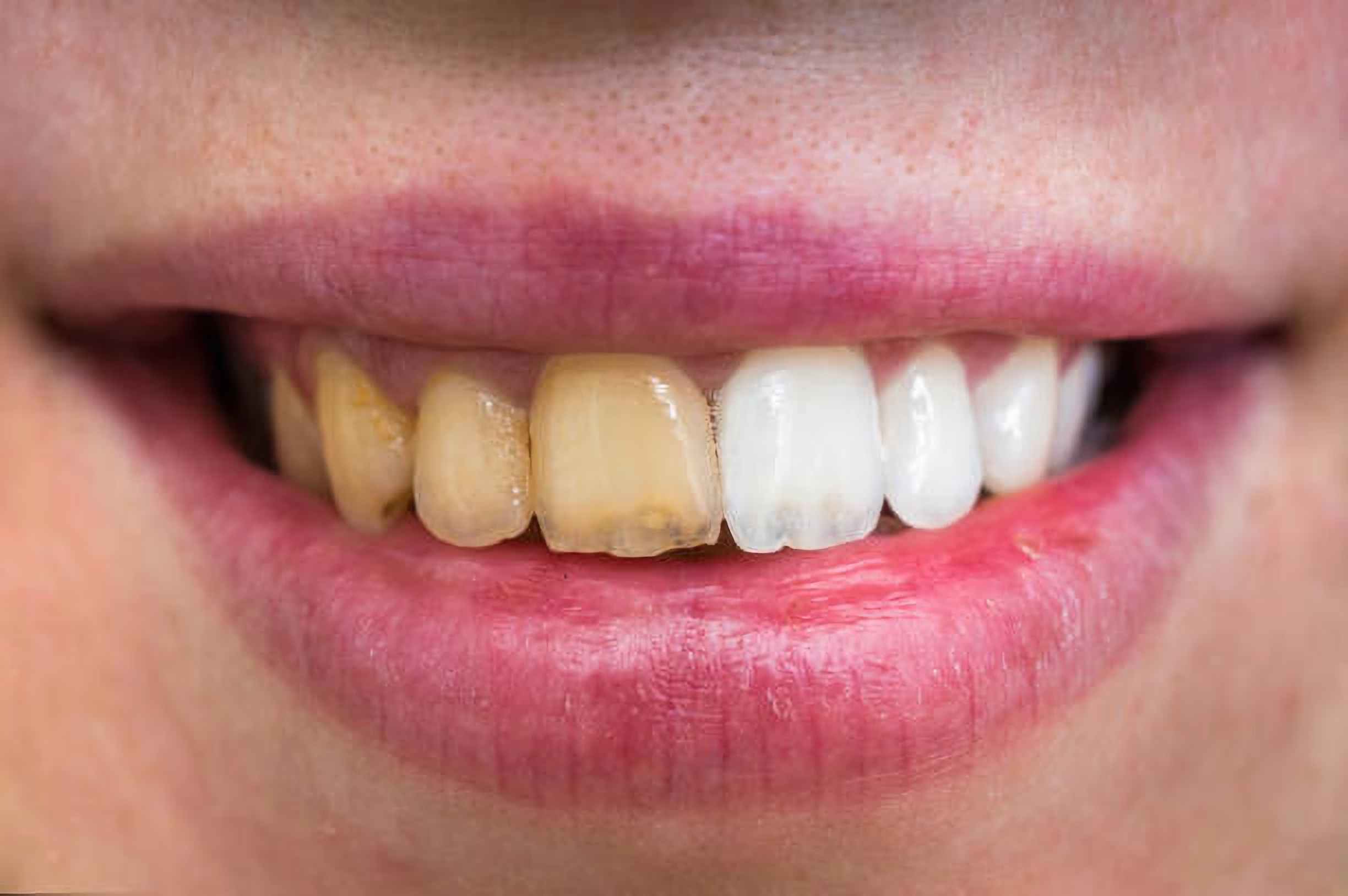
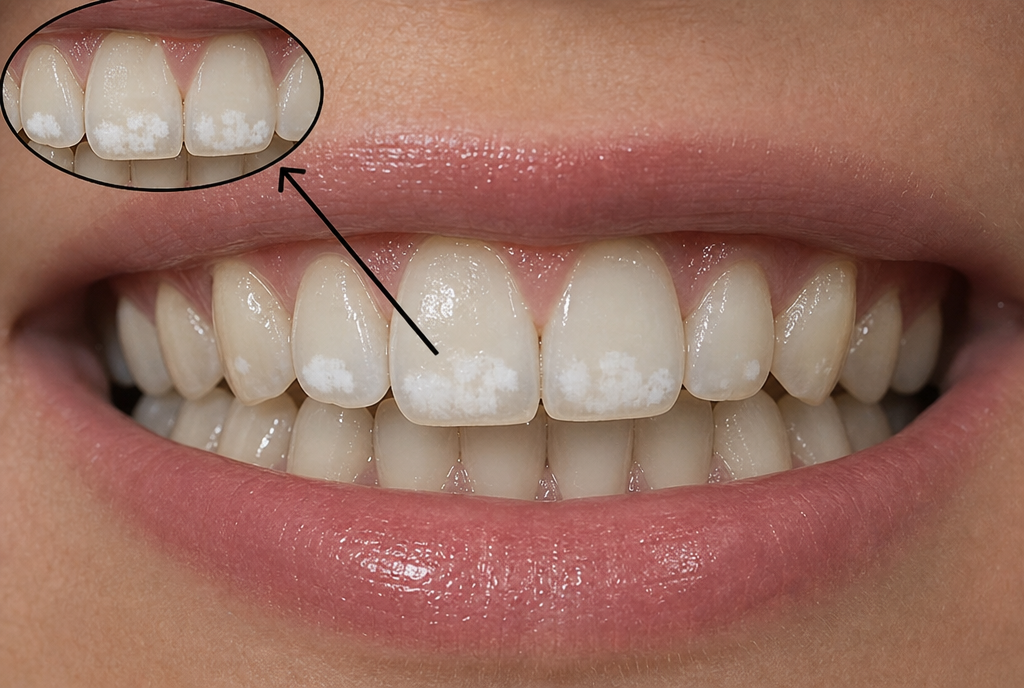
If you have ever noticed chalky white marks on your teeth, you are looking at an early warning sign from your enamel. These patches appear when the surface of the tooth loses essential minerals, a process known as enamel demineralisation. Sometimes the cause is plaque, sometimes fluoride, and sometimes it is simply the way your enamel developed.
Understanding the cause is the first step to removing them.
What White Spots Actually Are
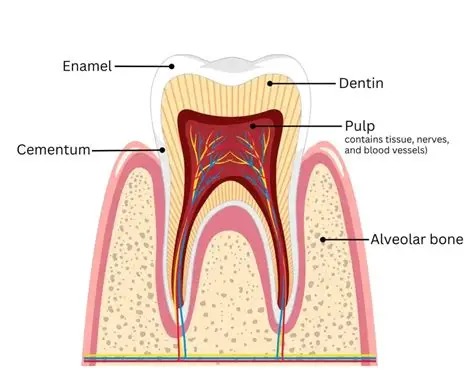
White spots are areas where the mineral content of your enamel has changed. Healthy enamel is slightly translucent, allowing light to pass through. When minerals are lost, the enamel becomes porous and rough, scattering light instead of letting it pass through. This creates the chalky, opaque appearance.
White spots are not automatically cavities. They are early signs that the enamel is weakened and needs attention.
The Three Main Causes of White Spots
White spots fall into three clear categories:
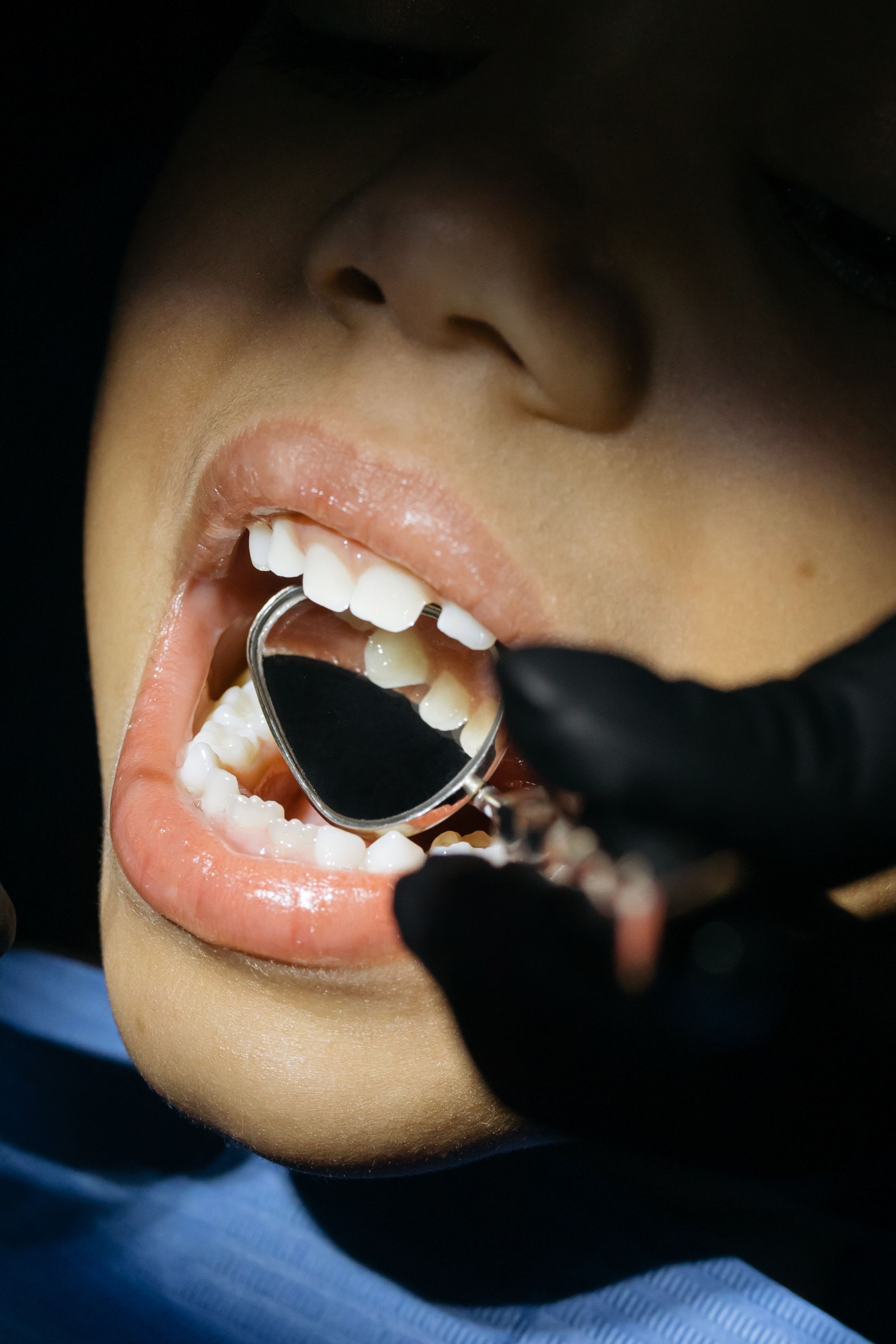
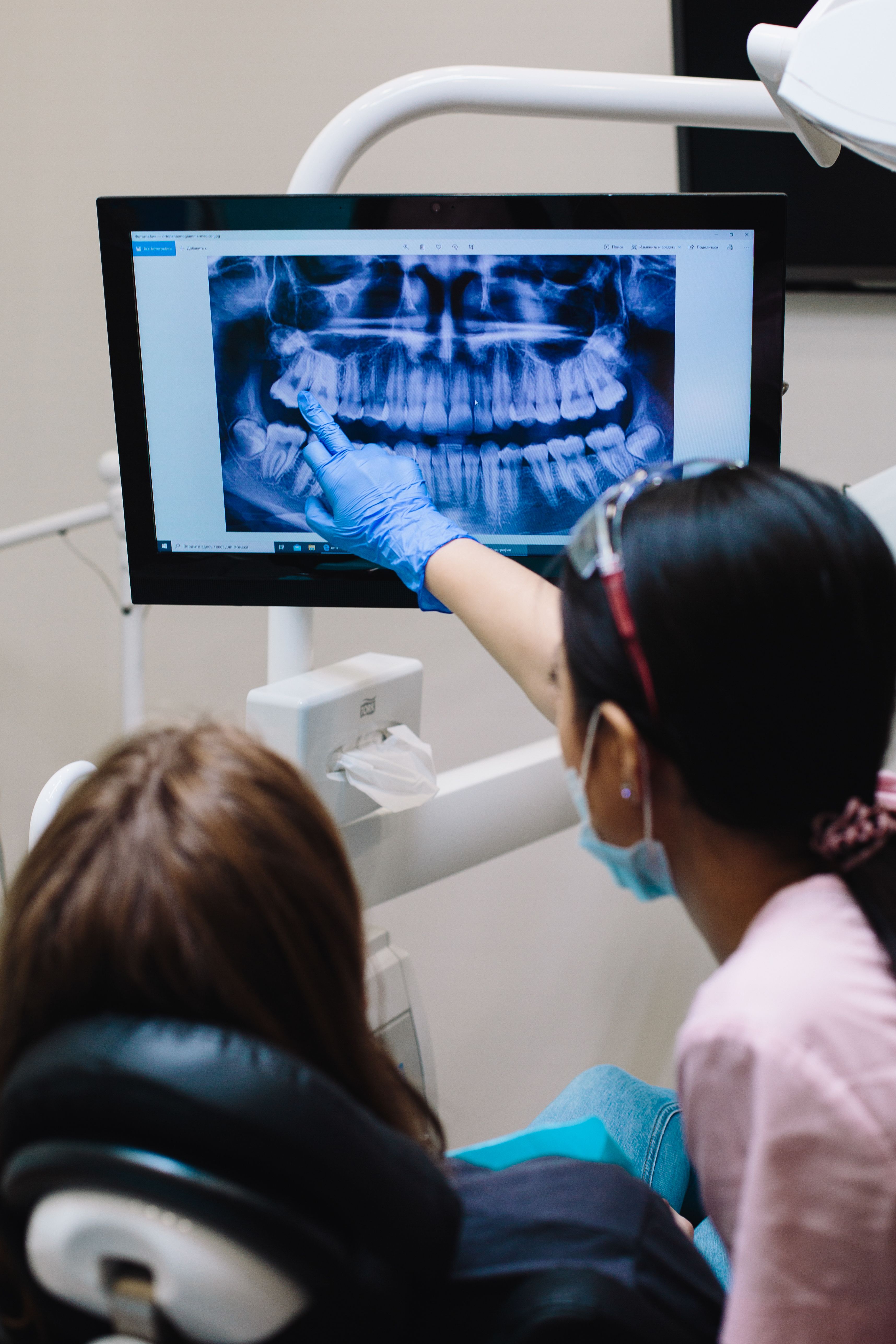
A professional diagnosis is essential because each cause requires a different treatment.
You can speak to a UK dentist directly through the Toothfairy app for fast, affordable cosmetic advice.
Demineralisation: The Most Common Cause
Plaque is the biggest culprit. It is a sticky film of bacteria that produces acid when it feeds on sugars. This acid dissolves minerals from your enamel, creating porous patches that appear white.
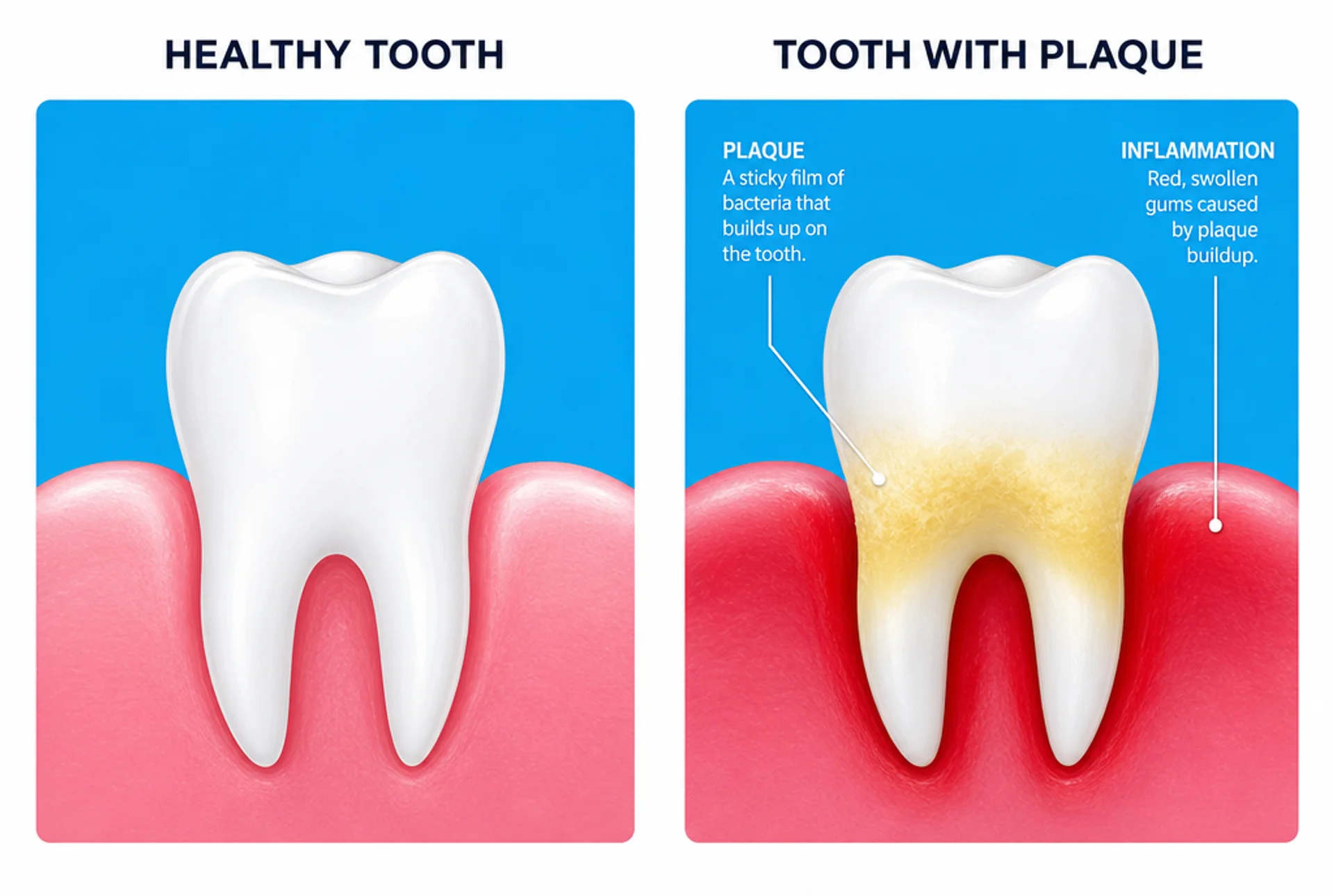
Healthy enamel is tightly packed with minerals. Demineralised enamel is rough and porous, scattering light and creating the chalky look.
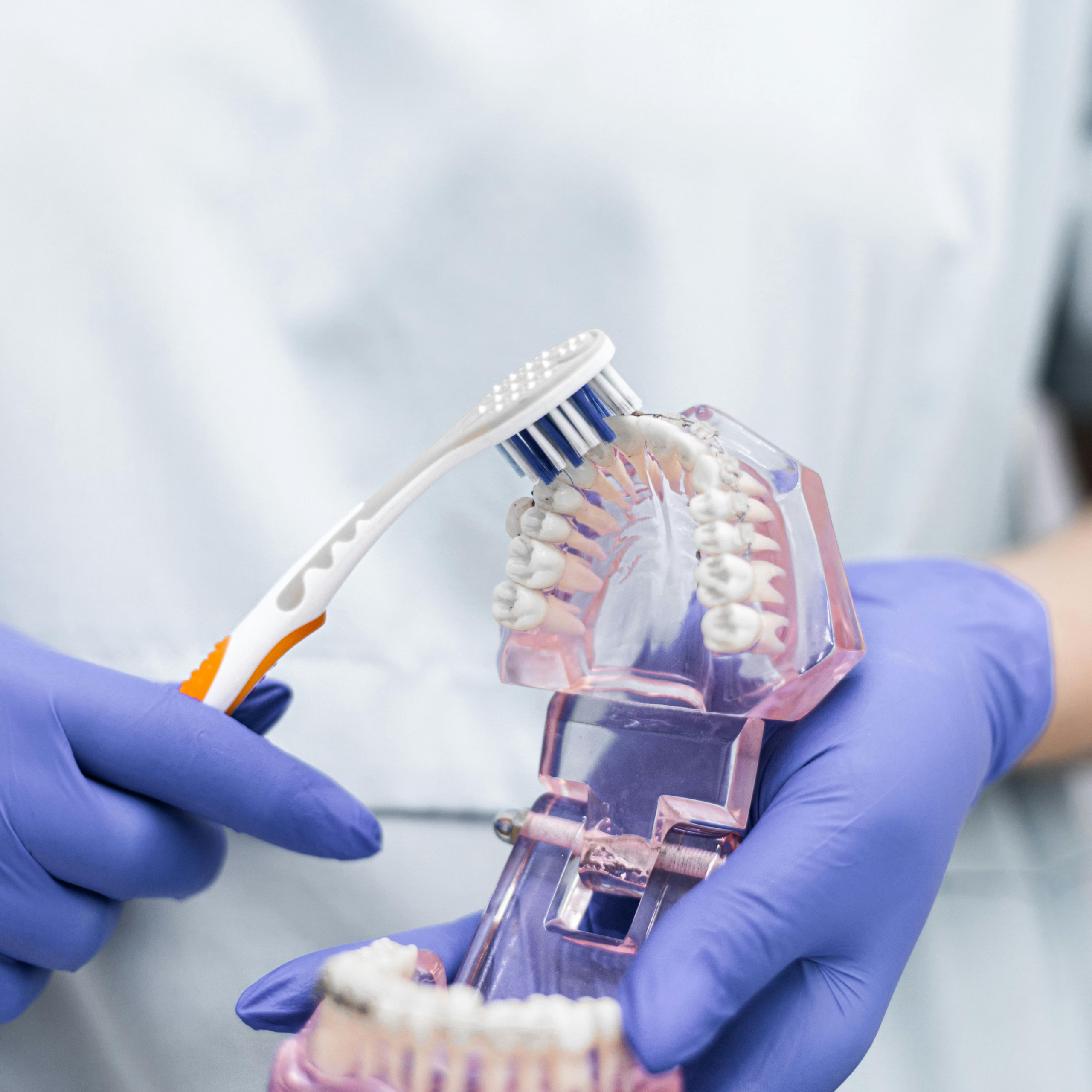
How to prevent demineralisation
Brush for two minutes twice a dayFloss dailyLimit sugary snacks and drinksUse fluoride toothpasteRinse after acidic foods
If you want personalised hygiene advice, you can speak to a dentist through the Toothfairy app.
White Spots After Braces
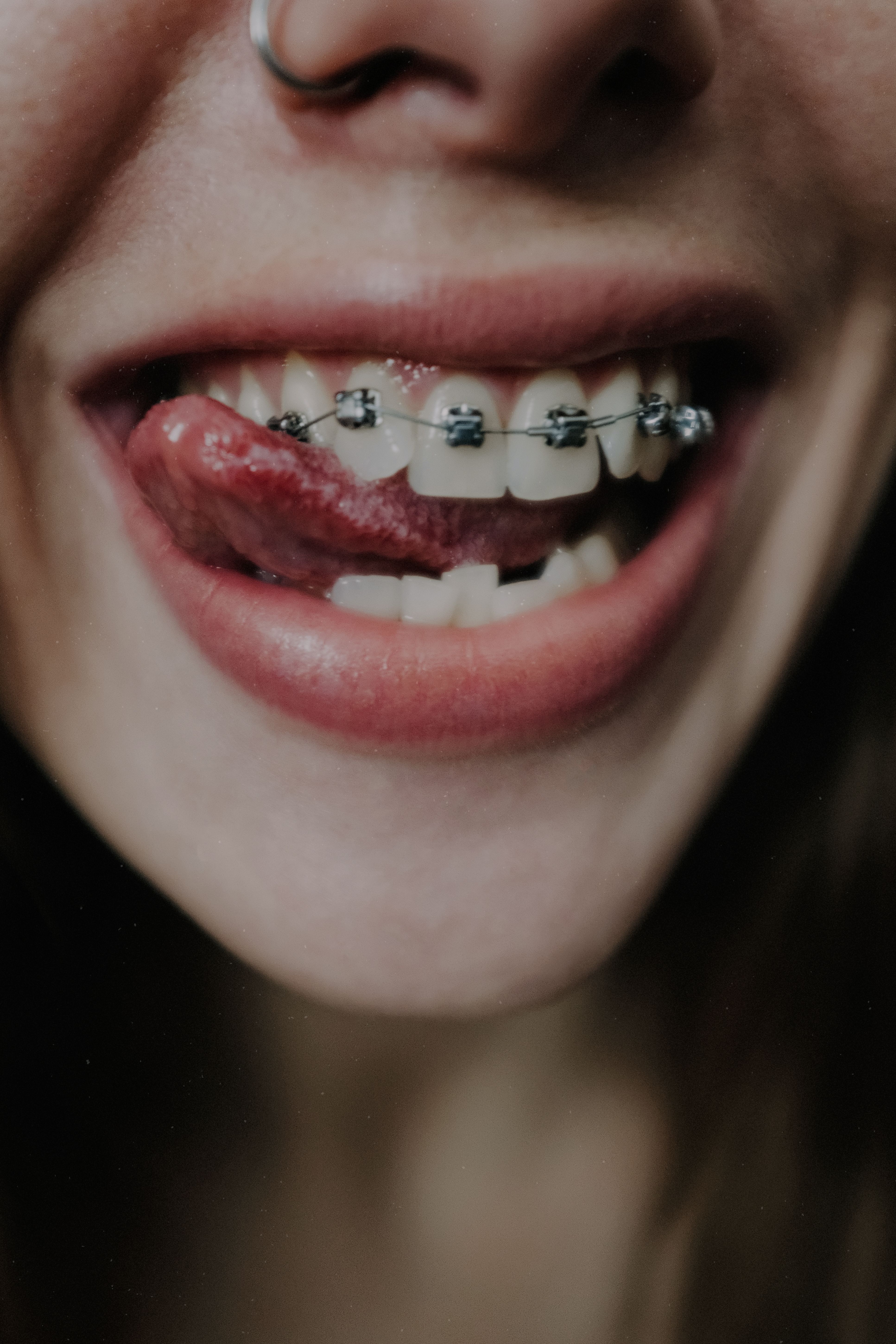
White squares around brace brackets are extremely common. Brackets create perfect hiding spots for plaque, making cleaning difficult. A UK study found that 42 percent of patients developed at least one new white spot after fixed braces.
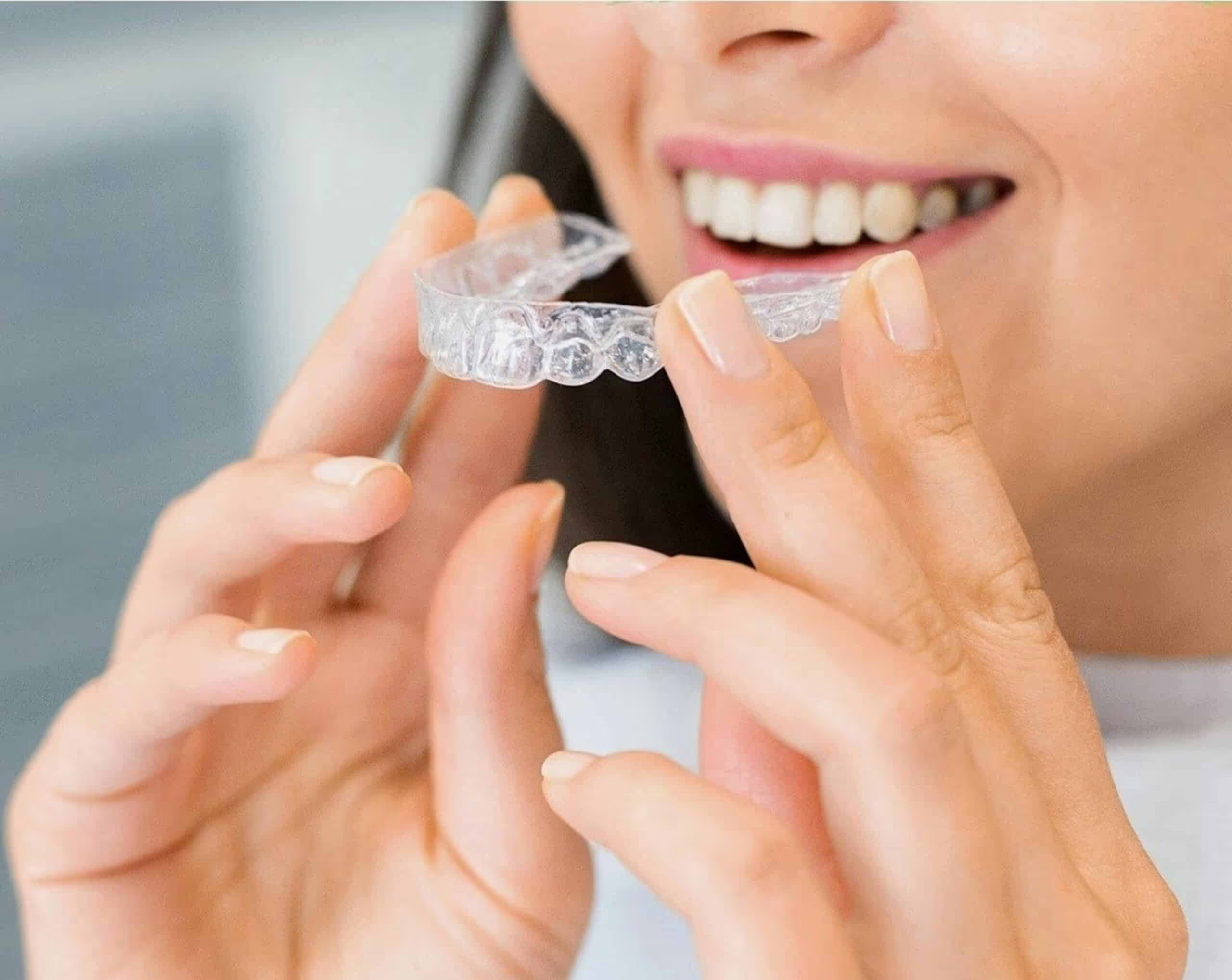
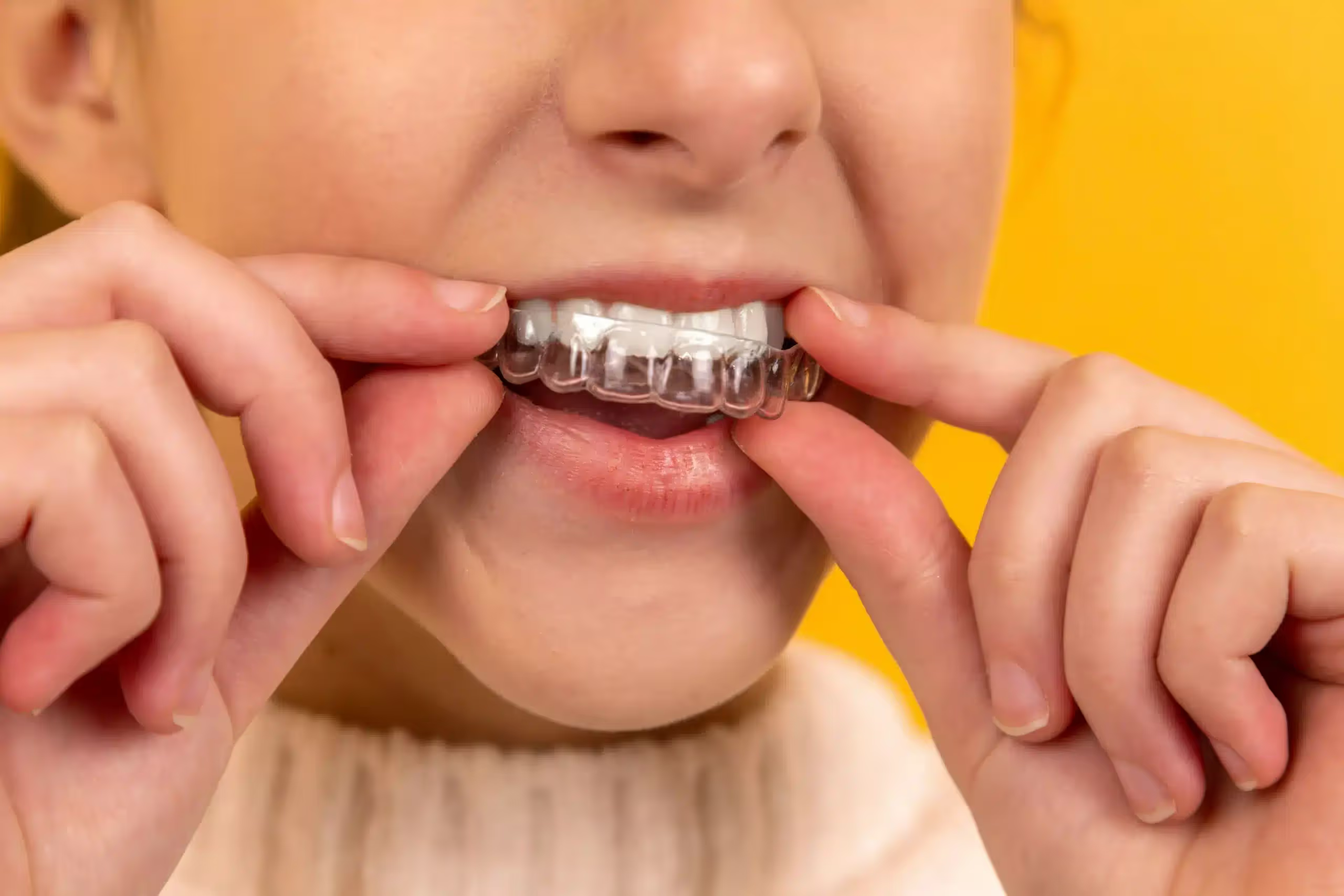
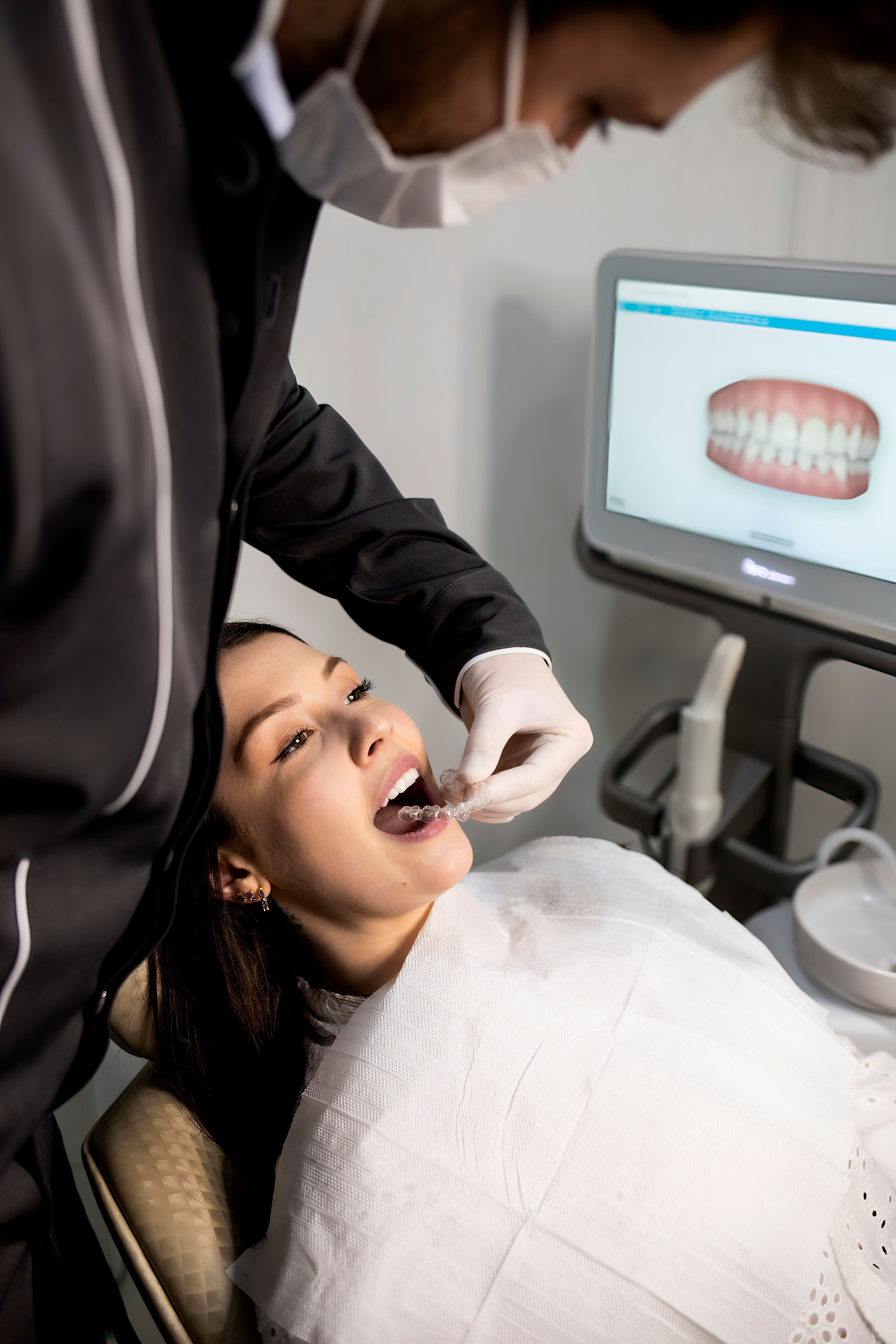
Clear aligners avoid this problem entirely because they are removable. You can brush and floss normally, reducing the risk of demineralisation.
This is one reason many people choose modern aligners over traditional braces. Toothfairy offers a dentist supervised, affordable aligner system that protects enamel while straightening teeth.
Fluorosis: Too Much Fluoride During Childhood
Fluoride strengthens enamel, but too much during childhood can disrupt enamel formation. This creates white streaks or cloudy patches once the adult teeth erupt.
Fluorosis is cosmetic, not harmful. It affects around 10 to 15 percent of children in fluoridated areas.
Preventing fluorosis in children
Under age 3: use a smear of toothpaste
Ages 3 to 6: use a pea sized amount
Supervise brushing to ensure they spit
Hypoplasia and Other Developmental Causes
Enamel hypoplasia occurs when enamel forms thin or weak. Causes include childhood illness, nutritional deficiencies or certain medications.
Another condition, Molar Incisor Hypomineralisation (MIH), affects the first permanent molars and incisors, creating creamy white or yellow brown patches.
These conditions require a dentist’s diagnosis because they look different from fluorosis or plaque related spots.
Modern Treatments That Remove White Spots
Once the cause is identified, your dentist can recommend the right cosmetic treatment. Today’s options are minimally invasive and highly effective.
Microabrasion
A gentle polishing technique that removes a thin layer of enamel to blend surface level spots.
ICON Resin Infiltration
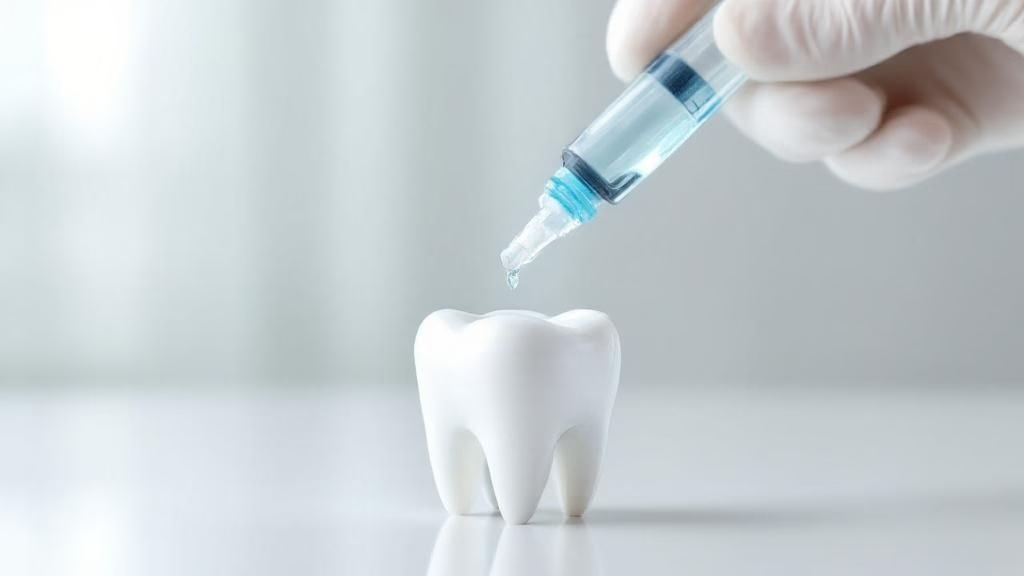
A drill free treatment that fills porous enamel with a tooth coloured resin, making white spots disappear.
whitening alone does not remove white spots. It lightens the entire tooth, including the spot, which can make contrast worse. Whitening is sometimes used after ICON for a uniform finish.
You can get a cosmetic assessment through the Toothfairy app and receive a treatment plan and referral to a partner clinic.
Frequently Asked Questions
Will white spots go away on their own
No. They are structural changes in enamel and require treatment to remove.
Is whitening a good fix
Not usually. It can make spots more noticeable unless combined with ICON.
How do I prevent white spots in children
Use the correct toothpaste amount and supervise brushing.
Ready to Remove White Spots and Even Your Smile
White spots are common, but they are treatable. Whether caused by plaque, fluorosis or enamel defects, modern cosmetic dentistry can restore a smooth, even toned smile.
You can speak to a UK dentist through the Toothfairy app for a fast, affordable assessment and personalised treatment plan.
Download Toothfairy






















.jpg)





.jpg)

















.jpg)