
Can You Really Reverse a Cavity? Here’s the Truth
People ask this constantly, the answer is yes, but only at one very specific stage.
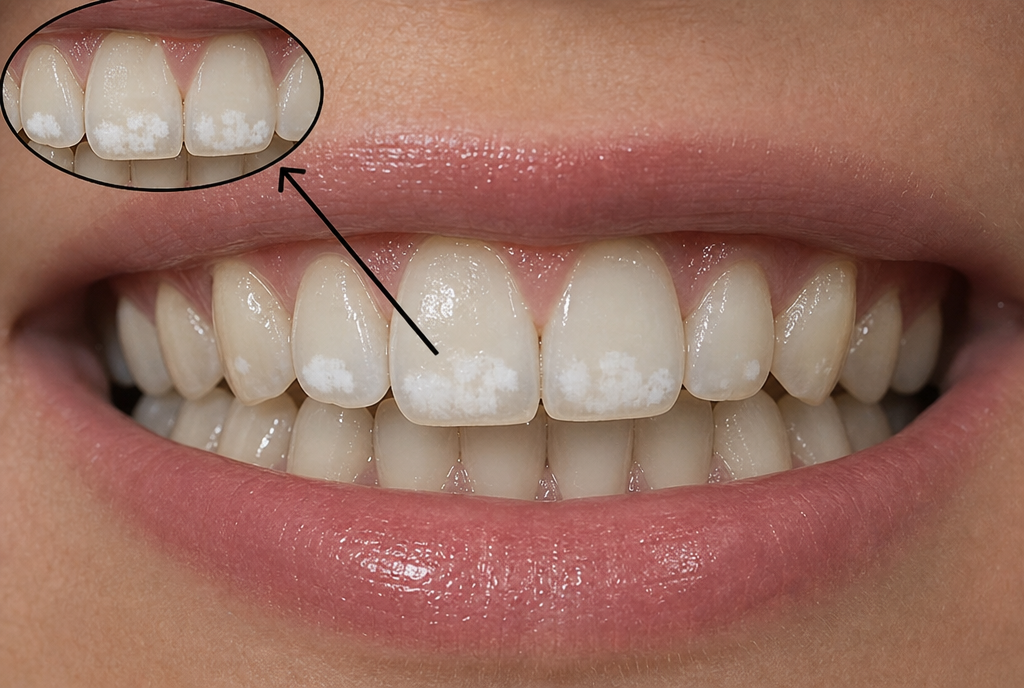
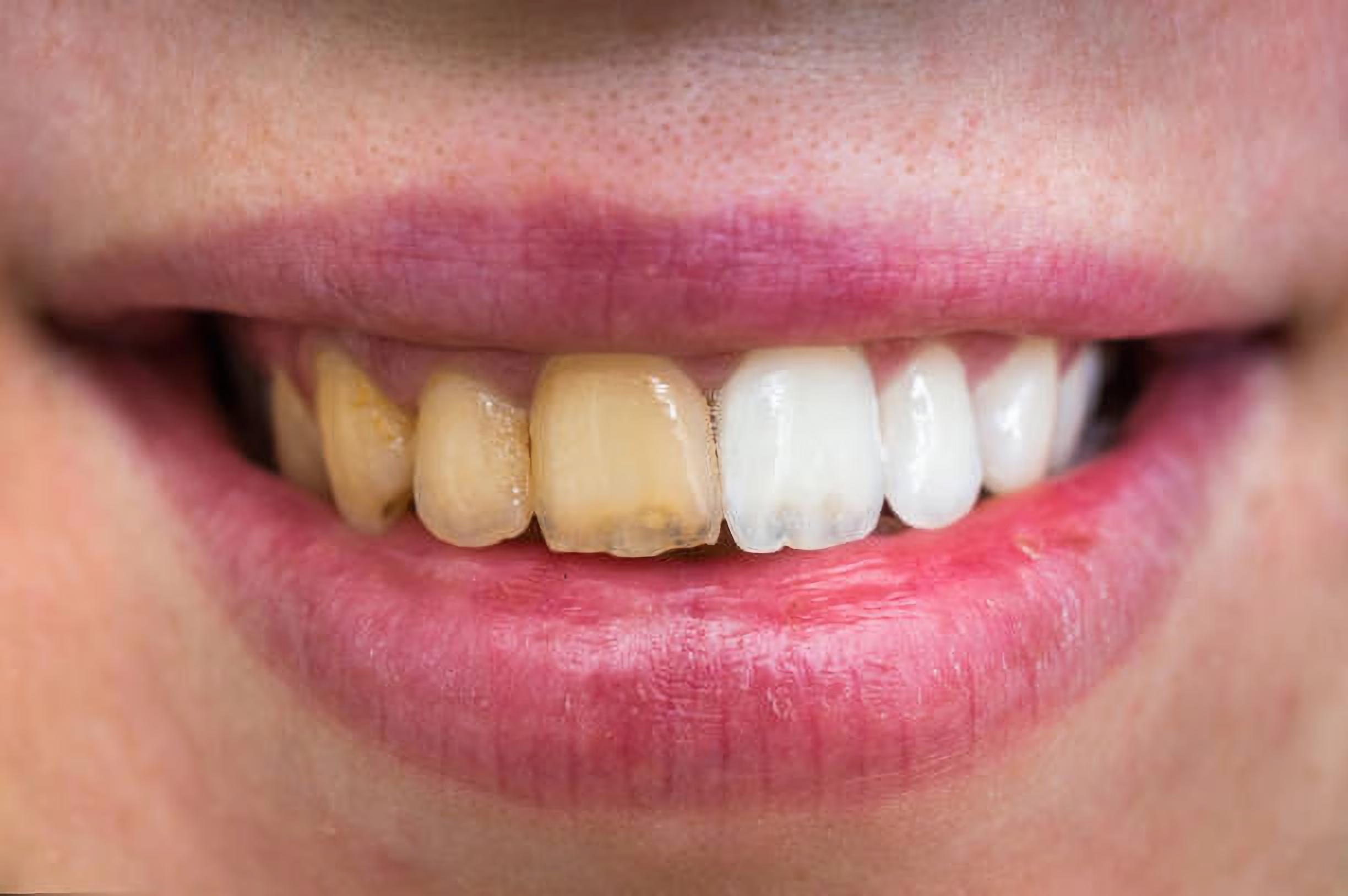
You can reverse tooth decay only when it’s still in its earliest form, before a physical hole forms. This stage is called demineralisation, where enamel becomes weak, chalky and porous, but not yet broken.
Once a cavity becomes an actual hole, no natural method can rebuild that lost structure. At that point, only a dentist can fix it.
The Window of Opportunity: Early Demineralisation
When you eat sugary or starchy foods, bacteria produce acid that dissolves minerals from your enamel. This creates soft, white, chalky patches, the first visible sign of early decay.
At this stage:
- The enamel surface is still intact
- The damage is superficial
- Your body can repair it with the right support
This is the only point where natural reversal is possible.
The Point of No Return: When a Cavity Forms
Once acid breaks through the enamel and creates a hole:
- The structure is permanently damaged
- Bacteria invade deeper layers
- No toothpaste, diet, or mouthwash can rebuild it
A dentist must remove the decay and restore the tooth. Delaying treatment risks:
- Infection
- Severe pain
- Root canal treatment
- Tooth loss
Why You Shouldn’t Guess
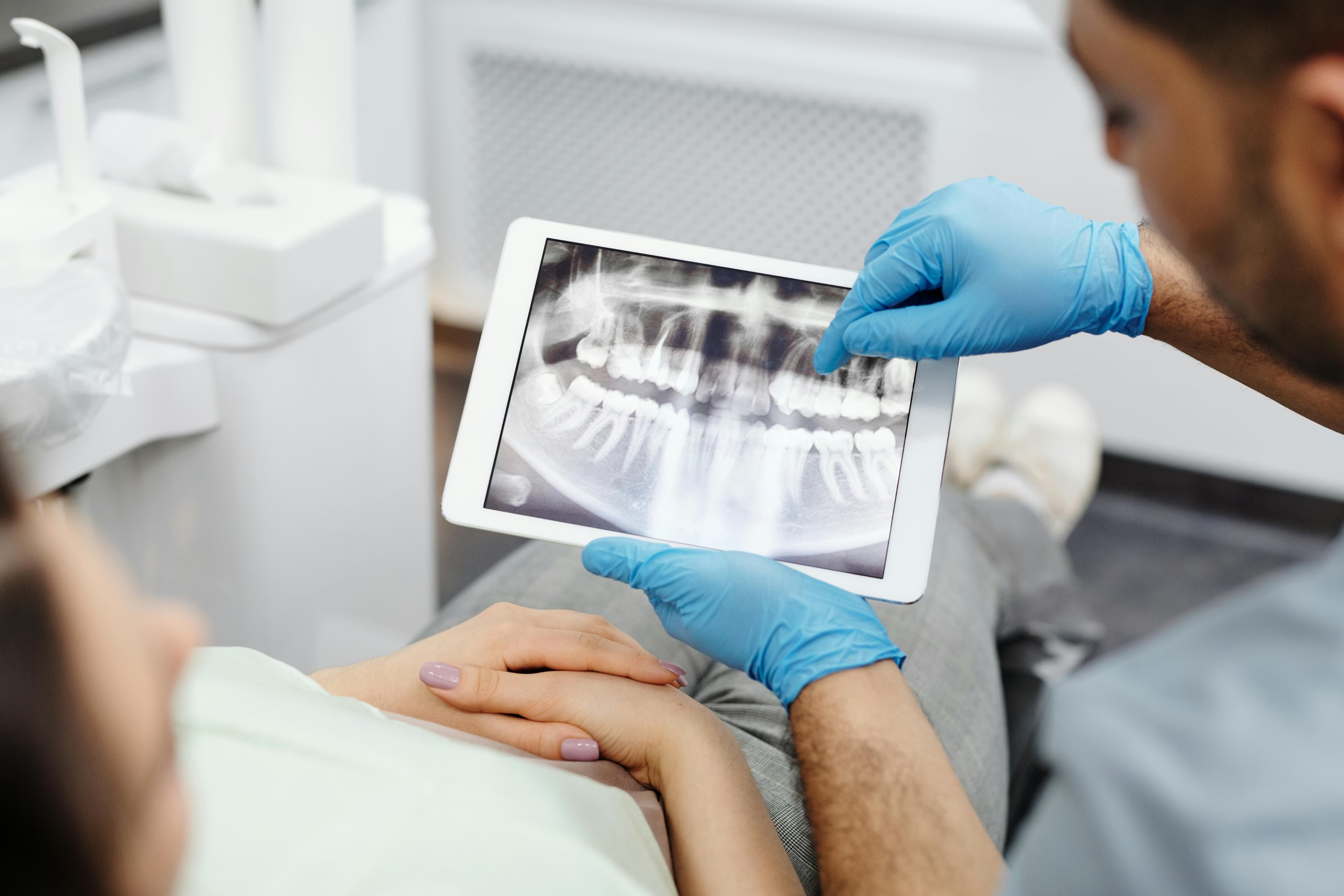
A white spot can be harmless, or it can hide deeper decay. You can’t reliably tell the difference at home.
A quick professional opinion prevents weeks of uncertainty and stops early decay from turning into a major problem.
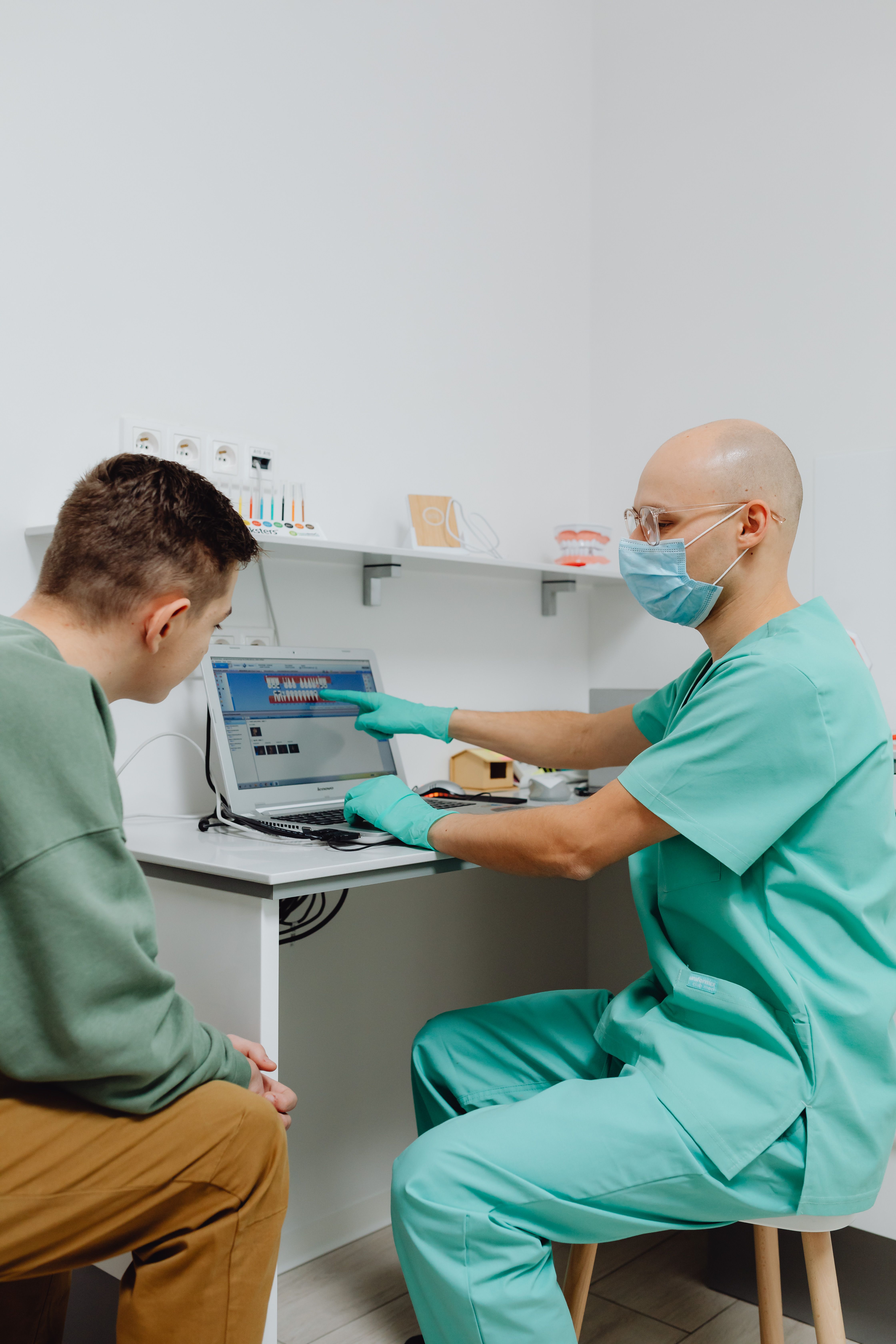
Toothfairy gives you same‑day video access to a UK dentist, so you can show the tooth, get a diagnosis, and know exactly what you’re dealing with.
How Tooth Decay Actually Works
Tooth decay is a daily battle between two processes:
Demineralisation
Acid from bacteria dissolves minerals from enamel, weakening it.
Remineralisation
Saliva repairs enamel using minerals like calcium and phosphate.
Decay happens when acid attacks happen too often, and your saliva doesn’t get enough time to repair the damage.
Frequent snacking, sugary drinks, and grazing throughout the day keep your mouth in a constant acidic state, leading to early decay.
How a Cavity Forms (Step‑by‑Step)
1. Plaque builds up
Bacteria stick to teeth and form a film.
2. Acid attack begins
Bacteria feed on sugar and produce acid.
3. Enamel weakens
White spots appear : the only reversible stage.
4. A hole forms
The enamel collapses → a cavity.This stage cannot be reversed naturally.
Diet & Lifestyle: Your Remineralisation Plan
Reversing early decay is about creating an environment where your enamel can rebuild itself.
Key nutrients that strengthen enamel
A nutrient‑rich diet gives your saliva the minerals it needs to repair early damage.
Smart Swaps to Reduce Acid Attacks
- Swap biscuits/crisps → cheese, nuts, celery
- Swap fizzy drinks/juice → water or unsweetened tea
- Have sweets with meals, not between them
- Avoid sipping sugary drinks over long periods
It’s not just what you eat, it’s how often.
Lifestyle Habits That Boost Remineralisation
Stay hydrated
Water washes away food particles and keeps saliva flowing.
Chew sugar‑free xylitol gum
Xylitol reduces harmful bacteria and boosts saliva production.
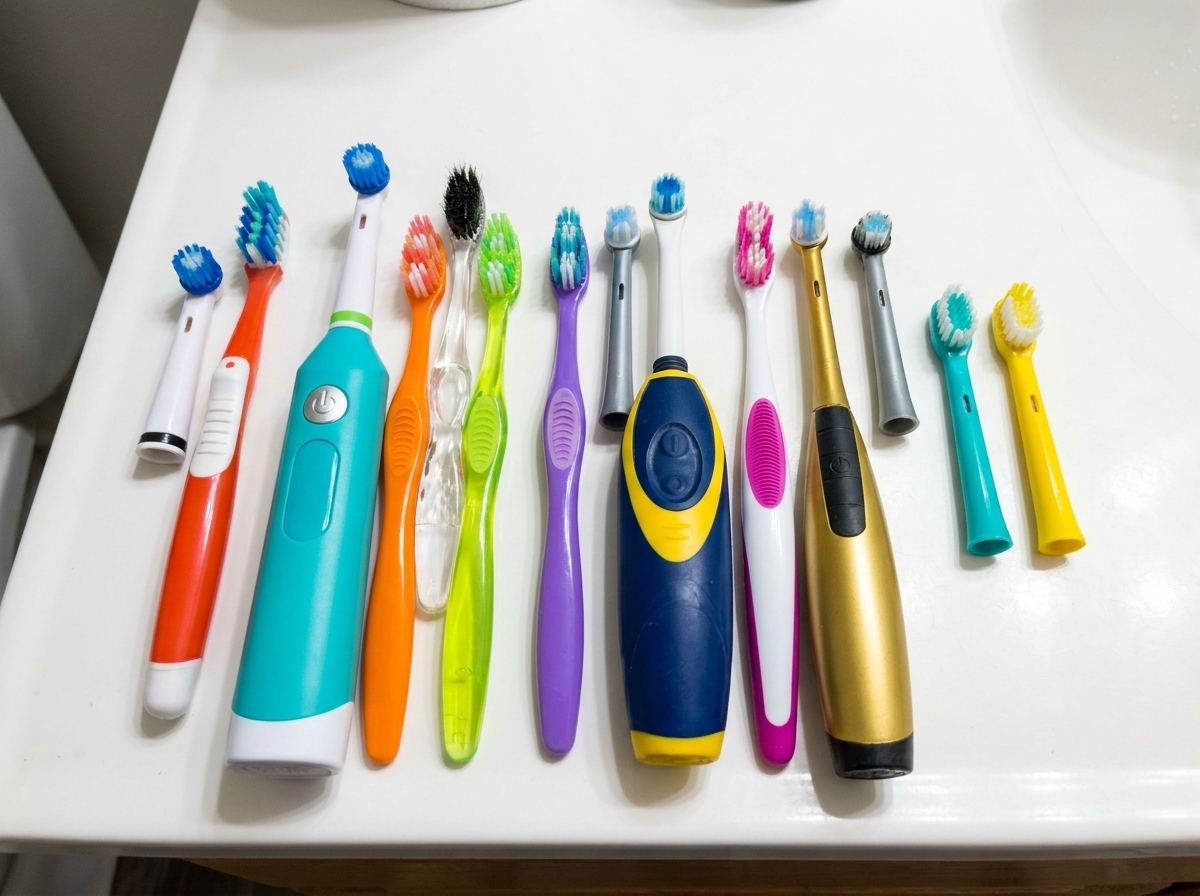
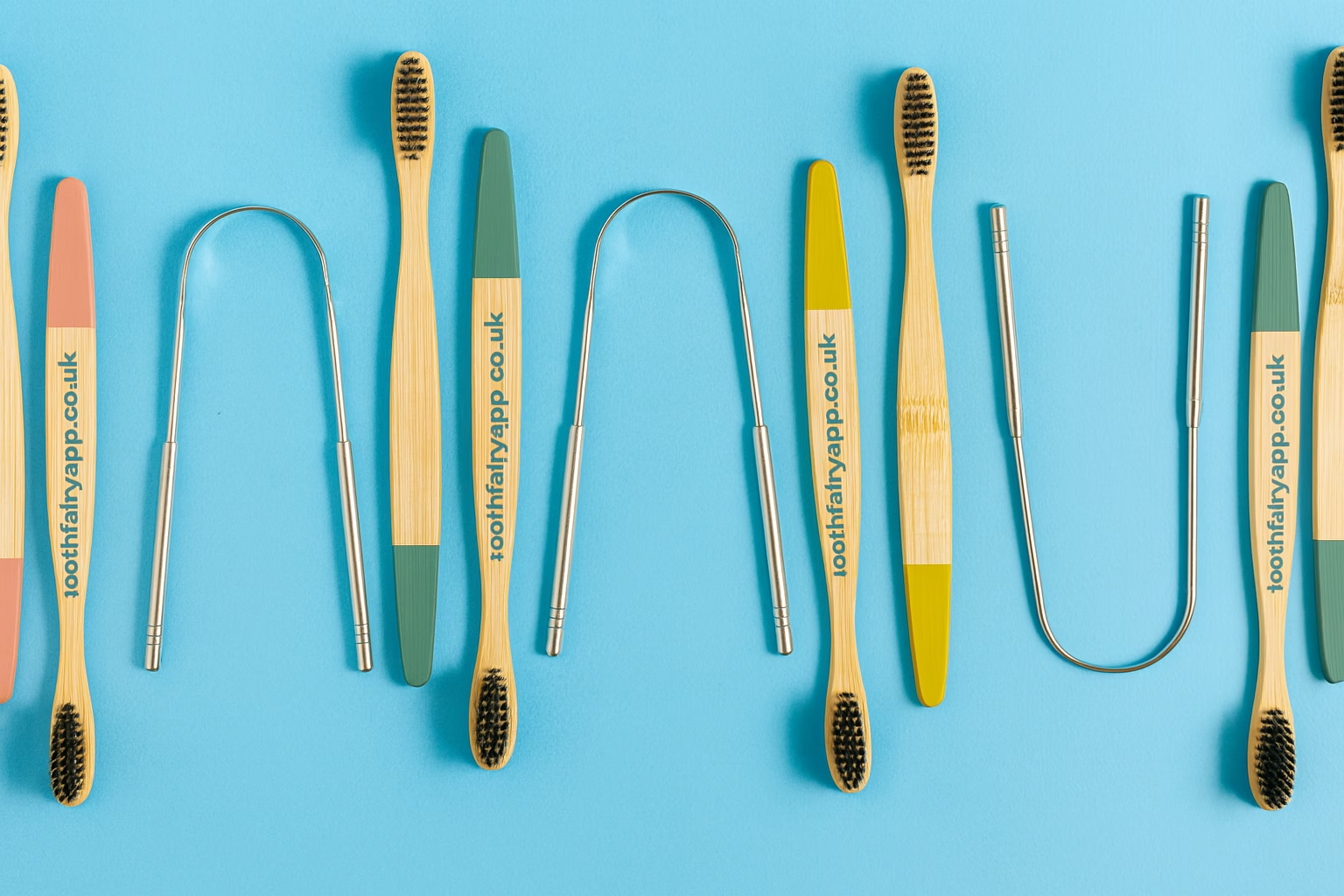
Brush gently, not aggressively
Use a soft brush and the Bass technique to clean under the gumline.
Clean between teeth daily
Floss or use interdental brushes : brushing alone misses 40% of surfaces.
Scrape your tongue
Reduces bacterial load and improves overall oral hygiene.
Choosing the Right Remineralising Products
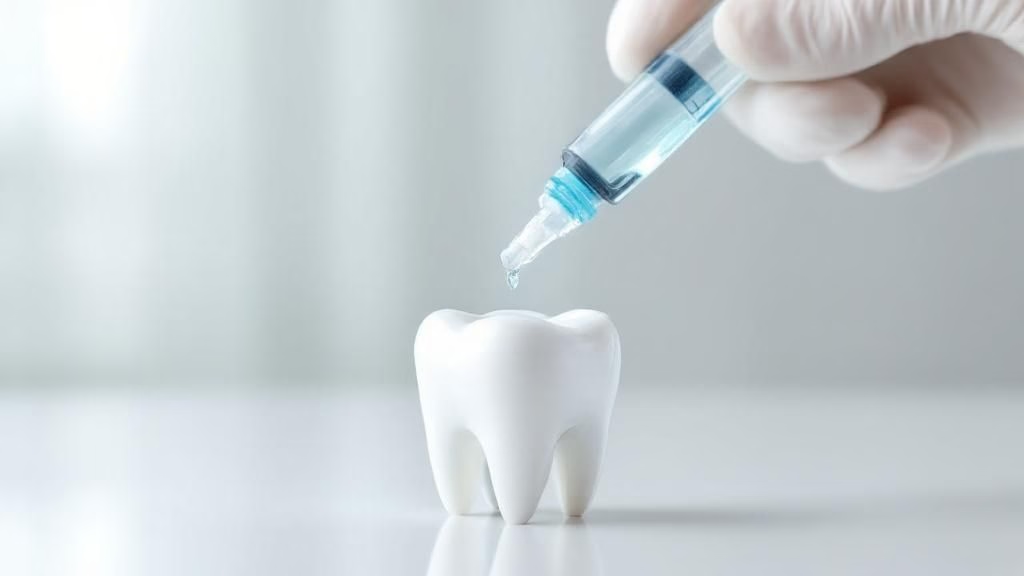
Fluoride toothpaste
Strengthens enamel and makes it more acid‑resistant.
Hydroxyapatite toothpaste
A fluoride‑free alternative that rebuilds enamel using the same mineral teeth are made of.
Both are backed by strong evidence.
When Natural Methods Won’t Work
Natural remineralisation works only for early demineralisation.You need a dentist immediately if you notice:
- Persistent toothache
- Sharp sensitivity
- Pain when biting
- Visible holes or dark spots
- Swelling or pus
These signs mean the decay has progressed beyond the reversible stage.
The Reality of Tooth Decay in the UK
Despite improvements, decay remains common:
- 31% of UK adults had active decay in 2021
- 26.9% of 5‑year‑olds had visible decay in 2023–24
- Children in deprived areas are twice as likely to have decay
Professional diagnosis and early intervention are essential.
Get a Fast, Professional Opinion
Waiting weeks for a dental appointment can make early decay worse.With Toothfairy, you can:
- Speak to a UK dentist the same day
- Show your tooth on video
- Get an instant diagnosis
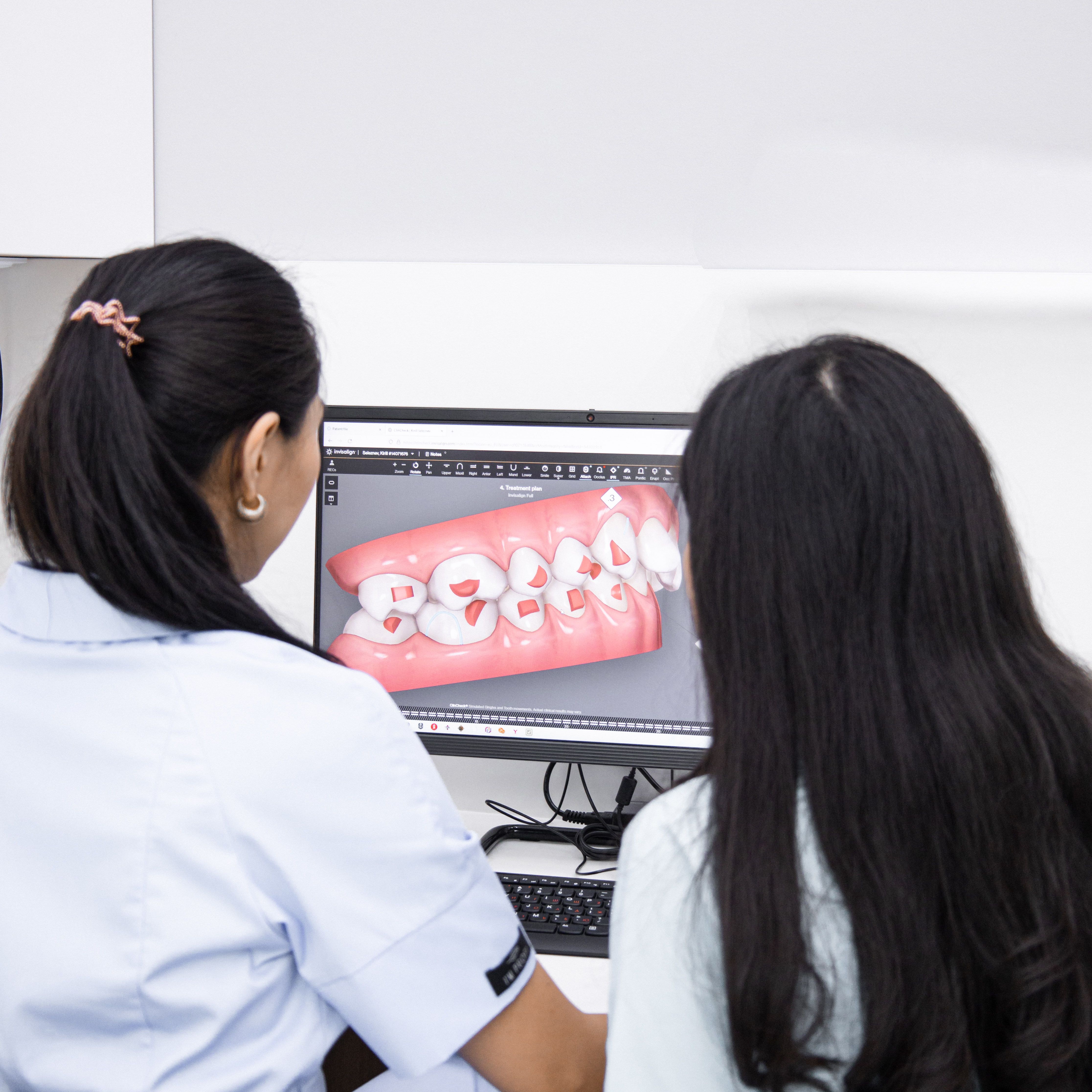
- Receive a clear treatment plan
It’s the safest way to know whether you’re dealing with early demineralisation or a cavity that needs treatment now.
Common Questions
Can you heal a cavity once there’s a hole?
No. Only early demineralisation can be reversed naturally.
How long does remineralisation take?
Weeks to months, depending on diet, hygiene and consistency.
Is cutting sugar enough?
It helps massively, but you also need minerals, saliva flow and good hygiene.
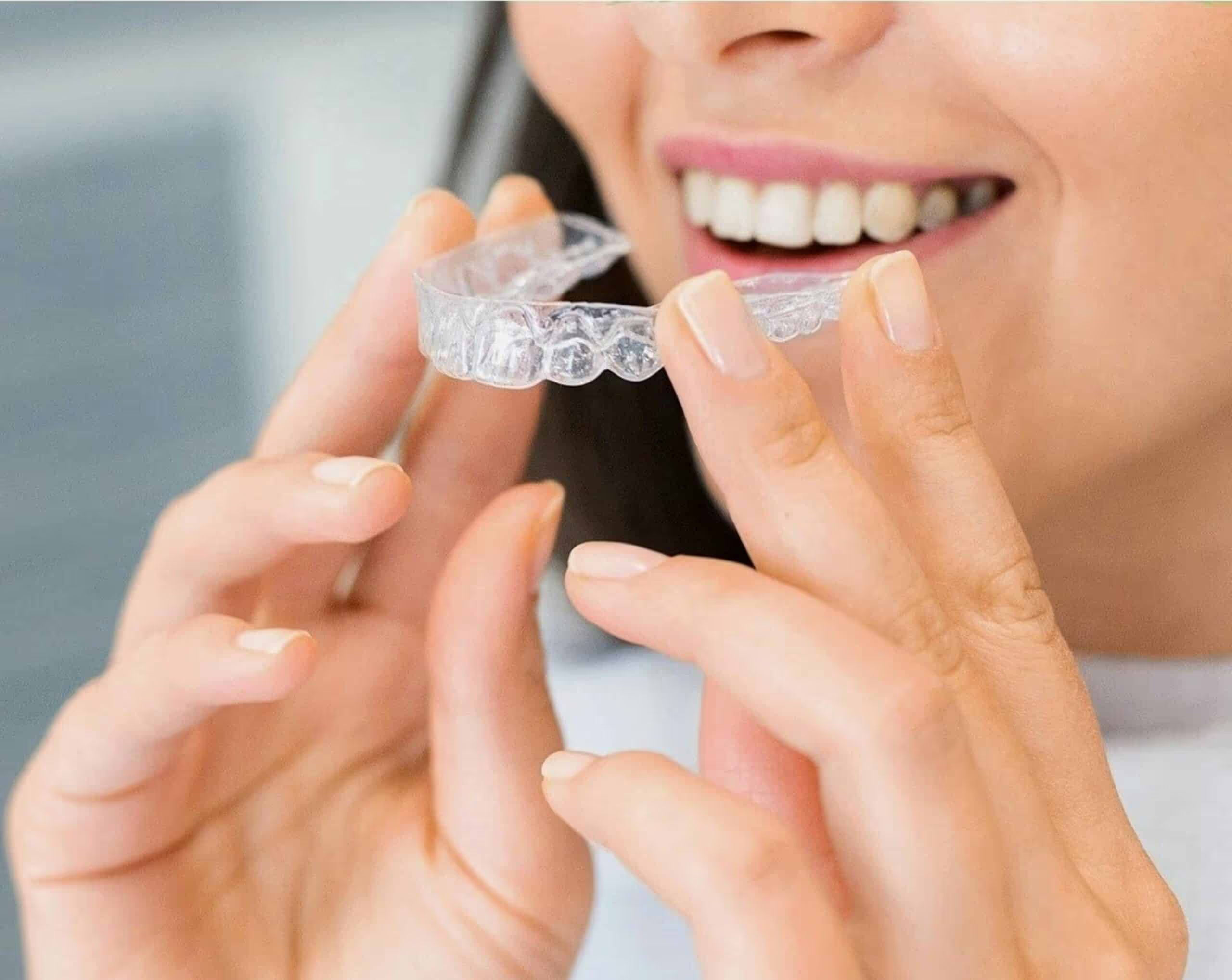
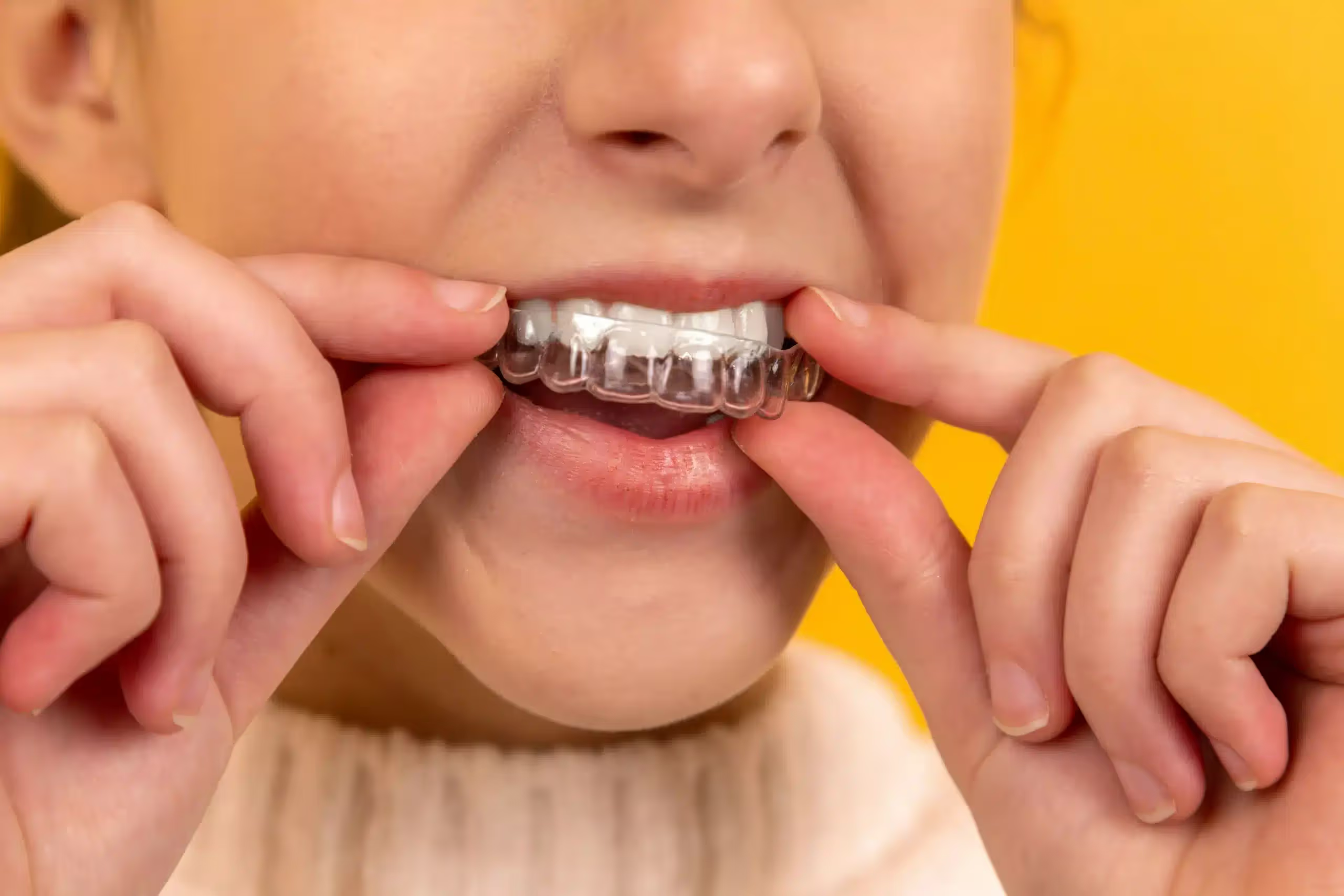
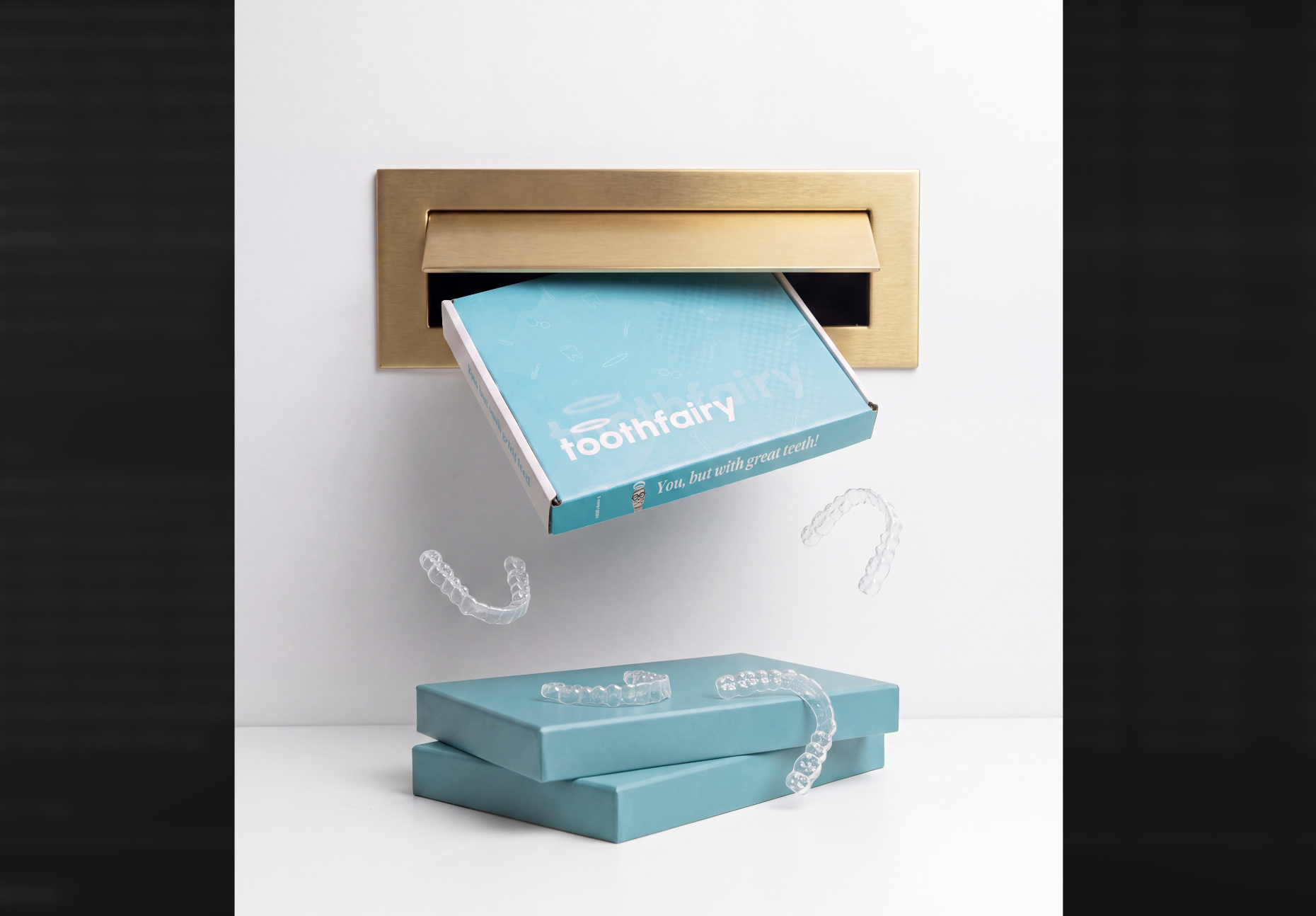
Are aligners safe if my enamel is weak?
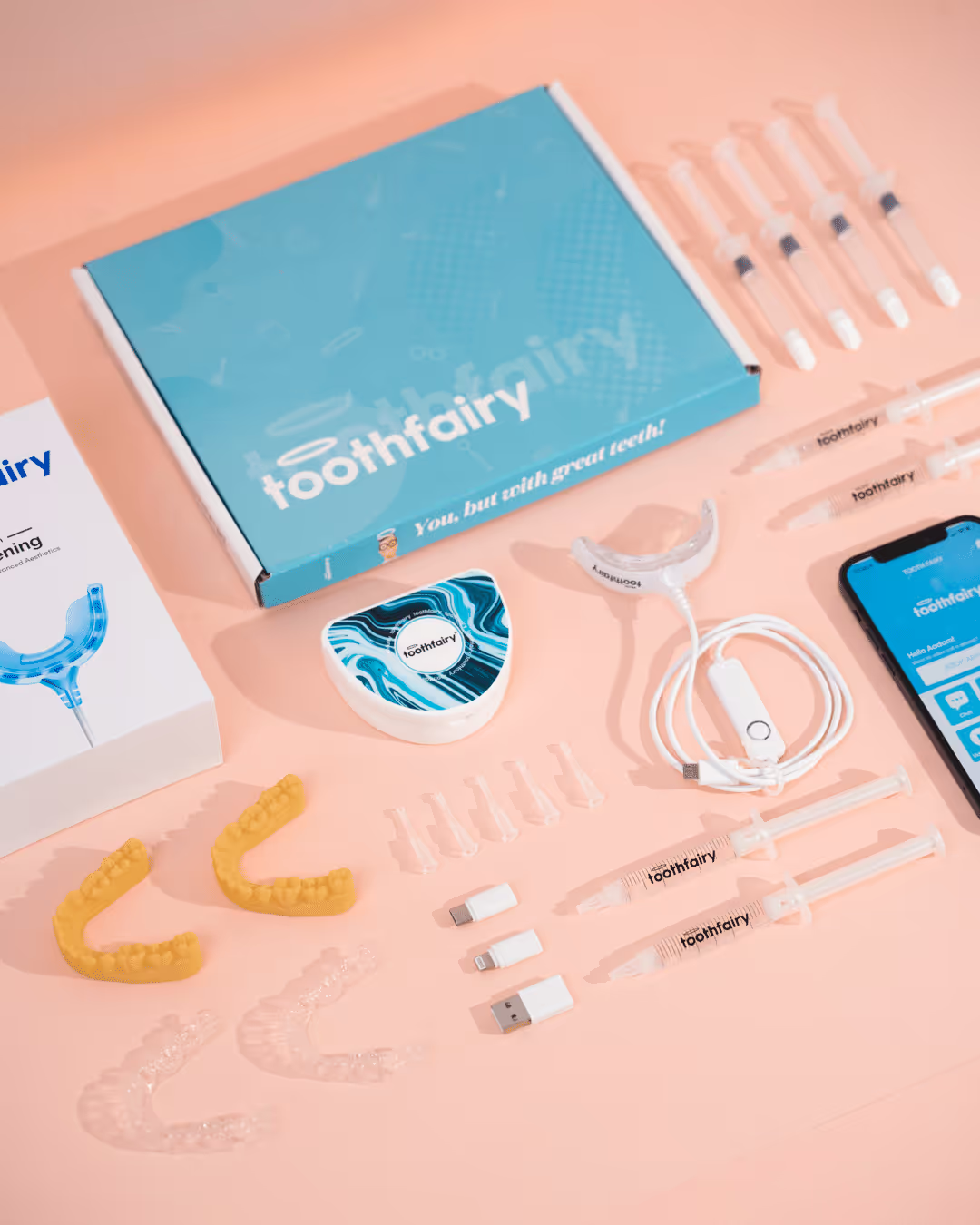
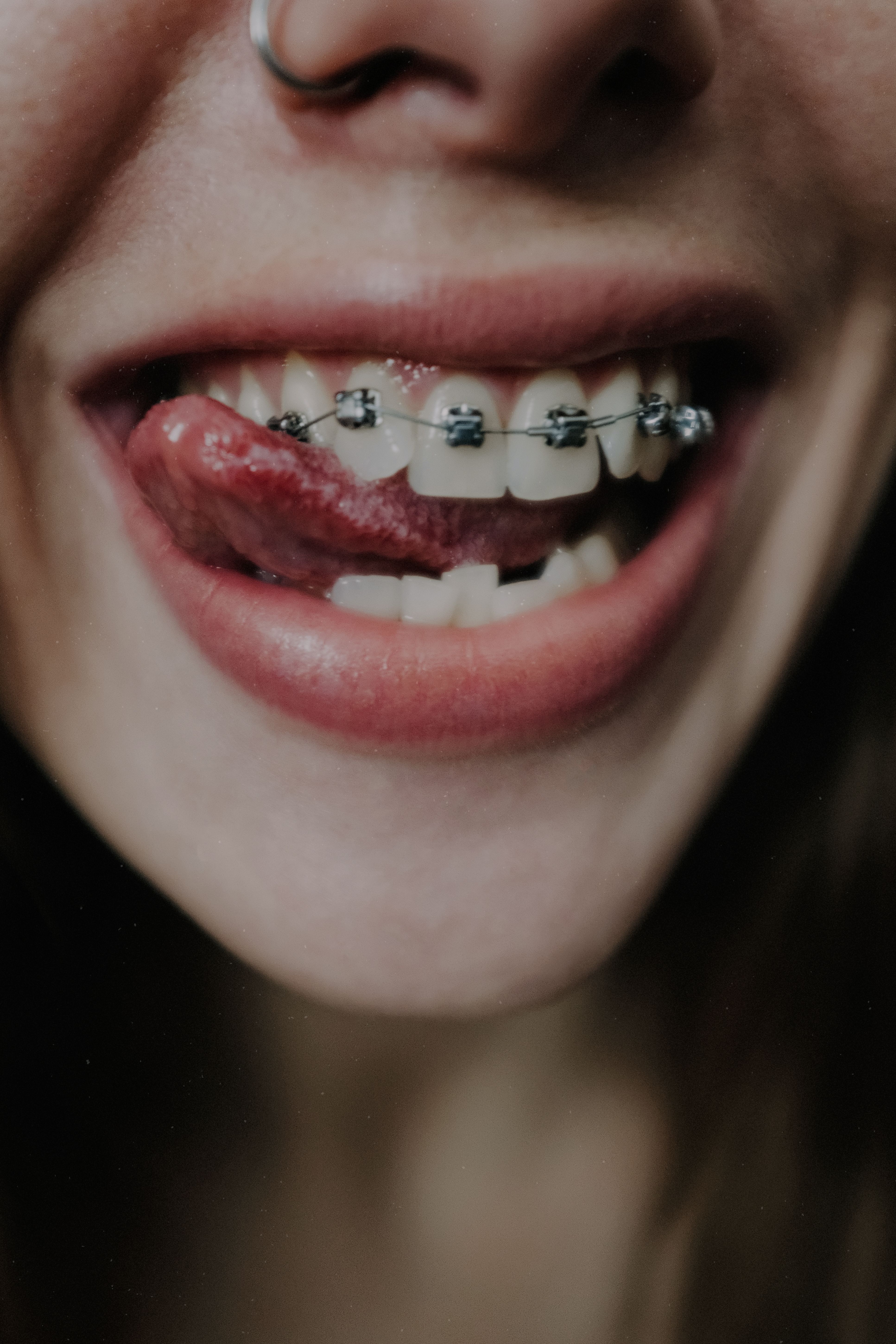
Yes, with excellent hygiene and dentist oversight.Toothfairy checks enamel health before treatment.
Final Thoughts
You can reverse early tooth decay, but only before a cavity forms.With the right diet, habits and products, your enamel can repair itself.
But once a hole appears, only a dentist can fix it.
If you’re unsure what stage you’re at, don’t guess.
A quick video consultation with a Toothfairy dentist gives you clarity, reassurance and a personalised plan.












.jpg)





.jpg)














.jpg)