
What Is Oral Thrush and Who’s Most at Risk?
Oral thrush (oral candidiasis) happens when the natural balance of microbes in your mouth is disrupted, allowing Candida yeast to multiply. Normally, your immune system and healthy bacteria keep it under control — but when that balance shifts, thrush can develop quickly.
Common Symptoms
- Creamy white patches on the tongue, cheeks or gums
- A cottony feeling in the mouth
- Redness, soreness or burning
- Loss of taste or an unpleasant taste
Who’s More Likely to Get It?
While anyone can develop oral thrush, certain groups are more vulnerable:
- Infants — rates rise from 5% in newborns to 14% by week four
- Older adults, especially denture wearers (up to 10% affected)
- People with weakened immune systems
- Individuals with unmanaged diabetes
- People using inhaled corticosteroids
- Anyone taking antibiotics
Thrush is an opportunistic infection — it appears when your body’s defences are down.
If you fall into a higher‑risk group, being proactive with your oral care routine is essential.
Mastering a Thrush‑Proof Daily Oral Hygiene Routine
A strong oral hygiene routine is your first and most effective defence. Candida thrives on leftover food particles, plaque and poor cleaning habits — so your goal is to remove its fuel source.
Brushing the Right Way
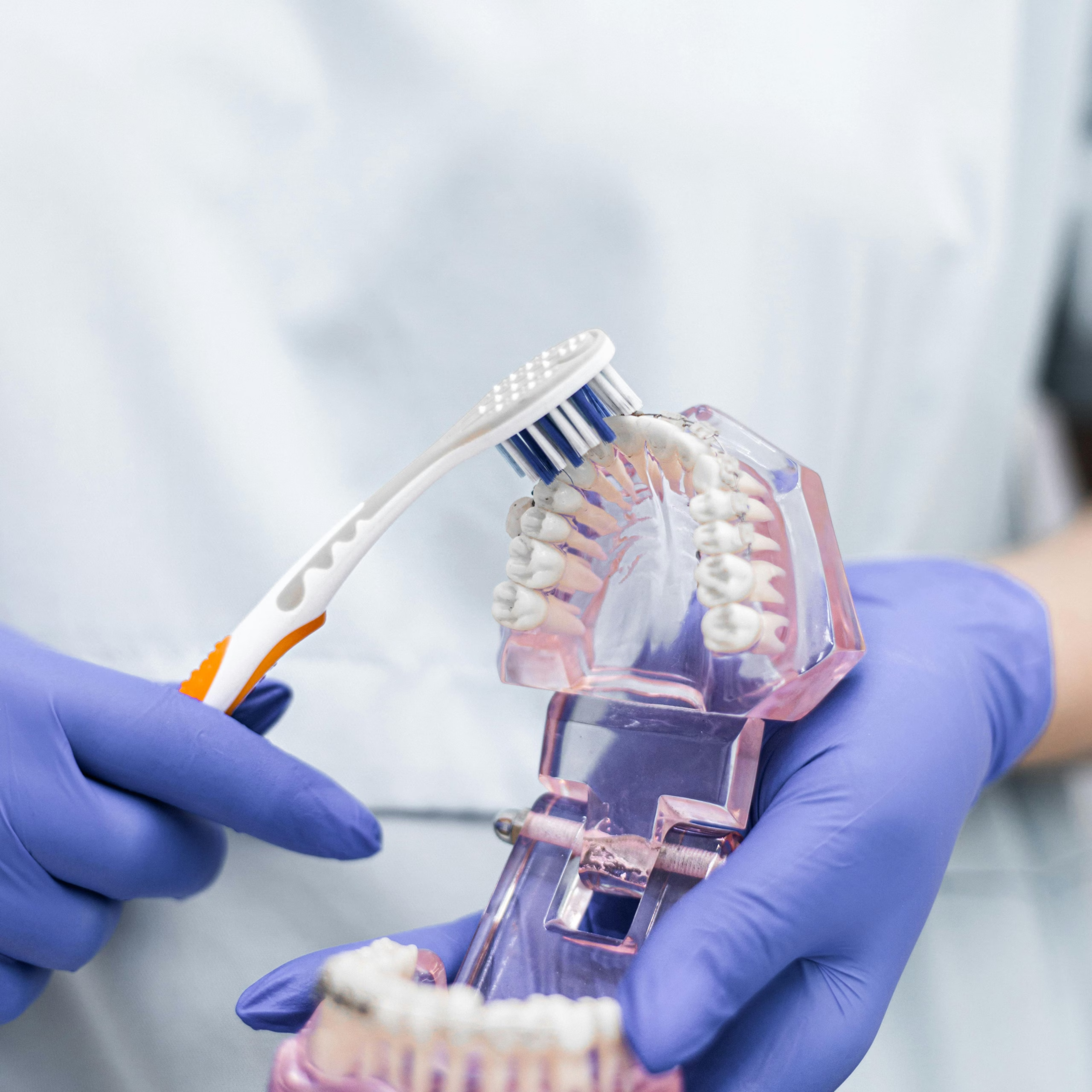
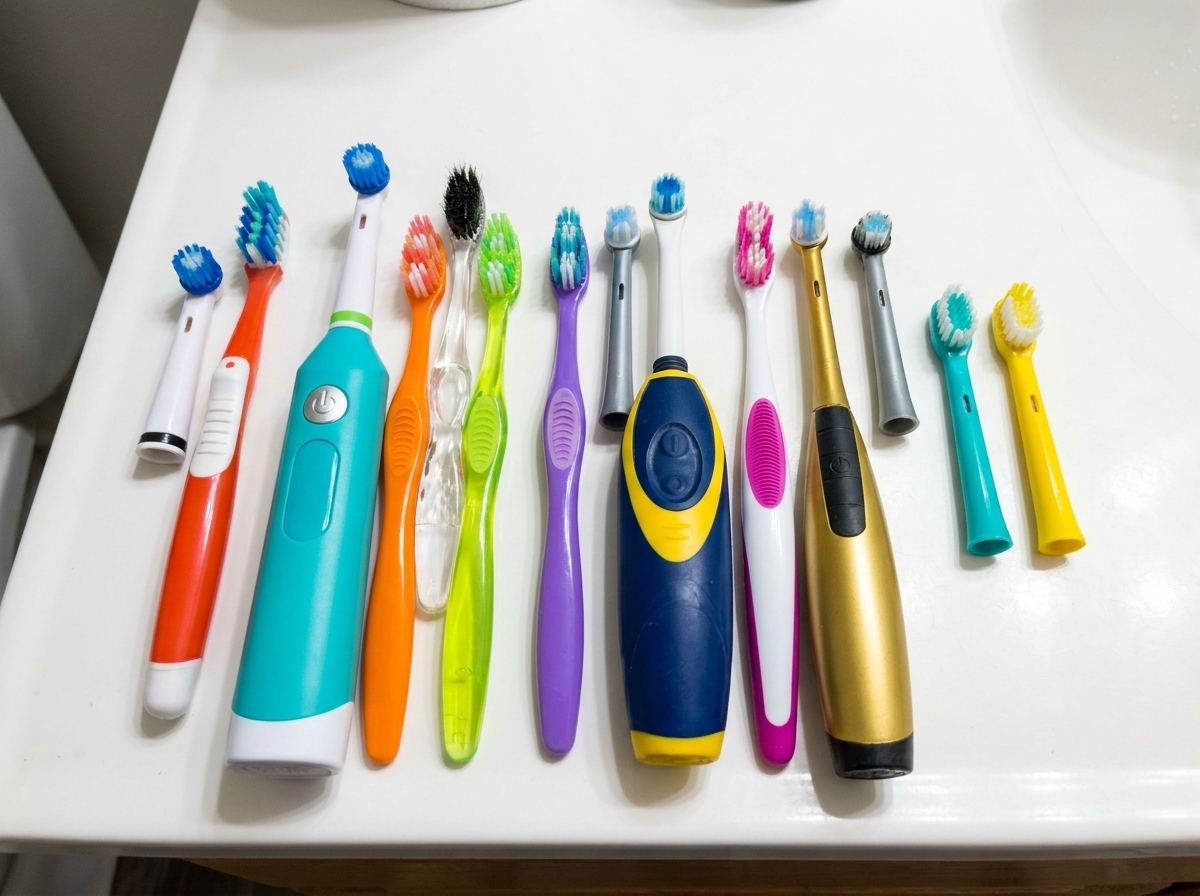
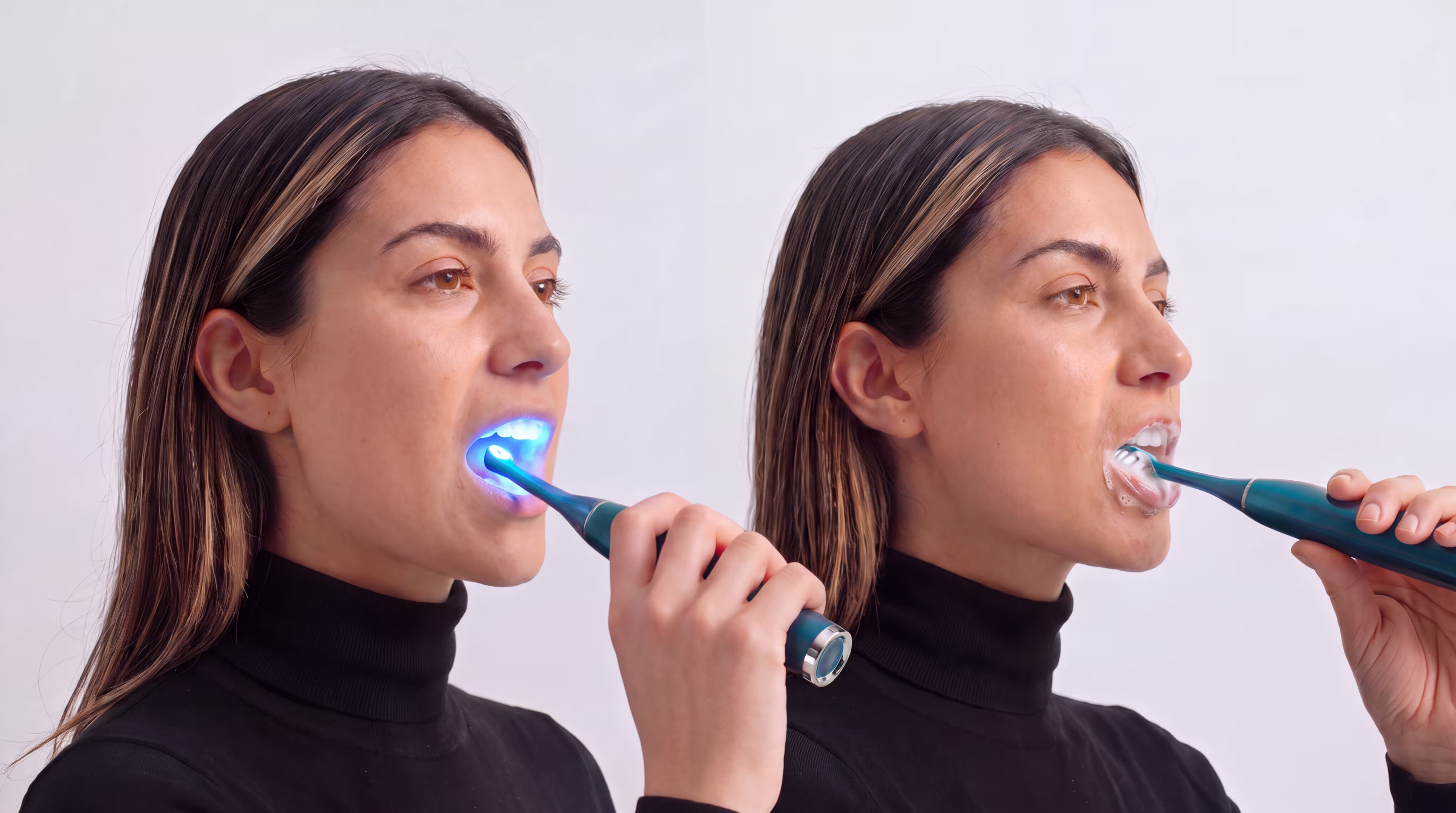
- Use a soft‑bristled toothbrush to avoid gum irritation
- Brush for two full minutes, twice daily
- Clean every surface, including along the gumline
Don’t Forget Your Tongue
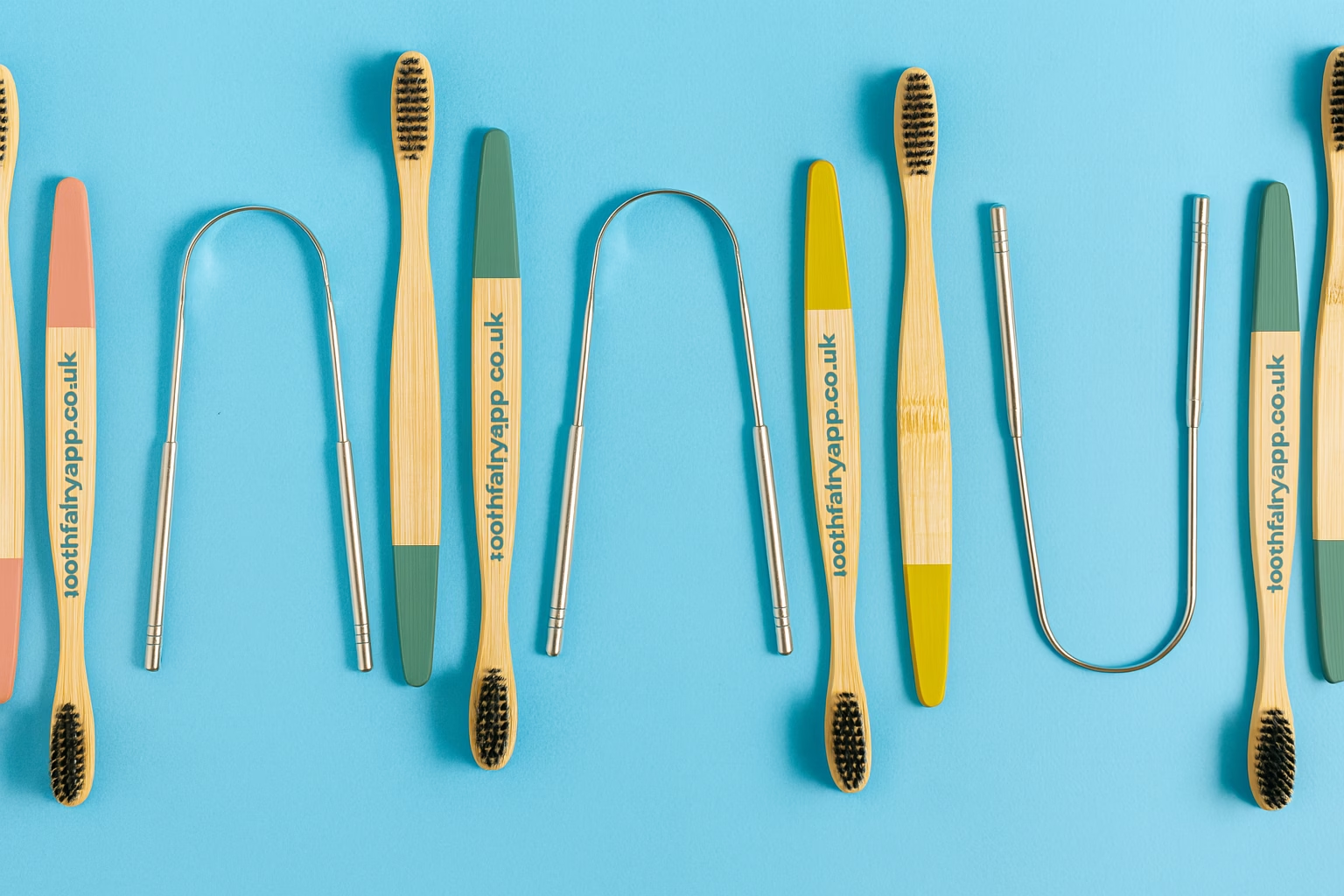
The tongue’s grooves trap bacteria and yeast.A daily tongue scrape dramatically reduces fungal load.
Clean Between Your Teeth
Floss or use interdental brushes daily.These areas are hotspots for debris that feed Candida.
Why This Matters
A complete routine — brushing, flossing, tongue cleaning — removes nearly all plaque, leaving Candida with nothing to thrive on.
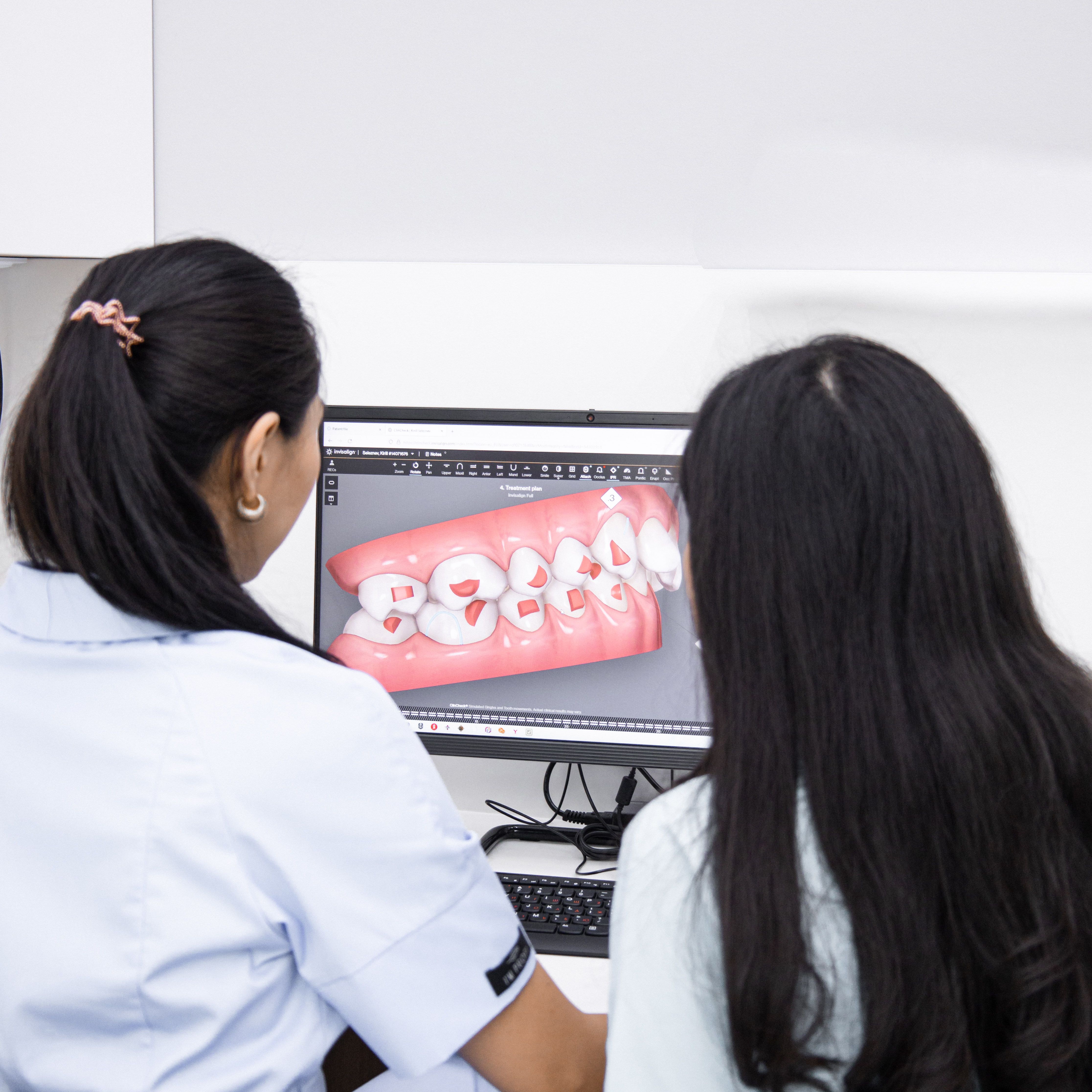
Oral Hygiene During Orthodontic Treatment
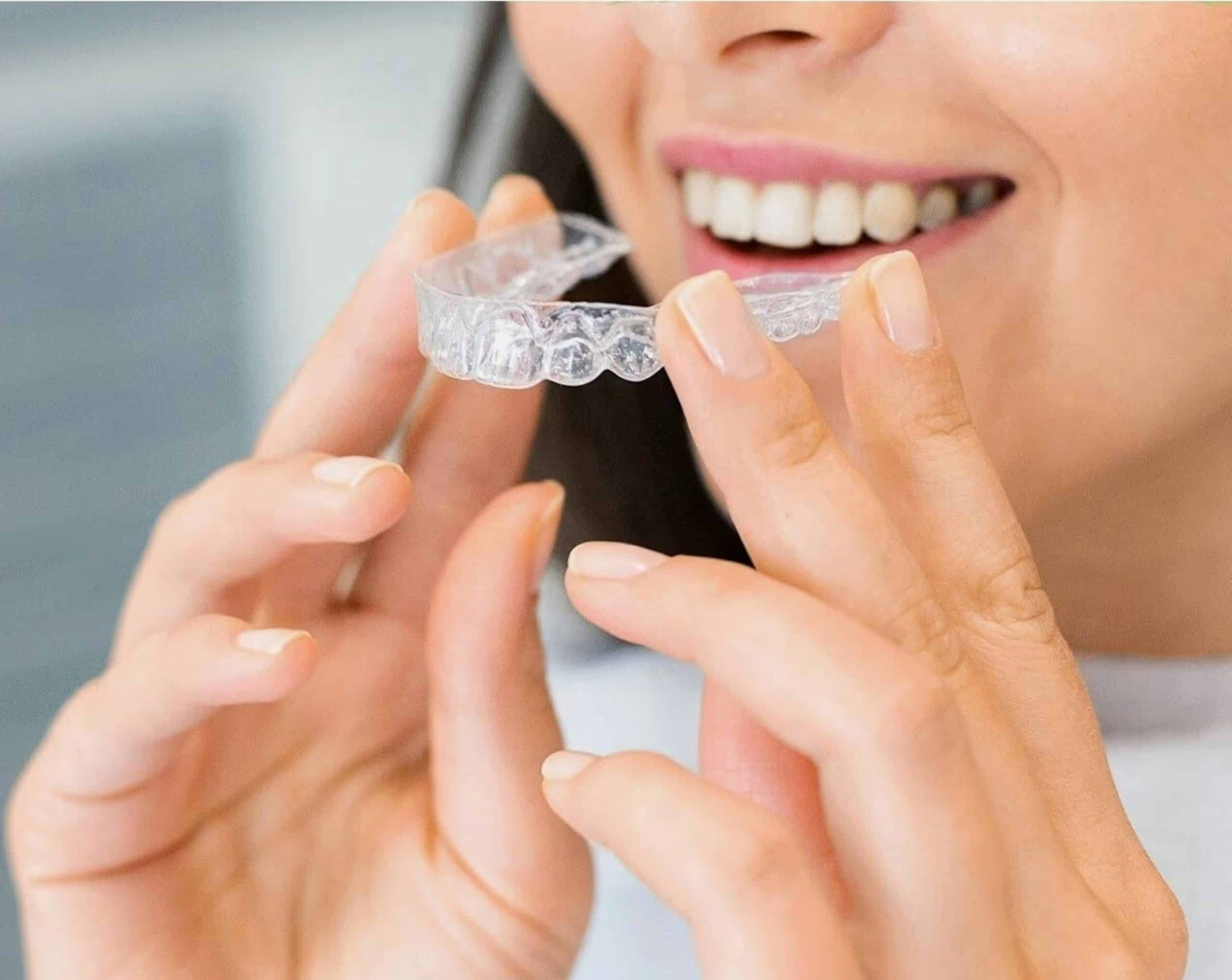
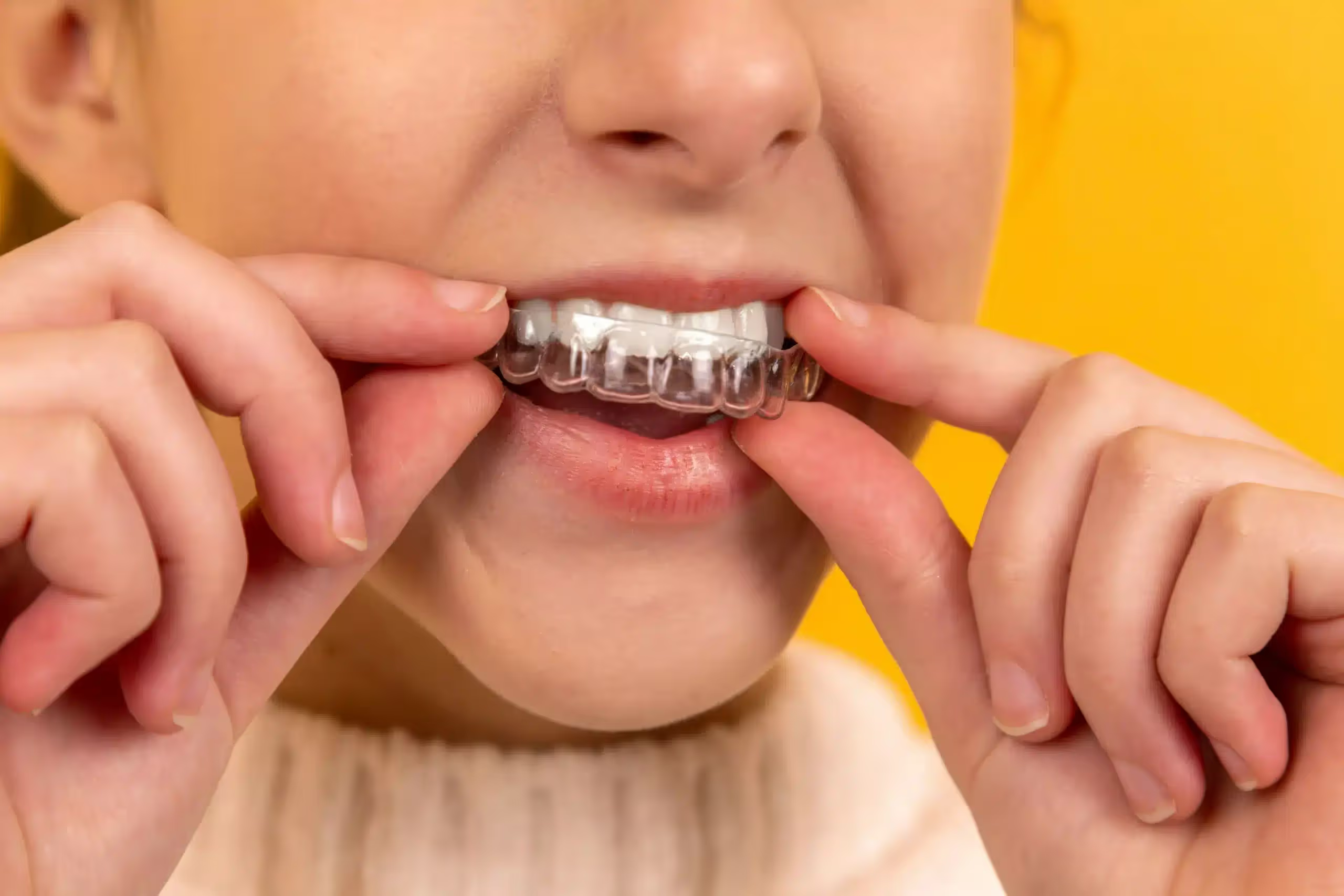
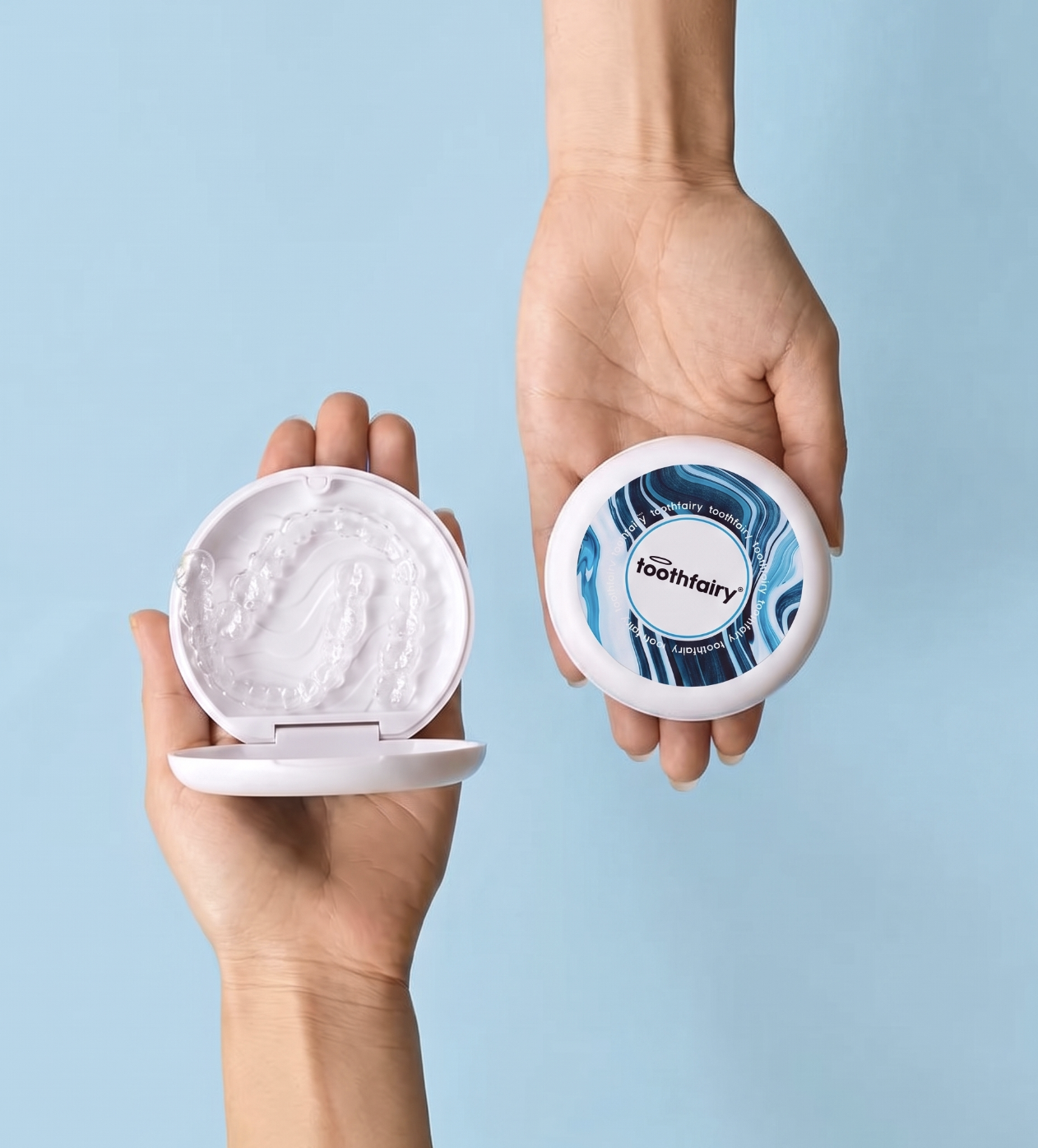
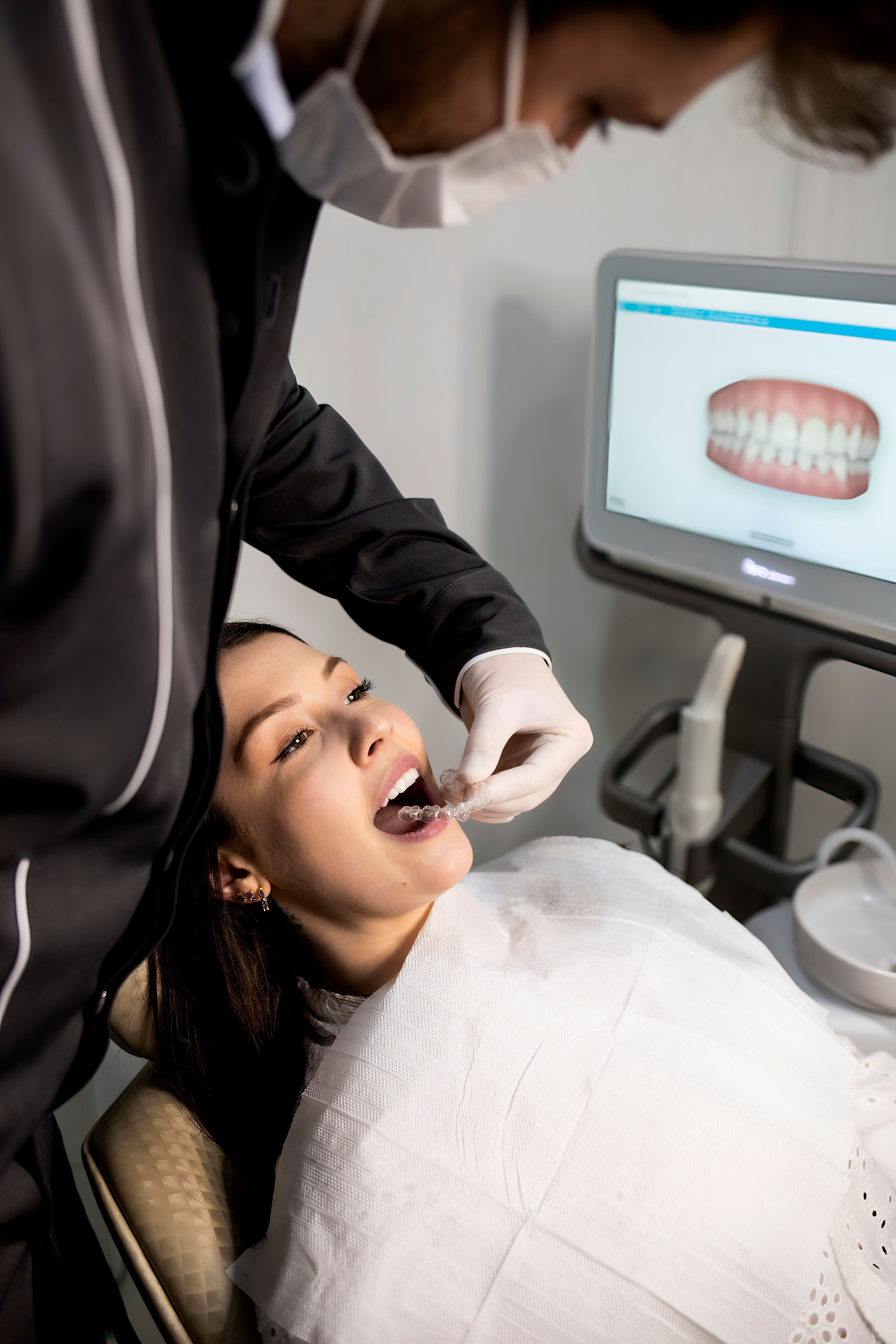
Fixed braces trap food and plaque, increasing thrush risk.Clear aligners (like those used through Toothfairy) are removable, making it far easier to maintain excellent hygiene during treatment.
How Diet and Lifestyle Influence Oral Thrush
Your diet shapes your oral microbiome. Candida loves sugar — and a high‑sugar diet gives it everything it needs to grow.
Foods to Limit
- Sugary snacks and drinks
- Sweetened yoghurts
- White bread, pastries, processed cereals
- High‑sugar fruits and dried fruit
- Alcohol and fizzy drinks
Foods to Favour
- Wholegrains
- Leafy greens and low‑sugar fruits
- Plain live yoghurt and kefir
- Garlic, broccoli, fermented foods
- Water and unsweetened teas
Strengthening Your Natural Defences
- Eat whole, unprocessed foods
- Add probiotics to support healthy bacteria
- Stay hydrated to maintain saliva flow
- Choose lower‑sugar alternatives (chai tea over sugary lattes, for example)
Lifestyle Habits That Increase or Reduce Thrush Risk
Smoking
Smoking disrupts the mouth’s natural balance and irritates tissues, making thrush more likely.
Stress
High cortisol weakens immunity, giving Candida an advantage.
Good Habits to Build
- Reduce stress where possible
- Quit smoking
- Maintain consistent oral hygiene
- Keep your mouth hydrated
Medications and Health Conditions That Raise Thrush Risk
Sometimes thrush isn’t about hygiene — it’s about your overall health.
Inhaled Corticosteroids
Up to 60% of inhaler users develop thrush due to medication residue in the mouth.
Prevention tips:
- Rinse and spit immediately after use
- Brush if possible
- Use a spacer to reduce residue
Antibiotics
They wipe out good bacteria, allowing Candida to flourish.Support your microbiome with probiotics or plain yoghurt.
Diabetes
High blood sugar feeds yeast.Stable glucose levels significantly reduce thrush risk.
If you notice thrush symptoms while on medication, get professional advice early.
Table: Thrush Risk Factors
Caring for Infants and Denture Wearers
Protecting Babies from Thrush
- Sterilise bottles, teats and dummies after every use
- Treat nipple thrush promptly if breastfeeding
- Maintain excellent feeding hygiene
Thrush can pass between mother and baby, so both may need treatment.
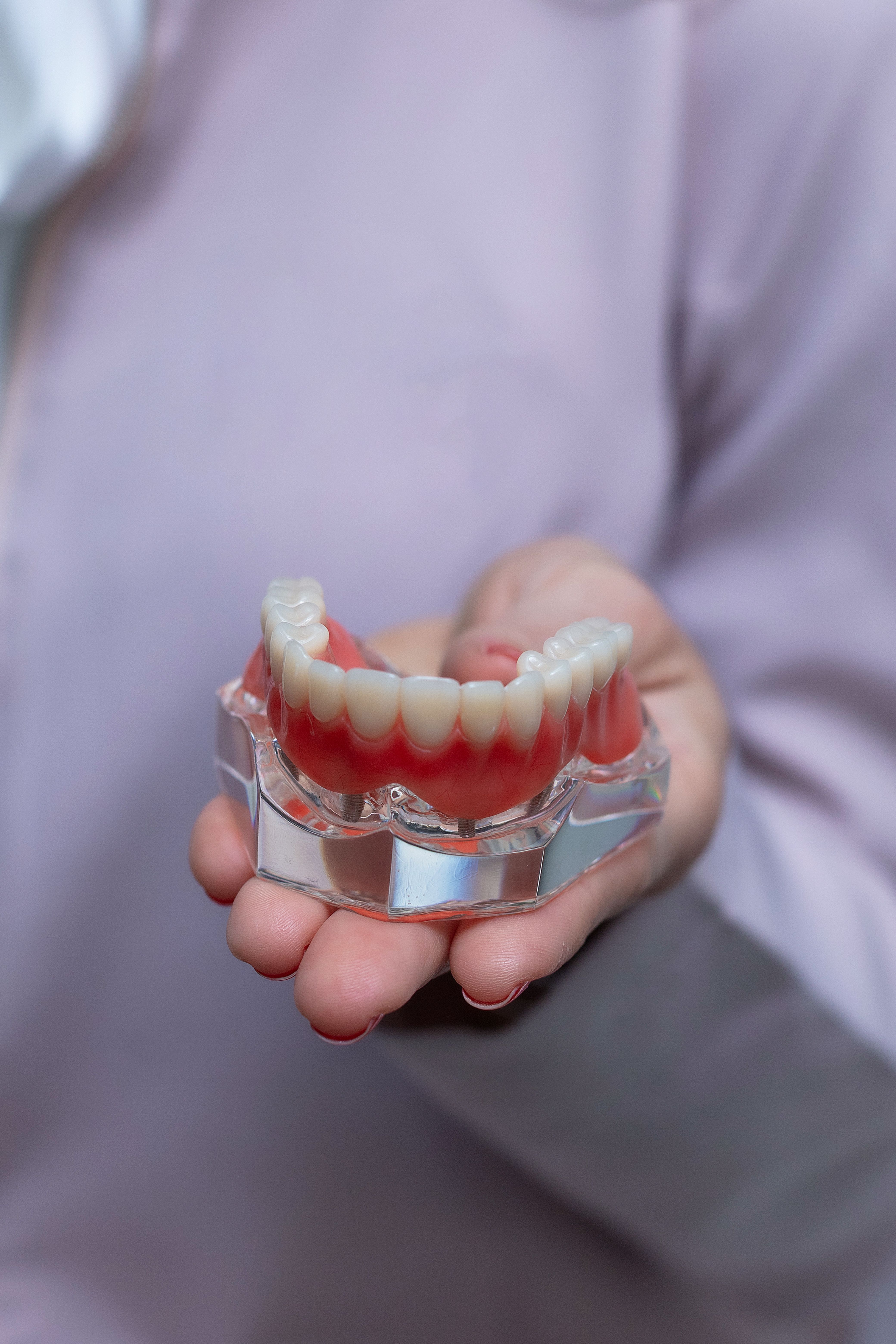
Preventing Thrush in Denture Wearers
- Remove dentures at night
- Clean daily with a soft brush and denture cleaner
- Soak overnight in a denture solution
- Ensure dentures fit properly to avoid irritation
Ill‑fitting dentures create sore spots where yeast can take hold.
When to Seek Professional Help
Even with perfect home care, thrush sometimes needs medical treatment.
Get professional advice if:
- Symptoms don’t improve within 7–10 days
- Thrush keeps returning
- You have pain or difficulty swallowing
- You develop fever or feel unwell
- You’re unsure whether it’s thrush or another condition
Persistent thrush can signal underlying health issues like diabetes or immune problems.
A Modern Way to Get Fast, Expert Advice
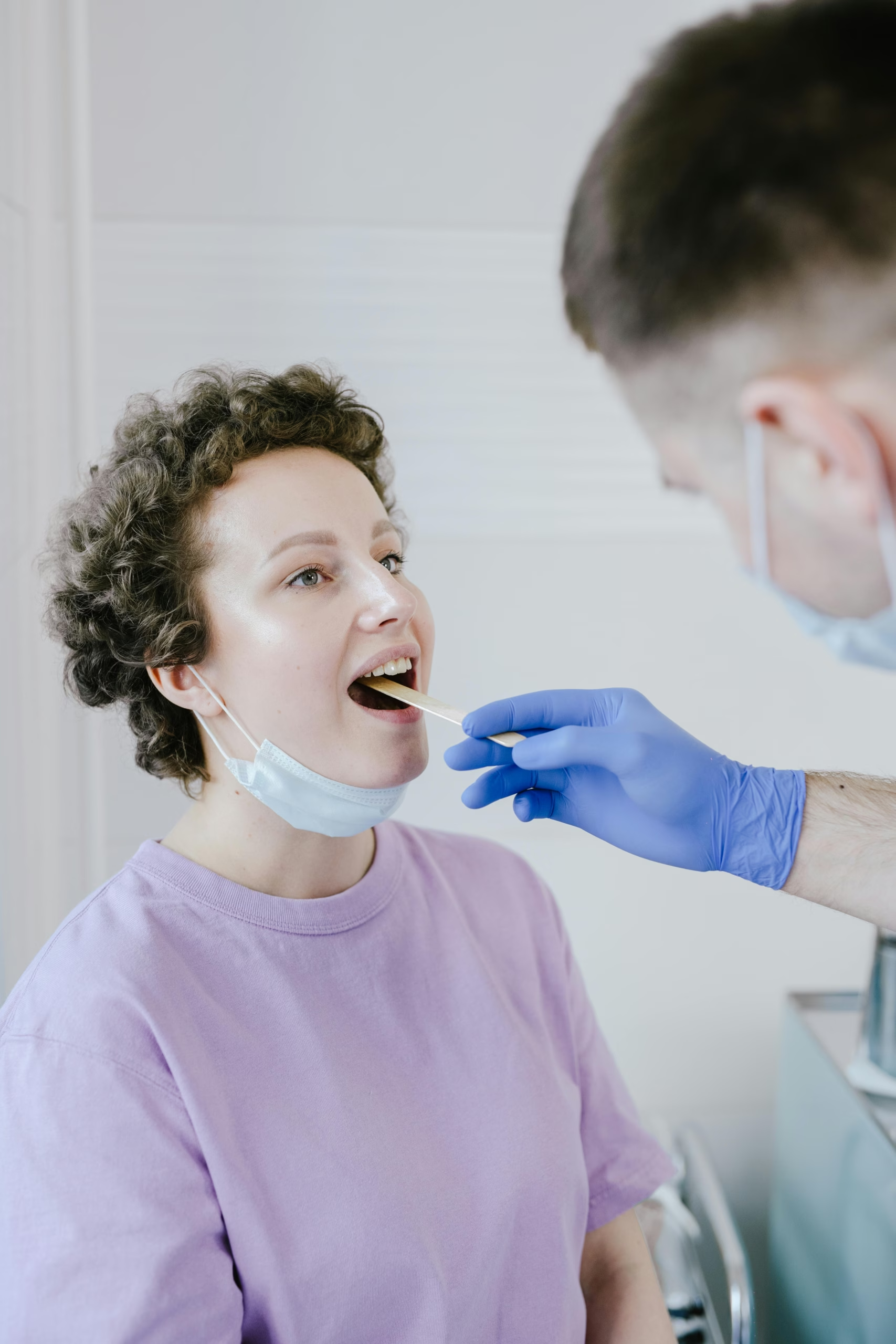
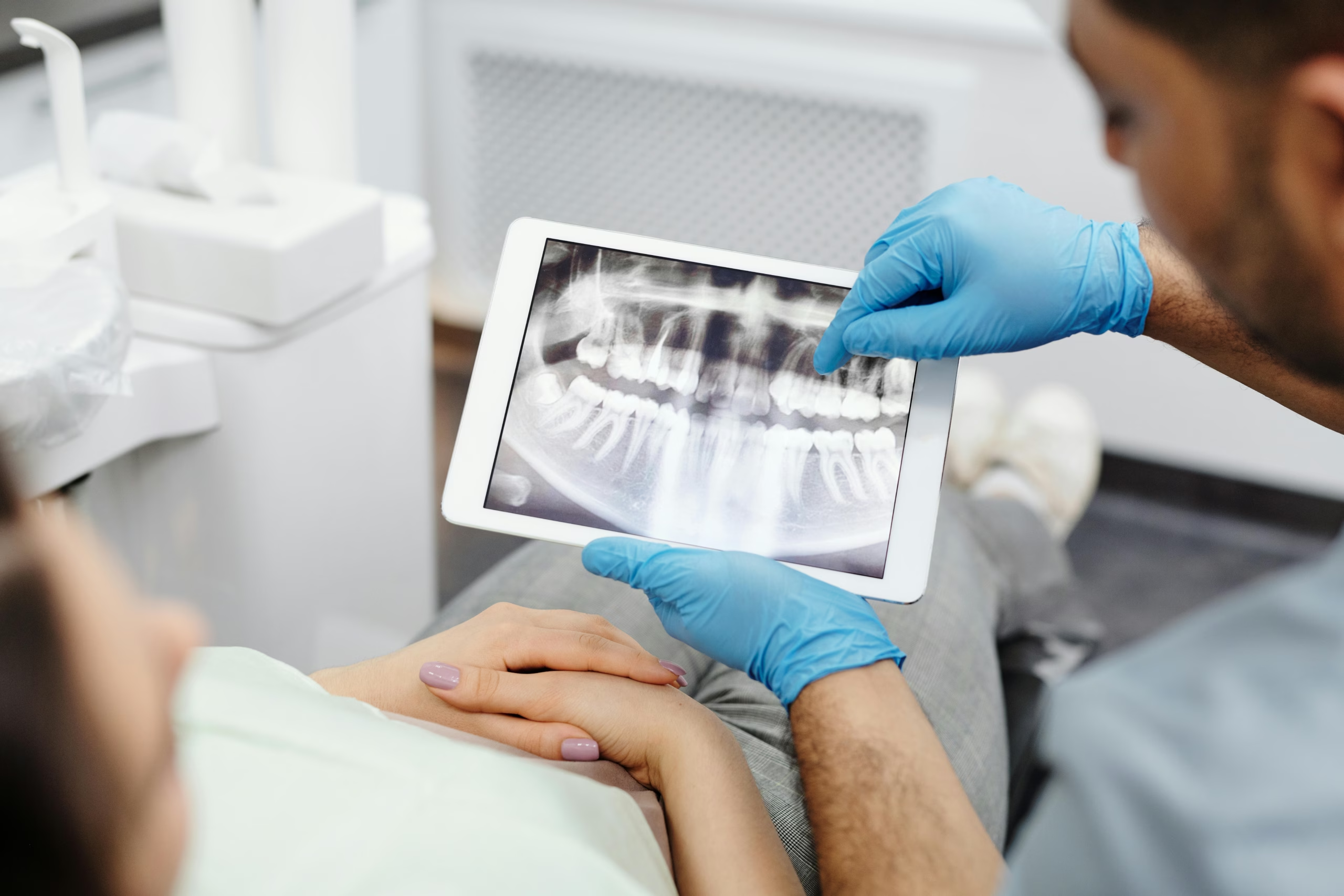
Waiting weeks for a GP or dental appointment isn’t ideal when you’re uncomfortable.With Toothfairy, you can:
- Speak to a UK‑licensed dentist the same day
- Show symptoms over secure video
- Get a professional diagnosis
- Receive prescriptions sent directly to your local pharmacy
It’s a faster, more accessible way to get the help you need — especially when dealing with infections like thrush.
Table: Thrush Prevention Habits












.jpg)





.jpg)
















.jpg)