
Dental anxiety is becoming a UK workforce issue
Dental anxiety affects millions of adults in the UK. With NHS access declining, appointment delays increasing and treatment costs rising, anxiety is intensifying. Employees avoid care, live with untreated pain and experience more dental emergencies.
For employers, this means higher absenteeism, lower productivity and reduced confidence in customer‑facing or leadership roles.
The UK dental anxiety problem in numbers
Causes of dental anxiety
Fear of pain
Past experiences or stories from others create long‑lasting fear.
Embarrassment
Employees may feel ashamed about the condition of their teeth.
Loss of control
Dental environments can feel intimidating or unpredictable.
Cost concerns
Fear of expensive treatment increases avoidance.
Access issues
Difficulty securing appointments increases anxiety and uncertainty.
Consequences for employees
Avoidance of care
Employees delay treatment until pain becomes unbearable.
Worsening oral health
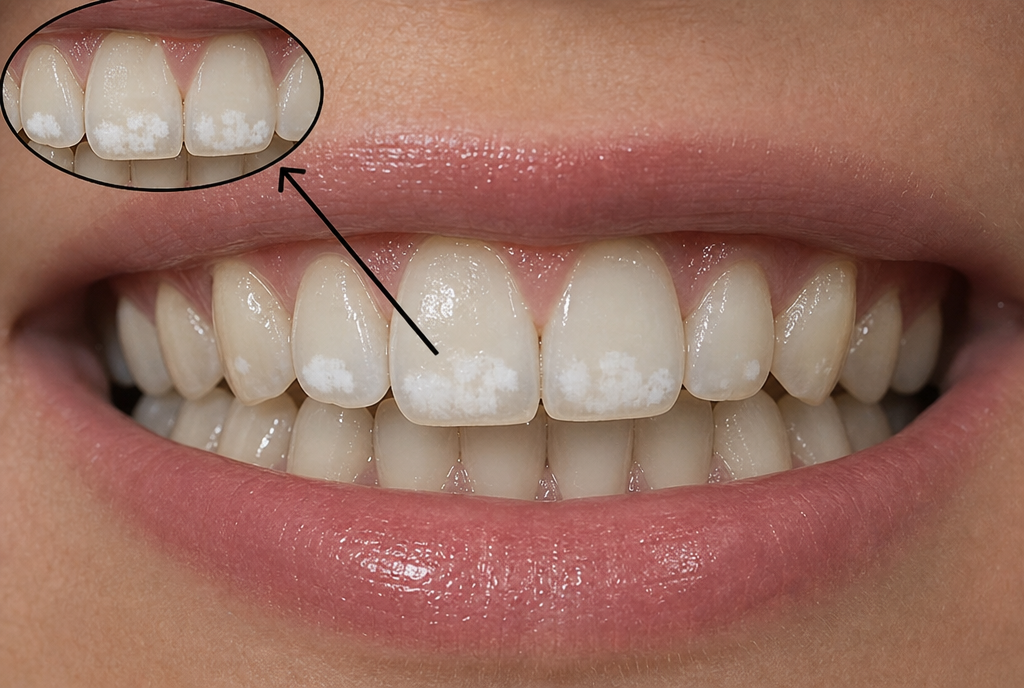
Untreated issues escalate into infections, swelling and emergencies.
Reduced confidence
Oral health affects communication, smiling and leadership presence.
Sleep disruption
Dental pain is a major cause of poor sleep and fatigue.
Consequences for employers
Higher absenteeism
Dental emergencies lead to unplanned sick days.
More presenteeism
Employees work while in pain, reducing productivity.
Lower engagement
Anxiety and discomfort affect motivation and focus.
Customer-facing challenges
Employees may avoid speaking, presenting or interacting.
Simple mode: why dental anxiety matters
Dental anxiety stops employees from getting help, which leads to more pain, more emergencies and more time off work.
Expert mode: the behavioural cycle of dental avoidance
Dental anxiety triggers avoidance behaviour, which increases clinical severity, reinforces fear conditioning and elevates cortisol levels. This creates a feedback loop where anxiety amplifies oral health decline, leading to higher emergency utilisation and reduced workplace performance.
Modern solutions employers can offer
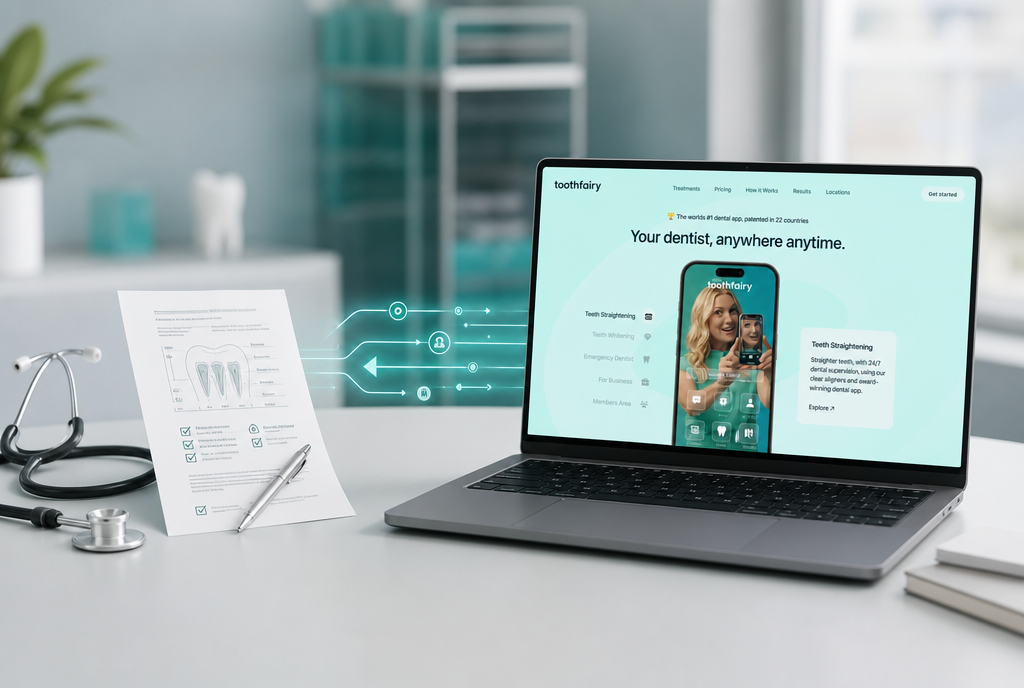
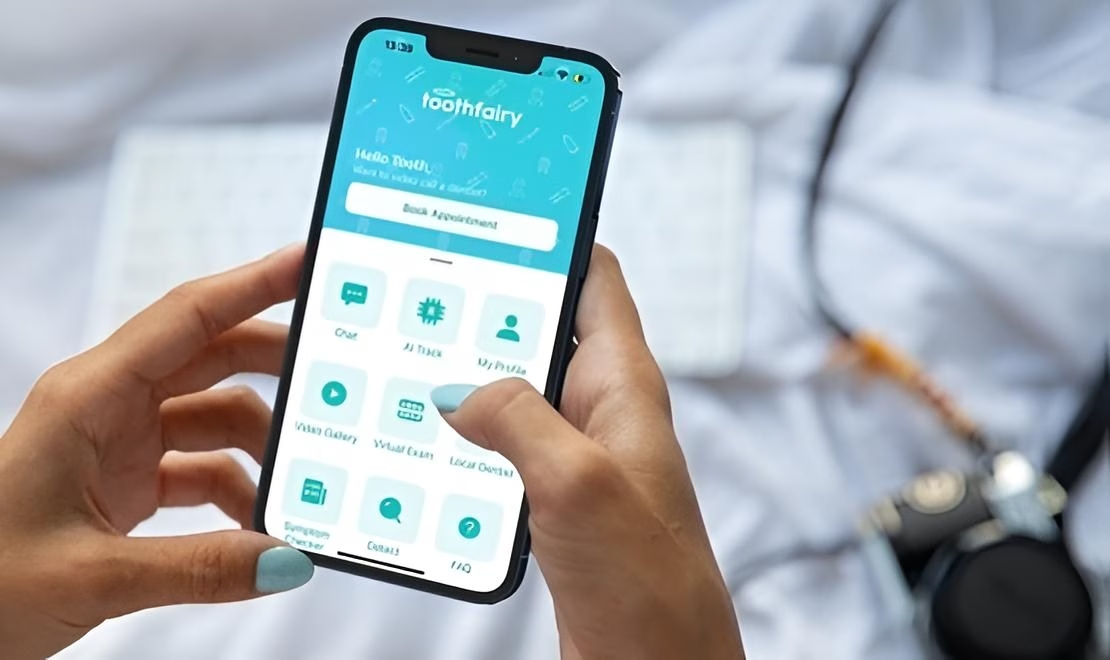
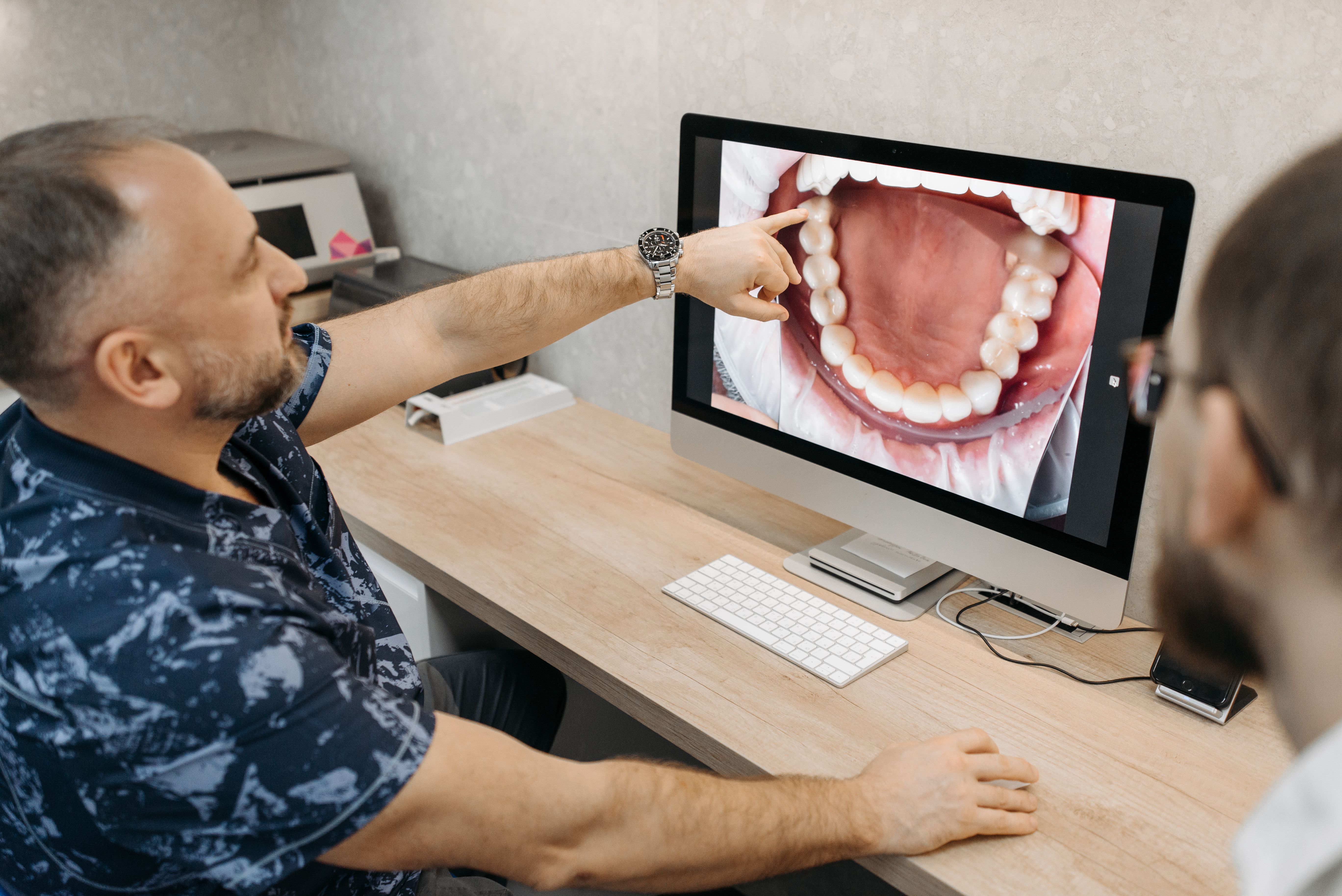
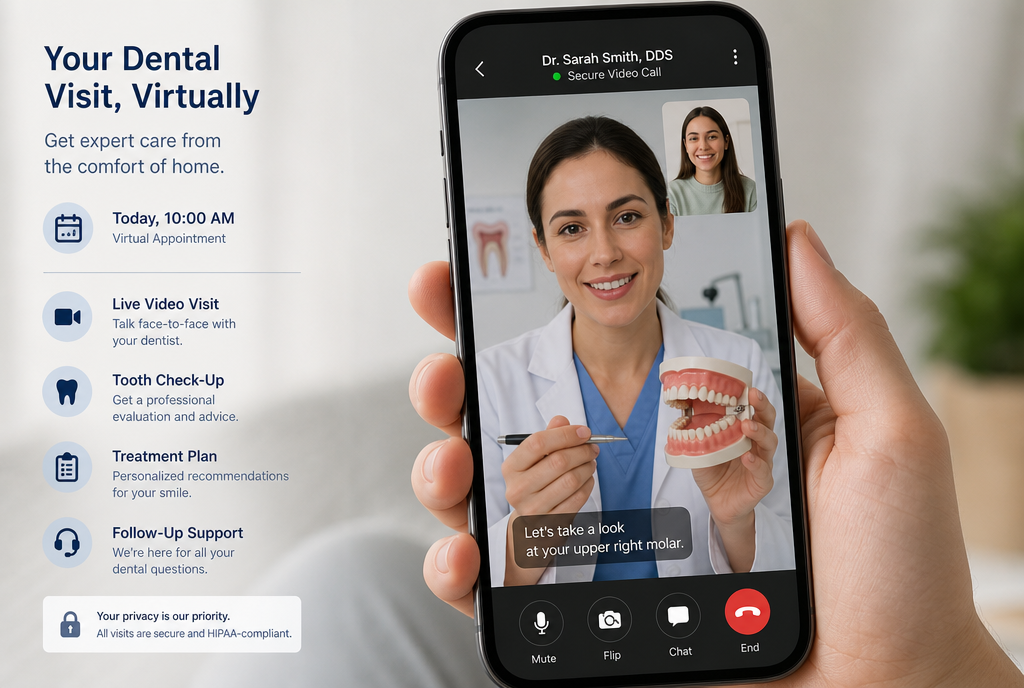
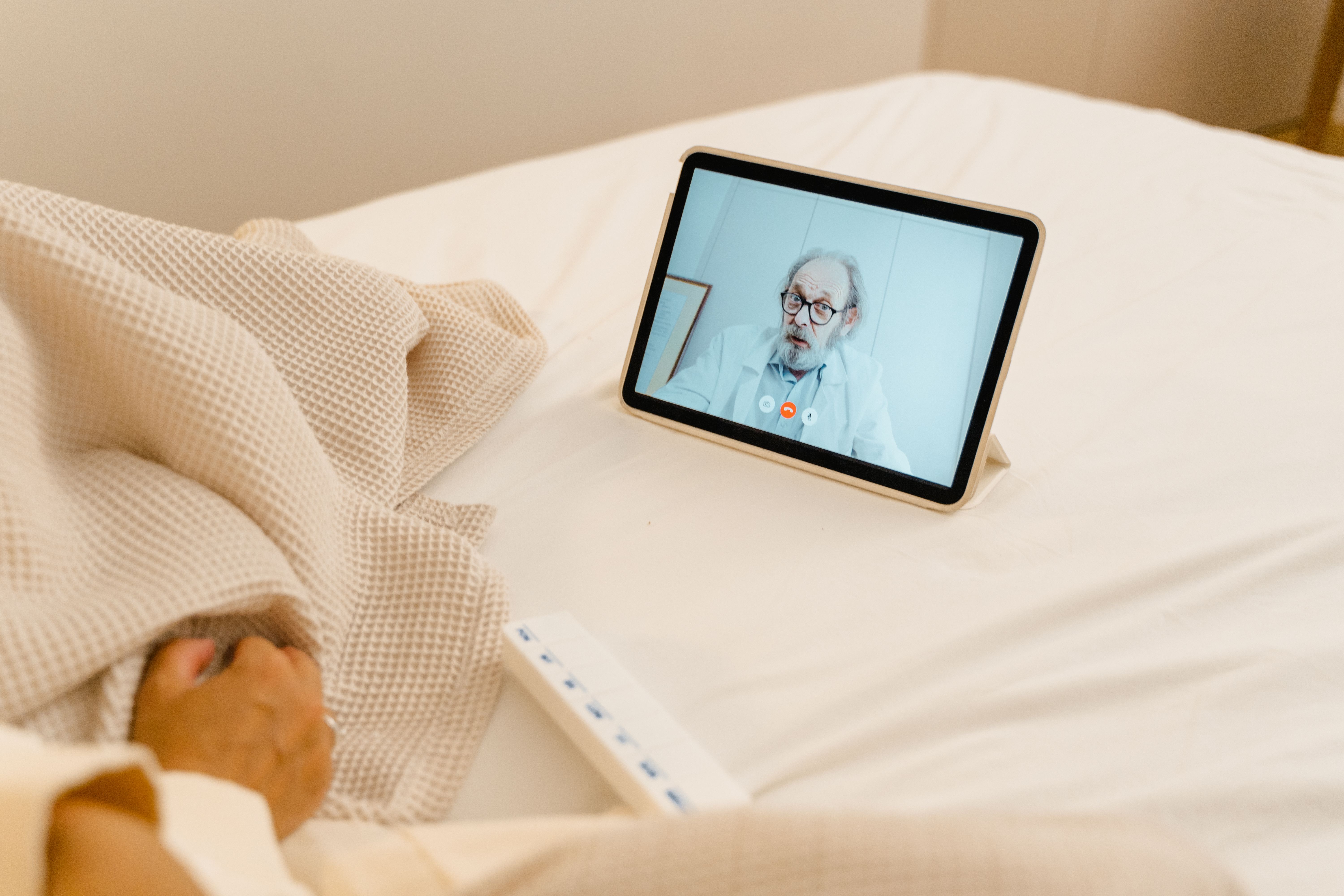
Virtual dental consultations
Employees can speak to a dentist without entering a clinic, ideal for anxious patients.
On-demand emergency support
Fast triage reduces panic and prevents escalation.
Preventive care programmes
Regular check‑ins reduce the likelihood of emergencies.
Digital prescriptions
Quick access to antibiotics or pain relief when appropriate.
Dental education resources
Clear guidance reduces fear and builds confidence.
Flexible wellbeing benefits
Affordable, accessible dental support reduces anxiety and improves uptake.
Why Toothfairy is ideal for anxious employees
Instant access to UK dentists
No waiting rooms, no pressure, no judgement.
Calm, supportive environment
Virtual care reduces fear triggers.
Affordable treatment options
Clear pricing reduces financial anxiety.
Remote monitoring
Employees can track their oral health from home.
Preventive focus
Helps employees avoid emergencies entirely.
Your dental anxiety questions answered
Can virtual dental care help with anxiety
Yes. It removes the physical triggers that cause fear.
Does dental anxiety affect productivity
Absolutely. Pain, stress and avoidance reduce performance.
Can employers reduce dental anxiety
Yes. By offering supportive, flexible, modern dental solutions.
Is dental anxiety common in the UK
Very. Around one‑third of adults experience it regularly.











.jpg)



.jpg)














.jpg)