
What wisdom teeth are
Wisdom teeth are the last molars to develop, usually appearing between ages 17 and 25. Some people have all four, while others have fewer or none.
They can grow normally, but many become:
- Impacted
- Painful
- Infected
- Misaligned
- Difficult to clean
This is why removal is common.
When wisdom teeth should be removed
Dentists recommend removal when wisdom teeth cause symptoms or are likely to cause problems in the future.
Common reasons for removal
- Pain or discomfort Persistent aching, throbbing or pressure.
- Impaction When the tooth is stuck under the gum or bone.
- Infection (pericoronitis) Swelling, redness, bad taste or difficulty opening your mouth.
- Crowding Wisdom teeth pushing other teeth out of alignment.
- Decay Hard‑to‑reach wisdom teeth are more prone to cavities.
- Cysts Fluid‑filled sacs forming around the tooth.
- Damage to nearby teeth Pressure or erosion of the second molar.
If any of these occur, removal is usually the safest option.
Symptoms that mean you should see a dentist
- Swelling around the jaw
- Pain when chewing
- Red or swollen gums
- Bad breath or bad taste
- Difficulty opening your mouth
- Repeated gum infections
- Headaches or ear pain
These symptoms often indicate impaction or infection.
How dentists decide if removal is needed
Your dentist will assess:
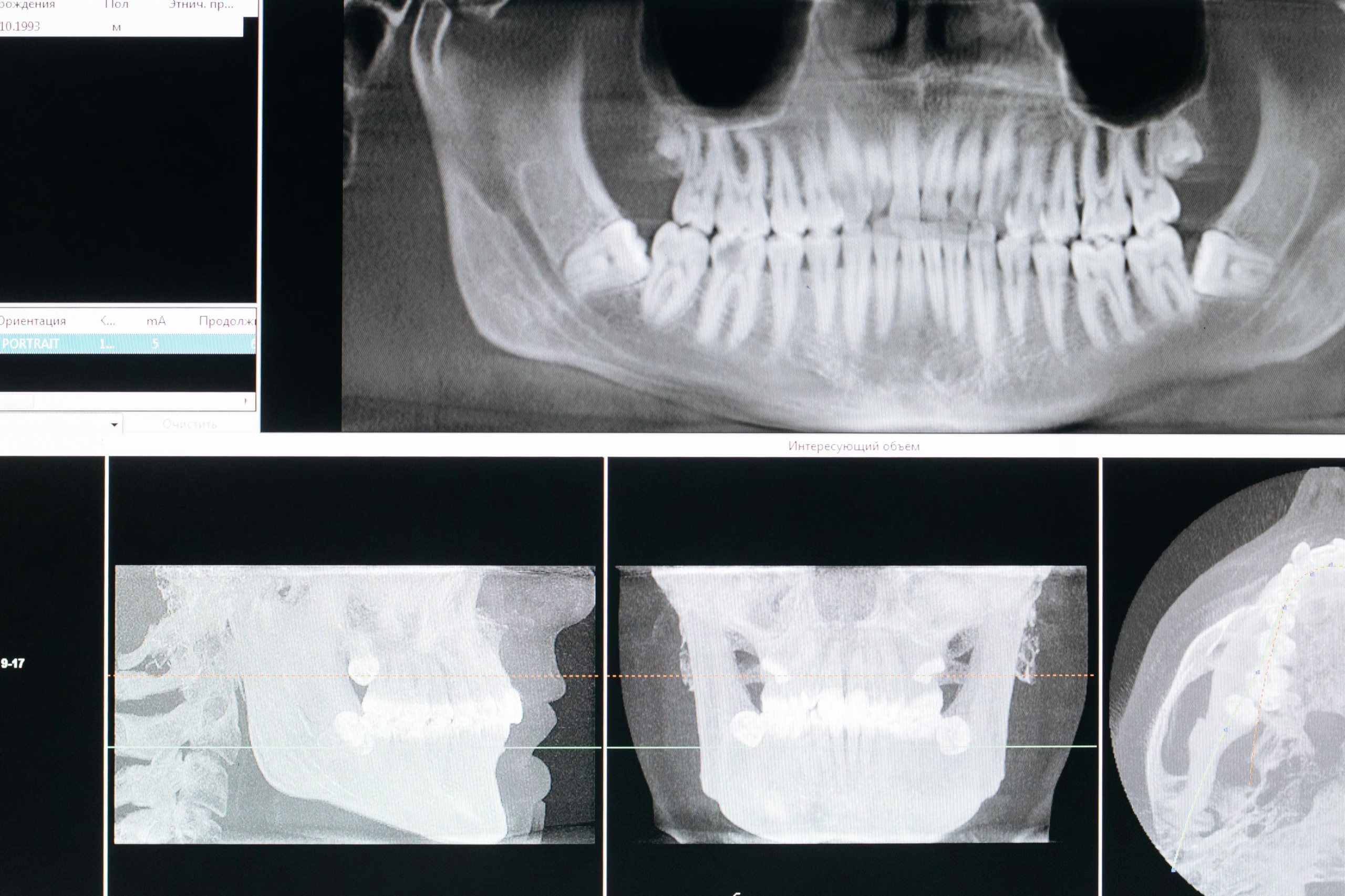
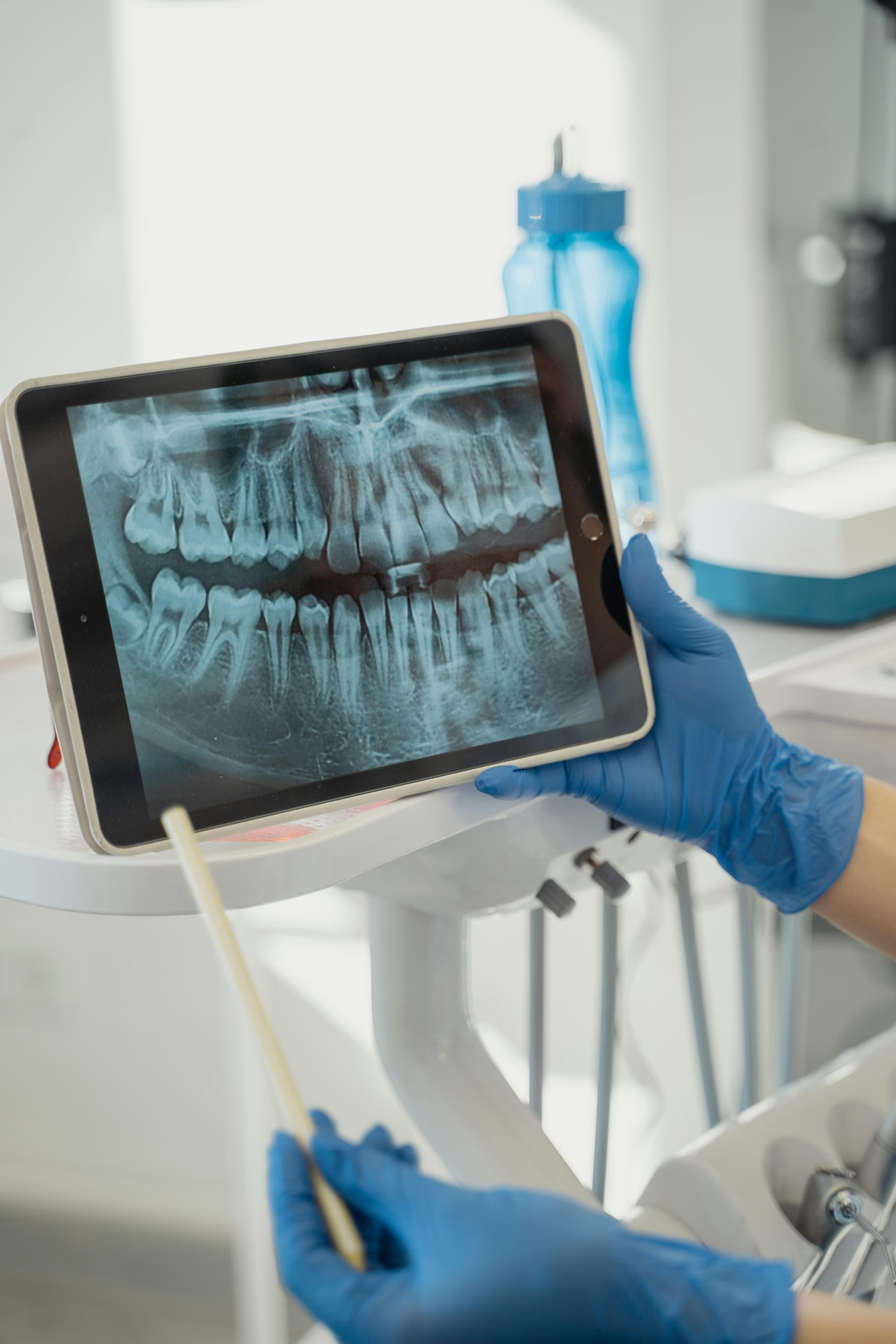
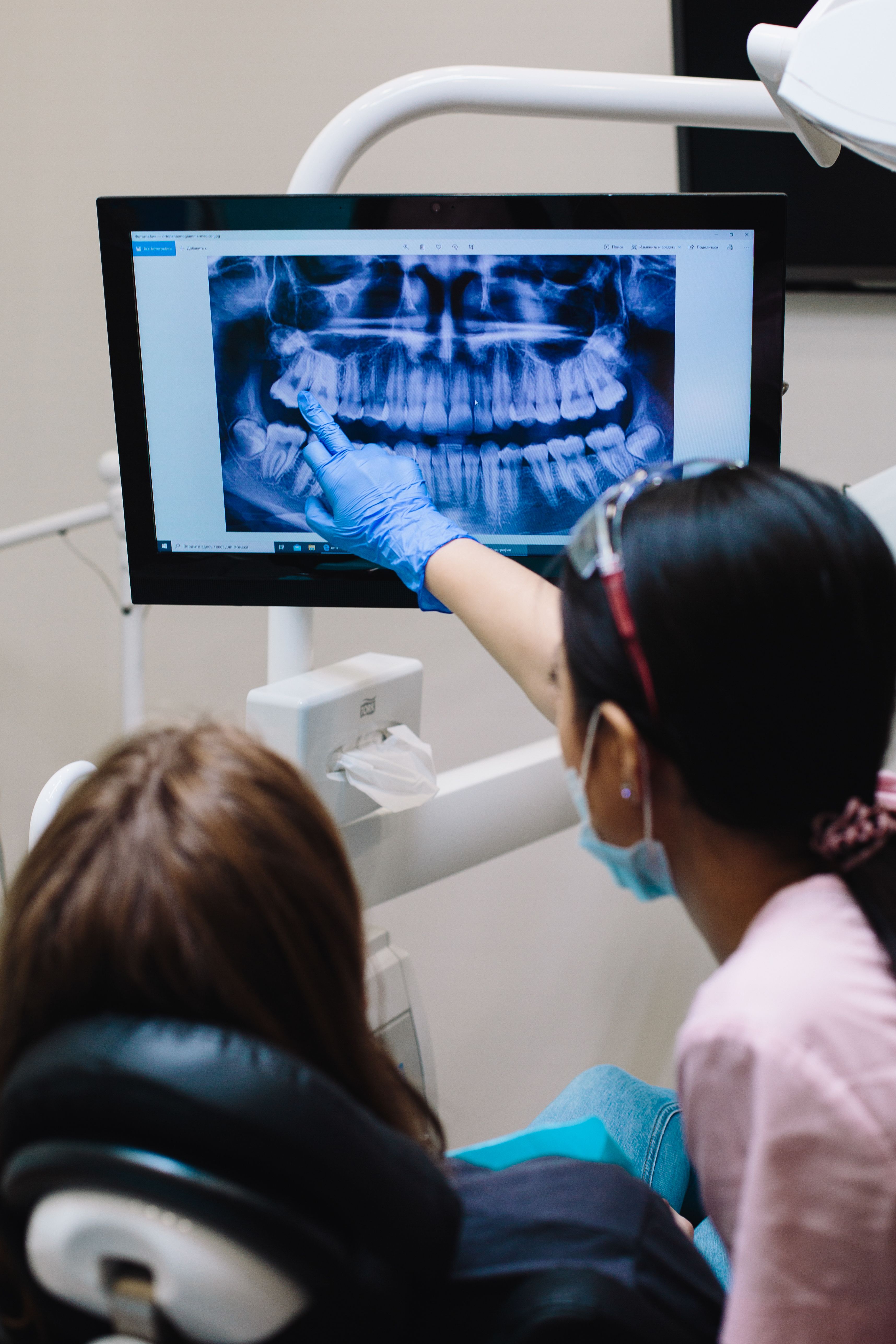
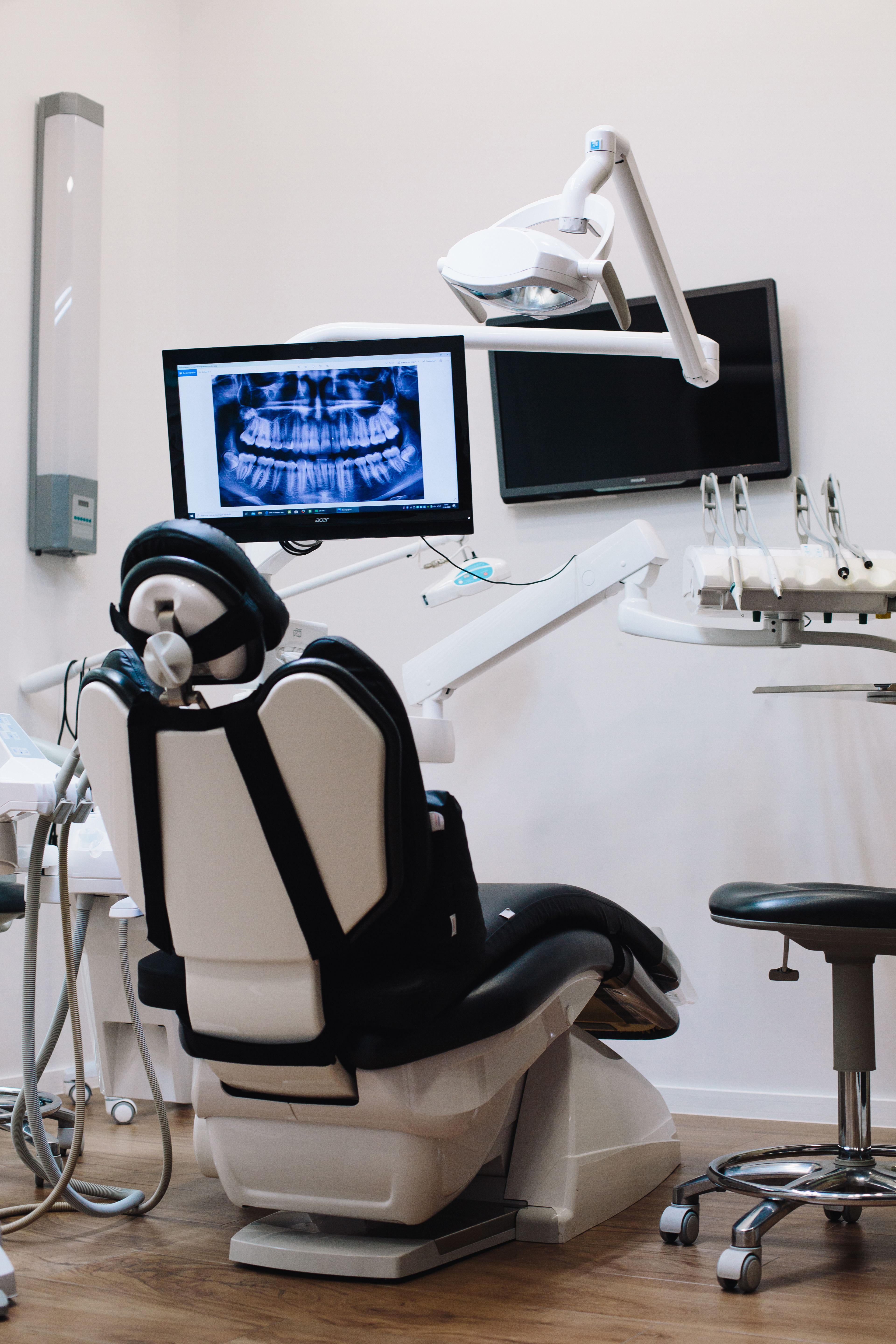
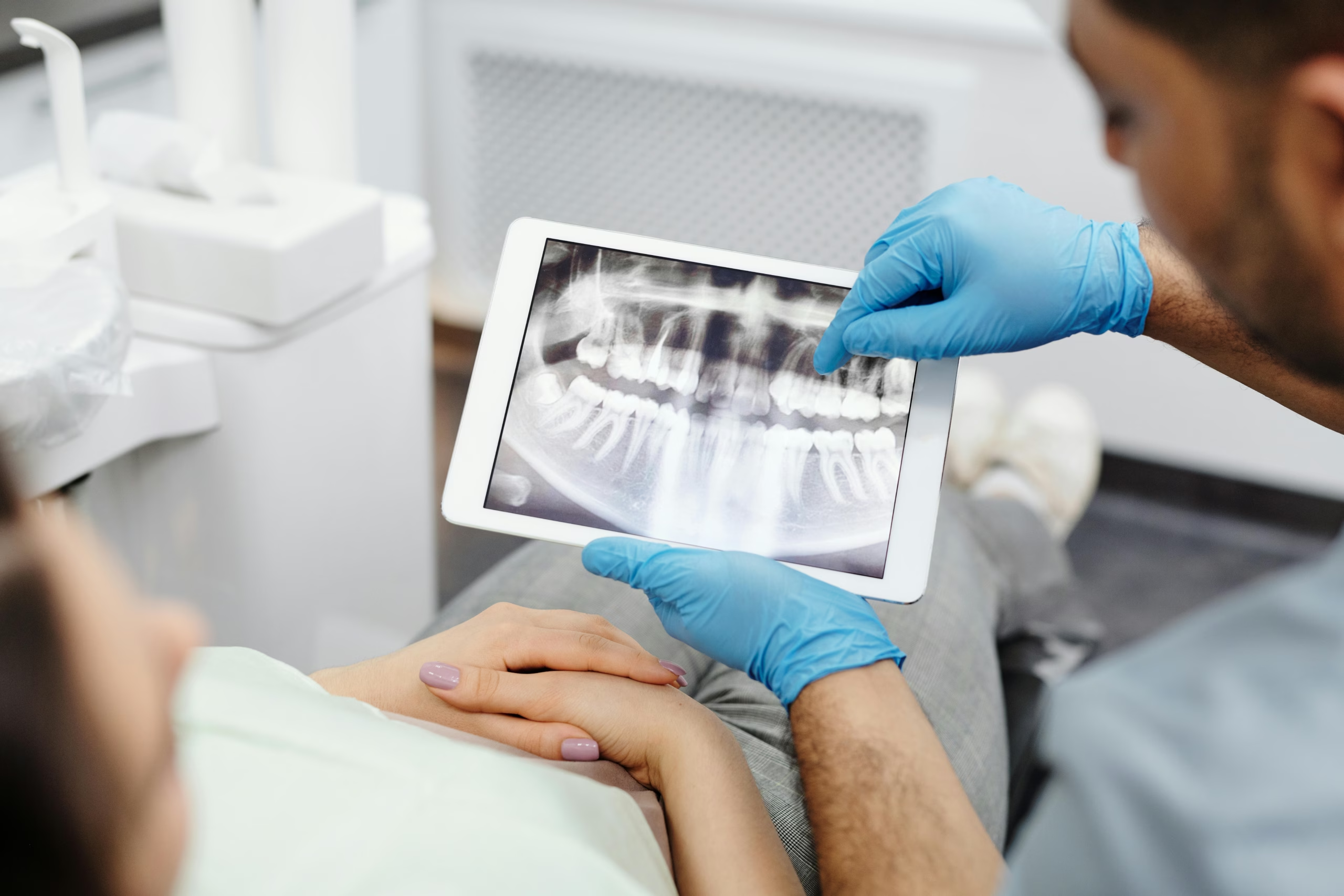
- X‑rays
- Tooth position
- Gum health
- Space available
- Risk of future problems
- Current symptoms
If the wisdom tooth is likely to cause issues later, early removal is often recommended.
Do all wisdom teeth need to be removed?
No. Some grow normally and never cause problems.
Removal is recommended only when:
- Symptoms appear
- Infection develops
- The tooth is impacted
- There is a high risk of future issues
Healthy, fully erupted wisdom teeth can stay in place.
What happens if you delay removal?
Delaying treatment can lead to:
- More severe pain
- Repeated infections
- Damage to nearby teeth
- Cysts or abscesses
- More complicated surgery later
- Longer recovery time
Early removal is often easier and safer.
Wisdom tooth removal vs monitoring
When to seek urgent help
You should contact a dentist immediately if you experience:
- Severe swelling
- Fever
- Difficulty swallowing
- Difficulty opening your mouth
- Intense pain
- Signs of abscess
These may indicate a serious infection.
Your wisdom tooth questions answered
Is removal painful?
You won’t feel pain during the procedure. Some soreness afterwards is normal.
How long is recovery?
Most people recover in 3–7 days.
Can all four be removed at once?
Yes, if recommended by your dentist.
Is removal always necessary?
Only if symptoms or risks are present.
ToothFairy Links




















.jpg)





.jpg)


















.jpg)