
Why dental benefits matter for small teams
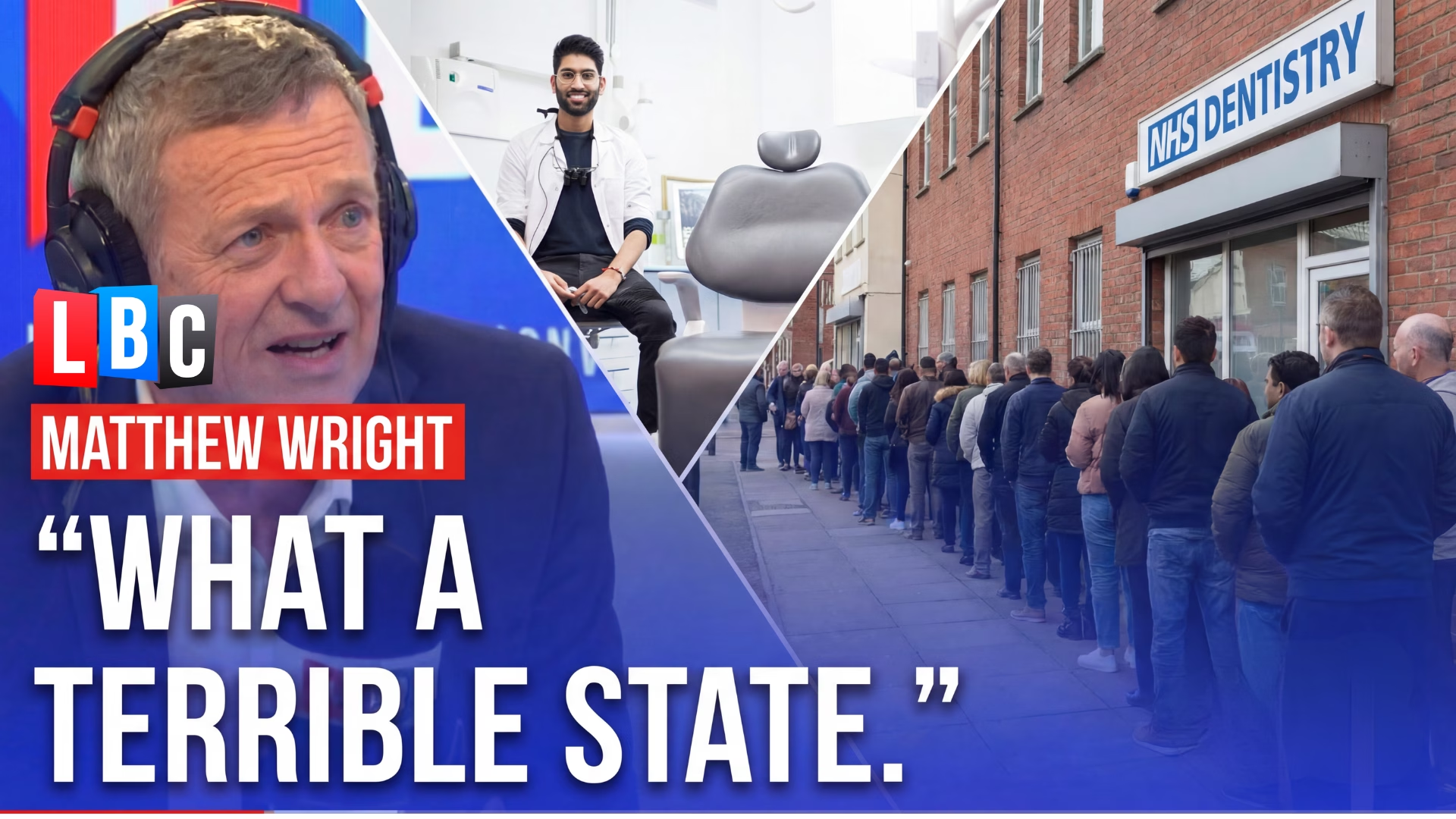
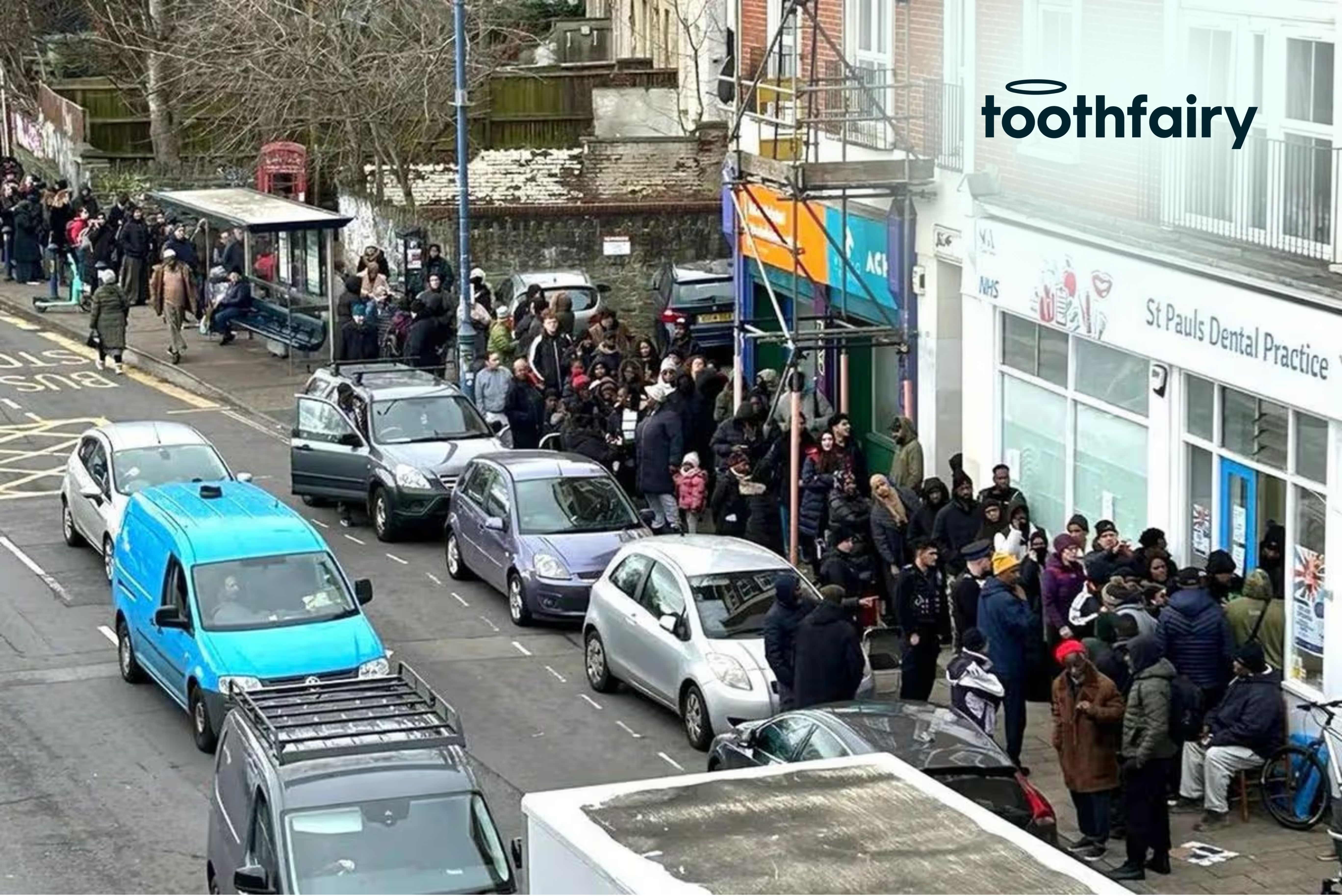
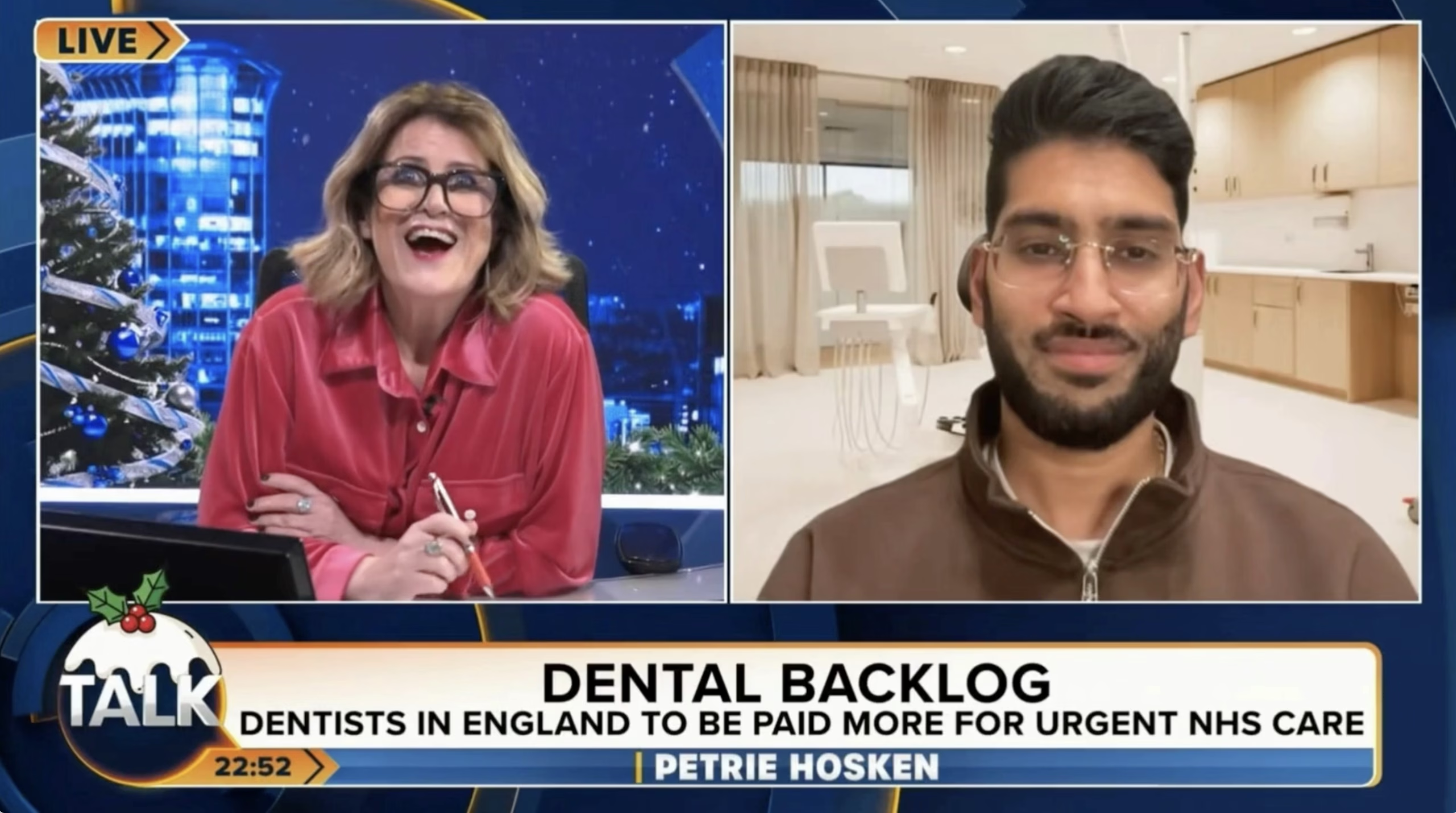
The most useful dental benefit for a small business is one that gets staff seen quickly when something goes wrong. Many people struggle to find an NHS dentist, so a toothache can turn into days of pain and time off work.
You don’t need a big HR budget to help. Most small businesses choose one of four options, or combine two.
The main types of employee dental benefit
1. Dental insurance
A group dental plan pays towards check-ups and treatment, up to set limits. You pay a monthly premium per employee. It suits teams who already have a dentist but worry about treatment costs.
2. Health cash plans
Staff pay for dental care, then claim money back up to an annual limit. Cash plans often cover optical and physio too, so they spread value across several needs.
3. Dental practice membership plans
Some practices offer a monthly membership that covers routine care at that practice. It works well if most of your team live near one practice, but less well for spread-out or remote teams.
4. Digital dental access
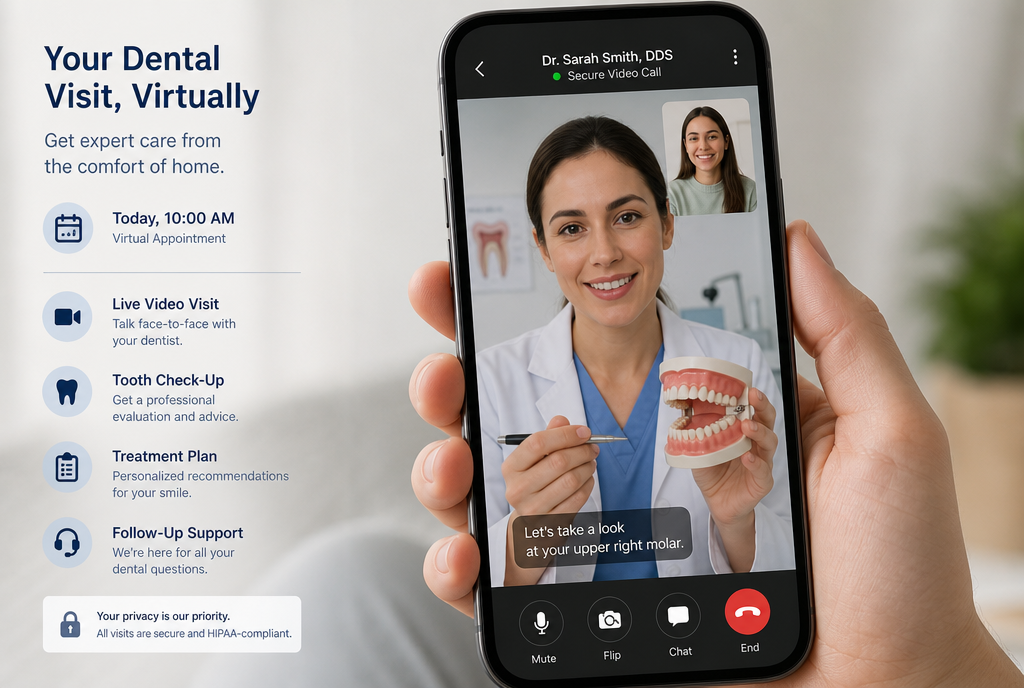
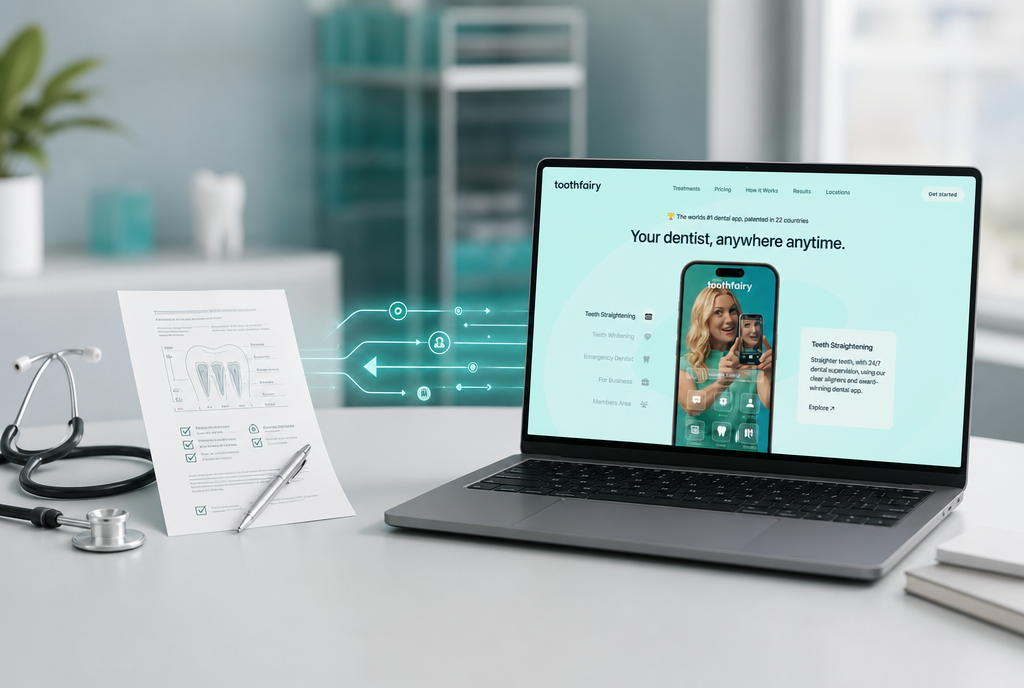
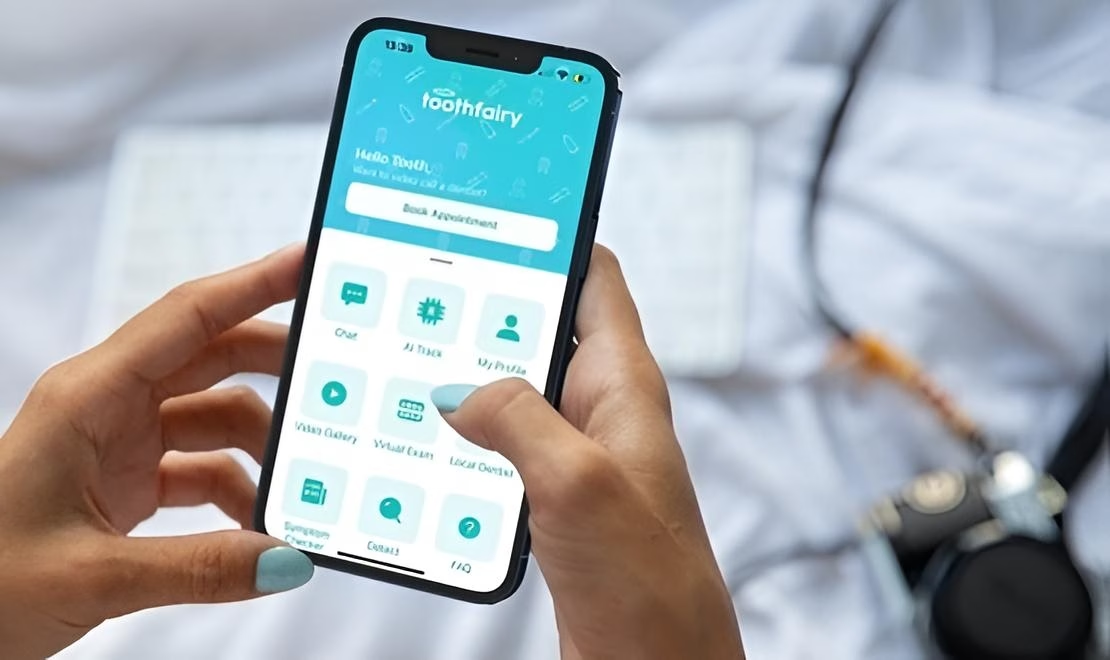
A virtual dentist service gives staff on-demand access to a UK dentist through an app. Leading providers let employees send photos, get advice and find out whether they need to be seen in person, often the same day. It solves the access problem rather than the cost problem.
5. Combining options
Many employers pair insurance or a cash plan with digital access. The plan helps with treatment costs, and the app gets staff fast advice and a clear next step.
Dental benefit options compared
How to choose the right dental benefit
1. Ask your team what the real problem is
If staff can’t get a dentist, an access service helps most. If they have a dentist but avoid treatment because of cost, insurance or a cash plan fits better.
2. Check urgent and out-of-hours help
Toothache rarely waits for office hours. Find out what happens if someone needs help on a Sunday night.
3. Read the limits and waiting periods
Many plans cap what they pay each year, and some don’t cover treatment until a waiting period has passed. Check both before you sign.
4. Check the tax position
Employer-paid health benefits are usually taxable benefits in kind. Speak to your accountant before you choose.
5. Make it easy to use
A benefit nobody uses is wasted money. Choose something staff can start in minutes, and remind them it exists.
What to do if staff can’t find an NHS dentist
1. Get advice first
A virtual consultation can tell someone whether they need urgent care, a routine appointment or self-care at home.
2. Use NHS 111 for urgent care
For urgent problems out of hours, NHS 111 can direct people to an urgent dental service.
3. Keep looking for a regular dentist
The NHS website lists practices taking new patients, and this changes often.
When staff need urgent dental help
Encourage staff to get help quickly if they have:
- severe toothache that painkillers don’t control
- swelling in the face, jaw or gums
- a knocked-out or badly broken tooth
- bleeding that won’t stop after an extraction
- signs of infection, such as fever with tooth pain
Swelling that spreads to the eye or neck, or difficulty breathing or swallowing, is an emergency. Call 999 or go to A&E.
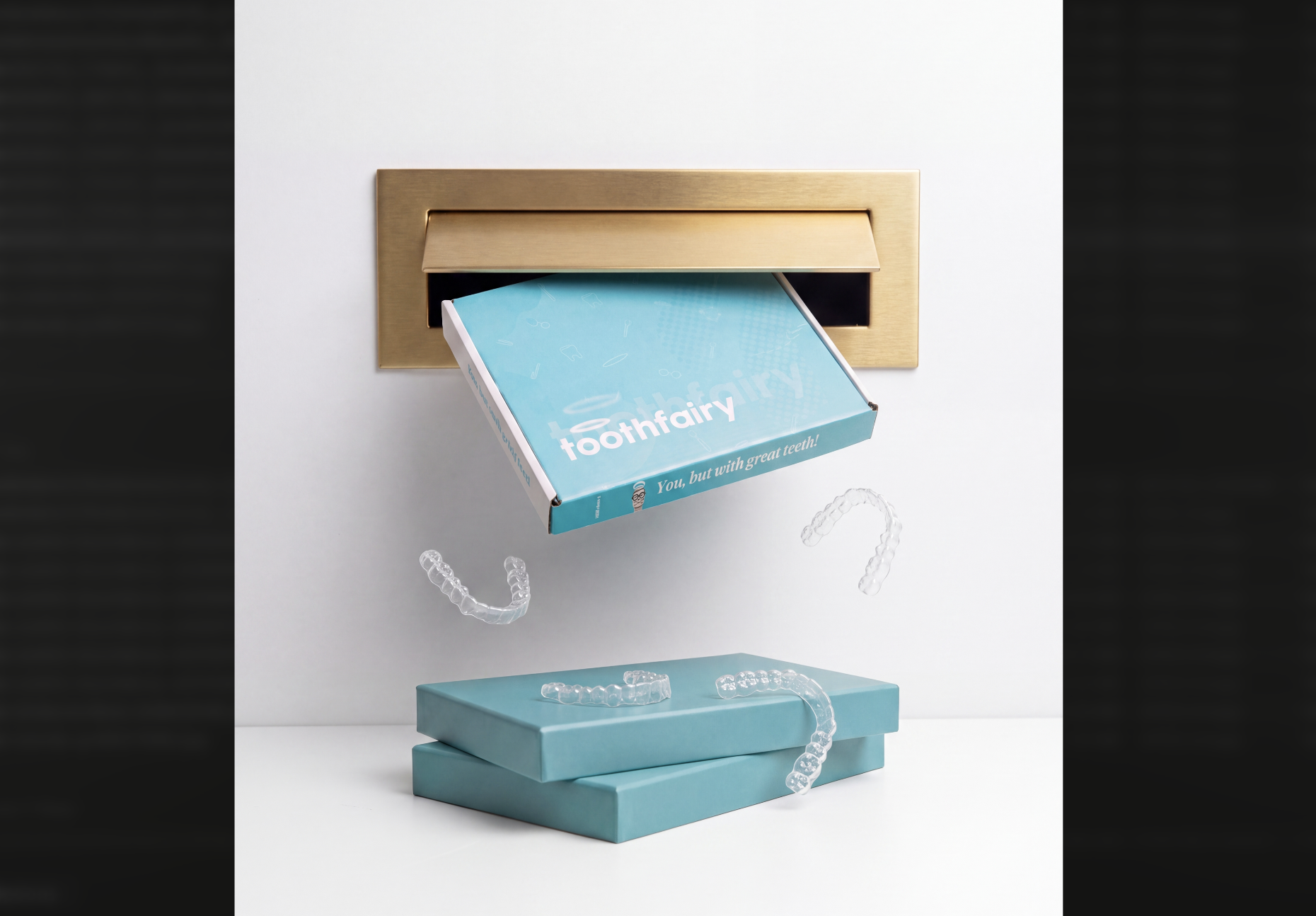
How Toothfairy helps
Photo-based assessments
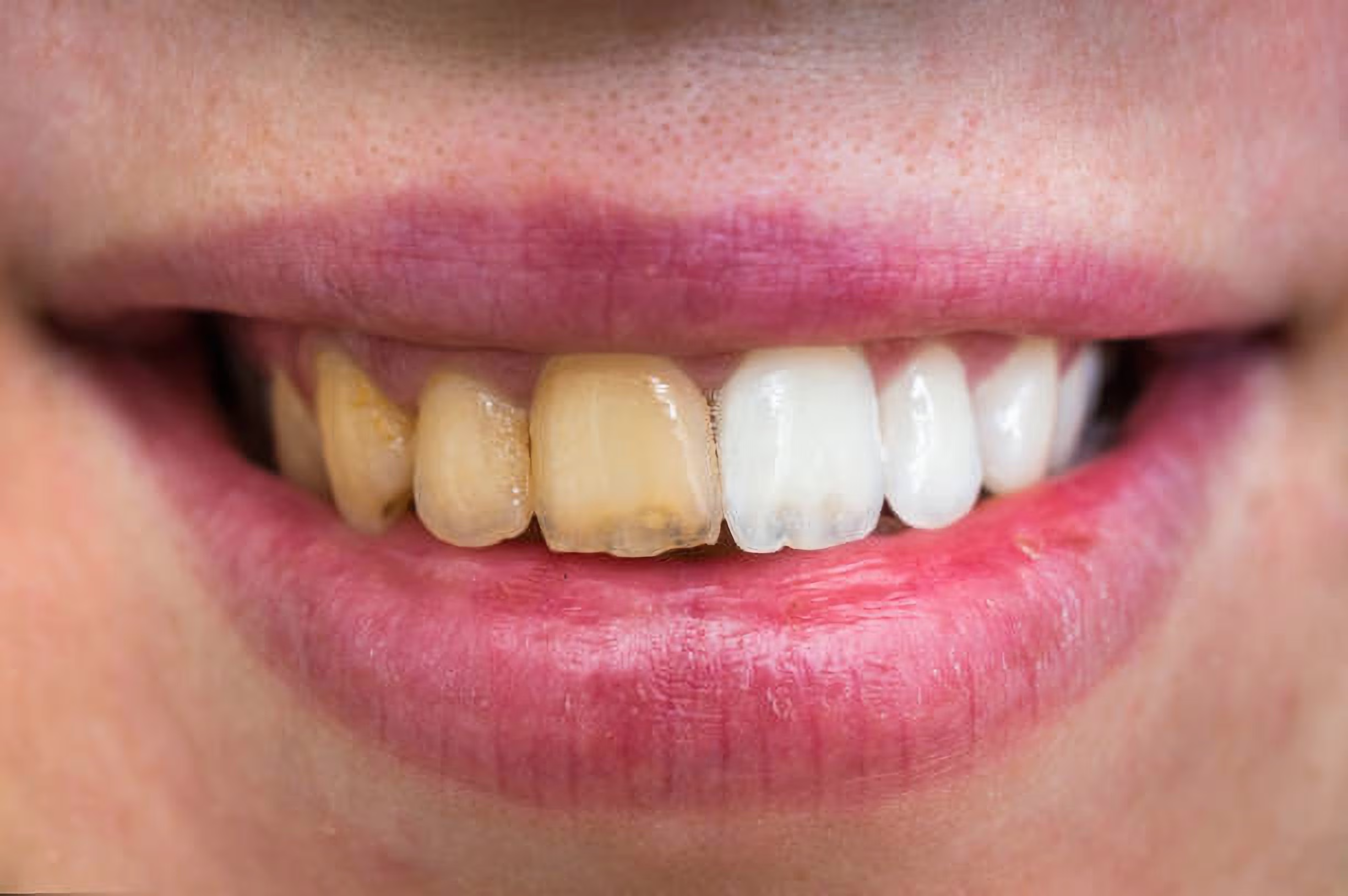
Employees send photos through the Toothfairy app, and a UK dentist reviews them remotely.
Dentist-led guidance
Staff get advice from a real dentist, including evenings and weekends, without waiting for a practice appointment.
Clear next steps
Each employee knows whether they can manage at home, need a prescription or should be seen in person.
Works alongside existing cover
Toothfairy is offered through a number of the UK’s leading employee benefit and insurance providers, and can sit alongside a dental insurance or cash plan you already offer, so staff get fast advice as well as help with treatment costs.
Your employee dental benefit questions answered
Can a small business offer dental benefits?
Yes. Most dental insurance, cash plans and digital dental services accept small teams.
Is dental insurance worth it for a small team?
It depends. It helps staff who already have a dentist, but it won’t help someone who can’t find one.
Are employee dental benefits taxable?
Usually, yes. Employer-paid health benefits normally count as benefits in kind, so check with your accountant.
Can remote employees use dental benefits?
Yes. Digital dental services work wherever staff are, which makes them a good fit for remote and hybrid teams.