What teeth grinding really is, and why it matters
If you wake up with jaw pain, headaches or sensitive teeth, you may be grinding or clenching your teeth without knowing it. This unconscious habit is called bruxism, and it can happen during the day or while you sleep.
Sleep bruxism is the most damaging because you have no control over it. The forces involved can be up to ten times stronger than normal chewing, which is why untreated grinding can cause serious long‑term damage.
What causes teeth grinding?
Bruxism usually comes from a combination of psychological, physical, lifestyle and medical factors.
You can learn more about the prevalence of bruxism and its symptoms.
Bruxism affects over 10 million adults in the UK, and many cases go undiagnosed. Stress and anxiety are the biggest drivers, but bite issues and lifestyle habits often play a major role.
How stress and anxiety fuel teeth grinding
Stress activates your body’s fight‑or‑flight response. Hormones like cortisol and adrenaline tighten your muscles, including your jaw.
Even when you’re asleep, your nervous system stays alert, causing your jaw to clench and grind. This is why bruxism often gets worse during stressful periods.
Grinding is not just a habit. It’s a physical expression of emotional pressure.
Physical and lifestyle triggers you shouldn’t ignore
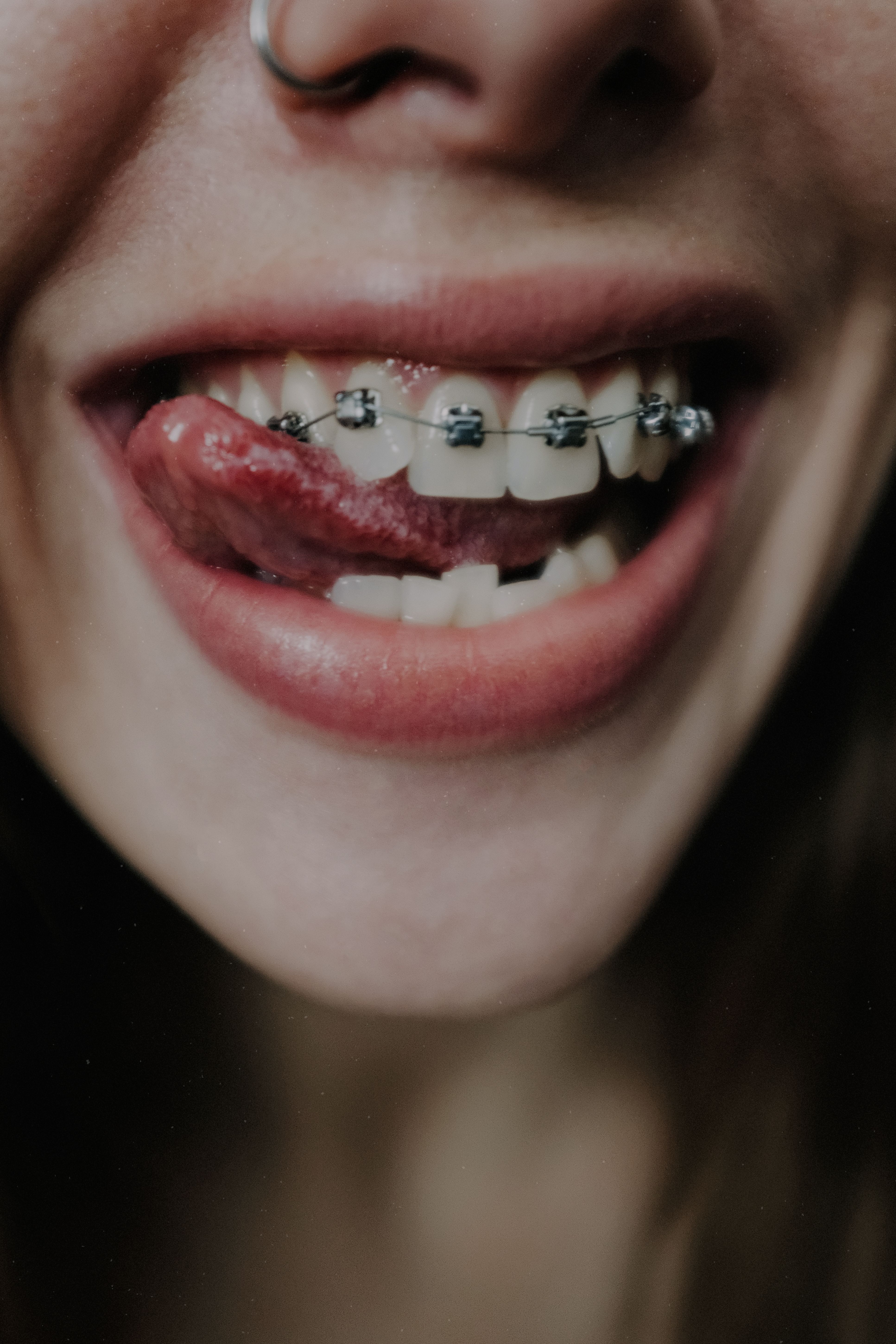
Misaligned bite (malocclusion)
If your teeth don’t meet properly, your jaw muscles work harder to find a comfortable resting position. This constant strain leads to clenching and grinding.
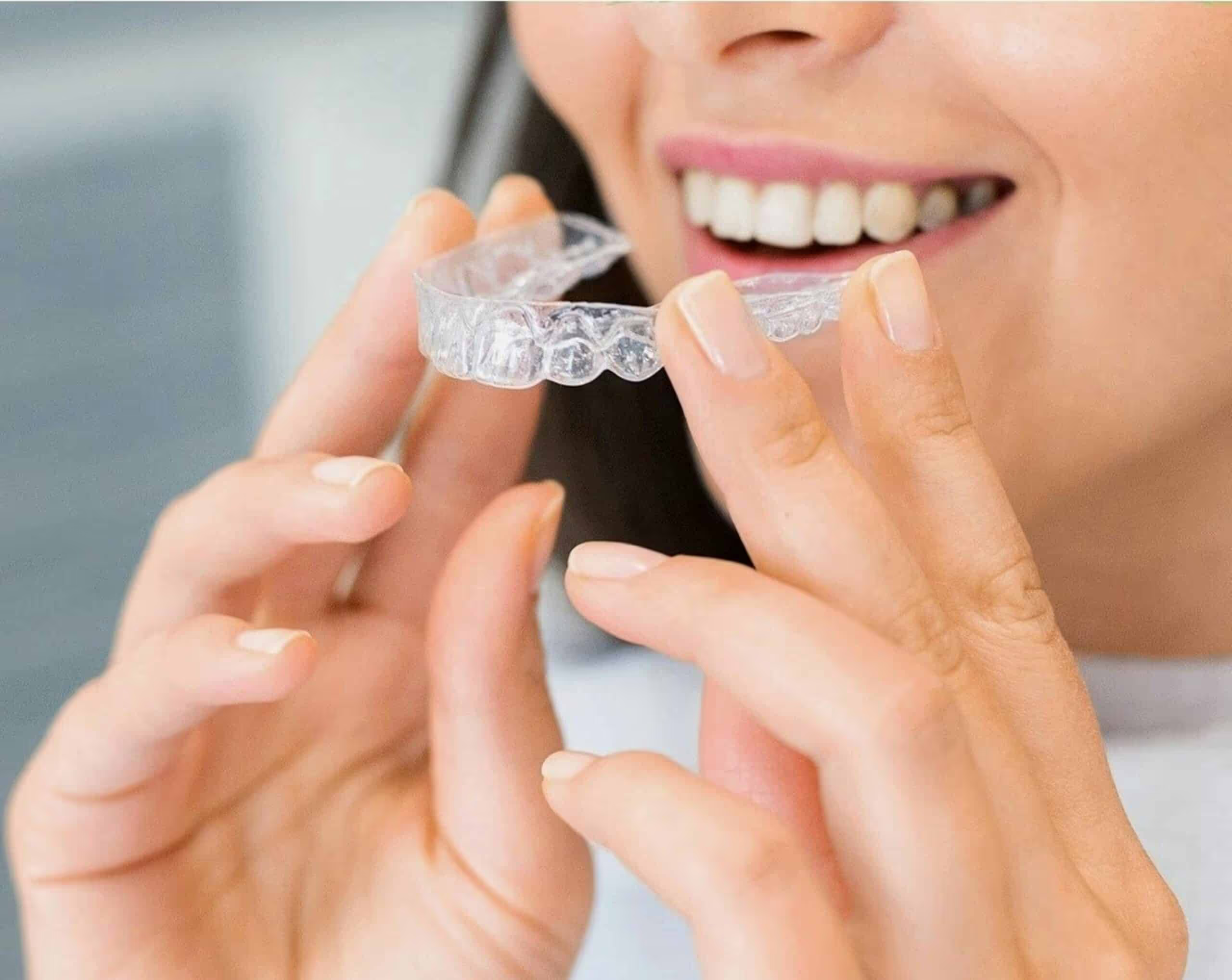
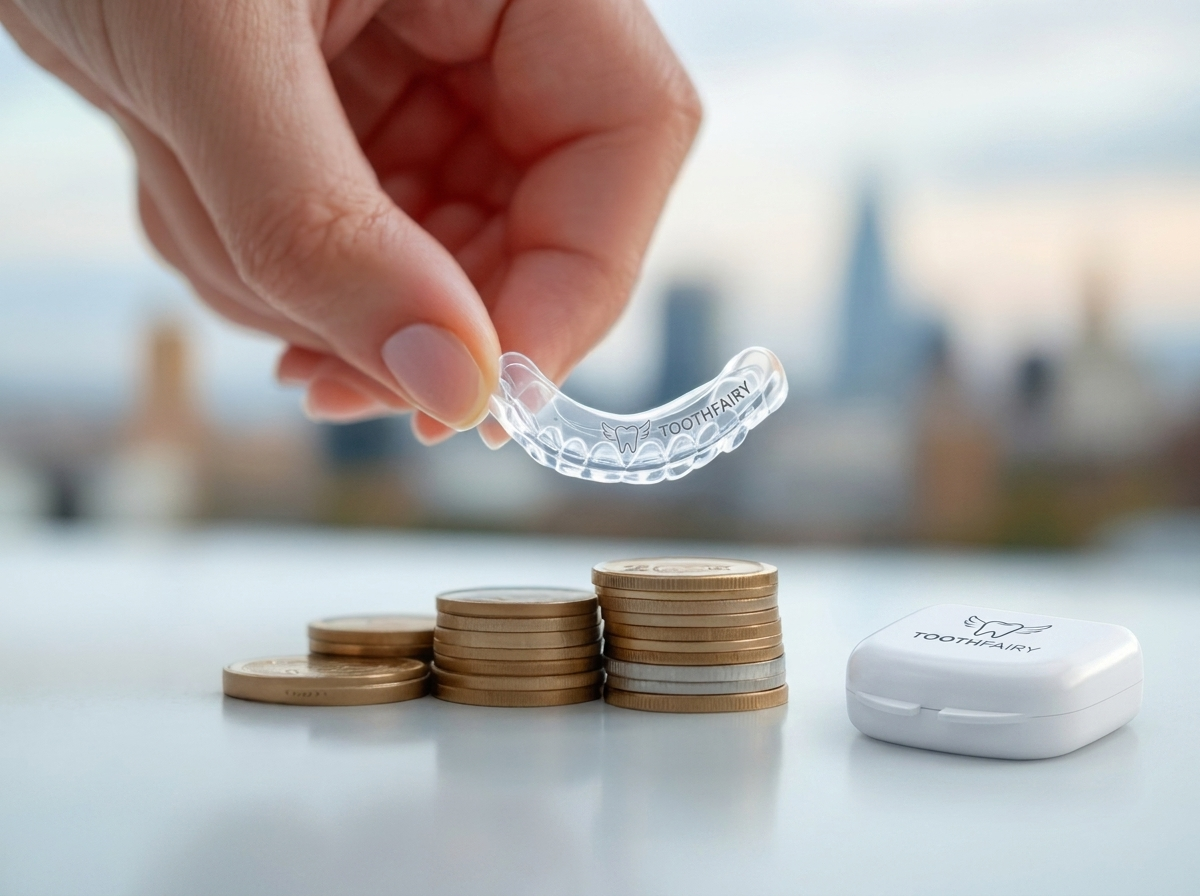
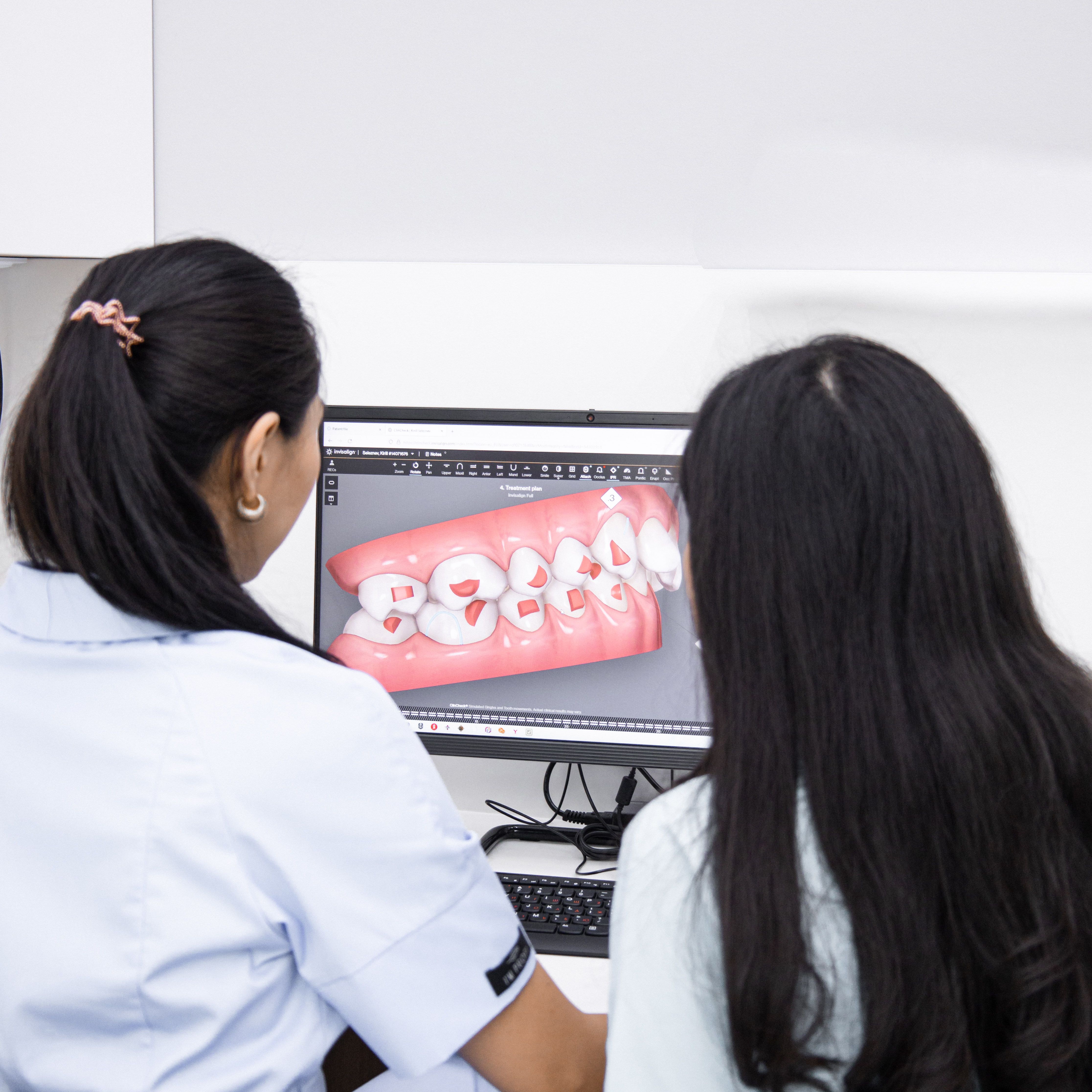
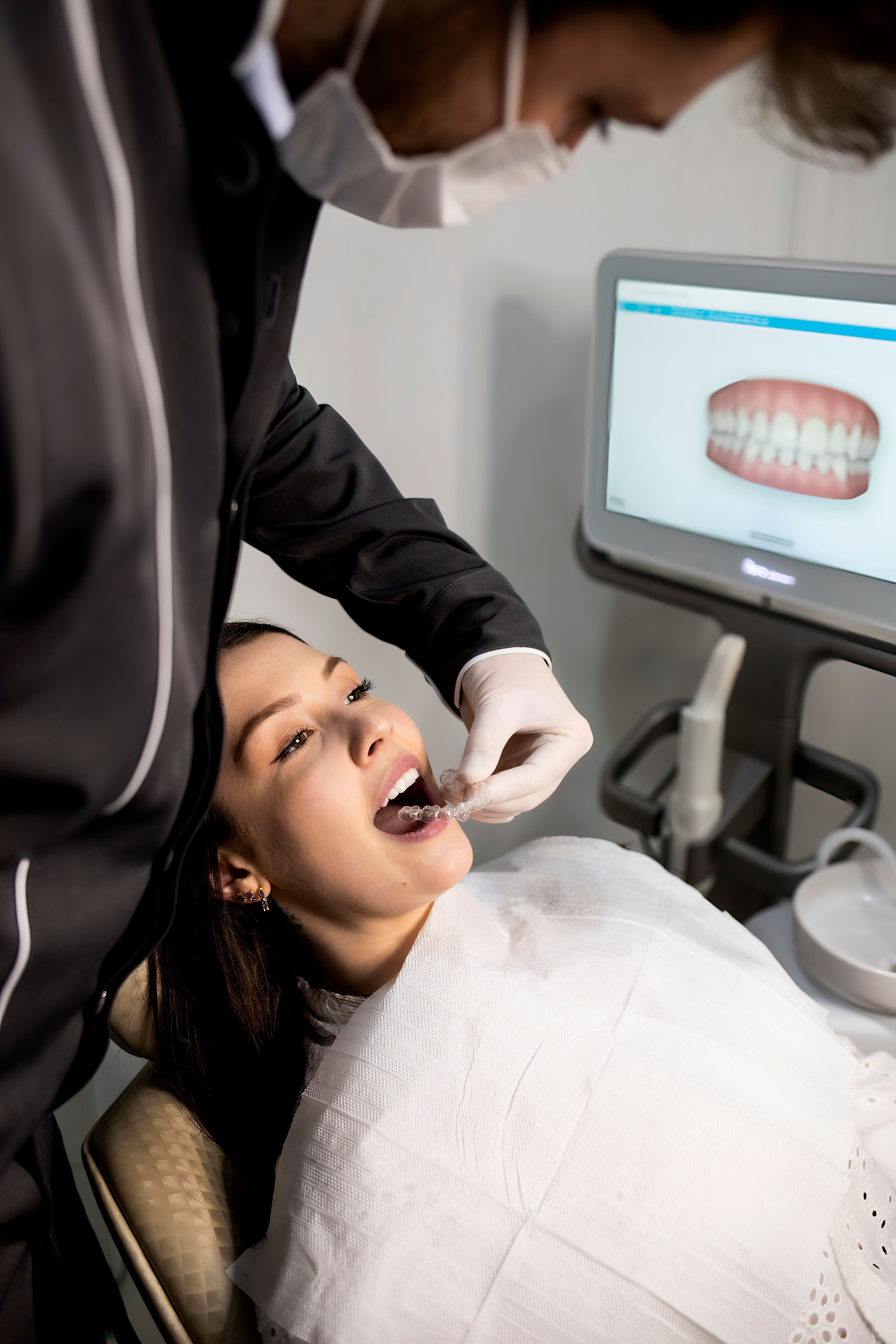
Clear aligners from Toothfairy can gently correct alignment, helping your jaw relax and reducing grinding long term.
Caffeine, alcohol and smoking
These stimulants increase muscle activity and disrupt sleep, making nighttime grinding more likely.
Sleep apnoea
Grinding can be the body’s reflex to reopen the airway during breathing pauses.
Symptoms of teeth grinding
Bruxism often goes unnoticed until damage appears. Look out for:
- Worn‑down teeth
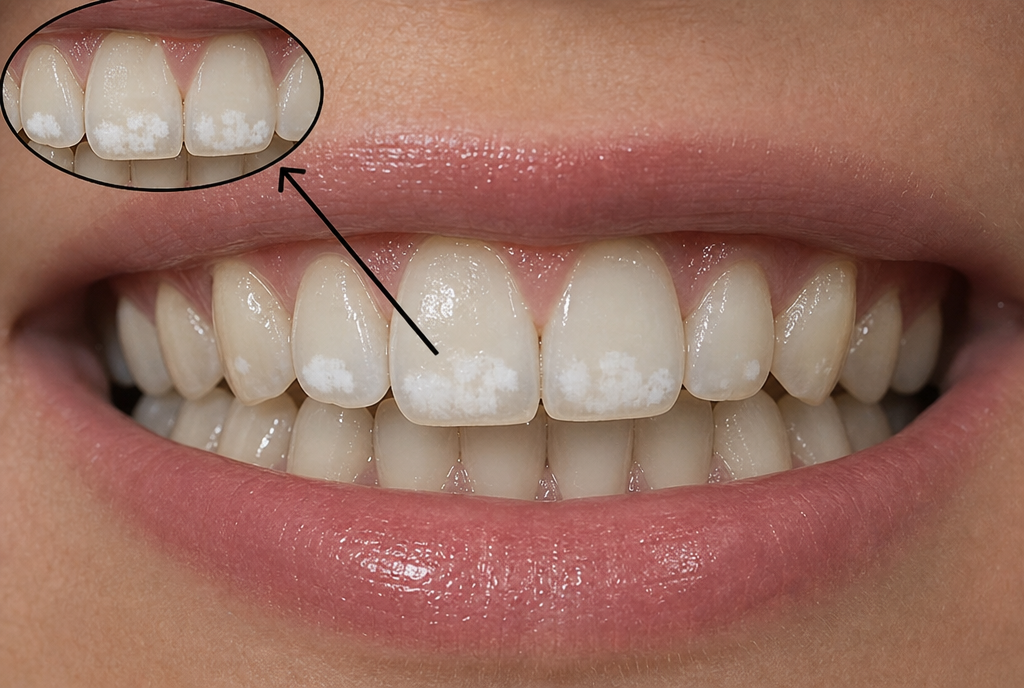
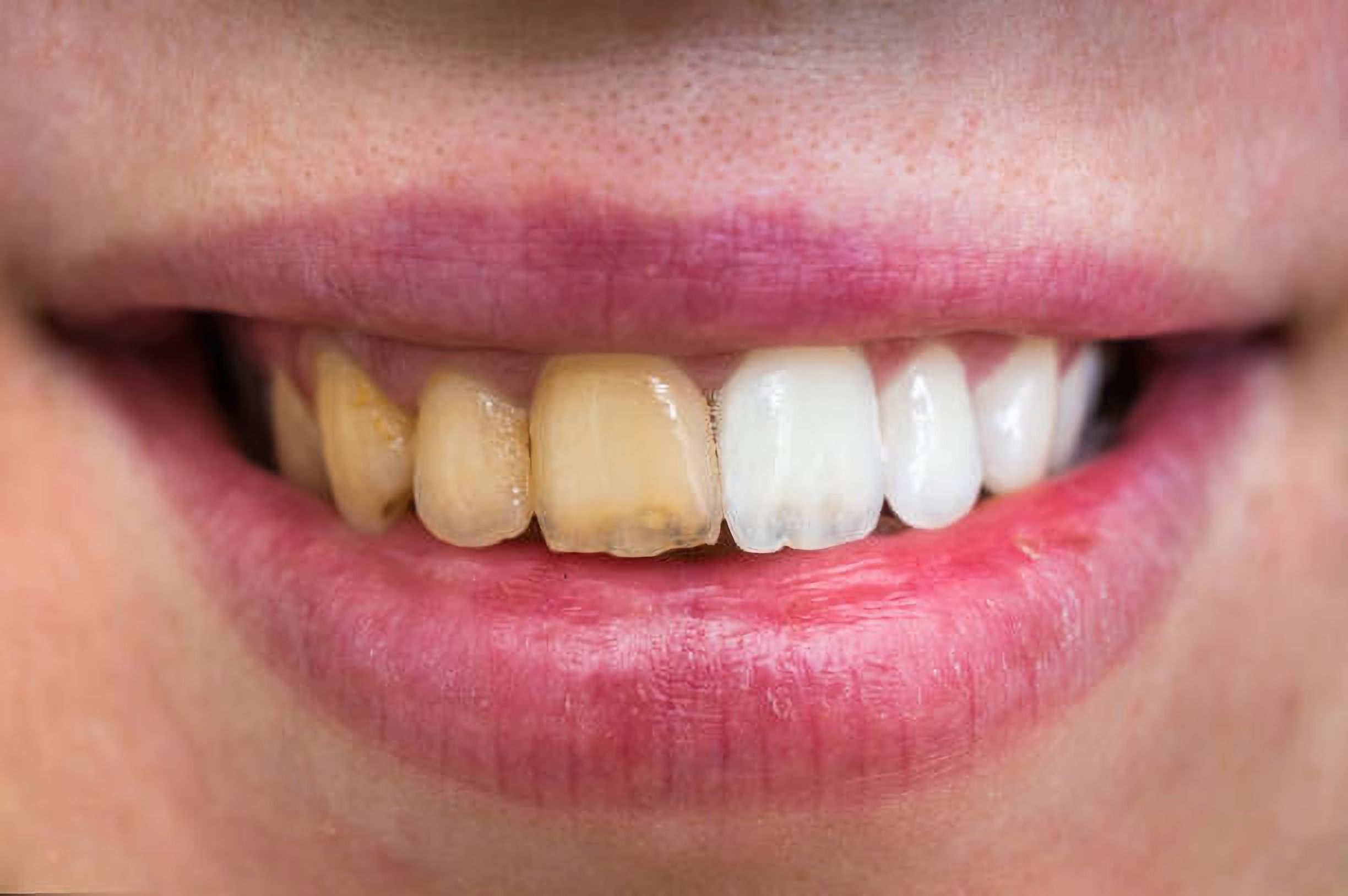
- Chipped or cracked enamel
- Increased sensitivity
- Jaw pain
- Headaches
- Earaches
- Facial tension
- Clicking or popping jaw joints
Up to 30 percent of people show signs of bruxism damage, yet only a third realise they’re grinding.
Long‑term consequences of untreated bruxism
Ignoring teeth grinding can lead to serious problems:
- Severe tooth wear
- Cracks and fractures
- Gum recession
- TMJ disorders
- Persistent headaches
- Difficulty chewing
- Chronic jaw pain
The forces involved in sleep bruxism can be extremely strong, making early intervention essential.
How to manage and treat teeth grinding
Effective treatment usually combines dental care, lifestyle changes and stress management.
Common questions about teeth grinding
Can medications cause bruxism?
Yes. Some antidepressants (SSRIs) can trigger grinding as a side effect. Speak to your doctor before making any changes.
Do children grind their teeth?
Yes. It’s common in children under 11 and often temporary. Persistent grinding should be checked by a dentist.
When should I seek help immediately?
If you have:
- Severe jaw pain
- Visible tooth damage
- Difficulty chewing
- Jaw locking or clicking
These are signs of active harm and need urgent assessment.
Get expert help the modern way
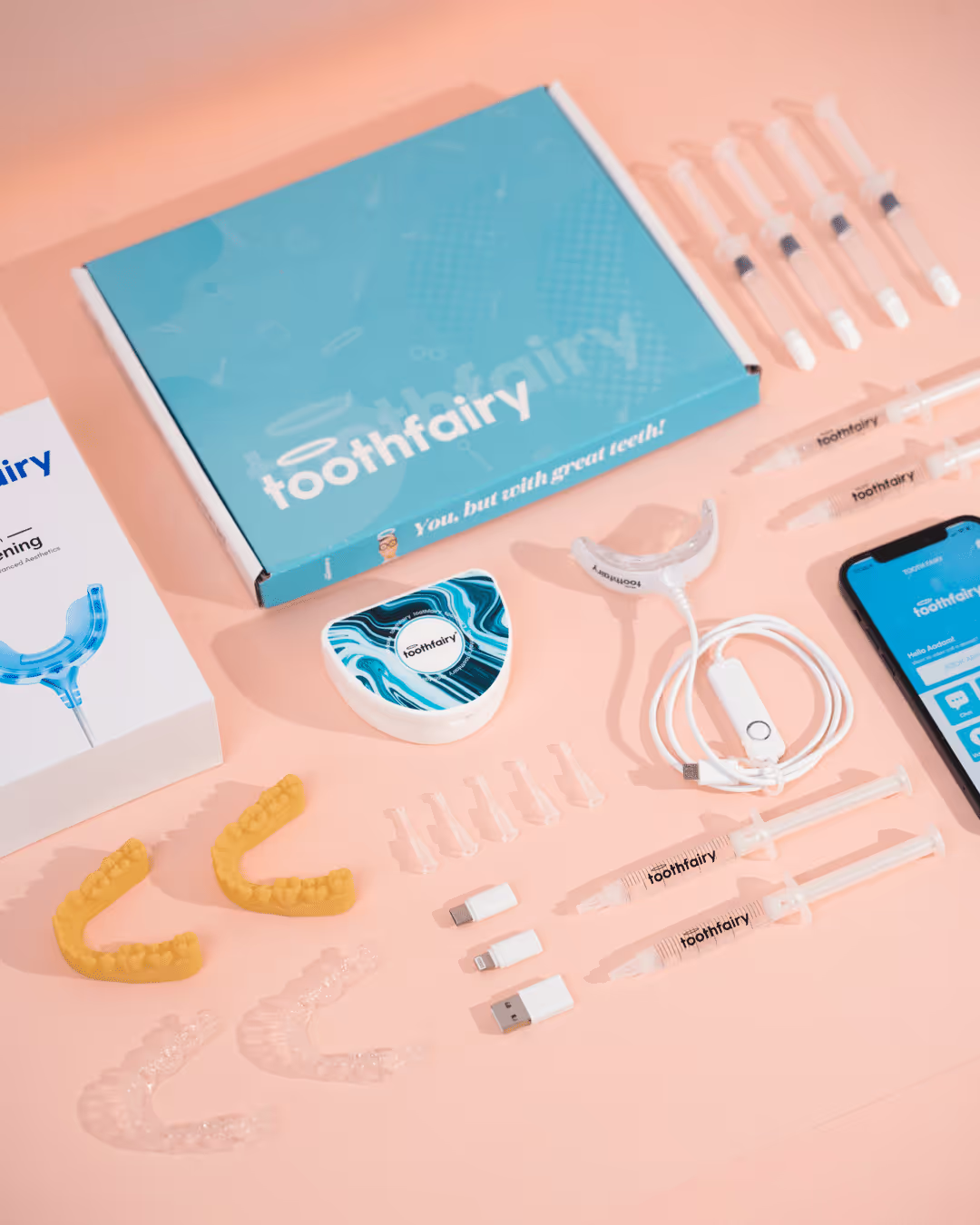
Toothfairy gives you instant access to UK dentists through the app, offering:
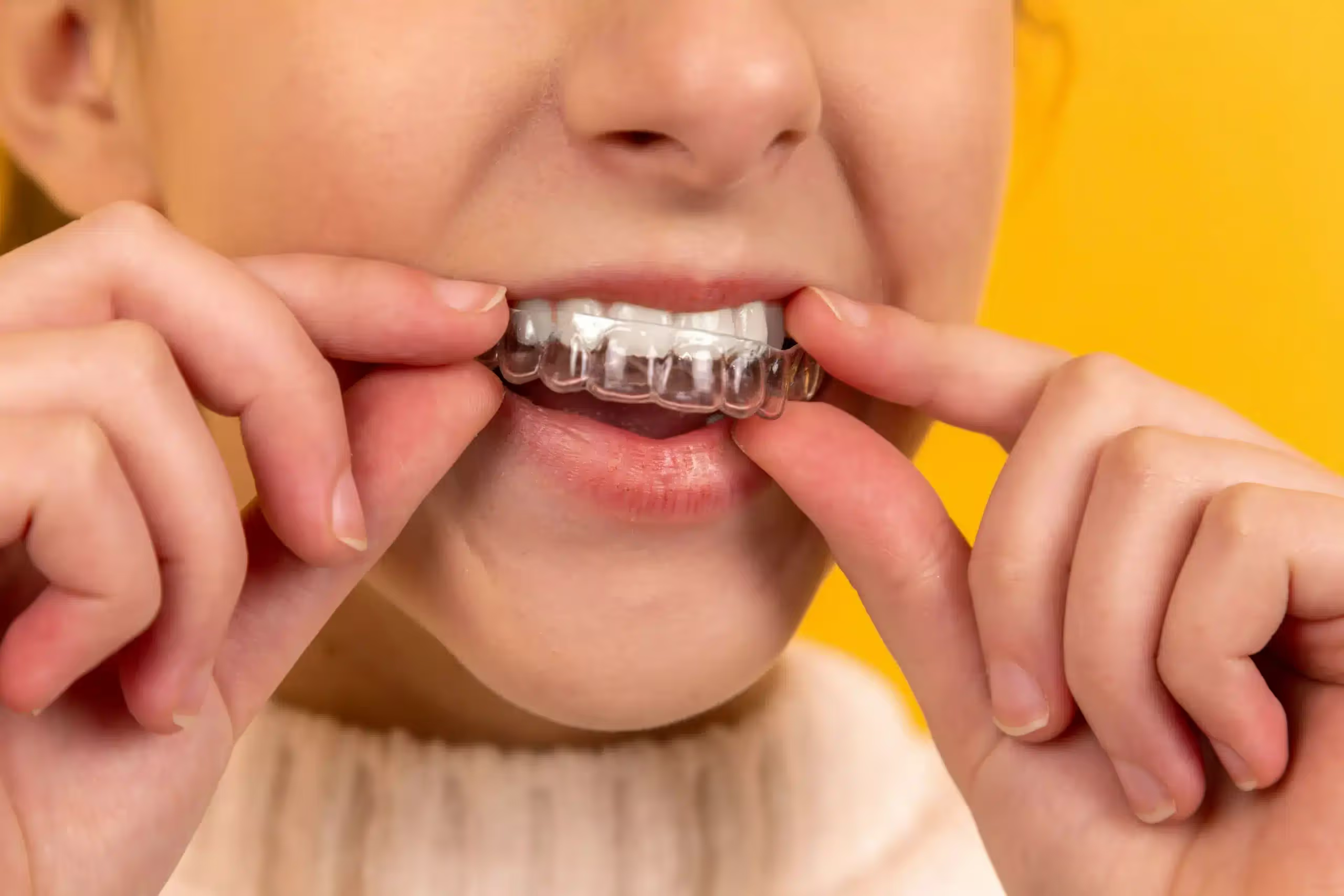
- Night guard guidance
- Bite assessments
- Clear aligner treatment
- Emergency dental support
Visit Toothfairy
https://www.toothfairyapp.co.uk/teeth-straightening














.jpg)





.jpg)














.jpg)