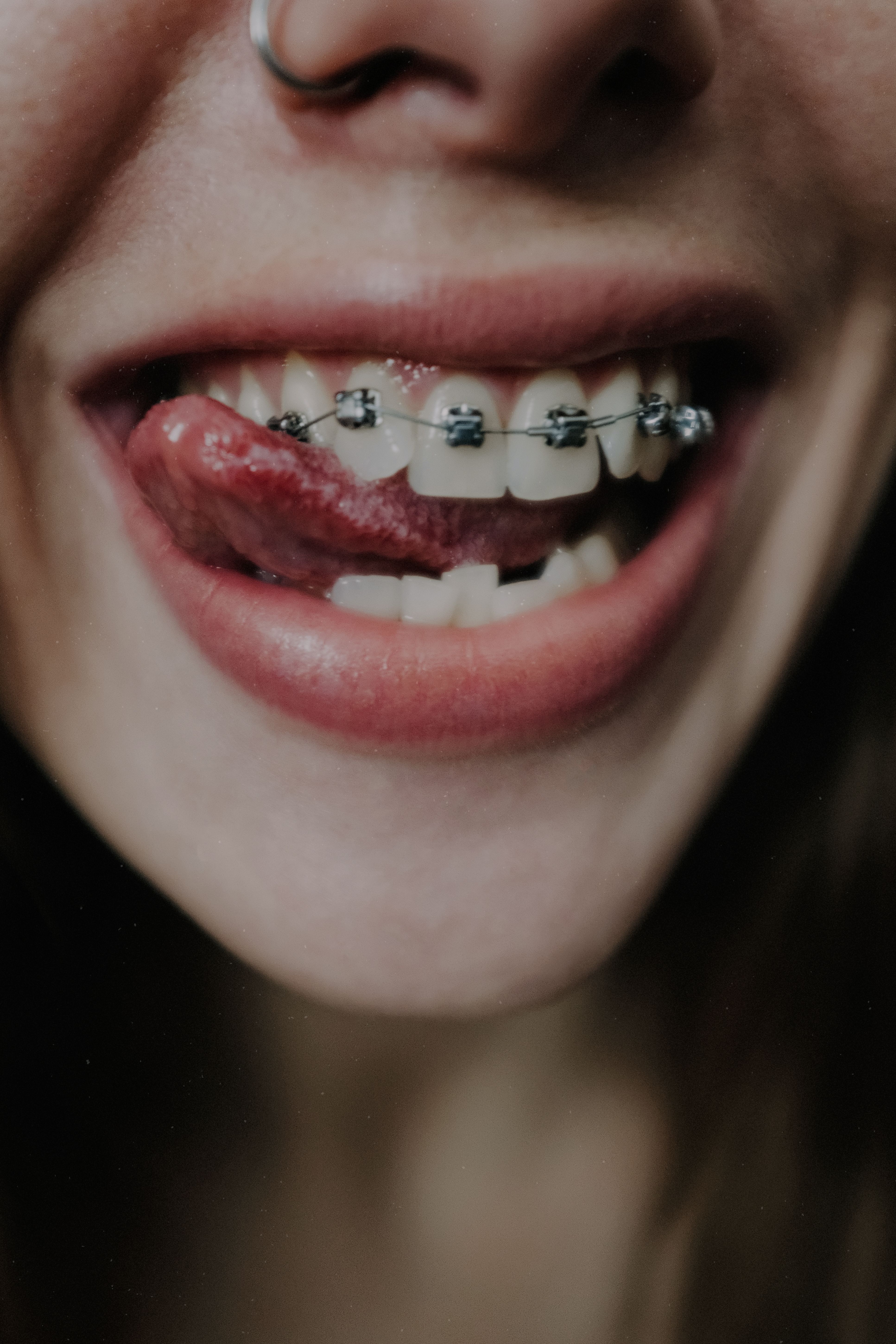
Crooked teeth rarely come from one single cause. For most people, it is a mix of genetics, childhood habits, oral health issues and sometimes injuries that shape how their teeth grow and settle. Once you understand why misalignment happens, choosing the right treatment becomes much easier.
Modern orthodontics has made straightening teeth far more accessible. Clear aligners, ceramic braces and digital first treatment models give adults and teens discreet, comfortable ways to fix crooked teeth without the hassle of traditional braces.
Let’s break down what actually causes crooked teeth, and how you can fix them.
The Main Causes of Crooked Teeth
Genetics, the blueprint behind your smile
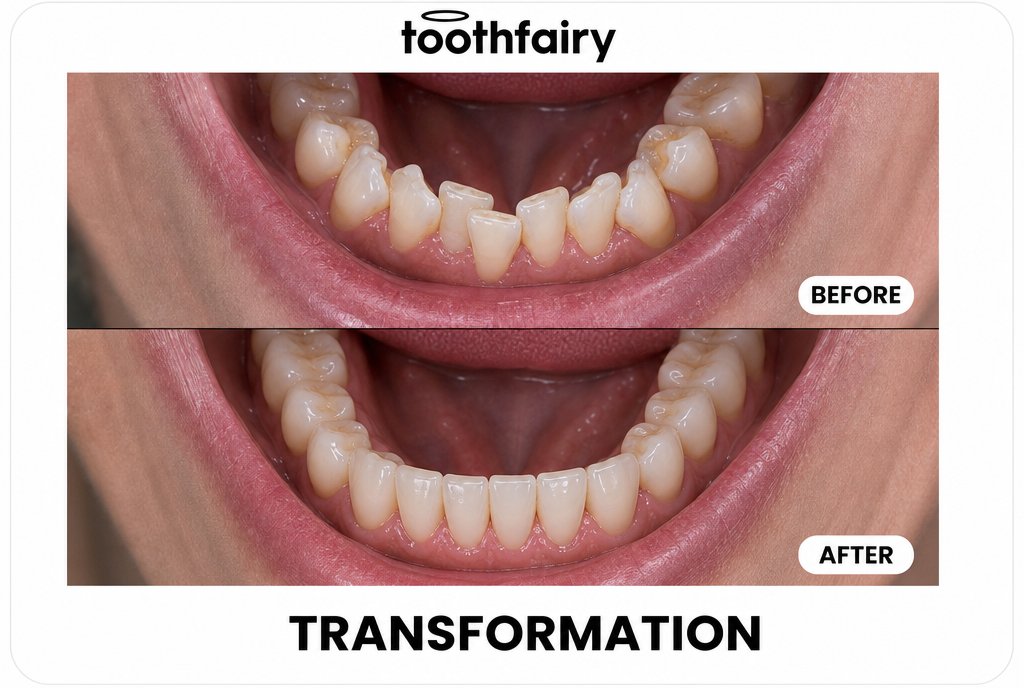
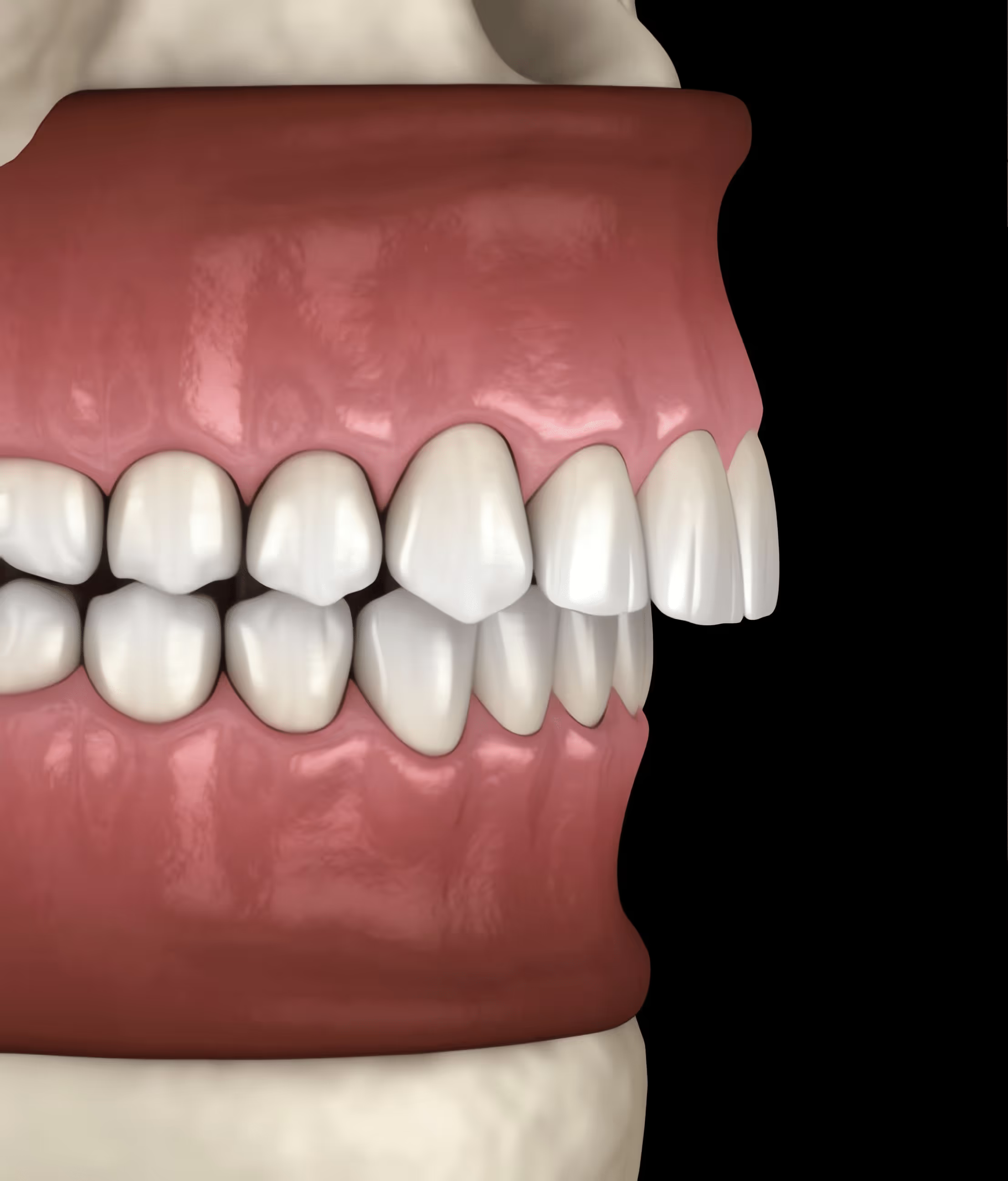
A large part of your smile was decided before you were born. The size of your jaw and the size of your teeth need to match for everything to line up neatly. When they do not, misalignment appears.
If you inherit a smaller jaw and larger teeth, crowding is almost inevitable. Teeth twist, overlap and compete for space. If you inherit a larger jaw and smaller teeth, gaps appear instead.
Genetics also influence your bite. Overbites, underbites and crossbites often run in families because they are linked to jaw structure rather than habits. Even with perfect brushing and flossing, your teeth may still grow in crooked simply because of the blueprint you inherited.
Crooked teeth affect around a third of UK adults to the point where orthodontic treatment is recommended. It is extremely common and nothing to do with how well you look after your teeth.
Childhood habits that shift teeth out of place
The habits we pick up early in life can have a surprisingly strong effect on how teeth and jaws develop. Gentle but constant pressure over months or years can shift teeth out of position.
Thumb sucking and prolonged dummy use push the front teeth forward and can create an open bite where the top and bottom teeth no longer meet.
Tongue thrusting is an incorrect swallowing pattern that forces teeth outward over time.
Mouth breathing, often caused by allergies or enlarged tonsils, can narrow the upper jaw. Less space means crowding when adult teeth come through.
Baby teeth act as placeholders. If one is lost too early, the teeth around it drift into the gap. When the adult tooth erupts, it has nowhere to go and comes in crooked or becomes impacted.
Oral health problems that lead to crooked teeth
Crooked teeth are not always genetic or habit related. Sometimes they develop because of oral health problems.
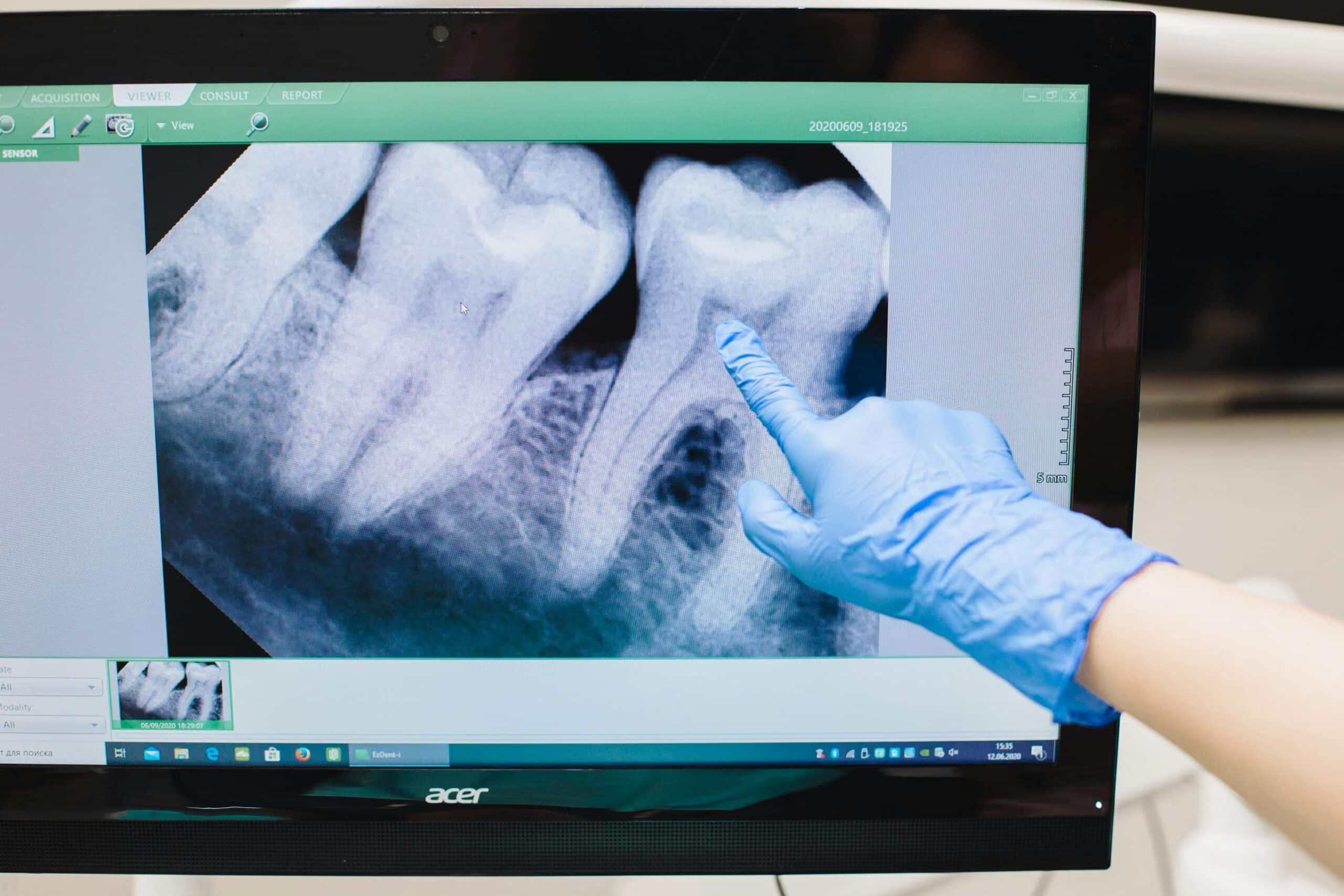
Tooth decay and gum disease can lead to early tooth loss. Once a tooth is missing, the teeth next to it naturally lean into the empty space. Over time, this changes the entire arch and creates new alignment issues.
It is the dental equivalent of removing a book from a tightly packed shelf and watching the others tilt.
Even though oral health in the UK has improved dramatically over the last few decades, alignment issues remain common. Keeping teeth and gums healthy is one of the best ways to protect your smile from shifting.
Injuries and trauma
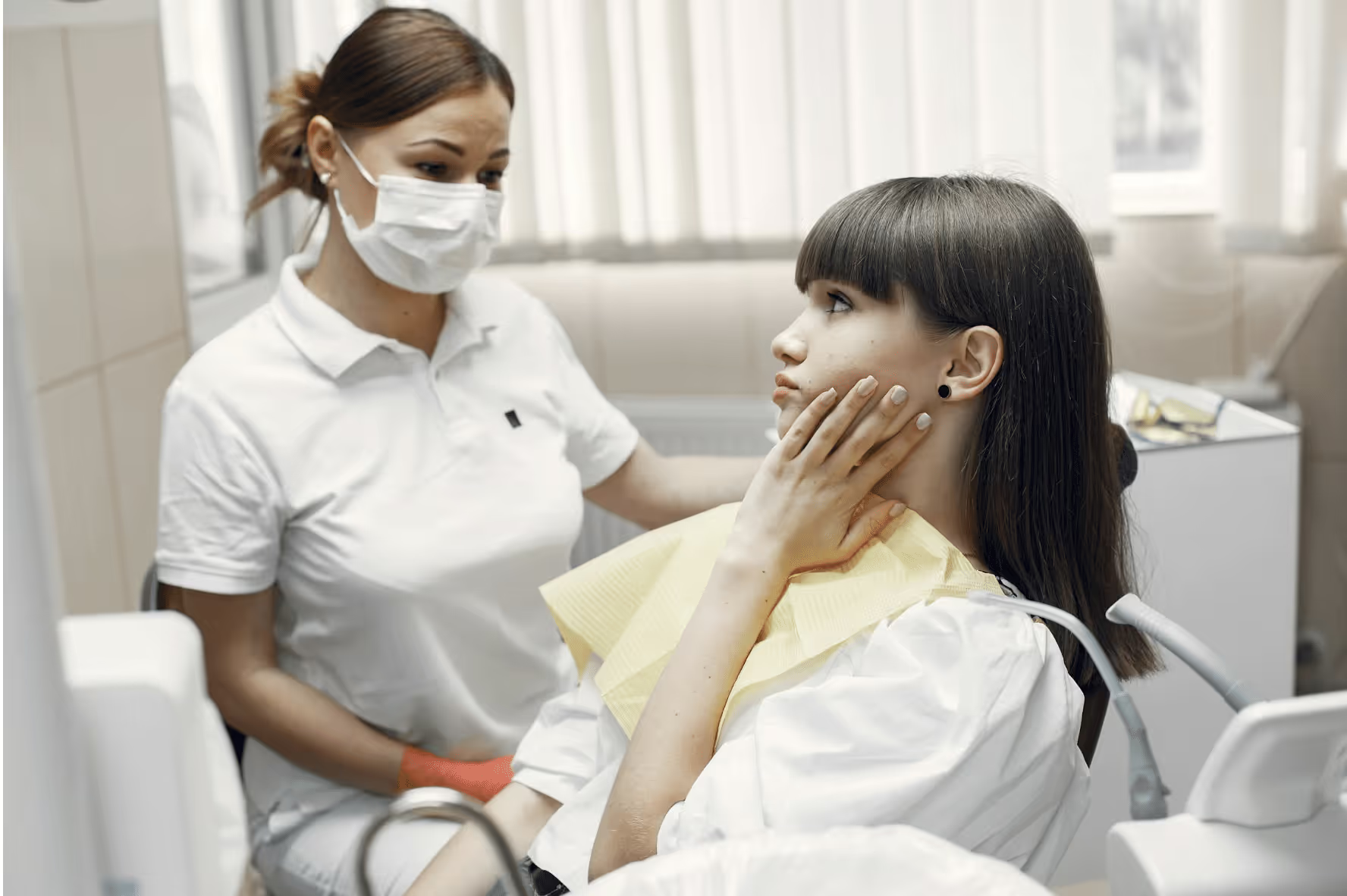
Accidents involving the face or mouth can move teeth out of position or affect how the jaw grows. This is more common in childhood, when teeth and bones are still developing, but adults can experience trauma related misalignment too.
How to Fix Crooked Teeth
Modern orthodontics offers several discreet, comfortable and dentist supervised ways to straighten crooked teeth. The right option depends on your case complexity, your lifestyle and your budget.
Clear aligners, the modern favourite
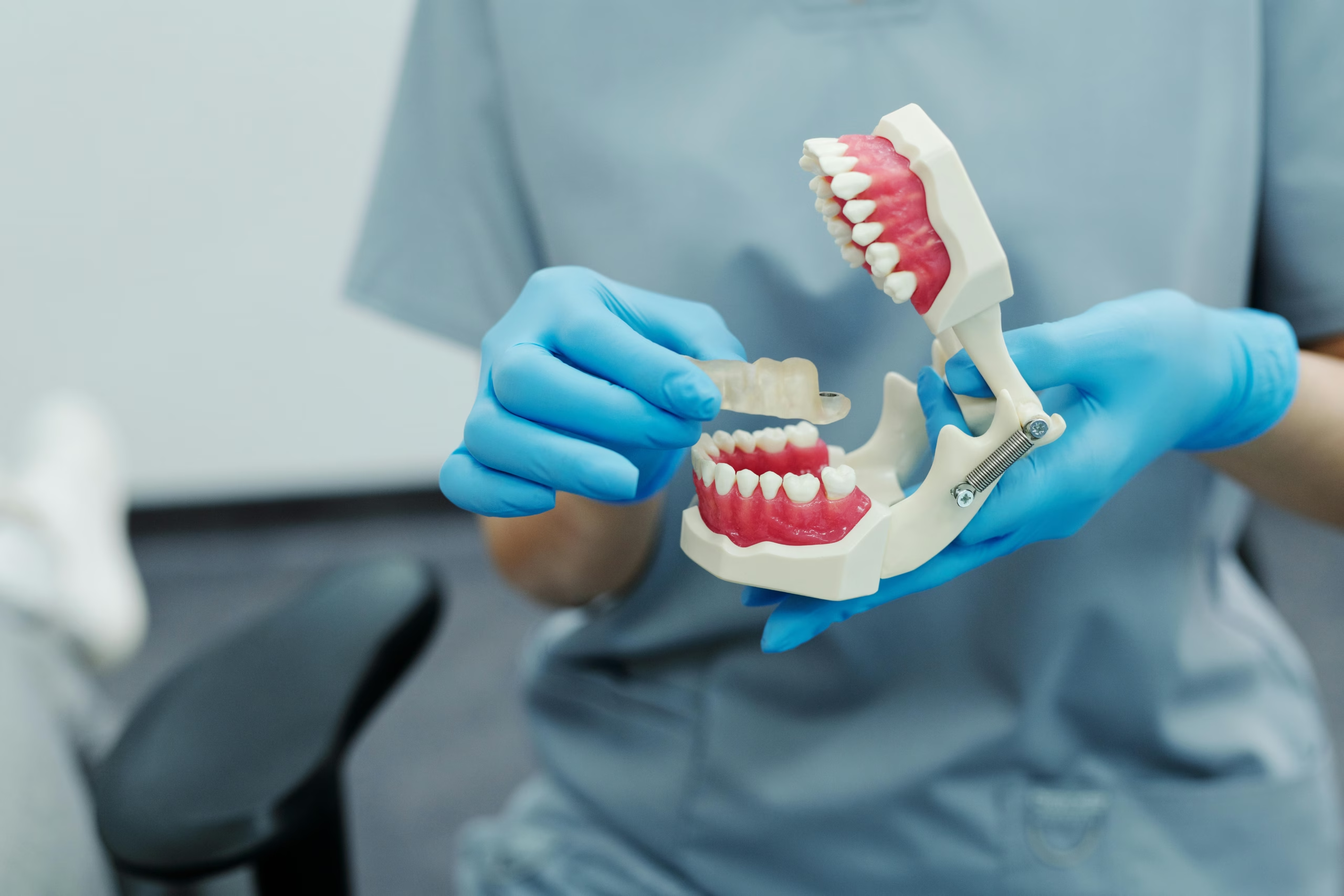
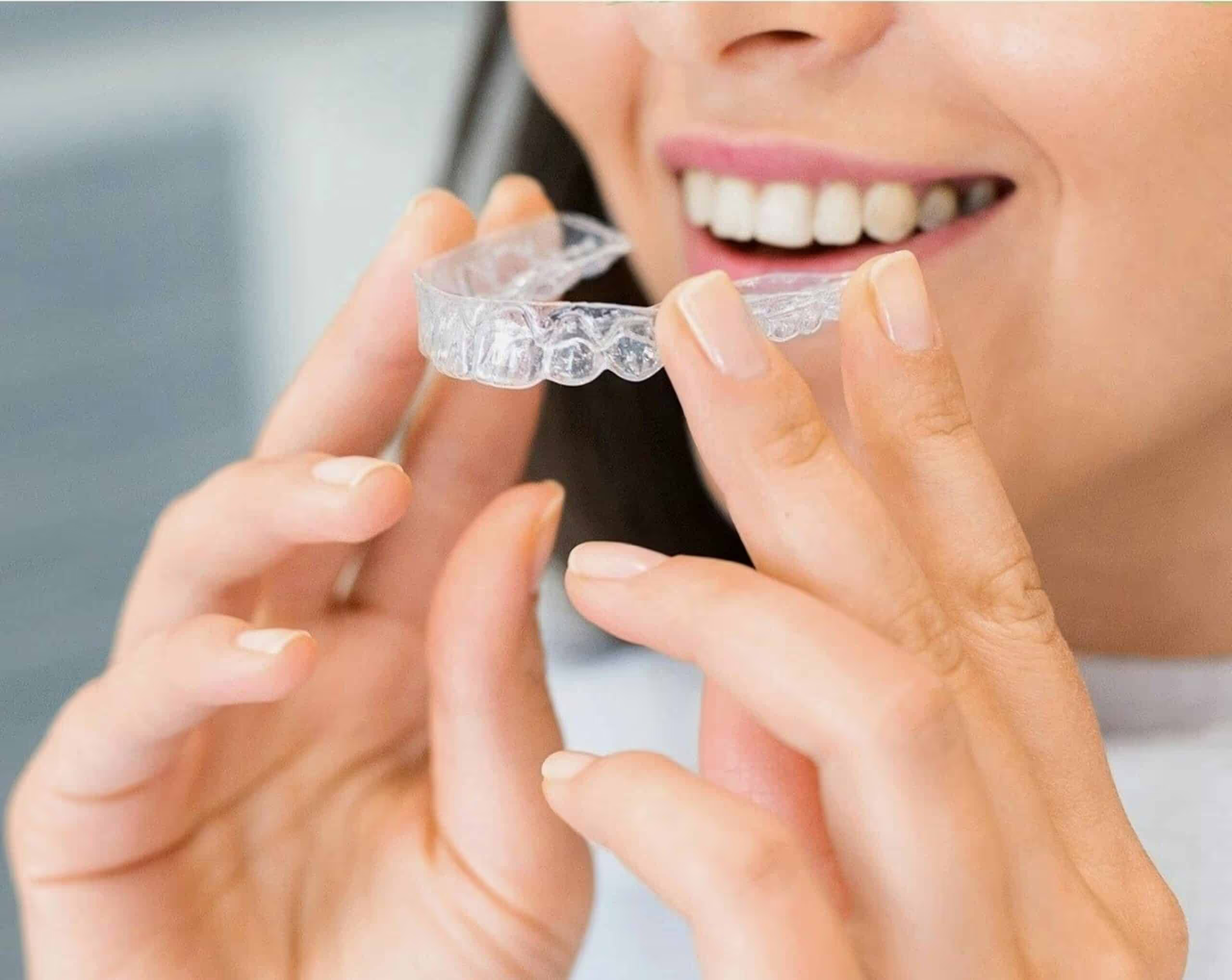
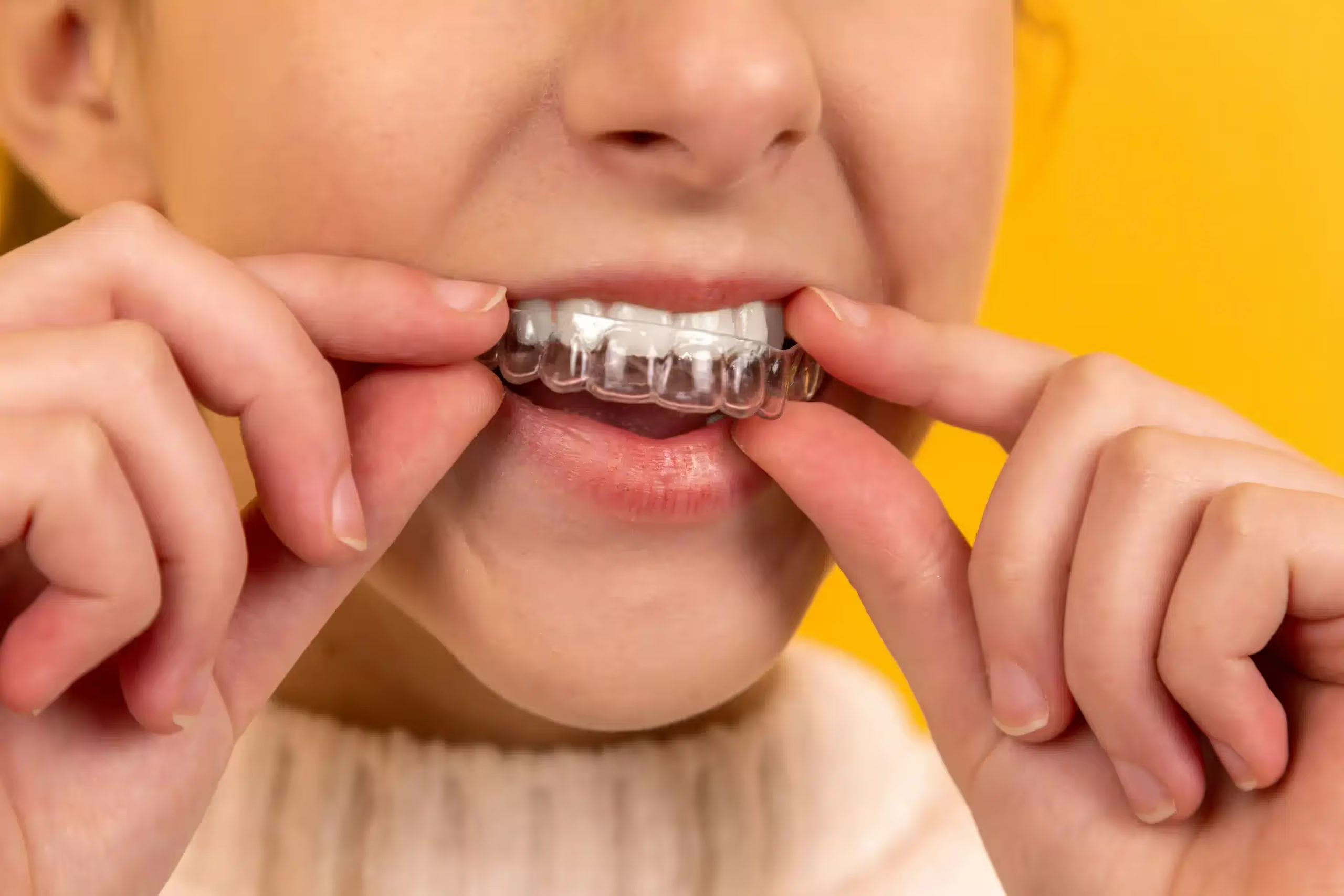
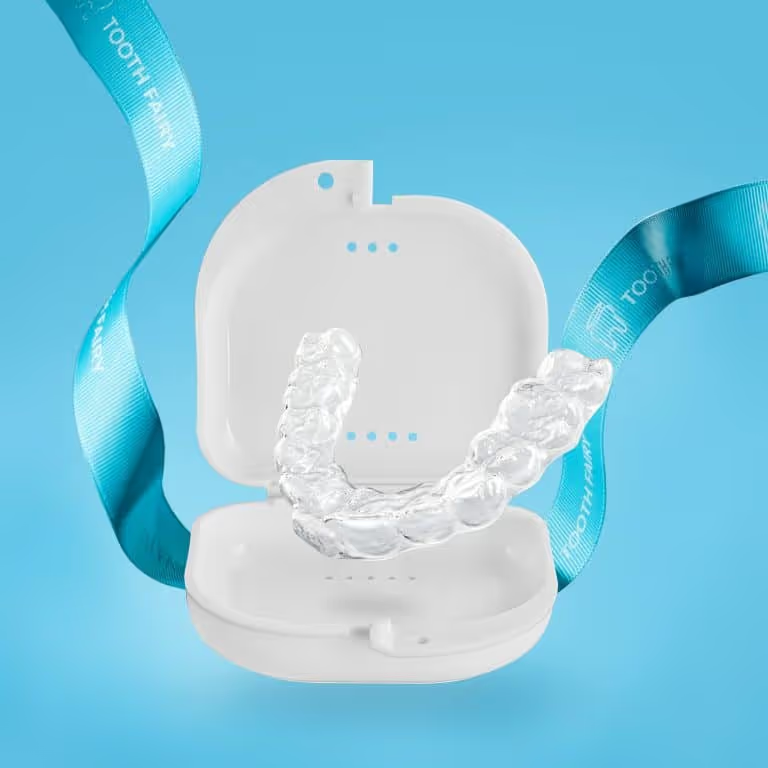
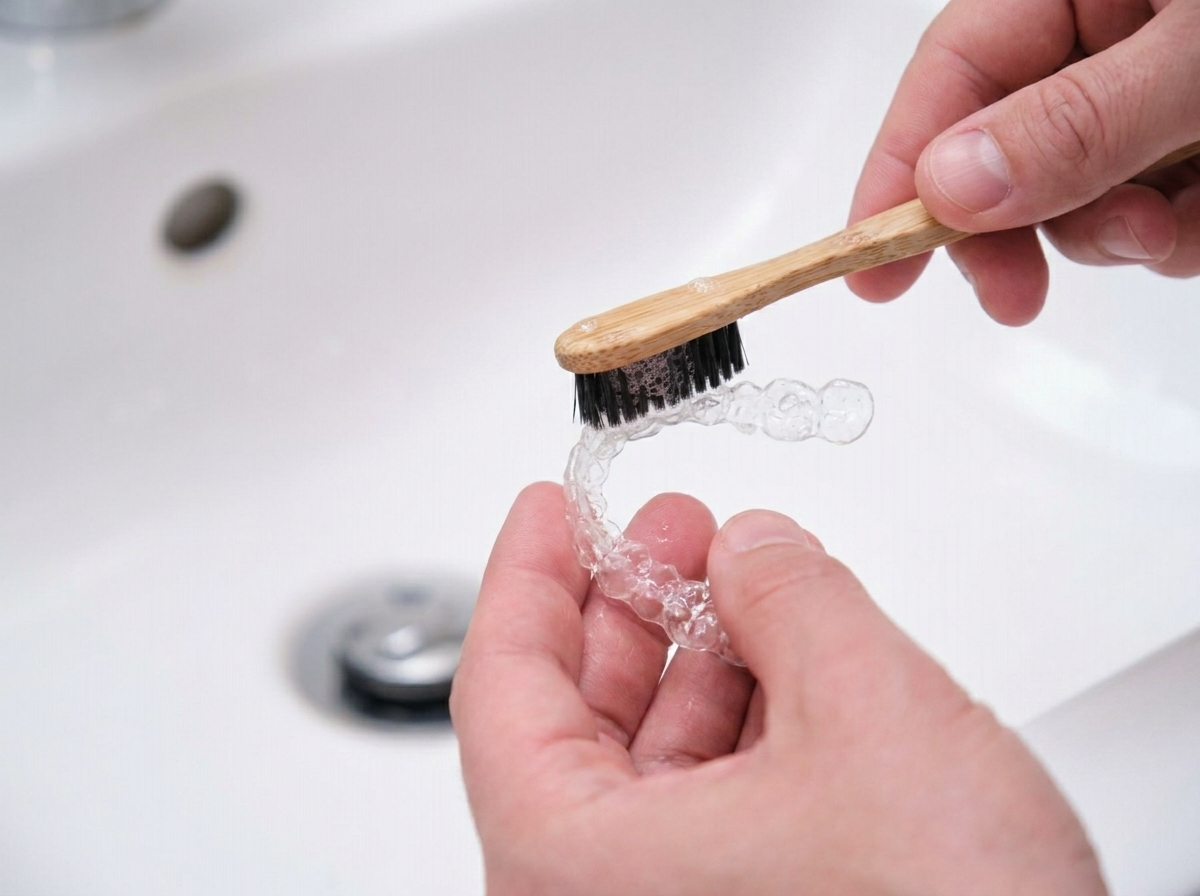
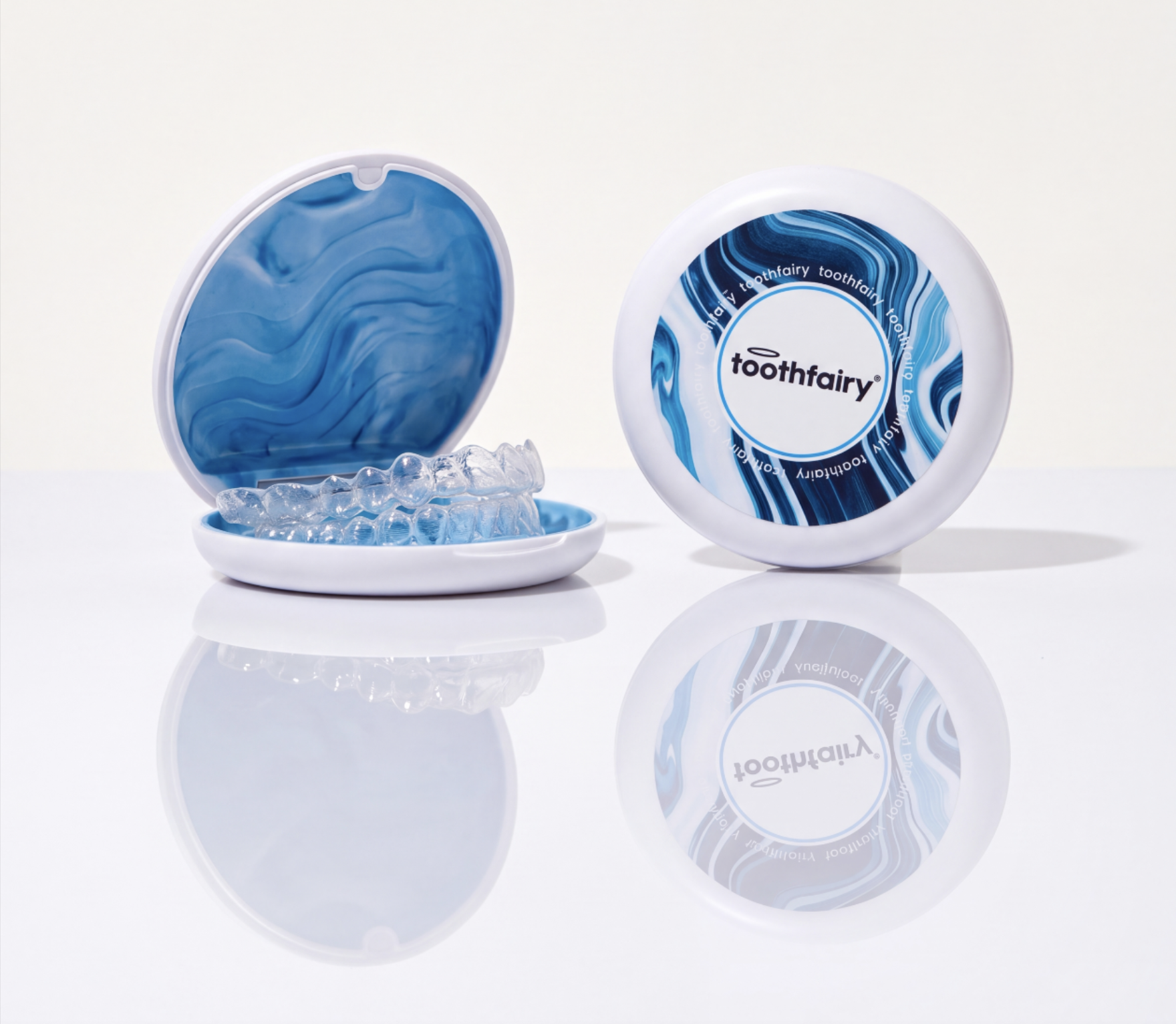
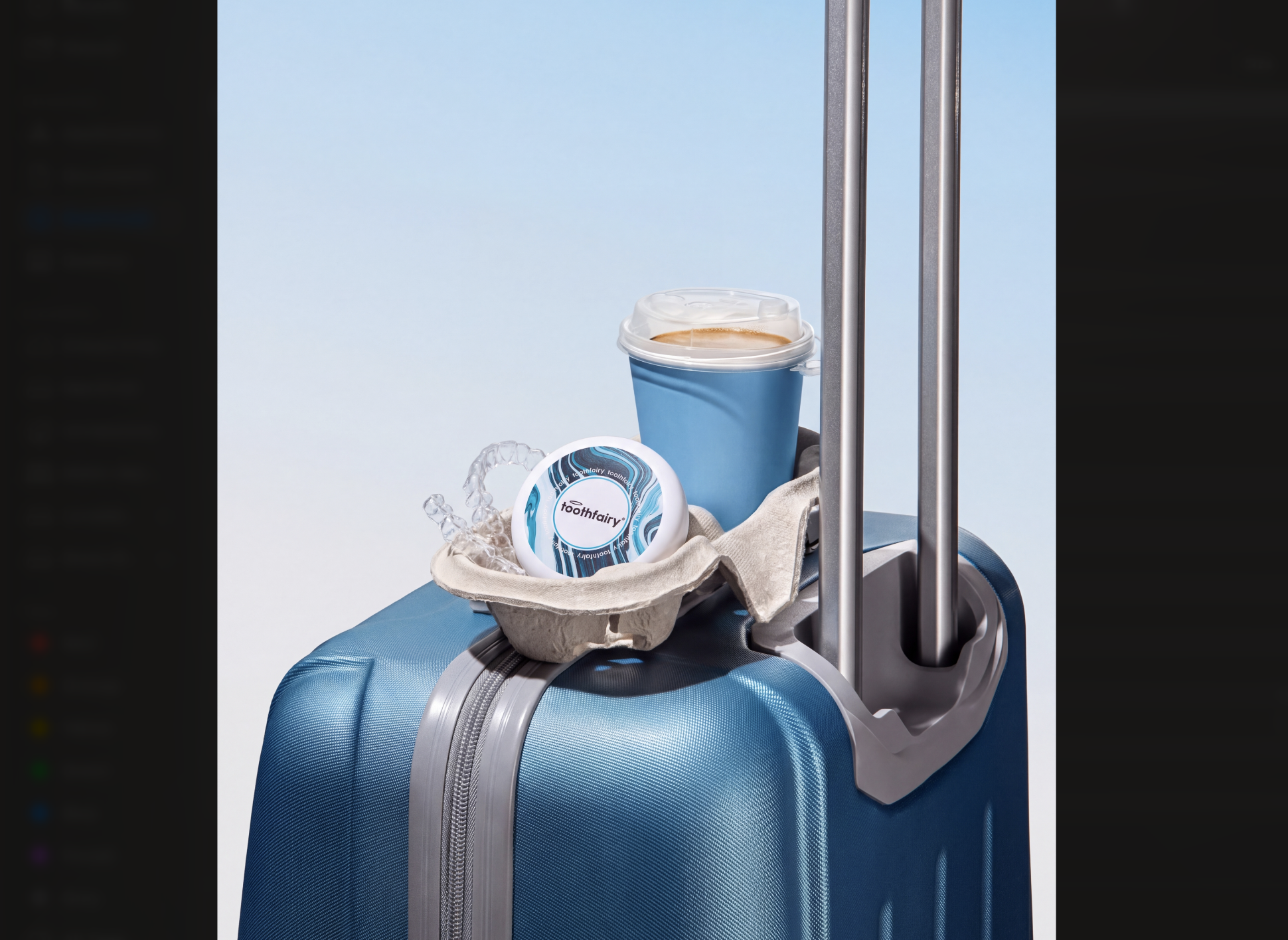
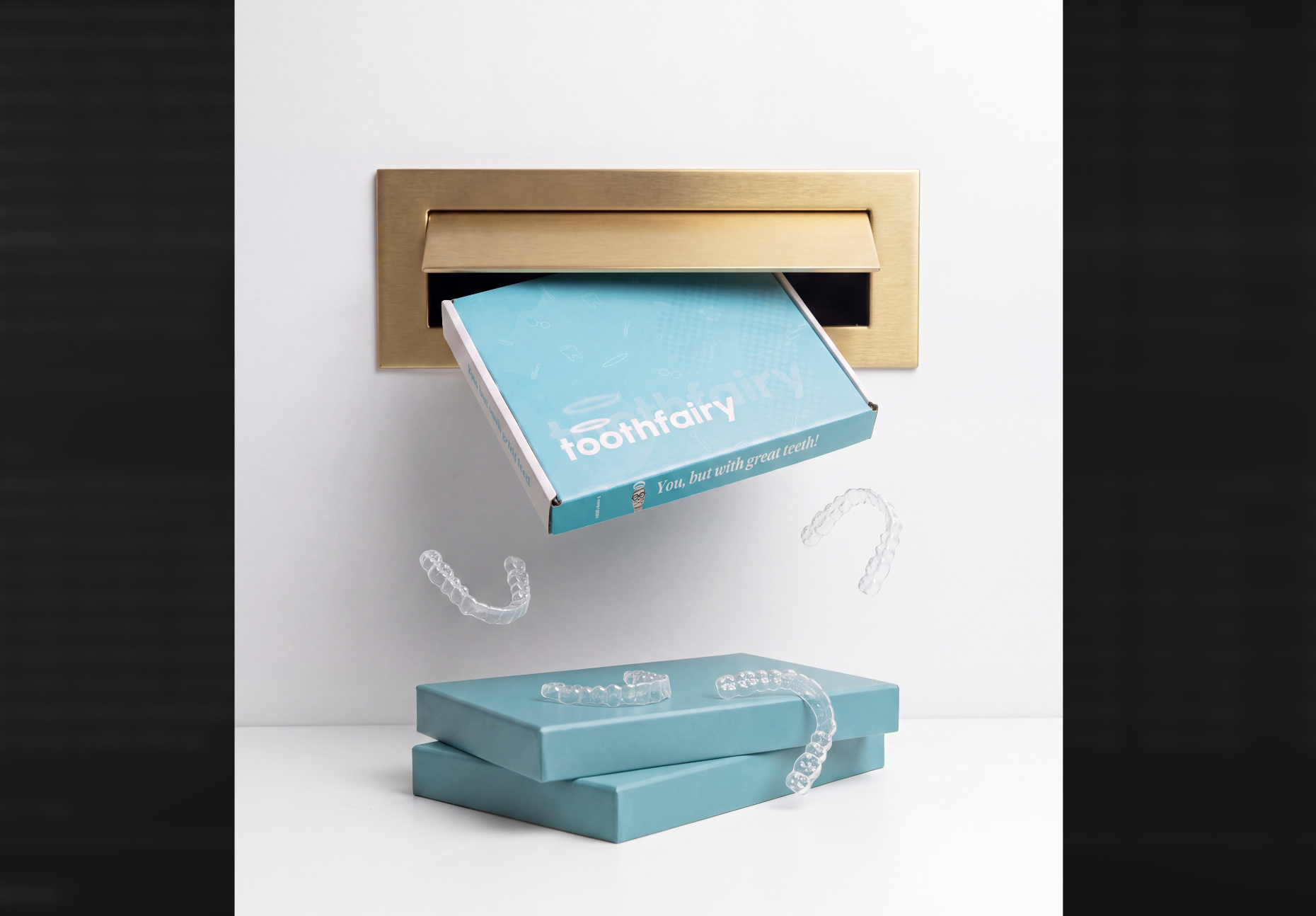
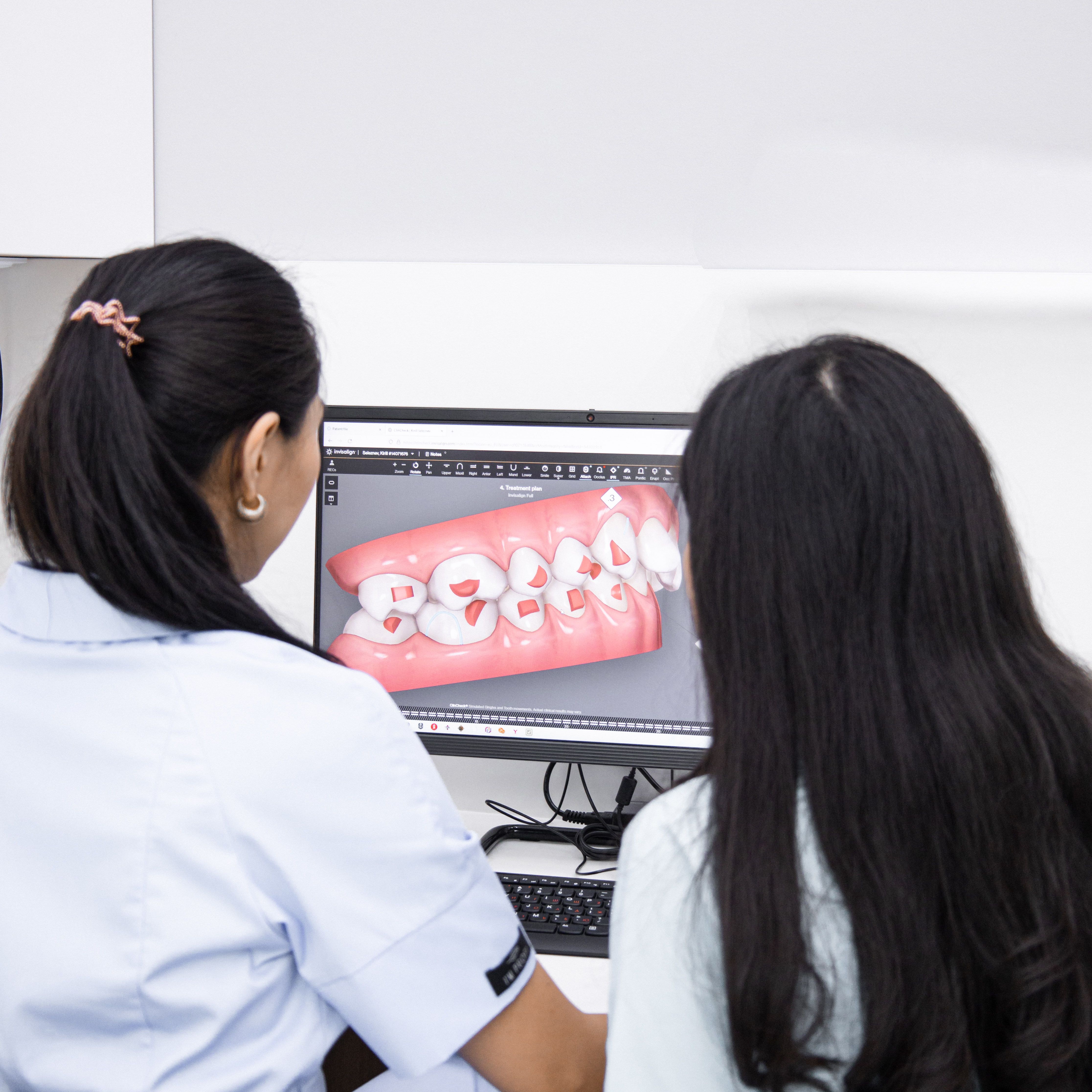
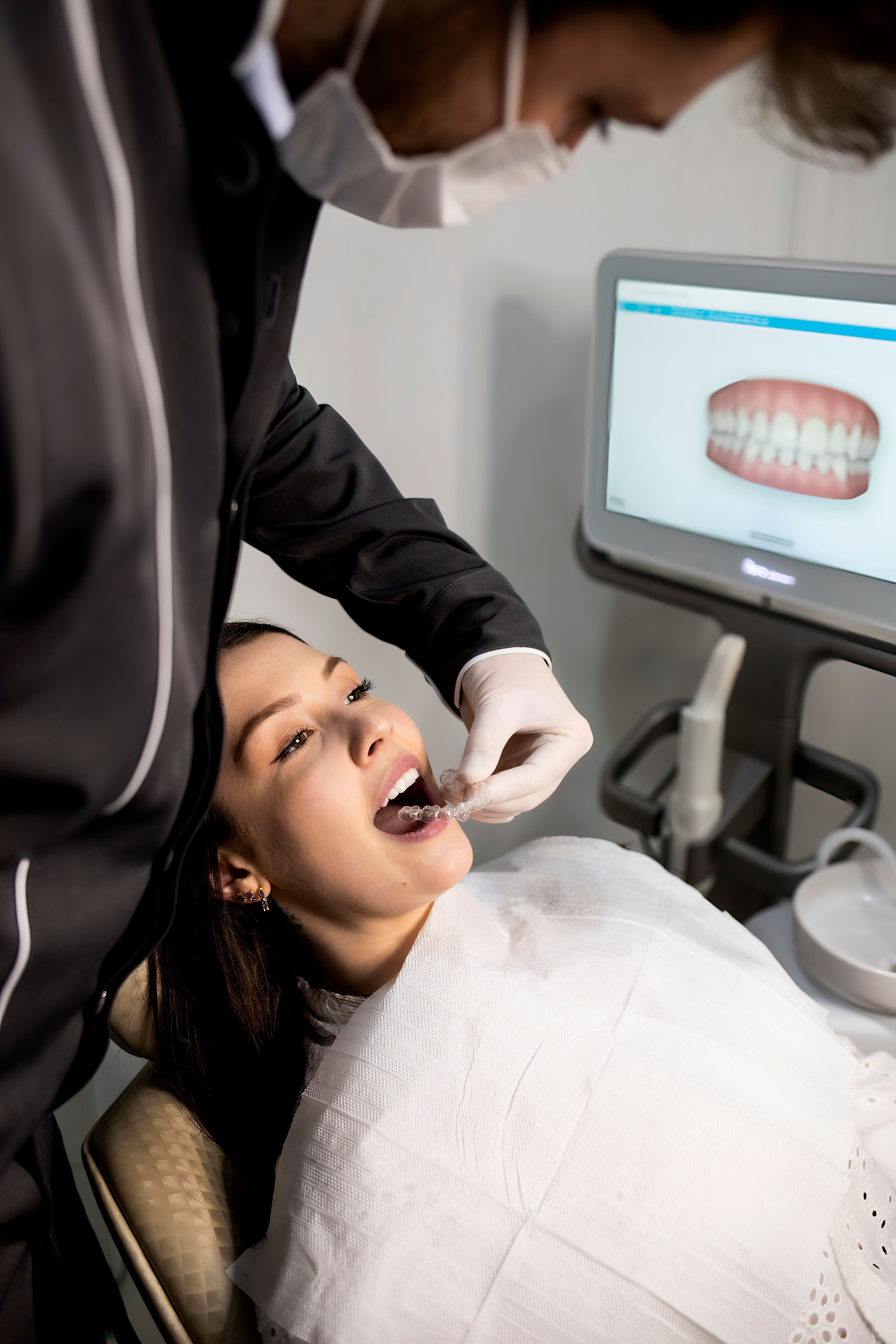
Clear aligners have transformed adult orthodontics. They are transparent, removable and designed using precise digital planning. Each aligner applies gentle pressure to guide teeth into place without the look or lifestyle limitations of fixed braces.
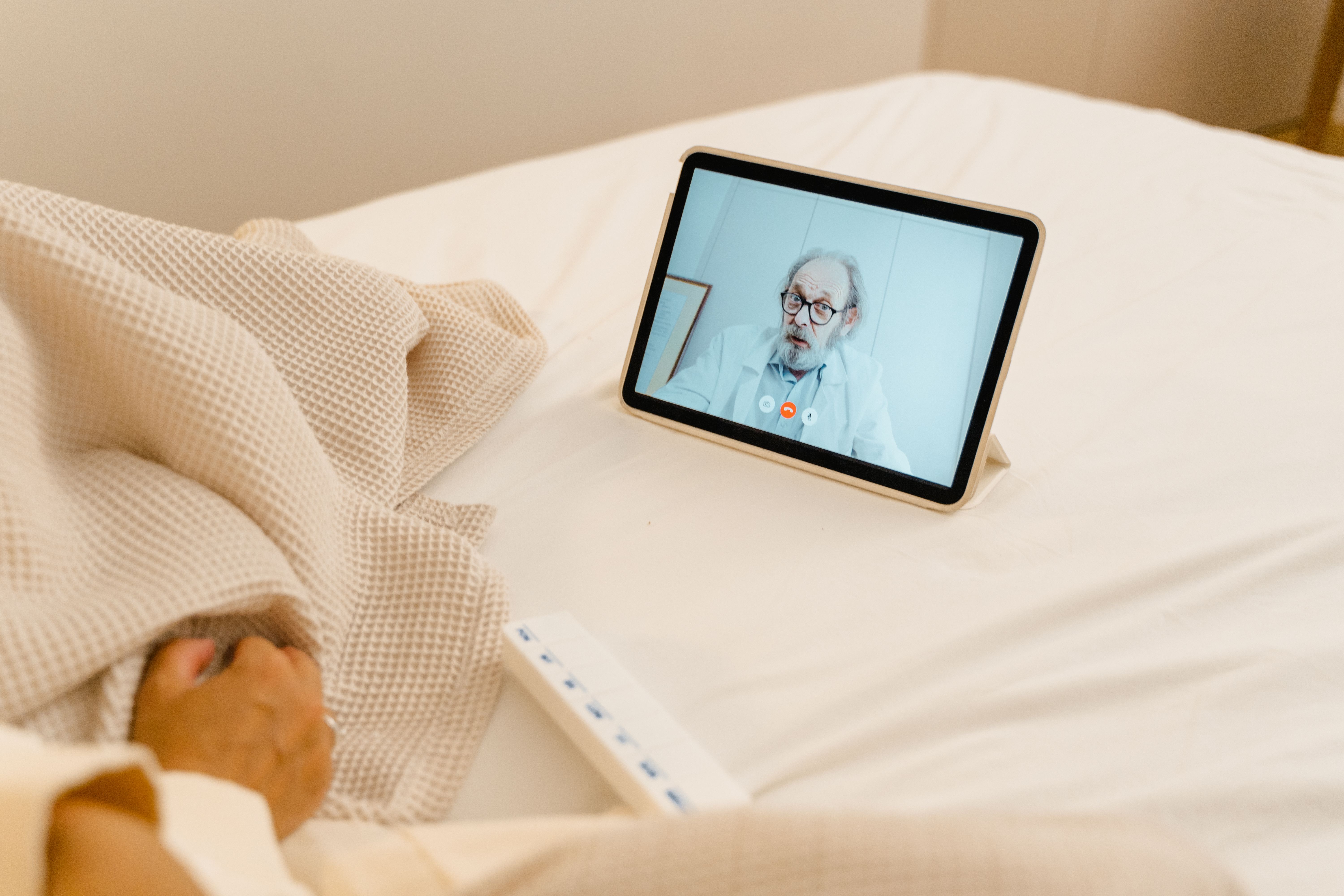
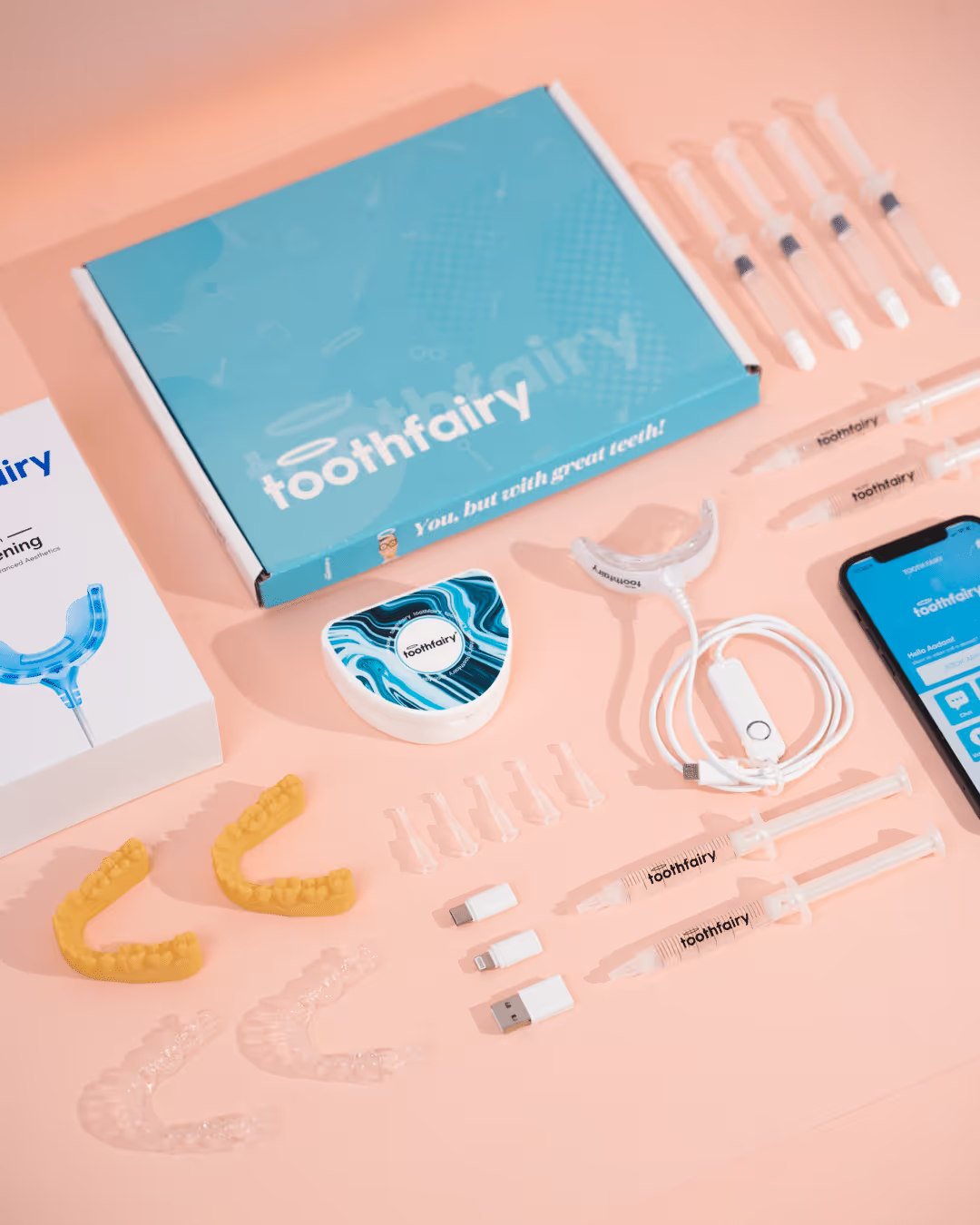
Toothfairy’s dentist supervised aligner treatment gives you a personalised plan designed by a UK registered dentist, remote monitoring through the app, discreet comfortable aligners and flexible finance. No clinic visits, no disruption.
Fixed braces for complex cases
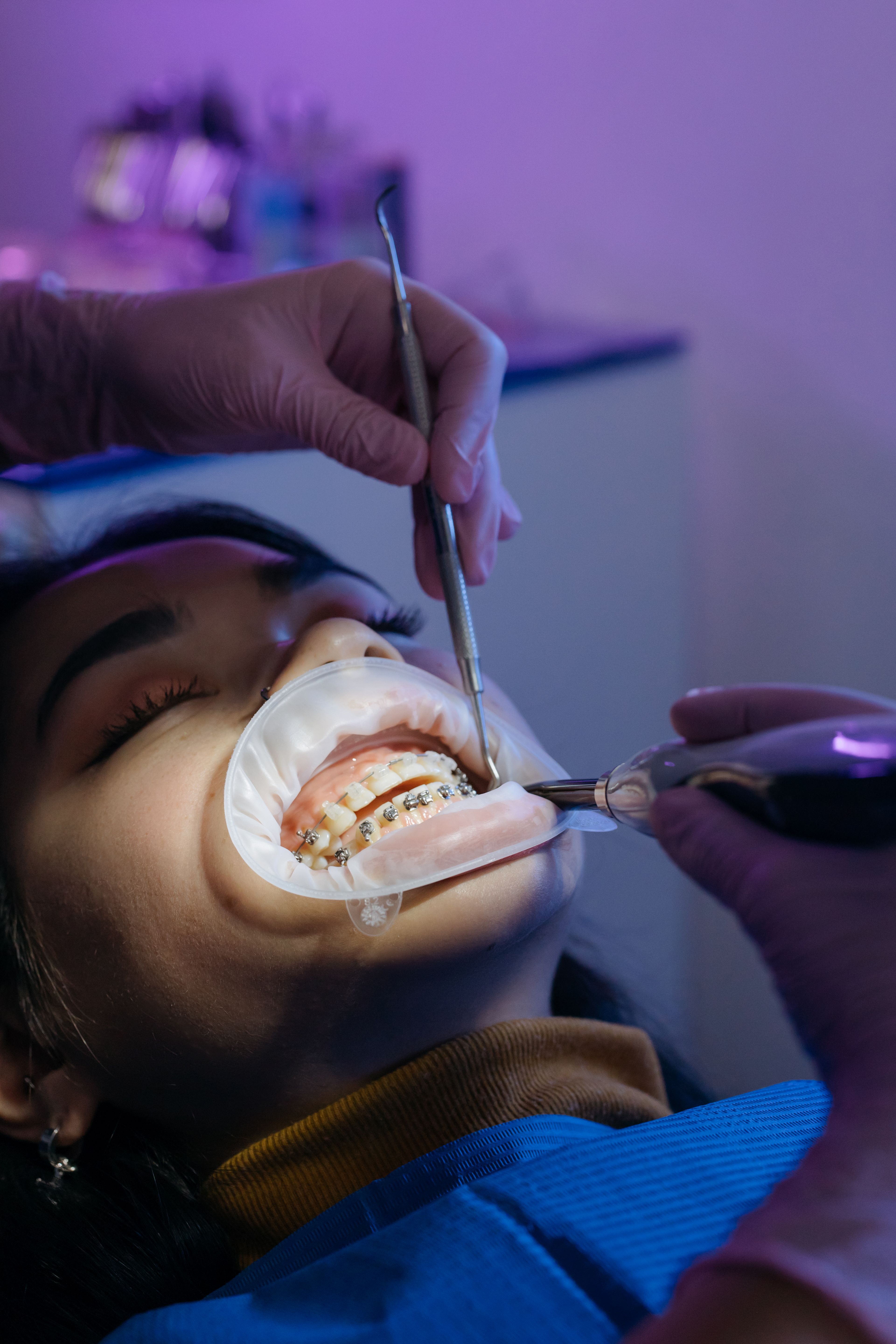
Metal, ceramic and lingual braces remain essential for more complex alignment issues. They offer precise control and can correct severe crowding, rotations and bite problems. Ceramic braces blend with natural tooth colour, while lingual braces sit behind the teeth for complete discretion.
Choosing the right treatment
The best option depends on the cause of your crooked teeth, how complex your case is, your budget, your preference for remote or in clinic care and how discreet you want treatment to be. A dentist led assessment is the only way to know exactly what your smile needs.
Frequently Asked Questions
Can crooked teeth straighten themselves
No. Teeth do not correct themselves. Crowding often gets worse with age.
Is straightening teeth just cosmetic
Straightening teeth improves oral hygiene, gum health, bite function and jaw comfort. The benefits go far beyond appearance.
Are clear aligners as effective as braces
For mild to moderate cases, yes. More complex cases may need fixed braces.
How long does treatment take
Minor cases can be completed in around six months. Moderate cases usually take twelve to eighteen months.
Ready to fix crooked teeth the modern way
With Toothfairy, you get dentist supervised treatment, remote monitoring, discreet aligners and a personalised plan designed for your smile. Straightening your teeth has never been more accessible.
Start your assessment today:https://www.toothfairyapp.co.uk





.jpg)







.jpg)