What retainers are actually designed to do
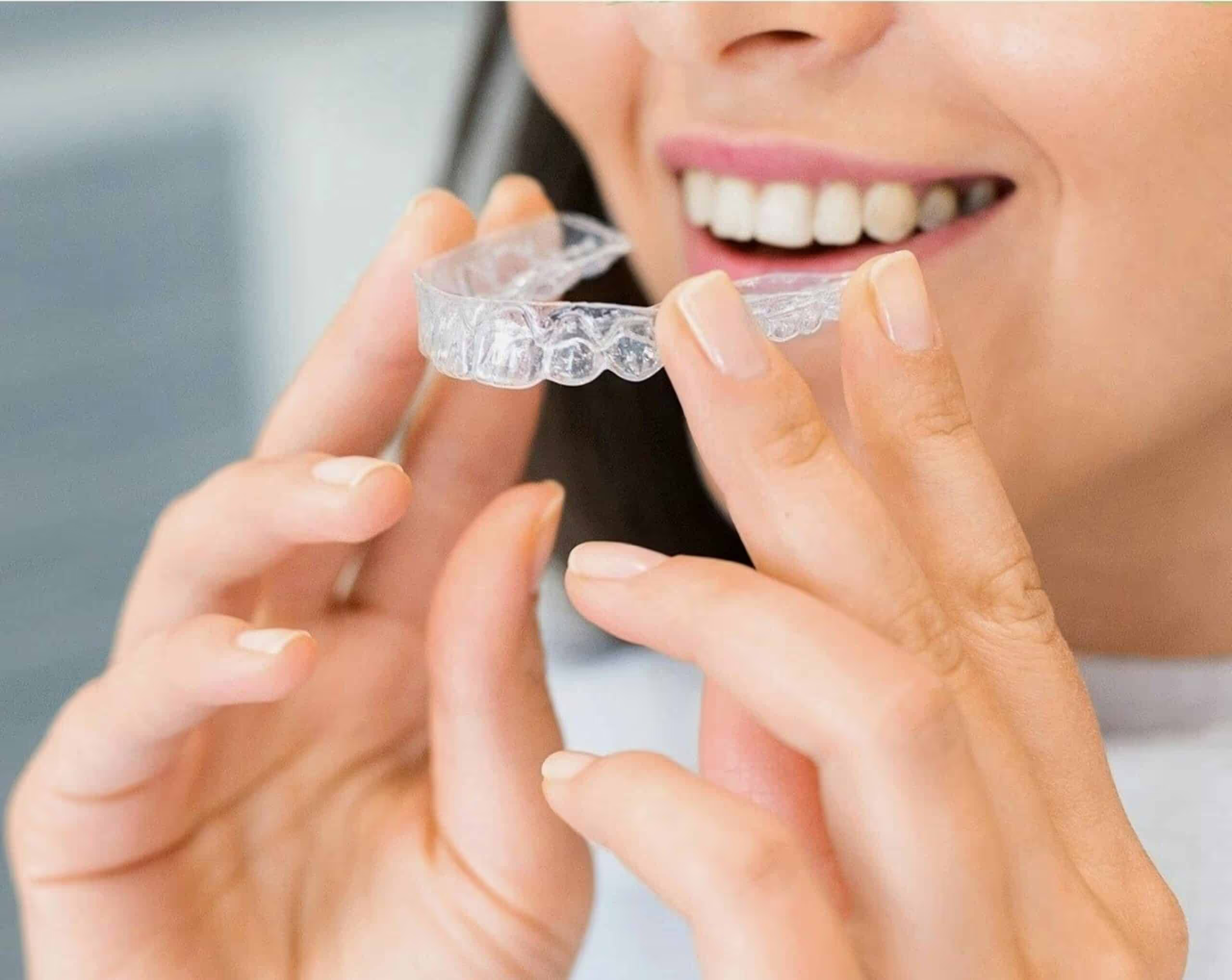
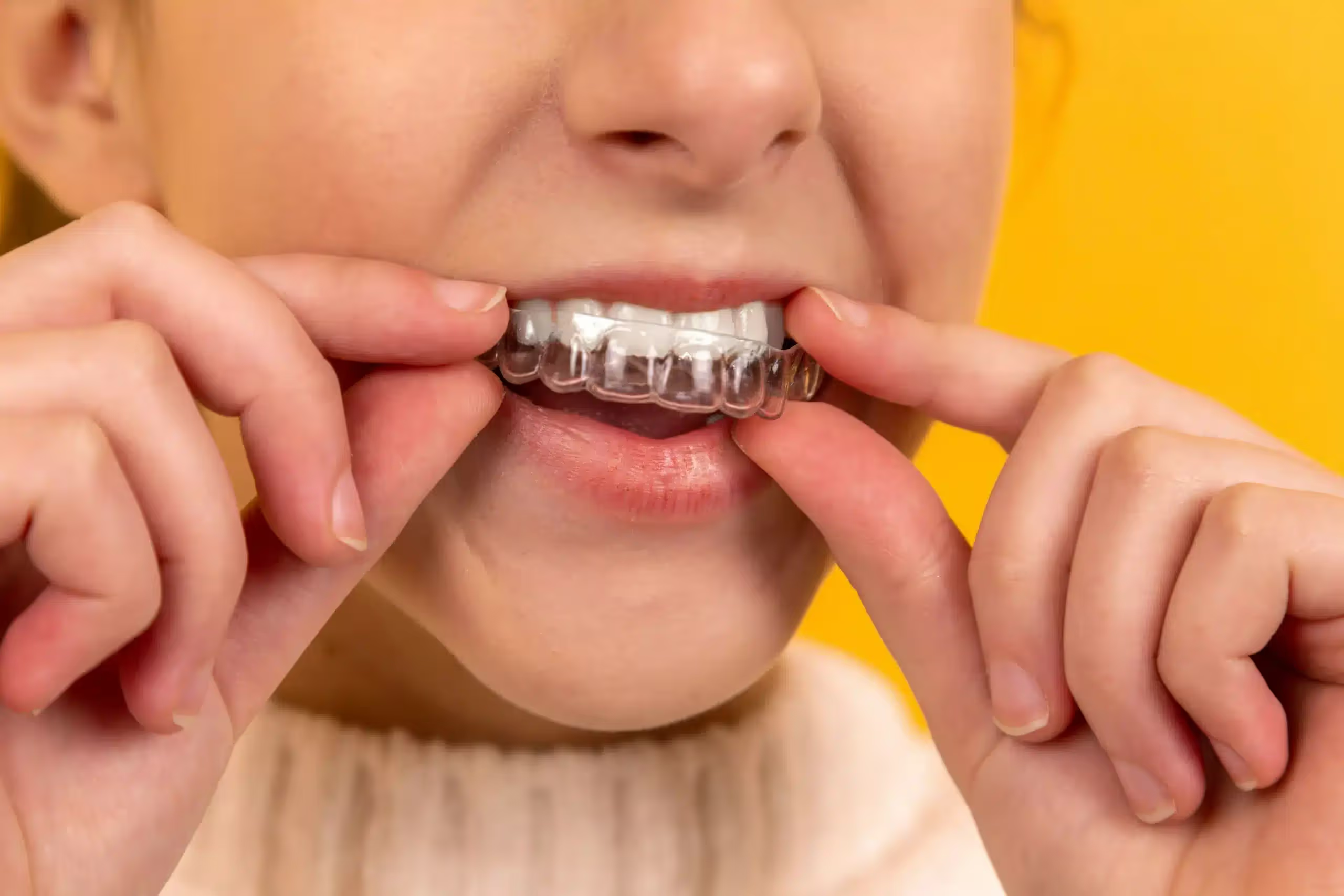
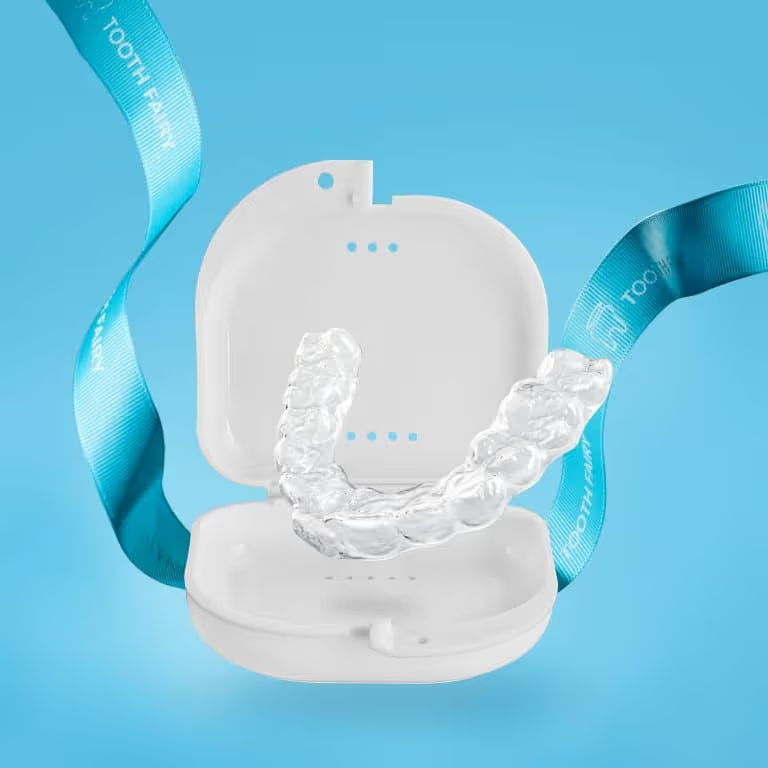
Retainers are made to hold teeth in place, not move them. After braces or aligners, your teeth are still settling into their new positions. A retainer keeps everything stable while the surrounding ligaments tighten and adapt.
Think of it as the “lock‑in” phase of your straightening journey.
Can retainers straighten teeth?
Short answer: not really
Retainers can correct very tiny shifts, but they can’t reliably move teeth into new positions. They don’t apply the controlled pressure needed for proper orthodontic movement.
When retainers might help
- Small rotations
- Minor spacing changes
- Slight relapse after missing a few nights
When retainers won’t help
- Crowding
- Overlapping
- Bite issues
- Gaps that have reopened
- Any movement that requires staged tooth repositioning
If your teeth have moved more than a millimetre or two, you’ll likely need aligners to bring them back into place.
Why teeth move after straightening
Even after treatment, your teeth have a natural tendency to drift. This happens because:
Ligaments take time to stabilise
They stretch during straightening and slowly tighten again.
Everyday habits affect alignment
Chewing, grinding, sleeping positions and even swallowing patterns can shift teeth over time.
Ageing changes your bite
Teeth naturally move as you get older - even if you’ve never had braces.
This is why retainers matter long‑term.
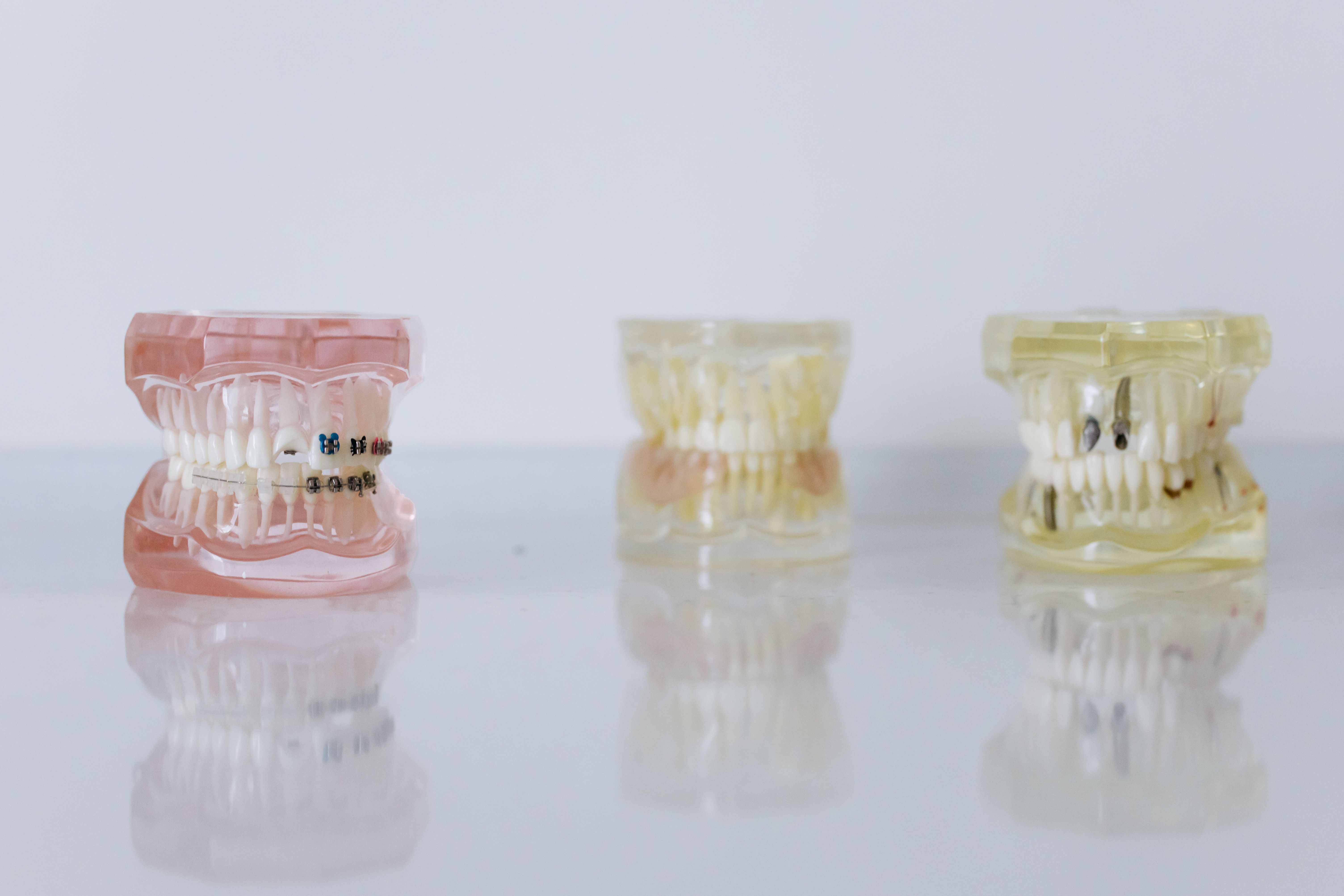
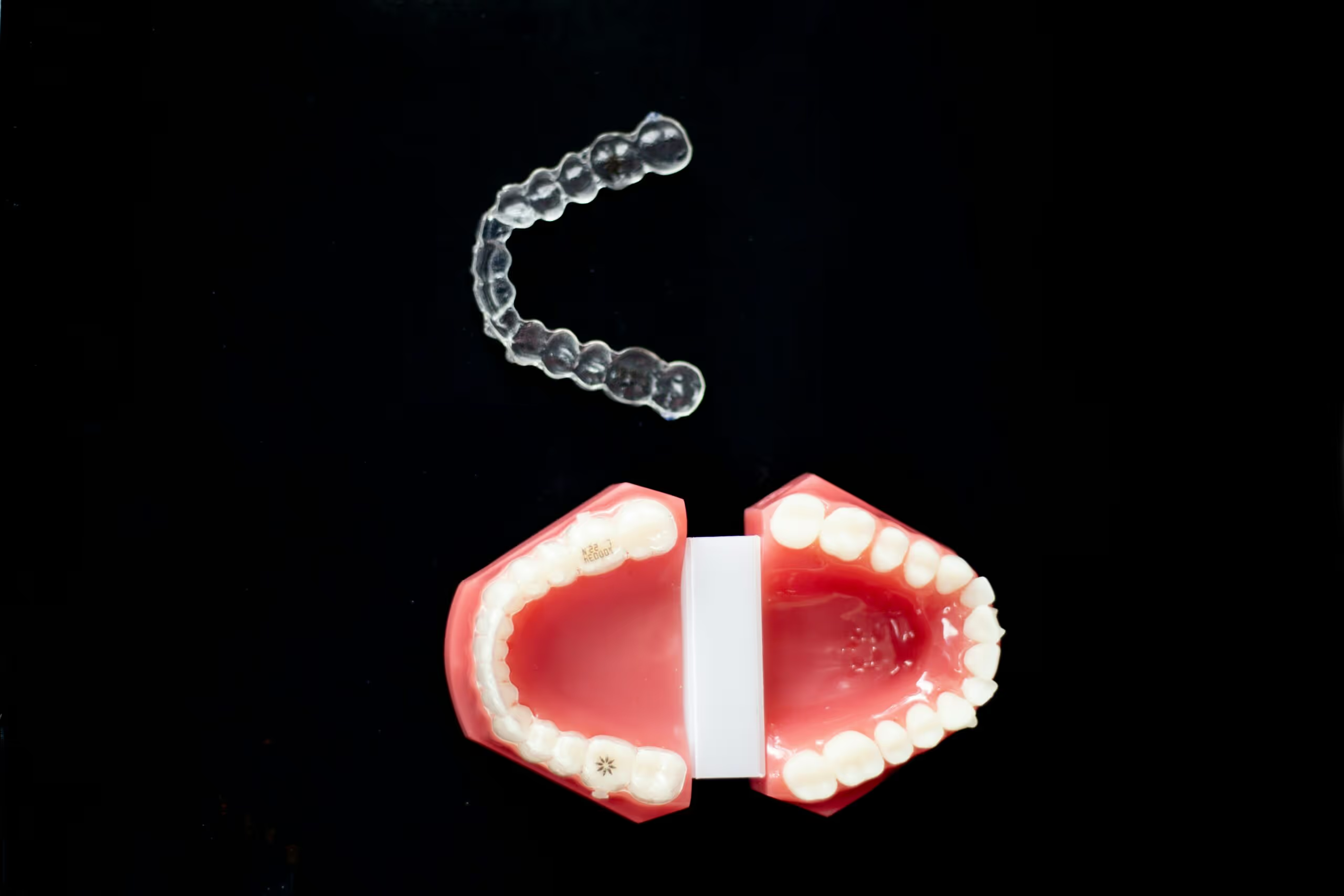
Types of retainers and what they’re best for
Signs your retainer isn’t enough
It feels tight after skipping a few nights
This is normal - but if it stays tight, your teeth have moved.
It no longer fits properly
A poor fit means your teeth have shifted beyond what a retainer can fix.
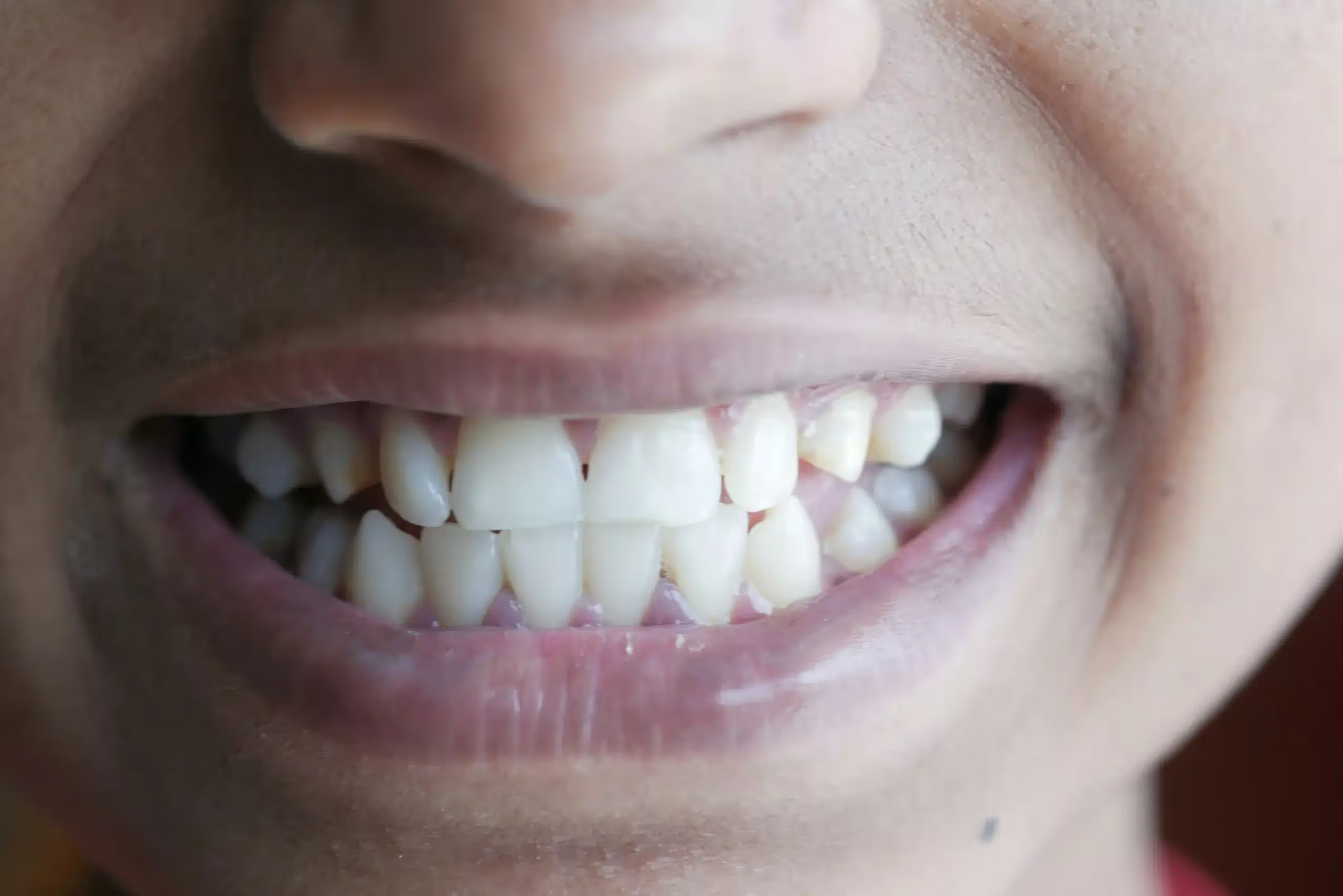
You see visible changes
Crowding, gaps or bite changes usually need aligners, not retainers.
Your retainer cracks or warps
A damaged retainer can’t hold your teeth in place.
When you might need aligners instead
Clear aligners are designed to move teeth, not just hold them. You may need aligners if:
- your retainer no longer fits
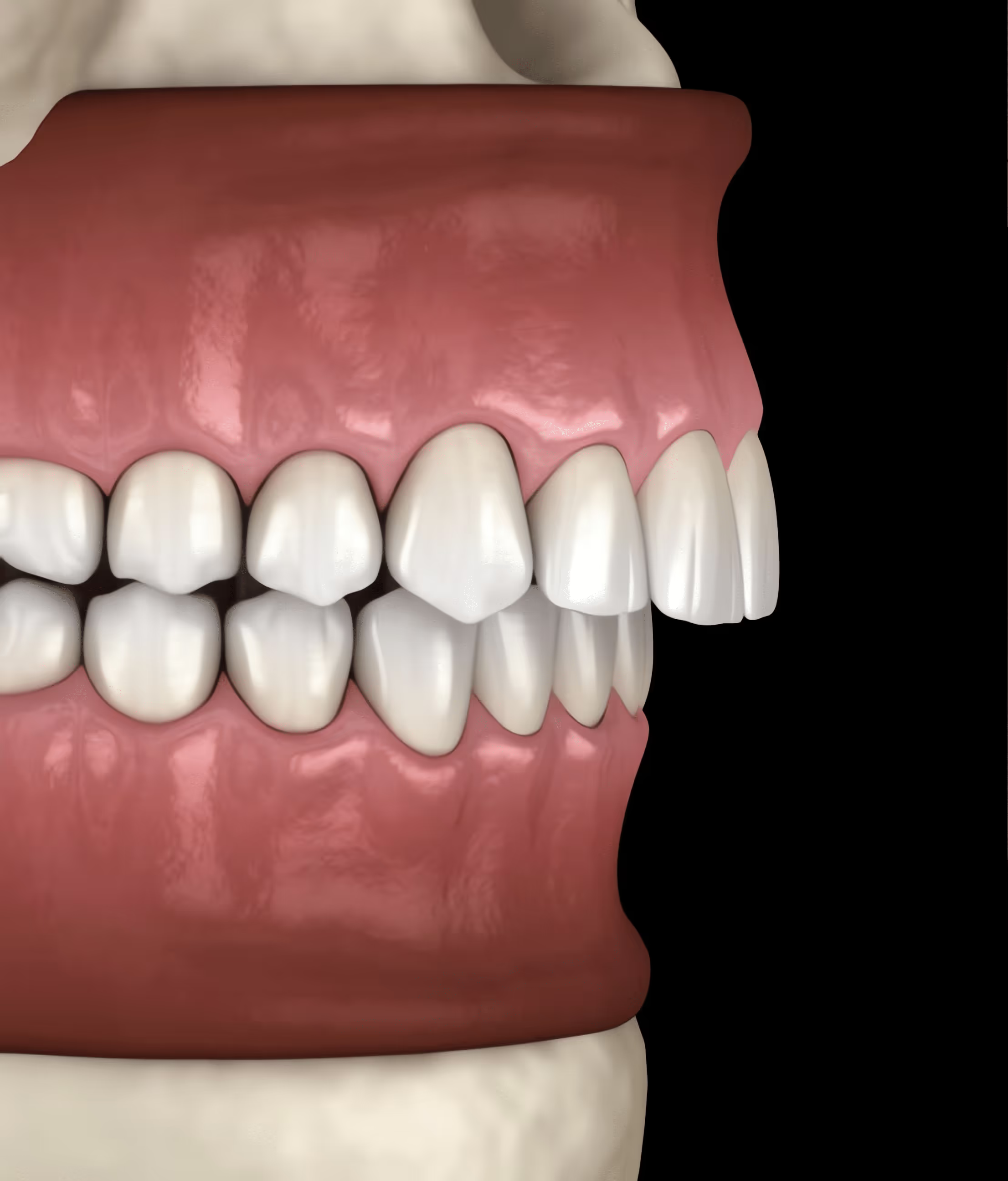
- your teeth have noticeably shifted
- you skipped wearing your retainer for weeks or months
- you want cosmetic improvements beyond simple maintenance
Aligners can correct relapse and refine your smile before returning to retainer wear.
How to keep your teeth straight long‑term
Wear your retainer consistently
A few nights a week is usually enough once your teeth have stabilised.
Replace retainers when needed
They wear out over time - cracked or loose retainers don’t work.
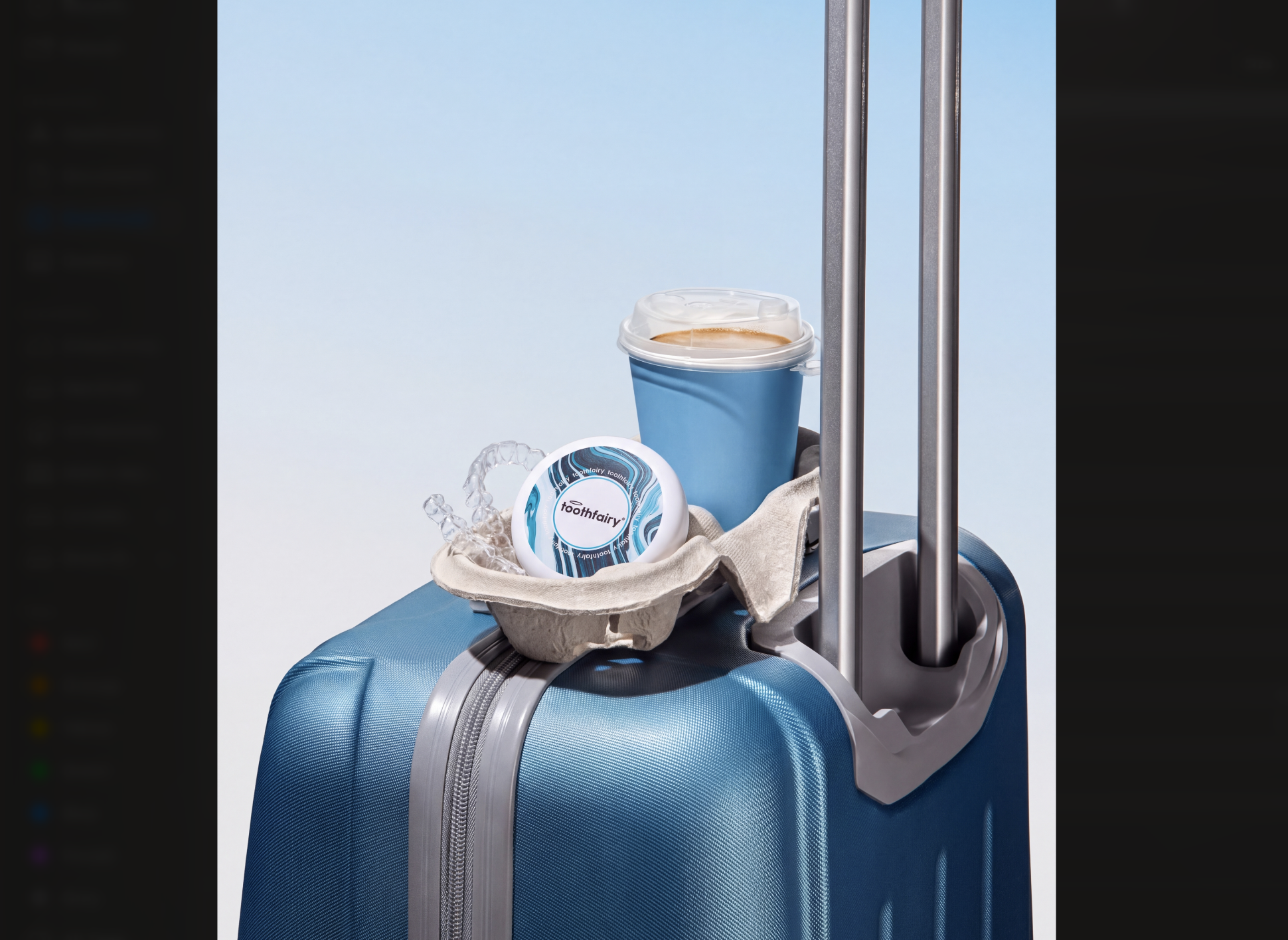
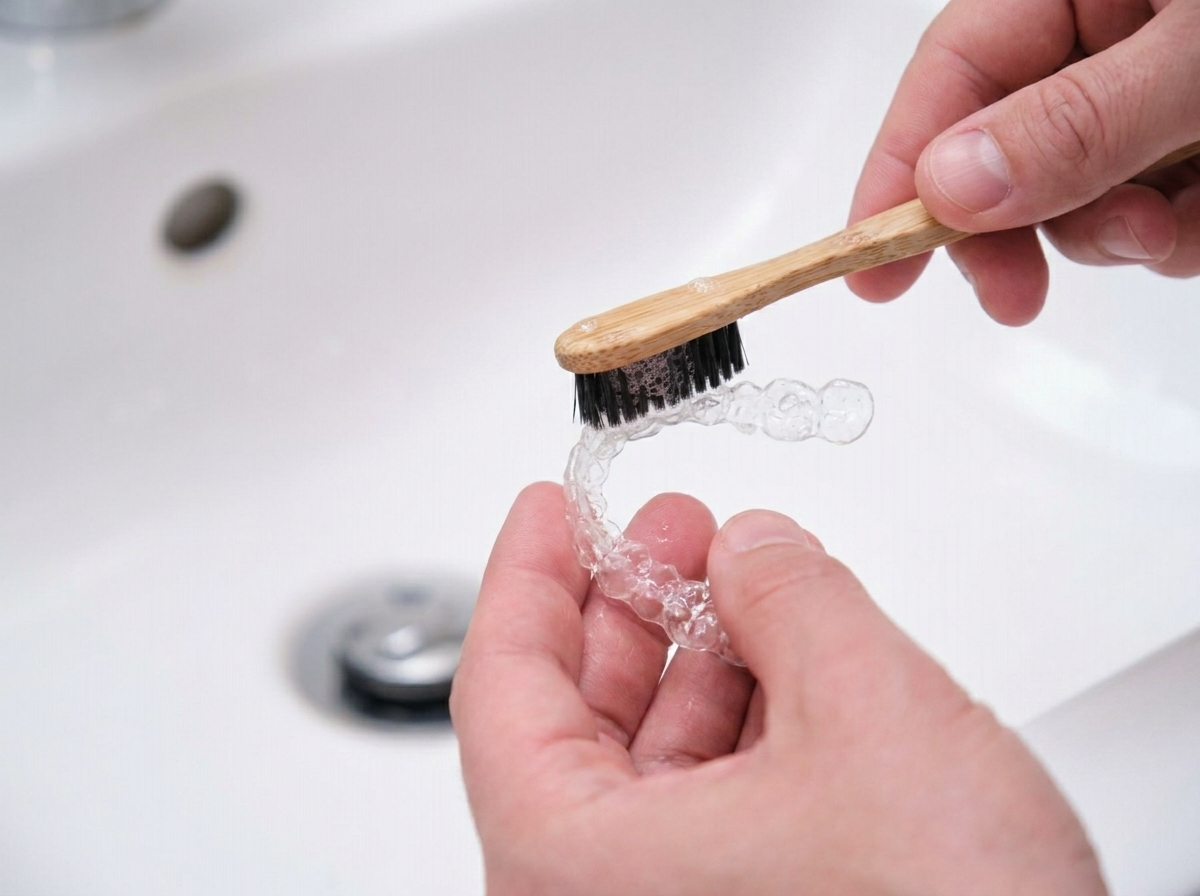
Store them properly
Avoid tissues, pockets or hot environments.
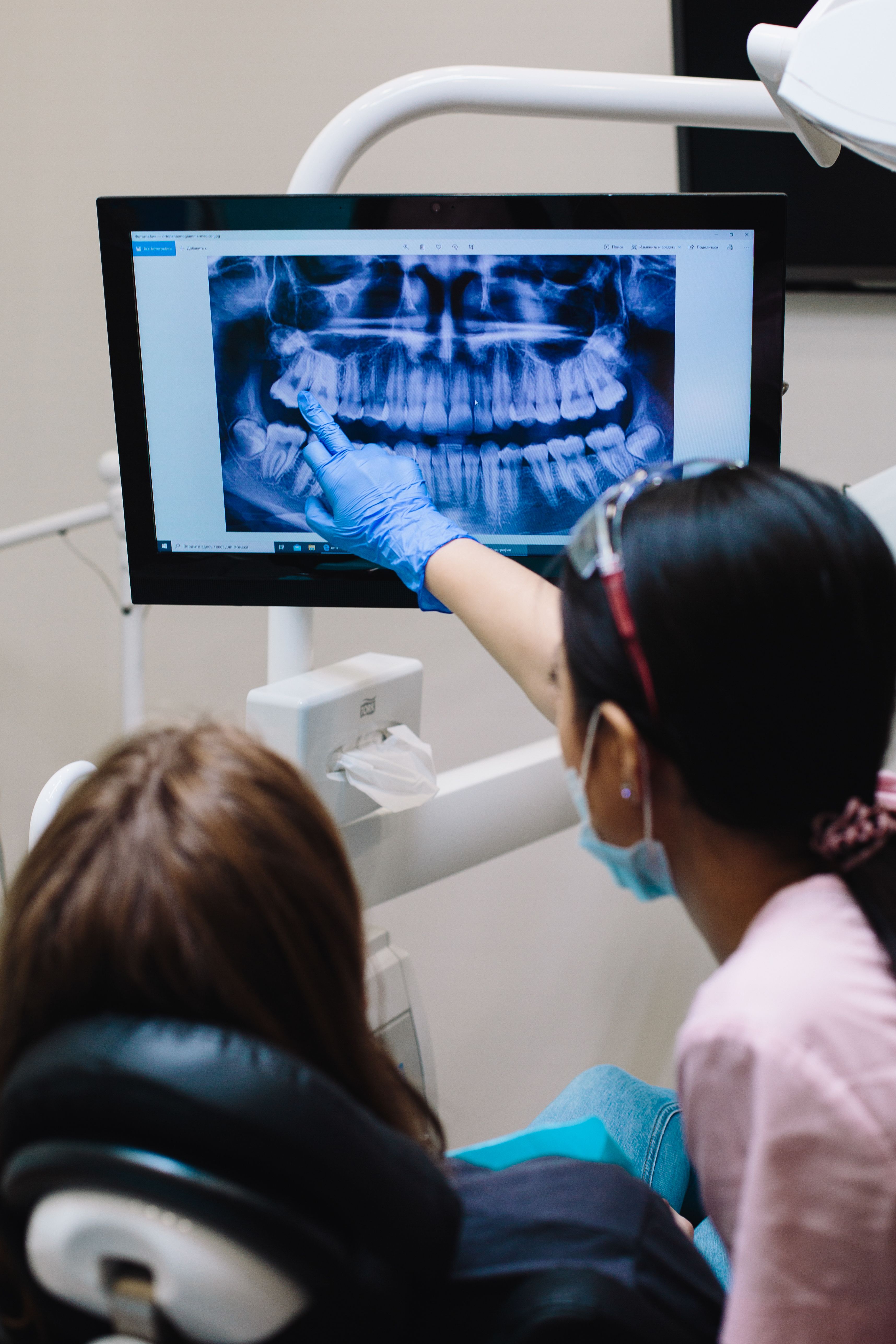
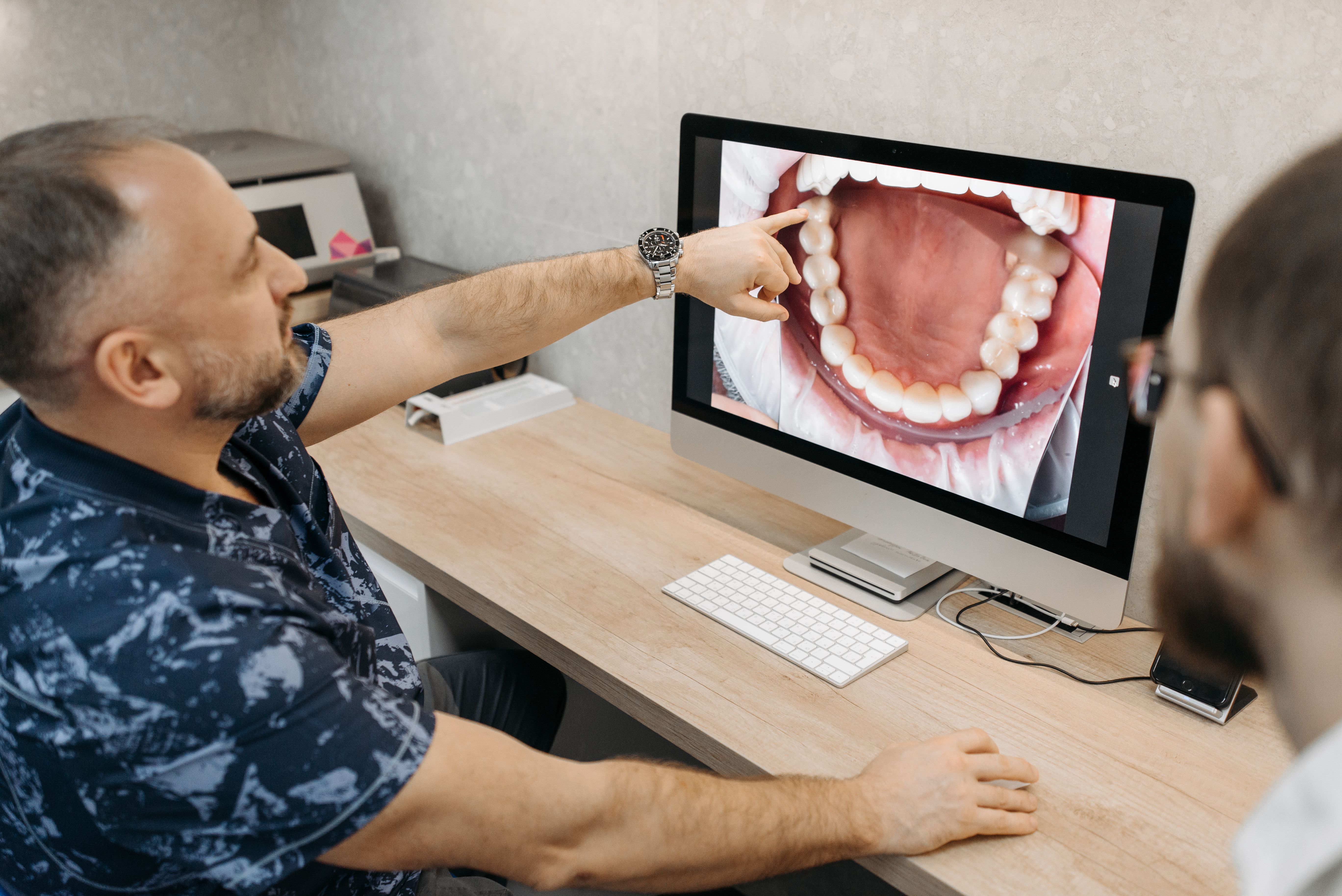
Check in with a dentist if something feels off
A quick photo‑based assessment can confirm whether your retainer is still doing its job.
How Toothfairy helps with retainers and relapse
Dentist‑led assessments
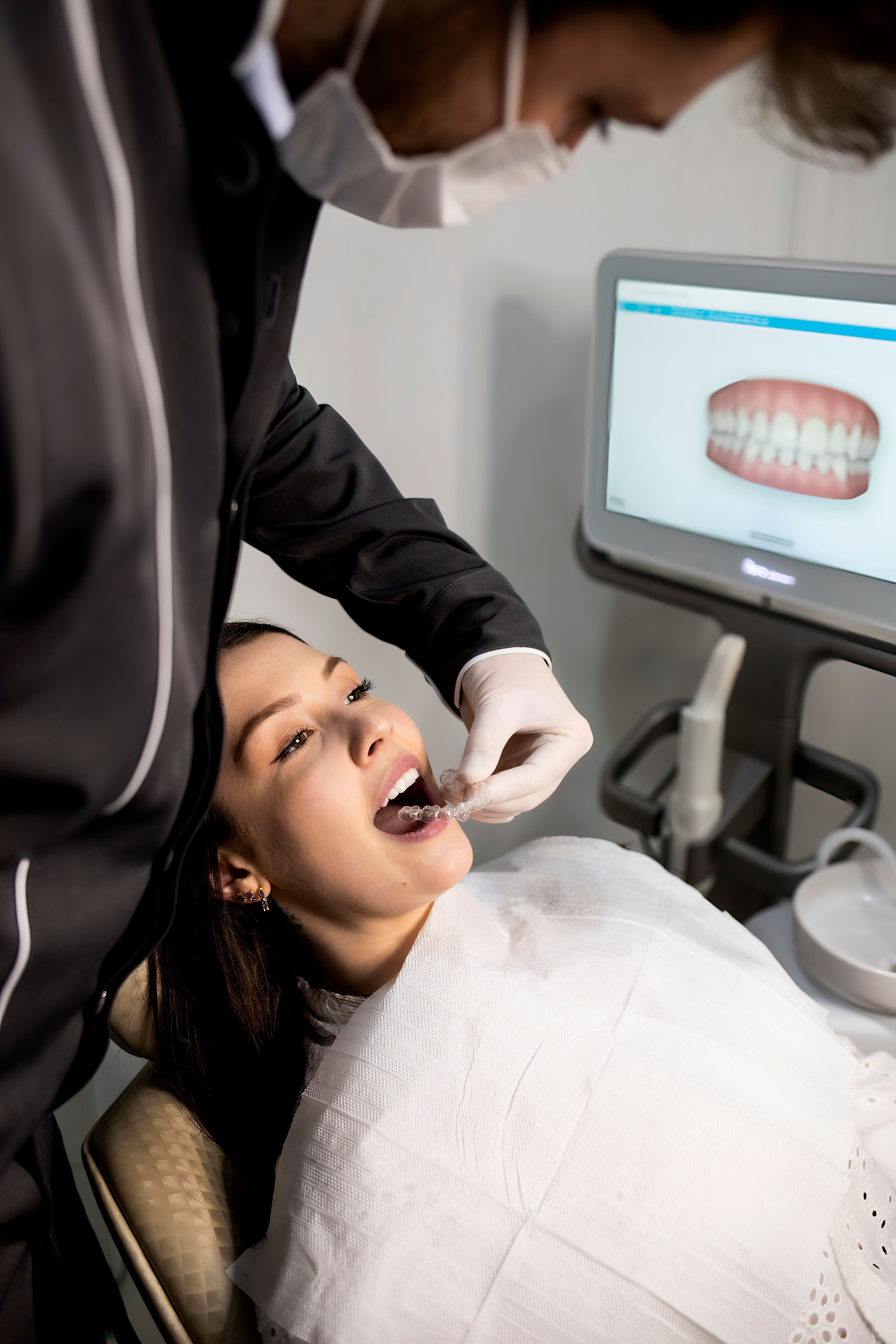
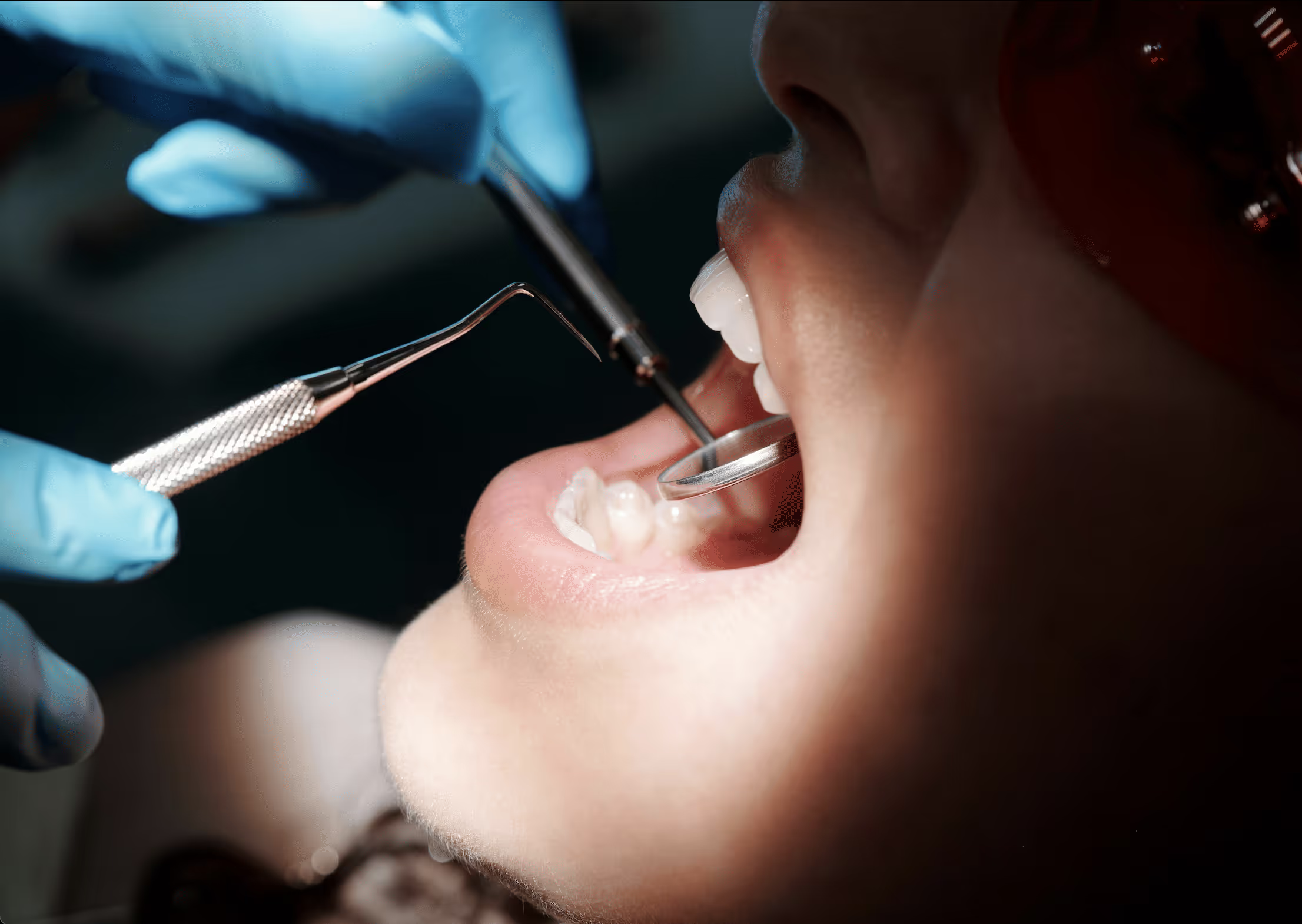
Upload photos to check whether your retainer still fits correctly.
Replacement retainers
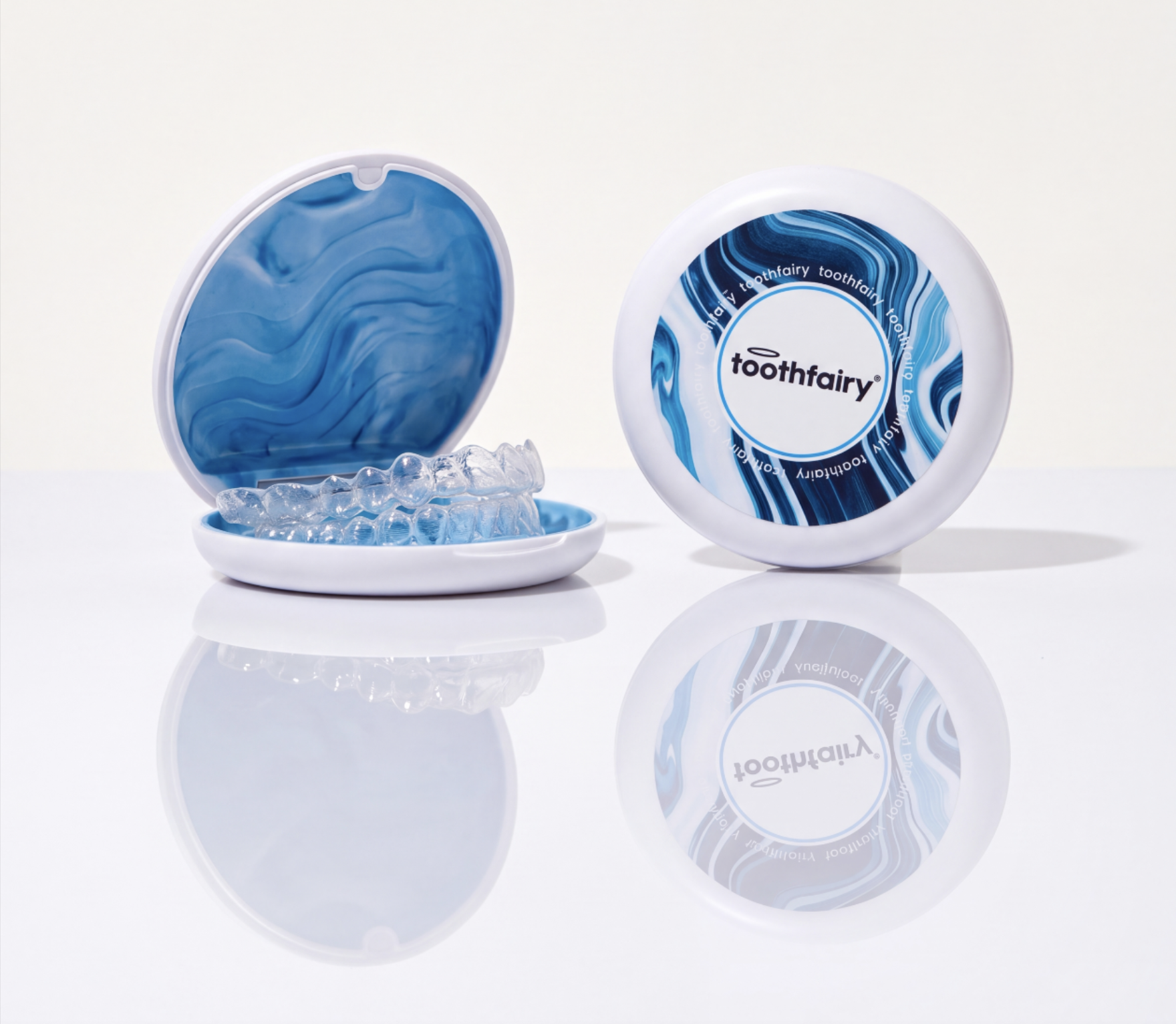
Order new retainers when yours wear out or crack.
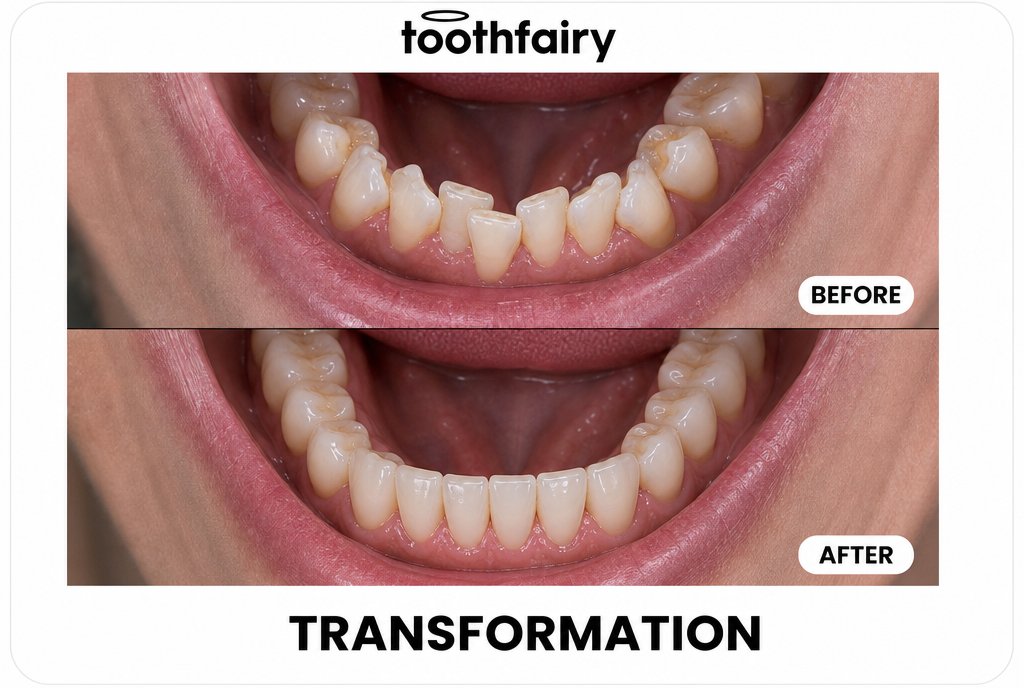
Relapse correction
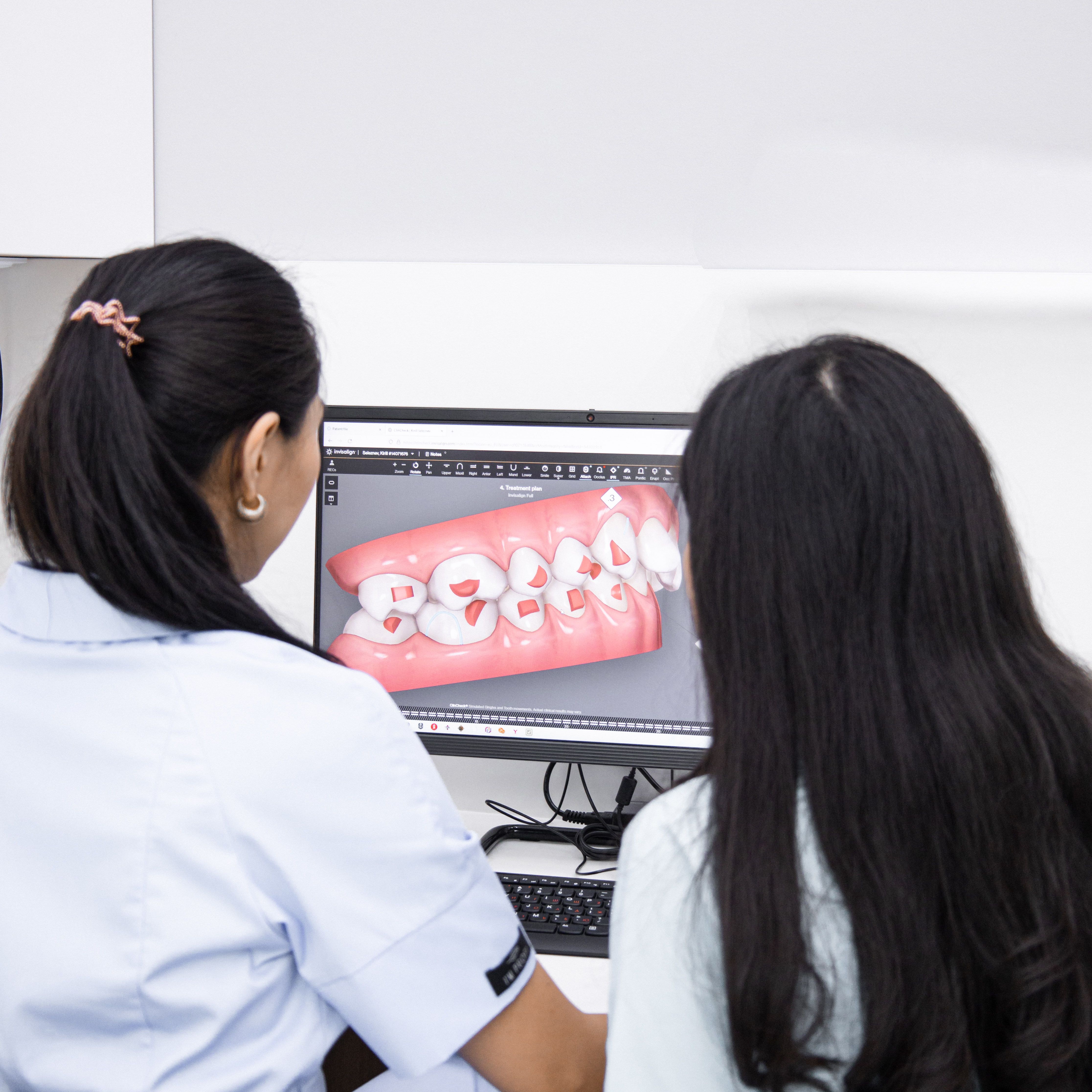
If your teeth have moved, aligners can bring them back into position before returning to retainer wear.
Clear next steps
You’ll know whether you need a new retainer, refinements or a short aligner plan.






.jpg)




































.avif)