Why teeth move over time
Even after straightening treatment, teeth naturally try to drift back toward their original positions.
Movement can happen due to:
- gum changes
- bone remodelling
- ageing
- pressure from chewing
- missing teeth
- inconsistent retainer use
Understanding the cause helps you protect your smile more effectively.
Most common reasons teeth start moving
1. Not wearing retainers consistently
Retainers keep teeth in their new positions. Without them, teeth gradually shift back.
2. Age‑related changes
Gums recede and bone density changes, allowing teeth to drift.
3. Grinding or clenching (bruxism)
Constant pressure can push teeth out of alignment.
4. Gum disease
Inflammation weakens the structures that hold teeth in place.
5. Missing teeth
Gaps cause neighbouring teeth to tilt or drift.
6. Natural bite pressure
Everyday chewing applies small forces that accumulate over time.
Why teeth move
How to stop teeth from moving
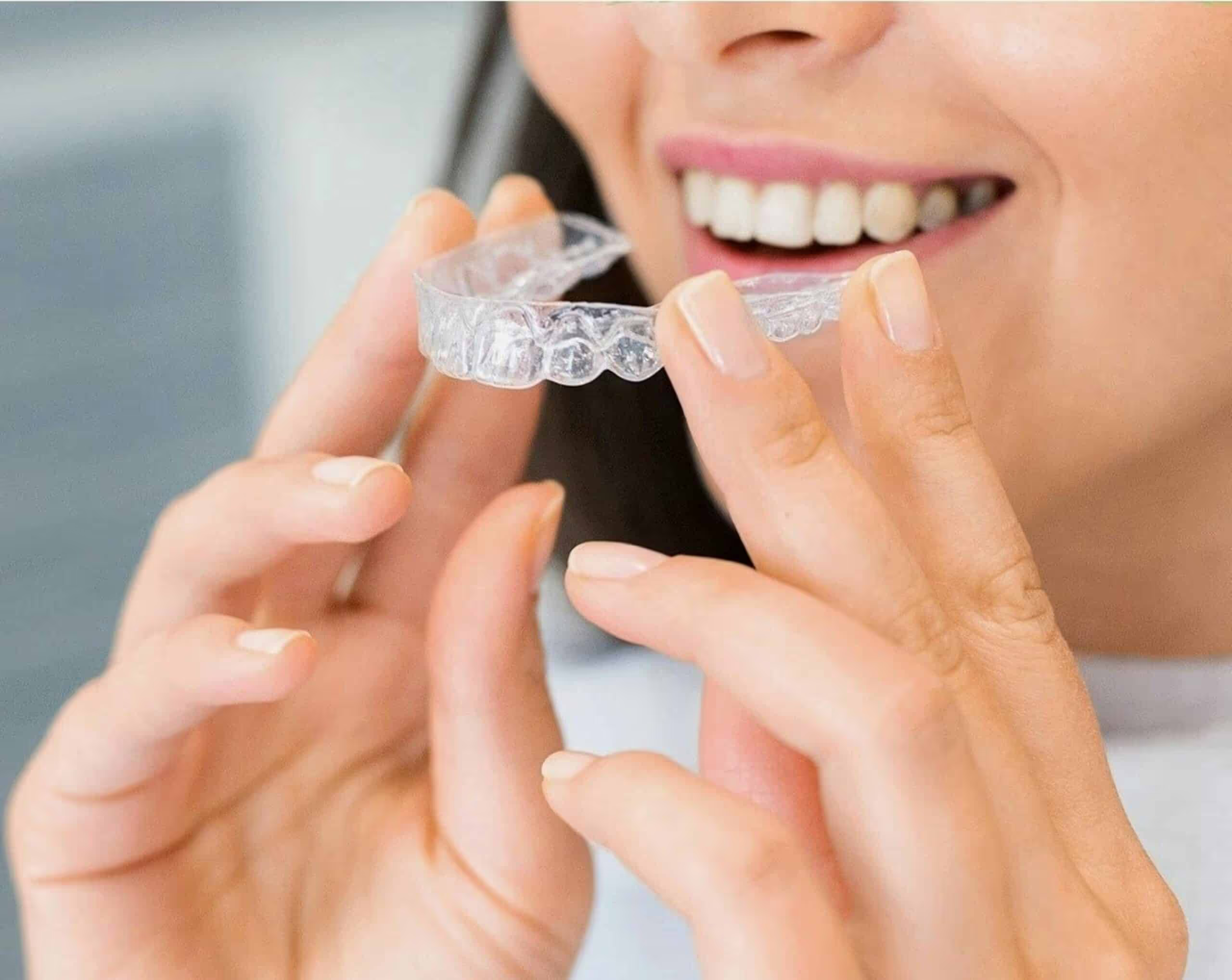
1. Wear your retainers consistently
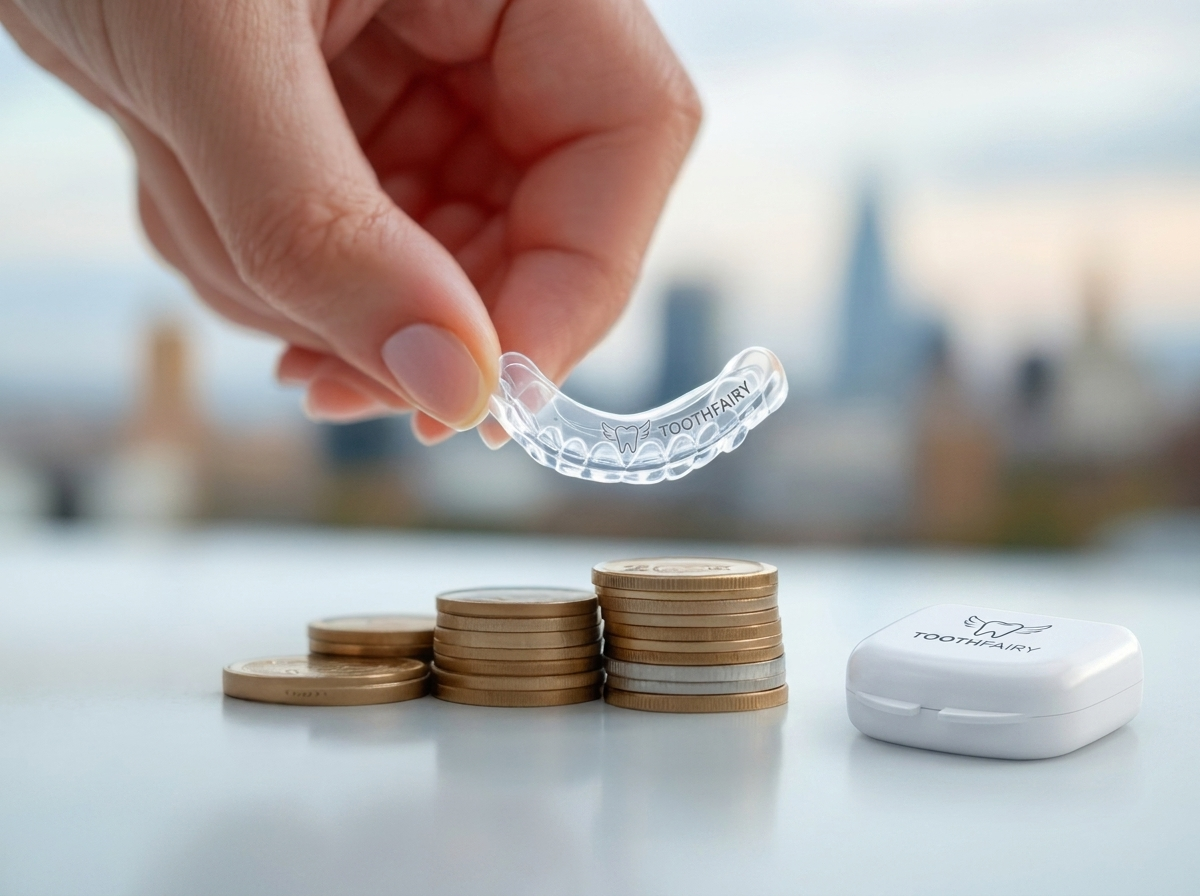
Retainers are the most effective way to keep teeth stable.If yours feel tight, it’s a sign your teeth have already started shifting.
2. Replace old or loose retainers
Retainers lose shape over time.If they no longer fit snugly, it’s time for a replacement.
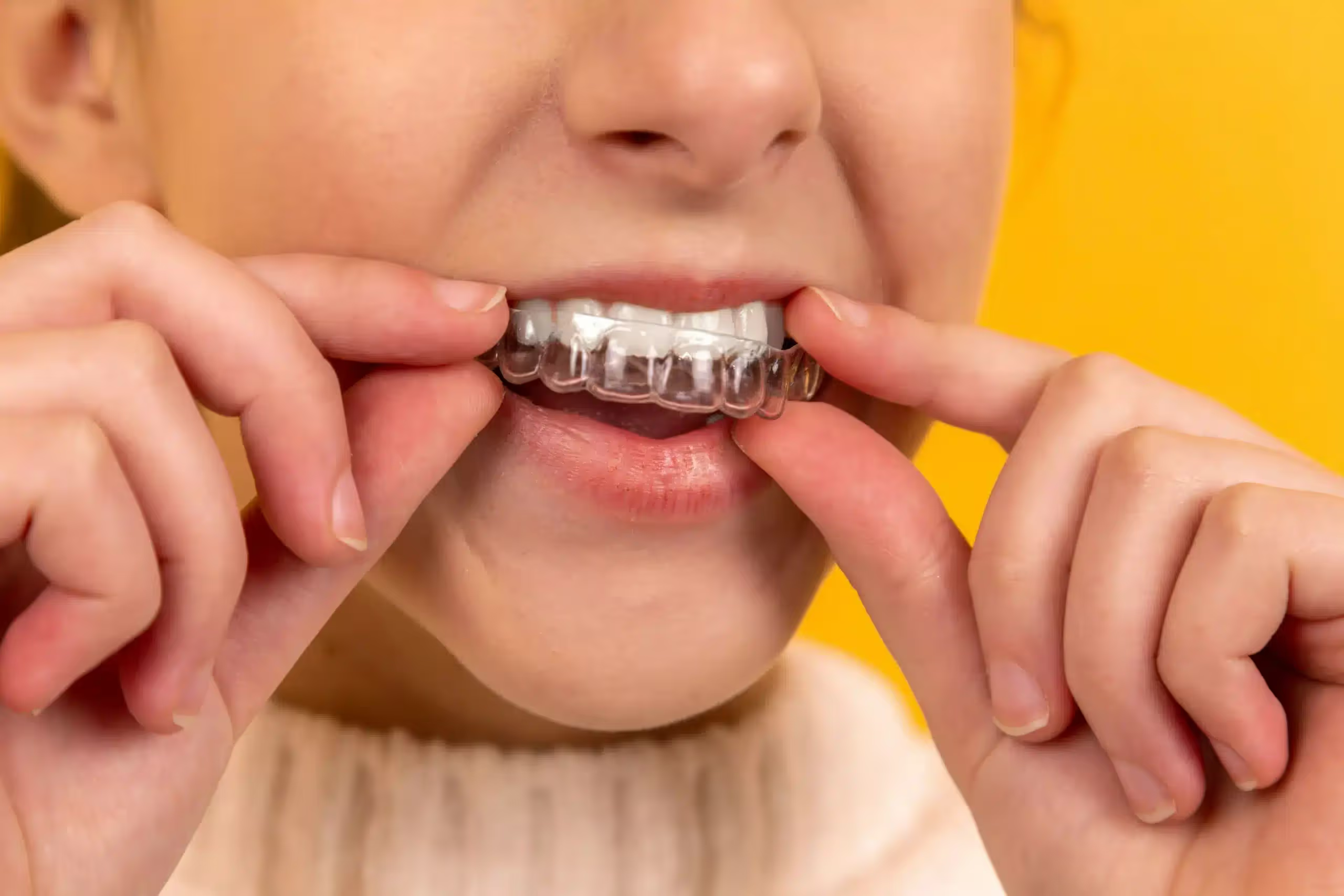
3. Treat grinding or clenching
A night guard helps protect your teeth from pressure.
4. Maintain gum health
Healthy gums keep teeth supported.Brush twice daily and use fluoride toothpaste.
5. Avoid habits that push teeth
Thumb‑sucking, nail‑biting and chewing pens can shift teeth.
6. Fix missing teeth
Gaps cause neighbouring teeth to drift.Dentists may recommend implants or bridges.
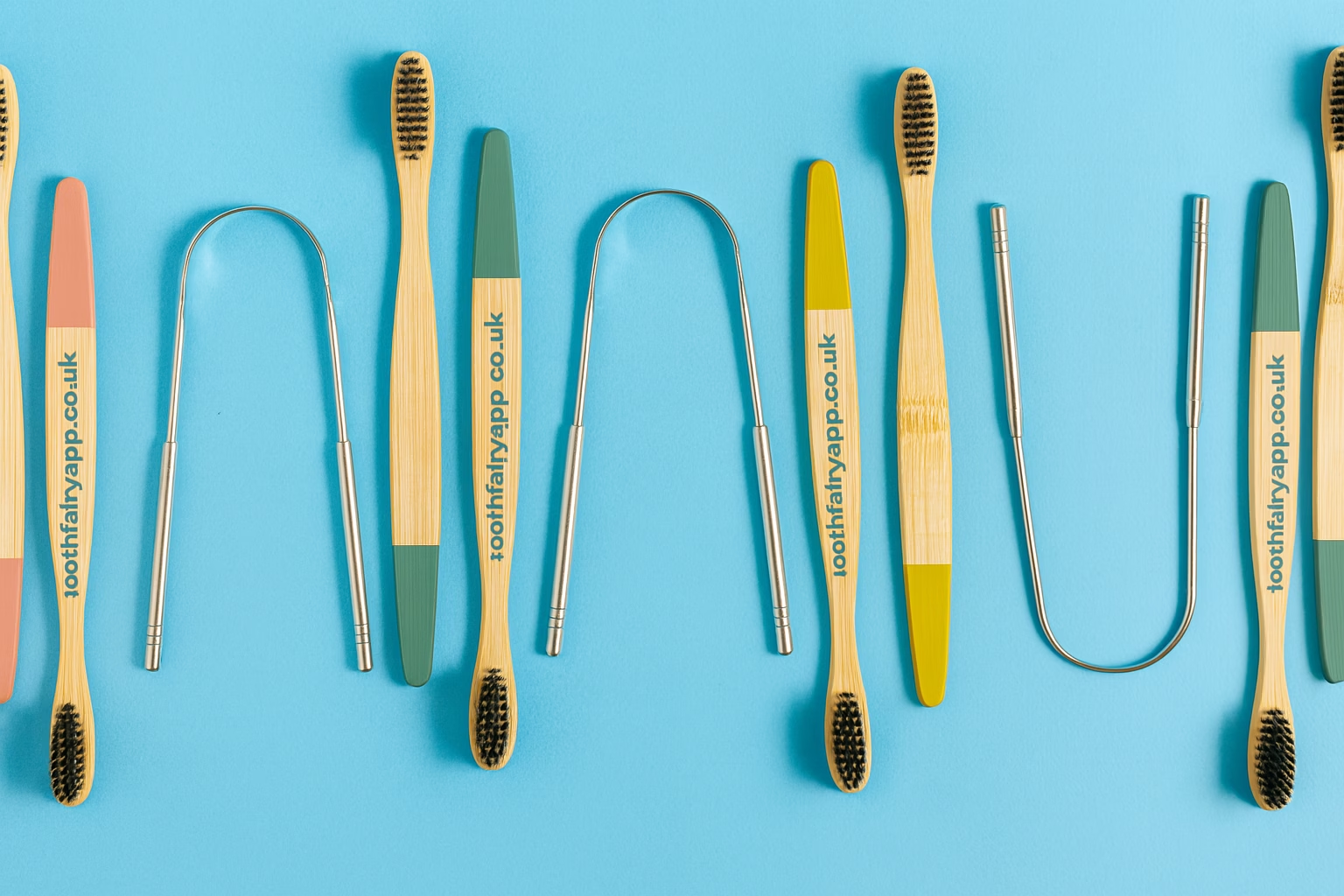
7. Use the Toothfairy Wand
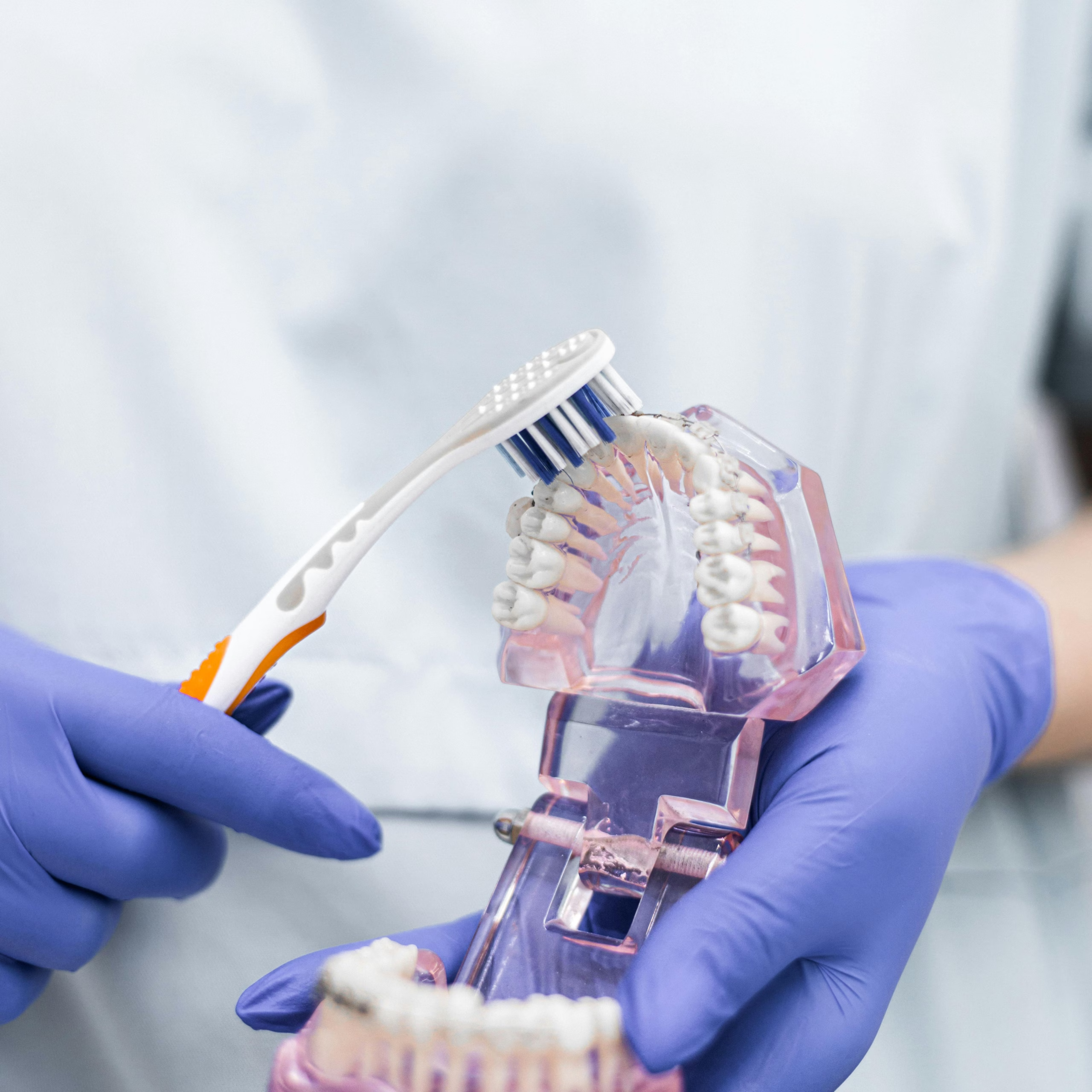
Smart brushing improves gum health and reduces movement risk.
What to do if your teeth have already started moving
1. Try your retainers again
If they still fit, wear them full‑time for a few days.
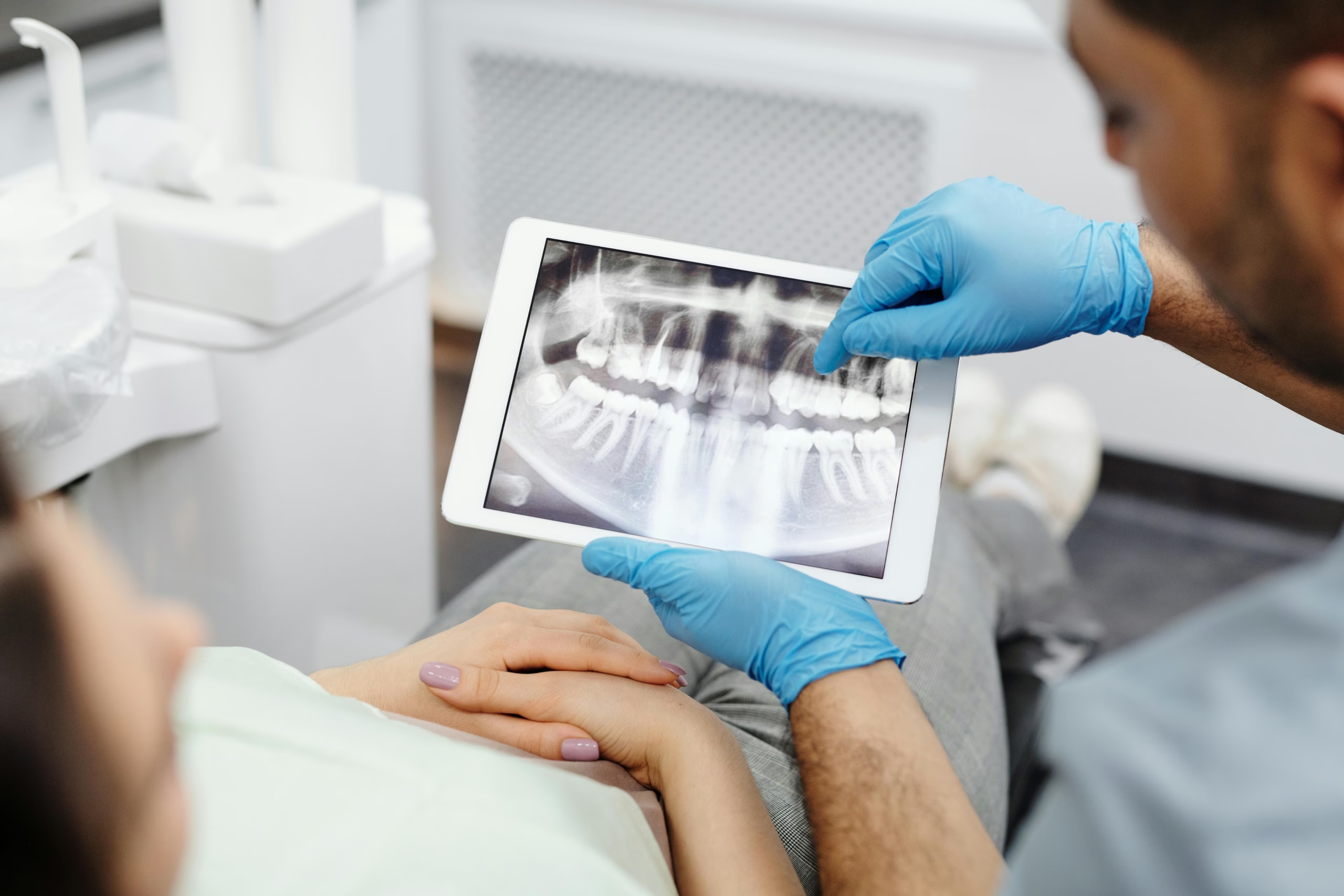
2. Book a photo‑based assessment
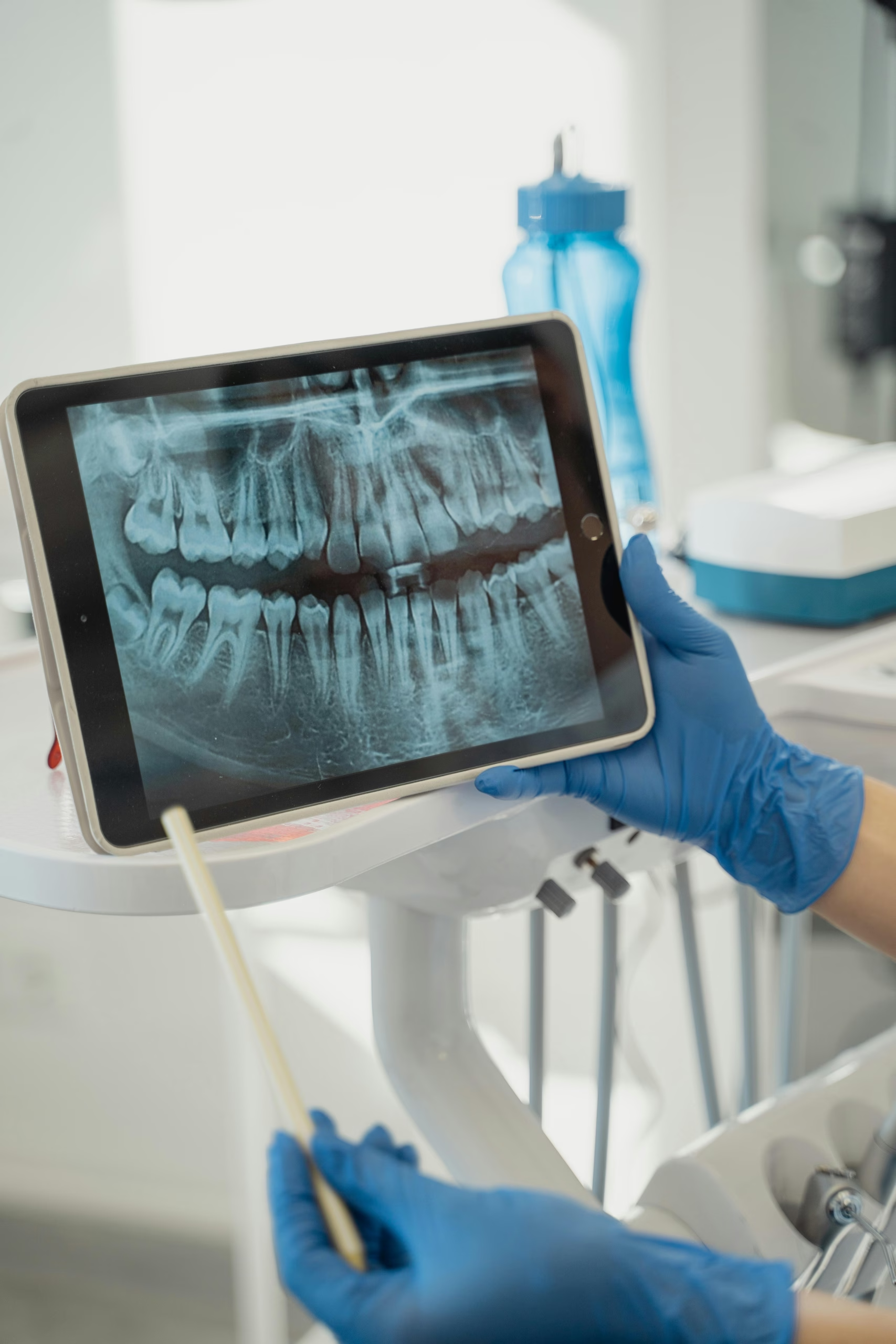
Dentists can check whether movement is mild or needs treatment.
3. Consider refinement aligners
Small shifts can often be corrected with short aligner plans.
4. Address underlying issues
Grinding, gum disease or missing teeth may need treatment first.
When moving teeth mean you need a dentist
Seek professional advice if you notice:
- sudden movement
- pain when biting
- gum recession
- loose teeth
- retainers no longer fitting
- movement after dental work
These may indicate gum disease, bone changes or bite issues.
How Toothfairy helps keep your teeth stable
Photo‑based assessments
Upload images to check whether movement is mild or needs treatment.
Dentist‑led guidance
Clear advice on retainers, refinements and gum health.
Smart brushing support
The Toothfairy Wand helps maintain gum stability.
Clear next steps
Know whether you need new retainers, refinements or a clinic visit.
















.jpg)





.jpg)













.jpg)