
How Mental Health Affects Your Mouth: A Practical UK Guide
When we think about mental health, we often focus on mood, sleep or energy. What many people do not realise is that your mouth can also show early signs that something is not quite right. Stress, anxiety and depression can influence your habits, your saliva flow and even the way your muscles behave.
Your mouth is often the first place to whisper that your mental wellbeing needs attention. Understanding this connection helps you act early and protect your long‑term oral health.
1. Spot the Signs of Mental Health Affecting Your Mouth
Mental health challenges often show up in subtle ways. These are the most common signs to look out for.
Tooth grinding
Stress and anxiety can lead to unconscious grinding, especially at night. You may notice:
• Worn or flattened teeth
• Jaw pain or clicking
• Morning headaches
Grinding places pressure on your enamel and jaw joints, increasing the risk of fractures and long‑term discomfort.
Dry mouth
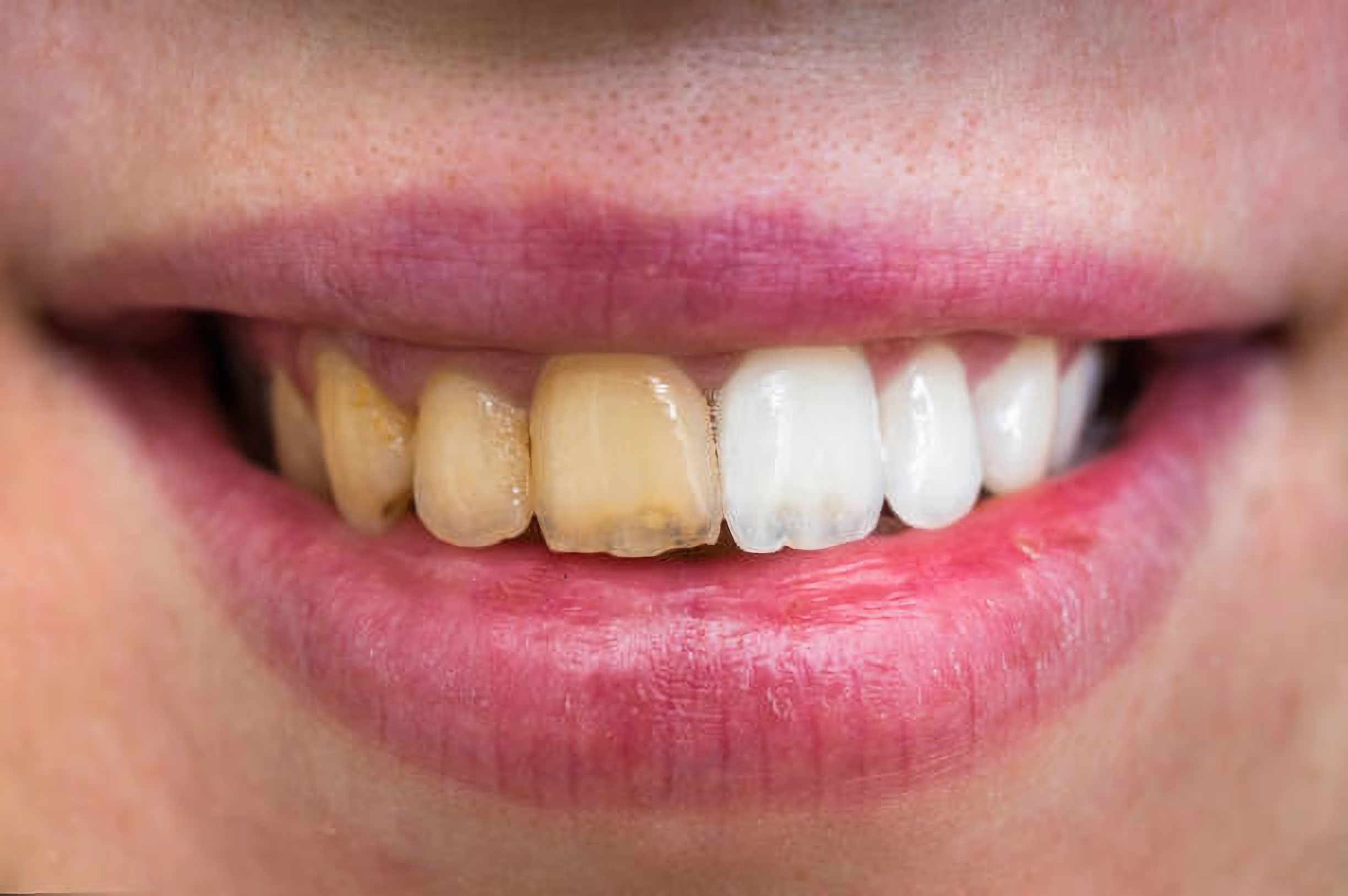
Low mood and certain medications can reduce saliva flow. Saliva protects your teeth, so reduced flow can lead to:
• Persistent dryness
• Bad breath
• Higher risk of decay and gum problems
NHS guidance on dry mouth
Mouth ulcers or cheek biting
Stress can weaken your immune system or trigger habits like cheek biting. This can lead to painful ulcers or sores that take longer to heal.
Neglecting oral hygiene
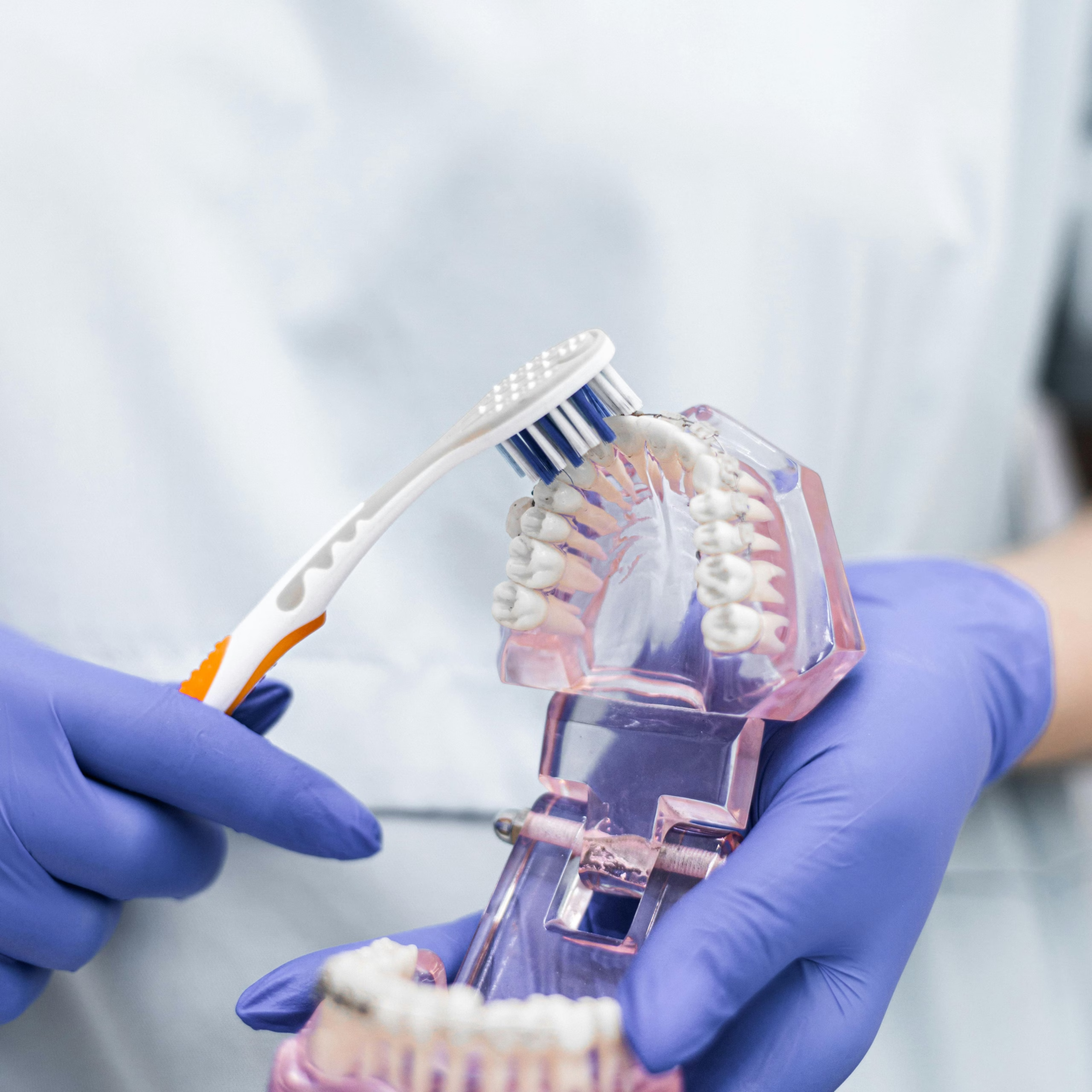
During periods of depression or anxiety, daily routines can slip. Missing brushing or flossing allows plaque to build up, increasing the risk of gum inflammation and decay.
Jaw tension and facial pain
Emotional strain can cause jaw clenching. This may lead to:
• Aching facial muscles
• Tension headaches
• Clicking or popping in the jaw joint
2. What You Can Do About It
Small steps can make a big difference for both your mental health and your oral health.
Acknowledge the mind–mouth connection
Awareness is the first step. If you notice any of the signs above, consider whether stress, anxiety or low mood may be contributing.
Seek professional support early
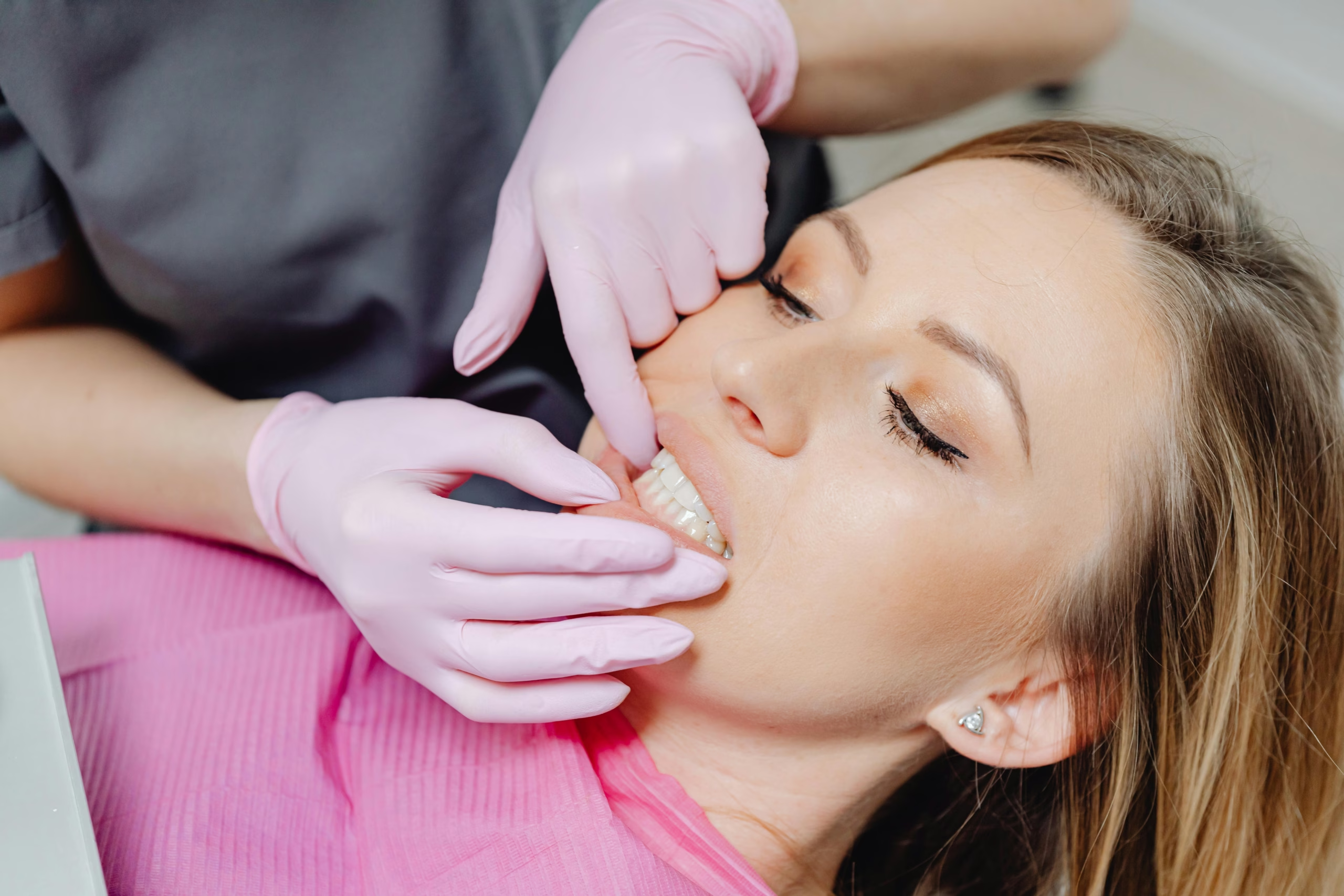
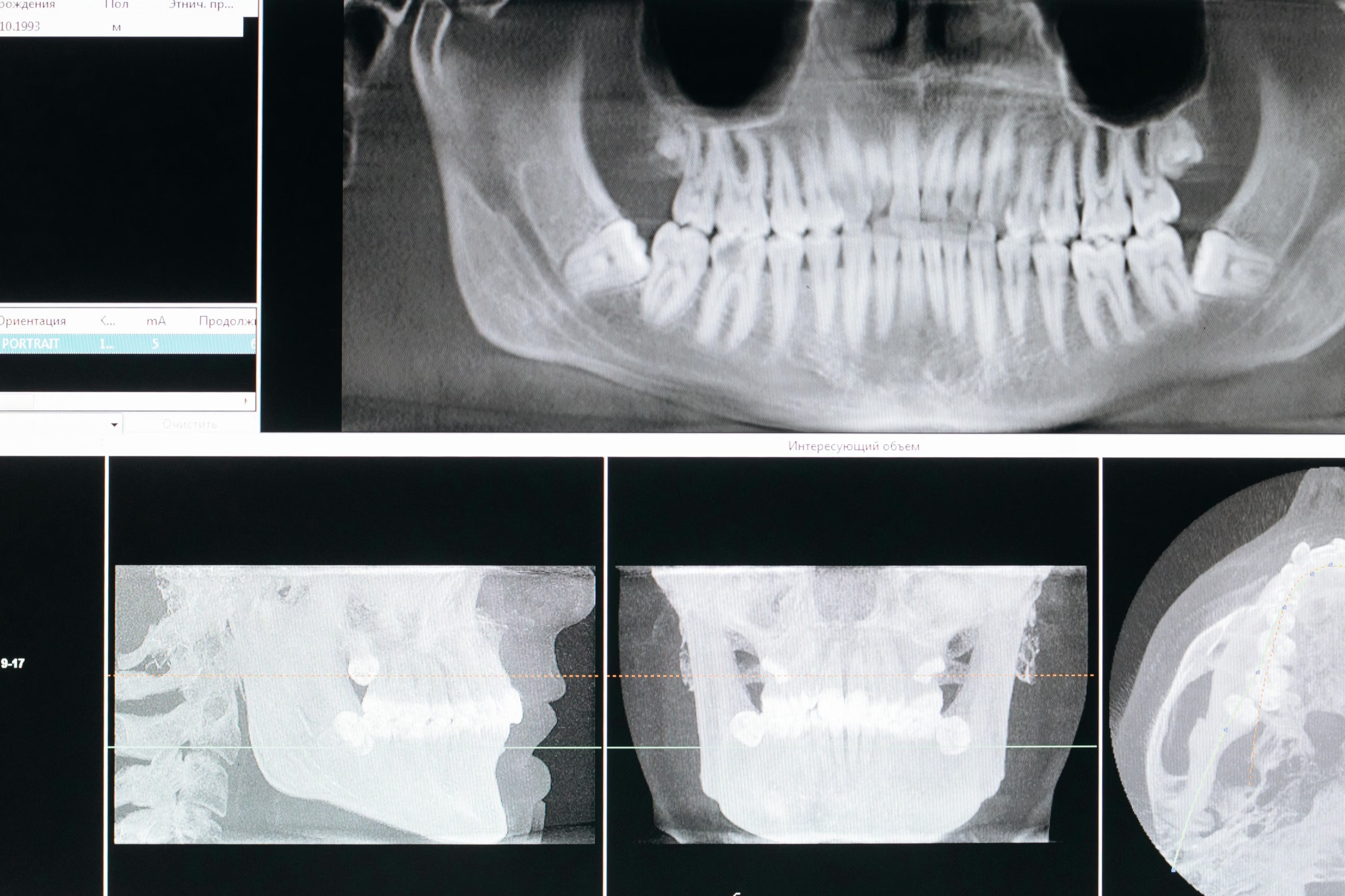
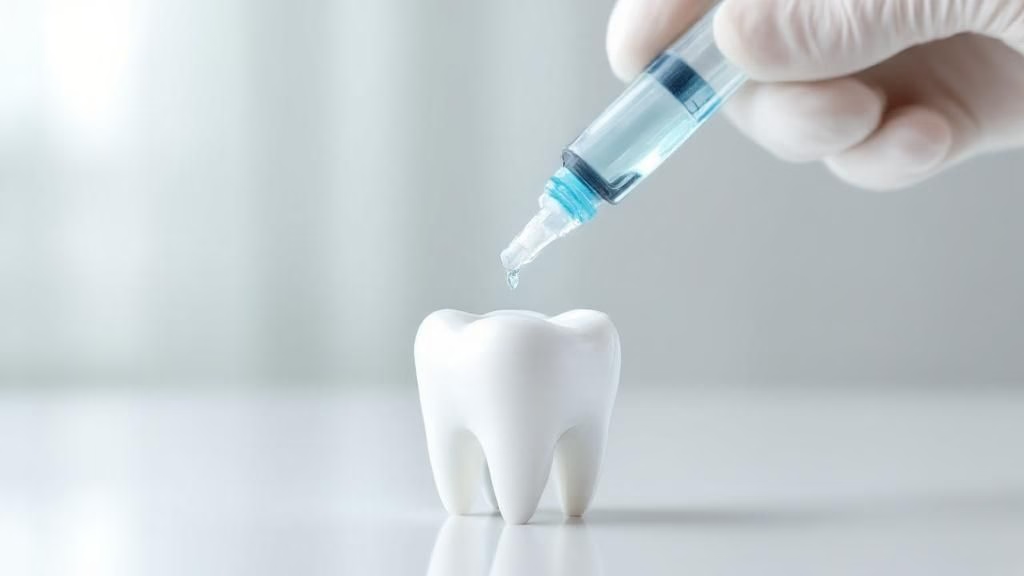
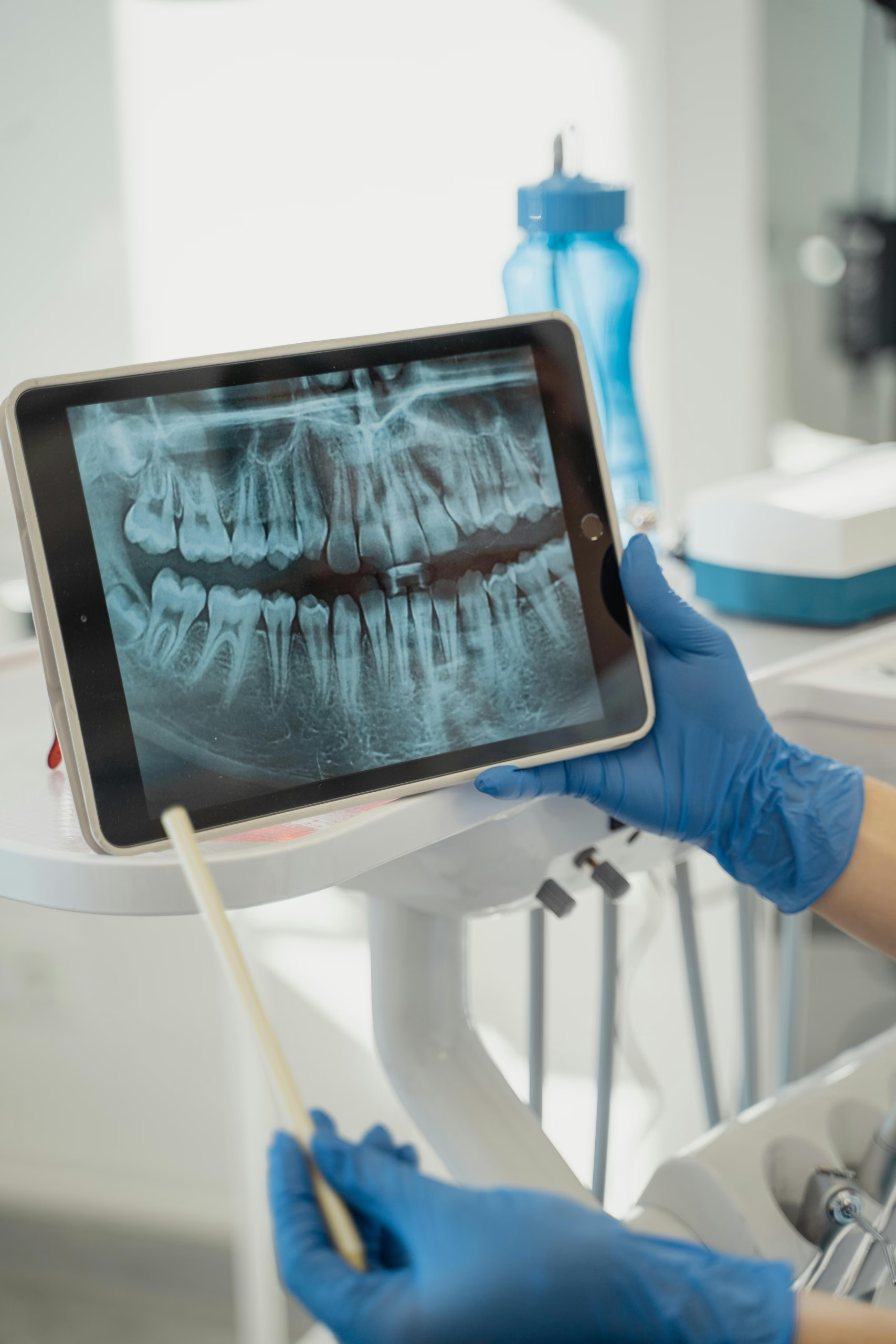
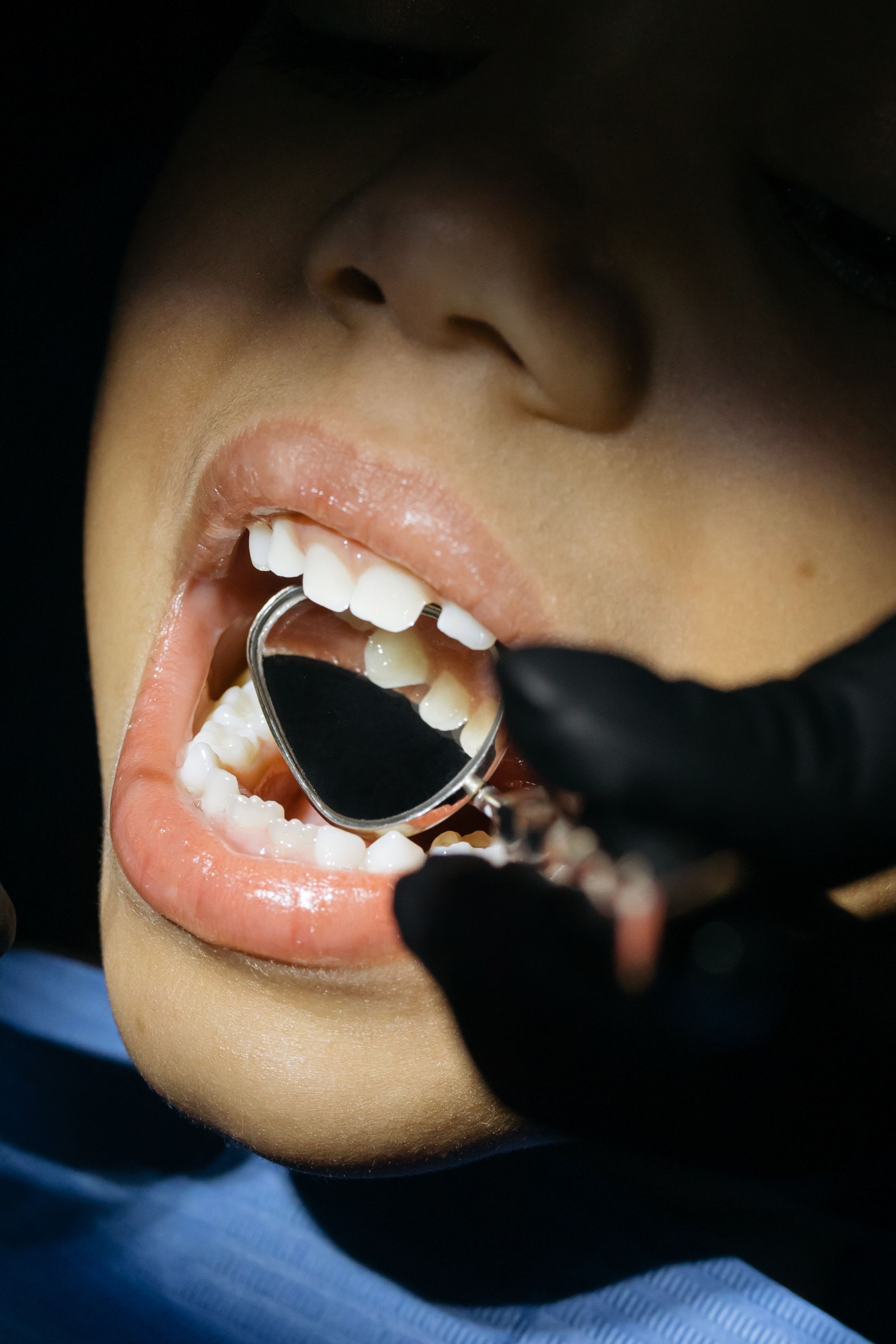
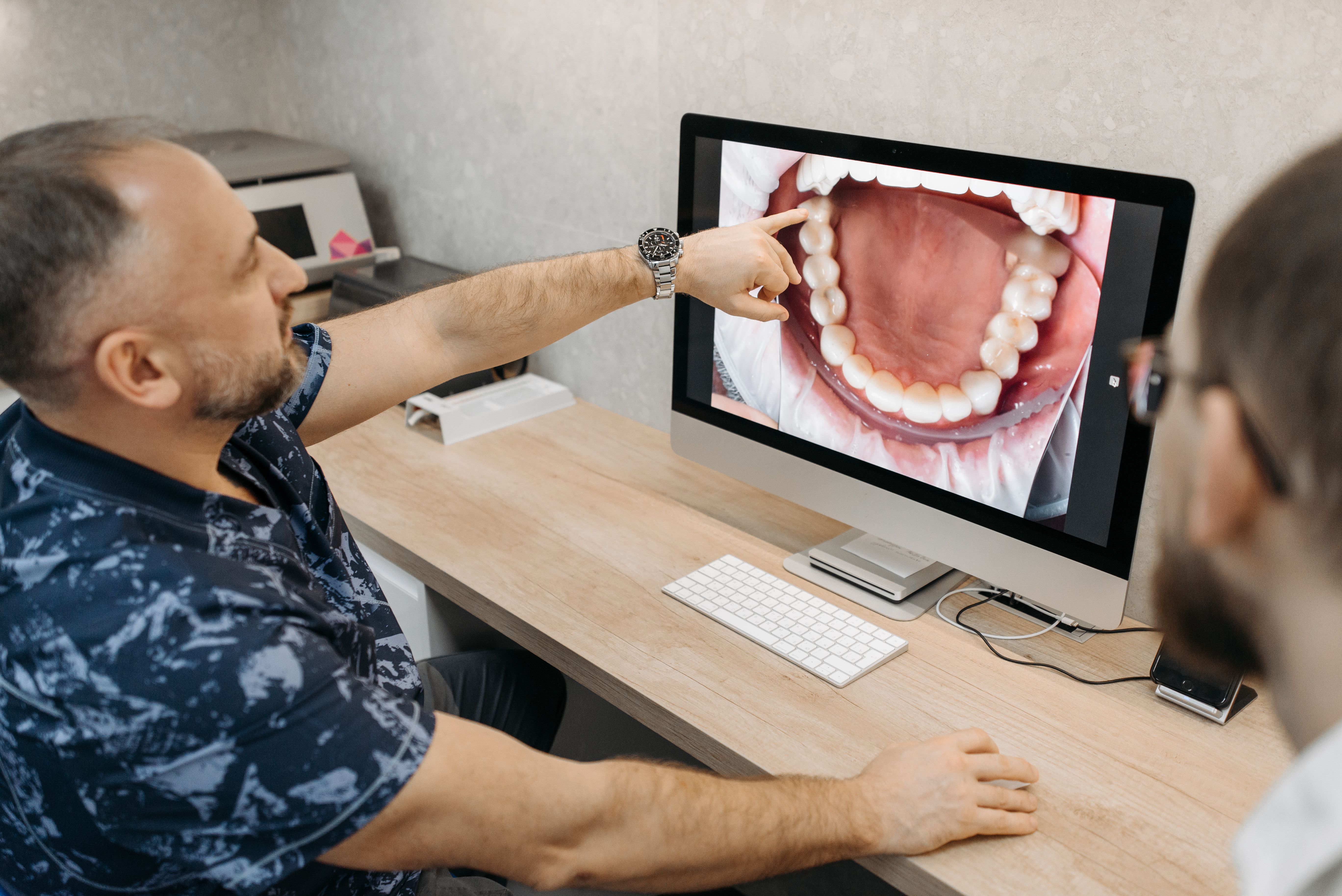
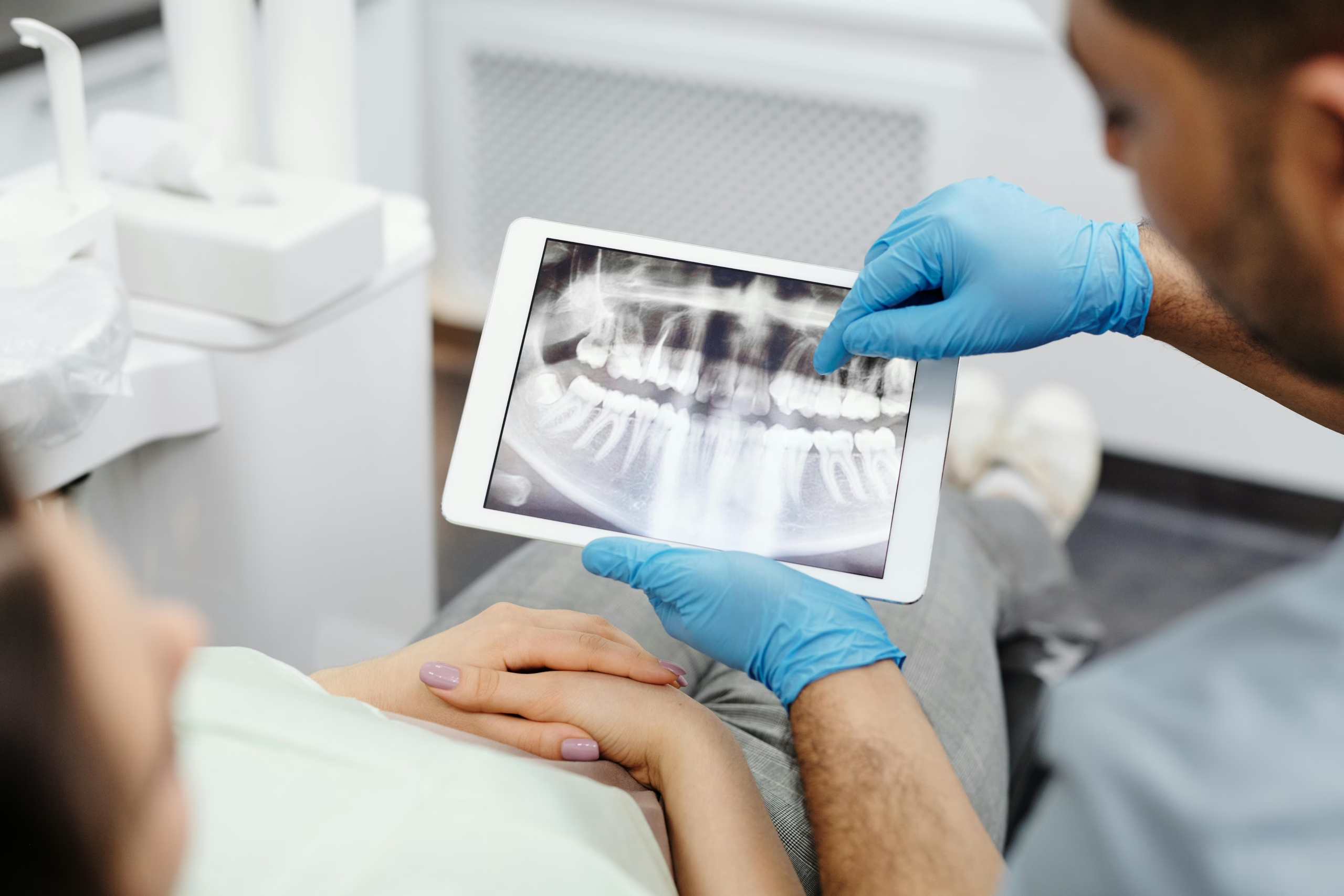
DentistCan spot tooth wear, jaw issues or gum disease early. They may recommend night guards, fluoride treatments or other protective solutions.
GP or mental health professional
Can support you with stress management techniques, therapy or medication if needed.
NHS mental health support
Adopt simple coping strategies
• Mindfulness and relaxation
• Breathing exercises, journaling or meditation can help reduce clenching and grinding.
• Routine reset
• Set small, achievable oral care goals such as brushing twice a day. This creates structure and supports your wellbeing.
• Hydration, Drinking more water helps relieve dry mouth and wash away bacteria.
Address oral habits
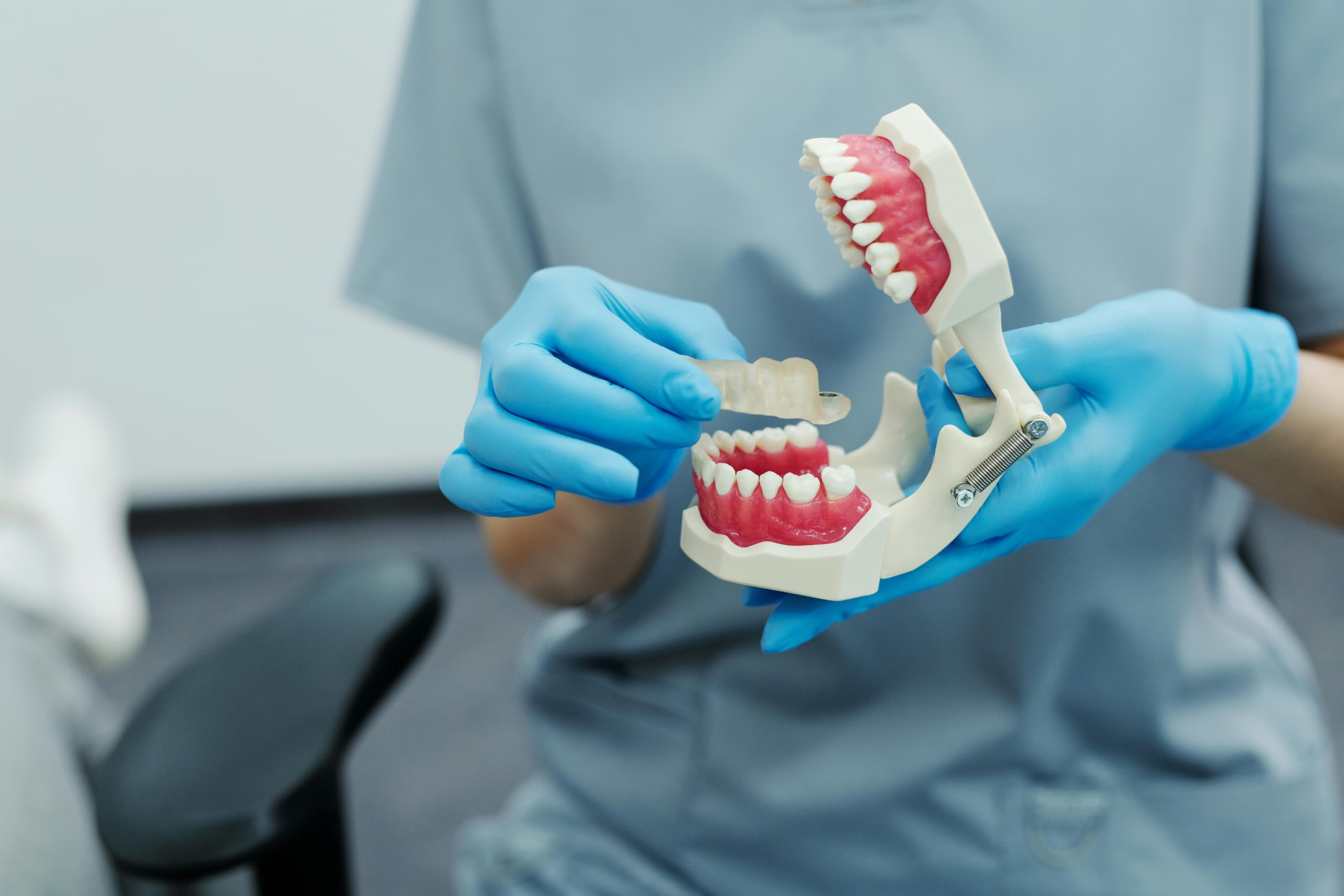
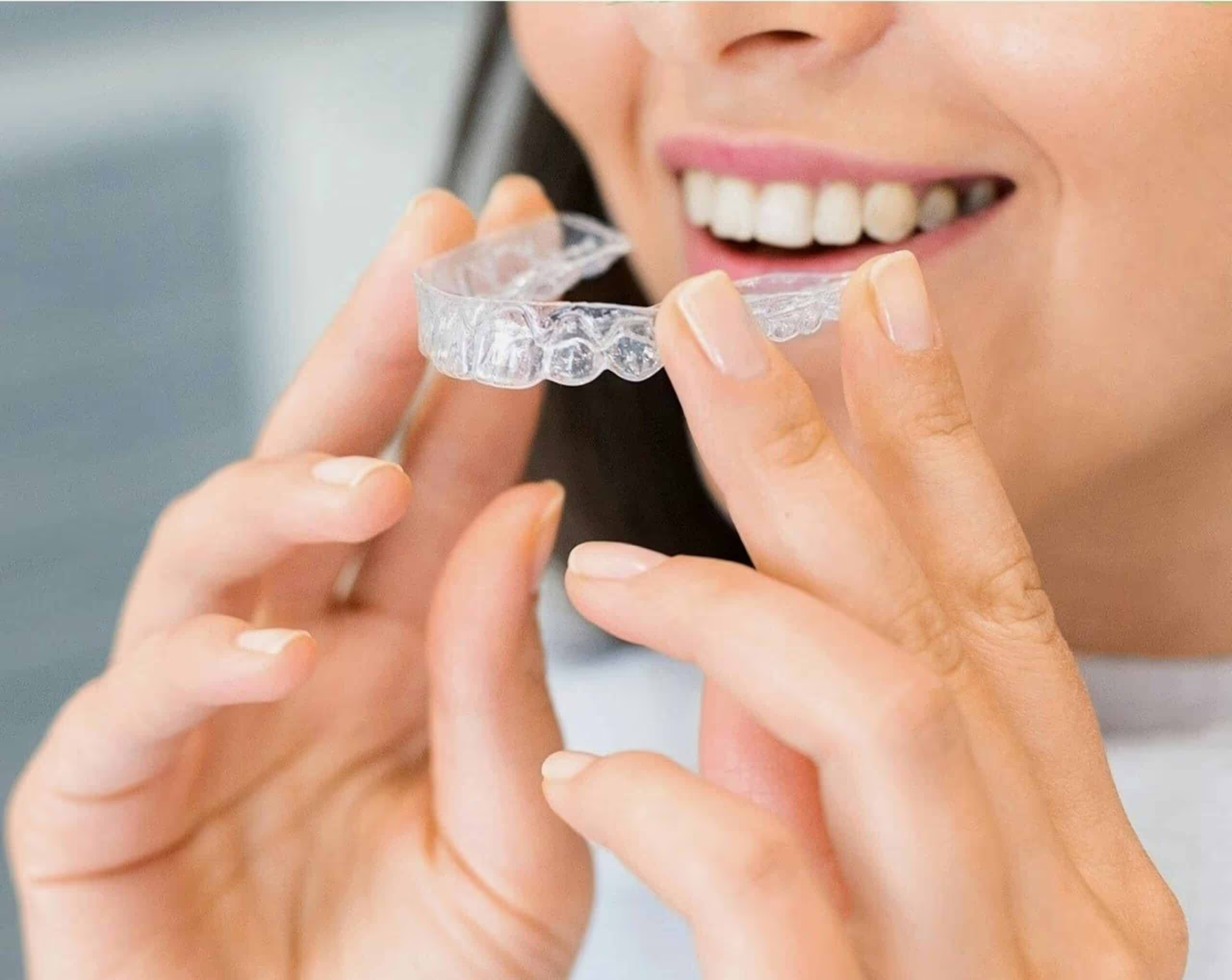
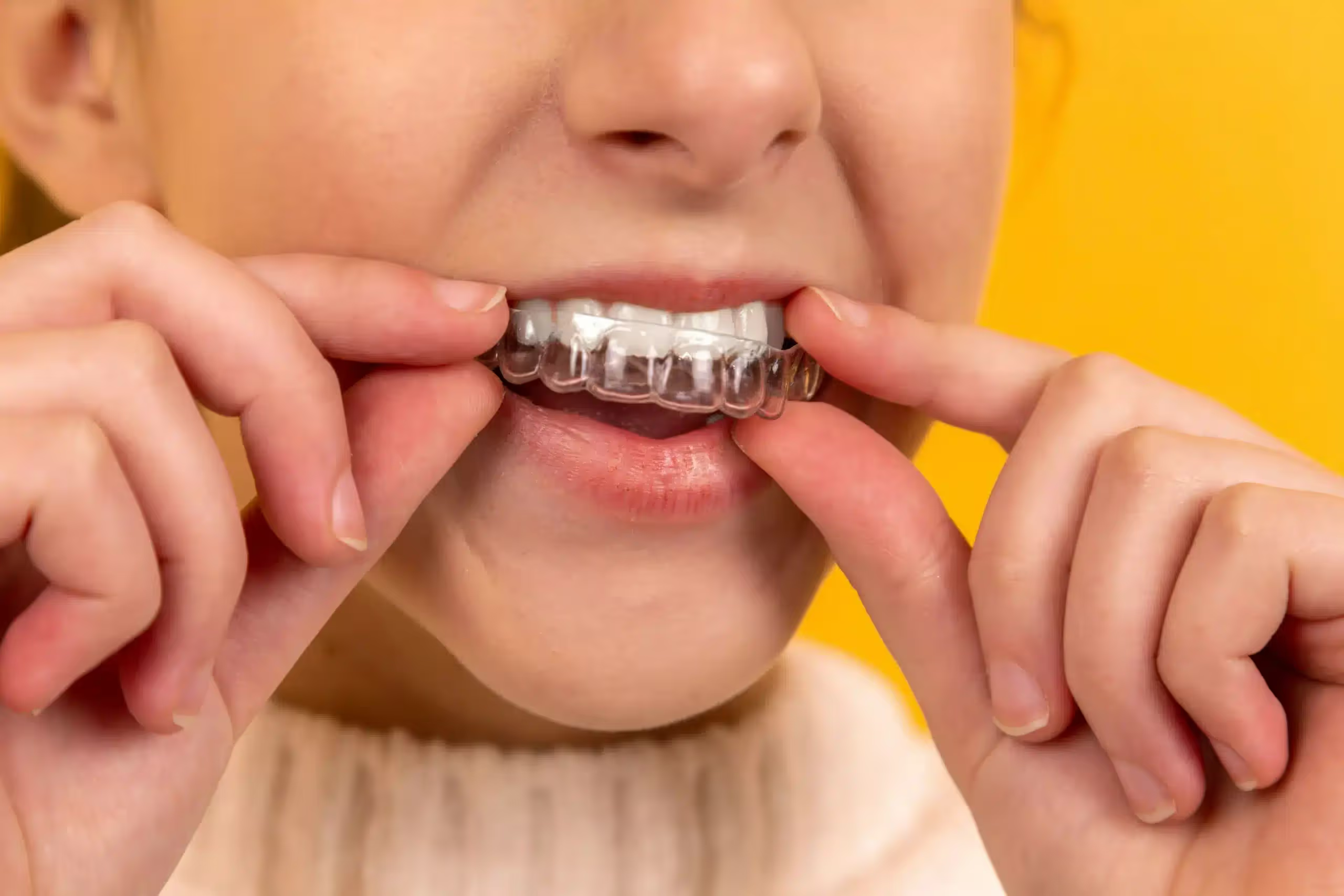
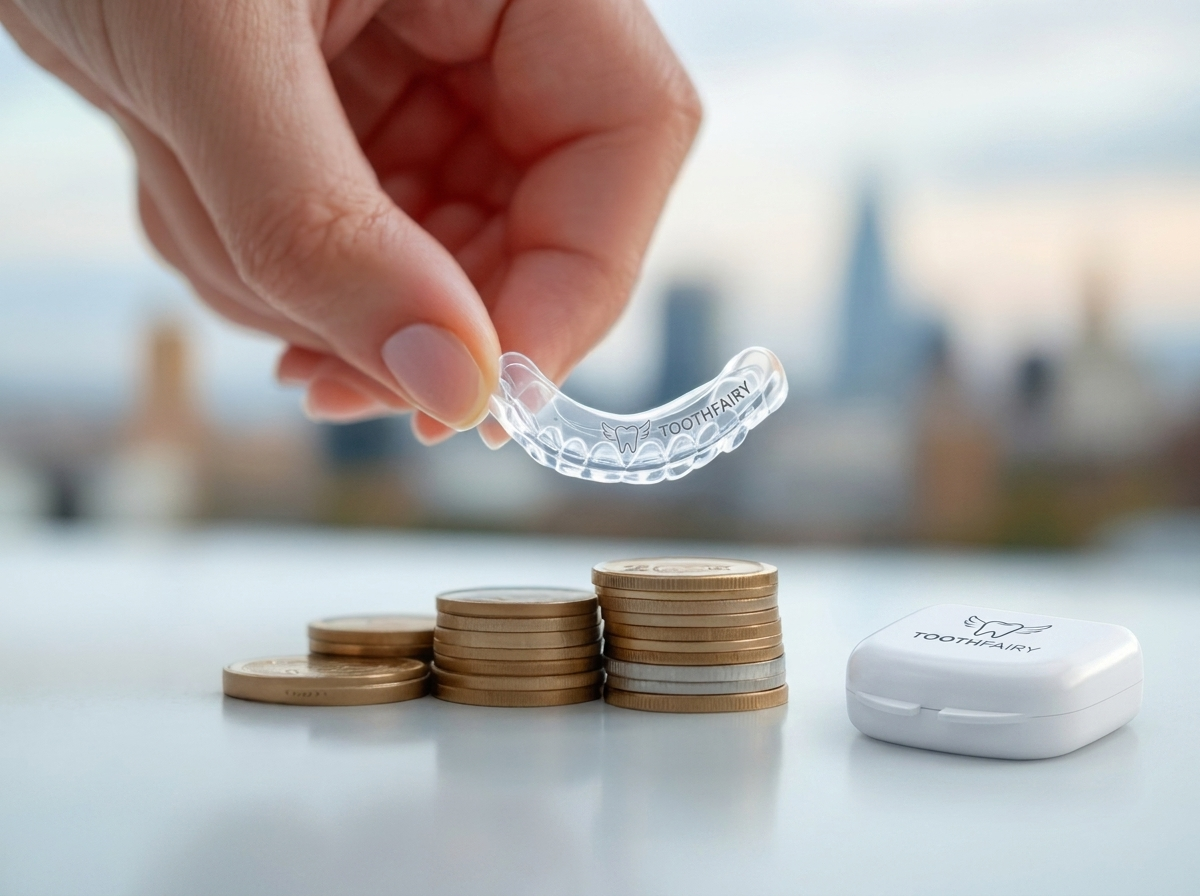
• If you grind your teeth, speak to your dentist about a custom night guard.
• For cheek biting or ulcers, topical gels or saltwater rinses can soothe irritation.
Regular dental check‑ups
Seeing your dentist regularly means they can catch early signs of mental health‑related oral issues before they become serious.
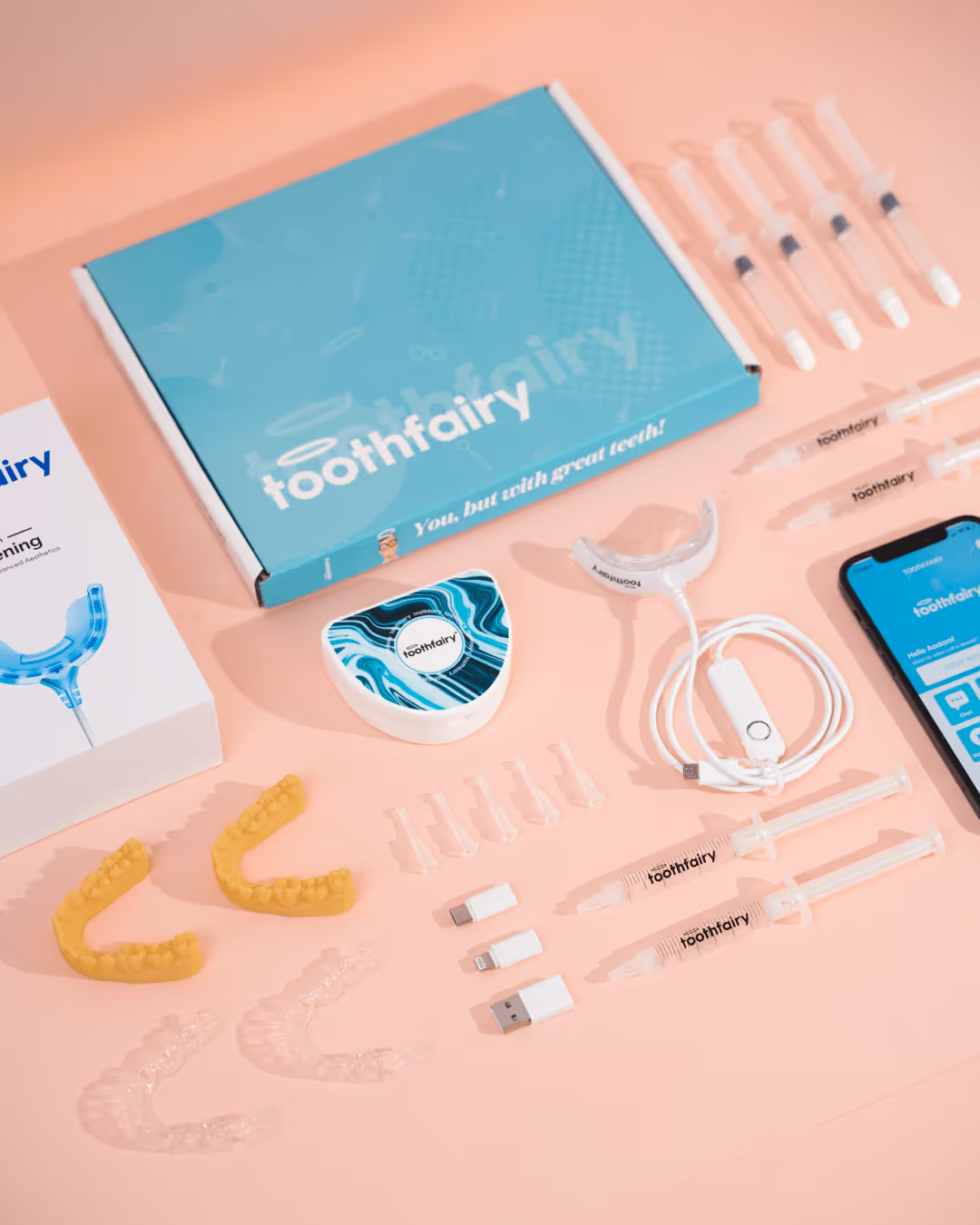
Toothfairy makes access easier by connecting you with UK dentists directly through your phone
A Healthy Mind Supports a Healthy Mouth
Your mouth can be one of the first places to show that your mental health needs attention. By tuning in to the signs and acting early, you protect both your smile and your overall wellbeing.
If you have noticed any of these symptoms, do not wait. Book a dental check‑up and reach out for mental health support. You deserve to feel well, inside and out.













.jpg)





.jpg)
















.jpg)