What Fluoride Treatment Actually Is
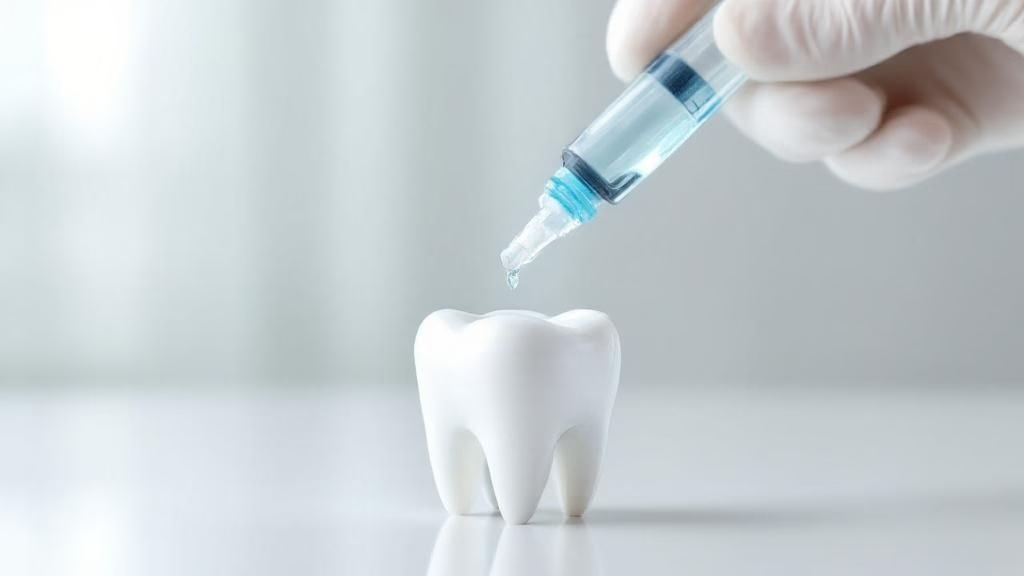
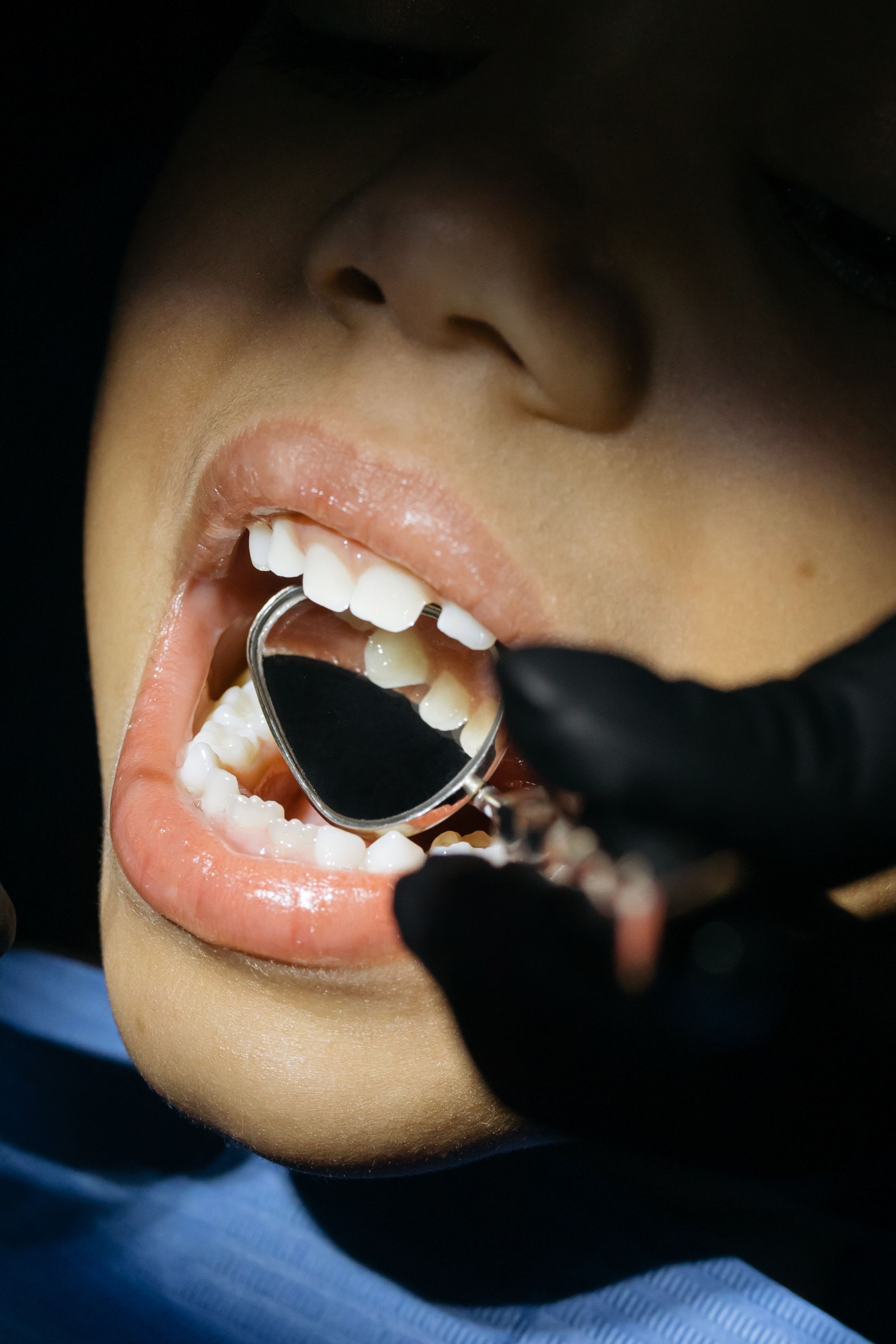
Fluoride treatment is a simple, painless procedure where a concentrated form of fluoride is applied directly to your teeth. Fluoride is a naturally occurring mineral that strengthens enamel and makes it more resistant to decay.
Think of it as a protective shield for your smile. It reinforces the outer layer of your teeth and helps reverse early signs of decay before they become cavities.
How Fluoride Strengthens Your Teeth
Demineralisation vs remineralisation
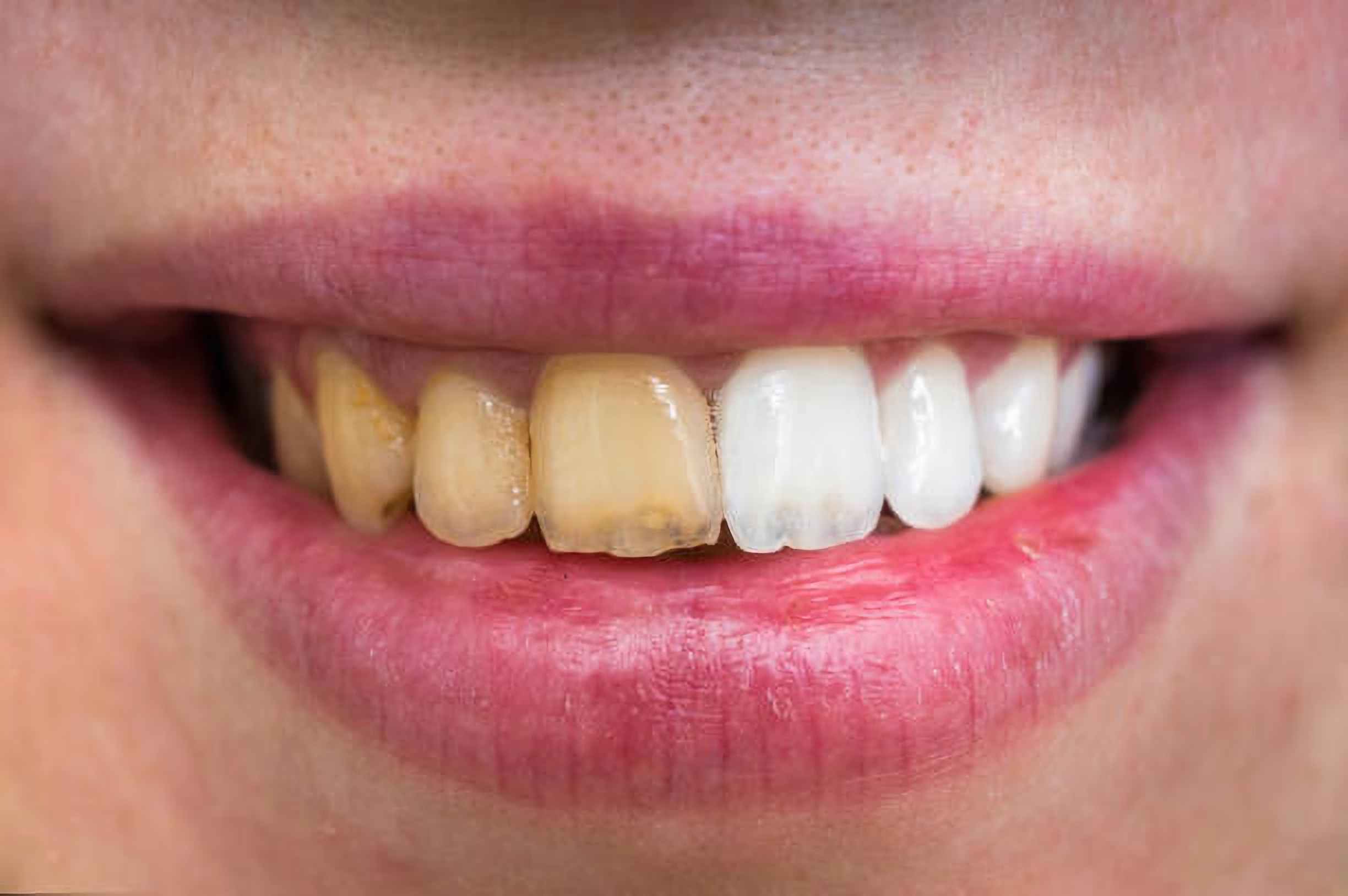
Your enamel is constantly under attack from acids in food, drinks and plaque. These acids pull minerals out of your enamel, weakening it over time. This process is called demineralisation.
Fluoride treatment does the opposite. It replenishes lost minerals and rebuilds enamel through remineralisation.
Fluorapatite: your upgraded enamel
Fluoride integrates into the enamel and forms fluorapatite, a stronger, more acid‑resistant version of your natural enamel. This makes your teeth far better equipped to resist decay.
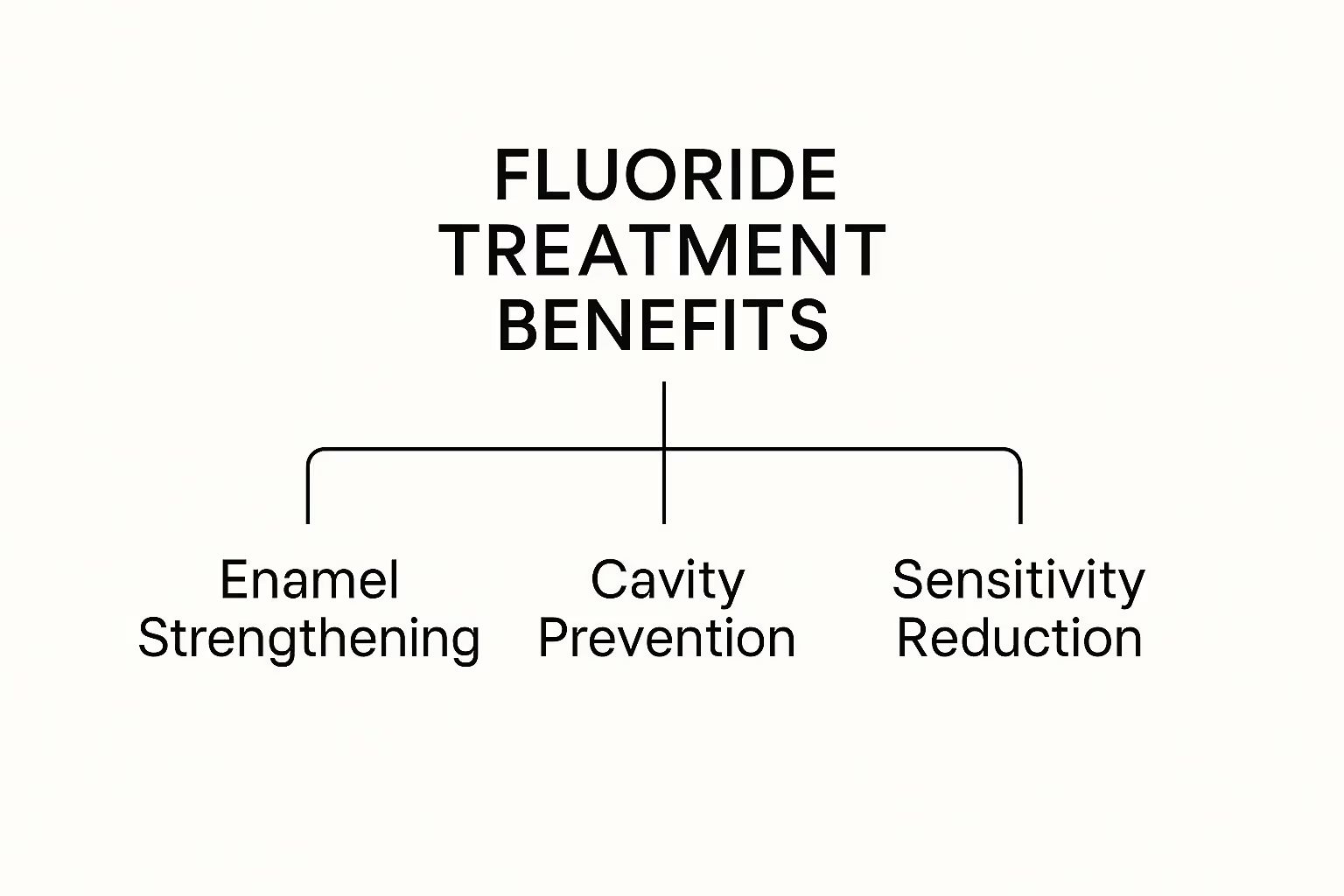
Fluoride Treatment at a Glance
Why Fluoride Is More Than Just Prevention
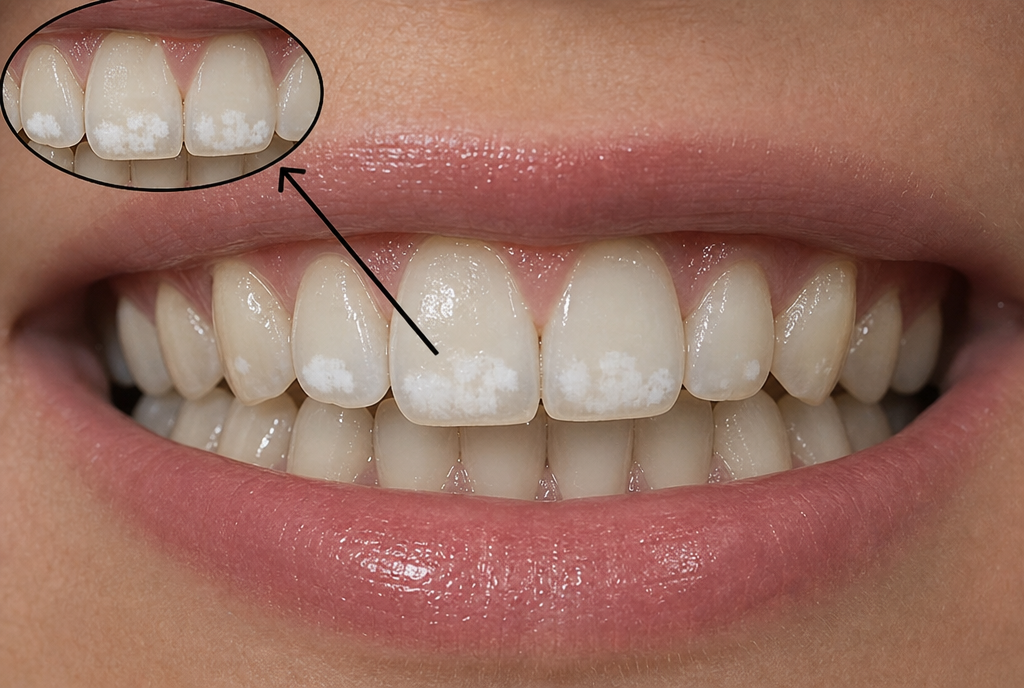
Fluoride doesn’t only stop decay. It can reverse the earliest stages of enamel breakdown. This prevents small weak spots from becoming cavities that need fillings.
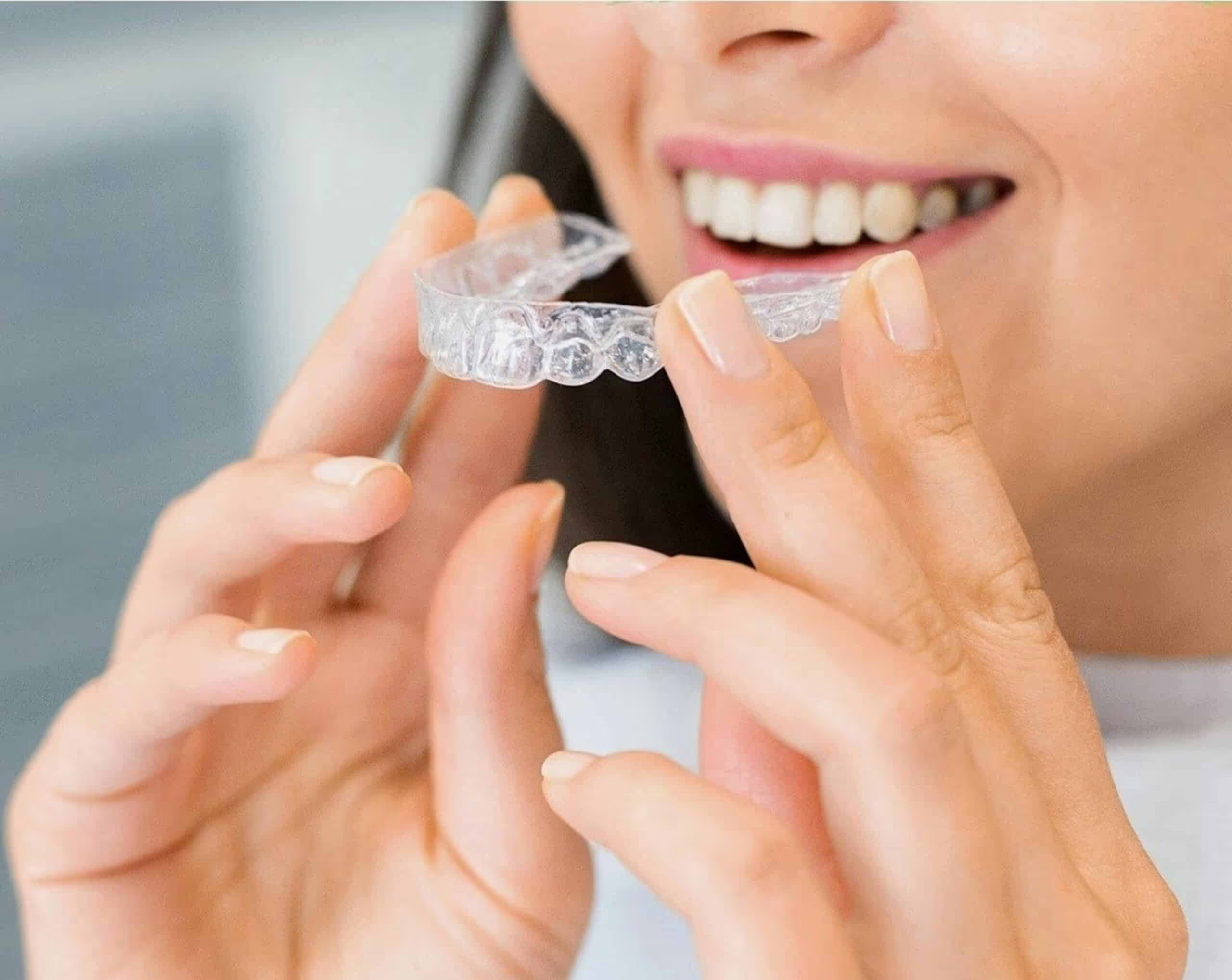
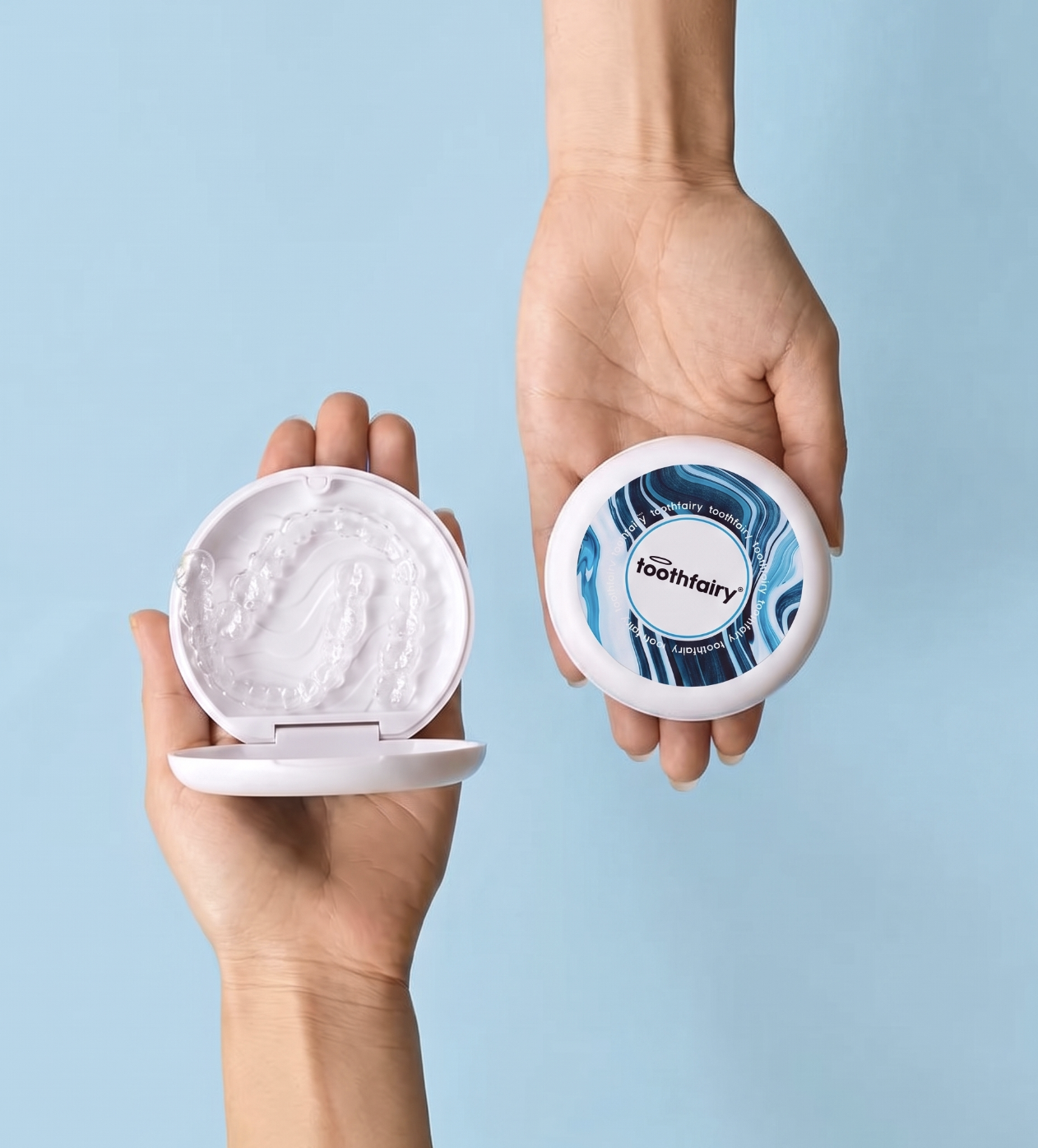
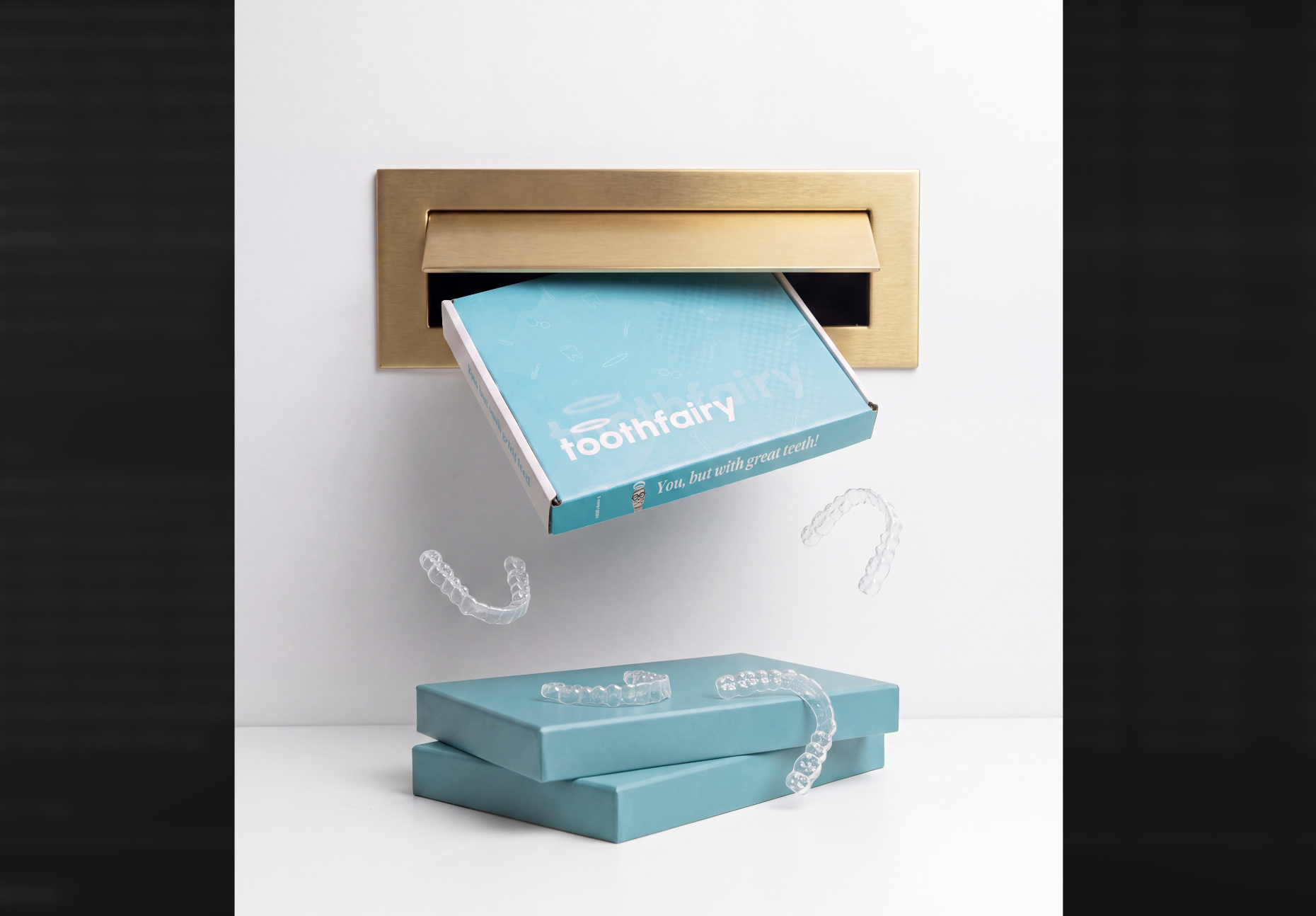
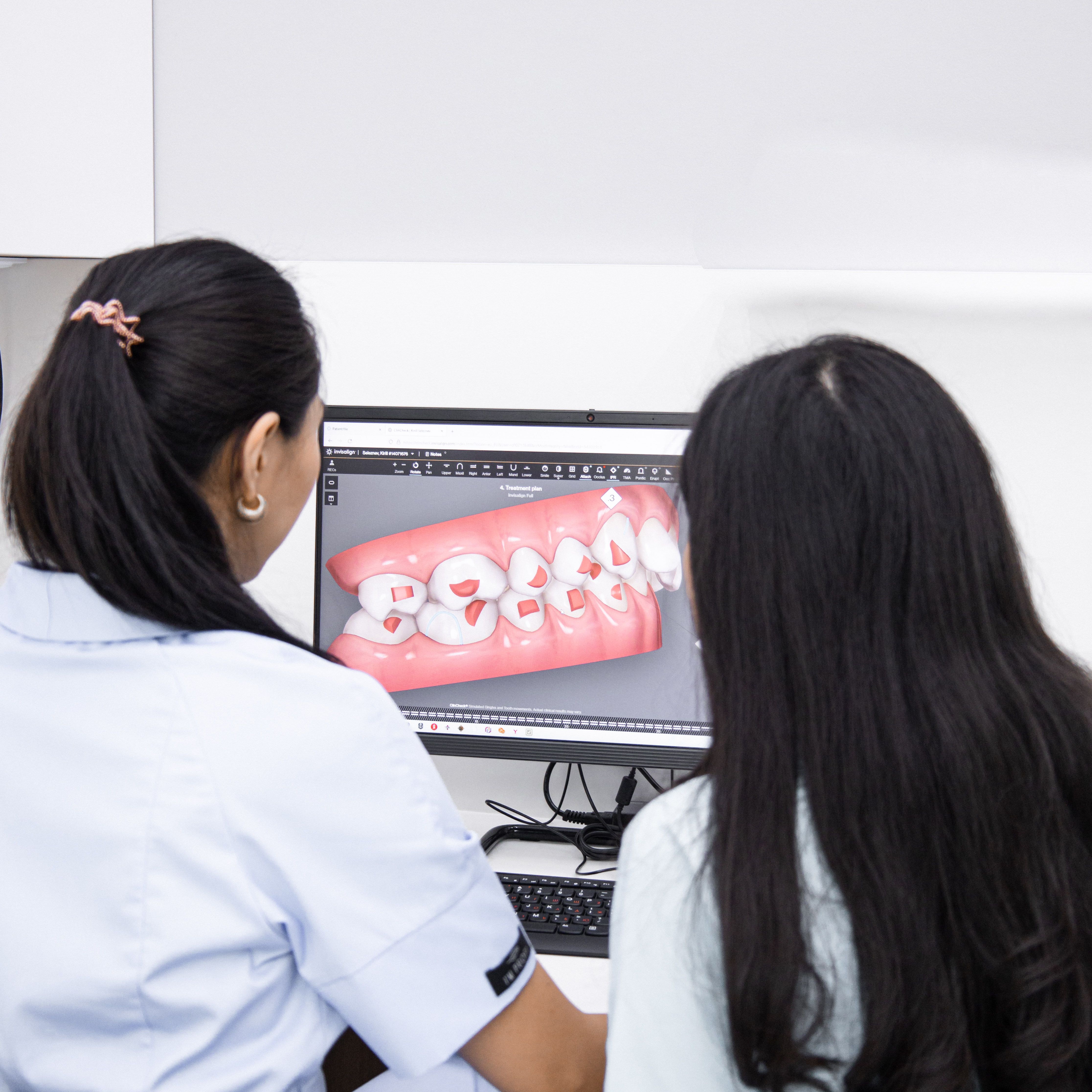
Strong enamel is also essential before cosmetic treatments like whitening or clear aligners. Toothfairy connects preventive care with cosmetic goals, ensuring your smile transformation starts with a healthy foundation.
Types of Fluoride Treatments
Fluoride varnish
A sticky varnish painted onto your teeth. It sets instantly and stays on for several hours, giving your enamel a long, concentrated dose of fluoride.
Fluoride gels and foams
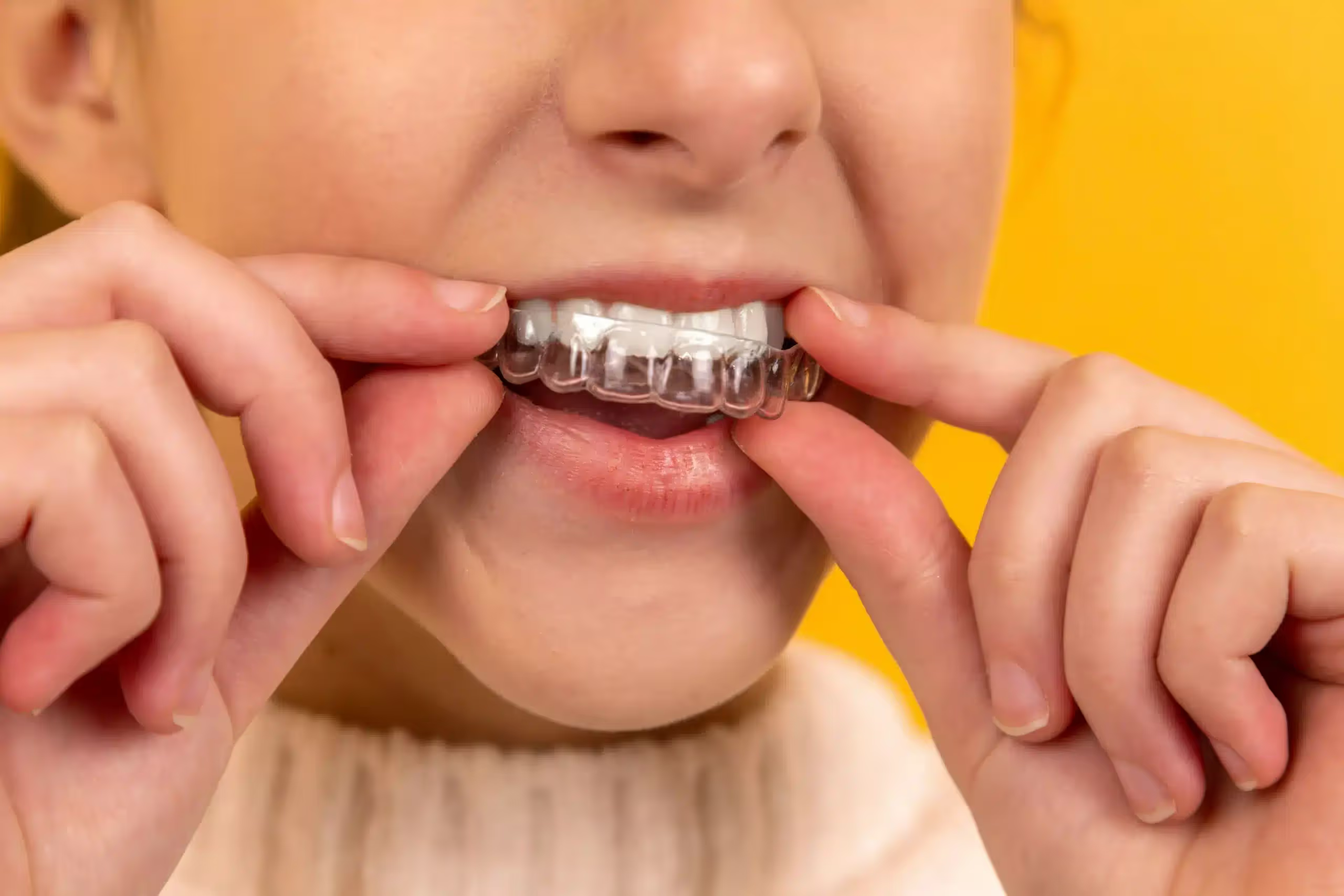
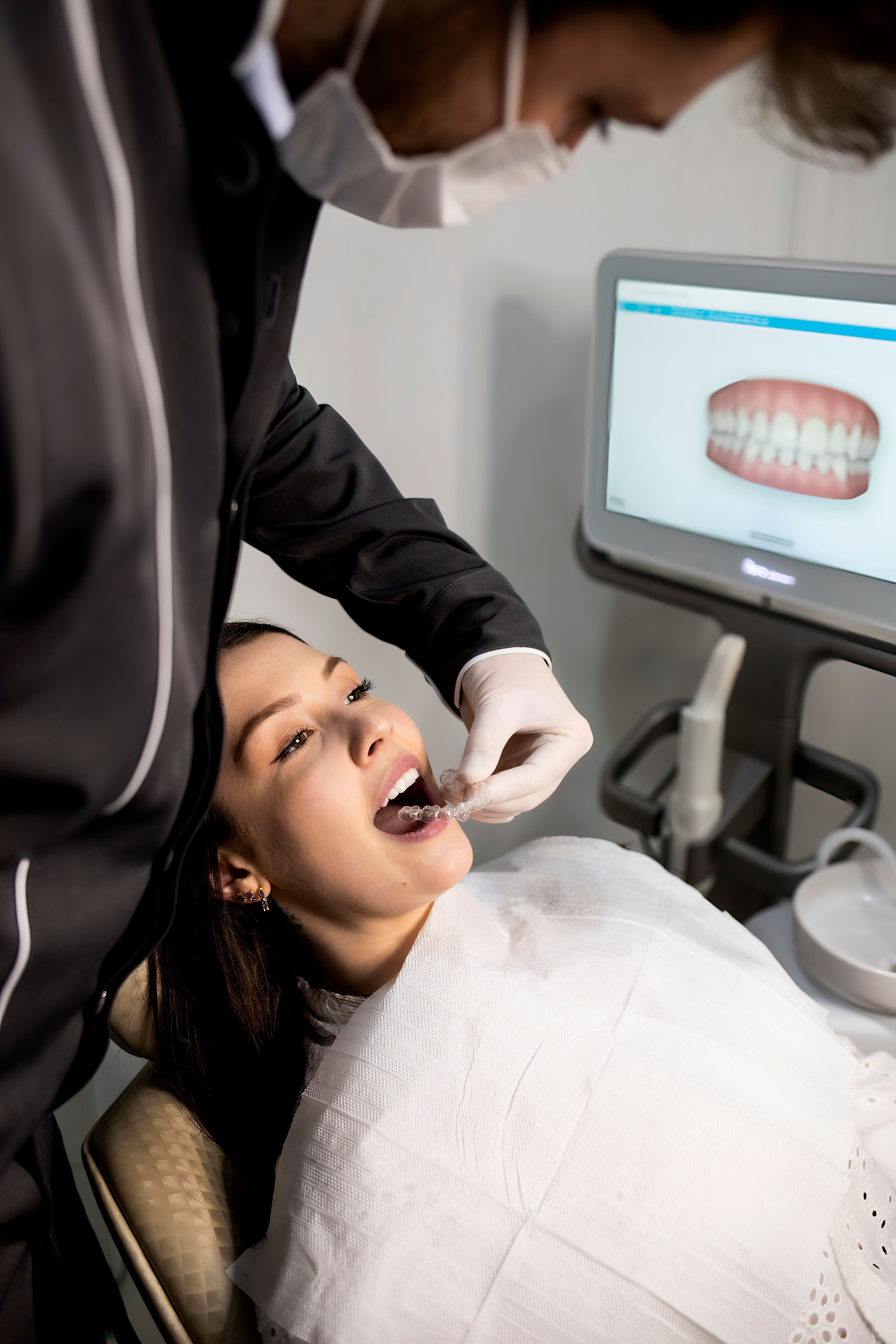
A soft tray filled with fluoride gel or foam is placed in your mouth for a few minutes. This ensures full coverage across all teeth.
High‑strength fluoride toothpaste or rinses
For people at higher risk of decay, dentists may prescribe stronger fluoride products for home use.
Fluoride in UK Water
Fluoride is also found in drinking water, but levels vary widely across England. Around 10 percent of the population receives optimally fluoridated water, while nearly 40 percent receives water with very low fluoride.
This variation is one reason professional fluoride treatments remain important.
Benefits of Professional Fluoride Treatment
Reverses early decay
Fluoride repairs microscopic weak spots before they become cavities.
Reduces sensitivity
It strengthens exposed root surfaces and reduces sharp, sudden discomfort.
Saves money long term
Preventive care reduces the need for fillings, crowns and other costly treatments.
Supports cosmetic goals
Healthy enamel is essential before starting clear aligners or other aesthetic treatments.
What Happens During a Fluoride Treatment
Fluoride varnish
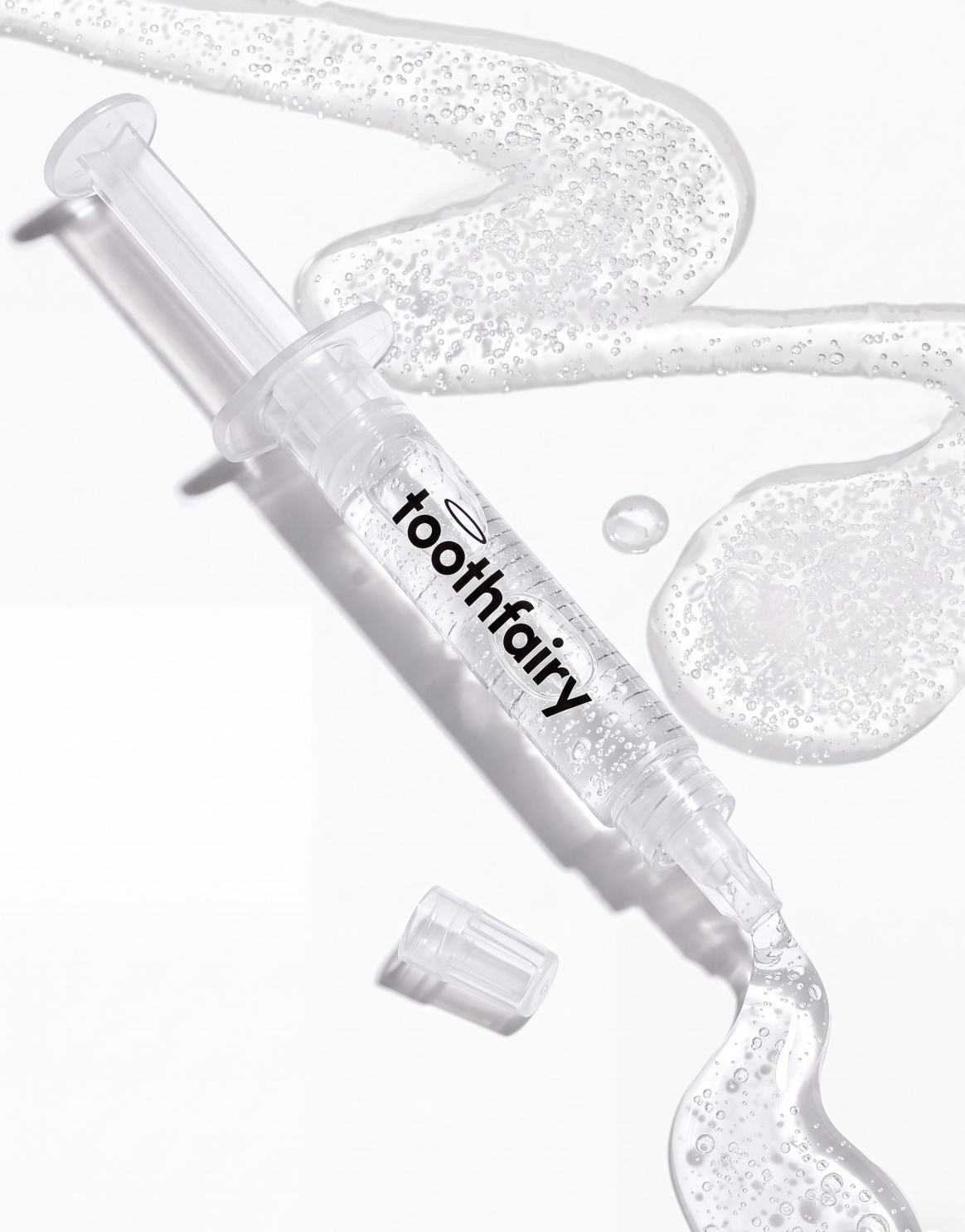
A soft brush is used to paint varnish onto your teeth. It sets in seconds.
Fluoride gel or foam
A tray filled with fluoride is placed in your mouth for a few minutes.
Aftercare
Avoid eating or drinking for 30 minutes so the fluoride can fully absorb. After varnish, avoid hot drinks or crunchy foods for the rest of the day.
Fluoride varnish is extremely common. In 2023–24, it accounted for 56 percent of all NHS dental treatments for children in England.
Who Should Get Fluoride Treatment
Dry mouth
Reduced saliva increases cavity risk.
Existing dental work
Crowns and bridges can create plaque‑prone areas.
Gum disease
Receding gums expose dentine, which decays more easily.
Orthodontic treatment
Braces and aligners make cleaning harder, so fluoride offers extra protection.
Is Fluoride Treatment Worth It
Fluoride treatment is one of the most effective ways to protect your teeth. It strengthens enamel, prevents decay and supports long‑term oral health.
A major public health study found fluoride reduced the need for fillings by 3 percent and saved the NHS more than double its cost over ten years.
Strong enamel is the foundation for everything else, including teeth straightening and cosmetic work.
Fluoride Treatment Questions Answered
Is fluoride treatment safe
Yes. When applied by a dental professional, fluoride is safe, controlled and effective.
How often should I get it
Your dentist may recommend every three, six or twelve months depending on your risk level.
Can I eat or drink afterwards
Wait at least 30 minutes. After varnish, avoid hot drinks or crunchy foods for the rest of the day.
Fluoride Myths Explained
Myth: Fluoride is dangerous
Professional fluoride treatments use controlled, safe amounts backed by decades of scientific evidence.
Myth: Fluoride is unnecessary if you brush well
Brushing helps, but fluoride strengthens enamel in ways brushing alone cannot.
Myth: Fluoride causes health problems
Fluoride used in dentistry is safe when applied correctly. Concerns often come from misinformation or confusion between different fluoride compounds.
Holistic Views and Pineal Gland Concerns
Some people explore holistic perspectives on fluoride, including claims about pineal gland calcification. These ideas are widely discussed online, but scientific evidence is limited and often inconclusive.
If you’re curious about holistic viewpoints, it’s important to research widely, use reputable sources and speak with a dental professional. Understanding both scientific and holistic perspectives helps you make informed decisions about your oral health.
A Healthy Foundation for Your Future Smile
Fluoride treatment is one of the simplest ways to strengthen your enamel and protect your teeth. Whether you’re planning cosmetic work, exploring clear aligners or simply want healthier teeth, fluoride gives you a strong foundation.
Toothfairy connects preventive care with smarter, more affordable cosmetic solutions, helping you build a healthier, straighter smile with confidence.
Teeth straightening https://toothfairyapp.co.uk/teeth-straightening/
Teeth whitening https://toothfairyapp.co.uk/teeth-whitening/
Emergency dentist support https://toothfairyapp.co.uk/emergency-dentist/
The Toothfairy app https://toothfairyapp.co.uk/our-app/
Related Knowledge Hub article 👉 Fluoride Toothpaste Guide https://toothfairyapp.co.uk/knowledge/fluoride-toothpaste-guide/
















.jpg)





.jpg)
















.jpg)