
When it comes to straightening teeth, the big question isn't just how, but when.
For years, the go-to answer has been somewhere between 12 and 14 years old. This is the classic sweet spot – most of the adult teeth have come through, but the jaw and facial bones are still growing, making them much more receptive to change.
Finding the Optimal Window for a Straighter Smile
Trying to pinpoint the perfect time for orthodontic treatment can feel a bit like solving a puzzle. The truth is, it’s less about a specific birthday and more about hitting the right developmental milestones. While early adolescence is often seen as the ideal period, a healthy, confident smile is something that can be achieved at almost any age.
Everyone's journey to straight teeth is unique, with different stages and things to consider along the way. This infographic maps out the key orthodontic milestones throughout a person's development.
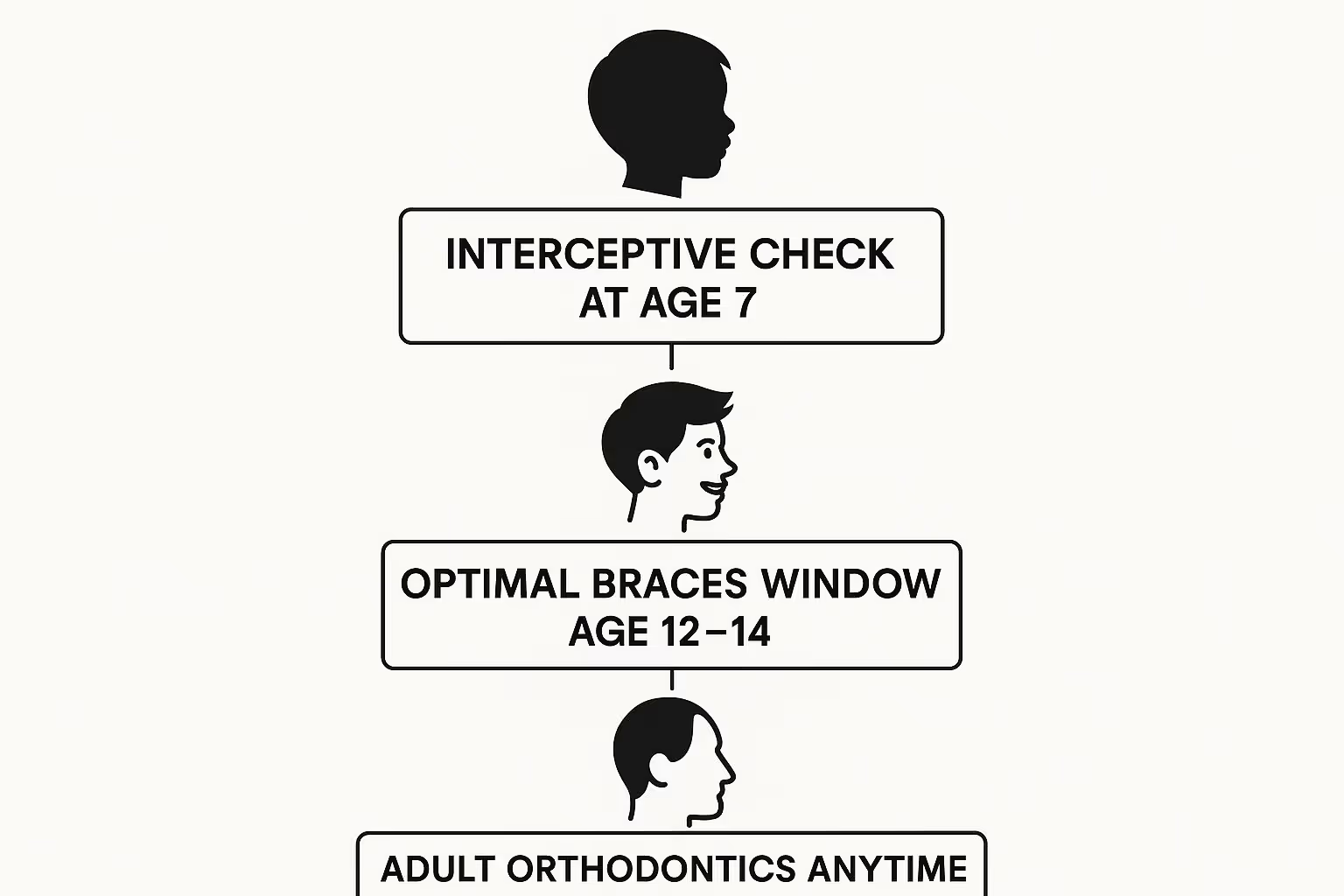
As you can see, the path to a perfect smile can start with an early check-up, find its main momentum during the teen years, or begin at any point in adulthood.
Why Timing Matters
There’s a good biological reason why orthodontists have traditionally favoured the early teen years. Here in the UK, both the NHS and orthodontic experts often point to age 12 or 13 as the 'optimum time'. At this stage, a child’s mouth is still pliable enough for treatment to work efficiently, making it easier to guide teeth into their correct positions for a faster, more stable result.
If you'd like to dive deeper, you can explore insights on developmental readiness from dental experts.
However, that classic window is no longer the only game in town. Modern solutions have opened up fantastic possibilities for effective treatment well beyond the teenage years.
The "best" age is highly individual. While the 12-14 window leverages natural growth spurts for efficient results, today's advanced treatments offer fantastic outcomes for adults and younger children alike.
This table breaks down the typical orthodontic journey, showing what to look for at each stage.
Key Orthodontic Milestones by Age
Understanding these milestones helps you see why different approaches are taken at different ages. It’s all about working with the body’s natural development.
This flexibility is great news, especially when long waiting lists can mean families miss that traditional window. Smarter, more affordable alternatives like Toothfairy’s at-home clear aligners provide a convenient way to get dentist-prescribed care that fits your schedule, whether for a teen or an adult looking to improve their smile. It means you no longer have to rely on rigid timelines and can pursue a straighter smile whenever it feels right for you and your family.
Why the Early Teen Years Are the Classic Choice
There’s a good reason why the early teenage years, usually somewhere between 12 and 14, are seen as the classic time for braces. Think of it like trying to shape a young, flexible sapling. You can gently guide its growth with minimal effort, whereas trying to bend a fully-grown, rigid branch is a much tougher job.
A teenager's jaw is very similar, it’s still growing and incredibly adaptable.

This age is a bit of a sweet spot from a biological standpoint. By now, most of their permanent teeth have come through, giving the dentist a complete picture to work with. At the same time, their jawbone is still soft and responsive, which means it reacts well to the gentle pressure from braces or aligners. This often leads to quicker, more predictable results.
Capitalising on Natural Growth
It’s not just about having a full set of adult teeth; it's about harnessing the body's own growth momentum. A teenager’s growth spurt can be an orthodontist's best friend.
The forces applied by braces work in harmony with this natural development, guiding the teeth and jaw into their correct positions much more efficiently. When treatment and biology work together like this, the results tend to be more stable and long-lasting, reducing the risk of teeth shifting back later on.
There's a social advantage to this timing, too. When lots of their friends and classmates are also getting braces, it becomes a shared rite of passage rather than something that makes them feel singled out. This sense of "everyone's doing it" can make the whole experience feel normal and far less intimidating.
The combination of fully emerged permanent teeth and a still-growing jaw creates an optimal window. Treatment during this time is not just about moving teeth; it's about guiding facial development for a balanced and healthy bite.
The Reality of Wait Times
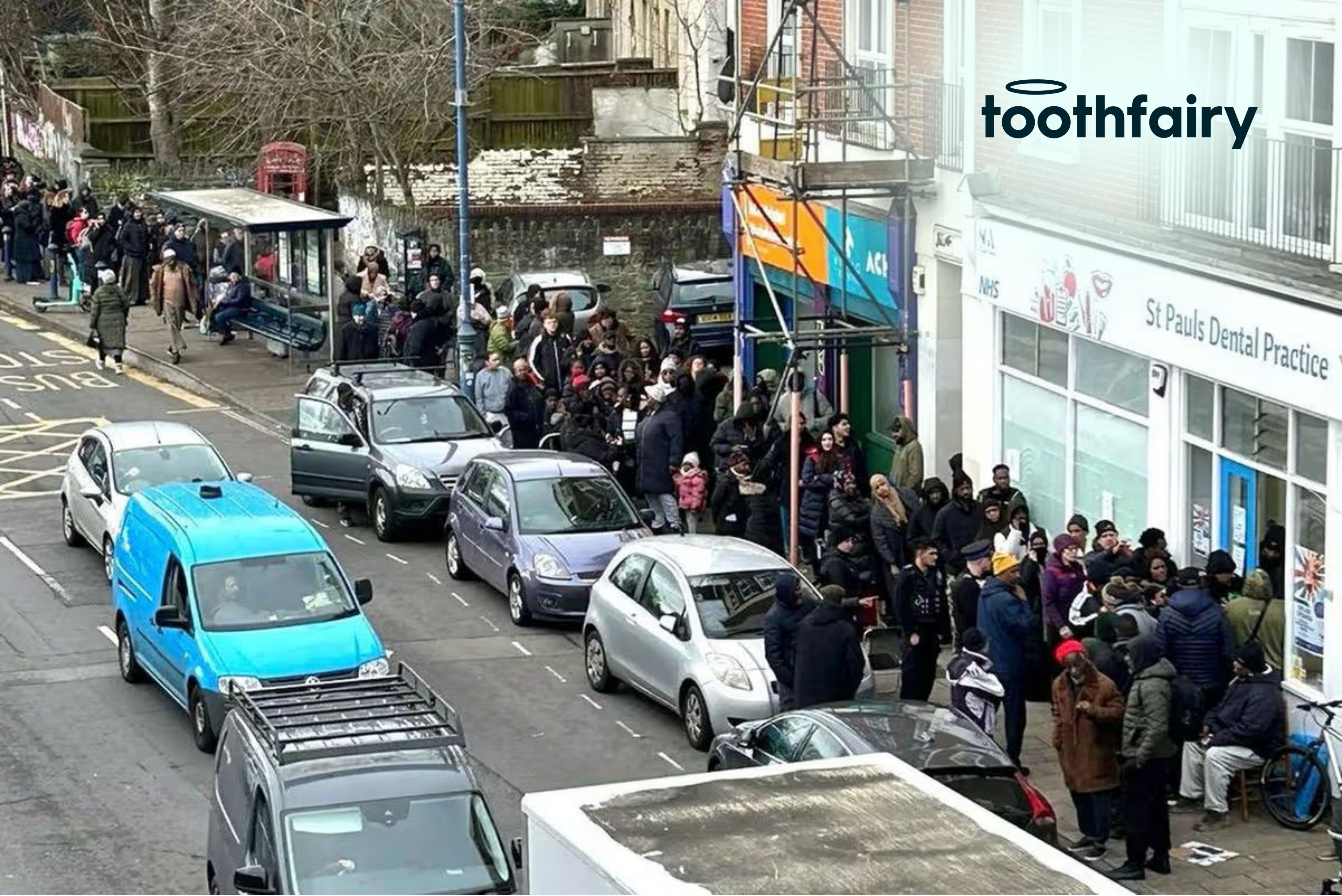
This ideal window, however, presents a real-world problem in the UK: high demand. Assessments consistently show that about one-third of 12-year-olds could benefit from orthodontic care. This has meant the average starting age for treatment has been 12.7 years, falling squarely in that prime period. If you want to dive into the data, you can explore more on orthodontic needs in London.
Unfortunately, long NHS waiting lists can mean that many children miss this crucial window. Treatment gets pushed into the late teens when the jaw is more set and less pliable, which can sometimes make the process more complex or longer than it needed to be.
This is where Toothfairy offers a smarter way forward for straightening teeth. By providing timely, dentist-led care without the long wait, it helps ensure your child doesn't miss their best opportunity for a straightforward journey to a straighter smile.
When to Get an Early Orthodontic Checkup
We often picture teenagers with braces, but waiting until the early teen years isn't always the best game plan. The conversation is shifting away from a specific birthday and more towards spotting potential issues much, much earlier. Getting an initial checkup around age seven can make a world of difference.
This isn't about rushing to put braces on your child. It's about proactive care.

This early assessment stage is often called interceptive orthodontics. Think of it like a gardener gently guiding a young sapling to grow straight, rather than trying to force a crooked branch back into place years later. By catching and addressing certain issues while the jaw is still growing, an orthodontist can guide its development and help permanent teeth emerge in better positions.
It's all about laying a solid foundation for a healthy smile, which can often prevent more complex and costly problems down the road.
Key Signs for an Early Assessment
So, how do you know if your child might need an early checkup? It’s less about hitting a specific age and more about what you can see happening in their developing mouth. Paying attention to these clues will help you decide when it's time to get a professional opinion.Here are a few clear signals that an early orthodontic evaluation is a good idea:
- Severe Crowding: Are their teeth overlapping or really struggling to find room as they come through?
- Crossbites: Take a look when they bite down. If some upper teeth sit inside the lower teeth, that’s a crossbite.
- Protruding Teeth: Front teeth that stick out are not only more likely to get chipped or broken but can also point to an underlying jaw imbalance.
- Speech Difficulties: Sometimes, issues like a lisp can be connected to the position of the teeth and tongue.
- Difficulty Chewing or Biting: If your child seems to struggle with eating, a misaligned bite could be the culprit.
Interceptive orthodontics isn't about rushing into full braces. It's about using the window of active growth to make any future treatment simpler, shorter, and more effective.
Making Proactive Care Simple
Recognising these signs is the first step, but getting an expert opinion shouldn't be a chore. In the past, this meant booking in-person appointments, which can be a real juggle for any busy family.
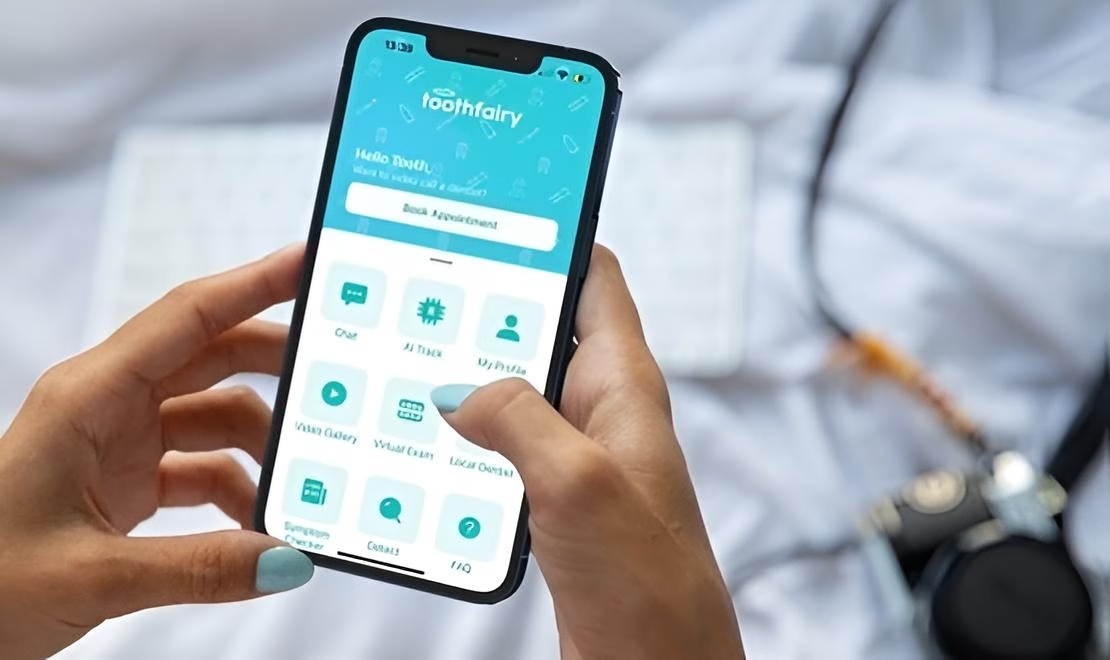
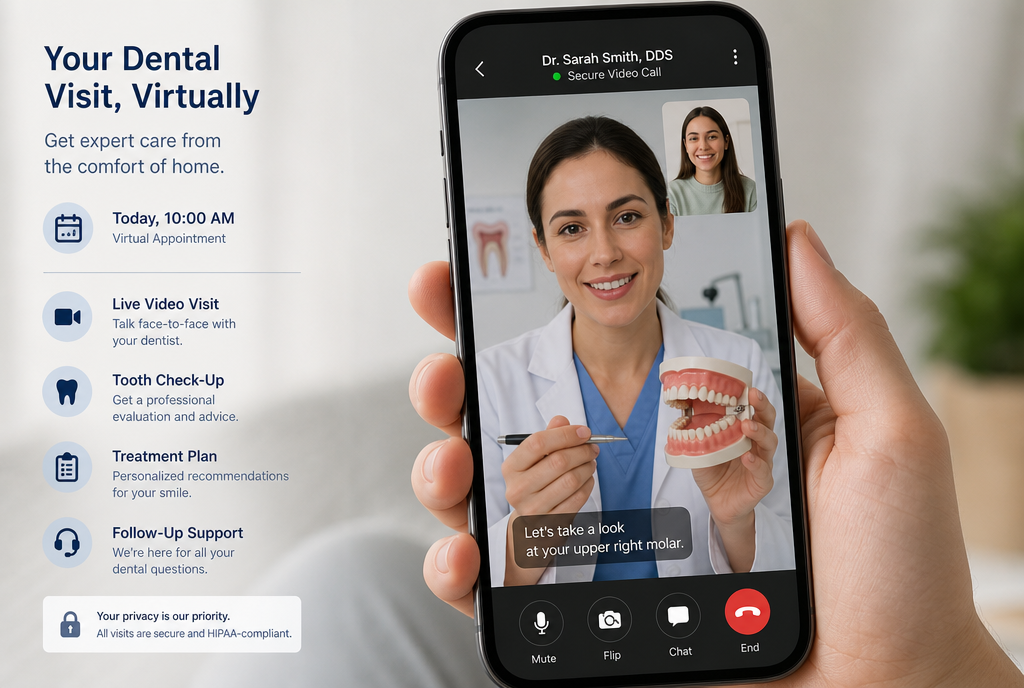
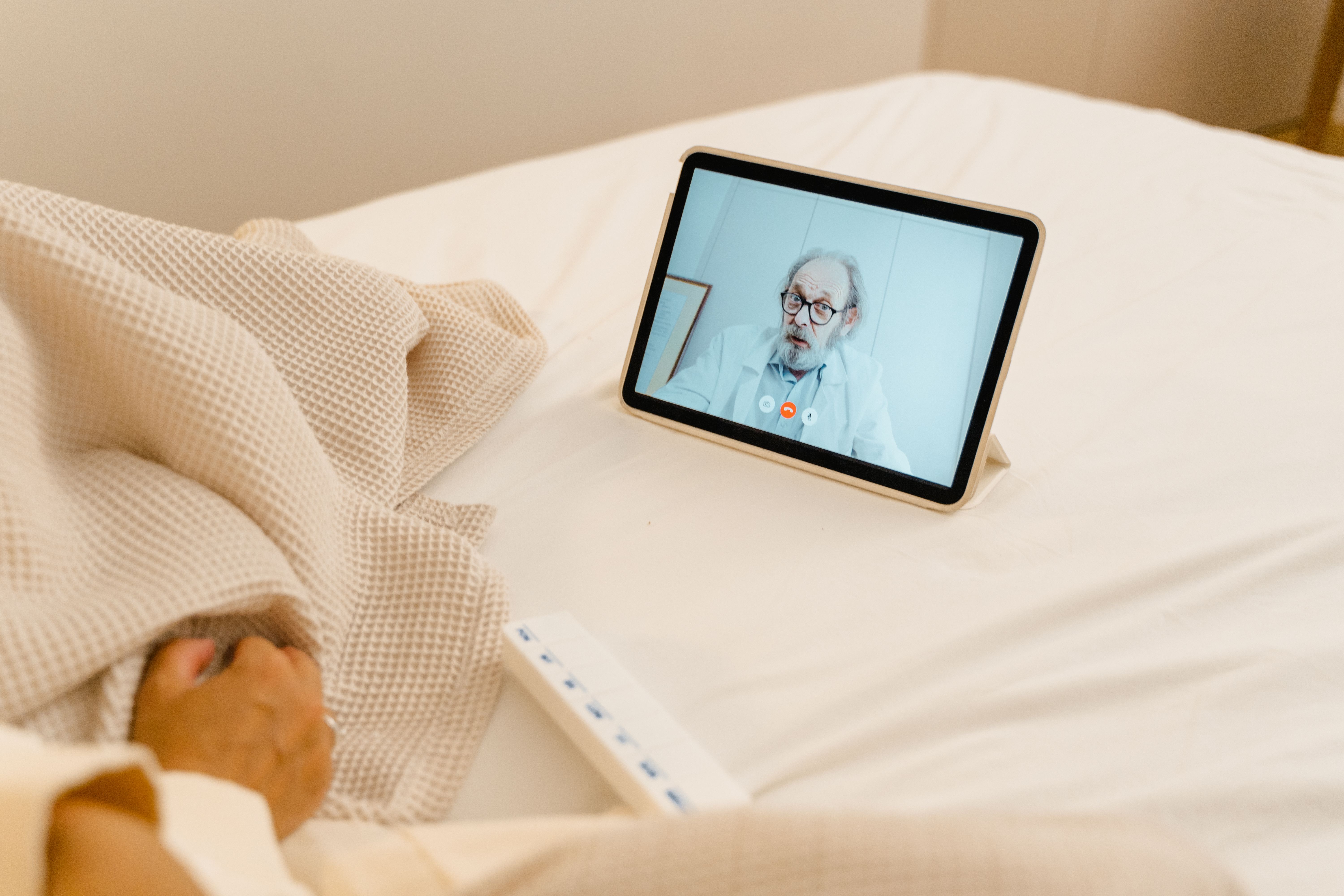
Thankfully, modern solutions are here to help. For parents who want a convenient, stress-free way to get that initial look, Toothfairy offers a smarter way to manage your family’s dental health with virtual consultations. You can get professional advice from a registered dentist right from your own home, making proactive dental care more accessible than ever. It’s a simple way to find out if early intervention is the right path for your child’s smile.
Is It Ever Too Late for Straight Teeth?
If you spent your teenage years without braces, it's easy to assume you missed your chance for a straighter smile. But the notion that orthodontic work is just for kids is completely outdated. More adults than ever are taking the step to improve their teeth, proving it's never too late to start.

For some, the goal is cosmetic, they’re finally ready to get the confident, perfectly aligned smile they’ve always wanted. For many others, it’s about fixing functional problems that have lingered for years. Bite issues ignored in childhood can snowball into bigger problems, like chronic jaw pain, premature tooth wear, and even persistent headaches.
Treating your teeth as an adult is a fantastic investment, not just in your appearance but in your long-term health.
How Adult Treatment is Different
Straightening an adult’s teeth isn’t quite the same as working on a teenager's, but "different" certainly doesn't mean "impossible." The biggest distinction is that an adult's jaw has finished growing. This means we can't use natural growth spurts to help guide teeth into place. Instead, the entire focus is on shifting teeth within the existing bone structure.
Because adult bone is denser, treatment can sometimes take a little longer. That said, modern techniques are all about applying gentle, consistent force, which makes the process comfortable and highly effective, no matter your age. The secret is a treatment plan that respects the unique physiology of a mature mouth.
Adult orthodontics isn't about fighting a fully formed jaw; it's about working with it. Today's technology makes getting a beautiful, healthy smile more practical and discreet than ever before.
To put things into perspective, let's look at a straightforward comparison between getting orthodontic treatment as a teenager versus as an adult.
Comparing Teen and Adult Orthodontic Treatment
Here’s a table breaking down the key differences, challenges, and considerations when comparing orthodontic treatment for adolescents and adults.
A personal choice made for individual health or self-confidence reasons.
As you can see, while the biological context changes, the end goal of a healthier, straighter smile is just as achievable.
Modern Solutions for a Modern Life
Let's be honest: one of the biggest turn-offs for adults has always been the look of traditional braces. Metal wires and brackets don't exactly fit into a professional lifestyle. This is where today’s solutions have completely changed the game.
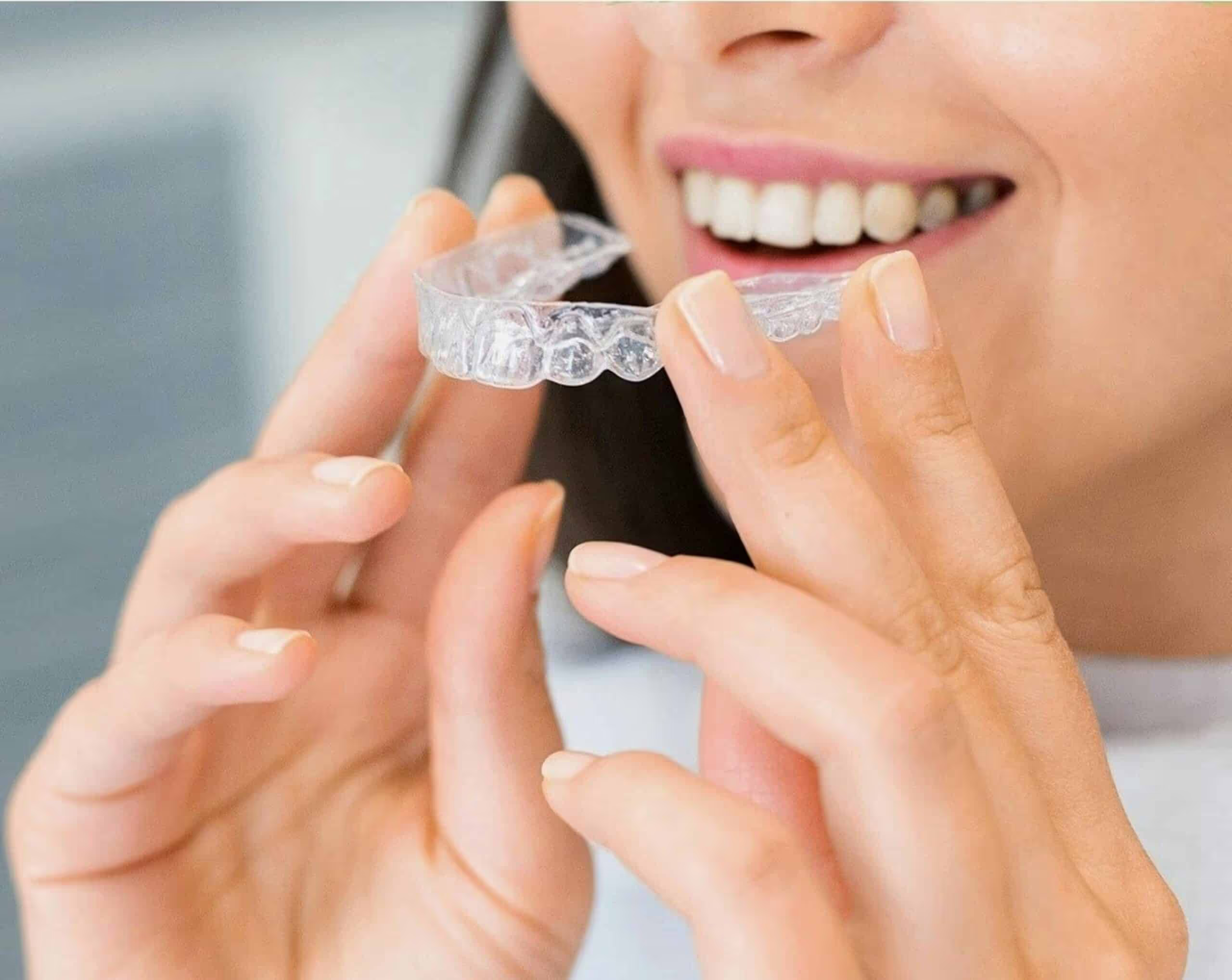
Clear aligners have opened up orthodontics to countless adults who wanted straighter teeth without the highly visible hardware. They are:
- Nearly invisible
- Removable for meals, drinks, and important meetings
- Designed to fit seamlessly into a busy adult schedule
This blend of discretion and practicality makes the whole process far more appealing.
For adults searching for a smart, affordable, and convenient route to their ideal smile, Toothfairy’s at-home clear aligners are an excellent option. By pairing professional dentist oversight with the ease of virtual care, we provide a solution that respects both your time and your budget. It’s proof that the best age for orthodontics is whenever you decide you’re ready.
A Look at Modern Teeth Straightening
Orthodontics has changed so much. For a long time, the only real choice was traditional metal braces, which heavily influenced the conversation around the best age for braces. Today, we have a whole host of options to fit different needs, lifestyles, and budgets.
For decades, the go-to solutions were effective but very noticeable. You had metal braces, with their steel brackets and wires, pulling teeth into line. Then came ceramic braces, which offered a slightly more discreet look with tooth coloured brackets. Both are brilliant at what they do, but they’re also fixed to your teeth for the entire treatment period.
The Clear Aligner Revolution
Clear aligners completely changed the game, making teeth straightening a far more subtle and flexible process. This has been particularly welcomed by adults who often feel hesitant about the look of traditional braces.
So, how does this technology actually work? It’s best to think of it as a meticulously planned journey for your teeth, where each aligner is a tiny, calculated step towards the final destination.
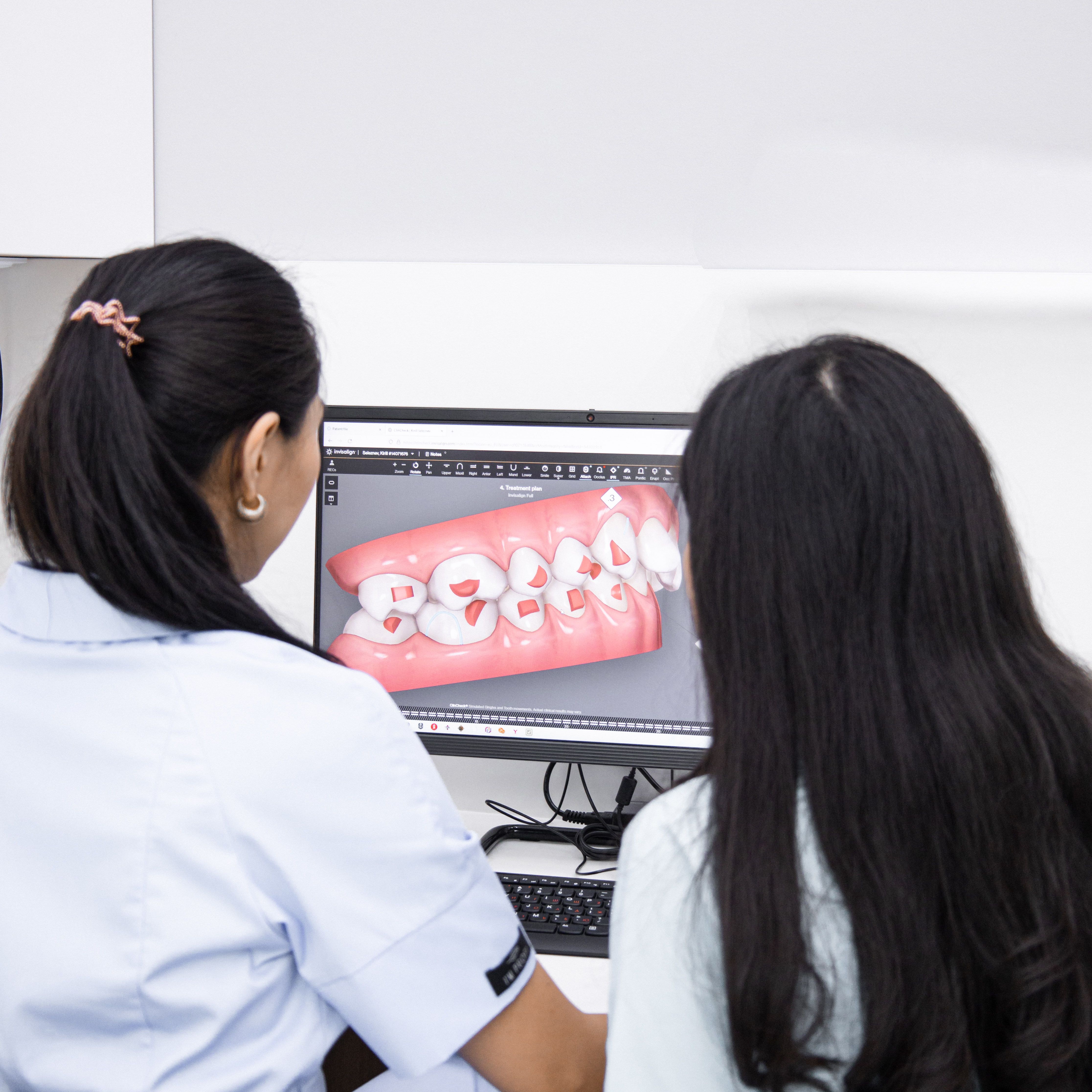
- Digital Mapping: The process kicks off with a highly accurate 3D model of your mouth.
- Step-by-Step Plan: A dentist uses this digital model to map out a precise treatment plan, breaking down the entire tooth movement into a series of small, gradual shifts.
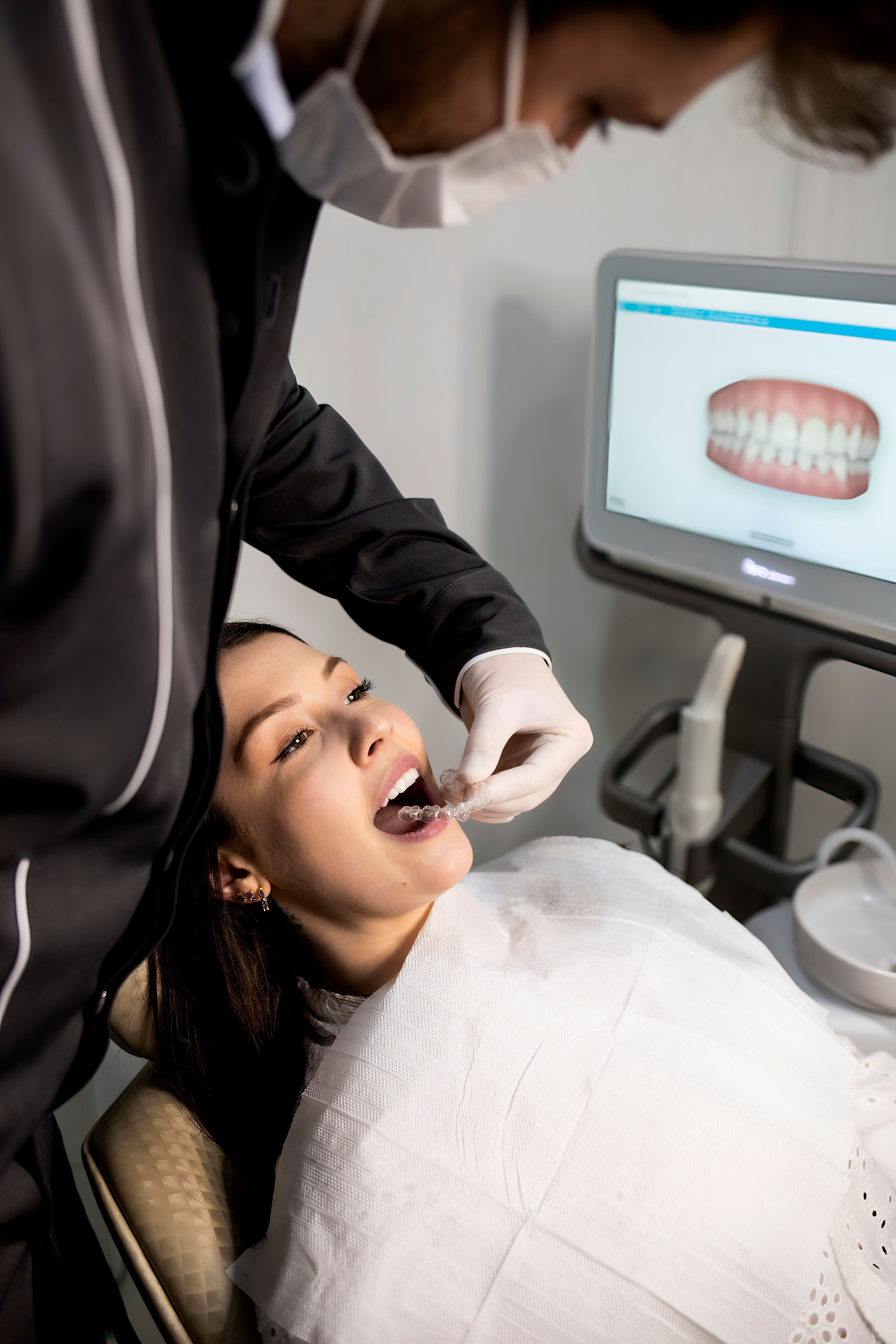
- Custom Aligners: Based on this plan, a set of custom-made, clear plastic trays is produced. Each tray is a little different from the one before it, engineered to apply gentle pressure exactly where it's needed.
- Gradual Movement: You’ll wear each set of aligners for about a week or two before switching to the next in the series. Bit by bit, your teeth are guided into their ideal positions.
This methodical, step-by-step approach is what makes aligner treatment so effective. It’s also often more comfortable than the periodic, and sometimes sharp, tightening required with old-school braces.
A Smarter, More Affordable Way Forward
While clear aligners have opened up a world of new possibilities, not all aligner systems are the same. Many of the big aligner brands still rely on frequent, expensive in-person appointments, which can quickly drive up the cost and become a real headache to schedule. For busy professionals or families juggling multiple commitments, this clinic-based model can be a significant hurdle.
The greatest advance isn't just the technology itself, but how it's delivered. True progress makes professional dental care more convenient and accessible without sacrificing quality or safety.
This is exactly where the Toothfairy model comes in. We’ve taken the brilliant technology of clear aligners and paired it with the convenience of modern teledentistry, offering a smarter and more affordable way to straighten teeth.
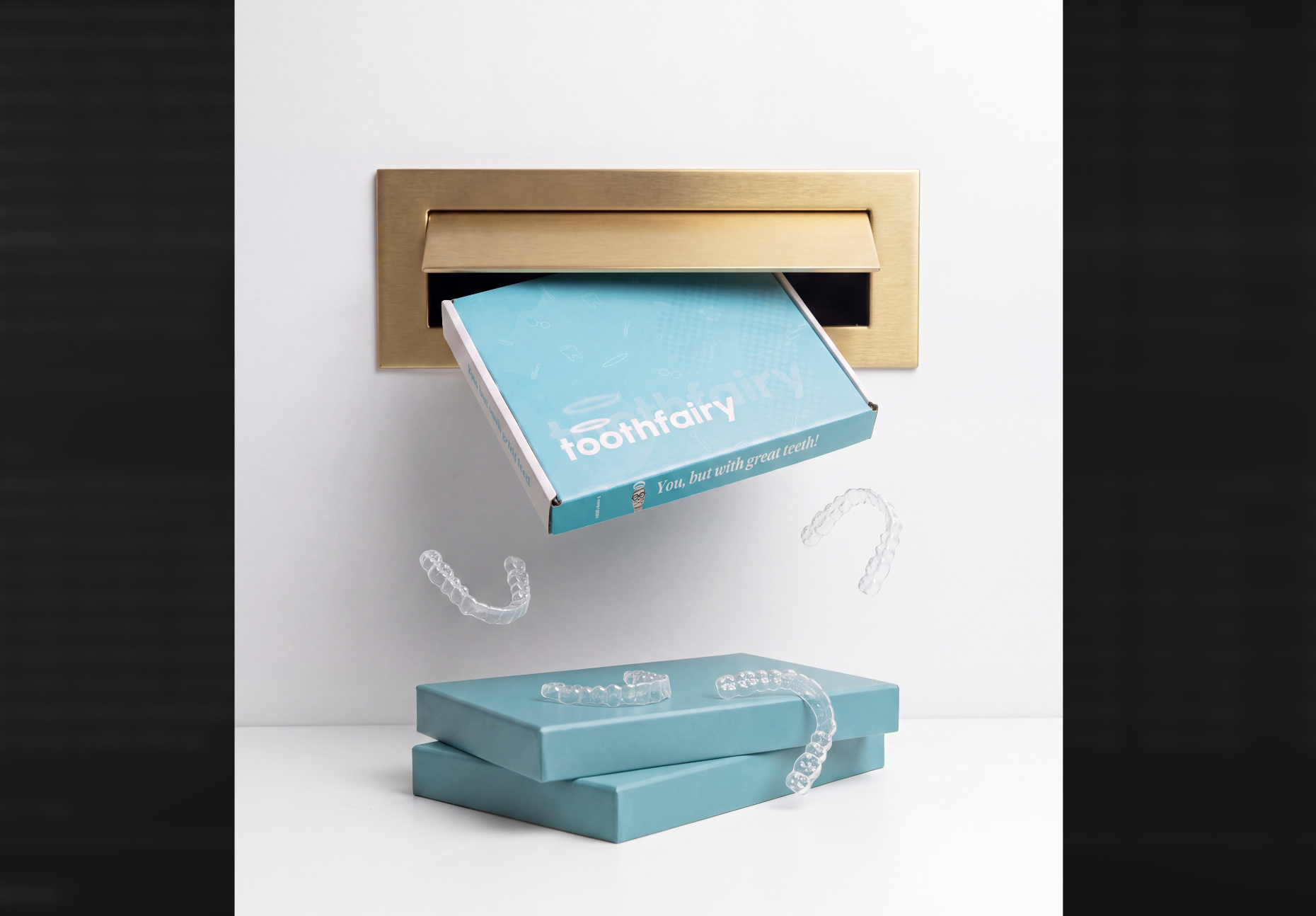
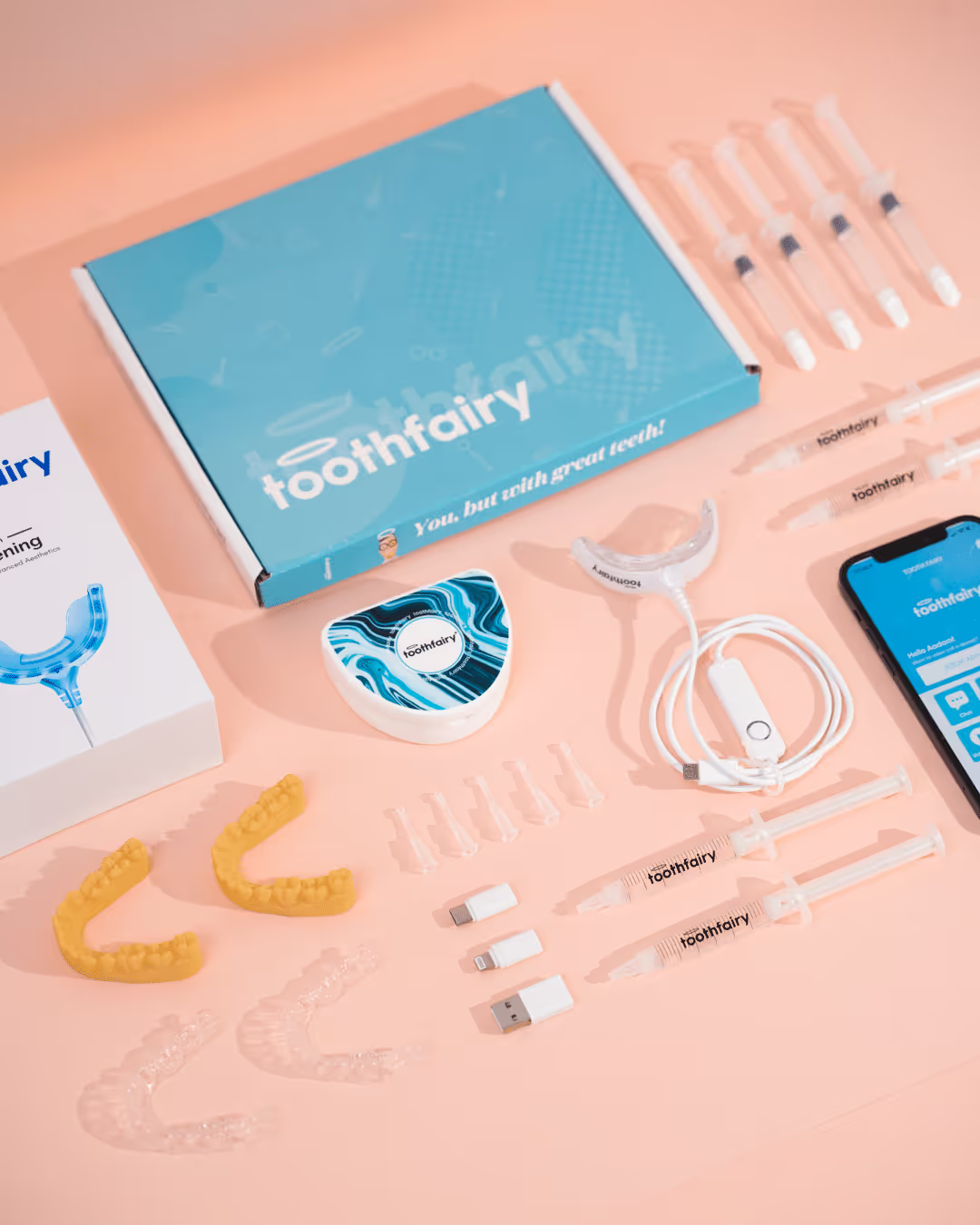
By connecting you with UK-registered dentists through our secure app, we remove the need for those costly and time-consuming clinic visits. A dental professional prescribes and oversees your entire journey, from the initial impression kit you do at home to your final progress check. This approach makes getting a straighter smile significantly more affordable and fits seamlessly into your life. It’s simply a more intelligent way to get the expert-led care you deserve, with professional results delivered right to your door.
Making the Right Orthodontic Choice for Your Family
Figuring out the best path to a straighter smile, whether for you or your child, can feel like a huge task. There's a lot to weigh up, and turning all that information into a decision you feel good about is the final, most crucial step. It’s not just about pinning down the best age for braces; it's about finding the right solution for your family's unique situation.
This means finding a balance between lifestyle needs, the results you're hoping for, and, of course, your budget. A teenager will need a treatment that doesn't get in the way of school, sports, and their social life. For an adult, on the other hand, things like discretion and convenience often move to the top of the list. Making the right choice really comes down to asking the right questions.
Your Consultation Checklist
Whether you're stepping into a clinic for the first time or having a virtual assessment from your living room, being prepared makes all the difference. Having a few key questions ready helps you get to the heart of what matters most on this journey.
Here are a few essentials to ask any dental professional you speak with:
- What are all my treatment options? Get them to walk you through everything, from traditional metal braces to modern clear aligners.
- What are the pros and cons of each for my specific case? No two smiles are the same, so you need to understand how each option stacks up against your unique dental needs.
- What does the total cost include? It's vital to know if there are any potential extra costs for things like retainers or follow-up appointments down the line.
- How will this treatment fit into my daily life? Ask about the real-world impact on eating, cleaning your teeth, and day-to-day routines.
The best orthodontic plan isn't just about aligning your teeth—it's about aligning with your lifestyle, budget, and personal goals. True success is a treatment that feels as good to go through as the final result looks.
By carefully considering these points, you can map out a route that makes sense for you. Modern, flexible solutions like Toothfairy offer a versatile option for different age groups, delivering dentist-prescribed care that is both affordable and incredibly convenient.
Ready to take the next step? You can get a personalised, no-obligation plan from a dental expert by starting your free virtual assessment today.
Got Questions About Orthodontic Treatment? We've Got Answers
Deciding to straighten your teeth is a big step, and it's completely normal to have a few questions swirling around your head. Whether you're thinking about treatment for yourself or your child, getting clear answers is the best way to feel confident about the journey ahead.
Let's dive into some of the most common queries we hear.
How Long Does Treatment Usually Take?
This is probably the number one question on everyone's mind, and the honest answer is: it really depends. The timeline is unique to you, based on how much your teeth need to move.
For smaller, more cosmetic tweaks, some people see their final smile in as little as six months. For more involved cases, a more realistic timeframe is somewhere between 18 and 24 months.
The only way to get a solid idea for your own smile is to have it properly assessed. A virtual consultation is a brilliantly simple way to get an expert opinion without even leaving the house.
Remember, every smile is different, but the secret to success is always the same: consistency. Sticking to your dentist's guidance on how often to wear your aligners is the surest path to getting the results you want, on time.
Are Clear Aligners Actually Effective for More Complex Problems?
It’s a common misconception that clear aligners are only for simple cases. The technology has come on in leaps and bounds, and nowadays, they can tackle a whole host of orthodontic issues – from straightforward spacing to more difficult bite problems.
While a few exceptionally severe cases might still be better suited to traditional fixed braces, you'd be surprised at what modern aligner systems can handle.
That’s why solutions like Toothfairy are so important. They make sure a UK-registered dentist or orthodontist checks your case right from the very beginning. This professional oversight is your guarantee that you’re a good candidate and that your plan is built to get you fantastic results, safely.
Ready to find out if clear aligners are the right fit for you? Get a dentist-led, personalised treatment plan with Toothfairy. Start your free virtual assessment today!










.jpg)




.jpg)













.jpg)