
Whitening Strips: A Simple Way to Brighten Your Smile
If you want a whiter smile without spending hours in a dental chair, whitening strips are one of the easiest at‑home options. They’re discreet, affordable and easy to use. But not all whitening strips are the same. Strength, ingredients and technology vary widely, and choosing the right type makes all the difference.
This guide breaks down the main types of whitening strips so you can choose the safest and most effective option for your teeth and lifestyle.
1. Low-Strength Whitening Strips
Best for
- First-time users
- Sensitive teeth
- Maintaining previous whitening results
Low-strength strips usually contain 2–6 percent hydrogen peroxide or similar whitening agents. They’re gentle and designed for gradual whitening over 10–14 days.
Pros
- Minimal sensitivity
- Great for subtle, steady whitening
- Budget-friendly
Cons
- Slower results
- Less effective on deeper stains
Look for
- Labels such as “gentle” or “for sensitive teeth”
2. Medium-Strength Whitening Strips
Best for
- People wanting visible results at home
- Those who want a balance between comfort and effectiveness
Medium-strength strips typically contain 6–10 percent hydrogen peroxide. They’re the most popular option and offer noticeable results within 3–7 days.
Pros
- Visible improvement quickly
- Effective on common stains from coffee, tea and wine
- Still gentle with proper use
Cons
- Mild sensitivity for some users
- Requires consistent daily use
Look for
- “Professional-level results”
- “Dentist-approved for home use”
3. High-Strength Whitening Strips
Best for
- Fast, dramatic whitening
- Pre-event whitening
- Experienced users
High-strength strips contain 10–16 percent hydrogen peroxide and may only be available through dental professionals or regulated retailers.
Pros
- Very fast results
- Effective on deeper stains
- Often paired with professional kits
Cons
- Higher risk of sensitivity
- Not suitable for daily use
- Must avoid gum contact
Look for
- Clear sensitivity warnings
- Strict usage-time instructions
4. Natural or Peroxide-Free Whitening Strips
Best for
- People wanting a gentle, holistic option
- Sensitive teeth
- Long-term maintenance
These strips use ingredients like baking soda, activated charcoal, coconut oil or papaya extract to lift surface stains.
Pros
- Very gentle
- Suitable for long-term use
- Often vegan or eco-friendly
Cons
- Mild results
- Not effective on deep stains
Look for
- “Peroxide-free”
- “Natural whitening”
5. LED-Activated Whitening Strips
Best for
- People wanting enhanced whitening
- Tech-friendly users
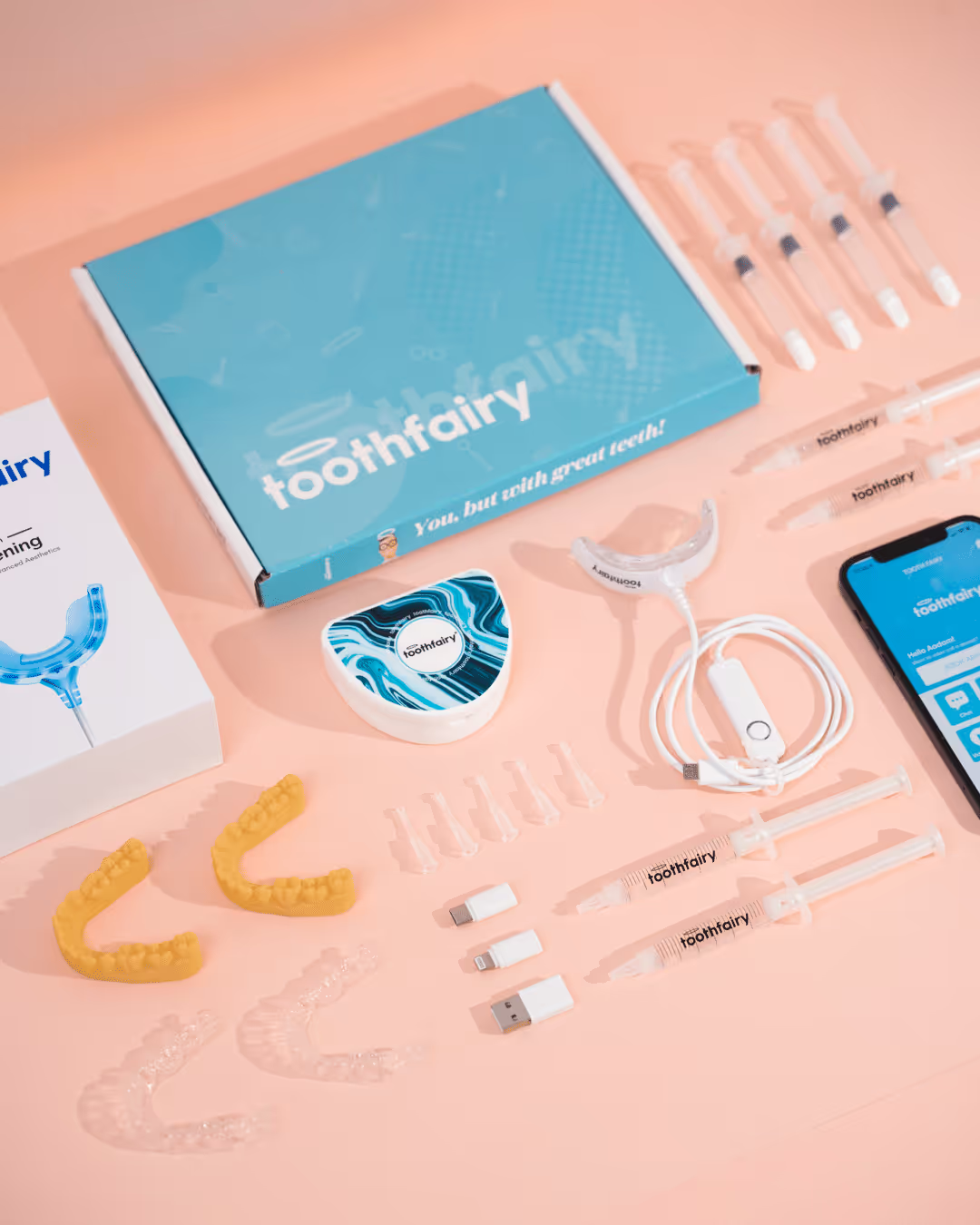
LED strips are used with a small LED mouthpiece. The light doesn’t whiten teeth directly but helps activate the whitening ingredients.
Pros
- Faster results
- Enhanced whitening effect
- Often paired with medium or high-strength strips
Cons
- More expensive
- Sensitivity depends on ingredients
Look for
- Trusted LED brands
- Dental backing or clinical testing
Whitening Strips Comparison Table
Which Whitening Strips Are Right for You
Choosing the right whitening strips depends on:
- Your sensitivity level
- How fast you want results
- Your whitening history
- Your budget
- Whether you prefer natural or peroxide-based products
Final tip
Always follow instructions carefully and never whiten more than recommended. Overuse can damage enamel and increase sensitivity.
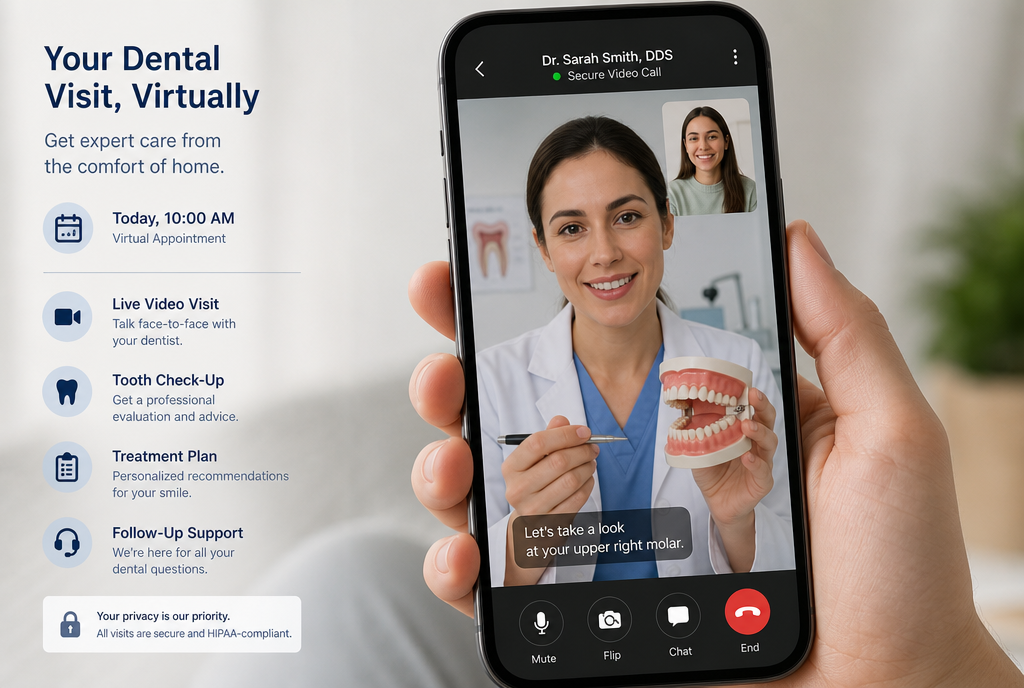
If you want dentist-guided whitening with professional-grade gels, explore the Toothfairy app for safe, effective whitening from home.
Teeth straightening https://toothfairyapp.co.uk/teeth-straightening/
Teeth whitening https://toothfairyapp.co.uk/teeth-whitening/
Emergency dentist support https://toothfairyapp.co.uk/emergency-dentist/
The Toothfairy app https://toothfairyapp.co.uk/our-app/
Related Knowledge Hub article 👉 How to Whiten Your Teeth Safely at Home








.jpg)





.jpg)













.jpg)