You might have heard people say a retainer can straighten your teeth, and it is an appealing idea. The truth is simple: a retainer can only fix extremely minor issues, such as a single tooth that has shifted slightly. Anything more than that requires a proper orthodontic system designed to move teeth safely and predictably.
A retainer is a security guard for your smile. Its job is to hold everything in place, not reorganise your teeth. If you want active movement, you need a tool built for movement, such as clear aligners from Toothfairy.
What a Retainer Is Actually Designed to Do
A retainer is a maintenance device. After braces or aligners have moved your teeth into their ideal positions, the bone and tissues around them need time to stabilise. Without a retainer, your teeth will try to drift back to their old positions. This natural shift is called orthodontic relapse.
A retainer’s purpose is preservation. It keeps your teeth exactly where your orthodontic treatment placed them.
Around 200,000 young people receive NHS orthodontic treatment each year, and almost all of them need retainers to protect their results. You can read more about retainer use in UK orthodontics by exploring NHS orthodontic guidance.
A retainer does not apply active force. It cannot rotate teeth, close gaps, correct crowding or fix bite issues. Trying to force a retainer to move teeth can damage roots and gums.
Retainer vs Aligner: The Key Differences
A retainer maintains. An aligner moves. They are not interchangeable.
Can a Retainer Straighten Teeth at All
In rare cases, yes, but only for extremely minor issues. A dentist may use a specialised active retainer for:
• A tiny relapse of one to two millimetres
• A single tooth that has tipped slightly
• A hairline gap that has reappeared
These situations are very limited. Active retainers cannot rotate teeth, move them vertically or correct crowding. They are niche tools for micro adjustments, not full orthodontic treatment.
Why Clear Aligners Are the Correct Tool for Straightening Teeth
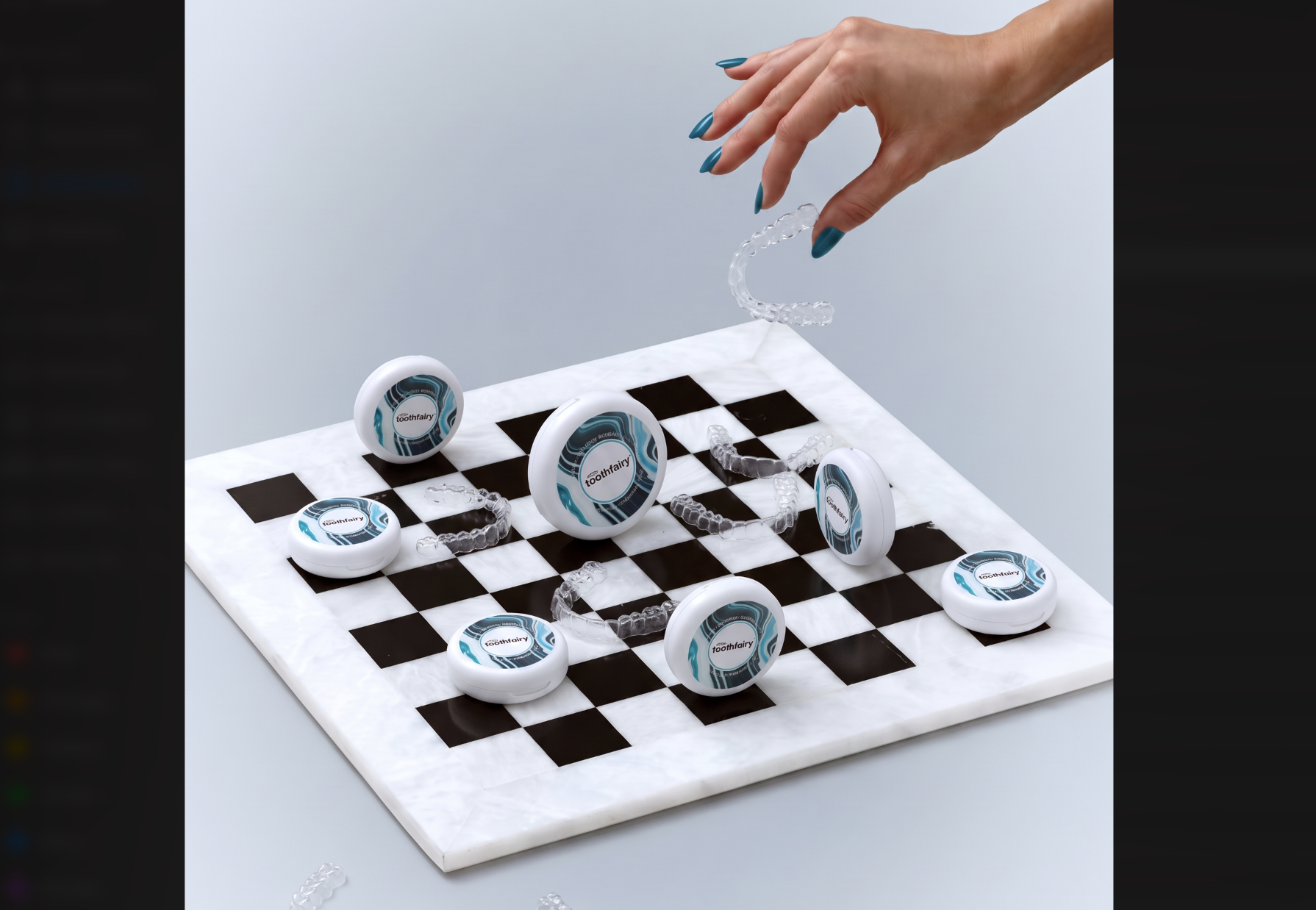
Clear aligners are engineered for movement. They use a sequence of custom trays, each applying gentle pressure to guide teeth into new positions. They correct mild to moderate crowding, spacing and bite issues with precision.
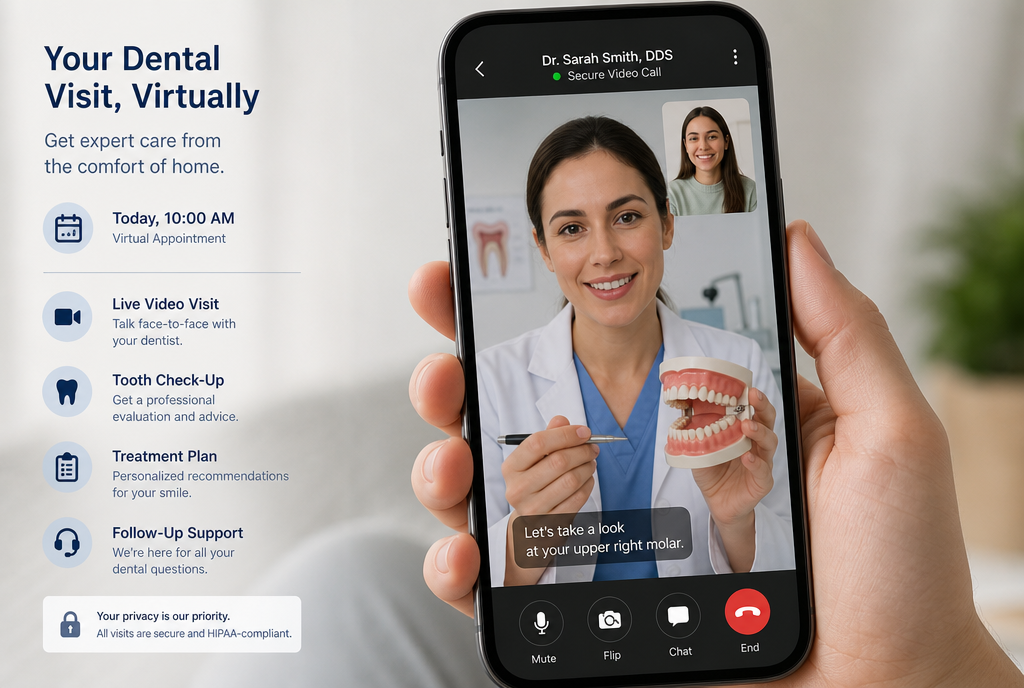
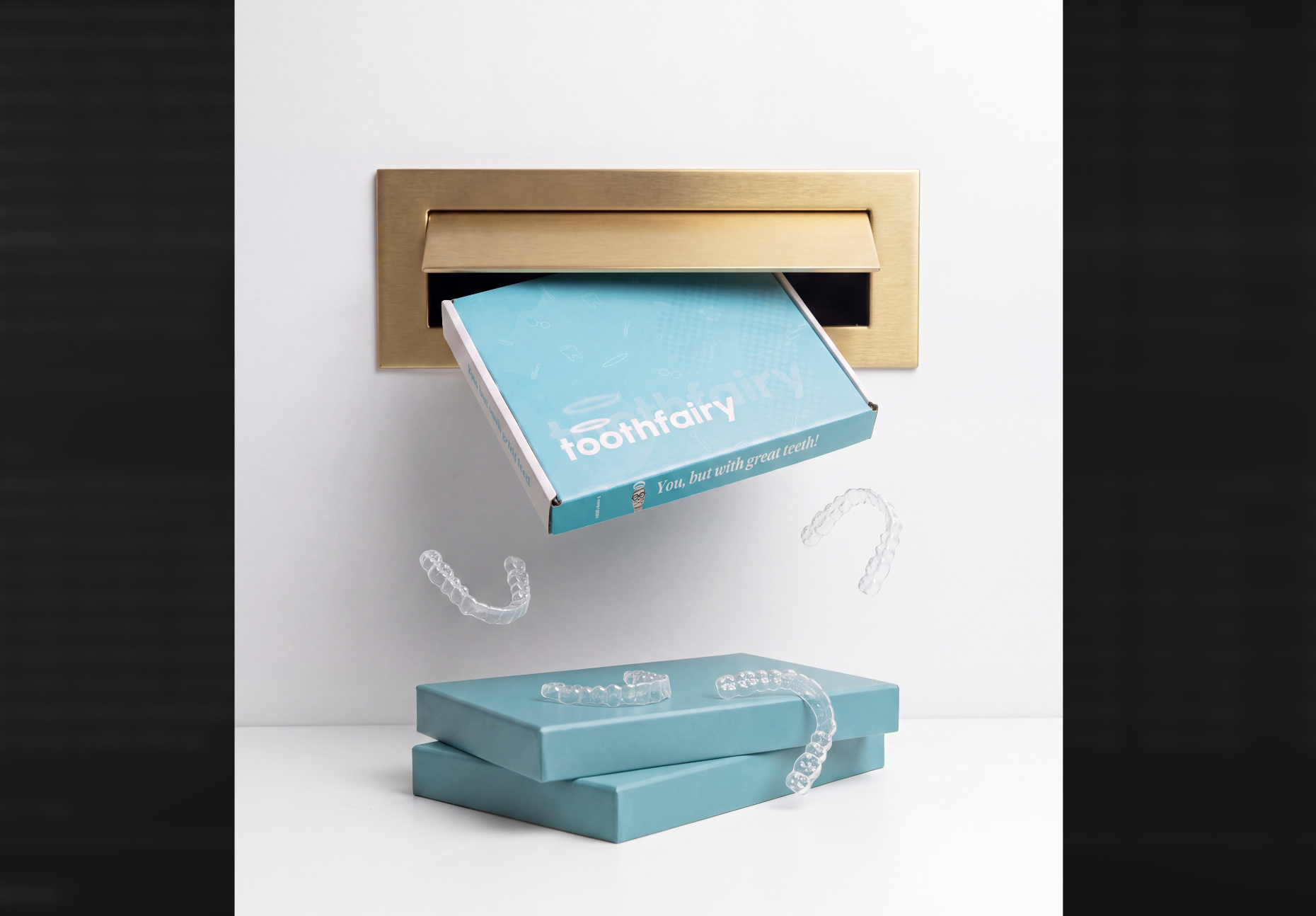
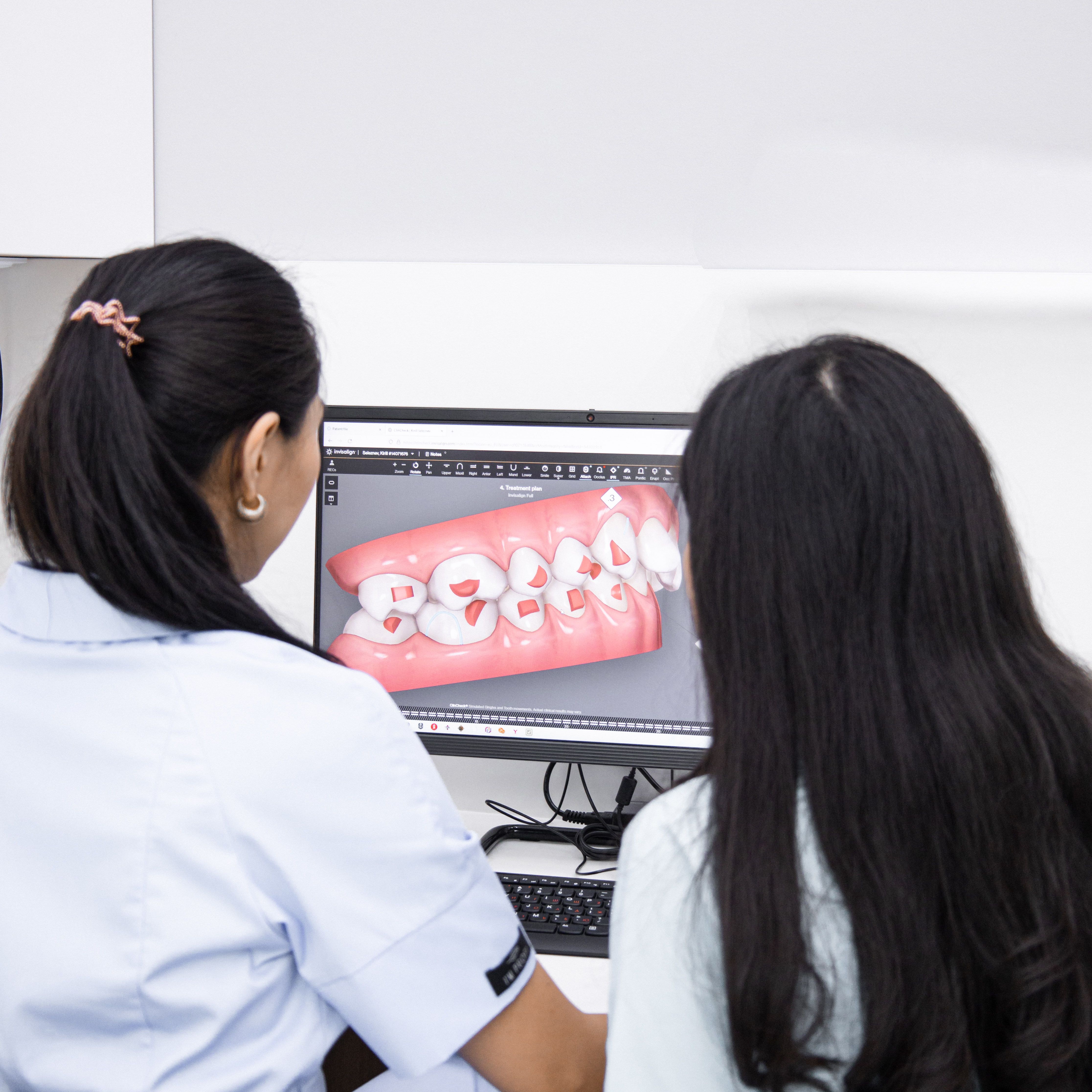
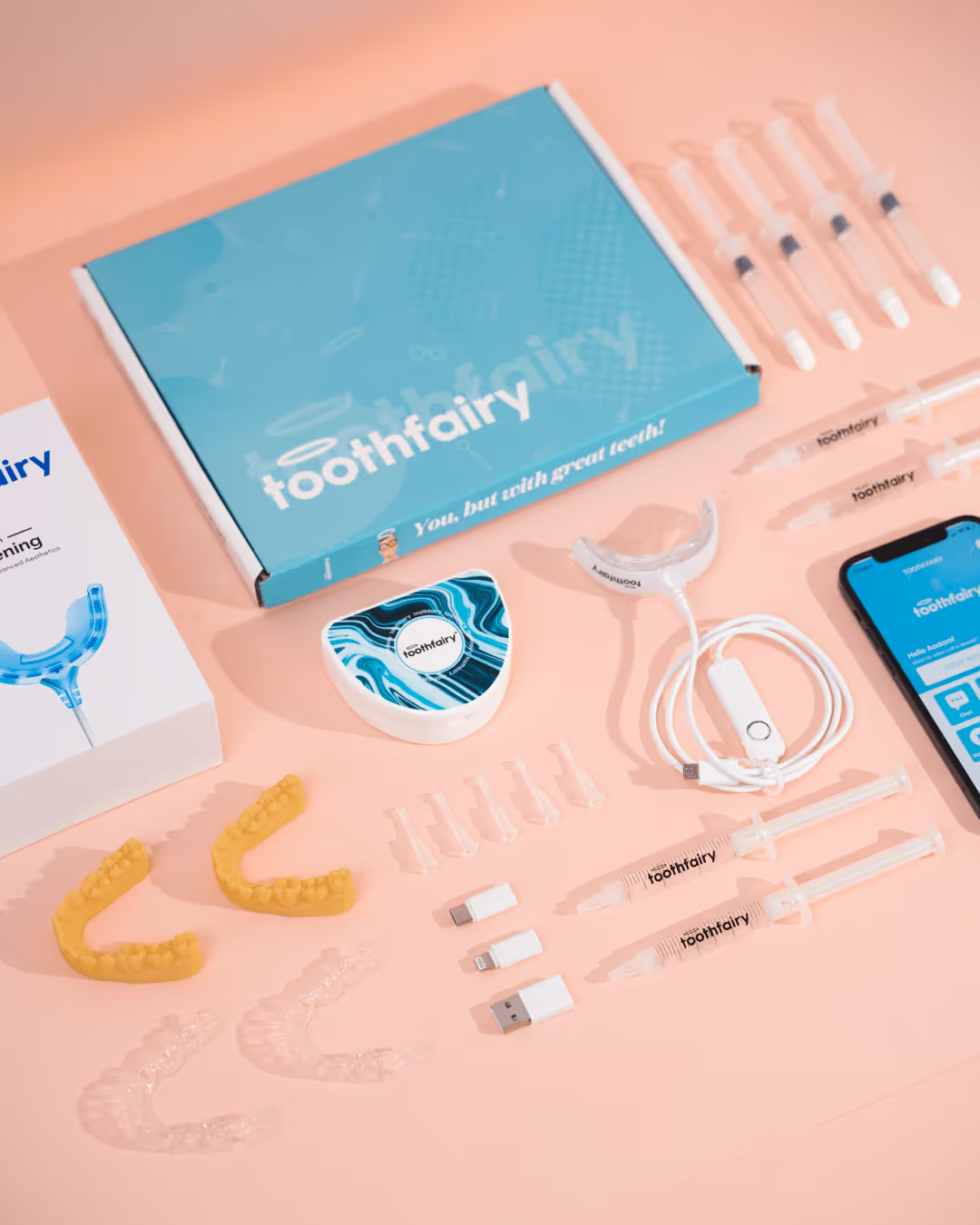
Modern systems like Toothfairy combine dentist supervision with app based monitoring. You receive a full set of custom aligners, a digital treatment plan and regular check ins with a UK dentist. It is a smarter, more affordable alternative to traditional clinic heavy brands.
Types of Retainers and What They Can Do
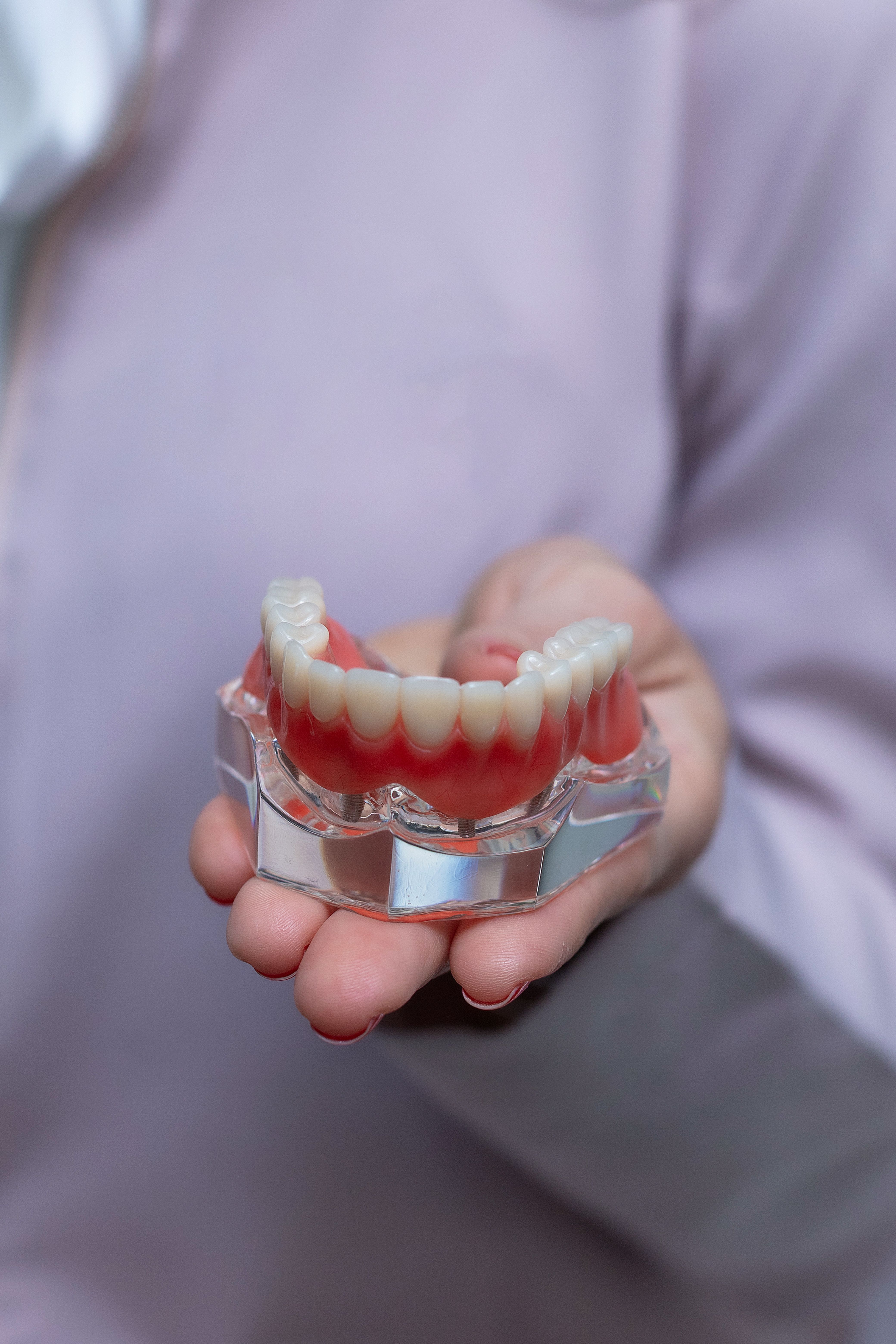
Hawley Retainer
A classic design with a metal wire and acrylic base. Durable and adjustable. Can make tiny corrections under dentist supervision.
Fixed Retainer
A thin wire bonded behind the front teeth. Excellent for preventing relapse. Cannot move teeth.
Essix Retainer
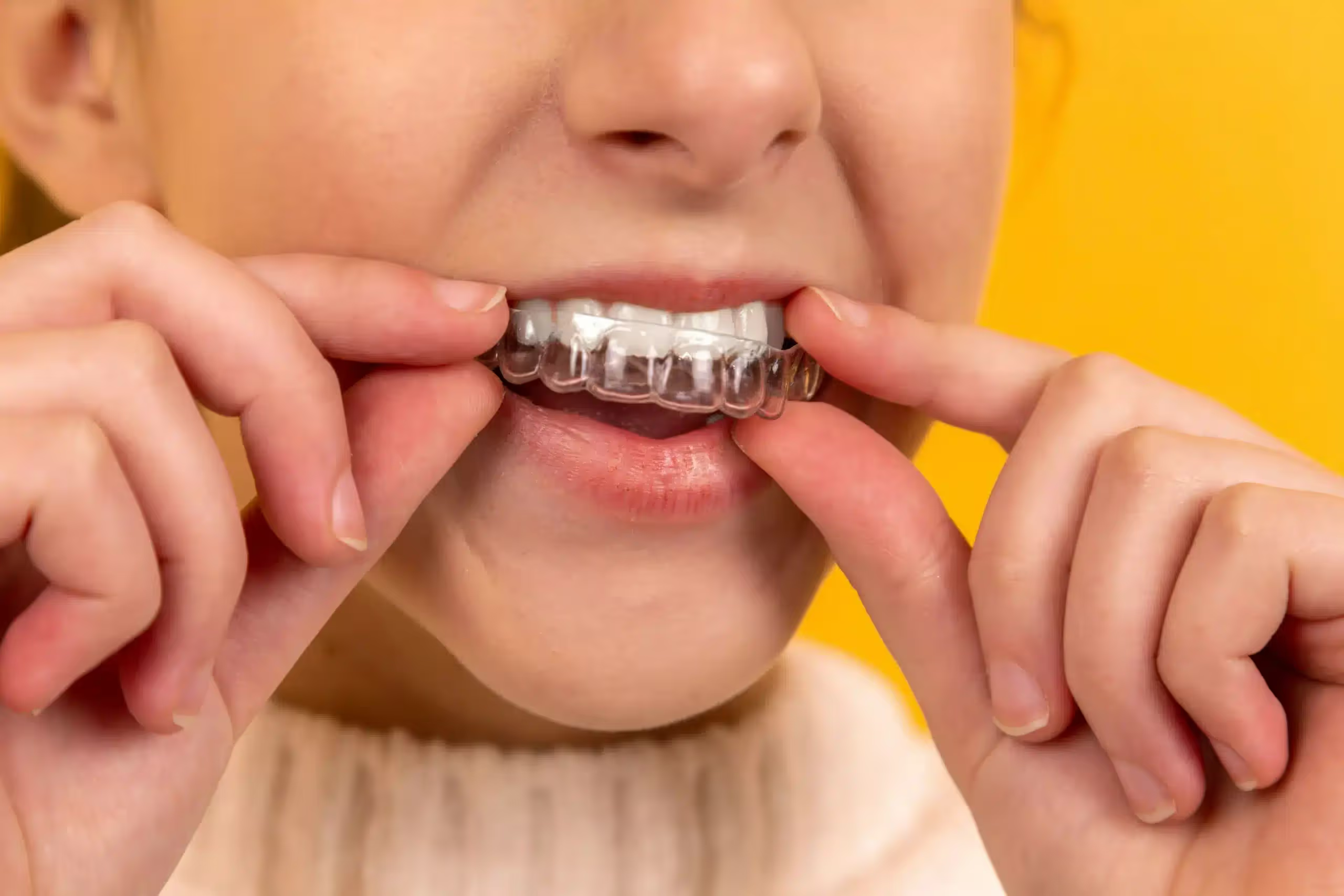
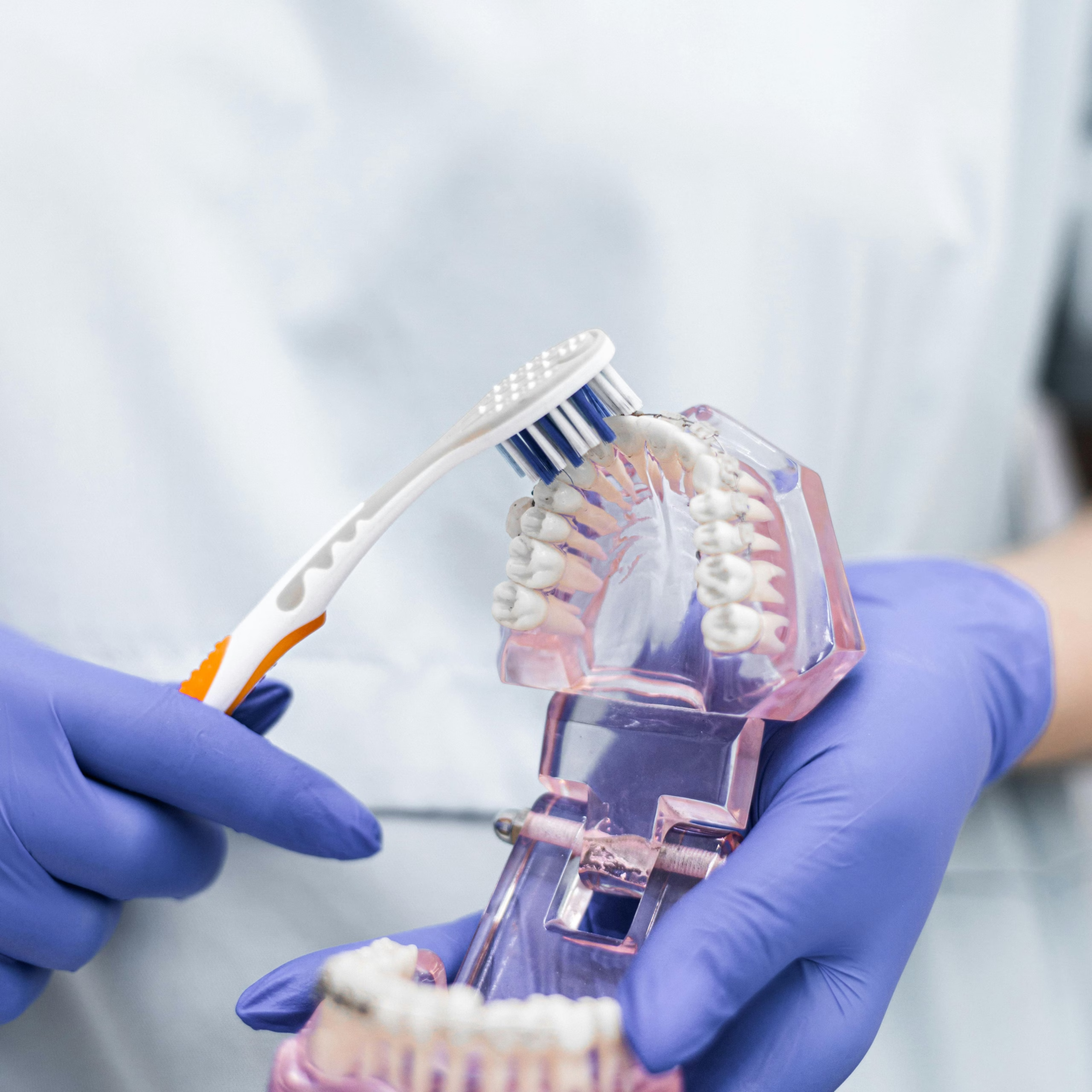
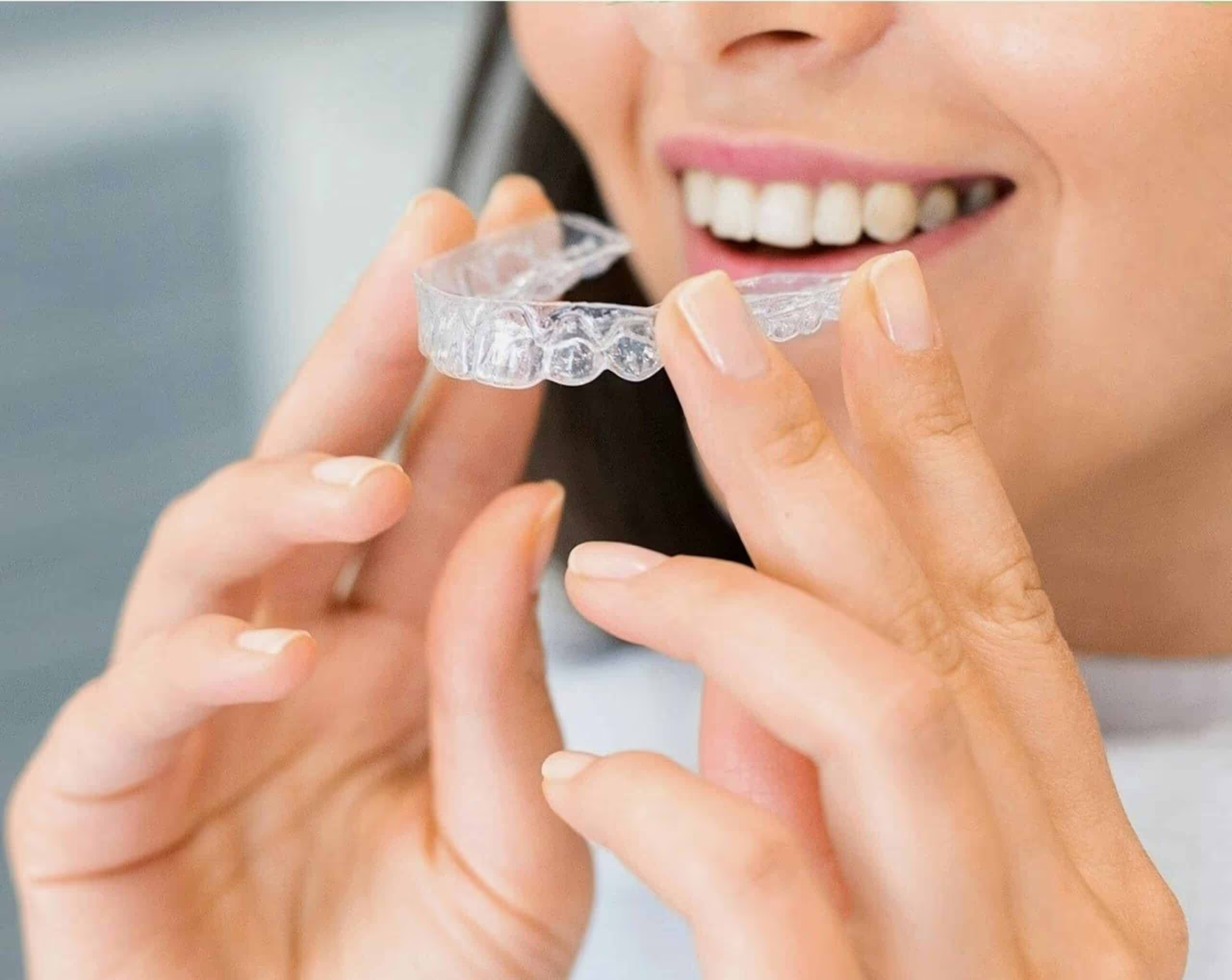
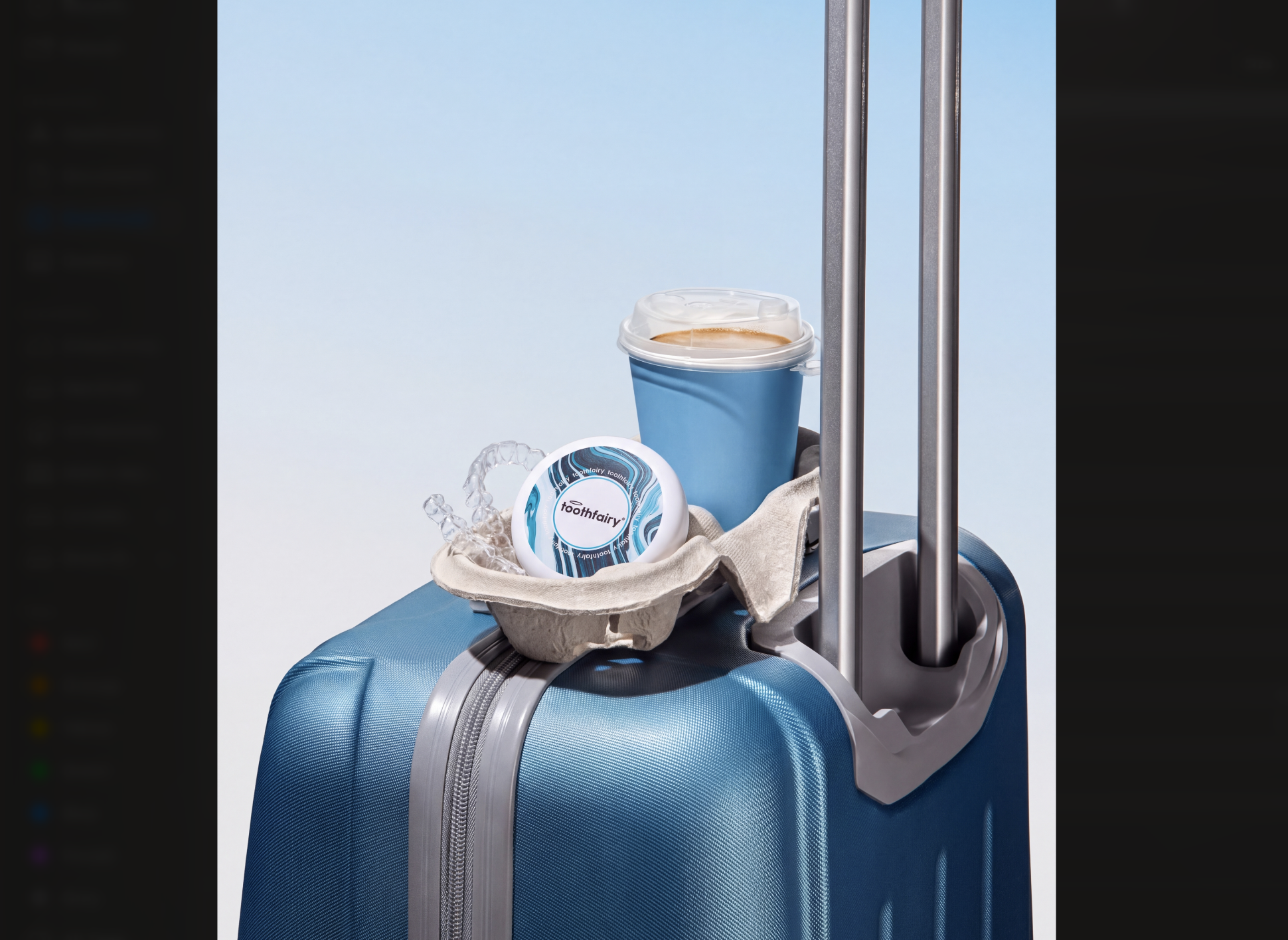
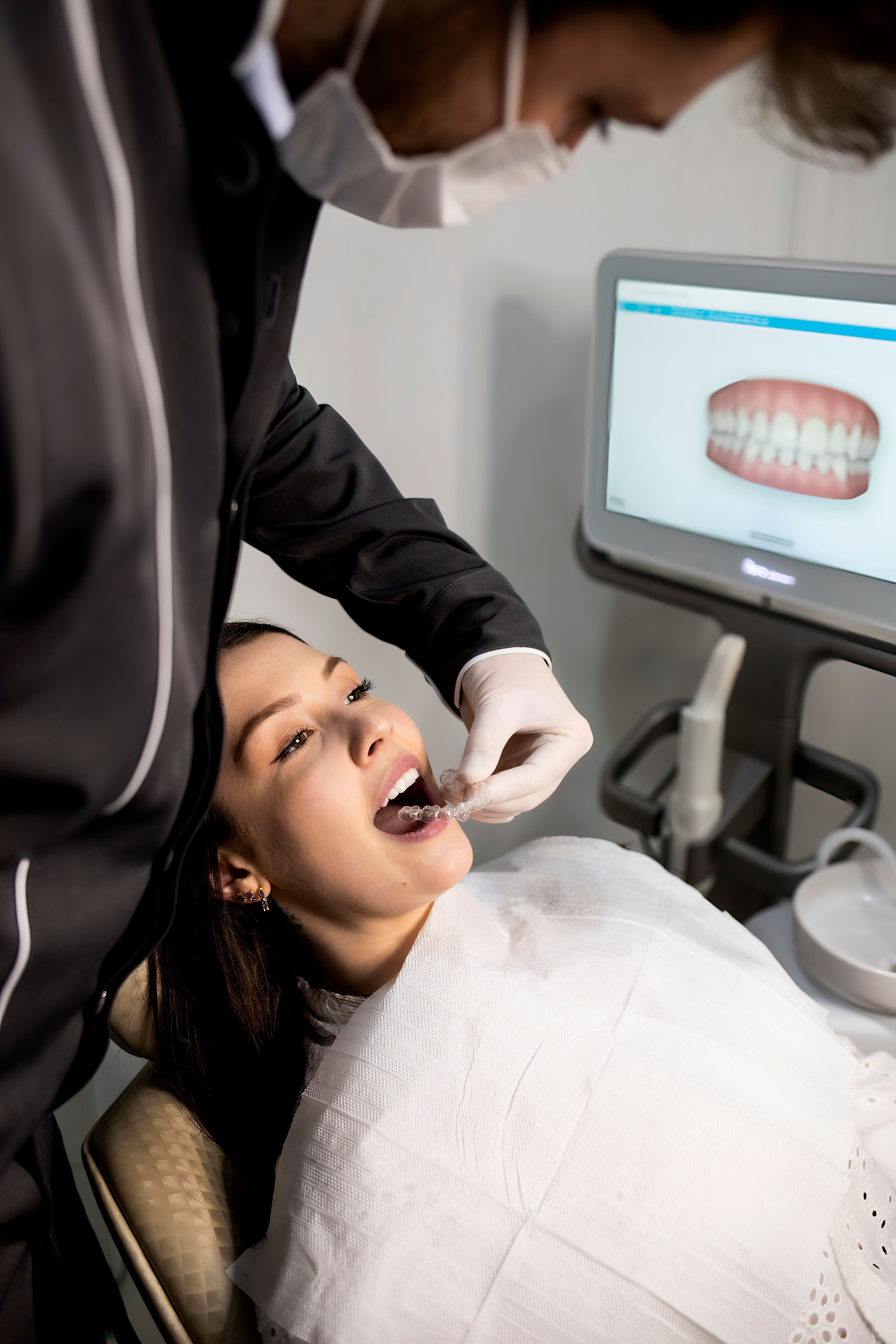
A clear plastic tray that looks similar to an aligner. Designed to hold teeth in place. Not flexible enough to move teeth.
Advances in CAD and 3D printing have made clear retainers more precise and comfortable. You can explore the future of orthodontic technology through UK dental innovation resources.
The Real Cost of Retainers in the UK
Private retainers typically cost:
£150 to £300 per arch
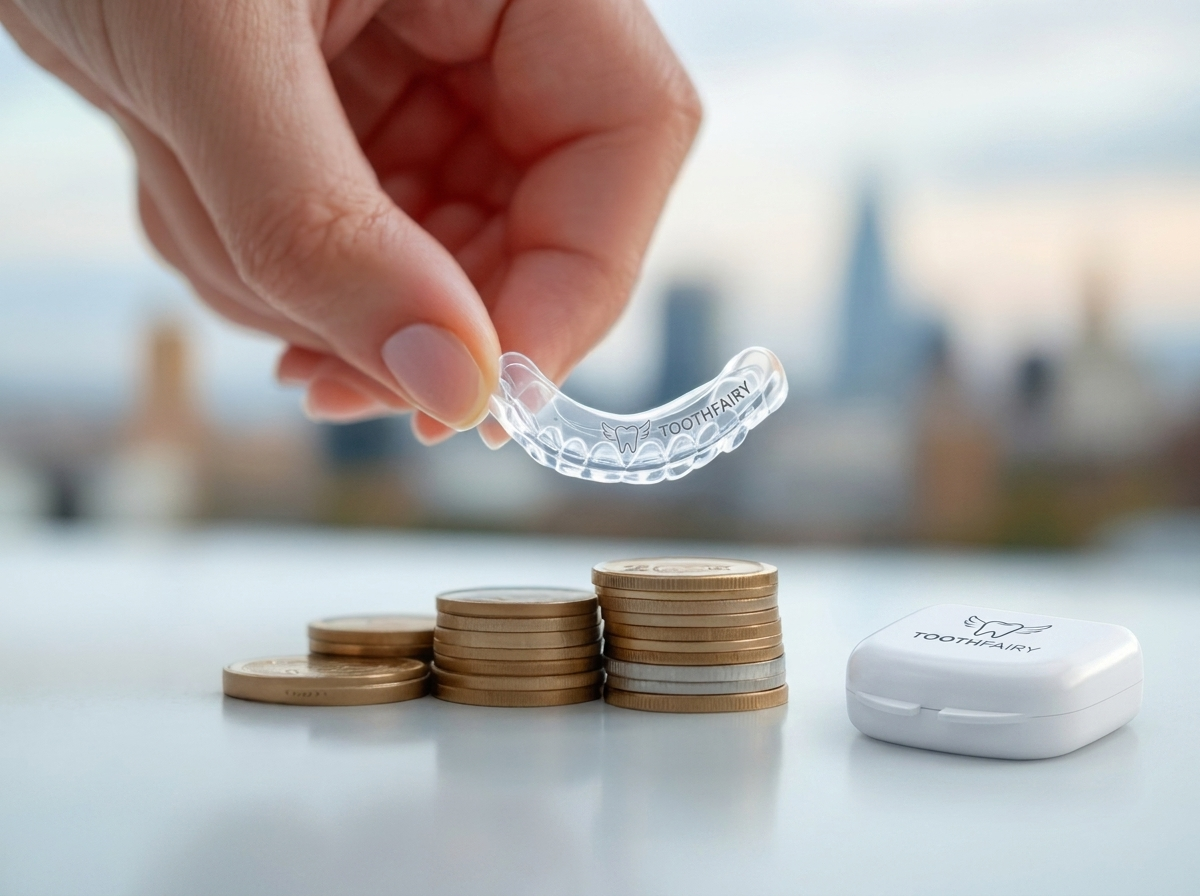
Replacement retainers cost the same, and most people need replacements every few years due to loss, damage or wear. This creates unpredictable long term expenses.
This is why modern providers include retainers in the initial treatment plan. Toothfairy offers an all inclusive price that covers your aligners, monitoring, refinements and your first set of retainers.
How to Care for Your Retainer or Aligner
Rinse with lukewarm waterBrush gently with a soft toothbrush and clear soapAvoid toothpasteNever use hot waterStore in its case every time
If your retainer feels tight, your teeth are already shifting. If it no longer fits, contact a dentist immediately.
Frequently Asked Questions
How long does it take for a retainer to fix a minor shift
Several months, with no guaranteed result. Aligners offer predictable timelines.
Can I use my old retainer if my teeth have moved
No. Forcing an old retainer can damage teeth and gums.
Is a retainer cheaper than aligners
A retainer is cheaper upfront but cannot straighten teeth. Aligners are better long term value.
What is the difference between a Toothfairy aligner and a retainer
An aligner moves teeth. A retainer holds teeth. They are made from different materials and serve different purposes.
Ready for a Smarter Way to Straighten Your Teeth
Retainers maintain your smile. Aligners transform it. If you want real movement, predictable results and dentist supervision, Toothfairy offers a modern, affordable way to straighten your teeth.











.jpg)





.jpg)













.jpg)