Digital Transformation in Healthcare: How Technology Is Rebuilding Modern Care
Think back to the last time you visited a bank branch. For most people, it feels like a distant memory. Today, we manage our finances instantly from our phones. That same shift from queues and paperwork to seamless, digital‑first service is now happening across healthcare.
Digital transformation is not about adding technology to old systems. It is a complete redesign of how care is delivered, replacing fragmented, paper‑based processes with connected, intelligent, patient‑centred pathways.
To explore the strategic foundations behind this shift, you can learn more here(digital-adoption)
The Core Pillars of Digital Healthcare
Digital transformation is built on four foundational pillars.
Empowering patients
Direct access to records, online booking, secure messaging and personalised digital tools put patients in control of their health journey.
Boosting operational efficiency
Automation and streamlined workflows reduce admin burdens, freeing clinicians to focus on patient care.
Enabling data‑driven decisions
Better data analysis allows for personalised treatment plans, early detection of trends and improved public health responses.
Creating integrated care journeys
Connected systems ensure GPs, specialists, dentists and hospitals share the same up‑to‑date information, reducing duplication and errors.
This is a cultural shift, not a tech upgrade. It places patients at the centre of a smarter, more accessible healthcare ecosystem.
Digital Transformation in Dentistry
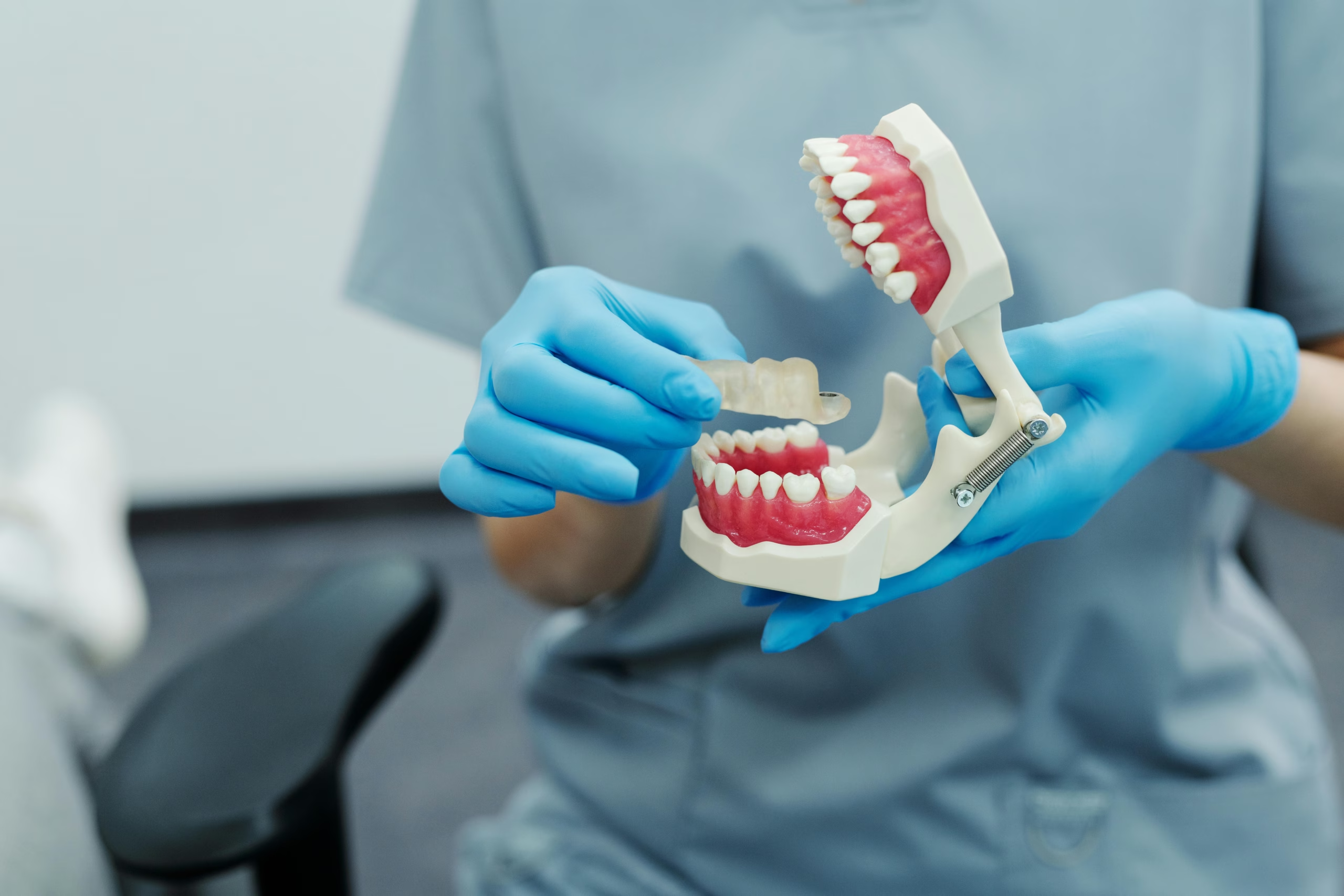
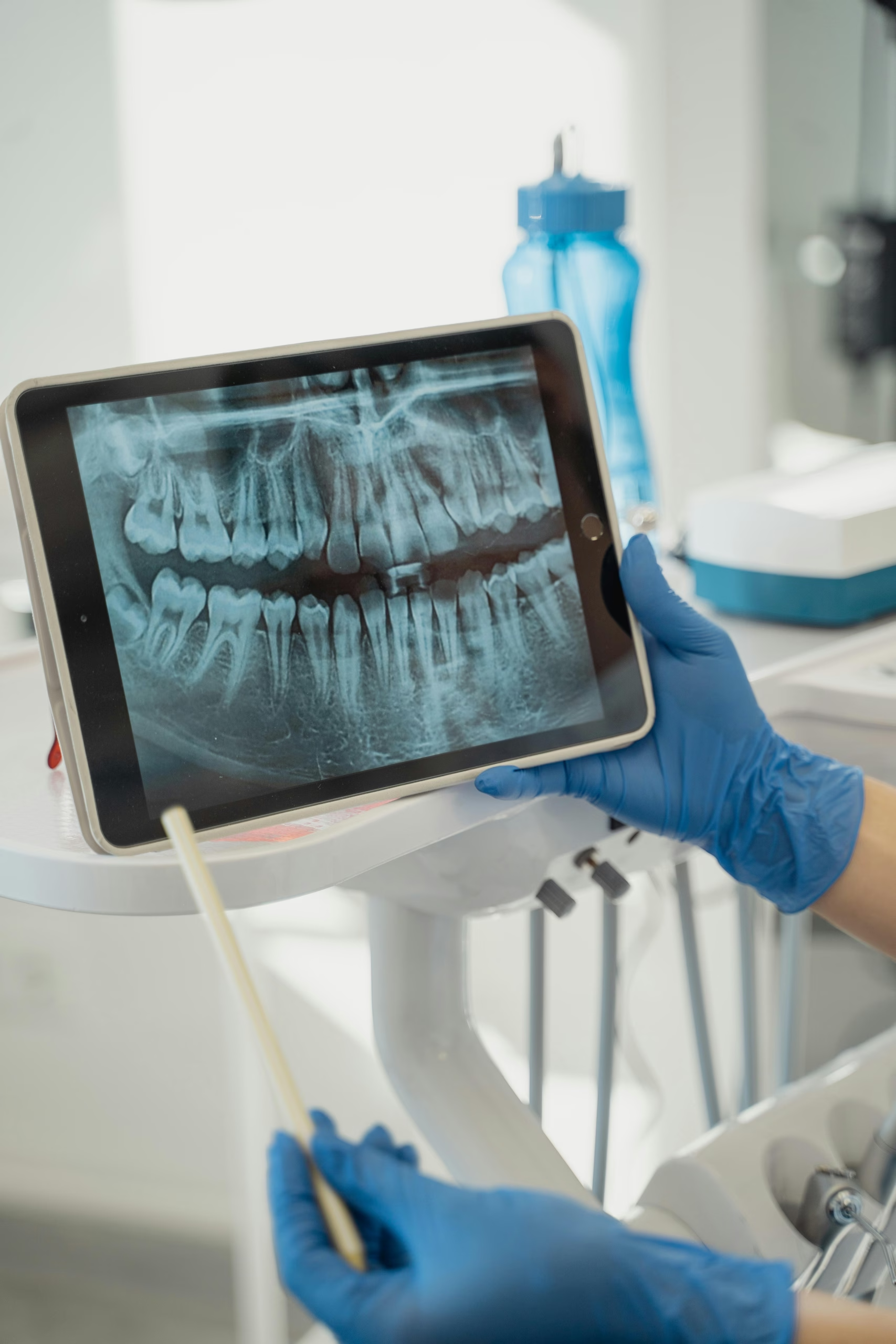
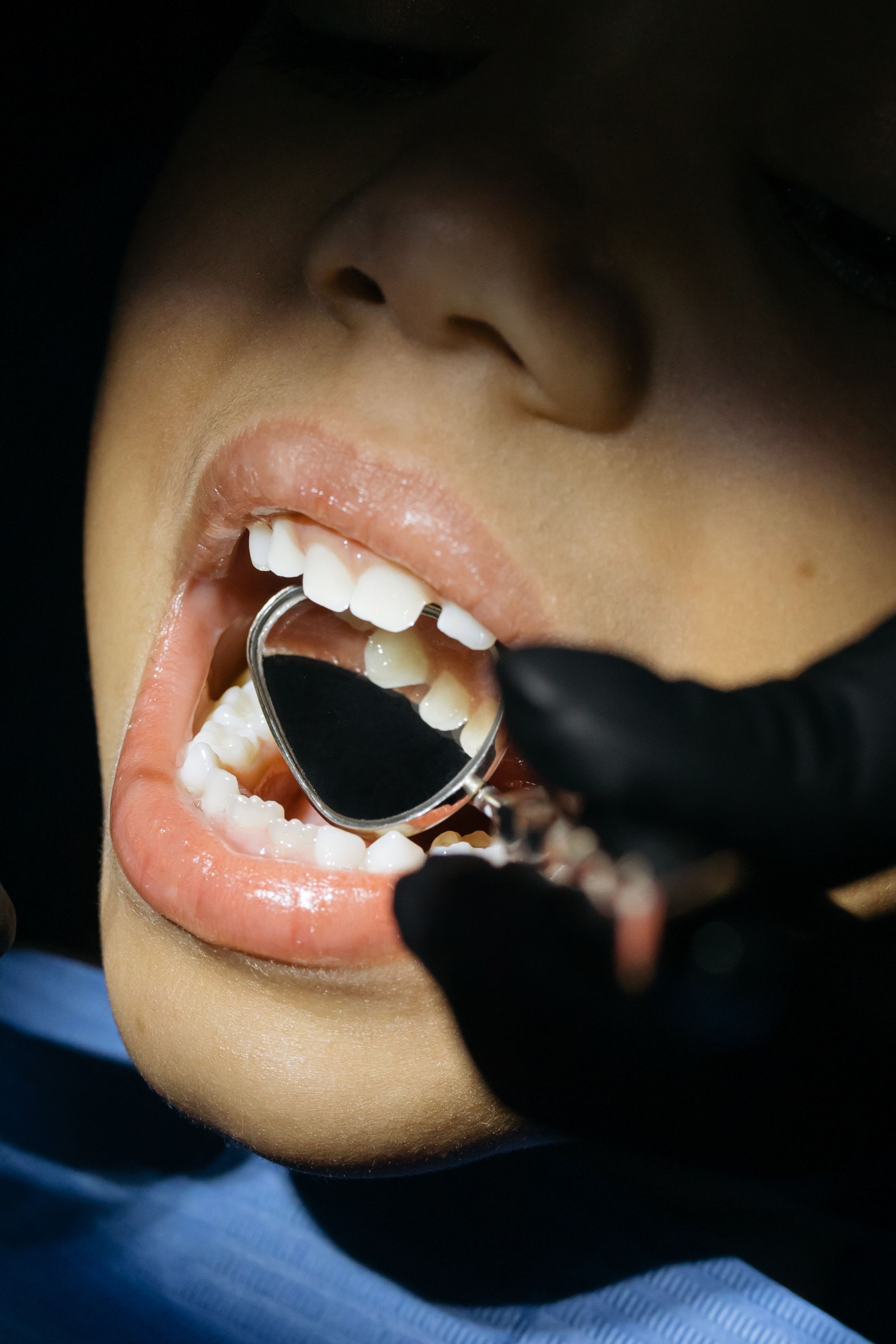
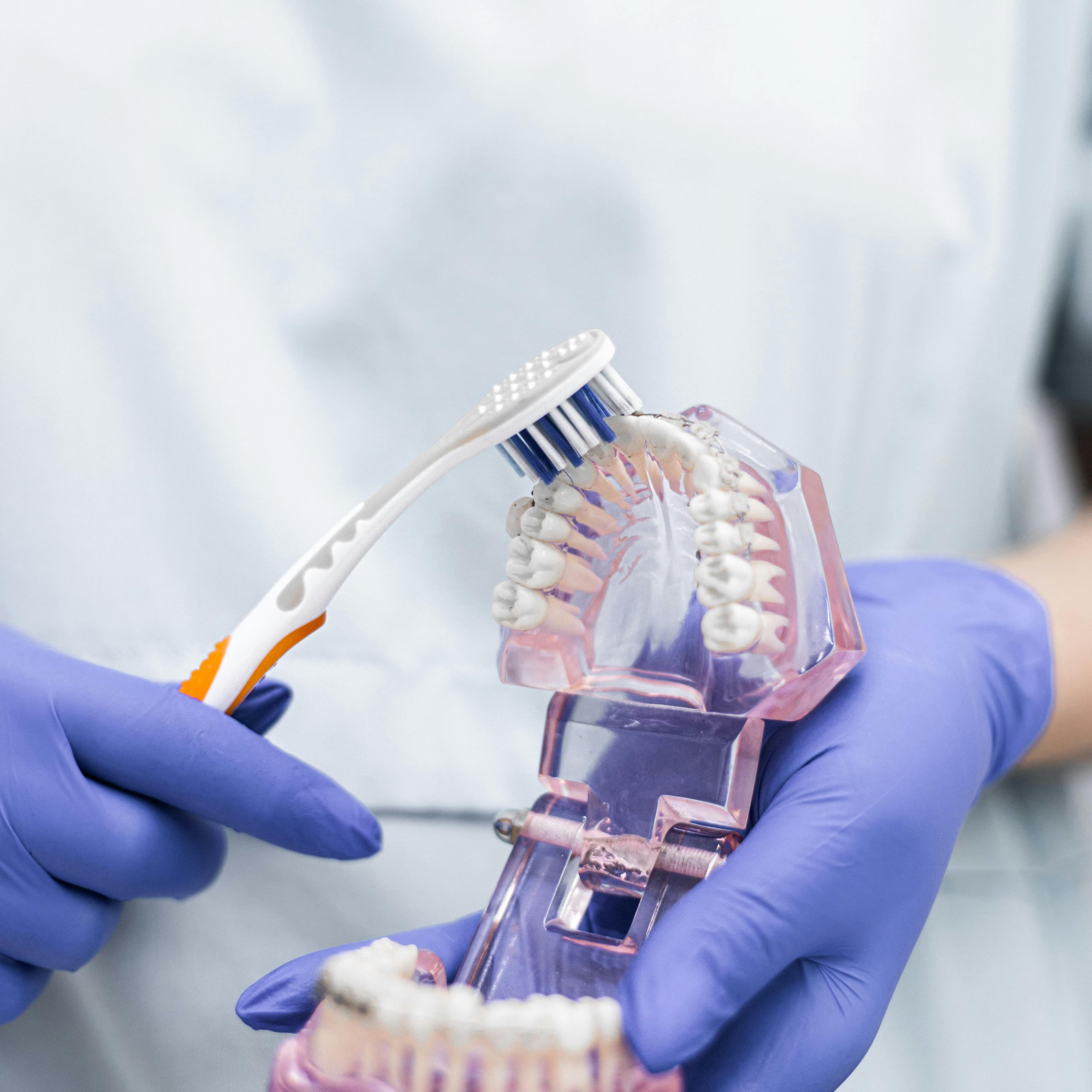
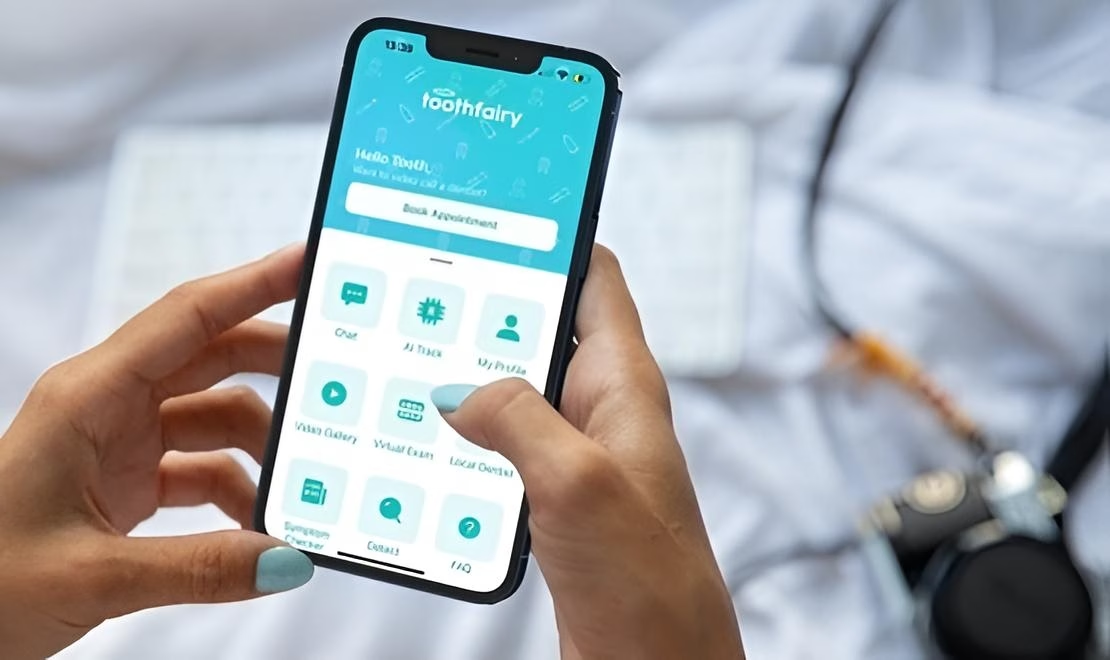
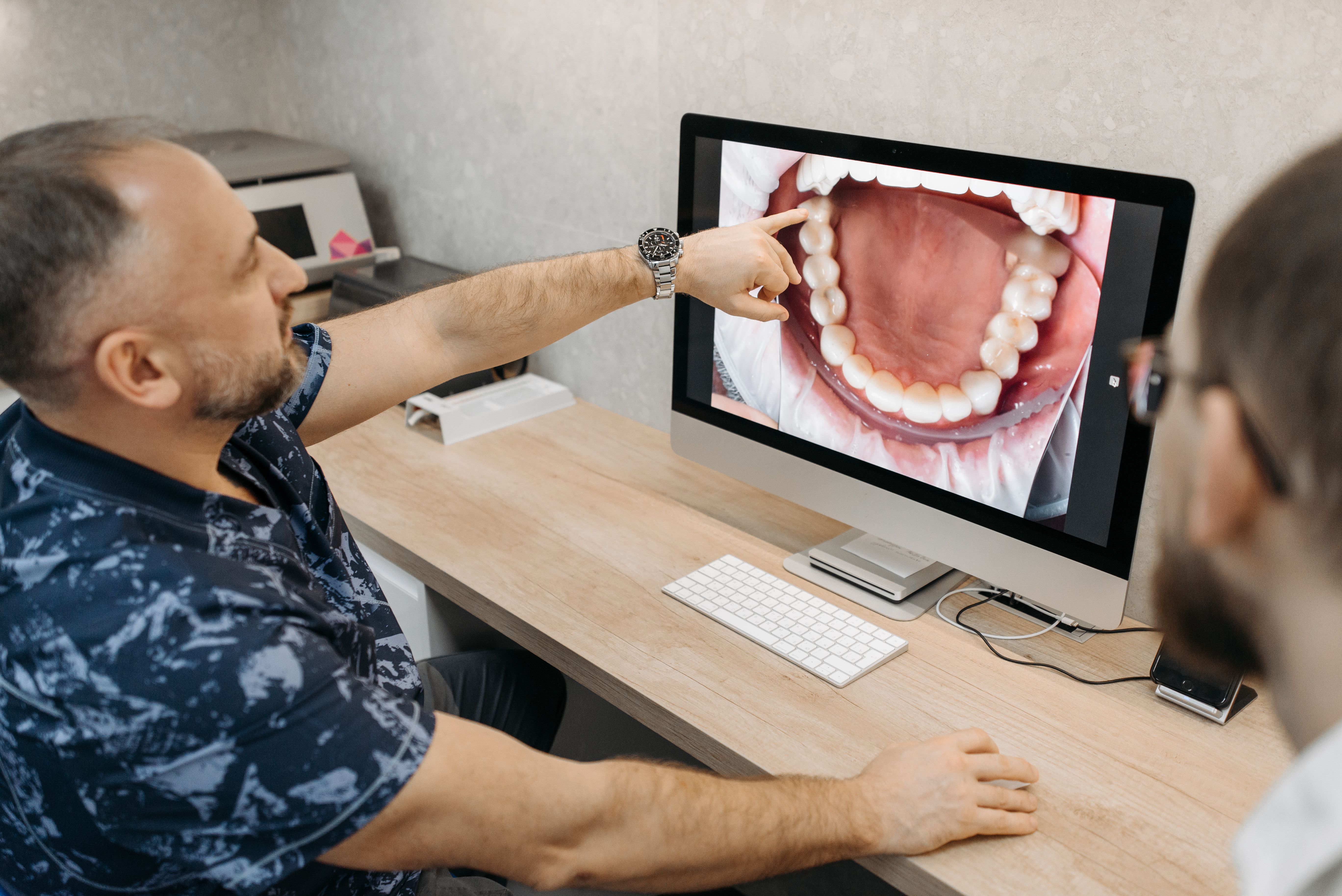
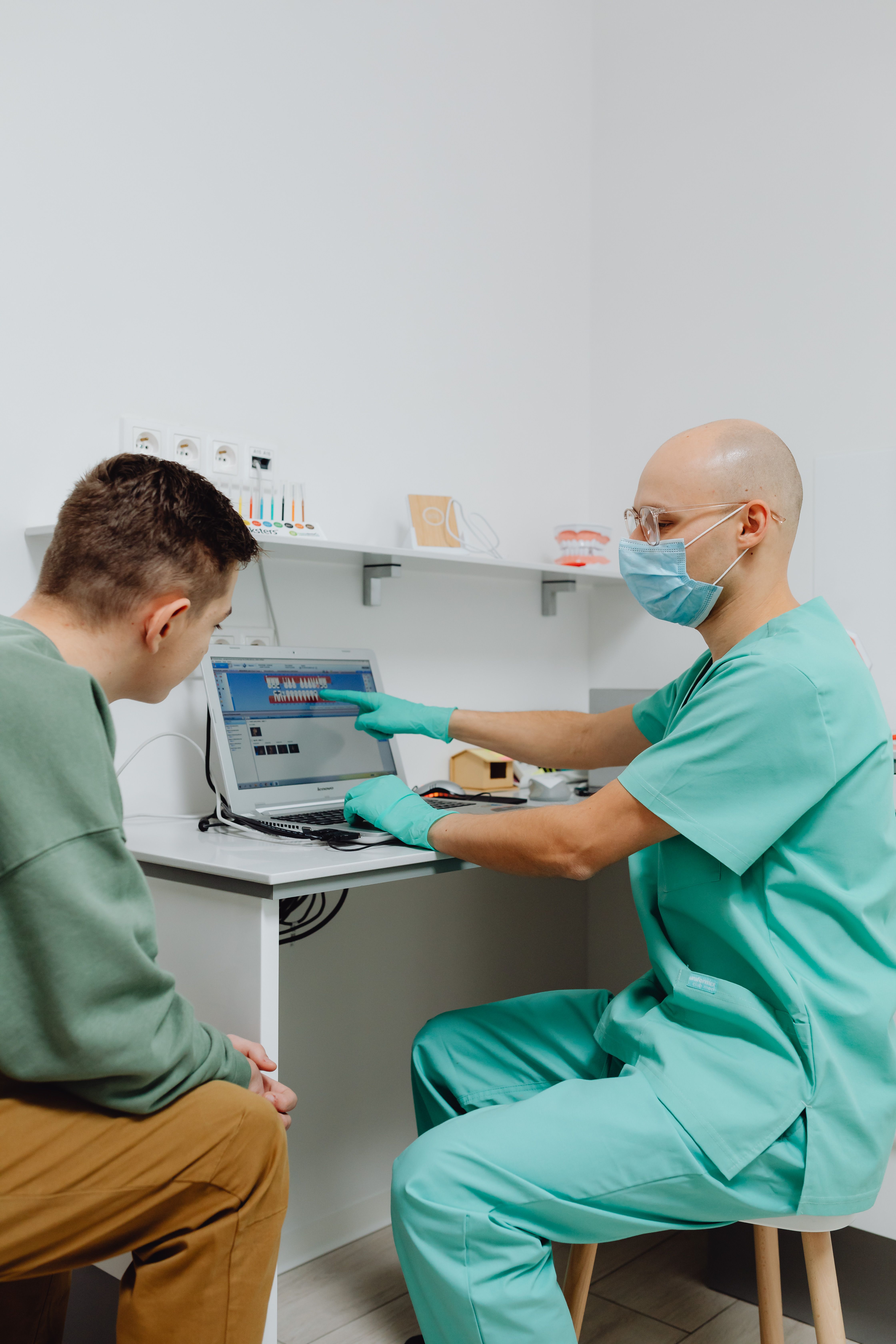
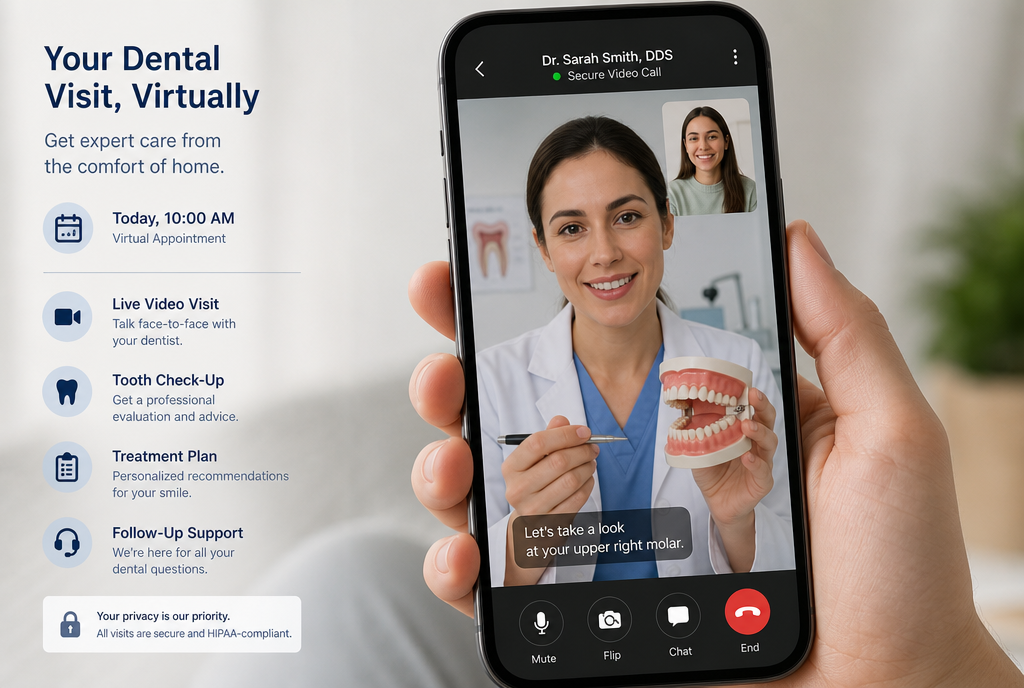
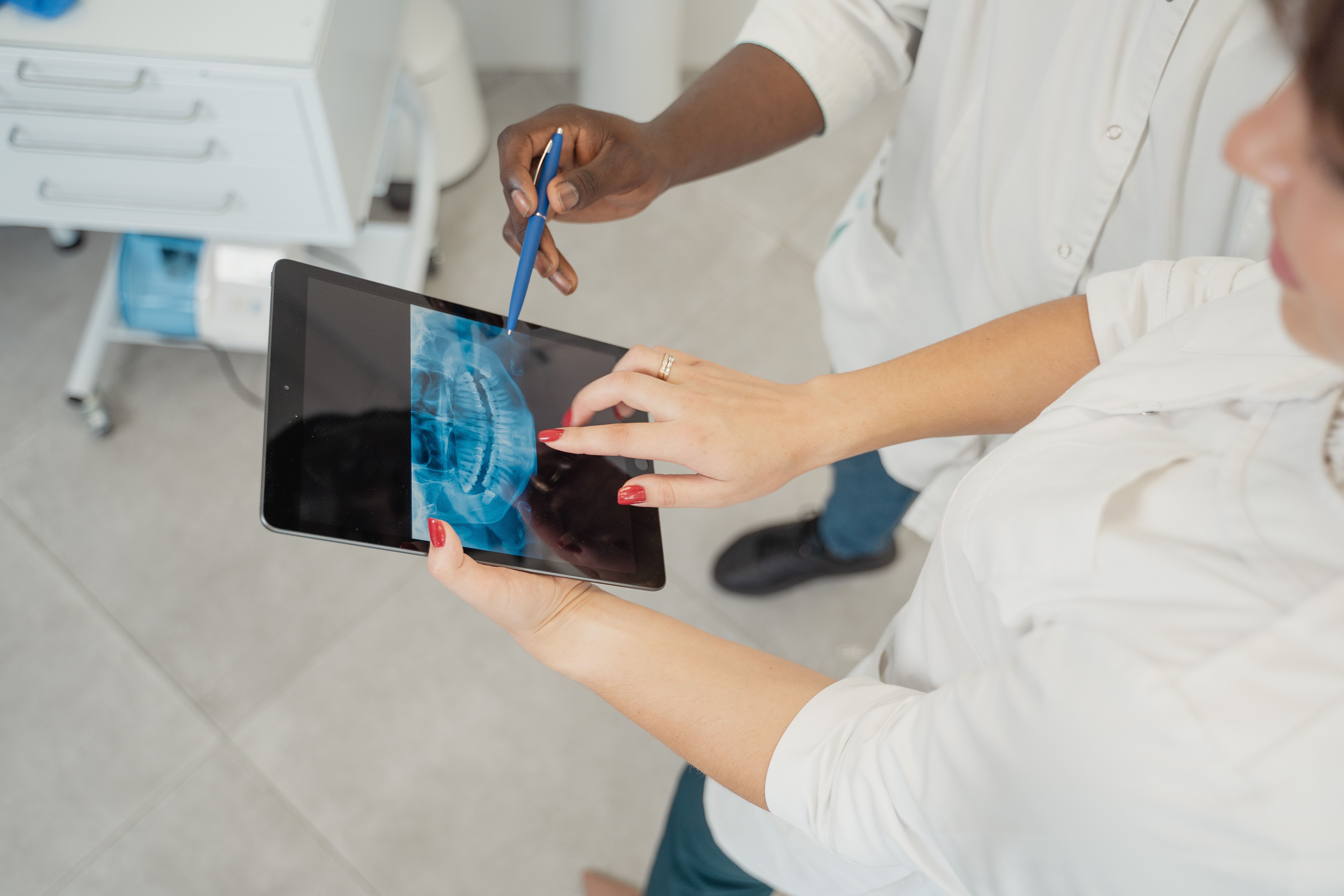
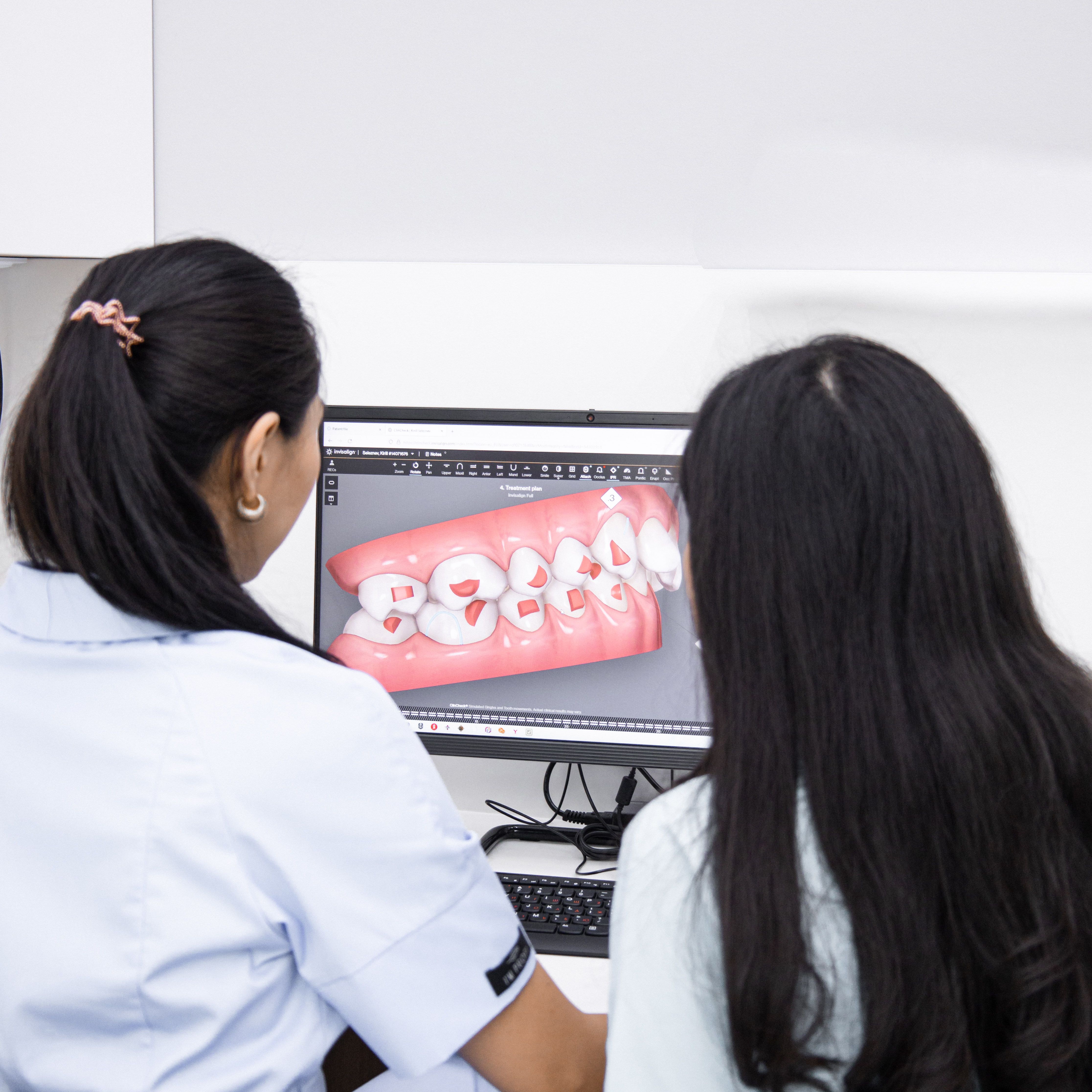
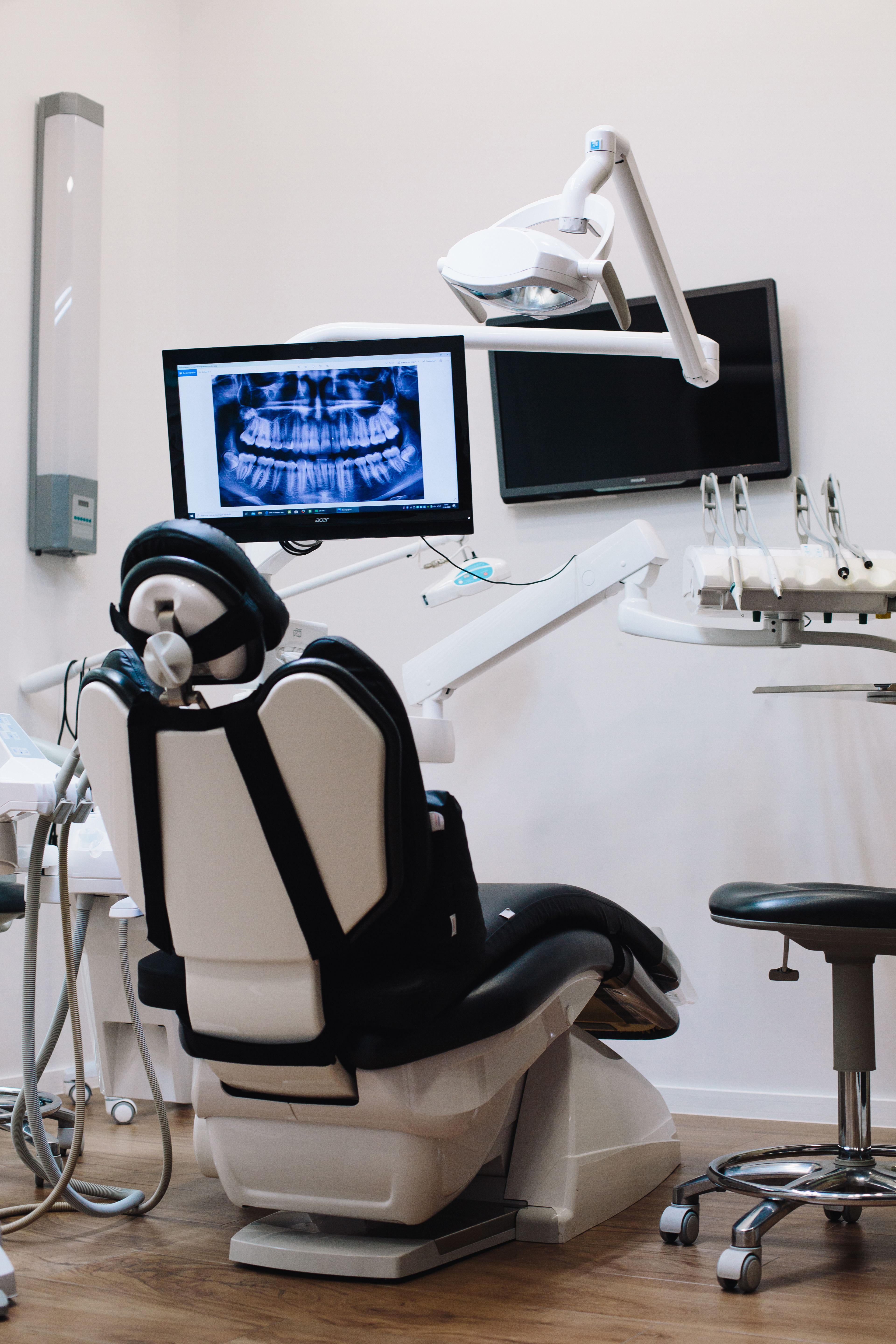
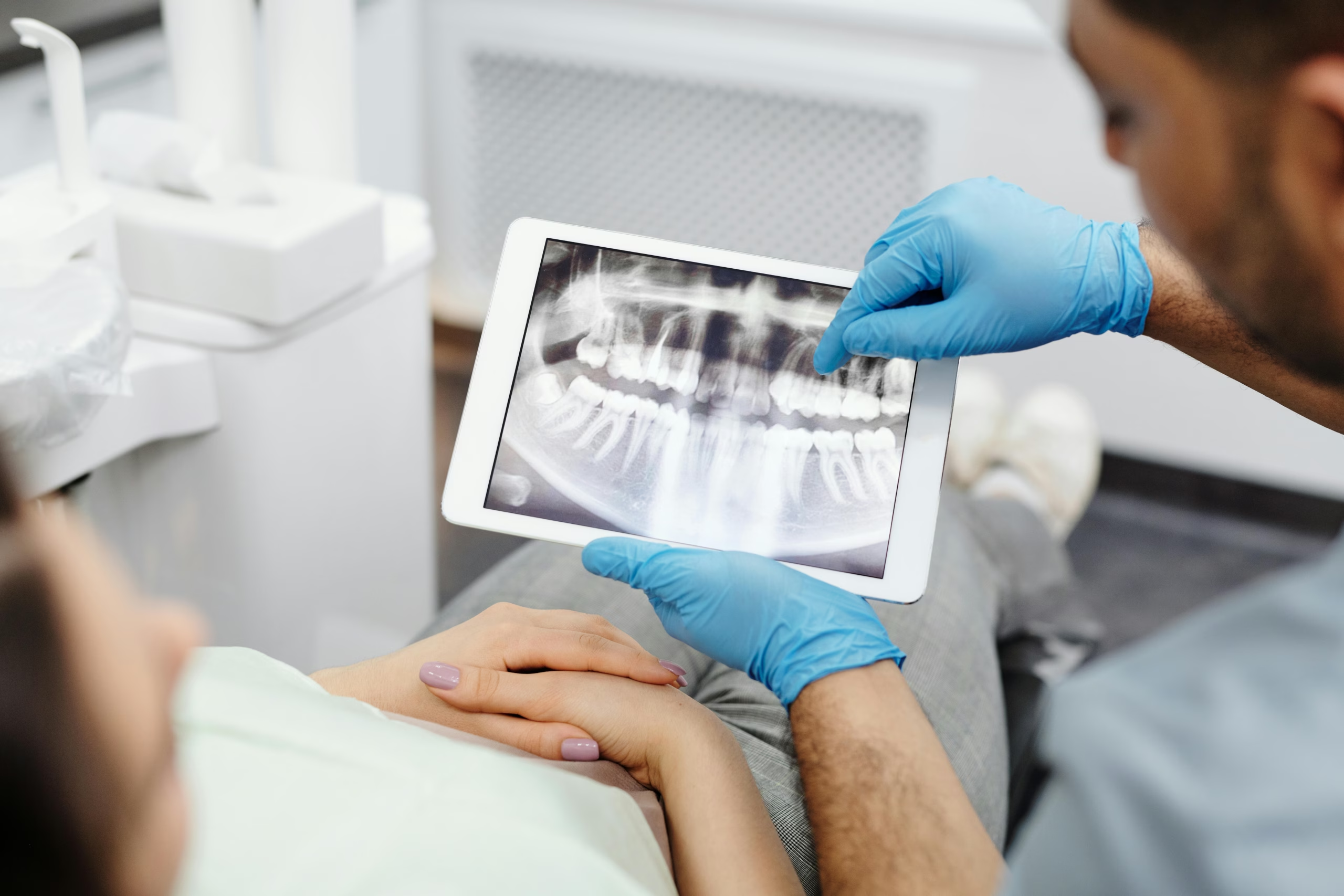
Dentistry is one of the clearest examples of digital transformation in action. Instead of multiple clinic visits for consultations and adjustments, modern providers use remote monitoring, virtual consultations and digital workflows.
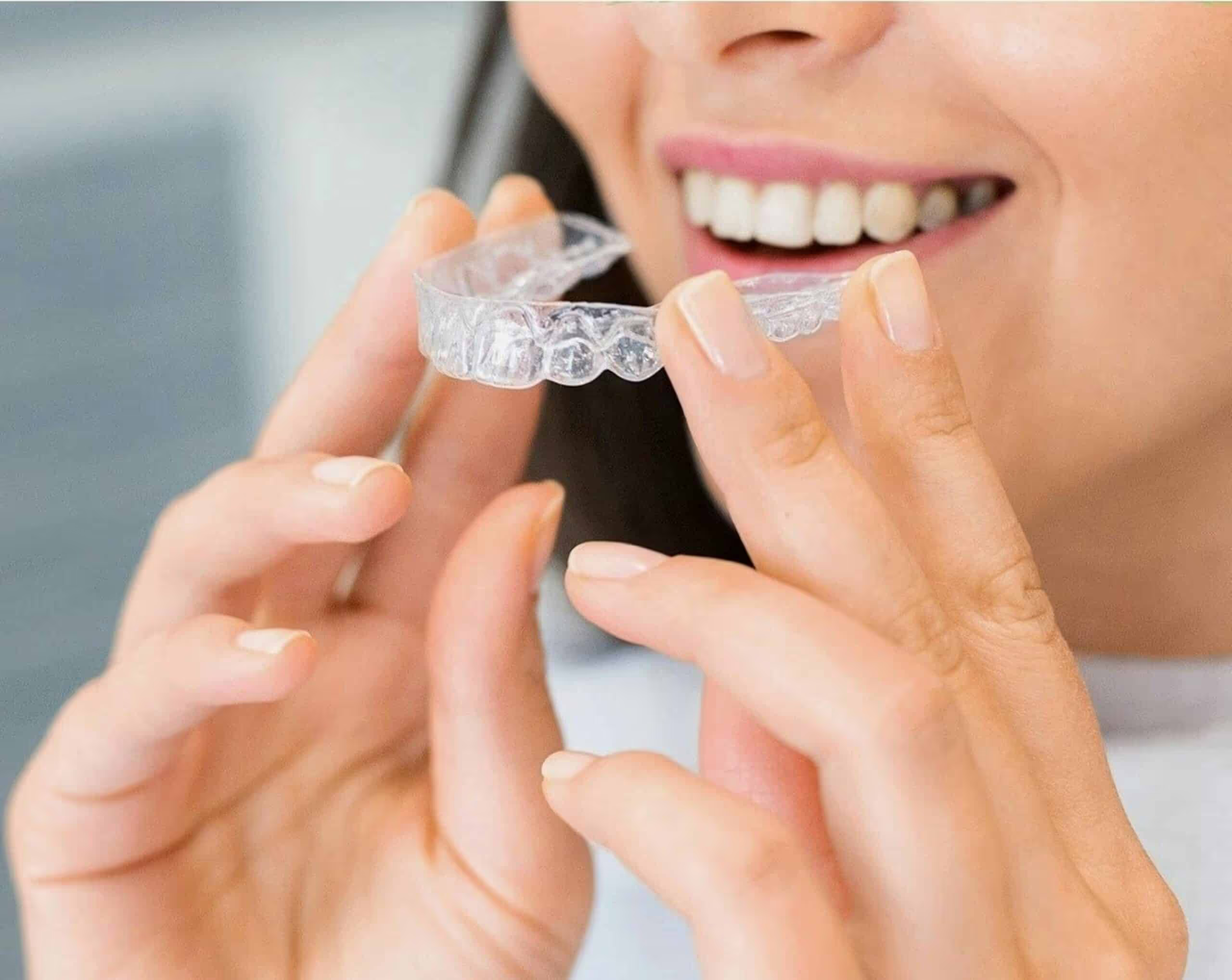
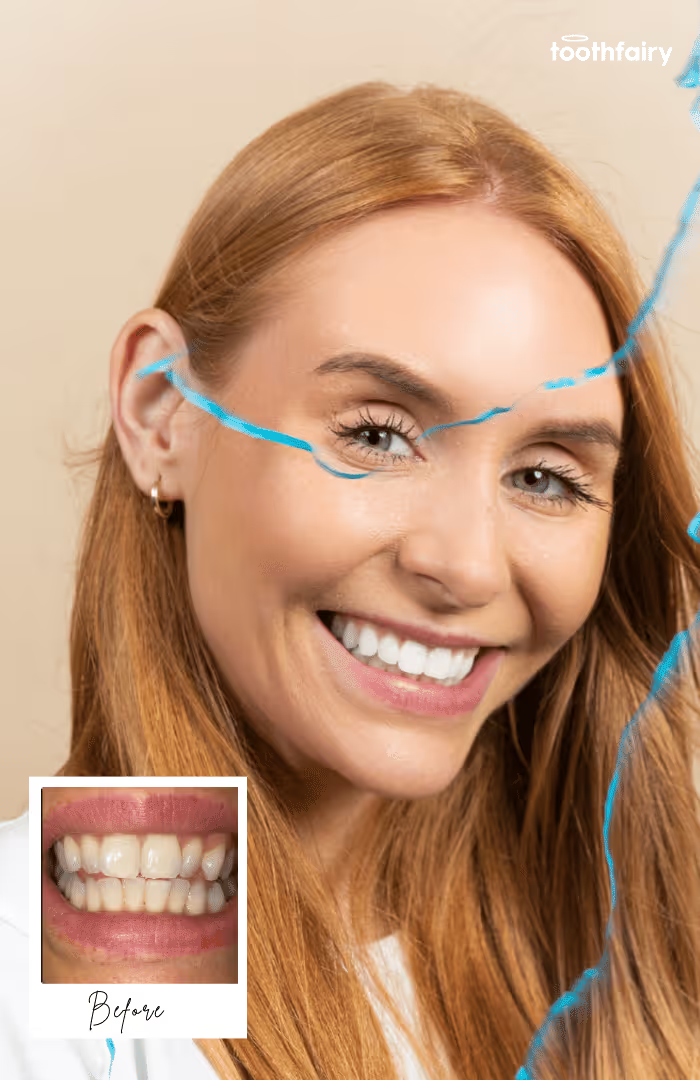
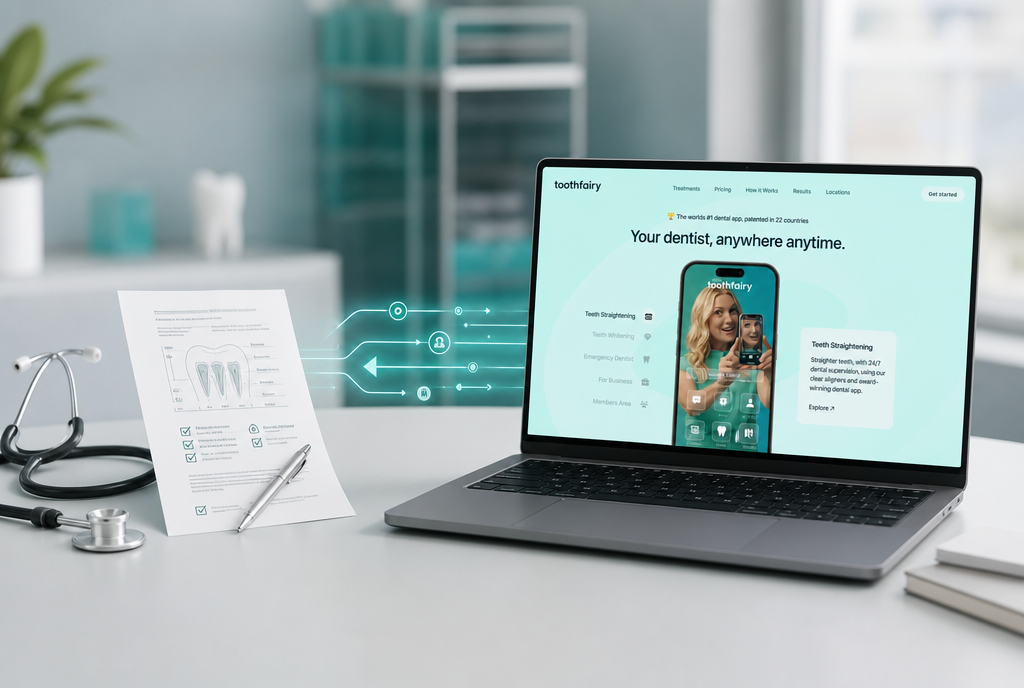
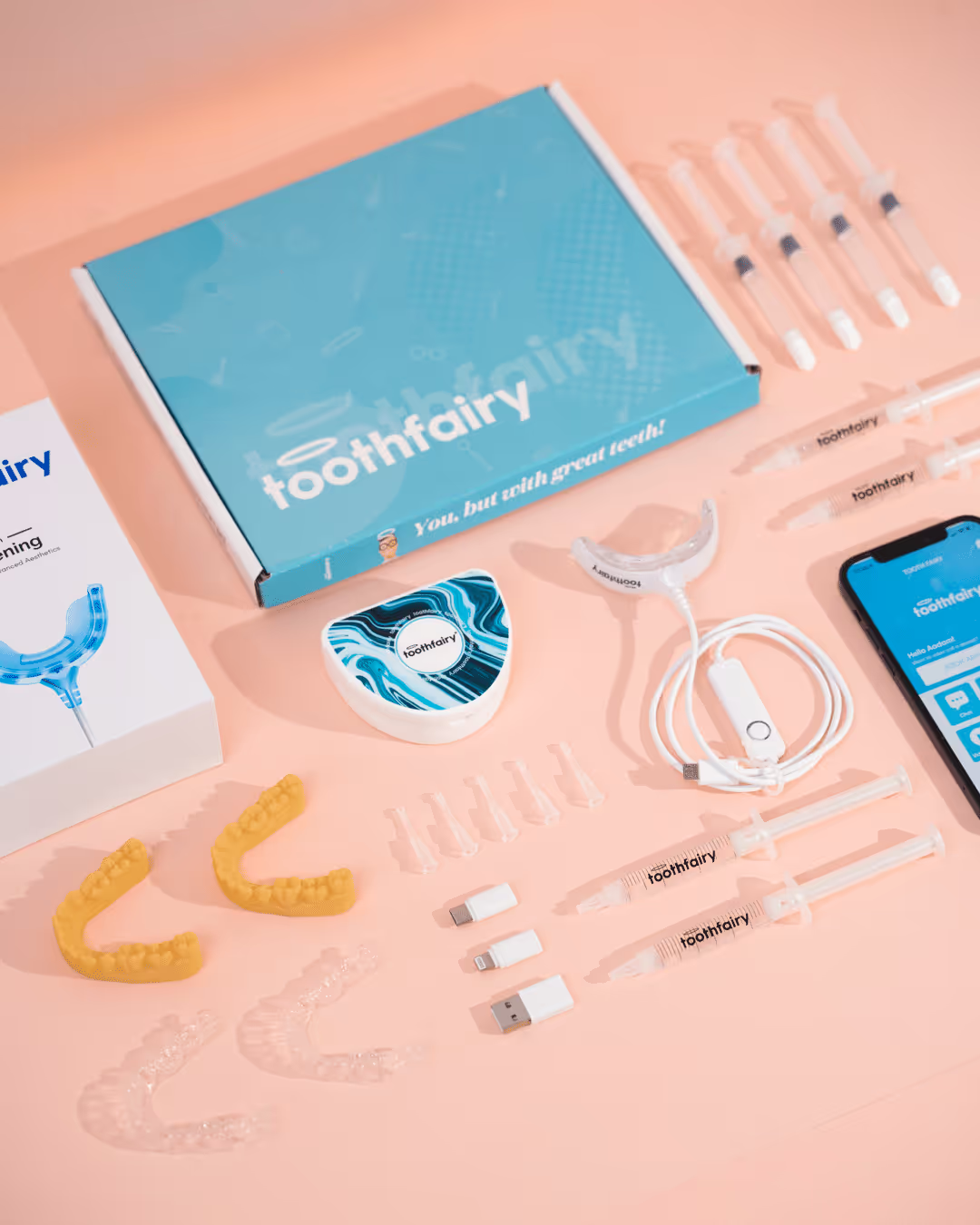
Companies like Toothfairy use this model to deliver cosmetic treatments such as teeth straightening more affordably and conveniently than traditional aligner brands that rely on frequent in‑person appointments.
The Forces Driving Healthcare’s Digital Revolution
Three major forces are accelerating the shift.
Changing patient expectations
People expect healthcare to match the convenience of modern digital services. They want transparency, speed and control.
System pressure
Demand is rising while budgets remain tight. Digital tools help providers do more with less by reducing admin and improving efficiency.
Policy and global events
Telehealth adoption surged during recent global health crises. Government strategies, including the NHS digital‑first agenda, are now embedding these changes permanently.
NHS digital strategy resources: https://www.longtermplan.nhs.uk/(longtermplan.nhs.uk in Bing)https://www.england.nhs.uk/digitaltechnology/(england.nhs.uk in Bing)
These forces are reshaping the patient‑provider relationship, creating a more proactive, personalised and sustainable model of care.
The Technologies Powering Modern Healthcare
Digital transformation is driven by several core technologies working together.
AI speech recognition reference /(nuance.com in Bing)
These technologies are most powerful when connected, forming the backbone of a proactive, personalised healthcare system.
Real‑World Benefits for Patients and Providers
Patient empowerment
Digital tools give patients control over appointments, records, prescriptions and communication.
Streamlined clinical workflows
Automation reduces admin, allowing clinicians to focus on diagnosis, treatment and patient relationships.
System‑wide efficiency
The NHS App has saved GP practices millions of hours and reduced physical mail by millions of letters.
NHS digital service impact data:https://www.nhsbsa.nhs.uk/
Better outcomes
Data‑driven insights improve treatment accuracy, resource planning and public health responses.
Digital Innovation in Dentistry
Dentistry showcases digital transformation at its best.
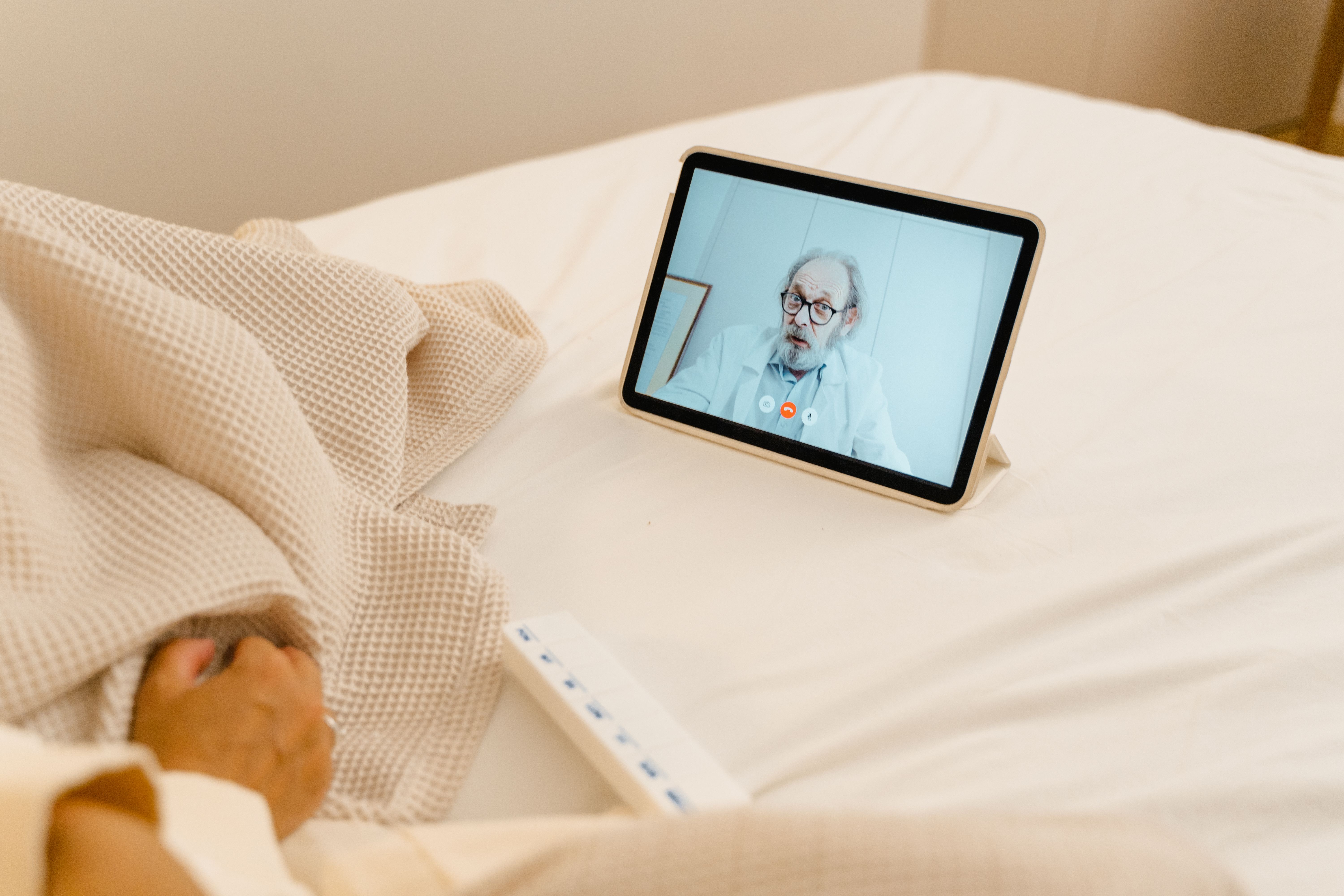
Teledentistry
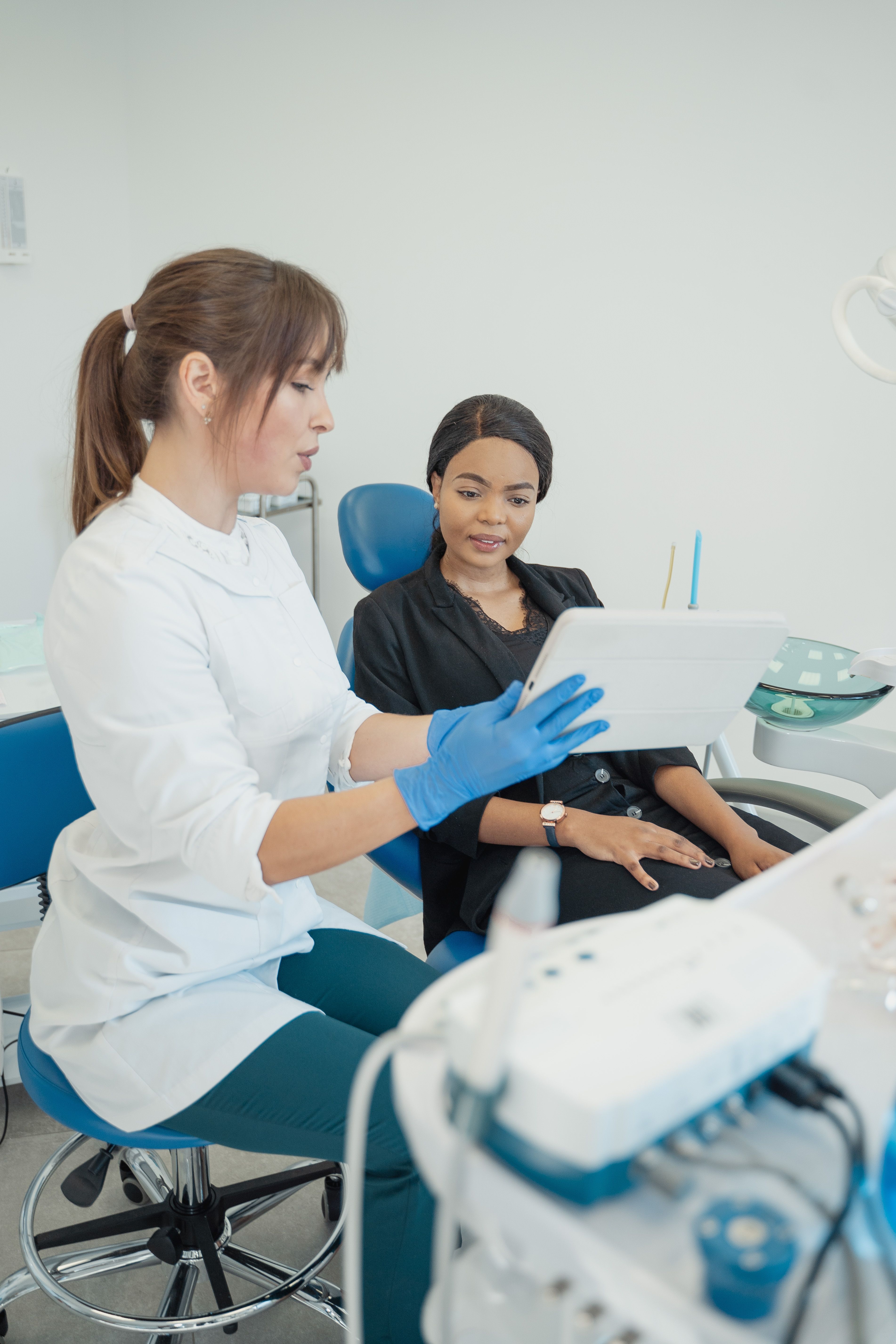
Virtual consultations remove barriers to specialist advice and emergency support.
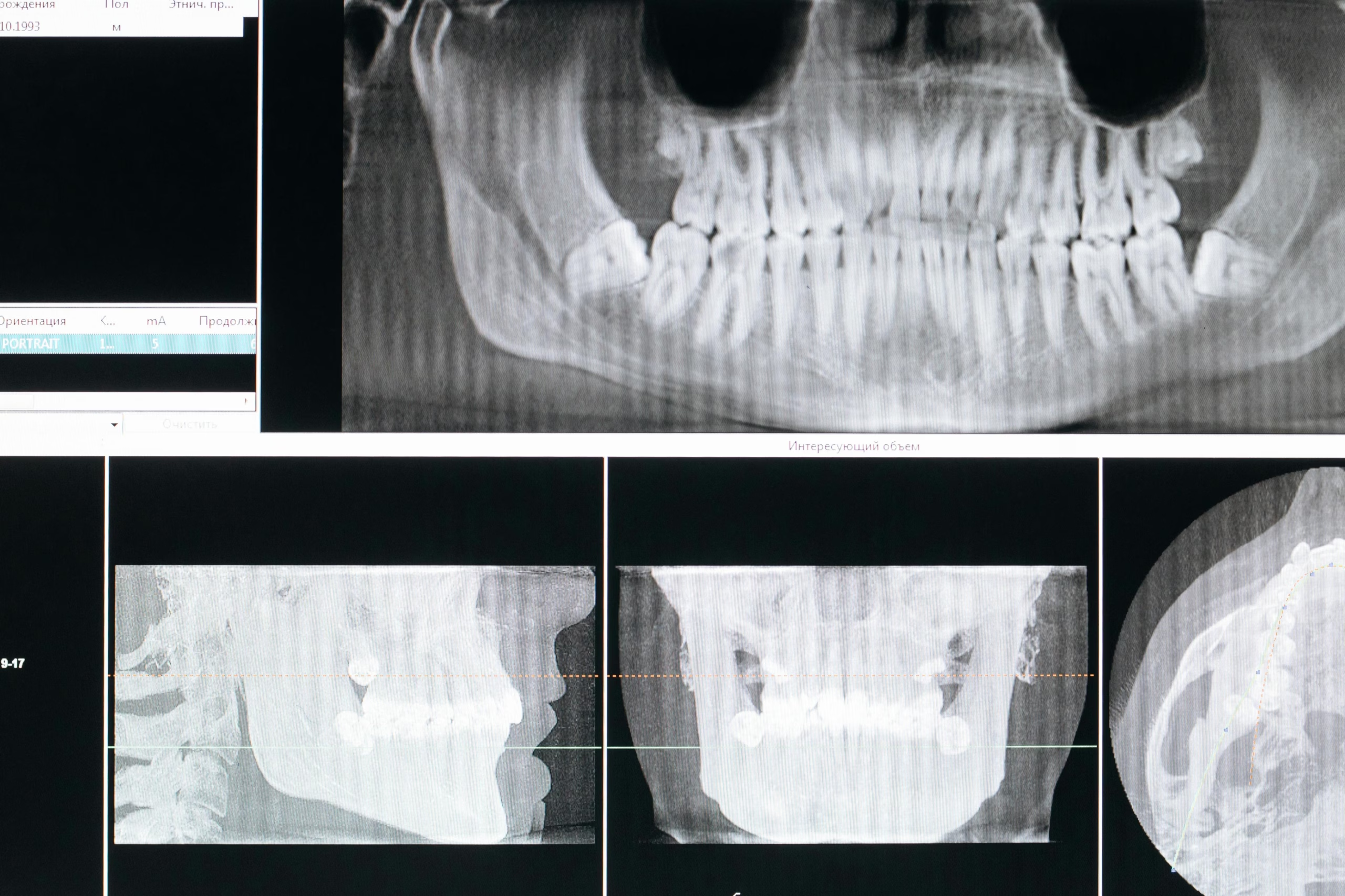
3D scanning
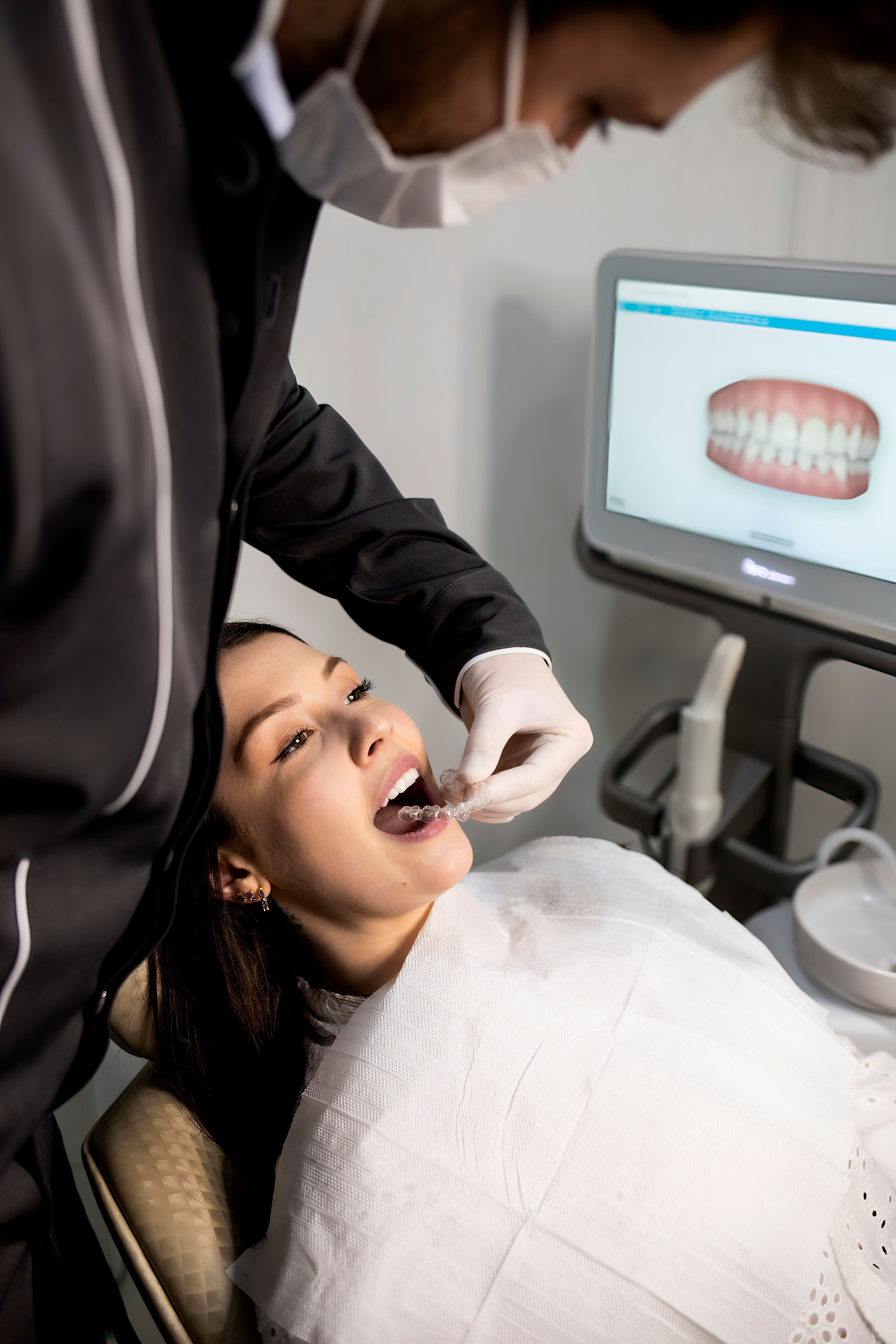
Digital impressions replace uncomfortable trays, improving accuracy and comfort.
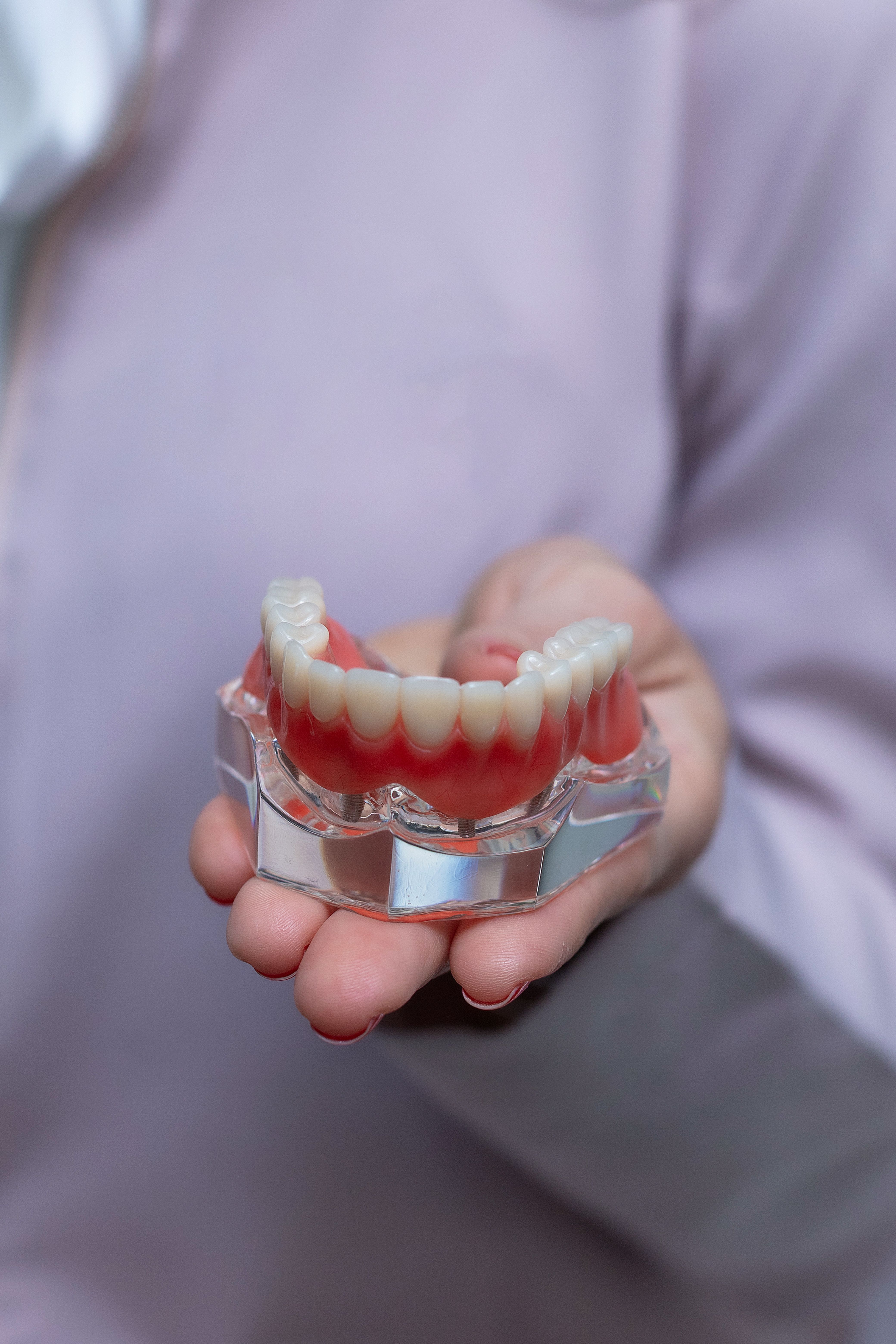
3D printing
Clinics can produce surgical guides and temporary crowns on the same day.
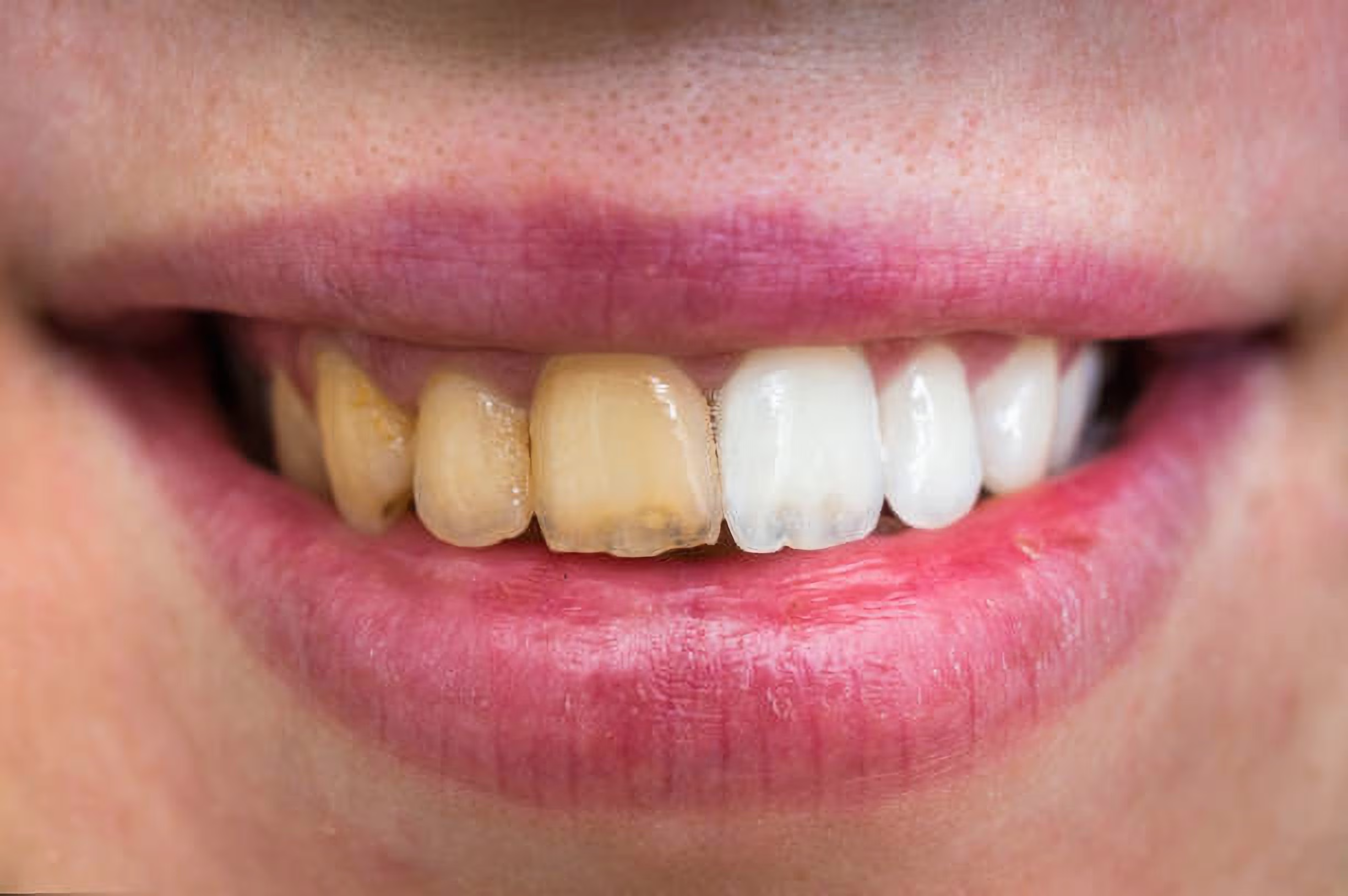
Smarter teeth straightening
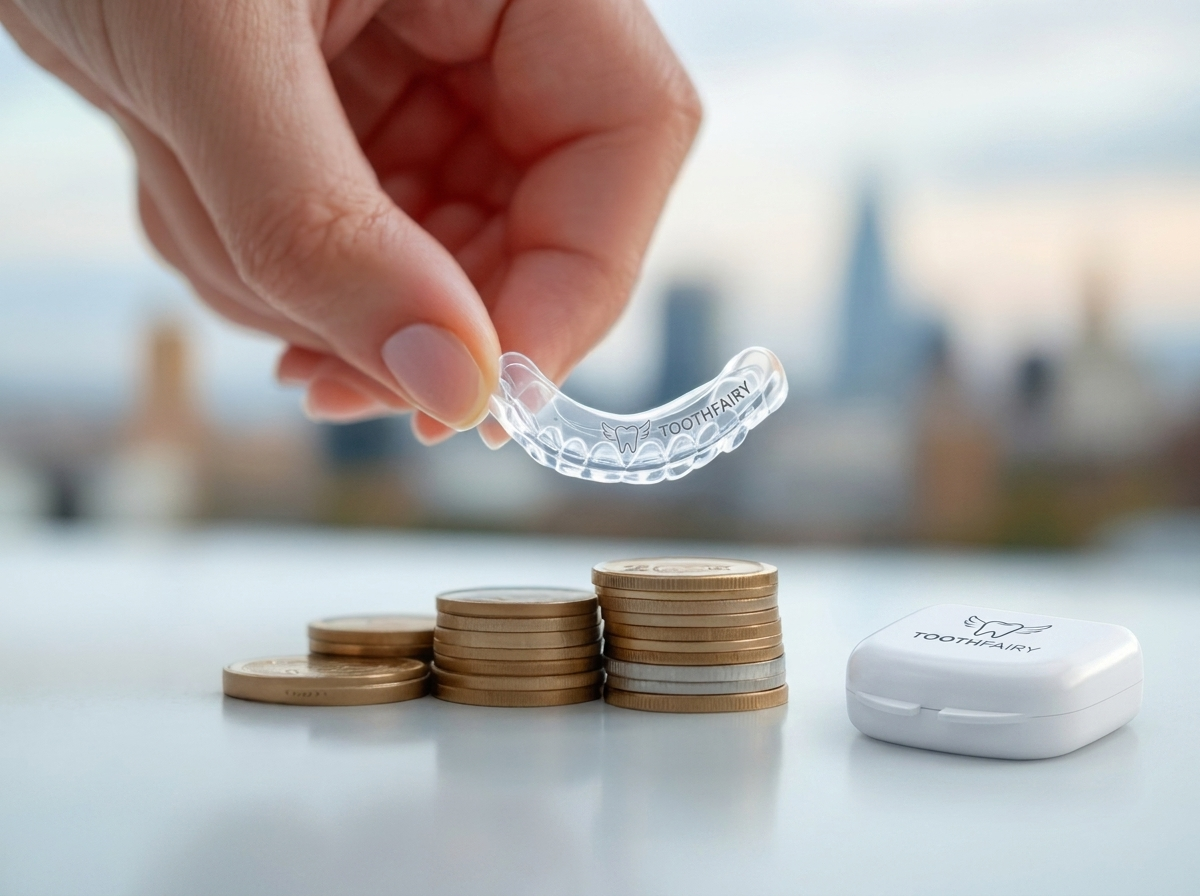
Toothfairy’s digital‑first model reduces overheads and passes savings directly to patients, offering a more affordable alternative to clinic‑heavy aligner brands.
Learn more about clear aligners here /(toothfairyapp.co.uk in Bing)
Challenges Holding Digital Healthcare Back
Data privacy and cybersecurity
Sensitive health data requires robust protection and strict compliance.
Interoperability
Systems must communicate seamlessly to avoid digital silos.
Cost of implementation
Hardware, software and training require significant investment.
UK digital health market data /(mordorintelligence.com in Bing)
Human adoption
Staff training and patient accessibility are essential for successful transformation.
Frequently Asked Questions
Is my health data secure
Yes. Modern digital systems use encryption and strict compliance frameworks such as GDPR.
Will technology replace clinicians
No. Digital tools support clinicians by reducing admin and improving accuracy, not replacing human expertise.
How does digital innovation make dental care cheaper
Efficiency. Remote consultations, digital workflows and streamlined production reduce costs and make treatments more accessible.
Explore Digital‑First Dental Care
Toothfairy delivers dentist‑prescribed cosmetic and emergency care through a modern, digital‑first model. It is smarter, more convenient and more affordable than traditional clinic‑heavy routes.
Discover your options https://www.toothfairyapp.co.uk














.jpg)




.jpg)
















.jpg)