.jpg)
Why wedding whitening needs a plan
Whitening for a wedding isn’t the same as whitening for everyday life.
You need:
Predictable results
Your shade should look natural in photos.
Safe treatment
No irritation or last‑minute sensitivity.
Correct timing
Whitening should finish well before the wedding week.
Professional oversight
Dentist‑supervised whitening is the safest option.
Choose a dentist‑led whitening service
In the UK, whitening is legally a dental treatment.
That means:
It must be carried out by a GDC‑registered dentist
Or a qualified dental professional working under a dentist’s prescription.
Avoid beauty salons or unregulated whitening
These can cause burns, uneven whitening or long‑term sensitivity.
Ask who is actually performing the treatment
You should know their name, qualification and GDC number.
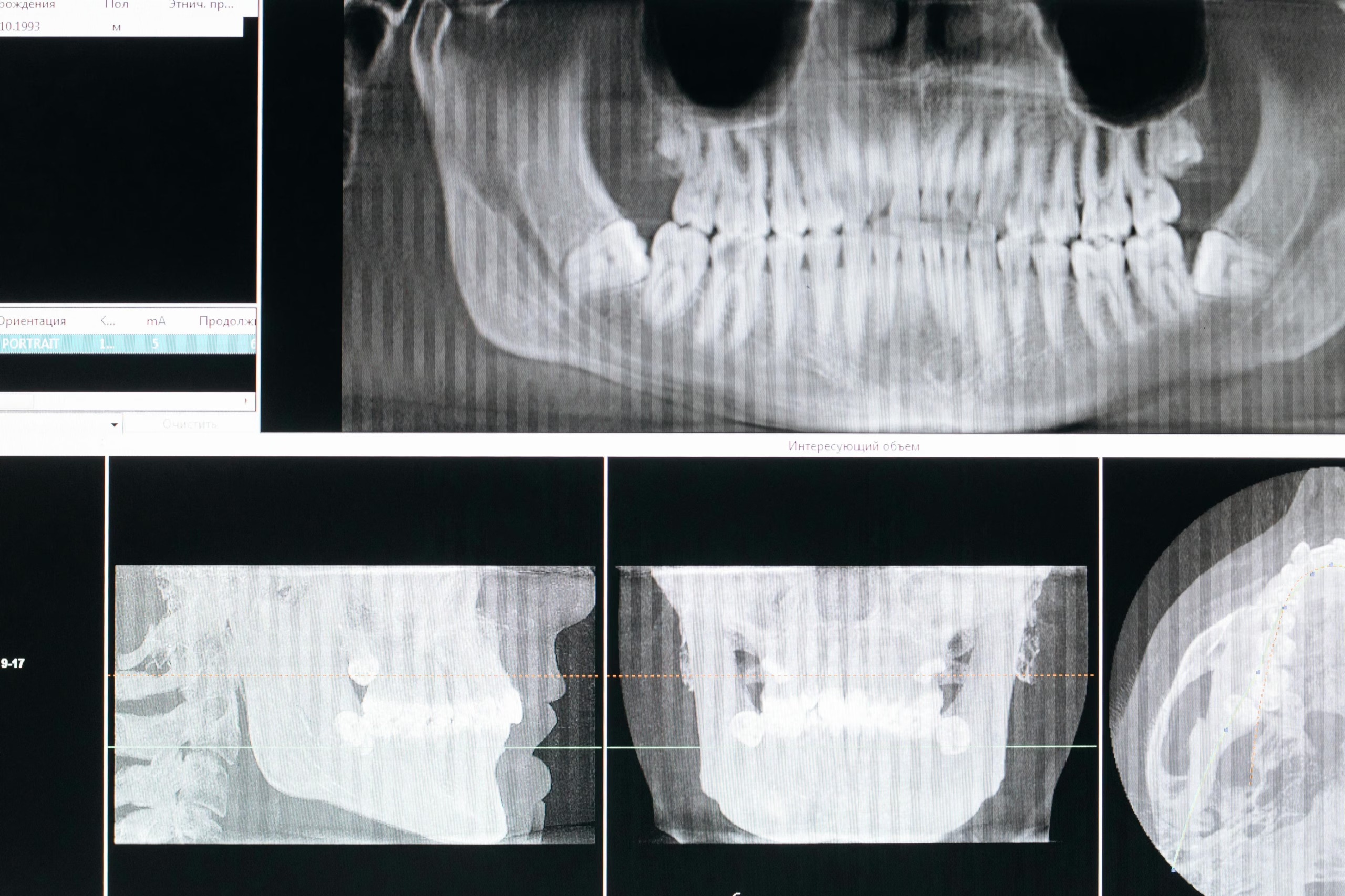
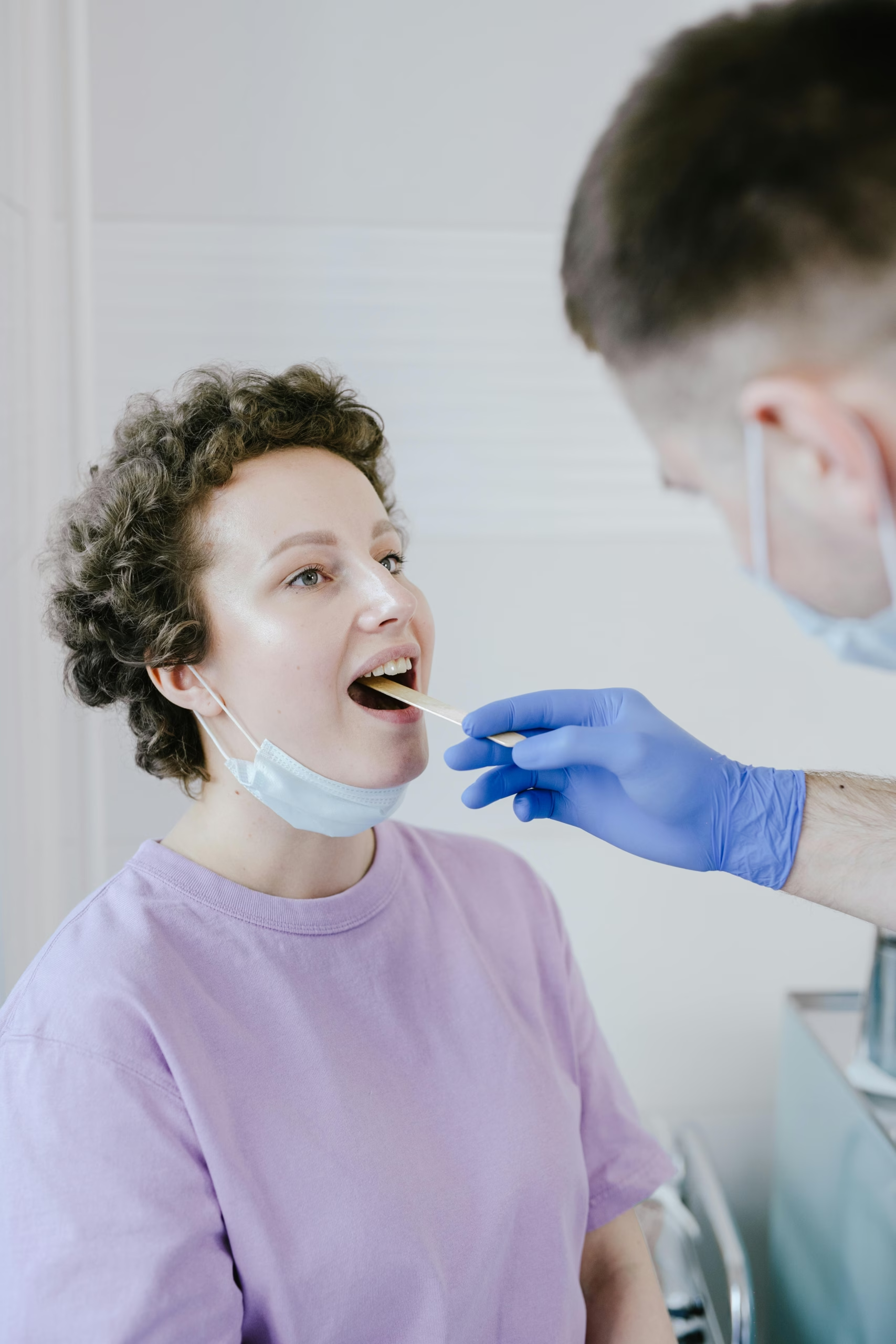
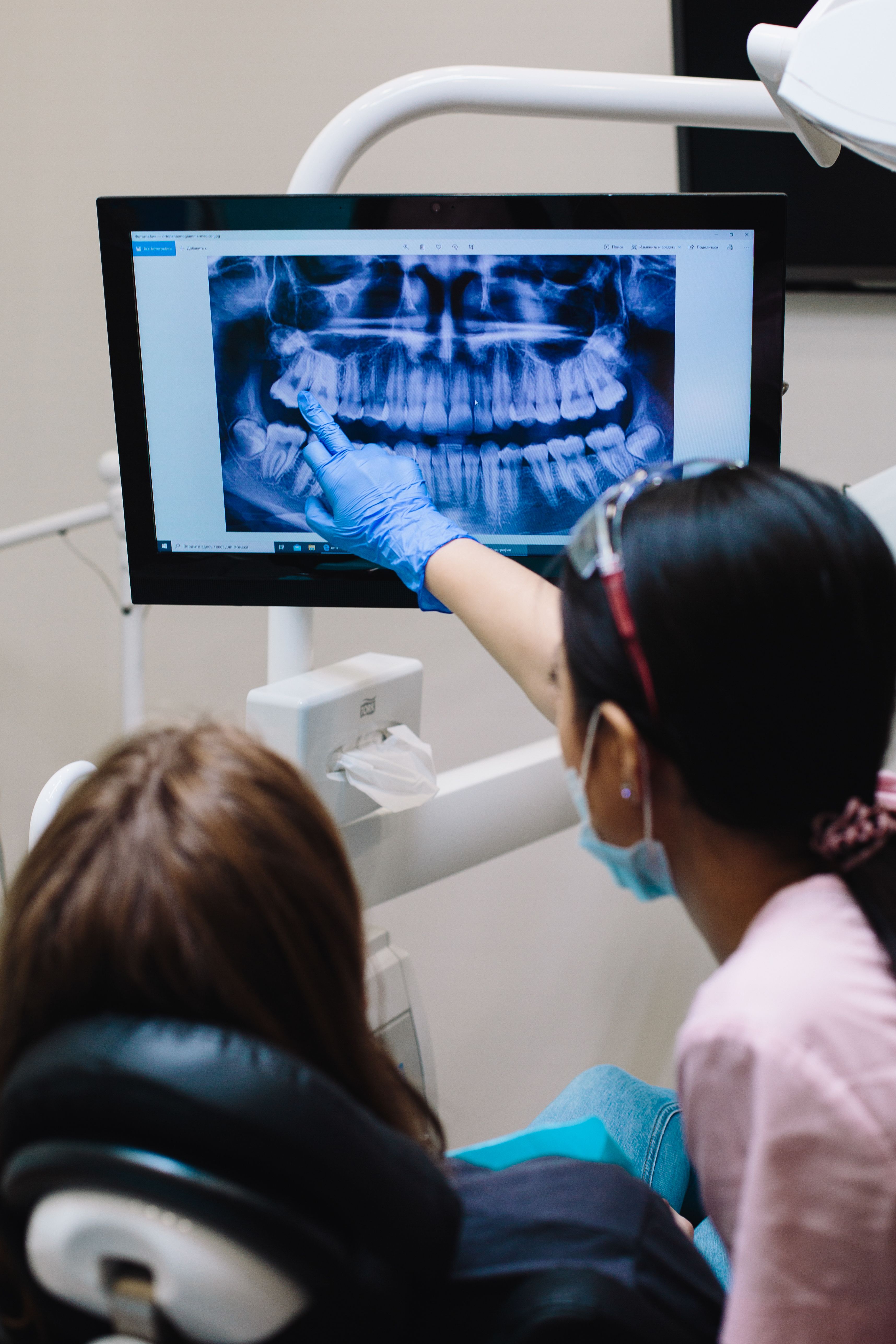
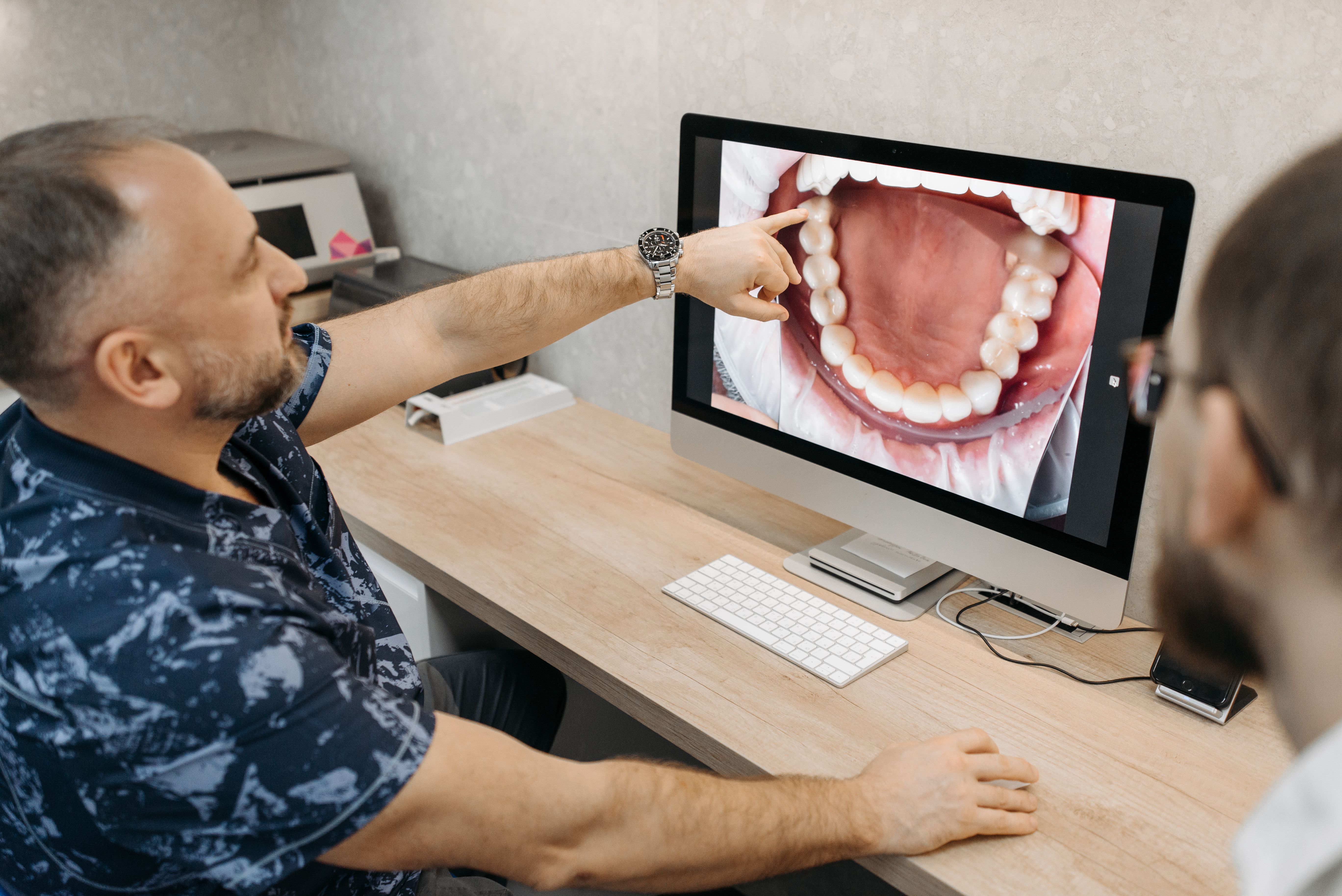
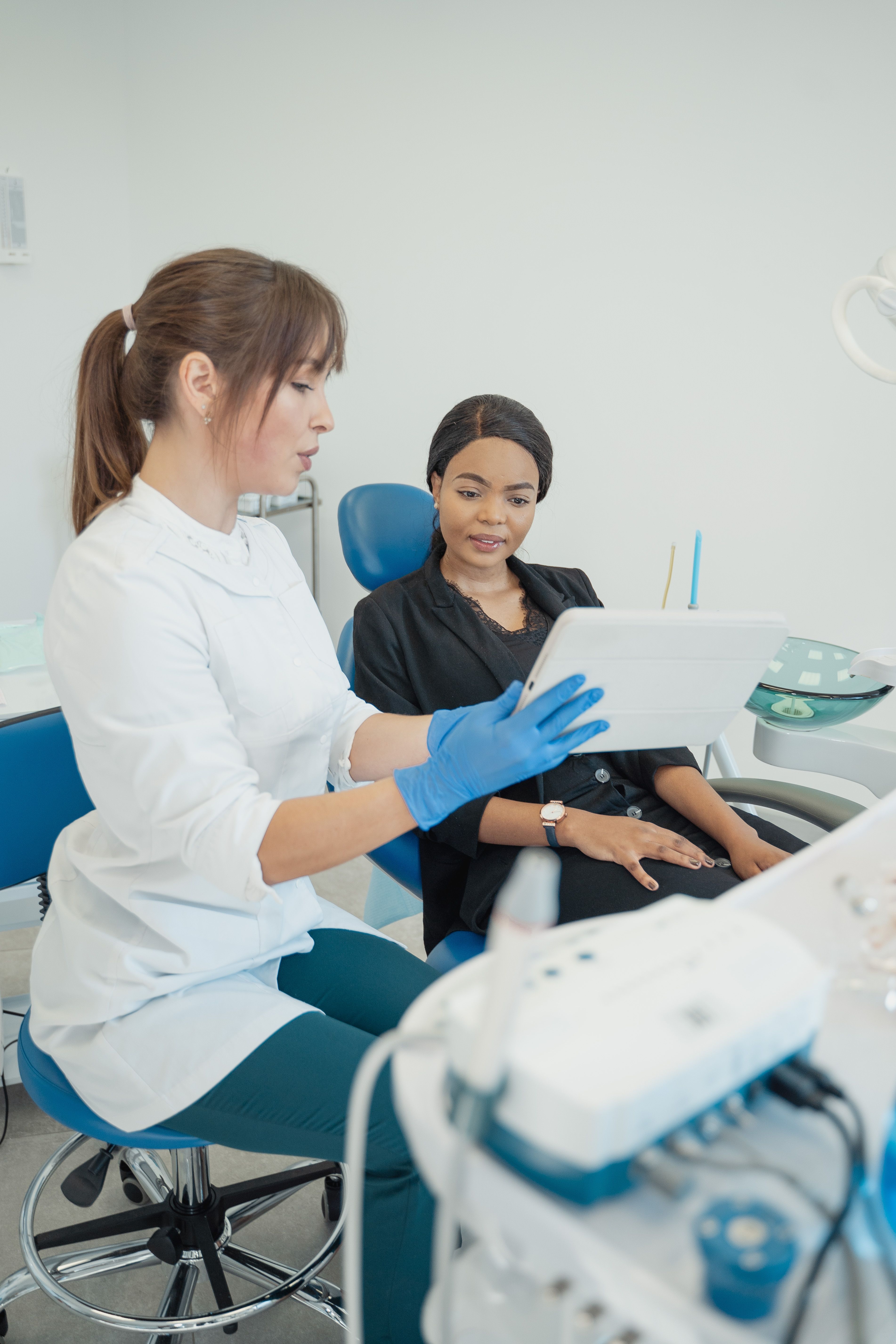
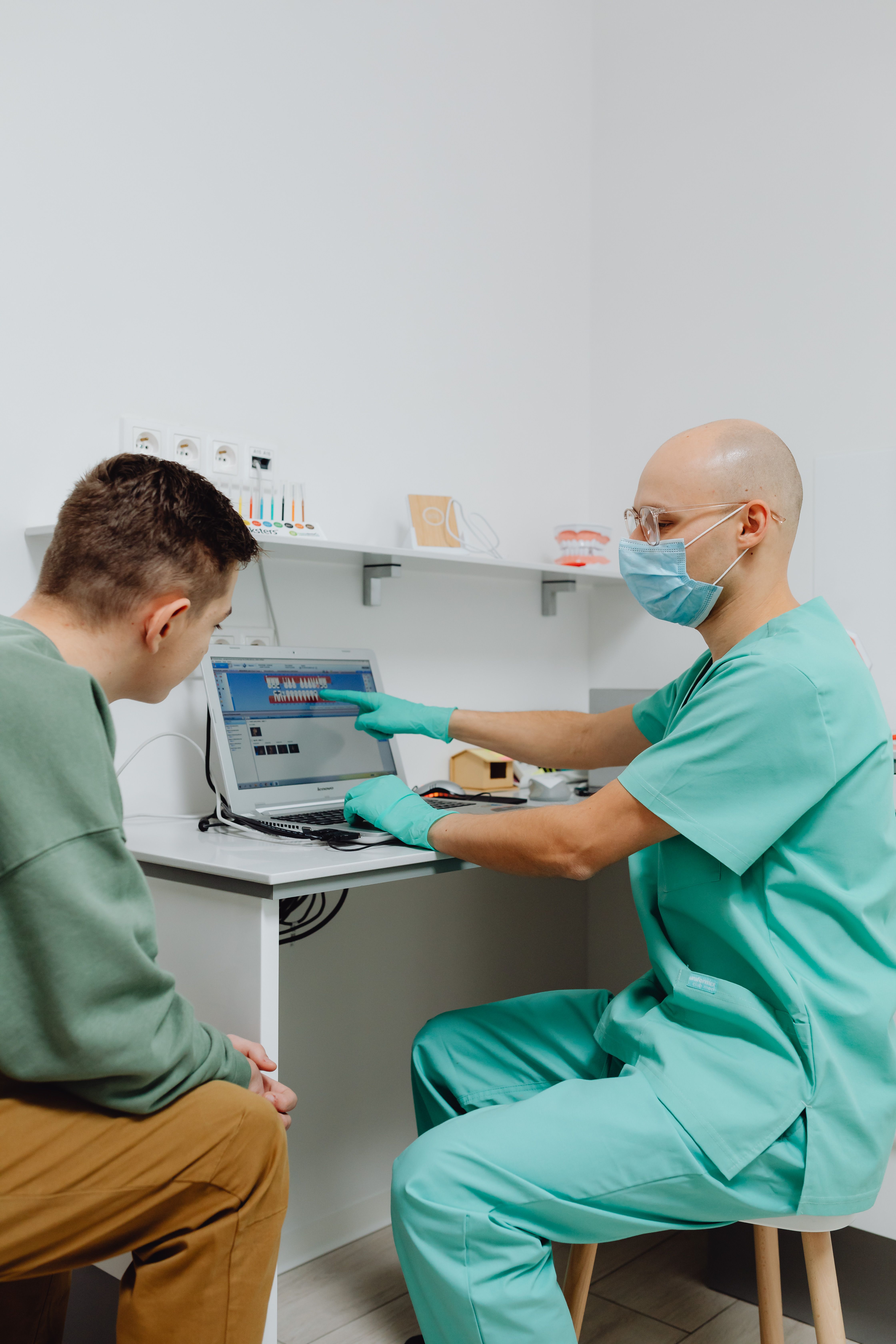
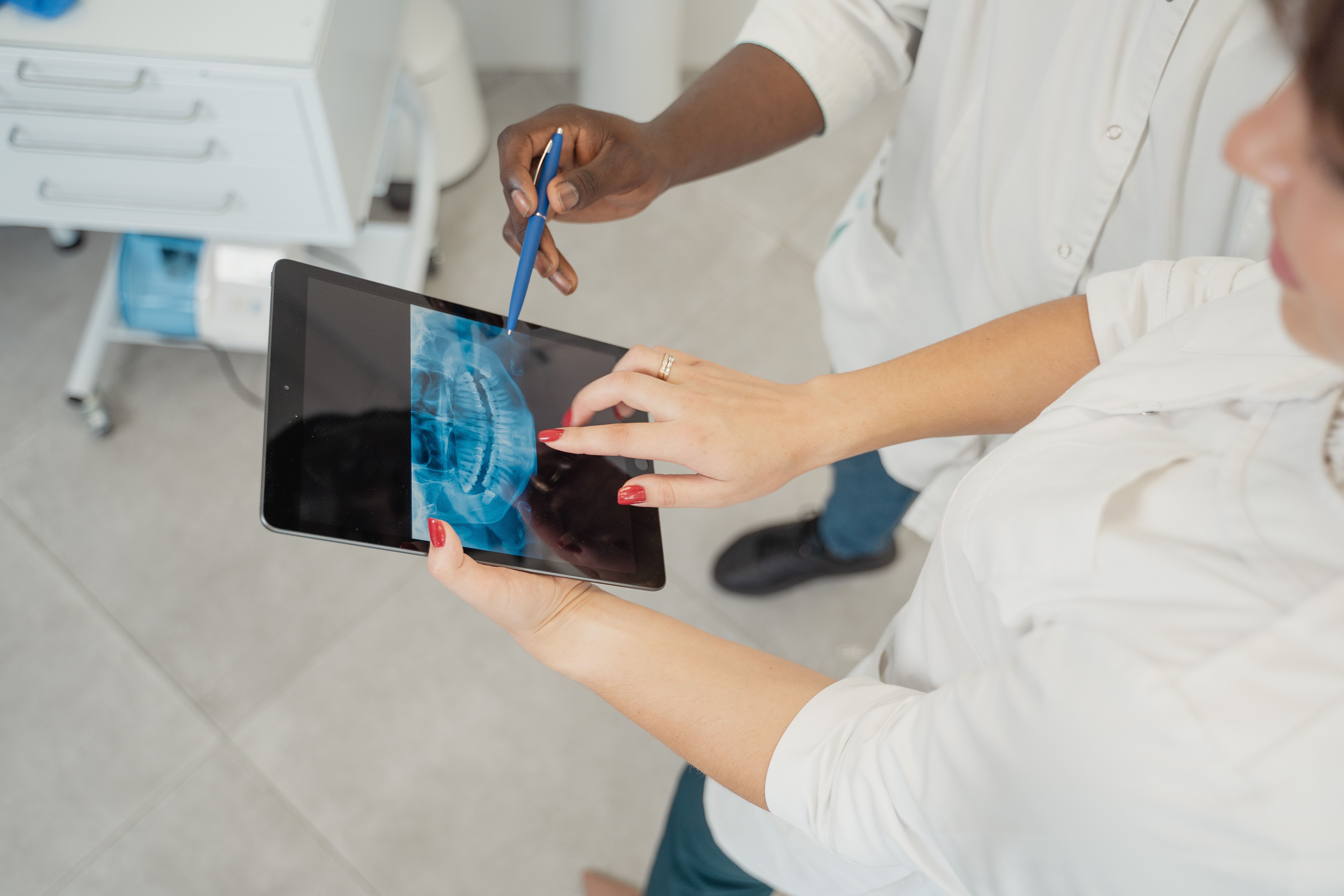
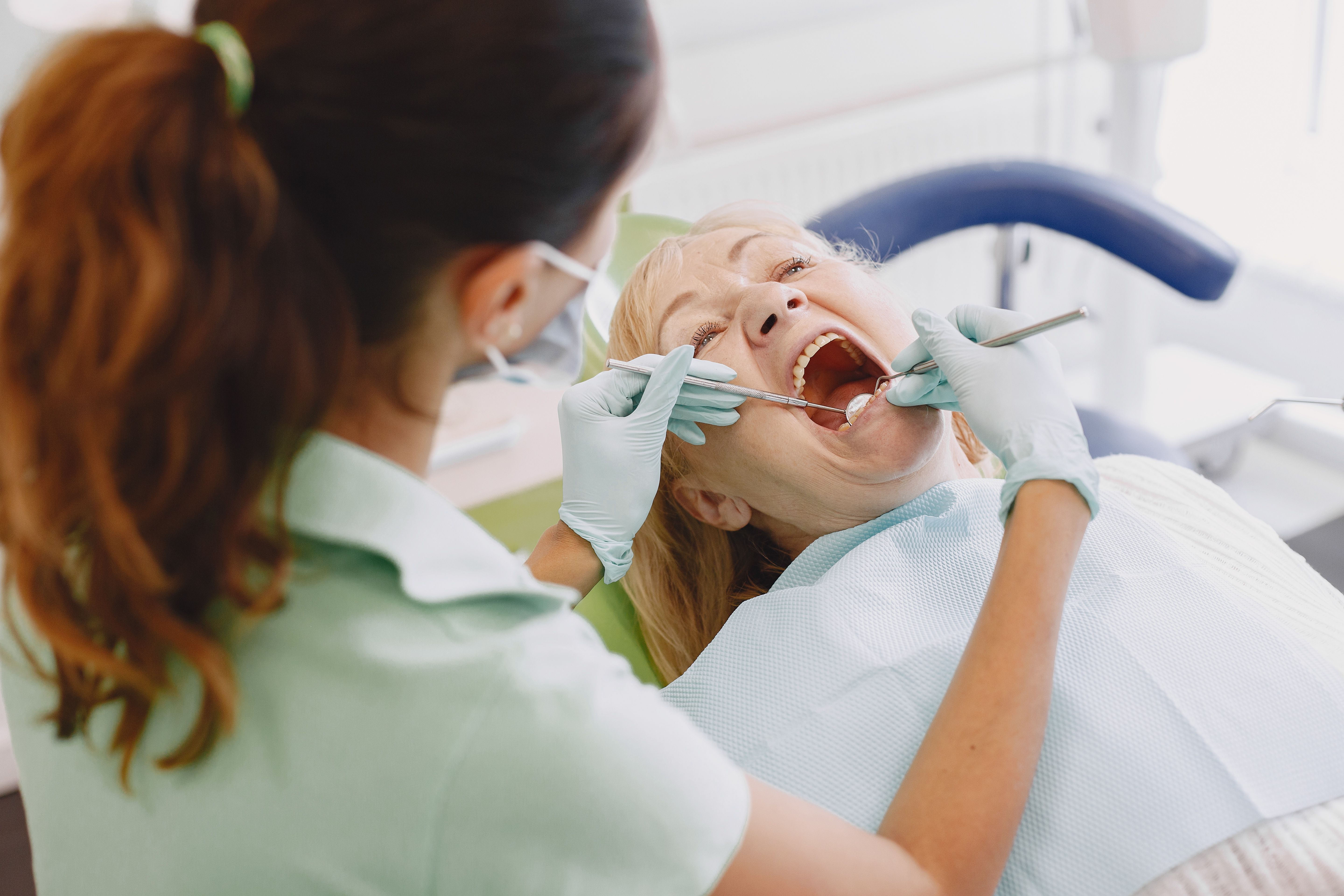
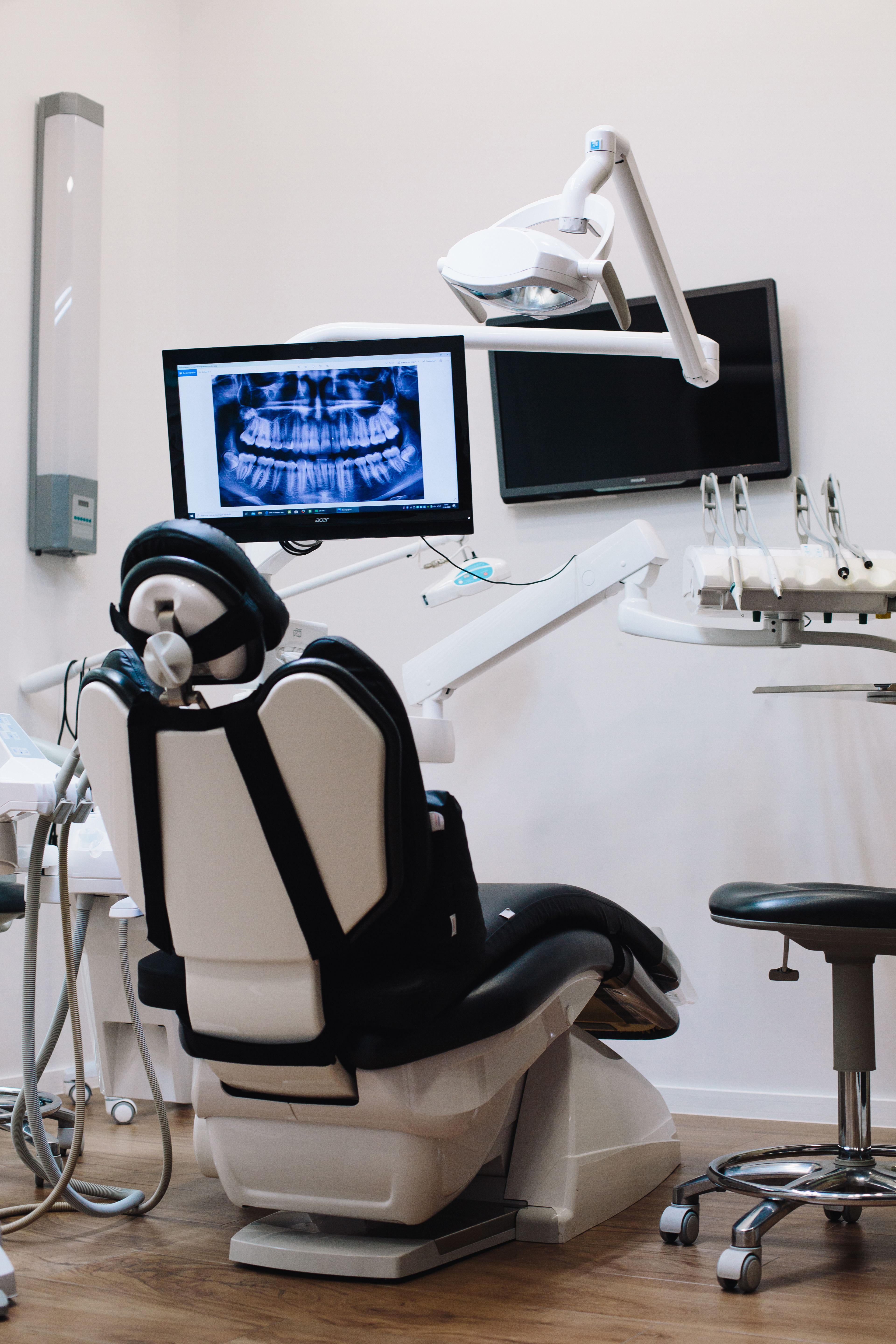
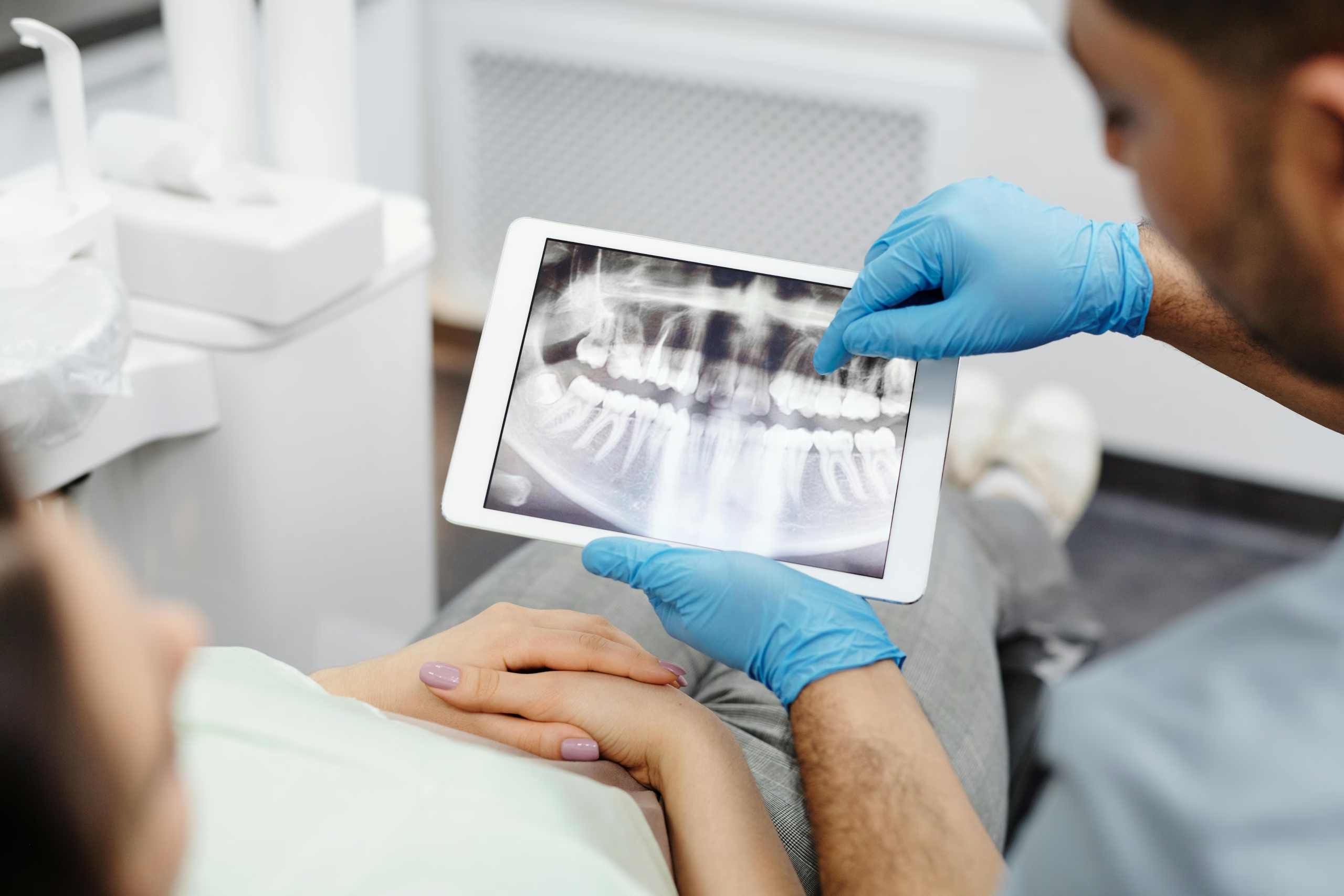
Have a dental assessment first
A dentist should check:
Gum health
Inflamed gums can worsen sensitivity.
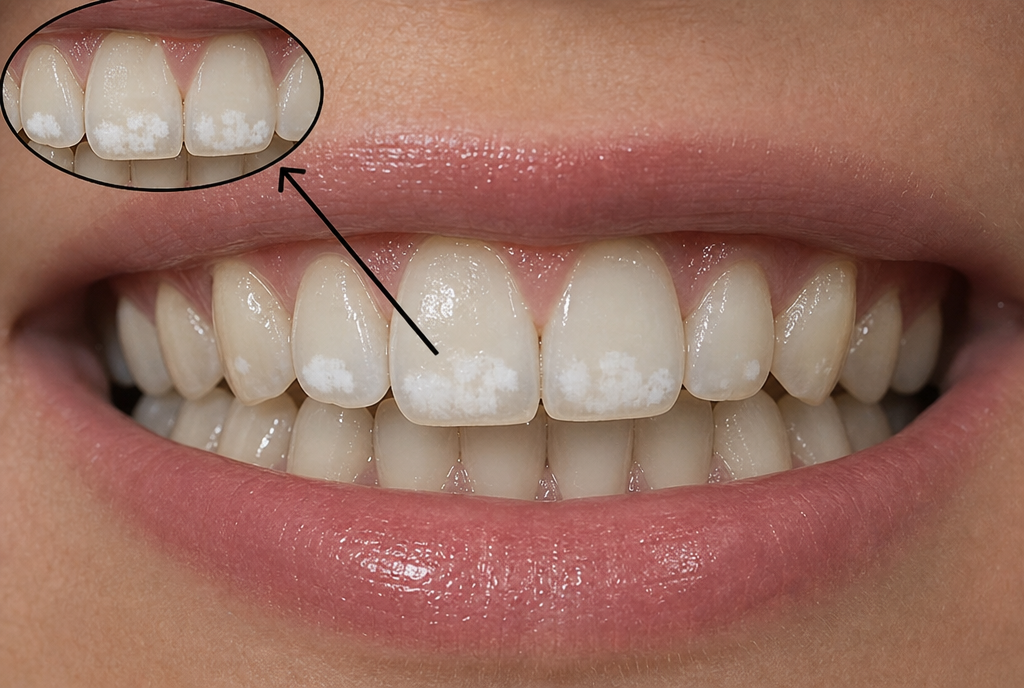
Tooth decay or cracks
Whitening gel can leak into damaged teeth.
Existing dental work
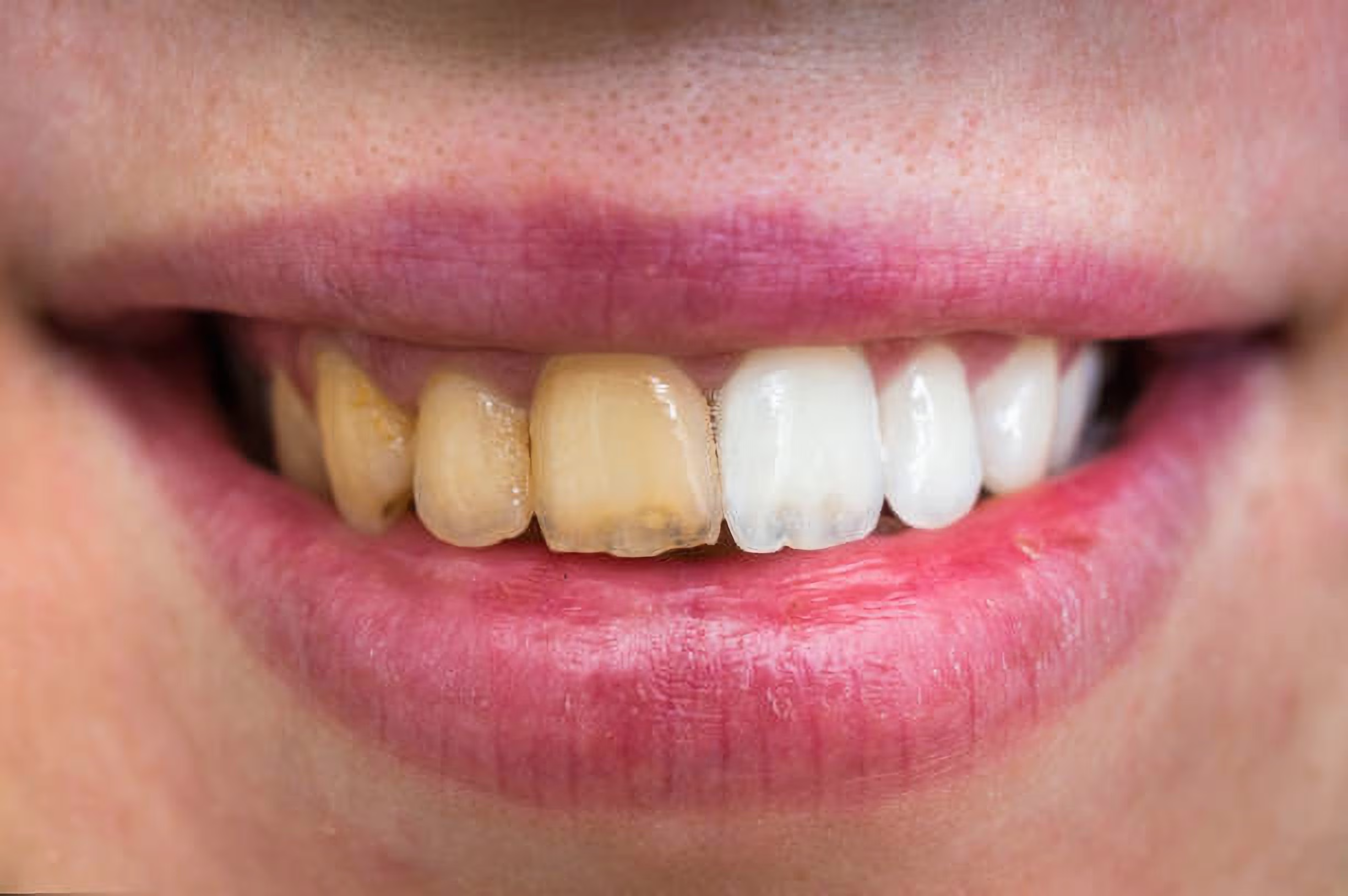
Crowns, veneers and fillings do not whiten.
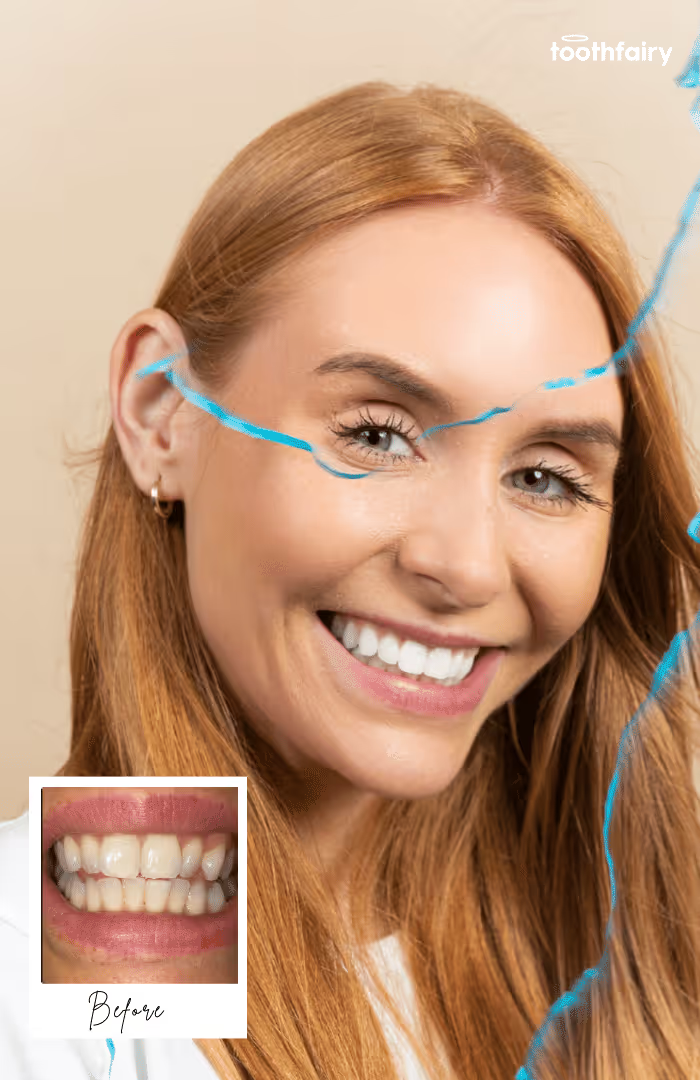
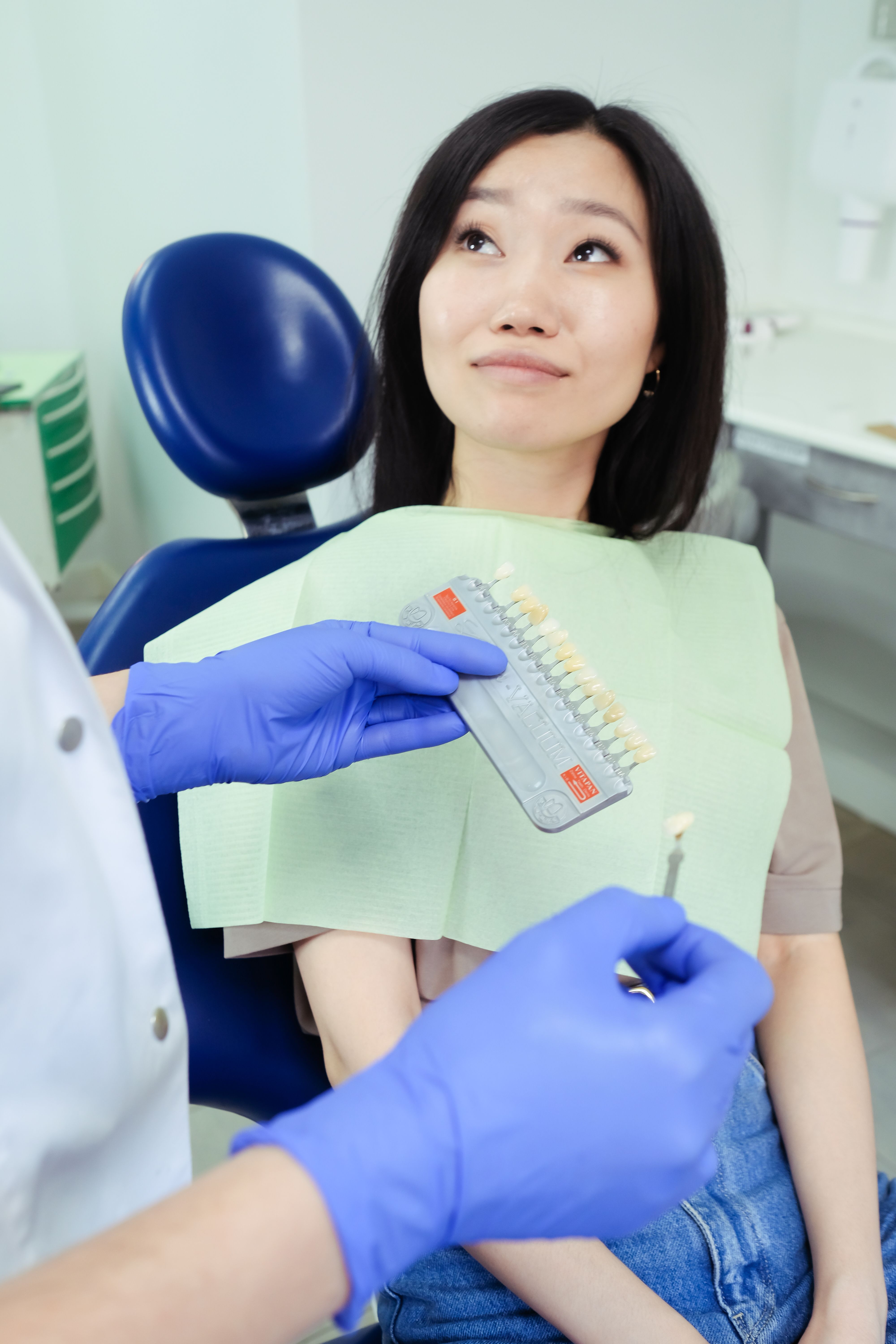
Baseline shade
Your dentist will help you choose a natural, flattering shade.
This assessment ensures whitening is safe and predictable.
Choose the right whitening method for your timeline
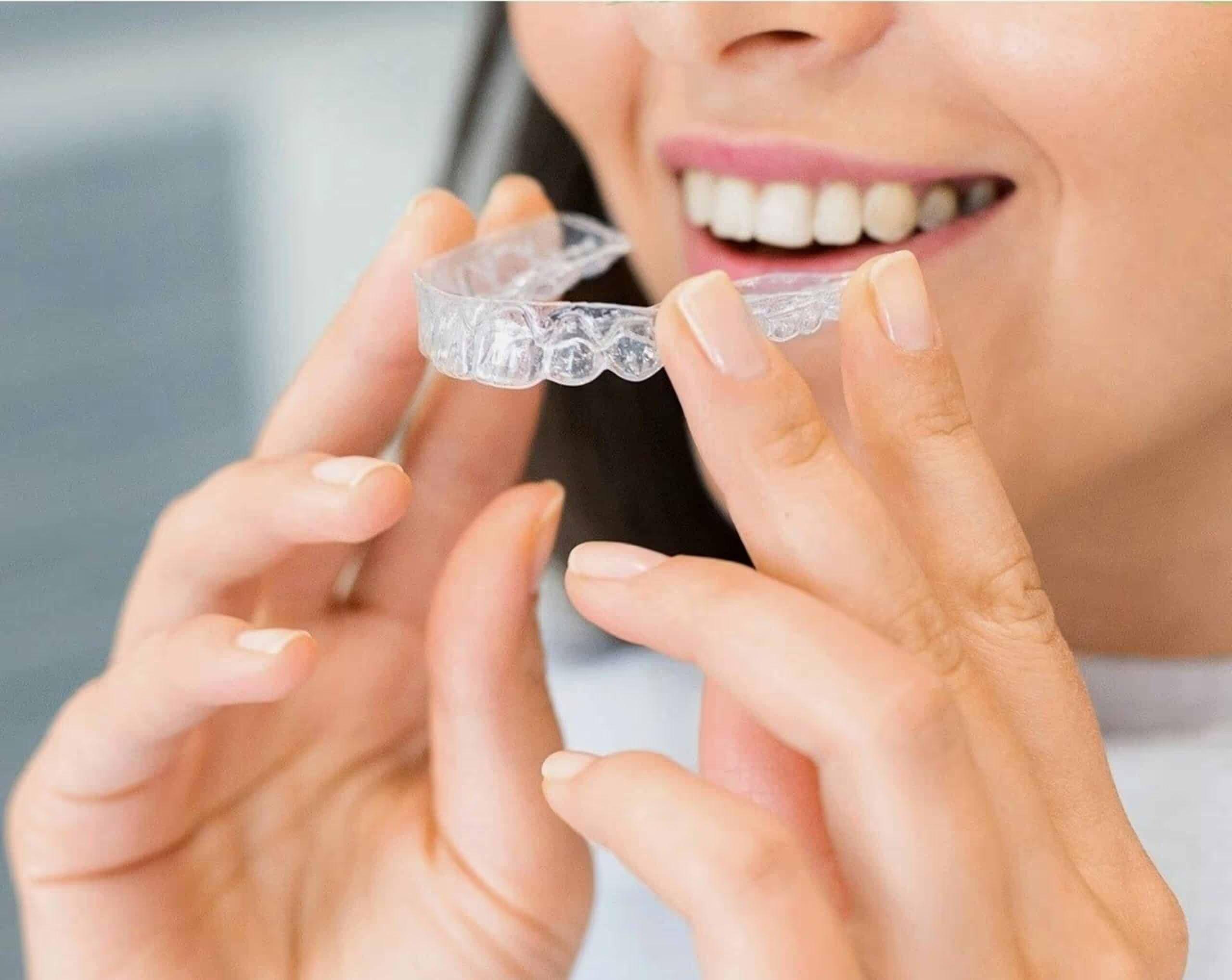
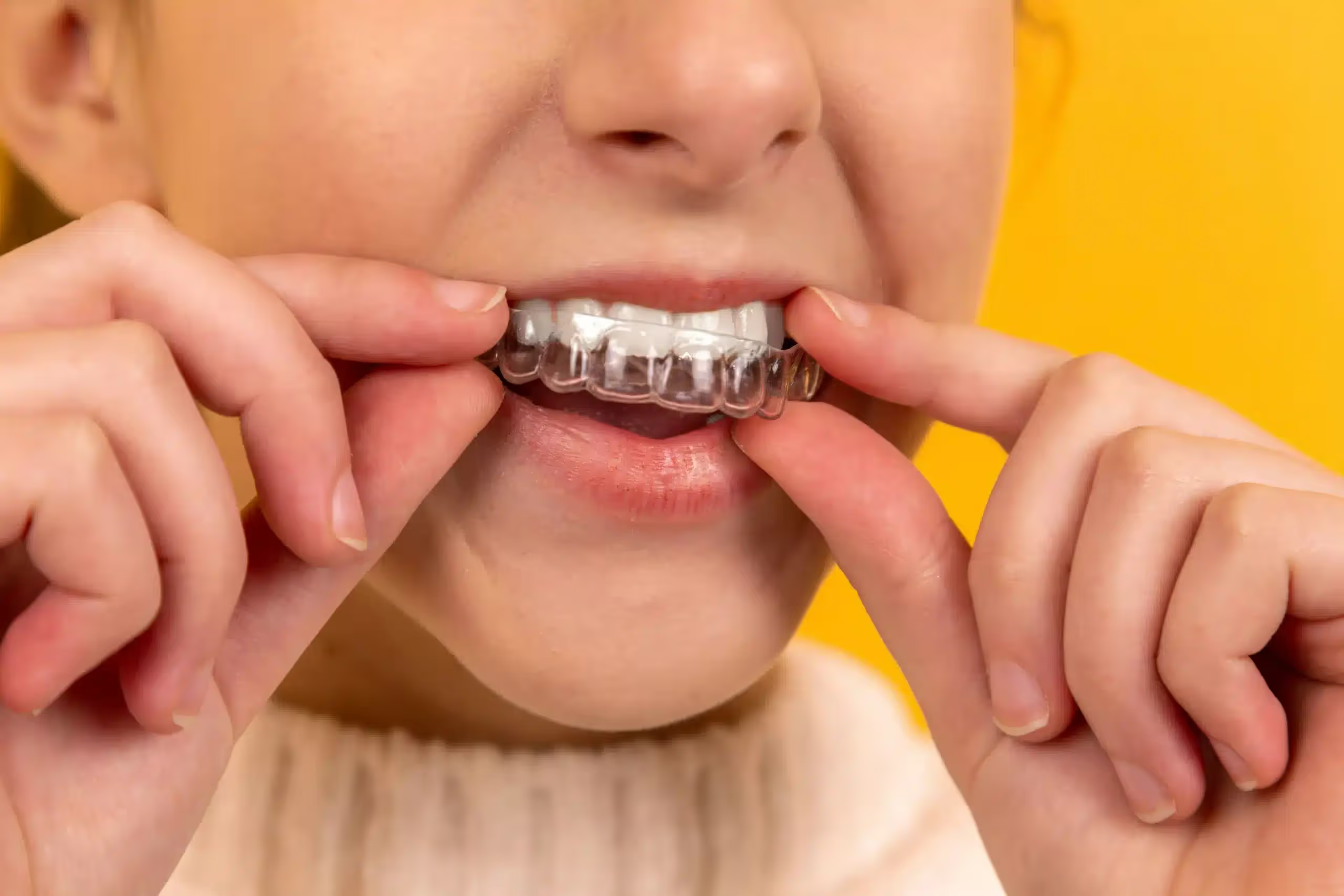
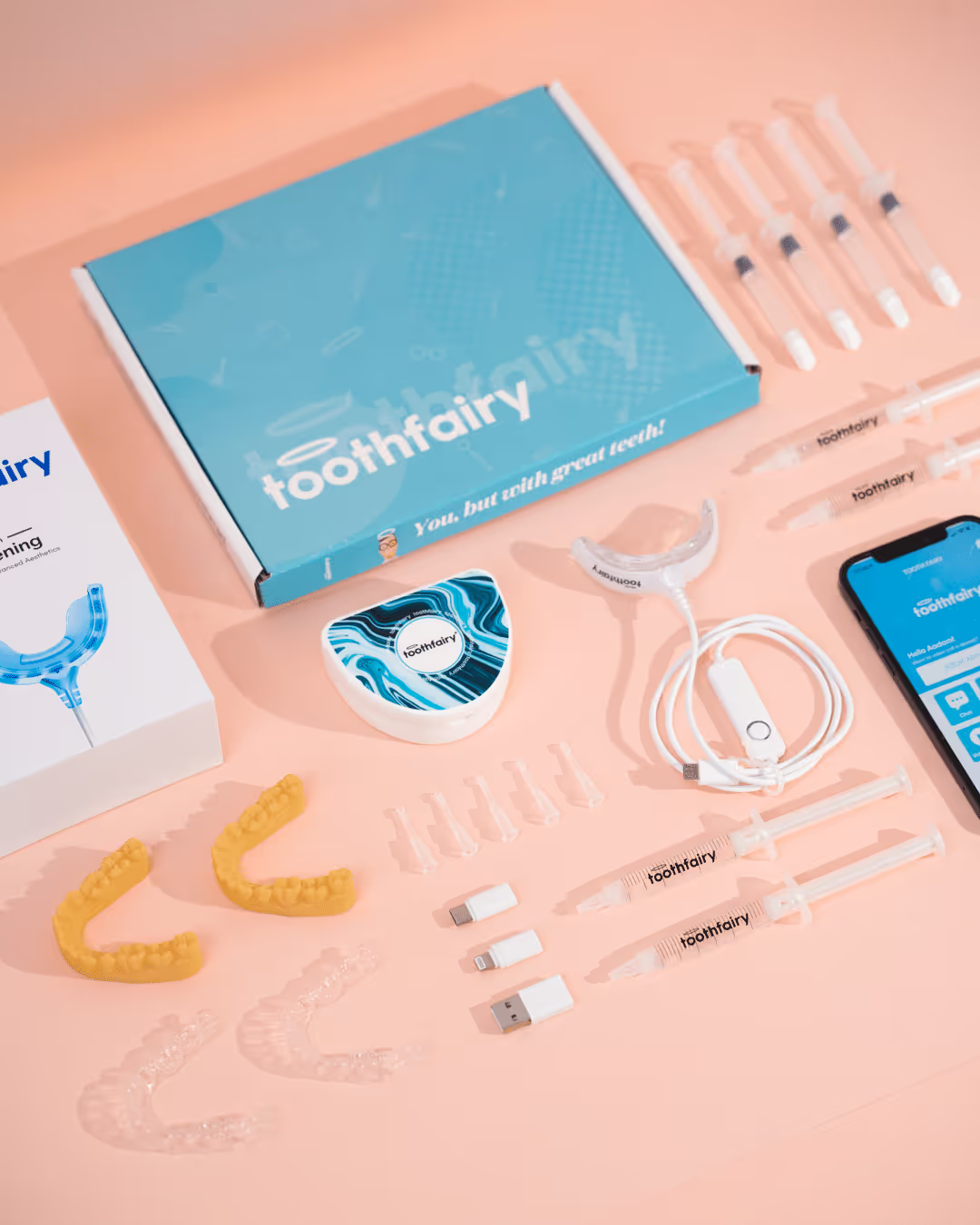
Dentist‑supervised home whitening
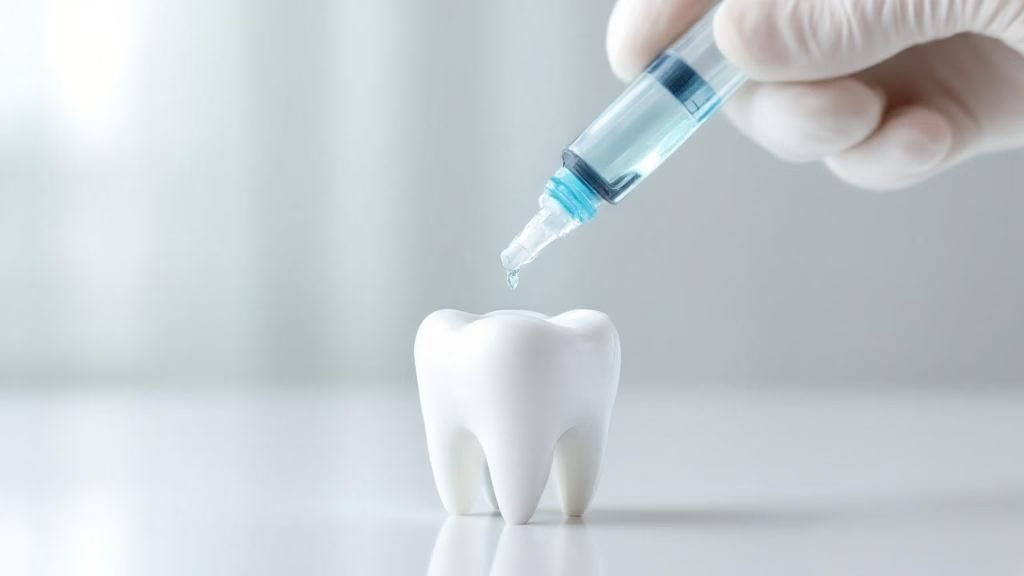
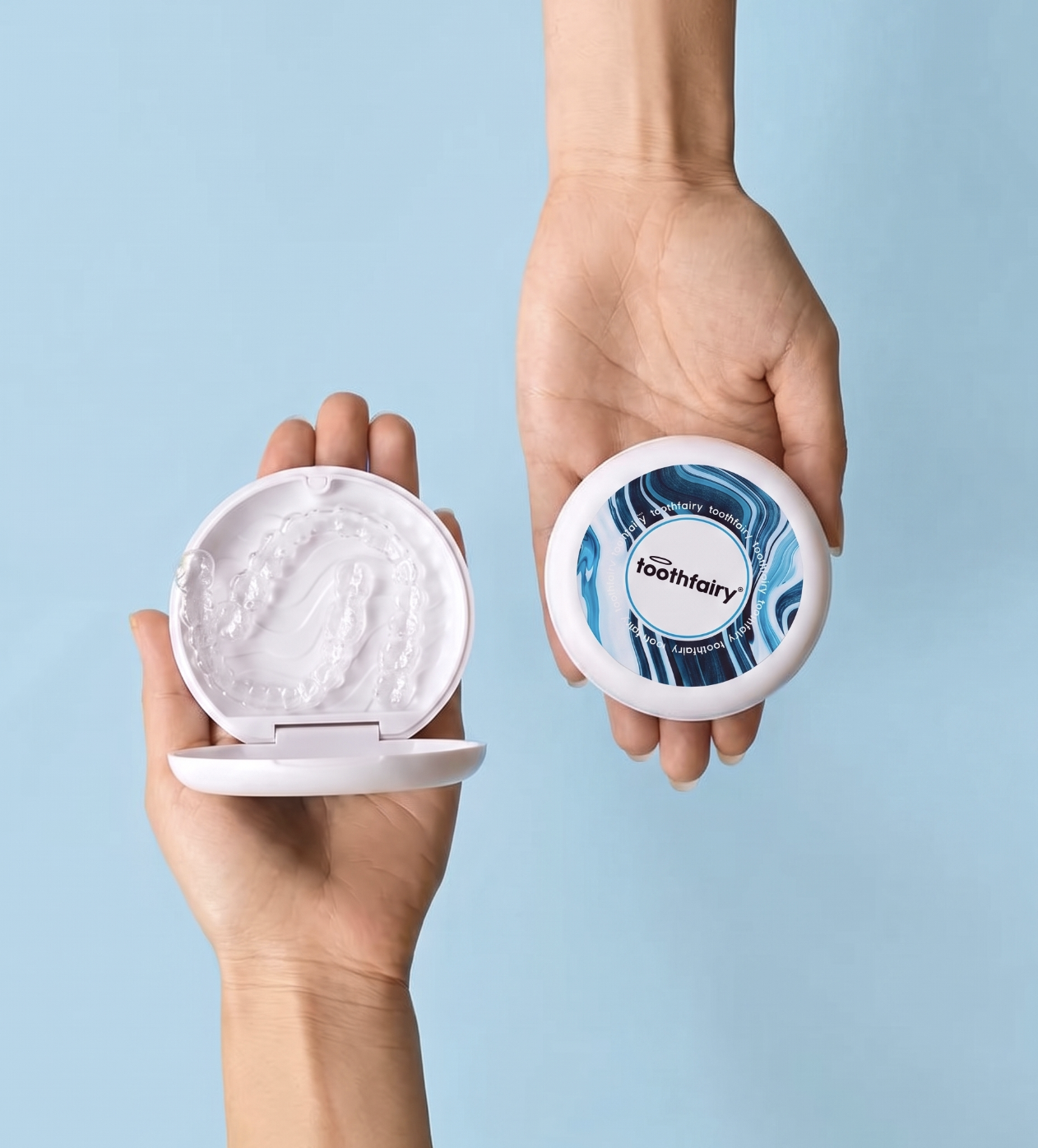
Custom trays + professional gel
Timeline: 2–6 weeksBest for: Gradual, controlled whitening before a wedding.
In‑chair whitening
Fast, strong whitening in one appointmentTimeline: 1–2 hours
Best for: Short timelines or last‑minute boosts.
Combination whitening
In‑chair + home trays
Best for: Weddings where you want both speed and long‑lasting results.
Wedding whitening timeline
6–8 weeks before the wedding
Dental assessment + start home whitening.
3–4 weeks before the wedding
Adjust shade gradually.
1–2 weeks before the wedding
Final session or in‑chair whitening.
Wedding week
No new whitening.
Let sensitivity settle and shade stabilise.
This timeline ensures comfort and natural‑looking results.
Avoid unrealistic whitening promises
Be cautious of services that:
- promise “instant whitening”
- skip dental assessments
- use unregulated gels
- offer extremely cheap deals
- guarantee “Hollywood white” shades
Wedding whitening should be safe, controlled and natural.
Sensitivity management
Whitening can cause temporary sensitivity.
Ask your dentist about:
Lower‑strength gels
Gentler whitening for sensitive teeth.
Desensitising serums
Potassium nitrate or fluoride‑based gels.
Whitening schedule adjustments
Shorter sessions or alternate‑day whitening.
Comfort matters more than chasing the brightest shade.
Wedding photography considerations
Your whitening result should look good in:
- natural light
- flash photography
- indoor lighting
- outdoor settings
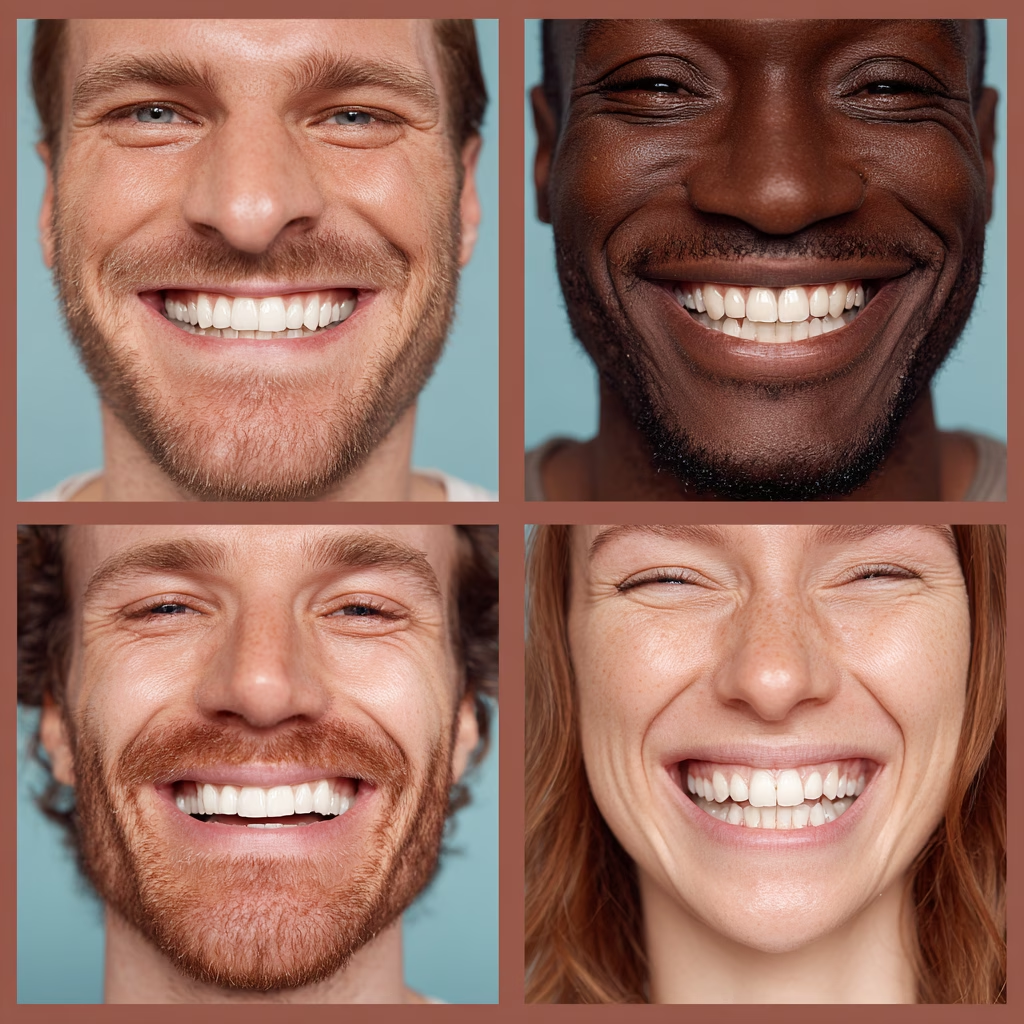
Dentists can help you choose a shade that looks bright but natural, not overly white or grey.
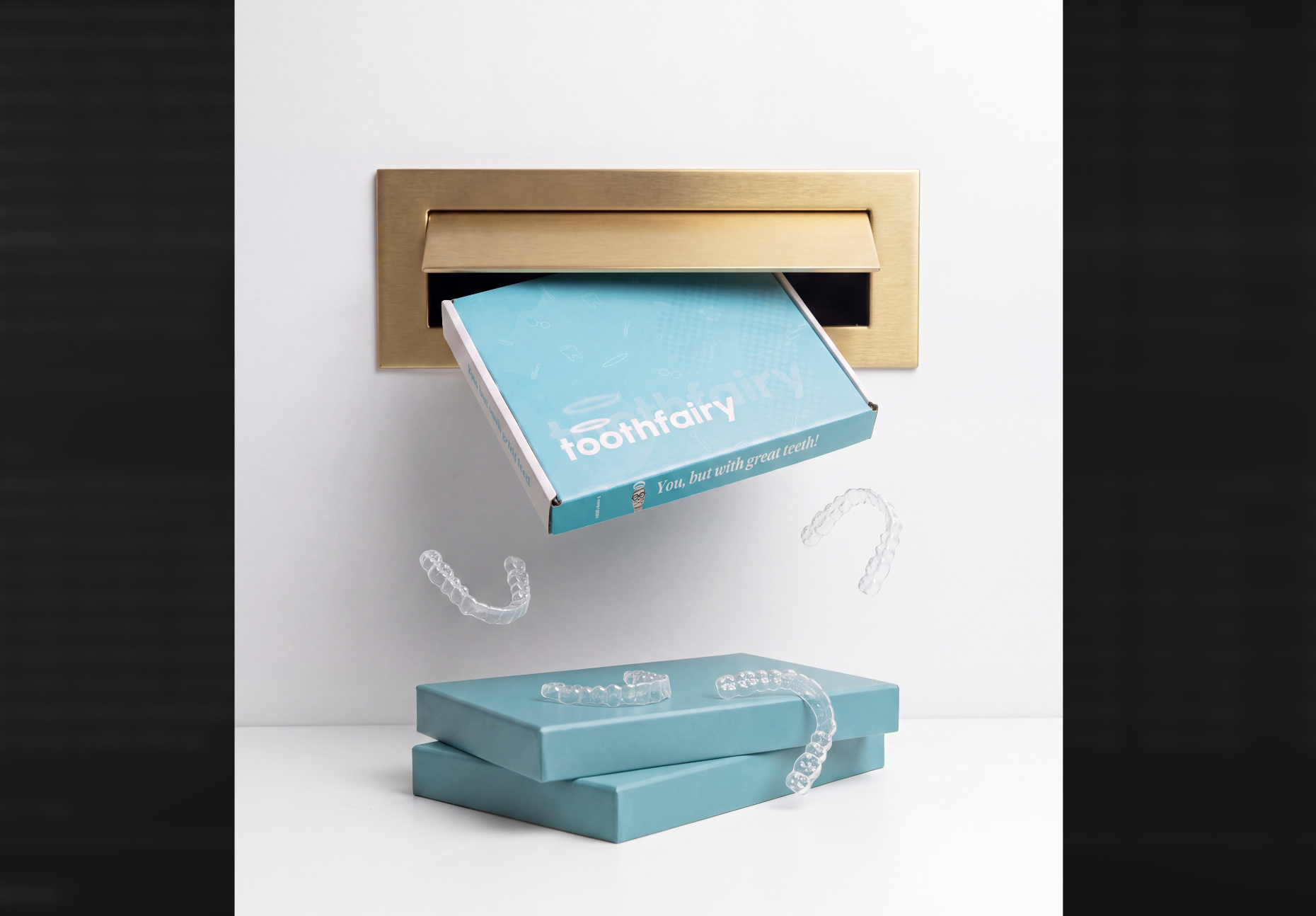
How Toothfairy helps with wedding whitening
Dentist‑supervised whitening
Safe, predictable and tailored to your timeline.
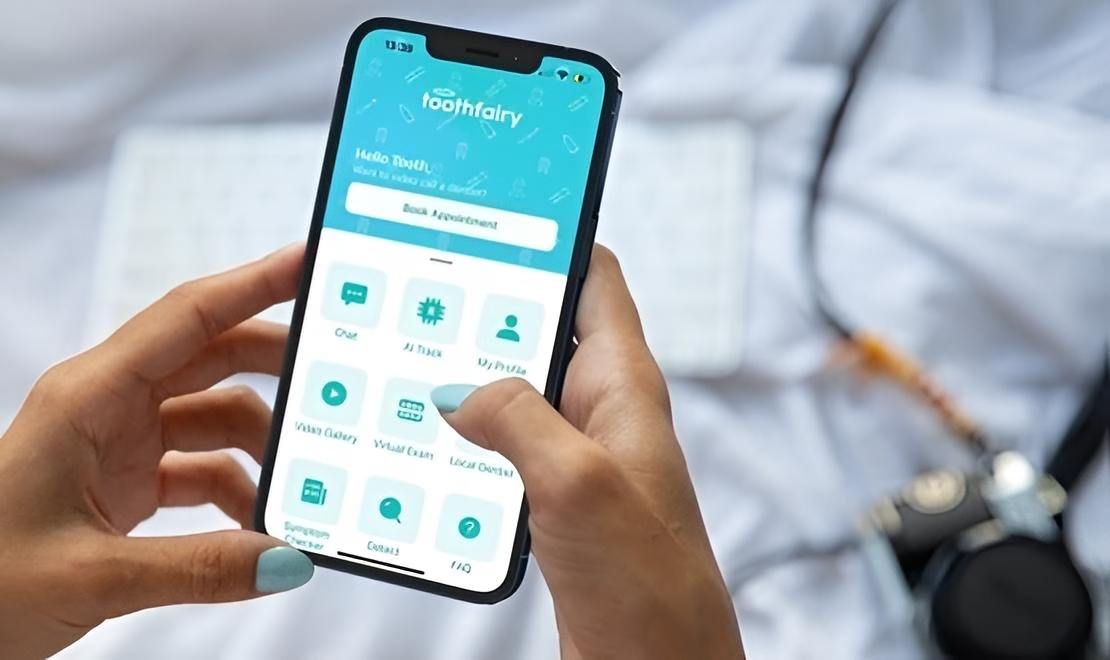
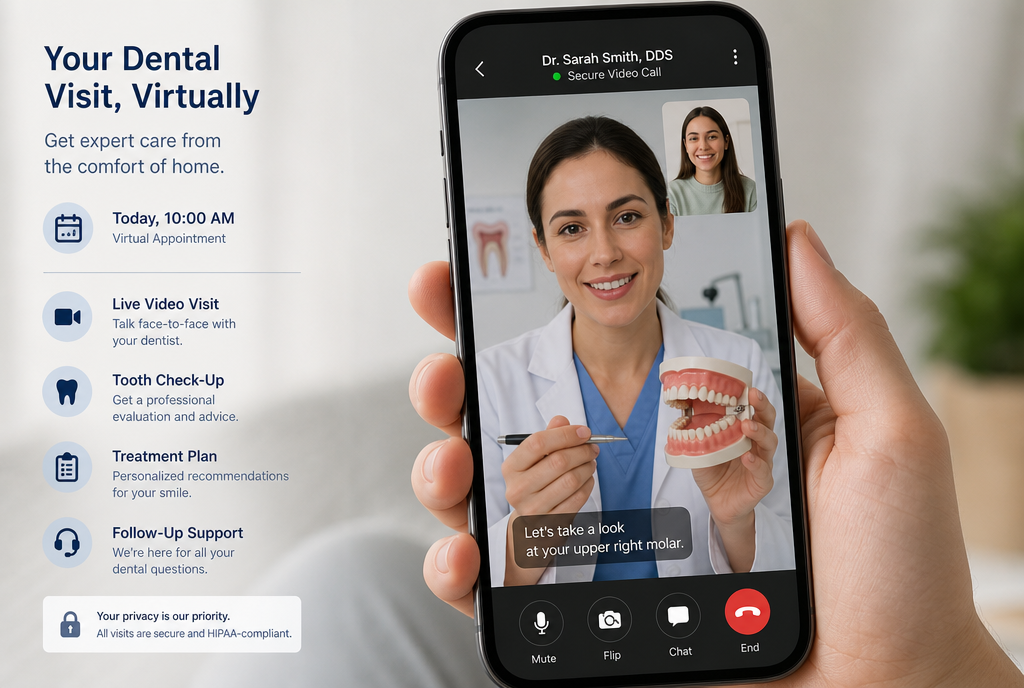
Virtual assessments
Upload photos for quick review.
Sensitivity support
Advice on gels, schedules and comfort.
Flexible appointments
Plan whitening around your wedding schedule.
Top‑up guidance
Maintain brightness through honeymoon and beyond.
Your wedding whitening questions answered
How early should I start?
Ideally 4–8 weeks before the wedding.
Can whitening damage teeth?
Not when supervised by a dentist.
Will whitening look natural in photos?
Yes — if you choose the right shade.
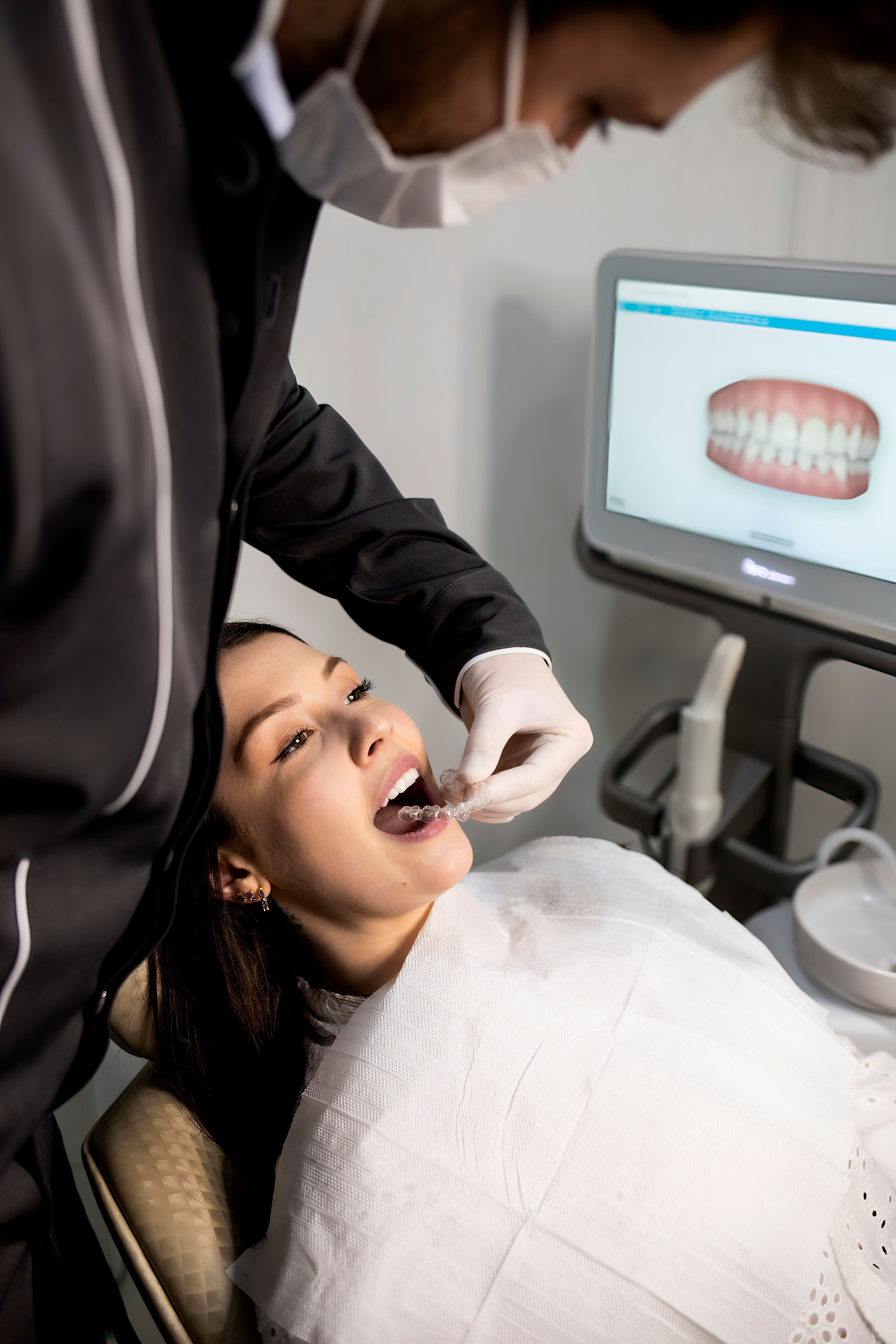
Can I whiten if I have aligners?
Yes — with dentist guidance.
Do crowns or veneers whiten?
No — they stay the same shade.





.jpg)
















.jpg)