
Strengthening your jaw muscles is one of the most overlooked ways to improve your oral health, facial structure, and long‑term smile stability. With the right exercises and habits, you can build functional strength in the muscles that support your bite, protect your teeth, and shape your lower face, all without special equipment.
Whether you’re looking to improve jaw function, support orthodontic treatment, or simply build a healthier foundation for your smile, this guide walks you through everything you need to know.
Why Jaw Strength Matters More Than You Think
When people think about a healthy smile, they usually picture straight, white teeth. But behind every stable bite is a powerful system of muscles, especially the masseter and temporalis, that control chewing, speaking, and jaw movement.
Modern diets filled with soft, processed foods mean these muscles don’t get the workout they once did. Over time, this can lead to underdeveloped jaw muscles, which affects:
- bite stability
- chewing efficiency
- facial definition
- long‑term orthodontic results
A strong jaw isn’t just about appearance, it’s the foundation for a stable, healthy smile.
Jaw Strength and Your Overall Health
Jaw strength is closely linked to general physical wellbeing. A UK study published in Scientific Reports found a strong association between weak jaw muscles, poor oral health, and faster declines in overall muscle strength as we age.
This connection highlights something important: your jaw isn’t an isolated system. It’s part of a wider network of muscles and joints that influence your long‑term health.
Simple Jaw Exercises to Build Strength
You don’t need equipment to start strengthening your jaw. These foundational exercises use your body’s natural resistance to activate the muscles that support your bite and facial structure.
Consistency is more important than intensity. Start slow, focus on form, and build a routine you can stick to.
Resisted Chin Push
Place your thumb under your chin. As you slowly open your mouth, gently push upward to create resistance. Hold for 3–5 seconds, then close your mouth slowly.
Tongue Roof Press
Press your entire tongue firmly against the roof of your mouth, just behind your front teeth. Hold for 5 seconds. Making an “N” sound helps activate deeper muscles under the chin and at the back of the jaw.
Jaw Jut
Sit upright and push your lower jaw forward until your bottom teeth move in front of your top teeth. Hold for 5 seconds, then relax.
Aim for 10 repetitions of each exercise, once or twice a day.
How to Strengthen Jaw Muscles Safely
Jaw muscles are delicate and closely connected to the temporomandibular joint (TMJ). Strengthening should never cause pain.
Stop immediately if you notice:
- sharp or lingering pain
- clicking or popping
- headaches or earaches
- stiffness or limited movement
If you have a history of TMJ issues, speak to a dentist or physiotherapist before starting.
For general muscle‑building principles, see here.
Stepping Up: Advanced Tools and Techniques
Once you’ve mastered the basics, you can gradually increase resistance, a principle known as progressive overload.
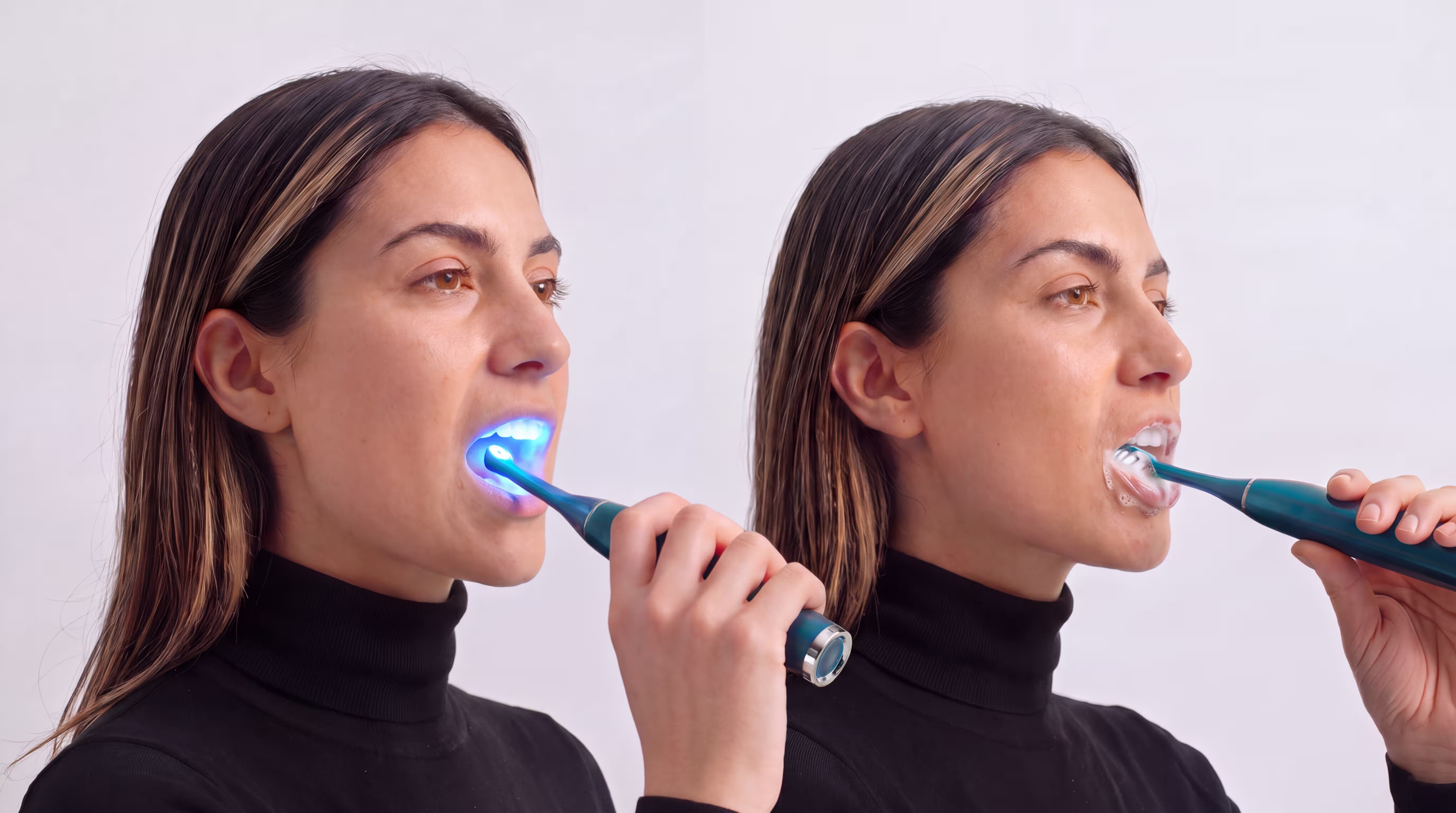
High‑quality, dental‑grade jaw exercisers allow you to apply controlled, adjustable force. Avoid generic online gadgets that can overload the TMJ or damage your teeth.
Clinical research into jaw rehabilitation tools is growing, with new devices offering regulated resistance from 0–60 Newtons. These tools help you build strength safely and progressively.
Relevant studies include:
- Jaw rehabilitation device study (see here)
- Masticatory muscle training research
- Chewing harder foods increases masseter activation
- Increased chewing load causes masseter hypertrophy
Comparing Jaw Strengthening Methods
Don’t Forget Flexibility
Strength must be balanced with mobility. Add these stretches to keep your jaw muscles flexible and prevent imbalances.
Gentle Jaw Opening
Open your mouth as wide as comfortable and hold for 10 seconds.
Side‑to‑Side Glide
Move your lower jaw left and right, holding each side for a few seconds.
Jaw mobility research:
- TMJ mobility improvement through exercises
If you want to track progress, a muscle dynamometer can help you measure jaw strength accurately.
How Jaw Strength Supports Straight Teeth
Strong jaw muscles help maintain the results of orthodontic treatment. They provide balanced pressure across your teeth and jawbone, reducing the risk of orthodontic relapse.
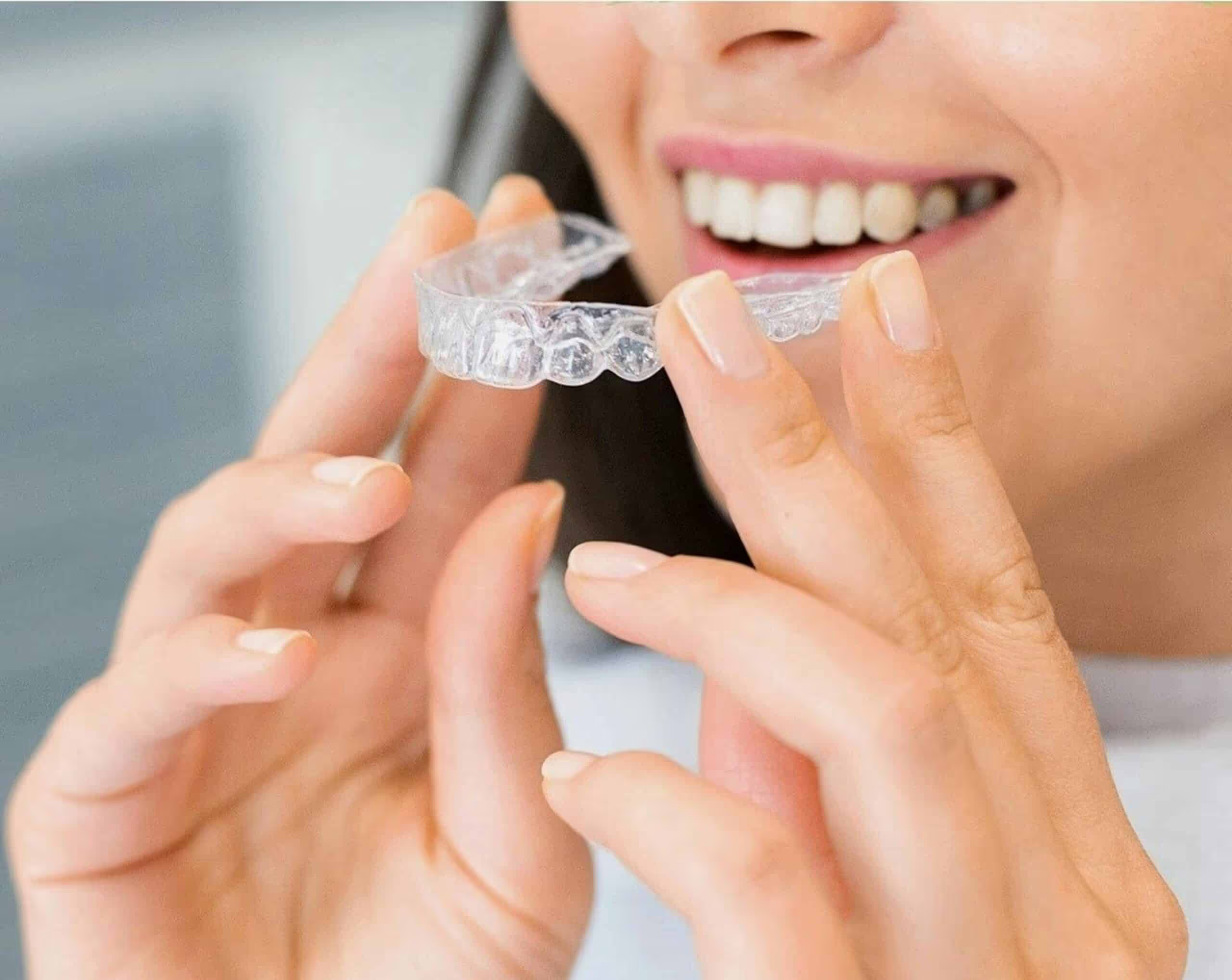
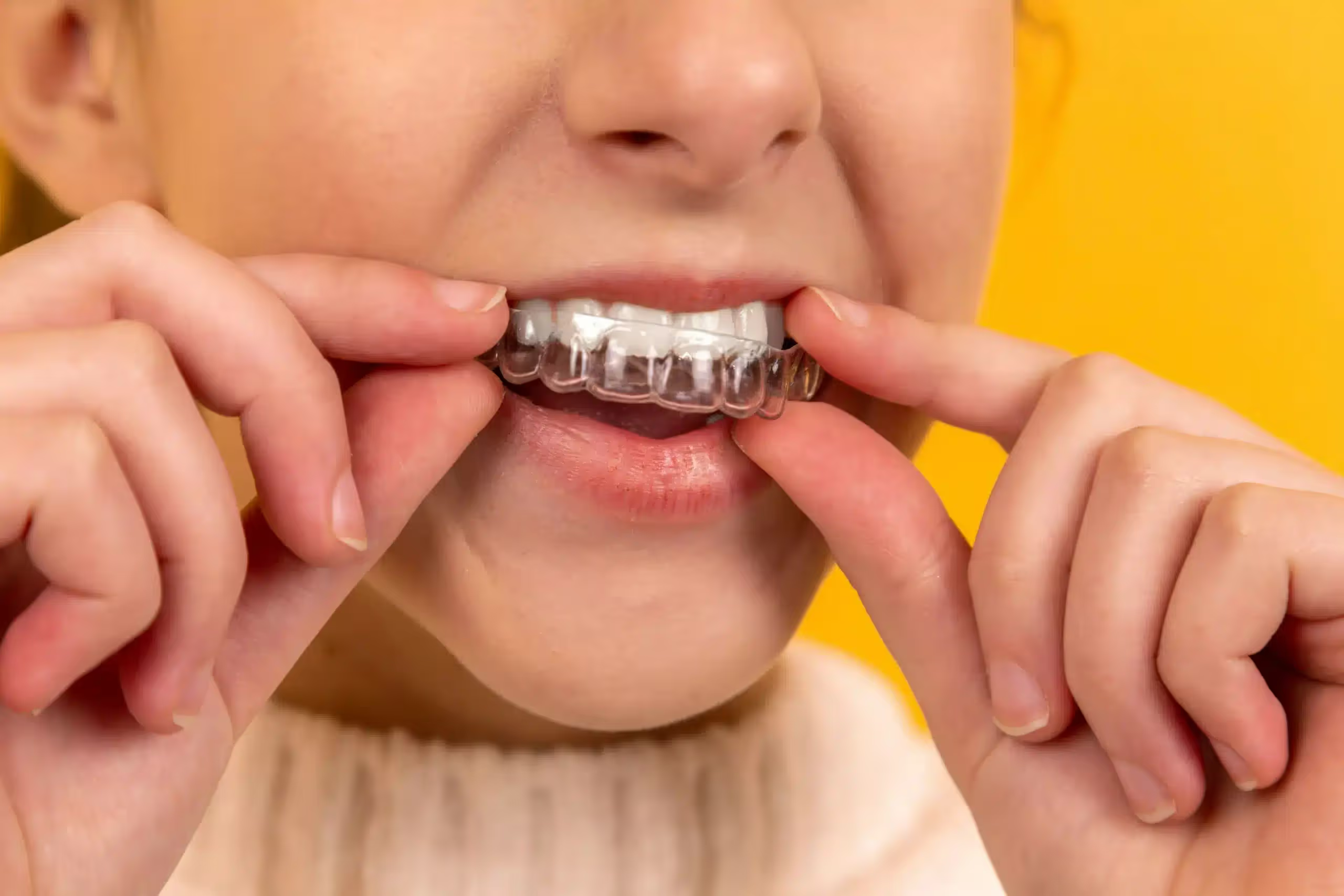
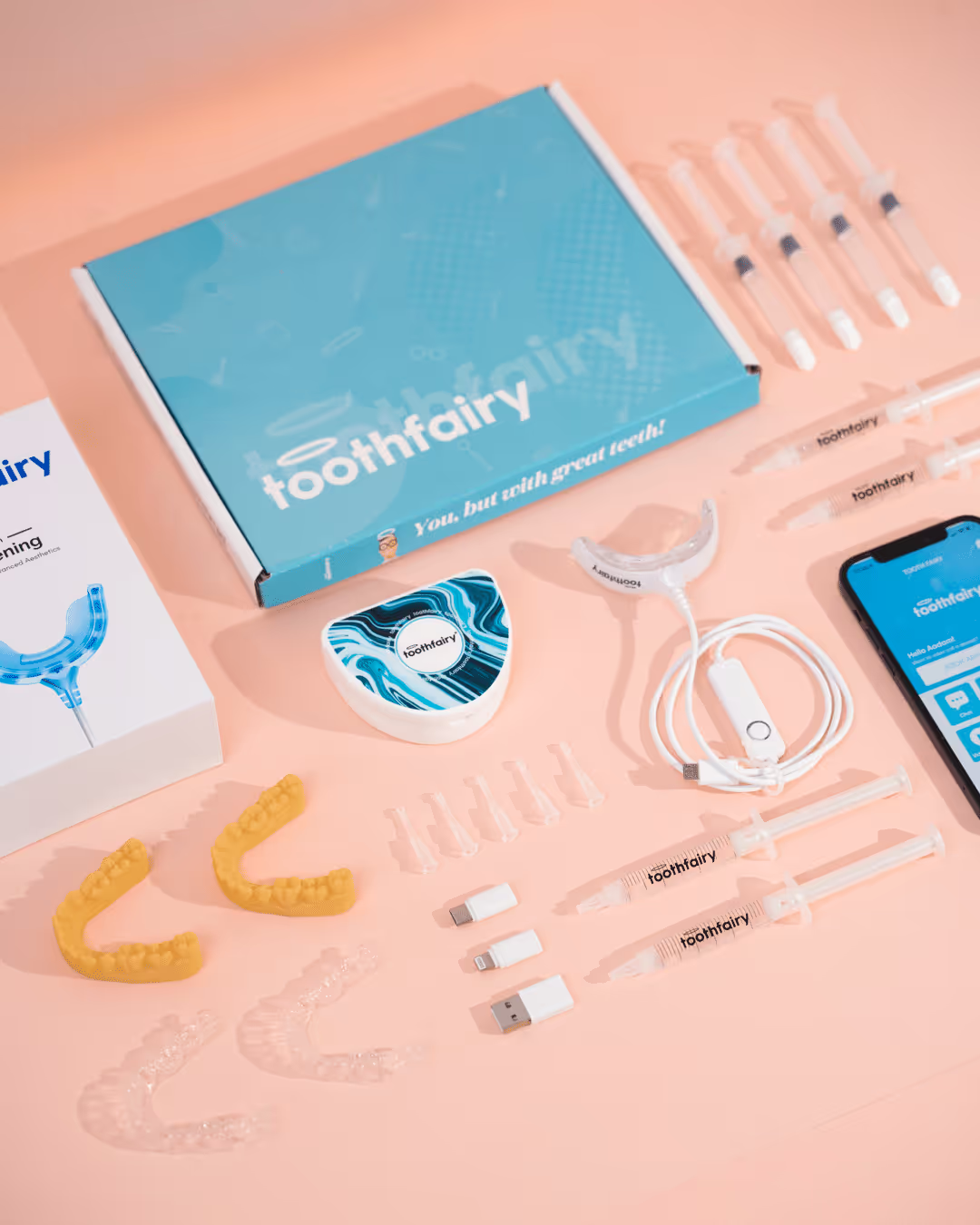
This is especially important if you’re using clear aligners, whether from a traditional provider or a more accessible, dentist‑led option like Toothfairy.
A strong muscular foundation acts like a natural retainer, helping keep your new alignment stable.
Supporting research:
Common Mistakes to Avoid
Going Too Hard, Too Soon
Overtraining can inflame the TMJ and cause long‑term issues. Build gradually.
Ignoring Warning Signs
Stop immediately if you notice:
- new clicking or popping
- headaches
- earaches
- stiffness or limited movement
Additional research:
Jaw Strengthening FAQs
How long until I see results?
You may feel improvements within weeks, but visible changes take several months of consistent practice.
Can these exercises reduce a double chin?
They strengthen the muscles underneath but don’t burn fat. Combine them with overall fitness for best results.
Are they safe with fillings or crowns?
Gentle exercises are usually fine, but check with your dentist before using resistance tools.
Are there foods that help strengthen the jaw?
Yes, chewy, fibrous foods naturally challenge your jaw:
- whole apples
- raw carrots
- nuts and seeds
- lean meats
A Strong Jaw Supports a Strong Smile
Building jaw strength is one of the most effective ways to support your bite, protect your teeth, and maintain orthodontic results. With the right exercises and habits, you can create a stable foundation for a healthier, more resilient smile.
If you’re exploring cosmetic dentistry or teeth straightening, Toothfairy offers a smarter, more affordable way to get dentist‑led care from your phone.
References
- https://www.nature.com/articles/s41598-021-85928-3
- https://www.healthline.com/nutrition/how-to-build-muscle
- https://pubmed.ncbi.nlm.nih.gov/35077467/
- https://www.ncbi.nlm.nih.gov/pmc/articles/PMC10001275/
- https://onlinelibrary.wiley.com/doi/10.1111/joor.13076
- https://www.nature.com/articles/s41598-020-65013-3
- https://www.sciencedirect.com/science/article/pii/S1883195818301080
- https://www.ncbi.nlm.nih.gov/pmc/articles/PMC5452188/
- https://link.springer.com/article/10.1007/s00784-017-2160-2
- https://meridian.allenpress.com/angle-orthodontist/article/89/3/389/427630
- https://www.sciencedirect.com/science/article/pii/S2212426819301080












.jpg)





.jpg)














.jpg)