What retainers are and why they matter
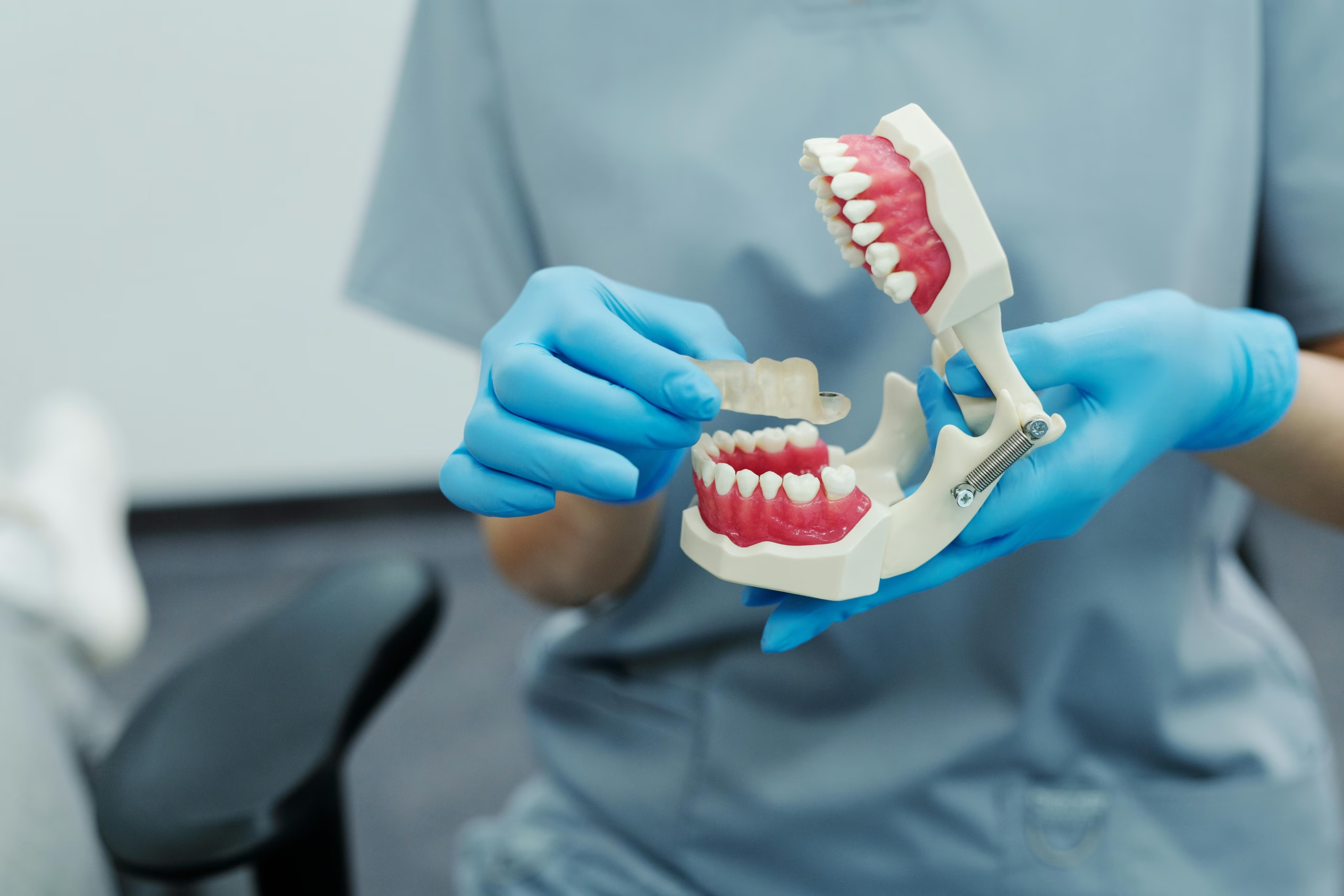
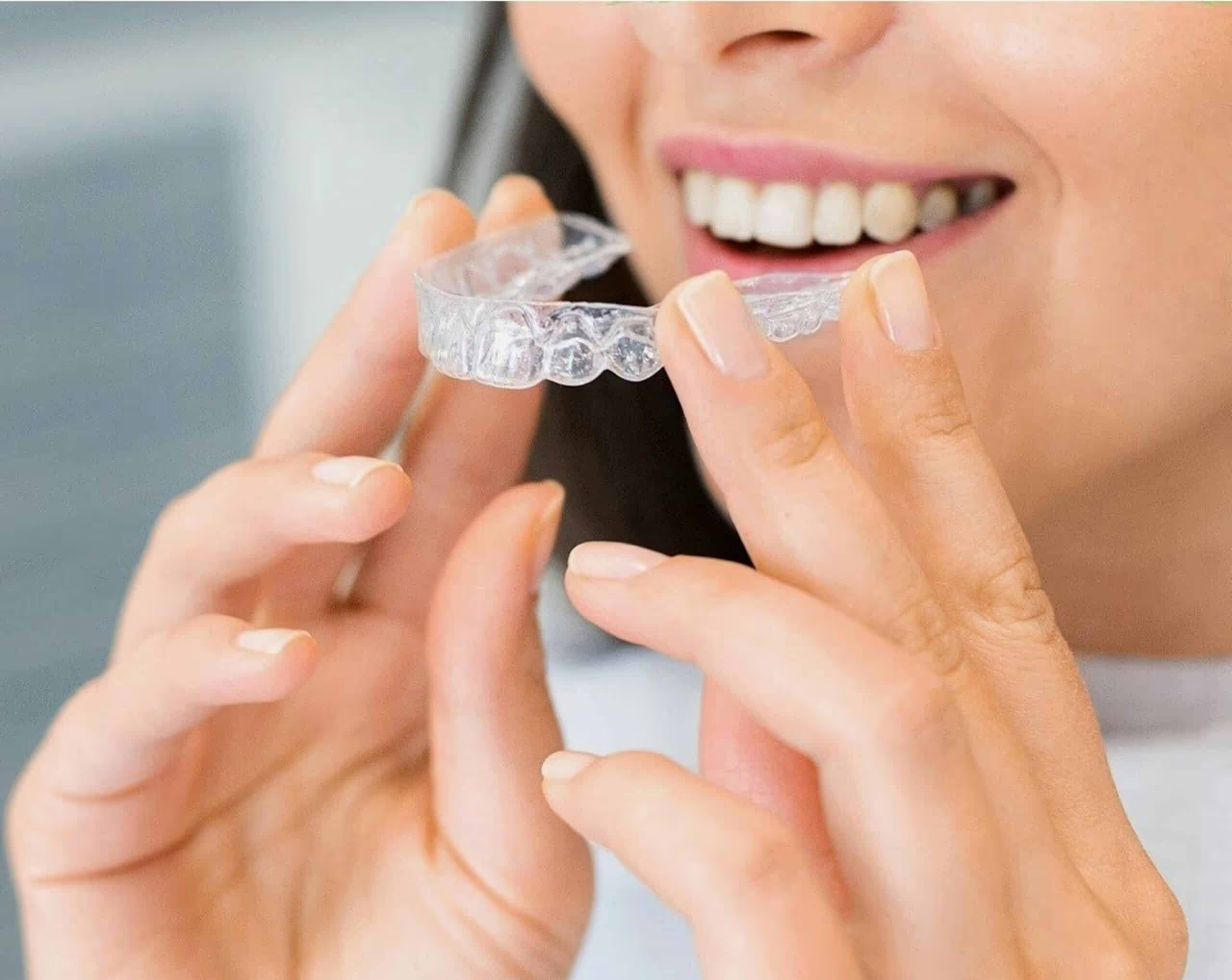
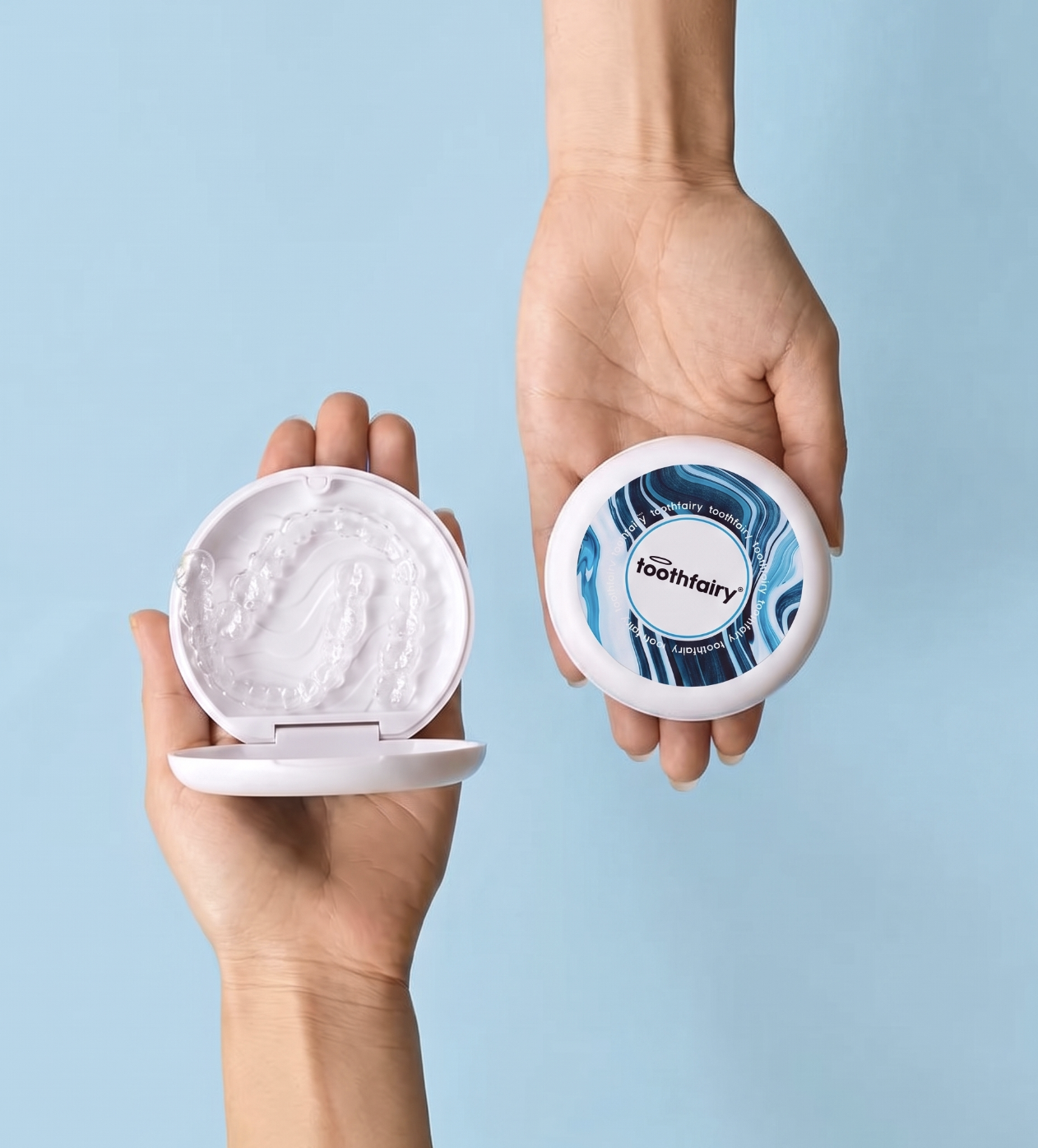
Retainers are custom‑made dental devices designed to hold your teeth in their new position after straightening. They prevent natural shifting and protect the results you’ve worked hard to achieve.
After aligner treatment, your teeth are more likely to move because the supporting tissues are still settling. Retainers keep everything stable while your smile adjusts.
How retainers work
Retainers apply gentle, consistent support to your teeth. They do not move teeth; they simply maintain alignment.
They work by:
- Holding teeth in place while bone and ligaments stabilise
- Preventing natural drifting over time
- Protecting your investment in aligner treatment
- Supporting long‑term oral health
Without retainers, teeth can shift back — sometimes quickly.
Types of retainers
Removable retainers
These are worn daily and taken out for eating and cleaning.
Common types include:
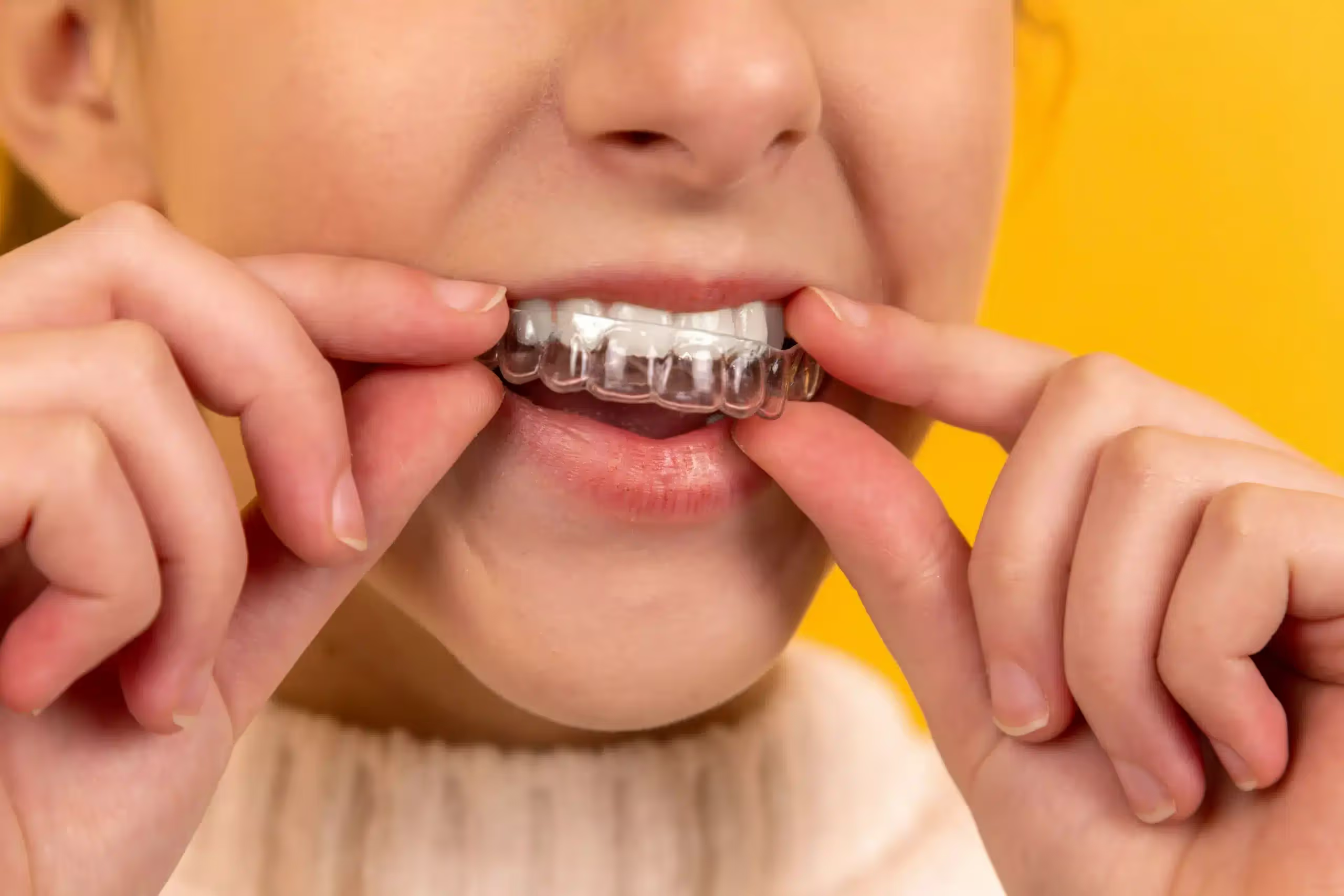
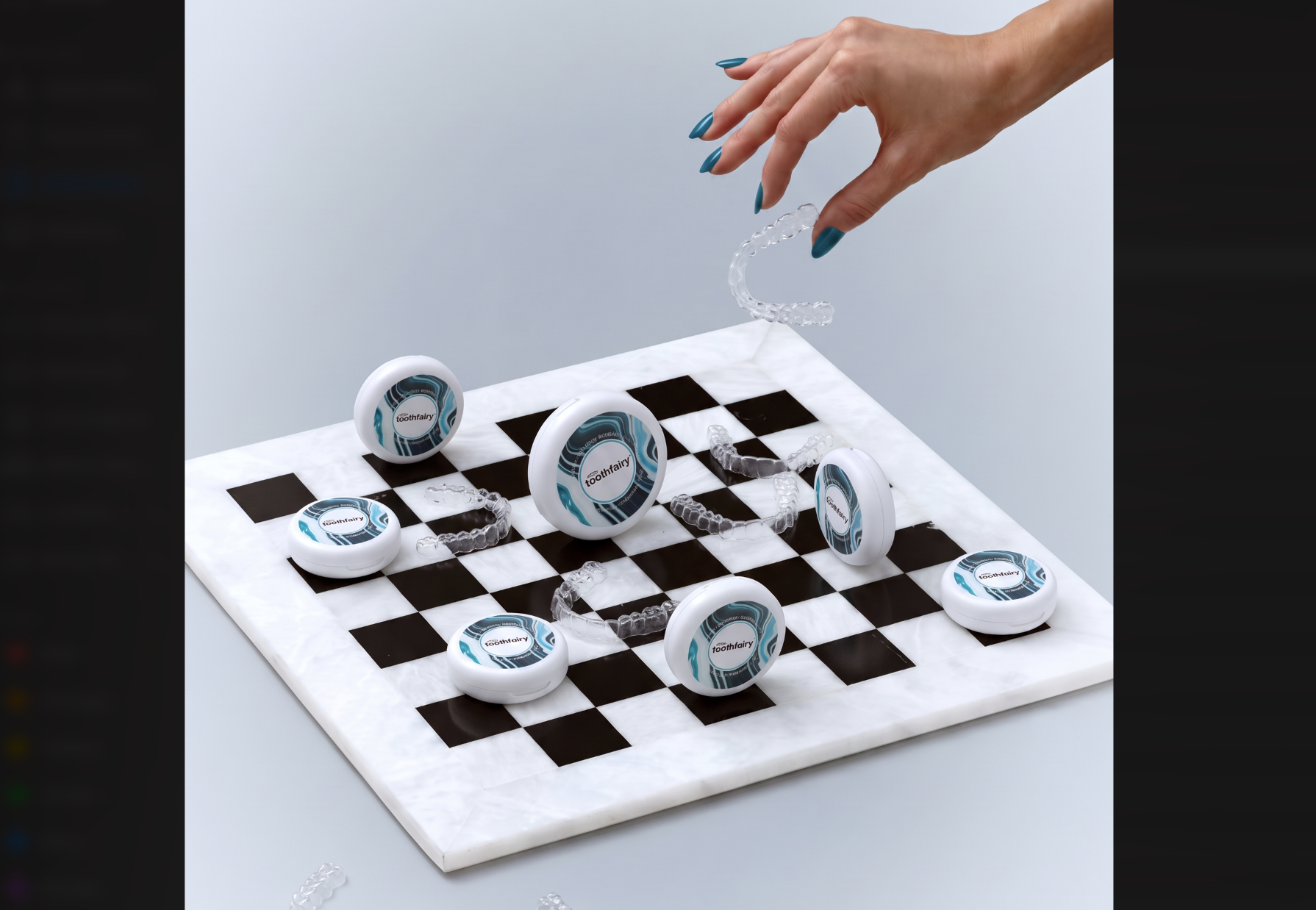
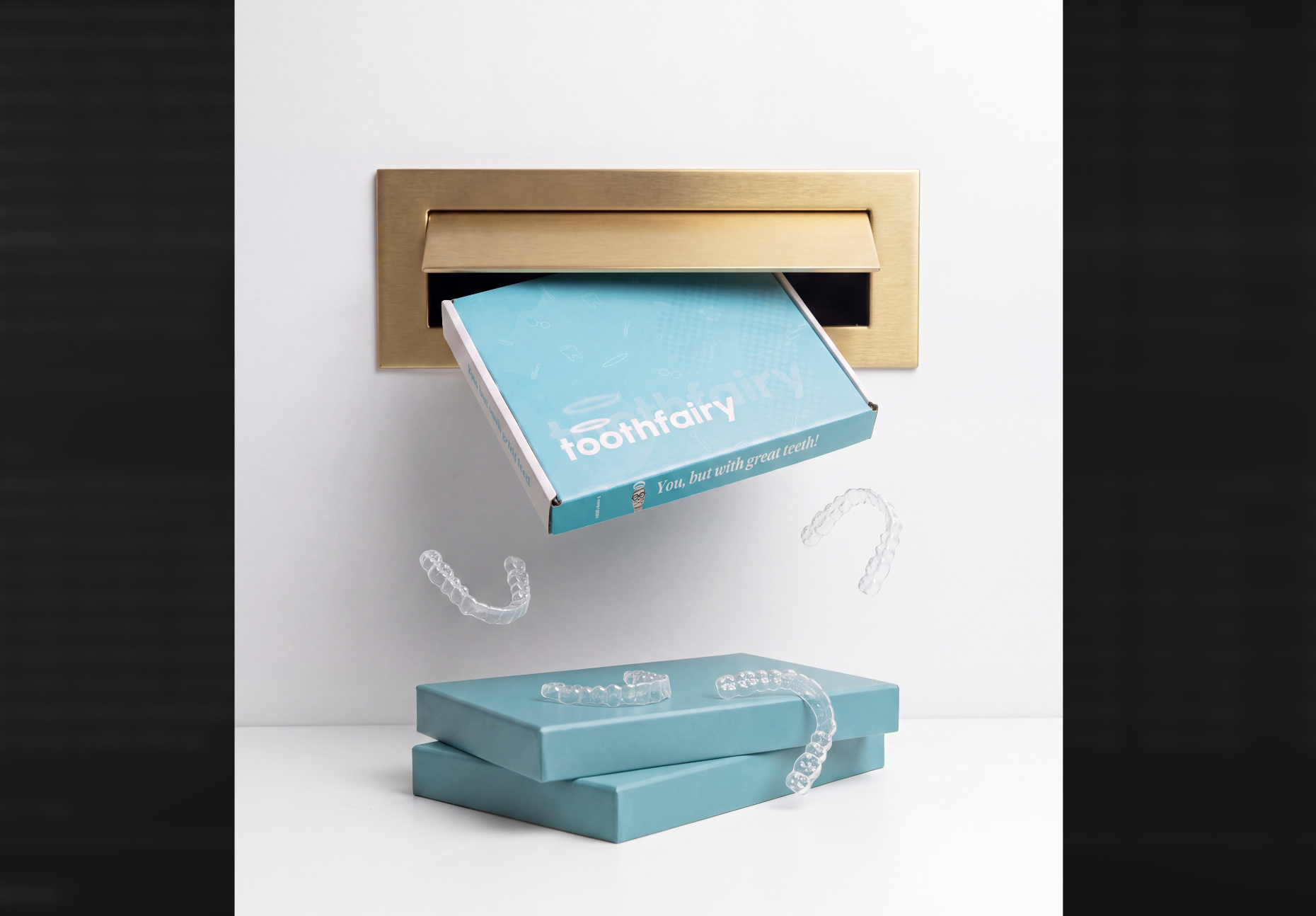
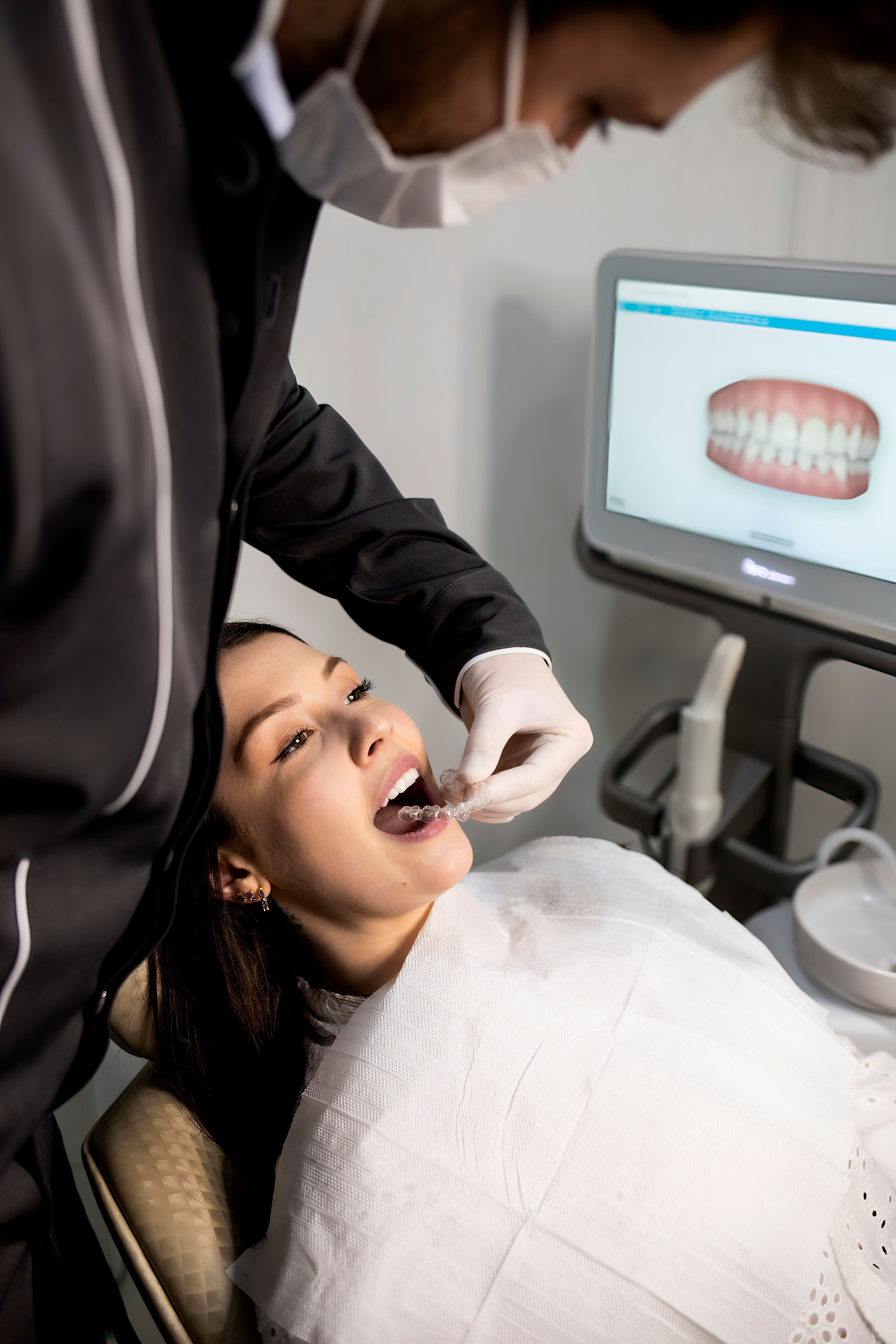
- Clear plastic retainers Thin, discreet and similar to aligners.
- Hawley retainers Acrylic base with a thin metal wire across the front teeth.
Removable retainers are easy to clean and comfortable for most people.
Fixed retainers
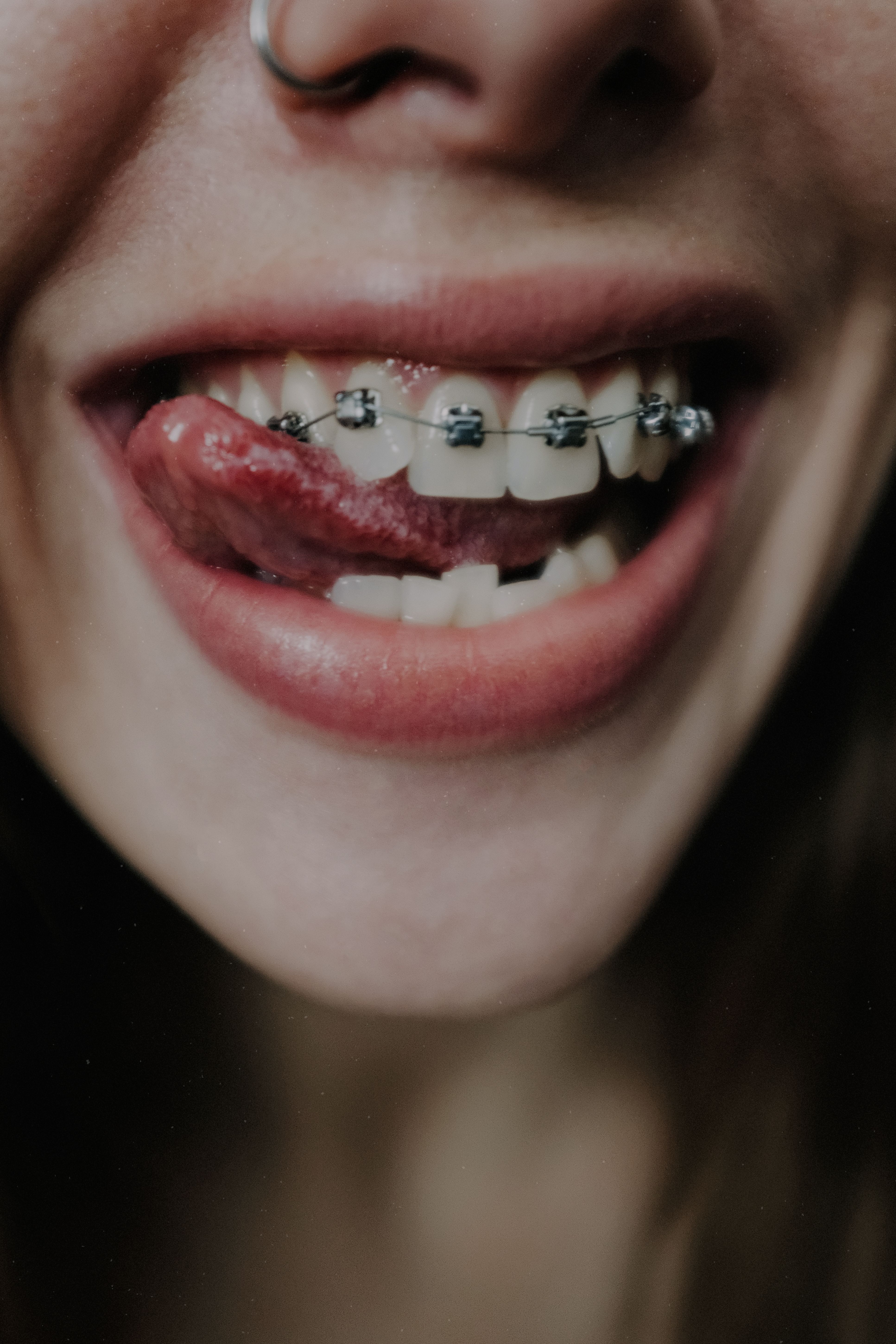
A thin wire bonded behind the front teeth.
Benefits include:
- Always working
- Invisible
- Ideal for people prone to relapse
Fixed retainers require careful cleaning to prevent plaque build‑up.
Why long‑term retainer use is essential
Teeth naturally shift throughout life. Wearing retainers long‑term helps maintain your straight smile.
Key reasons retainers matter
- Prevent relapse
- Protect the results of aligner treatment
- Support gum and bone stability
- Reduce the need for future orthodontic work
- Maintain cosmetic appearance
Most dentists recommend wearing retainers indefinitely, even after the first year of full‑time use.
How often to wear retainers
Immediately after treatment
Full‑time wear is usually recommended for the first few months.
After the initial period
Night‑time wear is typically enough to maintain alignment.
Long‑term
Wearing retainers a few nights a week helps prevent gradual shifting.
Your dentist will advise based on your treatment plan.
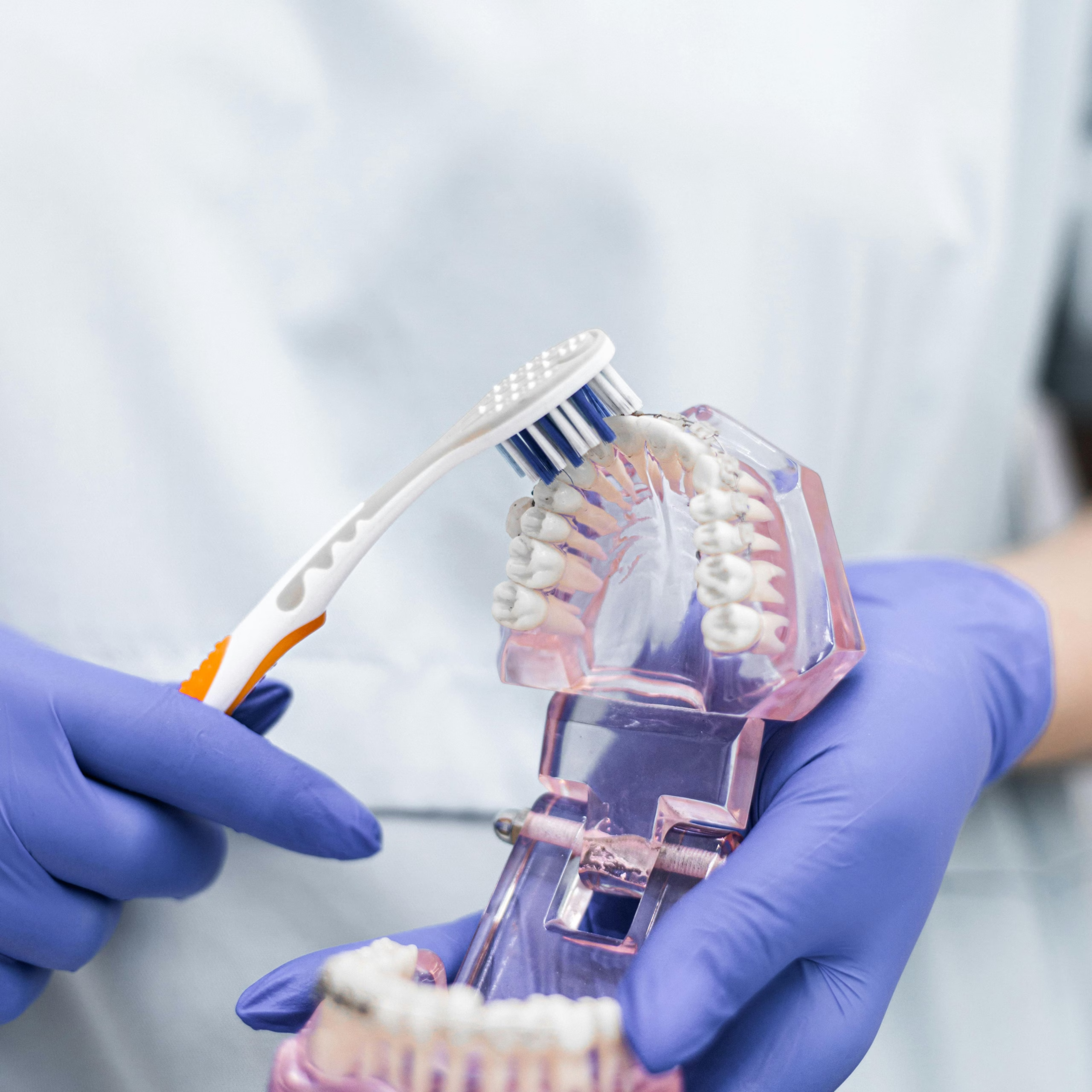
How to care for your retainers
Clean daily
Use lukewarm water and a gentle retainer cleaner. Avoid hot water, which can warp plastic retainers.
Store safely
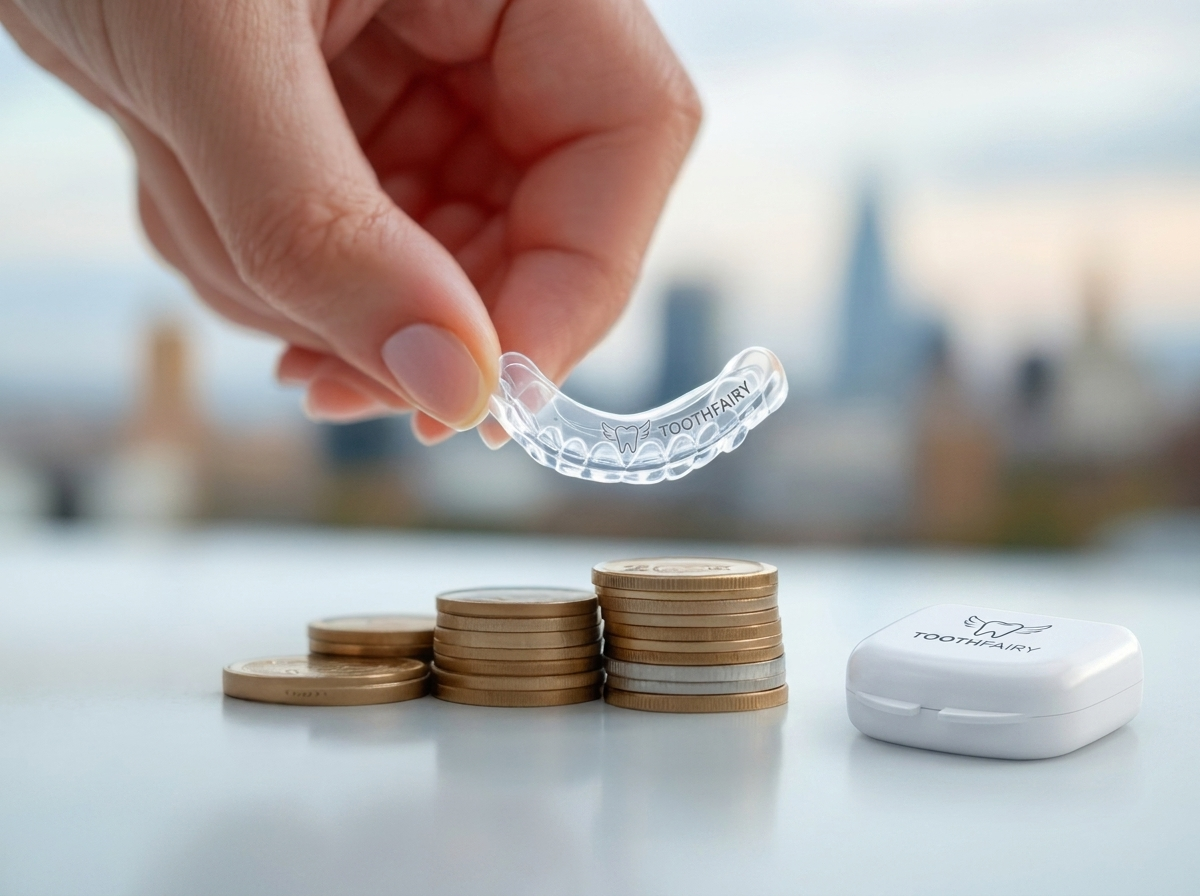
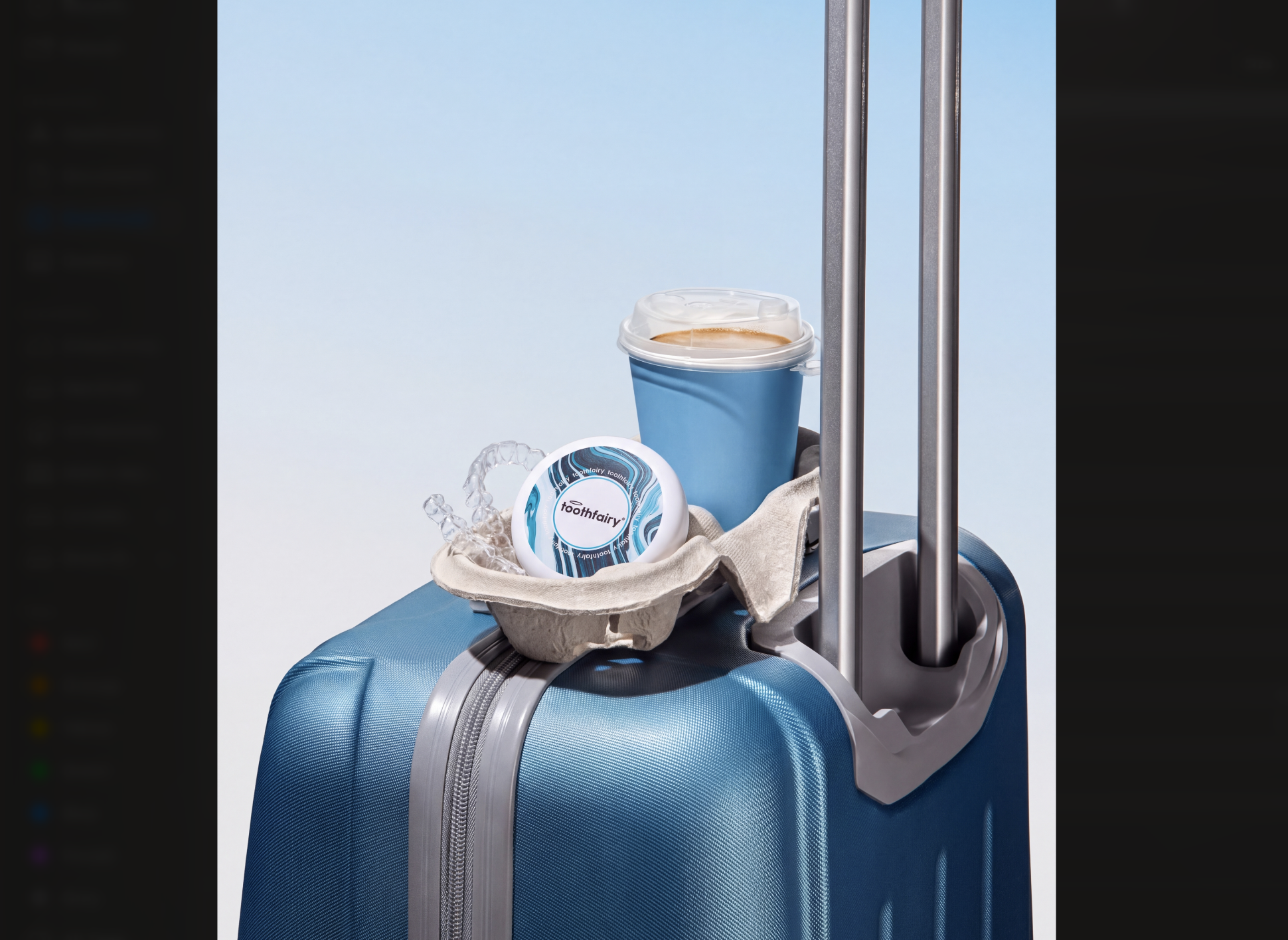
Keep retainers in a protective case when not in use.
Avoid damage
Do not wrap retainers in tissues — they can be thrown away accidentally.
Keep away from heat
Hot drinks, radiators and dishwashers can distort retainers.
Check for wear
Cracks or looseness mean it’s time for a replacement.
Signs your retainers need replacing
- Cracks or splits
- Warping or poor fit
- Persistent discomfort
- Difficulty inserting or removing
- Visible wear
If your retainer no longer fits properly, contact your dentist for a new one.
Risks of not wearing retainers
Skipping retainer use can lead to:
- Teeth shifting back
- Crowding returning
- Gaps reappearing
- Bite changes
- Need for further orthodontic treatment
Relapse can happen quickly, especially in the first year.
2Retainers vs aligners: what’s the difference?
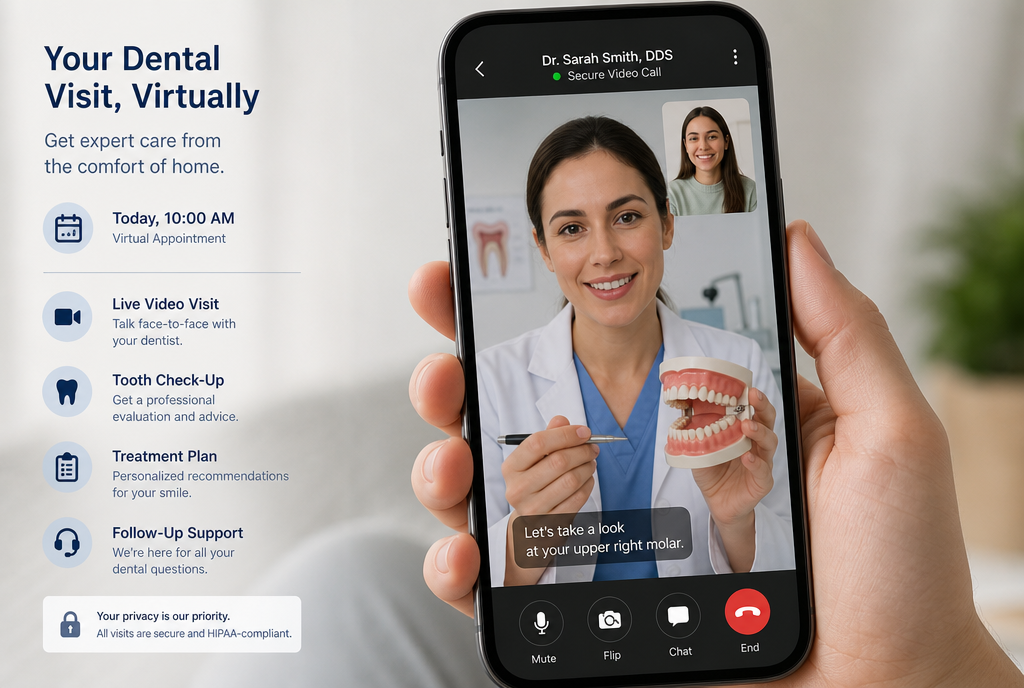
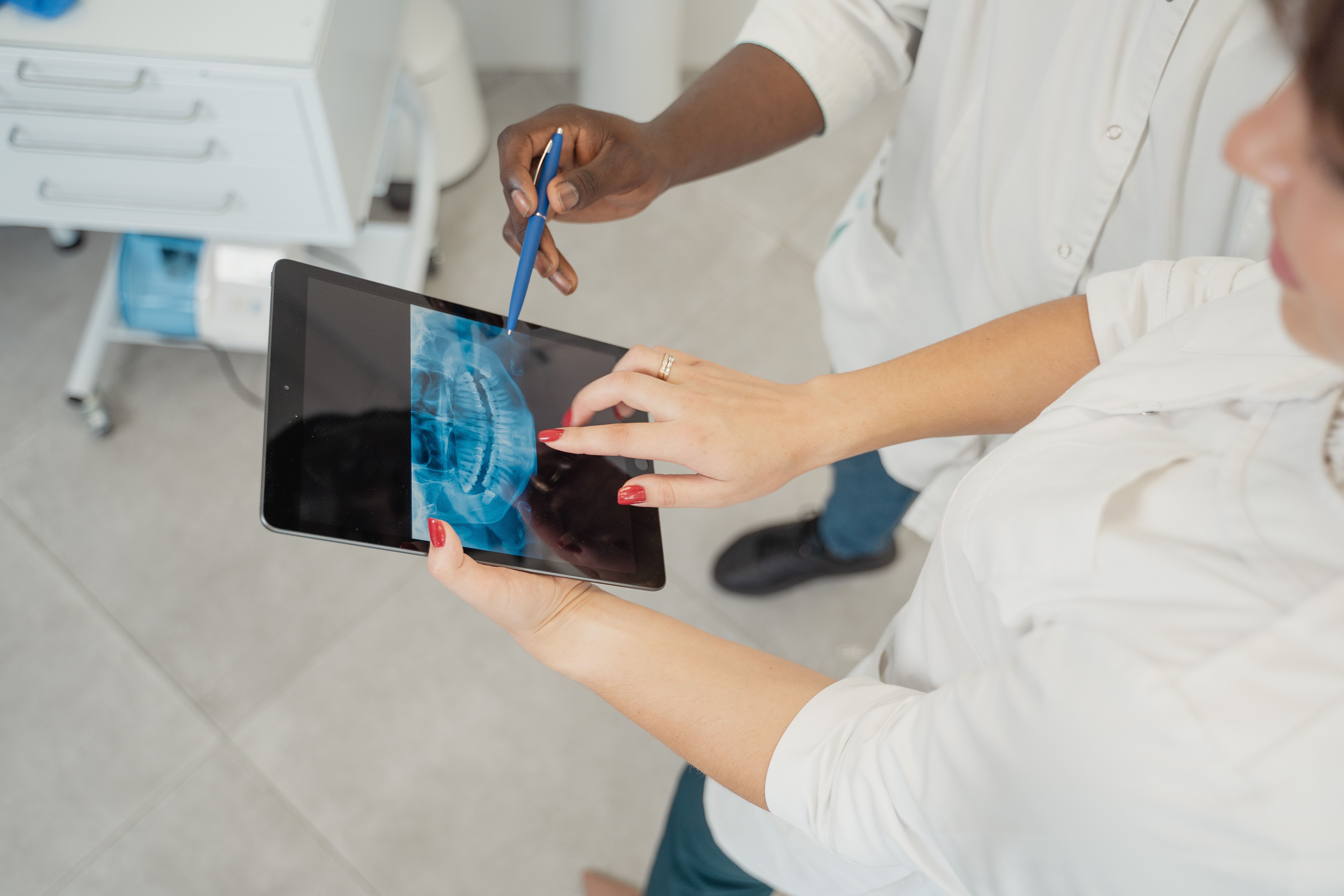
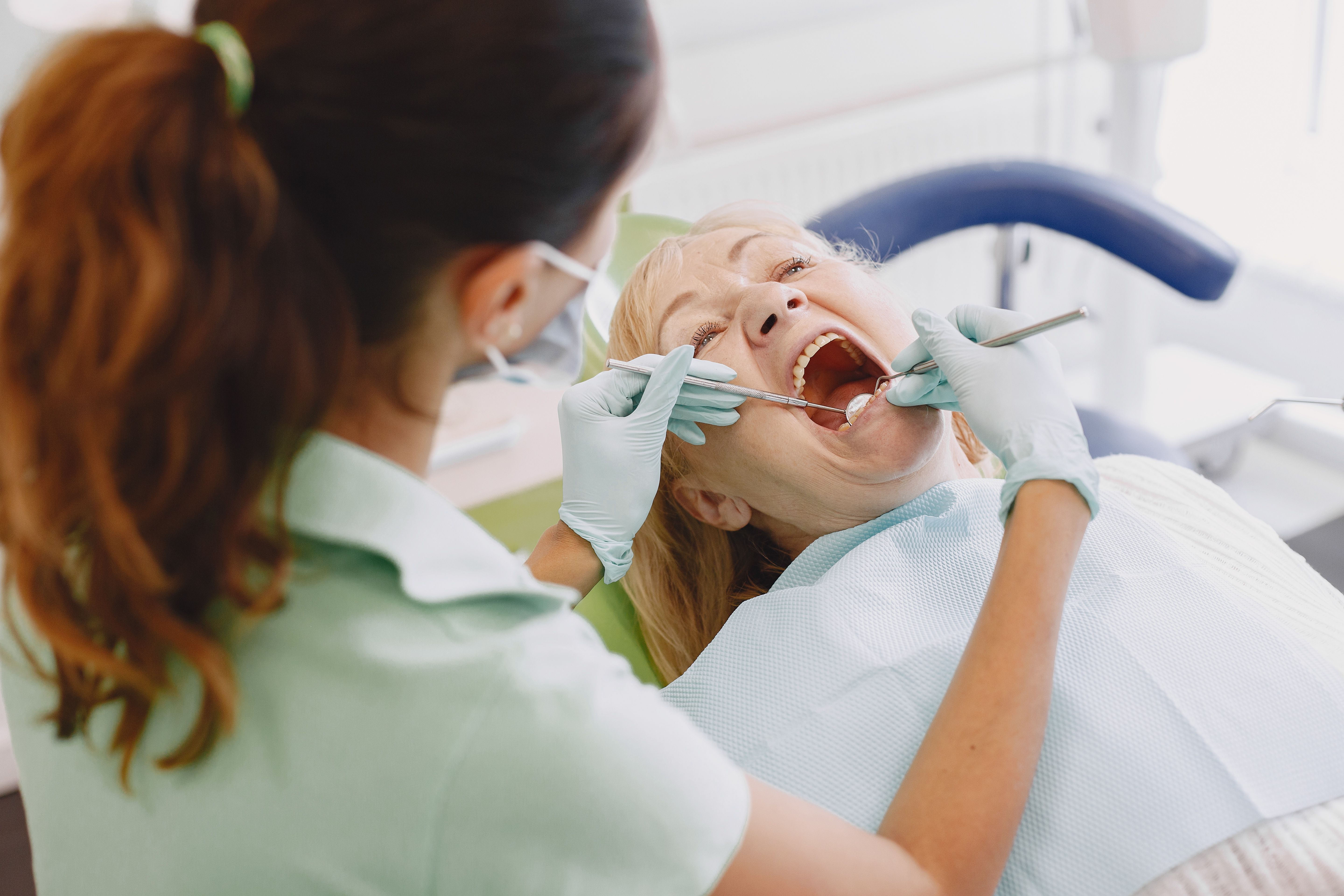
When to see a dentist
You should seek advice if:
- Your retainer no longer fits
- You notice shifting or crowding
- Your fixed retainer feels loose
- You experience discomfort or irritation
- Your retainer breaks or cracks
Early intervention helps prevent relapse.
Your retainer questions answered
Do retainers hurt?
No. They may feel snug but should not be painful.
How long do retainers last?
Clear retainers typically last 6–12 months. Fixed retainers can last years.
Can I eat with retainers?
Not with removable retainers. Fixed retainers stay in place.
Do I need retainers forever?
Long‑term night‑time wear helps maintain alignment.
What if I lose my retainer?
Contact your dentist for a replacement as soon as possible.







.jpg)





.jpg)












.jpg)