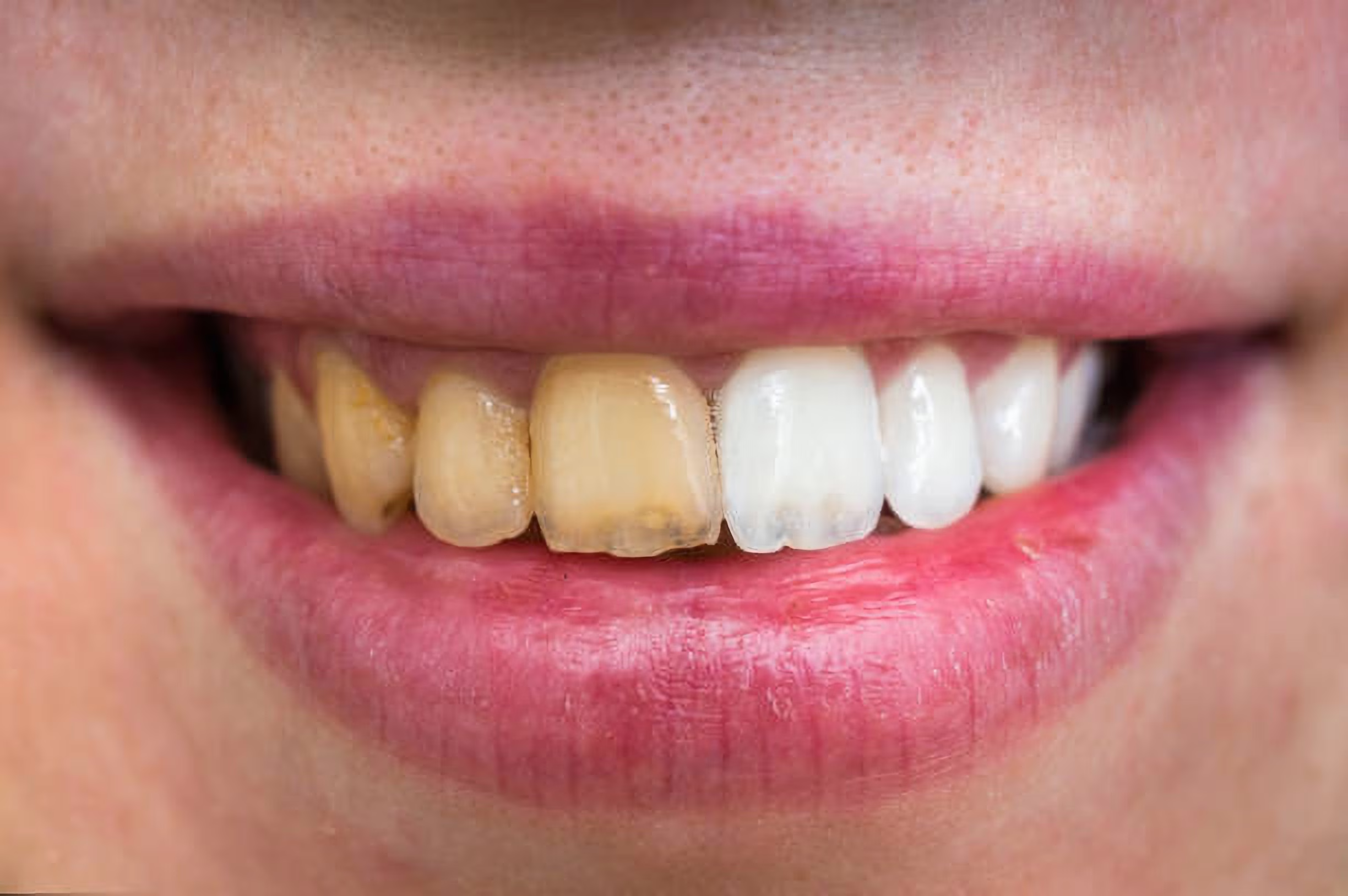
Why teeth change colour
Teeth naturally darken over time. The enamel becomes thinner, the dentine underneath becomes more visible and everyday staining builds up. Some causes are surface‑level, while others come from deeper changes inside the tooth.
Understanding the type of discolouration you have is the first step toward choosing the right treatment.
Types of tooth discolouration
Extrinsic staining (surface stains)
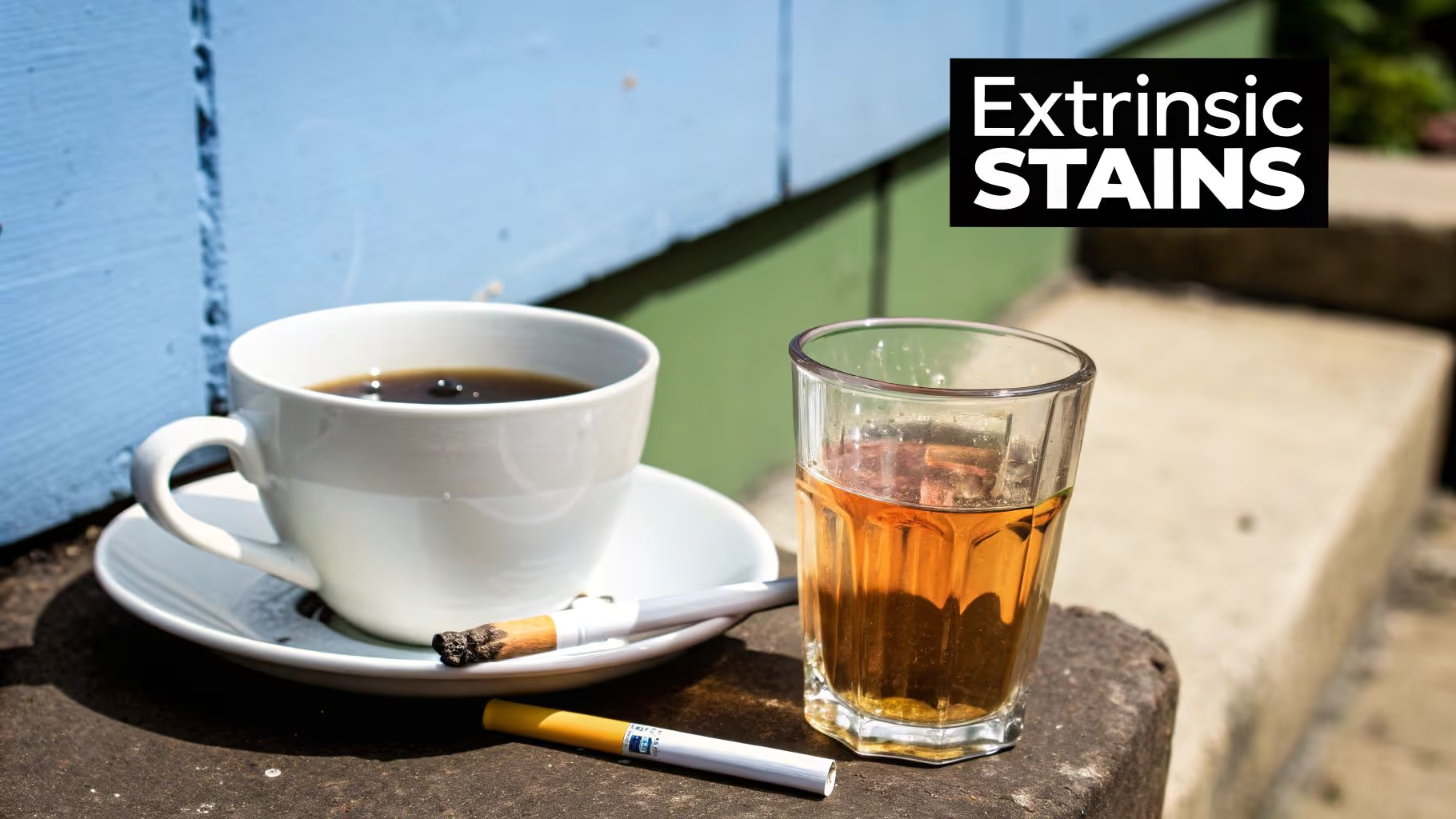
These sit on the outer enamel and are caused by pigments from food, drink and lifestyle habits. They often appear as yellow, brown or dark patches on the surface.
Common causes include:
- Tea and coffee
- Red wine
- Dark sauces
- Smoking
- Coloured mouthwashes
Extrinsic stains respond well to professional cleaning and whitening.
Intrinsic staining (internal stains)
These occur inside the tooth structure. They can be caused by:
- Ageing
- Trauma
- Certain medications
- Excessive fluoride during childhood
- Long‑term enamel wear
Intrinsic stains often appear grey, brown or uneven. They may require professional whitening or cosmetic treatments.
Risk factors that increase staining
Some people are more prone to discolouration due to their habits, environment or oral health.
Diet and lifestyle
Frequent consumption of staining foods and drinks increases pigment build‑up. Smoking is one of the strongest contributors to yellowing.
Oral hygiene
Inconsistent brushing and flossing allow plaque and tartar to accumulate, trapping stains and making teeth appear darker.
Age
Enamel naturally thins over time, revealing more of the yellow dentine underneath.
Medications
Certain medications, including some antibiotics and antihistamines, can contribute to internal discolouration.
Dental trauma
A knocked or injured tooth can darken as the pulp reacts or dies.
Genetics
Some people naturally have thinner enamel or darker dentine.
How to prevent tooth staining
Limit staining foods and drinks
Tea, coffee, red wine and dark sauces are common culprits. Rinsing with water after consuming them can help reduce pigment build‑up.
Quit smoking
Tobacco causes deep, stubborn staining that is difficult to remove without professional treatment.
Improve daily oral hygiene
Brush twice a day with fluoride toothpaste and floss daily. Regular hygiene appointments help remove plaque and tartar.
Use a straw for dark drinks
This reduces contact between staining liquids and your front teeth.
Choose whitening toothpaste
These help maintain brightness but do not replace professional whitening.
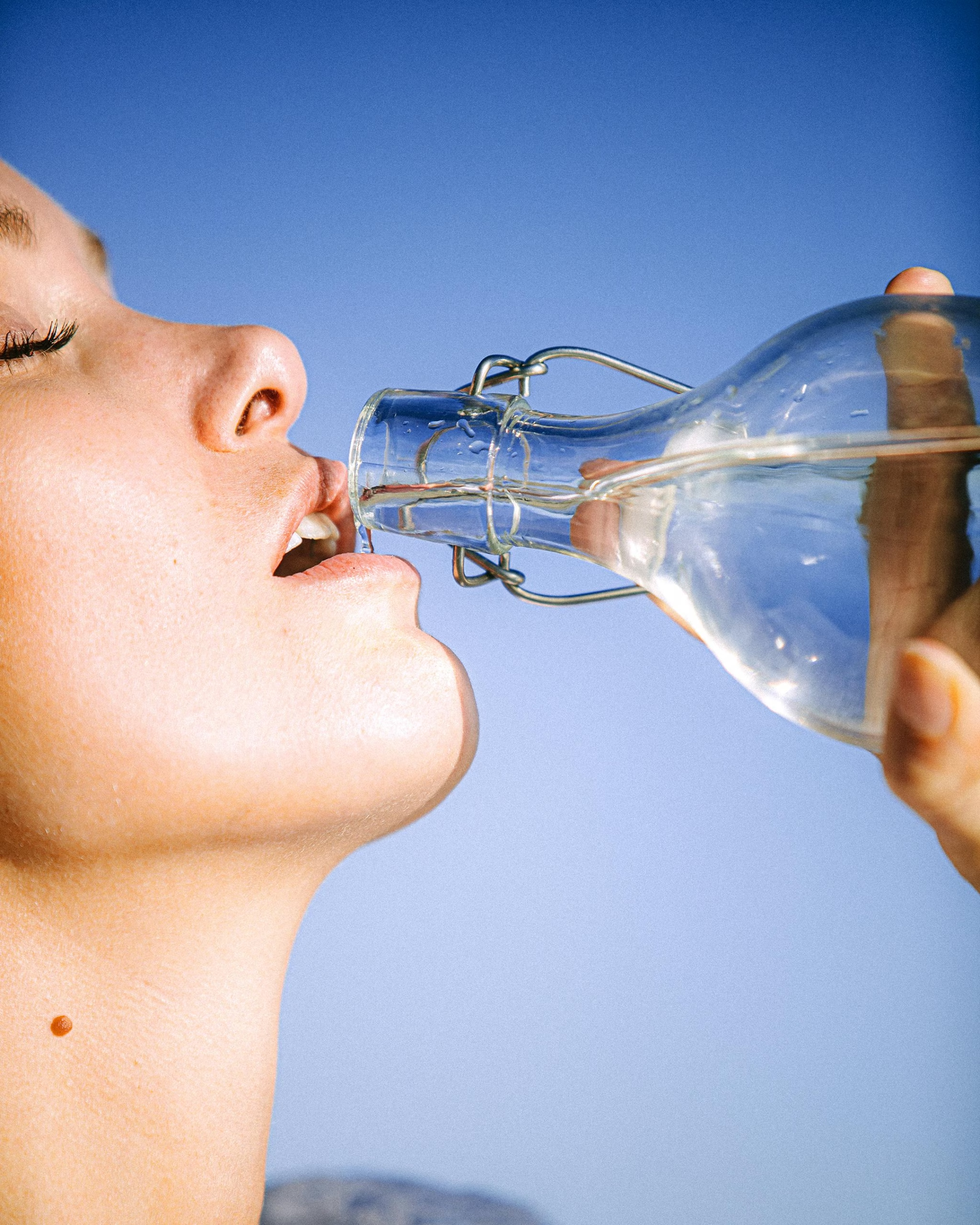
Stay hydrated
A dry mouth increases plaque build‑up. Drinking water throughout the day helps protect enamel.
When discolouration signals a deeper issue
Not all colour changes are cosmetic. Some indicate underlying dental problems.
Grey or black discolouration
This may suggest trauma, pulp damage or decay.
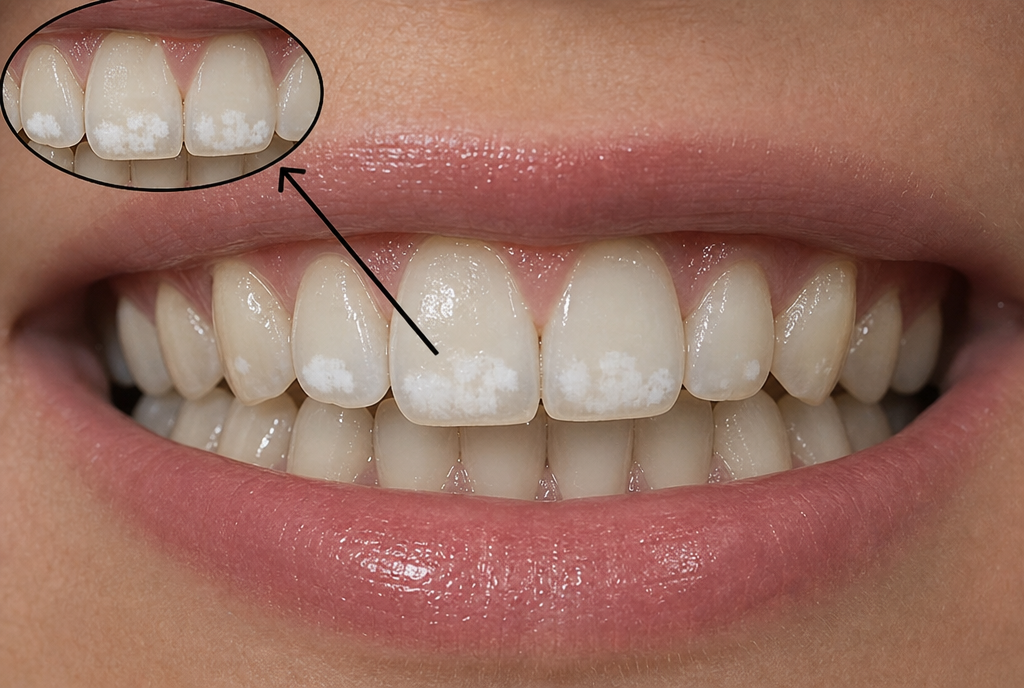
White spots
These can be early signs of enamel demineralisation.
Brown patches
These may indicate long‑term plaque accumulation or enamel erosion.
If you notice sudden or uneven colour changes, a dental assessment is recommended.
How professional treatments help
Professional cleaning
Removes plaque, tartar and surface stains.
Professional whitening
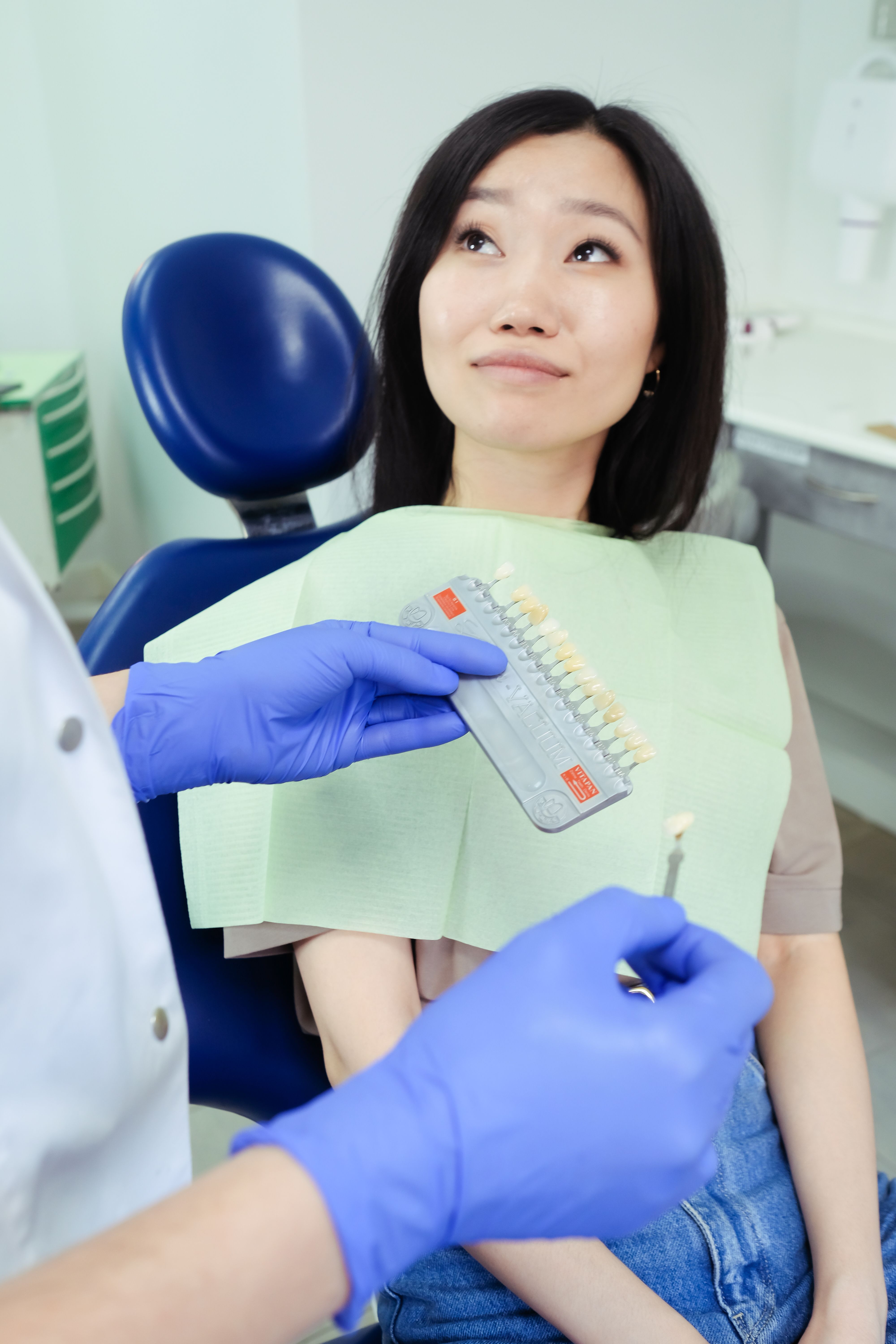
Targets deeper stains and brightens the overall shade.
Composite bonding
Covers small patches of discolouration and evens out colour.
Veneers or crowns
Used for severe intrinsic staining or damaged enamel.
Your dentist will recommend the most suitable option based on the type and cause of discolouration.
Your tooth discolouration questions answered
Can discolouration be reversed?
Surface stains can be removed. Internal stains may require whitening or cosmetic treatment.
Does whitening damage enamel?
Professional whitening is safe when supervised by a dentist.
Why do my teeth stain even though I brush regularly?
Diet, lifestyle and enamel thickness all play a role. Brushing alone cannot prevent all staining.
Is yellowing always a sign of poor hygiene?
No. Natural dentine is yellow, and enamel thins with age.
Toothfairy links
https://www.toothfairyapp.co.uk/teeth-whitening
https://www.toothfairyapp.co.uk/teeth-straightening
https://www.toothfairyapp.co.uk/emergency-dentist
https://www.toothfairyapp.co.uk/our-app







.jpg)




.jpg)













.jpg)