
A root canal isn’t the cause of pain, it’s the cure
Root canals have an unfair reputation, but the truth is simple. A root canal doesn’t cause pain. It removes the pain by treating the infection inside your tooth.
Think of your tooth like a tiny hard shell with a soft centre. The outer enamel protects the inner pulp, a living core of nerves and blood vessels. When deep decay, a crack or an injury lets bacteria reach this pulp, it becomes infected and inflamed. That’s when the severe pain begins.
A root canal removes this infection, relieves the pressure and saves your natural tooth.
What actually happens during a root canal?
A root canal is a structured, predictable procedure designed to clean and seal the inside of a damaged tooth.
Root canals are extremely common. A typical UK dentist performs around 70 per year, making it one of the most routine treatments in modern dentistry.
Why you might need a root canal
Your body sends clear warning signs when the pulp inside a tooth is infected. These symptoms are different from everyday sensitivity.
1. A deep, persistent toothache
This is the classic sign. The pain is constant, throbbing and often worse when you bite down. It may wake you at night or feel like pressure building inside the tooth.
2. Lingering sensitivity
If hot or cold foods cause pain that lasts more than a few seconds, the nerve inside the tooth may be damaged.
3. Visible changes
Look out for:
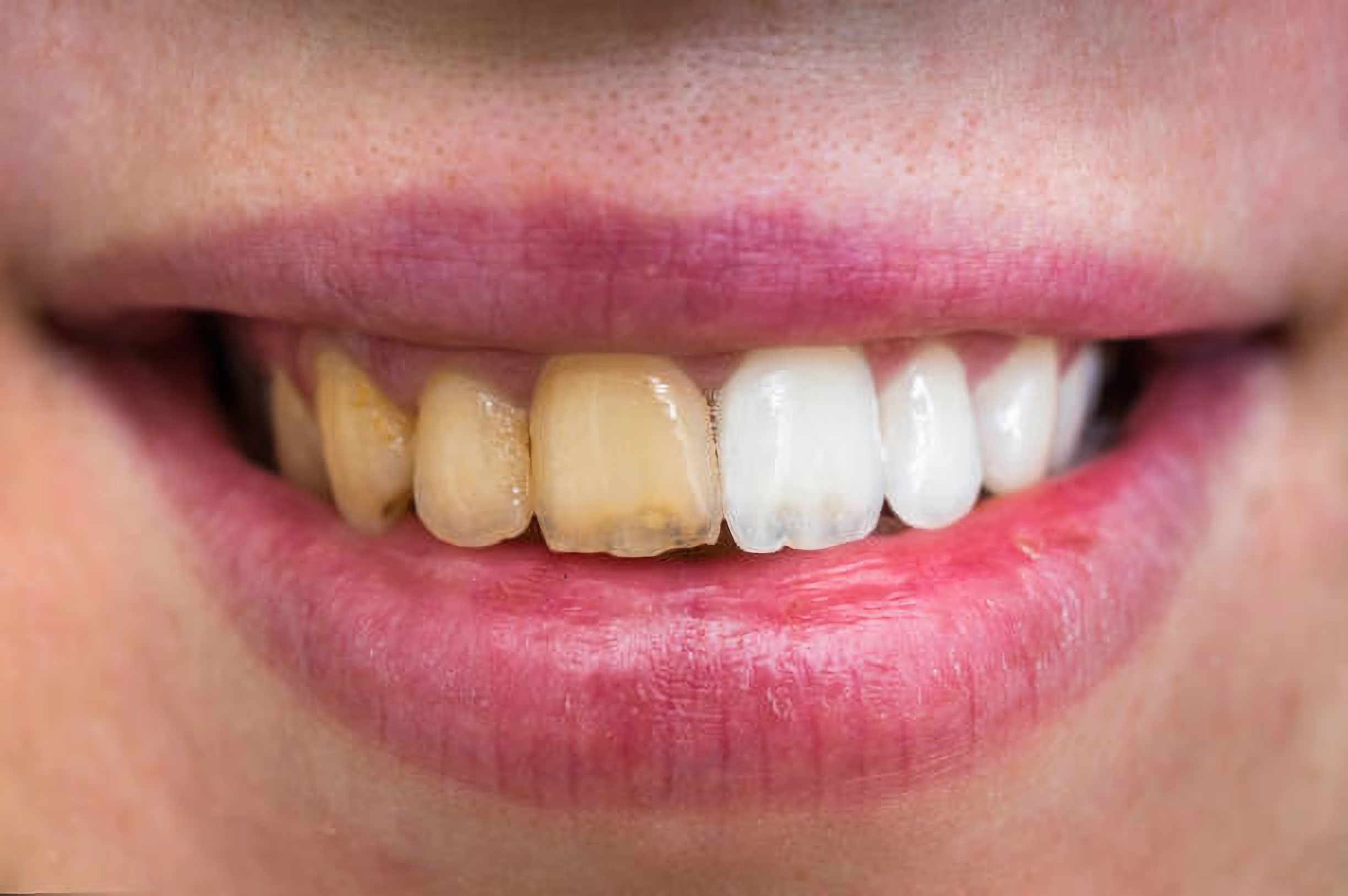
- A darkened or grey tooth
- Swollen gums
- A pimple‑like bump (abscess)
- A cracked or chipped tooth that suddenly becomes painful
These are strong indicators that bacteria have reached the pulp.
What happens during the procedure?
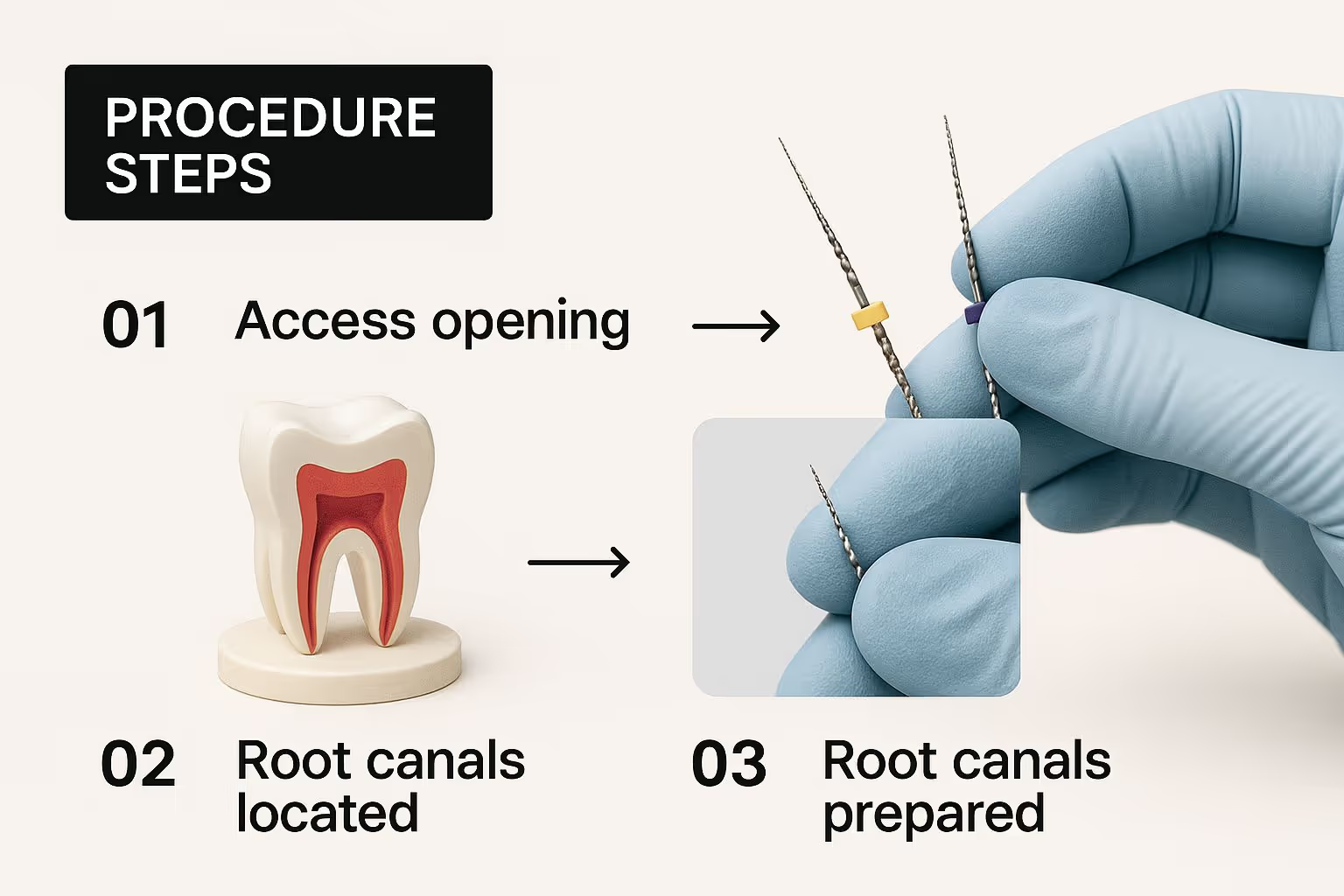
Step 1: Diagnosis and anaesthetic
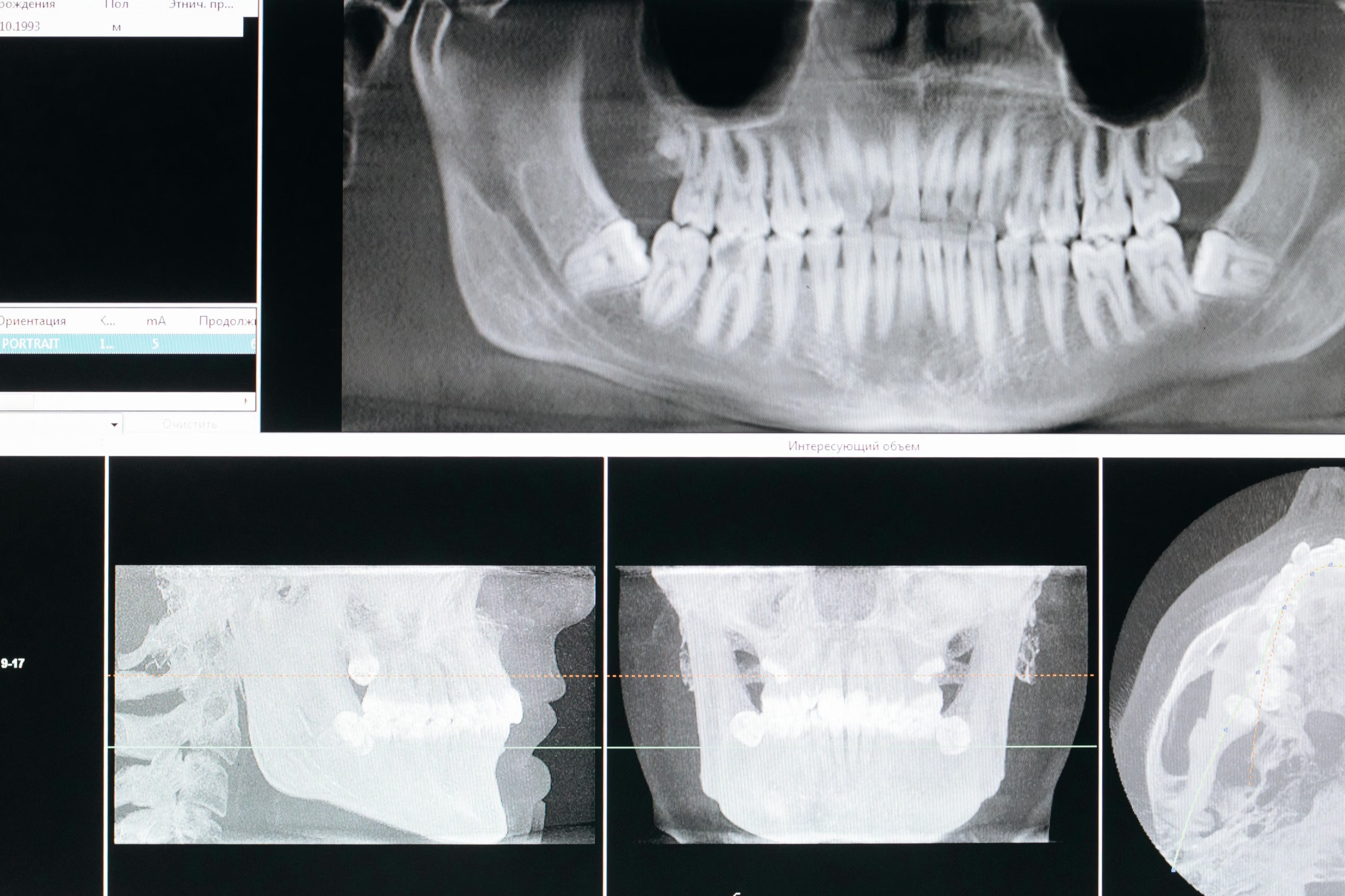
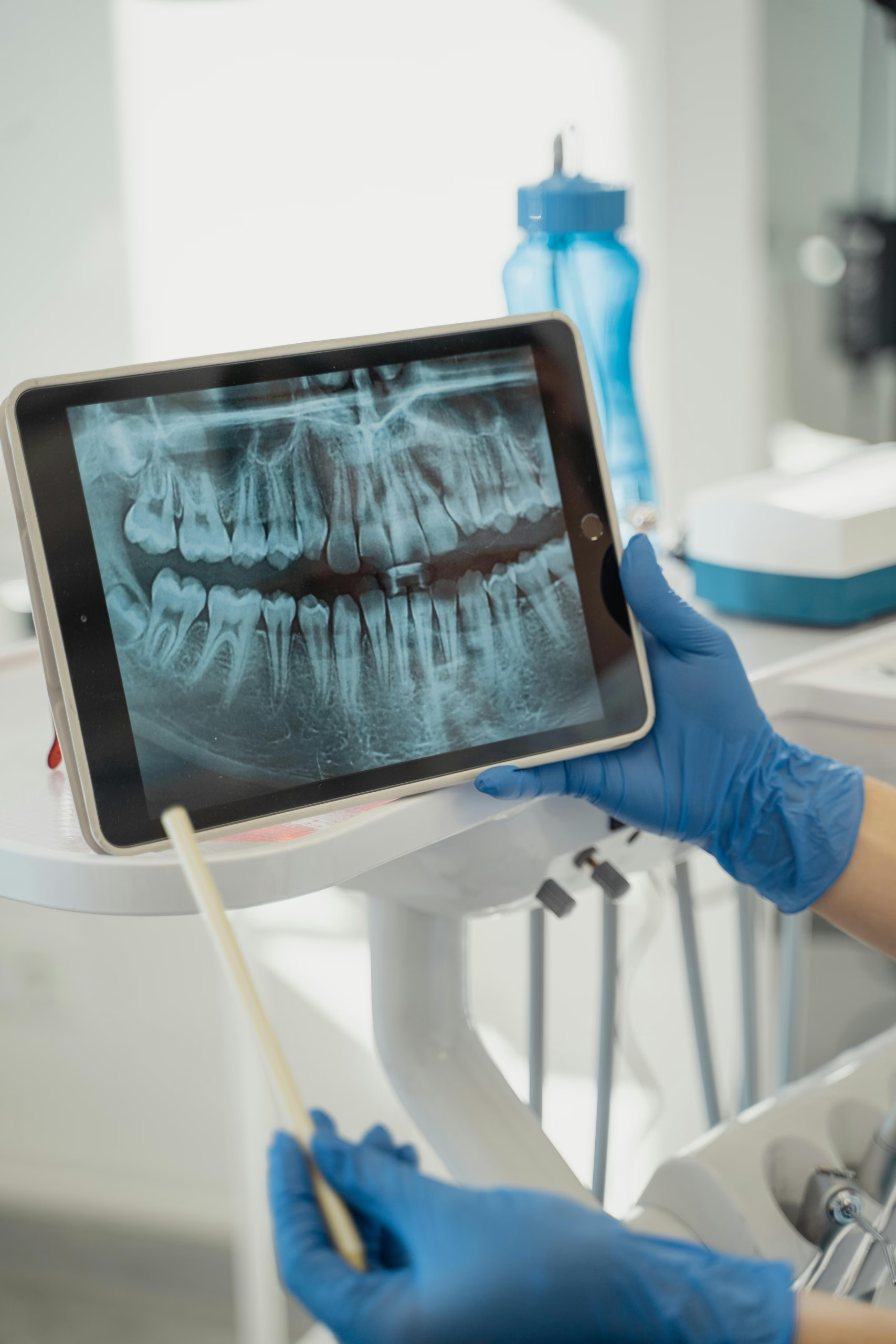
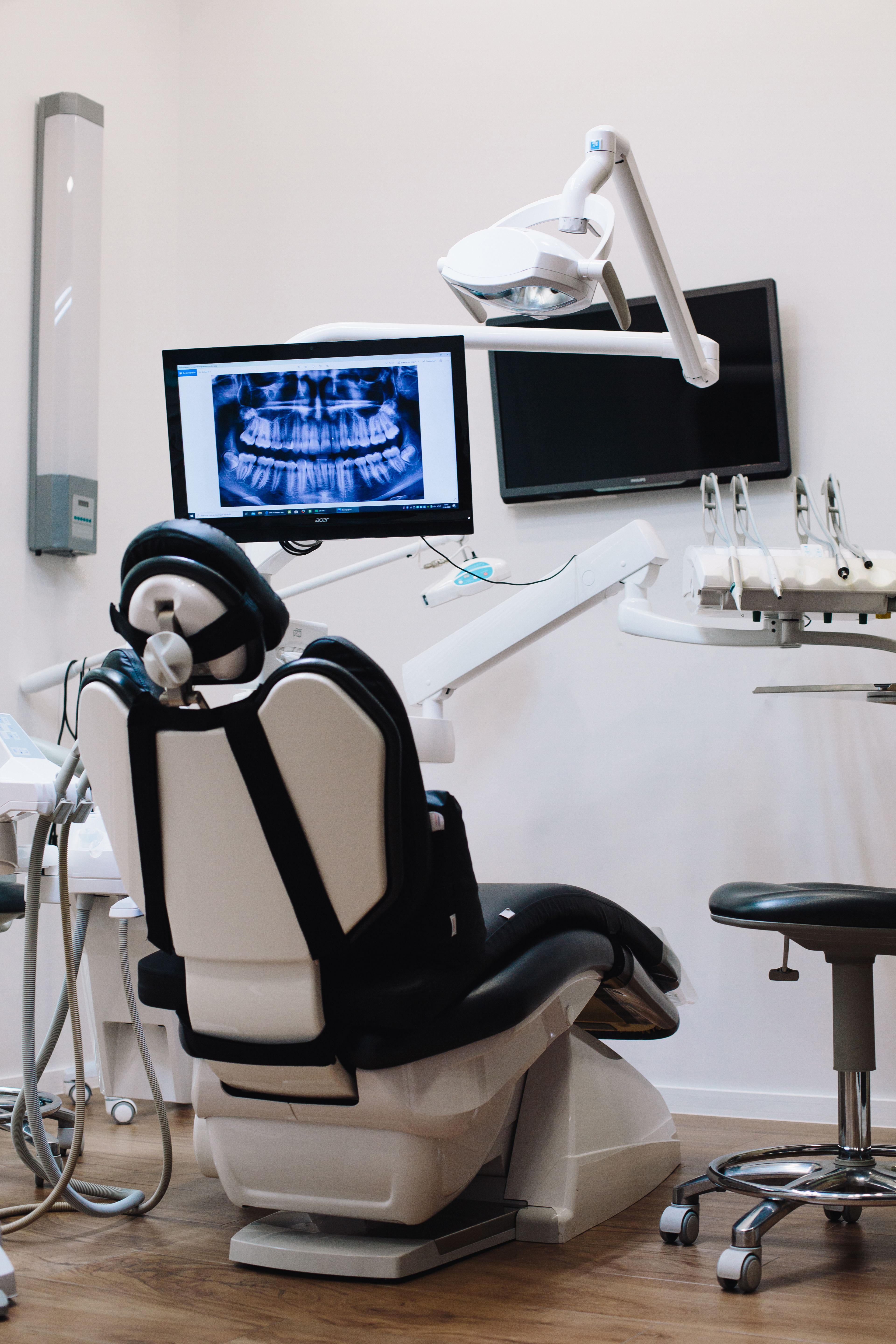
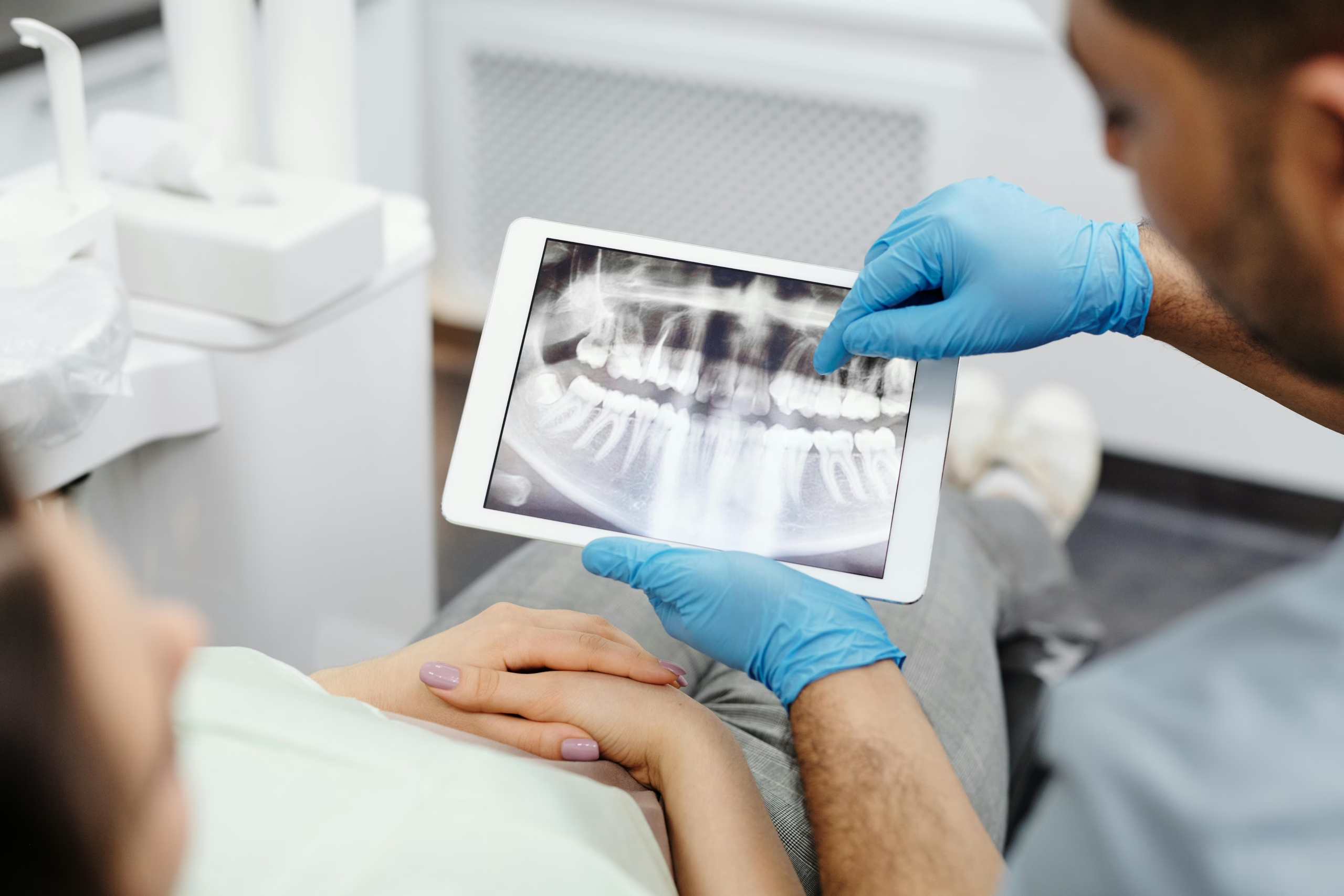
Your dentist confirms the infection using an X‑ray. The tooth is then fully numbed. Modern anaesthetics make the procedure painless.
Step 2: Cleaning the canals
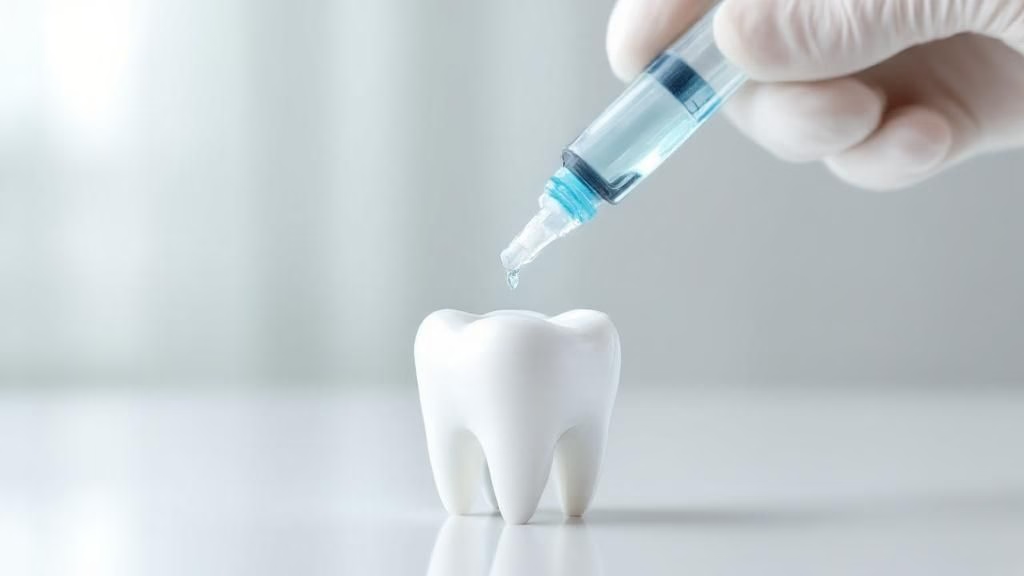
A small opening is made in the tooth. The infected pulp is removed using fine instruments, and the canals are flushed with antibacterial solution.
Step 3: Filling and sealing
The cleaned canals are filled with a rubber‑like material called gutta‑percha to block bacteria from returning.
Step 4: Final restoration
A crown is placed to protect the tooth from future fractures. This step is essential for long‑term success.
Why saving your natural tooth matters
Choosing a root canal over extraction protects:
Your jawbone
Natural roots stimulate the bone. Removing a tooth leads to bone loss.
Your bite alignment
A missing tooth causes neighbouring teeth to drift, creating new problems.
Your chewing function
Nothing works as well as your own tooth.
Your long‑term costs
Replacing a missing tooth with an implant or bridge is far more expensive than saving it.
Root canals have a success rate of 85–97 percent, making them one of the most reliable dental treatments available.
Root canal vs extraction: what’s the difference?
Saving your tooth is almost always the better long‑term choice.
Your recovery guide
After a root canal:
- Mild soreness for a few days is normal
- Avoid eating until numbness wears off
- Stick to soft foods for 24–48 hours
- Chew on the opposite side
- Keep brushing gently
- Protect the tooth until the crown is placed
The crown is essential. It prevents fractures and ensures the tooth lasts for many years.
Your root canal questions answered
Is the procedure painful?
No. It’s painless under anaesthetic and relieves the pain caused by the infection.
How many appointments will I need?
Front teeth often need one visit. Molars may need two due to their complex roots.
Do I really need a crown afterwards?
Yes. It protects the tooth from breaking and ensures long‑term success.
What happens if I delay treatment?
The infection spreads, pain worsens and the tooth may become impossible to save.
Need help now?
Toothfairy connects you with UK dentists for emergency advice, pain management and treatment planning.
Visit Toothfairy



















.jpg)





.jpg)

















.jpg)