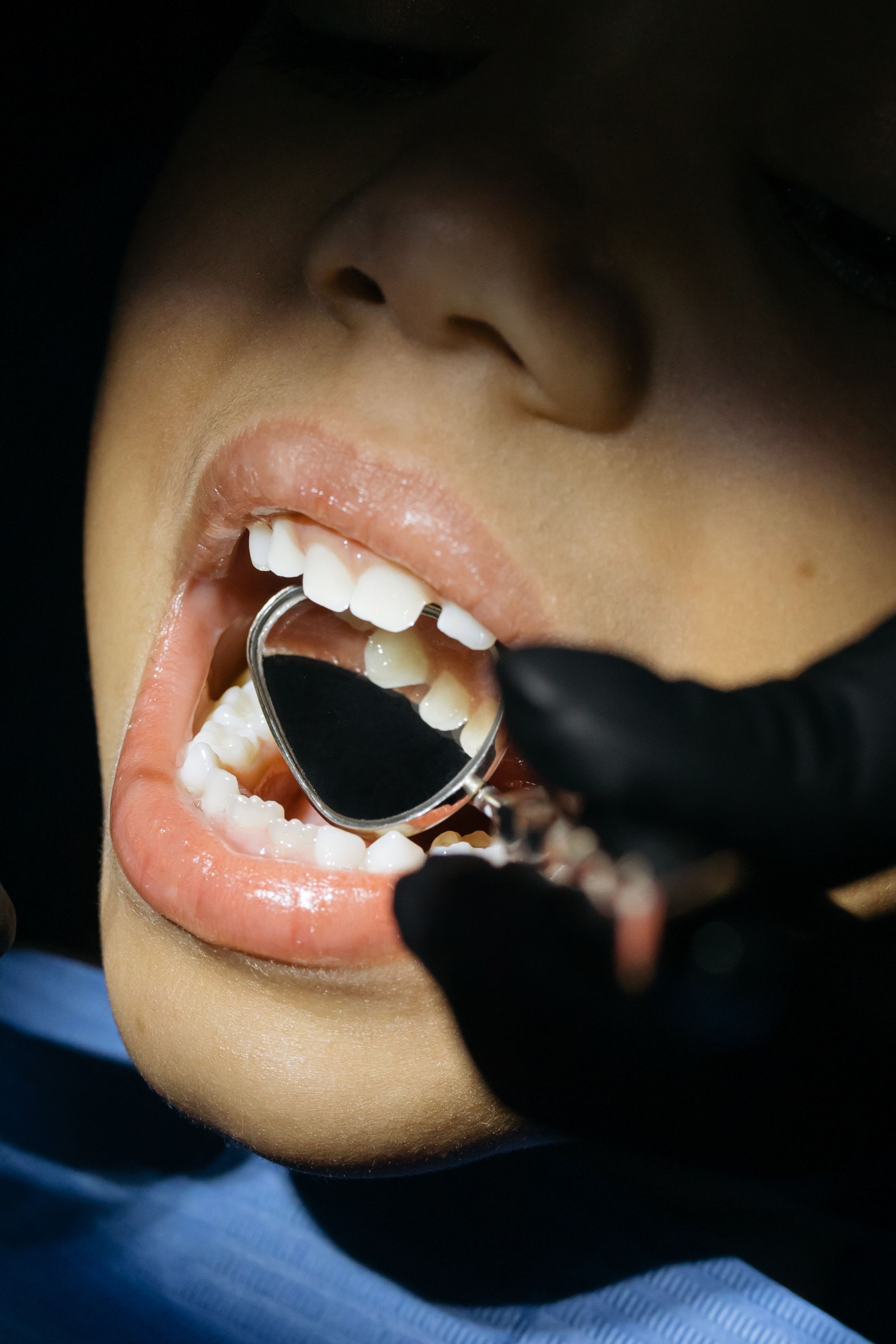
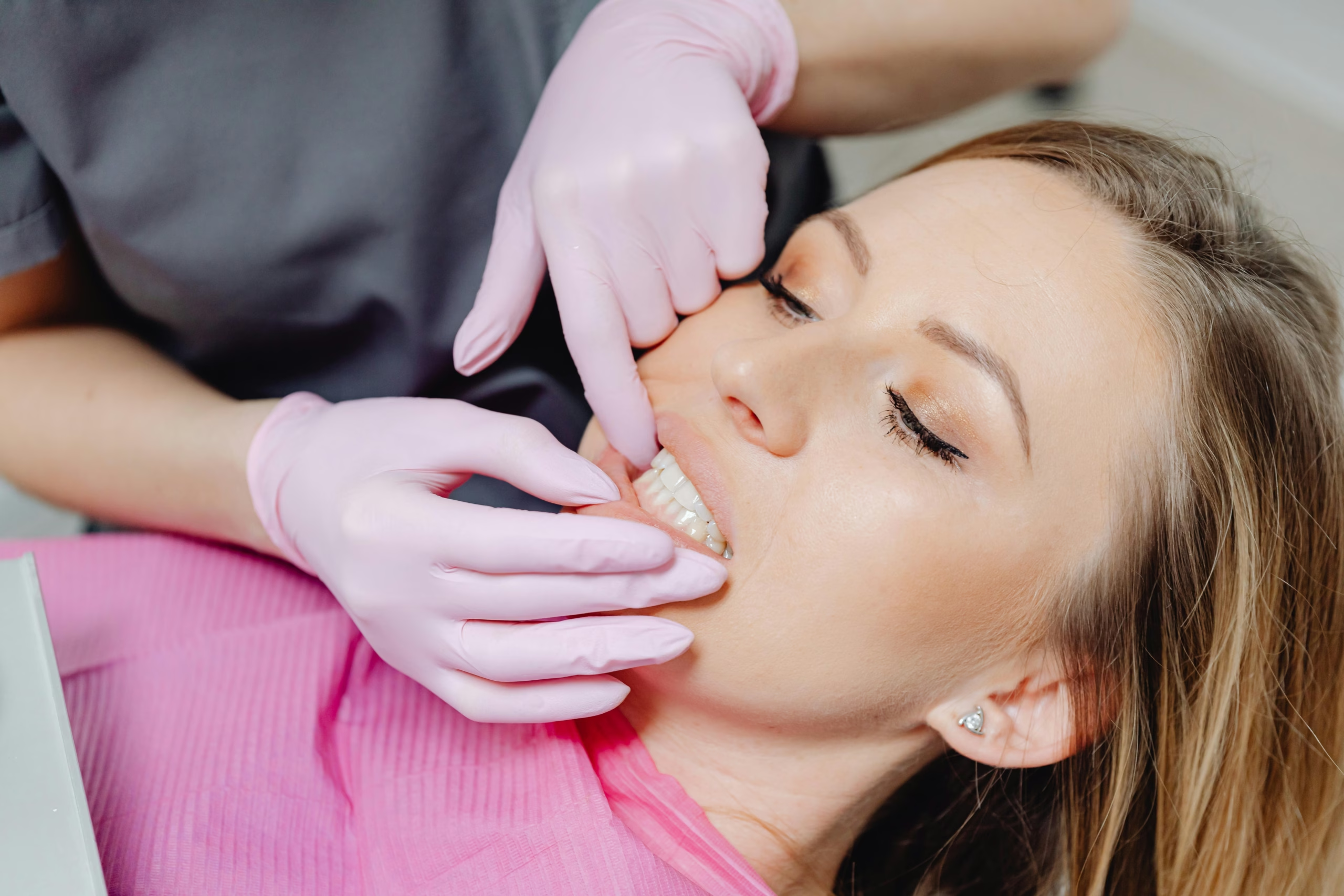
If you've ever spotted a bit of pink in the sink after brushing, you're looking at the first sign of gum inflammation. It's an incredibly common issue, but it's also your body’s way of sending up a flare, telling you it's time to pay a little more attention to your oral health.
Why Your Gums Are Sore and Swollen
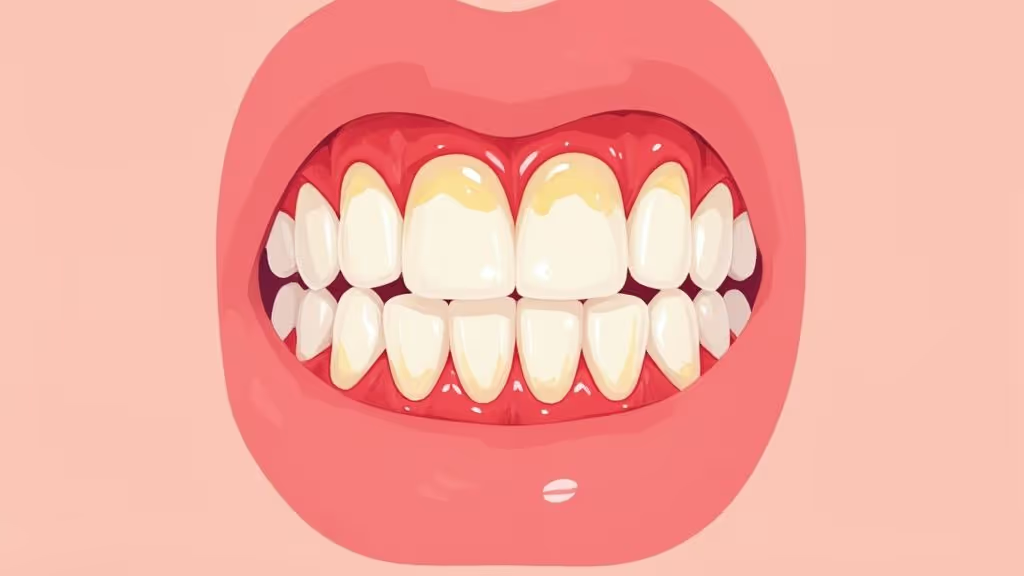
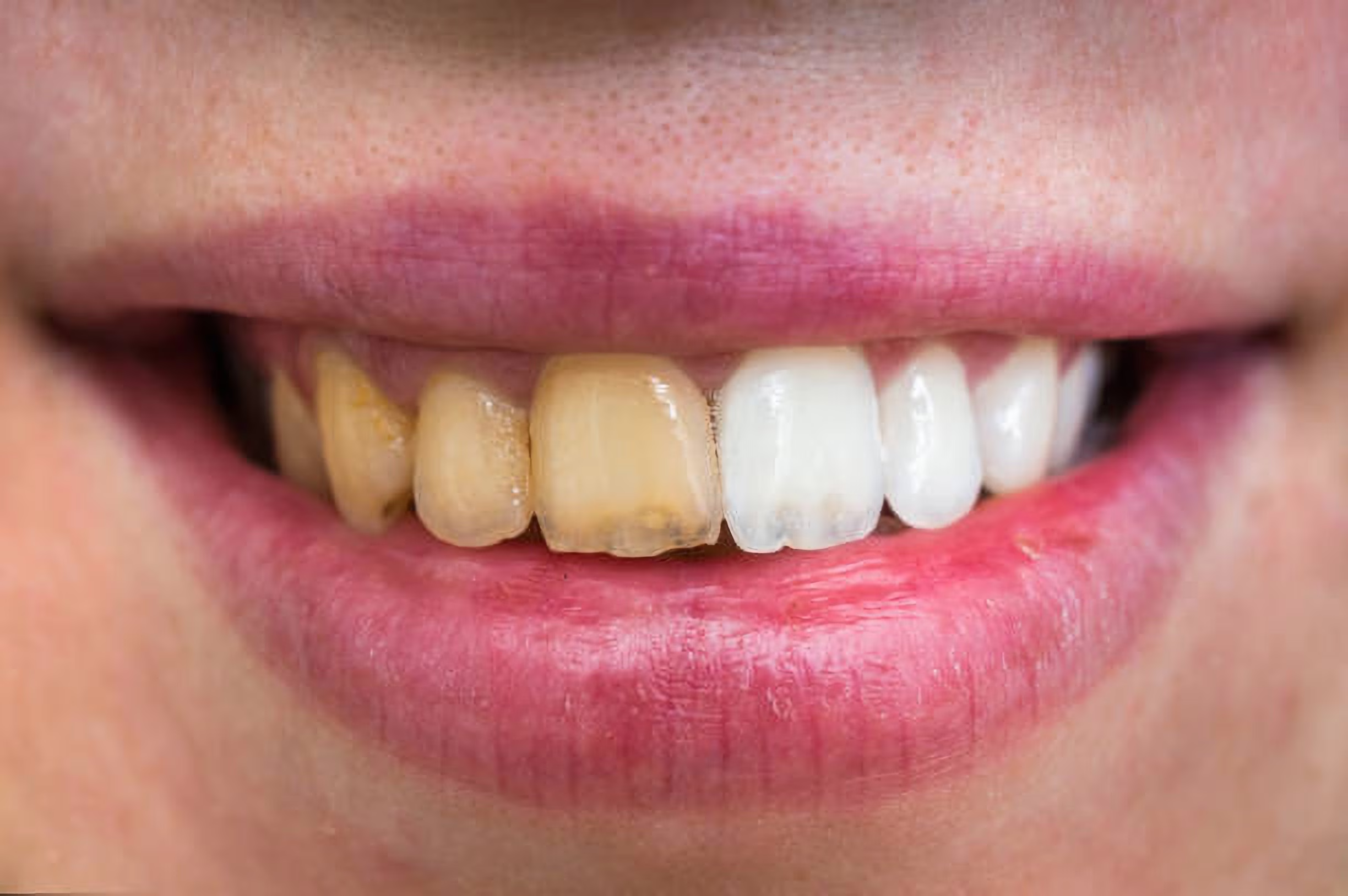
So, what’s actually happening? The whole process starts with plaque—that sticky, invisible film of bacteria that’s always trying to set up camp on your teeth. If you don't clear it away properly, your immune system jumps into action to fight the bacteria, and that battle results in the redness, swelling, and soreness we call gingivitis.
Think of it less as a major dental disaster and more as a helpful warning. Your gums are literally telling you they need a better clean.
And if you’re experiencing this, you’re in good company. The 2021 Adult Oral Health Survey revealed that nearly 27% of adults in the UK with their own teeth reported their gums bleeding. It was even more common for those aged 25–54, with up to 33% noticing it. You can dive deeper into these trends by looking at the UK government's findings on self-reported dental health.
Common Triggers for Gum Inflammation
Sore, swollen gums don't just appear out of nowhere. There's usually a clear reason, and often, it’s one of these everyday culprits:
- Patchy Oral Hygiene: If brushing and flossing aren't a firm part of your daily routine, plaque quickly hardens into tartar. At that point, it’s impossible to remove at home and needs a professional clean.
- Brushing Too Hard: It might feel like you’re doing a better job, but using a hard-bristled brush or too much pressure can seriously irritate your delicate gum tissue, making the problem worse.
- Hormonal Shifts: Life events like pregnancy or even your monthly cycle can cause hormonal fluctuations, making your gums extra sensitive and more likely to get inflamed.
- Lifestyle Factors: Things like smoking or high stress levels can compromise your immune system, making it harder for your body to fight off infections everywhere, including in your mouth.
Understanding what's causing the issue is half the battle. Once you pinpoint the trigger, you can take direct, effective steps to calm the inflammation and get your gums back to a healthy state. This is a crucial foundation for keeping your smile healthy long-term.
If you're dealing with persistent soreness or just want a professional opinion without the wait, apps like Toothfairy are a game-changer. You can get advice from a UK-based dentist right from your sofa for a dental emergency or cosmetic dental work.
To help you get started, here’s a quick summary of the core strategies for reducing gum inflammation. This table gives you an immediate, scannable overview of the key takeaways you'll find in this guide.
Your Action Plan for Healthier Gums
This plan provides a clear roadmap. By focusing on these areas, you can take control of your gum health and prevent minor irritation from becoming a more significant problem.
Fine-Tuning Your Daily Oral Care Routine
It’s easy to think that just brushing and flossing is enough to keep your gums happy. But if you’re dealing with inflammation, the way you do it matters more than anything. The real difference comes down to technique, turning your daily habits into a targeted defence against gingivitis.The battleground is right at the gumline, that tiny crevice where plaque loves to accumulate. So many of us either miss this spot entirely or, in an effort to be thorough, brush way too hard. That aggressive approach can actually irritate sensitive gums and make the problem worse. The goal is to be gentle yet meticulous.
Mastering Your Brushing Technique
First things first, let's look at your tools. A soft-bristled toothbrush is non-negotiable for protecting your gums from damage. Whether you prefer a manual or electric brush doesn't matter nearly as much as how you use it.
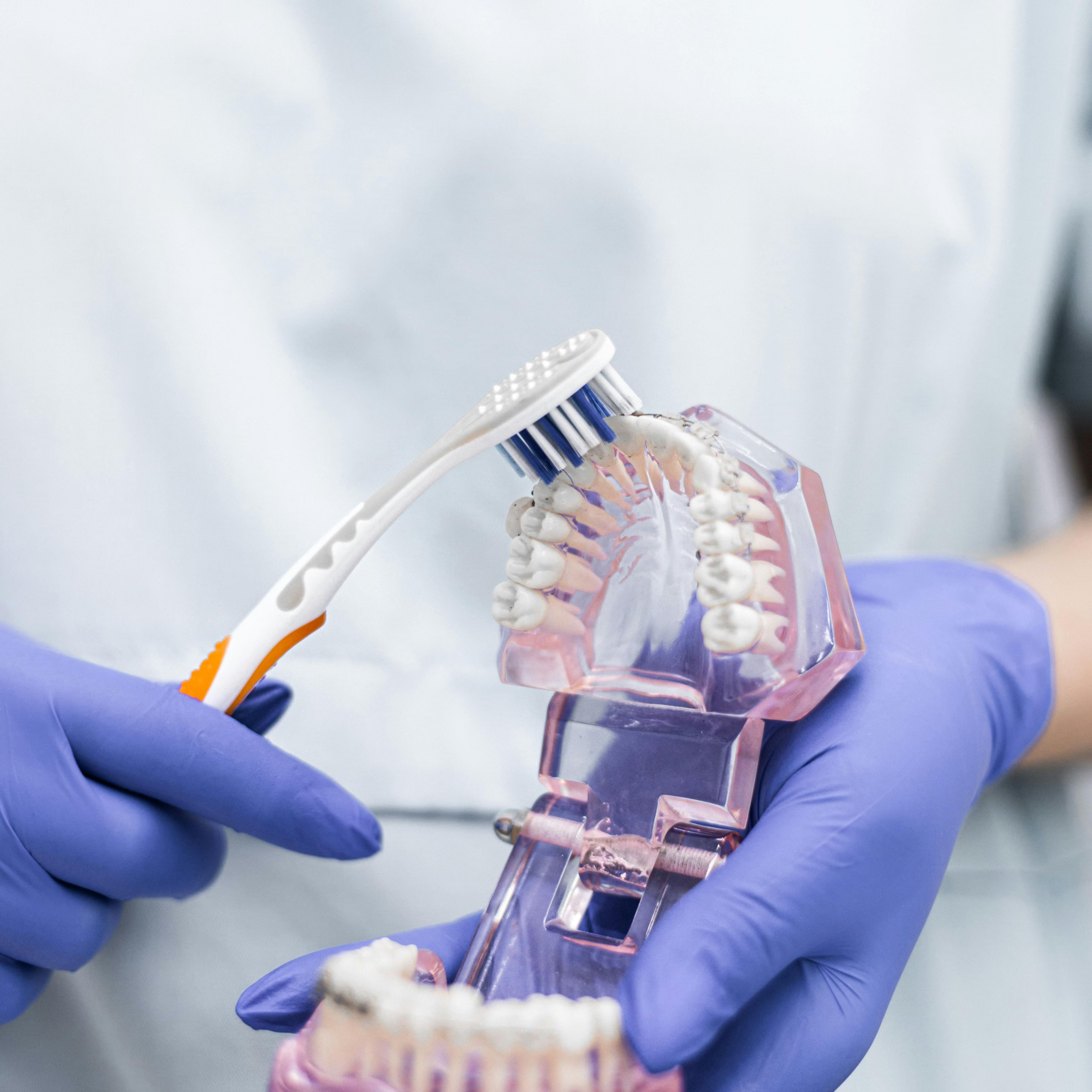
The secret is all in the angle. Hold your brush at a 45-degree angle, aiming the bristles right where your teeth meet your gums. Instead of scrubbing back and forth, use short, gentle, circular motions. Think of it as massaging your gums and sweeping away plaque, not scouring a pan. This gentle approach is key to avoiding gum recession over time.
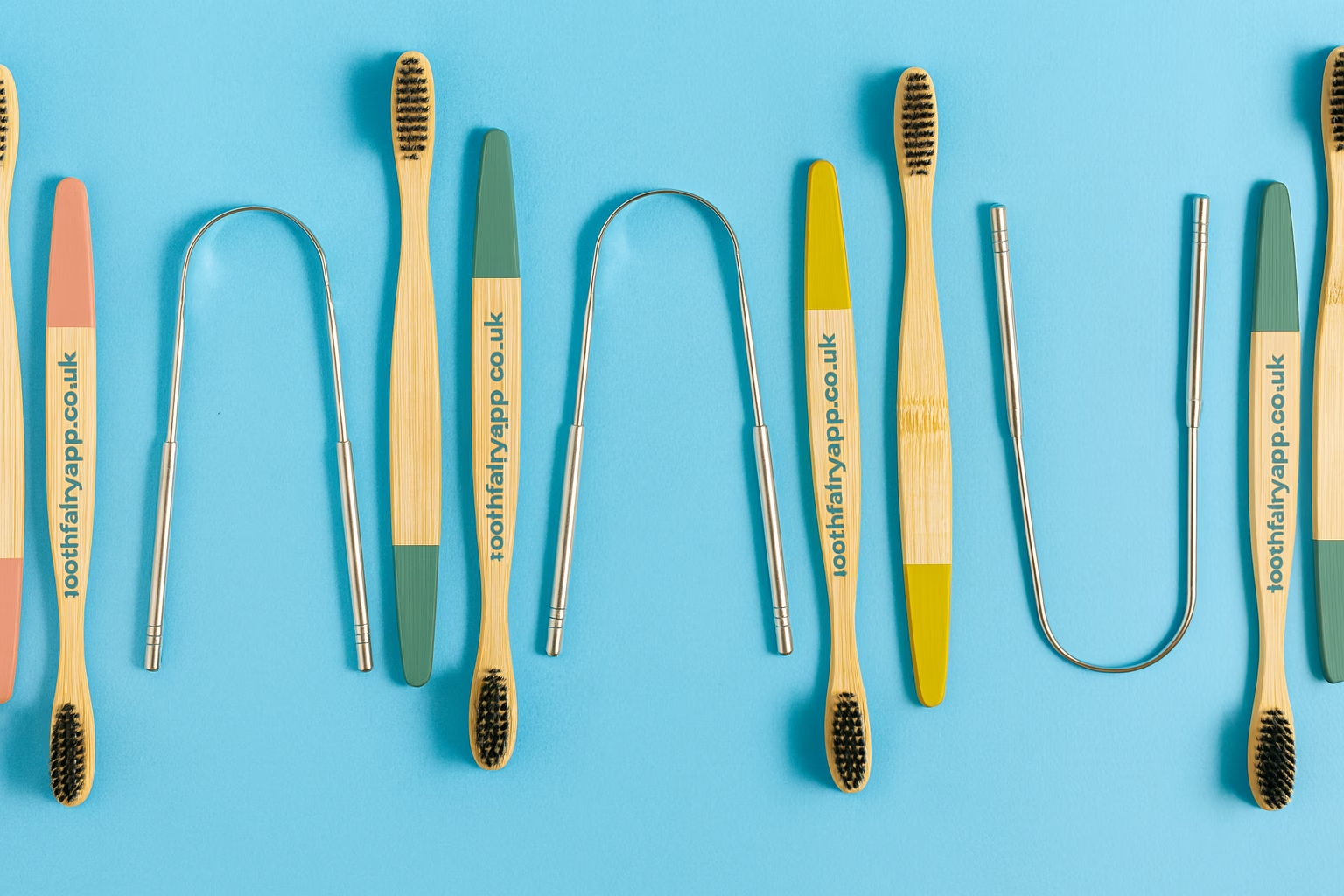
If you're looking to really get into the details of your daily care, from tongue scraping to the science behind toothpaste, there's some great advice for optimizing your oral health routine.
Expert Tip: Consistency and gentleness are your best allies. Brushing this way for two minutes, twice a day, truly lays the foundation for reversing inflammation. This is especially vital if you're thinking about cosmetic work or teeth straightening, where healthy gums are an absolute must.
Cleaning Between Your Teeth The Right Way
Did you know brushing only cleans about 60% of your tooth surfaces? The areas between your teeth are a prime breeding ground for the bacteria that cause gum inflammation, which is why daily interdental cleaning is absolutely essential.
- Traditional Floss: Don't just snap it between your teeth. Gently curve the floss into a 'C' shape against each tooth and guide it just beneath the gumline.
- Interdental Brushes: These are brilliant for cleaning the bigger gaps. The trick is to find a size that fits snugly without being forced.
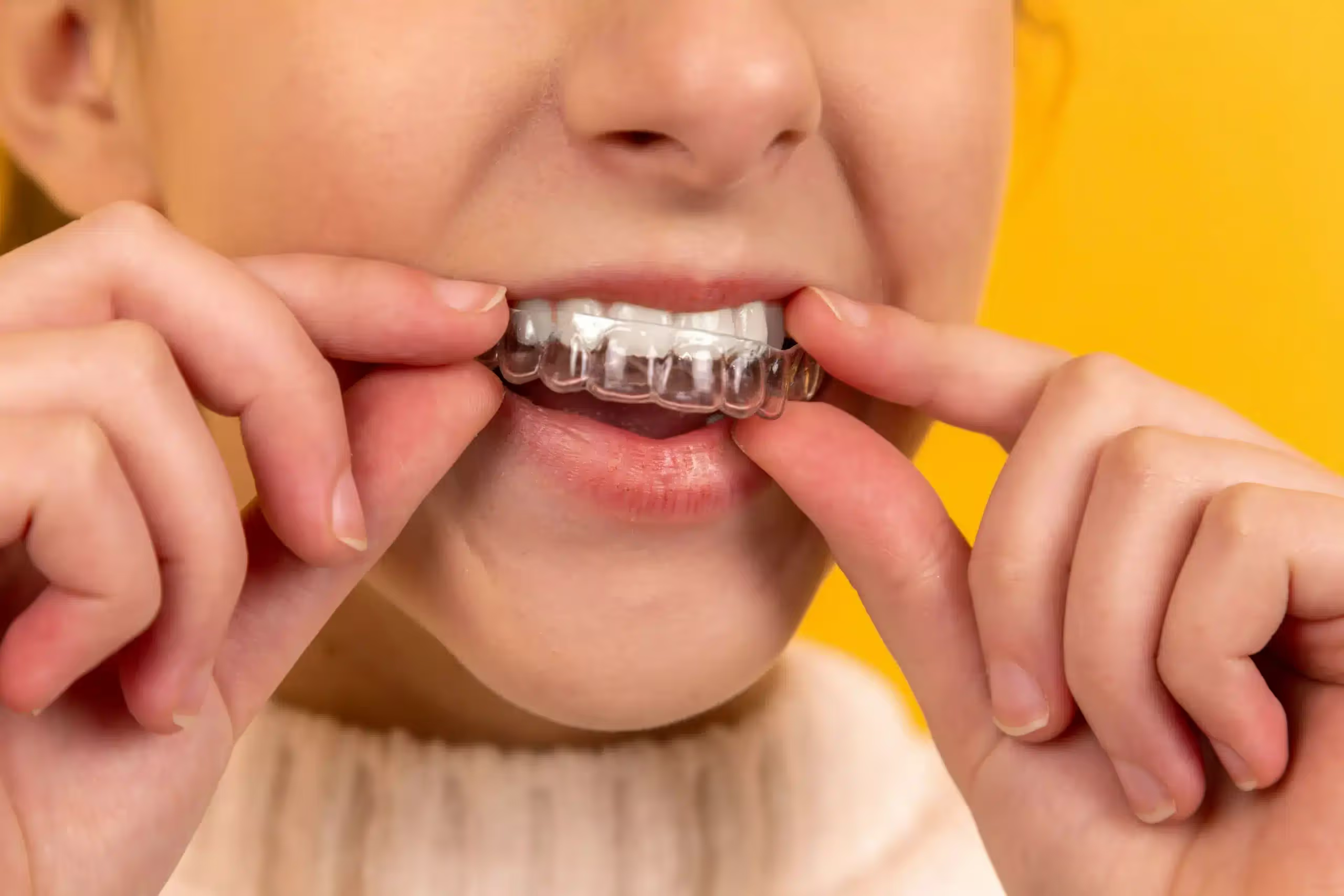
- Water Flossers: A fantastic alternative if you find traditional floss tricky, especially if you have braces, bridgework, or are using a clear aligner brand. They use a targeted stream of water to flush out debris.
What's surprising is how often gum problems go unnoticed. One UK study revealed that while 76% of dental patients had clear signs of gum inflammation, almost a third believed their gums were perfectly fine. And when people do notice an issue, the most common reaction is simply to brush more vigorously, which we now know can be counterproductive.
Making these small adjustments to your daily habits is the single most powerful step you can take. If you’re getting ready for teeth straightening through a modern provider like Toothfairy, which offers a smarter and more affordable way to get the smile you want, establishing this rock-solid routine first is the perfect way to start your journey.
How Your Diet and Lifestyle Affect Gum Health
It’s easy to forget, but what you eat and how you live have a massive impact on your gum health. While brushing and flossing are your frontline defence, your diet can either supercharge your efforts or completely undermine them by feeding the very bacteria you’re trying to fight.
Think of it this way: some foods are true allies for your gums. Things rich in Vitamin C, like citrus fruits and bell peppers, are brilliant for helping your body repair connective tissue. Even simple, crunchy vegetables like carrots and celery can act as natural toothbrushes, physically scrubbing away plaque with every bite.
Foods That Fight Gum Inflammation
On the flip side, sugary snacks and fizzy drinks are the enemy. They create the perfect breeding ground for harmful bacteria, which then produce acids that irritate your gums and eat away at your tooth enamel. It’s a vicious cycle.
A simple switch is to start bringing in more foods known for their anti-inflammatory properties. For example, exploring olive oil's anti-inflammatory benefits shows how a small dietary change can make a real difference.This infographic lays out the key things to focus on when you’re looking to get gum inflammation under control.
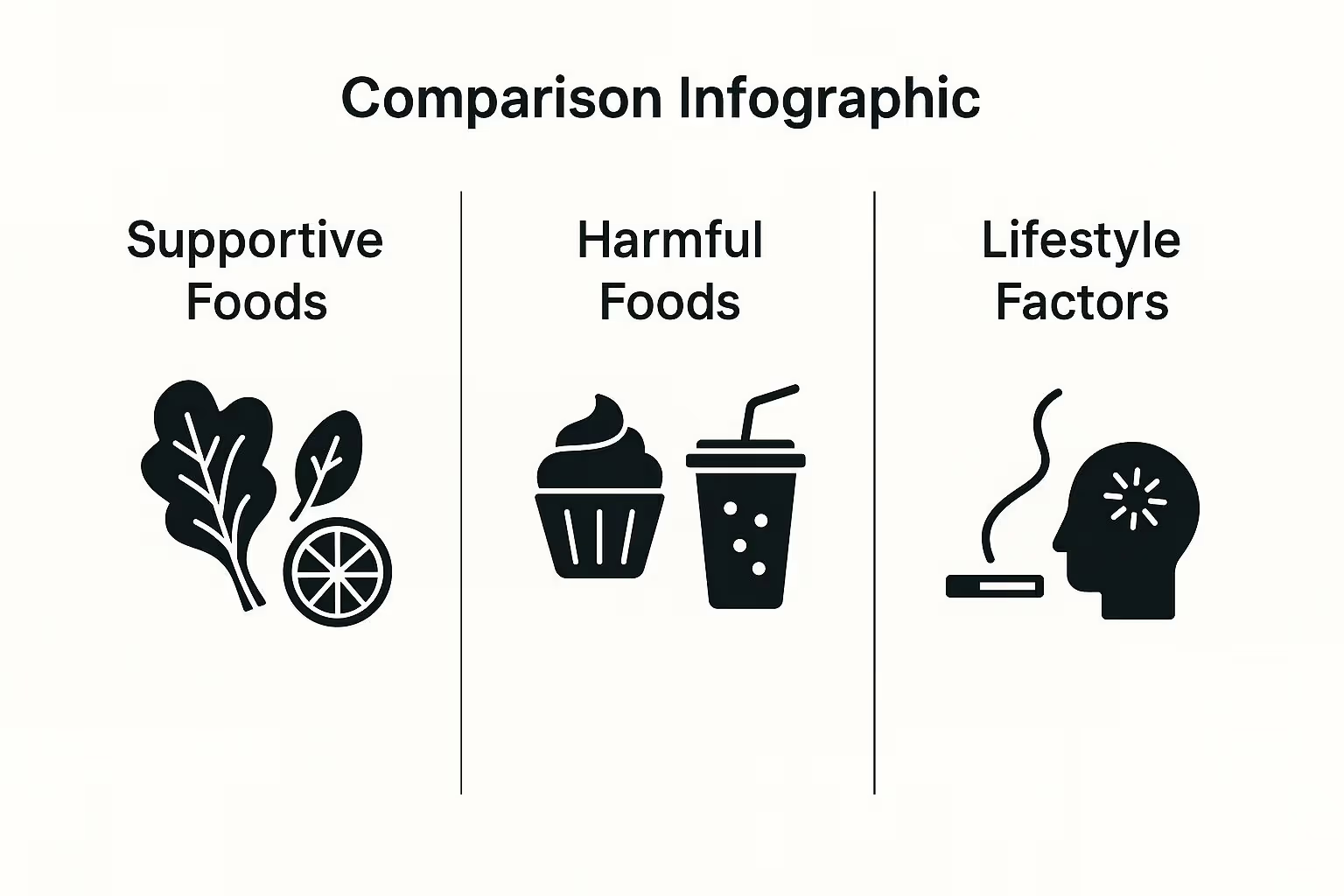
As you can see, simple swaps—like reaching for leafy greens instead of a biscuit—can directly improve your gum health. At the same time, habits like smoking actively work against your body’s ability to heal itself.
Beyond the Plate: Lifestyle Choices Matter
It’s not all about food, though. Your daily habits can contribute to inflammation throughout your body, making it much harder for your gums to recover and stay healthy.
- Smoking and Vaping: I can’t stress enough how damaging these habits are. They constrict the blood vessels in your gums, starving them of the oxygen and nutrients needed to fight infection. A dangerous side effect is that smoking can mask the early warning signs of gingivitis, like bleeding, so the problem can get much worse before you even notice it.
- High Stress Levels: When you're constantly stressed, your body pumps out cortisol. This hormone can fuel inflammation everywhere, including in your gums. Finding a healthy outlet for stress, whether it’s a walk in the park or a few minutes of mindfulness, is a genuinely powerful move for both your oral and overall health.
Taking a holistic view is always the best approach. When you combine a nutrient-rich diet and healthy lifestyle choices with a solid oral hygiene routine, you create the strongest possible defence against gum inflammation.
Making these changes isn't just a quick fix; it's a long-term investment in your health. It also means your gums will be in the best possible shape for any dental treatments you might consider down the line, whether that's cosmetic work or teeth straightening. Building that solid foundation is everything, and services like Toothfairy offer a smart, more affordable way to get that professional guidance right from the start.
Choosing the Right Tools for the Job
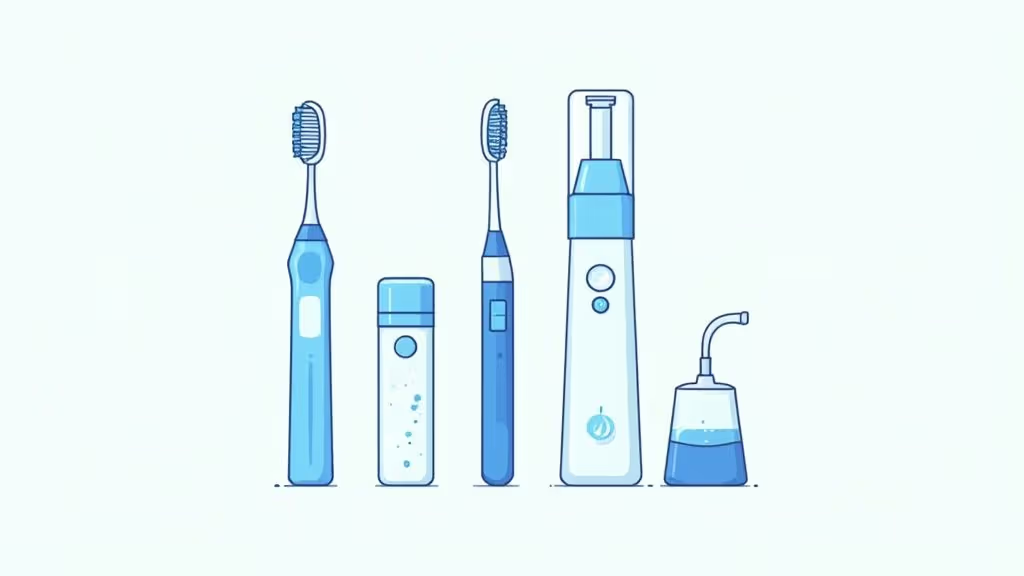
Walking down the dental care aisle can feel pretty overwhelming. With endless options staring back at you, figuring out which tools will actually help reduce gum inflammation seems more complicated than it needs to be.
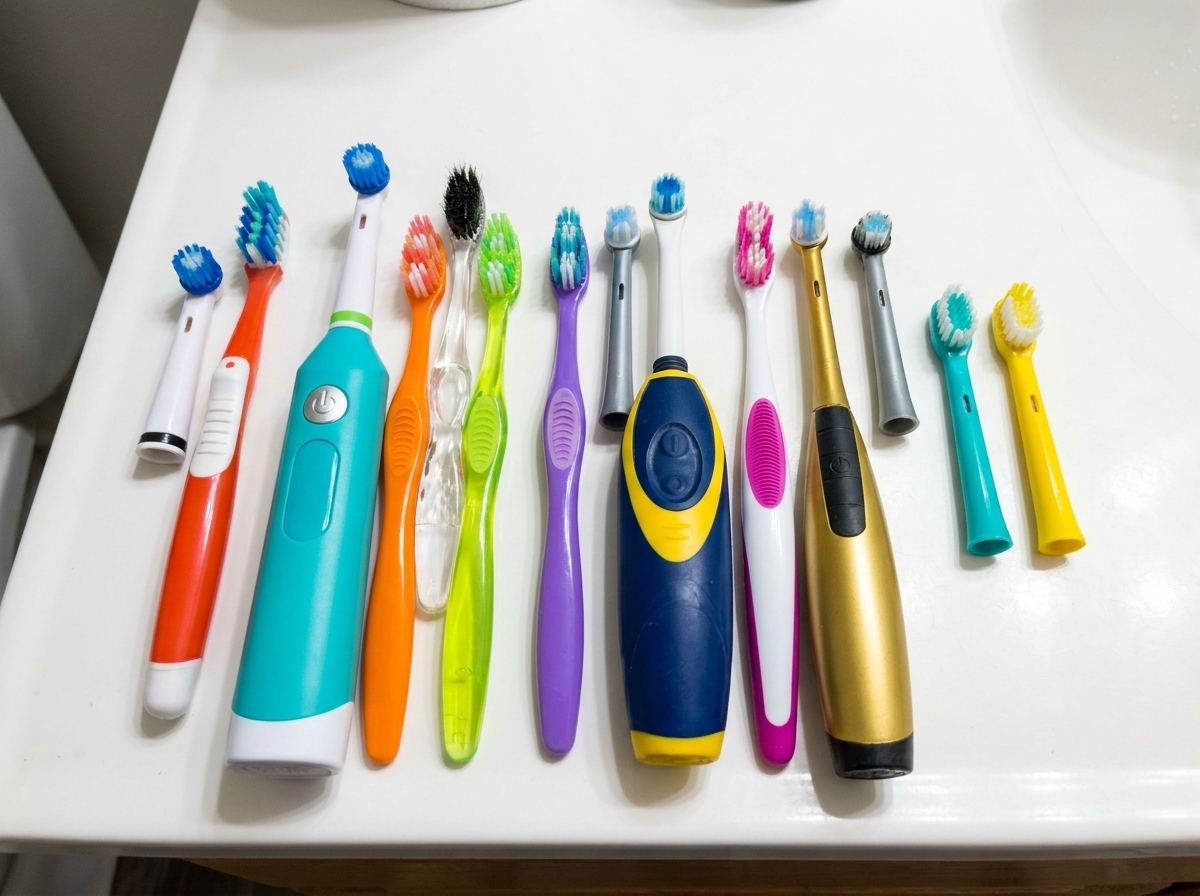
But here’s the secret: it’s all about finding what works for your mouth.Your perfect oral hygiene toolkit starts with the toothbrush. People love to debate manual versus electric, but that conversation often misses the real point. It’s less about how the brush is powered and more about your technique. That said, a good electric model can offer a serious advantage, especially for sore gums.
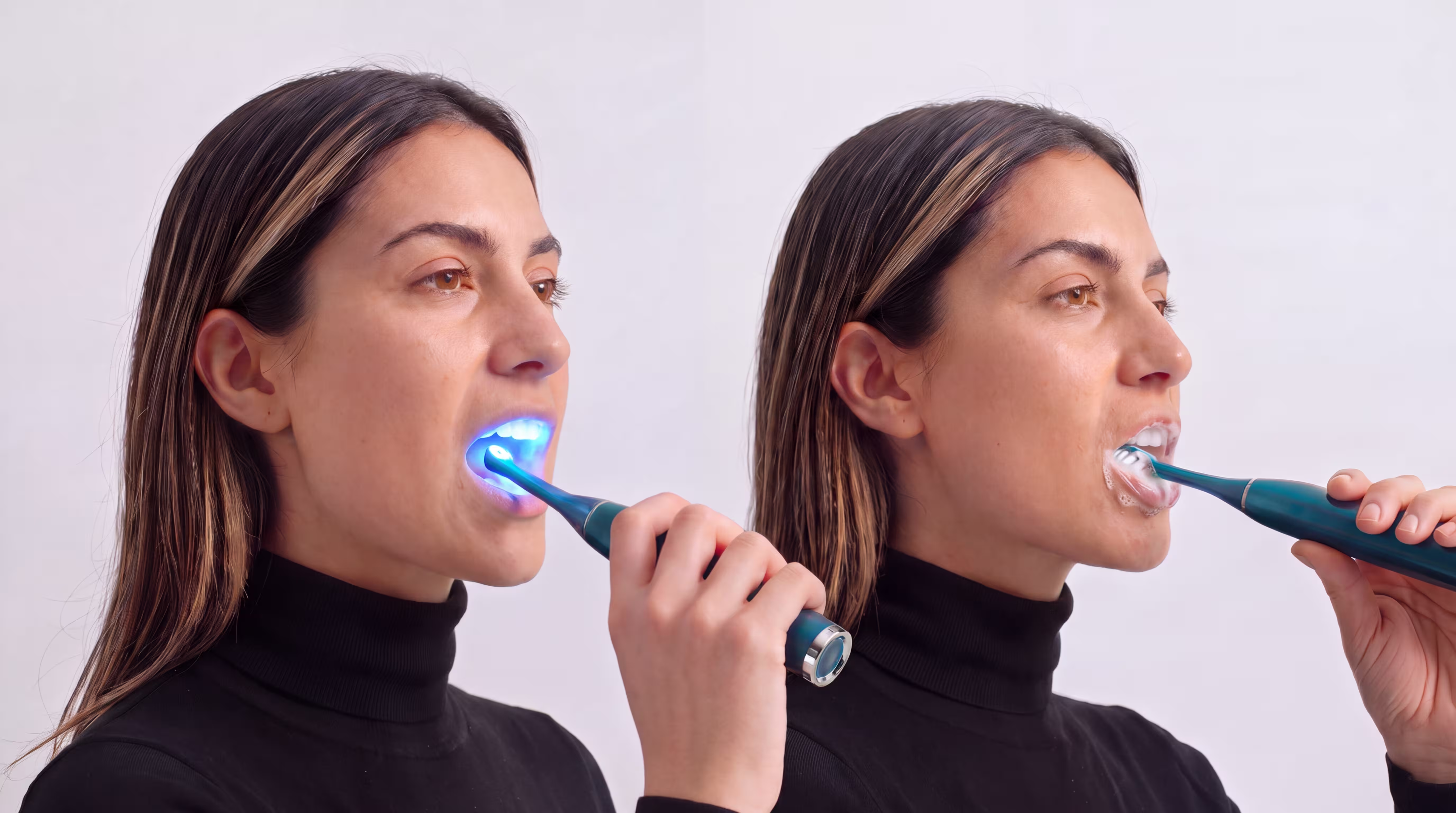
Many modern electric toothbrushes have built-in pressure sensors that light up or buzz if you’re pushing too hard. This feature alone is a game-changer. It stops you from accidentally causing more irritation and damage to already delicate gum tissue.
Decoding Toothpaste and Interdental Cleaners
Beyond the brush, your choice of toothpaste is a crucial piece of the puzzle. While whitening claims and minty flavours grab your attention, the single most important ingredient to look for is fluoride. This mineral is a powerhouse, proven to strengthen your tooth enamel and fight the bacteria that lead to plaque and gingivitis.
Next up is tackling the areas your brush can’t. Believe it or not, your toothbrush misses about 40% of your tooth surfaces. This is where interdental cleaning comes in, and you’ve got a few great options to choose from.
To help you decide what’s best for your routine, here’s a quick breakdown of the most common tools.
Comparing Your Oral Hygiene Tools
Ultimately, the best tool is the one you’ll actually use every single day.
Your choice isn't a lifelong commitment. The most effective approach is to pick the tool you know you won't skip. Consistency is always more important than the specific device you're using.
When you’re armed with the right information, you can make choices that truly benefit your oral health. If you’re getting ready for any kind of dental treatment—whether it's cosmetic work or using a smarter, more affordable clear aligner system from a provider like Toothfairy—a solid at-home care routine is non-negotiable. It’s what keeps your gums healthy enough to support your brand-new smile.
When Your At-Home Efforts Aren't Cutting It
A solid at-home routine is fantastic for tackling the early signs of gum inflammation, which you might know as gingivitis. But what if you've been brushing and flossing diligently for a couple of weeks and you’re just not seeing the improvement you hoped for?
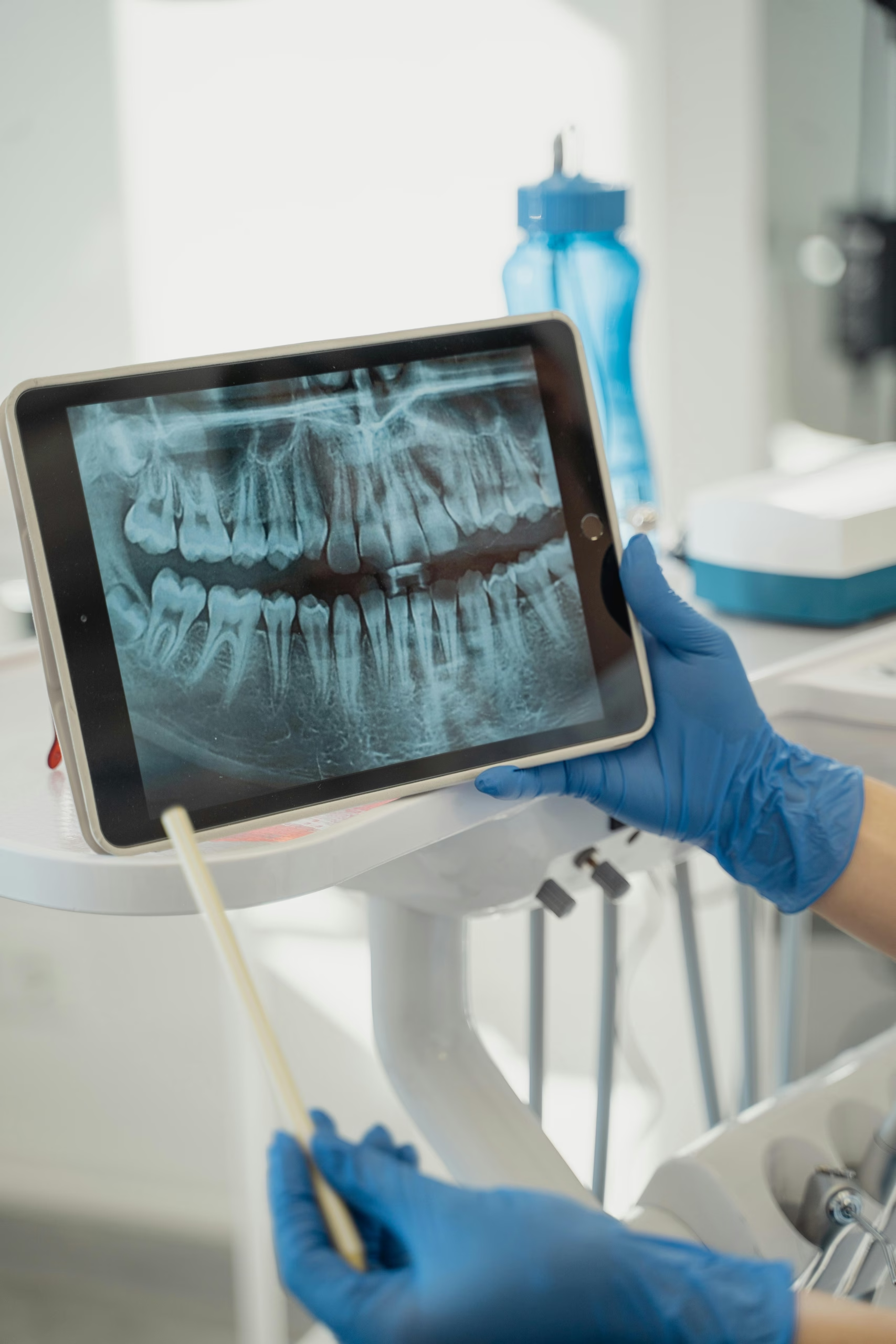
That’s your cue to listen to what your body is telling you. If your gums are still bleeding every time you brush, feel sore and tender, or you're noticing they’re starting to shrink back from your teeth (recession), it's time to bring in a professional. Another tell-tale sign is persistent bad breath that just won’t shift, no matter how much you brush. These are signals that the problem might be deeper than you can reach on your own.
Knowing the Difference: Gingivitis vs. Periodontitis
It’s really important to get your head around the distinction here. Gingivitis is simply inflammation of the gums, and the good news is, it's completely reversible with the right care.
However, if it’s left to its own devices, gingivitis can progress into periodontitis. This is a much more serious infection that starts to damage the bone and tissues holding your teeth in place. At this stage, you absolutely need professional help to halt the damage and prevent potential tooth loss.
Getting an expert eye on the situation is non-negotiable. While we’ve come a long way in dental care, the stats can still be quite surprising. A 2009 report, for instance, found that despite overall improvements in oral health, a massive 83% of adults had some degree of gum inflammation. You can dig into the details of these UK public oral health trends on the NHS website if you're interested.
A professional diagnosis takes all the guesswork out of the equation. It's the only way to be certain what’s going on and to make sure you’re getting the right treatment before a small problem becomes a big one.
The great thing is, getting that professional opinion is simpler than ever before. Apps like Toothfairy let you chat directly with a UK-based dentist right from your phone. Whether it's a nagging gum issue, a question about cosmetic treatments, or ensuring your mouth is healthy enough for teeth straightening, a quick, accessible consultation is your best bet for keeping your smile healthy for the long run.
Still Have Questions About Gum Inflammation?
It's completely normal to have a few questions, even after you’ve got the basics down. Let's tackle some of the most common ones we hear from patients, so you can feel confident in your gum care routine.
How Long Until I See a Difference?
This is probably the number one question people ask. For mild gingivitis, if you’re consistent with your new gentle brushing and flossing routine, you should see a real improvement within one to two weeks. You’re looking for your gums to appear less angry and red, and for any bleeding to calm down.If a couple of weeks go by and things aren't getting better, that’s your cue to get some professional advice.
Is Mouthwash Enough to Fix It?
In a word, no. While a good anti-gingivitis mouthwash is a great supporting actor, it can’t be the star of the show. It helps reduce bacteria, but it simply can't replace the physical action of brushing and flossing, which is what actually removes the plaque from your teeth and gum line.
Think of mouthwash as a final rinse, not the main clean.
A bit of bleeding when you first start flossing again is incredibly common. Don't let it put you off! It’s just your gums reacting to the cleaning. If you keep at it gently every day, the bleeding should stop within a week or so as your gums get healthier.
If the bleeding doesn't stop, that’s a clear signal to check in with a dentist. It’s also worth remembering that healthy gums are the foundation for everything else, including getting that straighter smile you might be considering with clear aligners.
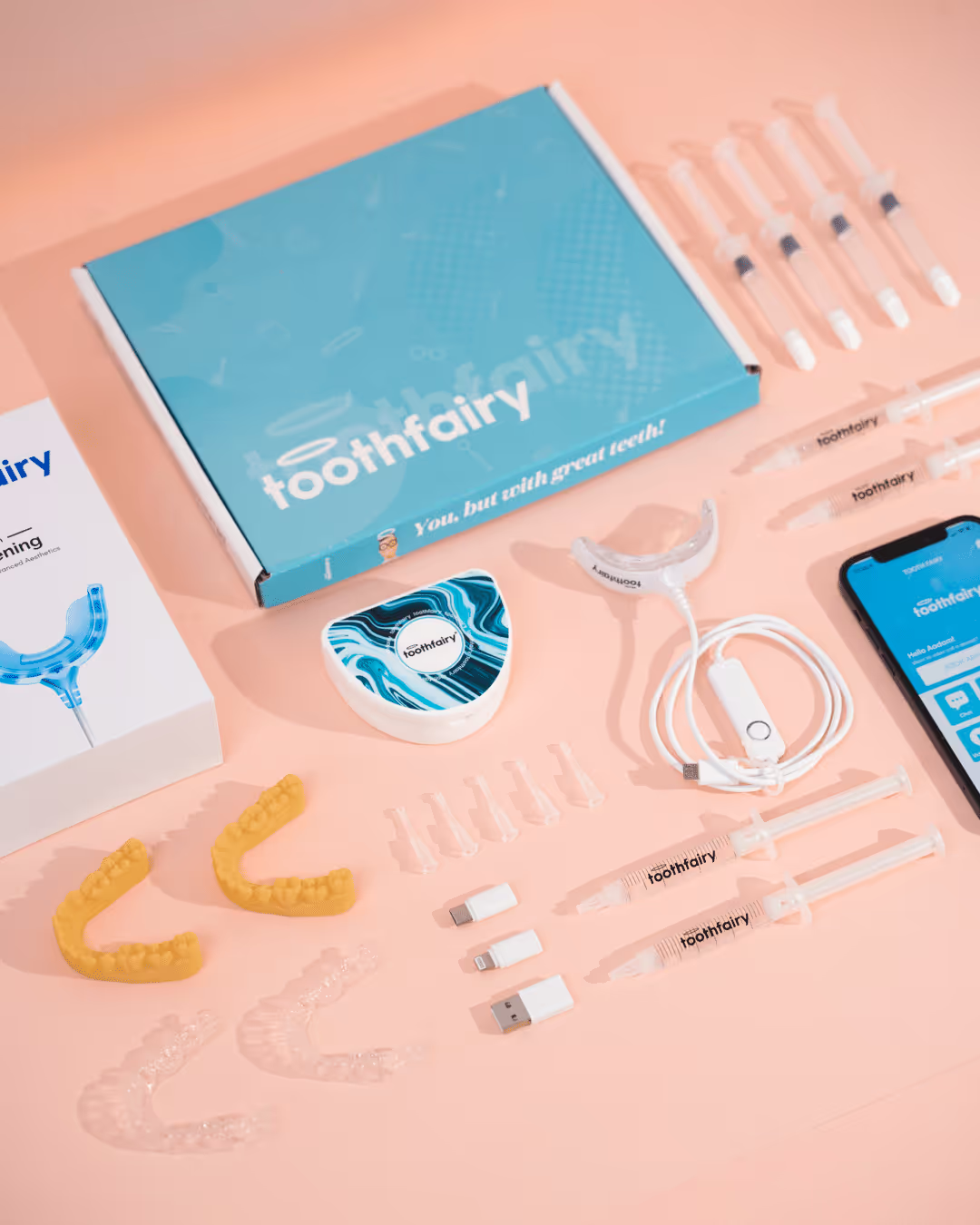
Ready to talk to a professional about your gum health or explore cosmetic options? With Toothfairy, you can chat with a UK-based dentist right from your phone for an emergency appointment, cosmetic advice, or a teeth-straightening consultation. Get started with Toothfairy today.

















.jpg)





.jpg)















.jpg)