Your first steps after chipping a tooth
A chipped tooth is always a shock. Before anything else, the goal is to stabilise the situation and protect the tooth from further damage.
Rinse with warm salt water
Mix half a teaspoon of salt into a glass of warm water and gently swish it around your mouth. This helps clean the area, remove small fragments and calm early inflammation.
Apply a cold compress
If your cheek or lip is swelling, hold a cold compress or a bag of frozen peas wrapped in a cloth against the outside of your face. This reduces swelling and provides a numbing effect.
Save the broken piece
If you can find the fragment, keep it. In some cases, a dentist can reattach it.
Store it correctly:
- Place it in a clean container
- Cover it with milk or your own saliva
- Avoid tap water, which can damage the delicate cells on the tooth surface
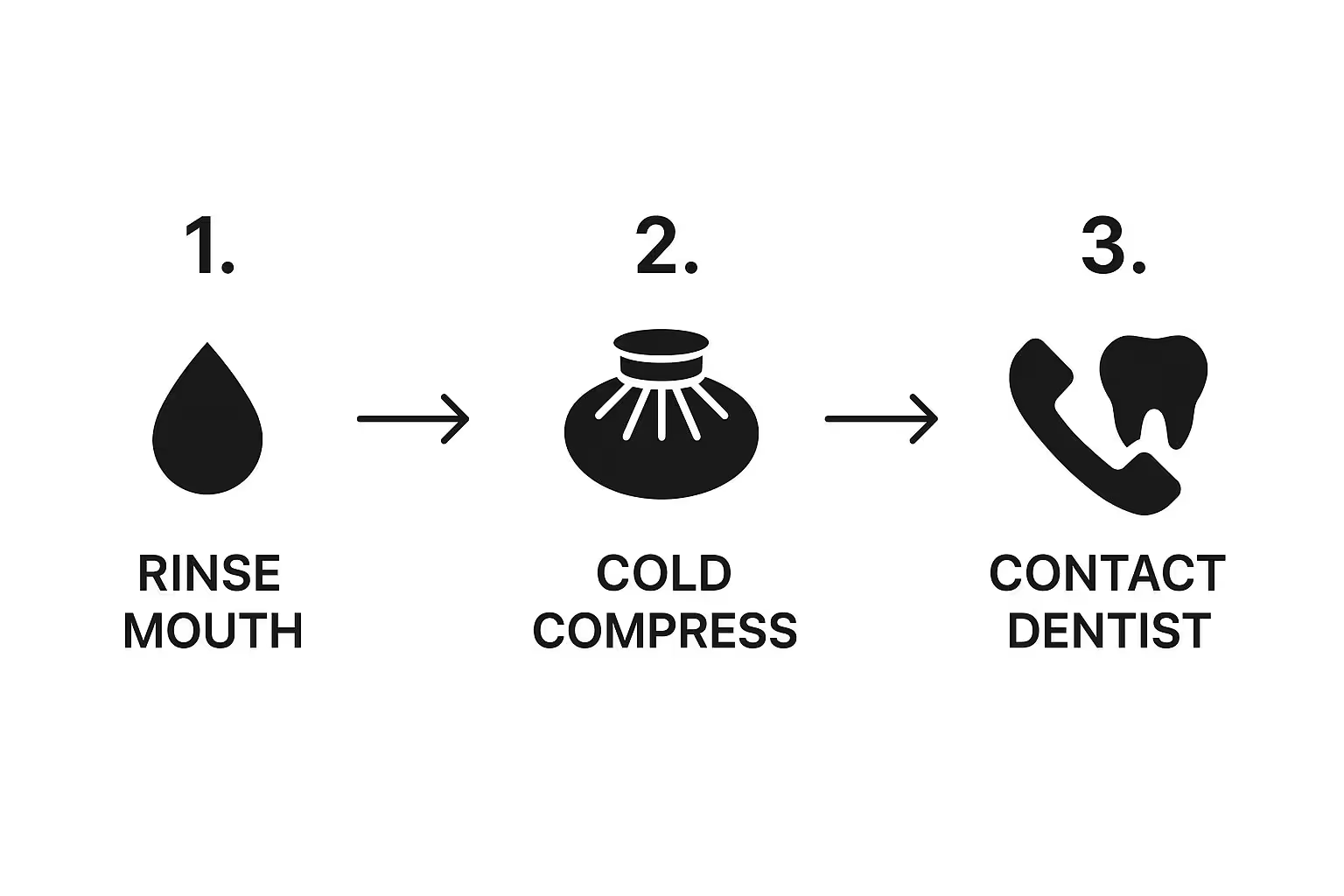
Immediate chipped tooth action plan
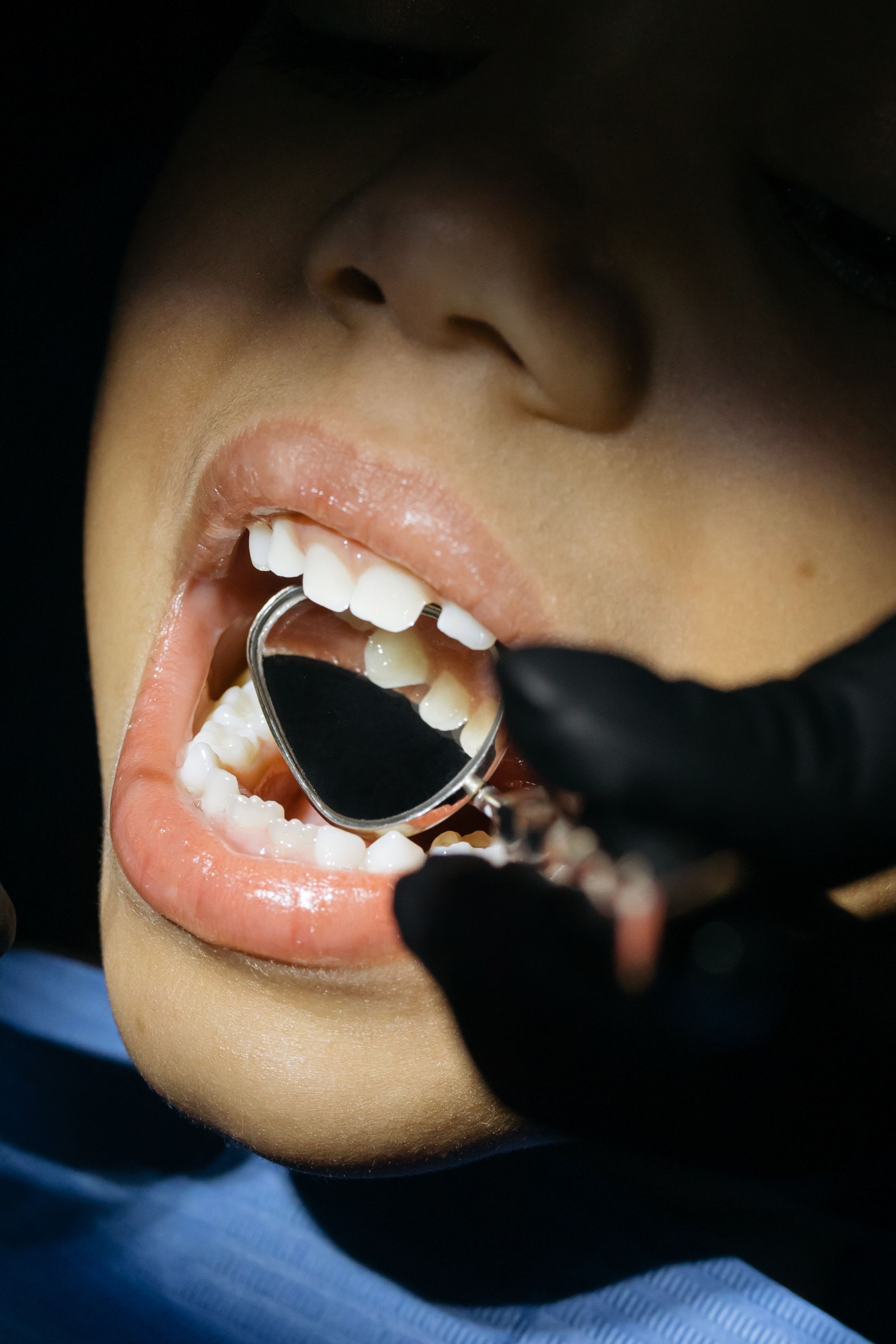
Once these steps are done, the next priority is getting professional advice as soon as possible.
How bad is the damage?
Not all chips are the same. Understanding what you’re looking at helps you explain the situation clearly to a dentist.
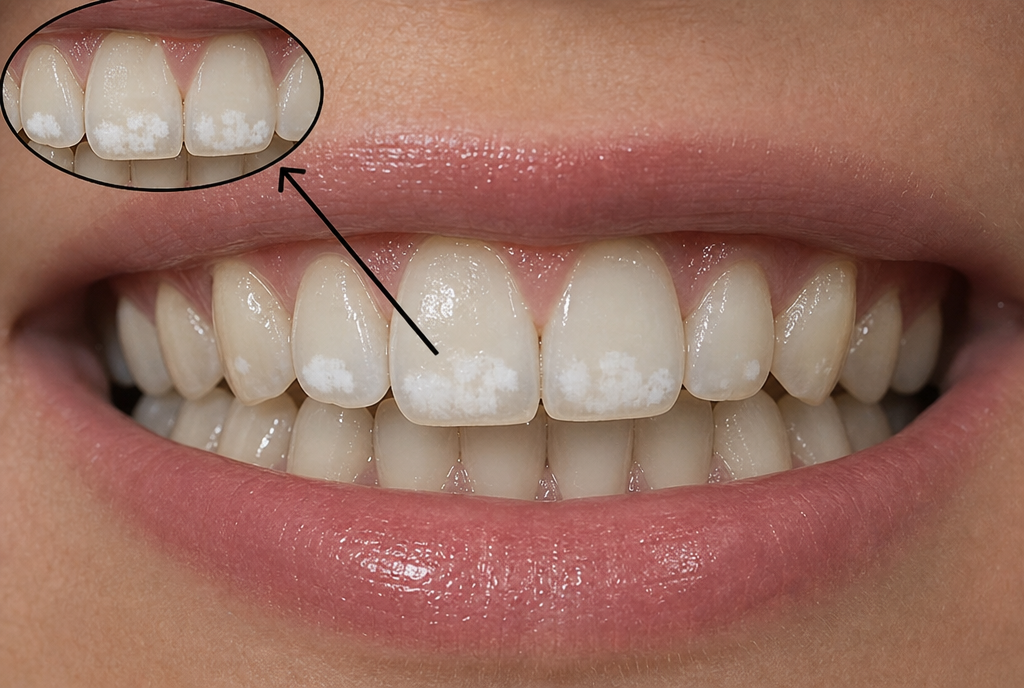
Minor chips: craze lines
Tiny surface cracks in the enamel are usually harmless. They rarely cause pain and are mainly cosmetic. Still, they should be checked to prevent future issues.
Moderate chips: exposed dentin
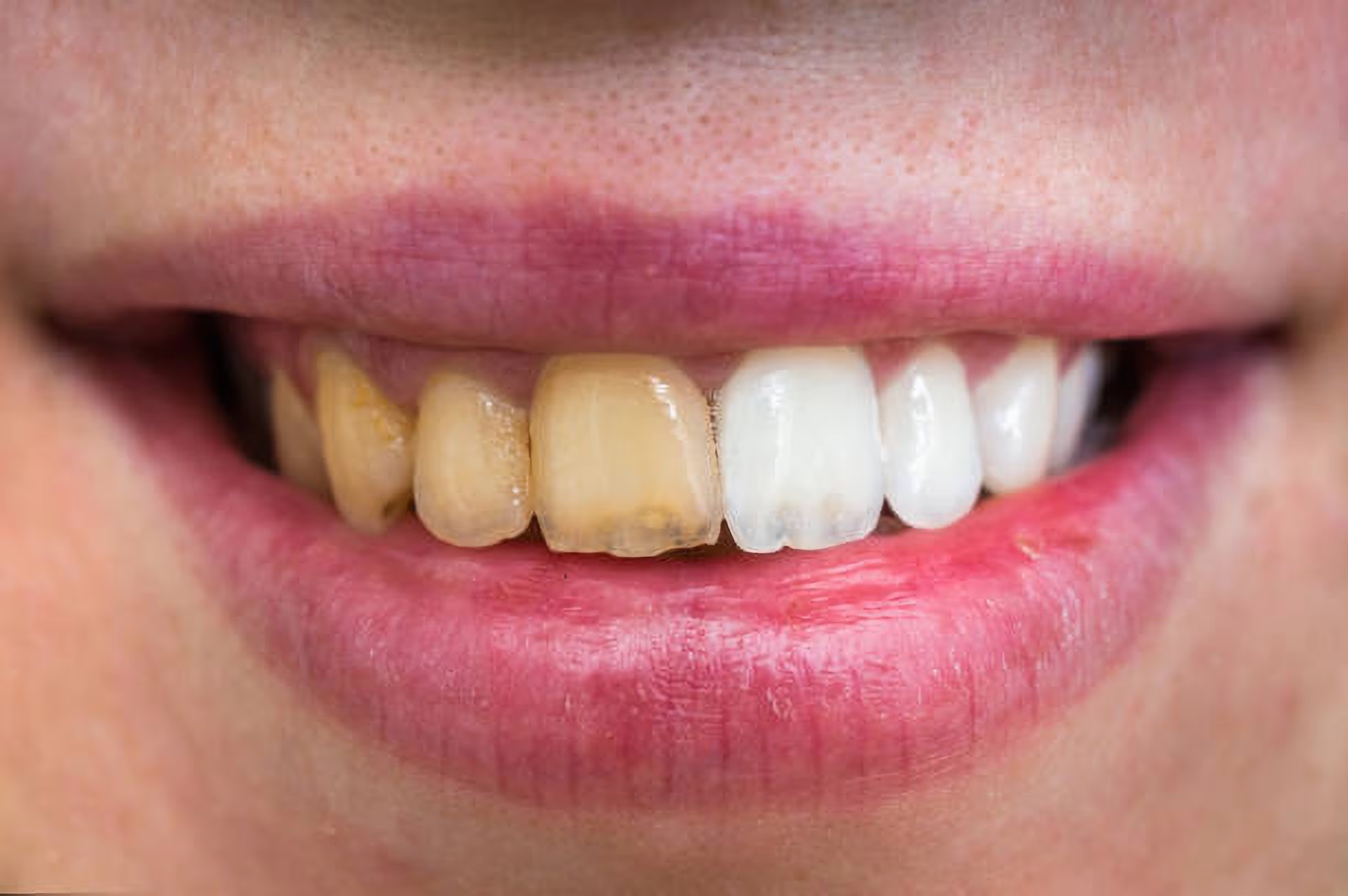
If a noticeable piece of enamel has broken off and you see a yellowish layer underneath, that’s dentin. This type of chip often causes:
- Sharp pain when breathing cold air
- Sensitivity to hot or cold drinks
- Discomfort when eating sweet foods
This damage needs prompt dental attention. Exposed dentin is vulnerable to bacteria and decay.
Severe fractures: pulp exposure
If the break reaches the inner pulp, the pain is usually intense and constant. You may see bleeding from the tooth itself.
This is a dental emergency. Immediate assessment is essential to save the tooth and prevent infection.
Finding urgent dental care in the UK
Getting timely treatment can be challenging. NHS waiting times for urgent dental care have increased significantly, and delays can turn a simple chip into a more complex problem.
For example, in July 2020, only 24 percent of oral surgery patients were seen within the 18‑week target. Long waits are now common, and chipped teeth can deteriorate quickly if left untreated.
A modern solution for fast advice
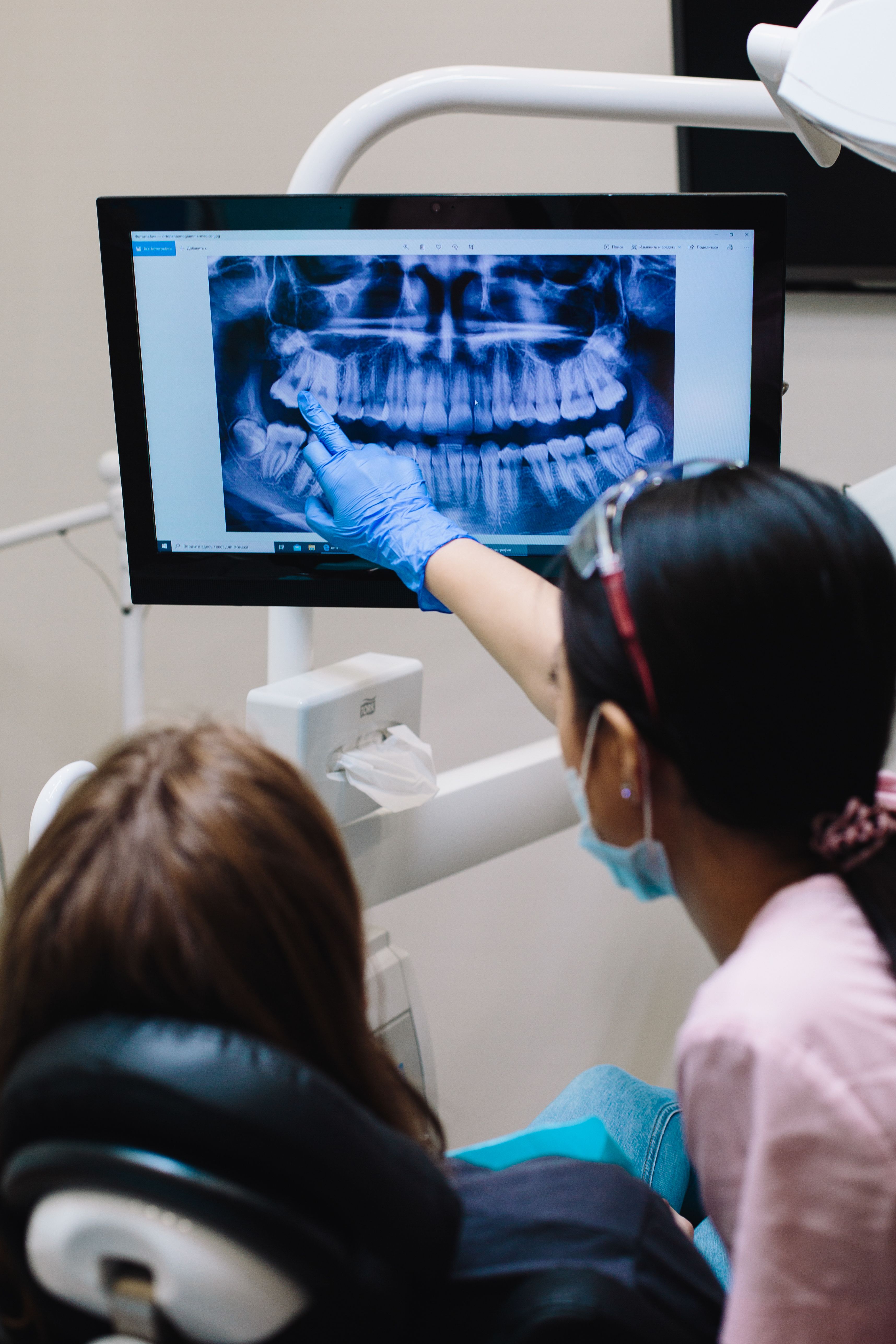
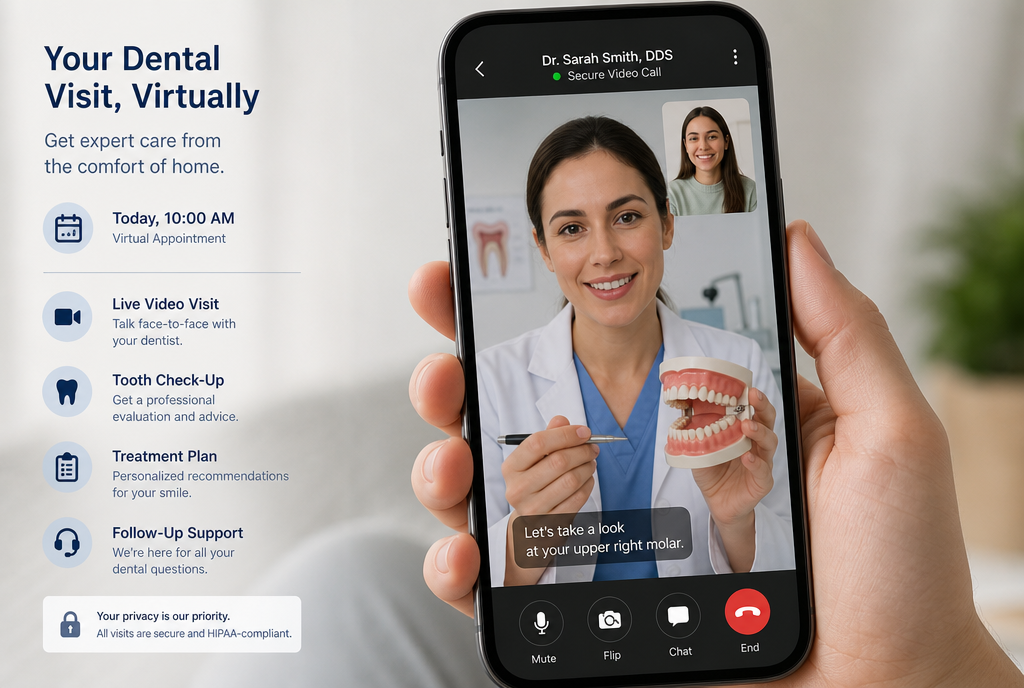
The Toothfairy app connects you with a UK‑registered dentist for same‑day guidance. You receive:
- Immediate assessment
- Clear instructions on next steps
- Advice on whether the damage is urgent
This avoids the risks associated with waiting for traditional appointments.
Modern ways to fix a chipped tooth
Treatment depends on the severity of the chip.
Dental bonding
Ideal for small cosmetic chips. A tooth‑coloured resin is shaped and polished to blend seamlessly with your natural tooth. Usually completed in one appointment.
Veneers
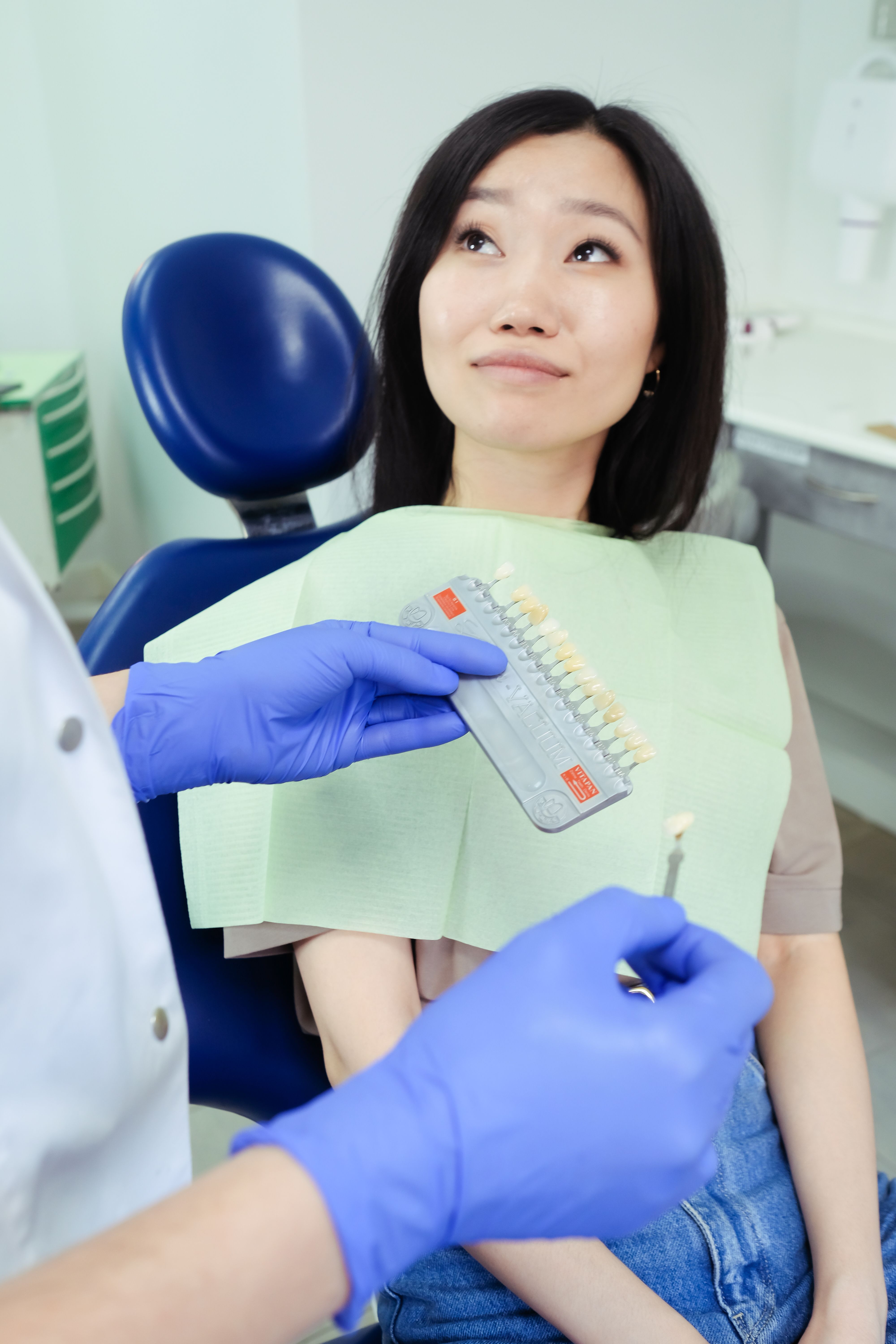
Thin porcelain shells bonded to the front of the tooth. Suitable for larger chips on front teeth and provide a natural, long‑lasting finish.
Crowns
A full protective cap placed over the tooth. Used when a significant portion of the tooth is missing. Restores strength and prevents further damage.
Crowns are extremely common in the UK. Around 30 to 40 percent of adults have at least one.
When a chipped tooth reveals a deeper issue
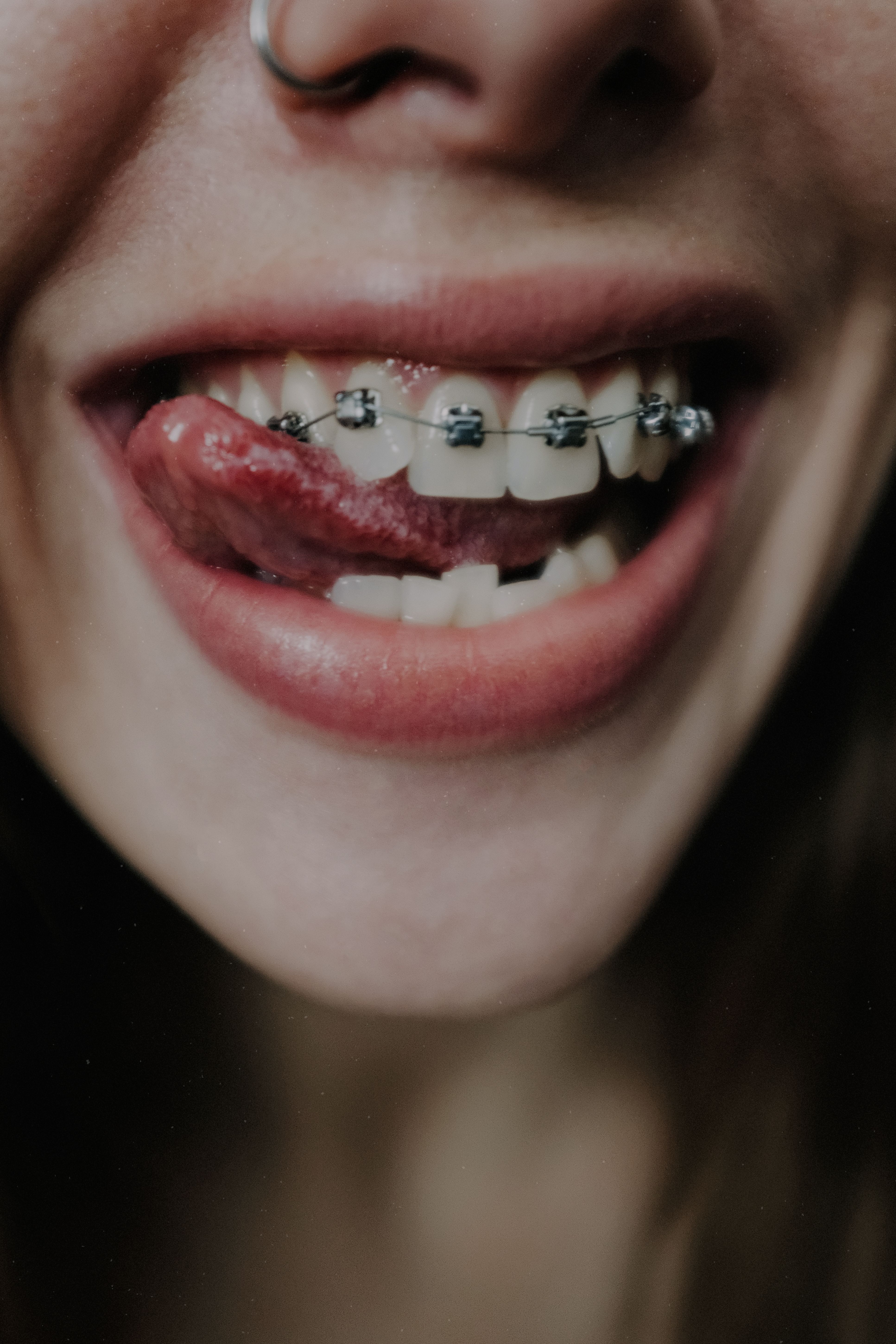
Sometimes a chip is caused by a misaligned bite. If certain teeth take more pressure than others, they are more likely to crack or chip.
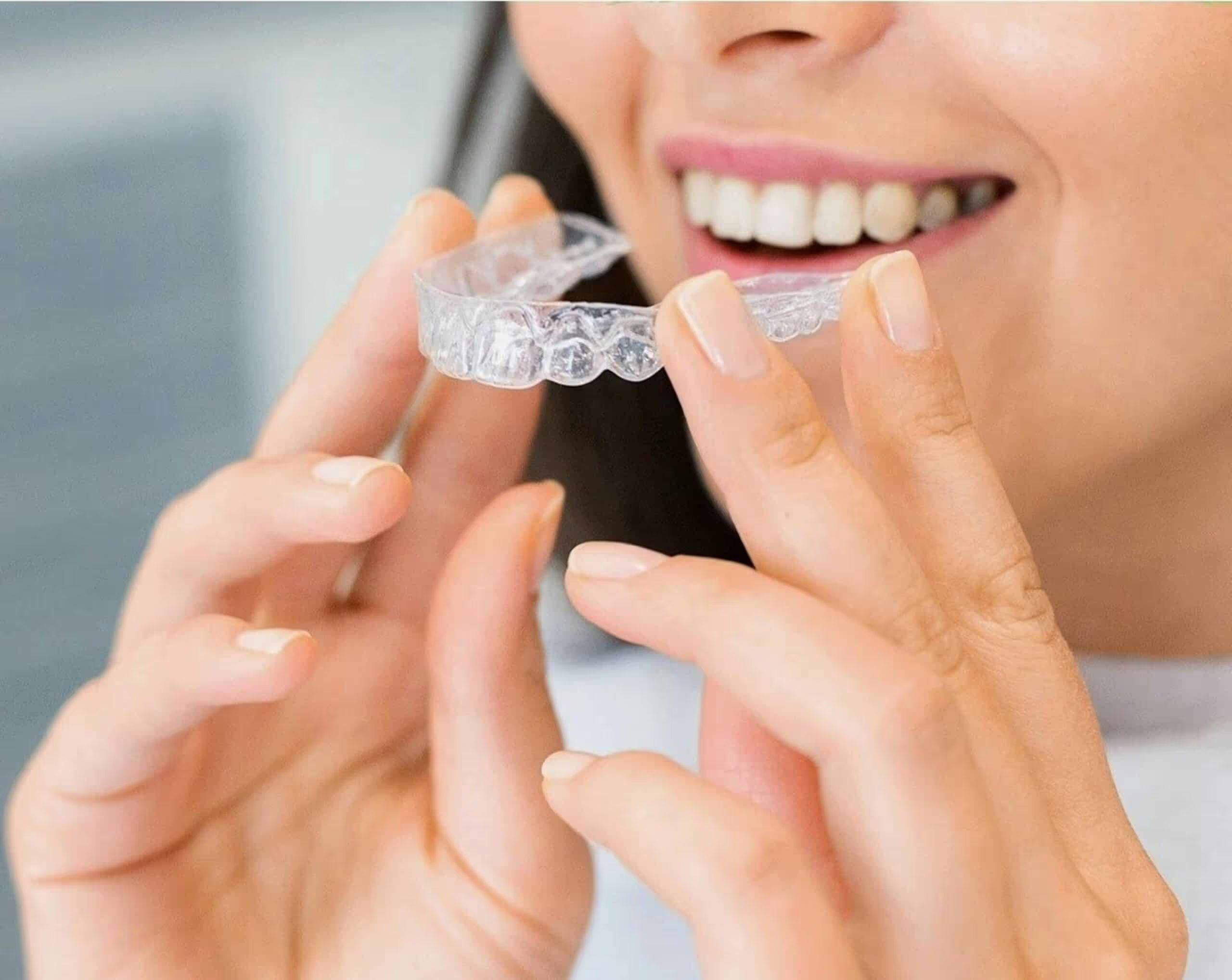
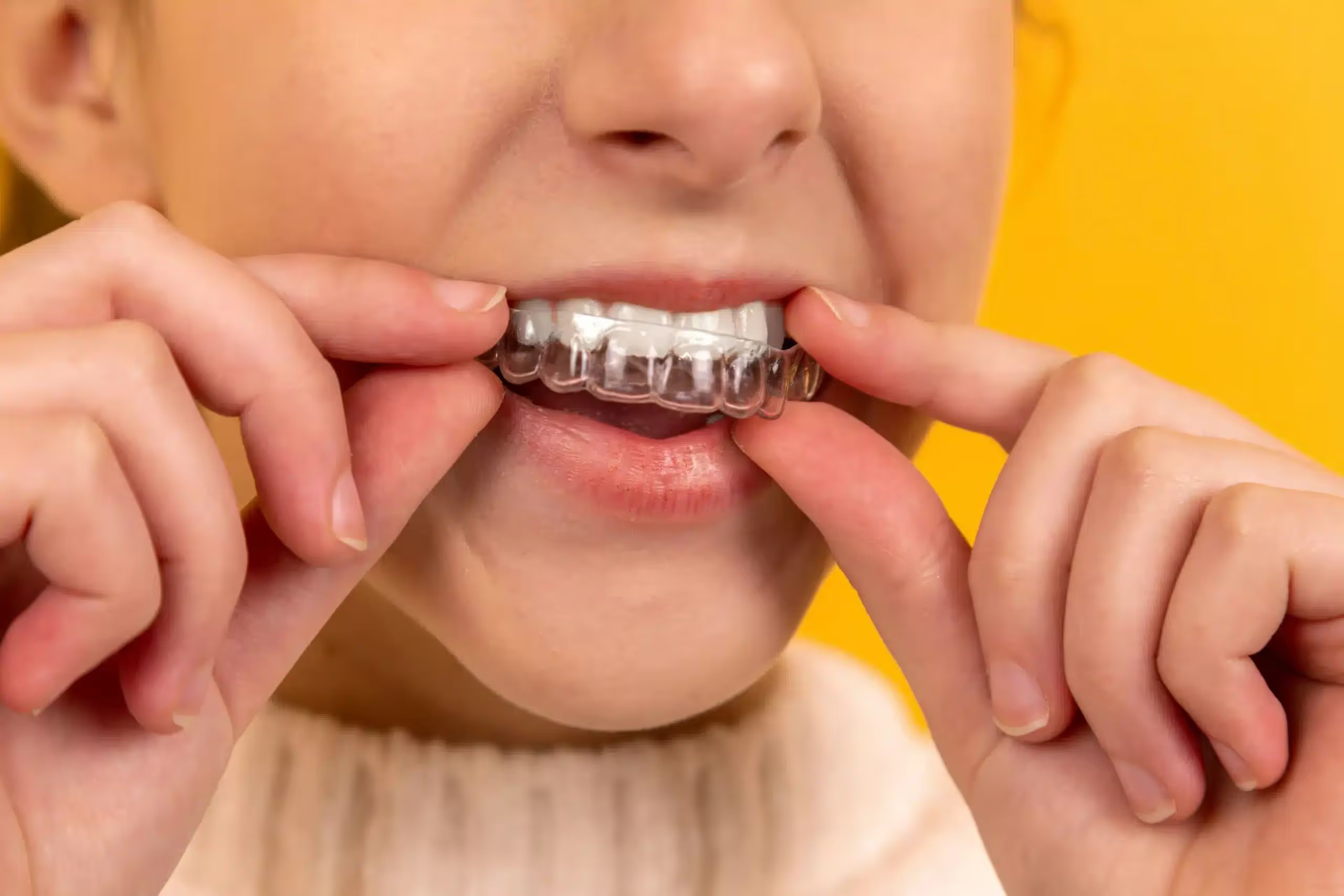
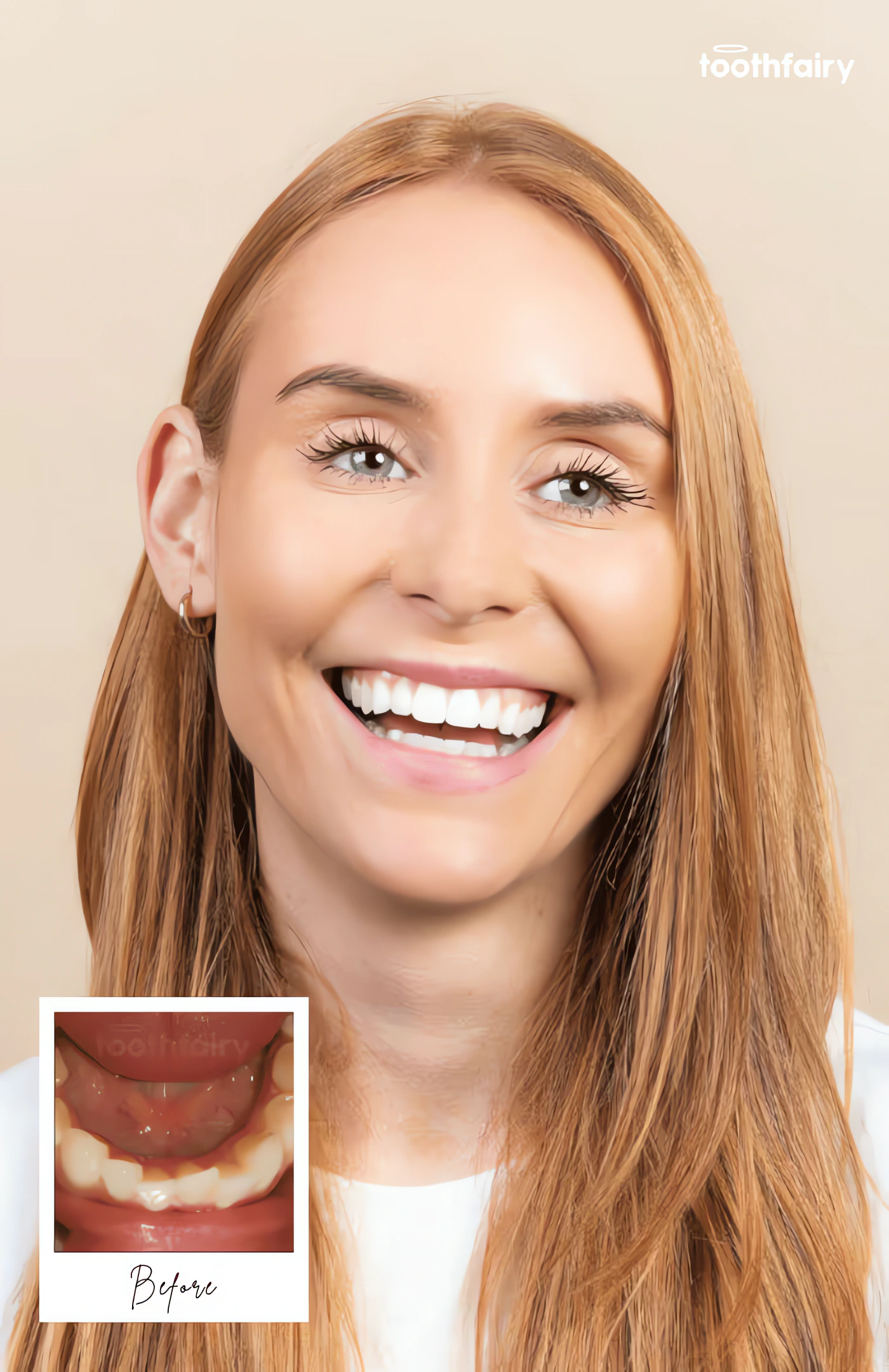
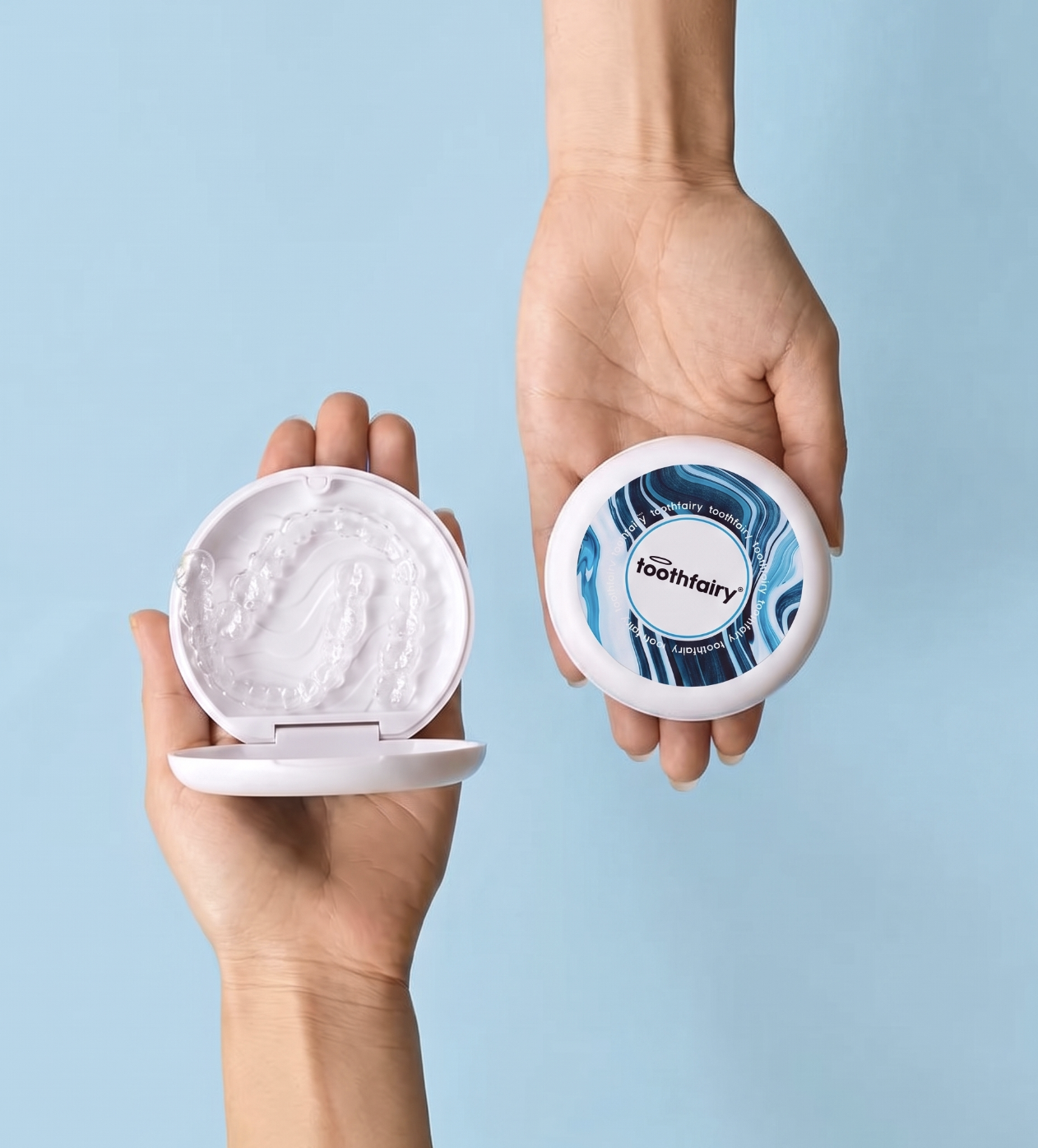
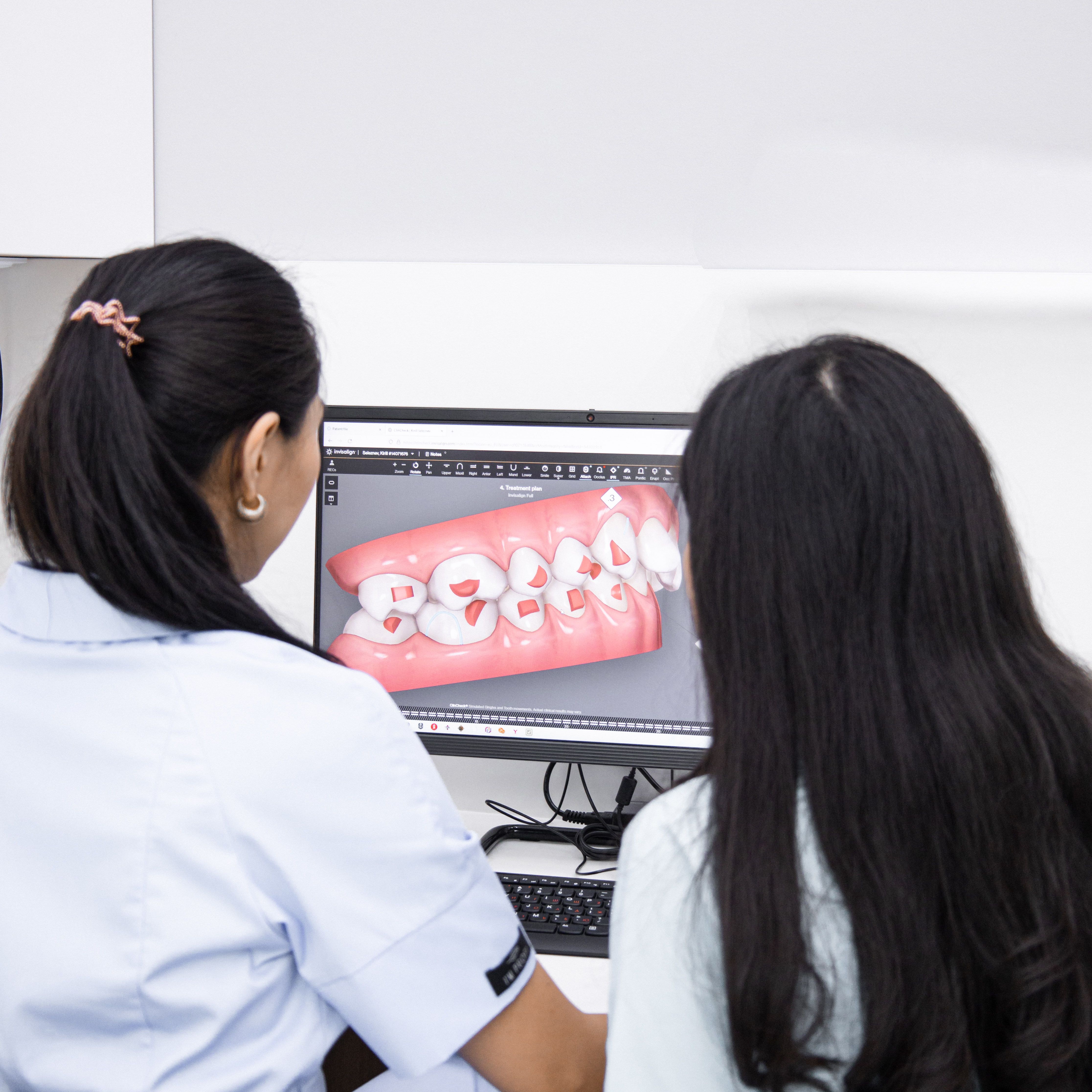
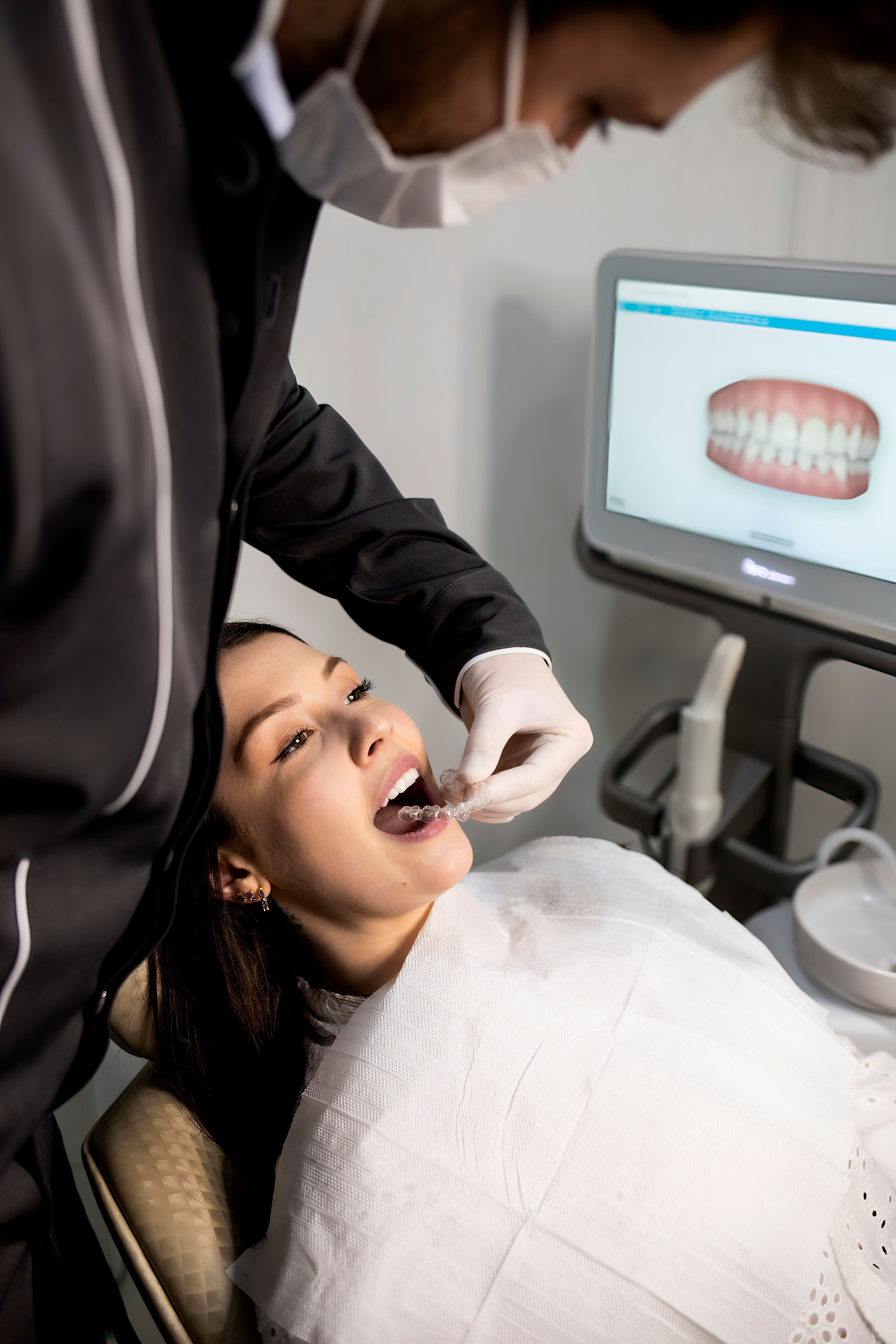
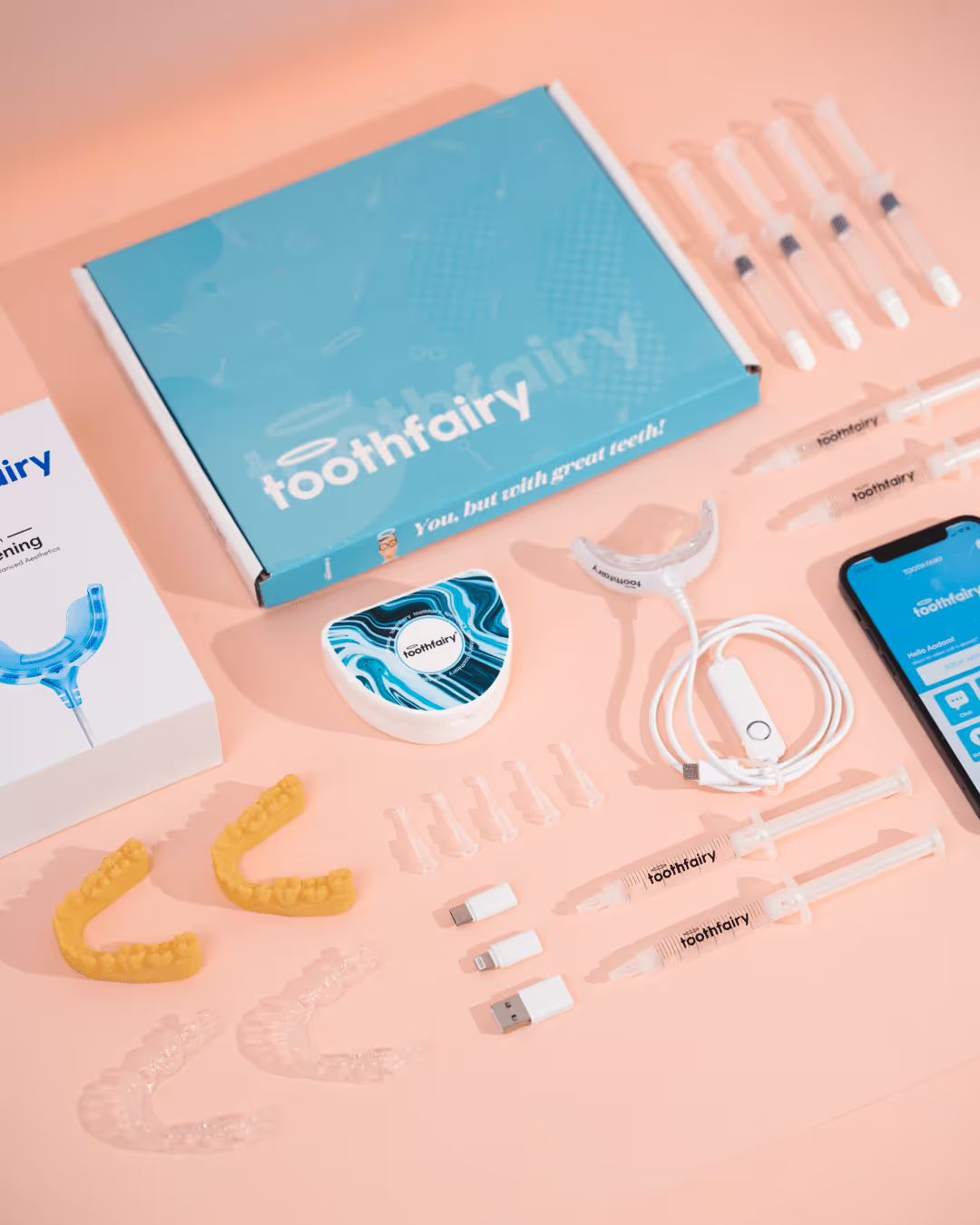
Toothfairy offers clear aligner treatment that focuses on correcting the bite, not just straightening the front teeth. This helps distribute pressure evenly and protects your teeth long term.
How to prevent chipped teeth in the future
Wear a mouthguard for contact sports
A custom‑fitted mouthguard absorbs impact and protects your teeth.
Avoid chewing hard items
Ice, boiled sweets, popcorn kernels and olive pits are common culprits.
Stop using your teeth as tools
Opening bottles, tearing packaging or biting nails can create micro‑fractures.
Improve your bite alignment
Correcting misalignment reduces pressure points that lead to chips.
Your chipped tooth questions answered
What does it cost to fix a chipped tooth?
Costs vary depending on the treatment. Bonding is the most affordable. Veneers and crowns cost more but offer stronger, longer‑lasting results. A remote consultation through Toothfairy provides a personalised cost breakdown.
Will a chipped tooth heal on its own?
No. Enamel cannot regenerate. Leaving a chip untreated increases the risk of decay, deeper cracks and infection.
Is a chipped tooth a dental emergency?
Any chip should be treated urgently. Severe fractures with pain or bleeding require immediate attention.
Get expert advice now
A chipped tooth needs quick assessment to prevent complications. Toothfairy connects you with a UK dentist for fast, affordable guidance.








.jpg)





.jpg)














.jpg)