What professional teeth whitening actually is
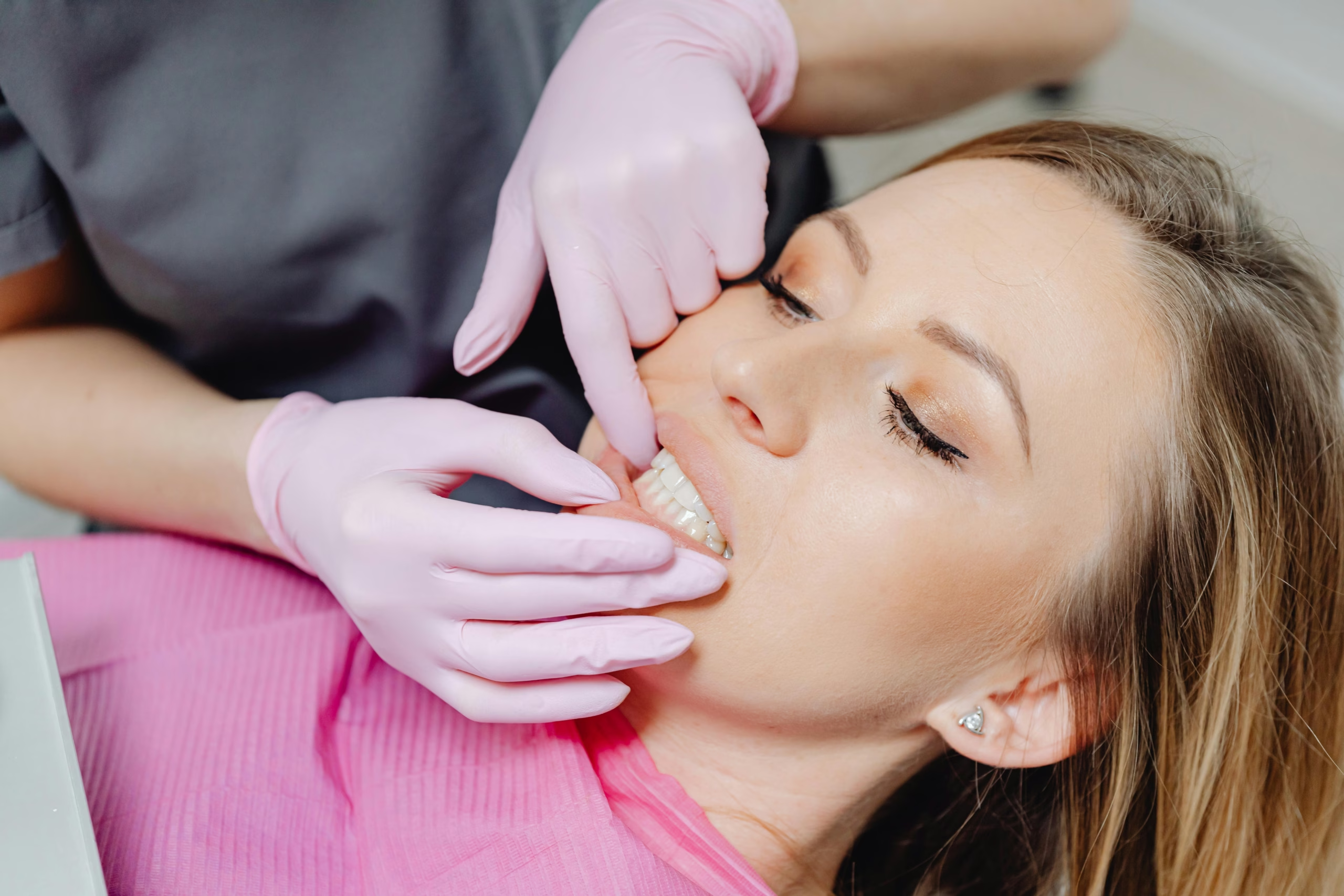
Professional teeth whitening is a dentist‑supervised treatment that uses regulated whitening gels to lift stains from the enamel. Unlike shop‑bought kits, professional whitening is tailored to your teeth, monitored by a clinician and designed to deliver predictable, long‑lasting results.
Whitening works by allowing a safe concentration of peroxide to penetrate the enamel and break down the molecules that cause staining. The structure of the tooth remains unchanged. Only the colour shifts.
Why teeth become discoloured
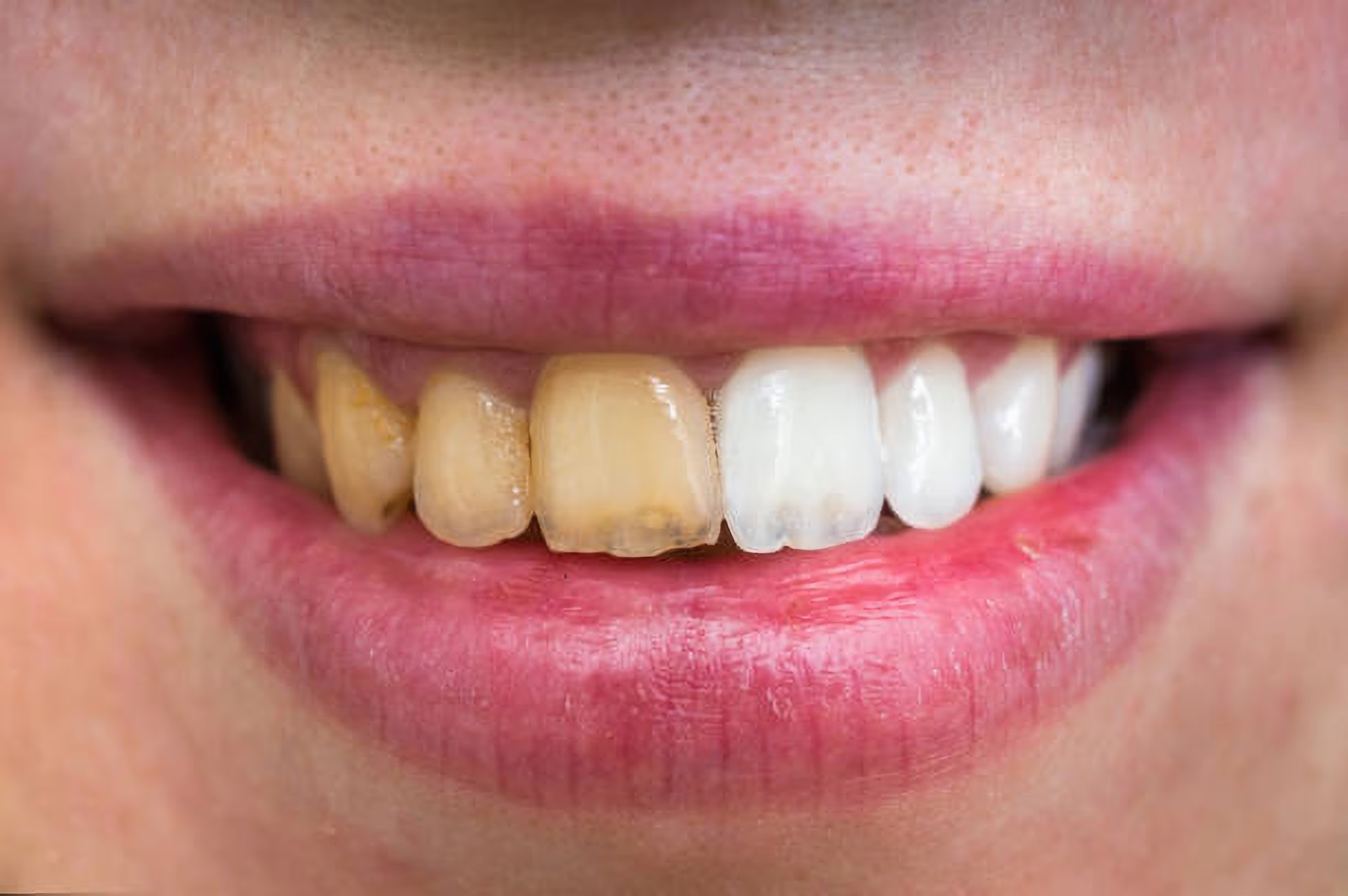
Teeth naturally darken over time. Everyday habits and biological factors all contribute to staining.
Surface stains (extrinsic)
These sit on the outer enamel and are caused by:
- Tea and coffee
- Red wine
- Smoking
- Dark sauces and spices
Deep stains (intrinsic)
These sit within the tooth and can be caused by:
- Ageing
- Certain medications
- Trauma
- Long‑term enamel wear
Professional whitening can address both types of staining, depending on the method used.
Benefits of professional teeth whitening
Safe and regulated materials
Dentists use whitening gels that meet strict UK safety standards. Concentrations are controlled to protect enamel and gums.
Predictable results
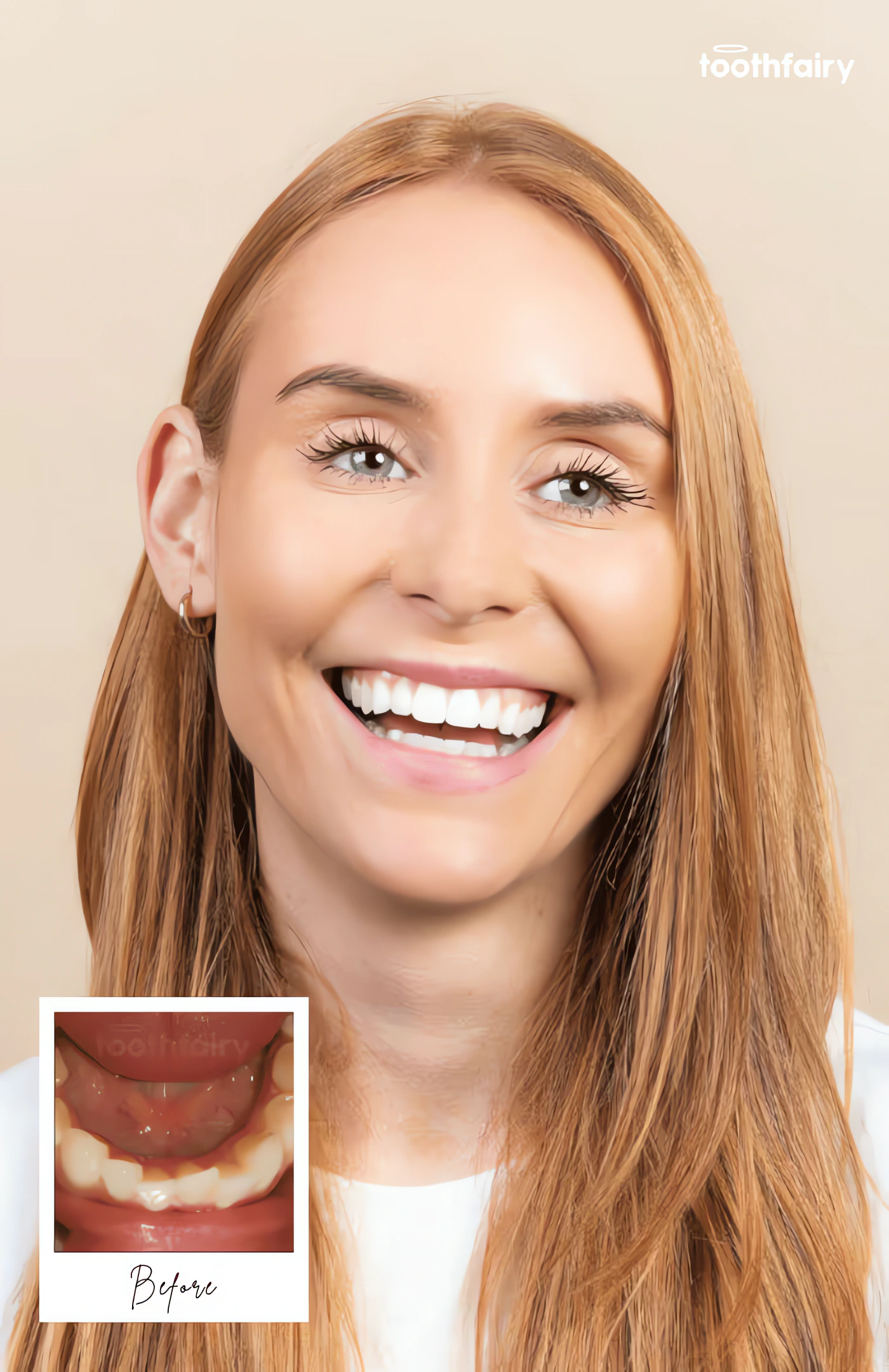
Professional whitening is designed to lift the shade evenly across all teeth, avoiding patchiness or over‑whitening.
Fast treatment
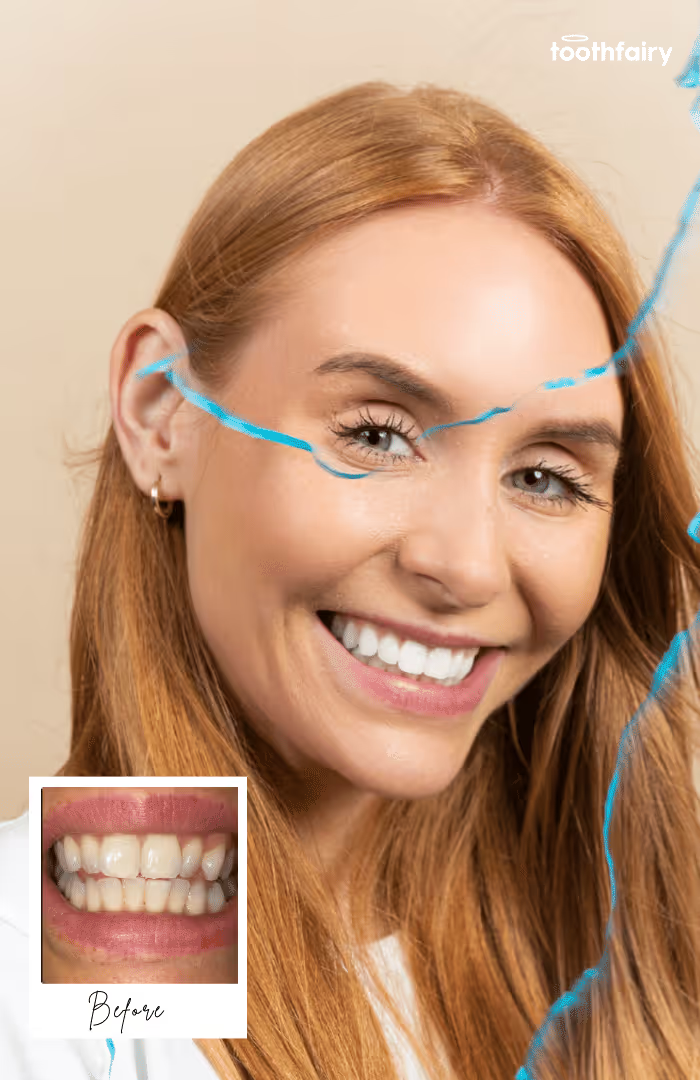
Many patients see noticeable results within days. In‑clinic whitening can brighten teeth in a single appointment.
Long‑lasting outcome
With good oral hygiene and lifestyle habits, results can last months or even years.
Tailored to your smile
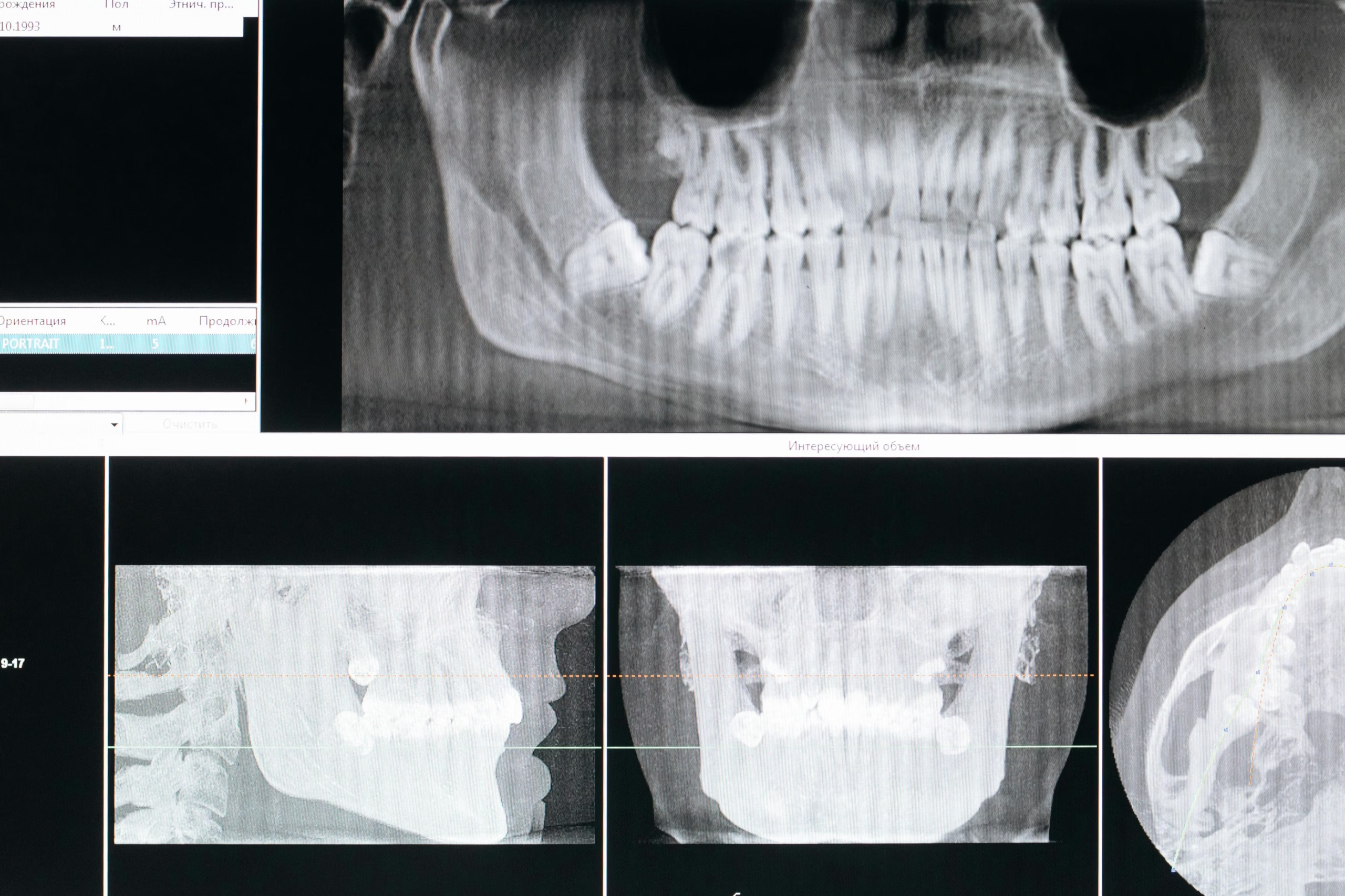
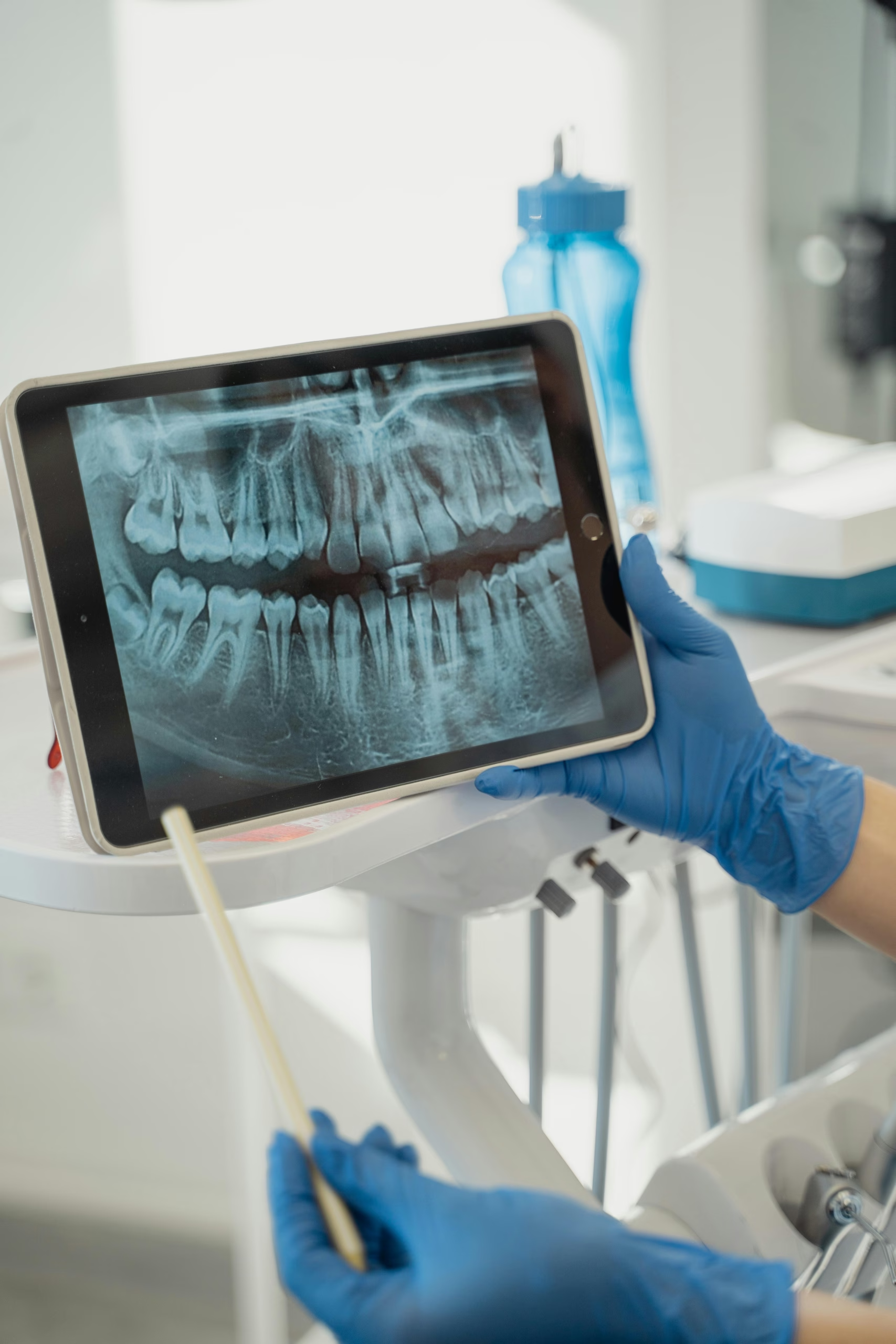
Your dentist assesses your enamel thickness, sensitivity levels and existing dental work to create a personalised plan.
Types of professional whitening
In‑clinic whitening
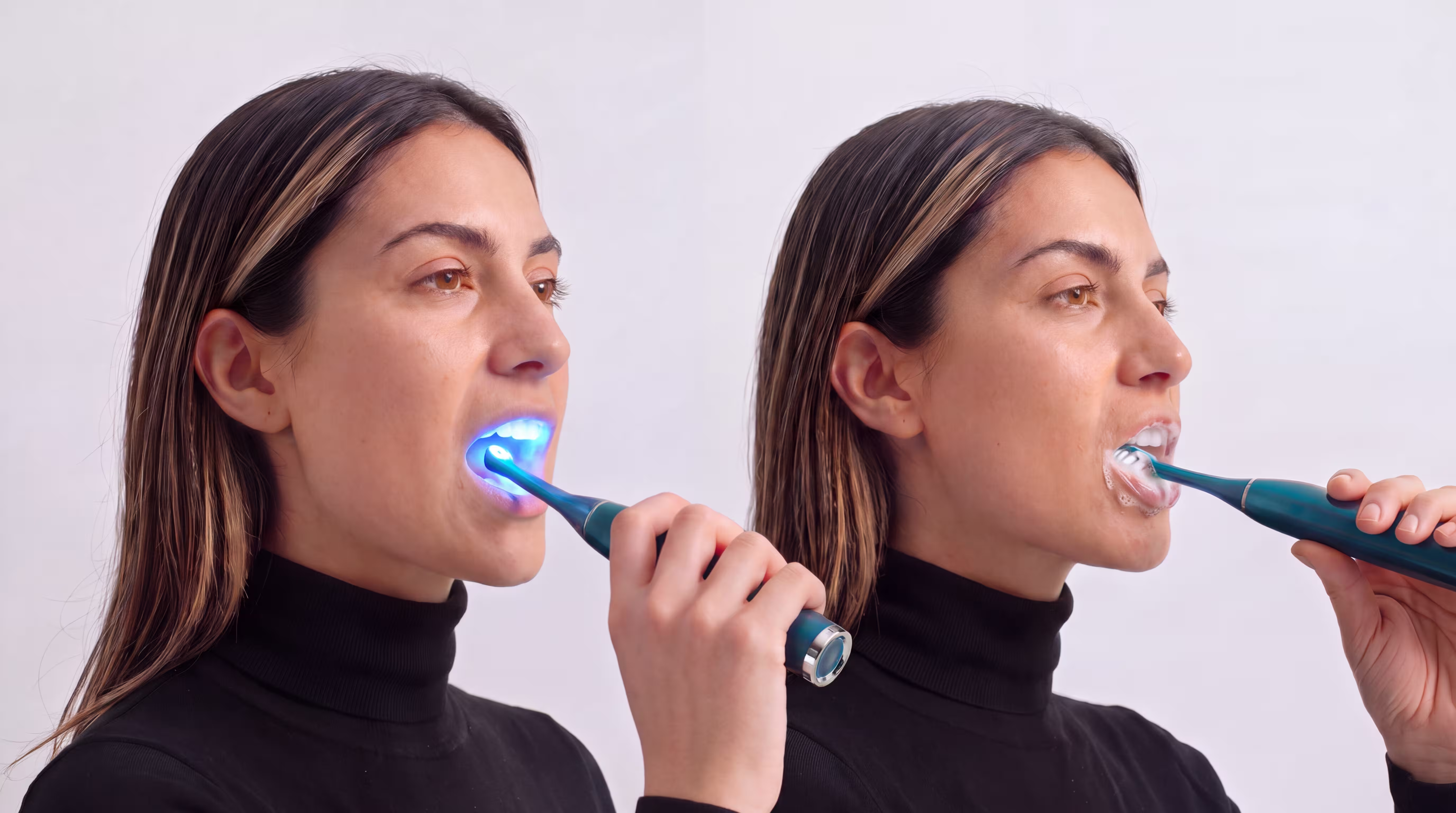
This is performed chairside by a dentist. A high‑strength gel is applied to the teeth and activated using a specialised light. It offers fast, dramatic results.
Dentist‑supervised home whitening
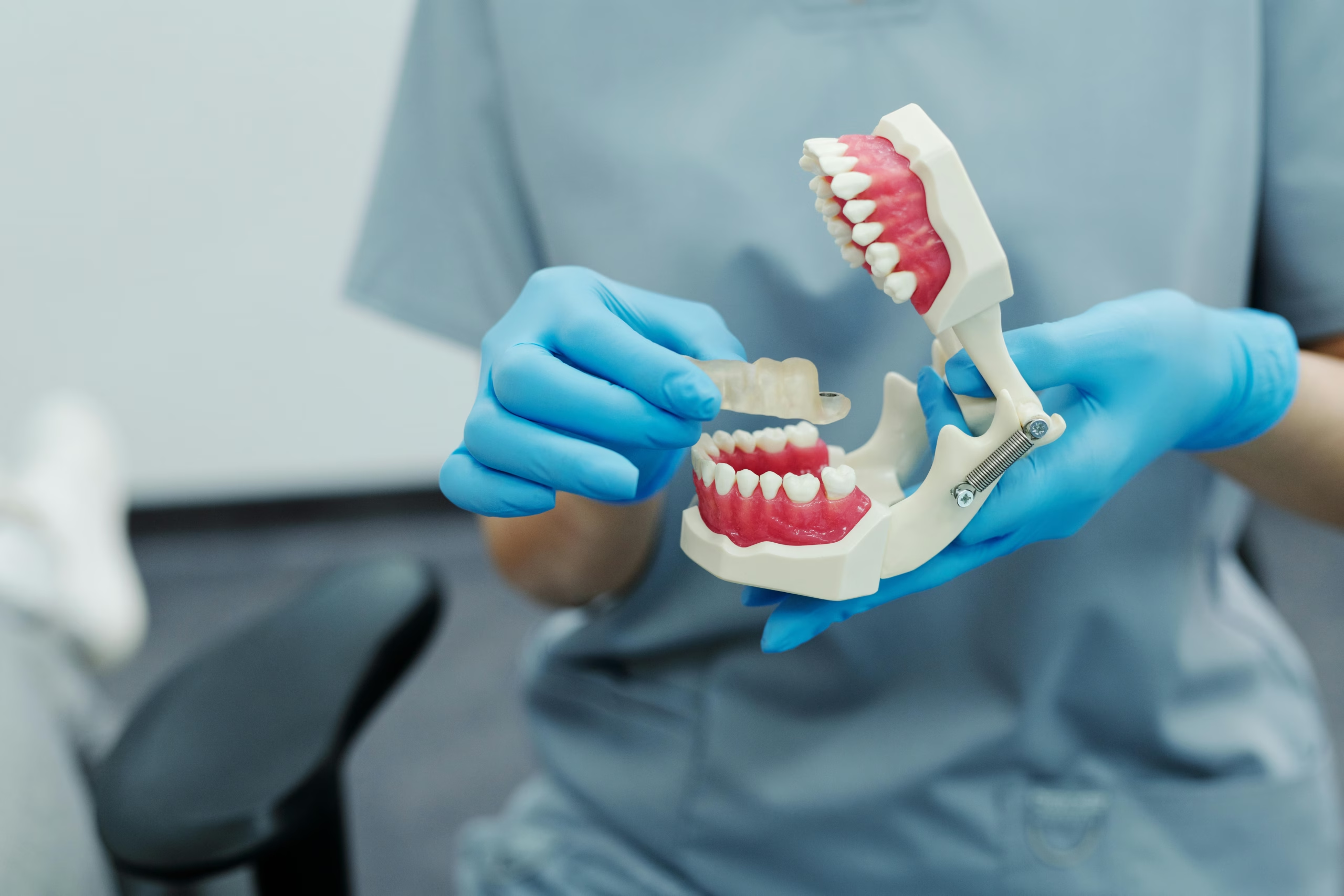
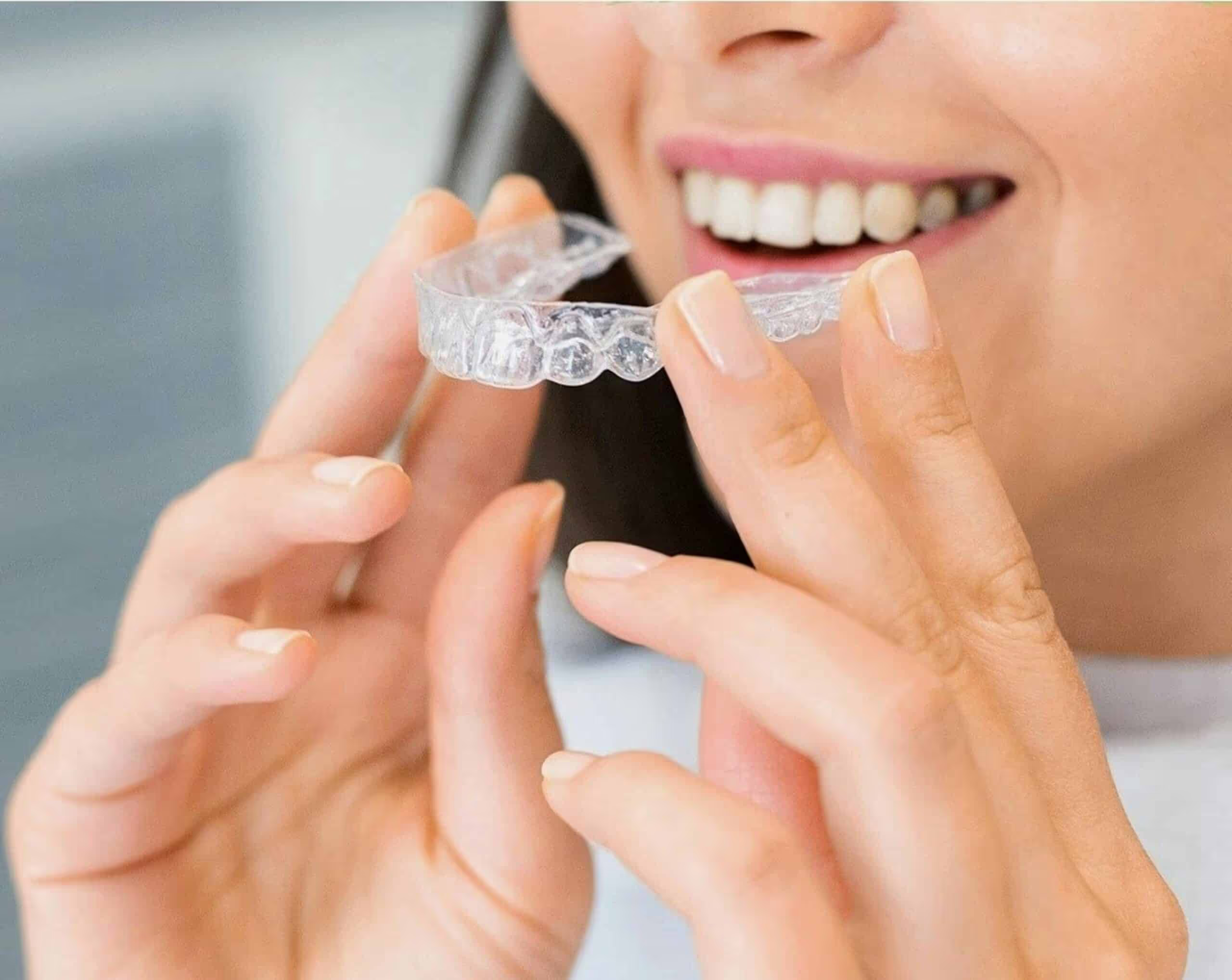
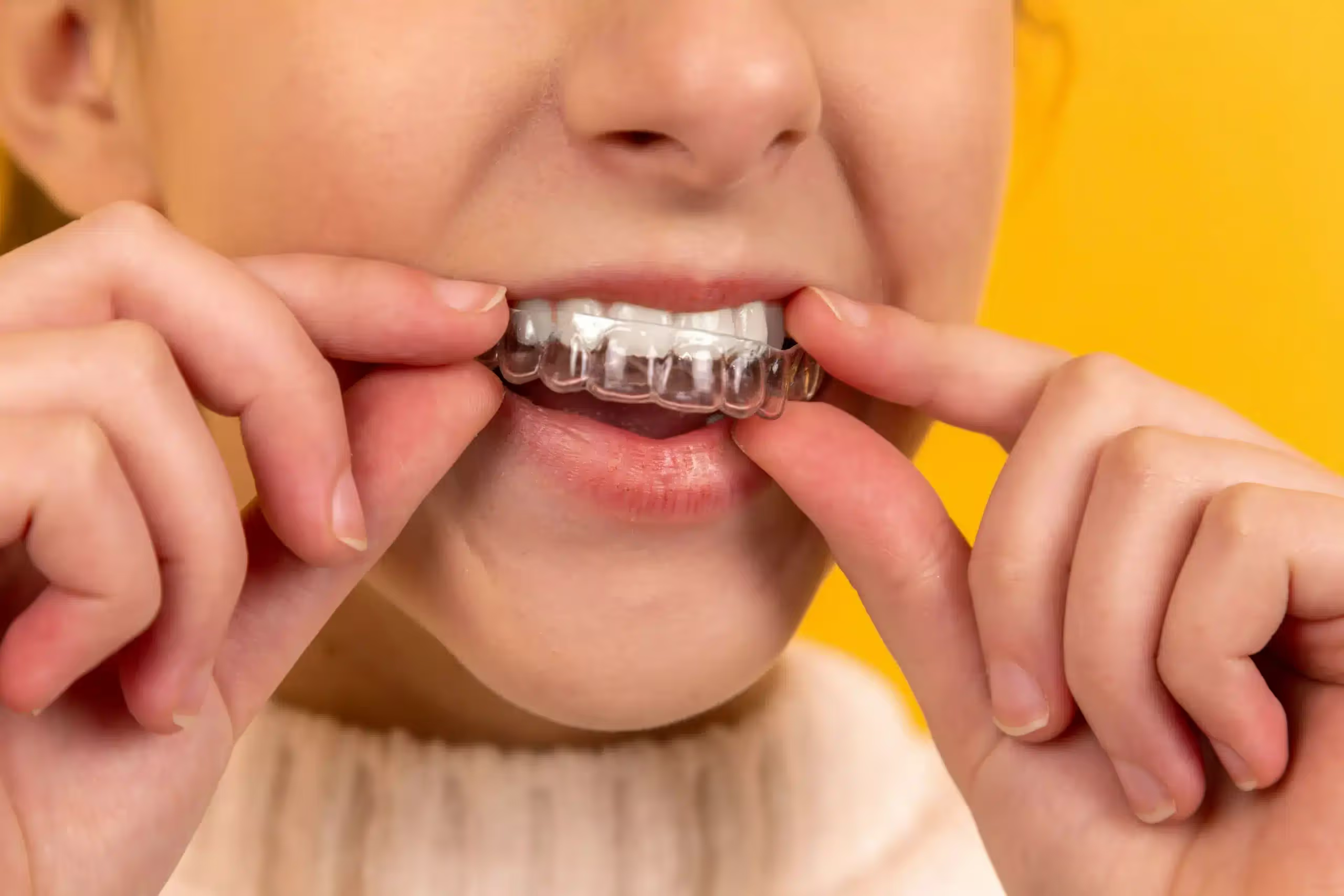
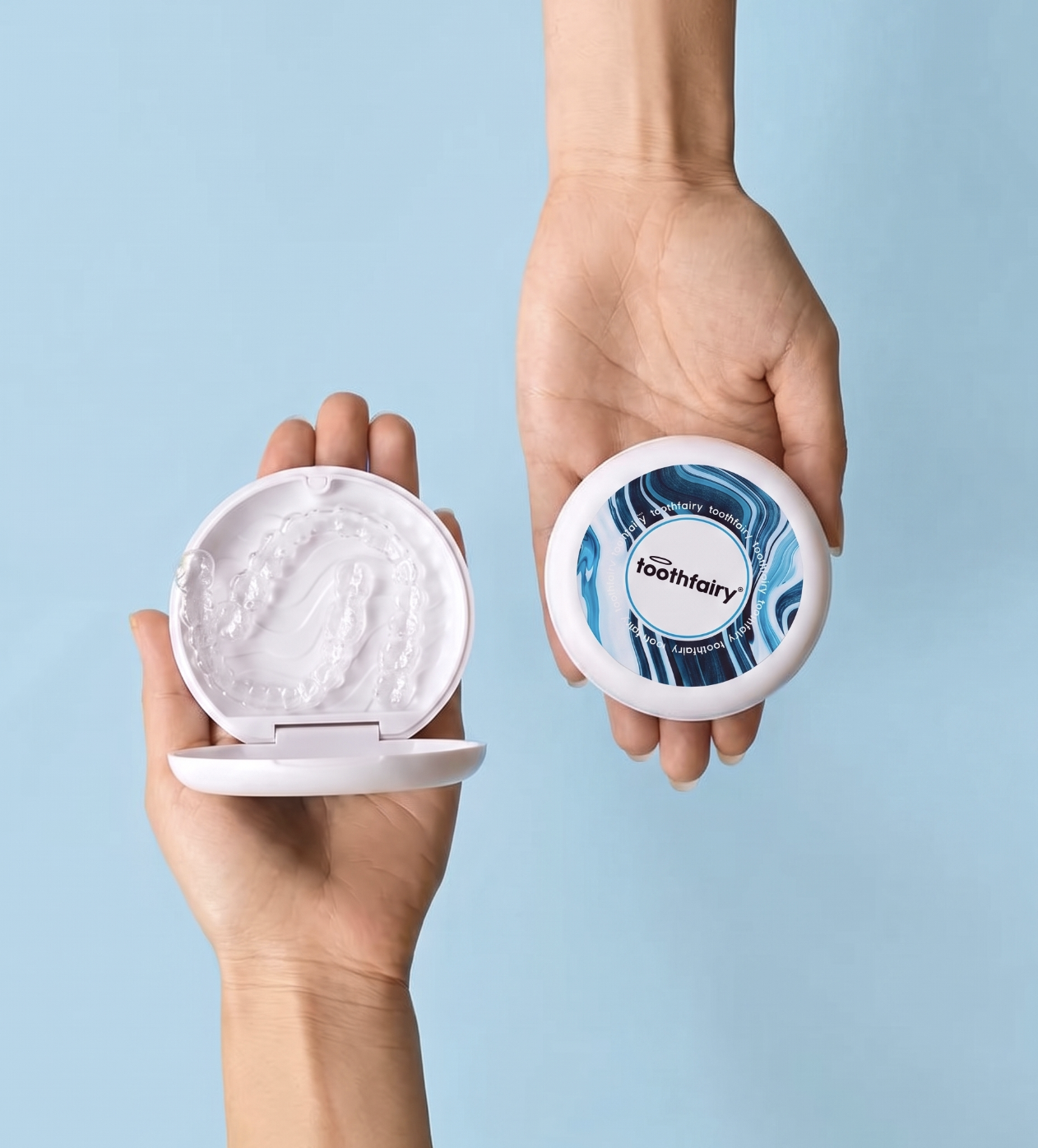
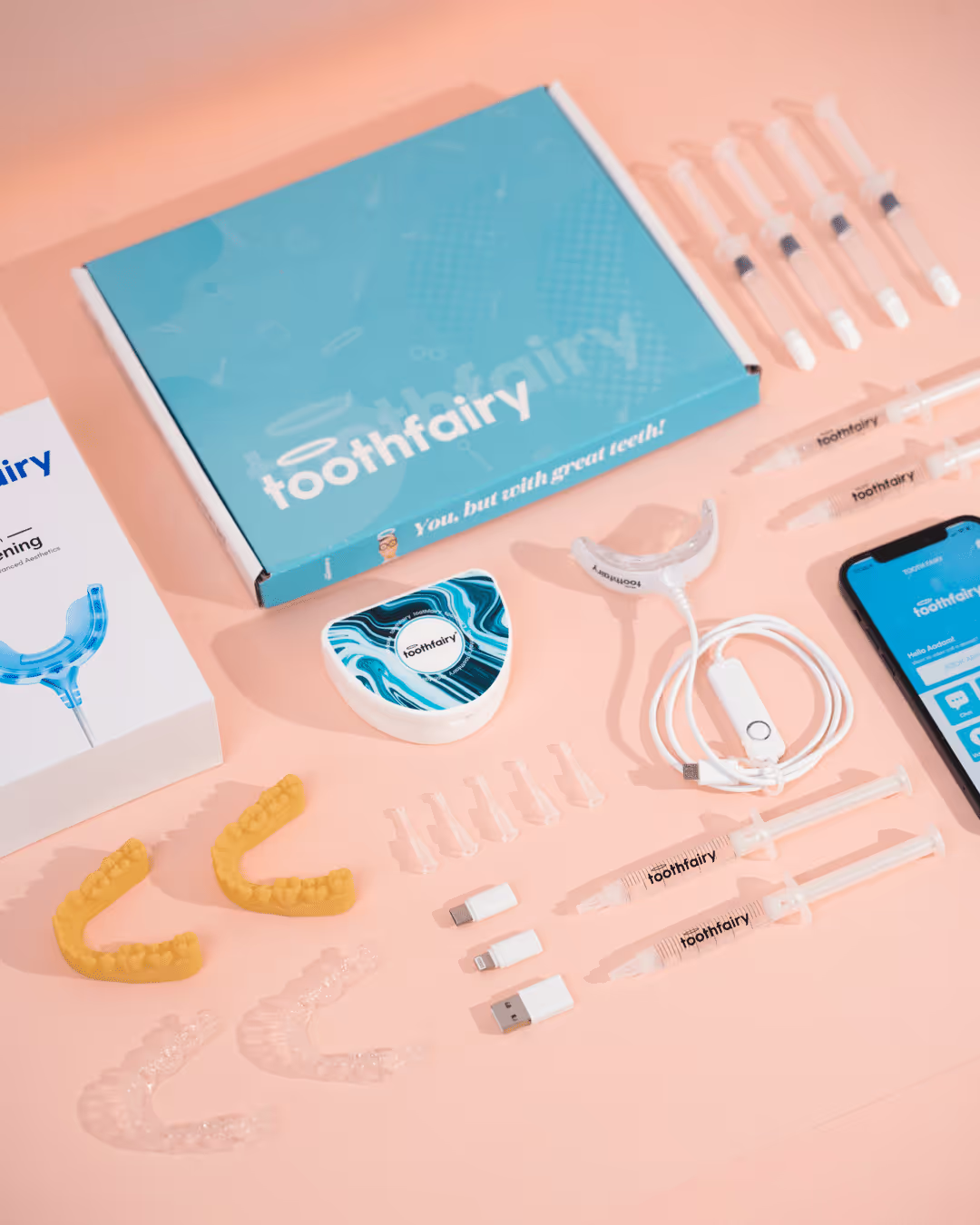
Custom trays are made from impressions of your teeth. You apply a regulated whitening gel at home over several days or weeks. This method offers gradual, controlled whitening.
Combination whitening
Some patients benefit from both approaches: an in‑clinic boost followed by at‑home maintenance.
Risks and side effects
Professional whitening is safe when carried out under dental supervision, but some temporary side effects can occur.
Tooth sensitivity
Whitening can make teeth feel sensitive to cold for a short period. This usually settles within a few days.
Gum irritation
If gel touches the gums, mild irritation can occur. Dentists use protective barriers to minimise this.
Uneven results
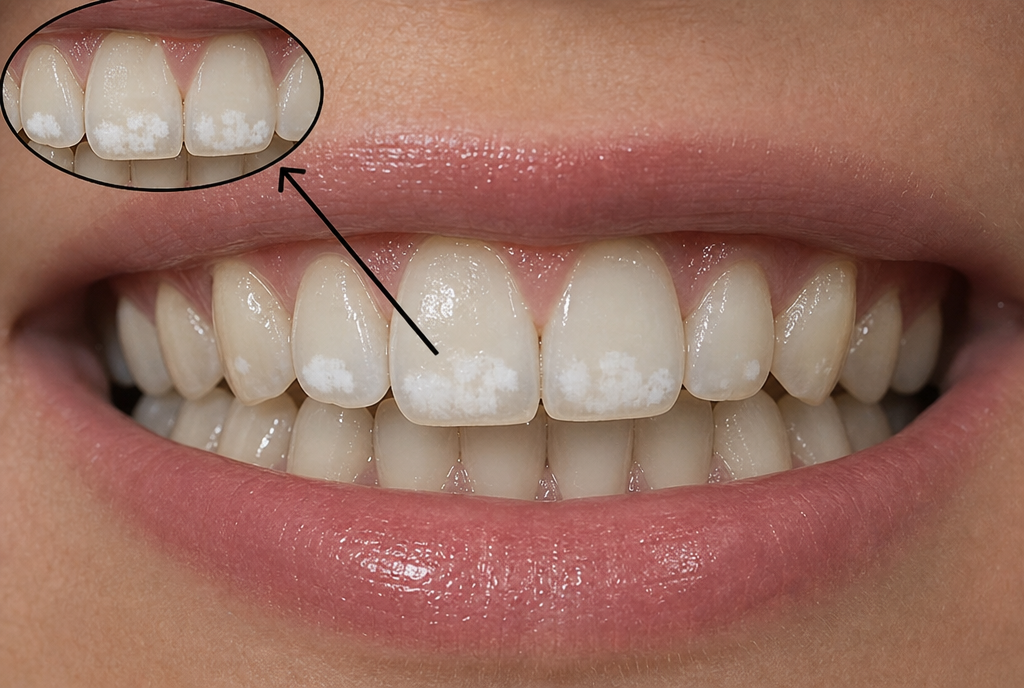
Existing crowns, veneers or fillings do not whiten. Your dentist will discuss how to manage colour differences.
Overuse risks
Repeated whitening without supervision can weaken enamel. Professional guidance prevents this.
Who is suitable for professional whitening
Most adults with healthy teeth and gums can have whitening, but some situations require caution.
Not suitable for:
- Untreated cavities
- Gum disease
- Pregnancy or breastfeeding
- Severe enamel erosion
- People under 18
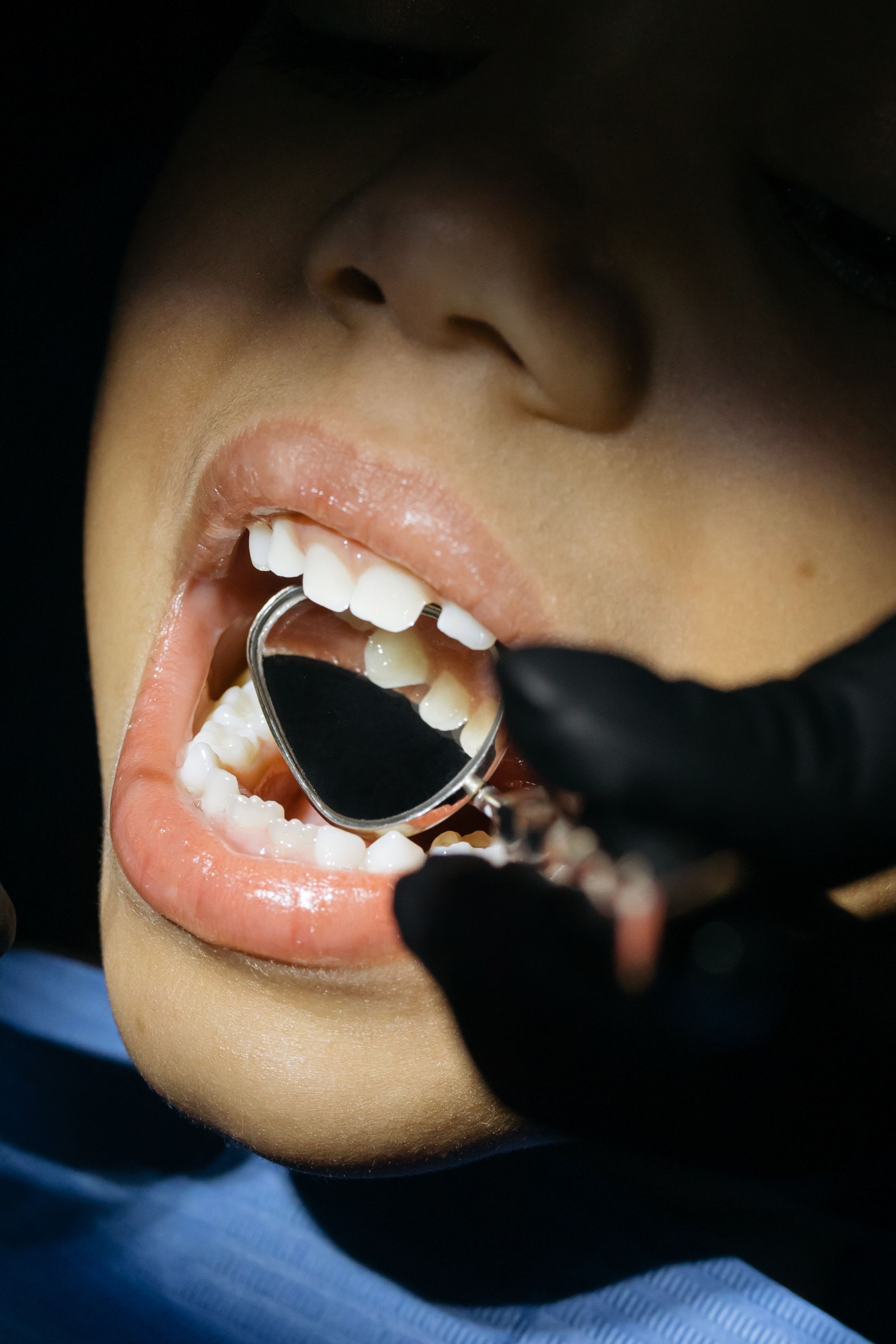
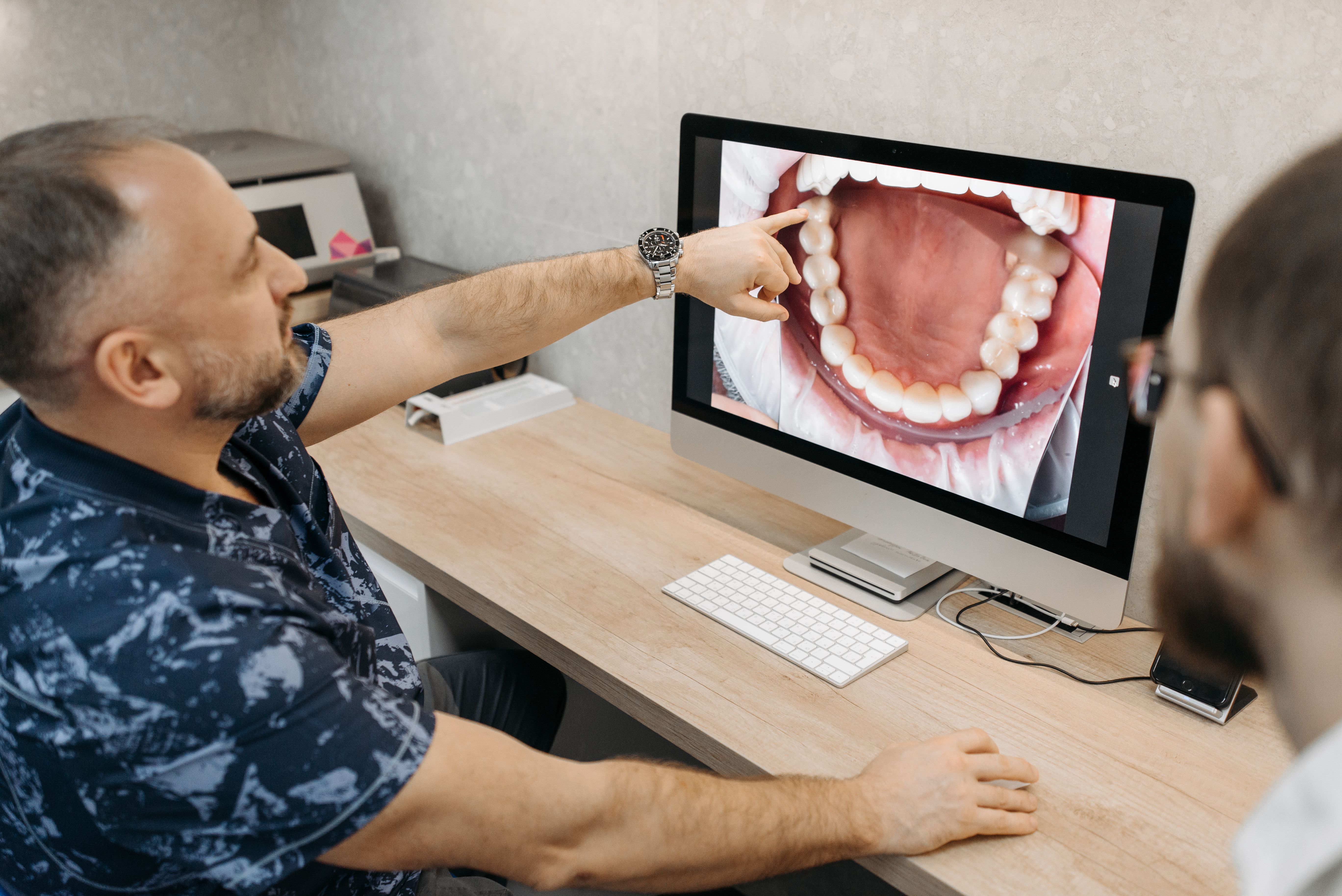
Your dentist will assess your suitability before treatment.
How long results last
Whitening results vary depending on lifestyle and oral hygiene. Most people enjoy brighter teeth for several months to a year. Avoiding staining foods, quitting smoking and maintaining regular dental check‑ups helps prolong results.
Top‑up whitening using dentist‑approved gels can maintain your shade safely.
Professional whitening vs shop‑bought kits
How to maintain your results
Avoid staining foods and drinks
Tea, coffee, red wine and dark sauces can dull your shade.
Quit smoking
Tobacco is one of the strongest staining agents.
Use whitening toothpaste
These help maintain brightness but do not replace professional treatment.
Attend regular dental check‑ups
Your dentist can advise when a top‑up is appropriate.
Your whitening questions answered
Is professional whitening painful?
No. You may experience temporary sensitivity, but the procedure itself is comfortable.
Will whitening damage my enamel?
Not when supervised by a dentist. Regulated gels are designed to protect enamel.
Can crowns or veneers be whitened?
No. They remain the same colour. Your dentist will discuss options for matching shades.
How white can my teeth go?
Results vary depending on your natural enamel shade and stain type. Your dentist will set realistic expectations.












.jpg)





.jpg)















.jpg)