Why crooked teeth happen
Crooked teeth don’t appear overnight. They develop gradually as your teeth, gums and jaw respond to genetics, habits and changes in your mouth over time. Some causes are unavoidable, while others can be prevented with good oral care.
Genetics: the biggest influence
Your genetics determine the size of your jaw, the size of your teeth and how they fit together. If your jaw is small and your teeth are large, they compete for space and begin to twist or overlap. If your jaw is larger than average, gaps can appear.
Genetics also influence your bite, overbites, underbites and crossbites often run in families.
Childhood habits that shape your smile
Certain habits during childhood can affect how teeth grow:
Thumb‑sucking or dummy use
Long‑term pressure pushes the front teeth forward.
Tongue thrusting
The tongue presses against the teeth when swallowing, causing movement.
Mouth breathing
Breathing through the mouth instead of the nose can narrow the upper jaw.
Early tooth loss
Baby teeth act as placeholders. Losing them too early allows neighbouring teeth to drift.
Jaw size and growth patterns
Your jaw continues to grow and change through childhood and adolescence. If the upper and lower jaws grow at different speeds, teeth may shift into crooked positions.
Tooth loss and gum disease
When a tooth is lost, the teeth around it naturally tilt into the empty space. Gum disease can also weaken the support around teeth, causing them to drift or rotate.
Everyday habits that contribute to crooked teeth
- Nail biting
- Chewing pens
- Grinding or clenching
- Poor oral hygiene
- Not wearing retainers after orthodontic treatment
These habits apply constant pressure that slowly moves teeth out of alignment.
Crooked teeth causes vs effects
Are crooked teeth harmful?
Crooked teeth aren’t just cosmetic. They can lead to:
- Difficulty cleaning
- Higher risk of decay
- Gum inflammation
- Jaw discomfort
- Uneven wear
- Bite problems
Straightening teeth improves both oral health and confidence.
How modern treatments fix crooked teeth
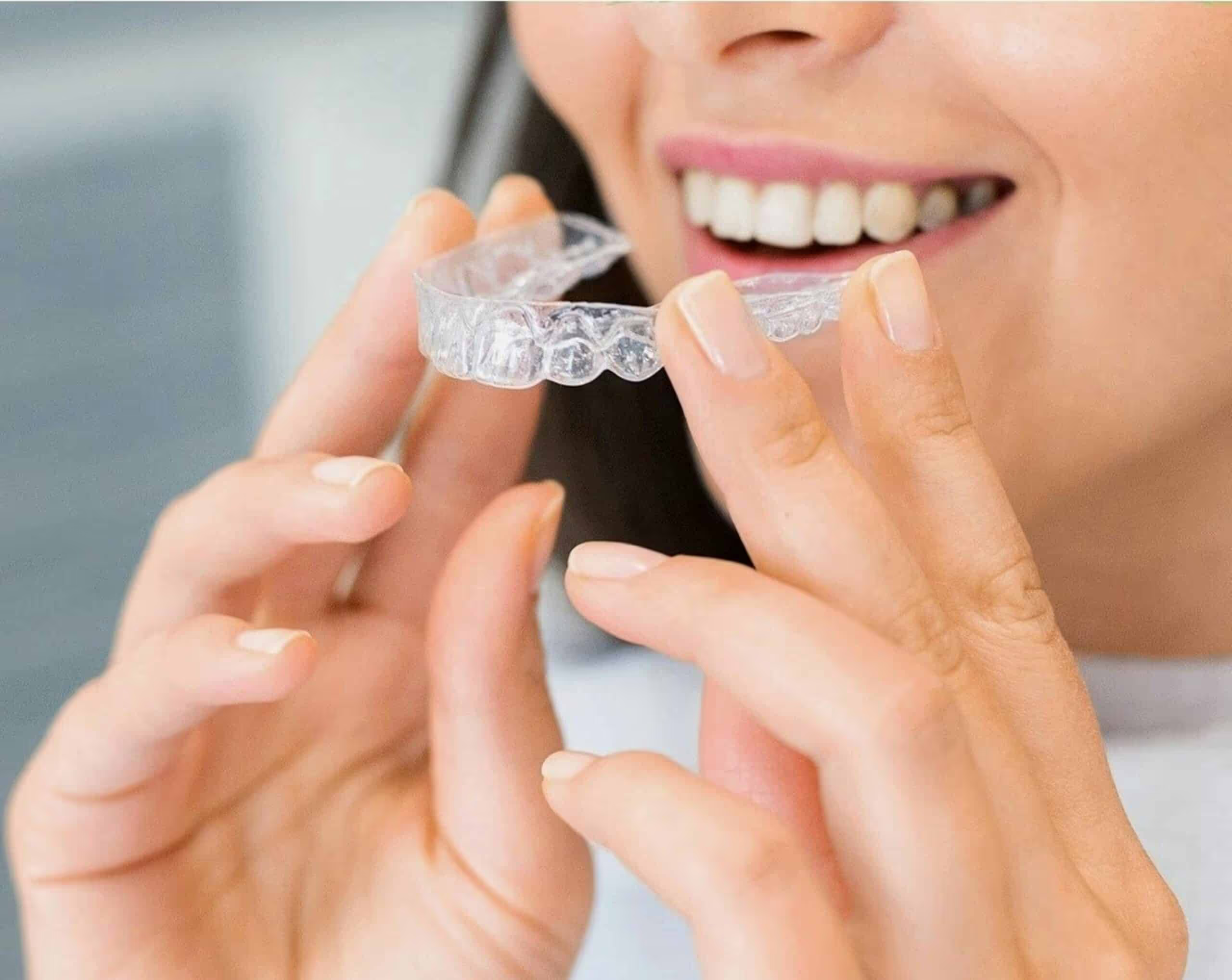
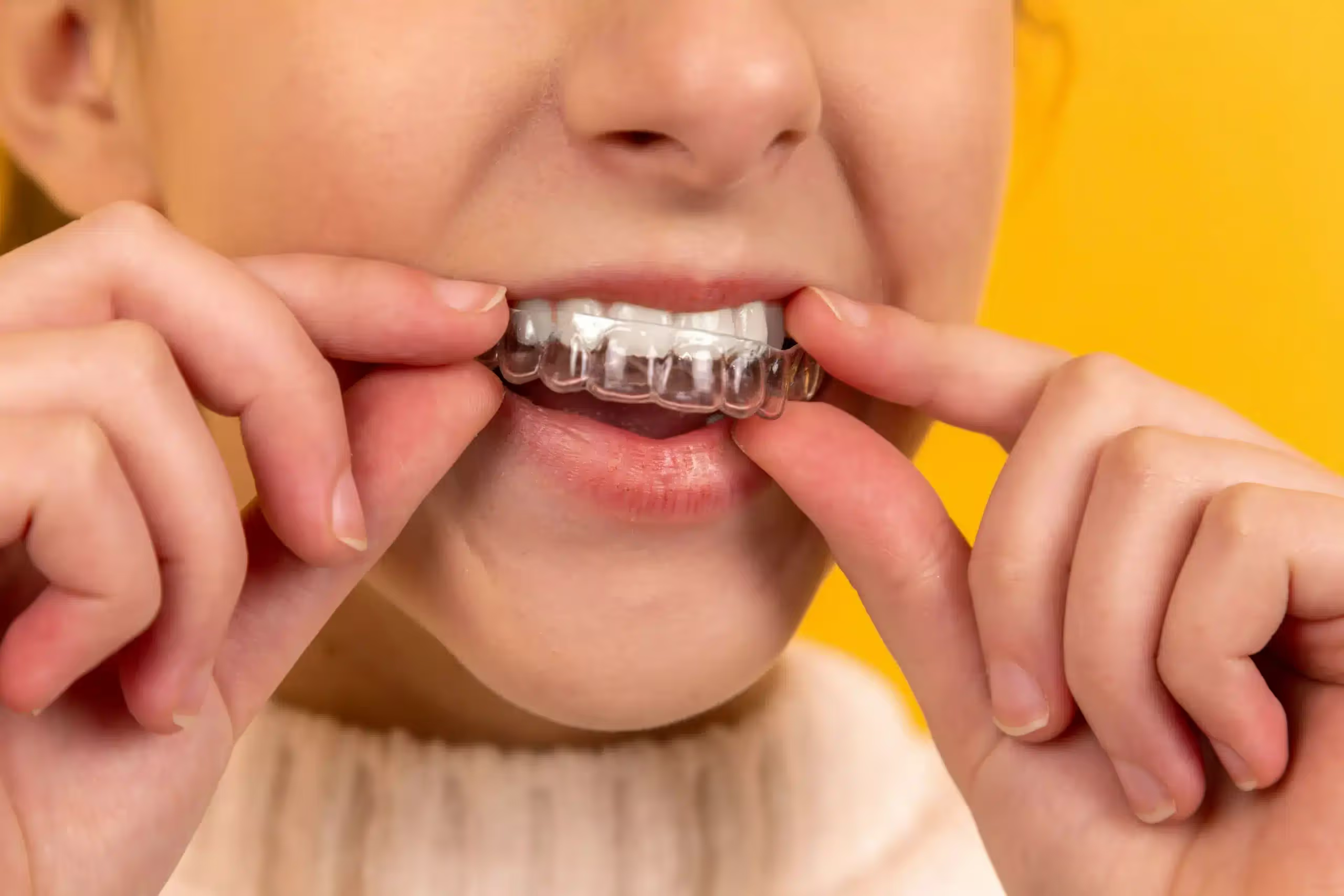
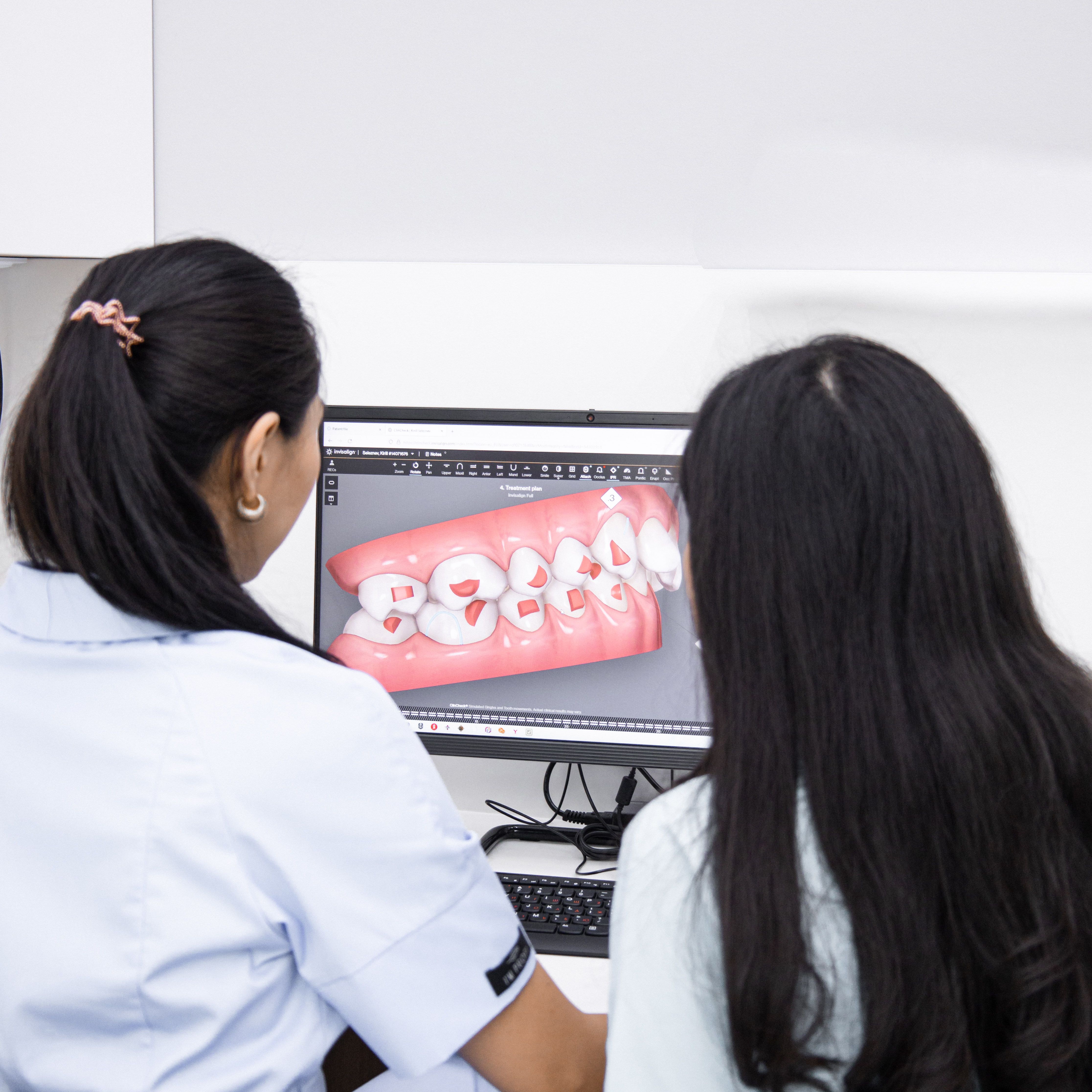
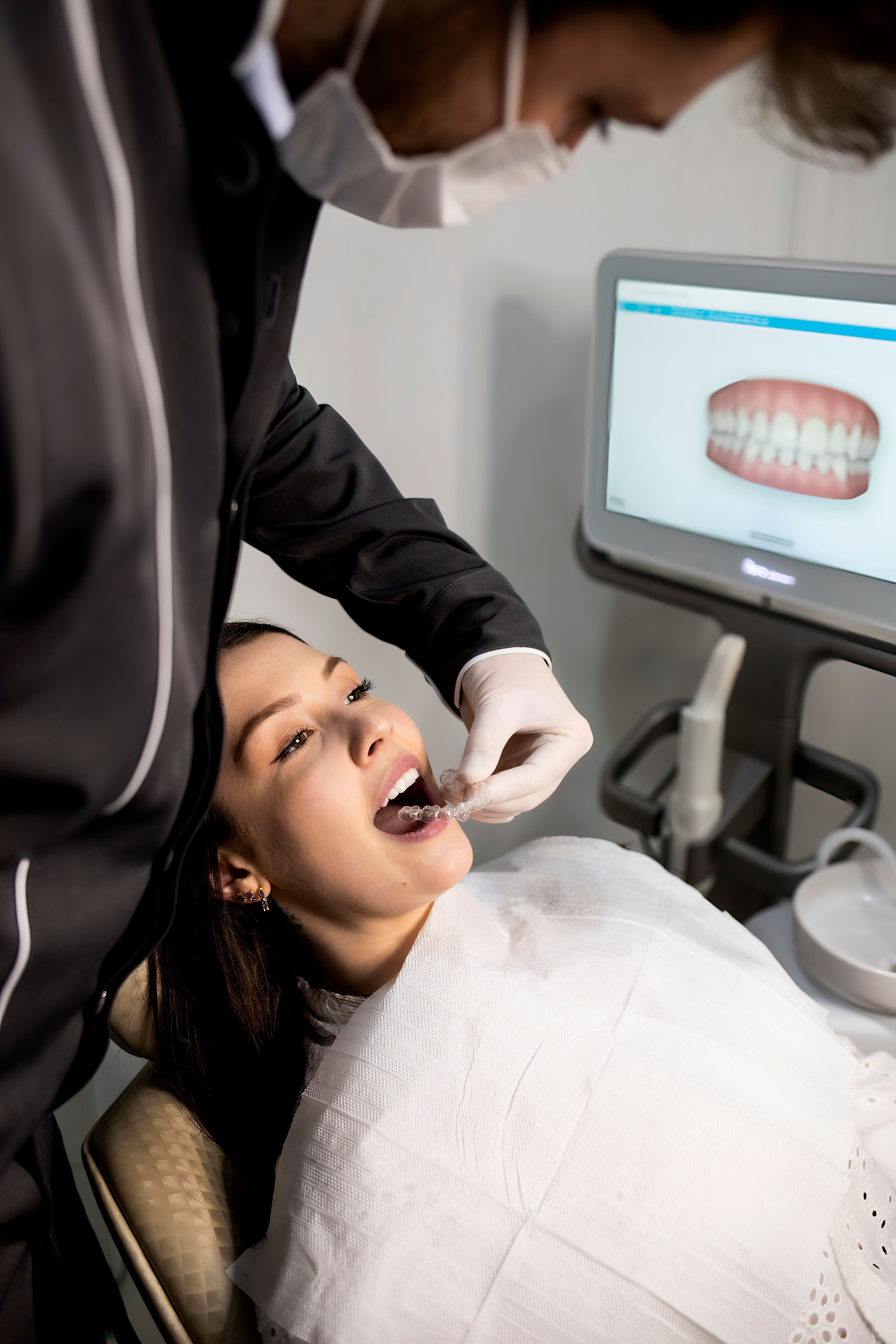
Clear aligners
Discreet, removable and comfortable, ideal for mild to moderate cases.
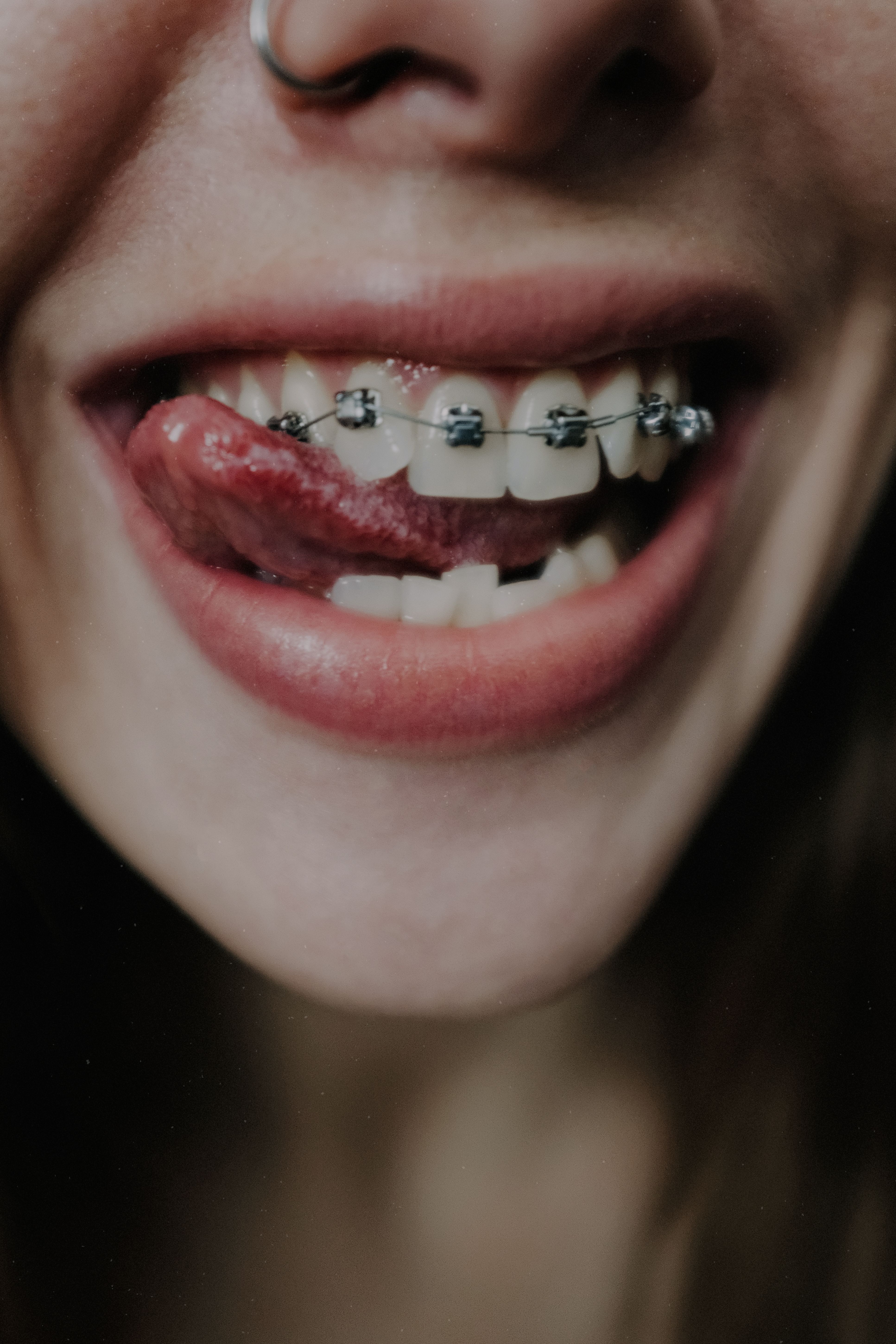
Fixed braces
Best for complex alignment issues.
Retainers
Essential for maintaining results after treatment.
Tooth reshaping or bonding
Used for minor cosmetic improvements.
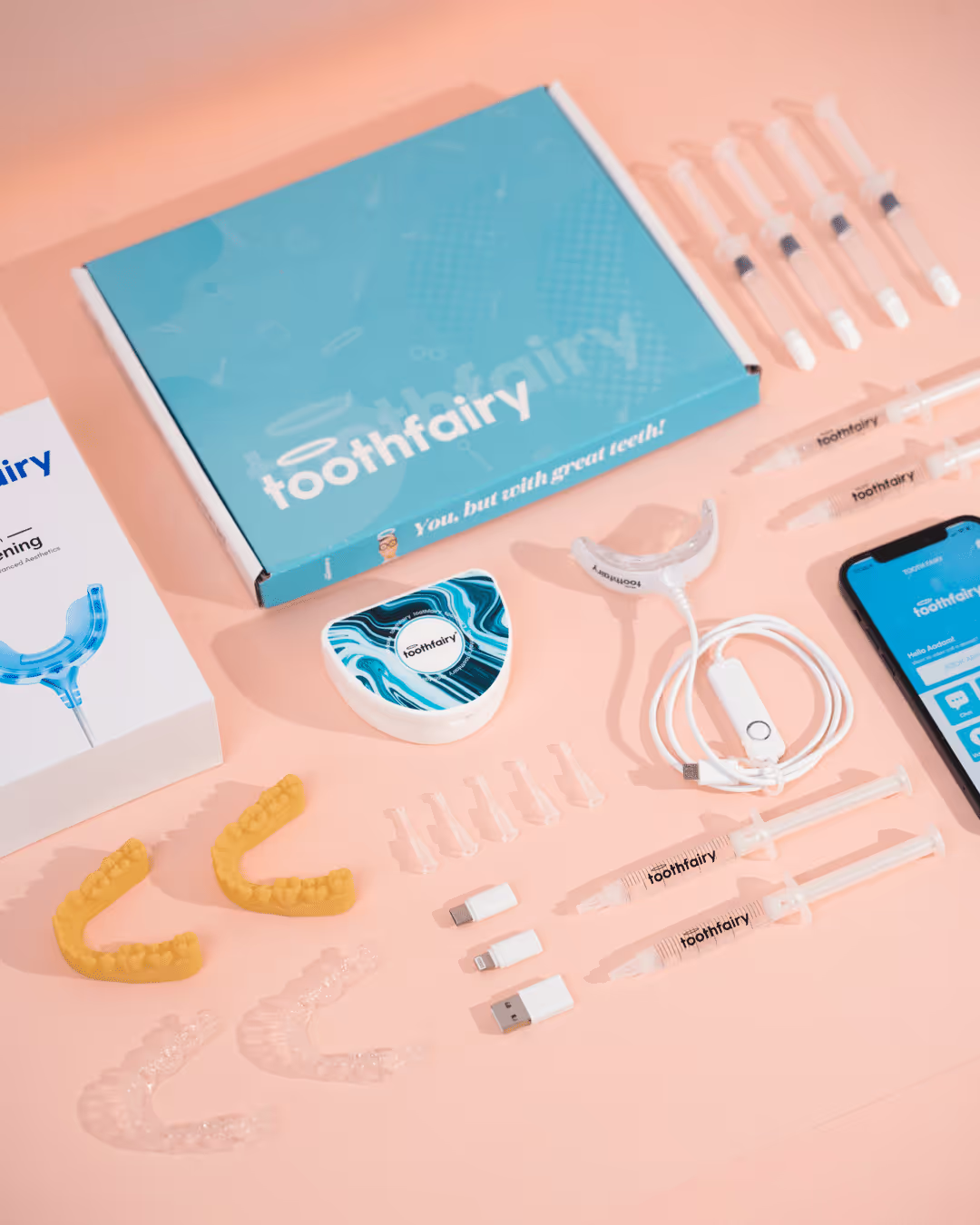
How ToothFairy helps
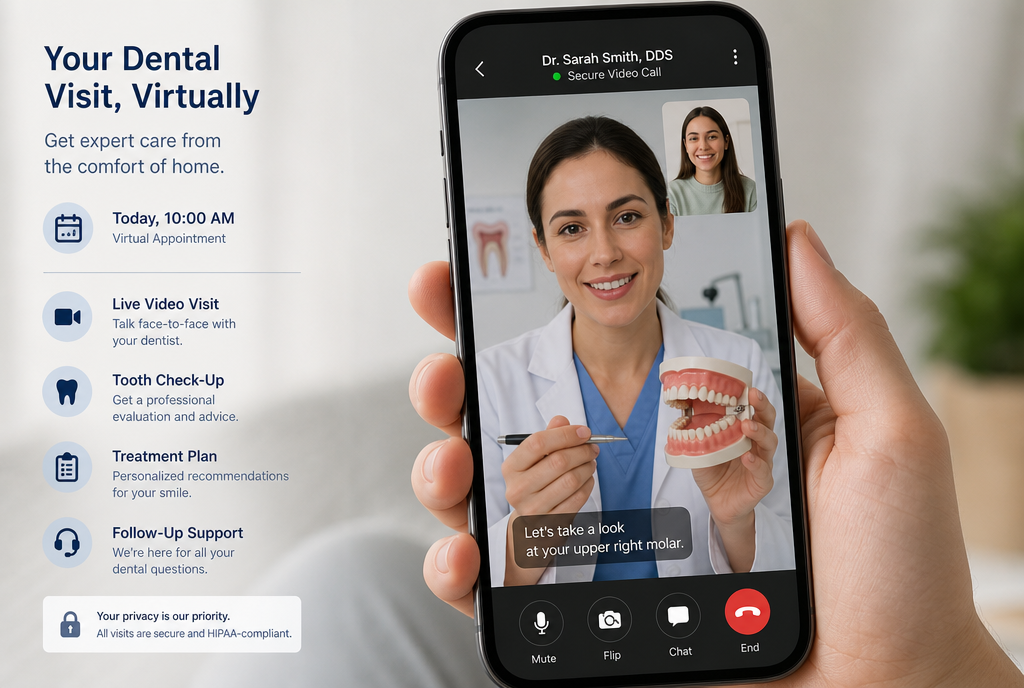
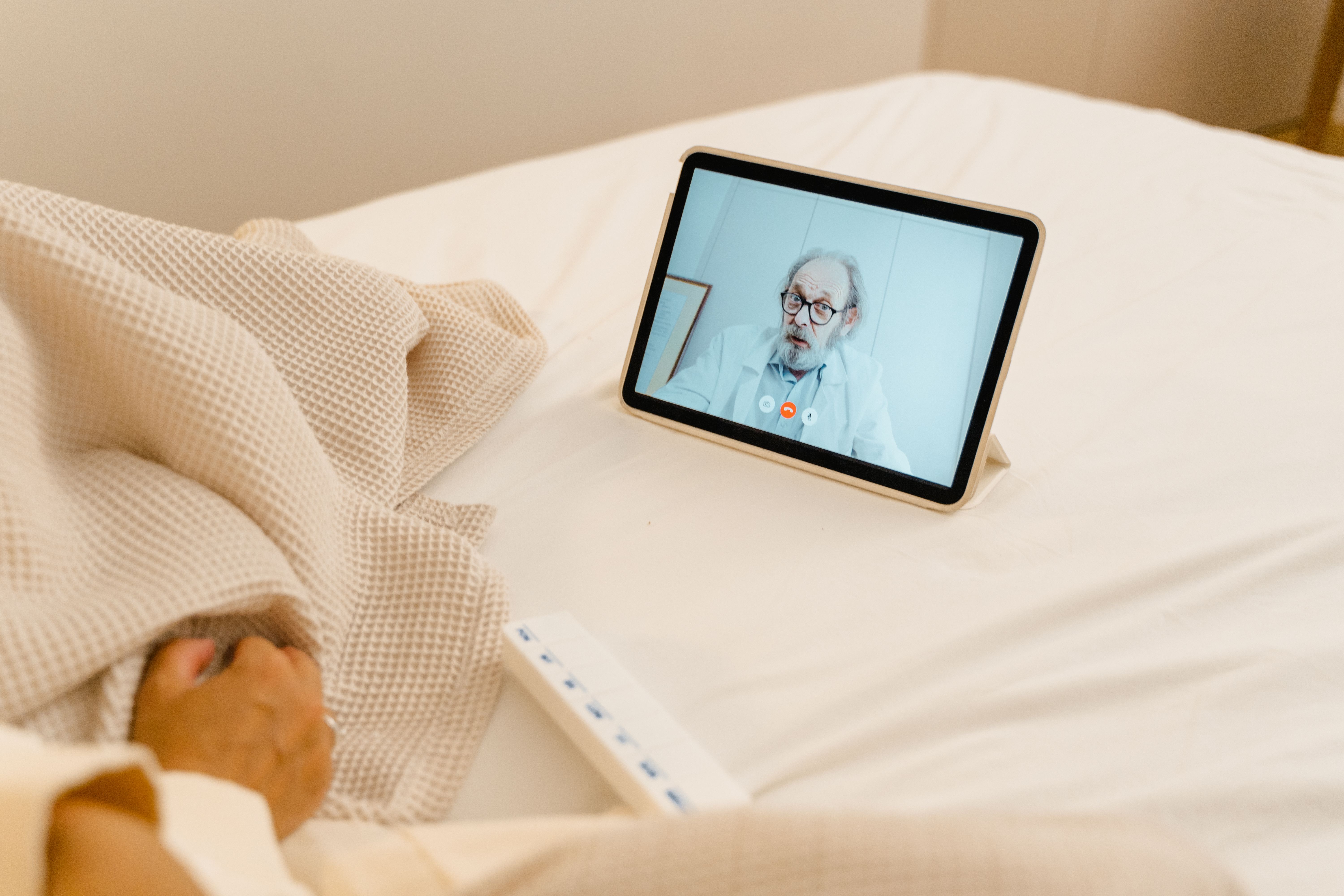
Virtual dental assessments
Upload photos and get expert advice without visiting a clinic.
Clear aligner treatment
Dentist‑supervised straightening with remote monitoring.
Retainer guidance
Support for maintaining your results long‑term.
Emergency dental support
Fast help if pain or discomfort develops.
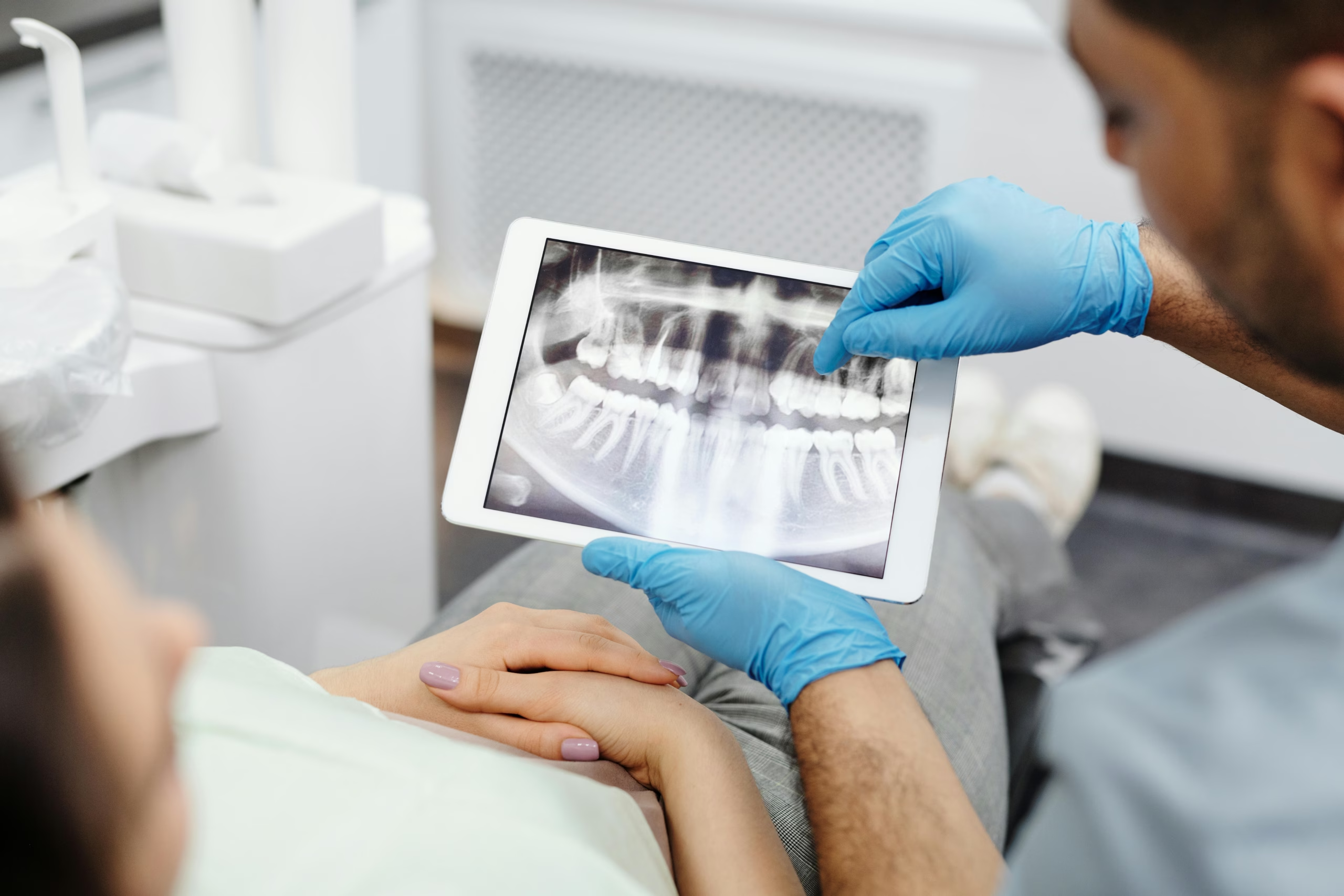
When to see a dentist
You should seek advice if you notice:
- Teeth shifting
- Difficulty cleaning
- Jaw pain
- Bite changes
- Crowding getting worse
Early treatment prevents long‑term issues.
Your crooked teeth questions answered
Can crooked teeth straighten themselves?
No, they usually worsen over time.
Is it too late to straighten my teeth?
No. Adults can straighten their teeth at any age.
Are clear aligners effective?
Yes, especially for mild to moderate cases.
Do retainers stop teeth from moving?
Yes, they’re essential after treatment.













.jpg)




.jpg)














.jpg)