
Why flossing matters
Flossing reaches areas your toothbrush cannot. Around 40 percent of your tooth surfaces sit between your teeth, where plaque builds quickly. Without flossing, plaque hardens into tartar and irritates your gums.
Flossing is one of the simplest ways to keep your mouth healthy.
How to floss properly
Step 1: Take the right amount of floss
Use around 40 centimetres of floss. Wrap most of it around your middle fingers, leaving a short section to work with.
Step 2: Hold the floss correctly
Use your thumbs and index fingers to guide the floss.
Step 3: Slide gently between teeth
Avoid snapping the floss. Glide it slowly between each tooth.
Step 4: Curve the floss
Wrap the floss into a C shape around the side of each tooth.
Step 5: Clean under the gumline
Slide the floss slightly under the gumline to remove plaque.
Step 6: Use a clean section each time
Move to a fresh part of the floss for each tooth.
How often you should floss
Floss once a day.Morning or night does not matter.Consistency is what keeps gums healthy.
Flossing mistakes to avoid
Snapping the floss
This can damage your gums.
Only flossing before dental visits
Plaque builds daily, so flossing should be routine.
Stopping because gums bleed
Bleeding is often a sign of inflammation.Flossing helps reduce it over time.
Using too little floss
Short floss makes cleaning harder.
Floss vs interdental brushes
Should flossing hurt
Flossing should not be painful.Mild tenderness is normal if you are new to flossing.Bleeding usually improves within a week of daily flossing.
Flossing with braces or aligners
Braces
Use floss threaders or orthodontic floss to reach under wires.
Clear aligners
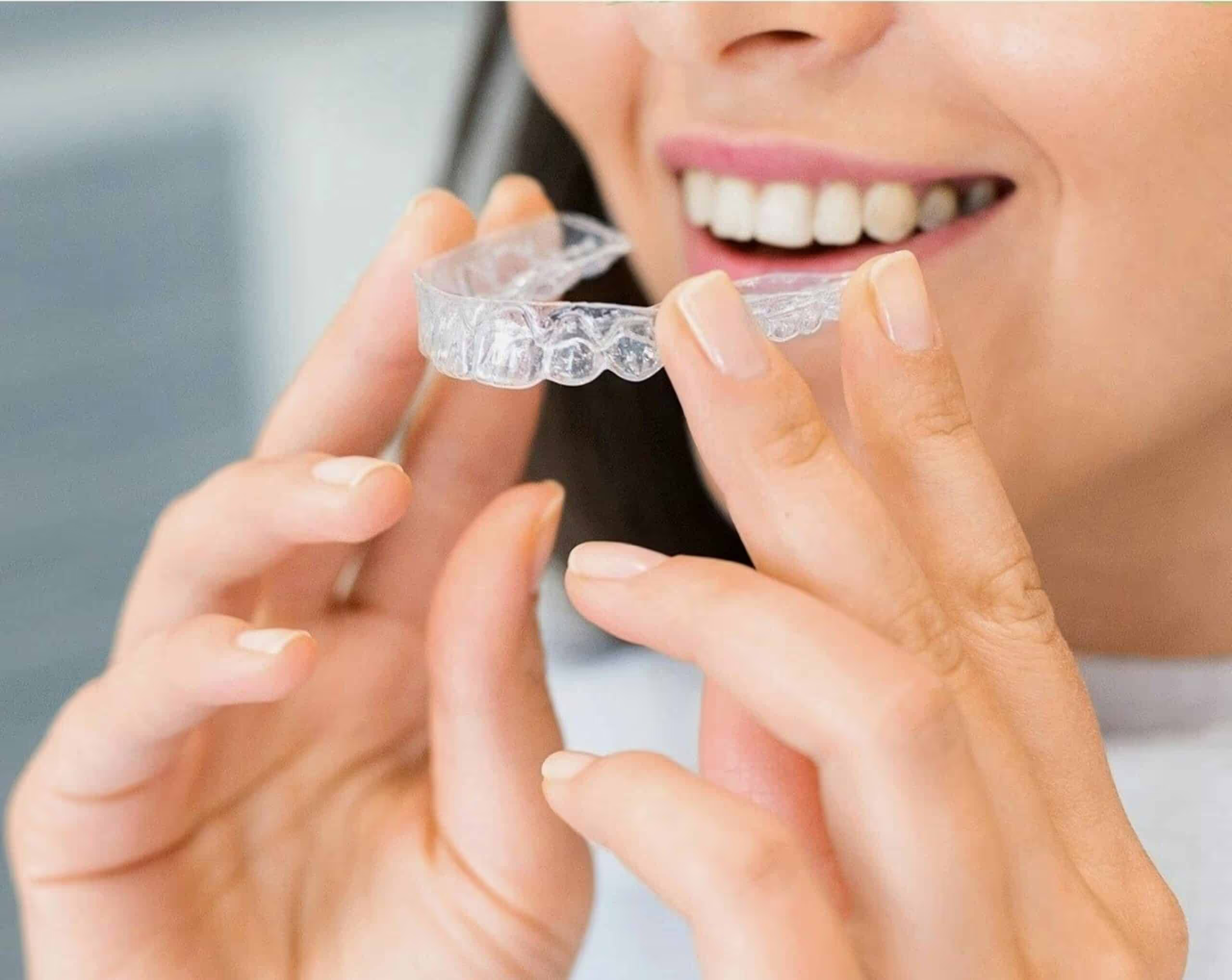
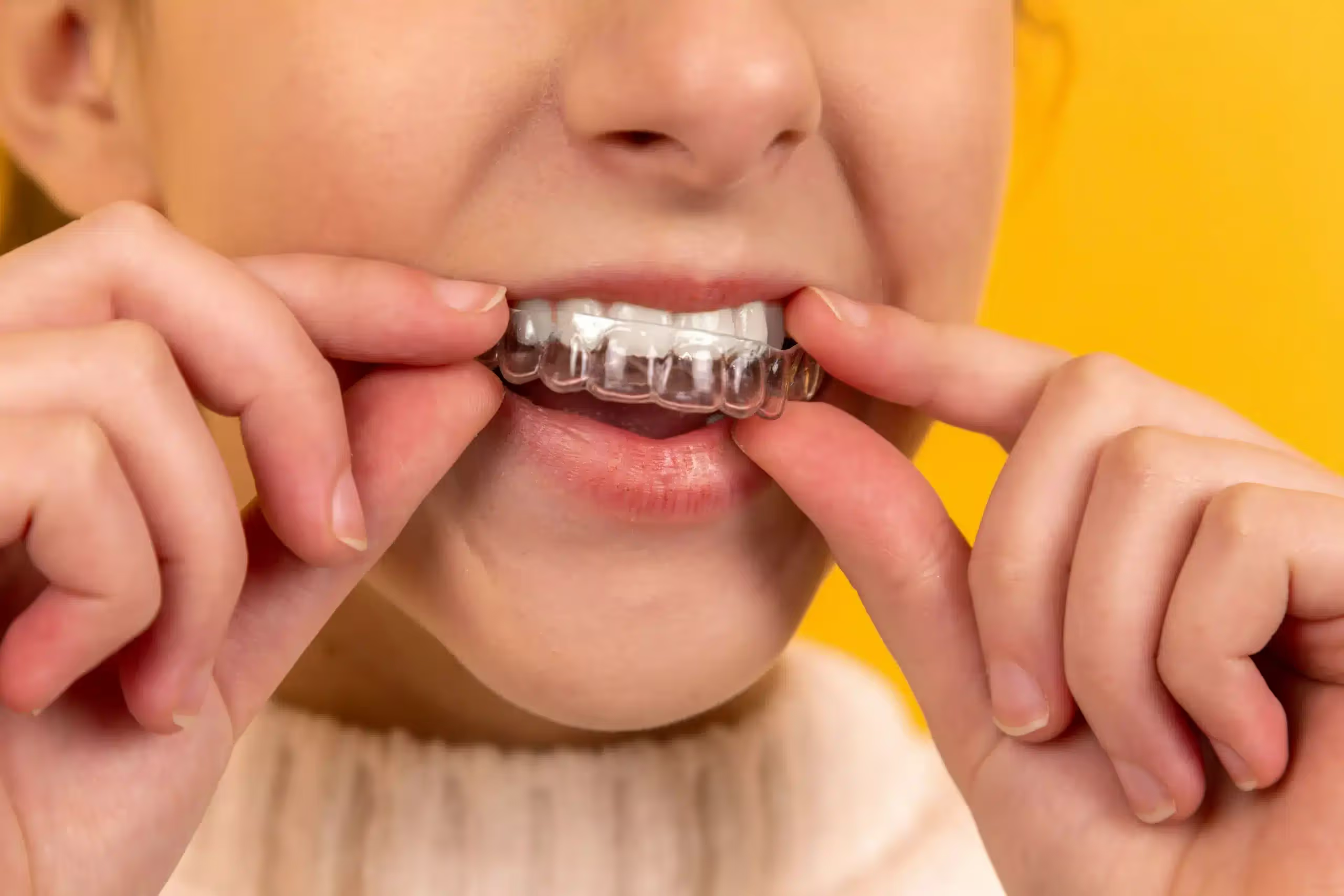
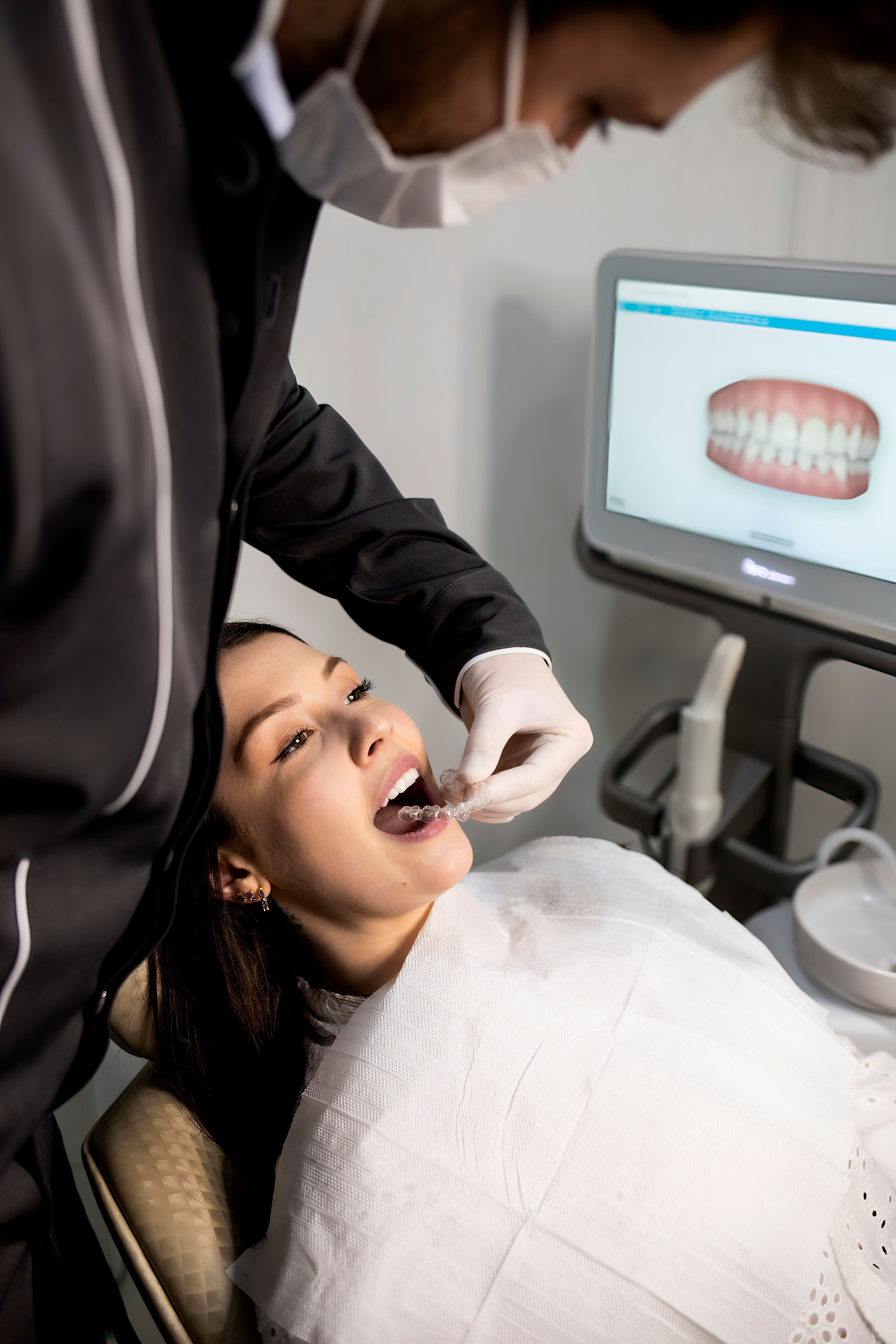
Remove aligners before flossing.Floss normally and clean aligners separately.
Signs you need to floss more often
You may notice:
- Bleeding gums
- Bad breath
- Gum tenderness
- Food stuck between teeth
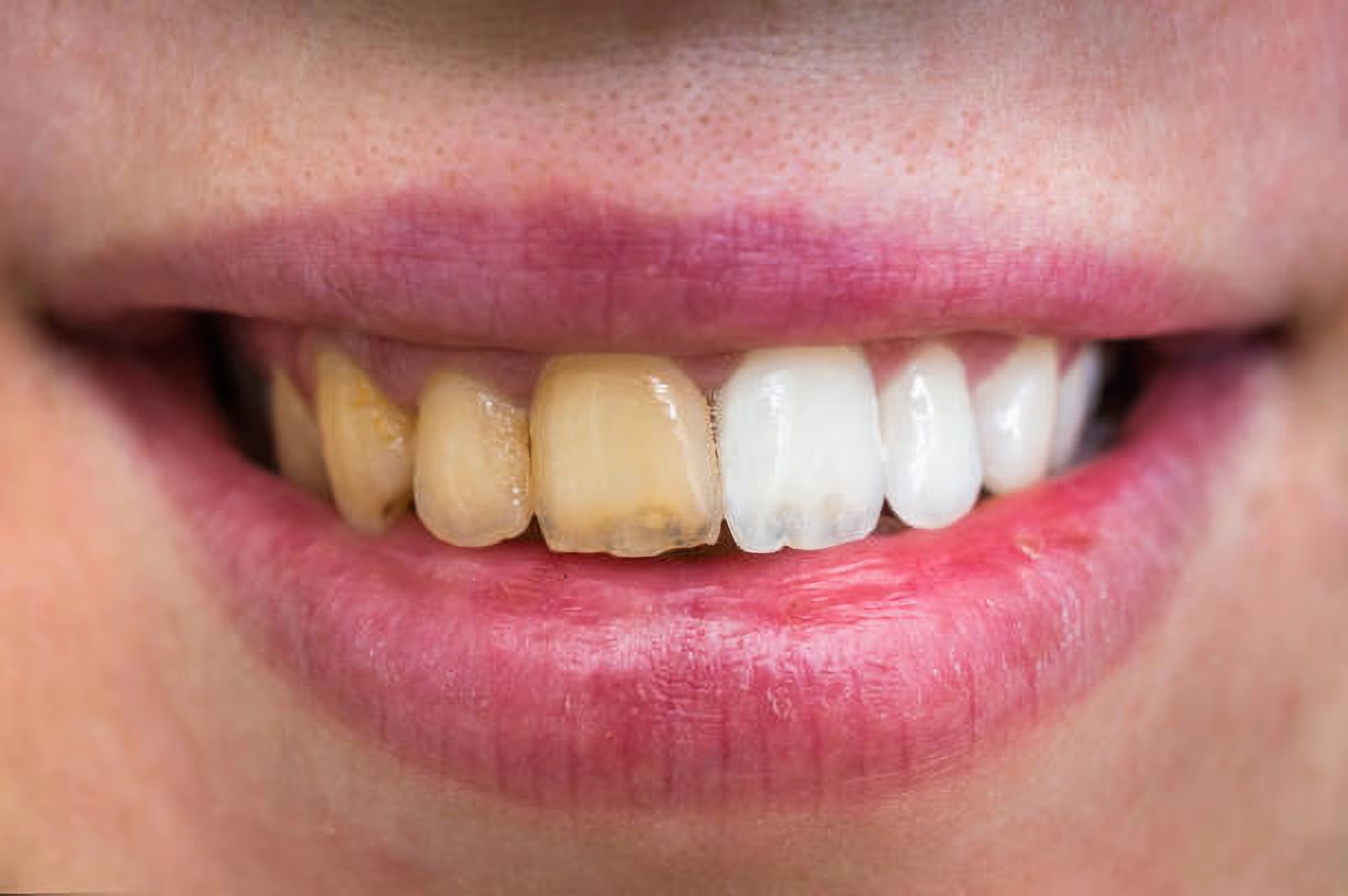
- Yellowing near the gumline
These are early signs of gum inflammation.
How flossing improves long term oral health
Reduces gum disease risk
Flossing removes plaque before it hardens.
Prevents decay between teeth
Toothbrushes cannot reach these areas.
Keeps breath fresher
Plaque and trapped food cause odour.
Supports whitening results
Clean gums and teeth look brighter.
How ToothFairy helps
Virtual gum assessments
Upload photos and get dentist guidance.
Oral hygiene coaching
Learn the best flossing technique for your teeth.
Gum disease support
Dentists explain bleeding, swelling and sensitivity.
Emergency dental help
Fast support if flossing reveals pain or infection.
Your flossing questions answered
Should I floss before or after brushing
Either is fine. Consistency matters most.
Is flossing better than mouthwash
Yes. Mouthwash cannot remove plaque between teeth.
Can children floss
Yes, with help until they develop good technique.
Do I need to floss if I use interdental brushes
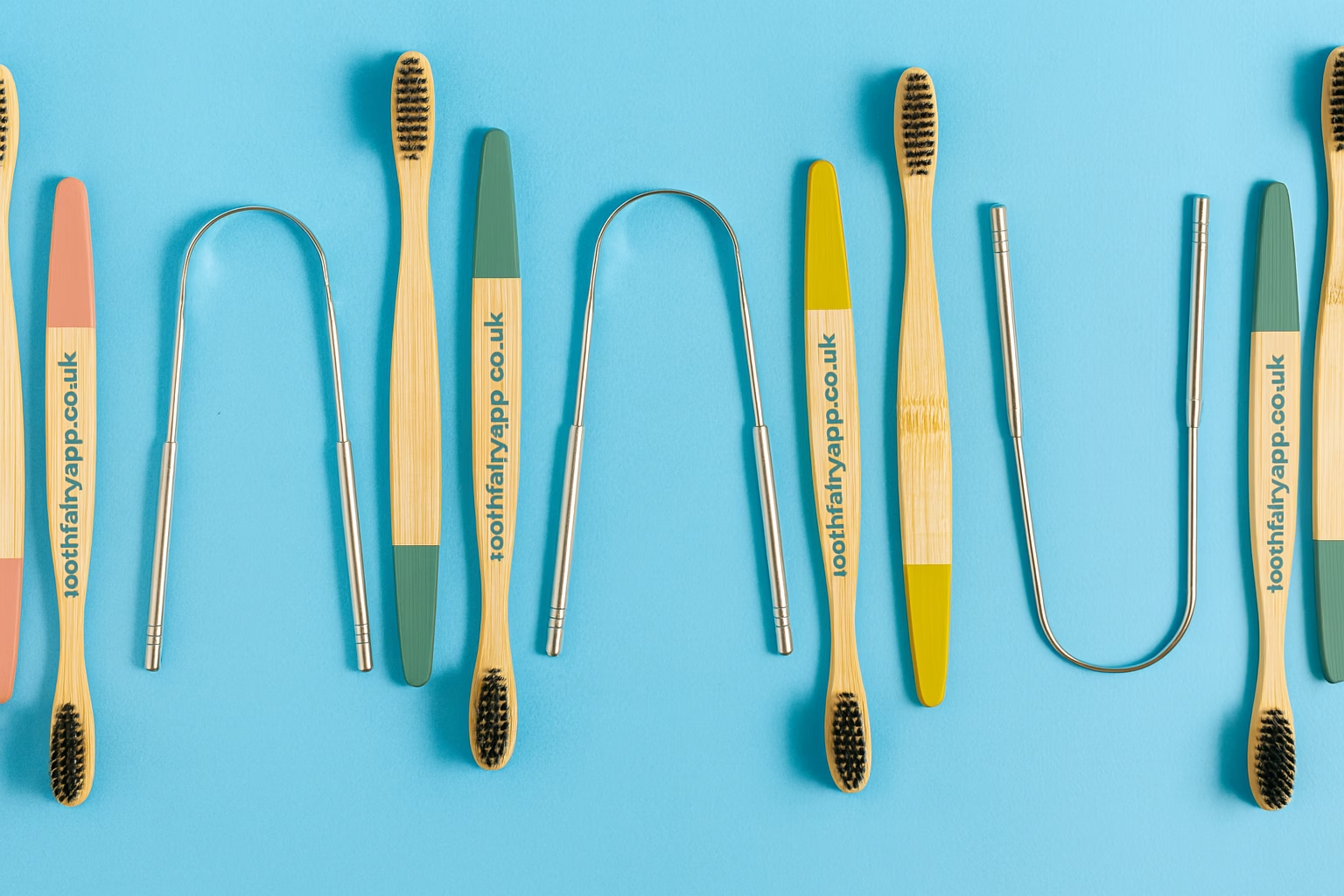
Many people benefit from using both.



















.jpg)





.jpg)
















.jpg)