
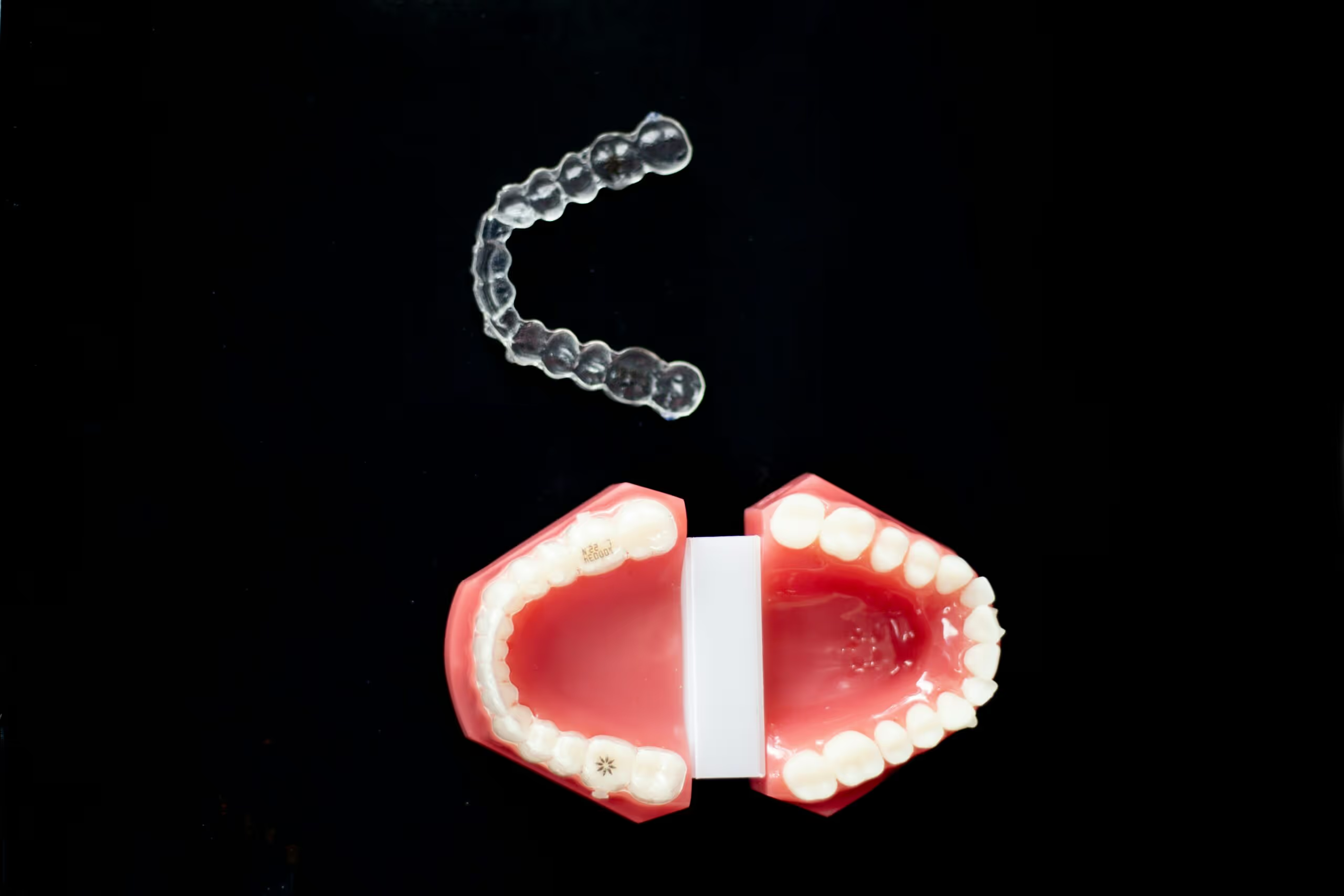
Why people mix up aligners and retainers
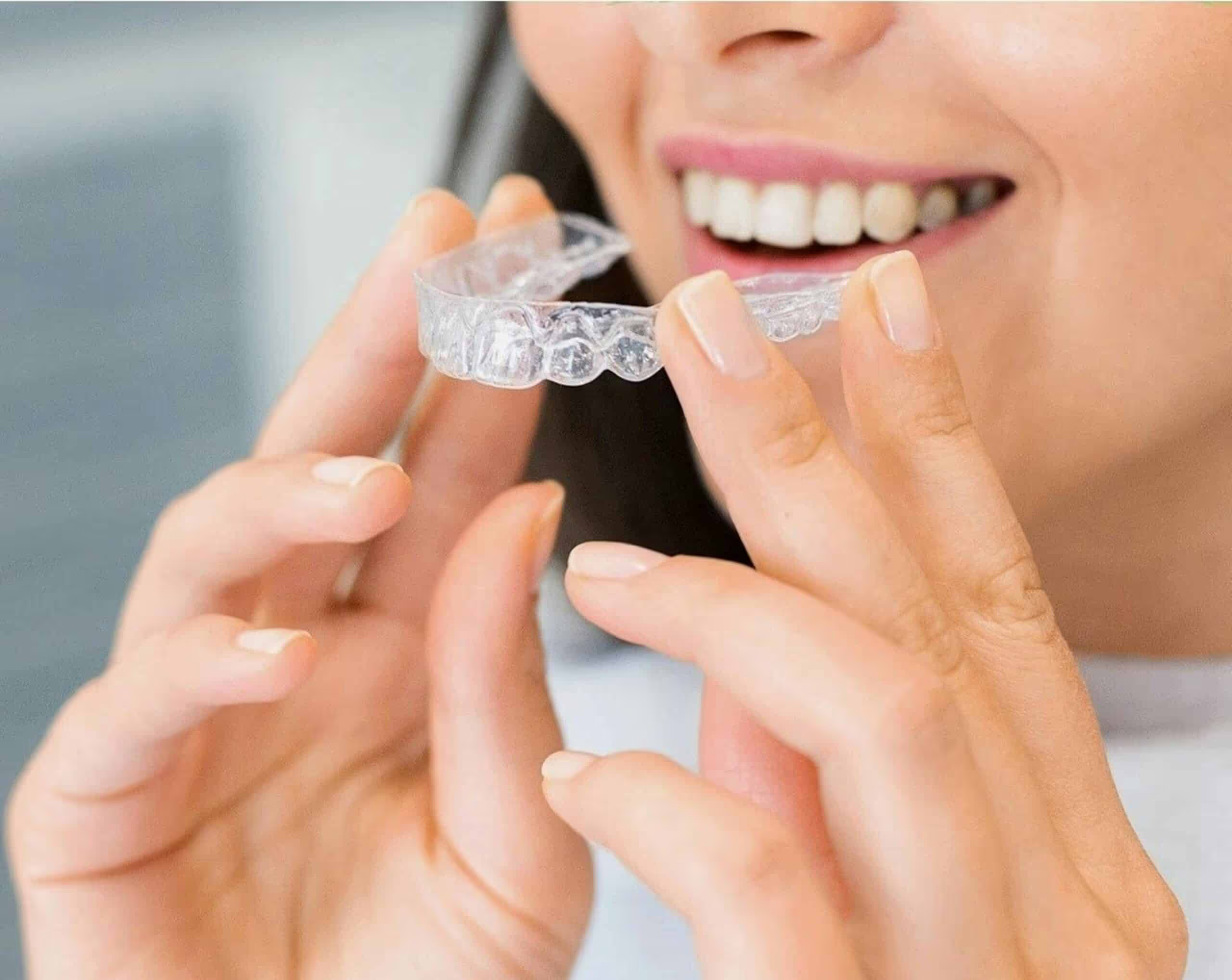
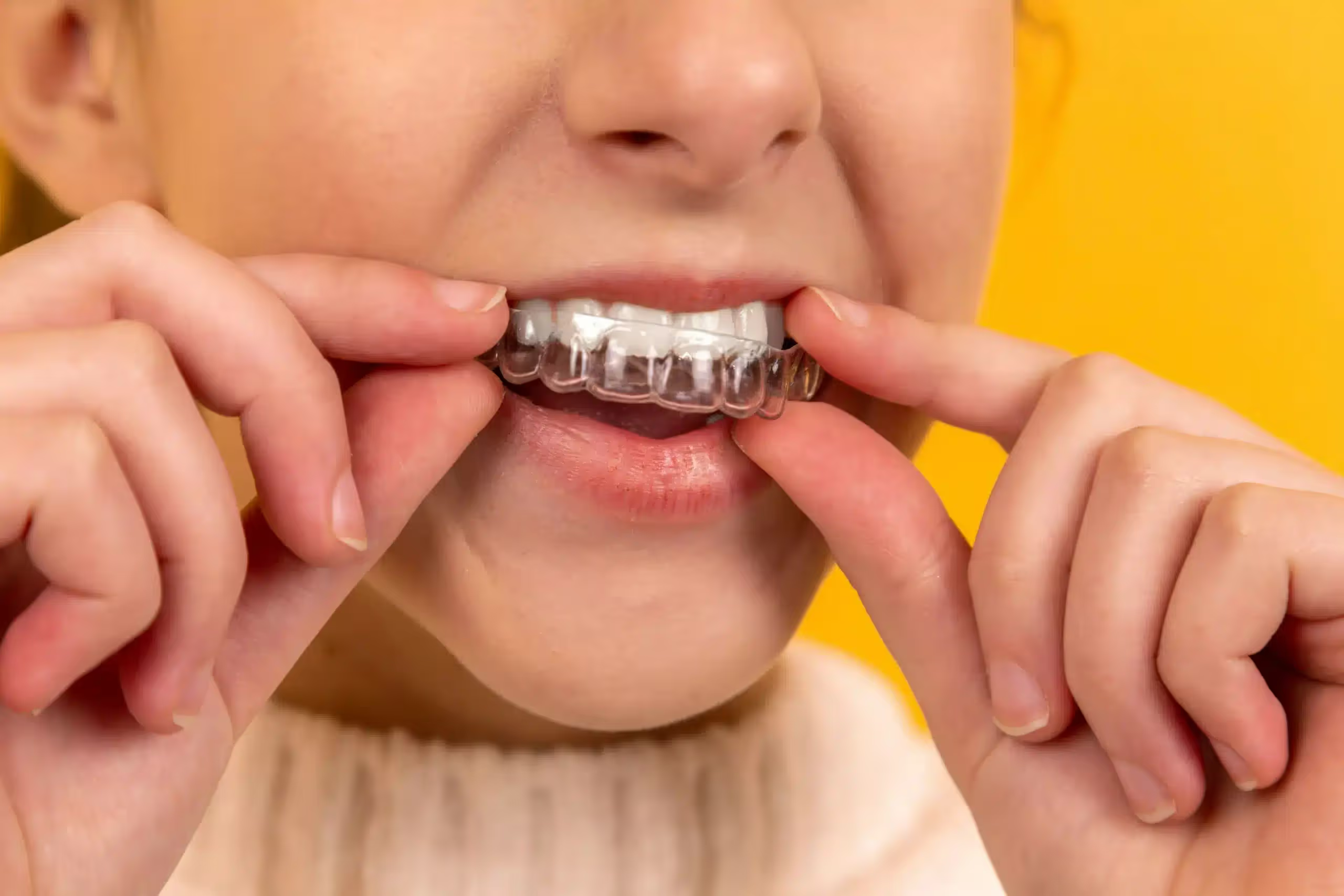
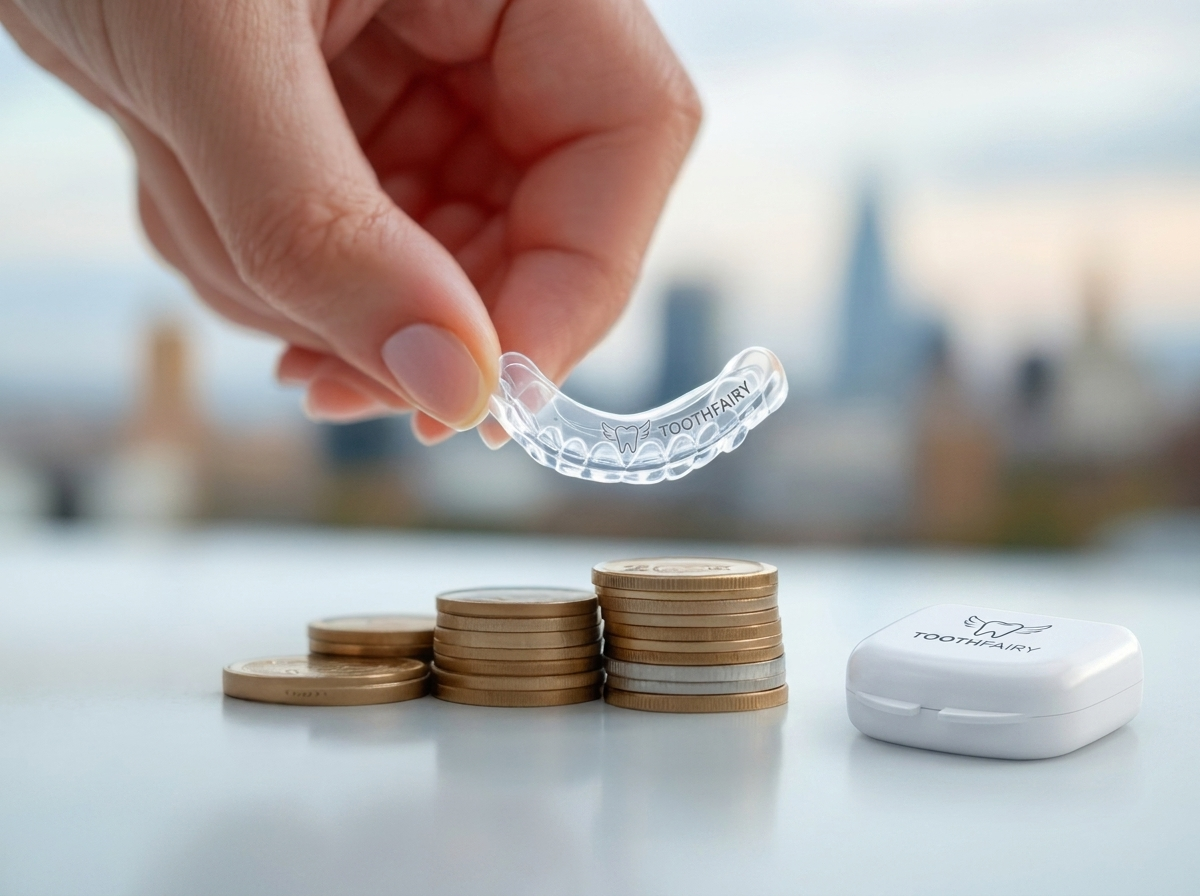
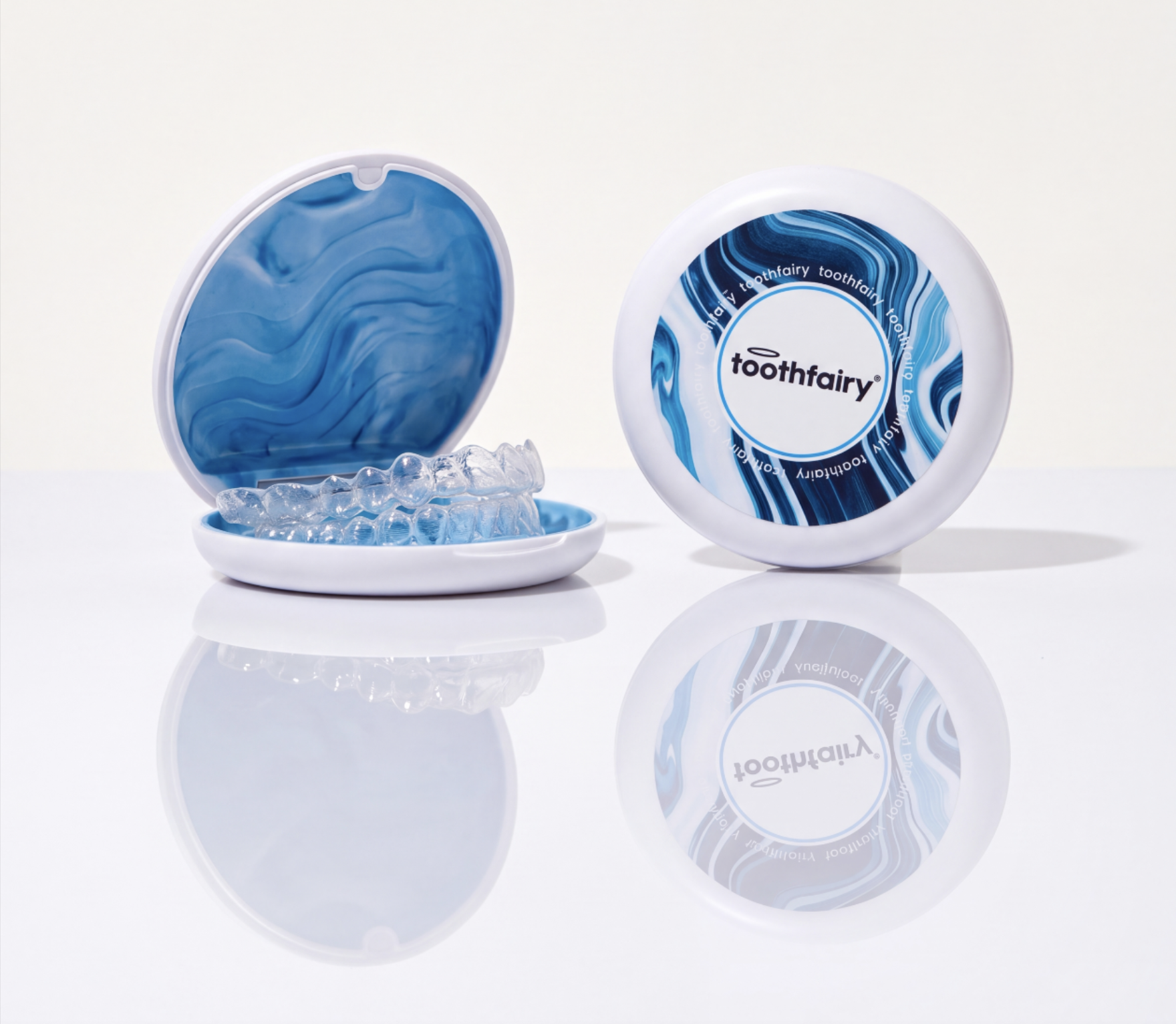
Both aligners and retainers are clear, removable trays — so it’s easy to assume they do the same thing. But they’re designed for two very different stages of your dental journey:
- Aligners move teeth
- Retainers hold teeth in place
Understanding the difference helps you choose the right option and avoid unwanted relapse.
What aligners actually do
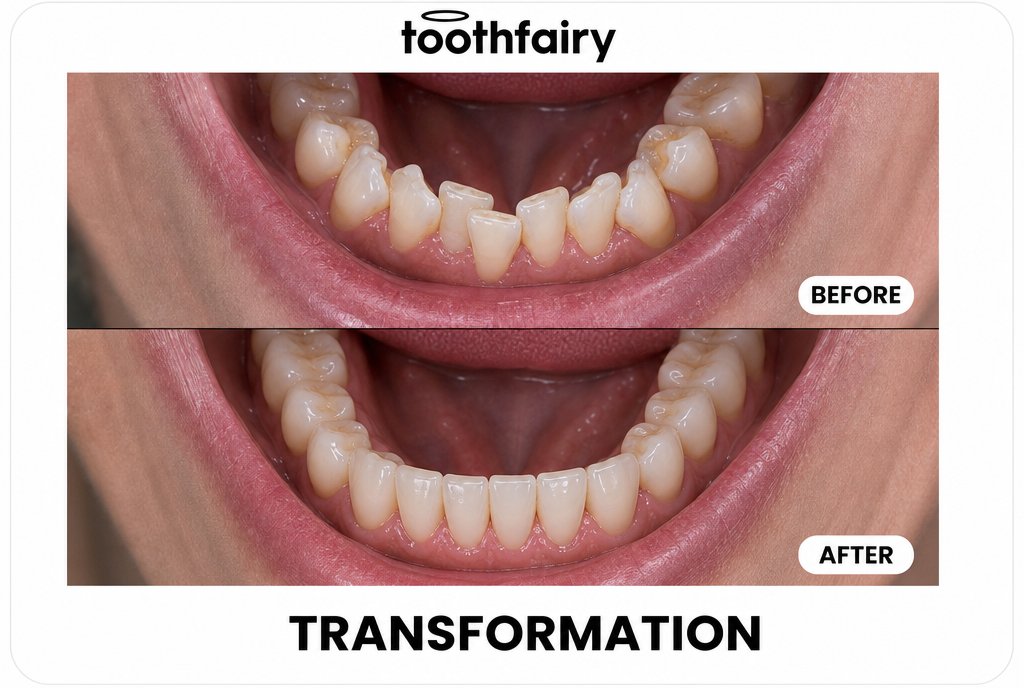
Aligners are used to straighten teeth. They apply gentle, controlled pressure to move teeth into new positions over time.
How aligners work
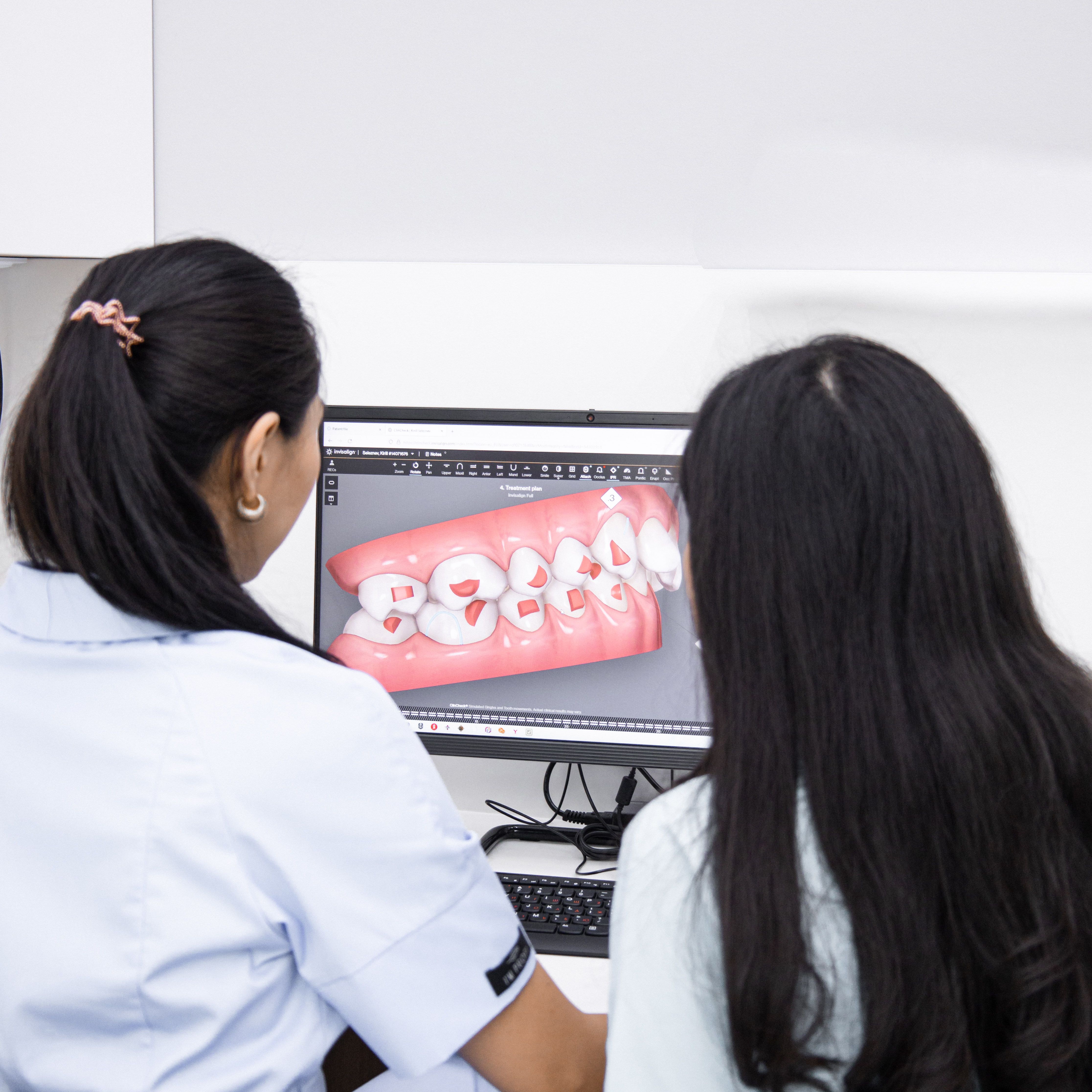
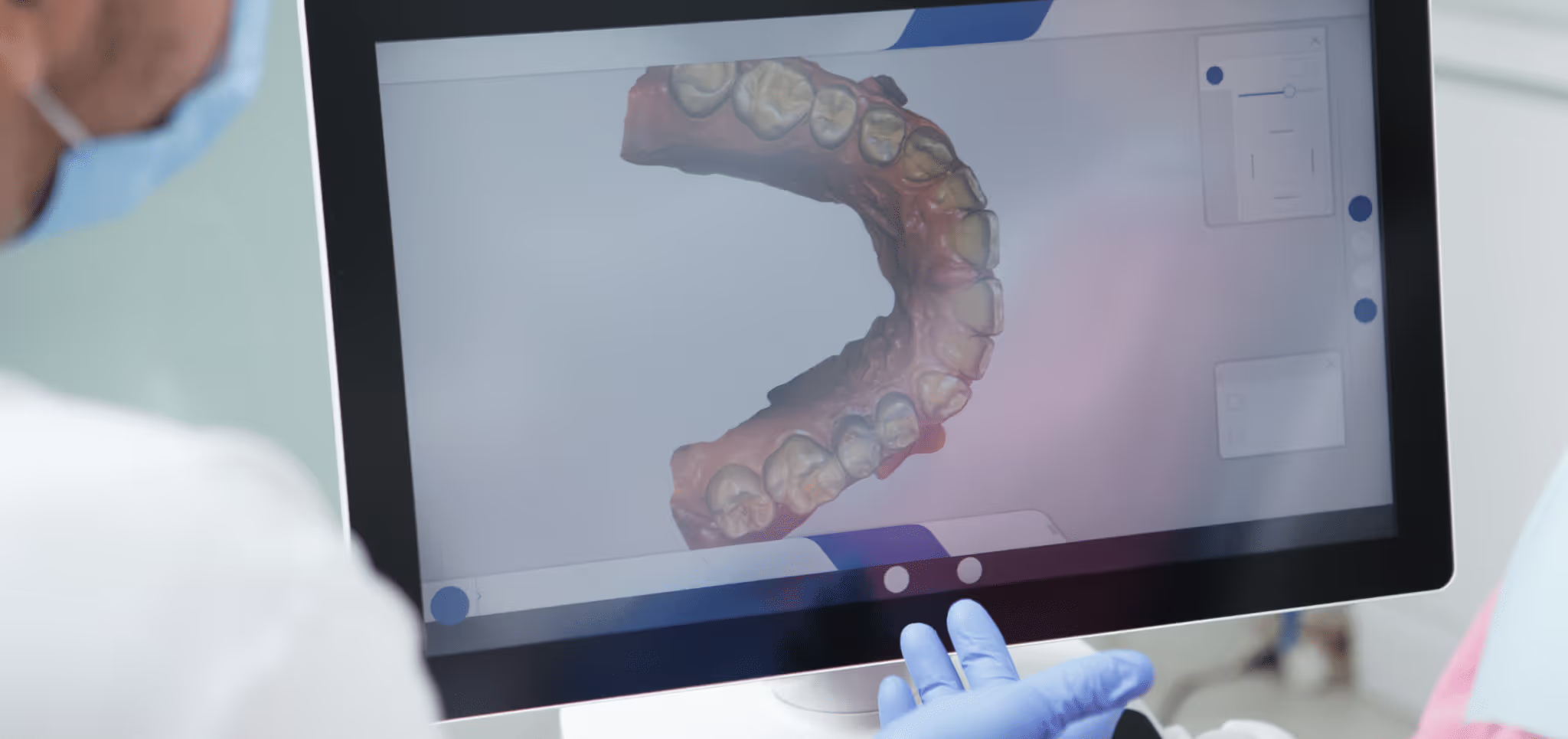
- A dentist creates a digital treatment plan
- Each aligner tray moves your teeth slightly
- You switch trays every 1–2 weeks
- Photo check‑ins track your progress
- Refinements perfect the final result
Aligners are ideal for:
- crowding
- spacing
- rotations
- bite improvements
- relapse correction
They’re the active part of treatment - the “movement phase.”
What retainers actually do
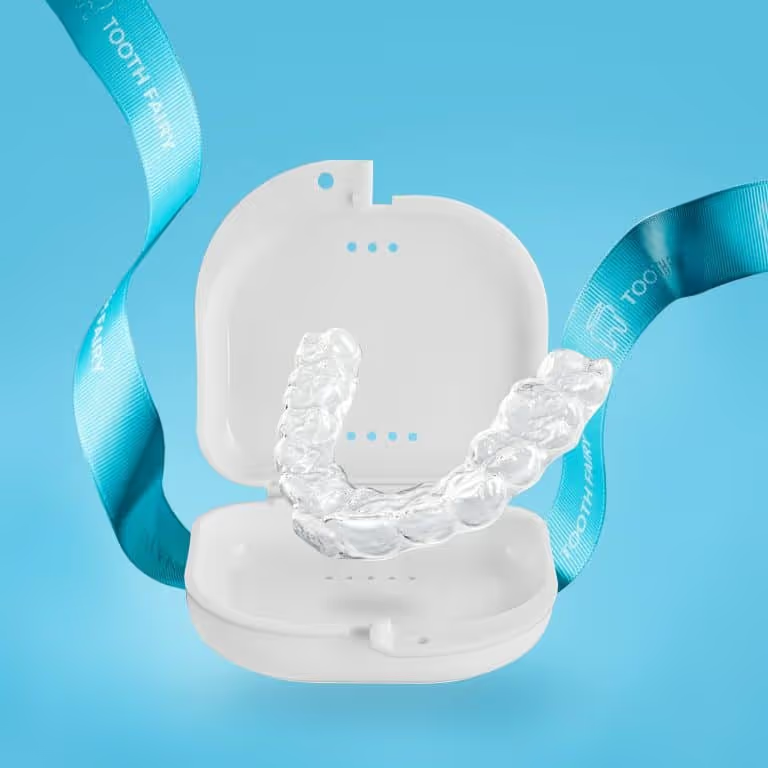
Retainers are used after straightening to keep your teeth in place. They don’t apply movement pressure; they simply hold your teeth where they should be.
How retainers work
- They stabilise your new tooth positions
- Ligaments tighten and adapt over time
- Wearing them consistently prevents relapse
Retainers are ideal for:
- maintaining alignment
- preventing gaps from reopening
- keeping front teeth stable
- long‑term smile protection
They’re the “maintenance phase.”
Aligners vs retainers
Can retainers replace aligners?
Not for real movement
Retainers can correct tiny shifts, but they can’t straighten teeth. They don’t apply the staged pressure needed for orthodontic movement.
When retainers might help
- slight spacing
- tiny rotations
- minor relapse after skipping a few nights
When aligners are needed instead
- crowding
- overlapping
- bite issues
- visible relapse
- gaps reopening
If your teeth have moved more than a millimetre or two, aligners are the correct tool.
Do you need both aligners and retainers?
Yes — almost always.
Aligners straighten your teeth
They move teeth into the right position.
Retainers keep them straight
They maintain your results long‑term.
Skipping retainers after aligners is the fastest way for teeth to drift back.
How long you need each one
Aligners
Most adult cases take 4–12 months, depending on complexity.
Retainers
You’ll need them long‑term.Many people wear them a few nights a week indefinitely.
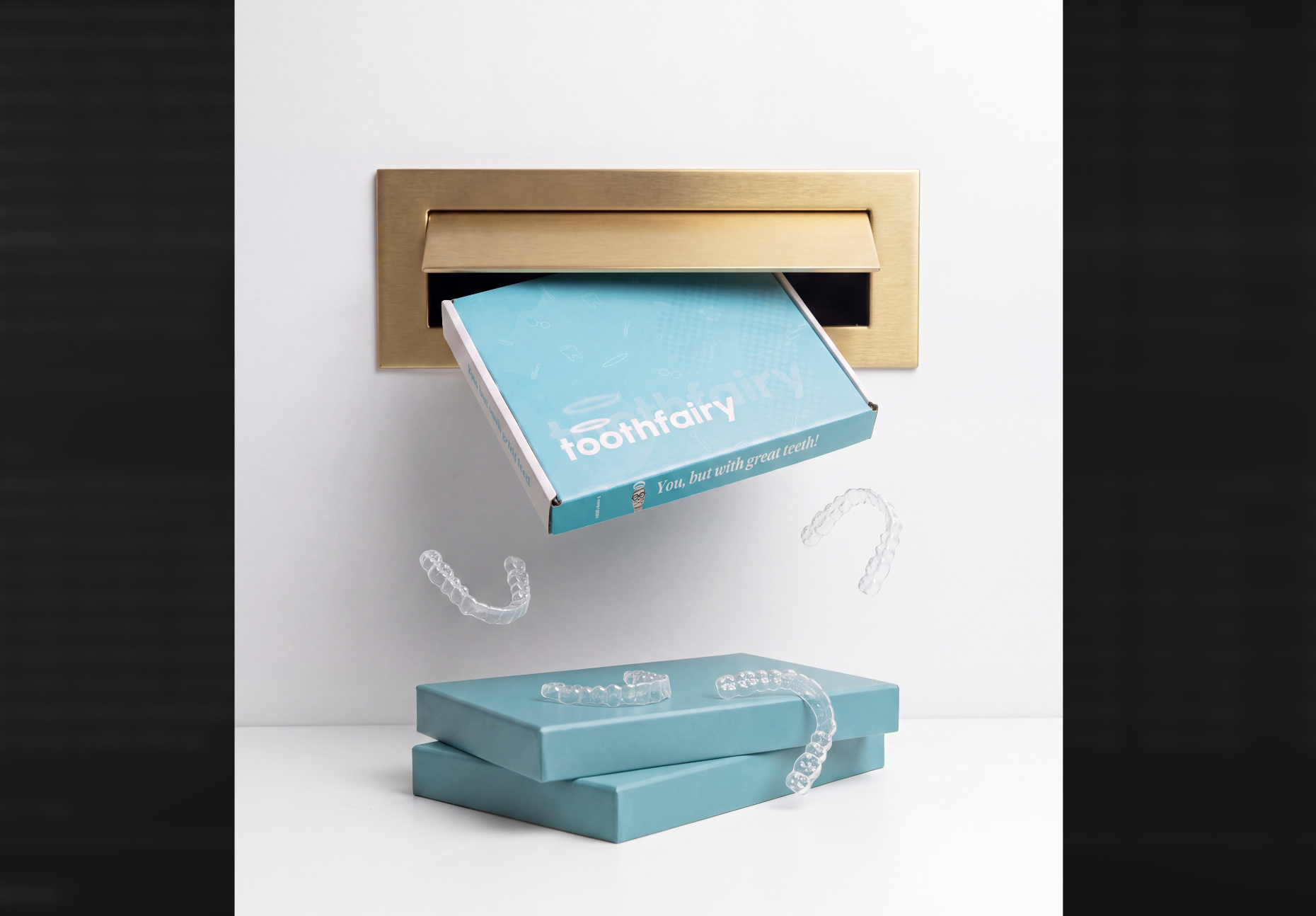
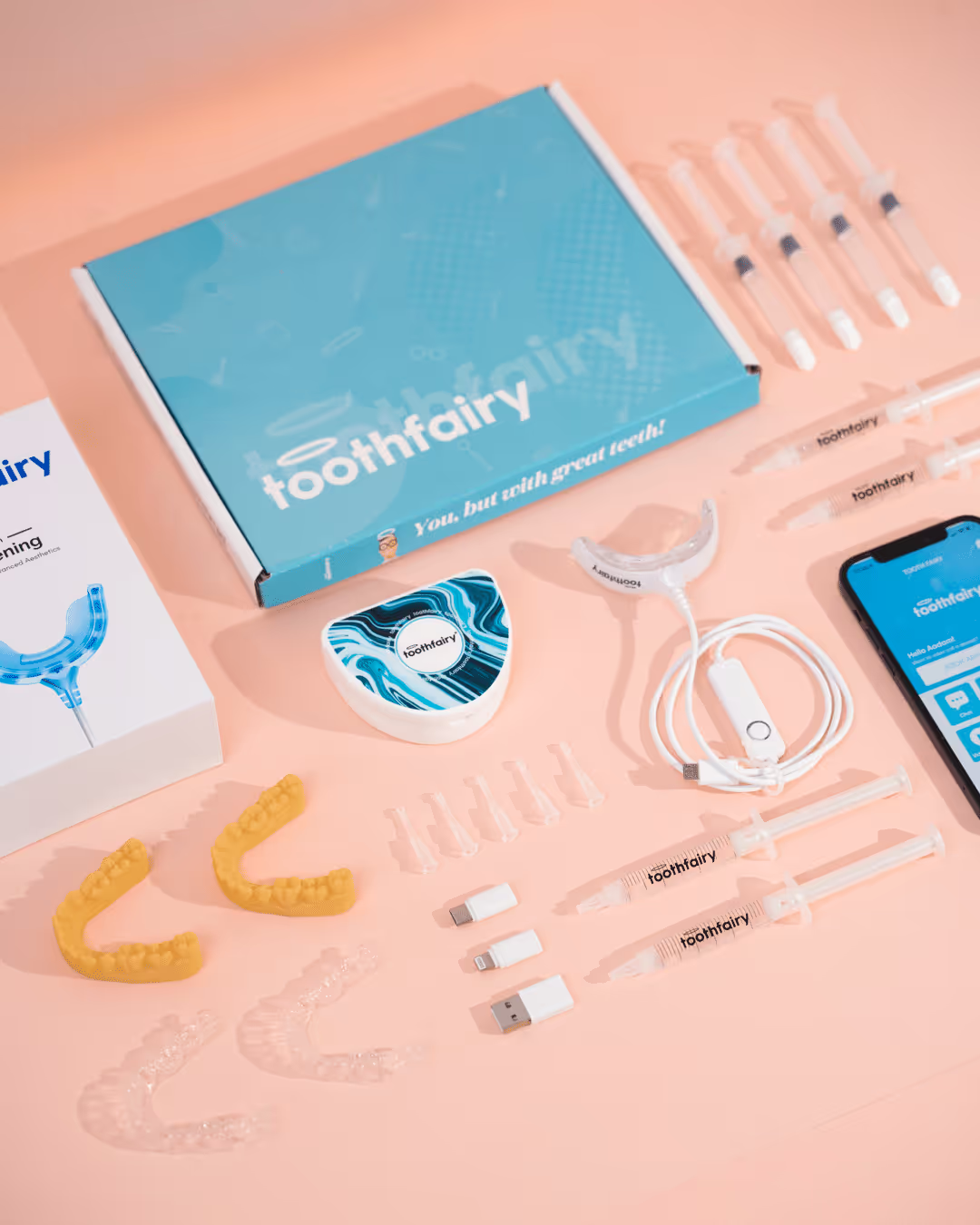
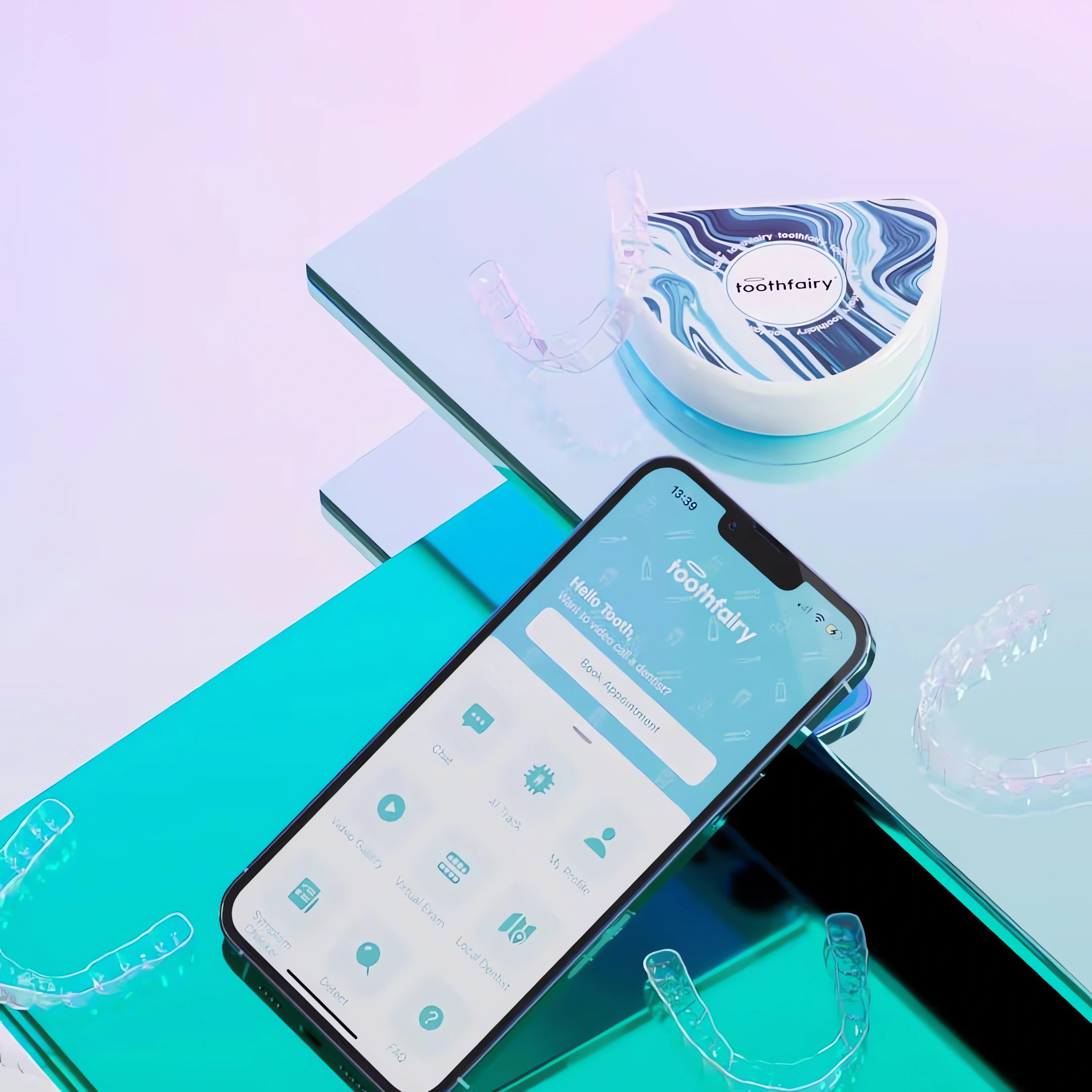
How Toothfairy supports both aligners and retainers
Dentist‑led straightening
Your aligner plan is created and monitored by UK‑licensed dentists.
Remote check‑ins
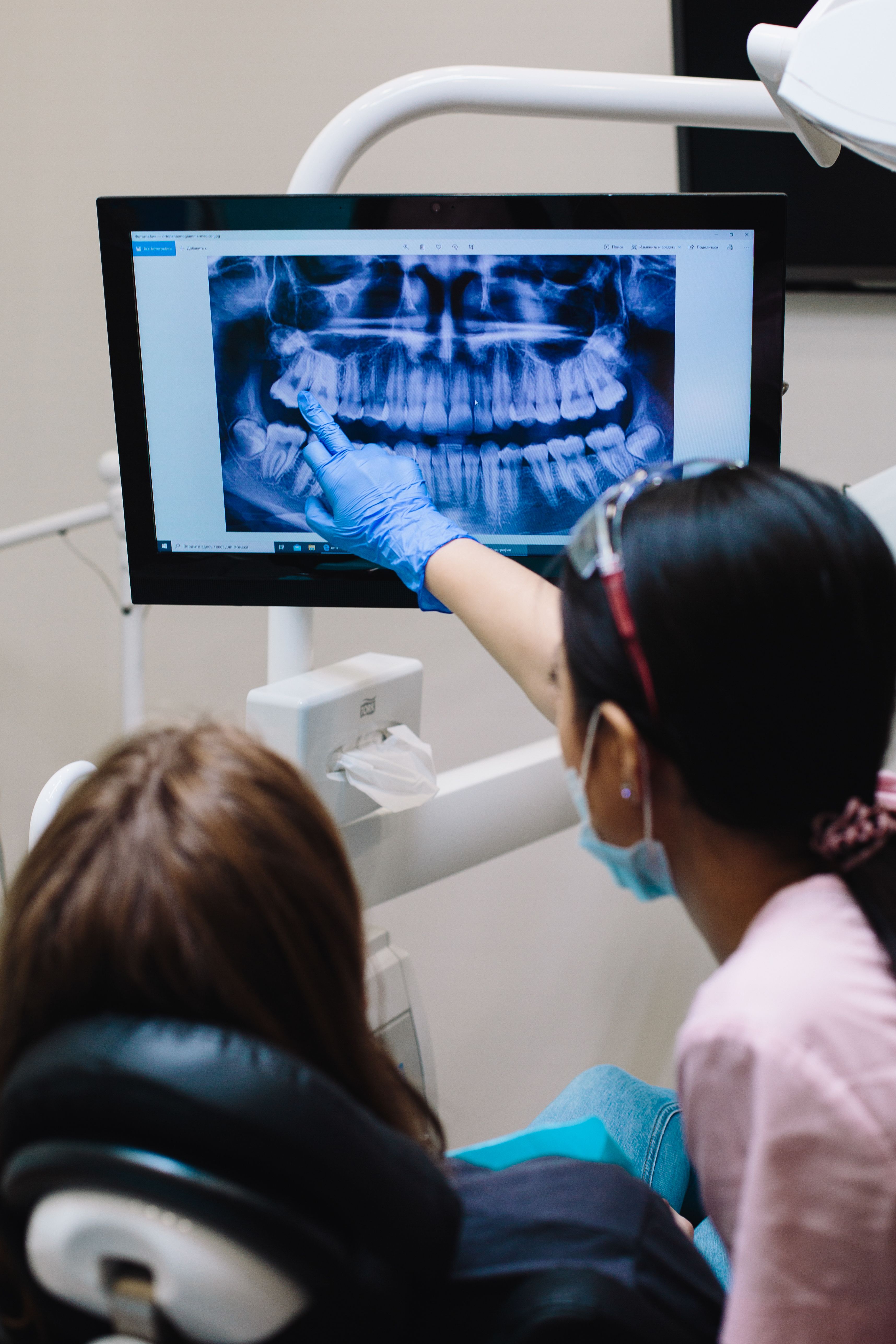
Upload photos to track progress without clinic visits.
Retainer support
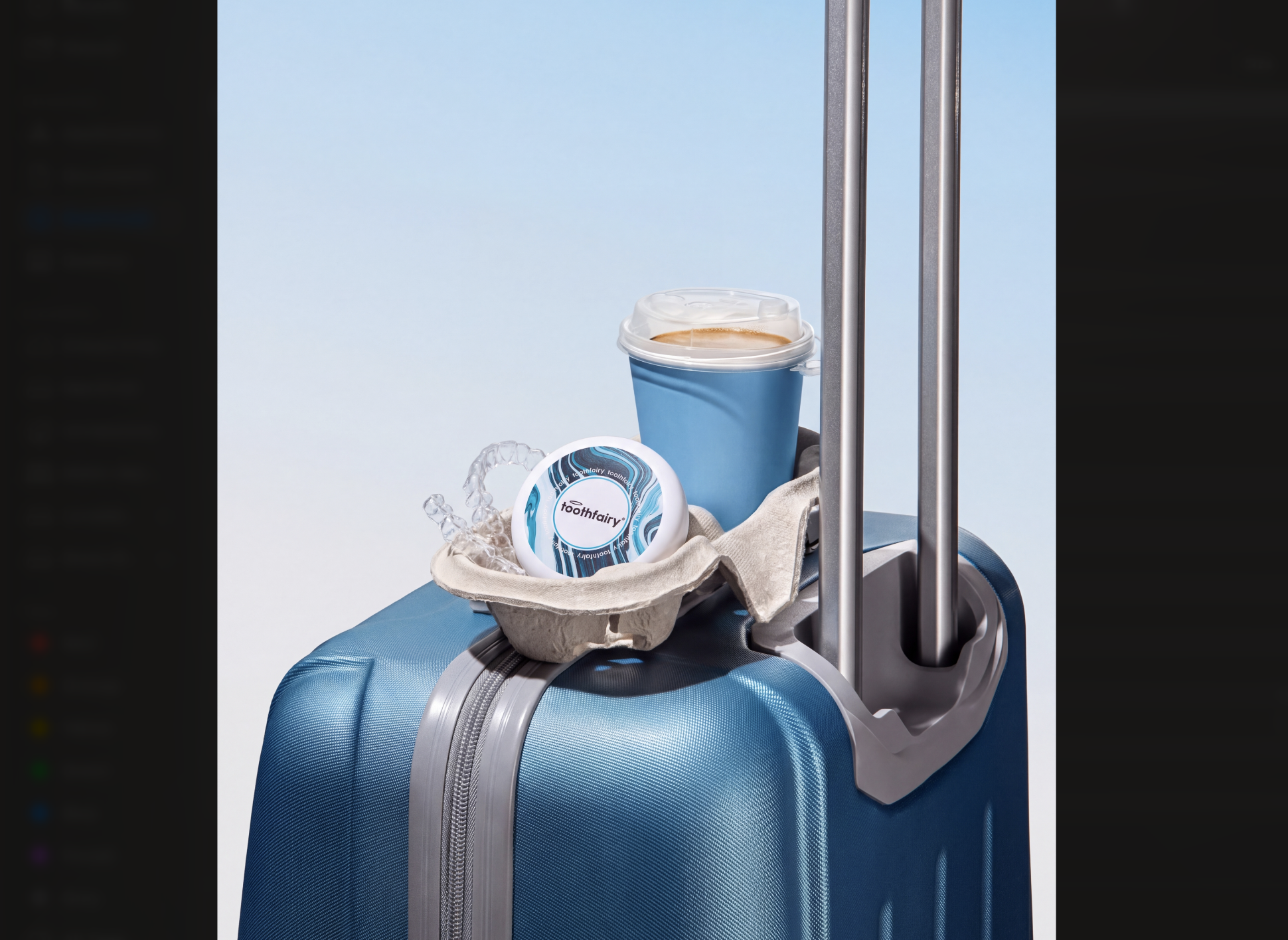
Get replacement retainers, fit checks and relapse assessments.
Relapse correction
If teeth shift, a short aligner plan can bring them back before returning to retainer wear.






.jpg)







































.avif)