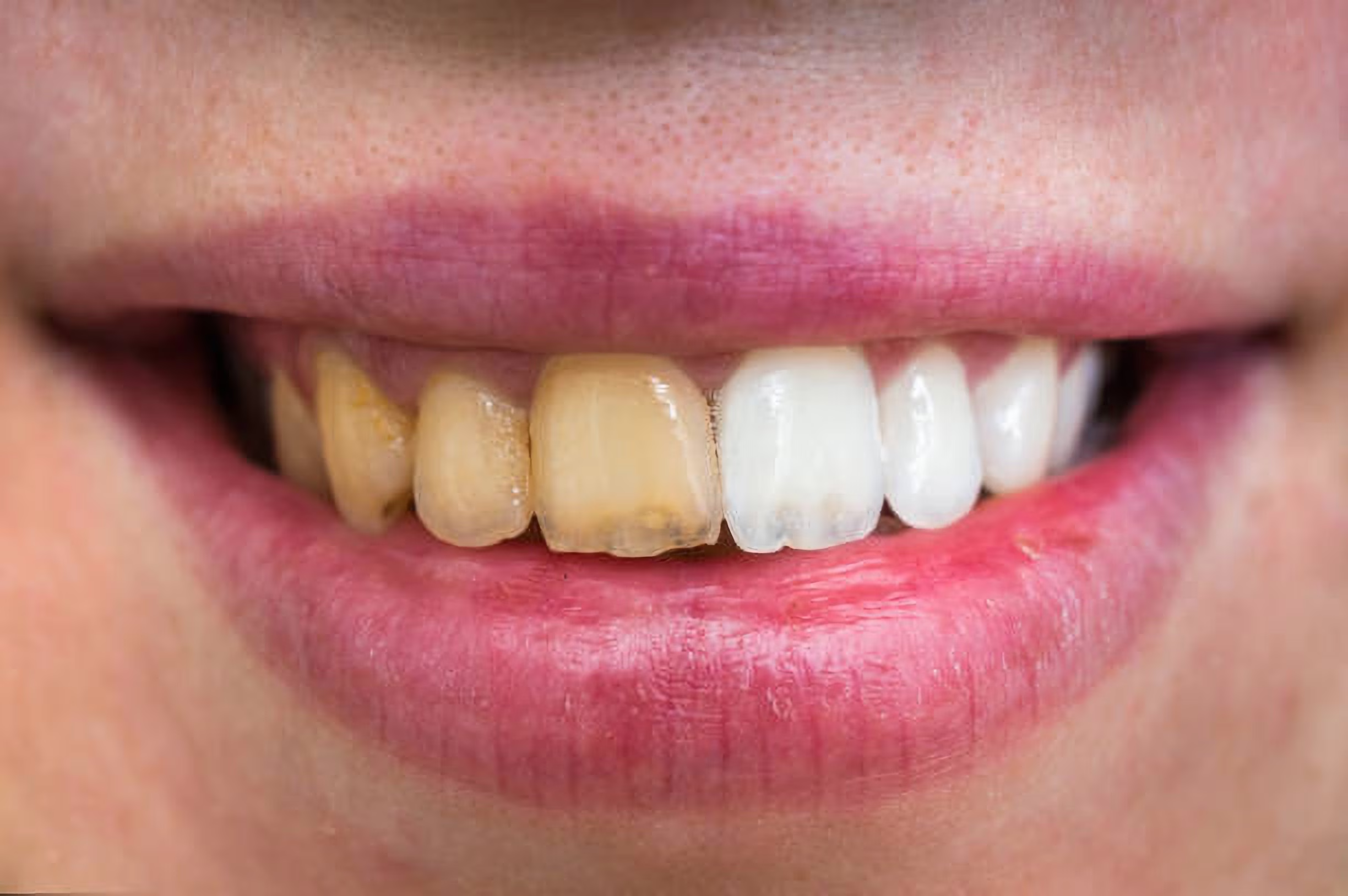

More UK adults than ever are exploring ways to straighten their teeth without traditional braces — and for good reason. Remote work, increased video calls, and the rise of digital dentistry have made at‑home teeth straightening a convenient, discreet and affordable option. But with more choice comes more responsibility: understanding how these treatments work, what’s safe, and whether they’re right for you.
This guide breaks down everything you need to know, from the rise of adult orthodontics to the full at‑home aligner process, safety considerations, and how to choose the best treatment for your smile.
Why At‑Home Teeth Straightening Is Growing in the UK
Remote Work Has Put Smiles in the Spotlight
With video meetings becoming part of daily life, many adults have become more aware of their teeth. A British Orthodontic Society study found that 76% of orthodontists saw an increase in adult patients, with 65% linking this rise to online working and video calls.(British Orthodontic Society Survey)
Adult Orthodontics Is No Longer “Just for Teenagers”
Clear aligners have changed perceptions. Adults now view teeth straightening as part of overall wellness, confidence and professional presence — not a teenage rite of passage.
Technology Has Removed Barriers
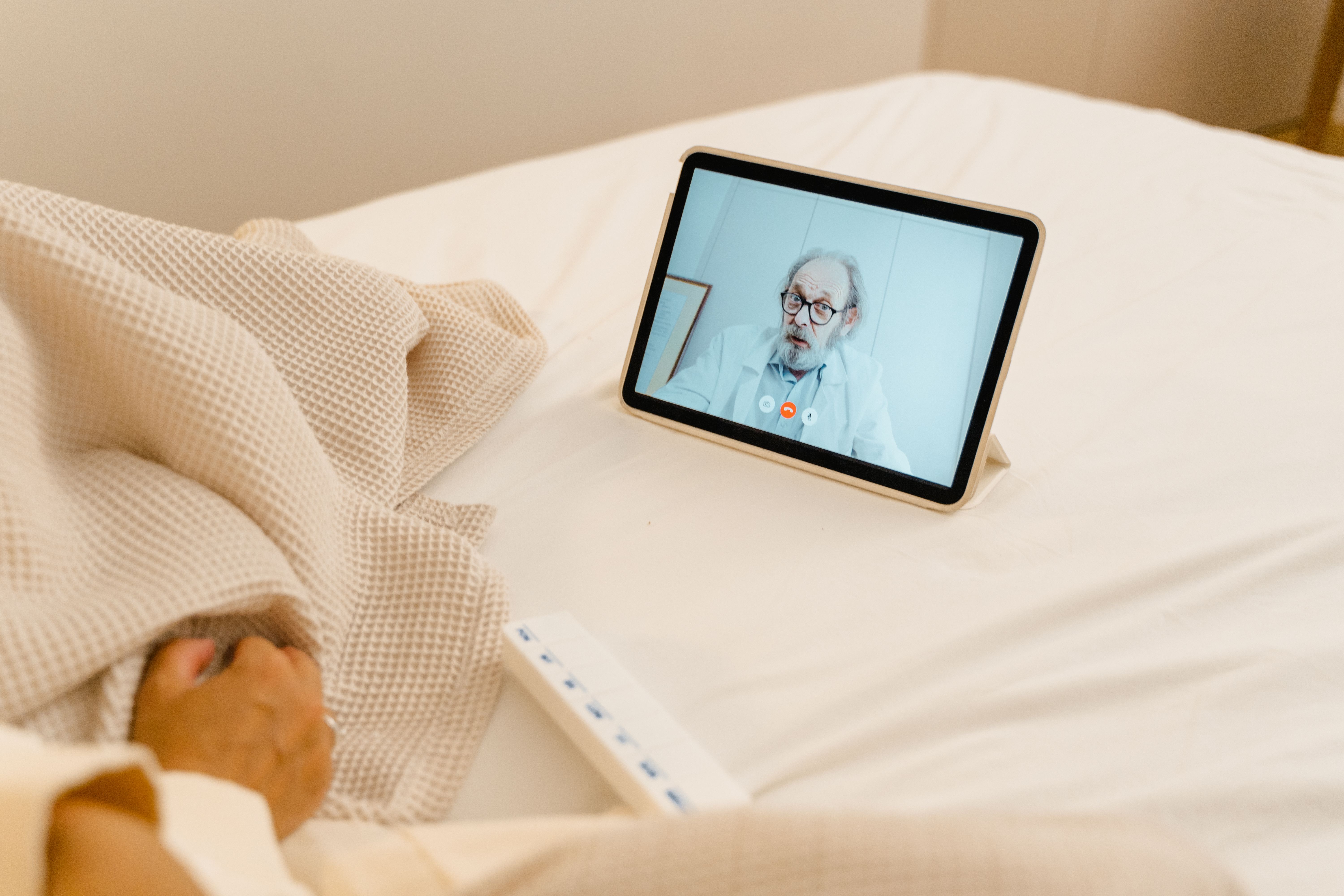
Digital scans, at‑home impression kits and virtual check‑ins mean fewer clinic visits and more flexibility. For busy professionals, parents or those living far from orthodontic practices, this convenience is a game‑changer.
The Growing Demand for Adult Orthodontics in Britain
The 25–45 Age Group Is Leading the Shift
Professionals in this age range often see a confident smile as part of their personal brand — especially in client‑facing roles or industries where first impressions matter.
Men and Women Approach Treatment Differently
- Women often prioritise aesthetics and social confidence
- Men tend to focus on practicality and long‑term dental health
Understanding these motivations helps providers tailor treatment plans.
Social Media Has Raised Awareness — and Expectations
Curated photos and filters have made people more conscious of their smiles. While these images aren’t always realistic, they’ve undeniably increased interest in cosmetic dental improvements.
At‑Home Aligners Have Made Treatment More Accessible
A BOS survey found 80% of orthodontists saw increased adult demand, driven partly by affordable at‑home options.(BOS Adult Orthodontics Data)
Your Step‑by‑Step Journey Through At‑Home Teeth Straightening
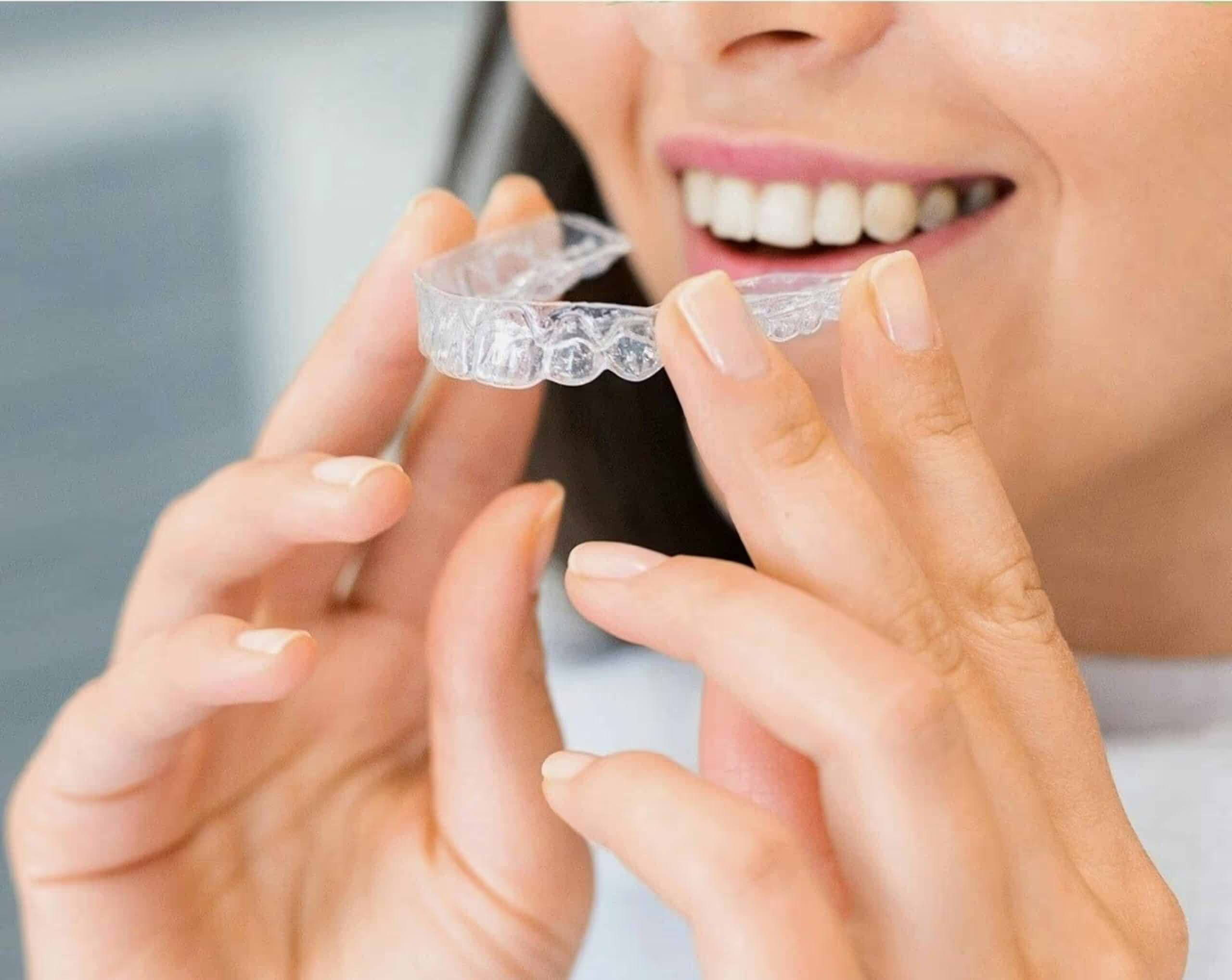
At‑home aligners can deliver impressive results when used correctly and under proper dental supervision. Here’s what the process looks like:
1. Initial Assessment & Consultation
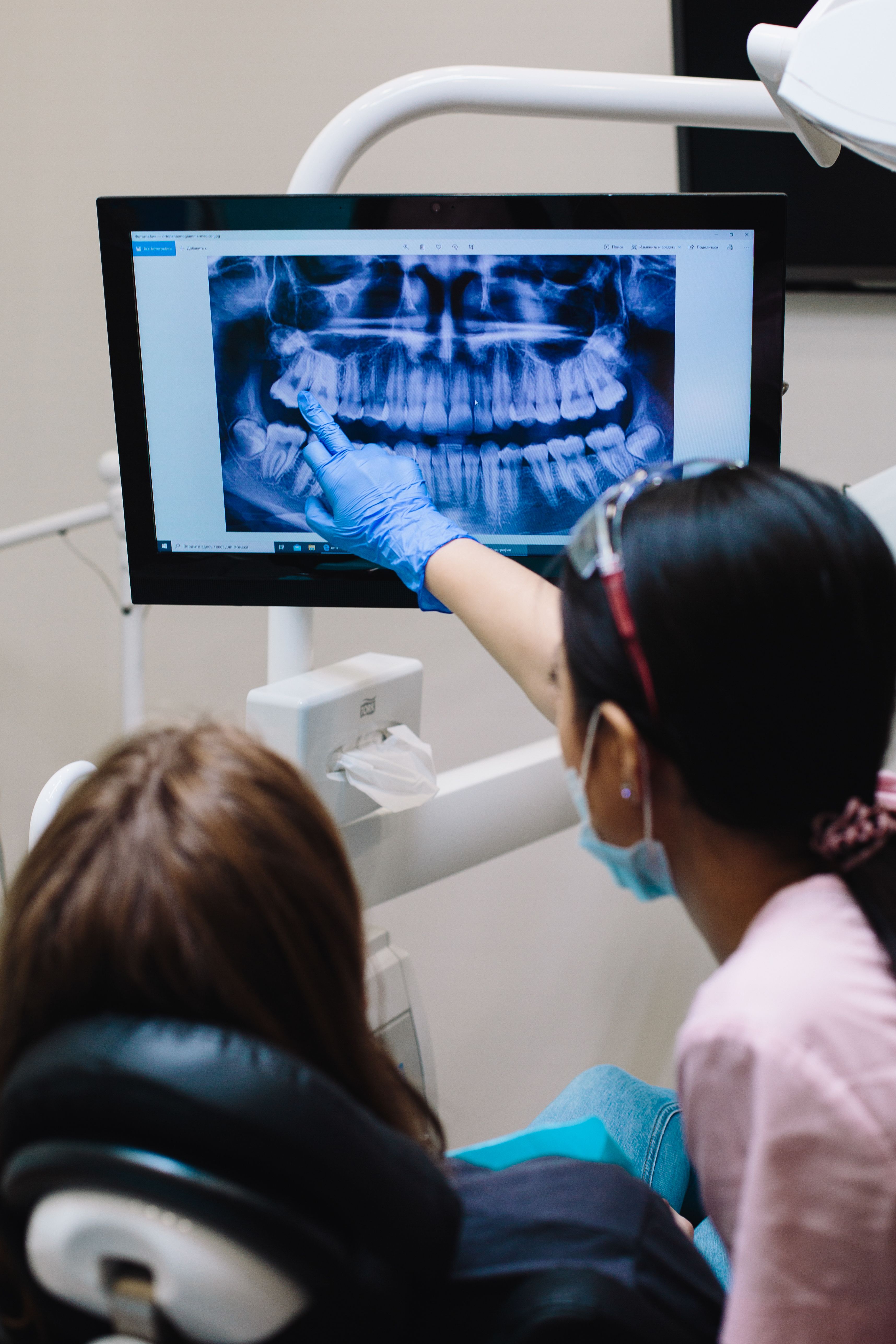
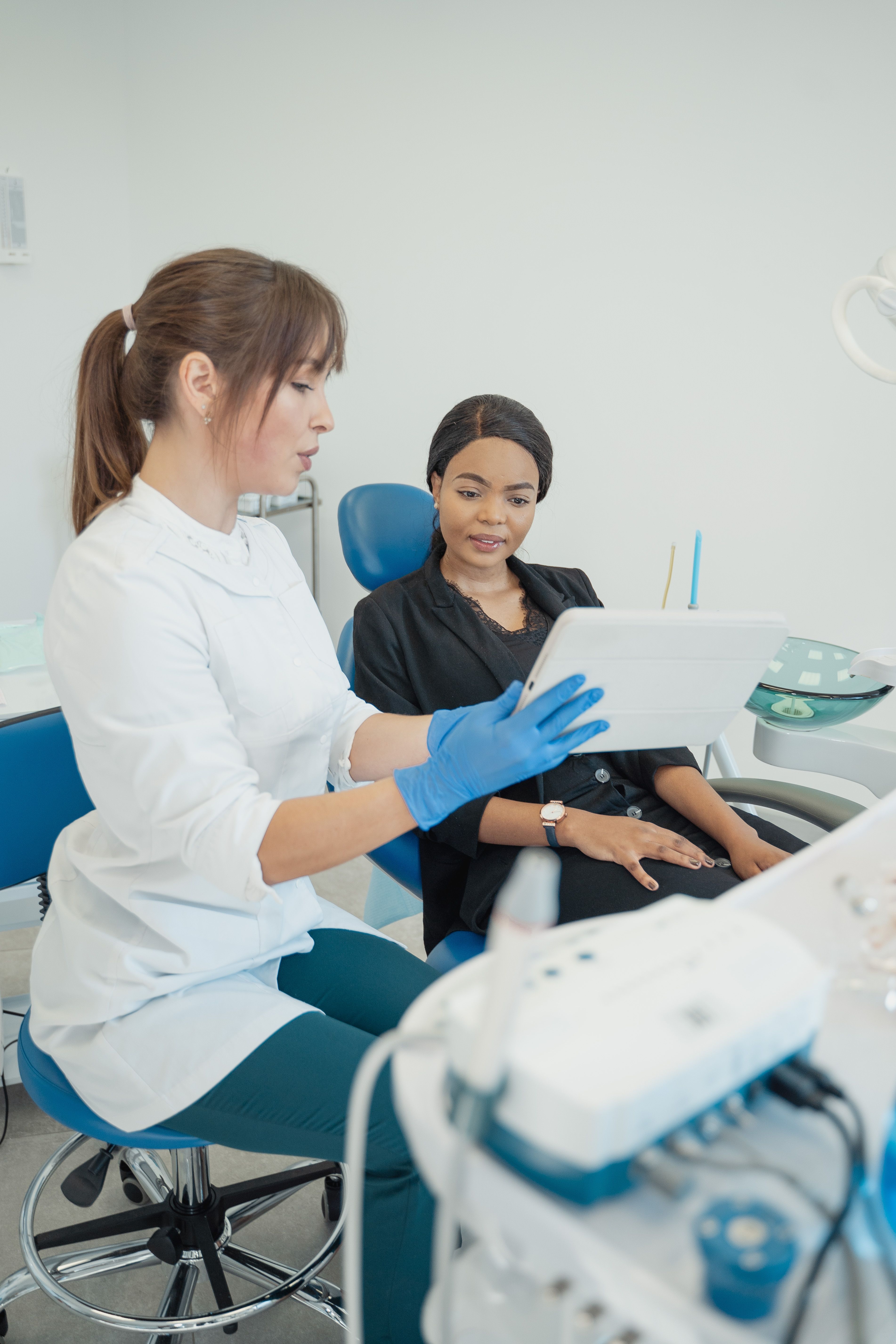
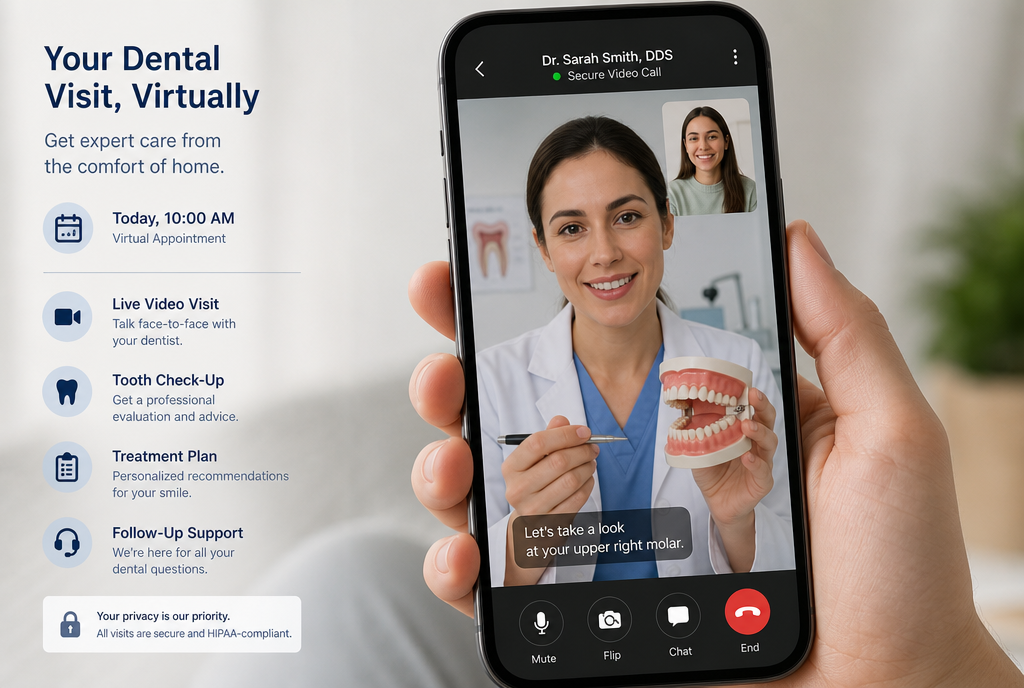
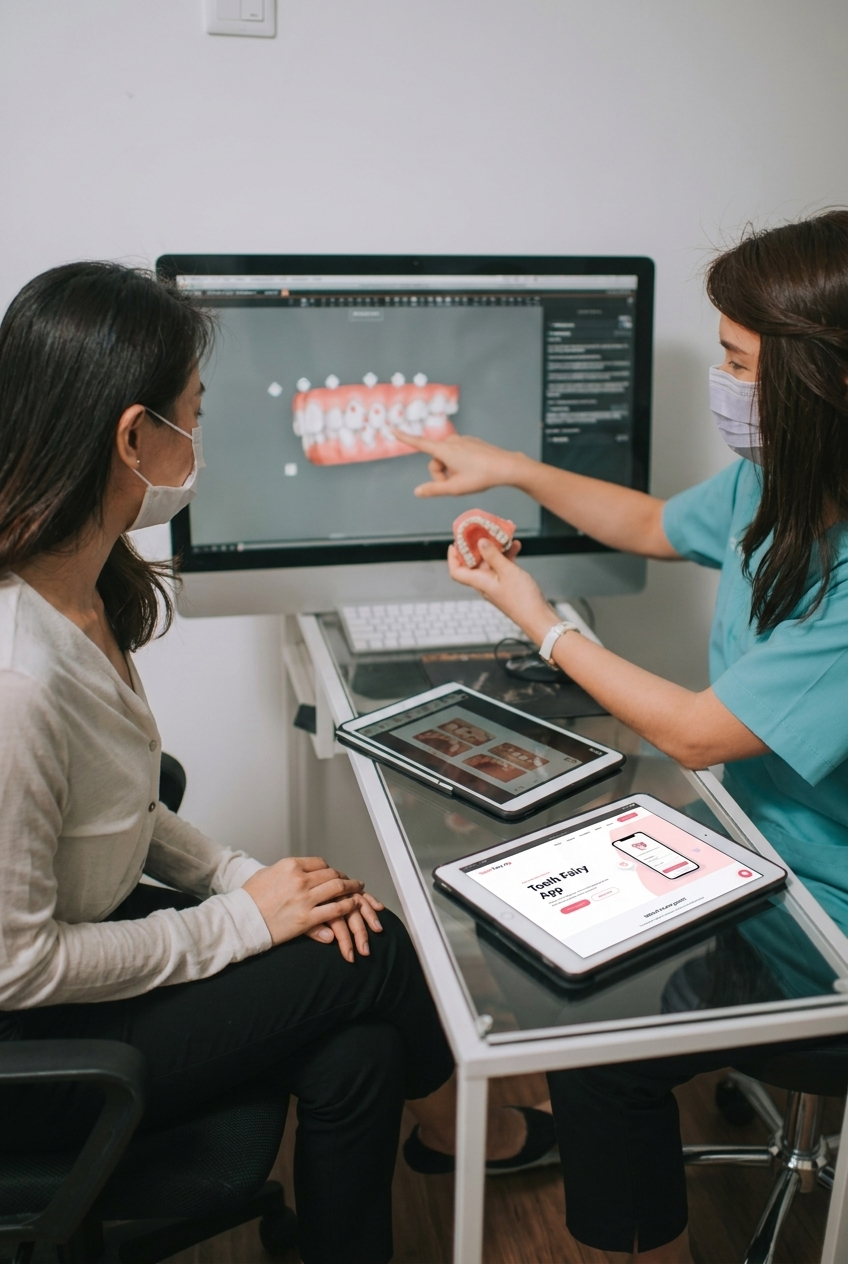
You start with an online assessment covering your dental history and goals. Many providers offer virtual consultations with a dentist to confirm whether you’re a suitable candidate.
2. Creating Your Dental Impressions
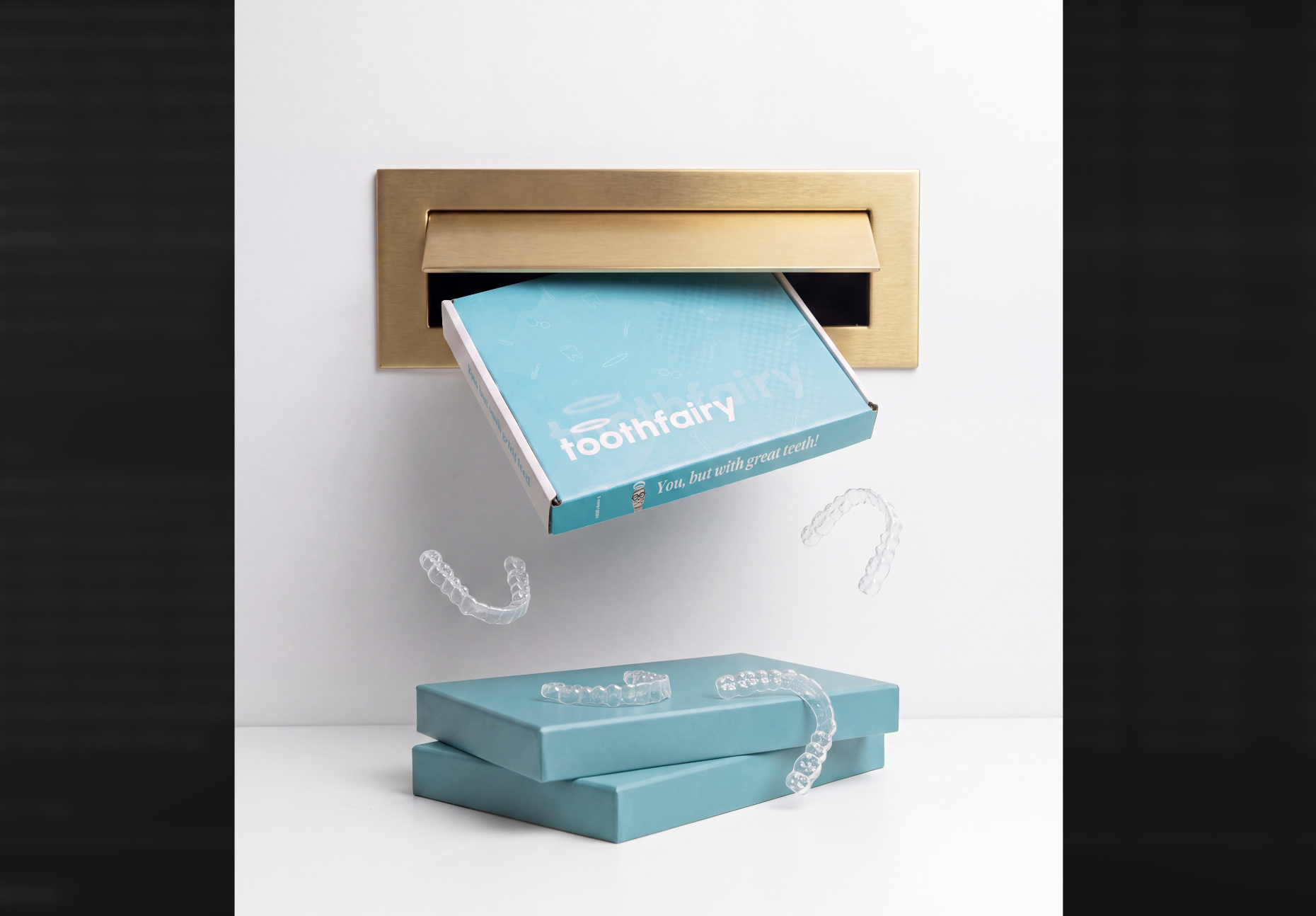
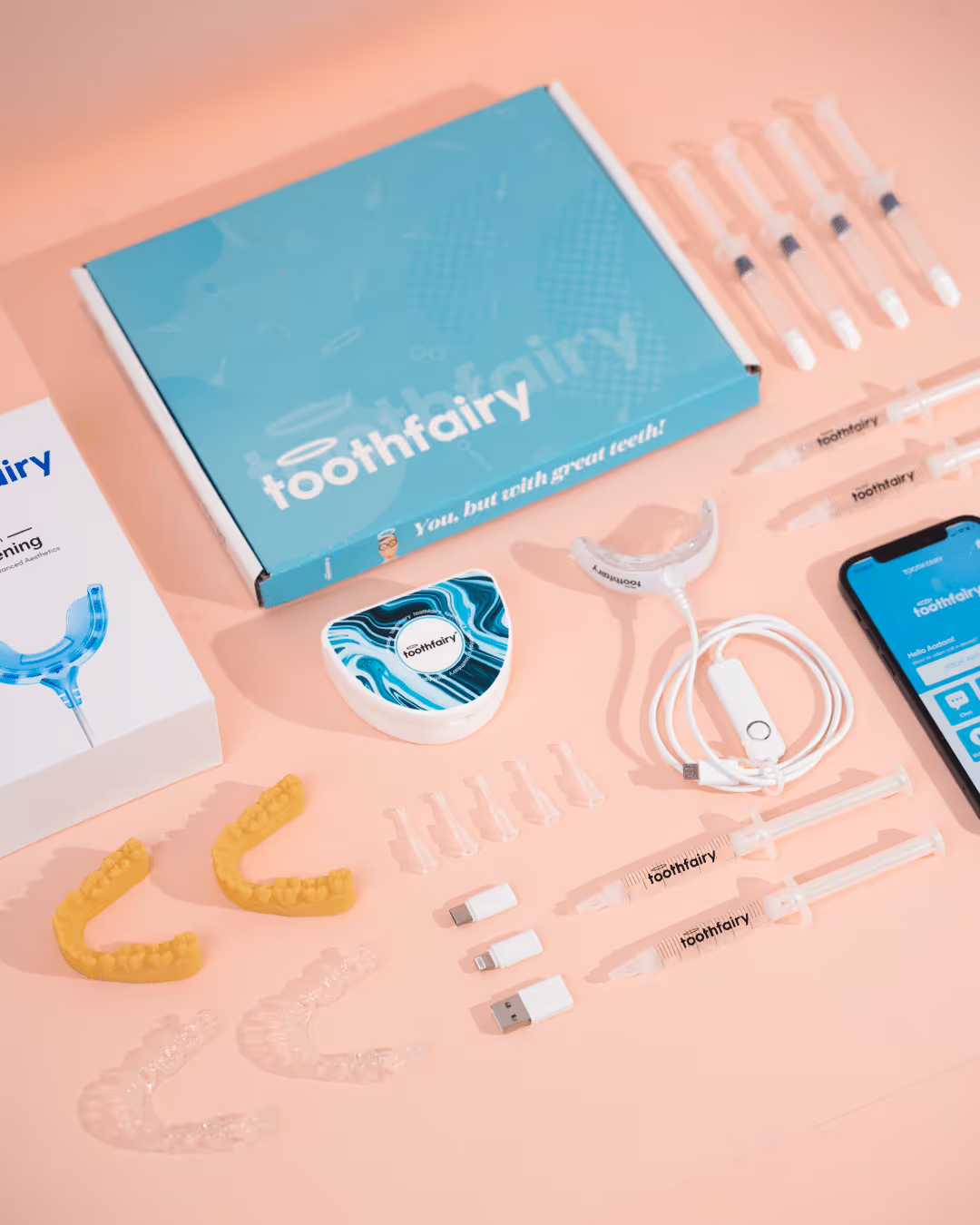
If approved, you’ll receive an impression kit. You’ll take moulds of your teeth at home and send them back for analysis.For a deeper comparison of at‑home vs in‑office treatment, see:At‑Home vs In‑Office Aligners
3. Treatment Planning & Aligner Fabrication
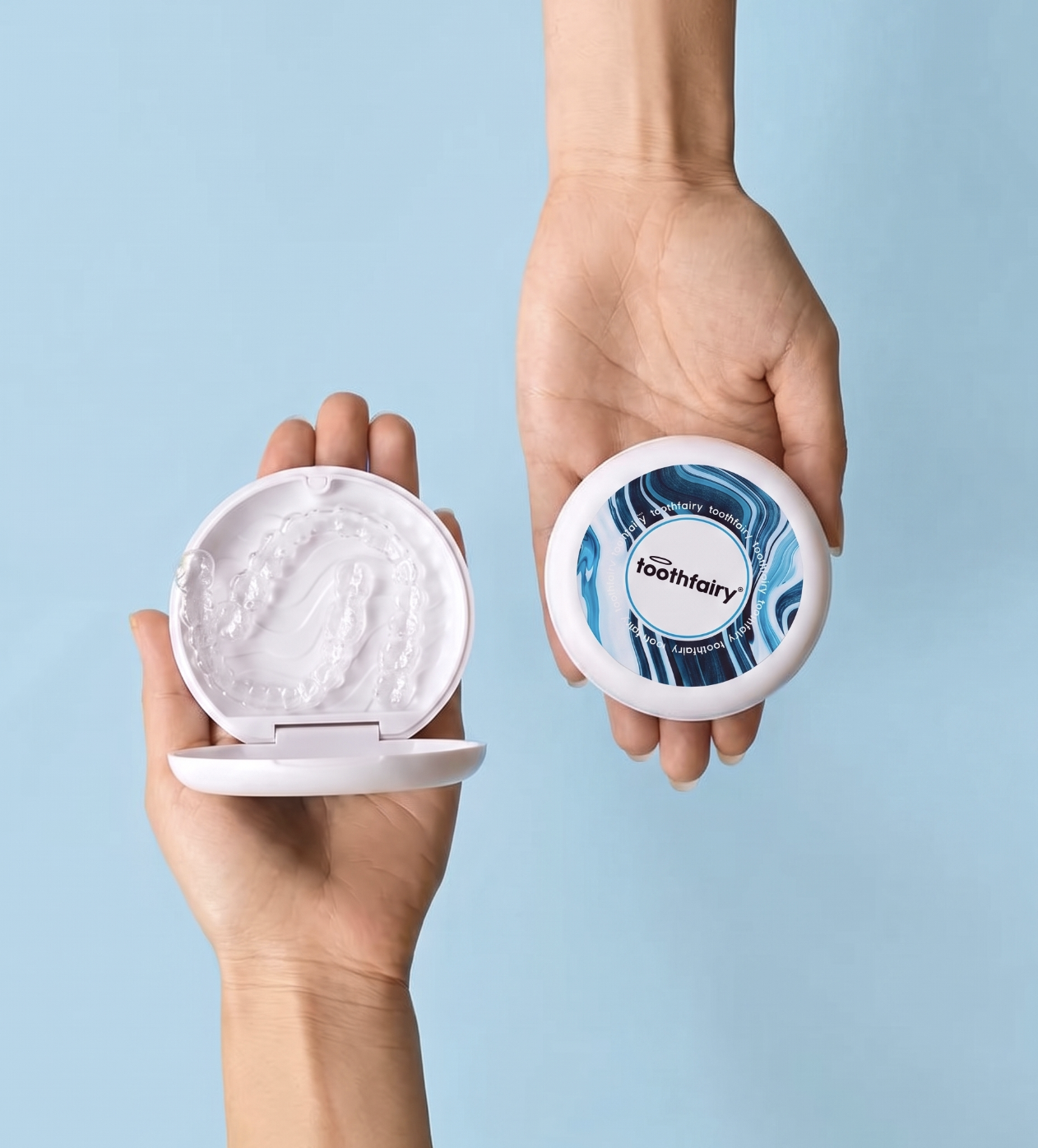
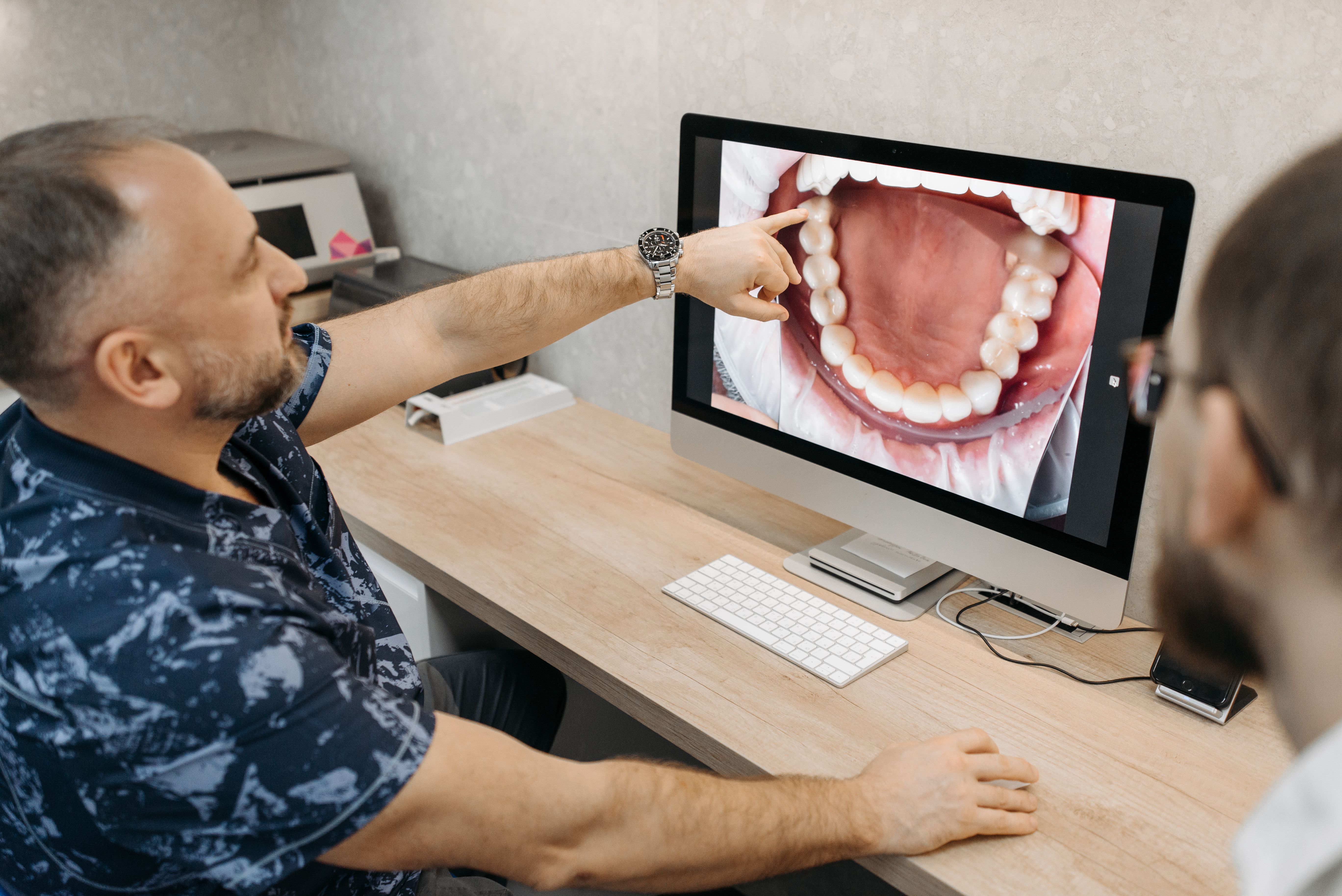
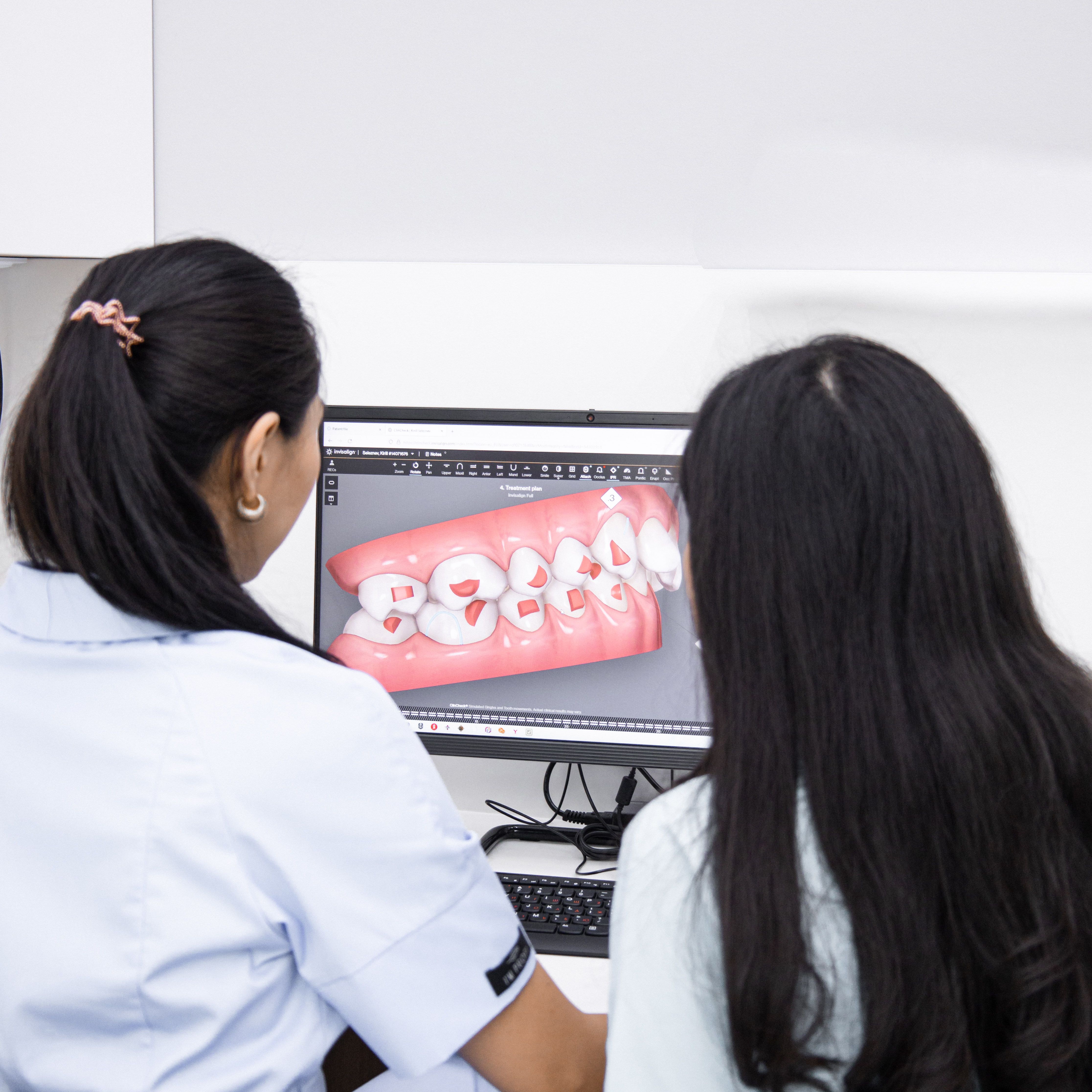
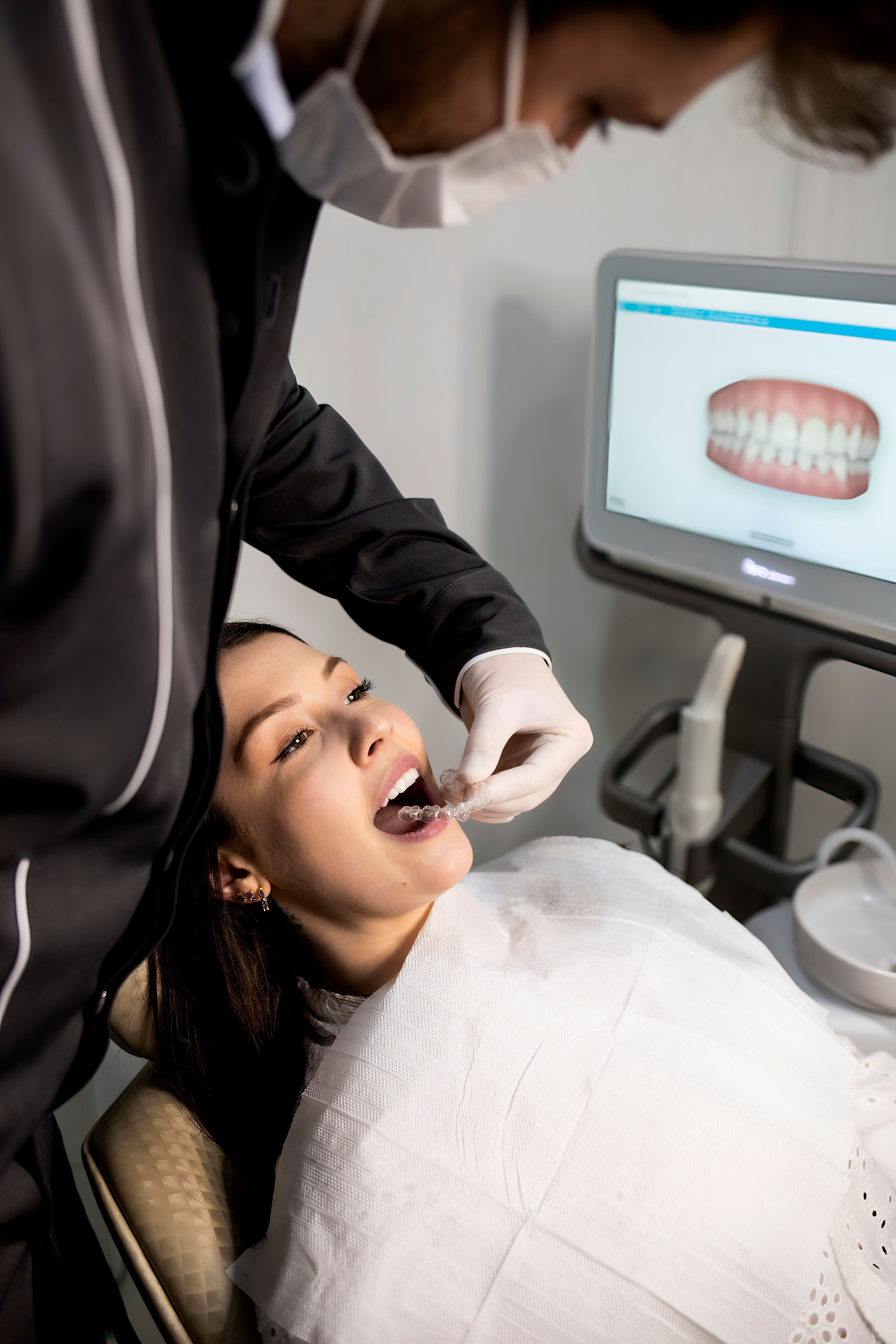
Dental technicians create a 3D model of your teeth and map out each movement. Your full set of aligners is then manufactured and shipped to you.
4. Wearing & Monitoring Your Aligners
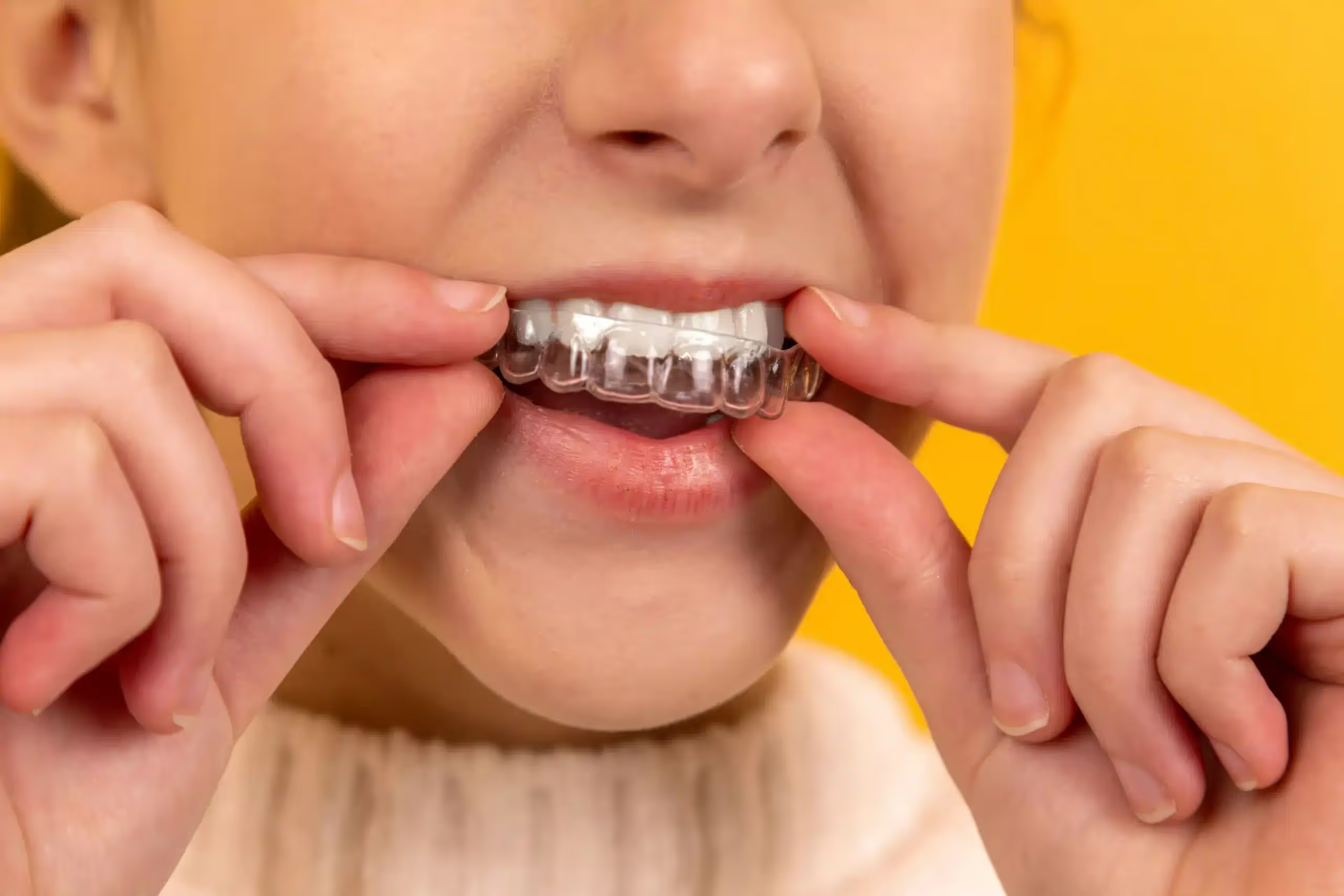
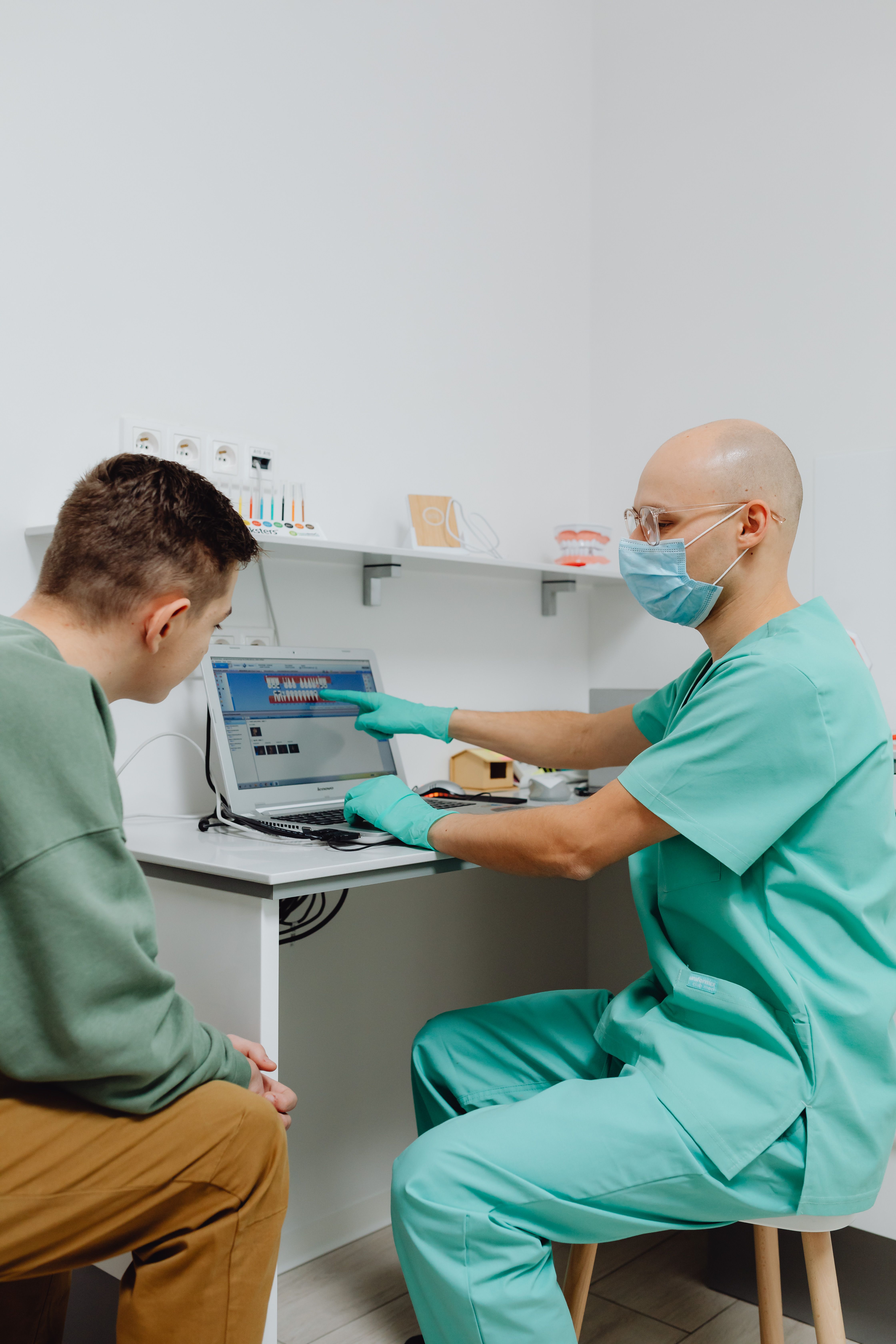
You’ll wear each aligner for 1–2 weeks, 20–22 hours per day.Virtual check‑ins help track progress and ensure everything is moving as planned.
5. Retention: Protecting Your New Smile
After treatment, retainers keep your teeth in their new positions. Skipping this step can undo months of progress.
Safety Considerations: What You MUST Know Before Starting
At‑home aligners can be safe and effective — but only when used with proper oversight.
Understanding Potential Risks
Without professional monitoring, teeth can move too quickly or incorrectly, leading to:
- Bite misalignment
- Gum irritation
- Tooth mobility
- Long‑term complications
Learn more about risks here:Risks of At‑Home Aligners
Warning Signs to Watch For
Seek professional help if you notice:
- Persistent pain
- Swollen gums
- Difficulty chewing
- Aligners no longer fitting
- Teeth feeling loose
These may indicate improper movement.
Why Professional Oversight Matters
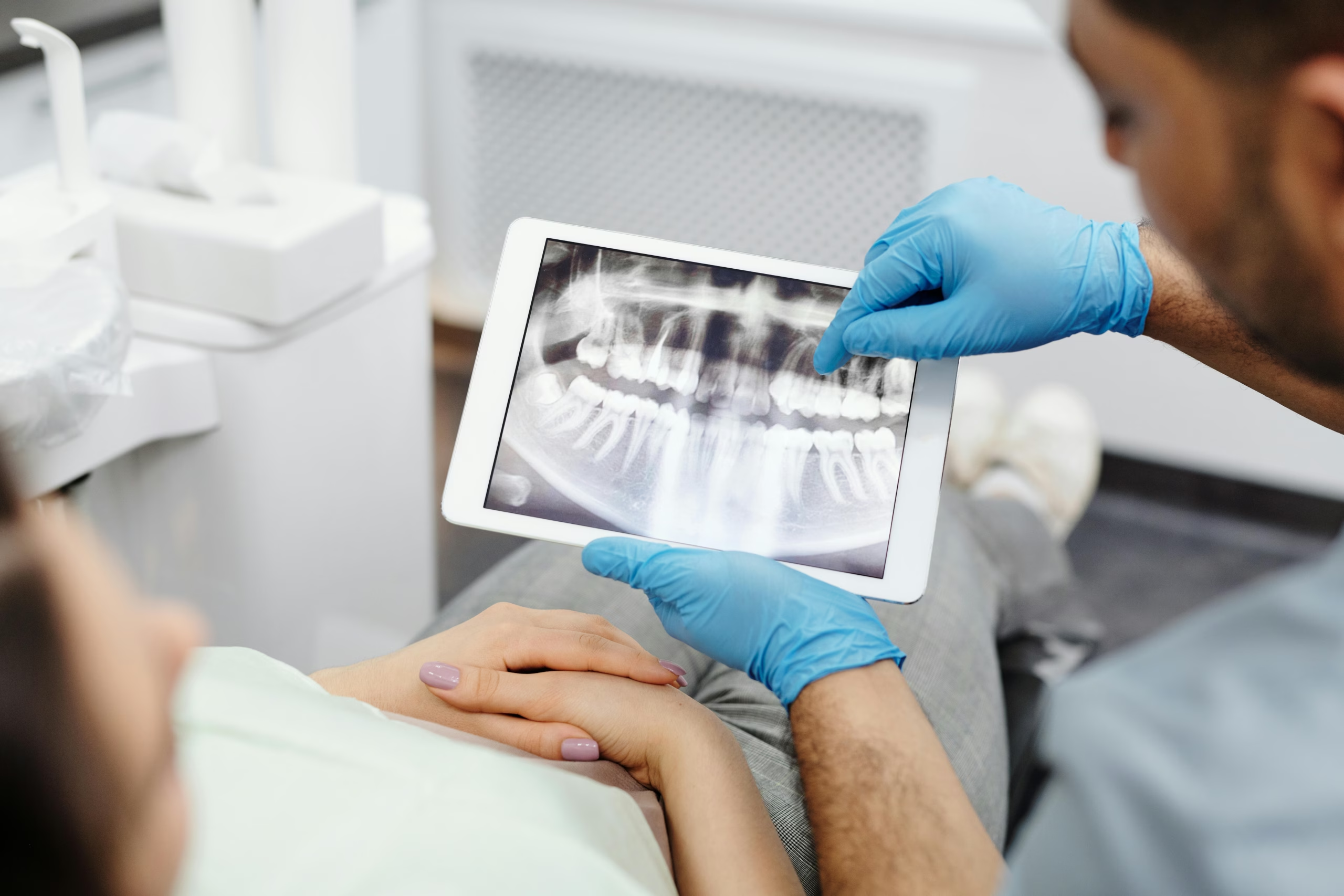
Even with at‑home aligners, regular dental check‑ups are essential. Dentists can:
- Track progress
- Identify early issues
- Adjust your plan
- Protect your long‑term oral health
Daily Habits That Improve Safety & Results
- Brush and floss thoroughly
- Wear aligners as instructed
- Keep communication open with your provider
- Attend all virtual or in‑person check‑ins
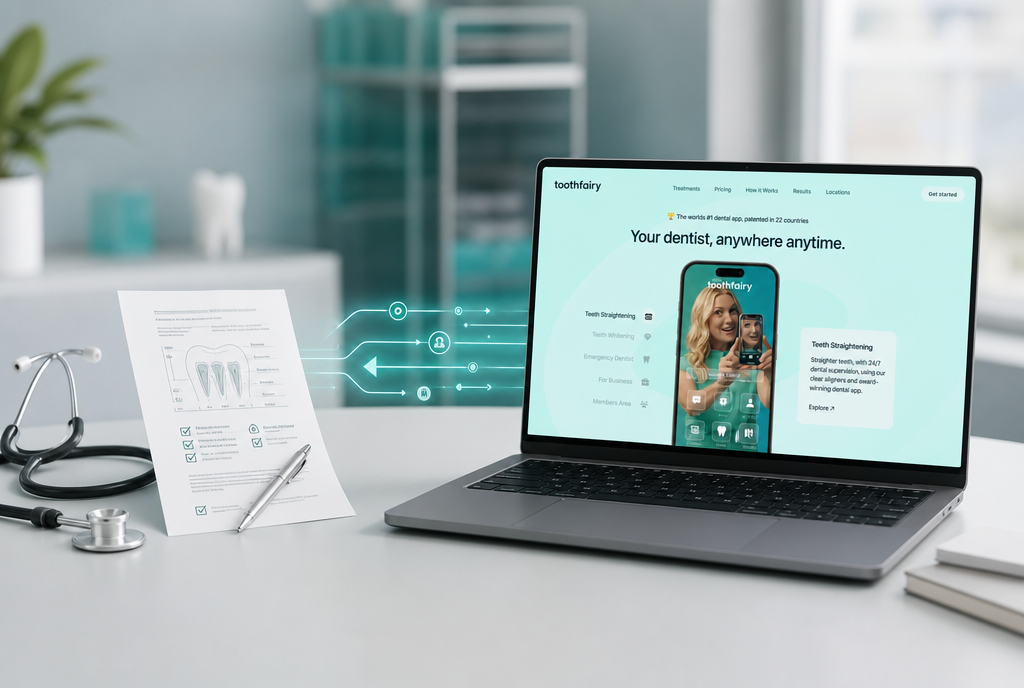
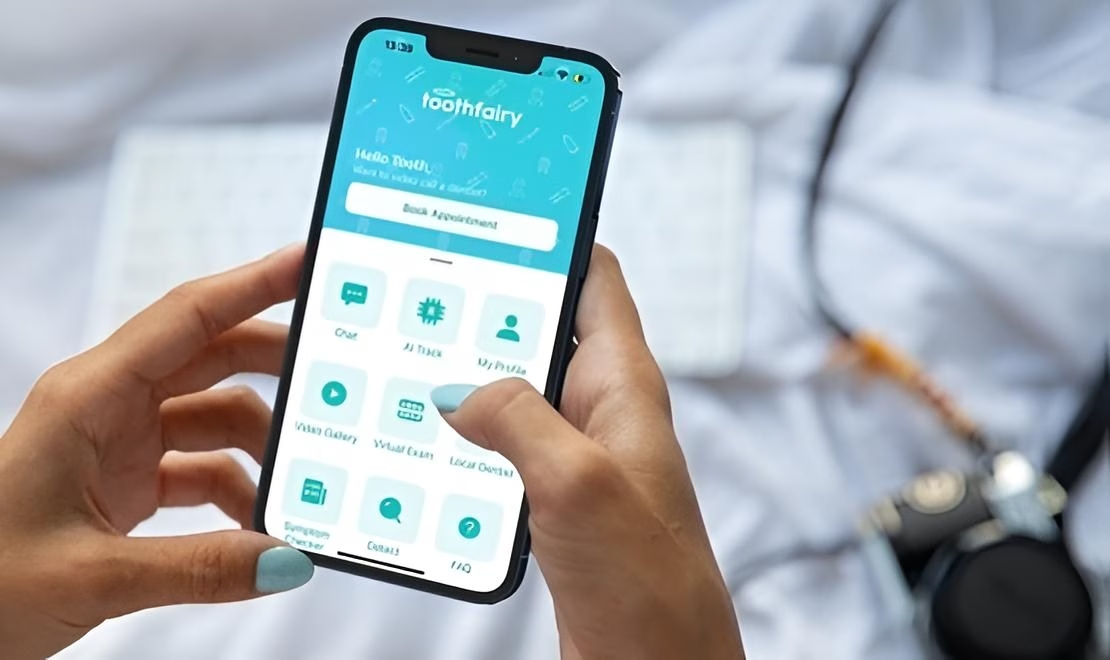
With Toothfairy, you get 24/7 dentist access, ensuring safer treatment from start to finish.
Maintaining Your Newly Straightened Smile
Straightening your teeth is only half the journey — keeping them straight is the long‑term goal.
Retainers Are Non‑Negotiable
Think of retainers as your smile’s “maintenance mode.” Without them, teeth naturally drift back.
Build a Strong Oral Hygiene Routine
- Brush twice daily with fluoride toothpaste
- Floss daily
- Attend regular dental check‑ups
- Address issues early
Long‑Term Tips to Prevent Shifting
- Wear retainers exactly as instructed
- Avoid very hard or sticky foods
- Use a night guard if you grind your teeth
- Stay hydrated
- Keep up with dental visits
Toothfairy supports you before, during and after treatment to help maintain your results.
Making an Informed Treatment Decision
Choosing the right teeth‑straightening method depends on your goals, case complexity and lifestyle.
Comparing UK Teeth Straightening Options
Here’s a quick overview of the main choices:
Cost Considerations & NHS Options
- NHS orthodontics is available only for under‑18s who meet strict criteria
- Adults typically pay privately
- At‑home aligners often offer the best value for mild to moderate cases
Is At‑Home Straightening Right for You?
Best for adults who:
- Have mild to moderate alignment issues
- Can commit to wearing aligners 20–22 hours daily
- Prefer remote monitoring
- Want a more affordable option
If you’re unsure, Toothfairy offers free online consultations with qualified dentists to help you decide.
Finals Thoughts?
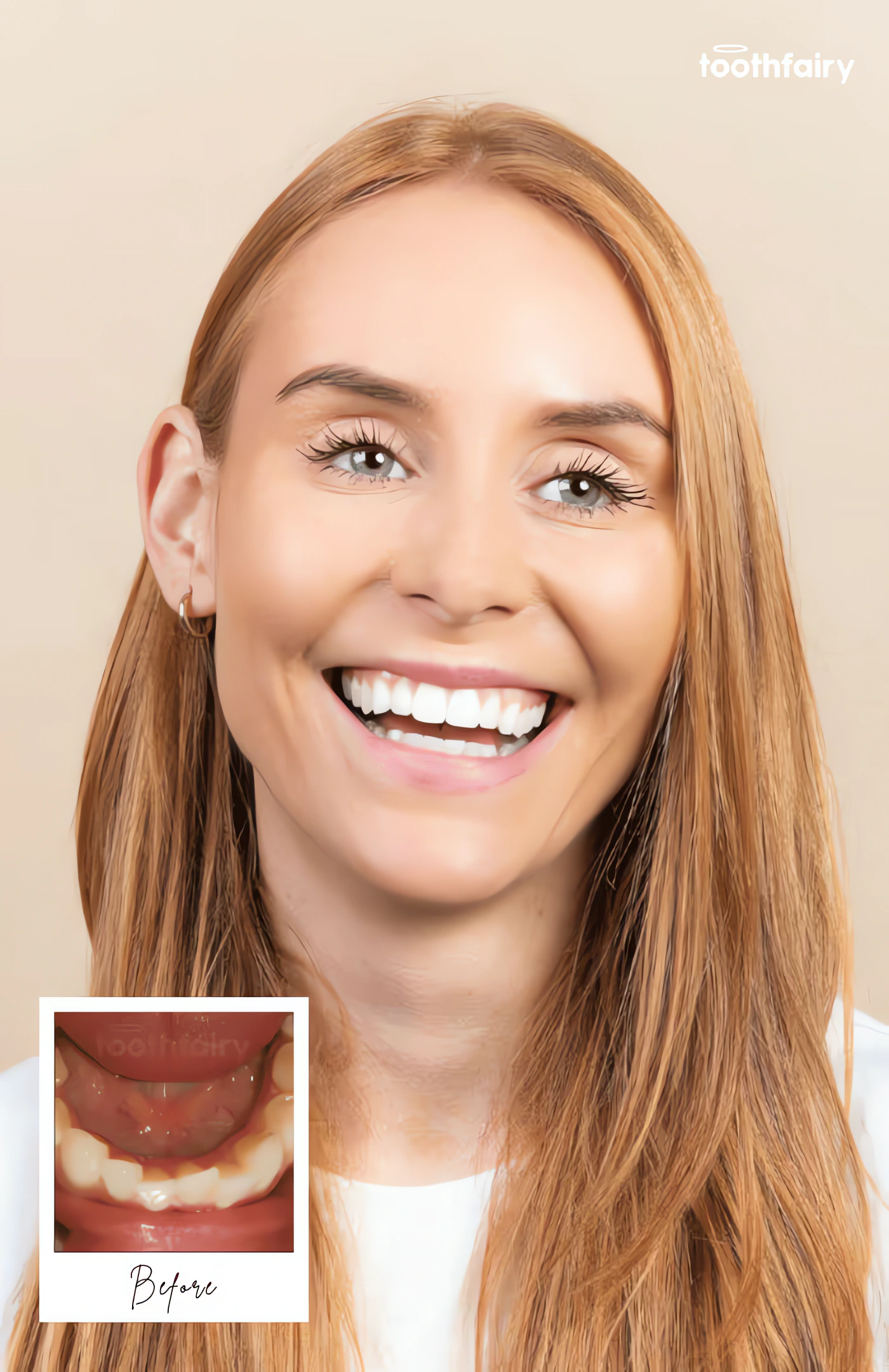
At‑home teeth straightening has opened the door for thousands of UK adults to achieve a confident smile without the cost or inconvenience of traditional braces. With the right provider, proper oversight and good daily habits, it can be a safe, effective and life‑changing option.
If you’re ready to explore dentist‑led at‑home aligners, Toothfairy provides:
- Personalised treatment plans
- 24/7 dental support
- Safe whitening options
- Emergency video calls
- Employer dental health programmes
Start your journey today: toothfairapp










.jpg)




.jpg)













.jpg)