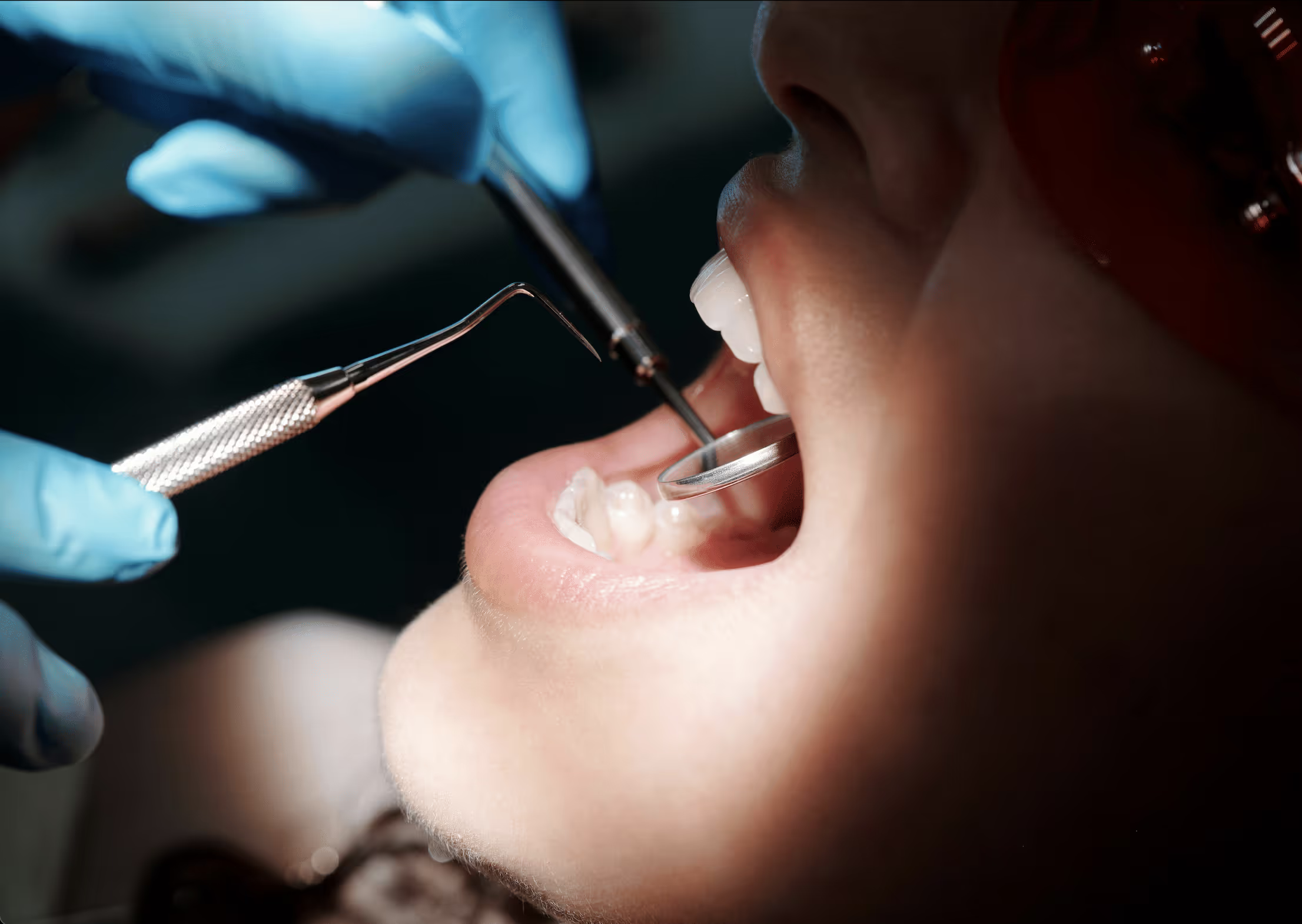
What IPR actually involves
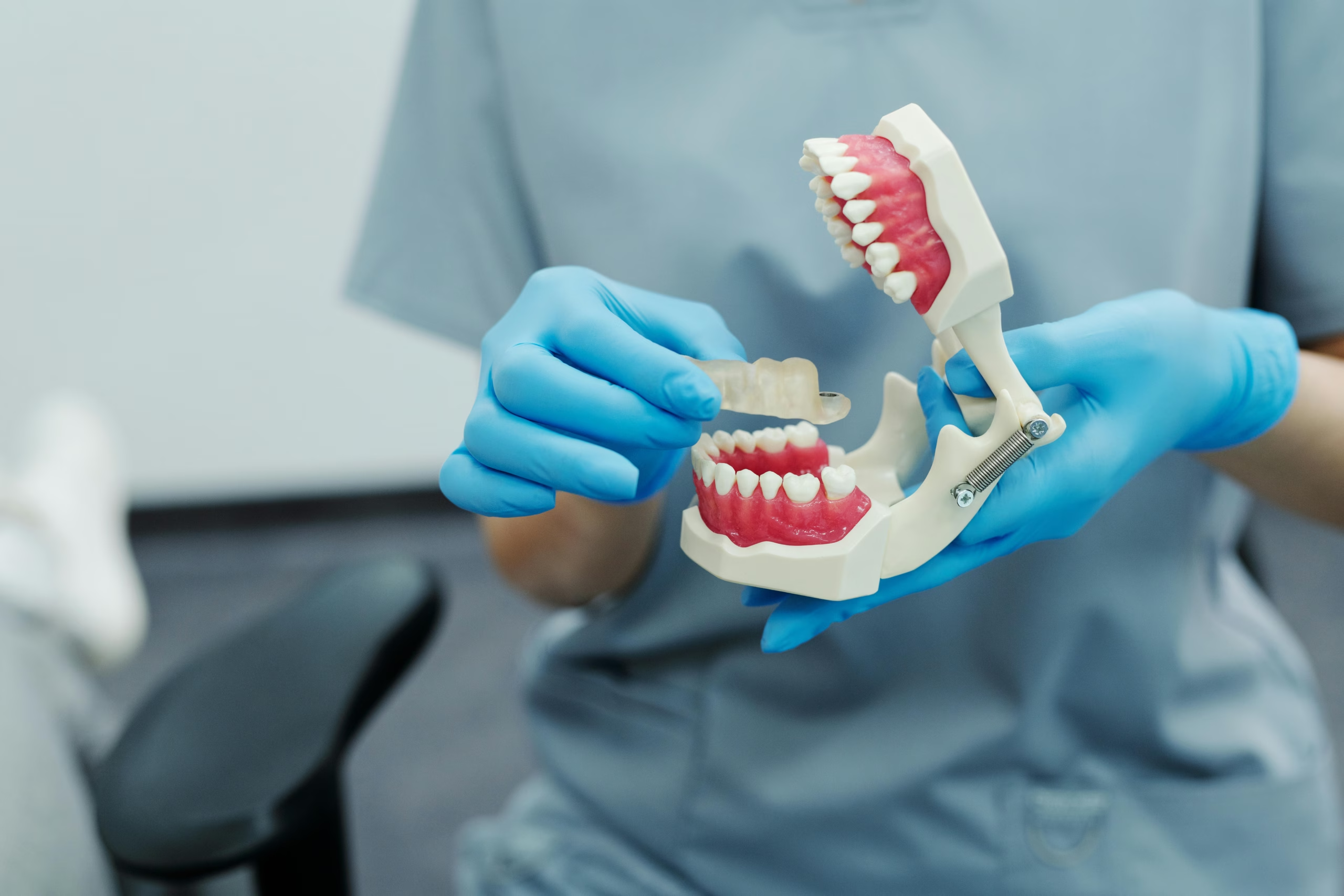
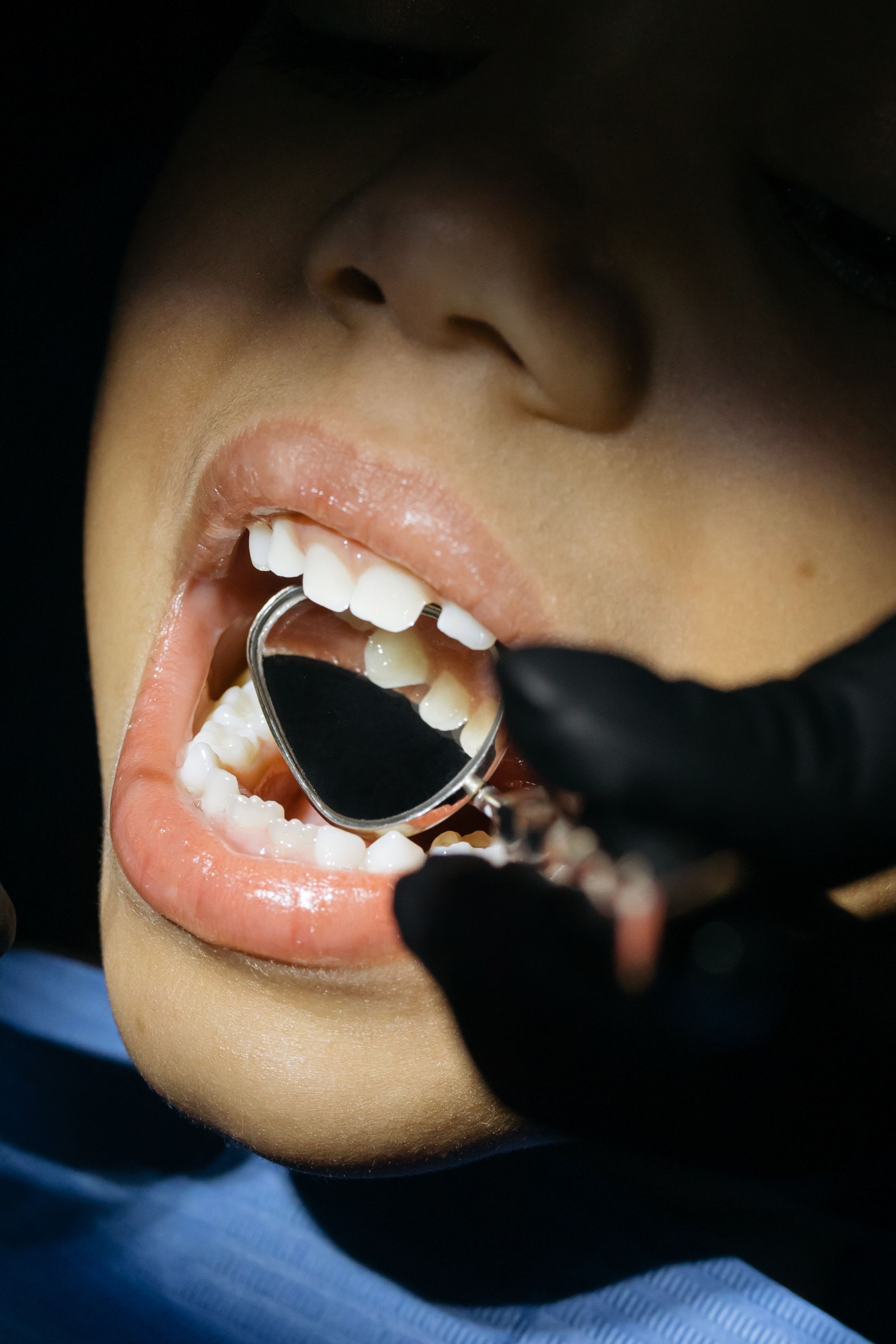
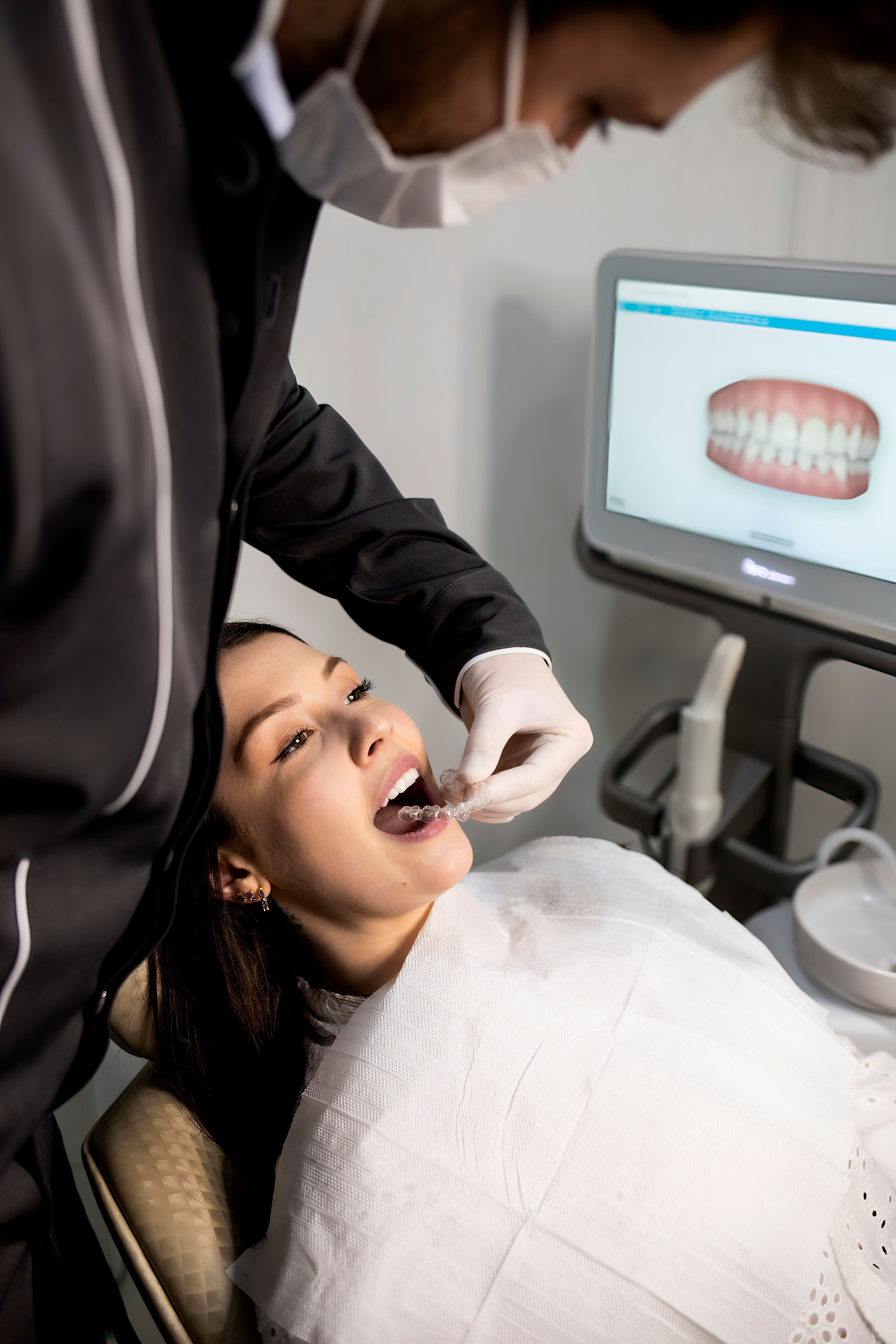
IPR is the controlled reshaping of enamel between selected teeth. Dentists remove tiny amounts of enamel to create space that helps teeth move into a straighter, more balanced position.
The amount removed is extremely small. Most patients don’t notice a visible change in tooth shape.
Why IPR is used in modern orthodontics
IPR is part of a wider treatment plan. Dentists use it to:
- Improve tooth alignment
- Reduce mild to moderate crowding
- Prevent unwanted spacing
- Support predictable aligner movement
- Balance tooth proportions
- Enhance long‑term stability
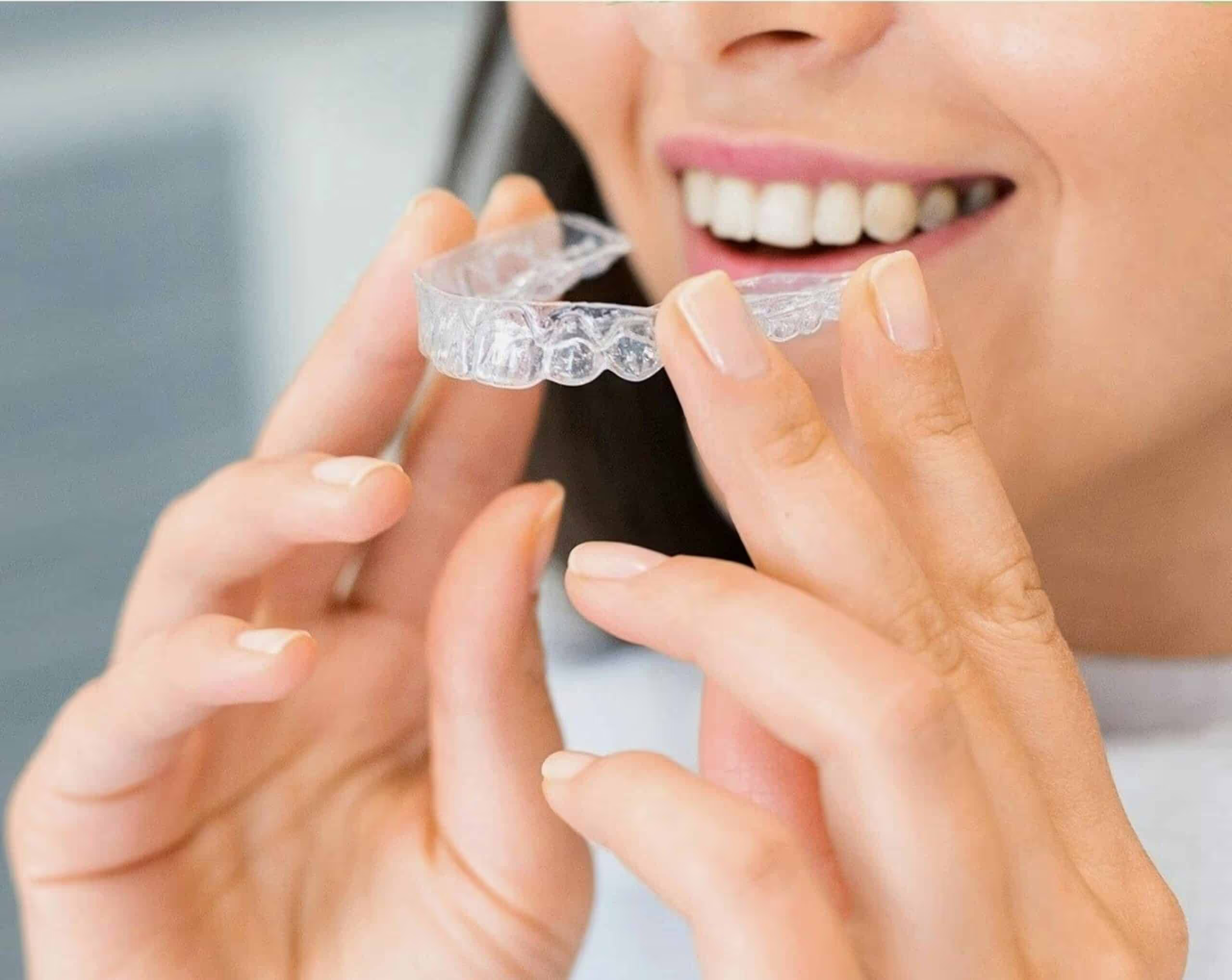
It is one of the most common techniques used in clear aligner treatment.
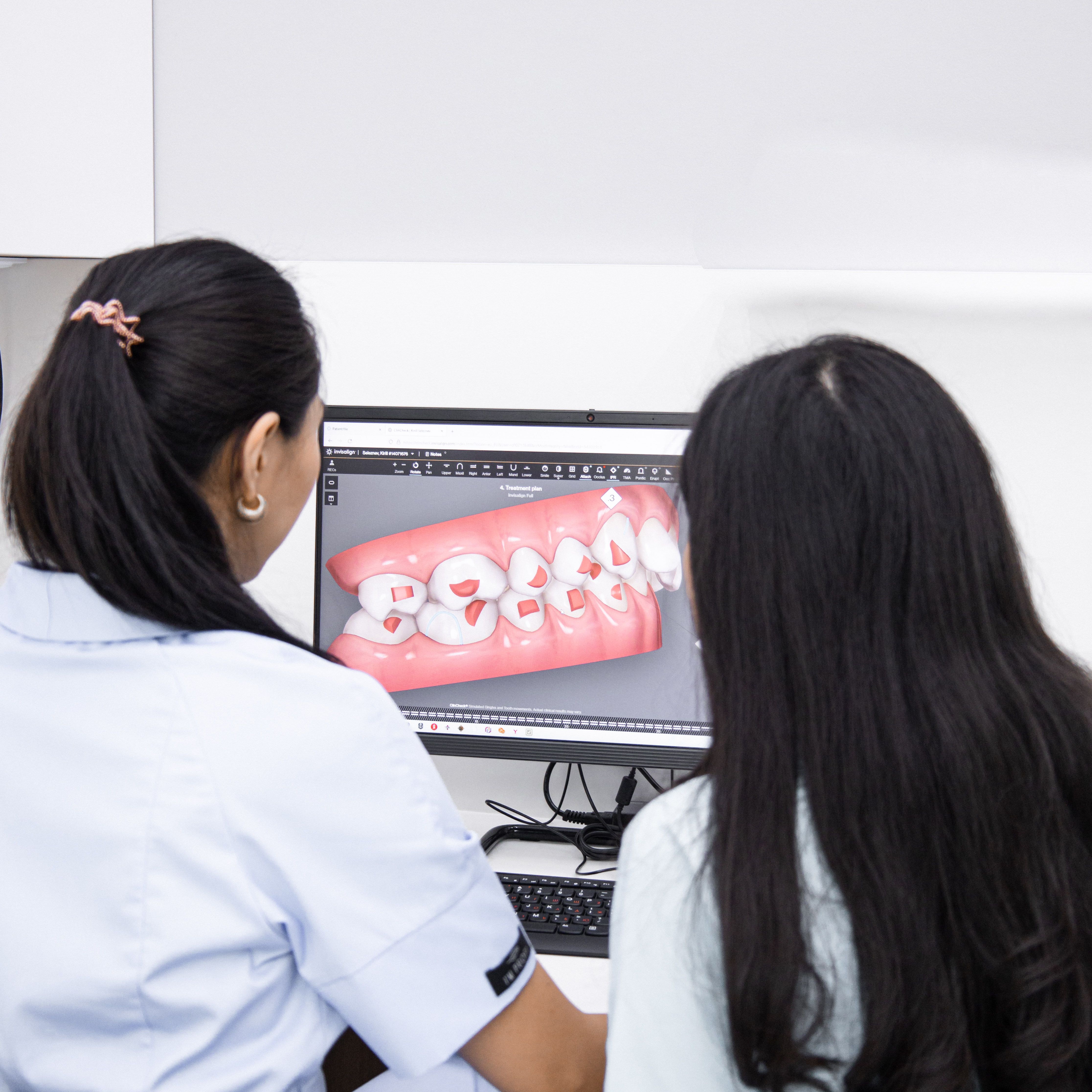
How dentists plan IPR
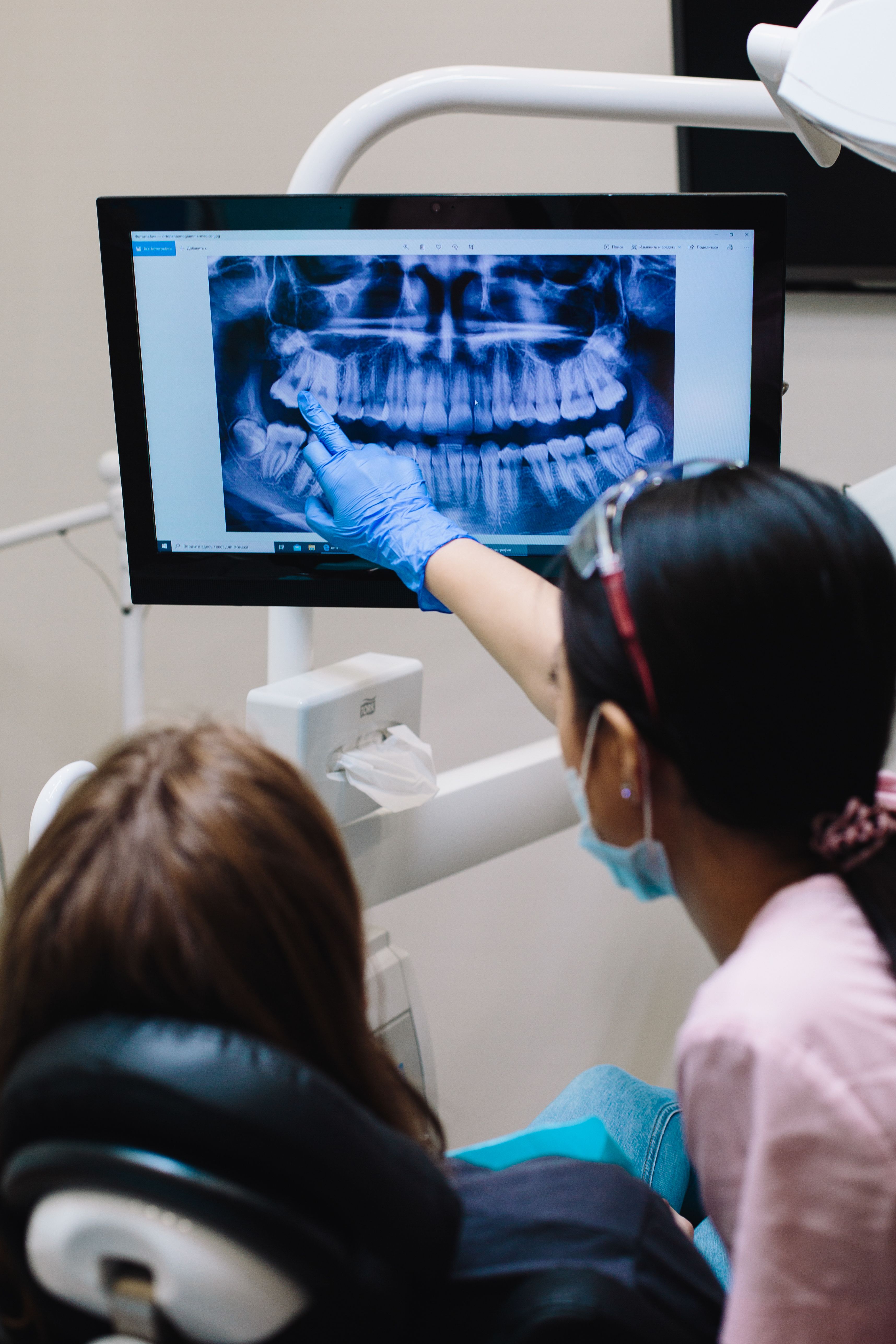
IPR is not random. It is carefully mapped out using:
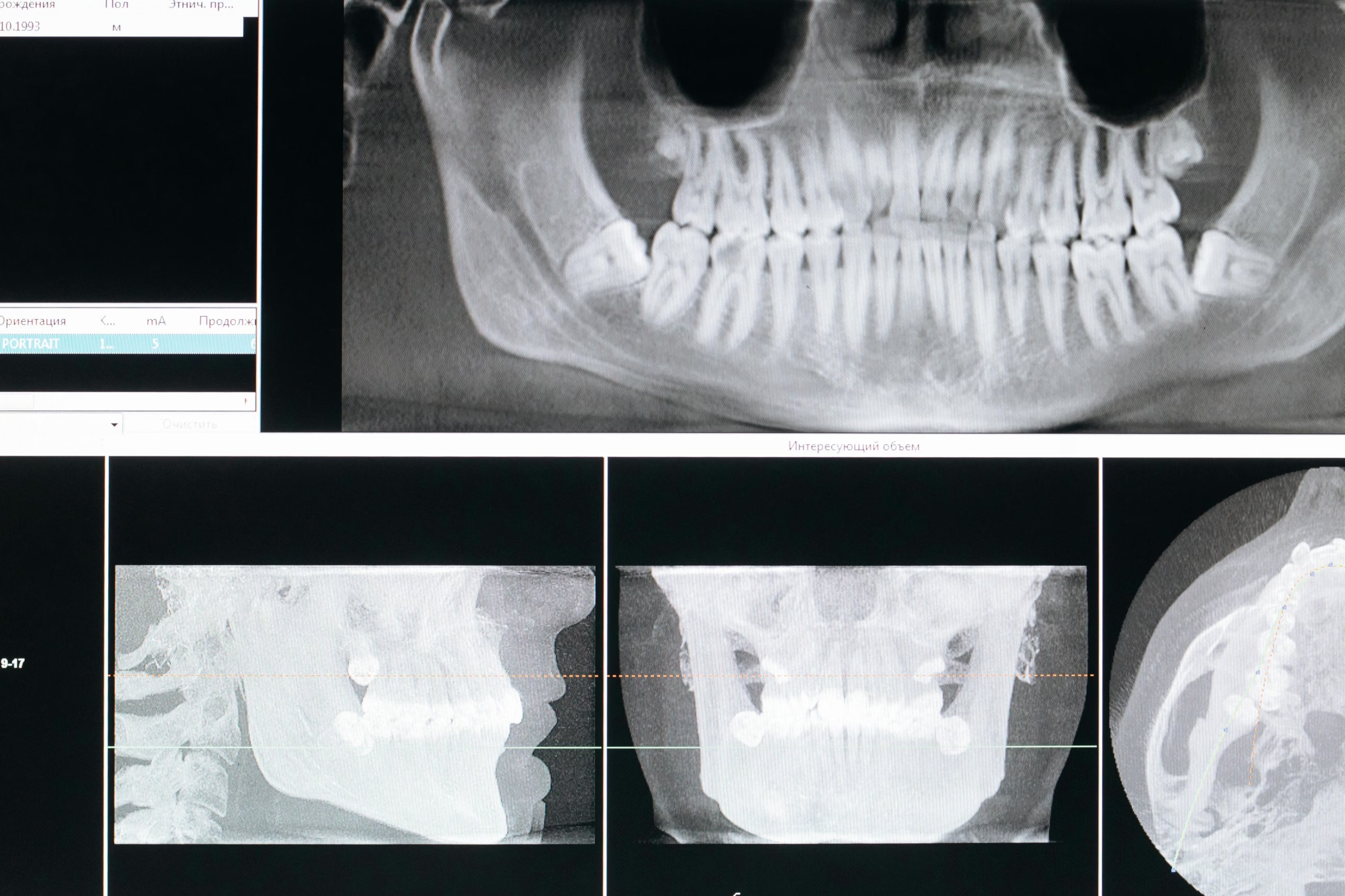
- Digital scans
- Tooth measurements
- Arch width analysis
- Predicted tooth movement
- Bite assessment
Dentists calculate exactly how much enamel to remove and where it should be removed to achieve the desired result.
Tools used for IPR
Dentists may use:
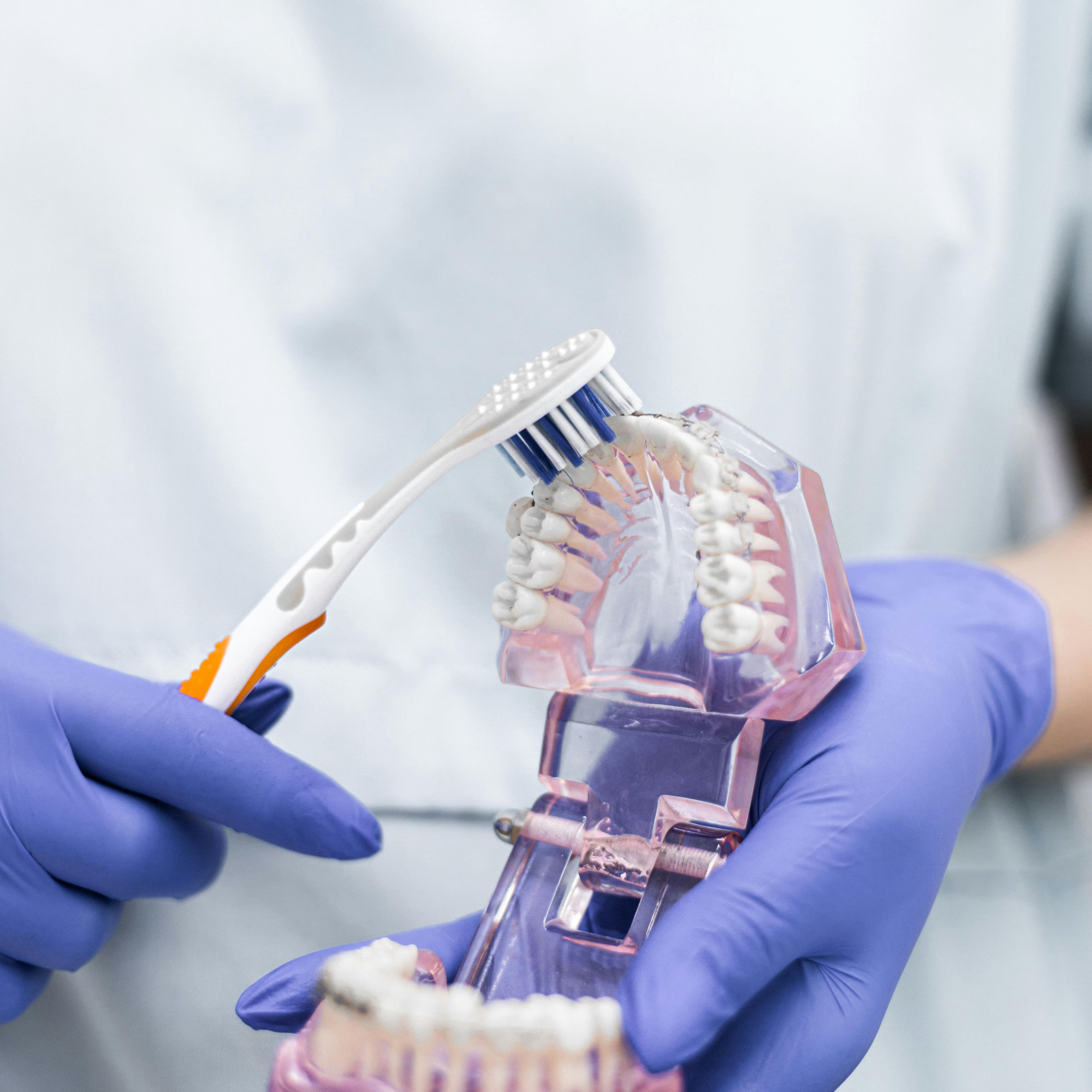
Polishing strips
Thin abrasive strips used for gentle enamel smoothing.
Fine diamond burs
Used for precise enamel contouring.
Mechanical oscillating files
Used for controlled, even reduction.
Each tool is chosen based on the tooth position and the amount of space required.
IPR amounts and what they mean
Typical enamel reduction ranges from:
- 0.1 mm
- 0.2 mm
- 0.3 mm
- Up to 0.5 mm in specific cases
These measurements are extremely small and do not compromise tooth strength.
IPR planning vs outcomes
Does IPR change how teeth look
IPR does not change the visible shape of your teeth. It only affects the contact points between teeth. After straightening, teeth look more aligned and balanced.
What IPR feels like
Most people describe IPR as:
- Quick
- Pressure‑based
- Not painful
- Slightly warm
- Over within minutes
There is no drilling into the tooth. Only the outer enamel surface is polished.
Is IPR safe long term
Yes. IPR is supported by decades of clinical research. Removing small amounts of enamel does not weaken teeth or increase decay risk when performed correctly.
Dentists follow strict guidelines to ensure enamel remains healthy.
How IPR supports clear aligner treatment
IPR helps aligners:
- Fit more accurately
- Track movement more reliably
- Reduce the risk of gaps
- Prevent teeth from flaring outward
- Achieve better final alignment
It is one of the most important tools for achieving predictable results.
When IPR is recommended
Dentists may suggest IPR if you have:
- Mild crowding
- Rotated teeth
- Narrow arches
- Teeth that overlap
- Teeth that need controlled movement
Your dentist will explain exactly where and why IPR is needed.
How ToothFairy helps
Virtual assessments
Upload photos and get expert guidance before starting treatment.
Clear aligner treatment
Dentist‑supervised straightening with remote monitoring.
IPR explanation and support
Dentists outline your IPR plan and answer questions.
Progress tracking
Monitor tooth movement and aligner fit through the app.
When to contact a dentist
You should seek advice if you notice:
- Sensitivity after IPR
- Difficulty inserting aligners
- Teeth not tracking
- Unexpected discomfort
Dentists can adjust your plan and keep treatment on track.
Your IPR questions answered
Is IPR permanent
Yes. Enamel does not grow back.
Does IPR hurt
It should not be painful.
Is IPR always needed
No. It depends on your tooth alignment.
Can IPR affect tooth strength
No. The amount removed is extremely small.
















.jpg)





.jpg)














.jpg)