
Why aligner timelines vary
Clear aligners don’t work on a fixed schedule.Your teeth move based on biology, not marketing promises.
The main factors that affect treatment time include:
Crowding level
Mild cases move faster than moderate or complex ones.
Tooth shape and root position
Some teeth require slower, controlled movement.
Aligner wear time
20 to 22 hours per day is essential for predictable progress.
Age and gum health
Healthy gums and bone support faster movement.
Dentist planning
Accurate digital planning ensures safe, efficient movement.
These factors determine whether your treatment is closer to 4 months, 8 months, or 12+ months.
Typical clear aligner timelines
Most adults fall into one of three categories:
Mild cases
Crowding or small gaps4 to 6 months
Moderate cases
Multiple teeth needing rotation or alignment6 to 12 months
Complex cases
Bite issues or significant crowding12+ months
These ranges reflect real‑world results from dentist‑supervised aligner plans.
Why aligners don’t work faster just because they’re “clear”
Aligners don’t move teeth faster than braces, they move teeth more comfortably and more discreetly.
Clear aligners rely on:
- controlled pressure
- predictable movement
- biological response
Trying to speed up movement can cause:
- gum irritation
- root resorption
- relapse
- unpredictable results
Dentist‑supervised aligners ensure movement stays safe and stable.
How dentist supervision affects treatment speed
Dentist‑supervised aligners often finish faster because:
1. Planning is more accurate
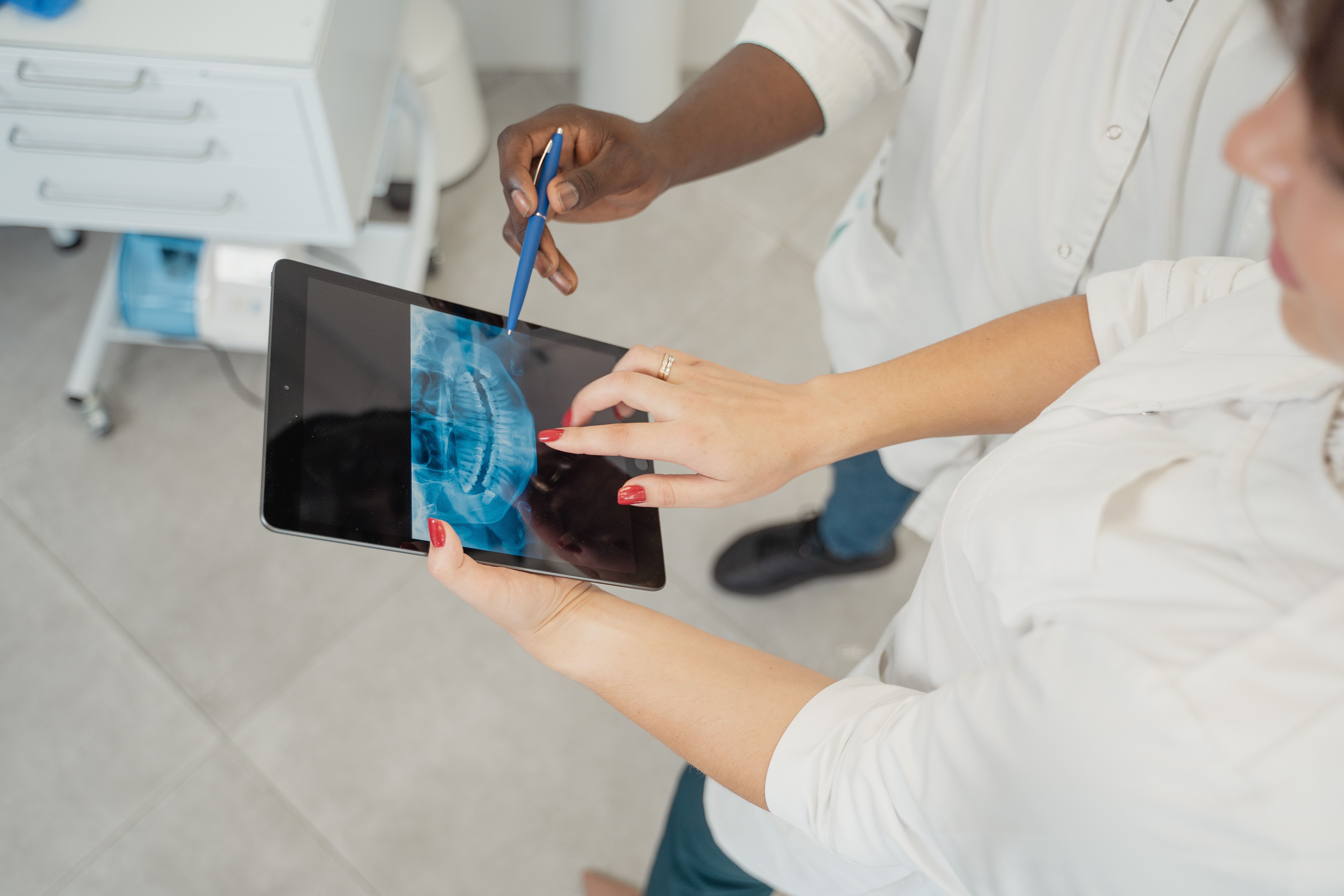
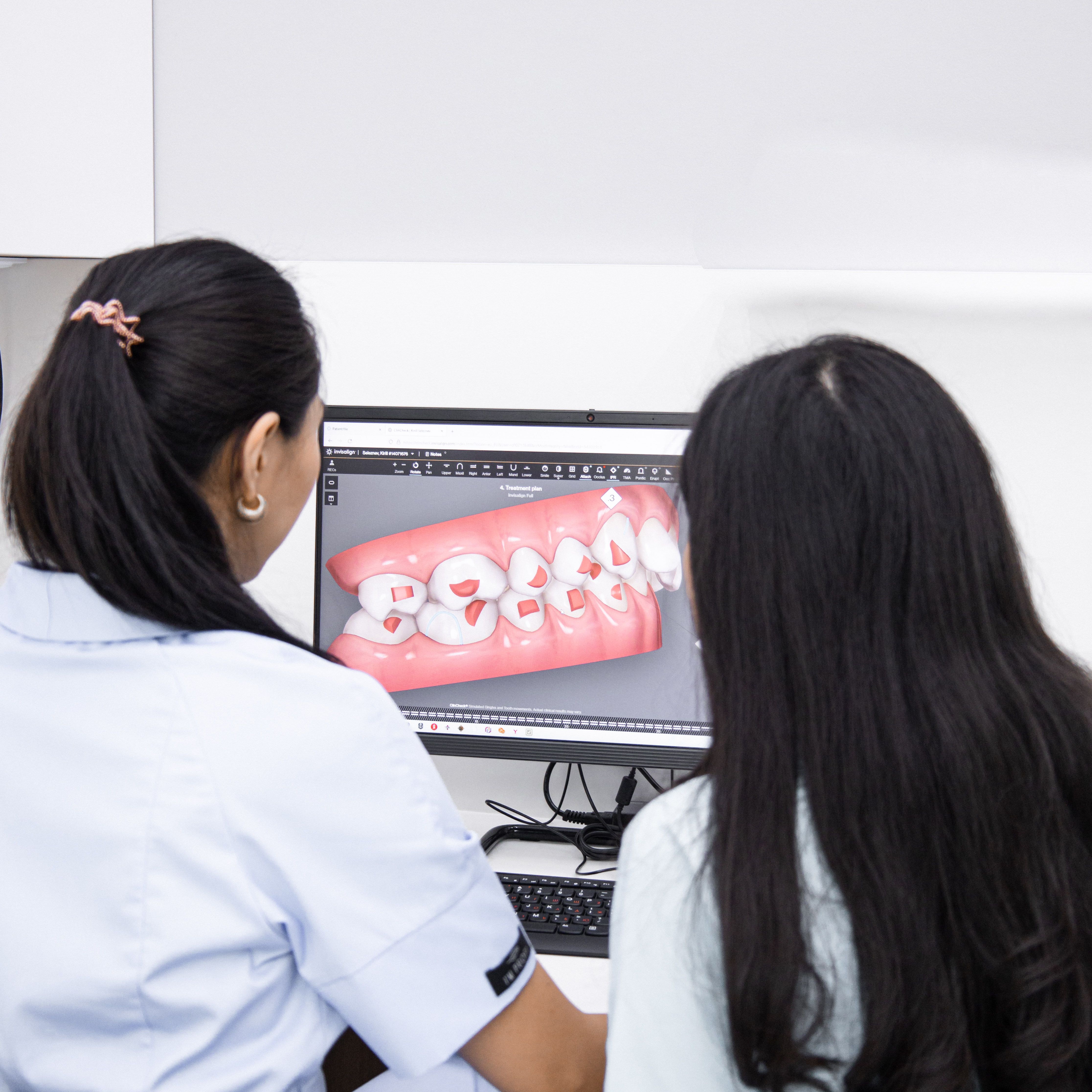
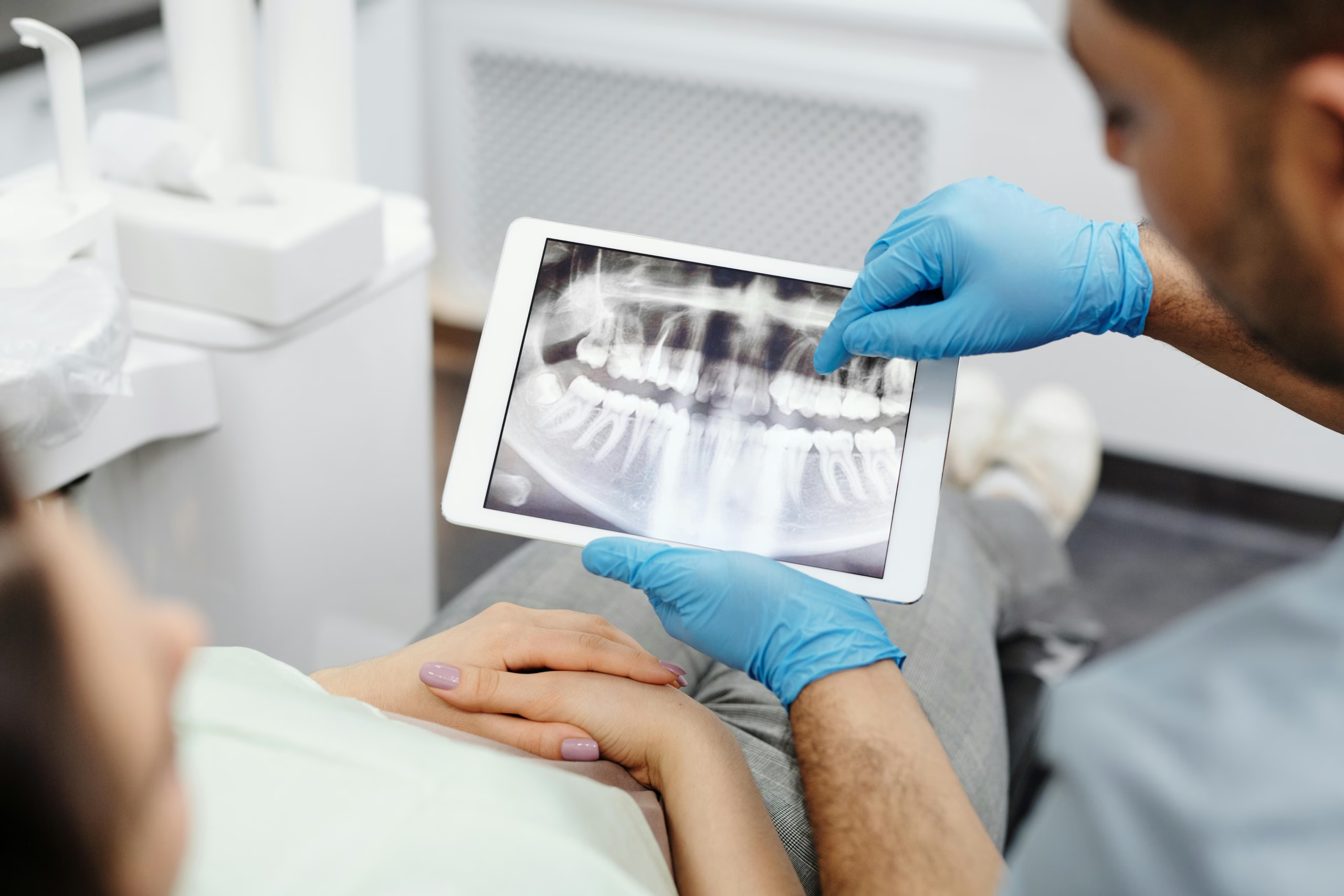
Digital scans map out each tooth movement precisely.
2. Attachments improve control
Small tooth‑coloured bumps help aligners grip teeth better.
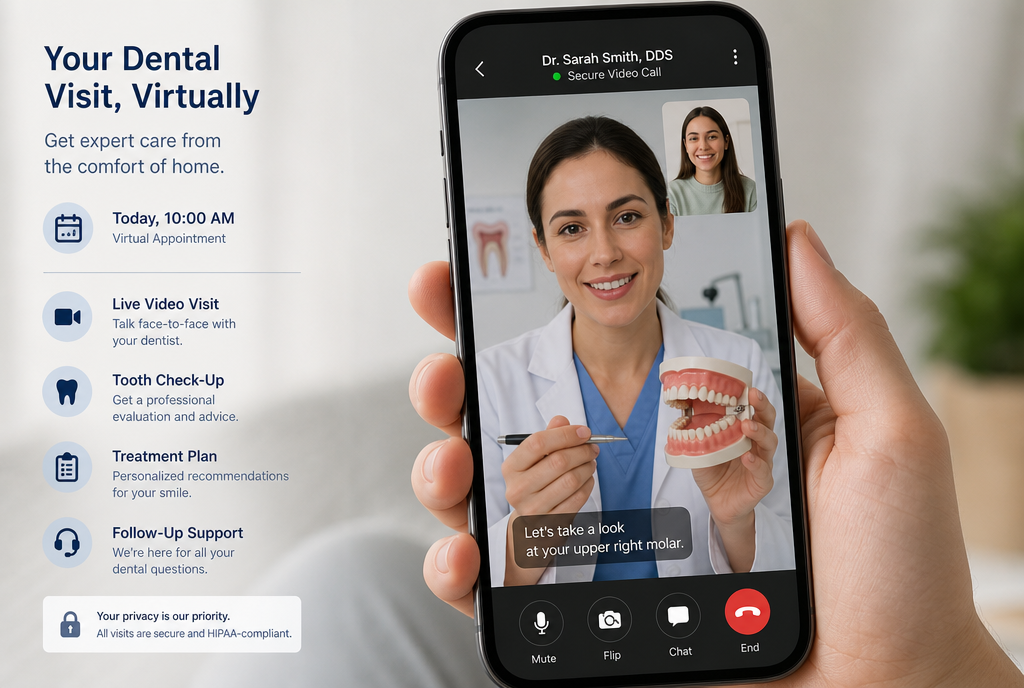
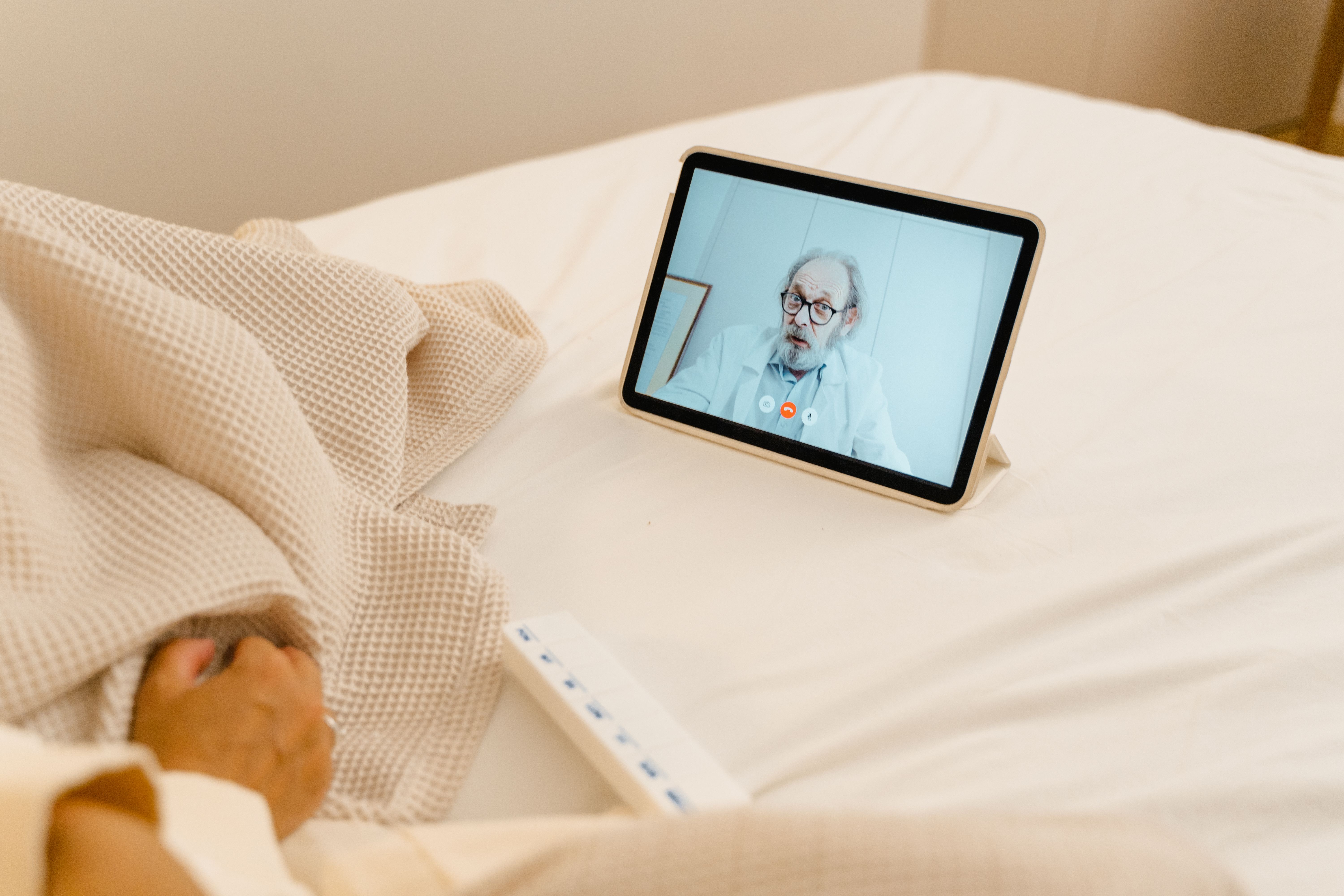
3. Remote monitoring keeps progress on track
Photo check‑ins catch issues early.
4. Refinements are included
Extra aligners ensure perfect finishing.
5. Retainer guidance prevents relapse
Long‑term stability matters as much as speed.
Supervision = safer movement + fewer delays.
Aligner timelines compared
What slows down aligner treatment
Inconsistent wear
Less than 20 hours per day delays movement.
Skipping aligners
Jumping ahead disrupts the plan.
Gum inflammation
Swollen gums slow tooth movement.
Not attending check‑ins
Issues go unnoticed and progress stalls.
Poor aligner fit
Cracks or warping require replacements.
Consistency is the biggest factor in treatment speed.
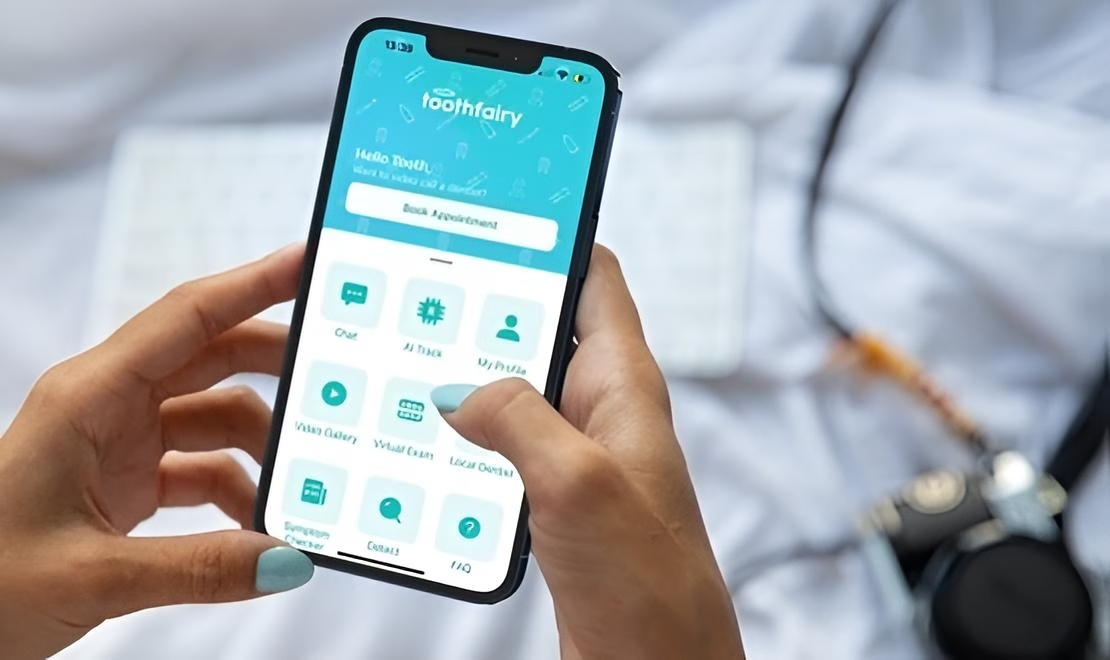
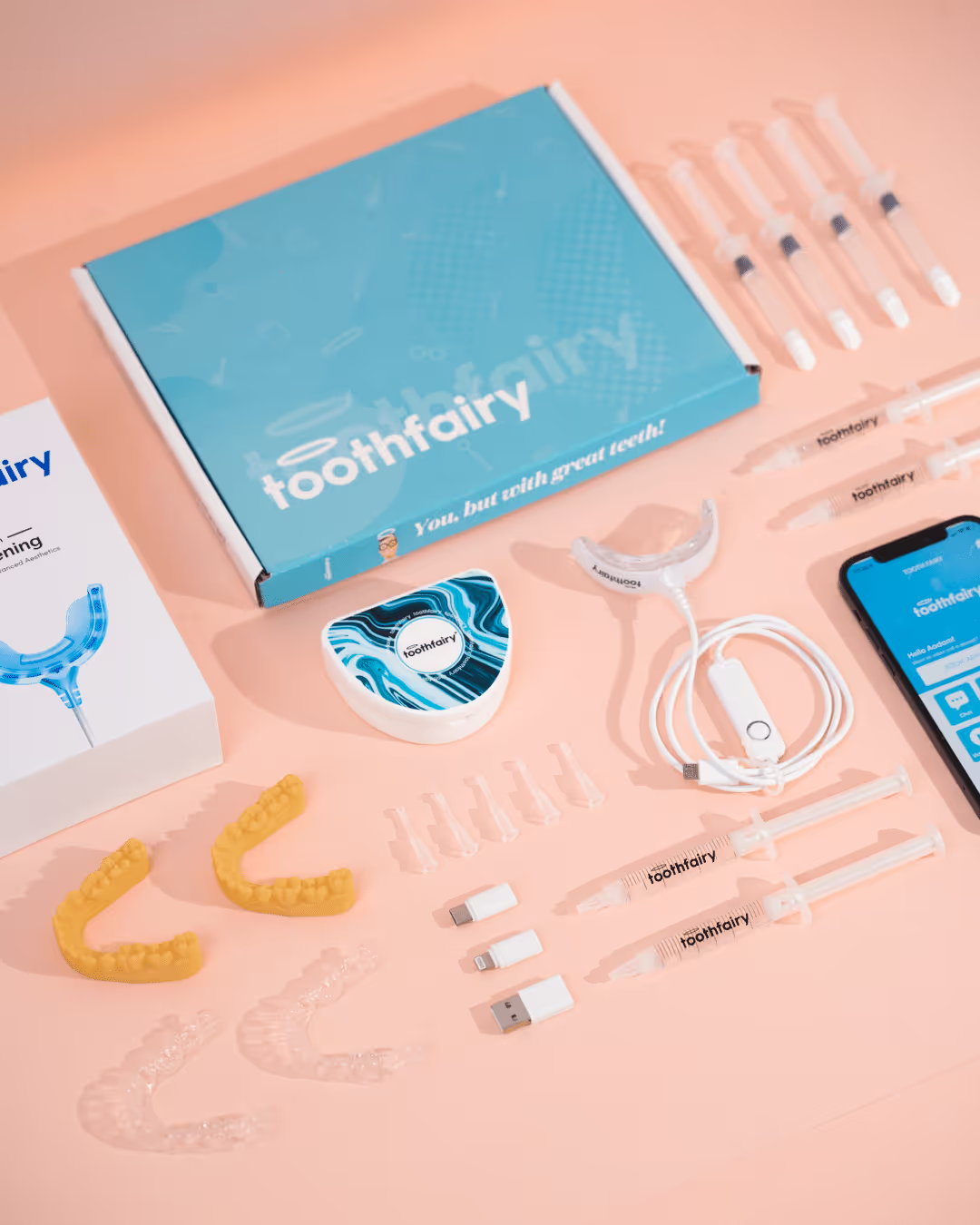
How Toothfairy keeps treatment on track
Virtual assessments
Dentists confirm suitability before starting.
Accurate digital planning
Predictable movement from day one.
Remote monitoring
Photo check‑ins keep progress safe and efficient.
Emergency support
Fast help if an aligner cracks or feels wrong.
Retainer guidance
Long‑term stability after treatment.
Your aligner timeline questions answered
Can aligners work faster than braces
Not usually, they work more discreetly, not faster.
Can I finish early
Only if your dentist approves accelerated movement.
What if my aligners feel loose
Your teeth may have moved faster than expected.
What if they feel tight
Your teeth may be slightly behind schedule.
Do I need refinements
Most people need a few extra aligners for perfect finishing.











.jpg)




.jpg)














.jpg)