
What is composite bonding?
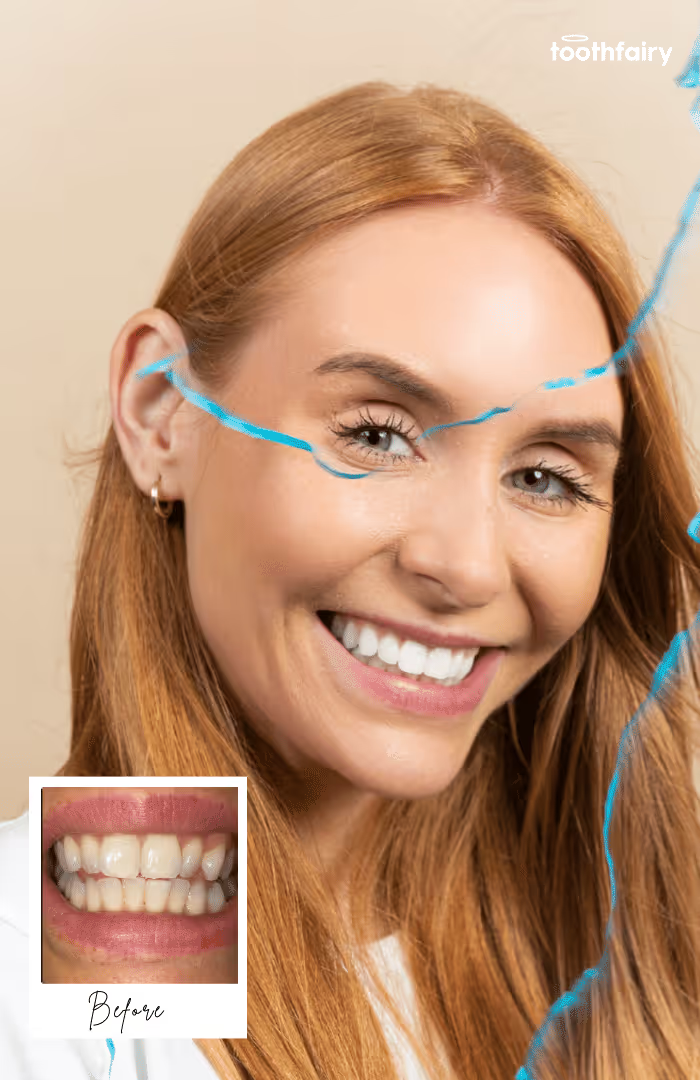
Composite bonding uses a tooth‑coloured resin to improve the shape, colour or symmetry of your teeth.
It’s a popular cosmetic treatment because it is:
- minimally invasive
- fast
- affordable
- reversible
- natural‑looking
- dentist‑led
Bonding is ideal for people wanting a brighter, more even smile without drilling or major dental work.
What composite bonding can fix
1. Chipped teeth
Restores shape and smoothness.
2. Small gaps
Closes spaces without orthodontics.
3. Uneven edges
Creates a more balanced smile line.
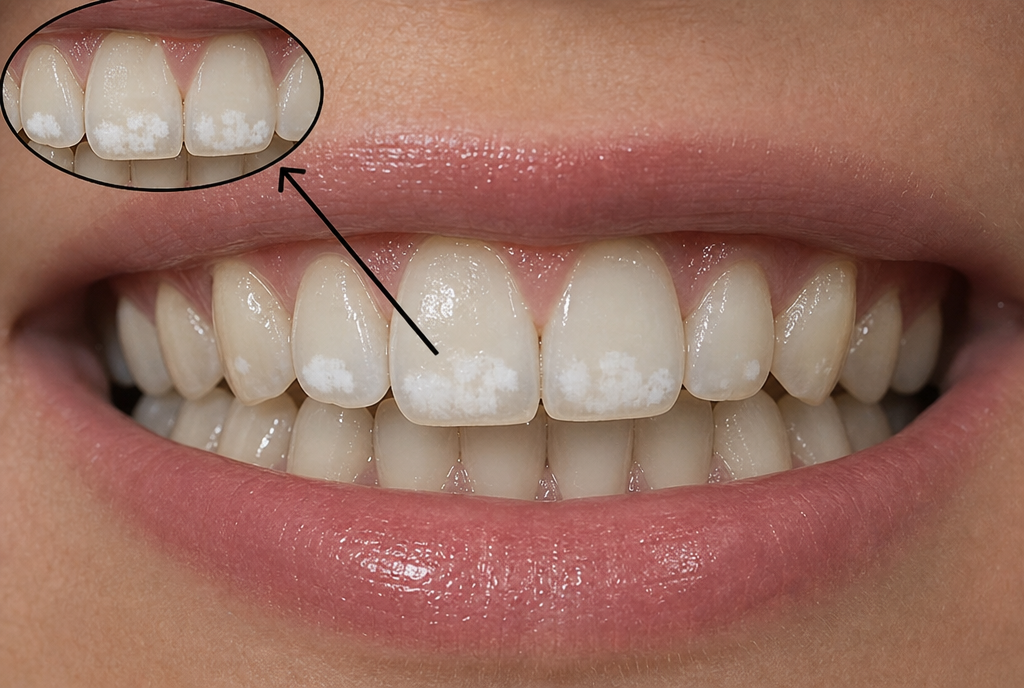
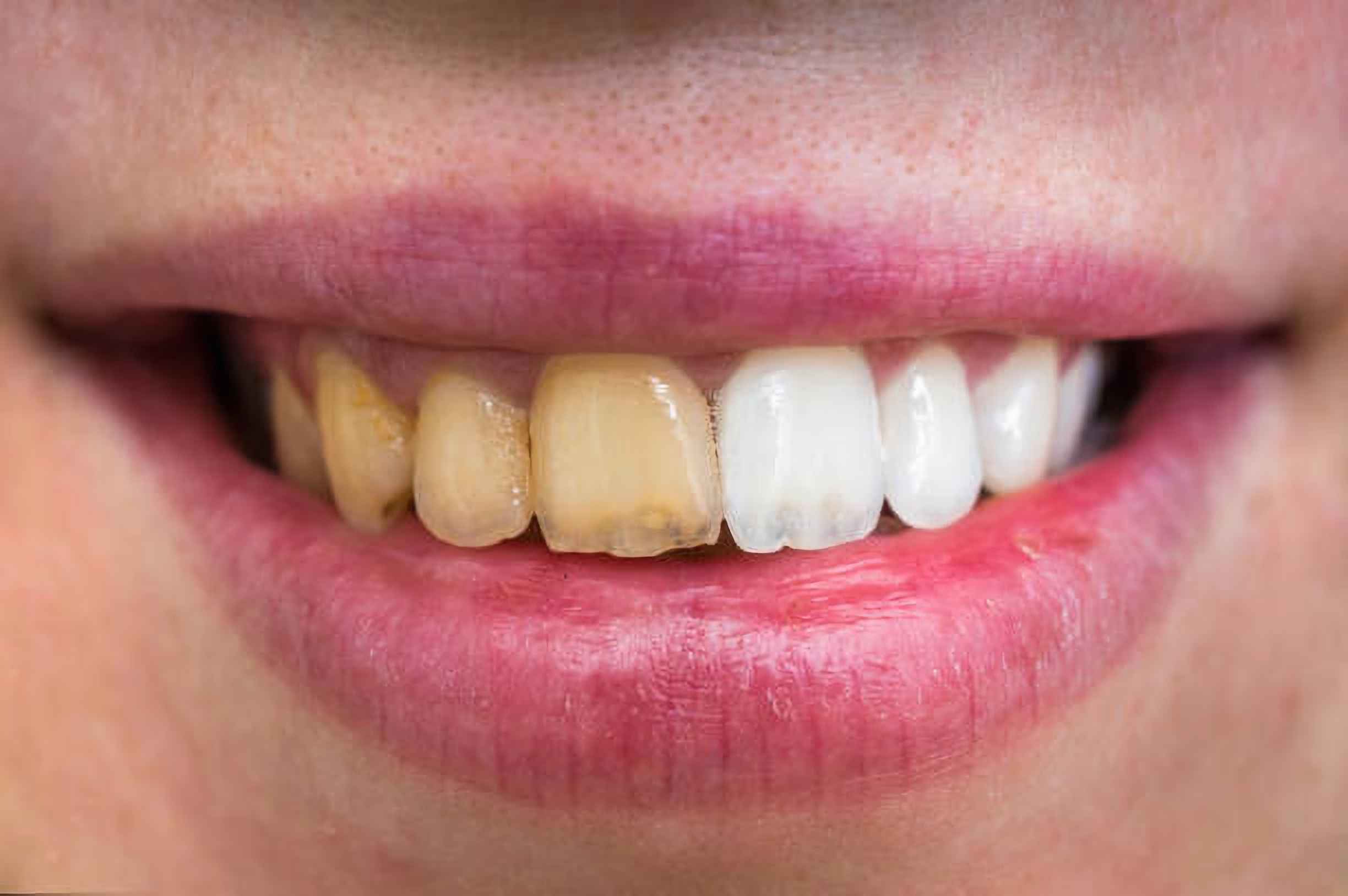
4. Discolouration
Covers stains that whitening can’t remove.
5. Minor misalignment
Improves symmetry for a straighter appearance.
How composite bonding works
Composite bonding is a precise, dentist‑led procedure that uses advanced materials to blend seamlessly with your natural teeth.
Step‑by‑step process
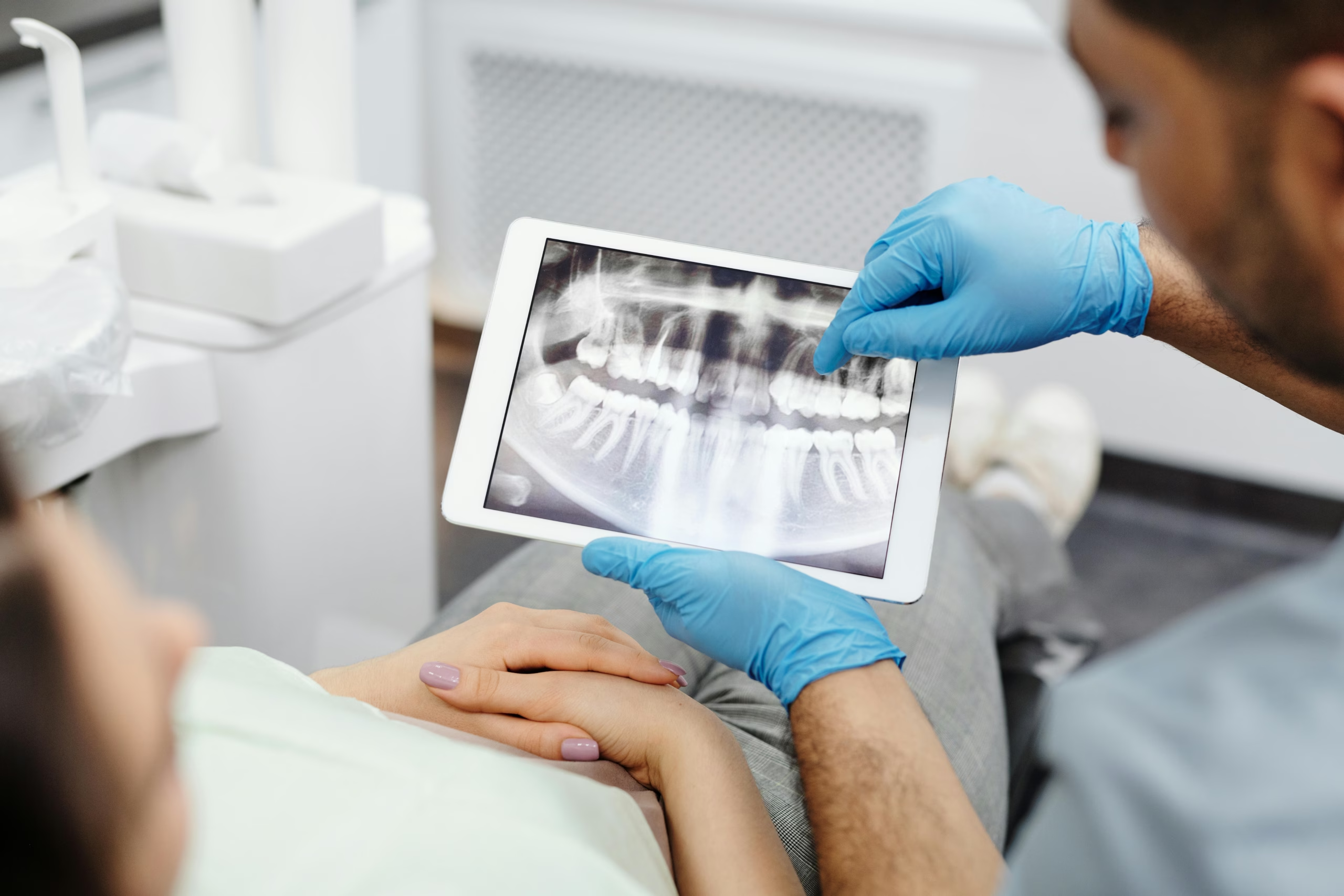
1. Smile assessment
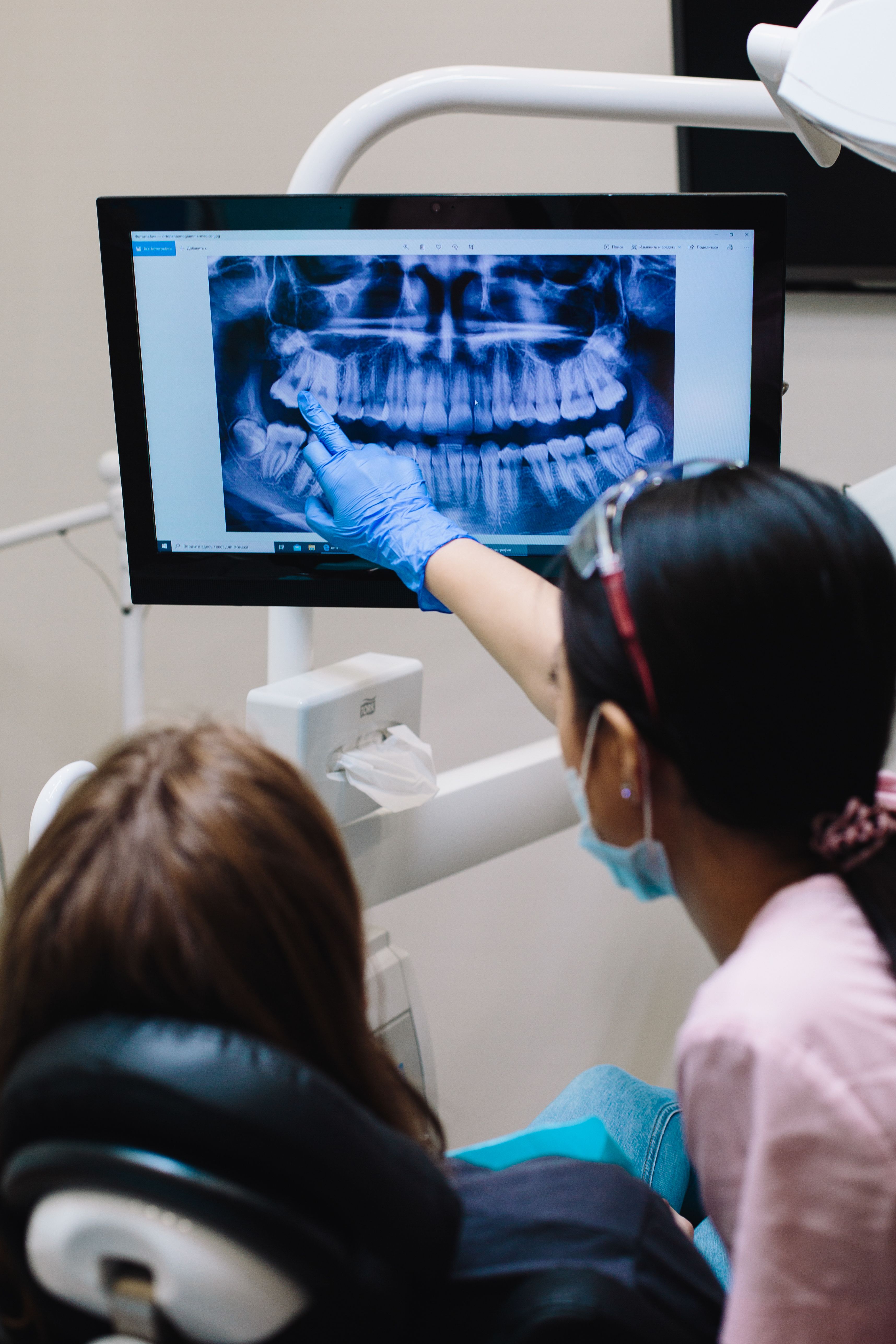
Your dentist examines your teeth, bite and symmetry to plan the final shape.
2. Shade matching
A resin shade is chosen to match your natural tooth colour.
3. Tooth preparation
The surface is gently cleaned and conditioned — no drilling required.
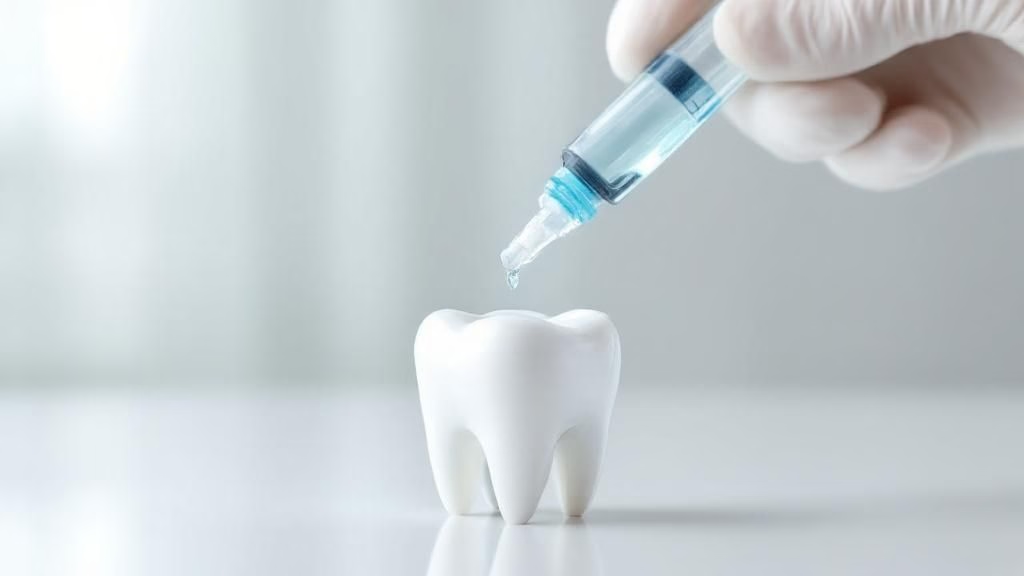
4. Resin application
Composite resin is sculpted onto the tooth to create the desired shape.
5. Shaping and contouring
Your dentist refines the resin for a natural look.
6. Curing
A blue light hardens the resin instantly.
7. Polishing
The tooth is polished for a smooth, glossy finish.
Composite bonding vs other cosmetic treatments
How long composite bonding lasts
Composite bonding typically lasts:
- 3–7 years with good care
- longer with regular polishing
- shorter if grinding or biting nails
Bonding is easy to repair or refresh when needed.
How to care for composite bonding
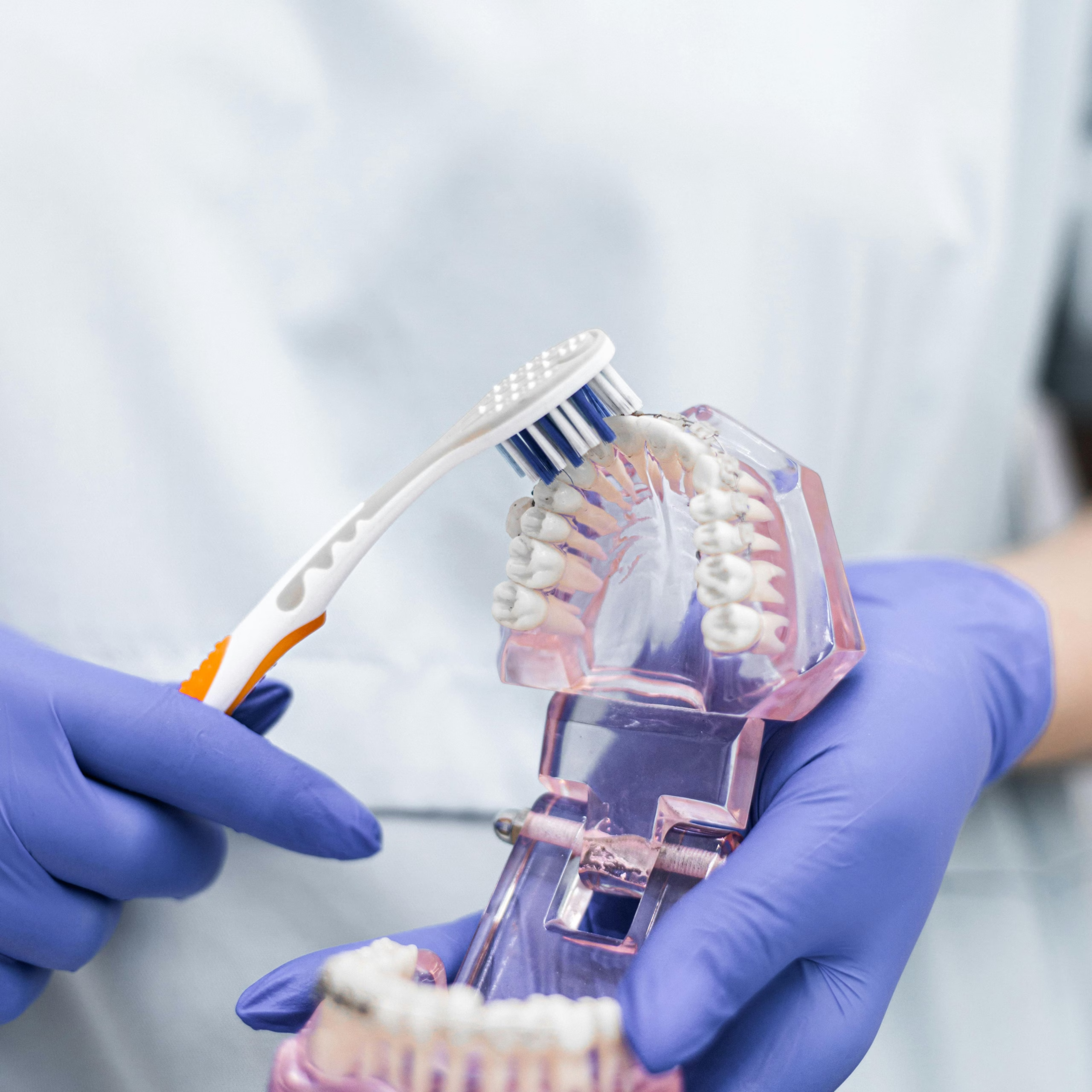
Brush twice daily
Keeps resin smooth and stain‑free.
Avoid biting hard objects
Pens, ice and nails can chip bonding.
Limit staining foods
Coffee, tea and red wine may dull resin over time.
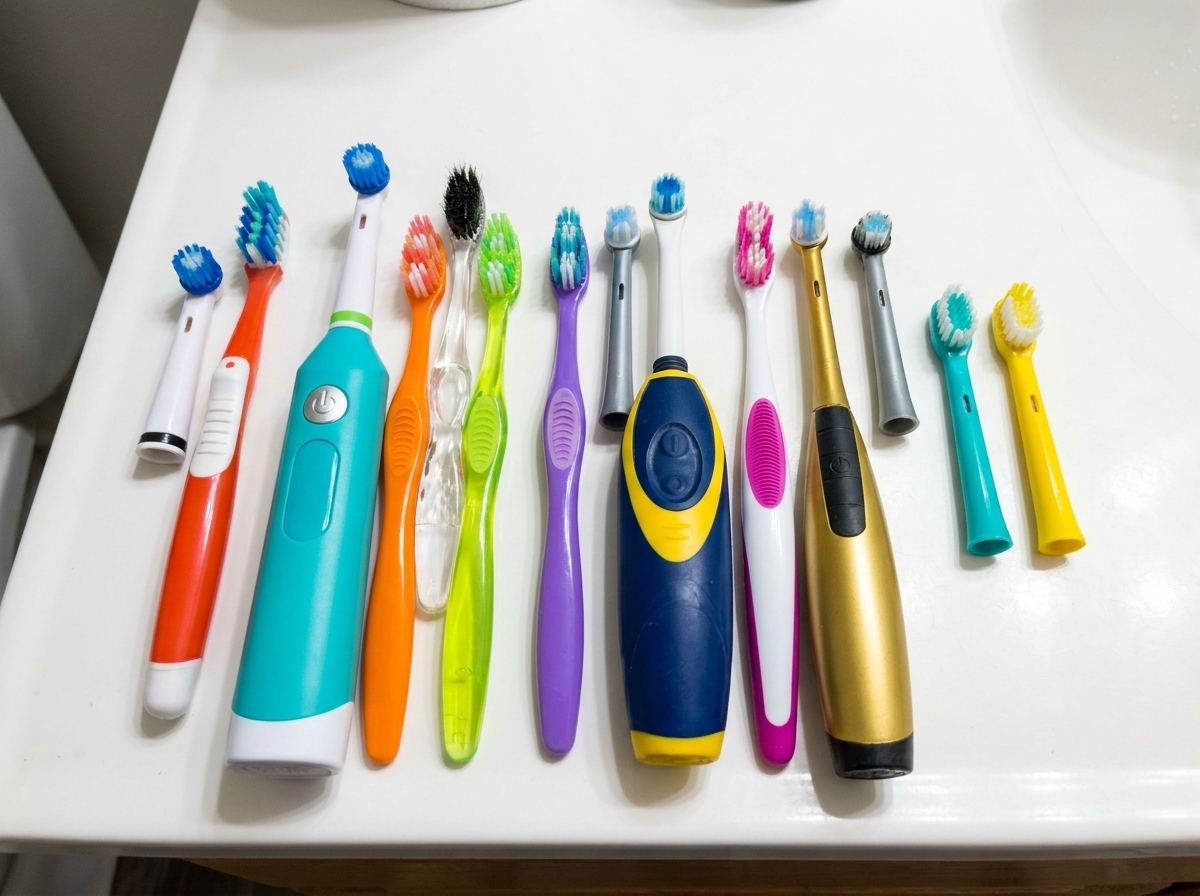
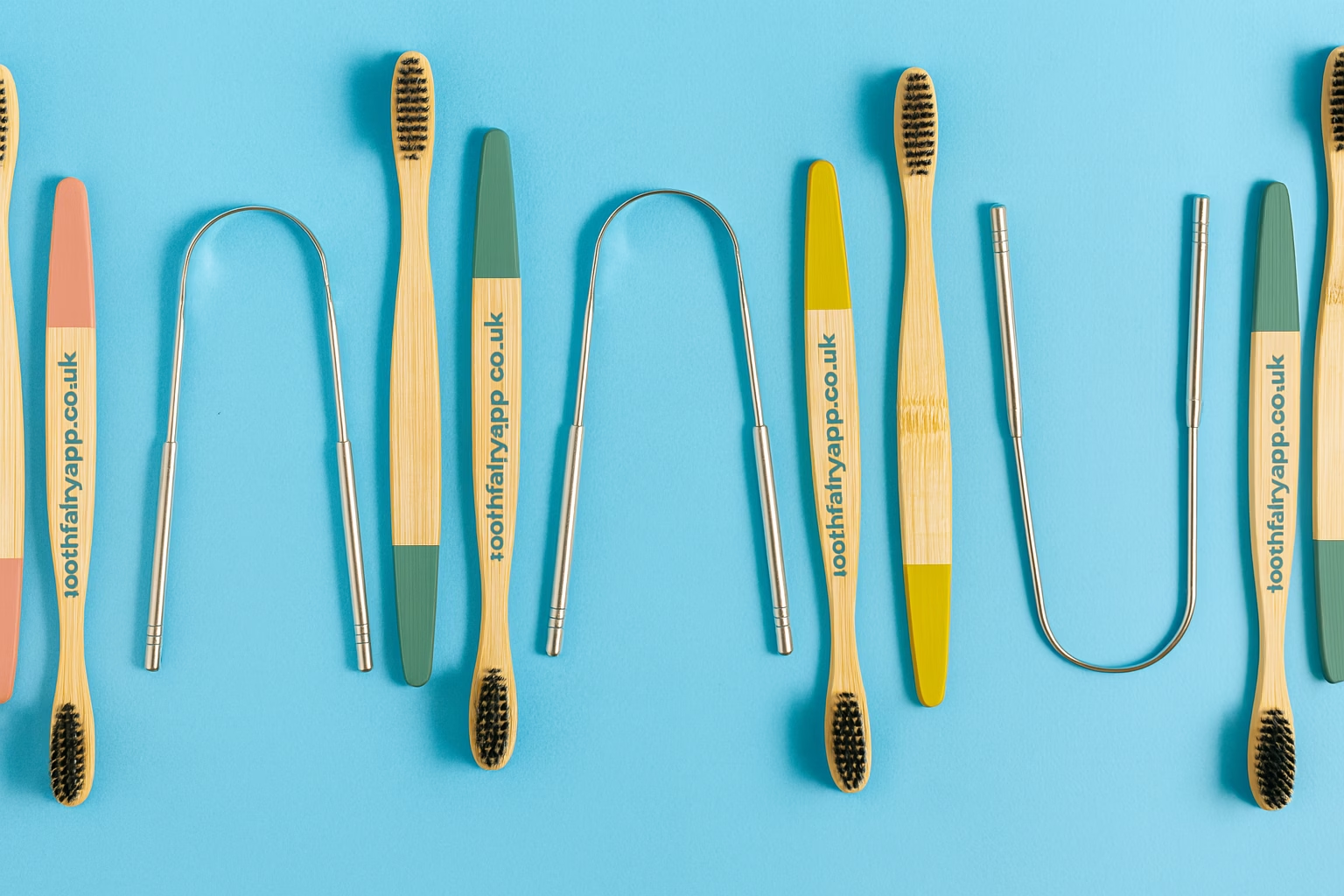
Use the Toothfairy Wand
Smart brushing helps maintain gum and enamel health.
Book regular dental check‑ups
Dentists can polish bonding to keep it looking fresh.
When composite bonding may not be suitable
Bonding may not be ideal if you have:
- severe misalignment
- large gaps
- heavy grinding
- major structural damage
- deep internal stains
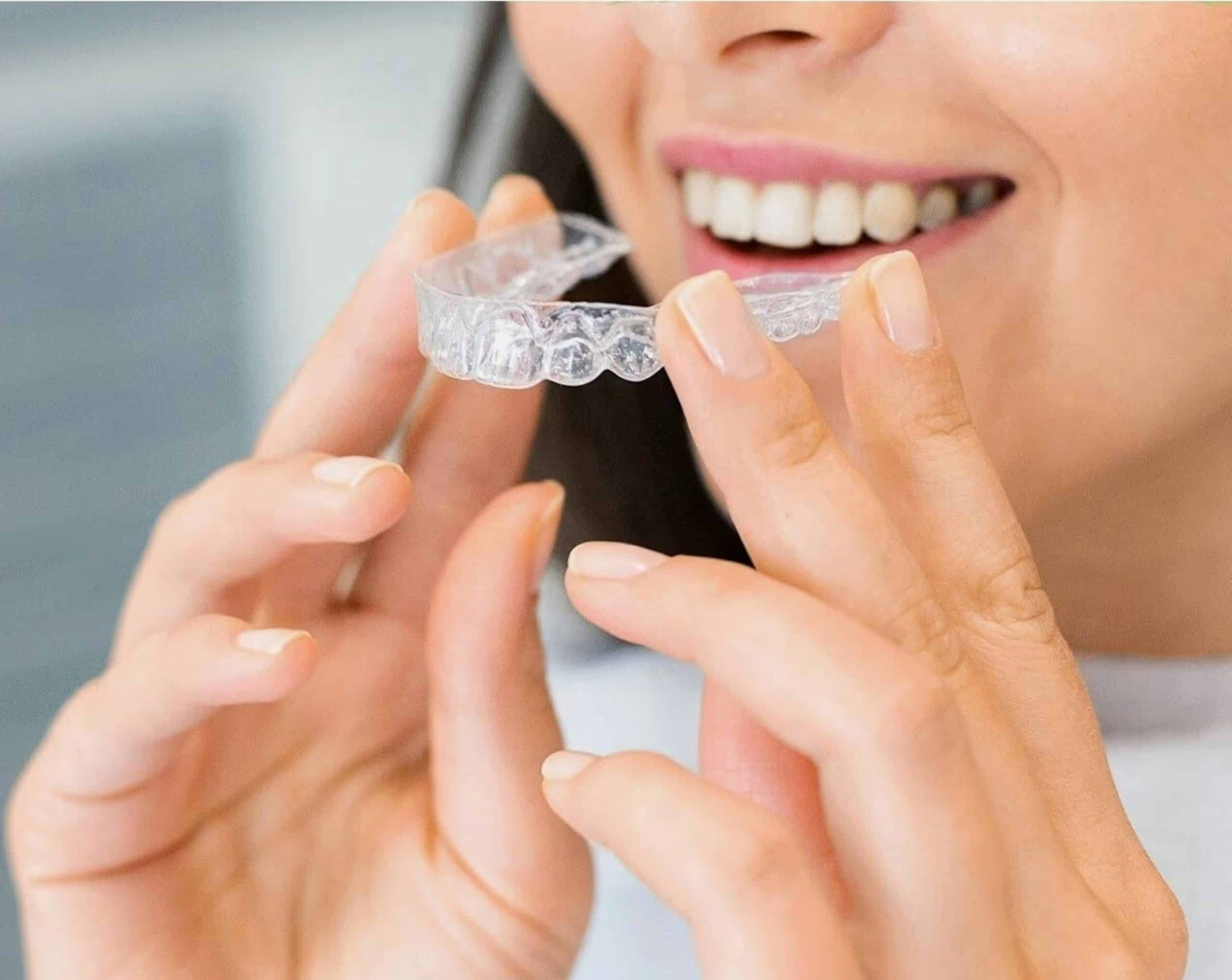
Dentists may recommend aligners, whitening or veneers instead.
How Toothfairy supports your cosmetic journey
Photo‑based assessments
Upload images to check suitability for bonding or whitening.
Dentist‑led guidance
Clear advice on cosmetic options and expected results.
Smart brushing support
The Toothfairy Wand helps maintain gum and enamel health.
Clear next steps
Know whether bonding, whitening or aligners suit your goals.


















.jpg)





.jpg)
















.jpg)