What is teeth whitening?
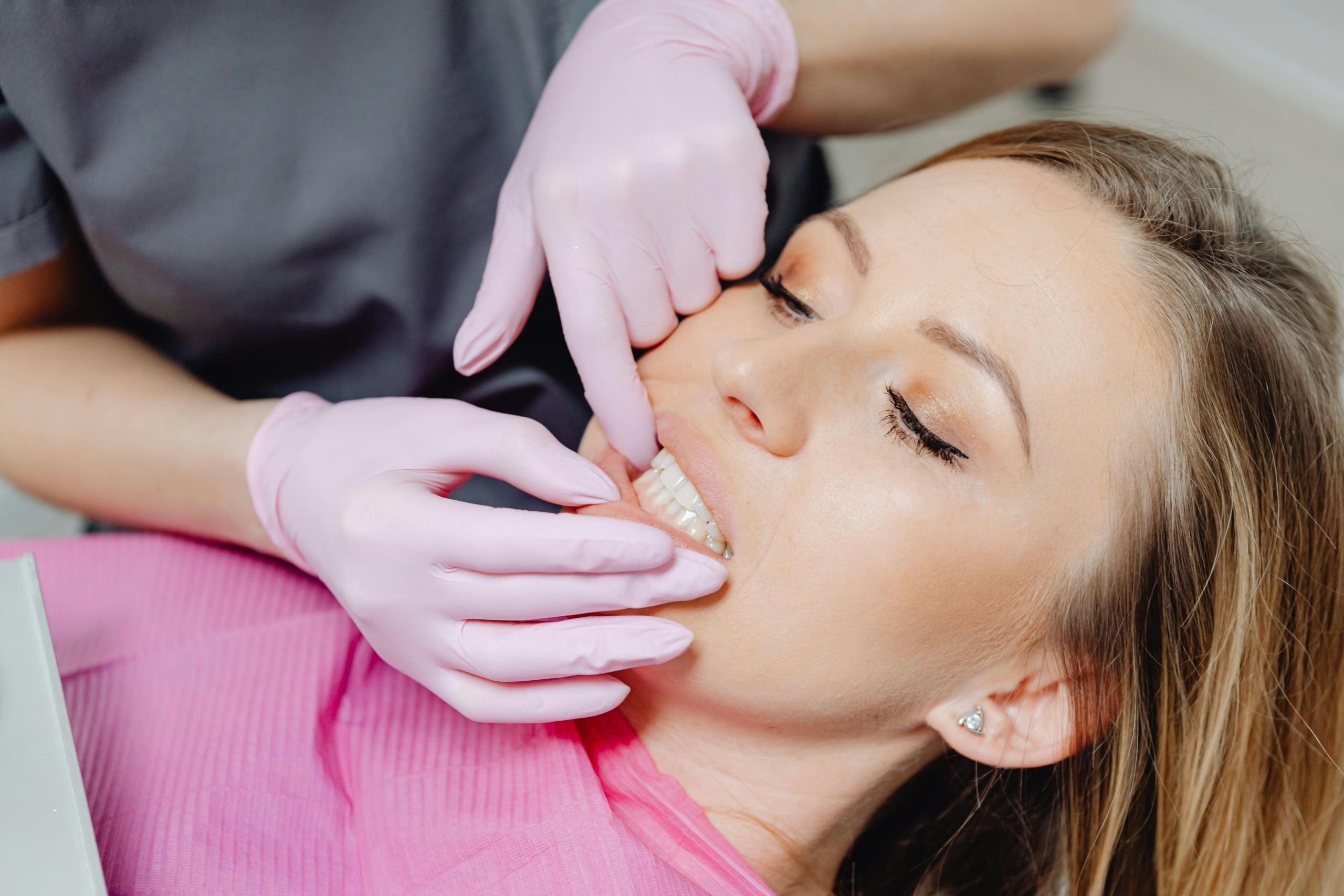
Teeth whitening is a dentist‑led cosmetic treatment that uses safe whitening gels to break down stains and lighten the natural shade of your teeth.
Modern whitening is:
- technology‑driven
- accessible
- convenient
- clinically safe
- designed for predictable results
Whitening works on both surface stains and deeper discolouration inside the tooth.
How whitening works
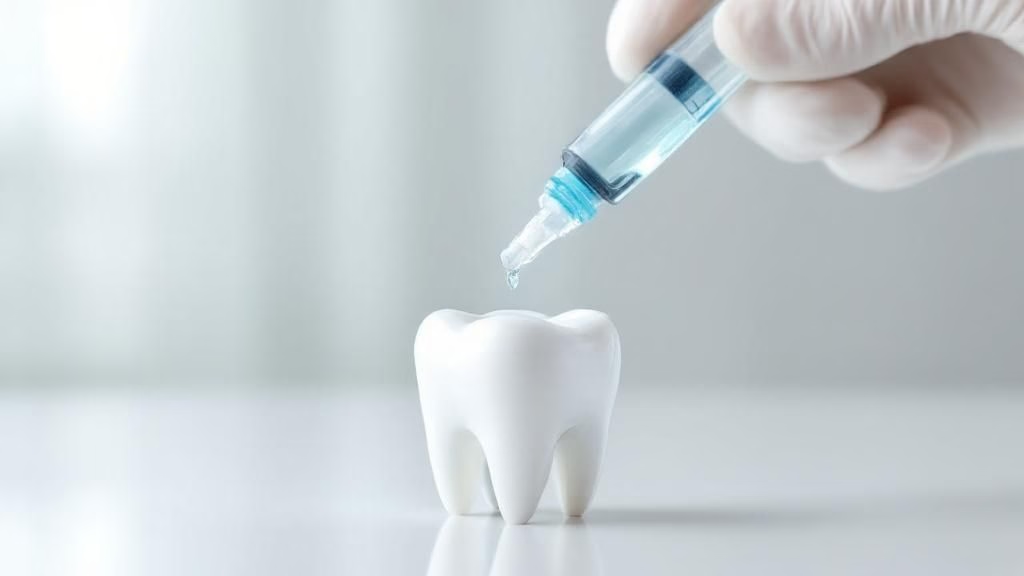
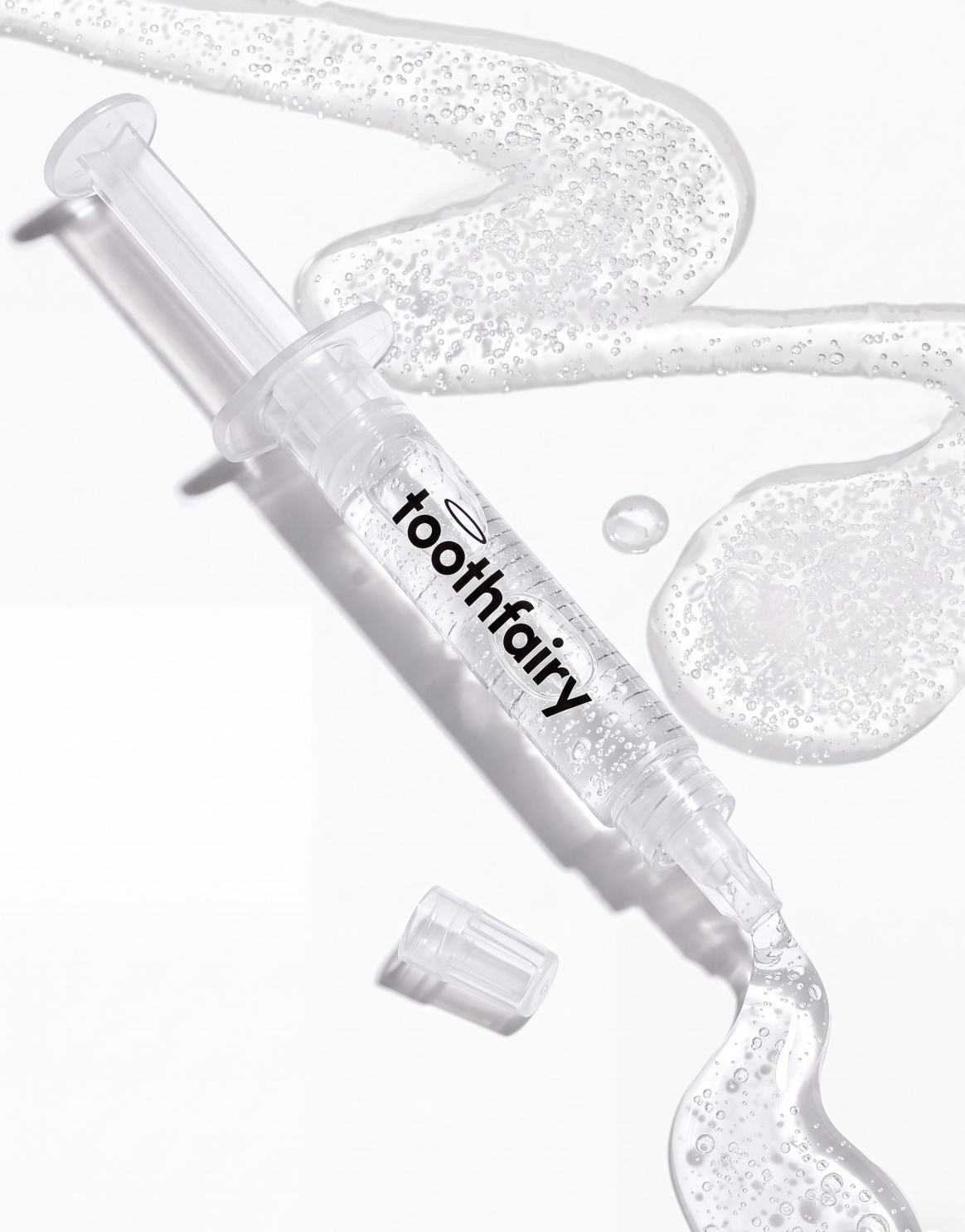
Whitening gels contain peroxide, a clinically safe ingredient that breaks down stain molecules.
The science behind whitening
- Peroxide enters the enamel
- Oxygen molecules break apart stains
- Tooth colour becomes lighter
- Enamel remains intact
Whitening does not damage enamel when used correctly.
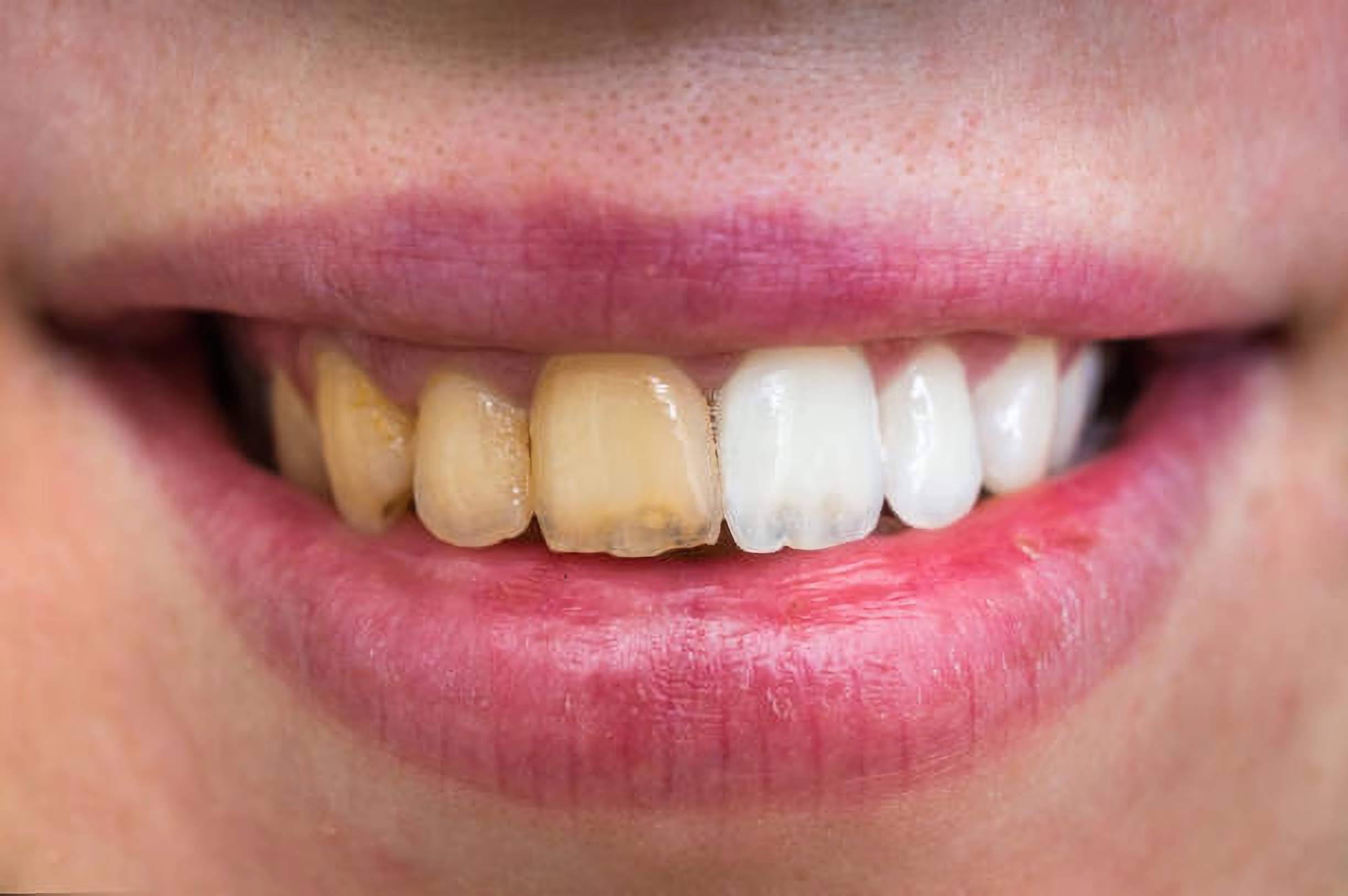
Types of teeth stains
1. Surface stains (extrinsic)
Caused by coffee, tea, red wine, smoking and everyday foods.
2. Deep stains (intrinsic)
Caused by ageing, medication, trauma or long‑term discolouration.
3. Natural tooth colour
Everyone has a unique baseline shade — whitening simply brightens it.
How whitening works
Is teeth whitening safe?
Yes, when supervised by a dentist.
Professional whitening uses regulated gels that:
- protect enamel
- minimise sensitivity
- deliver predictable results
- avoid gum irritation
DIY kits without dentist guidance can cause burns, uneven whitening or sensitivity.
How long whitening takes
Treatment length depends on the method:
- Professional whitening: 1–2 sessions
- Home whitening: 1–3 weeks
- Whitening strips: several weeks
Dentist‑led whitening is the fastest and most reliable.
How long results last
Whitening results typically last:
- 6–12 months with good oral care
- longer with regular maintenance
- shorter if consuming staining foods frequently
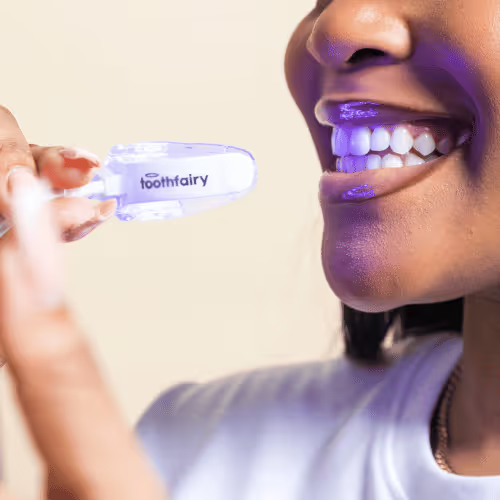
Using the Toothfairy Wand helps maintain enamel brightness.
How to maintain whitening results
Brush twice daily
Keeps stains from building up.
Avoid staining foods
Coffee, tea, red wine and curry can darken teeth.
Use a straw
Reduces contact with staining drinks.
Rinse after meals
Helps remove pigments.
Use whitening top‑ups
Dentist‑approved gels help maintain brightness.
When whitening may not work
Whitening may be less effective for:
- crowns
- veneers
- fillings
- severe internal stains
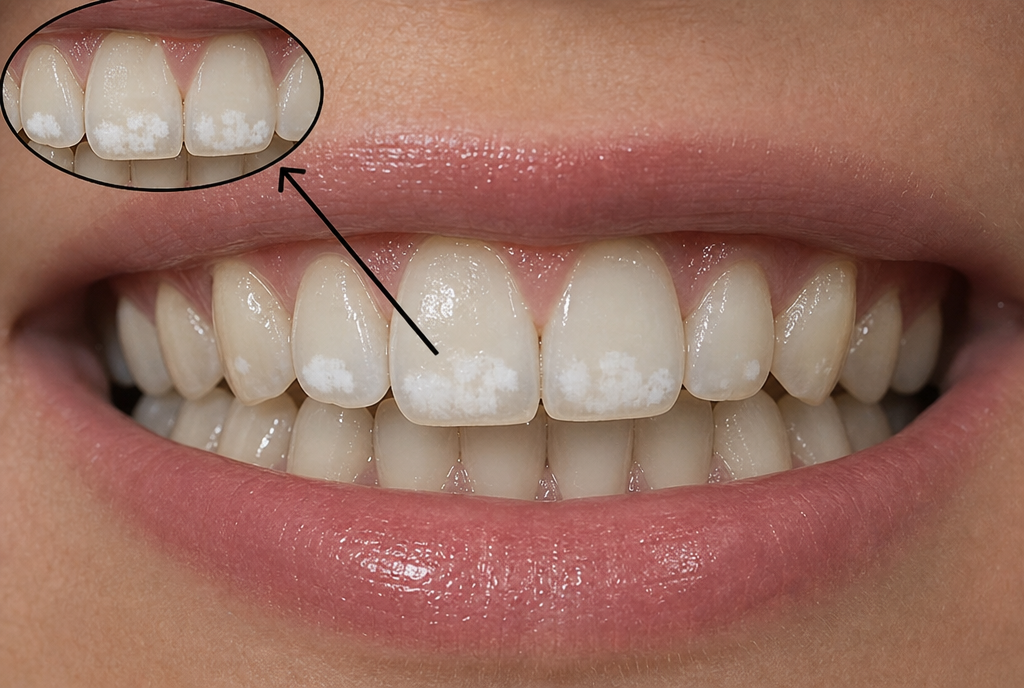
- enamel defects
A dentist can advise on alternatives like bonding or veneers.
How Toothfairy supports your whitening journey
Photo‑based assessments
Upload images to check suitability.
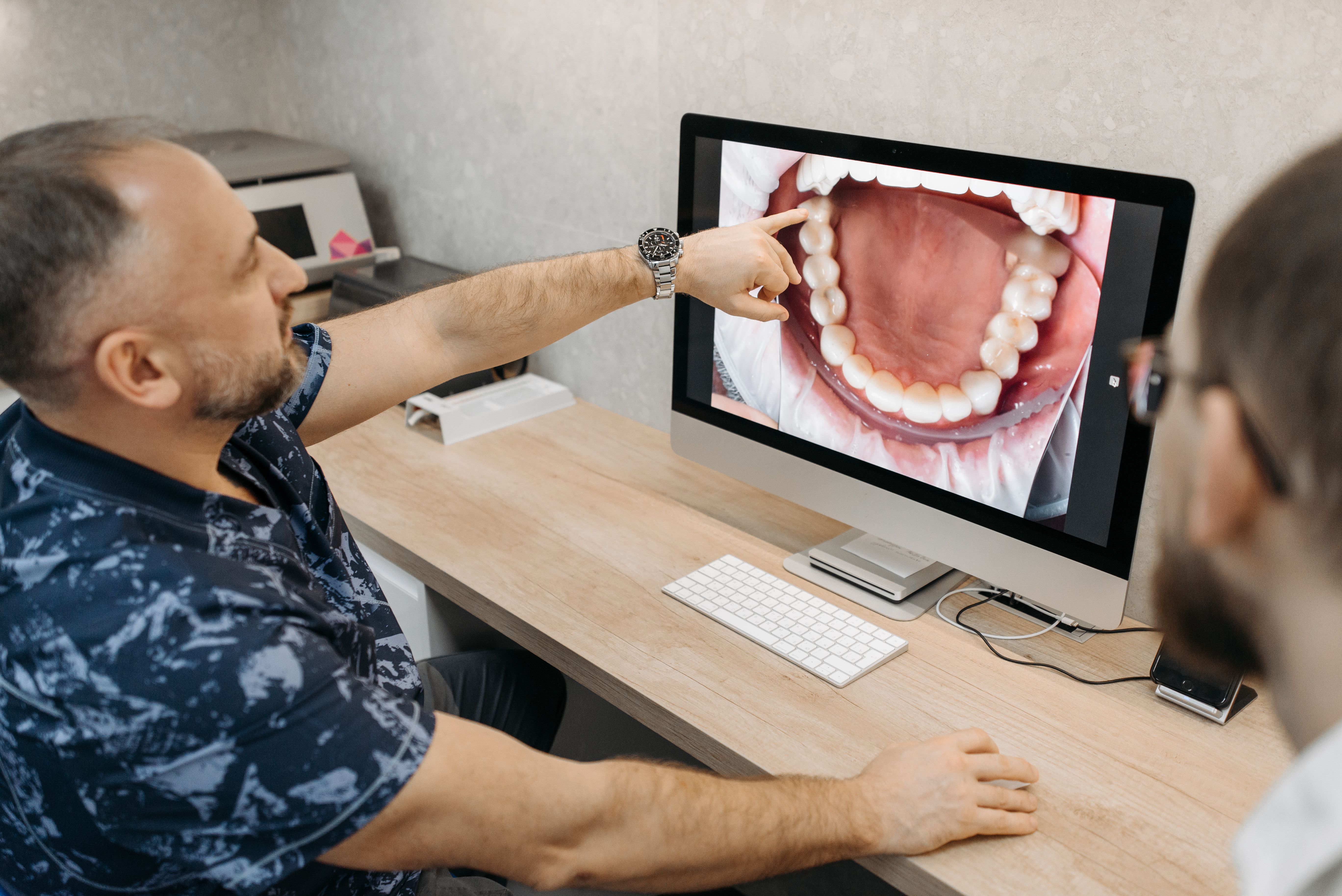
Dentist‑led guidance
Clear advice on gel strength and treatment length.
Smart brushing support
The Toothfairy Wand helps maintain enamel brightness.
Clear next steps
Know whether whitening, aligners or other treatments suit your goals.














.jpg)





.jpg)














.jpg)