Why people compare aligners and braces
Teeth straightening has changed dramatically in recent years. Adults and teens now have more discreet, flexible options than ever before. Clear aligners offer convenience and comfort, while braces provide strong control for complex cases.
Understanding the differences helps you choose the option that fits your goals, lifestyle and timeline.
How clear aligners work
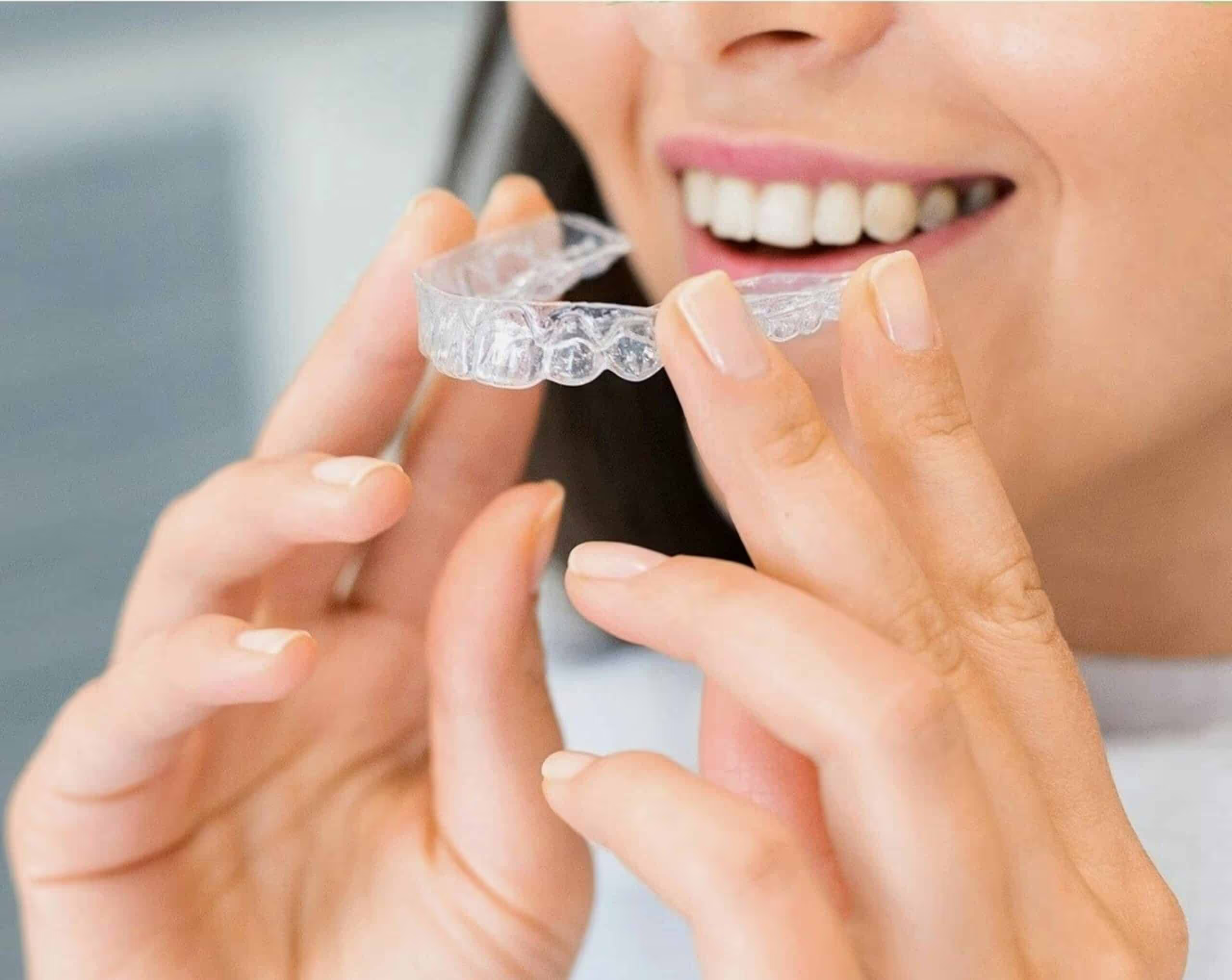
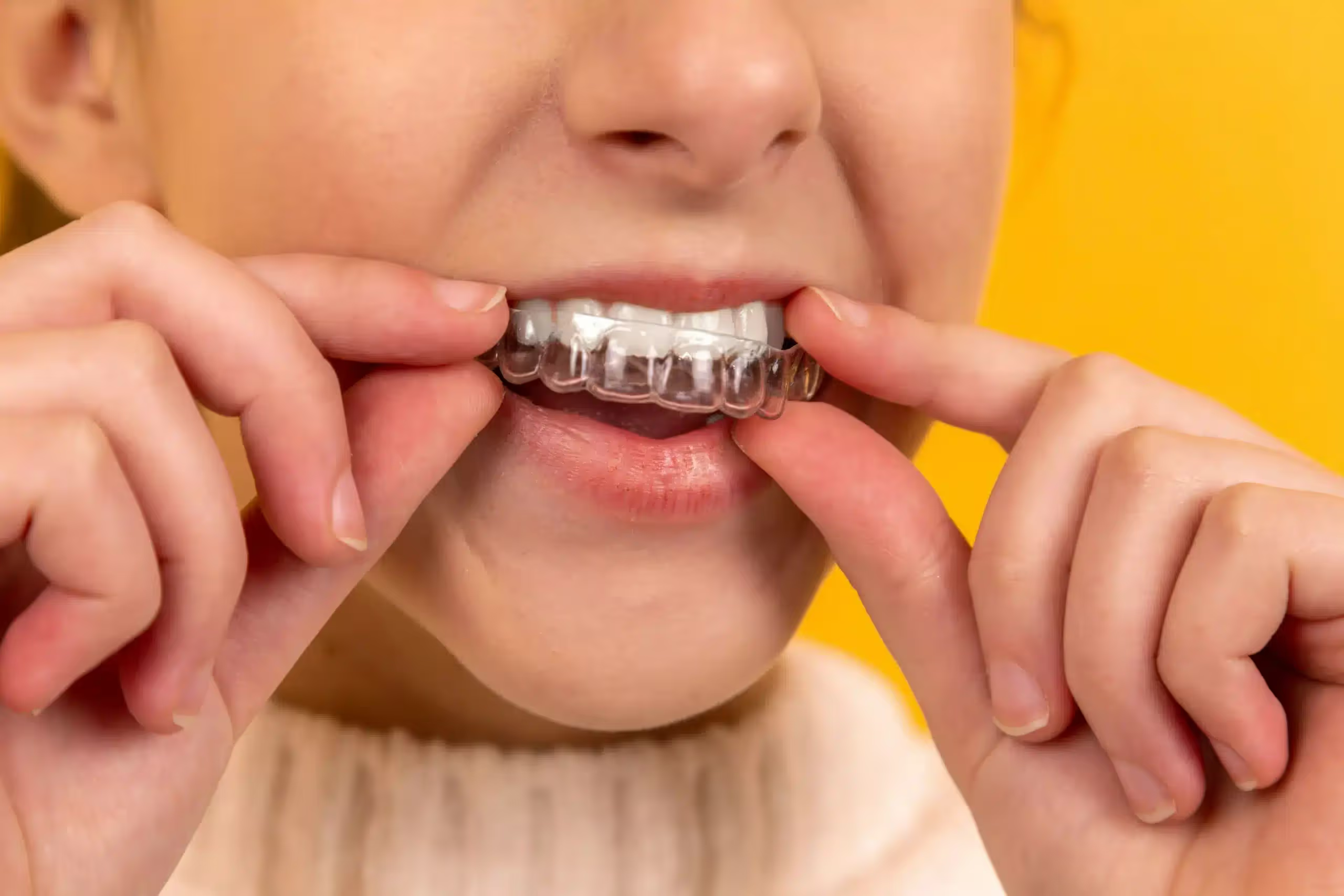
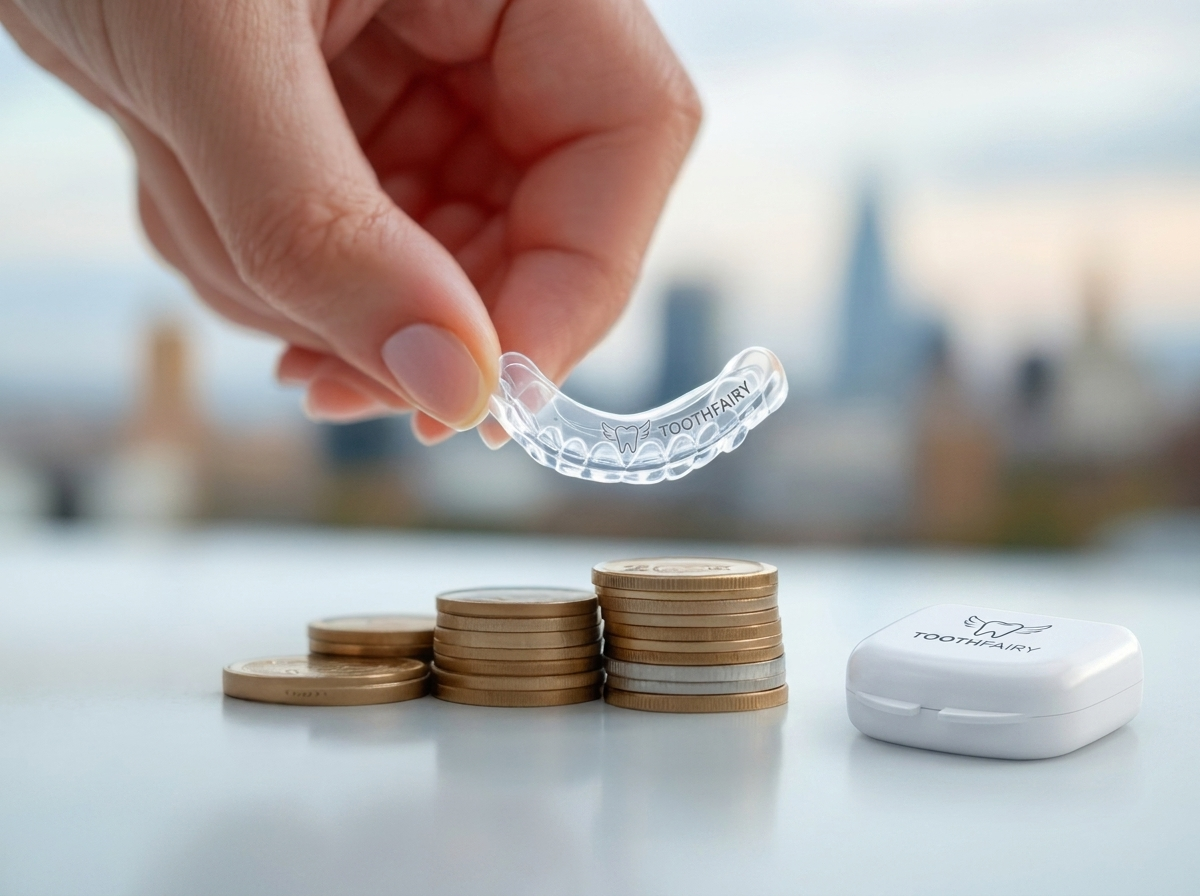
Clear aligners use a series of thin, transparent trays to gently move teeth. Each tray applies controlled pressure to guide teeth into new positions.
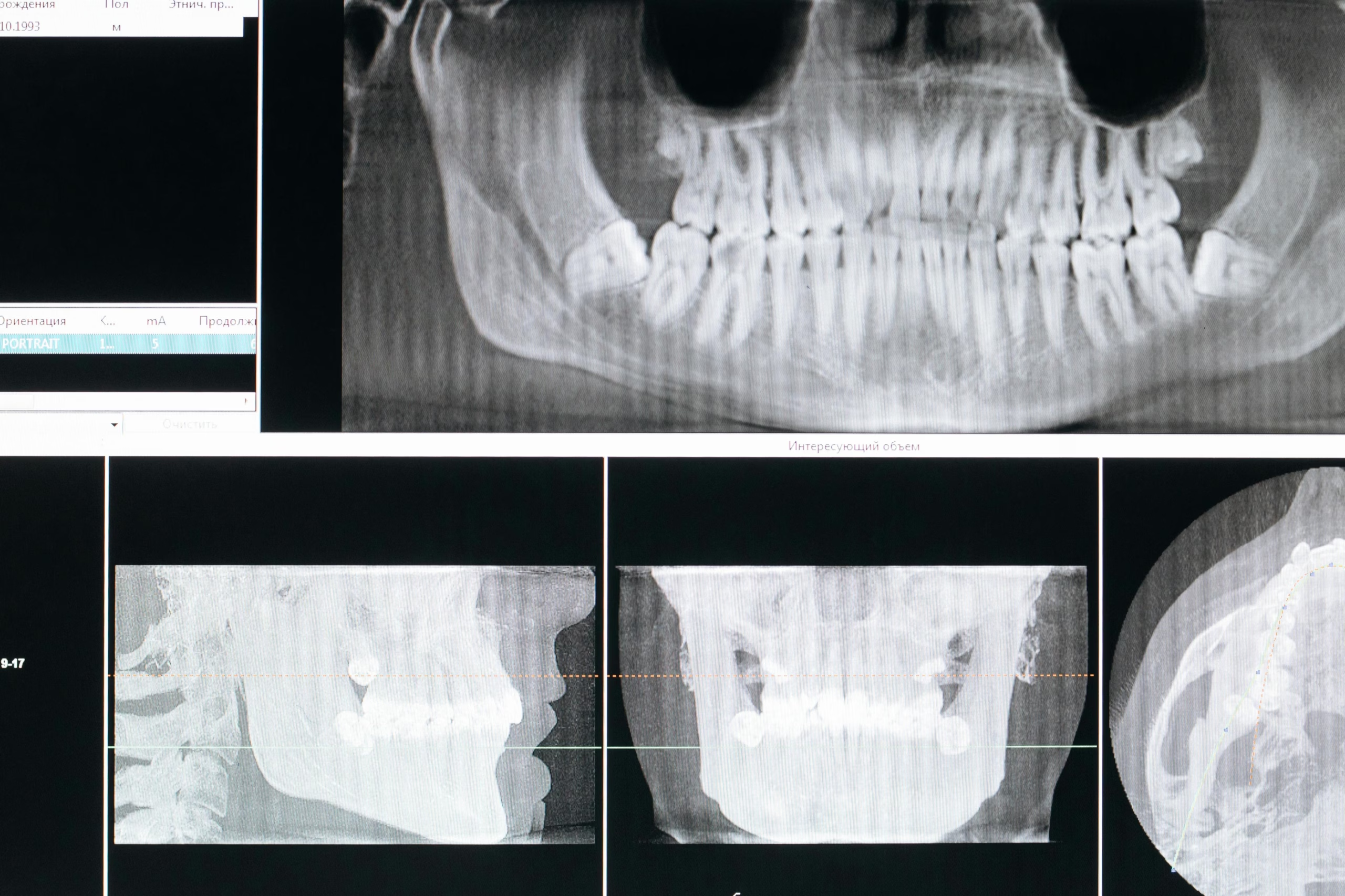
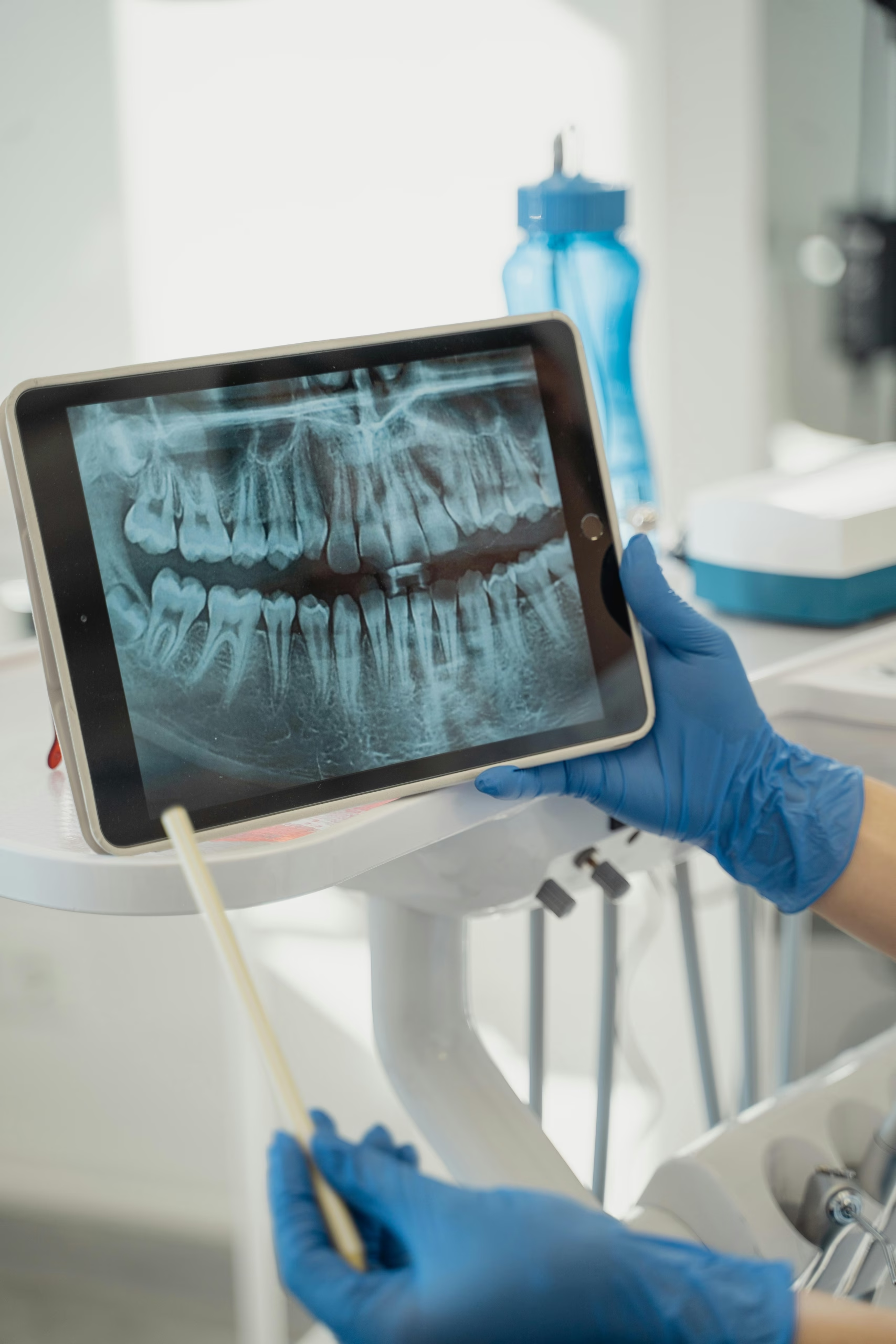
Digital scan
A 3D scan maps your teeth precisely.
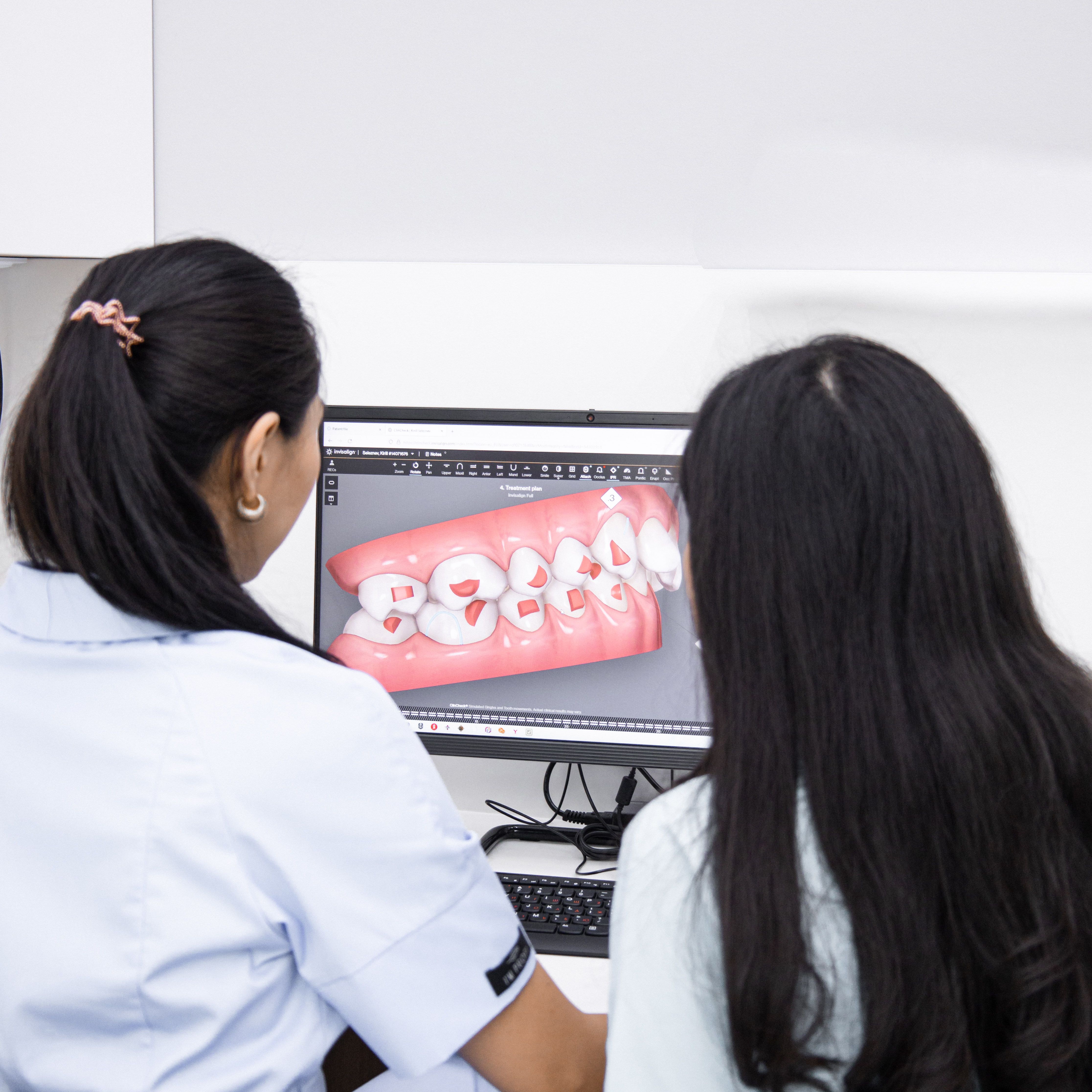
Treatment plan
Dentists plan each movement digitally.
Aligner series
You switch trays every one to two weeks.
Wear schedule
20 to 22 hours per day for best results.
Remote monitoring
Photo check‑ins keep progress on track.
Aligners are designed for comfort, discretion and flexibility.
How traditional braces work
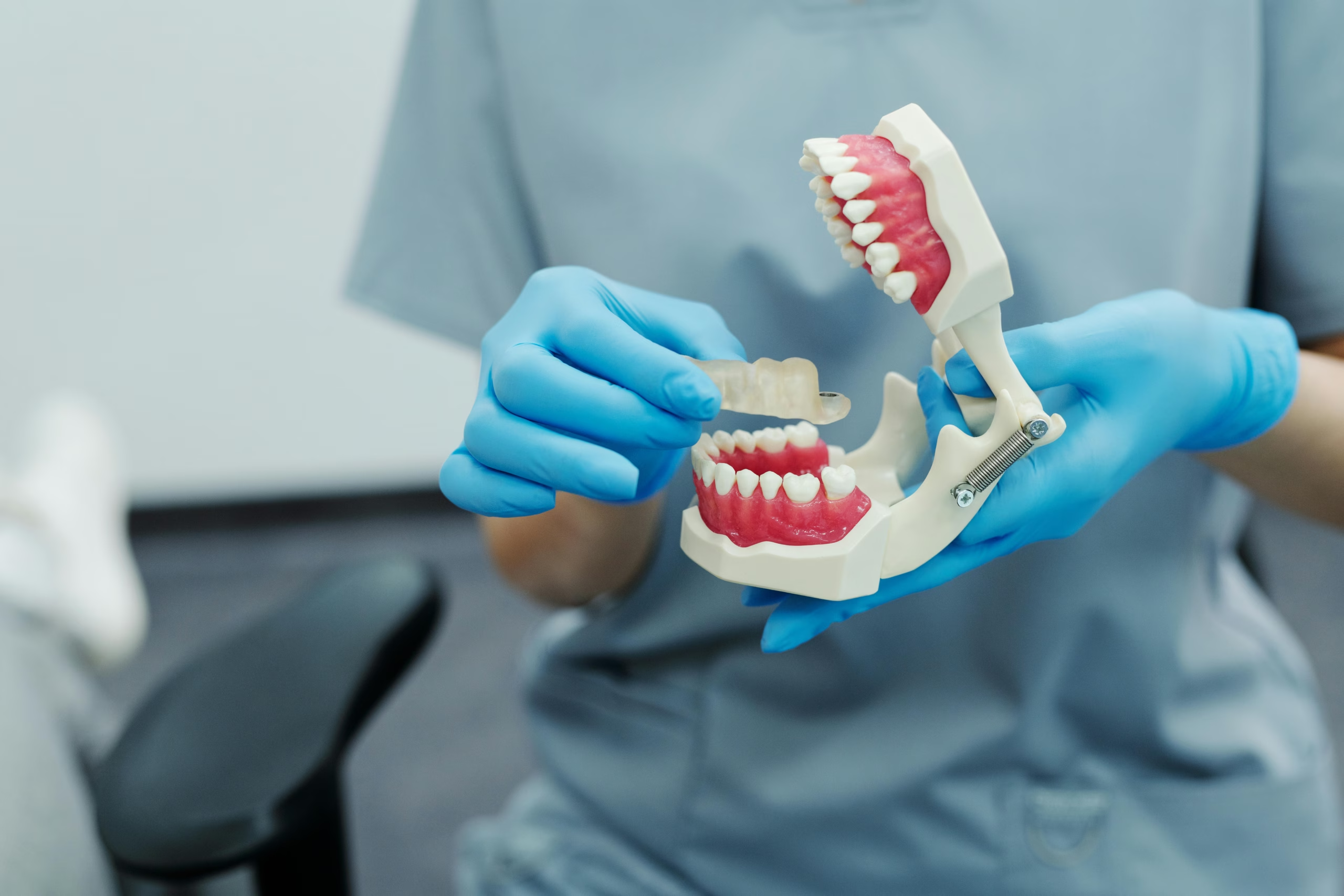
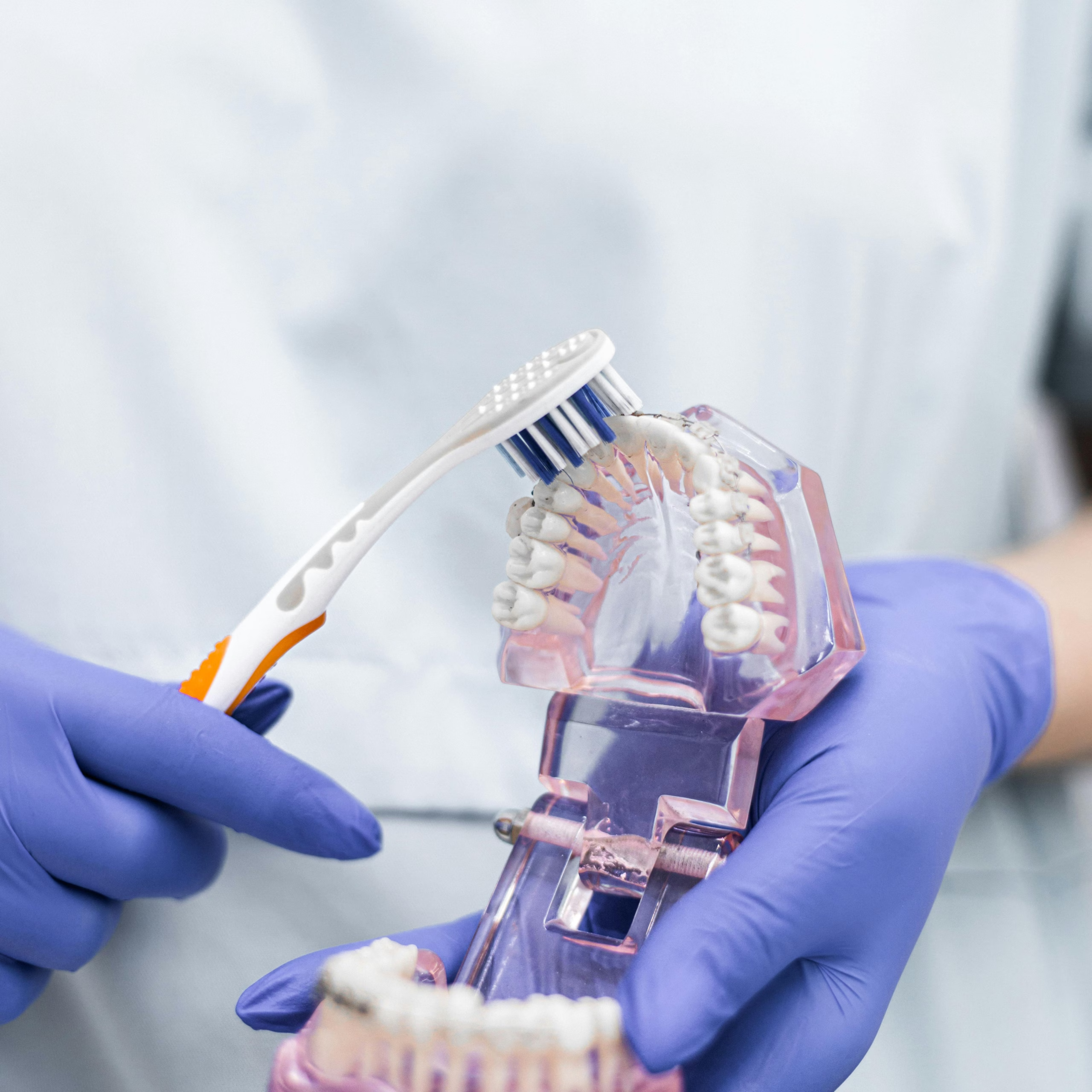
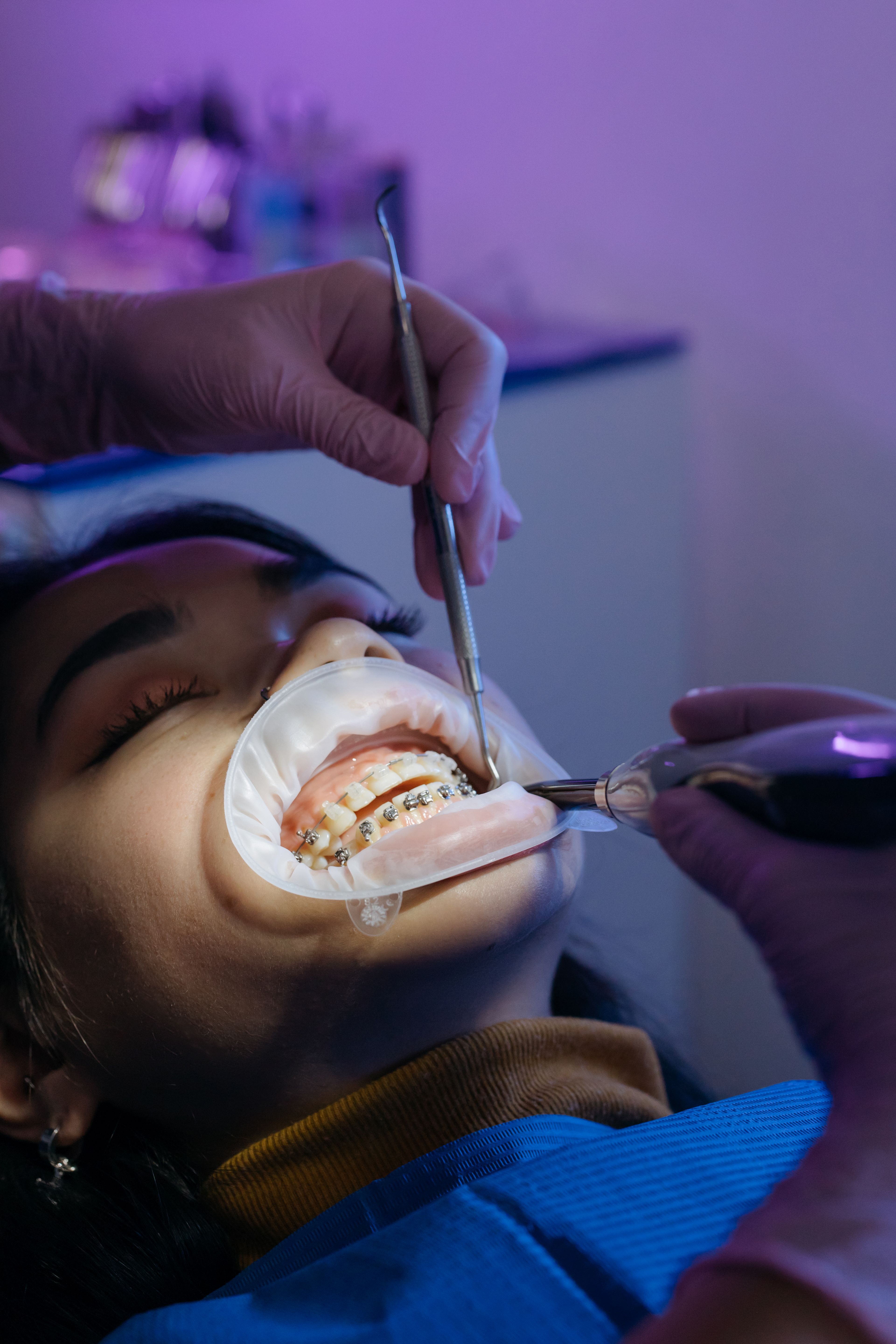
Braces use brackets and wires fixed to the teeth. Dentists adjust the wires periodically to guide movement.
Metal or ceramic brackets
Attached to each tooth.
Archwire adjustments
Tightened during appointments.
Rubber bands (if needed)
Help correct bite issues.
Braces are highly effective for complex alignment and bite correction.
Clear aligners vs braces: key differences
Which option is faster
Clear aligners often finish faster for mild to moderate cases because:
- Movement is digitally planned
- Aligners apply consistent pressure
- Remote monitoring keeps progress on track
Braces may take longer due to:
- In‑person adjustments
- More complex movement
- Additional components (bands, wires, elastics)
Speed depends on your case, but aligners are typically more efficient for adults.
Which option is more discreet
Clear aligners are almost invisible.Braces are always visible, even ceramic ones.
For adults who want subtle straightening, aligners are the preferred choice.
Which option is more comfortable
Aligners have smooth edges and no metal components.Braces can irritate cheeks, lips and gums.
Comfort is one of the biggest reasons adults choose aligners.
Which option fits better into daily life
Aligners are removable, making it easier to:
- Eat normally
- Brush and floss
- Attend social events
- Travel
- Work long shifts
Braces require more maintenance and dietary restrictions.
Which option is safer
Dentist‑supervised aligners offer:
- Controlled movement
- Gum health monitoring
- Emergency support
- Retainer guidance
Braces are also safe, but require more in‑person visits.
Why adults often choose clear aligners
Adults typically prefer aligners because they offer:
- Discreet appearance
- Shorter timelines
- Fewer appointments
- More comfort
- Flexible wear
- Predictable digital planning
Aligners fit modern lifestyles better than braces.
How Toothfairy supports safe aligner treatment
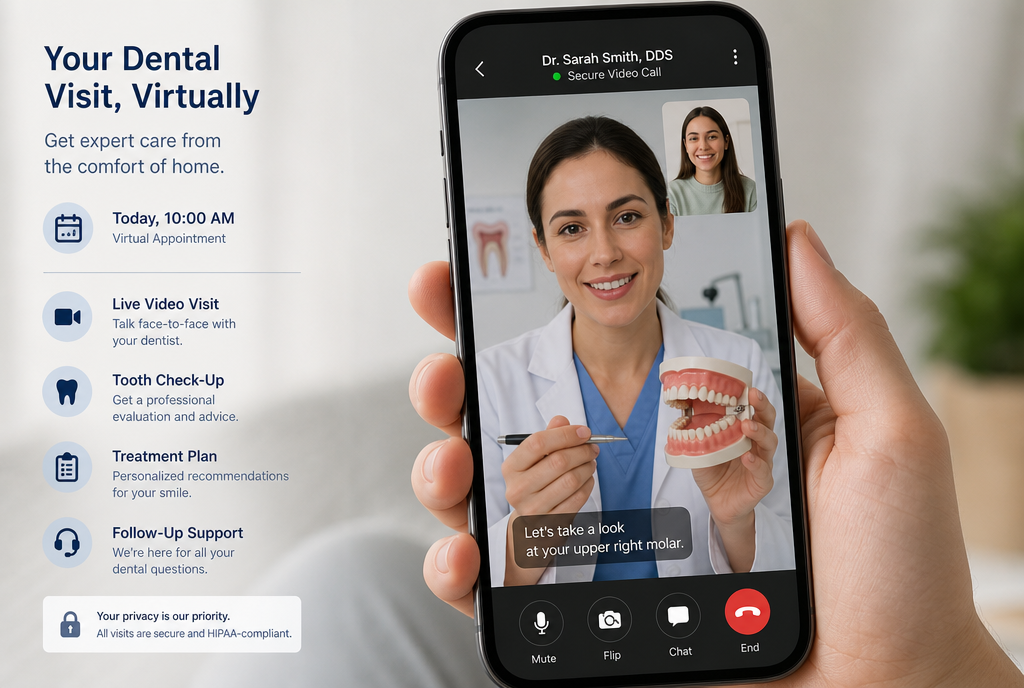
Virtual assessments
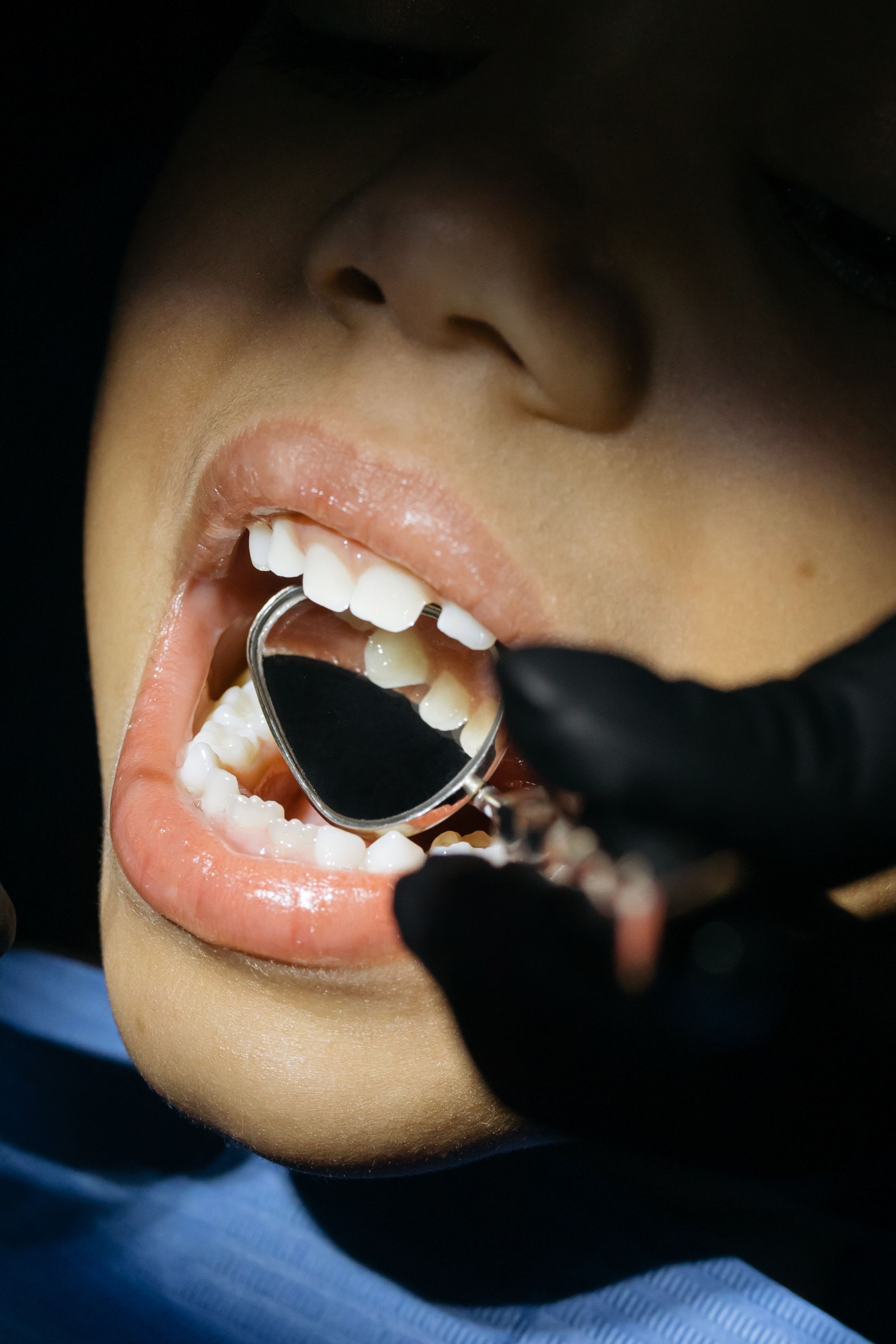
Dentists confirm suitability before starting.
Accurate digital planning
Predictable movement from day one.
Remote monitoring
Photo check‑ins keep progress safe and efficient.
Emergency support
Fast help if an aligner cracks or feels wrong.
Retainer guidance
Long‑term stability after treatment.
Your aligner vs braces questions answered
Are aligners as effective as braces
Yes, for mild to moderate cases.
Are braces better for complex cases
Yes, braces offer more control for severe alignment issues.
Do aligners hurt less
Most people find aligners more comfortable.
Do aligners work faster
Often, for mild to moderate cases.
Do I need retainers after both
Yes, retainers keep your teeth in place long term.
















.jpg)





.jpg)















.jpg)