
What to Look Out For
Cavities are sneaky. They begin small, often without pain, and gradually progress until you’re dealing with sensitivity, toothache or the need for a filling. The earlier you spot the signs, the easier (and cheaper) the treatment.
Here are the symptoms that matter — and what they mean.
1. Tooth Sensitivity
If hot coffee, cold drinks or sweet foods trigger a sudden twinge, sensitivity may be your first warning sign.
Why it happens
A cavity weakens enamel and exposes dentine — the layer containing tiny nerve endings. When exposed to temperature changes or sugar, those nerves react.
What to do
Sensitivity that keeps returning should be checked by a dentist. It may be early decay, enamel erosion or another issue that needs attention.
2. Toothache (Mild or Severe)
A toothache is one of the clearest signs that decay is progressing.
Common patterns
- A dull ache that comes and goes
- Sharp pain when biting
- Constant throbbing pain
Pain suggests the decay may be reaching deeper layers of the tooth.
What to do
Don’t wait for it to worsen. Early treatment is simpler and prevents emergency situations.
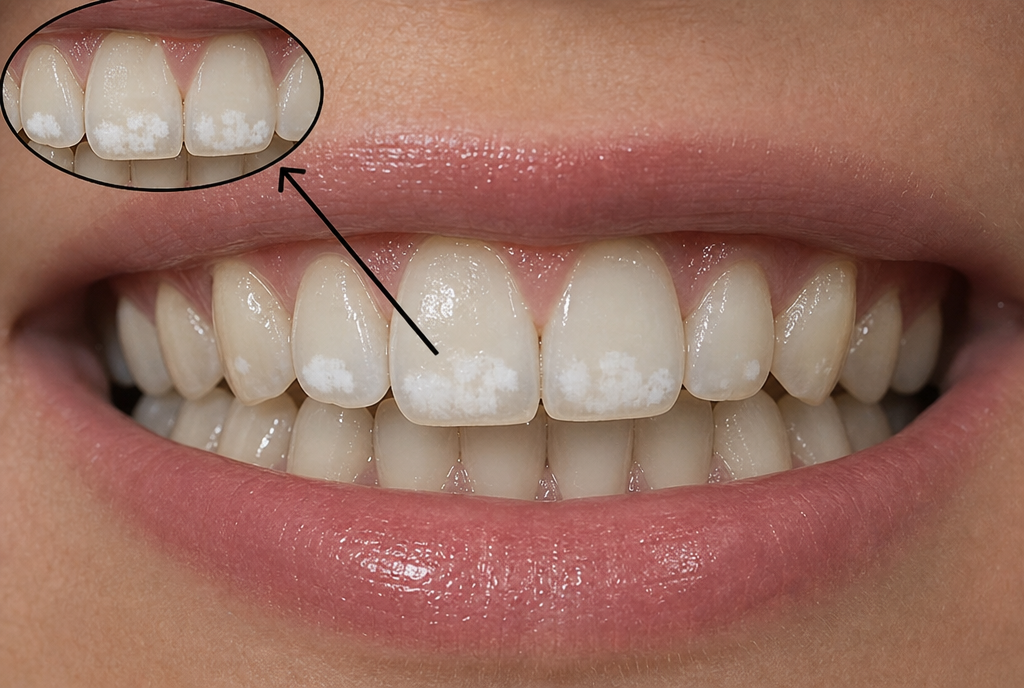
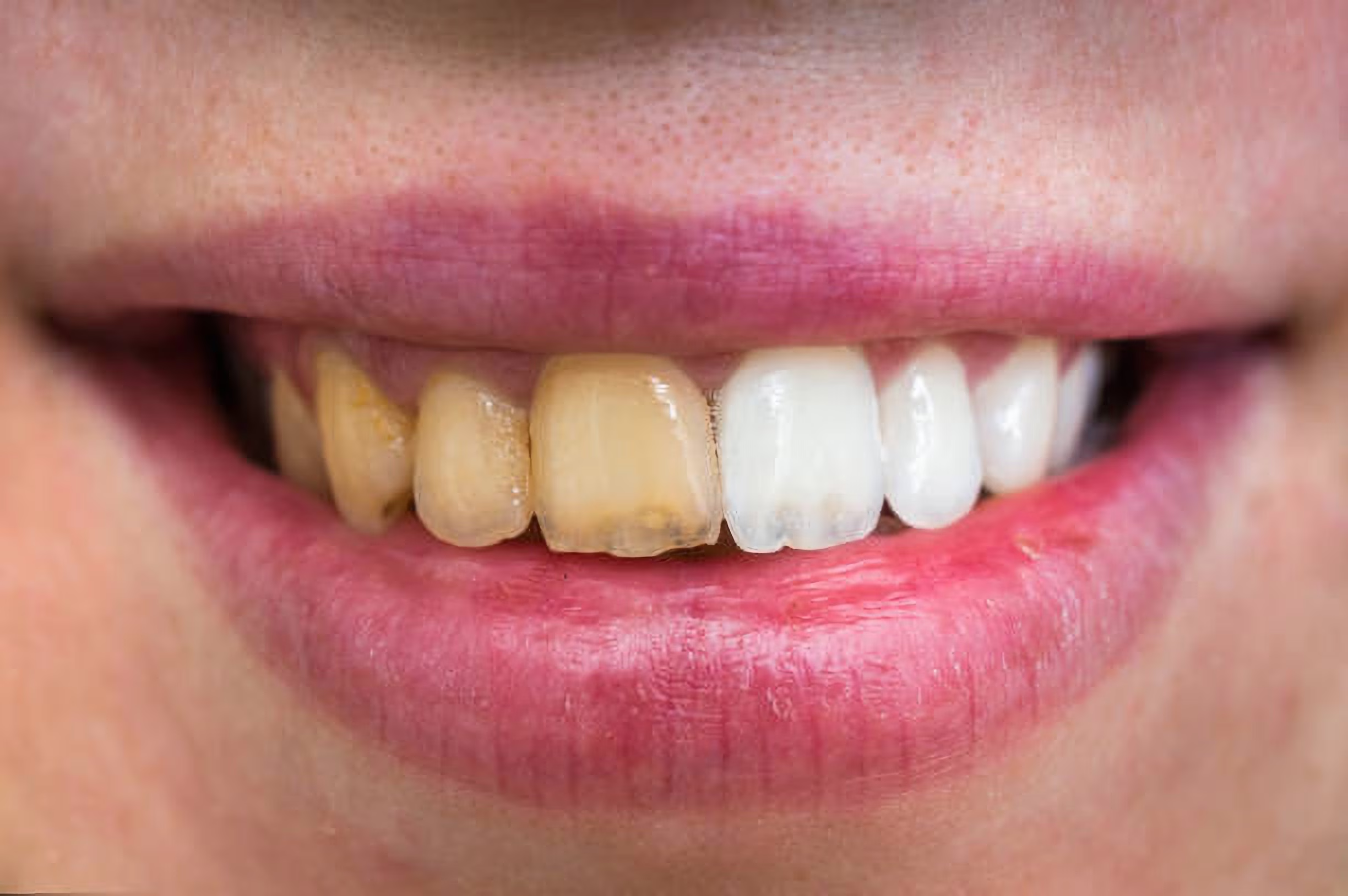
3. Visible Holes or Dark Spots
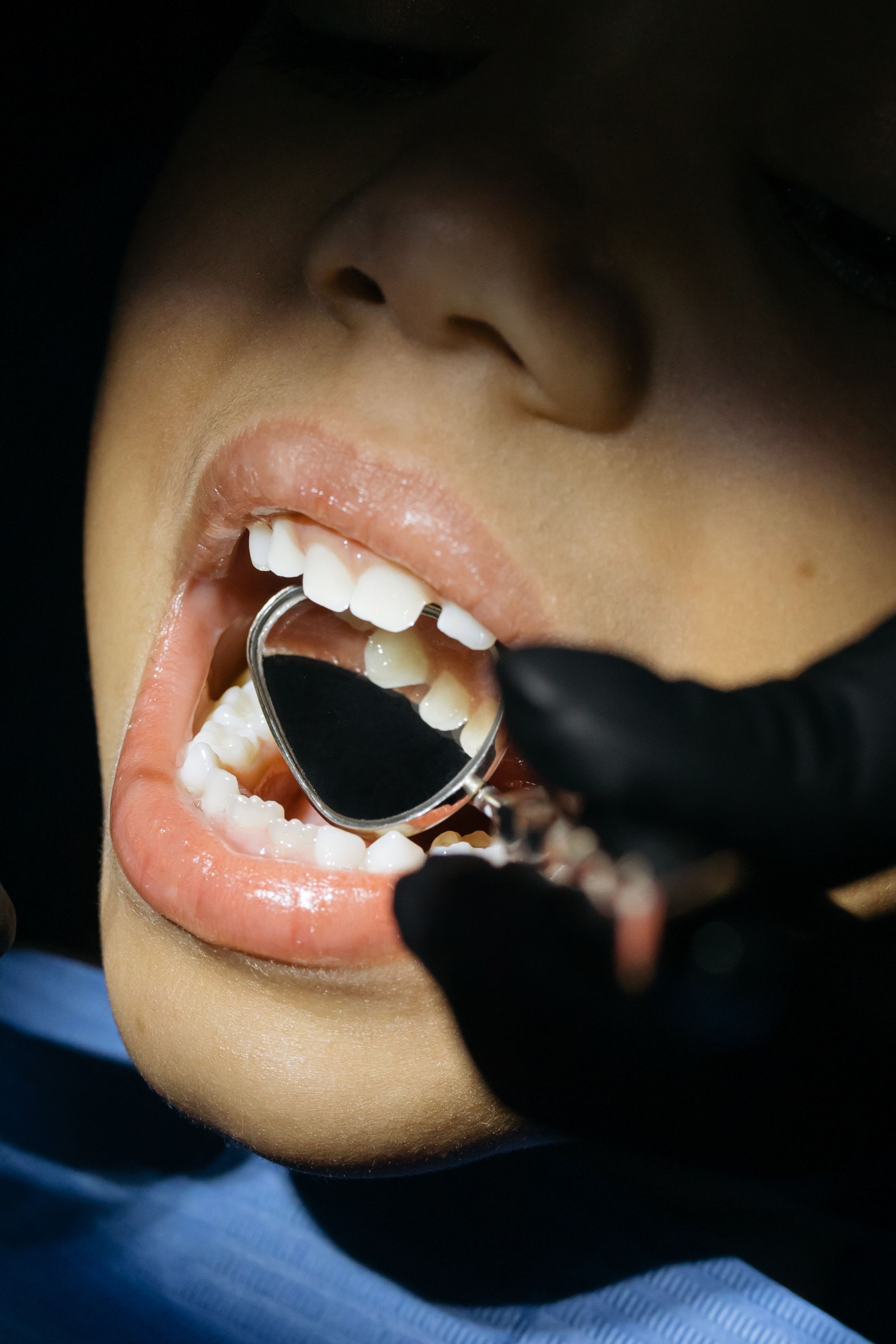
Cavities sometimes show up as:
- Brown or black spots
- Chalky white patches
- Small pits or holes
Even if it doesn’t hurt yet, visible changes mean decay is already happening.
What to do
Book a dental check‑up. Early intervention prevents deeper damage.
4. Bad Breath That Won’t Go Away
Persistent bad breath or a bad taste in your mouth can be linked to decay.
Why it happens
Cavities trap bacteria and food particles. As bacteria break them down, they release unpleasant gases.
What to do
If brushing, flossing and mouthwash don’t help, it’s time for a dental assessment.
5. Pain When Eating Sweets
If sugary foods cause sharp discomfort, it’s a classic cavity sign.
Why it happens
Sugar penetrates weakened enamel and irritates exposed dentine.
What to do
Reduce sugary snacks and get the tooth checked before the decay spreads.
6. Swollen or Bleeding Gums (Cavity Near the Gumline)
Decay near the gumline or between teeth can irritate the gums, causing:
- Redness
- Swelling
- Bleeding when brushing or flossing
What to do
Gum irritation + any cavity symptom = time for a dental visit to rule out decay or gum disease.
Quick Guide to Cavity Symptoms
How to Prevent Cavities Before They Start
Daily Habits That Work
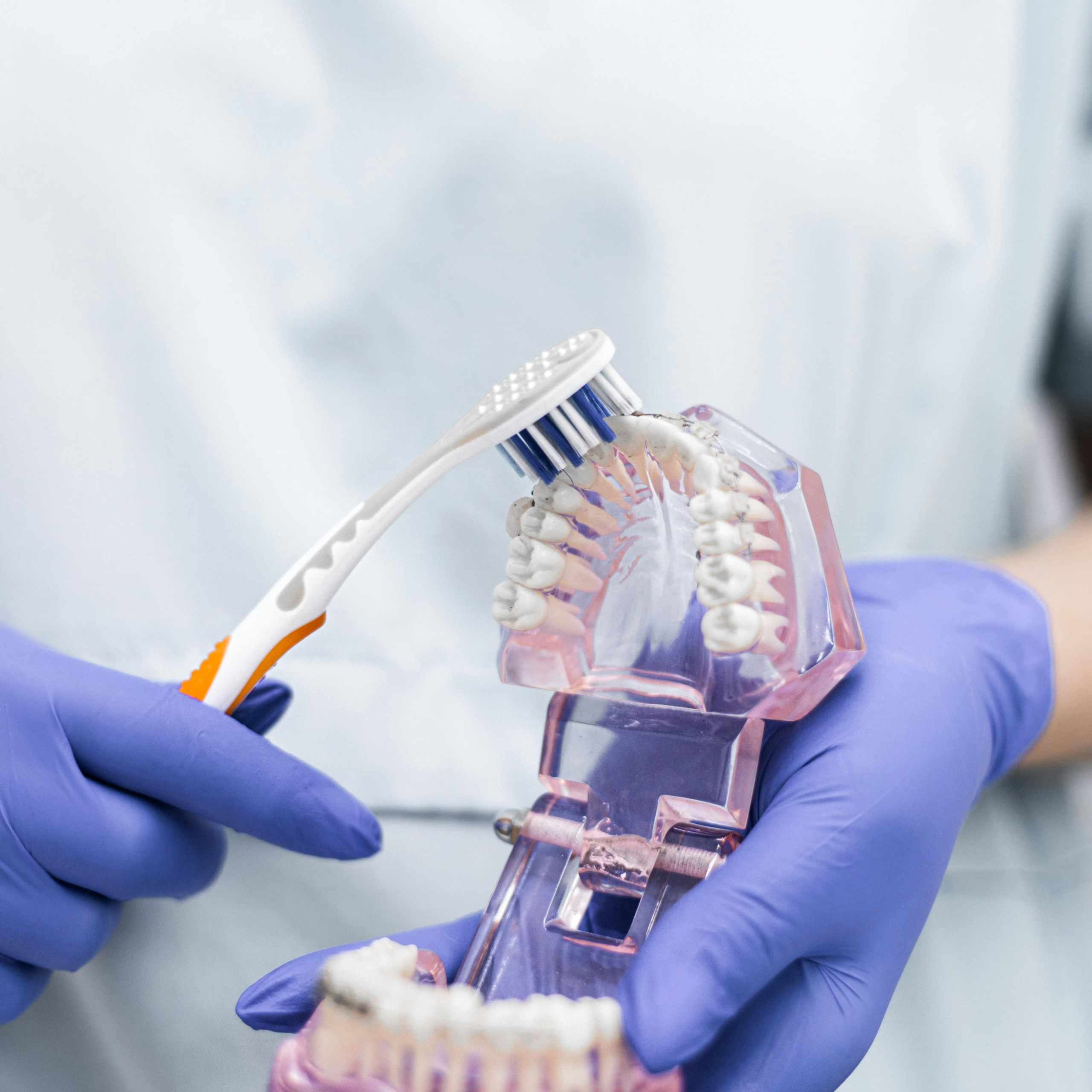
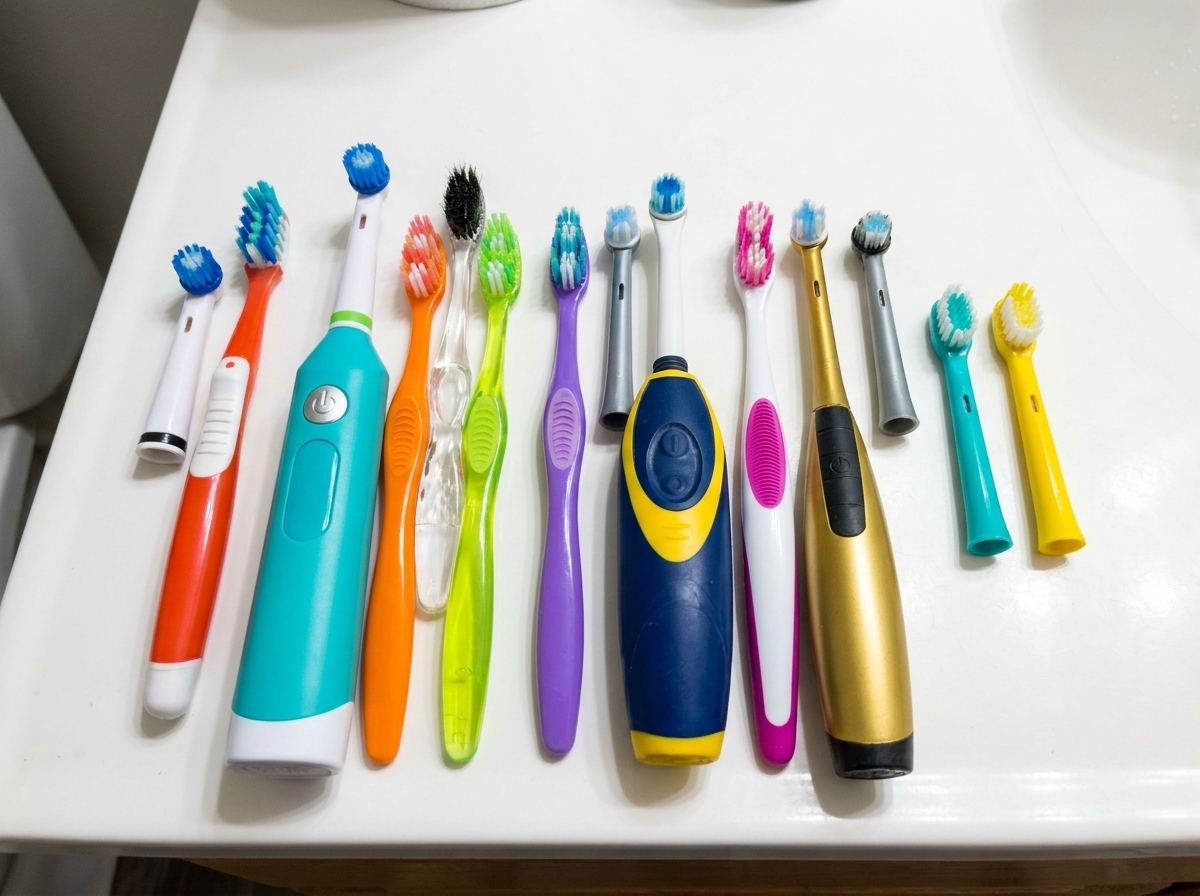
- Brush twice a day with fluoride toothpaste
- Floss daily (cavities love hiding between teeth)
- Limit sugary snacks and drinks
- Drink plenty of water
- Don’t skip your dental check‑ups
These simple habits dramatically reduce your risk of decay.
Need Advice? Toothfairy Can Help
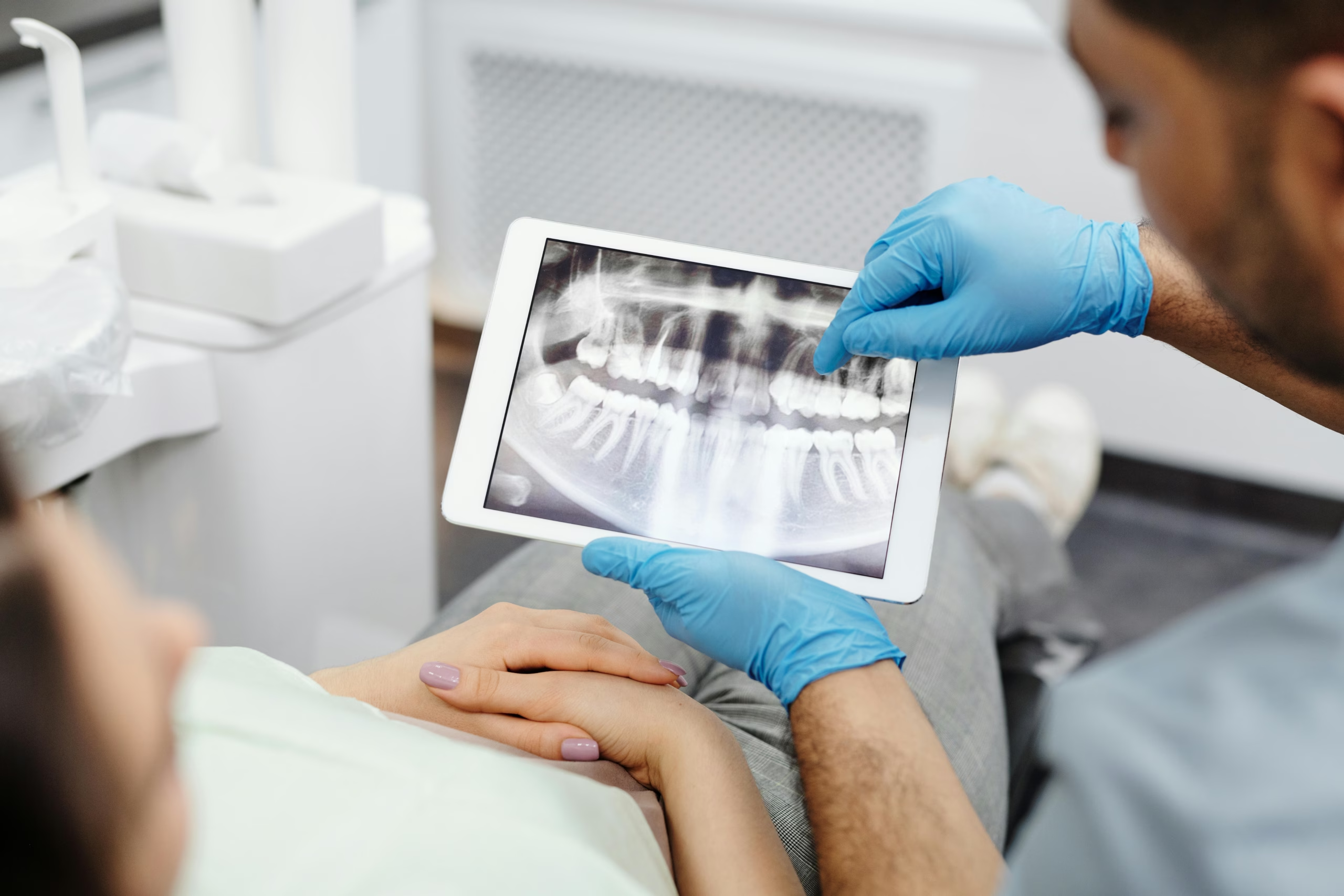
If you’re unsure whether you have a cavity or you’re experiencing sensitivity, Toothfairy connects you with UK‑licensed dentists for fast, virtual consultations — no waiting rooms, no delays.
You can show your tooth on camera, get expert guidance, and understand your next steps.
Conclusion: Don’t Ignore the Signs
Cavities don’t heal on their own.The earlier you catch them, the easier they are to treat — and the less likely you’ll need major dental work later.
If you notice any of the symptoms above, get it checked and keep your smile healthy.






















.jpg)





.jpg)


















.jpg)