
Understanding the Real Causes Behind Severe Tooth Pain
Severe tooth pain isn’t something to ignore. While mild sensitivity can be harmless, intense or persistent pain usually signals a deeper issue that needs professional attention. Knowing the likely causes helps you act quickly and avoid complications.
Hidden Triggers of Severe Tooth Pain
Bacterial Infections
Infections can escalate fast. A tooth abscess, for example, often causes throbbing pain, swelling, fever or chills — and requires urgent treatment to prevent the infection spreading.
Gum Problems and Cavities
Early gum irritation may settle on its own, but ongoing pain combined with visible decay or swelling means it’s time to see a dentist.
Quick action prevents small issues from becoming major emergencies.
What Different Types of Tooth Pain Mean
Sharp, Stabbing Pain
Often linked to exposed nerves, cracked teeth or recent trauma.
Throbbing Pain
A classic sign of infection or advanced decay.
Persistent Dull Ache
May indicate early cavities, grinding, or pressure from impacted teeth.
Understanding these patterns helps you decide whether home care is enough or if you need urgent dental support.
When Tooth Pain Requires Immediate Action
Some symptoms mean you shouldn’t wait:
- Fever, chills or feeling unwell
- Facial or gum swelling
- Pain that doesn’t improve with medication
- Difficulty opening your mouth
- A knocked‑out or severely broken tooth
Temporary relief (painkillers, cold compresses) won’t fix the underlying cause. Only a dental exam can.
Modern Pain Management Approaches That Actually Work
Managing severe tooth pain is no longer about relying on one medication. Dentists now use multimodal analgesia — combining different pain relievers and techniques for safer, more effective relief.
Multimodal Analgesia
Combining ibuprofen with acetaminophen or numbing gels targets pain from multiple angles. This approach has replaced opioids in dentistry, with prescriptions dropping from 34.7% in 2012 to 0% in 2022 (JAMA Network Open).
Targeted Treatments
Dentists focus on fixing the root cause — such as performing a root canal for infection or treating nerve‑related pain — rather than masking symptoms.
Technology‑Enhanced Relief
Low‑level laser therapy (LLLT) can reduce inflammation and speed healing. Improved numbing techniques also make procedures more comfortable.
Personalised Pain Plans
Your medical history, pain tolerance and diagnosis shape your treatment plan. This tailored approach ensures safer, longer‑lasting relief.
Natural Remedies That Are Actually Backed by Science
Natural methods can help ease discomfort — but they should support, not replace, professional care.
Salt Water Rinses
Reduces inflammation and cleans the area. Swish for 30 seconds with warm salt water.
Clove Oil
Contains eugenol, a natural anaesthetic and antibacterial. Dilute with a carrier oil before applying.
Cold Compresses
Helps reduce swelling and numb pain. Apply for 15–20 minutes at a time.
Turmeric Paste
Curcumin has anti‑inflammatory properties. Apply a small amount to the affected area.
These remedies offer temporary relief while you arrange proper dental care.
Recognising True Dental Emergencies
Some situations require immediate help:
Key Warning Signs
- Intense, unrelenting pain
- Visible swelling in the face or gums
- Continuous bleeding
- A knocked‑out tooth
- Severe cracks exposing the nerve
- Fever or chills with tooth pain
Your Emergency Plan
- Keep contact details for a 24/7 dentist
- Know what your insurance covers
- Have a small emergency kit (gauze, pain relief, container for a knocked‑out tooth)
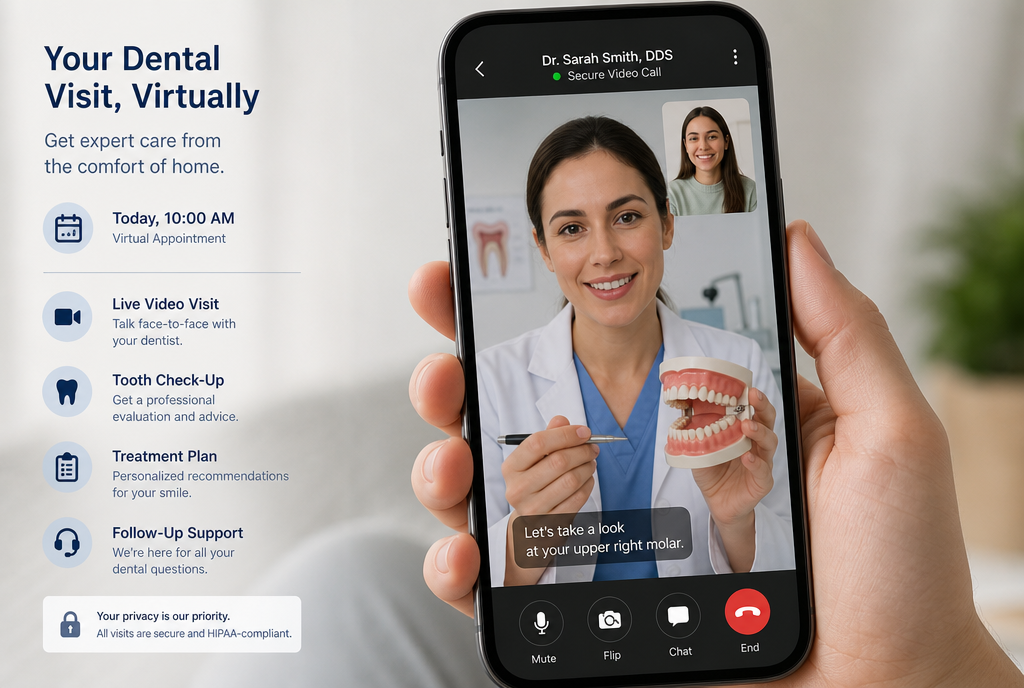
- Use services like Toothfairy for same‑day emergency video consultations
Communicating Clearly in an Emergency
- Describe the pain type, duration and triggers
- Share medical history and medications
- Ask questions so you understand your treatment options
What Research Tells Us About Tooth Pain Management
Pain management varies widely depending on access to care, income and location.
Demographics Influence Treatment Choices
- Rural areas rely more on home remedies due to fewer dentists
- Older adults may avoid certain medications due to interactions
Treatment Success Trends
- OTC painkillers help mild–moderate pain
- Severe pain often needs targeted dental treatment
- New therapies continue to emerge
Healthcare Access Matters
A study from British Columbia found:
- 77.7% used non‑opioid painkillers
- 14.8% used prescribed opioids
- Lower income increased opioid use (RII 2.06)
Better access to dental care reduces reliance on emergency painkillers and improves outcomes.Toothfairy helps bridge this gap with virtual consultations and emergency guidance.
Building Your Personal Prevention Strategy
Preventing tooth pain is easier than treating it. A strong prevention plan protects your teeth long‑term.
Daily Oral Care That Actually Works
Brush Twice Daily (2 Minutes)
Use fluoride toothpaste and gentle technique.
Clean Between Teeth
Floss or use interdental brushes — brushing alone misses 40% of surfaces.
Use Fluoride Mouthwash
Strengthens enamel and reduces decay risk.
Interdental Brushes
Great for cleaning around dental work and tight spaces.
Diet & Lifestyle Choices That Protect Your Teeth
- Reduce sugary foods and drinks
- Choose nutrient‑rich snacks (apples, carrots, nuts)
- Avoid smoking
- Manage stress to prevent grinding
Regular Dental Check‑Ups: Your First Line of Defence
Routine check‑ups catch problems early — before they become painful emergencies. Think of them as maintenance for your mouth.
Early Warning Signs You Should Never Ignore
- Sensitivity to hot/cold
- Pain when chewing
- Bleeding gums
- Mild but persistent ache
These are early indicators that something needs attention.
Creating a Personalised Prevention Plan
Your dentist can tailor advice based on:
- Your age
- Your dental history
- Existing restorations
- Your risk factors
If you need quick advice, the Toothfairy app connects you with UK dentists for virtual consultations, making expert care accessible whenever you need it.













.jpg)





.jpg)
















.jpg)