What root resorption is
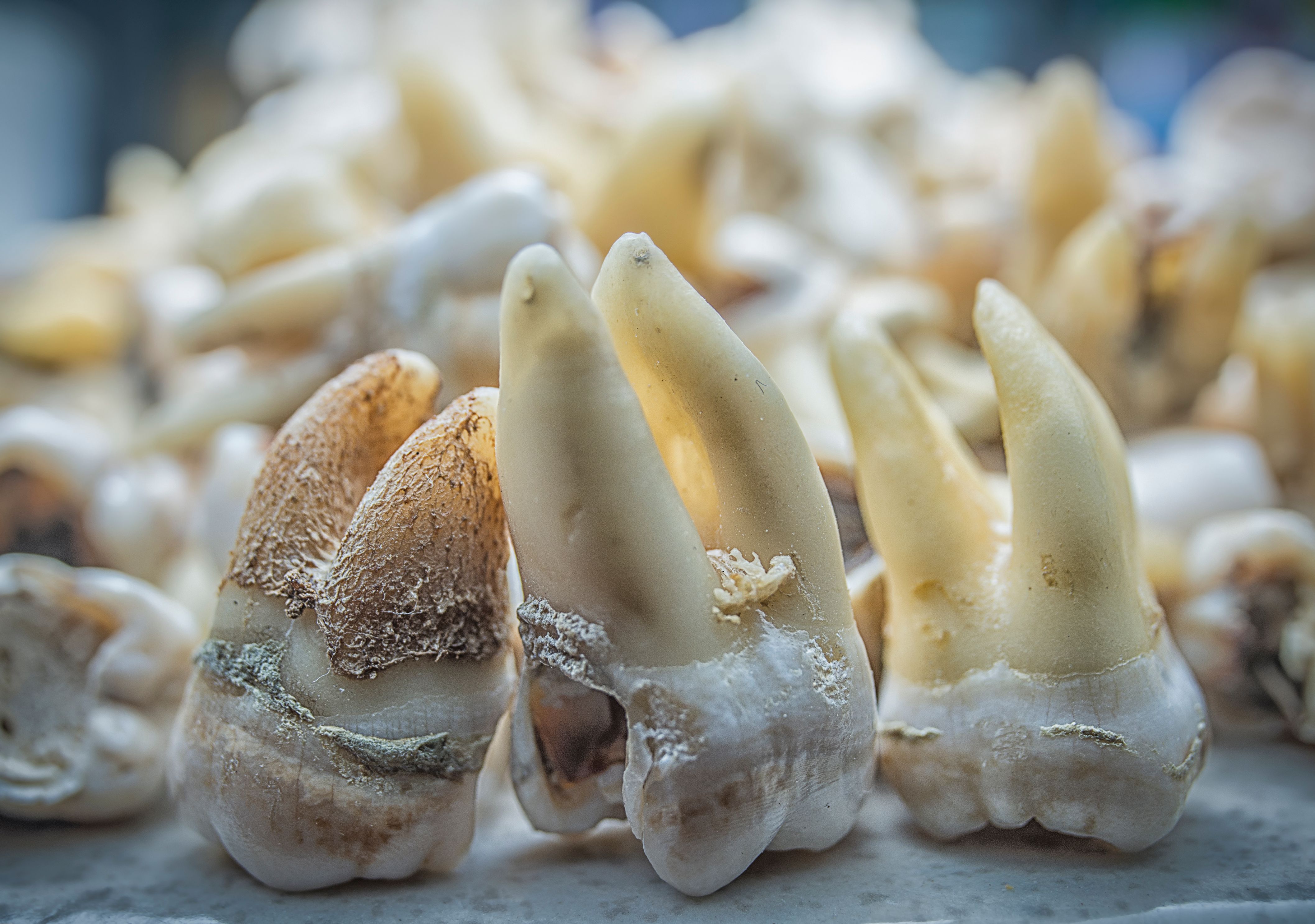
Root resorption occurs when the cells around a tooth begin breaking down the root structure. It can affect:
- The outer surface of the root
- The inside of the root canal
- A small area or the entire root
It’s often painless at first, which makes early detection important.
Types of root resorption
External root resorption
Affects the outer surface of the root.
Common causes:
- Trauma
- Orthodontic movement
- Infection
- Impacted teeth
- Pressure from cysts or tumours
Internal root resorption
Begins inside the tooth, within the root canal.
Common causes:
- Inflammation
- Infection
- Long‑term untreated decay
What causes root resorption?
Root resorption can be triggered by:
- Trauma or injury
- Orthodontic treatment
- Gum disease
- Chronic infection
- Pressure from neighbouring teeth
- Impacted wisdom teeth
- Genetic factors
In many cases, the cause is a combination of factors.
Symptoms of root resorption
Root resorption often develops silently. Symptoms may include:
- Tooth mobility
- Sensitivity
- Discomfort when biting
- Gum swelling
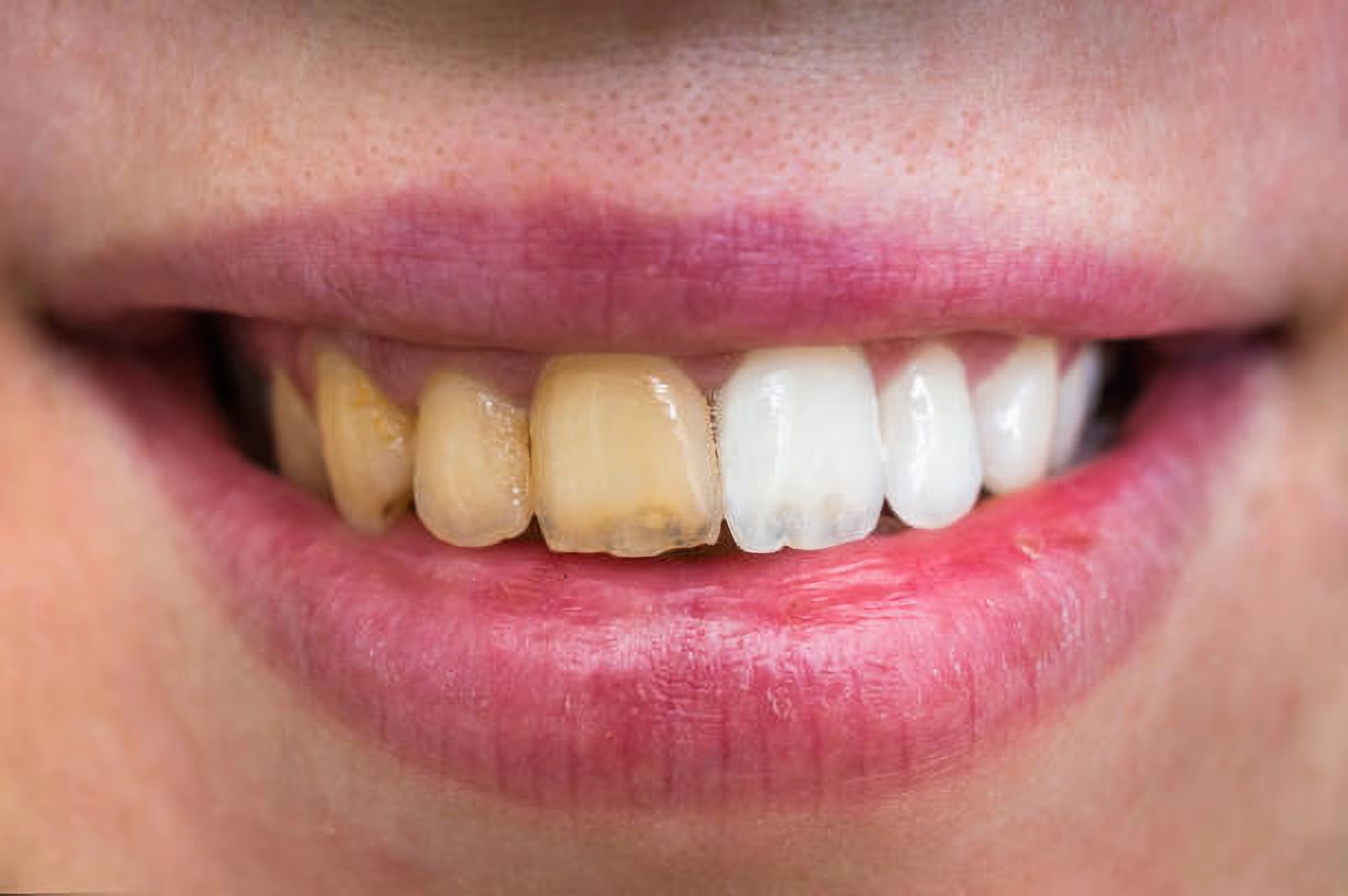
- Darkening of the tooth
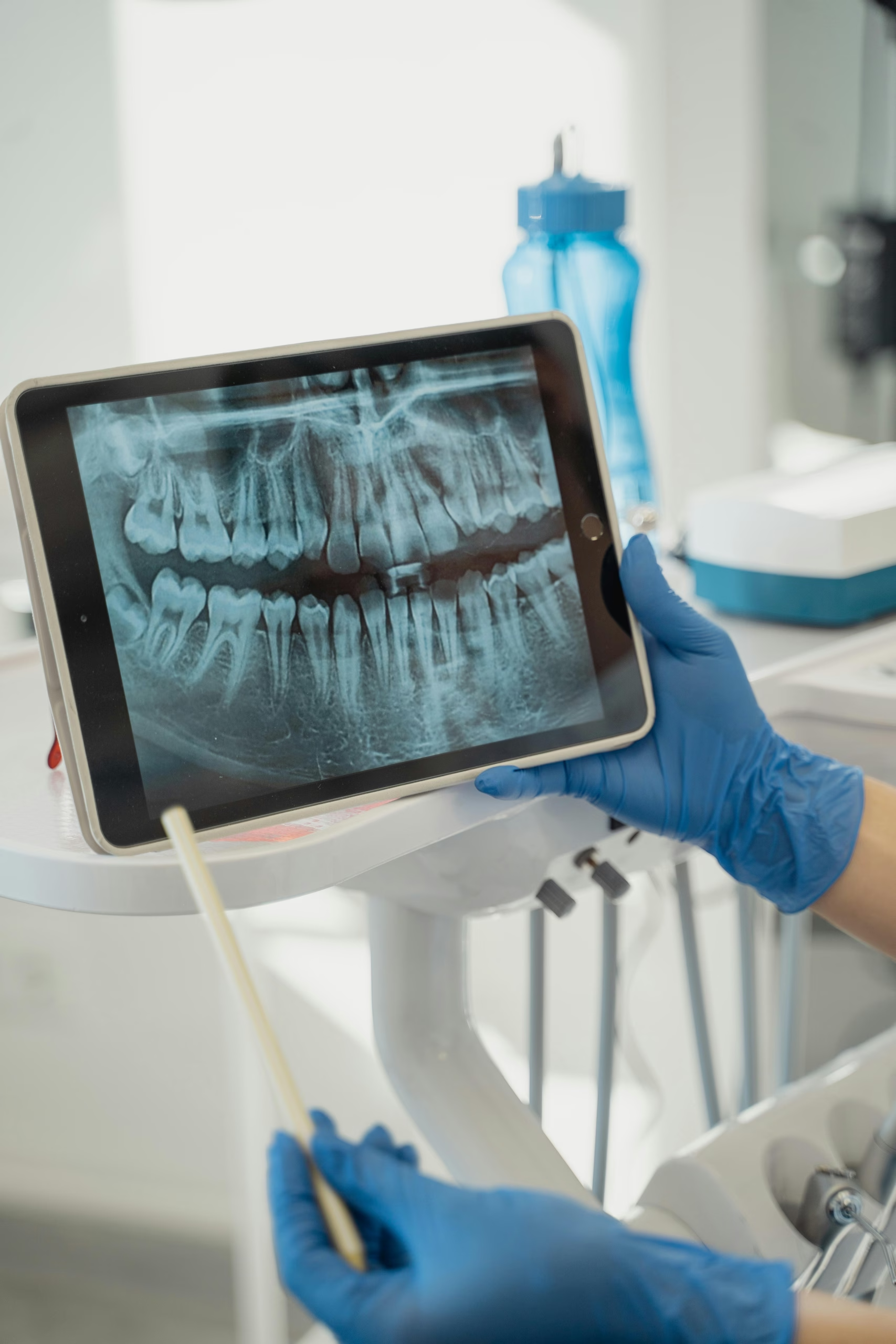
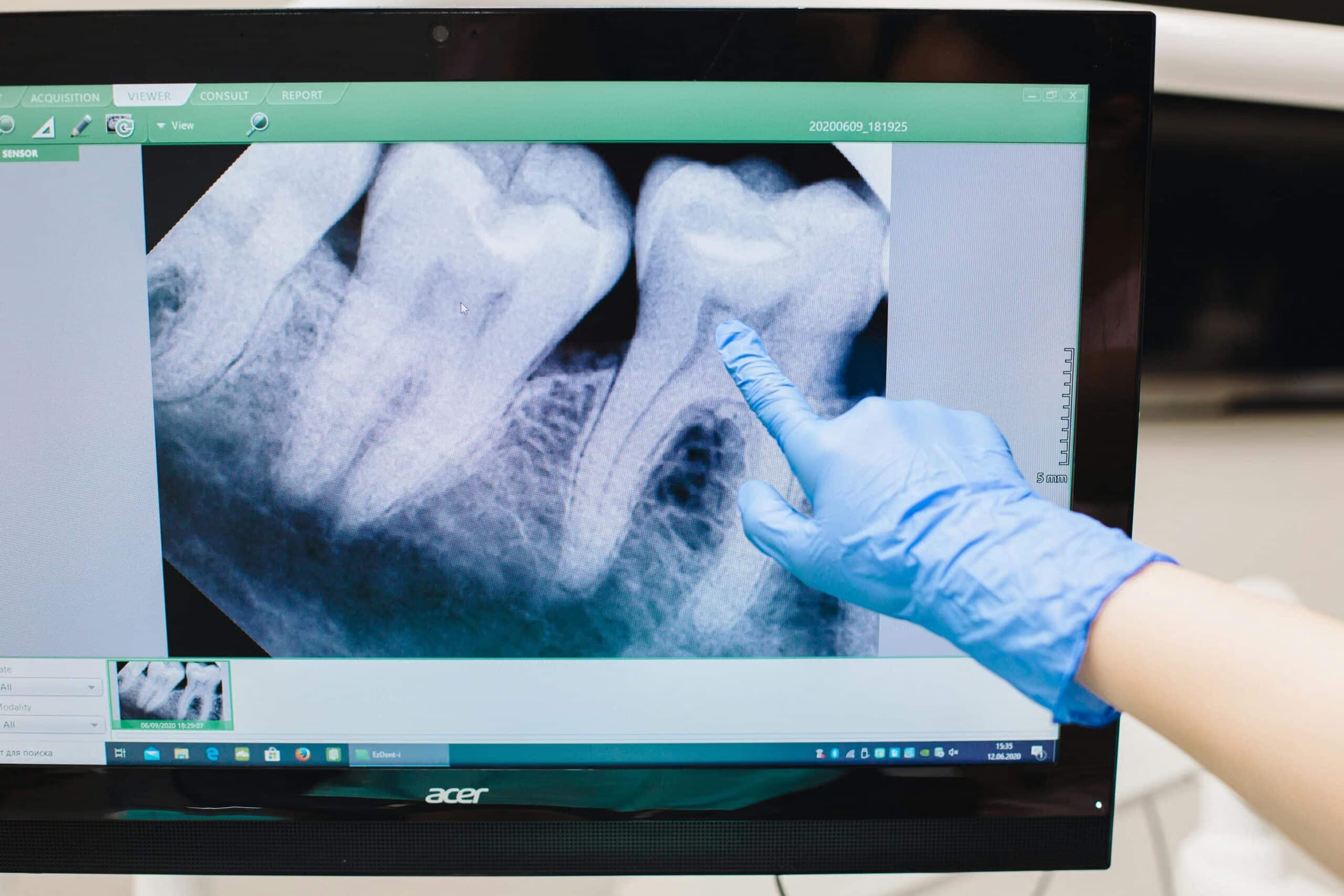
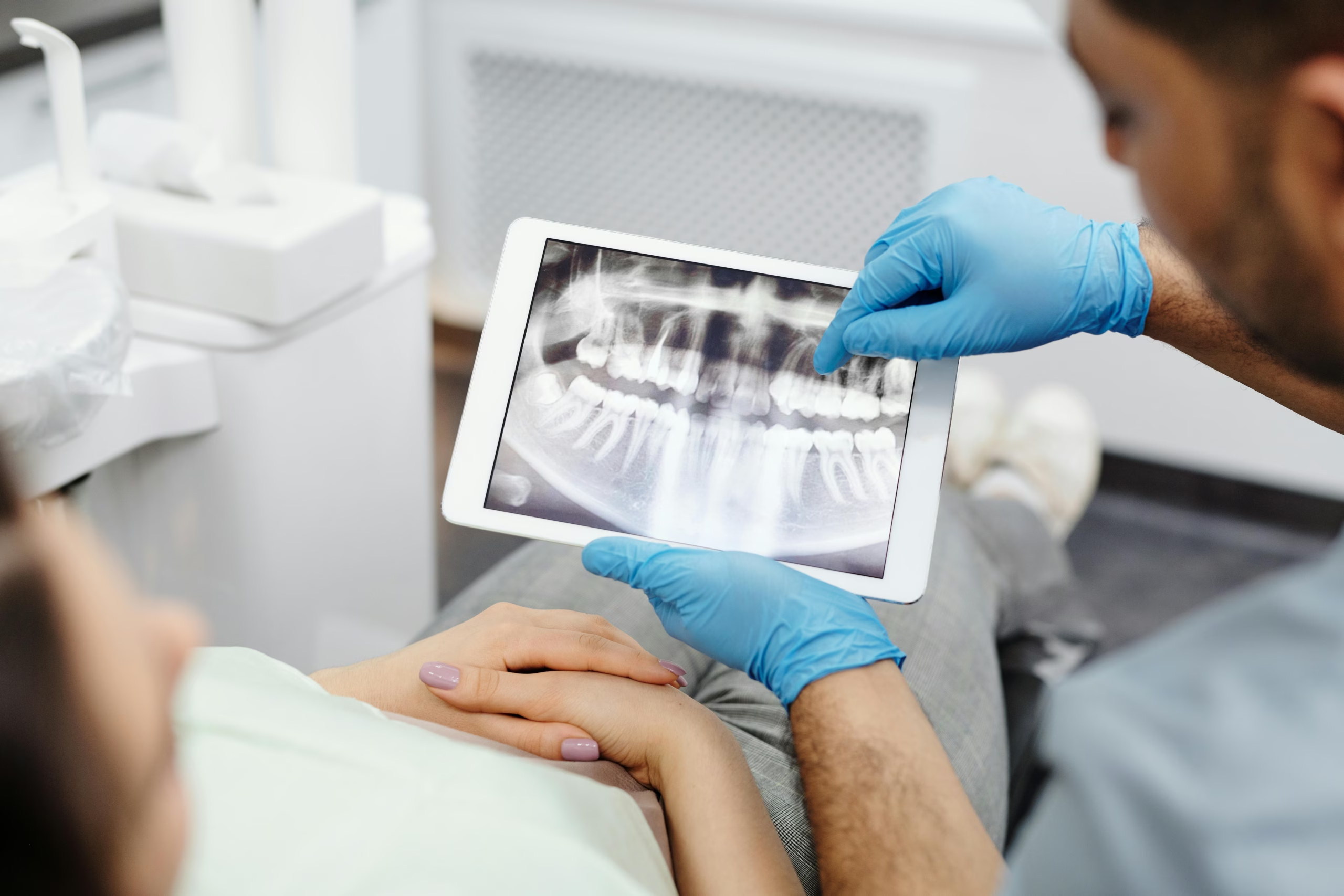
- Changes visible on X‑rays
Many people have no symptoms until the condition becomes advanced.
How dentists diagnose root resorption
Diagnosis usually involves:
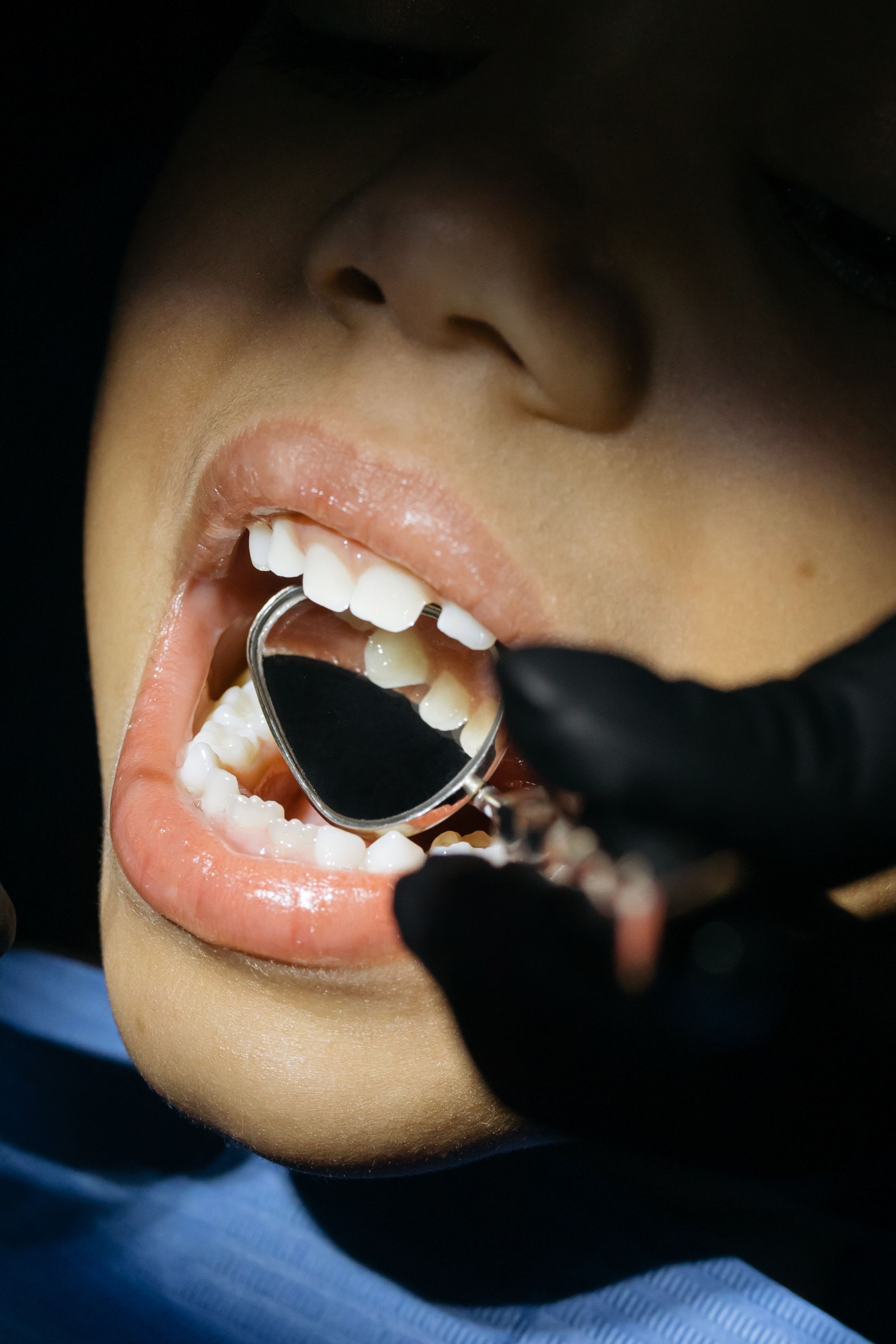
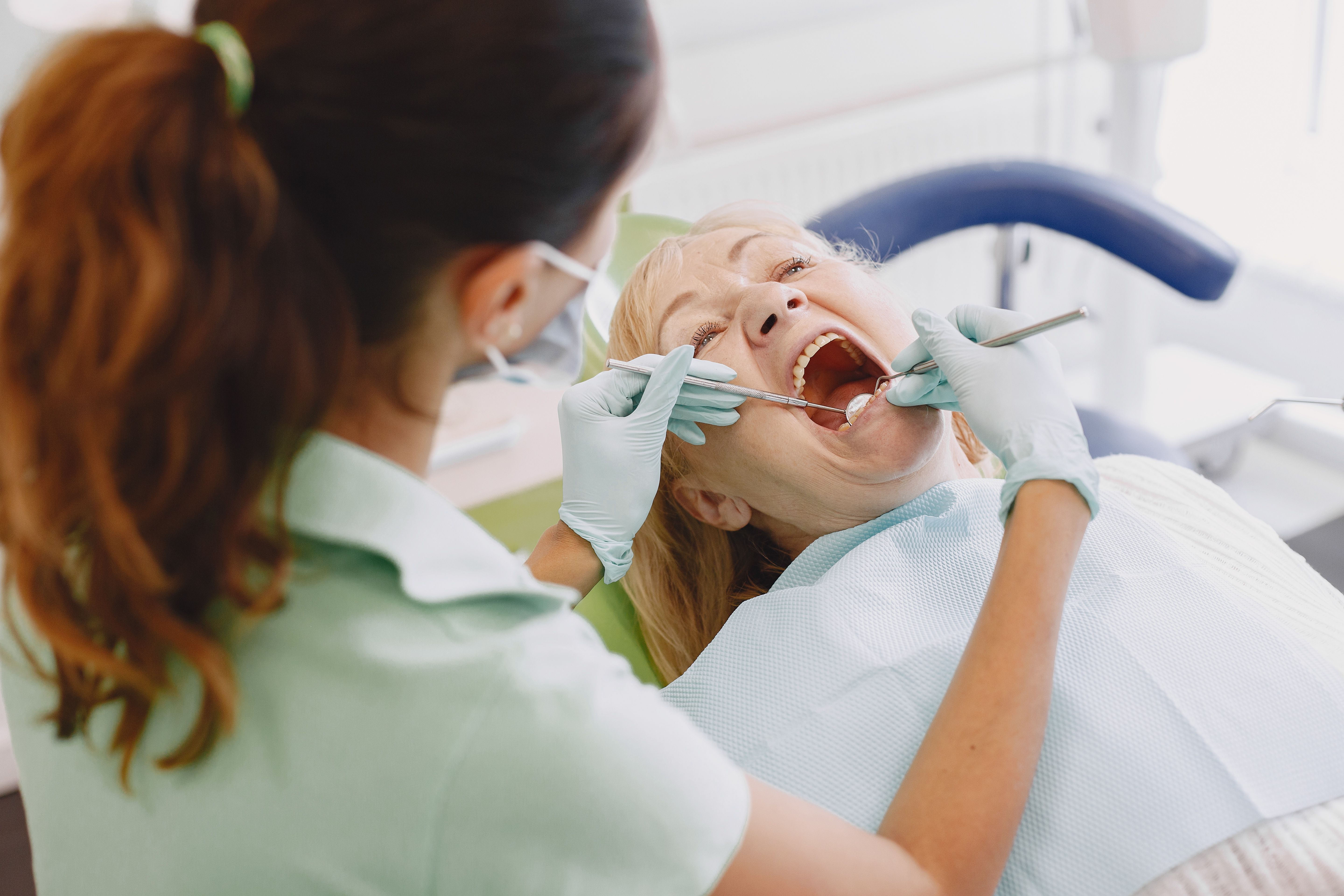
- Clinical examination
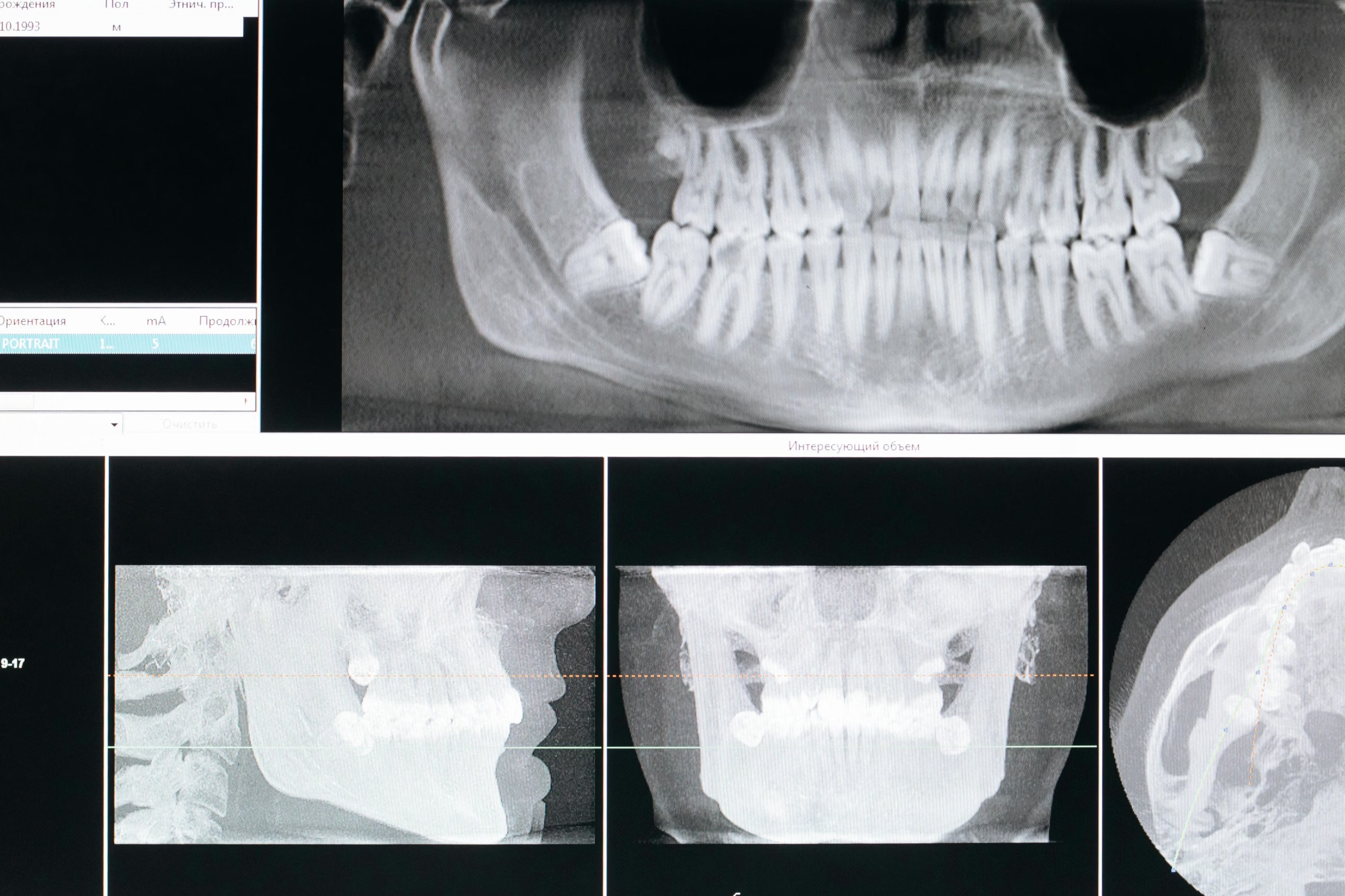
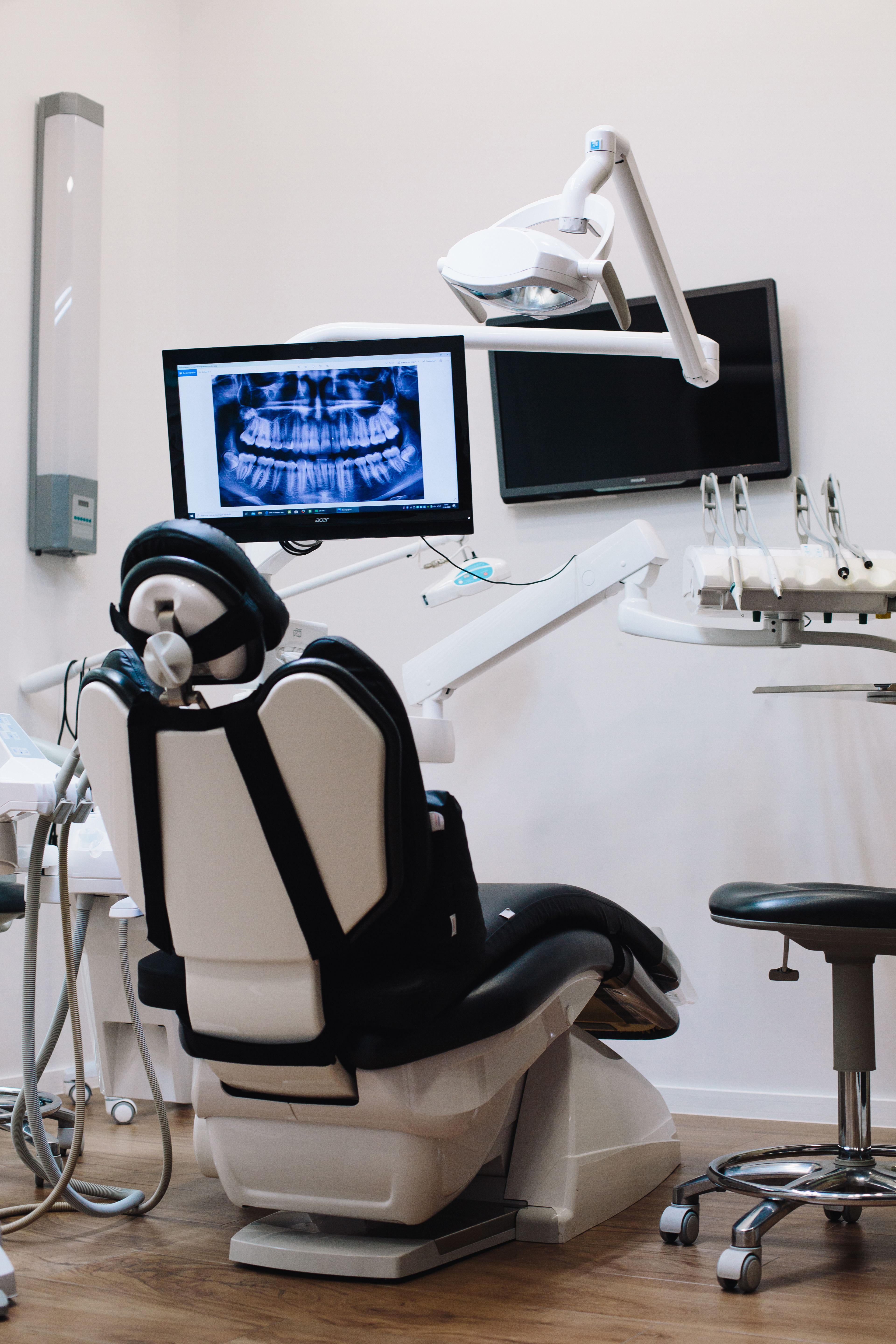
- X‑rays
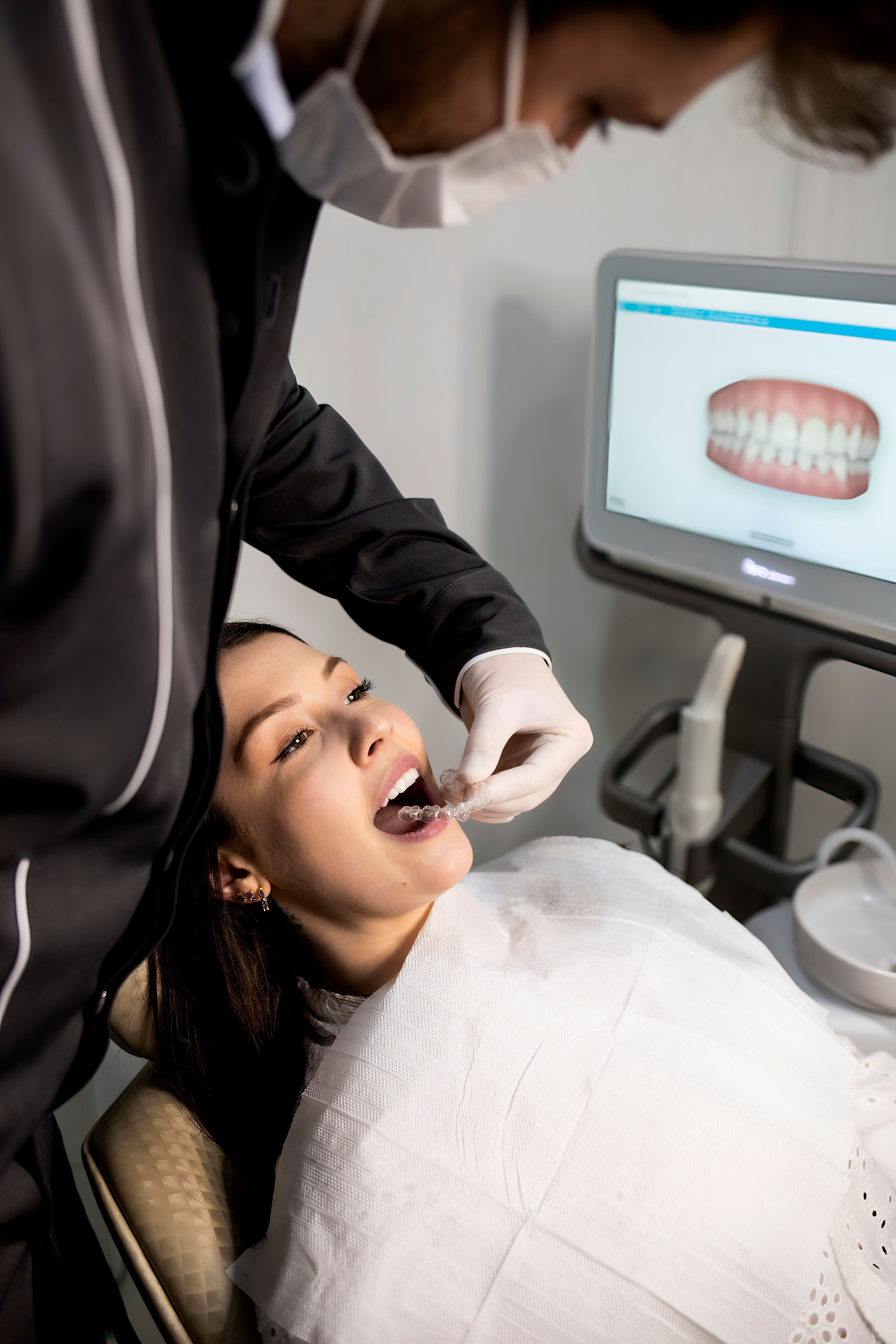
- CBCT scans (3D imaging)
- Assessment of tooth mobility
- Checking for gum inflammation
Early diagnosis improves treatment outcomes.
Root resorption types vs symptoms
Is root resorption serious?
Yes, if left untreated, root resorption can lead to:
- Tooth mobility
- Tooth loss
- Infection
- Structural weakness
- Pain or swelling
Early detection is key to preventing long‑term damage.
Treatment options for root resorption
Treatment depends on the type and severity.
External resorption
- Monitoring
- Treating underlying causes
- Splinting mobile teeth
- Extraction in severe cases
Internal resorption
- Root canal treatment
- Removal of damaged tissue
- Restoration with a crown
- Extraction if the tooth cannot be saved
How to reduce your risk
- Maintain good oral hygiene
- Attend regular dental check‑ups
- Protect teeth during sports
- Treat infections early
- Follow orthodontic advice carefully
Healthy gums and teeth reduce the likelihood of resorption.
How ToothFairy helps
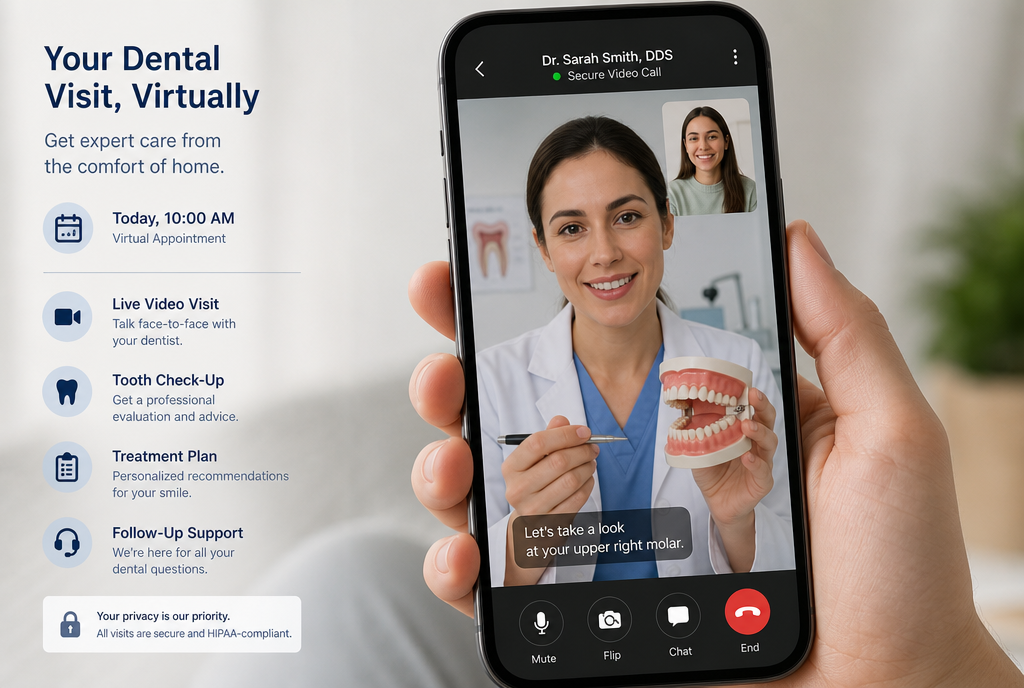
Virtual dental assessments
Upload photos and get advice quickly.
Early detection support
Dentists can spot warning signs before symptoms appear.
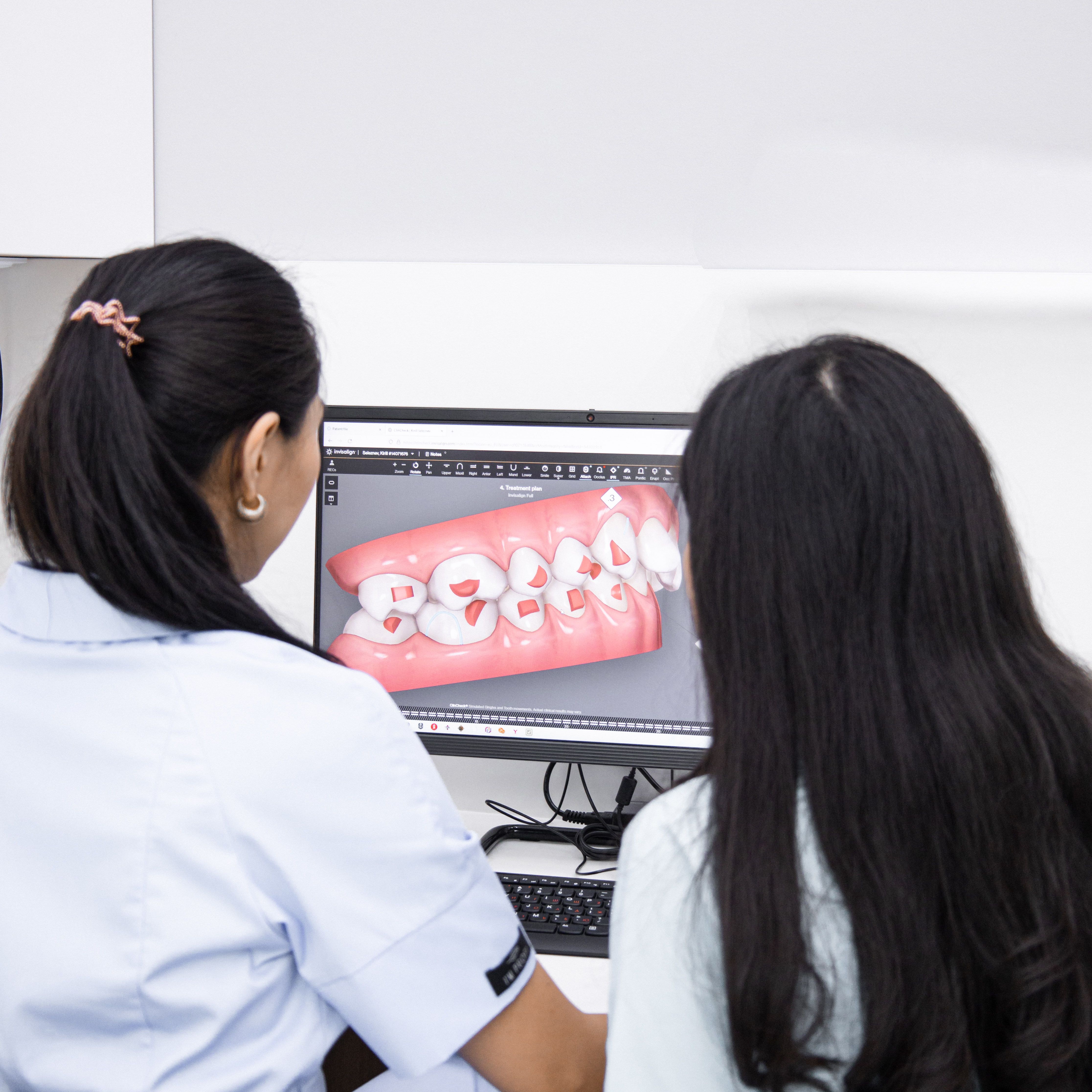
Monitoring after orthodontic treatment
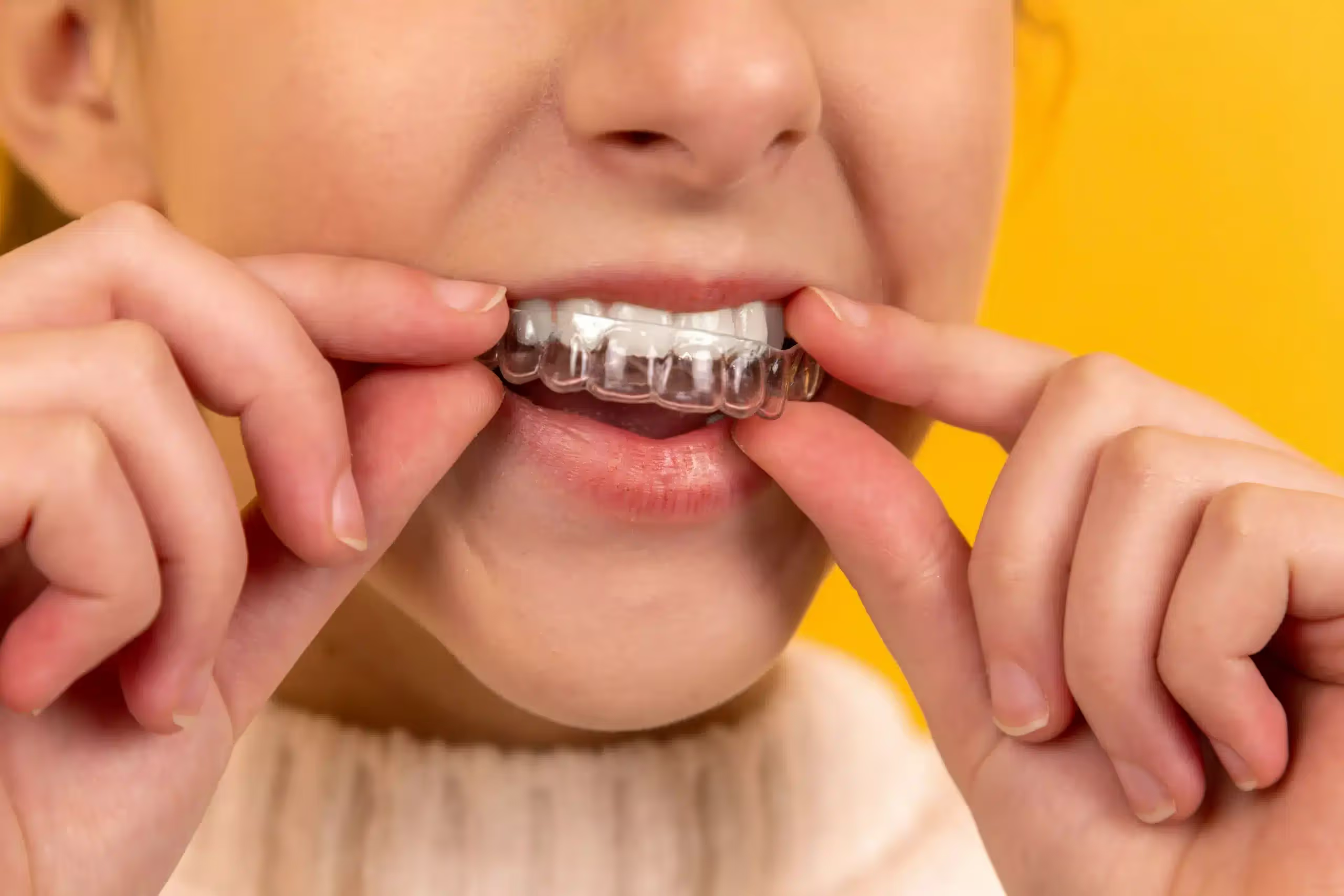
Track changes and get guidance on retainer use.
Emergency dental support
Fast help if symptoms worsen.
When to see a dentist
You should seek advice if you notice:
- Tooth mobility
- Sensitivity
- Gum swelling
- Discolouration
- Pain when biting
- Recent trauma
Early intervention improves outcomes.
Your root resorption questions answered
Is root resorption painful?
Not always, many cases are painless until advanced.
Can root resorption be reversed?
No, but treatment can stop progression.
Does orthodontic treatment cause resorption?
It can contribute, but modern techniques reduce the risk.
Can the ToothFairy app help?
Yes, virtual assessments support early detection and monitoring.
ToothFairy Links













.jpg)





.jpg)















.jpg)