
Understanding Cracked Tooth Pain: What’s Really Going On
A cracked tooth can cause anything from mild sensitivity to intense, throbbing pain. The type of crack — and how deep it goes — determines how severe the symptoms are. Recognising your pain pattern helps you understand what’s happening and how urgently you need treatment.
Types of Cracks and Why They Hurt Differently
Craze Lines (Surface Cracks)
Tiny enamel‑only cracks.Usually painless and cosmetic.
Fractured Cusp
A piece of the tooth’s chewing surface breaks off.Pain often appears when biting or chewing.
Cracked Tooth (Extending Toward the Root)
Pain when biting or releasing pressure.Often sensitive to cold.
Split Tooth
A crack that runs deep below the gumline.Usually severe pain and requires major treatment.
Vertical Root Fracture
A crack starting at the root and moving upward.Often causes infection and swelling.
How to Identify Your Pain Pattern
Your symptoms offer important clues:
- Sharp pain when biting → likely a deeper crack
- Pain when releasing bite pressure → classic cracked tooth syndrome
- Cold sensitivity → crack reaching dentine
- Dull, lingering ache → possible nerve involvement
- Pain with stringy foods → crack opening under pressure
- Sweet sensitivity → enamel breach exposing dentine
Research shows cracked tooth syndrome often presents with sharp bite pain, cold sensitivity, and worsening pain with pressure.
What Makes Cracked Tooth Pain Worse
Hard Foods
Nuts, crusty bread, ice — all increase pressure on the crack.
Teeth Grinding (Bruxism)
Night grinding or stress‑clenching forces the crack open.
Temperature Changes
Hot coffee or cold drinks can trigger sudden pain.
Sticky or Stringy Foods
They pull on the cracked section and worsen discomfort.
Avoiding these triggers helps reduce pain while you wait for treatment.
Cracked Tooth Pain Patterns & What They Suggest
Immediate Relief Strategies That Actually Help
Over‑the‑Counter Pain Relief
General pain relievers can help reduce discomfort. Pharmacists can advise on safe options based on your health history.
Salt Water Rinse
Warm salt water helps reduce inflammation and keeps the area clean.
Cold Compress
Apply to the cheek to reduce swelling and numb the area.
Avoid Chewing on the Affected Side
Prevents the crack from worsening.
Avoid Hot/Cold Foods
Temperature changes can trigger sharp pain.
These methods offer temporary relief — but they don’t fix the crack.
Professional Treatment Options
Dentists choose treatment based on the crack’s depth and location.
Bonding or Contouring
For minor surface cracks.
Dental Crown
Protects the tooth and prevents the crack from spreading.
Root Canal Treatment
Used when the crack reaches the pulp (nerve).
Extraction
For severe cracks that extend below the gumline.
Success rates are high when treated early — root canal therapy for cracked teeth has 86–98% success.
When a Cracked Tooth Becomes an Emergency
Seek urgent care if you notice:
- Severe or constant pain
- Swelling around the tooth
- Fever or feeling unwell
- Pain that prevents eating
- A visible crack or broken piece
- Pain that worsens rapidly
These signs may indicate infection or a deep crack requiring immediate treatment.
How to Prepare for an Emergency Dental Visit
Bring:
- Your insurance details
- A list of medications
- Allergy information
- A timeline of symptoms
Clear communication helps the dentist assess your situation quickly.
Long‑Term Prevention: Protecting Your Teeth from Future Cracks
Lifestyle Habits
- Avoid chewing ice, pens or hard sweets
- Manage stress to reduce grinding
- Quit smoking to support gum health
Diet Choices
- Increase calcium‑rich foods
- Reduce sugary snacks and acidic drinks
Oral Hygiene
- Use a soft‑bristled brush
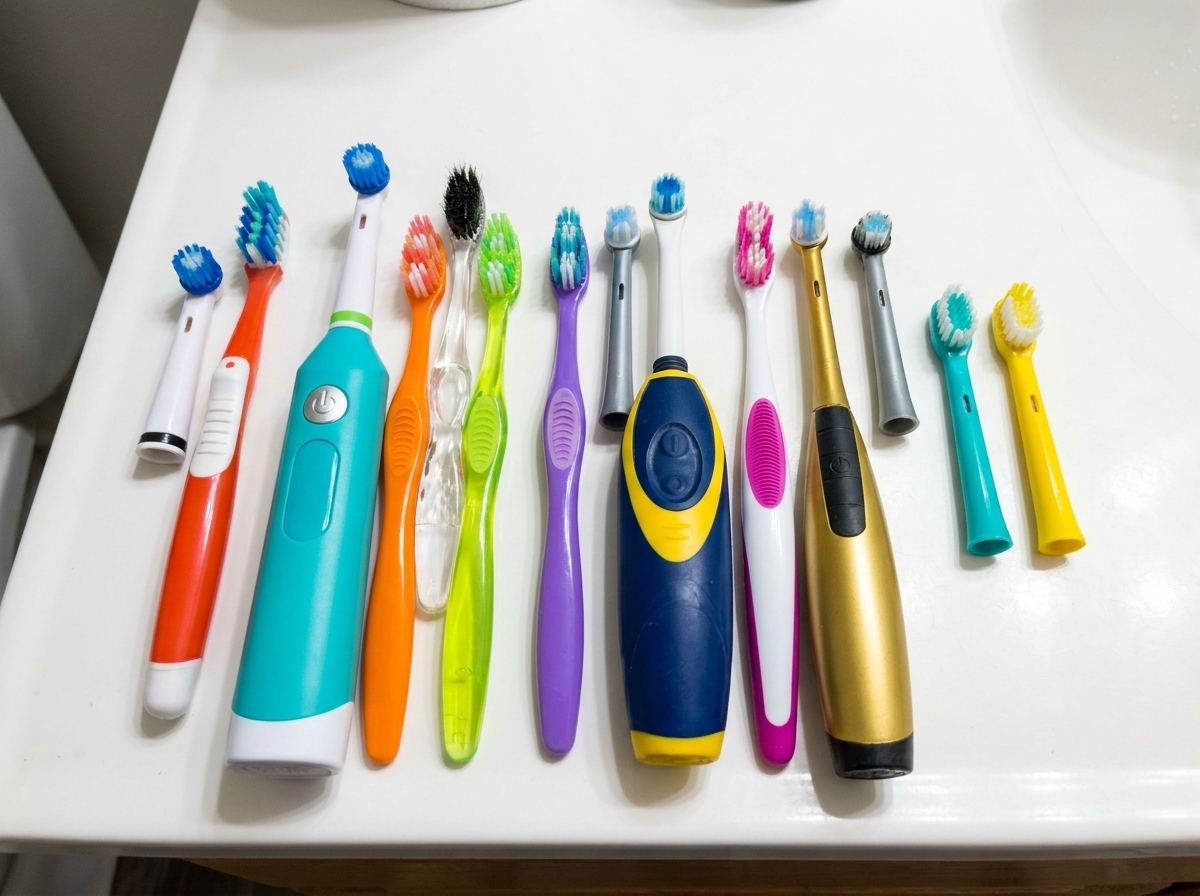
- Consider an electric toothbrush
- Floss daily
- Use fluoride toothpaste
Professional Support
- Regular check‑ups
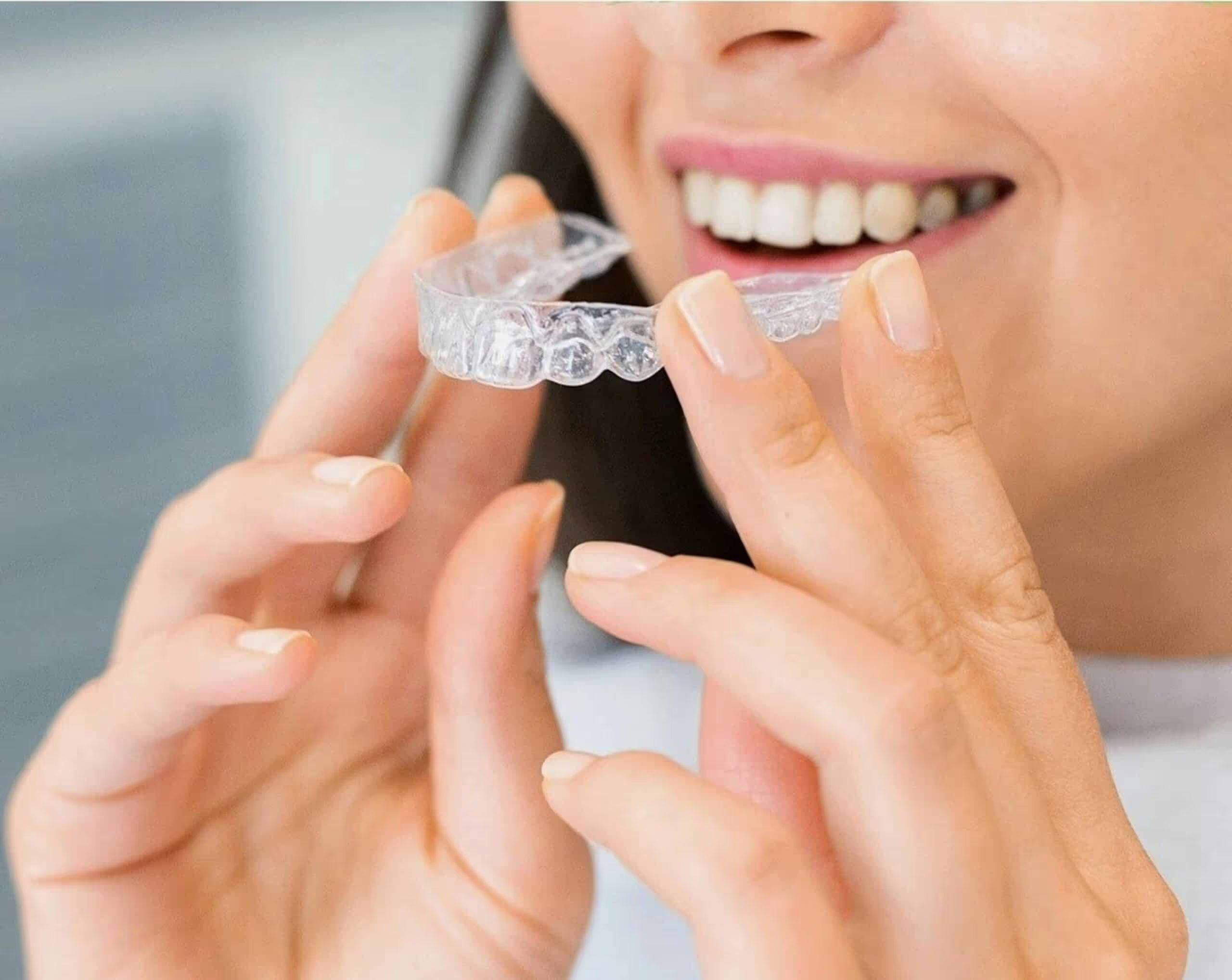
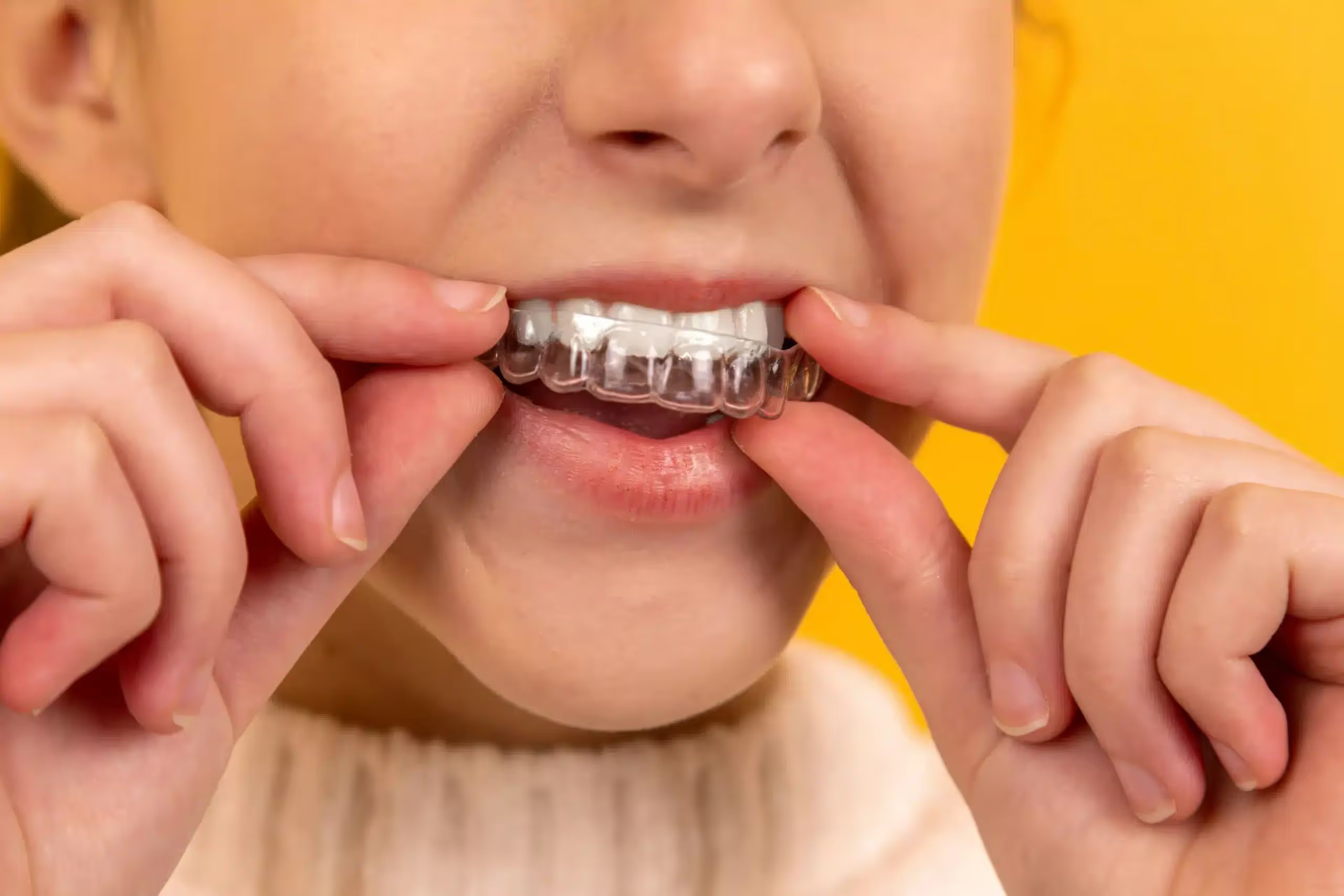
- Custom nightguards for grinding
- Early treatment for sensitivity or small cracks
Toothfairy offers fast access to UK dentists for cracked‑tooth concerns, pain assessment and emergency guidance.















.jpg)





.jpg)















.jpg)