The LBC conversation that revealed a national problem
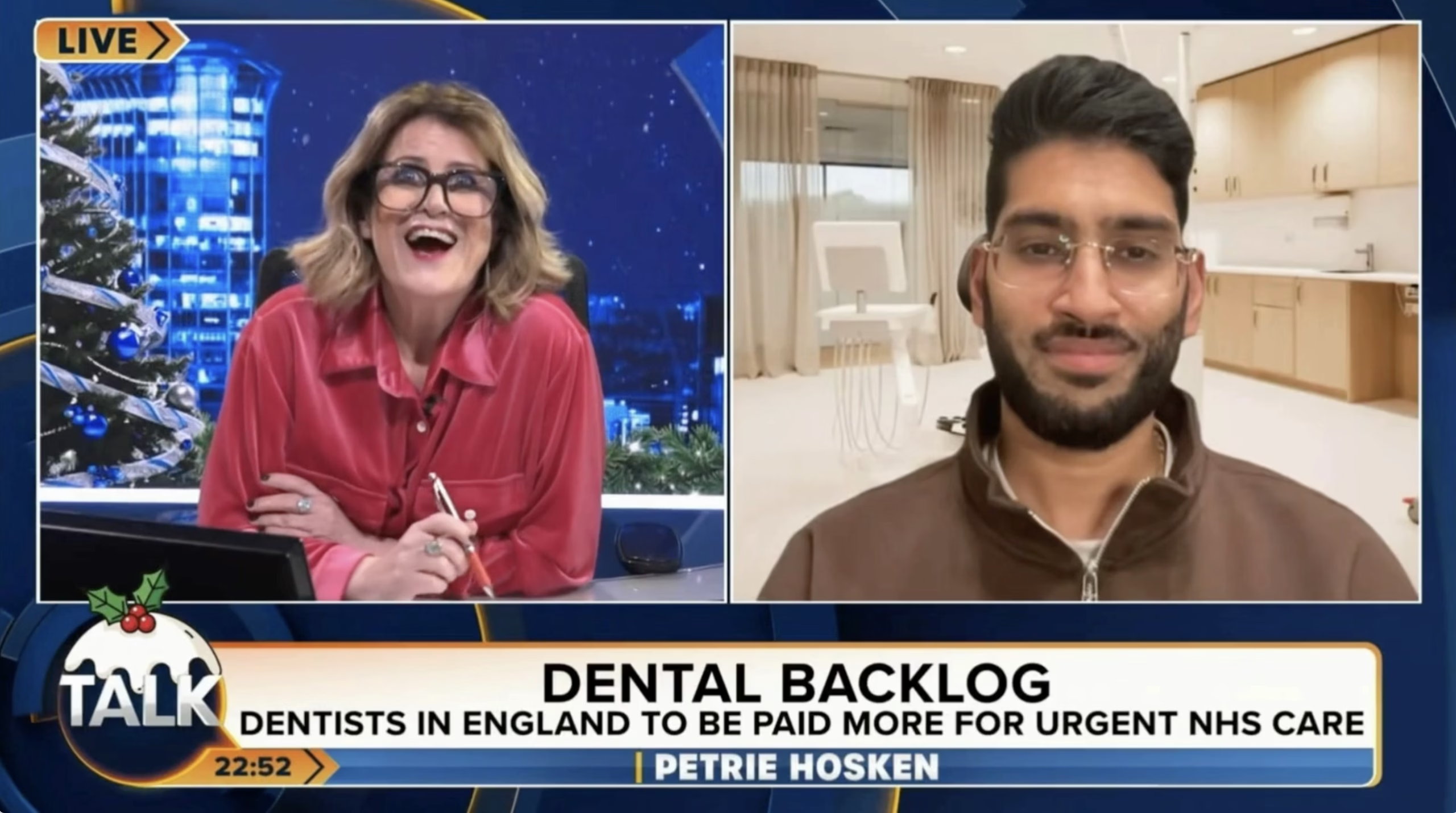
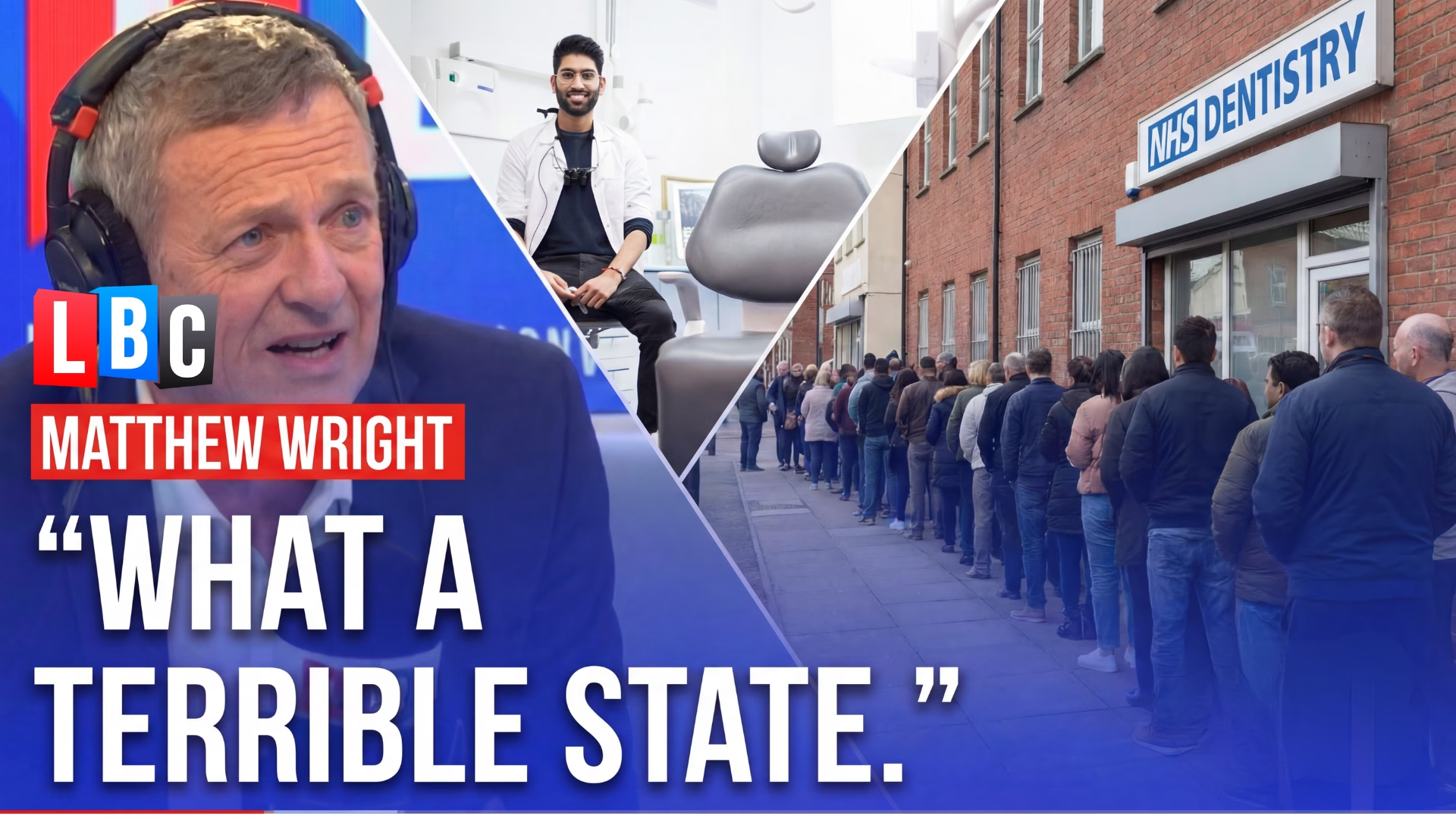
During a live LBC segment, Matthew Wright described the UK dental situation as a “terrible state”. He admitted he had not seen a dentist in two years due to lack of availability. Dr Deepak Aulak, principal dentist and CEO at Toothfairy, joined the programme to explain why millions of people are facing the same struggle.
Their discussion made one thing clear. The UK dental crisis is no longer just a clinical issue. It is a workforce wellbeing problem affecting every employer in the country.
The dental crisis by the numbers: how employees are affected
These figures show how dental health is now a workplace issue affecting wellbeing, confidence and performance.
A system under severe strain
Government surveys show that 97 percent of people who attempted to secure an NHS dental appointment were unsuccessful. Routine dental care has become extremely difficult to access.
Dr Aulak explained that the structure of NHS dentistry has not kept pace with modern demand.
“We have a system that is not relevant for 2026. People need faster access and much more prevention, but funding has not kept up and the number of dentists entering the system is not meeting population demand.”
The result is a postcode lottery where access varies dramatically across the UK. In some areas, NHS dental appointments have become almost impossible to secure.
For employees, this often means delaying or skipping routine check ups altogether.
From prevention to emergency care
The biggest consequence of this access gap is the collapse of preventative care.
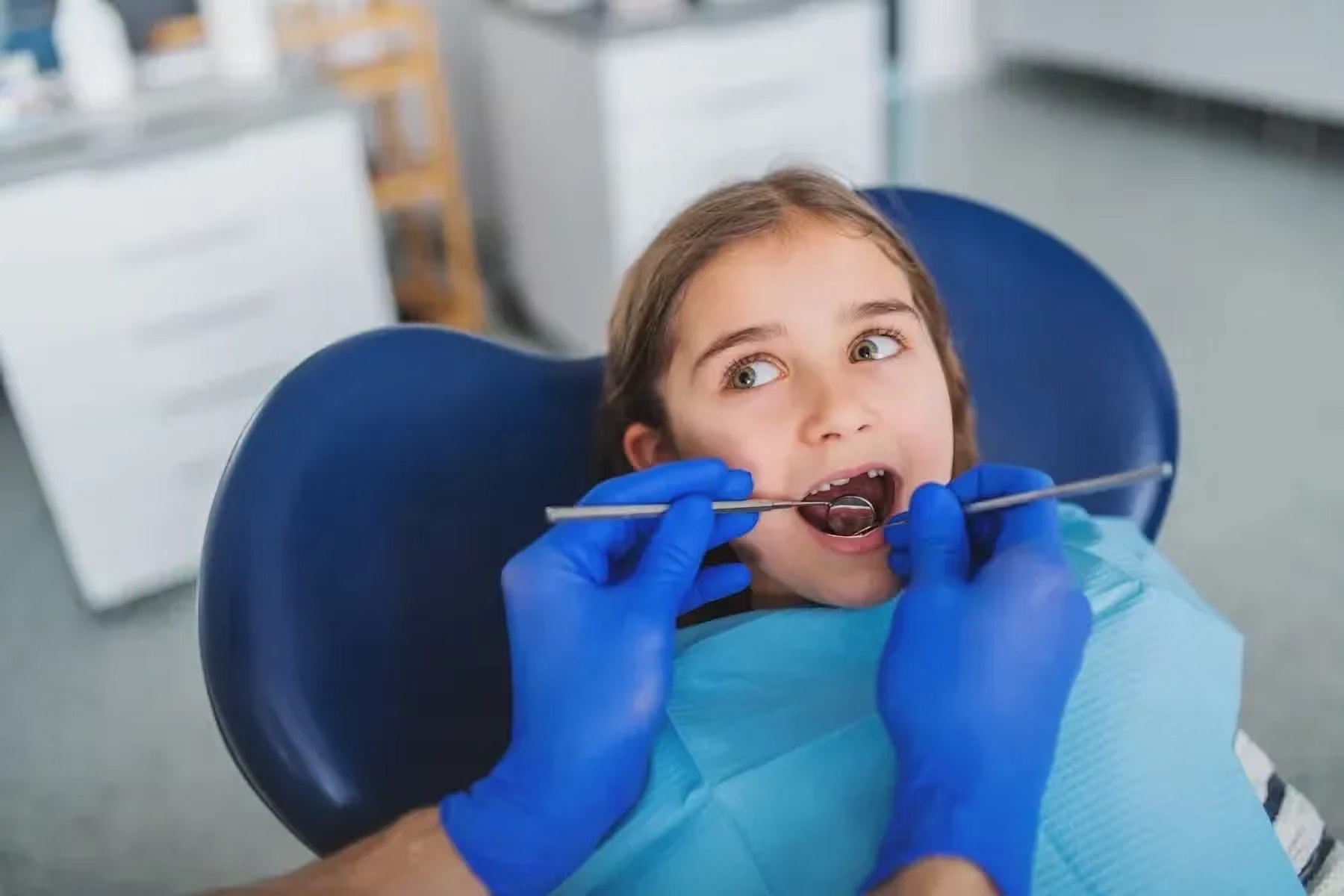
When regular appointments disappear, small dental issues quickly become serious problems. Dentists across the UK are now seeing patients arrive with advanced conditions that could have been easily treated months earlier.
Dr Aulak explained how simple treatments are turning into complex procedures.
“Simple fillings and easy cleans are now turning into root canals and crowns because people have not had preventative care over the years.”
This shift is painful, costly and disruptive for employees. It is also a crisis for employers, as untreated dental issues significantly affect overall wellbeing.
The wider wellbeing impact
Dental problems rarely stay isolated. They affect eating, sleep, confidence and mental health.
Pain reduces focus
Employees struggling with dental pain often find it difficult to concentrate or communicate effectively.
Presenteeism increases
Many continue working while in discomfort because they cannot access treatment quickly.
Confidence drops
Oral health affects how employees speak, smile and interact.
Affordability becomes a barrier
Even when private treatment is available, many employees delay care due to cost concerns.
The longer problems go untreated, the more serious they become.
Why HR cannot afford to wait
The UK dental system is unlikely to recover quickly. Structural reform may take years and access challenges are already deeply embedded.
Dr Aulak emphasised that short term fixes will not solve the problem.
“What we are seeing are small funding announcements that patch over the cracks. What we really need is a system focused on prevention and access.”
While policy change may take time, employers have an opportunity to act now.
Dental support, preventative care access and employee education are becoming increasingly important benefits as NHS availability declines.
For HR and Benefits leaders, the message is clear. The UK dental crisis is not just a healthcare issue. It is a growing workplace wellbeing risk. Left unaddressed, it will continue to affect employee health, productivity and financial resilience.
Acting early can prevent a crisis in waiting from becoming a much larger workforce problem.