
What is tooth sensitivity?
Tooth sensitivity occurs when the inner layer of your tooth, called dentine, becomes exposed.
Dentine contains tiny channels that lead directly to the nerve.
When exposed, everyday triggers like cold air, hot drinks or sweet foods can cause sharp, sudden pain.
Sensitivity is extremely common and often linked to enamel wear, gum recession or underlying dental issues.
Most common causes of tooth sensitivity
1. Enamel erosion
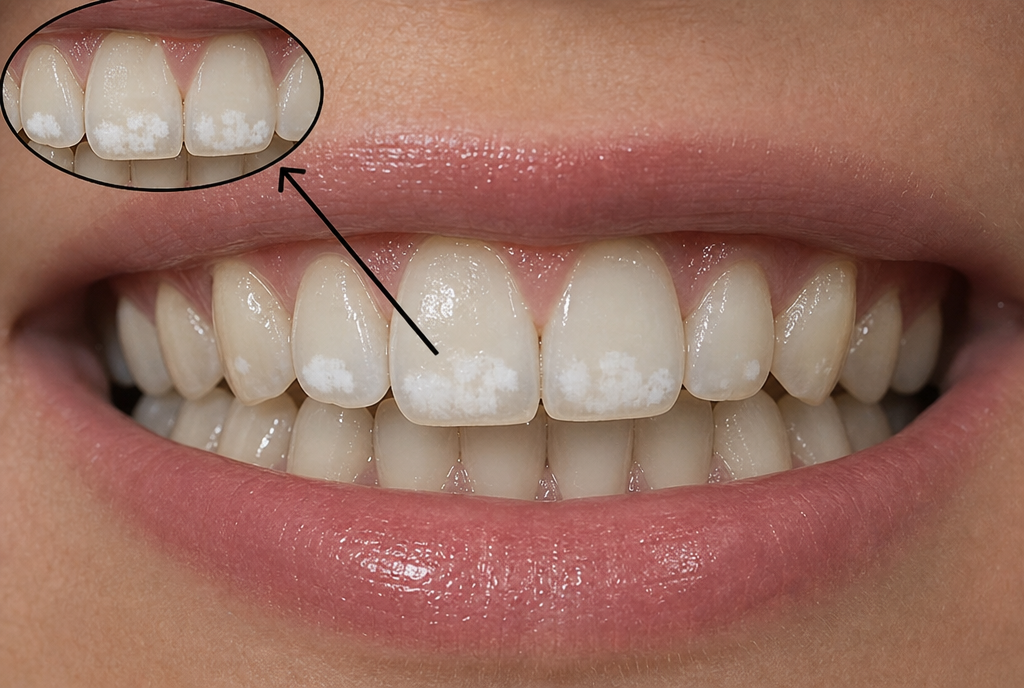
Acidic foods, fizzy drinks and aggressive brushing can wear away enamel, exposing dentine.
2. Gum recession
Gums pull back from the tooth, exposing the root surface — which has no enamel protection.
3. Tooth decay
Cavities can reach deeper layers of the tooth, causing sensitivity and pain.
4. Cracked or chipped teeth
Cracks allow temperature changes to reach the nerve more easily.
5. Teeth grinding (bruxism)
Grinding wears down enamel and can expose dentine.
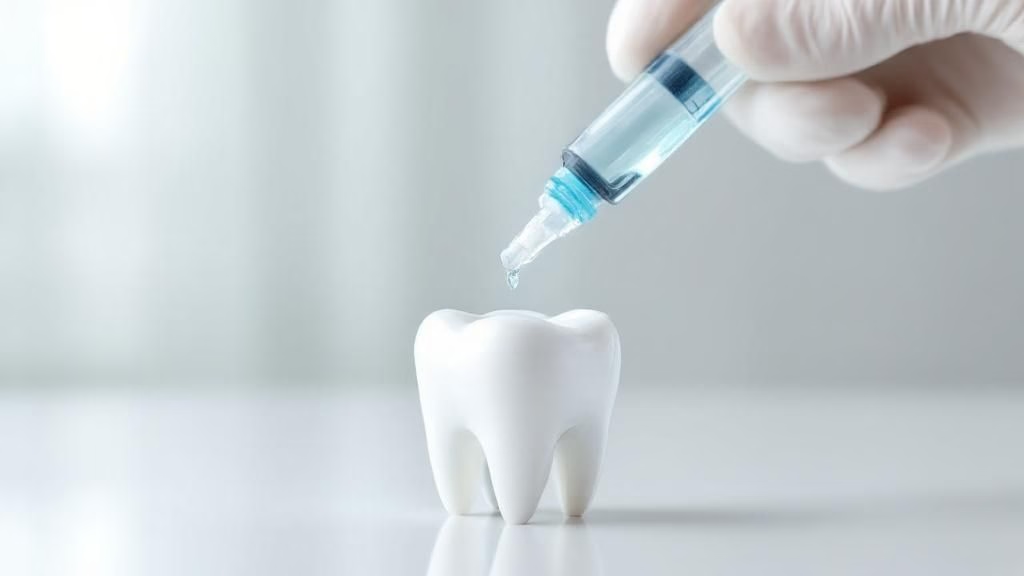
6. Whitening treatments
Temporary sensitivity is common during whitening due to gel penetration.
7. Worn fillings or dental work
Old fillings can leak or expose sensitive areas.
8. Gum disease
Inflamed gums can expose roots and increase sensitivity.
Why sensitivity happens
Why your teeth feel more sensitive in cold weather
Cold air can cause sudden nerve stimulation, especially if enamel is thin or gums have receded.Many people notice sensitivity more in winter due to:
- cold winds
- rapid temperature changes
- dry indoor heating
- increased hot drink consumption
If cold air triggers pain, it’s often a sign of exposed dentine or gum recession.
How to reduce tooth sensitivity
1. Use a sensitive toothpaste
Helps block dentine channels over time.
2. Brush gently with a soft‑bristled brush
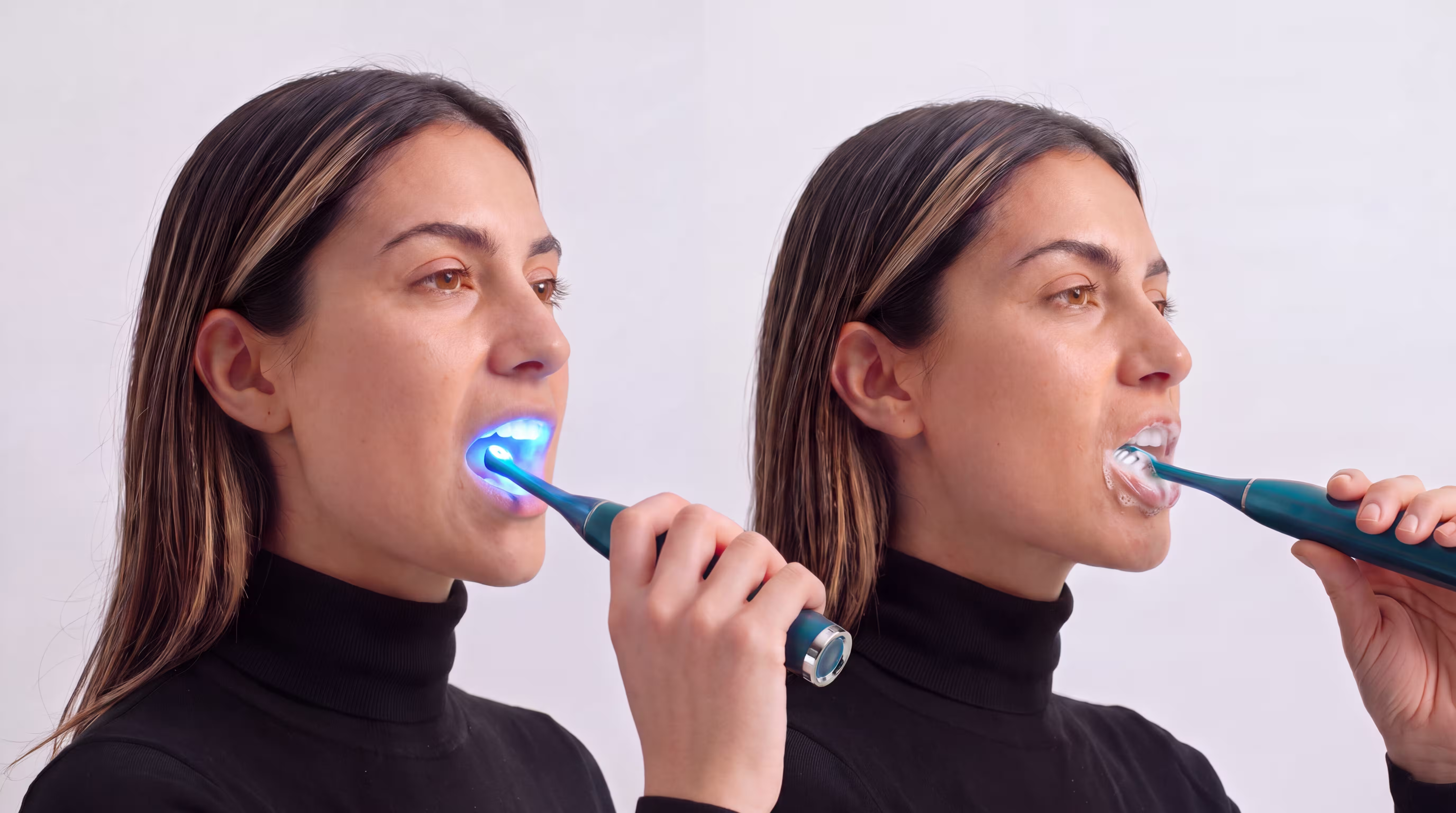
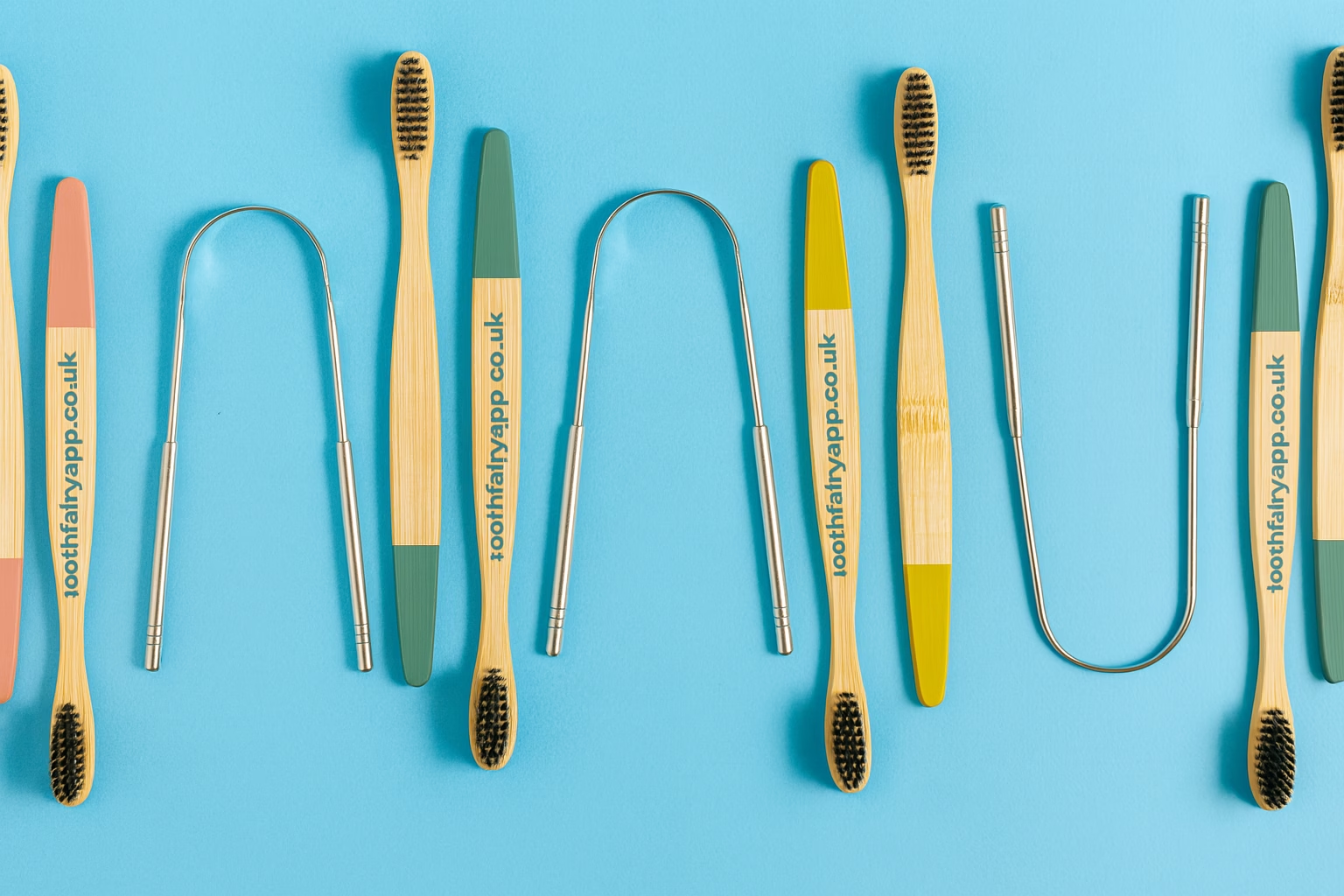
The Toothfairy Wand’s Reflex Tech bristles reduce irritation.
3. Avoid acidic foods and drinks
Fizzy drinks, citrus and vinegar can weaken enamel.
4. Drink through a straw
Reduces contact with acidic or cold drinks.
5. Use fluoride mouthwash
Strengthens enamel and reduces sensitivity.
6. Avoid aggressive brushing
Scrubbing can worsen enamel wear and gum recession.
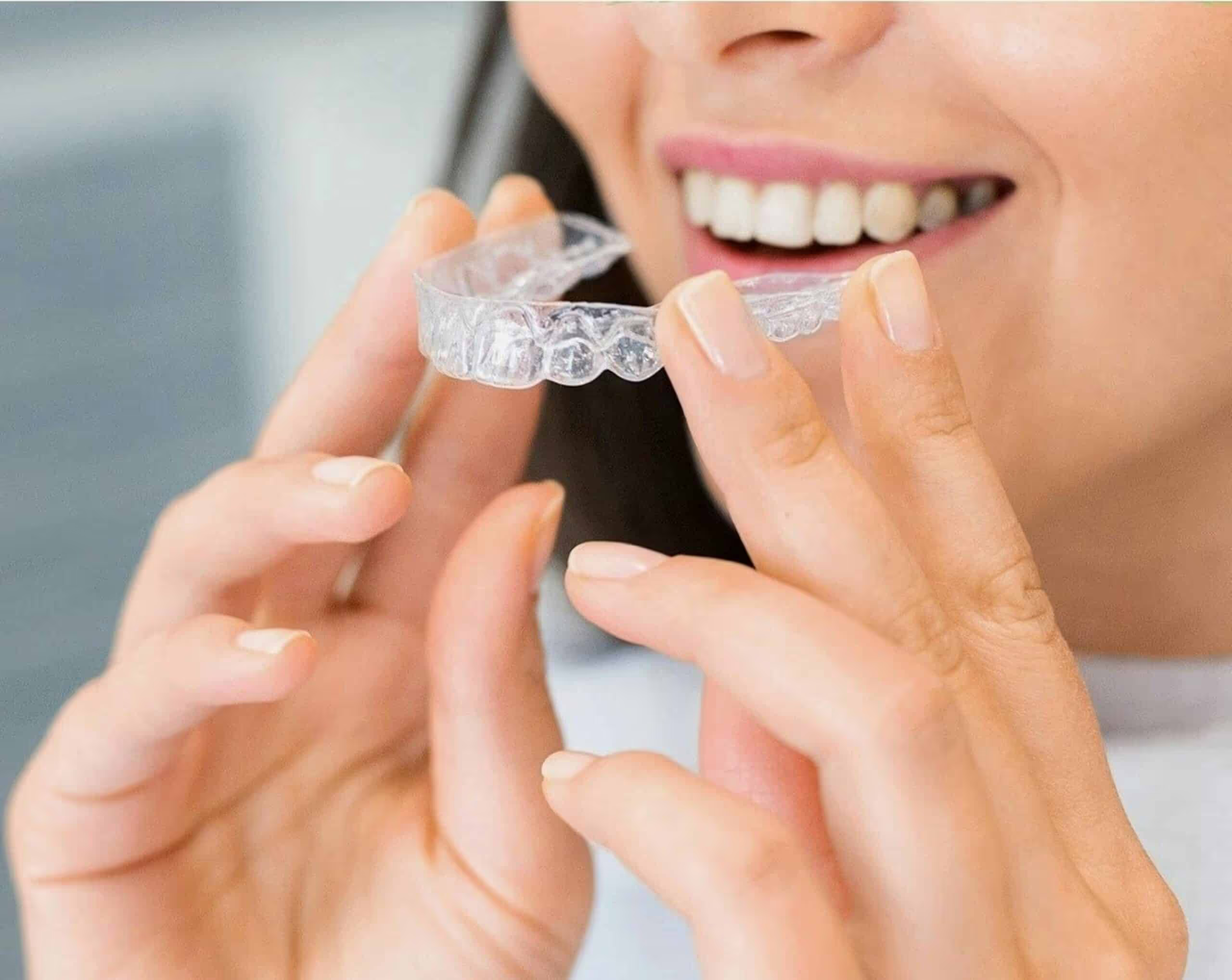
7. Treat grinding
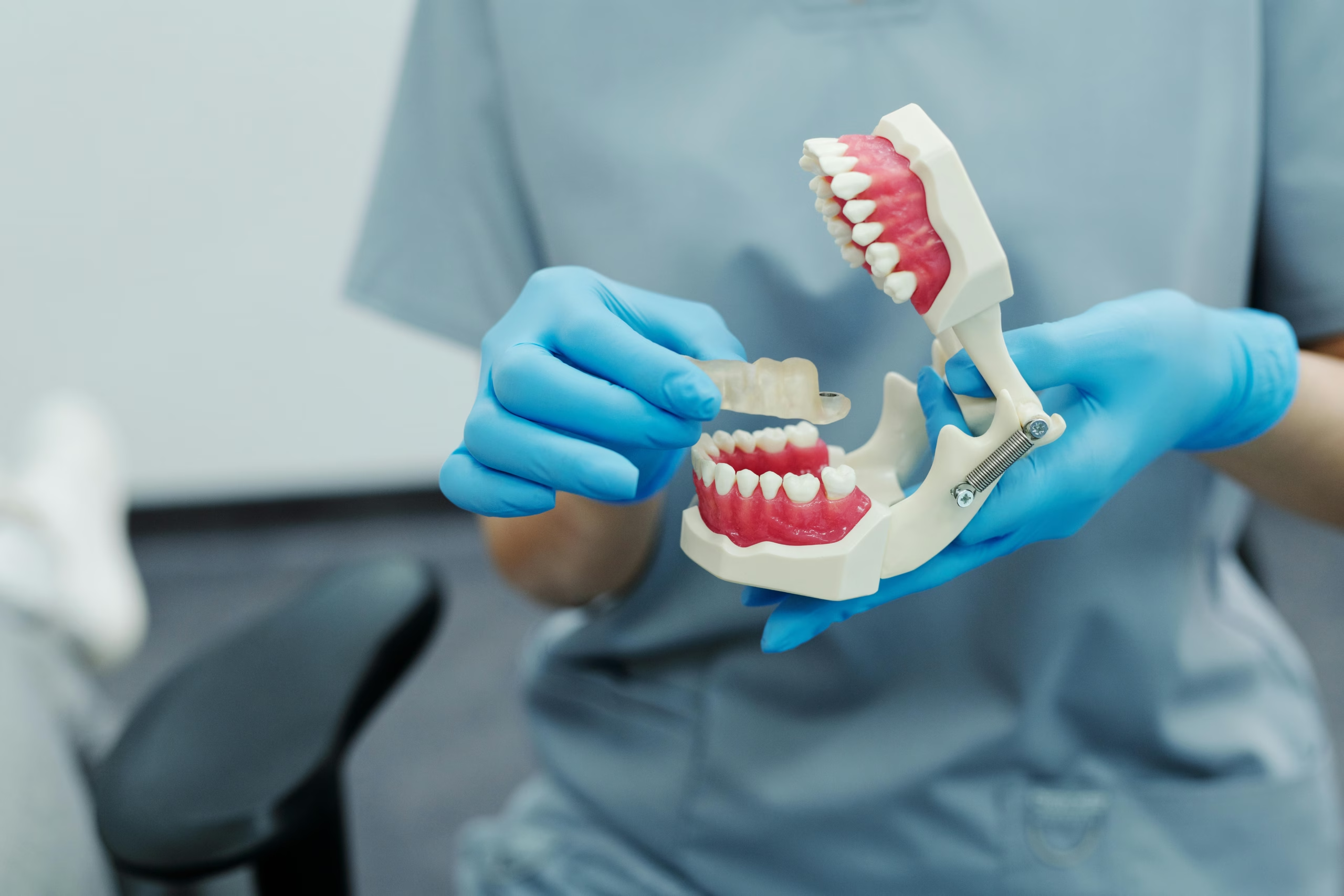
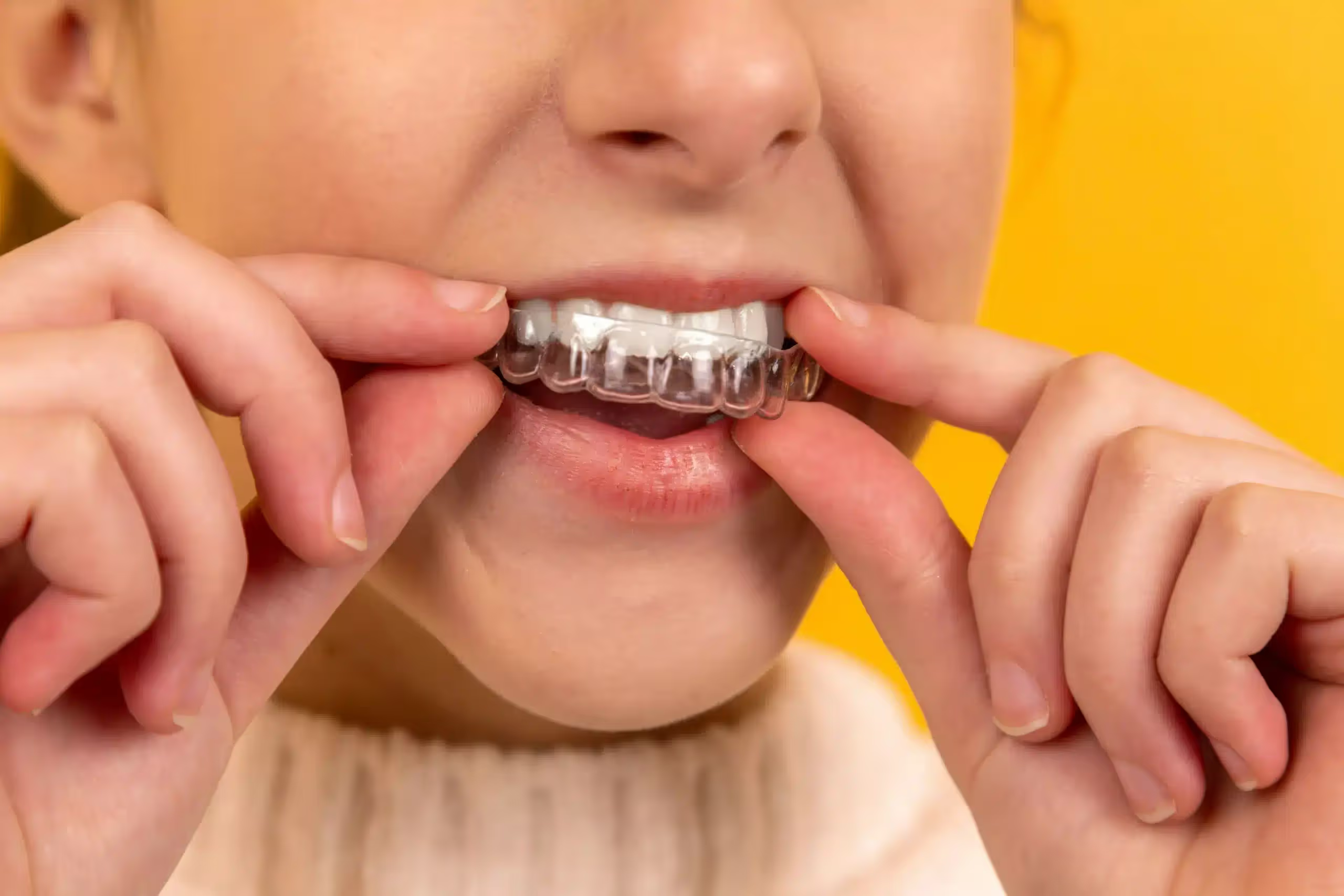
Night guards help protect enamel from bruxism.
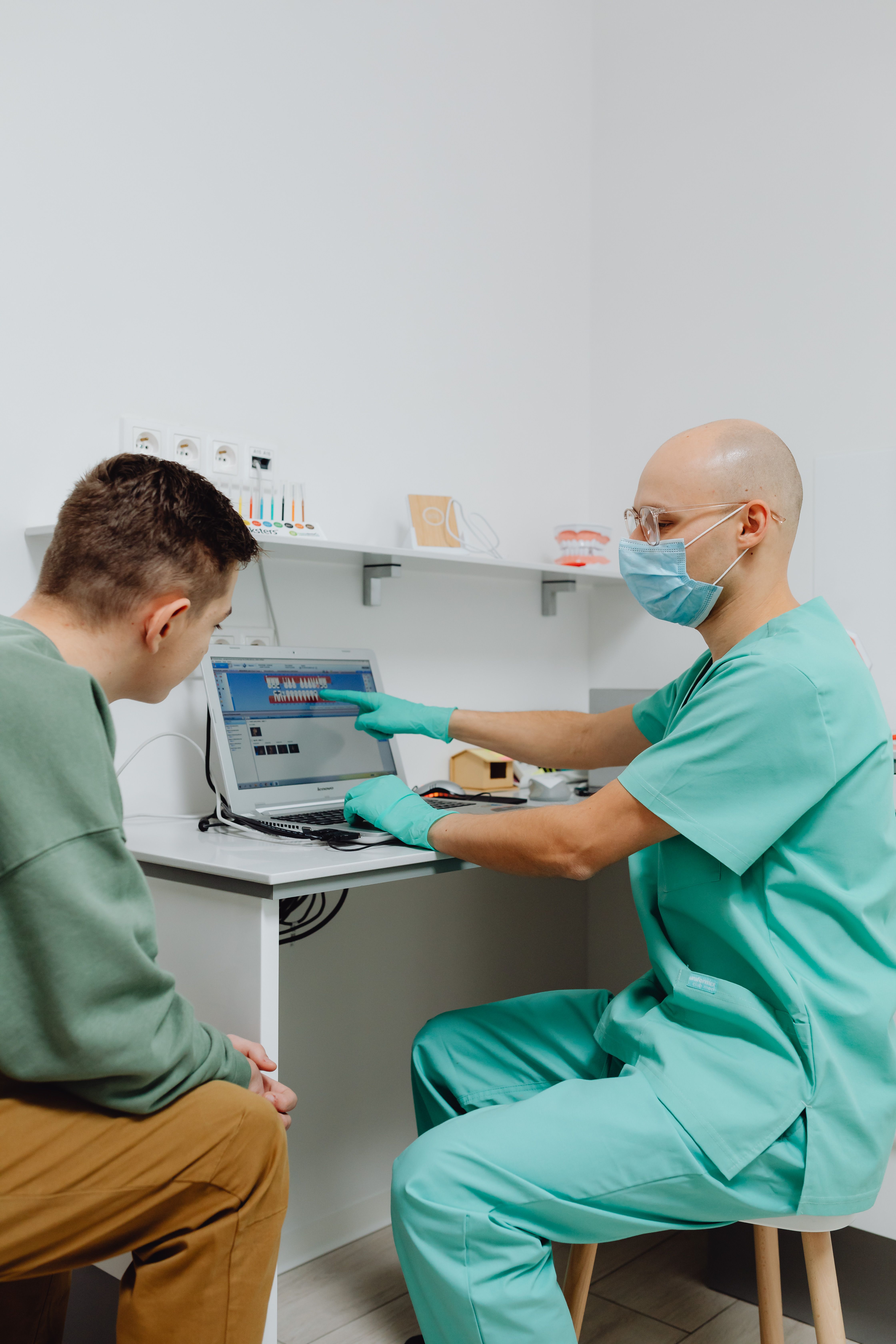
When sensitivity means you need a dentist
Seek professional advice if you experience:
- sensitivity lasting more than 1–2 weeks
- pain when biting
- swelling or bleeding
- sensitivity only in one tooth
- sudden sharp pain
- sensitivity after dental work that doesn’t improve
These may indicate decay, cracks, infection or gum disease.
How Toothfairy supports sensitive teeth
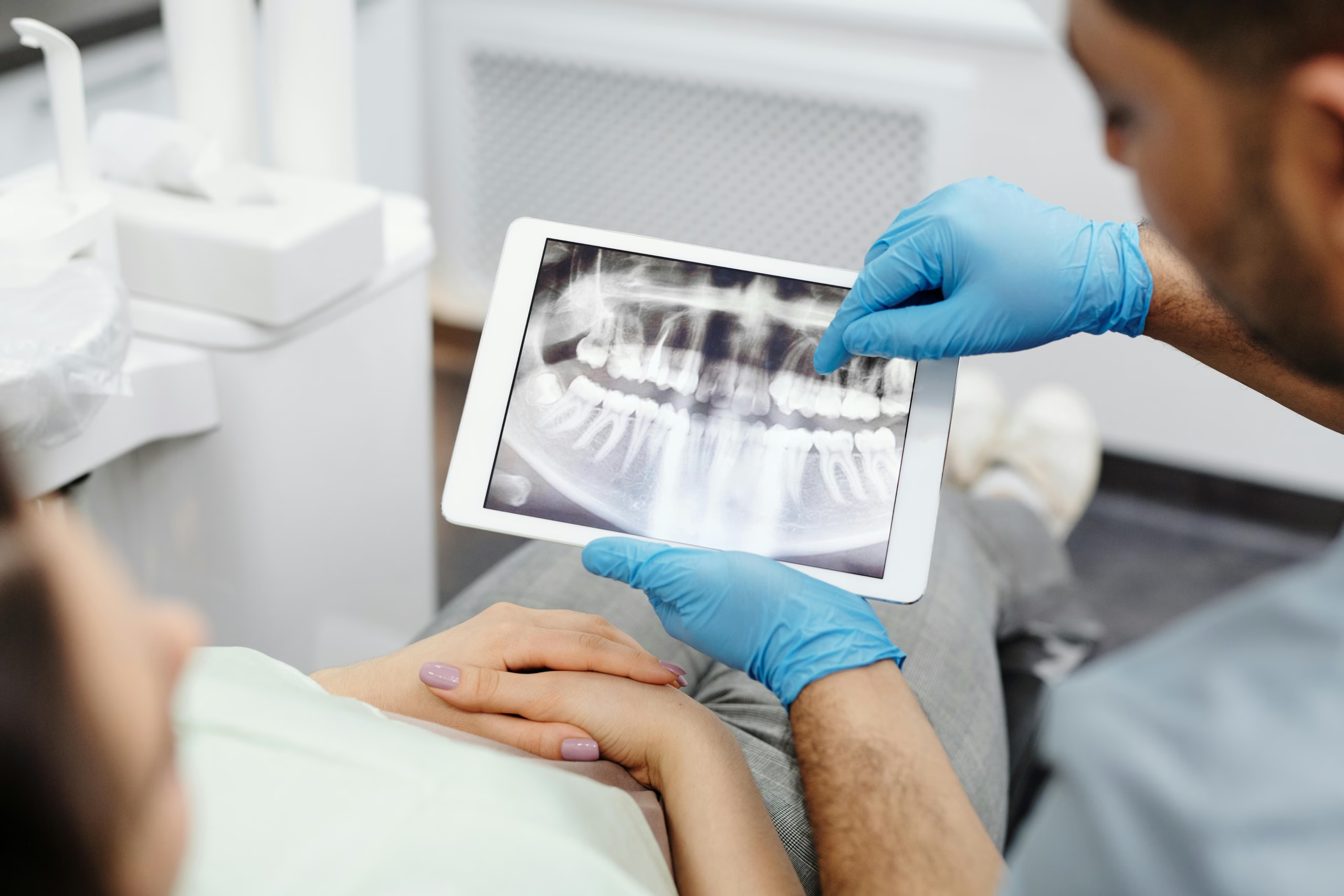
Photo‑based assessments
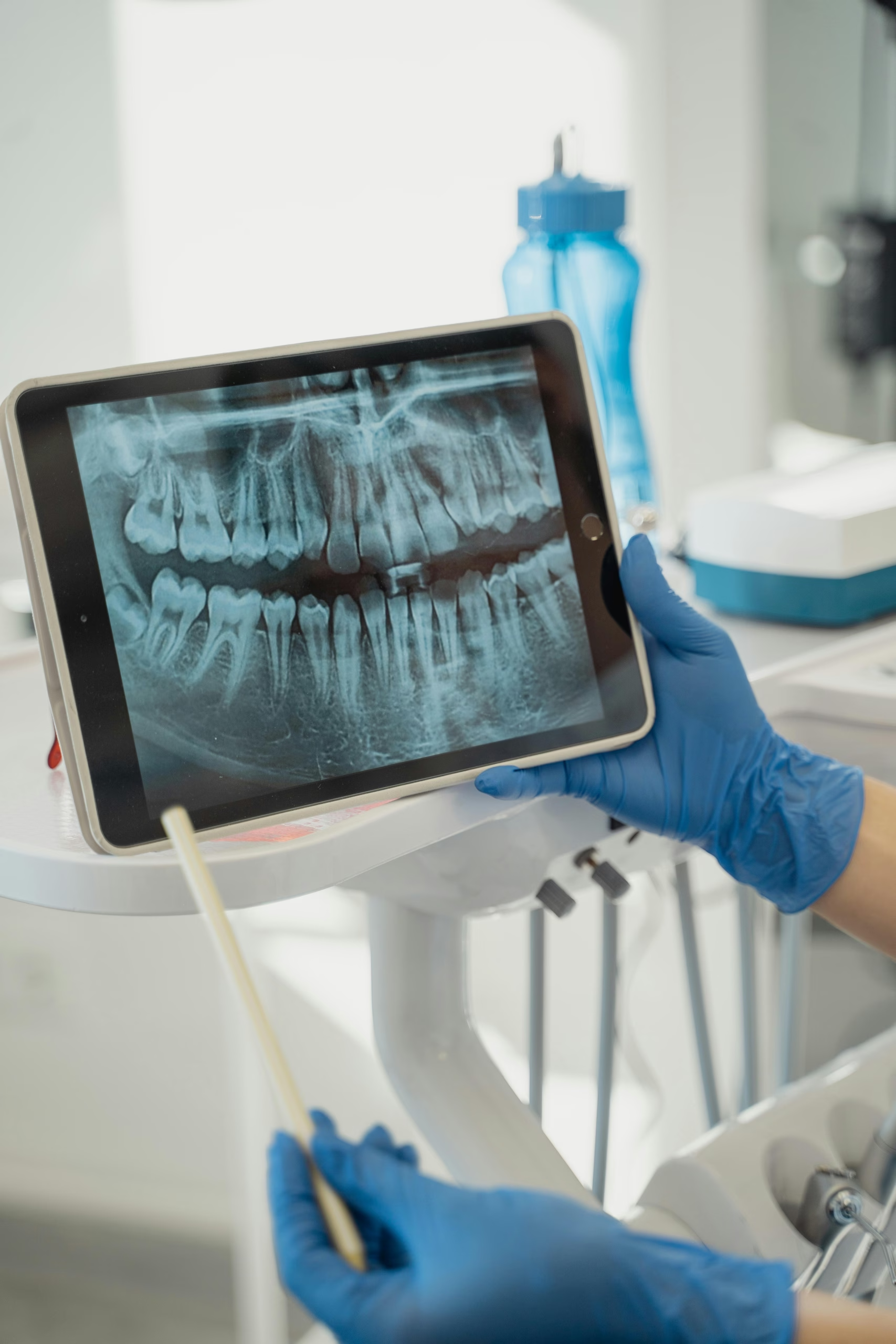
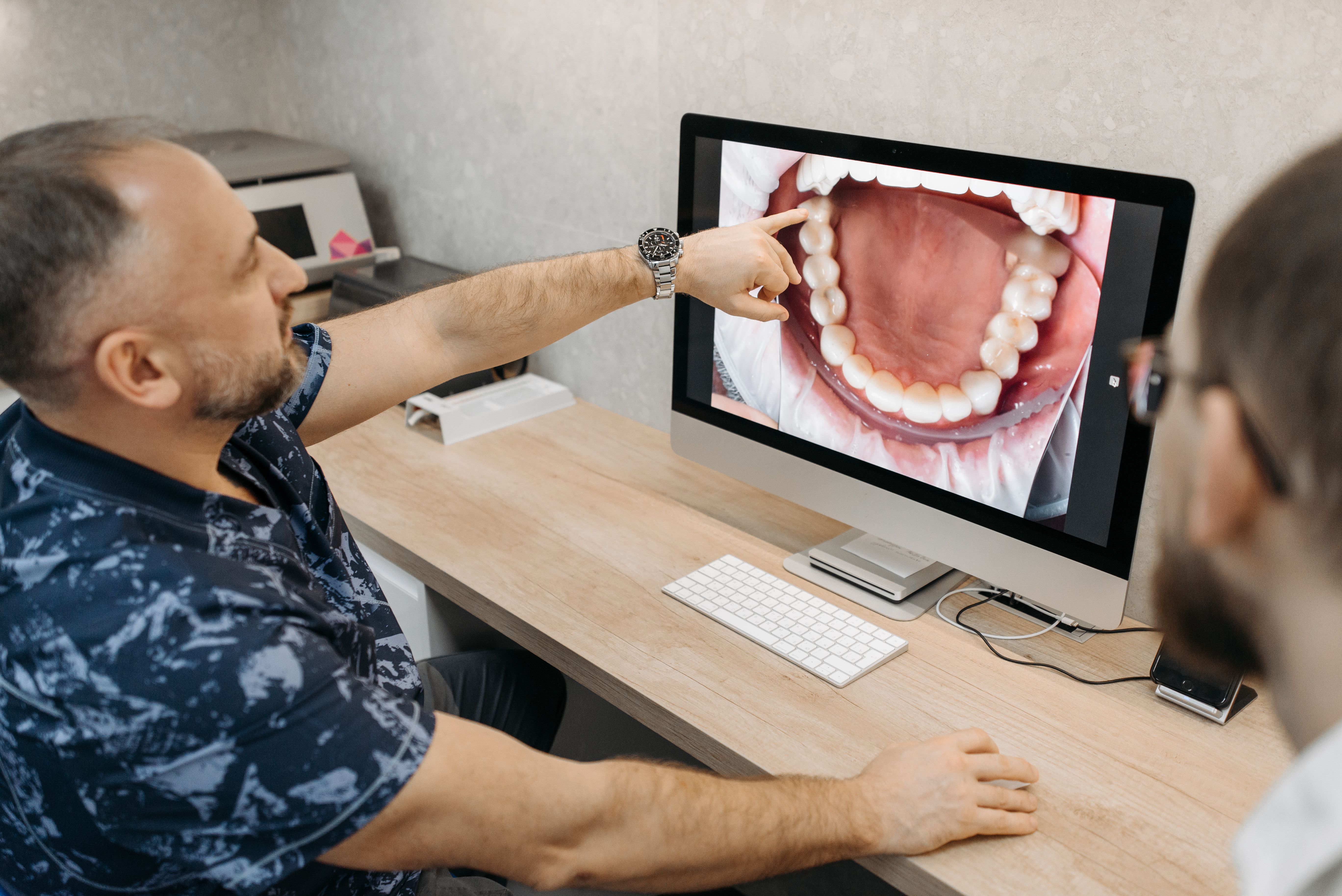
Upload images to check whether sensitivity is caused by enamel wear, gum recession or decay.
Dentist‑led guidance
Clear advice on whether you need treatment or can manage symptoms at home.
Smart brushing support
The Toothfairy Wand helps maintain gum health and reduce irritation.
Clear next steps
Know whether you need a clinic visit or can continue with home care.













.jpg)





.jpg)














.jpg)