
Why toothache happens
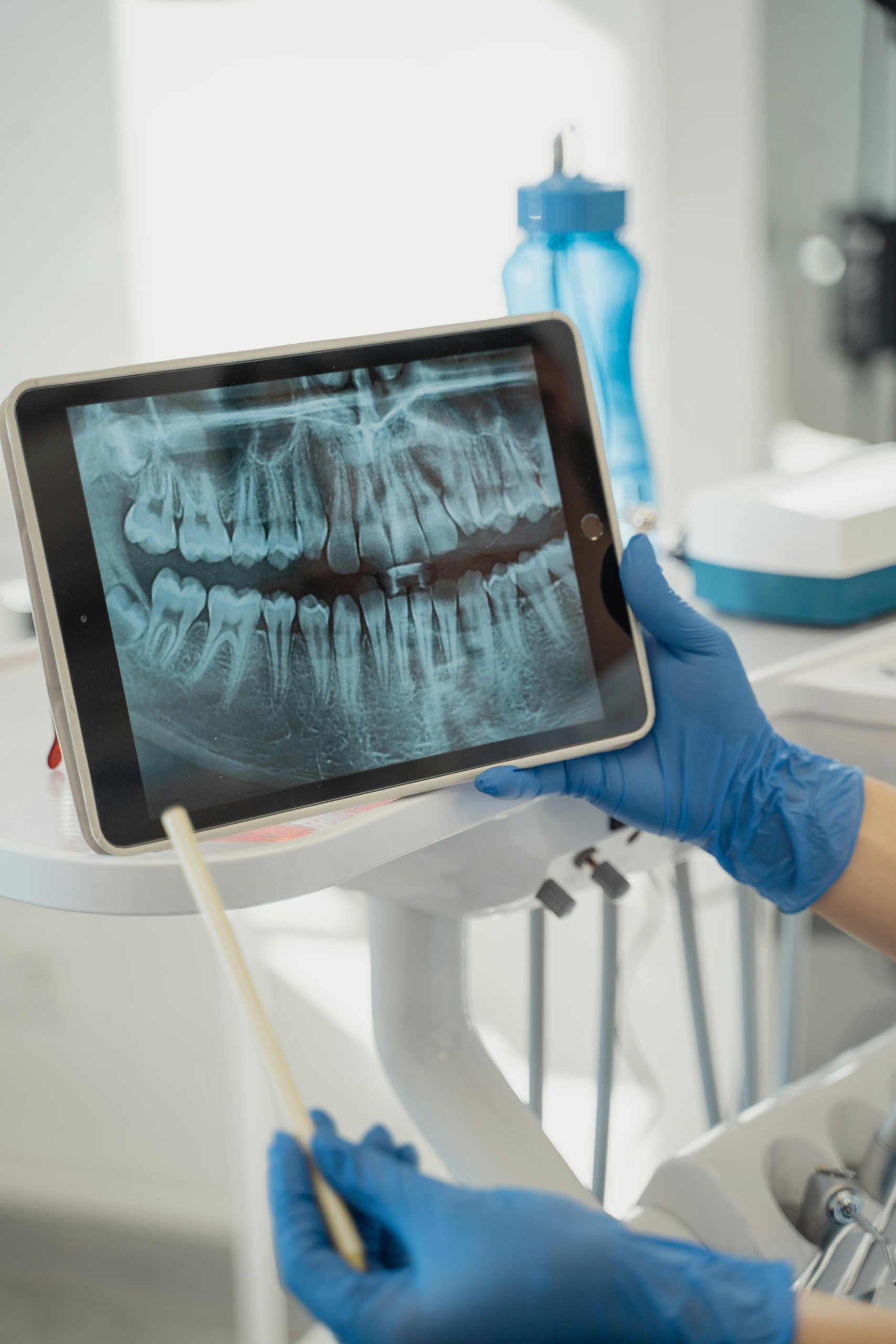
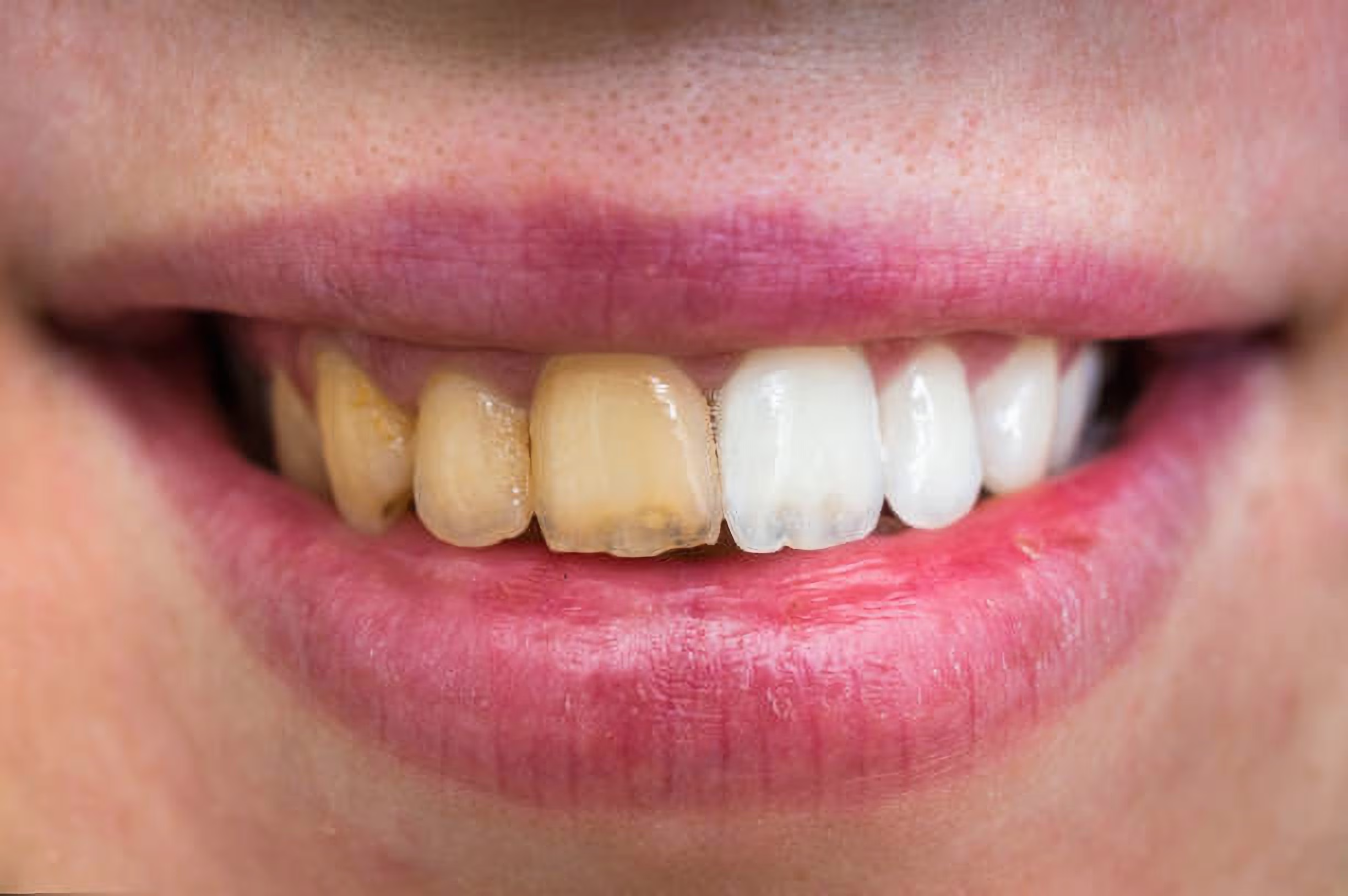
Tooth pain usually means something is irritating the nerve inside your tooth or the surrounding gum. Common causes include:
- decay
- gum inflammation
- cracked teeth
- sensitivity
- infection
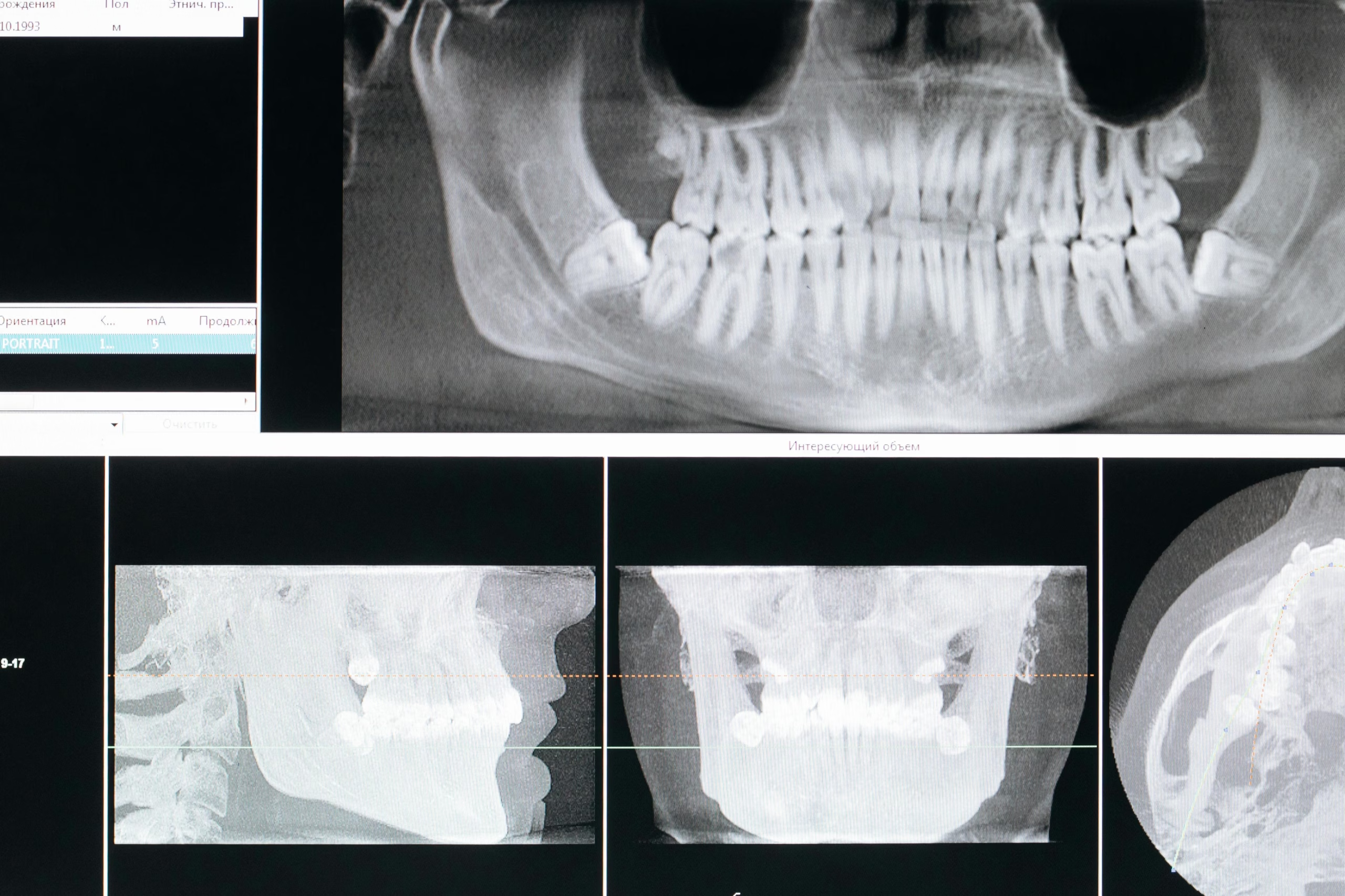
- impacted wisdom teeth
Home remedies can ease discomfort, but they won’t fix the underlying issue, especially if the pain is severe or persistent.
Quick ways to stop toothache immediately
1. Rinse with warm salt water
Salt water helps reduce inflammation and clean the area.
2. Use a cold compress
Apply a cold pack to your cheek for 15–20 minutes to numb pain and reduce swelling.
3. Take over‑the‑counter pain relief
Ibuprofen or paracetamol can help calm pain while you arrange treatment.Never place aspirin directly on your gums — it can burn the tissue.
4. Apply clove oil
Clove oil contains eugenol, a natural numbing agent. Dab a small amount on a cotton swab and apply to the painful area.
5. Use a numbing gel
Over‑the‑counter gels containing benzocaine can provide short‑term relief.
6. Keep your head elevated
Lying flat increases blood flow to your head, which can worsen throbbing pain.
Common causes of toothache
When toothache needs urgent attention
Severe, throbbing pain
Often linked to infection.
Facial swelling
A sign of a possible abscess.
Fever or feeling unwell
Indicates the infection may be spreading.
Difficulty swallowing or opening your mouth
Requires immediate care.
Pain that lasts more than 48 hours
Should be reviewed by a dentist.
How to prevent future toothaches
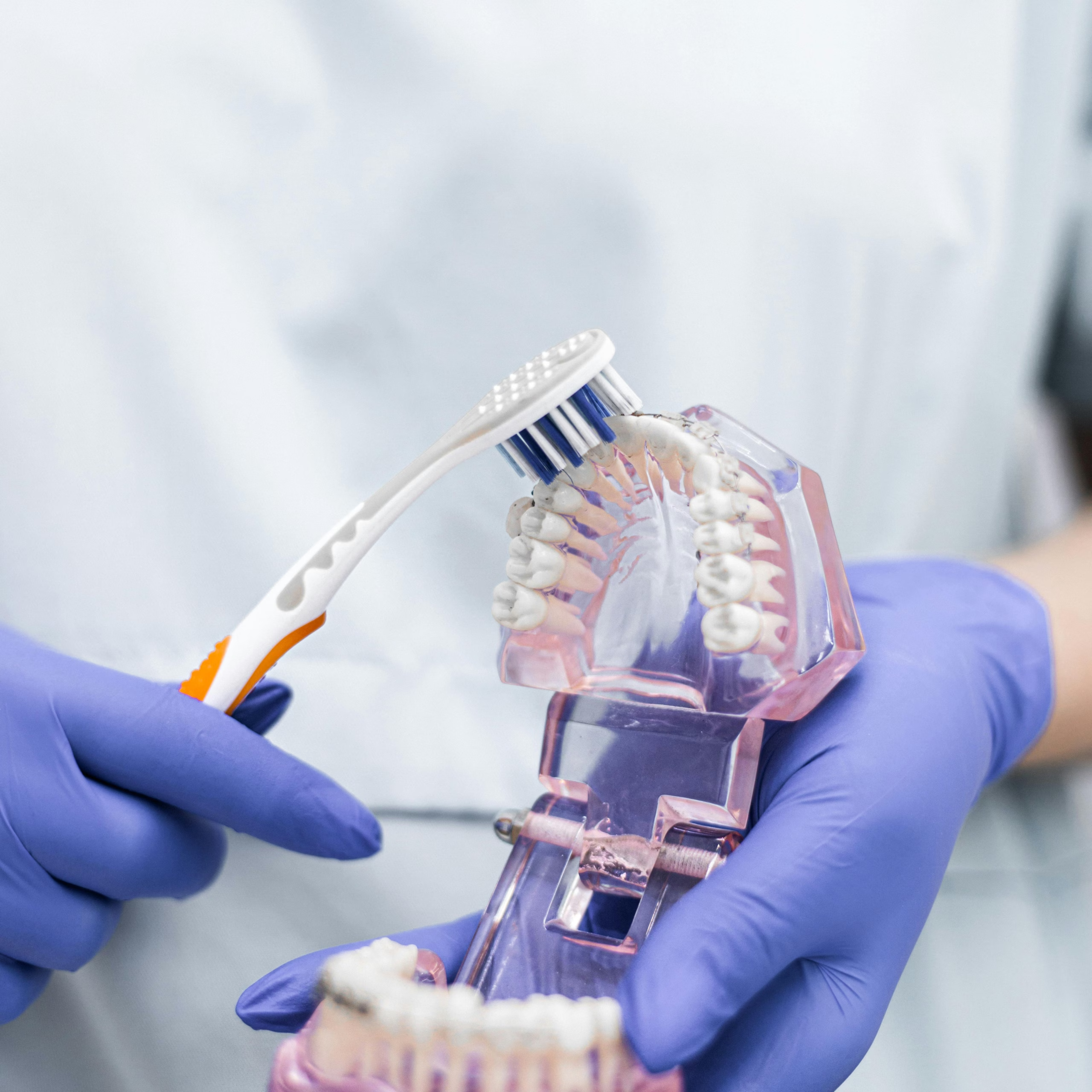
Brush twice daily with fluoride toothpaste
Strengthens enamel and reduces decay.
Floss every day
Removes plaque from between teeth.
Limit sugary snacks and drinks
Sugar fuels bacteria that cause pain.
Avoid chewing hard foods
Ice, hard sweets and pens can crack teeth.
Regular dental check‑ins
Catch problems early before they become painful.
How Toothfairy helps with toothache
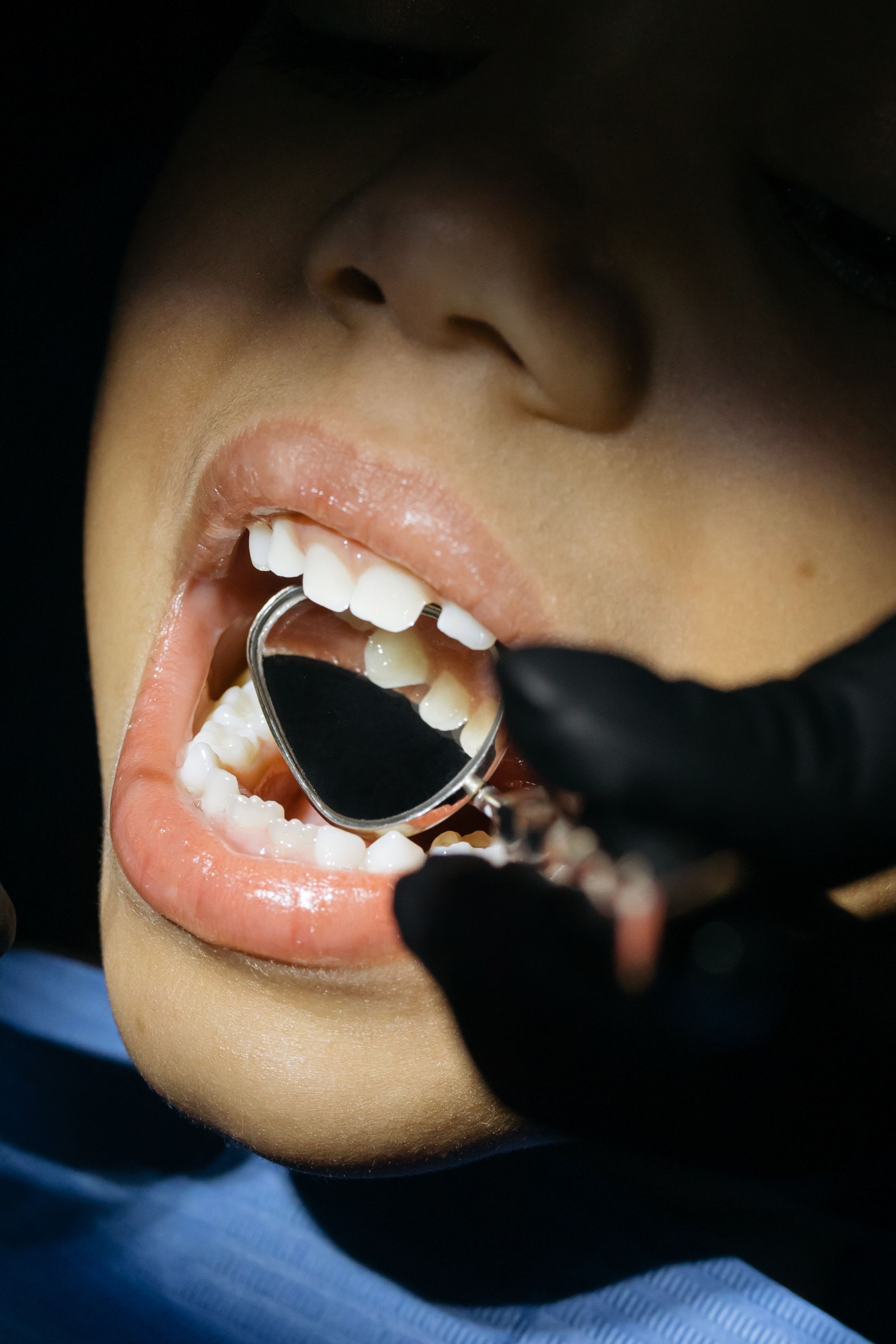
Photo‑based assessments
Upload images to find out what’s causing the pain.
Dentist‑led advice
Clear guidance on whether your toothache is urgent.
Support for sensitivity and inflammation
Dentists can recommend safe ways to calm discomfort.
Clear next steps
Know whether you can manage the issue at home or need an in‑person visit.




















.jpg)





.jpg)


















.jpg)