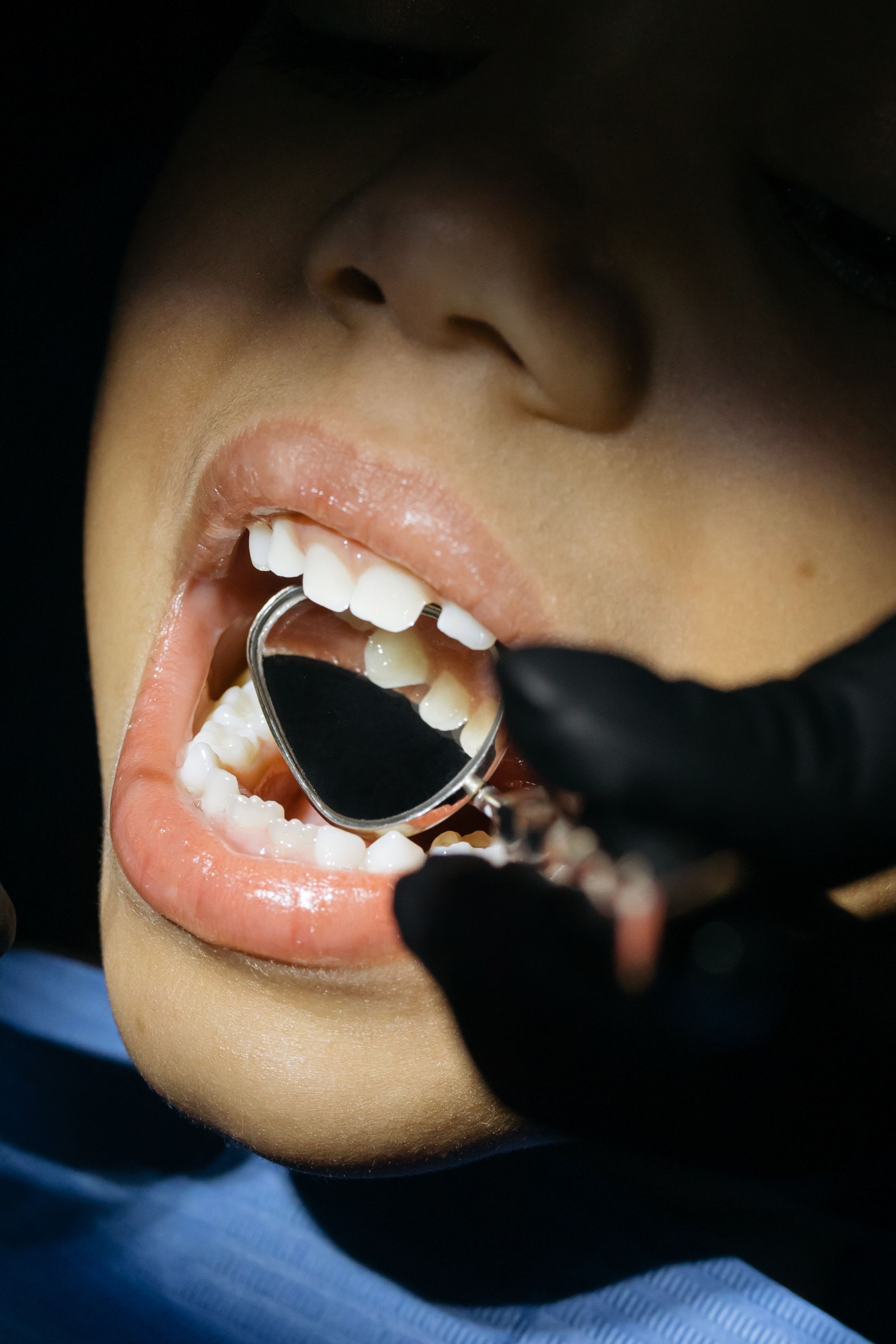

Why dental check‑ups matter
Dental problems often start small - a bit of plaque, mild gum irritation, early enamel wear - and grow silently. Regular check‑ups catch issues early, when they’re easier and cheaper to treat.
Routine visits help protect you from:
- cavities
- gum disease
- enamel erosion
- cracked teeth
- infections
- bite problems
Your dentist can spot changes long before you feel symptoms.
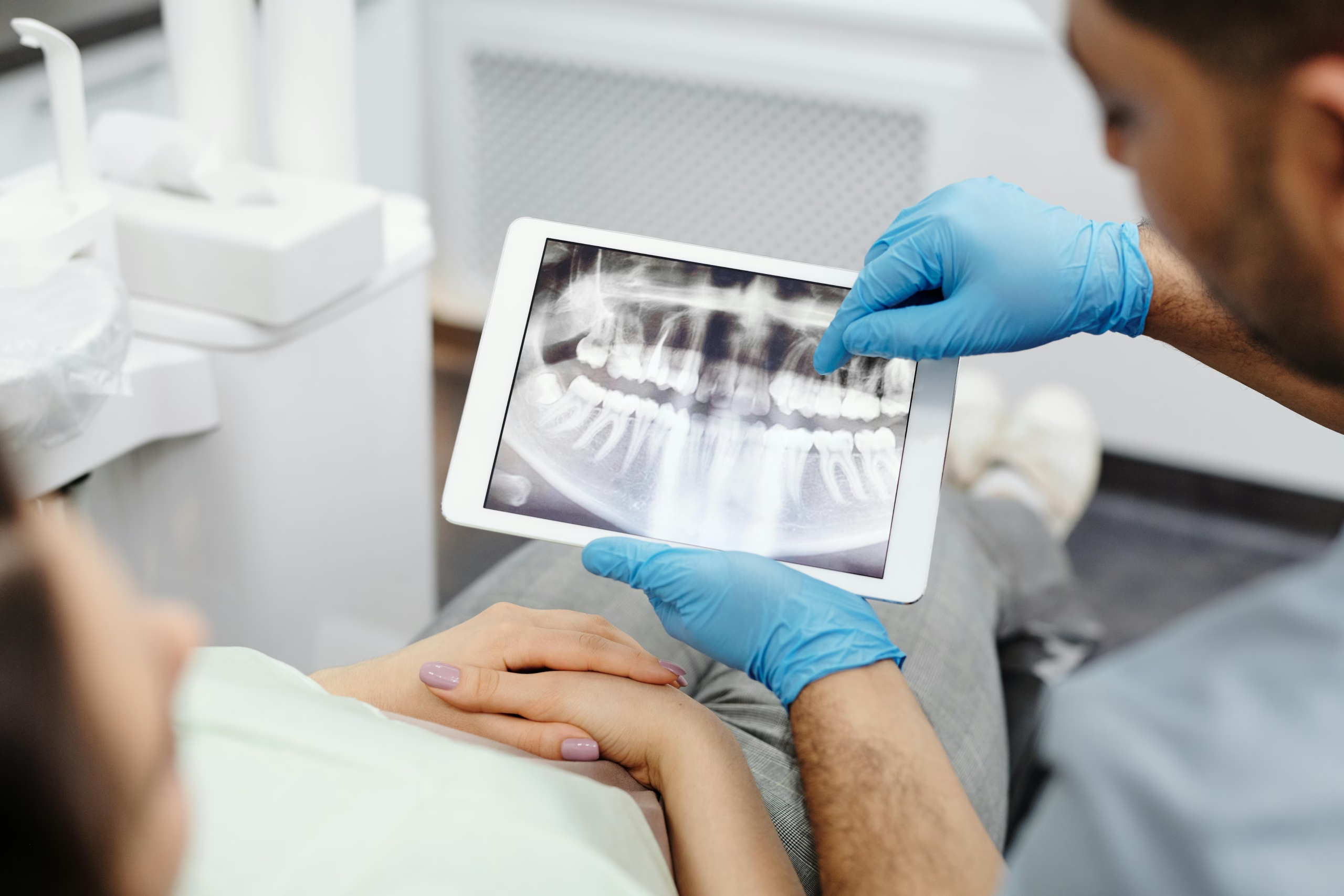
What happens during a dental check‑up
1. Gum health assessment
Dentists check for redness, swelling, bleeding and early signs of gum disease.
2. Plaque and tartar review
Hard‑to‑reach areas are examined for buildup.
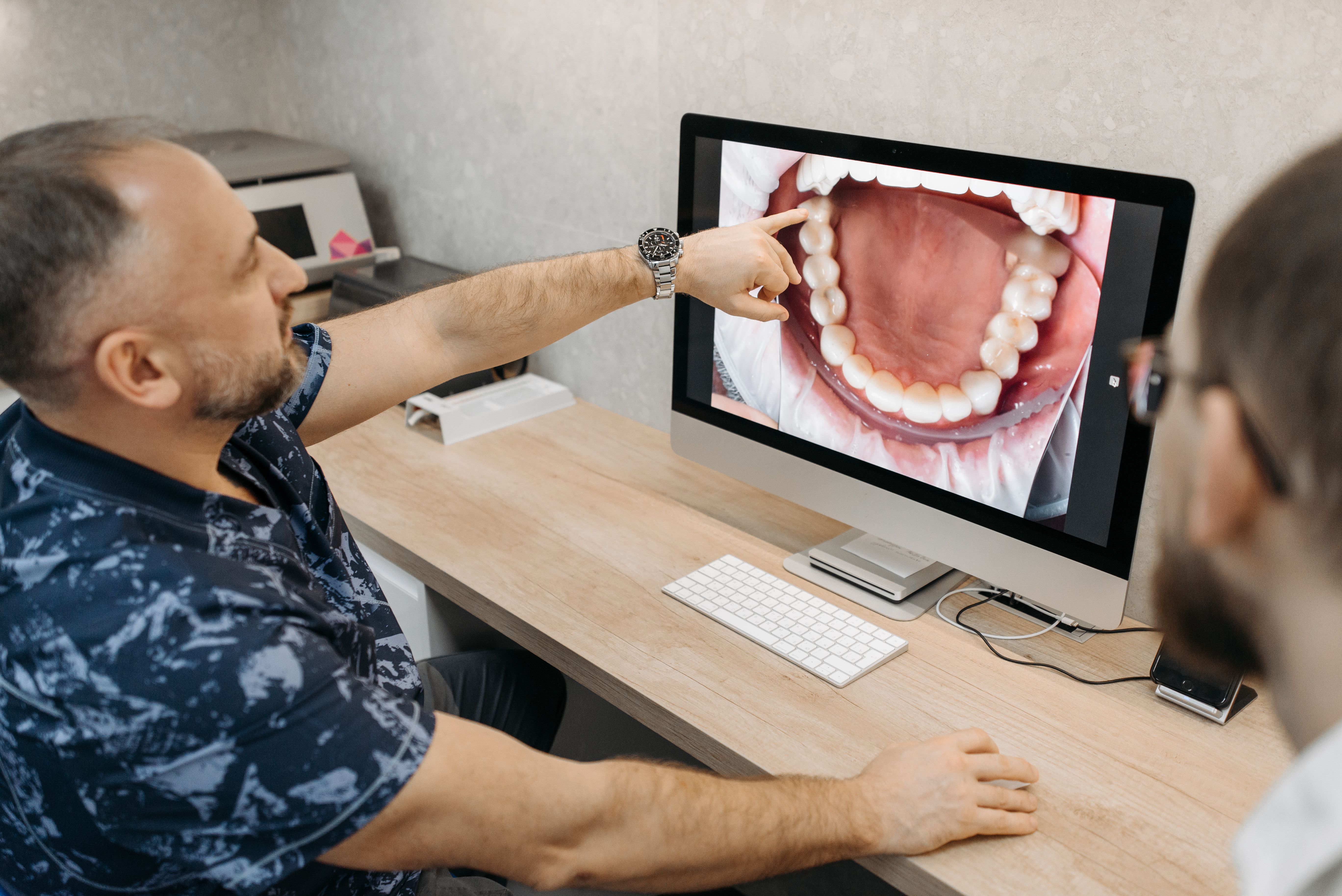
3. Tooth inspection
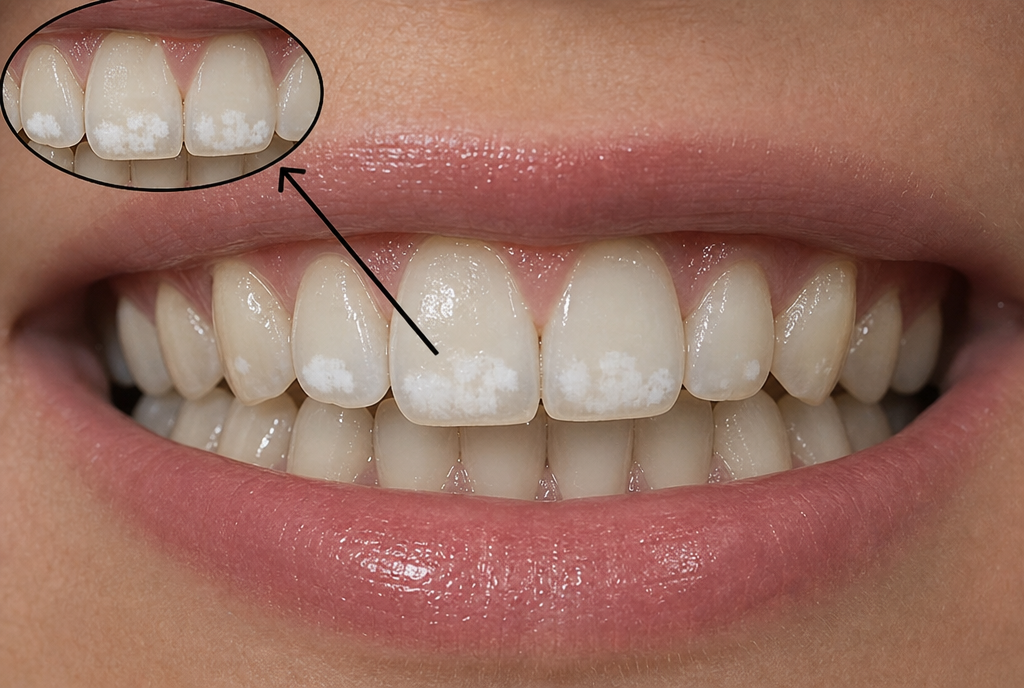
Dentists look for cracks, wear, sensitivity and early decay.
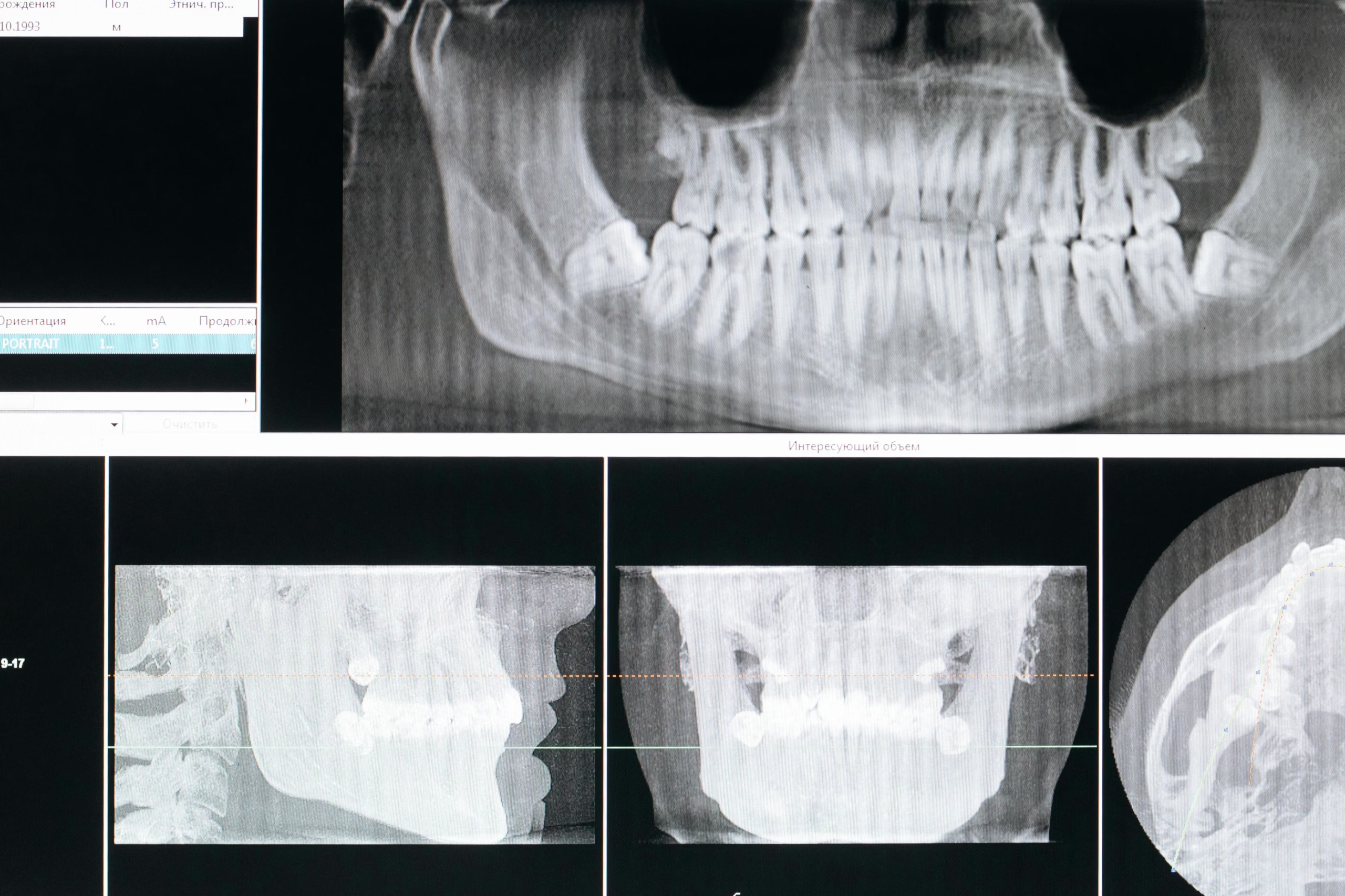
4. Bite and jaw check
Your bite alignment is reviewed to prevent long‑term issues.
5. Oral cancer screening
A quick but important part of every check‑up.
6. Cleaning (if included)
Plaque and tartar are removed for a fresh, smooth finish.
Why regular check‑ups prevent bigger problems
Early detection saves teeth
Small cavities can be filled easily. Large ones may need crowns or root treatment.
Gum disease is easier to treat early
Inflammation can be reversed before it becomes permanent.
Cracks and chips can be repaired quickly
Preventing deeper fractures or infections.
Your dentist tracks changes over time
Spotting patterns you may not notice yourself.
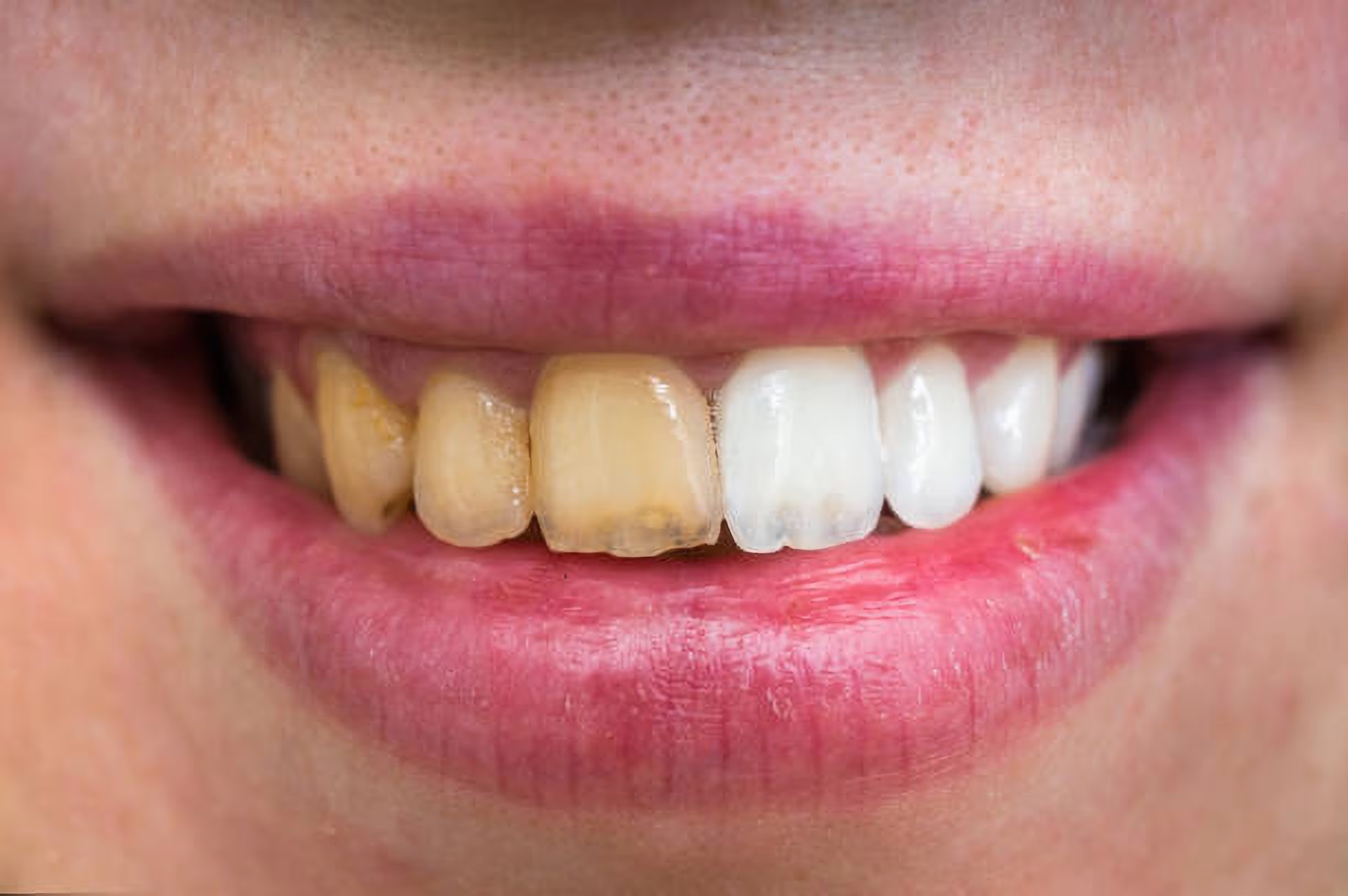
Common issues found during check‑ups
How often should you have a dental check‑up?
Most people benefit from a check‑up every 6–12 months, depending on:
- gum health
- cavity risk
- brushing habits
- diet
- medical conditions
- past dental work
Your dentist will recommend a personalised schedule.
How to make check‑ups more effective
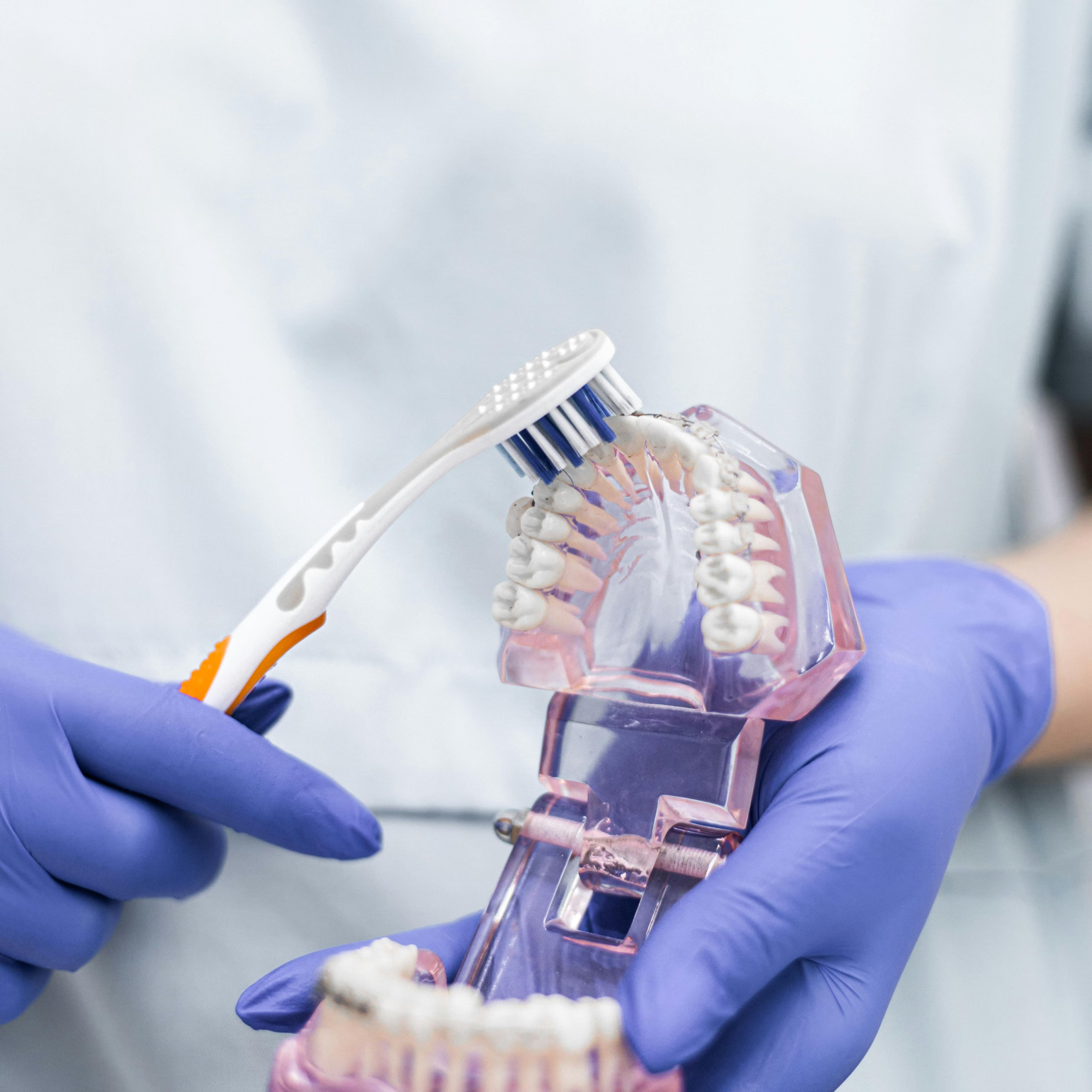
Brush twice daily with fluoride toothpaste
Keeps plaque under control.
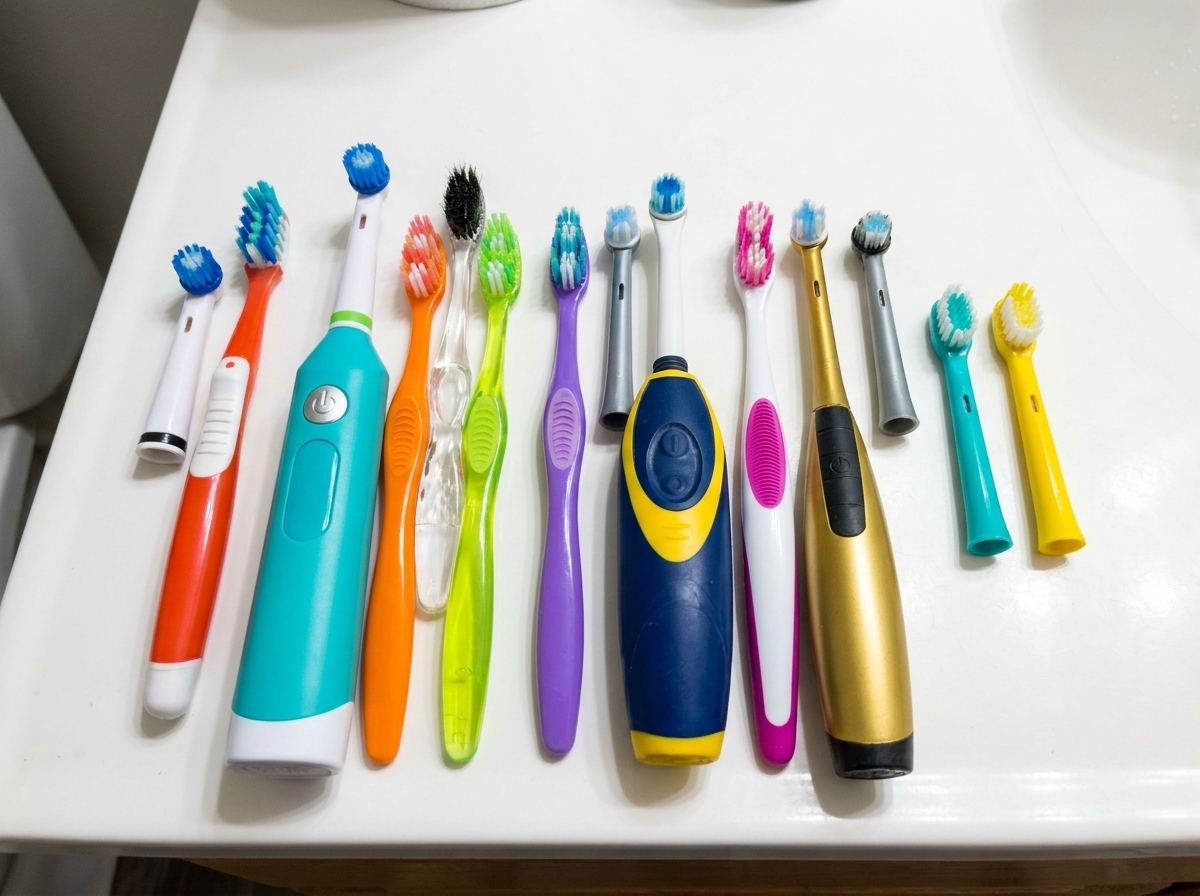
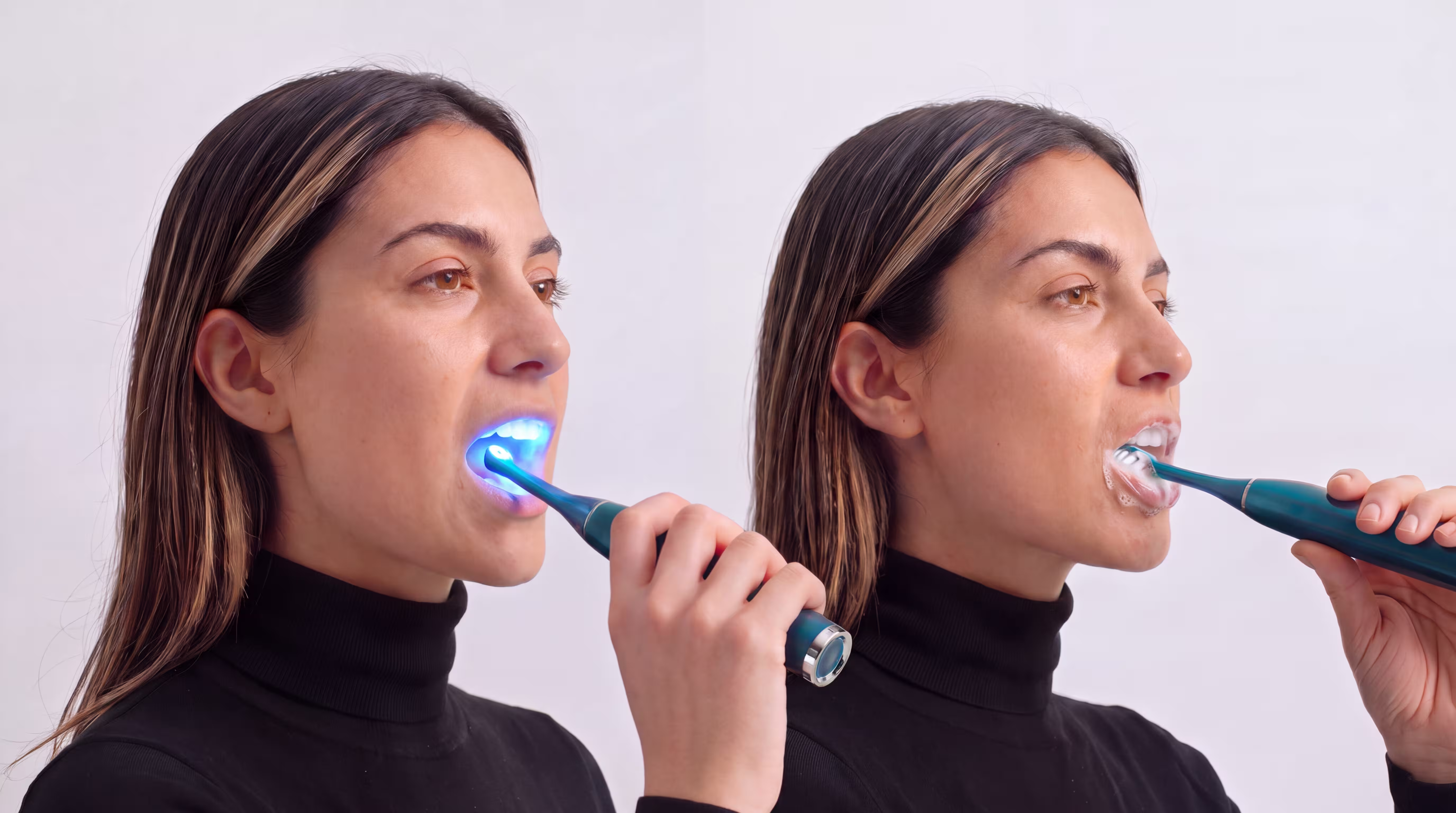
Use the Toothfairy Wand
Its sonic vibrations and Reflex Tech bristles help clean around the gumline and reduce tartar buildup between visits.
Floss daily
Prevents plaque from settling between teeth.
Limit sugary snacks and drinks
Sugar fuels bacteria that cause decay.
Track changes with photos
Useful for monitoring gum health and enamel wear.
When you should book a check‑up sooner
Bleeding gums
A sign of inflammation.
Persistent sensitivity
Could indicate enamel wear or early decay.
Toothache or throbbing pain
Needs quick attention.
Cracks or chips
Should be repaired before they worsen.
Bad breath that doesn’t improve
Often linked to gum or plaque issues.
How Toothfairy supports regular dental care
Photo‑based assessments
Upload images to check for gum inflammation, plaque buildup or early decay.
Dentist‑led advice
Clear guidance on whether you need an in‑person visit.
Smart brushing support
The Toothfairy Wand helps improve brushing accuracy between check‑ups.
Clear next steps
Know whether you can manage the issue at home or need a clinic appointment.















.jpg)





.jpg)
















.jpg)